• Skip to main content
  • Skip to header right navigation
  • Skip to after header navigation
  • Skip to site footer
MyZA

MyZA

News, Directory, Events and Other Stuff

  • Social Media
  • Sport
  • World News
  • Home
  • Submit News
  • Directory
  • Events
  • Stratlec
  • TFSA
  • News
    • APO
    • Today’s Sport News
    • Todays Social Media and Tech Headlines
    • Today’s World News
    • Today’s SA Financial News
  • Contact
You are here: Home / News / African Energy Chamber (AEC) Condemns Dialogue Earth’s Brash Attempt to Use an African Voice to Demonize African Oil and Gas

African Energy Chamber (AEC) Condemns Dialogue Earth’s Brash Attempt to Use an African Voice to Demonize African Oil and Gas

13 August 2024 by Guest
African Energy Chamber

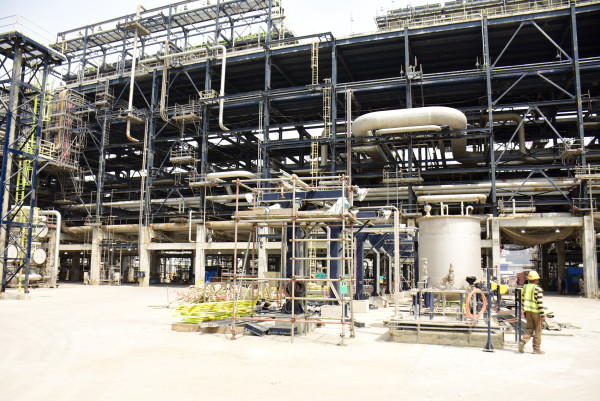
Independent non-profit organization Dialogue Earth has been accused of attempting to mobilize a smear campaign against Africa’s largest refinery – the 650,000 barrels per day Dangote Refinery. The NGO allegedly contacted Nigerian journalist David Hundeyin to produce an article stating that the refinery raises questions about the country’s climate ambitions while assessing the implications of increased fossil fuel utilization in Nigeria. In a statement released on X, Hundeyin highlights the article for what it is: an attempt by a western NGO to use an African voice to endorse energy poverty in Africa.

Representing the voice of the African energy sector and a strong advocate for African voices, the African Energy Chamber (AEC) strongly condemns the dirty tactics employed by Dialogue Earth to hire Africans and use them to destroy their own oil and gas industry. The AEC has long-promoted the critical role oil and gas plays in driving economic development and advancing clean-fuel utilization in Africa. Projects such as Dangote – Nigeria’s first large-scale refinery – stand to transform West Africa by reducing the reliance on imported fuel, increasing the availability of clean and locally-sourced petroleum while creating jobs and business opportunities. The Dialogue Earth campaign is a clear demonstration of how the west is demonizing the industry and preventing any meaningful progress to alleviate energy poverty in Africa.

Dialogue Earth allegedly offered Hundeyin USD $500 to write the article, with the brief highlighting several contradictions and areas of concern. Firstly, Dialogue Earth allegedly shared that the purpose of the article was to identify the environmental implications of the Dangote Refinery on Nigeria, particularly within the context of the country’s energy transition. However, Nigeria has strongly advocated for the role oil and gas plays in its transition, advocating for a just transition whereby the country can reduce emissions in a way that protects the economy and reduces energy poverty. As one of the biggest oil producers in Africa, Nigeria considers oil and gas to be central to creating the conditions by which the country can transition. As the industry grows, it will generate revenue, strengthen economic activities while promoting low-carbon fuel production.  As such, the refinery plays an intrinsic part in the Nigerian energy transition, despite what Dialogue Earth is attempting to state.

Secondly, the brief allegedly includes objectives such as investigating the environmental consequences of the refinery within the context of its adherence to emission standards. As Hundeyin so aptly writes in his statement, Nigeria has long-faced that challenge of relying on imported petroleum, owing largely to the lack of facilities such as Dangote. This has led to West African fuel cargoes – refined internationally ­– featuring toxic waste and sulfur content that is 200 times the European legal limit. Through the Dangote Refinery, Nigeria will not only be able to reduce its reliance on imported petroleum but put in place clear restrictions regarding sulfur content, thereby promoting environmental protection. Yet Dialogue Earth doesn’t seem to care about toxic fuel, only that a refinery that will transform West Africa is put to rest.

The story also aims to explore the geopolitical implications of Nigeria’s growing oil industry and the motivations of the refinery. This is ironic given the lack of recognition by Dialogue Earth to the critical role the refinery plays in developing the economy, contributing to global fuel stability while strengthening the energy industry in Nigeria. This attempted smear campaign shows that NGOs such as Dialogue Earth are only advocating for climate change when it suites them and that they have no problem keeping Africa in the dark, using African voices to do so.

“The AEC fully supports Hundeyin and commends him for standing up against Dialogue Earth. We are wholly against a western NGO trying to use African voices to advance their own biased agenda. The attempt to get a well-known Nigerian journalist to effectively endorse such a smear campaign shows a cowardly approach by the western NGO to try and destroy the African oil and gas industry, all because they can’t do it with their own names or organizations,” stated NJ Ayuk, Executive Chairman of the AEC. 

The recent attempt by Dialogue Earth is just one of the many attempts by western-based and funded NGOs to stop oil and gas projects in Africa. From the East African Crude Oil Pipeline in Uganda to offshore exploration in South Africa to LNG projects in Mozambique, such organizations appear committed to restricting access to energy in Africa.

“We have seen how African crude oil has been treated, how funding for Mozambique LNG has been treated, how the west has constantly attacked South Africa as it tries to develop it its natural gas and how they have constantly attacked other gas projects and cut off financing. These tactics are hurtful to African development, our fight against energy poverty and to young people that want to build strong democracies,” added Ayuk.

Distributed by APO Group on behalf of African Energy Chamber.

Media files
African Energy Chamber
Download logo

Independent non-profit organization Dialogue Earth has been accused of attempting to mobilize a smear campaign against Africa’s largest refinery – the 650,000 barrels per day Dangote Refinery. The NGO allegedly contacted Nigerian journalist David Hundeyin to produce an article stating that the refinery raises questions about the country’s climate ambitions while assessing the implications of increased fossil fuel utilization in Nigeria. In a statement released on X, Hundeyin highlights the article for what it is: an attempt by a western NGO to use an African voice to endorse energy poverty in Africa.

Representing the voice of the African energy sector and a strong advocate for African voices, the African Energy Chamber (AEC) strongly condemns the dirty tactics employed by Dialogue Earth to hire Africans and use them to destroy their own oil and gas industry. The AEC has long-promoted the critical role oil and gas plays in driving economic development and advancing clean-fuel utilization in Africa. Projects such as Dangote – Nigeria’s first large-scale refinery – stand to transform West Africa by reducing the reliance on imported fuel, increasing the availability of clean and locally-sourced petroleum while creating jobs and business opportunities. The Dialogue Earth campaign is a clear demonstration of how the west is demonizing the industry and preventing any meaningful progress to alleviate energy poverty in Africa.

Dialogue Earth allegedly offered Hundeyin USD $500 to write the article, with the brief highlighting several contradictions and areas of concern. Firstly, Dialogue Earth allegedly shared that the purpose of the article was to identify the environmental implications of the Dangote Refinery on Nigeria, particularly within the context of the country’s energy transition. However, Nigeria has strongly advocated for the role oil and gas plays in its transition, advocating for a just transition whereby the country can reduce emissions in a way that protects the economy and reduces energy poverty. As one of the biggest oil producers in Africa, Nigeria considers oil and gas to be central to creating the conditions by which the country can transition. As the industry grows, it will generate revenue, strengthen economic activities while promoting low-carbon fuel production.  As such, the refinery plays an intrinsic part in the Nigerian energy transition, despite what Dialogue Earth is attempting to state.

Secondly, the brief allegedly includes objectives such as investigating the environmental consequences of the refinery within the context of its adherence to emission standards. As Hundeyin so aptly writes in his statement, Nigeria has long-faced that challenge of relying on imported petroleum, owing largely to the lack of facilities such as Dangote. This has led to West African fuel cargoes – refined internationally ­– featuring toxic waste and sulfur content that is 200 times the European legal limit. Through the Dangote Refinery, Nigeria will not only be able to reduce its reliance on imported petroleum but put in place clear restrictions regarding sulfur content, thereby promoting environmental protection. Yet Dialogue Earth doesn’t seem to care about toxic fuel, only that a refinery that will transform West Africa is put to rest.

The story also aims to explore the geopolitical implications of Nigeria’s growing oil industry and the motivations of the refinery. This is ironic given the lack of recognition by Dialogue Earth to the critical role the refinery plays in developing the economy, contributing to global fuel stability while strengthening the energy industry in Nigeria. This attempted smear campaign shows that NGOs such as Dialogue Earth are only advocating for climate change when it suites them and that they have no problem keeping Africa in the dark, using African voices to do so.

“The AEC fully supports Hundeyin and commends him for standing up against Dialogue Earth. We are wholly against a western NGO trying to use African voices to advance their own biased agenda. The attempt to get a well-known Nigerian journalist to effectively endorse such a smear campaign shows a cowardly approach by the western NGO to try and destroy the African oil and gas industry, all because they can’t do it with their own names or organizations,” stated NJ Ayuk, Executive Chairman of the AEC.

The recent attempt by Dialogue Earth is just one of the many attempts by western-based and funded NGOs to stop oil and gas projects in Africa. From the East African Crude Oil Pipeline in Uganda to offshore exploration in South Africa to LNG projects in Mozambique, such organizations appear committed to restricting access to energy in Africa.

“We have seen how African crude oil has been treated, how funding for Mozambique LNG has been treated, how the west has constantly attacked South Africa as it tries to develop it its natural gas and how they have constantly attacked other gas projects and cut off financing. These tactics are hurtful to African development, our fight against energy poverty and to young people that want to build strong democracies,” added Ayuk.

Press Release Source

Share this:

  • Share on X (Opens in new window) X
  • Share on Facebook (Opens in new window) Facebook
  • Print (Opens in new window) Print
  • Email a link to a friend (Opens in new window) Email
  • Share on LinkedIn (Opens in new window) LinkedIn
  • Share on Tumblr (Opens in new window) Tumblr
  • Share on WhatsApp (Opens in new window) WhatsApp
  • Share on Mastodon (Opens in new window) Mastodon
Category: NewsTag: Africa, African, APO, business, critical, Energy, global, Mozambique, Nigeria, ONE, production, South Africa, Uganda

If you feel strongly about this article then feel free to send MyZA a ‘Letter to the Editor’ using the submission form below:


Letter to the Editor

This field is for validation purposes and should be left unchanged.
If this is in response to an article please include that article title here or as the lead in for the first paragraph of your Letter below.

Separate tags with commas

Localise your letter by naming the city your words are about. Add relevant words describing your subject. Single comma separated words of no more than 5
Your Name(Required)
Your Name will be linked to the website below.
Your personal, business or social media web site
Choose NO to not set up a user account on MyZA. User Accounts will allow you to submit letters under your own Author Name

3 Latest Letters to the Editor:

  • Older Persons Grants Land Today — No Need to Queue at Dawn

    Dear Editor, Older Persons grants are paid today, 30 October, under SASSA’s revised November payment schedule — with disability grants on Monday 2 November, children’s grants on Tuesday 3 November, and grants under review on Thursday 5 November. Two things every beneficiary should know. First, grant money does not expire on payment day. It stays…

    30 October 2026
  • November Grants Pay Early – No Need to Queue at Dawn

    Dear Editor, I run SAGrant (sagrant.co.za), a free resource helping South Africans navigate SASSA grants. November grants pay earlier than usual. Older Persons grants are paid on Friday 30 October, Disability grants on 2 November, and Child Support and other grants on 3 November. Grants still under review are paid on 5 November. The money…

    27 October 2026
  • NSFAS 2027 applications close on 31 October — SASSA households, apply now

    Dear Editor, I run SAGrant (sagrant.co.za), a free resource helping South Africans navigate SASSA grants. NSFAS applications for the 2027 academic year close on Friday 31 October 2026, and no extension is expected. If your household receives a SASSA grant, your child already passes the NSFAS financial eligibility test — but they still have to…

    25 October 2026

About Guest

Previous Post:Springboks make 10 changes
Next Post:Experts urged to add their voice on water and climate issues

Reader Interactions

Comments

  1. Dark Horse

    9 October 2026 at 11:56 am

    Fun South African Fact: Travel to Tsitsikamma, on the border of the Western Cape and Eastern Cape to visit the world’s highest commercial bungee jump! Those who are brave enough can take the 216-meter jump off the Bloukrans Bridge and soar through the air towards the Bloukrans River below. Definitely a must for thrill-seekers and adrenaline-junkies!

  2. Tokyo Dream

    24 September 2026 at 1:30 am

    Fun South African Fact: Nelson Mandela has six different names in South Africa.

Copyright © 2026 · MyZA · All Rights Reserved · Powered by Stratlec Online