Mass Lay-Offs at Lesotho Garment Factories as Us Tariffs Bite
After the Trump administration’s threat of 50% import duty on Lesotho, orders have dried up and production lines have shut down

MyZA
News, Directory, Events and Other Stuff
After the Trump administration’s threat of 50% import duty on Lesotho, orders have dried up and production lines have shut down
About one in five people in rural Lesotho face food insecurity
This morning at the South African Bee Industry Organisation, the Freedom Front Plus (VF Plus) in Gauteng emphasised that comprehensive steps should be taken to protect bees. The party was one of the guest speakers at BEECON’s 2025 Conference in Centurion, Pretoria. Conference attendees were reminded that the cultivation of approximately one-third of all food […]
The post Government should do more to protect bees, which are essential for survival appeared first on Freedom Front Plus.
Non-profit organisation headed by Alfred Sigudhla received nearly R70-million from the Lottery
Sanlei Premium Trout reported community donations of fish heads worth R2.9-million, but actually gave less than R450,000
Graveland is running at the Market Theatre until Sunday, 1 June
As global demand for critical minerals accelerates, Africa's mineral-rich economies are stepping into a more prominent role – not only as exporters of raw materials, but as strategic partners in global supply chains. African Mining Week (AMW) 2025, taking place in Cape Town on October 1-3, is emerging as a key platform for policymakers, mining companies, financiers and service providers to connect, negotiate and shape the future of the continent's mining sector.
AMW 2025's will prioritize high-level networking, dealmaking and investor matchmaking. At a time when governments are under pressure to present investable projects, this approach ensures that time on the ground translates into meaningful engagement and tangible progress.
Targeted Engagement Drives Attendance
AMW's agenda is designed to support strategic engagement through exclusive country briefings, curated investor meetings and deal rooms that connect government and private sector actors directly. Its co-location with African Energy Week 2025: Invest in African Energies further enhances the event's appeal, creating opportunities for cross-sector dialogue on infrastructure, energy access and mineral beneficiation.
This targeted approach is attracting a wide range of public and private sector delegations. Among confirmed participants is the South Africa–DRC Chamber of Commerce, which will be supporting the participation of companies operating across two of Africa's largest and most influential mining jurisdictions. South Africa's mining industry continues to play a central role in global platinum group metals production and is seeing new interest in battery minerals and green hydrogen, with institutions like the Industrial Development Corporation set to participate in sessions on financing mining and industrialization projects across the continent. The DRC, meanwhile, remains critical to global cobalt and copper supply chains, with significant interest in expanding downstream processing.
Government Participation Signals Project Pipelines
Several African governments are attending with the express purpose of promoting new investment opportunities. Chad's Ministry of Petroleum and Energy is expected to highlight emerging opportunities in mining and infrastructure development as part of ongoing efforts to attract investment in its extractive sector. From Angola, national oil company Sonangol is participating as part of a broader push to diversify its portfolio beyond oil and gas. The Angolan government is prioritizing the development of its diamond, iron ore and battery mineral resources, and Sonangol's involvement reflects the country's intention to drive resource-linked industrial development.
International participation is also strong. Organizations such as World Mining Investment and delegations from the Gulf, Europe and Asia are attending to assess African markets amid growing interest in diversifying supply chains and securing long-term access to key minerals.
Aligning Investment with Industrial Development
With global exploration spending in Africa projected to rise – particularly in copper, lithium and rare earth elements – many countries are not only positioning themselves as resource suppliers, but as hosts for beneficiation and value-added processing. Discussions at AMW will explore policy incentives, infrastructure corridors and cross-border industrial zones that can help support this ambition.
As African governments seek to coordinate on regional value chains, improve regulatory coherence and share infrastructure, platforms like AMW play an important role in facilitating dialogue and action. By convening stakeholders across government, industry and finance, the event is helping to reshape how mining investment is pursued on the continent – shifting from transactional approaches to more strategic, collaborative models that align with Africa's broader development goals.
Distributed by APO Group on behalf of Energy Capital & Power.
About African Mining Week:
African Mining Week serves as a premier platform for exploring the full spectrum of mining opportunities across Africa. The event is held alongside the African Energy Week: Invest in African Energies 2025 conference from October 1-3 in Cape Town. Sponsors, exhibitors and delegates can learn more by contacting sales@energycapitalpower.com.
Craig Miller, CEO of mining company Anglo American Platinum, has been confirmed to speak at the upcoming African Mining Week 2025 conference. During the event, Miller is expected to shed light on the company's strategy in Africa as well as the continent's pivotal role in strengthening the global PGM supply chain. Miller will speak on a panel titled: South Africa's Strategic Influence in the Global Platinum Group Metals Market.
Taking place October 1–3, 2025, in Cape Town, African Mining Week is Africa's premier gathering for mining stakeholders and provides a strategic platform for industry leaders, investors and companies to unlock emerging opportunities across the continent's mining value chain. As the CEO of the world's largest platinum group metals (PGM) producer, Miller is uniquely positioned to discuss the continent's emergence as a global PGM supplier and the impact resource-rich nations such as South Africa will have on future supply chains.
African Mining Week serves as a premier platform for exploring the full spectrum of mining opportunities across Africa. The event is held alongside the African Energy Week: Invest in African Energies 2025 conference from October 1-3 in Cape Town. Sponsors, exhibitors and delegates can learn more by contacting sales@energycapitalpower.com.
With global demand for PGMs increasing - driven by applications in electric vehicles and clean energy technologies – Anglo American Platinum is positioning itself as an instrumental part of the continent's PGM value chain. The company operates several of South Africa's key PGM producing assets, including the 5.8-million-ounce (oz) Tumela Mine, the 310,000-oz Mogalakwena Mine, the 217,000-oz Kroondal Mine, the 160,000-oz Dishaba Mine, among other projects. In Zimbabwe, the company manages the Unki Platinum Mine, one of the country's largest with an annual production capacity of 64,000 oz.
For 2025, the company has set a refined production target of up to 3.4 million oz across its PGM projects, supported by ongoing mine expansions and new investments across its African portfolio. As such, African Mining Week 2025 will serve as a crucial platform for Miller to share insight into the company's investments in Africa and the road ahead for the continent's PGM production.
Through his participation, Miller is expected to outline the company's future direction, strategic priorities and ongoing projects, while reinforcing cooperation with African and international partners to enhance operational performance and market access. The South Africa's Strategic Influence in the Global Platinum Group Metals Market session offers a strategic opportunity for conference attendees to gain insight into both the country's PGM market and its future role as a global supplier.
Distributed by APO Group on behalf of Energy Capital & Power.
The African Energy Chamber (AEC) (www.EnergyChamber.org) – representing the voice of the African energy sector – offers its full support and endorsement of the upcoming Africa Energy Technology (AET) conference, recognizing the role the event plays as a platform for fostering innovation and technology in Africa. Taking place May 27-29, 2025, in Accra, Ghana, the event unites government representatives, policymakers and energy technology leaders to discuss financing and technology opportunities in Africa.
AET 2025 takes place under the theme: Innovate, Invest, Implement: Revolutionized Financing for Sustainable Energy Sector Growth in Africa, highlighting the need to scale-up spending across the continent. Key topics that will be explored include innovation in technology, attracting diverse investment through new financial mechanisms and ensuring effective implementation of energy projects. Striving to address Africa's most pressing energy challenges – including access to energy and financing – the event is expected to position the continent at the forefront of global energy discussions.
Africa is at a critical juncture in its energy development as it strives to advance large-scale energy projects while reducing carbon emissions. With over 600 million people living without access to electricity and 900 million people living without access to clean cooking solutions, countries across the continent are advocating for greater investment across the energy value chain, with the aim of accelerating oil, gas and renewable energy projects. Concurrently, the continent has committed to reducing greenhouse gas emissions to mitigate climate change impacts, given that Africa faces the worst impacts of the climate crisis worldwide. It is within this juncture that the need to fast-track technology adoption and enhance innovation becomes clear.
Africa's unique energy challenges can be addressed through the rapid roll-out of various energy sources, and progress is already being made to achieve this. Africa's biggest oil producers seek to increase oil production, with Angola planning to sustain output above one million barrels per day (bpd), Nigeria targeting 2.5 million bpd while Libya strives for 2 million bpd. In tandem, gas-rich nations across the continent aim to increase LNG output. The Republic of Congo targets 3 million tons per annum (mtpa) with the start of Congo LNG phase two in 2025; Mozambique is advancing its Rovuma Basin projects; while Senegal and Mauritania eye 5 mtpa at the Greater Tortue Ahmeyim project, following first production in 2024.
Meanwhile, countries are advancing their clean energy portfolios, with projects in nuclear energy and green hydrogen taking shape. Upcoming green hydrogen projects include the 2,100 kilo-ton-per-annum (ktpa) ACME Group Sokhna project in Egypt (2030); the 1,200 ktpa Project Nour in Mauritania; the 900 ktpa AMAN project in Morocco, among others. In the nuclear sector, over 15 GW of operational capacity is targeted across the continent by 2035. South Africa is expanding production capacity, Egypt is developing its first facility – comprised of four reactors – while over 10 countries are looking at embracing nuclear technology. To make energy poverty history by 2030, the continent will need all of these energy sources.
The AET 2025 conference steps into this picture to foster collaboration across the entire energy value chain in Africa. The event underscores the need for an integrated and diverse energy mix, with technology driving energy efficiency and sustainability. By leveraging innovation, the event emphasizes the value of groundbreaking technology and innovative investments.
“As the continent strives to unlock the full potential of its oil, gas and energy resources, greater technology deployment will be critical. AET is expected to not only revolutionize the African energy landscape by identifying key financing and technology opportunities, but to foster greater collaboration across the sector by bringing together key energy stakeholders,” stated NJ Ayuk, Executive Chairman of the AEC.
Visit https://AETConference.com/tickets/ to register
Distributed by APO Group on behalf of African Energy Chamber.
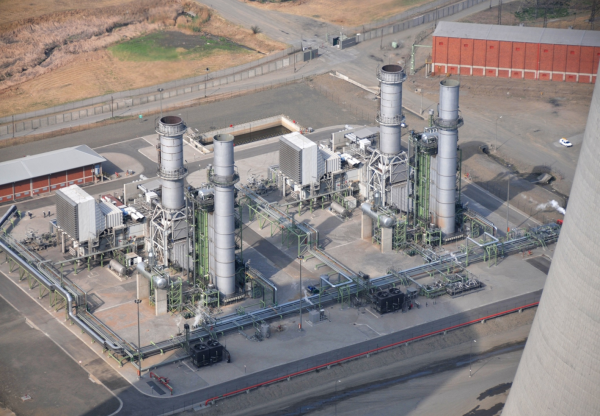
GE Vernova Inc. (NYSE: GEV) today announced the successful completion of the modernization of global energy and chemical company Sasol's Secunda power plant in Mpumalanga. The modernization included the replacement of the existing pre-combustor system with a new DLN1+ combustor supplemented by the Fuel Gas Module (FGM) skid to increase the operational efficiency of the two installed 9E gas turbines and reduce carbon emissions.
This project serves as a model for modernizing power plants across Africa. As the continent faces increasing energy demands, initiatives like this highlight how innovative solutions can enable more efficient energy production with reduced emissions, without requiring entirely new infrastructure.
The upgrade led to significant improvements, including:
"This project exemplifies our purpose to electrify the world," said Joseph Anis (http://apo-opa.co/4k6G5fI), President and CEO of GE Vernova's Gas Power business in Europe, Middle East, and Africa. "Building on our advanced combustion technologies, we are helping Sasol address South Africa's energy needs more efficiently. Together, we are demonstrating how advanced technologies can deliver tangible benefits for both businesses and communities."
This project will be showcased at Enlit Africa (http://apo-opa.co/4k3OEYH), taking place from 20 – 22 May at the Cape Town International Convention Centre (CTICC) in Cape Town, South Africa. GE Vernova's participation will include interactive activities at booth C22 in Hall 3 and speaking sessions covering a wide range of topics, including: a keynote on technology driven transformation, smart grids and the future of energy management, digitization and modernization of projects and accelerating women in energy.
GE Vernova has contributed to the development of the energy infrastructure in Africa for over a century, supporting power generation, transmission and distribution solutions, energy sector software applications, talent development, and community outreach.
Distributed by APO Group on behalf of GE.
Additional Link: https://apo-opa.co/4dJXJnj
Notes to editors:
© 2025 GE Vernova and/or its affiliates. All rights reserved.
For more information, contact:
Media Contact – GE Vernova
Winnie Gathage
Africa Communications Leader
GE Vernova
winnie.gathage@gevernova.com
Laura Aresi
Media Relations Leader, Power
GE Vernova
Laura.aresi@gevernova.com
Lesego Malete
Group Account Director
Burson Africa
lesego.malete@bursonglobal.com
About GE Vernova:
GE Vernova (NYSE: GEV) is a purpose-built global energy company that includes Power, Wind, and Electrification segments and is supported by its accelerator businesses. Building on over 130 years of experience tackling the world's challenges, GE Vernova is uniquely positioned to help lead the energy transition by continuing to electrify the world while simultaneously working to decarbonize it. GE Vernova helps customers power economies and deliver electricity that is vital to health, safety, security, and improved quality of life. GE Vernova is headquartered in Cambridge, Massachusetts, U.S., with more than 75,000 employees across 100+ countries around the world. Supported by the Company's purpose, The Energy to Change the World, GE Vernova technology helps deliver a more affordable, reliable, sustainable, and secure energy future. Learn more: GE Vernova (www.GEVernova.com), GE Vernova in Middle East & Africa (https://apo-opa.co/435wb81), and LinkedIn (https://apo-opa.co/4jY25JD). GE Vernova's Gas Power business engineers advanced, efficient natural gas-powered technologies and services, along with decarbonization solutions that aim to help electrify a lower carbon future. It is a global leader in gas turbines and gas power plant technologies and services with the industry's largest installed base.
Forward Looking Statements:
This document contains forward-looking statements – that is, statements related to future events that by their nature address matters that are, to different degrees, uncertain. These forward-looking statements often address GE Vernova's expected future business and financial performance and financial condition, and the expected performance of its products, the impact of its services and the results they may generate or produce, and often contain words such as “expect,” “anticipate,” “intend,” “plan,” “believe,” “seek,” “see,” “will,” “would,” “estimate,” “forecast,” “target,” “preliminary,” or “range.” Forward-looking statements by their nature address matters that are, to different degrees, uncertain, such as statements about planned and potential transactions, investments or projects and their expected results and the impacts of macroeconomic and market conditions and volatility on the Company's business operations, financial results and financial position and on the global supply chain and world economy.
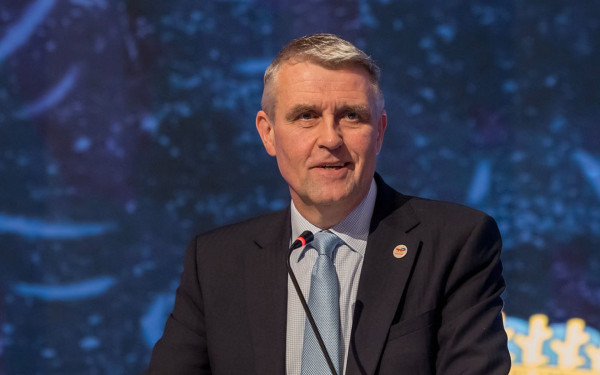
TotalEnergies is preparing to begin offshore drilling in South Africa in 2026, pending final regulatory approvals, according to Mike Sangster, the company's SVP for Africa Exploration & Production. Speaking at the Invest in African Energy Forum in Paris, Sangster emphasized the company's ambition to expand its multi-energy strategy on the continent, with South Africa poised to play a central role in that vision.
The announcement coincides with significant legislative developments in South Africa's oil and gas sector. In April, the government published the draft regulations for the Upstream Petroleum Resources Development Act, inviting public comment and signaling a renewed commitment to reform. The regulations will outline the procedures for implementing the Act – approved in November but not yet in effect – ushering in a more modern, investor-oriented framework for hydrocarbon exploration and production.
Establishing a Fit-for-Purpose Framework
For years, the lack of a clear and sector-specific legal framework has impeded South Africa's ability to attract sustained exploration activity and unlock its offshore potential. The Upstream Petroleum Resources Development Act aims to rectify this by establishing transparent licensing systems, defining state and Black Economic Empowerment participation and clarifying production-sharing mechanisms.
Crucially, the Act seeks to create an enabling environment that balances investor interests with national development goals. It provides detailed guidance on the application and granting of exploration and production rights, introduces more predictable fiscal terms and offers mechanisms to manage environmental and social responsibilities. By aligning South Africa's regulatory framework with international best practices, the government is positioning the country to compete more effectively for operator capital, particularly as global exploration budgets become more selective and carbon-conscious.
Igniting Interest in the Orange Basin
South Africa's offshore acreage, particularly in the Orange Basin, has been gaining momentum on the back of transformational discoveries in neighboring Namibia. Within South African waters, the Brulpadda and Luiperd finds in Block 11B/12B remain the most commercially significant to date, estimated to hold more than 600 million barrels of oil equivalent. While TotalEnergies has since exited the block, citing internal portfolio shifts, the company's re-engagement with the broader South African market suggests continued belief in the basin's long-term potential.
Last August, TotalEnergies officially became operator of offshore exploration Block 3B/4B, positioned southeast and on trend with neighboring oil discoveries, including the company's Venus discovery in Namibia. The Orange Basin represents one of the last untapped frontiers capable of delivering large-scale oil and gas volumes. With a more supportive regulatory backdrop taking shape, South Africa is well-positioned to attract the kind of deepwater investment needed to de-risk its acreage and build out its domestic gas infrastructure — a critical step toward energy security and industrial growth.
Positioning South Africa for Investment at AEW 2025
As the government works to implement the Upstream Petroleum Resources Development Act, African Energy Week (AEW) 2025: Invest in African Energies in Cape Town offers a high-profile platform to promote the country's renewed upstream vision. AEW is expected to convene regulators, IOCs and service companies to discuss the commercial implications of the legislative overhaul and chart a path forward for exploration and development in South Africa.
“For companies like TotalEnergies – whose multi-energy strategy includes natural gas, renewables and decarbonized operations – a stable and transparent regulatory framework is key. Sangster's statement reflects growing confidence in South Africa's policy direction, and signals to the broader investor community that the country is preparing to welcome a new wave of responsible, large-scale investment,” says NJ Ayuk, Executive Chairman, African Energy Chamber.
AEW: Invest in African Energies is the platform of choice for project operators, financiers, technology providers and government, and has emerged as the official place to sign deals in African energy. Visit www.AECWeek.com for more information about this exciting event.
Distributed by APO Group on behalf of African Energy Chamber.
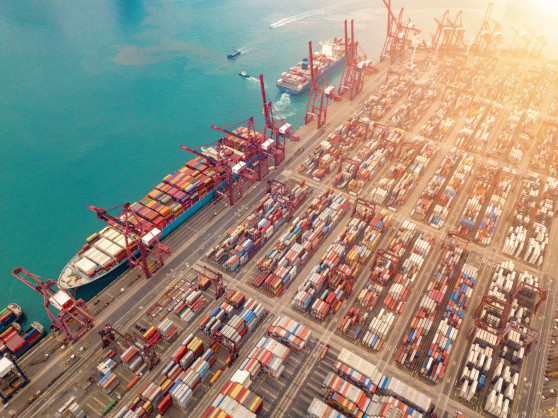
The future of African trade is digital, and it's unfolding. From Dakar to Durban, a quiet but steady transformation is taking shape. According to the United Nations Conference on Trade and Development (UNCTAD), global trade hit a record $33 trillion in 2024, with developing economies, including Africa, playing a growing role in that expansion.
The African Free Continental Trade Area offers the largest free market, including 55 countries, a population of 1.3 billion and a combined GDP of $3.4 trillion. The opportunities are vast, yet the strategies required for industrial players to source, move and manage raw materials and finished goods remain a challenge.
“The continent's digital economy is projected to reach $180 billion by 2025, up from $115 billion in 2020, thus contributing significantly to Africa's GDP, creating new job opportunities, and expanding regional trade. Digital trade is transforming the continent's economic landscape, creating new opportunities for real economic growth, productive job creation, and poverty reduction.” H.E. Dr Jumoke Oduwole, Minister, Federal Ministry of Industry, Trade & Investment
“Building on this rapid expansion, our focus must shift from isolated digital initiatives to a fully integrated ecosystem that streamlines every step of trade—sourcing, supplying, logistics and payments. By integrating these functionalities on a single platform, Matta enables manufacturers to navigate sourcing headaches and suppliers to manage cross-border complexities with confidence and unlocks new markets in Africa in real time. This holistic approach is what will transform digital trade's potential into tangible, inclusive economic growth across Africa.” Mudiaga Mowoe, Founder and Chief Executive Officer, Matta.
Launched to enable sustainable African economies, Matta's integrated ecosystem—today powered by the Matta digital marketplace (www.Matta.Trade) and the Flux logistics management tool, with Oxide Finance (Matta's upcoming trade-financing and cross-border payments platform) arriving soon—empowers manufacturers and suppliers across food & beverage, home & personal care, paints & coatings, agro-processing, automotive assembly, textiles, construction, and beyond with truly end-to-end sourcing, movement, and settlement. Rather than supplanting traditional trade networks, this unified platform amplifies human partnerships through real-time visibility, traceability, and seamless transactions.
This evolution in digital trade and industrial growth is one of the key conversations that will take centre stage at the West Africa Industrialisation, Manufacturing & Trade (West Africa IMT) Summit and Exhibition, set to take place from October 21-23, 2025. West Africa IMT is a high-level platform for government leaders, investors, manufacturers, and technology innovators to align practical solutions and policy frameworks for accelerating Africa's industrial transformation.
Matta, Africa's integrated ecosystem for industrial trade, will join other industry stakeholders across the continent at West Africa IMT 2025 to discuss the potential opportunities for industrial growth in the West African sub-region. As manufacturers increasingly seek more innovative, more efficient ways to power production beyond physical infrastructure and policy support, there's an urgent need for systems that simplify sourcing, enhance transparency, and ensure supply chain reliability. Matta addresses these challenges by connecting African manufacturers directly to verified suppliers of raw materials and commodities, ensuring business continuity in an environment where procurement bottlenecks often slow production timelines.
Digital platforms address multiple challenges simultaneously: procurement complexities, logistics coordination, payment processing, and data-based planning. By integrating these capabilities into industrial operations, West African economies can accelerate development timelines and establish competitive manufacturing centres that participate effectively in global markets.
As African nations chart independent economic paths, digital trade platforms like Matta will significantly influence how quickly and effectively new industrial capabilities develop. The transformation in African trade is already underway, with effects that will continue to reshape economic relationships for years to come.
West Africa Industrialisation, Manufacturing & Trade Summit & Exhibition
21-23 October 2025 I Landmark Centre | Lagos | Nigeria
Distributed by APO Group on behalf of dmg Nigeria events.
Contact Details:
Roshan Jan-Mahomed
Head of Marketing – Africa
Email: info@westafricaimt.com
www.WestAfricaIMT.com
About the West Africa Industrialisation, Manufacturing & Trade Summit and Exhibition 2025:
The Pre-eminent Global Gathering Driving West Africa's Industrial Revolution
The West Africa Industrialisation, Manufacturing and Trade (West Africa IMT) Summit and Exhibition will unite the industrialisation ecosystem, including energy, finance, infrastructure, manufacturing, raw materials, logistics/supply chain, technology, trade and security, to accelerate a sustainable industrial revolution for West Africa. As governments across the region have declared industrialisation as a key priority, the Strategic Summit will feature the visions from Heads of government seeking public–private partnerships to drive industrial revolution across the region. Decisive action is at the core of the agenda, providing solutions for sustainable resource valorisation and opening up trade pathways for economic development and prosperity.
Participation is expected from across the global industrialisation value chain including the following industries: Aerospace, Agriculture, Automotive, Chemicals, Construction, Energy & Utilities, FCMG, Heavy Industries, ICT & Electronics, Infrastructure, Logistics & Transportation, Machine & Equipment, Maritime, Medical, Mining, Plastics & Rubber, Pharmaceuticals, Retail, Technology Solution Providers, Textiles, Water & Utilities.
● 15+ African ministers
● 25+ countries represented from around the globe
● 70+ expert industry speakers
● 250+ exhibiting companies
● 500+ conference delegates
● 2,500+ attendees
About dmg Nigeria events:
dmg Nigeria events is a subsidiary of dmg events. dmg events is a wholly owned subsidiary of the Daily Mail and General Trust plc (DMGT), an international portfolio of information, media and events businesses.
DMGT manages a diverse, multinational portfolio of companies, with total revenues of around £1 billion, that provide businesses and consumers with compelling information, analysis, insight, events, news and entertainment. Its venture capital business, dmg ventures, holds minority stakes in early-stage businesses and focuses particularly on disruptive consumer media propositions.
Headquartered in Dubai, UAE since 1989 with offices in Canada, Egypt, Nigeria, Saudi Arabia, Singapore, South Africa, Thailand and the UK. dmg events is an international exhibition, conference and intelligence company, attracting more than 1,000,000 attendees to a portfolio of over 80 events each year.
This global portfolio works closely with key stakeholders across the industry to facilitate pragmatic dialogue, serving as a platform for the latest discussions at the forefront of change.
For more information on dmg events, visit: www.dmgevents.com
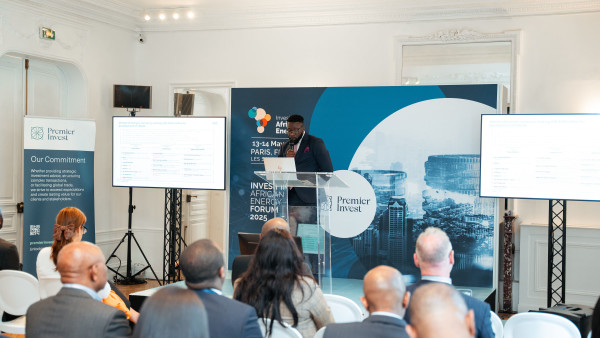
The Invest in African Energy Forum in Paris featured a standout session this year with the Premier Invest Deal Room, a platform that spotlighted over $10 billion worth of oil, gas and renewable energy projects seeking investment across Africa and the broader energy frontier.
“This is a platform to showcase interesting opportunities across Africa that we are advising on,” said Marcel Awasum, Head of Business Development for Premier Invest. “All of the deals we are advising on, we are also mobilizing capital for – from family offices to private equity in oil and gas – mostly from the Middle East, and some from Europe.”
The session featured 17 active deals spanning upstream, midstream, trading and renewable segments, underscoring the breadth of investment potential across the African continent and beyond. One of the flagship opportunities was the development of a 200,000-barrel-per-day crude oil refinery, seeking $4.8 billion in combined equity and debt to meet growing regional demand for refined products. Another deal sought $50 million through a 360-day revolving letter of credit facility to support the import of refined petroleum products.
Exploration and production prospects were also on the table, including a development project offering up to 40% participating interest to qualified investors, as well as an African oil and gas company seeking a $30 million capital injection, strategic partnership and offtake agreement to enhance its trade capacity and expand upstream.
Refining featured prominently among the deals, with one project calling for €2-5 billion to expand national capacity – open to debt, equity and strategic partnerships. A separate opportunity involved a $25 million equity investment in a highly prospective offshore Guyanese block, offering first-mover advantage with an estimated 400 million barrels of recoverable reserves.
Other ventures included the sale of a defunct Caribbean gas-to-liquids plant with a proven $50 million EBITDA when operational; an $18 million debt facility to drill additional wells in an active production field; and a fast-moving $360 million field development project already attracting soft commitments. The session also featured investment opportunities in the Republic of Congo, where a special purpose vehicle is seeking a co-investor for an M&A transaction involving producing assets; a $70 million fuel importation deal in Burundi; and a $200 million financing package to support the purchase of both crude and refined products in Ivory Coast.
The session concluded with five renewable energy projects seeking over $725 million in investment. This included $362 million for a 70 MW geothermal project in Kenya, $92 million for a 71 MW hybrid solar PV and wind project in Zambia, $87 million for a 100 MW solar PV project in South Africa, and two clean-gas projects – one in Benin (43 MW) and another in South Africa (100 MW) – seeking $84 million and $100 million, respectively.
Distributed by APO Group on behalf of Energy Capital & Power.

Eswatini's efforts to scale up investment in its mining and renewable energy sectors will take center stage at African Energy Week (AEW): Invest in African Energies 2025, with the kingdom's Minister of Natural Resources and Energy Prince Lonkhokhela Dlamini confirmed to speak. Taking place from September 29 to October 3 in Cape Town, AEW: Invest in African Energies 2025 is the continent's premier energy event and will spotlight Eswatini's strategic initiatives to attract foreign investment in critical minerals, support energy independence and advance sustainable development.
Prince Dlamini's participation at AEW: Invest in African Energies 2025 reinforces Eswatini's commitment to leveraging strategic partnerships and international forums to attract capital and technology into both its mining and energy sectors. The kingdom recently celebrated a major milestone with the financial close and construction launch of the 13.5 MW Lower Maguduza Hydro Power Project, a public-private initiative that underscores Eswatini's drive to achieve greater energy independence and sustainability through renewables.
AEW: Invest in African Energies is the platform of choice for project operators, financiers, technology providers and government, and has emerged as the official place to sign deals in African energy. Visit www.AECWeek.com for more information about this exciting event.
Eswatini is also making significant progress toward universal energy access through the newly launched Accelerating Sustainable and Clean Energy Access Transformation (ASCENT) project. Backed by international financial institution the World Bank, this initiative aims to connect 50,000 new households – benefitting 200,000 people – to electricity using both on- and off-grid solutions, with a focus on underserved rural communities. Supported by over $100 million in concessional financing, the ASCENT project will enhance energy security, build institutional capacity and improve livelihoods, making Eswatini one of Africa's frontrunners in equitable and sustainable electrification.
In the mining sector, Eswatini is actively working to position itself as an emerging market for critical minerals, following the launch of the second phase of a national mineral mapping program in partnership with South Africa's Council for Geoscience in November 2023. Using AI-based geoscientific techniques, this initiative seeks to unlock the country's vast yet underexplored mineral wealth – ranging from gold and iron ore to a broader portfolio of high-demand critical minerals. As part of its outreach to global investors, Eswatini is creating an enabling environment for private sector participation in mineral exploration, production and job creation.
Stepping into this picture, Minister Dlamini's participation at AEW: Invest in African Energies 2025 aligns with the goals of Eswatini to open its doors to investors in both energy and mining. By sharing insights into investment opportunities, policy developments and major projects, Minister Dlamini will not only promote greater foreign spending in the kingdom, but position Eswatini as a top destination for energy and mining developers.
“With strong regional partnerships and a focus on innovation, Eswatini is rapidly becoming a compelling destination for critical mineral exploration and clean energy investment,” states Tomás Gerbasio, VP Commercial and Strategic Engagement, African Energy Chamber.
Distributed by APO Group on behalf of African Energy Chamber.
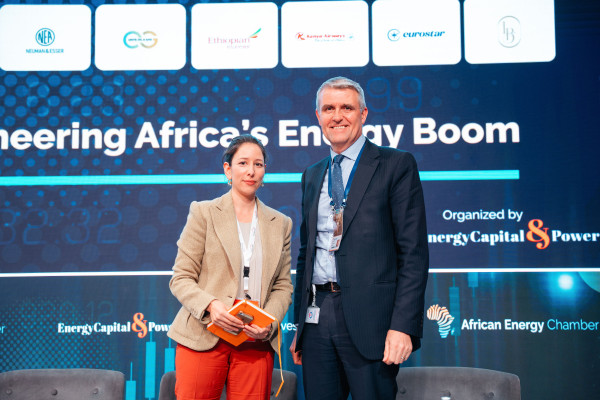
Mike Sangster, Senior Vice President for Africa at TotalEnergies, outlined the company's multi-energy strategy in Africa at the Invest in African Energy (IAE) 2025 Forum in Paris. Speaking during a one-on-one conversation with America Hernandez, Energy Correspondent at Reuters, Sangster said that the company is committed to producing more energy in a sustainable manner.
In the oil sector, TotalEnergies continues to invest in established markets such as the Republic of Congo and Angola as well as in emerging markets such as Namibia, Uganda and South Africa. According to Sangster, TotalEnergies' African portfolio constitutes half of the company's operated production globally. “The largest part of our exploration budget is also in Africa,” he said.
In South Africa, the company hopes to start drilling in 2026. The company is currently awaiting the requisite permits. In Namibia, the company is spearheading efforts to produce first oil by 2029 through its Venus project. A field development plan is currently underway, with plans to make a final investment decision by Q4, 2026. Given the complexity of the deepwater project, Venus will target oil production.
“The site is extremely remote, 300 km offshore and at a depth of 1,900 m,” Sangster said, highlighting that much of the associated gas discovered would need to be reinjected.
Monetizing Africa's natural gas resources through LNG deployment and flare reduction represents a core part of TotalEnergies' African strategy. “Part of our growth target is focused on LNG,” Sangster stated, adding that “we finished routine flaring in Nigeria, Gabon and Angola. In the Republic of Congo, we will eliminate flaring this year.”
In Nigeria, TotalEnergies is ramping up gas investments to support both local energy needs and exports. “It's important to monetize gas and its reservoirs,” Sangster noted. “In Nigeria, there are significant reserves and we are actively developing this sector. There are high-quality fields that can also serve export markets.”
Beyond oil and gas investments, TotalEnergies' broader energy strategy includes the development of renewable energy projects. Sangster reiterated TotalEnergies' rebranding from an oil major to a multi-energy company, stating that “It makes sense to expand integrated energy activities. We have invested in renewables, green hydrogen and even mining in Africa. The future of our industry is integrated energy combined with new technologies to meet growing demand sustainably.”
Meanwhile, TotalEnergies is committed to supporting capacity building across the markets in which it operates. Sangster explained that through projects such as Tilenga, TotalEnergies “has generated around 20,000 direct jobs in Uganda and Tanzania. We are also training 200 local people. These are high-paying jobs that will be there for the next 20 years.”
In Nigeria, TotalEnergies works closely with local educational institutions to transfer skills and enhance capacity building. “In Nigeria, we have the Petroleum Institute, and we're fully committed to developing [capacity] in the country,” Sangster said. These initiatives not only support the development of projects, but create tangible opportunities for local communities.
Distributed by APO Group on behalf of Energy Capital & Power.
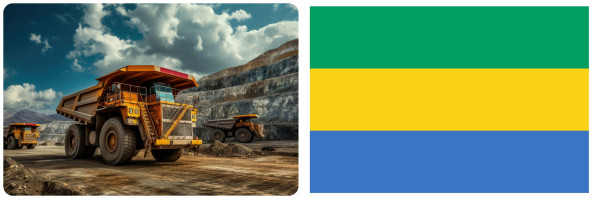
Gabon strives to expand the mining industry's GDP contribution to over 30% by the mid-2030s, using policies such as the Mining Code to attract investment and fuel development. By offering competitive incentives such as tax holidays ranging from three to eight years and a modest 3-5% royalty on base metals, the Mining Code offers improved terms for investors, thereby providing positive implications for the country's mineral sector.
African Mining Week - Africa's premier gathering for African mining stakeholders, scheduled for October 1–3, 2025 in Cape Town – will provide an overview of Gabon's Mining Code. A dedicated panel discussion, titled Navigating Gabon's Mining Code: A Guide for Investors, will explore how the country is using the Mining Code to catalyze mining development and attract capital.
Already the world's third-largest producer of manganese (apo-opa.co/44ES9QA), Gabon is leveraging the code to strengthen the sector though international partnerships and new investments. French mining major Eramet, operator of the high-grade Moanda Minesin Gabon, signed a manganese supply agreement with Australia's Firebird Metals (apo-opa.co/44yGrXD) to support electric vehicle (EV) battery production in China. Similarly, India's state-run MOIL (apo-opa.co/4koDe1z) is in talks to develop manganese assets in Gabon, highlighting the country's growing role in the global manganese, EV and battery storage market.
Beyond manganese, Gabon is diversifying its mineral production base. Canadian company Millennial Potash Corp (apo-opa.co/43gSiHB) is advancing the Banio Potash Project, where high-grade potash intersections were confirmed in May 2025. Once operational, the project will be Gabon's first commercial potash facility, supplying a global market driven by demand for fertilizers and pharmaceutical applications.
Iron ore is another growth frontier where the country is using the Mining Code to secure investment. In partnership with Australia's Genmin and China's Sinohydro (apo-opa.co/43e25xN), the country is progressing the Baniaka Iron Ore Project, which targets five million tons of annual output initially, ramping up to 10 million tons in the future. Australia's Fortescue is also expanding its Belinga iron ore project while South Africa's Menar (apo-opa.co/3F7k0OO) signed agreements to invest in the sector, illustrating growing investor confidence fostered by Gabon's Mining Code.
Amid this growth, African Mining Week will connect investors, government officials and private sector leaders to advance projects. With a focus on legal clarity, resource potential and project-ready opportunities, the event will foster high-level dialogue and promote Gabon as a rising hub for responsible, high-return mining investment in Africa.
Distributed by APO Group on behalf of Energy Capital & Power.
About African Mining Week:
African Mining Week serves as a premier platform for exploring the full spectrum of mining opportunities across Africa. The event is held alongside the African Energy Week: Invest in African Energies 2025 conference from October 1-3 in Cape Town. Sponsors, exhibitors and delegates can learn more by contacting sales@energycapitalpower.com.
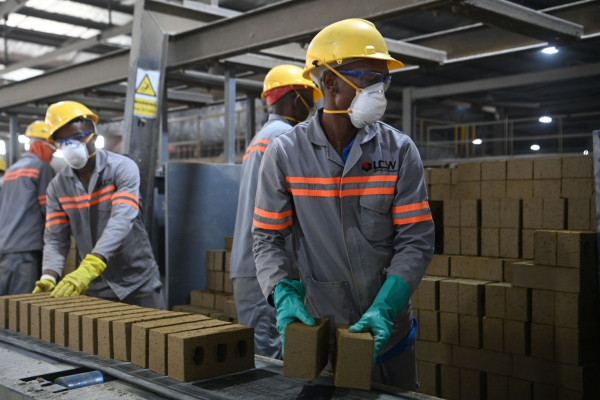
The kilns are firing again—and with them, the economic hopes of a community. In the quiet town of Lobatse, southern Botswana, a decades-old industrial landmark is undergoing a remarkable renaissance. Lobatse Clay Works (LCW), a brick manufacturer that was once the cornerstone of Botswana's construction industry, has been resurrected owing to a strategic investment from the African Development Bank Group (www.AfDB.org). The financing has transformed not only the company but an entire community.
“The buildings that shaped modern Botswana will rise again from our clay," declares Anthony Moepeng, Acting Chief Executive Officer of Lobatse Clay Works.
Founded in 1992 as a joint venture between Botswana Development Corporation (BDC) and American firm Inter-Kiln, Lobatse Clay Works quickly established itself as the nation's premier maker of bricks. For decades, its distinctive reddish-brown bricks were synonymous with Botswana's construction boom, during which schools, hospitals, and government buildings all showcased the company's craftsmanship.
But in 2017 the company faced a perfect storm of challenges. Aging equipment, production inefficiencies, and rising fuel costs forced the shuttering of the once-thriving operation, leaving the factory idled -- stripping the community of both jobs and identity.
African Development Bank's Catalytic Investment Powers Revival
Recognizing Lobatse Clay Works' potential, the African Development Bank provided a loan facility, in partnership with the Botswana Development Corporation to turn around the company's fortunes, focusing on technological modernization and operational efficiency.
The Bank's investment enabled Lobatse Clay Works to acquire state-of-the-art manufacturing equipment that dramatically improved energy efficiency. A new hybrid fuel system slashed production costs, while enhanced kiln technology boosted output capacity and product quality.
In 2023, the company, facing supply chain challenges and rising costs, secured an additional 48 million Pula (around $3.5 million) from the African Development Bank — bringing the total financing to 138 million Pula— to keep growth on track.
This substantial investment enabled the plant to reopen in 2024.
Beyond Bricks: Building Communities and Futures
The revitalized facility has already created 148 direct jobs with hundreds more expected in supporting industries from transportation to services.
The plant's output of three million bricks per month is high enough to meet domestic construction demand and serve lucrative export markets in South Africa, Zimbabwe and Namibia, generating valuable foreign exchange for Botswana's economy.
African Development Bank's Deputy Director General for Southern Africa, Moono Mupotola, stressed the broader significance of the investment. "This speaks directly to what we do at the African Development Bank. Lobatse is a small town, but almost one hundred percent of the factory workers are from the town. This project delivers on our High 5 development priority of improving the quality of life for Africans."
Most significantly, Lobatse Clay Works's revival aligns perfectly with Botswana's industrial diversification goal to reduce dependence on diamond revenues by strengthening manufacturing capability.
"Through the African Development Bank funding, we have been able to commit BWP 4 million towards the refurbishment of the plant," explains Benedicta Abosi, Acting Managing Director at BDC. "This has enabled us to restart operations and produce enough bricks for expansion opportunities into the region."
The company plans to expand from brick manufacturing to include tiles, further cementing its role in Botswana's construction renaissance and economic diversification efforts.
Distributed by APO Group on behalf of African Development Bank Group (AfDB).
Photos: https://apo-opa.co/453yTvZ
About the African Development Bank Group:
The African Development Bank Group is Africa's premier development finance institution. It comprises three distinct entities: the African Development Bank (AfDB), the African Development Fund (ADF) and the Nigeria Trust Fund (NTF). On the ground in 41 African countries with an external office in Japan, the Bank contributes to the economic development and the social progress of its 54 regional member states. For more information: www.AfDB.org

The Spanish Chamber of Commerce in South Africa has partnered with the African Energy Week (AEW): Invest in African Energies conference to foster collaboration between Spanish and South African energy companies. The partnership builds on dual goals of driving investment and development in South Africa and will support greater participation by Spanish firms at this year's edition of the conference – scheduled for September 29 to October 3.
As a non-profit entity whose main objective is the promotion of commercial, economic and industrial relations between Spain and South Africa, the Chamber of Commerce seeks to strengthen business prosperity and trade between the two nations. At the heart of this strategy is the energy industry, with the Chamber committing to exposing its members to emerging opportunities in both Spain and South Africa. At AEW: Invest in African Energies, the Chamber will play an instrumental part in strengthening energy relations and trade, supporting market entry by Spanish firms into South Africa.
AEW: Invest in African Energies is the platform of choice for project operators, financiers, technology providers and government, and has emerged as the official place to sign deals in African energy. Visit www.AECWeek.com for more information about this exciting event.
The opportunities for heightened collaboration between Spain and South Africa are extensive. While Spain is a net-importer of oil and gas, Spanish oil and gas firms have seen great success abroad, highlighting the level of expertise the country has to offer. Spanish companies such as multinational energy and petrochemical firm Repsol already have a strong presence in Africa, offering significant expertise that could help unlock South Africa's energy industry. The company has been active in Algeria since 1973, recently receiving approval to invest up to €731 million in oil and gas blocks in the country. The Chamber has also been active in Libya since the 1970s and is implementing an ambitious exploration agenda in the country. It plans to drill nine wells consecutively via two drilling rigs by November 2025, and aims to increase production to 350,000 barrels per day (bpd) in the country. As of December 2024, production stood at 300,000 bpd.
Meanwhile, for South Africa, which is only just starting to realize the full potential of its oil and gas market, Spanish partnerships could propel a hydrocarbon evolution. Despite being a frontier market, South Africa has proven oil and gas discoveries and significant upside potential. The Luiperd and Brulpadda discoveries, for example, are the largest discoveries of natural gas resources in South Africa to date. Situated in the Outeniqua Basin, operator Africa Oil Corp plans to conduct surveys within the Block 11B/12B area to determine a development plan. Additionally, South Africa's Orange Basin – shared with Namibia where several high-impact finds have been made – offers strategic opportunities for billion-barrel finds. International companies have recently expanded their footprint in the basin, led by firms such as Eco Atlantic, TotalEnergies and QatarEnergy.
In the green energy sector, Spain is spearheading Europe's energy transition through rapid developments in green hydrogen. According to the World Economic Forum, the country already accounts for 20% of green hydrogen projects announced in the European Union, with plans to create industrial clusters expected to bolster the bloc's clean energy adoption. South Africa is also targeting ambitious green hydrogen projects. The government introduced a R300 billion investment pipeline in 2023, targeting between 6 and 13 million tons of green hydrogen and derivatives production per annum by 2050. Up to 19 projects were identified for accelerated development and global support will be key to bring these projects into fruition. In 2023, Spain committed $2.3 billion to help fund South Africa's energy transition, but further support could unlock greater value from the country's renewable energy industry.
“Global partnerships are fundamental for countries seeking to rapidly grow their oil, gas and renewable energy industries. Spain and South Africa have significant potential to expand their trade, energy and business ties, and the Spanish Chamber of Commerce in South Africa works hard to achieve mutual development goals,” states Tomás Gerbasio, VP Commercial and Strategic Engagement, African Energy Chamber.
Distributed by APO Group on behalf of African Energy Chamber.
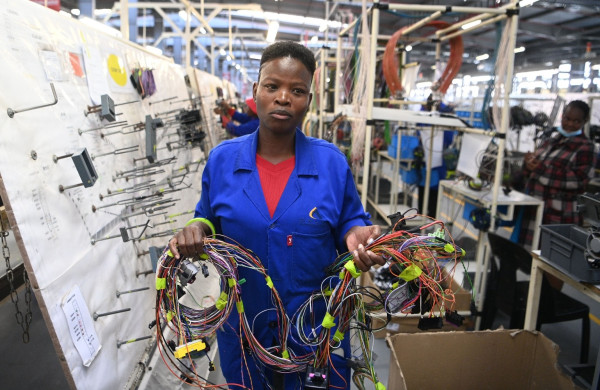
The Botswanan town of Lobatse, some 70 km south of Gaborone, has been transformed into a vibrant manufacturing centre. Across sprawling factory floors, hundreds of skilled hands meticulously assemble intricate wiring harnesses - components that will eventually power Volkswagen and Nissan vehicles across Africa and beyond.
In the automotive industry, wire harnesses are an intricate arrangement of wires, connectors, and components. They serve as vehicles' central nervous systems, enabling the transmission of electrical signals and power throughout the automobile.
This is Delta Automotive Technologies, where strategic financing from the African Development Bank has catalysed a manufacturing renaissance that extends far beyond the factory wallsThe company makes wiring harnesses primarily for Volkswagen and Nissan.. For decades, Botswana's economic history was written in diamonds. Today, a new chapter is unfolding as the African Development Bank's $80 million credit line to the Botswana Development Corporation (BDC) for businesses in the country fuels Delta Automotive's transformation into a manufacturing powerhouse.
"This funding hasn't just built infrastructure - it's built opportunity," says Darryn Hattingh, Delta's Director of Manufacturing. "We've built a world-class operation that competes globally while creating opportunity locally. The support enables us to industrialise not just today's production lines, but tomorrow's innovations. It will support us to industrialise future businesses obtained through Volkswagen.”
The firm, which is based in Botswana, makes wiring harnesses for Volkswagen's Polo Vivo and Polo 270, and Nissan's H60 brands.
It currently makes 120 vehicle harness sets for Volkswagen South Africa per day. By 2027, it hopes to create 340 vehicle sets for Volkswagen and 111 for Nissan in South Africa.
Women powering an industrial revolution
As one walks through Delta's expansive manufacturing facility, one fact is immediately apparent: in a traditionally male-dominated industry, women's expertise is driving this operation forward. An impressive 75% of Delta's workforce is female, shattering glass ceilings with every wire harness assembled.
For Clara Kaekane, a product and process engineer at Delta, the significance goes beyond personal achievement: "Every component we make is a challenge to outdated assumptions about gender and engineering work. I'm not just building car parts - I'm building a new perception of what is possible for women in manufacturing across Africa.”
Kaekane feels empowered to work at the management level in the automotive industry, which is normally male-dominated.
“This is a great opportunity for our country and company,” she says.
Connecting communities to global value chains
The hum of activity at Delta's plant represents more than manufacturing - it is the sound of Botswana's integration into sophisticated global supply networks. Currently producing 120 vehicle wiring harnesses daily, with plans to nearly triple output by 2027, Delta is an example of how African manufacturers can excel in precision-demanding global industries.
"What is happening here is the physical manifestation of our High 5 development priorities, particularly ‘Industrialize Africa' and ‘Integrate Africa'. It also provides skills to the people of Africa," said the African Development Bank's Deputy Director General for Southern Africa, Moono Mupotola. "Each wire harness connects not just vehicle components, but Botswana's workforce to global value chains, rural communities to industrial opportunities, and traditional economies to a diversified future."
Scaling impact: From hundreds to thousands
The numbers tell a compelling story: There are 327 employees today, expected to grow to 1,000 within four years. Behind those numbers are families supported, skills developed, and communities transformed. With 95% of the workforce Botswana nationals, the company has become a major driver of local economic empowerment.
"We're seeing multiple development dividends from this single investment," says Benedicta Abosi of BDC. "Delta's growth is generating export earnings, creating quality jobs, developing technical skills and, perhaps most importantly, demonstrating what's possible when development finance meets entrepreneurial vision."
She explained that five years ago, the Botswana Development Corporation supported multiple businesses, including Delta Automotive Technologies, through a $80 million line of credit facility from the African Development Bank.
A blueprint for African industrial transformation, Delta's success offers a replicable model for industrial development across the continent. By strategically supporting companies integrated into global supply chains, development finance can simultaneously address unemployment, gender inequality, economic diversification, and regional integration.
As workers at Delta Automotive Technologies continue to assemble the components that will power vehicles across the region; they're also creating a template for how African development finance can catalyse inclusive industrial transformation.
“This has definitely been a good investment for the African Development Bank, and this is how we see development financing working in Africa, Mupotola added.
Distributed by APO Group on behalf of African Development Bank Group (AfDB).
More images:
https://apo-opa.co/42JGePY
https://apo-opa.co/3GL0NTB
About the African Development Bank Group:
The African Development Bank Group is Africa's premier development finance institution. It comprises three distinct entities: the African Development Bank (AfDB), the African Development Fund (ADF) and the Nigeria Trust Fund (NTF). On the ground in 41 African countries with an external office in Japan, the Bank contributes to the economic development and the social progress of its 54 regional member states. For more information: www.AfDB.org
The upcoming African Mining Week (AMW) – Africa's premier gathering for mining stakeholders, scheduled for October 1-3, 2025 in Cape Town – will feature a dedicated Technology Forum. The forum will connect African mining projects with global technology providers and investors, showcasing how digital solutions are transforming resource extraction and redefining the mining value chain.
As African countries scale up mineral production to drive GDP growth, developers are increasingly adopting data analytics and digital tools to boost operational efficiency. U.S.-based startup KoBold Metals, which applies artificial intelligence (AI) to mineral exploration, entered the Democratic Republic of Congo (DRC) in April 2025 to tap into the country's estimated $24 trillion in untapped mineral resources. The DRC – already the world's largest cobalt producer and a key copper supplier – could see its global mining profile rise significantly with KoBold's involvement. In Zambia, the company is advancing the $2 billion Mingomba project, one of the world's most promising untapped copper assets.
Similarly, in Zimbabwe, Caledonia Mining is investing $1.1 million in IT infrastructure upgrades at the Blanket Mine as part of its $41.8 million capital budget. The upgrades include new mine planning software and a digital clocking system to improve labor efficiency, with a goal to increase gold output from 76,656 ounces in 2024 to up to 77,500 ounces in 2025.
In Botswana, Botswana Diamonds is employing AI-driven exploration to expand beyond diamond mining, recently identifying new prospects for copper, silver, cobalt, gold, nickel, zinc and platinum group metals. “During the initial analysis of the big database, it became clear that the AI technology could be used to identify other unknown minerals opportunities – and so it turned out,” said John Teeling, Chairman of Botswana Diamonds.
Meanwhile, South African firms such as Kilken Platinum and Rio Tinto are deploying digital tools to unlock greater operational value. A joint report by Accenture and the World Economic Forum projects that digitalization could unlock up to R213 billion in additional value for South Africa's mining sector by 2026. Technologies such as predictive maintenance, autonomous operations and real-time data monitoring are helping firms streamline processes, reduce downtime and improve safety outcomes.
The Technology Forum at AMW 2025 will feature high-level panels examining how digitalization can optimize infrastructure, enhance safety, predict system failures and support sustainable resource management in a data-driven mining environment. The forum will also provide a platform for mining companies to showcase real-world case studies, exchange knowledge with tech innovators, and explore partnerships that drive long-term value creation.
Distributed by APO Group on behalf of Energy Capital & Power.
About African Mining Week:
African Mining Week serves as a premier platform for exploring the full spectrum of mining opportunities across Africa. The event is held alongside the African Energy Week: Invest in African Energies 2025 conference from October 1-3 in Cape Town. Sponsors, exhibitors and delegates can learn more by contacting sales@energycapitalpower.com.
The 15th edition of the Simola Hillclimb was characterised by difficult emotions matched to brave competition at the highest level during the King of the Hill challenge.
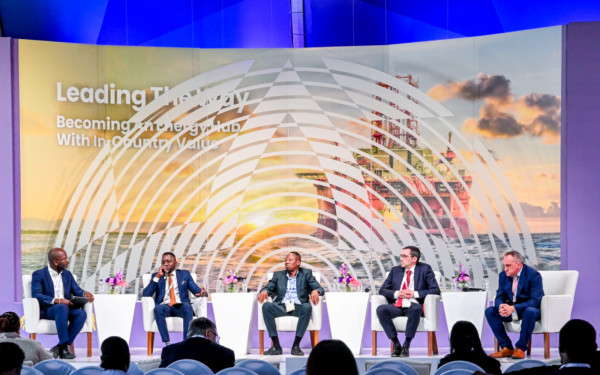
The National Petroleum Corporation of Namibia (NAMCOR) has revealed that the country could produce more than 2.5 million tons of natural gas per year, based on early-stage assessments of recent discoveries made since 2022.
Speaking during a panel discussion on gas monetization strategies at the Namibia International Energy Conference on April 24, Mtundeni Ndafyaalako, Executive of Upstream Development & Production at national oil company NAMCOR, outlined a dual-pronged approach adopted by the corporation.
The first pillar focuses on leveraging legislative frameworks to enable coordinated infrastructure development, fostering collaboration among operators. The second emphasizes expanding exploration activities to unlock further resources.
“We have launched a gas monetization strategy project to support both government and industry on how best to commercialize gas. From our appraisals, we now have a clearer picture of production potential and various applications,” said Ndafyaalako, noting that the strategy is designed to attract new players and investment by clarifying monetization pathways.
Manfriedt Muundjua, Deputy General Manager at BW Kudu, reinforced the importance of integrating four pillars of local content – training, skills transfer, local procurement and local ownership – into the broader gas development framework.
Muundjua shared that BW Kudu is placing Namibian interns in every technical role currently held by international staff, supporting long-term local capacity building. He also emphasized the urgent need for downstream investment and infrastructure development.
“We already have a downstream investment partner lined up to join us once production at Kudu begins,” he said.He added that drilling of additional wells is scheduled to begin in October, supporting NAMCOR's emphasis on continued exploration to identify new reserves.
Paul Eardley-Taylor, Head of Oil & Gas Coverage for Southern Africa at Standard Bank, highlighted the need for a "shadow infrastructure" – potentially led by public-private partnerships – in southern Namibia to address energy shortages through gas utilization. He suggested that oil revenues should be strategically directed toward financing gas infrastructure and fostering local energy markets.
Eardley-Taylor also pointed to the broader regional opportunity, suggesting that Namibia could assume a role once held by South Africa as the region's primary energy supplier, particularly as critical mineral projects are willing to pay a premium for stable power supply.
Meanwhile, Ian Thom, Research Director for Upstream at Wood Mackenzie, expressed confidence that Namibia could implement a comprehensive Gas Master Plan within the next nine months. With only 59% of the population currently connected to the electricity grid, Thom underscored the potential of gas to dramatically increase energy access across residential, commercial and industrial sectors.
“Namibia could generate more value by exporting electricity rather than raw gas, given the limited infrastructure for gas exports and the high costs associated with building it,” Thom said.
Looking ahead, the upcoming African Energy Week (AEW): Invest in African Energies conference – set to take place from September 29 to October 3, 2025, in Cape Town – will spotlight Namibia's gas developments and broader African opportunities The event will feature panel discussions, project showcases, deal signings and high-level networking sessions that connect African energy projects with global investors.
AEW: Invest in African Energies is the platform of choice for project operators, financiers, technology providers and government, and has emerged as the official place to sign deals in African energy. Visit www.AECWeek.com for more information about this exciting event.
Distributed by APO Group on behalf of African Energy Chamber.
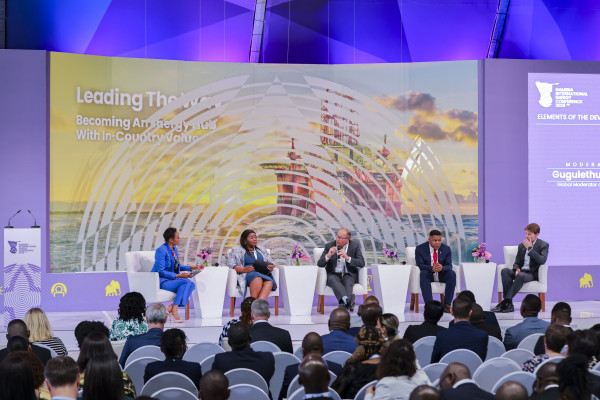
As a strategic partner of the Namibia International Energy Conference (NIEC), the African Energy Chamber (AEC) (www.EnergyChamber.org) is calling for a deliberate and accelerated approach to moving Namibia's recent oil and gas discoveries into production – emphasizing the importance of speed, investor confidence and strategic collaboration.
Speaking during a high-level panel at NIEC 2025, AEC Executive Chairman NJ Ayuk urged Namibia to seize the momentum of its frontier discoveries, while avoiding the pitfalls that have stalled progress in other hydrocarbon-rich African nations. He emphasized that Namibia's path to becoming a regional energy hub hinges on its ability to learn from international case studies and execute deals that ensure long-term national benefit.
“Namibia needs to move fast, produce quickly and negotiate the best deals with its partners to ensure the rapid development of its oil discoveries,” Ayuk stated. He pointed to Guyana as a prime example, noting how the South American country developed a robust strategy focused on national benefit and successfully attracted billions in investments to fast-track its energy projects.
In contrast, Ayuk cautioned against the delays experienced by countries like Mozambique, Tanzania, Uganda and South Africa, where production was significantly postponed, leading to rising project costs and lost opportunities. “There is a growing movement trying to discourage Africa – and Namibia – from producing its oil and gas. We must resist that,” he added.
Reinforcing the need for investor-friendly terms, Justin Cochrane, Africa Upstream Regional Research Director at S&P Global Commodity Insights, highlighted the necessity of contract stability, transparent data-sharing and a balanced approach to fiscal negotiations. “It's natural that Namibia wants to maximize its benefits, but pushing too hard on IOCs can result in getting 100% of nothing… The first milestone must be achieving first oil,” said Cochrane.
Representing Namibia's national oil company, Victoria Sibeya, Interim Managing Director of NAMCOR, stressed that the company is actively engaged in every phase of the industry, from data acquisition and exploration to shaping the downstream and midstream vision. “We are not just bystanders,” said Sibeya. “NAMCOR is deeply involved in data acquisition, exploration and the exchange of knowledge and technology with our partners. We are also preparing to invest in downstream and midstream sectors to ensure that we can add value once production begins.”
Echoing the call for local development, Adriano Bastos, Head of Upstream at Galp, underscored the need for early and continuous skills development – proposing that Namibians be trained abroad in specialized areas like FPSO operations to ensure they are prepared to lead once production begins at home. “Namibia has capabilities that are rare in the region, but more collaboration with international partners is essential to build the local skills base,” he said.
Bastos noted that Namibians make up 25% of Galp's workforce in the country, including its first female offshore base manager. “We are proud of the strides we have made. Our nationalization plans are aggressive, and we work closely with [the Namibian Ports Authority] and other local entities to implement meaningful capacity-building projects.”
As Namibia stands on the cusp of transforming exploration success into production, the message from industry leaders is clear: time, trust and talent will determine the country's trajectory. Through cross-border collaboration, pragmatic deal-making and a strong national vision, Namibia can emerge not just as an oil producer – but as a continental model for inclusive, forward-thinking energy development.
Distributed by APO Group on behalf of African Energy Chamber.
African Mining Week (AMW) – taking place from October 1–3, 2025, in Cape Town – will connect global investors with high-impact opportunities across Africa's mining sector, spotlighting the strategies fueling the continent's mineral industrialization.
A key highlight of the event will be a high-level panel, The Investor Perspective: Financing Africa's Mineral Industrialization. The session will explore the evolving investment landscape and examine diverse financing mechanisms – including bank loans, private equity, venture capital and impact investing – that are mobilizing capital into African mining.
DFIs Drive Infrastructure Investments
Attracted by strong returns and Africa's long-term growth potential, development finance institutions (DFIs) are ramping up investments into the continent's mining infrastructure. In March 2025, the African Development Bank approved a $150 million loan to Mauritania's state-owned mining company SNIM and committed $500 million to the Lobito Corridor – a strategic railway project linking Angola, the DRC and Zambia to international markets. Meanwhile, the Africa Finance Corporation (AFC) is backing several critical mineral projects, including Nyanza Light Metals' $780 million PGMs facility in South Africa, Gecamines' expansion in the DRC, Giyani Metals' manganese development in Botswana and FG Gold's project in Sierra Leone. Between 2014 and 2024, AFC invested over $1 billion into Africa's mining sector. The U.S. International Development Finance Corporation (DFC) is also deepening its commitment, providing more than $750 million toward the Lobito Corridor, $34 million for Pensana's Longonjo rare earths project in Angola and $3.2 million to Chillerton's green copper development in Zambia.
Geopolitics and African Prospects
Geopolitical shifts are intensifying the global race for Africa's critical minerals, vital for the energy transition and digital economy. From 2019 to 2023, companies from the United Arab Emirates committed over $110 billion to African projects. In early 2025, UAE-based Ambrosia Investment Holding acquired a 50% stake in Allied Gold's projects in Ethiopia and Mali, investing $375 million to scale up gold production. Canadian mining investment on the continent has now surpassed $37 billion, with companies like Ivanhoe Mines, Fortuna Silver, Pioneer Lithium and Trigon Metals leading expansion efforts. Similarly, Australia's mining footprint in Africa reached $60 billion in asset value in 2024, supported by firms such as Sovereign Metals, Cazaly Resources and Atlantic Lithium.
Private Placements
Private placements are emerging as a preferred capital-raising vehicle for mining ventures across Africa. Companies including Zanaga Iron Ore, Moab Minerals, Global Atomic Corporation, Premier African Minerals and Trigon Metals are leveraging this mechanism to fast-track project development and attract investor interest. As ESG criteria take center stage in investment decision-making, AMW will serve as a platform for financiers and project developers to engage on sustainability metrics, transparency and responsible investing.
Distributed by APO Group on behalf of Energy Capital & Power.
African Mining Week serves as a premier platform for exploring the full spectrum of mining opportunities across Africa. The event is held alongside the African Energy Week: Invest in African Energies 2025 conference from October 1-3 in Cape Town. Sponsors, exhibitors and delegates can learn more by contacting sales@energycapitalpower.com. To download the working program, please visit www.African-MiningWeek.com