World Cup History: A Timeline of Africa’s Greatest Moments on the Field
Ten pivotal moments that tell the story of how African football transformed itself.

MyZA
News, Directory, Events and Other Stuff
Ten pivotal moments that tell the story of how African football transformed itself.
Global media coverage tends to focus on just one of Ethiopia’s conflicts.
On the field, football has the power to bring cultural unity. But crackdowns on immigrants and soaring costs will make it more difficult to attend.
The Kenyan government must look for ways to combine emigration with labour protections.
While Israel’s recognition of Somaliland alters the board, it doesn’t end the game.
The Red Sea region has become a showcase of the new alliances shaping global power and influence.
The Freedom Front Plus (VF Plus) demands answers and accountability for the Limpopo Legislature’s squandering of R1,8 million on three flights and accommodation for a provincial delegation to a sitting of the Commonwealth Parliamentary Association in Banjul, The Gambia. In the Freedom Front Plus’s view, the expenditure stems from the inflated ego of the Legislature’s […]
The post Limpopo Legislature squanders R1,8 million due to a single official’s arrogance appeared first on Freedom Front Plus.
Accusations of treason against former DRC president Joseph Kabila are evidence of the fallout between him and his successor.
Only 4% of Mogadishu’s schools are run by the government.
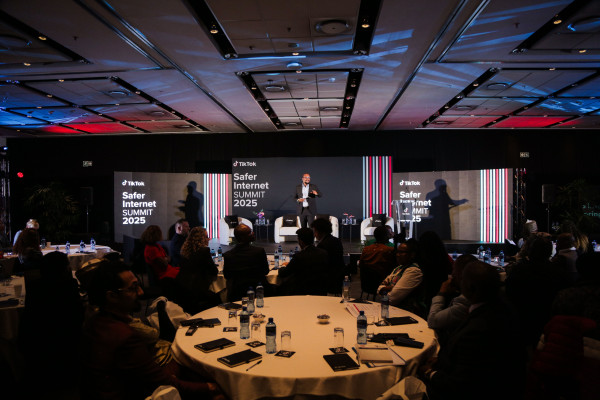
TikTok (www.TikTok.com) hosted its second Annual Africa Safer Internet Summit in Cape Town, South Africa, bringing together government officials, regulators, and industry leaders from across Sub-Saharan Africa. Delegates from South Africa, Nigeria, Ethiopia, Cameroon, Cote d'Ivoire, Kenya, and other countries convened to discuss critical issues on online safety, content moderation, and digital policy development.
The Summit underscores TikTok's ongoing efforts to prioritise user safety in Africa while fostering an open dialogue with policymakers to shape robust frameworks that protect users' rights while encouraging innovation and creativity in the digital space.
Government and Industry Leaders Discuss Digital Safety
The Summit was officially opened by South Africa's Hon. Solly Malatsi, Minister of Communications and Digital Technologies, who highlighted the importance of collaboration among governments, technology platforms, and communities to foster a safer digital ecosystem.
Helena Lersch, TikTok's Vice President for Public Policy, in her remarks, reaffirmed the platform's commitment to user safety and the role of partnerships in creating a secure digital environment.
“Billions of people come to TikTok every day to create, share and connect and we're continually evolving our policies and practices to safeguard our platform so our community can discover and do what they love. This summit underscores the importance of collaboration between industry leaders and regulators in shaping a digital ecosystem that is both innovative and secure," said Lersch.
Fortune Mgwili-Sibanda, Director of Public Policy & Government Relations for Sub-Saharan Africa, further emphasised the significance of collective efforts in digital safety, stating that the Summit serves as a valuable platform for sharing insights, strengthening collaboration, and ensuring that African users, particularly young people, are protected online.
Content Moderation in Africa
During the summit, TikTok reported a significant upward trend in its content removal rate across Sub-Saharan Africa, with data showing a 249.81% increase in content removals from the second quarter of 2023 to the fourth quarter of 2024. This improvement aligns with TikTok's global standards for content moderation and community guidelines enforcement. TikTok's Community Guidelines Enforcement Reports (https://apo-opa.co/3QMZNQH) reflect the platform's continued investment in automated moderation technology, alongside human safety experts that enables the detection and removal of harmful content before it reaches users. Globally, between July and September 2024, TikTok removed more than 147 million videos, of which 118 million were detected and removed automatically using these technologies.
In Sub-Saharan Africa, TikTok removed over 7.5 million videos in Q3 2024, rising to more than 8 million in Q4 2024—an increase of 14.06% quarter-on-quarter. Notably, 99.5% of these videos were removed before any user reports, underscoring TikTok's commitment to proactive moderation and swift action.
A similar trend was observed in North Africa, where TikTok removed over 7 million videos in both Q3 and Q4 of 2024. This represented an 8.70% increase in removals between the quarters, with 99.3% of these takedowns also occurring before user reports.
These figures highlight TikTok's ongoing efforts to provide a safe and positive online environment through robust, technology-enabled content moderation systems.
#SaferTogether - Driving Safer Digital Engagement
As part of its broader commitment to digital safety and education, TikTok is expanding its efforts across Africa through strategic partnerships and training programs that promote digital literacy, safety awareness, and responsible content creation.
At the forefront of these efforts is TikTok's flagship #SaferTogether campaign, which has achieved notable milestones since its launch in 2022.
In Kenya, the initiative, run in partnership with Eveminet (https://apo-opa.co/3Y8mHG7), a youth online protection organisation, has reached over 406,000 participants through in-person workshops across the country. These sessions provided communities with the knowledge and tools needed for responsible online engagement, particularly among students, teachers, and parents.
By working closely with civil society organisations, educators, and government agencies, TikTok continues to integrate proactive safety measures into its platform governance, creating safer digital environments for young users.
In Nigeria, TikTok launched Phase 2 of the #SaferTogether campaign in partnership with the National Information Technology Development Agency (NITDA) (https://apo-opa.co/3FFyx4d) and Data Science Nigeria (DSN) (https://apo-opa.co/3QNqzbJ). Building on the success of Phase 1, which educated parents in major cities such as Abuja, Lagos, and Kano on TikTok's safety features and mental well-being tools, the second phase aims to reach additional states and expand safety awareness among parents, teachers, and guardians.
Since September 2024, TikTok has also partnered with local creators across Sub-Saharan Africa to raise awareness about its safety features and Community Guidelines.
In Egypt, TikTok signed a Memorandum of Understanding (MoU) with the Journalists Syndicate to boost digital awareness, media literacy, and the detection of misinformation and online privacy risks. As part of this partnership, TikTok and the Syndicate hosted a one-day workshop equipping journalists and media professionals with the skills to navigate digital technologies safely and effectively. This collaboration underscores TikTok's ongoing commitment to empowering media professionals and supporting a more informed and digitally literate society.
Shaping the Future of Digital Safety in Africa - Global Youth Council
TikTok is also making a significant step in amplifying youth voices by expanding its Global Youth Council (https://apo-opa.co/4j2OWxZ) for 2025, further strengthening African representation. Originally launched in 2023 to empower young users and shape platform policies, the Global Youth Council has now nearly doubled in size, featuring 28 members from 15 countries. New representatives from Nigeria, Cameroon, Canada, Qatar, and Australia will join returning members from Brazil, Indonesia, Kenya, Mexico, the UK, and the US for a second term. The Youth Council plays an important role in shaping TikTok's safety, well-being, and inclusivity policies, ensuring that young users have a voice in the platform's continued evolution.
The Safer Internet Summit serves as an essential forum for best practice sharing between industry leaders and policymakers. By fostering collaboration, TikTok aims to ensure that digital spaces remain safe, inclusive, and conducive to creativity while balancing the need for effective governance and innovation.
"We value forums such as TikTok's Safer Internet Summit, which bring policymakers into one room for a shared purpose: keeping internet users safe. We are incredibly proud to be a partner of TikTok's #SaferTogether campaign. This collaboration not only underscores our shared commitment to fostering a safer online environment, but also opens new avenues for innovation and collaboration that will enable us to scale our efforts effectively for a safer internet for all.." — Emmanuel Edet - Acting Director, Regulation and Compliance NITDA
For more information on TikTok's safety policies and initiatives, visit our Safety Centre (https://apo-opa.co/4iYko0q), Guardian's Guide (https://apo-opa.co/3QPAKfS) and Youth Safety Center (https://apo-opa.co/4j9JWrB).
Link: https://apo-opa.co/4hZ3JZS
Distributed by APO Group on behalf of TikTok.
SA condemns Israeli airstrikes on Gaza
South Africa has condemned the extensive Israeli airstrikes carried out across Gaza dron Tuesday, resulting in the deaths of over 350 Palestinians.
The deadly airstrikes occurred following a failure to implement the second stage of the peace agreement with Israel, despite ongoing negotiations aimed at ensuring the ceasefire remains in effect.
The fatal attacks were reportedly authorised by the Israeli leadership more than a week ago.
According to the Department of International Relations and Cooperation (DIRCO), this raises concerns about the commitment to the permanent ceasefire outlined in the plan negotiated by the United States, Egypt and Qatar.
The Palestinian Health Ministry said many of those killed were children and several victims remain under the rubble.
Reports suggest that airstrikes were concentrated on heavily built-up neighbourhoods, makeshift schools and residential buildings where people have been sheltering, which is a "blatant violation of international law, including international humanitarian law".
“South Africa is gravely concerned by the military onslaught and the fact that millions of people in Gaza are facing severe food and water shortages, as Israel continues to block aid and cut off energy supplies to the strip,” DIRCO said in a statement.
Meanwhile, the department said Israel, which has enforced a total blockade of Gaza, has now issued new forced displacement orders for several areas.
The department said the provisional orders issued by the International Court of Justice (ICJ) oblige Israel to take all measures within its power to prevent acts of genocide, ensure humanitarian assistance reaches Gaza, and preserve evidence related to alleged genocide.
The United Nations’ Humanitarian Coordinator for the Occupied Palestinian Territory, Muhannad Hadi, has urged that the ceasefire in Gaza be immediately reinstated. He called the waves of airstrikes across the Gaza Strip since the early hours of the morning “unconscionable.”
South Africa has also condemned the four targeted Israeli military strikes launched against southern Syria overnight, which killed at least two and wounded 19 others on the outskirts of the southern Syrian province of Deraa.
“The Syrian Observatory for Human Rights said Israel targeted a military site previously used by former President Bashar al-Assad’s forces, but which is now used by the army of Syria’s transitional government.
“Israel’s airstrikes and previous statements that it does not want any Syrian military presence in the south of Syria is a violation of Syria’s sovereignty and territorial integrity,” DIRCO said. – SAnews.gov.za
Gabisile
Wed, 03/19/2025 - 08:55
62 views
Cabinet condemns Israel's blockade of humanitarian aid to Gaza
Cabinet has condemned Israel's refusal to allow humanitarian aid into the Gaza Strip, and its closure of border crossings.
This at a time when " the people of Gaza are experiencing immeasurable suffering" and urgently need food, shelter, and medical supplies.
Speaking during a post-Cabinet media briefing on Thursday, Minister in the Presidency Khumbudzo Ntshavheni said this action is a continuation of Israel’s “use of starvation as a weapon of war as part of the ongoing campaign of what the International Court of Justice (ICJ) ruled to be plausible genocide against the Palestinian people.”
“Cabinet reiterates our nation’s call on the international community to hold Israel accountable and ensure the safe, continuous, and unhindered delivery of humanitarian aid to all areas of the Gaza Strip,” Ntshavheni said at the briefing held in Cape Town.
Earlier this month, South Africa condemned the refusal of Israel to allow humanitarian aid into the Gaza Strip.
READ | SA condemns Israel’s refusal to allow aid into Gaza
In a statement issued by the Department of International Relations and Cooperation, the department said: “South Africa concurs with Qatar, one of the guarantors of the ceasefire agreement, that halting the entry of humanitarian aid into the Gaza Strip is a clear violation of the ceasefire agreement, international humanitarian law, and the Fourth Geneva Convention.”
In December 2023, South Africa filed a case against Israel at the ICJ, saying it is committing acts of genocide against Palestinians in Gaza.
The ICJ issued a provisional ruling in January 2024, ordering Israel to allow humanitarian aid into Gaza and take measures to prevent genocide. – SAnews.gov.za
DikelediM
Thu, 03/13/2025 - 13:22
474 views
SA condemns Israel’s refusal to allow aid into Gaza
South Africa says it strongly condemns the refusal of Israel to allow humanitarian aid into the Gaza Strip and its closure of border crossings at a time when the people of Gaza are experiencing immeasurable suffering and urgently need food, shelter, and medical supplies.
This is according to a statement issued by the Department of International Relations and Cooperation (DIRCO) on Wednesday.
According to reports, Israel blocked the entry of all humanitarian aid into Gaza on Sunday as it demands Hamas agree to a United States plan for a ceasefire extension.
The department said preventing food from entering Gaza is a continuation of Israel’s use of starvation as a weapon of war as part of the ongoing campaign of what the International Court of Justice (ICJ) ruled to be plausible genocide against the Palestinian people.
“South Africa concurs with Qatar, one of the guarantors of the ceasefire agreement, that halting the entry of humanitarian aid into the Gaza Strip is a clear violation of the ceasefire agreement, international humanitarian law, and the Fourth Geneva Convention.”
South Africa has since called on the international community to hold Israel accountable and ensure the safe, continuous, and unhindered delivery of humanitarian aid to all areas of the Gaza Strip.
The United Nations (UN) Secretary-General Antonio Guterres has implored Israel to end its suspension of humanitarian aid to Gaza “immediately” and to allow aid to flow without impediment in an environment ensuring the safety and security of civilians, including humanitarian workers.
Guterres has also “urged all parties to make every effort to prevent a return to hostilities in Gaza”, and to find a way forward on the next phase of the ceasefire agreement.
“South Africa also condemns Israel’s ongoing military operations in the West Bank that represent a dangerous escalation, and which further threatens the Palestinian quest for self-determination and statehood.”
According to the department, the forced displacement of 40 000 Palestinians from Jenin, Tulkarem, Nour Shams, and elsewhere threatens to erase Palestinian refugee camps, and the right of return.
“The concurrent ban on the UN Relief and Works Agency’s (UNRWA) activities in these areas constitutes a flagrant violation of international law and strips displaced Palestinians of essential support and international oversight,” the department added.
The department stated that the expanded Israeli military presence, now at its highest levels in the West Bank since 2002, signals an intent to re-establish full-scale military occupation, and undermines the Palestinian Authority and its governance.
“South Africa supports the guarantors’ continued efforts to address the reported violations of the ceasefire agreement.”
The department said the delay in releasing the 620 Palestinian prisoners constitutes a fundamental breach of negotiated terms.
“South Africa once again calls on the international community to act with urgency and decisive action to address the continued systematic violation of international law and international humanitarian and human rights law.”
The department said South Africa welcomes the outcomes of the Arab League Emergency Summit held on Tuesday, 4 March 2025, that supports a settlement in Gaza that is led by, and inclusive of, Palestinians, and that expressly rejects the ethnic cleansing and forced displacement of Palestinians in Gaza.
The country has also thrown its weight behind the Arab League’s call for a UN international peacekeeping force in the West Bank and Gaza to ensure security and stability.
“South Africa also expresses its grave concern over Israel’s continuing violation of Syria’s sovereignty and territorial integrity by towns South of Damascus and the southern province of Daraa.
“Israel’s depiction of Southern Syria as a ‘security zone’, and statements that any attempt by Syrian government forces to establish themselves in the zone violate Syria’s sovereignty.” – SAnews.gov.za
Gabisile
Wed, 03/05/2025 - 15:10
46 views
Macpherson undertakes working visit to the Middle East
Public Works and Infrastructure Minister Dean Macpherson is from today to 28 February undertaking an official working visit to the Middle East.
The visit will include Kuwait, the United Arab Emirates, the Kingdom of Saudi Arabia and Qatar.
The Minister is joined by the MEC for Public Works and Infrastructure in Limpopo Ernest Rachoene and the Chairperson of the eThekwini Municipality Economic Development and Planning Committee Thembubuhle Ntuli.
The visit forms part of the Minister’s commitment to attracting infrastructure investment into South Africa which will help turn the country into a construction site, boosting economic growth and creating jobs.
In each country, the Minister and his delegation will meet with his state counterpart or equivalent, sovereign wealth funds, state-owned entities and private sector businesses that can invest in South African infrastructure projects.
The Middle East represents an untapped market for South African infrastructure projects, with limited investment having taken place in the past. – SAnews.gov.za
Matona
Thu, 02/20/2025 - 16:28
76 views
The United Nations Human Rights Council will hold its fifty-eighth regular session from 24 February to 4 April 2025 at the Palais des Nations in Geneva, starting with its high-level segment from 24 to 26 February, when dignitaries representing more than 100 Member States will address the Council.
The session will open at 9 a.m. on Monday, 24 February under the Presidency of Ambassador Jürg Lauber of Switzerland. Delivering statements at the opening will be the Secretary-General of the United Nations, António Guterres; thePresident of the United Nations General Assembly, Philemon Yang; the United Nations High Commissioner for Human Rights, Volker Türk; as well as the Chief of the Federal Department of Foreign Affairs of Switzerland, Ignazio Cassis. The Council will be meeting in room XX of the Palais des Nations.
On Monday, 3 March, the Council is scheduled to hear a global update by the High Commissioner for Human Rights on the situation of human rights around the world. The general debate on his global update will start following his presentation of a number of country-specific reports and updates.
During the session, the Council will hold 30 interactive dialogues with the High Commissioner, his Office and designated experts, with Special Procedure mandate holders and investigative mechanisms, and with Special Representatives of the Secretary-General. The Council will also hold five enhanced interactive dialogues and one high-level dialogue, as well as nine general debates.
The Council will also hold theannual high-level panel discussion on human rights mainstreaming with a focus on the thirtieth anniversary of the Beijing Declaration and Platform for Action;the biennial high-level panel on the death penalty; panel discussions on early warning and genocide, HIV response and leaving no one behind, and onrights to work and to social security; the annual interactive debate on the rights of persons with disabilities; the annual discussion on the rights of the child; and a commemoration of the International Day for the Elimination of Racial Discrimination.
The Council will examine the situation of human rights in a number of countries under its various agenda items, including the situation in the occupied Palestinian territory, Eritrea, Sudan, South Sudan, Nicaragua, Afghanistan and Myanmar under agenda item two; in Iran, Syria, Venezuela, Ukraine, Belarus, the Democratic People's Republic of Korea, and Myanmar under agenda item four; and in Mali, Haiti, Ukraine, the Democratic Republic of the Congo, South Sudan and Central African Republic under agenda item 10.
The final outcomes of the Universal Periodic Review of14 States will also be considered, namely those of Norway, Albania, Democratic Republic of the Congo, Côte d'Ivoire, Portugal, Bhutan, Dominica, Democratic People's Republic of Korea, Brunei Darussalam, Costa Rica, Equatorial Guinea, Ethiopia, Qatar and Nicaragua.
Towards the end of the session, the Council will appoint three new members of the Expert Mechanism on the Rights of Indigenous Peoples.
A detailed agenda and further information on the fifty-eighth session can be found on the session'swebpage. Reports to be presented are available here.
The fifty-eighth regular session will open at 9 a.m. on Monday, 24 February with a short opening meeting, followed by the start of the high-level segment, which will continue until 26 February, and during which the Council will hear addresses by more than 100 dignitaries. Intervening during the high-level segment will be the annual high-level panel discussion on human rights mainstreaming in the afternoon of 24 February and the biennial high-level panel on the death penalty in the morning of Tuesday, 25 February. The general segment will follow the conclusion of the high-level segment in the afternoon of Wednesday, 26 February.
On Thursday, 27 February, the Council will hold an interactive dialogue on the High Commissioner's report on the occupied Palestinian territory, including East Jerusalem, and the obligation to ensure accountability and justice, followed byenhanced interactive dialogues on the situation of human rights in Eritrea and on the High Commissioner's report on Sudan, with the assistance of the designated Expert. Friday, 28 February, will see the conclusion of the discussion on Sudan, followed by an enhanced interactive dialogue on the report of the Commission on Human Rights in South Sudan. This will be followed by three interactive dialogues, the first on the report of the Group of Human Rights Experts on Nicaragua, the second with the Special Rapporteur on the situation of human rights in Afghanistan, and the third on the High Commissioner's oral update on Myanmar.
At the beginning of the second week, on the morning of Monday, 3 March, the Council will hear the High Commissioner's global update, then conclude the interactive dialogue on the High Commissioner's oral update on Myanmar. This will be followed by the presentation of reports on the activities of the Office of the High Commissioner in Colombia, Guatemala and Honduras, and of another report on Cyprus, and oral updates on Sri Lanka and Nicaragua. The Council will then begin the general debate under agenda item two, namely the annual report of the High Commissioner for Human Rights and reports of the Office of the High Commissioner and the Secretary-General, which will conclude on Tuesday, 4 March. The Council will subsequently begin its considerations under agenda item three on the promotion and protection of all human rights, holding interactive dialogues with the Special Rapporteur on torture and other cruel, inhuman or degrading treatment or punishment and with the Special Rapporteur on freedom of religion or belief.
On the morning of Wednesday, 5 March, the Council will hold a panel on early warning and genocide prevention, then conclude its interactive dialogue with the Special Rapporteur on freedom of religion or belief. This will be followed by an enhanced interactive dialogue on the report of the Office of the High Commissioner on transitional justice. Another panel will be held on Thursday, 6 March on HIV response and leaving no one behind, in addition to two interactive dialogues with the Special Rapporteur on the situation of human rights defenders and the Special Rapporteur in the field of cultural rights. A third panel will be held in the morning of Friday, 7 March on rights to work and to social security, followed by two interactive dialogues with the Special Rapporteur on the right to adequate housing and the Independent Expert on the rights of persons with albinism.
The Council will start its third week on Monday, 10 March with a focus on disability, beginning with an interactive dialogue with the Special Rapporteur on the rights of persons with disabilities, to be followed by the annual debate on the rights of persons with disabilities. The day will conclude with aninteractive dialogue with the Independent Expert on foreign debt, which will continue in the morning of Tuesday, 11 March. Two moreinteractive dialogues will also be held on Tuesday with the Special Rapporteur on the right to food and the Special Rapporteur on the promotion and protection of human rights and fundamental freedoms while countering terrorism.
Wednesday, 12 March will see a further three interactive dialogues with the Special Rapporteur on the right to privacy, and the Special Representatives of the Secretary-General on violence against children and on children and armed conflict, the latter of which will conclude on Thursday, 13 March. The focus on children will continue on Thursday, with the Council also holding its annual discussion on the rights of the child, the theme of which will be early childhood development, and starting an interactive dialogue with the Special Rapporteur on the sale of children, which will conclude on Friday, 14 March.
On Friday, an interactive dialogue with the Special Rapporteur on the human right to a healthy environment will precede the presentation of reports by the open-ended intergovernmental working group on transnational corporations and other business enterprises with respect to human rights, the Secretary-General, the High Commissioner and his Office, followed by the start of the general debate on agenda item three.
The first day of the Council's fourth week, Monday 17 March, will be devoted to concluding the general debate on agenda item three. From Tuesday, 18 March, consideration of agenda item four, human rights situations that require the Council's attention, will begin. First on the schedule is a joint interactive dialogue with the Special Rapporteur and the independent international fact-finding mission on the situation of human rights in Iran, followed by interactive dialogues with the independent international commission of inquiry on Syria, the fact-finding mission on Venezuela and the independent internationalcommission of inquiry on Ukraine.
On Wednesday, 19 March, after the conclusion of the dialogue with the commission of inquiry on Ukraine, three more separate interactive dialogues will be held with the group of independent experts on the situation of human rights inBelarus and with the Special Rapporteurs on the situation of human rights in the Democratic People's Republic of Korea and in Myanmar.
Thursday, 20 March, will see the Council hear the presentation of the High Commissioner's report on the Democratic People's Republic of Korea and his oral update of the situation of human rights in Venezuela. This will be followed by the general debate on agenda item four, which will conclude on the morning of Friday, 21 March. On Friday, the Council will also hold an interactive dialogue with the Special Rapporteur on minority issues, before beginning considerations under agenda item five on human rights bodies and mechanisms. After hearing the presentation of reports by the Forum on Minority Issues, the Social Forum, and the Special Procedures of the Council, it will commence the general debate on agenda item five.
The Council will start its fifth week on Monday, 24 March with its consideration under agenda item six of the final outcomes of theUniversal Periodic Reviews of 14 States: Norway, Albania, Democratic Republic of the Congo, Côte d'Ivoire, Portugal, Bhutan, Dominica, Democratic People's Republic of Korea, Brunei Darussalam, Costa Rica, Equatorial Guinea, Ethiopia, Qatar and Nicaragua. This consideration will continue through to the morning of Wednesday, 26 March, after which the Council will hold a general debate on agenda item six. This will be followed by the presentation of the reports of the High Commissioner and the Secretary-General under agenda item seven, namely the human rights situation in Palestine and other occupied Arab territories, and the general debate on this agenda item. The general debate under agenda item eight - follow-up and implementation of the Vienna Declaration and Programme of Action – is also scheduled to commence on Wednesday afternoon.
Ending racism will be the Council's theme for Thursday, 27 March. After concluding the debate under agenda item eight, it will hear the presentation of the report of the intergovernmental working group on the effective implementation of the Durban Declaration and Programme of Action, then hold its general debate on agenda item nine, namely racism, racial discrimination, xenophobia and related forms of intolerance, follow-up to and implementation of the Durban Declaration and Programme of Action. From 2:30 to 4:30 p.m., the Council will also hold a meeting in commemoration of the International Day for the Elimination of Racial Discrimination.
Friday, 28 March will begin with the conclusion of the debate under agenda item nine, followed by three interactive dialogues conducted under agenda item 10 on technical assistance and capacity-building. The first dialogue will be with the Independent Expert onthe situation of human rights in Mali; the second on the High Commissioner's report on the situation of human rights in Haiti, with the participation of the Independent Expert on the subject; and the third on the High Commissioner's oral update on the situation of human rights in Ukraine.
Monday, 31 March is a United Nations holiday. On Tuesday, 1 April, the Council will hold an enhanced interactive dialogue on oral updates by the High Commissioner and by the team of international experts on the Democratic Republic of the Congo, followed by an interactive dialogue on the report of the Office of the High Commissioner on technical assistance and capacity building for South Sudan and a high-level dialogue on the Central African Republic. At the end of the day, the Council will hear the annual presentation of the High Commissioner on technical cooperation and his oral update on Georgia, and the presentation of the report of the Board of Trustees of the Voluntary Fund for Technical Cooperation, followed by the general debate on agenda item 10.
The general debate will conclude on Wednesday, 2 April, and the Council will then start to act on draft decisions and resolutions, appoint three new members of the Expert Mechanism on the Rights of Indigenous Peoples, and adopt the report of the fifty-eighth regular session, before closing the session on Friday, 4 April.
The Human Rights Council is an inter-governmental body within the United Nations system, made up of 47 States, which is responsible for strengthening the promotion and protection of human rights around the globe. The Council was created by the United Nations General Assembly on 15 March 2006 with the main purpose of addressing situations of human rights violations and making recommendations on them.
The composition of the Human Rights Council at its fifty-eighth session is as follows: Albania (2026); Algeria (2025); Bangladesh (2025); Belgium (2025); Benin (2027); Bolivia (2027); Brazil (2026); Bulgaria (2026); Burundi (2026); Chile (2025); China (2026); Colombia (2027); Costa Rica (2025); Côte d'Ivoire (2026); Cuba (2026); Cyprus (2027); Czechia (2027); Democratic Republic of the Congo (2027); Dominican Republic (2026); Ethiopia (2027); France (2026); Gambia (2027); Georgia (2025); Germany (2025); Ghana (2026); Iceland (2027); Indonesia (2026); Japan (2026); Kenya (2027); Kuwait (2026); Kyrgyzstan (2025); Malawi (2026); Maldives (2025); Marshall Islands (2027); Mexico (2027); Morocco (2025); Netherlands (2026); North Macedonia (2027); Qatar (2027); Republic of Korea (2027); Romania (2025); South Africa (2025); Spain (2027); Sudan (2025); Switzerland (2027); Thailand (2027); and Viet Nam (2025).
The term of membership of each State expires in the year indicated in parentheses.
The President of the Human Rights Council in 2025 is Jürg Lauber (Switzerland). The four Vice-Presidents are Tareq Md Ariful Islam (Bangladesh), Razvan Rusu (Romania), Paul Empole Losoko Efambe (Democratic Republic of the Congo) and a fourth Vice-President to be elected later from the Group of Latin American and Caribbean States. Mr. Efambe will also serve as Rapporteur of the Geneva-based body.
The dates and venue of the fifty-eighth session are subject to change.
Information on the fifty-eighth session can be foundhere, including the annotated agenda and the reports to be presented.
Distributed by APO Group on behalf of Office of the UN High Commissioner for Human Rights (OHCHR).
SA calls for lasting peace after Middle East ceasefire agreement
South Africa is calling for the establishment of a just and lasting peace that protects and promotes the human rights of both Palestinians and Israelis.
This statement follows confirmation from mediators that a ceasefire agreement has been reached between Hamas and Israel after 15 months of conflict.
“South Africa welcomes the ceasefire agreement reached between Israel and Hamas after 15 months of Israel’s genocidal onslaught on Gaza after Hamas and other armed groups launched an attack on Israel,” the Department of International Relations and Cooperation (DIRCO) said on Wednesday evening.
According to Al Jazeera, the truce will take effect on Sunday, 19 January 2025, if approved.
According to the news channel, Israel’s war in Gaza has resulted in the deaths of at least 46 707 Palestinians and 110 265 wounded since 7 October 2023.
Meanwhile, at least 1 139 people were killed in Israel during the Hamas-led attacks on that day, and more than 200 people were taken captive.
The department believes that the ceasefire agreement is a crucial first step toward ending the severe humanitarian crisis faced by the 2.3 million Palestinians in the Gaza Strip.
The International Court of Justice (ICJ) has indicated that the situation may be plausibly genocidal.
“The ceasefire must lay the basis for a just peace, which should include the establishment of a contiguous, independent, and viable Palestinian State. Palestinian sovereignty and territorial integrity must be upheld.
“It is imperative that no land is annexed in either Gaza or the West Bank following the ceasefire, and that illegal settlement expansion is halted.”
In line with the ICJ's successive rulings, DIRCO firmly believes that the occupying power must follow the provisional measures recommended by the ICJ.
“International law and humanitarian law must be respected and upheld. Immediate and massive humanitarian aid is urgently needed to provide relief to civilians in Gaza.”
Meanwhile, South Africa said all obstacles to delivering humanitarian aid must be lifted immediately and unconditionally, allowing civilians unrestricted access to essential food, water, shelter, and healthcare.
Outgoing United States President Joe Biden announced yesterday that after many months of intensive diplomacy by his country, along with Egypt and Qatar, Israel and Hamas have reached a ceasefire and hostage deal.
“My diplomacy never ceased in their efforts to get this done – I will speak more about this soon. For now, I am thrilled that those who have been held hostage are being reunited with their families,” President Biden said in a statement. – SAnews.gov.za
Gabisile
Thu, 01/16/2025 - 09:34

By NJ Ayuk, Executive Chairman, African Energy Chamber (https://EnergyChamber.org/).
I've said for years that African energy is a vital investment. Backers clearly agree — to the tune of USD47 billion. That's how much capital expenditure (capex) 2024 saw in African oil and gas, showing a 23% increase from last year. Better yet, we expect growth to continue through the end of the decade.
This capex activity is a welcome sign that energy majors are deepening their long-term interests in Africa. And as our 2025 State of African Energy report details, their momentum has created unique opportunities for local communities, indigenous companies, and national oil companies (NOCs) from other continents.
Emerging Players
While the majority of 2024's capex was driven by established producers like Angola and Nigeria, emerging players are making noise in the industry. Take Senegal, which saw its first offshore oil production this year. Ghana, following a five-year slump, increased oil output during 2024 by 10% and gas output by 7%.
Exploration hotspot Namibia also deserves a special mention: The Southern African nation aims todrill over 12 offshore wells next year, begin production by 2029, and become one of the top-five African producers by the 2030s. Good work for a nation that only discovered its enormous reserves in 2022! I frequently cite Namibia because it proves that a complete newcomer can attract serious foreign investment with smart, swift policy changes — and poise itself to shake up the energy industry.
Increased Exploration
An exciting question remains: Just where will we find the next Namibia Thanks to a resurgence in exploration, another hotspot may be around the corner. There were 1,060 wells drilled in Africa this year — more than any time since 2015. Africa has also become a global leader in drilling high-impact wells, which have the potential to significantly increase overall reserves. That strategy is already paying off: Notable 2024 finds include Namibia's Mopane complex, which holds approximately 10 billion barrel of oil equivalent (boe) – “one of the world's largest offshore finds,” according to Offshore Magazine. Even while global exploration as a whole remains stagnant, Africa is stepping up to meet growing energy demands.
When exploration is successful, new fields follow. We also expect to see African greenfield spending exceed brownfield by 10% by 2030. These capex trends all demonstrate that investors won't limit themselves to mature fields: Eyes are on fresh locations, fresh facilities, and fresh opportunities in Africa.
A Gas Future
As we highlight in our 2025 report, one of those opportunities is natural gas. Africa holds nearly 18 trillion cubic meters of reserves, which will prove essential for a just energy transition as natural gas can provide significant near-term emissions reductions while fostering energy security and economic development. Global demand for this clean-burning resource is also growing, particularly in Asia. That's why I'm glad to see a greater emphasis on developing natural gas resources. In 2023, capex spending on natural gas was about 30%, but this is projected to grow 10% by 2030. It's another sign that more investors are thinking in the long term about Africa, and interested in being part of a just energy transition.
Take Senegal, where the Greater Tortue Ahmeyim gas field will begin production next year. A Final Investment Decision is also expected in 2024 on Yakaar-Teranga. The West African nation is another fantastic example of how operator-friendly policies, political stability, and vast reserves can attract significant foreign investment: I'm excited to see Senegal transform itself from an oil importer to a gas exporter.
M&A Opportunity
The past year saw a huge increase in divestment by O&G majors: Large IOCs are aggressively streamlining their African portfolios. As a rule, they're selling mature, high-emission, and high-cost assets. While large divestments often signal trouble, they're actually creating some promising changes for African O&G.
For one, Asian and Middle Eastern nations are purchasing more assets: Dubai, Qatar, the U.A.E., Malaysia, and Chinese NOCs acquired stakes in Egypt, Mozambique, Namibia, Kenya, and South Africa this year. As global demand for energy grows, particularly in Asia, I'm glad to see these nations looking to Africa for long-term solutions.
Foreign divestment also matters because it's creating opportunities for indigenous companies. Thanks to a recent Shell acquisition, Aradel Holdings became Nigeria's most valuable oil company (https://apo-opa.co/3ZVzGwh). In Angola, IOC Afentra has acquired Azule's (a joint BP and Eni venture) assets and plans to dramatically increase the nation's overall output.
“Having the big players sell to independents is the future,” oil trader Trafigura said in a statement.
It's a promising pattern: Majors sell off mature assets and use the capital to invest in fresh fields and facilities. Independent foreign or indigenous companies use their acquired assets to expand but are spared the expense of building facilities from the ground up. These smaller companies are also strongly motivated to further develop and reduce emissions from these existing fields — an environmental and financial win for everyone.
The Angolan government clearly agrees, encouraging regional players with tax incentives and reduced government profit shares. It will be truly fascinating to watch this industry shakeup in Nigeria and Angola, which have been dominated for decades by majors.
It's no secret that Africa needs O&G majors to stay: They drill over half of our exploration wells and hold a quarter of the continent's equity production. However, I'm thrilled to see indigenous companies growing and harnessing these assets to their fullest extent.
Conclusion
Just what prompted this surge in African capex? A great deal of credit goes to common sense policy changes in nations such as Namibia, Senegal, Mauritania, Egypt, and Angola. We can also point out that the COVID-19 pandemic artificially slowed capex for several years, so an uptick was inevitable once the world opened up again.
However, I believe a lot of it comes down to economic reality: Global energy needs are rising. Africa has vast, untapped resources. I urge all parties to continue building a thriving energy industry that takes Africa – and the world – into the next century.
For further insights, check out our 2025 State of African Energy report here (https://apo-opa.co/3ZHldTr).
Distributed by APO Group on behalf of African Energy Chamber.
A delegation of the World Bank Group's (WBG) Board of Executive Directors (EDs) noted South Africa's and Namibia's progress in achieving their development goals and re-affirmed World Bank Group's commitment to providing support. The 11 EDs and Alternate EDs were hosted by the World Bank and International Finance Corporation (IFC) country offices during their recent visit on July 7-13.
The visit provided a platform to assess progress with projects and engage on the evolution of the World Bank Group's relationship with the countries, from a knowledge-focused to a broader knowledge and financing partnership. EDs met government and business leaders, local stakeholders, and project beneficiaries, and experienced first-hand how the countries manage development priorities and challenges. South Africa and Namibia have common challenges, including poverty, unemployment, and inequality. Throughout the visit, the delegation discussed the ongoing and future support from the World Bank Group to boost inclusive economic growth and job creation.
In South Africa, over the past three years the country has shifted from being a non-borrowing client to borrowing over $1 billion per year from the World Bank. South Africa also constitutes the largest IFC portfolio in Africa and the Multilateral Investment Guarantee Agency's (MIGA) second largest on the continent.
In Namibia, the World Bank Group is preparing a new Country Partnership Framework (CPF) with the government that will strategically guide its support as the engagement continues to grow. The World Bank recently approved a $138.5 million renewable energy and transmission loan to NamPower, after 15 years without borrowing.
Key highlights of the visit included:
Matteo Bugamelli, the World Bank's Executive Director who represents the constituency of countries including Albania, Greece, Italy, Malta, Portugal, San Marino, and Timor-Leste, expressed optimism about the countries' progress. He emphasized the World Bank Group's commitment to helping South Africa and Namibia address unemployment and inequality challenges. He particularly welcomed the increased financing to support the implementation of much needed reforms.
About the World Bank Group's Board of Directors: The Board of Executive Directors is responsible for the conduct of the general operations of the Bank, making decisions on loans, credits, grants, policies, and financial matters. The Board consists of 25 members who represent the 189 member countries, providing guidance for the institution's development activities.
Visiting Board Officials: The delegation included Mr. Abdulaziz E A Almulla (Executive Director for Bahrain, Arab Republic of Egypt, Jordan, Iraq, Kuwait, Lebanon, Maldives, Oman, Qatar, United Arab Emirates, West Bank and Gaza, and Republic of Yemen); Mr. Matteo Bugamelli (Executive Director for Albania, Greece, Italy, Malta, Portugal, San Marino, and Timor-Leste); Ms. Ayanda Dlodlo (Executive Director Angola, Nigeria, South Africa); Mr. Floribert Ngaruko (Executive Director for Botswana, Burundi, Eritrea, Eswatini, Ethiopia, The Gambia, Kenya, Lesotho, Liberia, Malawi, Mozambique, Namibia, Rwanda, Seychelles, Sierra Leone, Somalia, South Sudan, Sudan, Tanzania, Uganda, Zambia and Zimbabwe); Ms. Katharine Rechico (Executive Director for Antigua & Barbuda, The Bahamas, Barbados, Belize, Canada, Dominica, Grenada, Guyana, Ireland, Jamaica, St. Lucia, St. Kitts & Nevis and St. Vincent & the Grenadines); and Mr. Tauqir Shah (Executive Director for Afghanistan, Algeria, Ghana, Islamic Republic of Iran, Morocco, Pakistan, and Tunisia.
Visiting Alternate Executive Directors: Mr. Louis Albisson (Alternate Executive Director for France); Mr. Felice Gorordo (Alternate Executive Director for the United States), Mr. Koji Uemura (Alternate Executive Director for Japan); Ms. Kerstin Sumana Wijeyewardene (Alternate Executive Director for Asia and the Pacific Constituency) and Mr. Weifeng Yang (Alternate Executive Director for China).
Included in the delegation was Ms. Mercy Tembon, World Bank Vice President and Corporate Secretary.
Distributed by APO Group on behalf of The World Bank Group.
New Hotel Managers and Executive Chef set to enhance guest experience Africa, June 2024: Minor Hotels, an international hotel owner, operator, and investor with more than 540 hotels in 56 countries in Asia Pacific, the Middle East, Africa, the Indian Ocean, Europe and the Americas, is thrilled to announce the appointment of exceptional new Hotel …
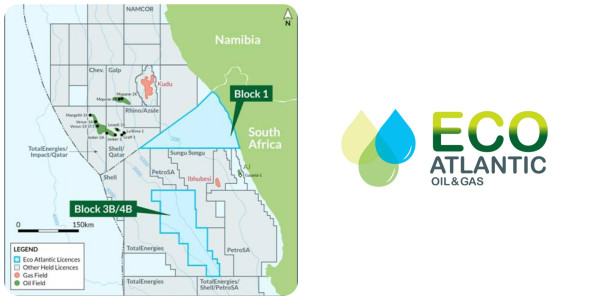
Oil and gas exploration company Eco (Atlantic) – through its wholly-owned subsidiary Azinam South Africa – has signed a farm-in deal with energy company Tosaco Energy for a 75% working interest in Block 1 - located in the offshore South African Orange Basin. Eco (Atlantic) has assumed operatorship of the block, with the remaining 25% stake expected to be transferred to South African company OrangeBasin Oil & Gas. Upon completion of the transaction, Eco (Atlantic) will assume control of one of the largest blocks in the Orange Basin.
The African Energy Chamber (AEC) – representing the voice of the African energy sector – believes that this transaction is only the start of a wave of Orange Basin deals in the coming years. Having revealed substantial deposits in neighboring Namibia, the basin stands to play a catalyzing role in driving energy security in South Africa. The AEC commends the efforts by Eco (Atlantic) to unlock undeveloped blocks offshore South Africa and looks forward to a discovery being made in the coming years.
The strategic acquisition is on trend with a strong lineup of companies looking at tapping into the Orange Basin. Since play-opening discoveries were made by energy majors Shell, TotalEnergies and Qatar Energy in 2022, over 15 finds have been made by an assortment of majors and independents. In February 2024, TotalEnergies intersected hydrocarbon-bearing intervals in the Mangetti-1X exploration well in Block 2913B – marking the second discovery made by the company in the basin. TotalEnergies is currently leveraging the Tungsten Explorer drillship to assess reserves available at the well. The discovery followed the company's Venus-1X find made in February 2022. Research firm Wood Mackenzie estimates that Venus alone could hold as much as three billion barrels of oil – making it sub-Saharan Africa's largest oil discovery.
Additionally, in January 2024, multinational energy corporation Galp made its second oil discovery at the Mopane-1X well in PEL 83. Preliminary estimates place over 10 billion barrels of oil at the Mopane field. The company is currently seeking a farm-in partner to develop the block, with a 40% stake in the Mopane discovery up for grabs. Meanwhile, energy major Shell continues to witness a string of success, with its recent Lesedi-1X well – discovered in July 2023 – representing the fourth commercial discovery made by the firm in the Orange Basin. Other finds – namely, Graff-1X, La Rona and Jonker-1X – hold as much as 1.7 billion barrels combined. Shell is currently undertaking an extensive drilling campaign, with up to 25% of the company's 2023-2024 exploration budget being directed towards deepwater exploration in the Orange Basin.
These discoveries underscore the size and potential of the Orange Basin, with substantial deposits likely extending into South Africa. Block 1 is located on the maritime border of South Africa and Namibia, in close proximity to blocks held by Shell, Galp and TotalEnergies. The block is also situated by the Kudu Development Project – Namibia's inaugural natural gas project with 1.3 trillion cubic feet of reserves. Kudu is poised to be a gamechanger for the country, providing low-cost power and fuel while laying the foundation for gas-driven economic growth. As such, Block 1's proximity means that the asset could likely yield similar developments and the Eco (Atlantic) acquisition is the first step towards realizing this goal.
“The Orange Basin has emerged as one of the most promising offshore plays worldwide in recent years. Exploratory success on the Namibian side of the basin shows strong potential for the South African side, and while exploration in this area has been slow to date, the recent farm-in by Eco (Atlantic) is poised to reverse this trend. The AEC has long-advocated for the need to advance drilling efforts in Africa and the Orange Basin stands to play a transformative role in the region's energy landscape,” stated NJ Ayuk, Executive Chaiman of the AEC. “We look forward to witnessing commercial success across Block 1 and commend Eco (Atlantic) for their commitment to unlocking the potential of this asset.”
Distributed by APO Group on behalf of African Energy Chamber.
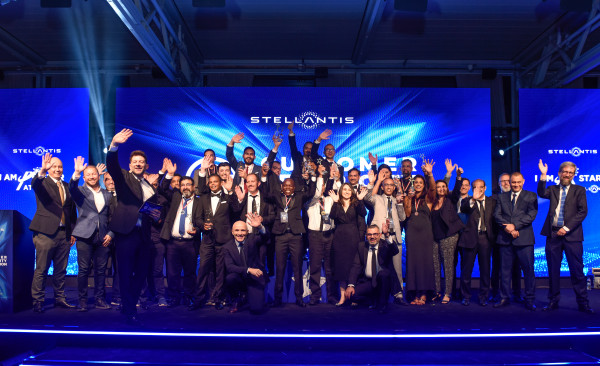
Stellantis Middle East and Africa (www.Stellantis.com) celebrated this April 18th in Istanbul _Turkey the success of its first Customer Centricity Competition, an innovative event that brought together our network front liners exceptional talent from across the MEA region. The competition showcased the skills and expertise of professionals in four distinct categories: Sales Advisor, Service Advisor, Technician, and Spare Parts Advisor.
The Stellantis MEA Customer Centricity Competition saw a total of 24 winners among 6000 professionals from 81 markets across MEA region, representing the four different categories across various dealers within the MEA region. Participants from all over the region, including countries such as Morocco, Turkey, Egypt, South Africa, Tunisia, and Qatar, eagerly took part in this event.
The winners were selected based on their exemplary performance and expertise in each sub-category. In the Sales and Service Advisor category, winners were recognized for their excellence in Best Greeting & Consulting, Best Negotiation & Closing, and Best Theoretical Knowledge. Similarly, in the Technician and Spare Parts Advisor category, winners were awarded for Best First Practical Test, Best Second Practical Test, and Best Third Practical Test.
"This competition highlights Stellantis MEA's commitment to excellence and customer satisfaction as per our dare forward 2030 strategy with our ultimate goal to accomplish the top position in customer satisfaction it's a commitment that drives our actions by placing the customer at the heart of our operations." said Samir Cherfan, Chief Operations Officer for Stellantis Middle East & Africa. “We were pleased to see such an exceptional display of talent and expertise. The winners have truly set a benchmark for customer-centricity and professionalism.”
To reinforce this commitment, Stellantis MEA have made substantial investments in training totaling nearly 2 million Euros in 2023 and translating into along with 70,000 hours training across the region. Thus, several tangible efforts have been implemented such as:
The success of the Customer Centricity Competition highlights Stellantis MEA's dedication to fostering talent and enhancing customer experiences across the MEA region.
Distributed by APO Group on behalf of Stellantis.
For more information, contact:
Name -
Email address or Phone
www.Stellantis.com
Follow Stellantis:
Twitter: https://apo-opa.co/3vlSjMN
Facebook: https://apo-opa.co/48ww7hl
LinkedIn: https://apo-opa.co/47bvoRH
YouTube: https://apo-opa.co/3wlGwPg
About Stellantis:
Stellantis N.V. (NYSE: STLA / Euronext Milan: STLAM / Euronext Paris: STLAP) is one of the world's leading automakers and a mobility provider. Its storied and iconic brands embody the passion of their visionary founders and today's customers in their innovative products and services, including Abarth, Alfa Romeo, Chrysler, Citroën, Dodge, DS Automobiles, Fiat, Jeep®, Lancia, Maserati, Opel, Peugeot, Ram, Vauxhall, Free2move and Leasys. Powered by our diversity, we lead the way the world moves – aspiring to become the greatest sustainable mobility tech company, not the biggest, while creating added value for all stakeholders as well as the communities in which it operates. For more information, visit www.Stellantis.com
NH Collection Sandton to be launched in Africa’s richest square mile Johannesburg, 9 April 2024: Minor Hotels, an international hotel owner, operator and investor with more than 540 hotels in 56 countries in Asia Pacific, the Middle East, Africa, the Indian Ocean, Europe and the Americas, is pleased to announce the signing of a strategic …
As MotoGP fans worldwide turn their eyes to Qatar for the curtain-raiser of the 2024 season – the Qatar Airways Grand Prix of Qatar – one rider in particular will be attracting a great deal of attention as the race weekend gets underway at the Losail International Circuit on Friday 8 March. 19-year-old MotoGP rookie …
KwaZulu-Natal records high number of rhino poaching cases
While efforts to prevent rhino poaching have resulted in positive outcomes in national parks across the country, South Africa has seen a shift in rhino poaching with the majority of cases in the past year being recorded in KwaZulu-Natal.
“The pressure again has been felt in the KwaZulu-Natal (KZN) province with Hluhluwe-iMfolozi Park facing the brunt of poaching cases losing 307 of the total national poaching loss. This is the highest poaching loss within this province,” Minister of Forestry, Fisheries and the Environment, Barbara Creecy said on Tuesday.
Last year, 499 rhinos were poached across South Africa, 406 were killed on state properties and 93 on privately owned parks, reserves and/or farms. This was an increase of 51 in comparison to 448 rhinos poached in 2022.
Addressing a media briefing on the 2023 national rhino poaching statistics in St Lucia, KwaZulu-Natal, the Minister said the province recorded 49 arrests and 13 firearms were seized by multi-disciplinary teams that continue to work tirelessly in an attempt to slow the pressure on rhino poaching.
The Kruger National Park (KNP) recorded a 37% decrease from 2022 with a total of 78 rhino poached in 2023. No rhinos were poached in any other National Parks.
“As part of the government’s poverty relief program there are a number of fence monitors employed from neighboring communities that patrol the western boundary fence of the KNP and report fence breakages, illegal tracks and people entering the KNP as well as animals escaping from the KNP,” Creecy said.
Various interventions can be attributed to the decrease of rhino poached at KNP in 2023:
The Minister commended the work performed by the Directorate for Priority Crime Investigation – the Hawks - in several regional and transnational engagements to enhance the government’s integrated approach to combat wildlife trafficking.
“Responsible partnerships between the public and private sectors, and the financial and transporting sectors remains critical in combating international wildlife trafficking.
“The approach is not exclusive to South Africa but is followed within the region and transnationally working with the transit and end user countries in South-East Asia, especially with the People’s Republic of China, Singapore, Qatar, Malaysia and Vietnam,” she said.
In relation to rhino prosecutions, verdicts were handed down in 36 cases of which 35 resulted in guilty verdicts and one in a not guilty verdict.
The Director of Public Prosecutions (DPP) Environmental Working Group (EWG) meets on a biannual basis to share best practice in the investigation and prosecution of environmental crime and to address challenges experienced.
These meetings also foster closer collaboration between the provincial conservation authorities dealing with wildlife trafficking cases and to help identify repeat offenders moving around the country to further the implementation of the National Integrated Strategy to Combat Wildlife Trafficking (NISCWT) strategy.
“Further to this, real time information pertaining to arrest is shared, which enhance collaboration between prosecutors and the law enforcement agencies significantly. A national environmental cases audit has been conducted to establish the number of cases being dealt with by the National Prosecuting Authority of South Africa (NPA).
“A consolidated list of investigating instructions pertaining to rhino and abalone cases has been developed to ensure that comprehensive investigations are requested,” the Minister said.
In the 2023/24 financial year, the Department of Forestry, Fisheries and the Environment (DFFE) embarked on a consultative process to revise both the Black and White Rhinoceros Biodiversity Management Plans (BMP) in line with the provision of the National Environmental Management Biodiversity Act.
“The revision of the BMP aims to address the needs of both black and white rhino, provide a strategic approach and detailed action plan to conserving rhino in South Africa and for engaging with range States to the north.
It consolidates previous work at policy and planning level on rhino management into a single integrated tool in order to usher in a whole of society approach in the interest of both the rhinos and the people of South Africa. The revised draft BMP will be published in a Government Gazette for public participation in the near future,” Creecy said. – SAnews.gov.za
nosihle
Tue, 02/27/2024 - 10:53