• Skip to main content
  • Skip to header right navigation
  • Skip to after header navigation
  • Skip to site footer
MyZA

MyZA

News, Directory, Events and Other Stuff

  • Social Media
  • Sport
  • World News
  • Home
  • Submit News
  • Directory
  • Events
  • Stratlec
  • TFSA
  • News
    • APO
    • Today’s Sport News
    • Todays Social Media and Tech Headlines
    • Today’s World News
    • Today’s SA Financial News
  • Contact
You are here: Home / News / KwaZulu-Natal records high number of rhino poaching cases

KwaZulu-Natal records high number of rhino poaching cases

27 February 2024 by Guest

KwaZulu-Natal records high number of rhino poaching cases

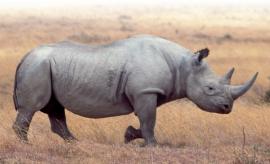
While efforts to prevent rhino poaching have resulted in positive outcomes in national parks across the country, South Africa has seen a shift in rhino poaching with the majority of cases in the past year being recorded in KwaZulu-Natal.

“The pressure again has been felt in the KwaZulu-Natal (KZN) province with Hluhluwe-iMfolozi Park facing the brunt of poaching cases losing 307 of the total national poaching loss. This is the highest poaching loss within this province,” Minister of Forestry, Fisheries and the Environment, Barbara Creecy said on Tuesday.

Last year, 499 rhinos were poached across South Africa, 406 were killed on state properties and 93 on privately owned parks, reserves and/or farms. This was an increase of 51 in comparison to 448 rhinos poached in 2022.

Addressing a media briefing on the 2023 national rhino poaching statistics in St Lucia, KwaZulu-Natal, the Minister said the province recorded 49 arrests and 13 firearms were seized by multi-disciplinary teams that continue to work tirelessly in an attempt to slow the pressure on rhino poaching.

The Kruger National Park (KNP) recorded a 37% decrease from 2022 with a total of 78 rhino poached in 2023. No rhinos were poached in any other National Parks. 

“As part of the government’s poverty relief program there are a number of fence monitors employed from neighboring communities that patrol the western boundary fence of the KNP and report fence breakages, illegal tracks and people entering the KNP as well as animals escaping from the KNP,” Creecy said.

Various interventions can be attributed to the decrease of rhino poached at KNP in 2023:

  • Strong collaboration between external stakeholders permanently based in KNP and attending to various Wildlife Crime cases such as the Skukuza Stock Theft and Endangered Species Unit, Skukuza SAPS and SAPS forensic teams.
  • An extensive and ongoing dehorning programme, which focuses on the dehorning of all rhino in core areas.
  • The continued implementation of the KNP Ranger Services Integrity Management Plan, which is a holistic approach that assesses the drivers and dynamics of corruption, and then addresses these with a comprehensive set of actions that focuses on building individual integrity and organisational resilience to corruption.
  • Improved access control through the installation of Automated Number Plate Recognition (ANPR) cameras and gate cameras.
  • Radar detection systems that remotely track any illegal entry by poachers on foot into the KNP.

The Minister commended the work performed by the Directorate for Priority Crime Investigation – the Hawks – in several regional and transnational engagements to enhance the government’s integrated approach to combat wildlife trafficking.

“Responsible partnerships between the public and private sectors, and the financial and transporting sectors remains critical in combating international wildlife trafficking.

“The approach is not exclusive to South Africa but is followed within the region and transnationally working with the transit and end user countries in South-East Asia, especially with the People’s Republic of China, Singapore, Qatar, Malaysia and Vietnam,” she said.

In relation to rhino prosecutions, verdicts were handed down in 36 cases of which 35 resulted in guilty verdicts and one in a not guilty verdict.

The Director of Public Prosecutions (DPP) Environmental Working Group (EWG) meets on a biannual basis to share best practice in the investigation and prosecution of environmental crime and to address challenges experienced.

These meetings also foster closer collaboration between the provincial conservation authorities dealing with wildlife trafficking cases and to help identify repeat offenders moving around the country to further the implementation of the National Integrated Strategy to Combat Wildlife Trafficking (NISCWT) strategy.

“Further to this, real time information pertaining to arrest is shared, which enhance collaboration between prosecutors and the law enforcement agencies significantly. A national environmental cases audit has been conducted to establish the number of cases being dealt with by the National Prosecuting Authority of South Africa (NPA).

“A consolidated list of investigating instructions pertaining to rhino and abalone cases has been developed to ensure that comprehensive investigations are requested,” the Minister said.

In the 2023/24 financial year, the Department of Forestry, Fisheries and the Environment (DFFE) embarked on a consultative process to revise both the Black and White Rhinoceros Biodiversity Management Plans (BMP) in line with the provision of the National Environmental Management Biodiversity Act. 

“The revision of the BMP aims to address the needs of both black and white rhino, provide a strategic approach and detailed action plan to conserving rhino in South Africa and for engaging with range States to the north.

 It consolidates previous work at policy and planning level on rhino management into a single integrated tool in order to usher in a whole of society approach in the interest of both the rhinos and the people of South Africa. The revised draft BMP will be published in a Government Gazette for public participation in the near future,” Creecy said. – SAnews.gov.za


nosihle
Tue, 02/27/2024 – 10:53

385 views

While efforts to prevent rhino poaching have resulted in positive outcomes in national parks across the country, South Africa has seen a shift in rhino poaching with the majority of cases in the past year being recorded in KwaZulu-Natal.

“The pressure again has been felt in the KwaZulu-Natal (KZN) province with Hluhluwe-iMfolozi Park facing the brunt of poaching cases losing 307 of the total national poaching loss. This is the highest poaching loss within this province,” Minister of Forestry, Fisheries and the Environment, Barbara Creecy said on Tuesday.

Last year, 499 rhinos were poached across South Africa, 406 were killed on state properties and 93 on privately owned parks, reserves and/or farms. This was an increase of 51 in comparison to 448 rhinos poached in 2022.

Addressing a media briefing on the 2023 national rhino poaching statistics in St Lucia, KwaZulu-Natal, the Minister said the province recorded 49 arrests and 13 firearms were seized by multi-disciplinary teams that continue to work tirelessly in an attempt to slow the pressure on rhino poaching.

The Kruger National Park (KNP) recorded a 37% decrease from 2022 with a total of 78 rhino poached in 2023. No rhinos were poached in any other National Parks. 

“As part of the government’s poverty relief program there are a number of fence monitors employed from neighboring communities that patrol the western boundary fence of the KNP and report fence breakages, illegal tracks and people entering the KNP as well as animals escaping from the KNP,” Creecy said.

Various interventions can be attributed to the decrease of rhino poached at KNP in 2023:

  • Strong collaboration between external stakeholders permanently based in KNP and attending to various Wildlife Crime cases such as the Skukuza Stock Theft and Endangered Species Unit, Skukuza SAPS and SAPS forensic teams.
  • An extensive and ongoing dehorning programme, which focuses on the dehorning of all rhino in core areas.
  • The continued implementation of the KNP Ranger Services Integrity Management Plan, which is a holistic approach that assesses the drivers and dynamics of corruption, and then addresses these with a comprehensive set of actions that focuses on building individual integrity and organisational resilience to corruption.
  • Improved access control through the installation of Automated Number Plate Recognition (ANPR) cameras and gate cameras.
  • Radar detection systems that remotely track any illegal entry by poachers on foot into the KNP.

The Minister commended the work performed by the Directorate for Priority Crime Investigation – the Hawks – in several regional and transnational engagements to enhance the government’s integrated approach to combat wildlife trafficking.

“Responsible partnerships between the public and private sectors, and the financial and transporting sectors remains critical in combating international wildlife trafficking.

“The approach is not exclusive to South Africa but is followed within the region and transnationally working with the transit and end user countries in South-East Asia, especially with the People’s Republic of China, Singapore, Qatar, Malaysia and Vietnam,” she said.

In relation to rhino prosecutions, verdicts were handed down in 36 cases of which 35 resulted in guilty verdicts and one in a not guilty verdict.

The Director of Public Prosecutions (DPP) Environmental Working Group (EWG) meets on a biannual basis to share best practice in the investigation and prosecution of environmental crime and to address challenges experienced.

These meetings also foster closer collaboration between the provincial conservation authorities dealing with wildlife trafficking cases and to help identify repeat offenders moving around the country to further the implementation of the National Integrated Strategy to Combat Wildlife Trafficking (NISCWT) strategy.

“Further to this, real time information pertaining to arrest is shared, which enhance collaboration between prosecutors and the law enforcement agencies significantly. A national environmental cases audit has been conducted to establish the number of cases being dealt with by the National Prosecuting Authority of South Africa (NPA).

“A consolidated list of investigating instructions pertaining to rhino and abalone cases has been developed to ensure that comprehensive investigations are requested,” the Minister said.

In the 2023/24 financial year, the Department of Forestry, Fisheries and the Environment (DFFE) embarked on a consultative process to revise both the Black and White Rhinoceros Biodiversity Management Plans (BMP) in line with the provision of the National Environmental Management Biodiversity Act. 

“The revision of the BMP aims to address the needs of both black and white rhino, provide a strategic approach and detailed action plan to conserving rhino in South Africa and for engaging with range States to the north.

 It consolidates previous work at policy and planning level on rhino management into a single integrated tool in order to usher in a whole of society approach in the interest of both the rhinos and the people of South Africa. The revised draft BMP will be published in a Government Gazette for public participation in the near future,” Creecy said. – SAnews.gov.za

Read More at the Source

Share this:

  • Share on X (Opens in new window) X
  • Share on Facebook (Opens in new window) Facebook
  • Print (Opens in new window) Print
  • Email a link to a friend (Opens in new window) Email
  • Share on LinkedIn (Opens in new window) LinkedIn
  • Share on Tumblr (Opens in new window) Tumblr
  • Share on WhatsApp (Opens in new window) WhatsApp
  • Share on Mastodon (Opens in new window) Mastodon
Category: NewsTag: 2024, Africa, critical, Environment, Government, KwaZulu-Natal, law, ONE, Qatar, SA News, SAPS, South Africa, St Lucia

If you feel strongly about this article then feel free to send MyZA a ‘Letter to the Editor’ using the submission form below:


Letter to the Editor

This field is for validation purposes and should be left unchanged.
If this is in response to an article please include that article title here or as the lead in for the first paragraph of your Letter below.

Separate tags with commas

Localise your letter by naming the city your words are about. Add relevant words describing your subject. Single comma separated words of no more than 5
Your Name(Required)
Your Name will be linked to the website below.
Your personal, business or social media web site
Choose NO to not set up a user account on MyZA. User Accounts will allow you to submit letters under your own Author Name

3 Latest Letters to the Editor:

  • Re: R8.5 Million Lotto Winner Claims Prize in Gqeberha

    Dear Editor This is indeed an exciting story for the community. Congratulations to the winner and may this bring positive change to Nomathamsanqa. As someone from KwaMashu, I understand the impact such winnings can have on township communities. Wishing the grandfather all the best. Regards Themba Zulu In Response to/From: R8.5 Million Lotto Winner Claims…

    18 September 2026
  • Re: Minister Tolashe and Postbank Black Cards

    Dear Editor I appreciate the Minister’s assurance regarding the smooth transition to Postbank Black Cards for grant beneficiaries. As a concerned citizen, I hope the government will ensure that all beneficiaries, especially elderly and vulnerable populations in areas like Soweto, receive adequate assistance during this transition period. The expansion of card replacement locations to include…

    18 September 2026
  • Lotto Winner Story

    Dear Editor This is indeed an exciting story for the community. Congratulations to the winner and may this bring positive change to Nomathamsanqa. Regards Willem Pieterse In Response to/From: R8.5 Million Lotto Winner Claims Prize in Gqeberha

    16 September 2026

About Guest

Previous Post:Gearing Up For The Port Alfred Easter Festival
Next Post:Rosebank Mall’s Street Feast Returns with a Groovy ’90s Twist!

Reader Interactions

Comments

  1. Pepper Mouse

    1 September 2026 at 5:21 am

    Fun South African Fact: South Africa was once the world’s number one producer of gold

  2. Doz Killer

    27 August 2026 at 1:49 pm

    Fun South African Fact: There are more than 2000 shipwrecks off the South African coast, most dating back at least 500 years.

Copyright © 2026 · MyZA · All Rights Reserved · Powered by Stratlec Online