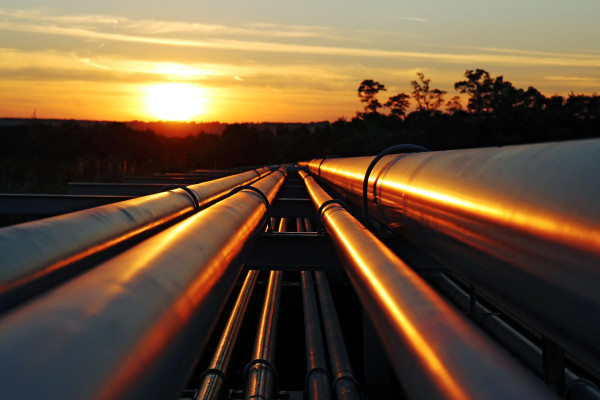
Activists protest as huge oil and gas conference gets underway in Cape Town
“Gas and oil and nuclear don’t need to be in our energy mix”
The term “carbon offset” has become increasingly prevalent in discussions around climate change and environmental sustainability. Despite its growing importance, the concept can be a bit complex to understand. This article aims to clarify the meaning of carbon offset, delve into the different types of projects that generate these offsets, and introduce you to various …
In the global effort to combat climate change, carbon credits have emerged as a powerful tool for offsetting greenhouse gas emissions. But what exactly are carbon credits, and how do they work? This article aims to demystify the concept and provide insights into how carbon credits can be an effective part of sustainability efforts for …
SA awarded Chairship of the Africa Green Hydrogen Alliance
South Africa will use its Chairship of the Africa Green Hydrogen Alliance (AGHA) to advance the green hydrogen agenda on the continent and support opportunities for peer-to-peer learning, technology transfer, economic and employment opportunities.
This is according to Minister in the Presidency for Electricity, Dr Kgosientsho Ramokgopa, who was handed Chairship of the AGHA on the sidelines of the Inaugural Africa Climate Summit (ACS), which took place from 04-06 September 2023 in Nairobi Kenya.
“Green hydrogen and its associated large scale renewable energy production has the potential to support the expansion of the electricity transmission infrastructure, to add additional renewable energy generation capacity and to support the local development of renewable energy.
“As such it is a key component of South Africa’s future energy mix to achieve sustainable energy security,” the Ministry for Electricity said on Thursday.
AGHA was formed in May 2022 by six African countries, Egypt, Kenya, Mauritania, Morocco, Namibia and South Africa, to drive decarbonisation through green hydrogen.
The alliance seeks to intensify collaboration and supercharge the development of green hydrogen projects on the African continent in line with the Just Energy Transition.
“It focuses on public and regulatory policy, capacity building, financing and certification needs to mobilise green hydrogen production for domestic use and export. The inclusion of the Ethiopia and Angola’s membership were also announced alongside South Africa’s Chairship,” the Ministry for Electricity said.
During the ACS, the Minister participated in panel sessions where he shared lessons on South Africa’s energy outlook and the role of green hydrogen in supporting energy security and driving green industrialisation.
On the margins of the Summit, the Minister engaged in multiple high-level bilateral meetings to explore energy collaborations and meaningful partnerships in the energy space.
The Minister’s participation at the Summit was underpinned by a commitment to consistent, sustainable and affordable energy supply for South Africa. – SAnews.gov.za
nosihle
Fri, 09/08/2023 - 09:30
By Jason Mitchell
Africa's vast natural gas reserves are key to bringing energy to Africa's poorest countries, to a solid industrialisation process throughout the region and to significant poverty reduction.
The region is home to 33 of the world's 46 least-developed countries (LDCs) with an average income per head of less than $1,018 a year. The continent's poorest countries must expand at 6-7% a year if poverty is to be reduced in a big way and if the life chances of hundreds of millions of people are to be improved. To achieve this goal, these countries require abundant and cheap energy. Luckily, for many African states, the answer lies on their own doorstep — natural gas. Gas has remained a niche fuel in sub-Saharan Africa — contributing only 5% of the total energy mix against a global average of 20-25% — but its potential is enormous.
A new vision for Africa is required — a criss-crossing network of natural gas pipelines that brings energy to all corners of the region. The continent's contribution to global greenhouse gas emissions is tiny and will only become slightly bigger if the region's natural gas reserves are exploited. There is also a massive opportunity to wean poor Africans away from the use of biomass fuel and to help protect the region's forests through the rollout of small, liquified petroleum gas (LPG) stoves. Climate change is an issue in Africa but poverty reduction is a bigger one. Poverty is the biggest killer in Africa today.
It's very hard for Europeans and North Americans to imagine what it's like to live on under $1,018 a year, to not have readily available electricity, to not have a refrigerator or a washing machine, to not have a car, to not have a lawnmower, to not be able to fly from one country to another cheaply, to not have electricity in the school or the workplace and to have to use firewood or charcoal for cooking purposes. Fossil fuels have been at the heart of the Industrial Revolution that has brought prosperity and better living standards to the developed world. People in the First World must be very careful if they decide to deny Africans the same chance to prosper.
Africa has the lowest energy use per capita in the world — the average electricity use of a sub-Saharan African resident is lower than that of a household fridge in the United States. Average consumption per person in sub-Saharan Africa, excluding South Africa, is a mere 185 kilowatt-hours (kWh) a year, compared with about 6,500kWh in Europe and 12,700kWh in the US. Every year San Antonio, Texas, with a population of 1.5m people, uses as much electricity as the whole of Nigeria, with 203m people. Golden, Colorado, a small town with only 19,000 people, uses as much electricity as Chad, a country with 16m people.
The UN's Sustainable Development Goal Seven aims to “ensure access to affordable, reliable, sustainable and modern energy for all” by the year 2030. That's a tall order. In 2019, 917m people in Africa (around 80% of the region's population) relied on wood, charcoal, kerosene, animal and crop waste or other solid fuels to cook their food and heat their homes. The International Energy Agency (IEA) reports that almost 490,000 people die prematurely every year in sub-Saharan Africa from household air pollution-related causes — stemming from the lack of access to clean cooking facilities. Gas is a much cleaner form of cooking than biomass and its use should be encouraged. Biomass burning-power plants emit 300-400% more CO2 than natural gas per unit energy produced. Natural gas emits almost 50% less carbon dioxide than coal.
Africa has one-fifth of the world's population but contributes only 3% to global greenhouse gas emissions. Incredibly, some 48 sub-Saharan African countries, excluding South Africa, have an estimated share of global emissions of only 0.55%. The fact is that many African states are already at net zero. If the continent were to use an additional 90bn cu m of natural gas per year — or 50% more than today — the resulting emissions would only raise Africa's cumulative contribution to global carbon emissions to 3.5% (ten gigatonnes) by the year 2050, according to the IEA. It really is a tiny increase compared to the chance of reducing poverty levels for hundreds of millions of poor people. If Africa is to provide universal electricity access by 2030 it would have to almost double its total generation capacity from around 260gw today to 510gw.
Almost half the continent's 55 countries have proven natural gas reserves. Across the region, natural gas reserves amount to around 17.5trn cubic metres (cu m), making up around 9% of the world's total gas reserves. They are considerable in northern Africa (accounting for 45% of African reserves) and western Africa (32%), in particular. Commercial quantities of natural gas have been found in many African countries.
Previously, only four countries from the region have been major natural gas production hubs: Nigeria (with total gas reserves of 5.8trn cu m), Algeria (4.5trn cu m), Egypt (2.2trn cu m) and Libya (1.5trn cu m). These four accounted for 78% of African gas reserves in 2021 (https://apo-opa.info/48gDBWG), according to the United States Energy Information Administration.
However, seven African countries — Mozambique, Senegal, Tanzania, Mauritania, South Africa, Ethiopia and Morocco — with no history of fossil gas exploitation have now opened up their doors to gas projects. Some 84% of new reserves in the pre-production stage are found in these states — total new reserves amount to 5.1trn cu m. Mozambique has re-production reserves of 2.3trn cu m, Senegal 779bn cu m, Mauritania 575bn cu m, Tanzania 512bn cu m, South Africa 96bn cu m, Ethiopia 42bn cu m and Morocco 39bn cu m.
Furthermore, major untapped reserves have been discovered in Angola, Cameroon, Ghana, Equatorial Guinea, the Republic of the Congo, Kenya and Uganda. A number of these states — including Mozambique, Tanzania, Mauritania and Senegal — are actively marketing natural gas to capitalise on recent discoveries. In fact, the IEA has declared Africa the ‘new frontier' in global oil and gas.
The big four gas-producing countries will continue to dominate gas production in the near term but experts estimate that Mozambique and the other new entrants will contribute more than 50% of the region's gas production by 2038.
Natural gas can be used for electricity generation, industry and domestic use. Crucially, harnessing Africa's gas could provide the baseload power needed to boost Africa's capacity to process its raw materials locally. It could provide enough energy for industrial processes, including steel and cement production and paper and pulp manufacturing. It could be also used to make fertiliser to raise agricultural yields. Renewables, including solar and wind, cannot yet provide enough energy for these purposes.
The huge reserves of gas can play a significant role in the continent's energy transition, as natural gas has a much lower carbon footprint than oil and coal. Critically, natural gas development and renewable power are not mutually exclusive. If Africa were to triple its use of natural gas, the United Nations Economic Commission for Africa (Uneca) estimates that the region would be able to increase its use of renewable energy eight-fold. Reliable forms of energy such as gas can be used to stabilise a grid powered by intermittent sources such as wind and solar. It can play a key role in a ‘just' energy transition.
However, expanding gas supply across Africa would require a whole web of new gas pipelines and that does not come cheap. A lot of the gas from the new projects already under way in Africa is destined for international markets, including the European Union — which have been seeking new sources of energy since the Ukraine crisis — but it is vital that the region's gas reserves are deployed for domestic use, as well. Nigeria, for example, sits on the continent's largest known natural gas reserves but only 55% of the population had access to secure electricity in 2020.
Multilateral financial institutions (MFIs) — many of which are headquartered in the developed world — are now shying away from investing in natural gas projects in Africa because of pressure from a vociferous green lobby. In 2021, 20 countries — including almost all the world's big, rich democracies — pledged to stop almost all financing of new fossil fuel projects internationally by the end of 2022. Furthermore, under the Glasgow Financial Alliance for Net Zero (GFANZ), 450 financial firms across 45 countries, responsible for over $130trn in assets, committed to accelerate the global decarbonisation process. The problem is that most Western governments and financial institutions do not distinguish between coal, oil and gas, and the pressure to stop funding all hydrocarbons has negatively impacted gas projects in Africa in a big way.
Some of the continent's biggest financiers — including the African Development Bank (AfDB) — are finding it increasingly difficult to support gas project developments that require loan syndication and foreign partners. The World Bank is pulling back, too. Local banks cannot finance major gas projects on their own, as they are limited by their capital base. In particular, the fossil fuels divestment campaign is having a big impact on the amount of development and concessional finance available. This kind of finance used to support a number of gas projects for their poverty-reducing and economic development value.
For example, without the guarantees of development finance institutions (DFIs), most of Africa's recent gas-to-power plants would have never been built in the first place. The withdrawal of development finance from downstream gas and gas-to-power projects is a serious cause for concern for Africa's electrification effort and moving the needle on energy access.
Furthermore, there is a glaring double standard — many European countries have increased their use of hydrocarbons (coal as well as gas) since Russia's invasion of Ukraine. They are constructing new fossil fuel pipelines at home. The EU recently classified natural gas a ‘green' fuel, which will allow Europe's projects to be backed by investors committed to environmental, social and governance (ESG) principles. European countries are now looking towards African states for new sources of gas. However, they are not prepared to back new gas projects in Africa that would supply the fuel to the region itself. That smacks of hypocrisy of the worst kind. How can you deny the poorest people in the world the sort of energy that you want to use yourselves?
Lumping all hydrocarbons together is a blunt policy mechanism that is not good from an emissions perspective either. In poorer places, like sub-Saharan Africa, the available alternative to gas is not renewable electricity but rather coal, diesel and, most of all, polluting biomass. In sub-Saharan Africa, demand for biomass fuels is expected to surge by 40% by the year 2040 if ‘business as usual' continues. The burning of biomass is a major contributor to global carbon emissions and charcoal has been a top driver of tropical forest loss during the past two decades, with the greatest footprint in Africa. The continent's carbon sinks need protecting and the irony is that the greater use of gas would achieve that.
Africa is home to 18% of humanity but receives less than 5% of global energy investment. And much of this investment goes on producing oil and gas for export. There must be much more investment in the region for the domestic use of gas. Gas projects could play an absolutely vital role in bringing energy to Africa but obviously the projects require financing. DFIs must think again about their decision to limit investment in new projects in Africa. The financing of a network of gas pipelines throughout Africa would be one of the quickest and surest ways of industrialising the region in a big way and of alleviating poverty on a large scale. Renewables just cannot do that how ever much wishful thinking takes place.
In fact, development institutions should go one step further and consider subsiding a massive roll out of small LPG stoves to millions of poor households in the region. It could be one of the biggest moves in contributing to Africa's decarbonisation effort by arresting the pace of deforestation in the region. LPG is recovered from ‘wet' natural gas (gas with condensable heavy petroleum compounds) by absorption and reaches the domestic consumer in cylinders under relatively low pressures. The widespread adoption of LPG stoves would reduce the amount of pollutants in the air from biomass fuels. Poor households that currently depend on woodfuel for cooking require a cleaner cooking alternative — LPG is one of the solutions.
LPG stoves are also suitable for domestic use in rural settings — a key consideration in Africa where energy poverty is greatest in the countryside. For instance, in 2016, electricity access in urban and rural areas in Nigeria was 86% and 34%, respectively, according to the World Bank.
Africa only needs to look to Asia for examples. In 2006, Indonesia implemented a ‘mega-programme' to induce a large-scale transition from kerosene to LPG stoves in order to reduce government spending on kerosene subsidies. The initiative invested in LPG infrastructure, domestic cylinder production and consumer awareness. By 2012, 93% of the target had been reached and LPG consumption had grown by almost 350%.
In India, LPG access expanded through the early-2000s but it was still not reaching most poor families. To boost access among the poor, the Indian government introduced the Pradhan Mantri Ujjwala Yojana (PMUY) Scheme. Under it, the country's oil marketing companies provide subsidies to reduce the cost of both LPG connections and cylinder refills to women in households classified as below the poverty line. In 2016, the cost of a connection was about Rupees 3,200 ($48) and included the first full cylinder (plus deposit), deposit for a regulator, an LPG stove and administrative fees.
Furthermore, African governments must consider increasing domestic gas allocations from liquified natural gas (LNG) export projects. These are an effective way to ensure that even if developers prioritise lucrative exports over local sales, they must reserve part of their production for the domestic market. Upcoming LNG terminals in sub-Saharan Africa — for example, in Mozambique — now make it compulsory to allocate a specific amount of gas to the domestic market. The availability of domestic gas from export facilities can encourage gas-based industrialisation (for example, in Senegal) or additional gas-to-power capacity (Mozambique, Mauritania and Senegal). In August 2022, for instance, Senegal's Petrosen Trading & Services signed an MoU with Turkey's Çalık Enerji and Japan's Mitsubishi for the pre-feasibility study of a gas-based ammonia and urea manufacturing unit.
It is a huge mistake to lump all hydrocarbons together and for Western environmentalists to argue that no new new fossil fuel projects should happen in Africa whatsoever. Deforestation is one of the biggest issues in Africa today. Poor Africans must be weaned off the use of wood-based fuels. The widespread adoption of small LPG stoves would be one of the surest ways of reducing deforestation. Natural gas could also form the basis for a solid, large-scale industrialisation process in Africa — something that is essential if the region is to achieve the sort of economic growth needed to lift hundreds of millions of people out of poverty.
Distributed by APO Group on behalf of African Energy Chamber.
South Africa's GDP grows by 0.6%
Stats SA has announced that South African real Gross Domestic Product (GDP) expanded by 0.6% in the second quarter of 2023, which measured is from April to June.
Six industries on the supply side of the economy grew in the second quarter, with manufacturing and finance driving much of the upward momentum.
“On the demand side, the country benefitted from a sharp rise in investments in machinery and equipment, which included products related to renewable energy. Despite a decline in the overall household consumption, consumers continued to spend more on restaurants and hotels,” Stats SA said on Tuesday.
The GDP growth in the second quarter follows a 0.4% rise in the first quarter.
“Manufacturing production expanded by 2.2%, mainly pushed higher by petroleum, chemical products, rubber and plastic products. Manufacturers in metals, metal products, machinery and equipment also recorded a good quarter, driven in part by increased demand for crude steel.
“Increased investment in South Africa’s automotive sector helped lift the production of transport equipment and motor vehicles. The finance industry edged higher by 0.7%, boosted by financial intermediation, insurance and real estate services,” Stats SA said.
After two consecutive quarters of decline, South Africa’s agriculture sector recorded a positive performance with a 4.2% rise in output, which was driven by increases in the production of field crops and horticulture products.
“Favourable weather conditions, increased cultivation and a rise in export demand provided further support. Mining looked good too, posting a second straight quarter of growth. Platinum group metals, gold, minerals classified in the category ‘other metallic minerals’ and coal helped lift the industry.
“The personal services industry was positive on the back of higher growth in education and health. The rise in general government services was mainly due to an increase in staff numbers.
“Not all industries had a good second quarter. After 18 months of consistent growth, the transport, storage and communication industry stumbled, declining by 1.9%. Transport support services were lacklustre and there were declines in land freight and road passenger transport,” Stats SA said.
The trade industry was down on the back of weaker retail and wholesale figures.
The overall decline was partially offset by increased activities in the motor trade, tourist accommodation and restaurant, catering and fast-food sectors.
“After holding its head above water for nine months, the construction industry lost steam in the second quarter. A decline in economic activity related to non-residential and residential buildings pulled the industry lower. There was a small uptick in construction works, but this was not enough to lift the industry into positive territory,” Stats SA said.
Investments in machinery and equipment
Stats SA noted that a sharp rise in investments in imported machinery and equipment – mostly for electricity infrastructure – drove gross fixed capital formation higher.
“This was supported by an increase in sales of locally produced electric motors, generators and special purpose machinery. The demand for machinery and equipment contributed to the 3.3% rise in imports. Imported products included those related to renewable energy, batteries, vegetable products, artificial resins and plastics, base metals and articles of base metals, and animal and vegetable fats and oils.
“South African exports edged higher by 0.9%, driven by increased trade in chemical products; prepared foodstuffs, beverages and tobacco; vehicles and transport equipment; mineral products and machinery and electrical equipment.
“Household consumption decreased in the second quarter as consumers cut back on a variety of goods and services. Despite the overall decline, households continued to increase their spending on restaurants and hotels, representing a seventh consecutive quarter of growth for this category,” Stats SA said. – SAnews.gov.za
nosihle
Tue, 09/05/2023 - 12:29
Independent Power Producers programme reaping rewards
The Renewable Energy Independent Power Producers Procurement Programme (REIPPPP) is having a positive socio-economic impact on the industry and the economy.
This is according to the Minister in the Presidency for Electricity, Dr Kgosientsho Ramokgopa, who was speaking during a media briefing on the Energy Action Plan on Saturday.
Thus far, some 134 IPPs have been selected as preferred bidders, 11 904MW have been procured with 6180MW already operational and investment of R334.5 billion has been attracted for energy infrastructure.
Ramokgopa said that through the programme, “about R85 billion…has been placed in the hands of black business”.
“This is significant if we talk about the deracialisation of the South African economy. We are able to use our transition towards cleaner forms of energy to ensure that they provide significant meaning on this agenda of the deracialisation of the South African economy and we are having new participants, new entrants in the form of black players so that the democratic dividend is equitably distributed to all South Africans.
“[The programme] has been able to produce over 72 153 job years. It is a computation that we are using for us to be able to account for the number of employment opportunities that have been created in the South African economy as a result of the interventions of the Renewable Energy Programme. This speaks to the areas of during construction and also during operations.
“The Rand value of about R3.2 billion is what has been accumulated to the South African economy and this has got to significant impact in relation to socio-economic development and the areas of enterprise development so that we are able to expand the floor of opportunities to local communities, we are able to provide new skills that helps them to participate in this energy transition,” he said.
Ramokgopa revealed that some R69 billion actual spend has been spent on local content.
“There’s been a significant industrialisation on the back of the localisation of the components that are necessary to help us to decarbonise and transition. Our view is that on the back of this transition, on the back of this crisis, we must be able to expand the industrial base of the country.
“And on the back of this decarbonisation, on the back of this resolution of this crisis, we are also able to address the challenge of unemployment, we are able to address the challenge of structural unemployment in the form of the skills that are required to support the kind of economy that we are constructing and this economy will be underpinned by renewable energy sources,” he said.
On the environmental side, the Minister said REIPPPP projects have been able to offset some 97Mton of Carbon Dioxide with 114.7 million kilolitres of water saved.
“This is meaningful. There’s a multiplicity of matrices that underpin the renewable agenda. It’s not just only on the complexion of the generation mix, on the reduction of the emission levels but it also plays an important role on the deracialisation of the work that we are doing,” Ramokgopa said. – SAnews.gov.za
NeoB
Sat, 09/02/2023 - 11:12
Blended finance fund to assist farmers alleviate energy challenges
The ongoing load shedding in South Africa has become a serious constraint on growth and profitability for various sectors, including agriculture.
In addressing the negative impact on the productivity and profitability of farm operations brought about by the load shedding crisis, the Land Bank and Department of Agriculture, Land Reform and Rural Development (DALRRD), have launched a blended finance fund, which is geared towards financing alternative energy solutions with a focus on energy intensive agricultural activities which include irrigation, intensive agricultural production systems and on-farm cold chain related activities.
The Agro Energy Fund aims to support all South African citizens, producers in the agricultural sector, including smallholder, medium scale, large scale and mega commercial producers.
The launch of the Agro Energy Fund follows the successful launch of the Blended Finance Scheme (BFS) in October 2022 through the partnership between Land Bank and DALRRD, where the bank, in collaboration with the department launched the R2 billion BFS.
Speaking at the launch held in Pretoria on Tuesday, DALRRD Minister Thoko Didiza emphasised that the purpose of the Agro Energy Fund is to incentivise farmers to invest in alternative energy sources, and will run parallel to other existing financial instruments that are designed to support farmers with production, farmer infrastructure and market, amongst others.
Didiza explained that the applications for the fund will be directed to the Land Bank and will be subjected to approval guidelines of the bank.
“The funding will be deployed through a blended finance structure which is a combination of a loan and grant. DALRRD will contribute a grant portion to a total value of R500 million which will be matched with a loan portion to a total value of R710 million from Land Bank.
“This will effectively create a R1.21 billion fund size. The fund will be available in the market until the allocated funds are completely drawn down,” Didiza explained.
The Minister added that the priority will be on supporting dairy farming, piggeries, poultry, all irrigated commodities and on-farm processing.
“In deploying funding to producers, the Bank will also rollout its Green Finance product offering with a focus on financing solar panels, biogas and biomass plants which will result in the installation and commissioning of energy efficiency projects across the country which will partially offset electricity usage from the grid.
“The fund will enable the bank to contribute to building resilience against energy shocks in the sector which have negatively impacted productivity and profitability in farm operations. The food security and rural development remain key priorities in the agricultural sector,” the Minister said.
Land Bank Board Chairperson, Thabi Nkosi, expressed the bank’s appreciation to be in partnership with the department for the implementation of the Agro Energy Fund, and also commended the department’s allocation of the R500 million grant.
“The fund aims to support all South African producers - from smallholder farmers to large commercial producers - in a manner that ensures a balanced allocation of funds across various farming cohorts, according to need,” Nkosi said.
Nkosi explained that the smallholder producers will be eligible for up to 70% total finance amount, with the grant portion capped at R500 000 per applicant, while medium scale producers will be eligible for up to 50% of the total financed amount, with the grant portion capped at R1 million per applicant.
“Large producers will be eligible for a grant of up to 30% of the total financed amount, with the grant portion capped at R1.5 million per applicant. On this basis, the fund is expected to support over 500 farmers across the country,” Nkosi said.
While acknowledging that the fund may not reach all of South Africa’s farmers, Nkosi said, this initiative, with specific focus on renewable energy solutions, will catalyse the agricultural sector’s adoption of more sustainable farming practice.
The applications to the Agro-Energy Fund are now open, and the details about the fund, product offering, and how clients can contact and apply for funding support from the Land Bank can be found on www.landbank.co.za or www.dalrrd.gov.za – SAnews.gov.za
GabiK
Wed, 08/30/2023 - 10:06
Economic reforms to create growth, jobs
Through economic reforms implemented through Operation Vulindlela, President Cyril Ramaphosa says government is steadily laying the foundation for a revival of economic growth.
In his weekly newsletter, the President noted the release of a progress report, which highlights a number of key milestones that have been reached during the past quarter.
“Since Operation Vulindlela was established, we have built significant momentum in economic reforms to create growth and jobs.
“Through these reforms we are steadily laying the foundation for a revival of economic growth. By restructuring our network, industries like energy, telecommunications, ports and rail, we are opening the space for investment and a renewal of our nation’s infrastructure,” the President said.
The President highlighted that the first of the reform milestones was the digital migration process which government implemented by switching off analogue transmission for all frequencies above 694 MHz on 31 July 2023.
“This marks a significant step in migration from analogue to digital signal. This means that radio frequencies that were being used for television broadcasting can now be used for mobile telecommunications, which will make network communications more accessible and increase the speed and reduce the cost of data. The implementation of this reform will bring new investment in the telecommunications sector,” he said.
President Ramaphosa told citizens that work is underway to implement necessary reforms in the logistics sector to address the challenges that have held back the growth of South African exports.
He highlighted that the lack of investment and the increased cost of doing business have added to the many challenges that need to be addressed.
Another key milestone was reached with the selection of an international terminal operator to partner with Transnet at the Durban Pier 2 container terminal. This terminal handles close to half of South Africa’s port traffic.
“This partnership will increase investment for upgrading equipment and expanding terminal capacity. A key aspect of this partnership is that port infrastructure will remain state-owned and all jobs will be protected,” he said.
The President further highlighted that two critical pieces of legislation were tabled in Parliament this month, that will advance economic reform.
The Electricity Regulation Amendment Bill will support the restructuring of Eskom into three separate companies owned and controlled by Eskom Holdings, including an independent grid operator.
“Through this bill we will introduce competition in electricity generation, enabling a number of independent generators, alongside Eskom, to produce electricity to meet our country’s demand. This reform will fundamentally transform, modernise and improve South Africa’s energy sector to ensure energy security into the future.
“Meanwhile, the reforms we have implemented through the Energy Action Plan have unlocked new investment in renewable energy sources, both to end load shedding and to use our unique wind and solar resources to power economic growth,” he said.
One of key reforms that government has prioritised is in the water sector. Government has introduced the South African National Water Resources Infrastructure Bill to establish a dedicated national water agency to design, plan and finance water resource infrastructure.
This agency will enable significantly greater investment in bulk water infrastructure to guarantee water security in the years and decades to come, while creating jobs and unlocking new agricultural potential.
“We are implementing a range of other reforms to unlock economic growth, from creating an enabling regulatory environment for hemp and cannabis production to eradicating the backlog of title deeds for subsidised housing,” he said.
Despite difficult global conditions, the President said investors continue to see value in the South African economy and the benefit of the reform agenda government is pursuing.
He added that he is pleased that the BRICS Business Forum held last week was attended by 1 500 investors and business people from all five member countries.
The President said the Summit was able to showcase the potential of South Africa and the African continent as the next frontiers of productivity and growth.
“Many of the participants remarked on the enormous potential of our economic reform agenda to drive growth in the green economy, the digital economy and other key sectors.
“In all of the work that we do, our ultimate goal is the same: to build an inclusive, fast-growing and dynamic economy and thereby create a better life for all South Africans,” he said. – SAnews.gov.za
DikelediM
Tue, 08/29/2023 - 09:57
Say goodbye to the hassle of relocating your power stations during load shedding. EcoFlow (https://www.EcoFlow.com/za), a global leading sustainable energy solutions company, is excited to introduce the enhancement that expands the abilities of its DELTA Series (https://apo-opa.info/44uAEib) and RIVER Series (https://apo-opa.info/3PhnlNH) to power your home with just a single plug. These cutting-edge power stations are now compatible with the major transfer switches on the market, enabling seamless integration with home circuits for comprehensive power coverage.
Easy Operation, Seamless Integration
"This compatibility empowers users to effortlessly connect EcoFlow portable power stations (https://apo-opa.info/3qGeZWt) to their homes, suitable with a variety of transfer switches on the market." said Joy Wu, Head of LAMEA&APAC at EcoFlow. "In the face of relentless load shedding, this innovation provides an energy-efficient and time-saving solution. Users no longer need to shuffle power stations or appliances around to maintain essential functions. With a single switch, power will course through your home circuit."
This home backup power solution encompasses an EcoFlow power station and a transfer switch. Installation only takes about 20 minutes by a professional electrician. Once connected to the home main panel of electrical circuits via a transfer switch, your EcoFlow power station becomes a reliable source of power for your entire home. From the living room to the kitchen, bathroom, or bedrooms, the solution operates seamlessly, eliminating the need for complex wiring or redundant operations.
Accessible and Reliable Home Power Solution
One of the most compelling advantages of EcoFlow's portable power solutions with transfer switch compatibility is their affordability. "The additional cost for a transfer switch in the market is approximately R500-1000," noted Joy. "Compared to traditional home power solutions, the EcoFlow combo provides an economical entry point for families seeking dependable backup power."
The solution caters to both the DELTA Series and RIVER Series portable power stations, offering up to 10.8kWh of capacity to power an entire home - from critical appliances to lighting and communication devices. The built-in BMS (Battery Management System) provides multiple protections against overload, overvoltage, overheating, etc., freeing you from the worries of unstable grid power.
In addition to their cost-effectiveness, these power stations present a safe and eco-conscious alternative to noisy and poisonous emission-heavy fuel generators, making them suitable for household use.
Limitless Application, Anytime and Anywhere
An added benefit is the portability of EcoFlow's portable power stations. Designed for plug-and-play convenience, users can effortlessly unplug their power stations and carry them anywhere, providing adaptable energy solutions for outdoor activities, travel, and emergency situations.
"This innovation marks a significant step forward in the field of home power solutions, simplifying households' ability to maintain uninterrupted power supply during outages," addressed Joy. For a limited time, the combo of a portable power station and a free transfer switch is now available on EcoFlow's official website (https://apo-opa.info/3QYiPVt).
* Note: this compatibility is applicable to both the EcoFlow DELTA series and the RIVER series; however, the actual performance may differ based on the capacity and rated power of the respective power stations. This solution is not advisable for the RIVER 2 model.
Distributed by APO Group on behalf of EcoFlow.
Links to additional content:
DELTA Series: https://apo-opa.info/44uAEib
RIVER Series: https://apo-opa.info/3PhnlNH
EcoFlow portable power stations: https://apo-opa.info/3qGeZWt
EcoFlow's official website: https://apo-opa.info/3QYiPVt
Media Contact:
Orange Lin
EcoFlow Communications Manager in South Africa
orange.lin@ecoflow.com
About EcoFlow:
EcoFlow is a leading eco-friendly energy solutions company with the vision to power a new world. Since its founding in 2017, EcoFlow aims to become a reliable and trusted energy companion for individuals and families across the world, providing accessible and renewable power solutions at home, outdoors, and in mobile spaces. Today, with operational headquarters located in the USA, Germany, and Japan, EcoFlow has empowered more than 2.5 million users in over 100 markets worldwide.
Agreements to aid energy solutions
Minister in the Presidency for Electricity, Dr Kgosientsho Ramokgopa has emphasised that the agreements signed in the past week with Chinese state owned entities and the donation by the People's Republic of China are to address this country’s emergency energy solutions.
South Africa concluded a significant amount of agreements with Chinese state owned entities (SOEs) with the signing of two overarching memoranda that were witnessed by President Cyril Ramaphosa and President Xi Jinping.
South Africa hosted the 15th BRICS Summit last week and the country also hosted President Xi on his fourth State Visit to South Africa ahead of the Summit.
Addressing the media on the Energy Action Plan on Sunday, Ramokgopa explained that the two agreements include amongst others, addressing issues of green energy solutions, exploitations of renewable energy sources and the use of modern technology.
“The two agreements – the first one addresses issues around green energy solutions- the partnership agreement we will be entering in relation to the exploitation of renewable energy sources in our country; the use of modern technology and the degree to which we are able to connect renewable energy onto the grid.
“The rationale for entering with the Chinese in this regard is because they are a dominant player on the renewable energy space. They have 688 gigawatts of installed capacity of renewables, a combination of PV and wind. They have done one of the biggest expansions of transmission and they have also worked on the kind of transmission modernisation required to be able to accommodate the intermittency of renewable sources,” the Minister said.
In regards to the donation by the People's Republic of China, the Minister said this is aimed at addressing South Africa’s emergency energy solutions, which is targeted at key public facilities such as police stations, health institutions and correctional centres.
Minister Ramokgopa emphasised that provincial departments will play a role in identifying the key public areas.
“The second one, was an exchange of letters in relation to a donation that we are receiving from the People’s Republic of China that is meant to help us in addressing the emergency energy solution in the country.
“I did indicate that it’s likely going to be targeted in key public facilities such as hospitals, clinics, correctional services, and police stations. In this regard, we will be working with the nine provincial governments for them to be able to identify sites that are suitable for this.
“We already have a technical capacity that is supporting us in relation to the appropriateness of the technology solutions that are given to us and those that have been agreed upfront,” he said.
Ramokgopa further announced that the first shipment of the technology solutions by China is en route and an announcement will be made when it arrives in the country, having left Chinese shores on 14 August.
“We will announce at the right time when the first shipment lands and give an indication of the first public facilities that will benefit from this generous donation.”
Turning to the performance of the system for the past week, the Minister said that the available capacity has come down.
“I did indicate that we are beginning to normalise being above 28 000 megawatts on average. We have kept close to that most of the week and the average is about 27 561 megawatts,” he said.
“We did indicate that we were going to slow down planned outages and once we get out of a very difficult winter we are going to ramp up because we need to protect these machines, generation and units to ensure their sustainability and reliability going into the future.
“We still remain above 15 000 megawatts in relation to unplanned capacity lost factor. I made a point that we want to bring it down,” the Minister said.
Load shedding
On load shedding, Ramokgopa said government was confident the system was stabilising and the country will continue to have lower stages of load shedding as the system recovers.
“On the issue of performance, we are more that satisfied. We have shown where we moved from a historic low of 48% of energy availability factor. We have been averaging 60% energy availability factor.
“When we went to the winter period, the worst case scenario was Stage 8. We only had 30 hours of Stage 6. You can see the intensity of load shedding is coming down. The issues of outage slips, I have shown to you, they have come down from a high of 3 300 megawatts to 766 megawatts,” the Minister said. – SAnews.gov.za
DikelediM
Sun, 08/27/2023 - 13:07
Rich countries urged to honour $100-billion climate finance goal
United Nations (UN) Secretary-General, António Guterres, has urged developed countries to keep their promises to developing nations by meeting the climate finance commitment of US$100 billion.
This is after rich nations made a pledge in 2009 to the less wealthy countries at a UN Climate Change Conference in Copenhagen, Denmark, to assist them in adapting to climate change and alleviate rises in temperature by 2020.
Guterres also called on the wealthy nations to double adaptation finance, replenish the Green Climate Fund, and operationalise the loss and damage fund this year.
“As a matter of justice, Africa must be considered a priority in all these efforts,” he stressed.
He delivered the remarks at the BRICS-Africa Outreach and BRICS Plus Dialogue, which was held during the 15th BRICS Summit at the Sandton Convention Centre, Johannesburg.
Guterres said the climate crisis was spiralling out of control and urged world leaders to step up their efforts to tackle it.
“I have put forward a Climate Solidarity Pact in which developed countries provide financial and technical support to help emerging economies – in Africa and beyond – to promote an equitable and just transition to renewable energy.”
He told delegates that he presented an Acceleration Agenda, which aims to see developed countries committing to reach net zero by 2040 and developing nations as close as possible to 2050.
The Secretary-General also touched on the crisis of cost of living.
He stated that poverty, hunger, and inequalities are growing against the Agenda 2030 for Sustainable Development’s objectives.
“Geopolitical divides and conflicts are multiplying with profound global implications, especially the impacts from the Russian invasion of Ukraine.”
Multipolar world
While nations were eyeing a multipolar world, he said multipolarity was not enough to guarantee a peaceful or global community.
“To be a factor of peace, equity, and justice in international relations, multipolarity must be supported by strong and effective multilateral institutions.”
Guterres is advocating for a strengthened and reformed multilateral architecture based on the UN Charter and international law.
“Today’s global governance structures reflect yesterday’s world. They were largely created in the aftermath of World War II when many African countries were still ruled by colonial powers and were not even at the table.
“This is particularly true of the Security Council of the United Nations and the Bretton Woods institutions.”
For multilateral institutions to remain universal, he said they must reform to reflect today’s power and economic realities.
“In the absence of such reform –– fragmentation is inevitable.”
Cooperation
Guterres said the world cannot afford a divided global economy and financial system, diverging strategies on technology, and conflicting security frameworks.
“The IMF [International Monetary Fund] estimates that such a fracture could cost 7% of global GDP [gross domestic product] – a cost that would be disproportionately borne by low-income countries, mainly in Africa.
“And so I have come to Johannesburg with a simple message, in a fracturing world with overwhelming crises, there is simply no alternative to cooperation.”
He advised leaders to urgently restore trust and reinvigorate multilateralism for the 21st century.
“This requires the courage to compromise in the reforms necessary for the common good.
“It requires full respect for the UN Charter, international law, universal values, and all human rights – social, cultural, economic, civil, and political. And it requires much greater solidarity,” he stressed, admitting that none of this was easy.
“But it is essential. And is essential, especially for Africa.”
He acknowledged that Africa, a historical victim of slavery and colonialism, continues to confront grave injustices.
“On average, African countries pay four times more for borrowing than the United States and eight times more than the wealthiest European countries.”
Guterres also noted that African states account for just 4% of global greenhouse gas emissions, but are an epicentre of climate chaos.
“Looking ahead, I see two priorities for action and justice. First, on the economic front. Redesigning today’s outdated, dysfunctional, and unfair global financial architecture is necessary, but I know it won’t happen overnight. Yet we can – and must – take practical action now.”
He has since proposed an effective debt workout mechanism, and other steps necessary to multiply the resources available for developing countries are vital for sustainable development in Africa and its people. – SAnews.gov.za
Gabisile
Thu, 08/24/2023 - 13:42
Chinese donation to aid in load shedding
At least 500 public facilities around the country are set to benefit from a donation from China which will allow them to have uninterrupted alternative power supply and shield them from the effects of load shedding.
The donation includes generators, power supply vehicles and off grid PV energy storage supply systems.
This was announced by Minister in the Presidency for Electricity, Dr Kgosientsho Ramokgopa, during the signing of a Memorandum of Cooperation (MoC) with eight Chinese entities.
The signing ceremony was held on the side lines of the BRICS Summit, currently underway in Johannesburg.
“Yesterday we exchanged letters in relation to the technical equipment that will be assisting us to provide sustainable electricity to some of the major public installations like clinics, hospitals and police stations. We are going to get 552 of those units [and] 450 of them are already on the way.
“It means that over 500 public facilities…are now going to have access to uninterrupted alternative power supply and thank you to the Chinese for the generous contribution. [The equipment] range from 6kw up to 200kw [and] 200kw can support a clinic and a medium sized hospital so this is true relief to the South African people,” he said.
The South African government has already moved to exclude some 76 hospitals from load shedding with work underway to shield at least 46 others from rolling power cuts being implemented in the country.
Cooperation between countries
On the MoC signed by the parties, the Minister explained that the Chinese entities have valuable experience and technology that can assist Eskom and by extension, the country.
The MoC was entered into by Ramokgopa on behalf of the South African government and Chinese entities:
“They have experienced a similar problem that we are experiencing now. Second, they’ve got the biggest coal generation capacity of any country in the world. They’ve got the biggest installed renewable energy capacity of any country in the world…about 688GW.
"The amount of renewables they have is twelve times the size of Eskom. They are sitting on extensive amounts of liquidity. We can tap into that financing which is concessional and cheaper than any other. They [also] have the biggest installed capacity of nuclear of any country in the world.
“Even before today, almost all of them have been helping us on the generation side and have already generated a number of reports on how best we can improve the issues of performance of the coal fired powered stations and also reduce the emissions levels, on how to reduce the technical losses on the grid and also on the transmission side and what is required in relation to planning and accommodating new renewables on the grid,” he said.
Load shedding
Turning to questions on whether this agreement will remove load shedding, the Minister remained coy.
“When I came into office, the President [Cyril Ramaphosa] said we are short of 6000MW. Since March when we were appointed, we have added 4000MW. At Tutuka there’s a potential…there’s three units that must come on stream, they’ll give us 1680MW. We are going to fire one unit at Kusile in October, 800MW. We are going to fire three units…we are getting 2400MW. That…gives you 8940MW or so.
“But we have not resolved load shedding. The first phase is to make sure that what we are going through is eliminated and I am telling you, we are going to get those megawatts. We must build sufficient capacity to allow the economy of the country to grow at the desired rate and the rate of growth of new generation capacity must surpass the rate of economic growth,” he said. – SAnews.gov.za
NeoB
Wed, 08/23/2023 - 12:35
President Ramaphosa calls for investment in Africa
President Cyril Ramaphosa has called on the business community to invest in the continent and identify solutions to the rapid economic, technological and social changes underway.
Addressing the 15th BRICS Summit in Johannesburg, during the BRICS Business Forum Leaders' Dialogue, the President said these changes create new risks for employment, equality and poverty in many BRICS (Brazil, Russia, India, China, and South Africa) countries.
“From a South African perspective, there is massive untapped potential for investment in our country and on the African continent. Africa is a continent of great opportunity in the industrialisation process in a variety of sectors.
“Africa is a continent rich in the critical minerals that will drive business success in the 21st Century. The continent has resources of lithium, vanadium, cobalt, platinum, palladium, nickel, copper, rare earth minerals, rhodium and many others," the President said.
He emphasised that African countries made it clear that the investors of choice are those who will process the resources here, close to source.
"We are developing stronger regional value-chains that will connect a number of African countries, providing investors with diversity, strength and resilience,” President Ramaphosa said.
Taking place under the theme: "BRICS and Africa: Partnership for mutually accelerated growth, sustainable development and inclusive multilateralism,” the summit is being attended by the leaders of Brazil, India, China, as well as South Africa, as the host.
The President said the success of the African Continental Free Trade Area (AfCFTA) will require a massive investment in infrastructure.
AfCFTA intends to create a single market for goods, services, facilitated by movement of persons in order to deepen the economic integration of the African continent.
“The African Continental Free Trade Area creates a single market that is expected to grow to 1.7 billion people and nearly $7 trillion in consumer and business spending by 2030. We need to mobilise the substantial financing needed to build the roads, ports, rail, energy and telecommunications networks that will enable industrialisation and trade.
“Growth in African economies will be driven in the main by small and medium enterprises. This requires focused and effective support to these businesses. It is important that specific financing be directed to women-owned businesses so that they can harness the benefits of the continental free trade area,” the President said.
He said the investment in skills development is growing as Africa has a young, digitally connected and urbanising population, which provides a stable workforce for companies in future.
“These factors all position Africa as the next frontier of productivity and growth. BRICS countries have an opportunity to contribute to and participate in Africa’s growth story. This can be achieved through greater cooperation in areas such as infrastructure, agriculture, manufacturing, new energy and the digital economy.
“South Africa has an important position in this growing African market, facilitated by the African Continental Free Trade Area and other free trade agreements. South Africa's industrial strength, our mineral endowments and our large market opportunities provide a compelling value-proposition for companies wanting to establish their businesses here,” the President said.
President Ramaphosa said South Africa has significant industrial capacity, with Africa’s most advanced industrial innovation and fabrication base.
“Firms that have invested here recognise that South Africa has deep local capital markets and strong financial systems. We have a diverse and sophisticated economy. South Africa possesses world-class infrastructure, skills, abundant natural resources, industrial clusters and a host of incentives to support investment.
“Many investment and partnership opportunities exist in renewable energy, infrastructure, aquaculture, information and communications technology (ICT), automotives, pharmaceuticals and advanced manufacturing, among others,” the President said.
He explained that the BRICS group of countries exists not only to strengthen government-to-government relations, but also to forge stronger ties between the peoples of the five nations.
“It is for this reason that several bodies have been established to enable cooperation across society. The BRICS Business Council is a vital and vibrant platform for strengthening economic ties between our respective countries and in forging common perspectives on inclusive economic growth and development.
“The changes that have taken place in BRICS economies over the past decade have done much to transform the shape of the global economy. Together, the BRICS countries make up a quarter of the global economy, they account for a fifth of global trade and are home to more than 40 percent of the world’s population,” the President said.
As BRICS countries celebrate its 15th anniversary, trade between BRICS countries totalled some $162 billion last year.
“Foreign investment has played an important role in the growth of BRICS economies. Total annual foreign direct investment into BRICS countries is four times greater than it was 20 years ago,” the President said.
With the establishment of the New Development Bank by BRICS countries in 2015, the President said its formation has demonstrated its ability to mobilise resources for infrastructure and sustainable development in emerging economies without conditionalities.
“BRICS economies have emerged as powerful engines of global growth. Yet the rapid economic, technological and social changes underway create new risks for employment, equality and poverty in many BRICS countries. We therefore call on the business community to join hands with us to identify solutions to these and other challenges affecting our respective economies,” the President said. – SAnews.gov.za
nosihle
Tue, 08/22/2023 - 18:42
Port Shepstone continues to drive business and investment on the KZN South Coast with the latest development – the Port Shepstone Intermodal Facility – further entrenching this coastal town’s status as a business hub. The estimated R550-million facility will increase accessibility to this key financial destination while opening up investment opportunities in the retail sector. …
Patel reflects on global challenges as he welcomes BRICS delegates
Trade, Industry and Competition Minister, Ebrahim Patel, has reflected on the issues facing global economies as he welcomed all delegates at the 15th BRICS Summit, which officially kicked off in Johannesburg on Tuesday morning.
The Sandton Convention Centre has been a hive of activity as delegates from across the globe congregate to take part in the first in-person summit since the COVID-19 outbreak.
“A special welcome to all of you to the province of Gauteng, the economic powerhouse of the African continent, where 35% of South Africa’s wealth is generated. This small but very productive province accounts for 5% of Africa’s GDP [Gross Domestic Product],” said Patel.
The BRICS grouping of major emerging economies – Brazil, India, China, South Africa and Russia - is holding their summit in Johannesburg from 22-24 August 2023 under the chairship of South Africa.
Patel told the room full of delegates that the world looks different from five years ago when the country hosted the 10th BRICS Summit in 2018.
“Today, the world is more polarised, climate change is more pressing and the speed of technological innovation is rapidly increasing. These trends are in turn reshaping our economies and societies in more profound ways than more of us can project,” he said.
The Minister noted that change across the globe has created turmoil and tension.
“As the world changes, we have seen a rise of unilateralism and a pushback on the global rule-based system.”
Patel, however, believes that it cannot be business as usual for the private sector, governments and other role players. He has called on leaders to adapt to the “new normal” and often volatile, uncertain and complex world.
“It’s in this context that the BRICS Business Council meets here today,” Patel said.
Towards a better future
Despite challenges, he said the council is optimistic about the future.
The Minister reflected on some of the institutions that were built by the bloc, such as the New Development Bank, which drives investment and infrastructure, and supports economies and societies.
Patel said the power of science, technology and innovation must be harnessed to solve some of the world’s problems, from developing lifesaving vaccines to green technologies that can decarbonise the energy mix.
Other developments such as the African Continental Free Trade Area (AfCFTA), which has the potential to bring together a market of 1.3 billion people and provide a much-needed boost to African industrialisation, must be actively pursued.
“We’re no longer just a raw material supplier. Africa is taking its place in the world as an innovator and industrialiser -- the Africa of people, young people, rapidly urbanising, digitally connected and energetic Africa.
“We’re pushing back against the toxic legacy of 55 States divided by borders from a continent of 1.3 billion people united in our resolve, connected in a unified manner.”
Meanwhile, Brazil’s Finance Minister, Fernando Haddad, said his country always strives to facilitate investment in the interest of his country. He described BRICS’ contribution as “enormous”.
“In Brazil, we believe in multilateralism and cultural and social diversity, and that we equitably distribute the opportunities.”
Haddad said it was important for BRICS to be unified.
India’s Minister of Commerce and Industry, Piyush Goyal, commended businesses for organising centres for them to discuss the BRICS economies.
He said India, which grew its GDP grew by 7.2% last year, is one of the world’s fastest growing economies.
Goyal said India is also transforming its infrastructure, and that it boasts more than 800 million internet users and an increase in online services.
In addition, the country is also growing its renewable energy sources.
Goyal also reflected on the important partnership between the BRICS countries and the global south based on mutual respect. – SAnews.gov.za
Gabisile
Tue, 08/22/2023 - 11:54
The African energy sector serves as a catalyst for global development, and in this dynamic industry that powers the modern world, a select group of remarkable women have emerged as trailblazers. The African Energy Chamber (AEC) (www.EnergyChamber.org) is proud to announce the “25 Under 40 Energy Women Rising Stars' - individuals whose dedication, ingenuity and unwavering commitment serve as beacons of hope and pillars of inspiration. These women are redefining the possibilities within a traditionally male-dominated field, and the AEC proudly celebrates the rising stars who are leading the way towards making energy poverty history by 2030.
In no particular order:
Gbemisola Adeyemi Afolabi, Junior Geoscientist, AMNI International
Adeyemi Afolabi, a budding Junior Geoscientist at AMNI International, is an emerging force in the energy sector. With a Masters' Degree in Energy Geosciences from Rice University, she brings a fresh perspective to her role. Adeyemi's educational background, combined with her passion for geoscience, underscores her dedication to exploring and understanding the Earth's resources. Afolabi's commitment to harnessing scientific knowledge for practical energy solutions sets her apart as a promising talent within AMNI International.
Ibilola Akinnola, LNG Shipbroker, Maersk
Ibilola Akinnola has a wealth of experience across the legal and logistics fields, and represents an individual whose creativity, commitment and drive has advanced the global energy industry. A qualified Solicitor and Barrister of the Supreme Court of Nigeria, Akinnola went on to complete her Masters' degree in International Shipping Law at Queen Mary University of London. Now, she works at integrated logistics company Maersk as the LNG Shipbroker, and continues to make a lasting impact in the industry.
Rekik Bekele, CEO and Founder, Green Scene Energy
Rekik Bekele is a seasoned professional with over 10 years of experience in renewable energy. With a BSc in Electrical Engineering, she leads Green Scene Energy PLC as its CEO, providing affordable solar solutions in Ethiopia. Bekele also serves as a board member at Ethiopian Solar Energy Development Association, an Acumen fellow, and founder of PurposeBlack ETH and Run Africa. Her diverse initiatives drive positive change in energy and social development.
Sarah Bouzid, Technical Sales Lead: Production Systems Division, Schlumberger
Sarah Bouzid is a Chemical Engineer and Technical Sales Lead for Schlumberger's Production Systems Division – representing the only woman in this role in MENA region. Her expertise lies in the Audit to Optimize program, where she engages with clients to enhance process equipment performance. After completing an engineering degree from Bourmerdes University, she worked in various roles at Sonatrach. Navigating the largely male-dominated sector, Bouzid serves as a beacon of hope for women in science and engineering.
Sandra Chukwudozie, CEO, Salpha Energy
Sandra Chukwudozie is the Founder & CEO of Salpha Energy, a company dedicated to providing clean, affordable and innovative energy solutions for a carbon-neutral future. She is also Executive Director of Dozzy, one of Africa's largest petroleum storage facilities. After completing her studies at the University of Dundee in 2015, Chukwudozie dedicated her professional life to supporting economic growth through energy development, gaining experience in international management, industrial relations and economics. Her innovation, resilience and ability to embrace change has made her a leader in her field and an inspiration to many across the industry.
Nadia Simao da Costa, HR People Analytics Supervisor, Chevron
Nadia Simao da Costa is the People Analytics Supervisor at Chevron and represents the youngest person to be selected for Human Resource leadership at the company in Angola. Leveraging analytics and evidence to develop strategies to manage the current and future workforce needs, Simao da Costa is a strong advocate for inclusivity and human capital development. As the African energy sector grows and more people enter the workforce, professionals such as Simao da Costa serve as valuable role models.
Eghosa Ebube, Portfolio Analyst, Chevron Nigeria
Eghosa Ebube, initially Project Engineer and now Portfolio Analyst at global energy powerhouse Chevron, brings a wealth of expertise to the table. Having honed her skills in various roles including Onshore Construction Engineer, she has emerged as a force to be reckoned with in the energy sector. Her adeptness in engineering and her dedication to innovation shine through in her work, making her a pivotal contributor to Chevron's and Nigeria's energy success.
Katuiscia Laurence Ewane, General Field Engineer, SLB
With a Masters in Industrial Engineering from Ecole Nationale Supérieure Polytechnique, Katuiscia Laurence Ewane has spent several years working for global energy services company SLB. She currently serves as a General Field Engineer for the company and has pioneered several successful initiatives, including a new approach for the integration of Drilling Fluids and Cementing Fluids; completing a complex cementing operation on Mt Cameroon; and spearheading community outreach under the SLB Excellence in Educational Development program. Ewane is a testament to the important role female engineers play in Africa.
Taimi Itembu, Public and Government Affairs, ExxonMobil
A Harvard Kennedy School graduate with over 14 years' experience in leadership, energy and policy, Taimi Itembu represents an inspirational leader in Namibia's energy sector. She has served in various roles in the Namibian Government, showcasing her aptitude for policy dialogue and partnership building to drive transformation across the region. Her leadership in energy and exploration includes advocating for Africa strategy, investment protection, and a favorable operational environment, and as an industry expert, she represents a beacon of impactful leadership.
Anine Kilian: Managing Editor, Energy Capital & Power
Anine Kilian is a strong advocate for Africa's energy development. Currently serving as the Managing Editor for Africa-focused investment platform Energy Capital & Power, Kilian's journey began as a dedicated journalist and editor after studying at the Tshwane University of Technology in South Africa. Her career has taken her worldwide, and her expertise led her to become a pivotal writer at Creamer Media before joining Energy Capital & Power in 2018. Recognizing her talent and passion, Kilian was swiftly promoted to Managing Editor in 2021. Her journey epitomizes resilience, growth and a commitment to driving Africa's energy narrative at a time when the continent needs it most. Kilian represents a standout figure in the landscape of energy journalism and advocacy.
Ubuhle Noluti Mtetwa, National Manager, Secondary Logistics, bp Southern Africa
Armed with a degree in Transport Economics and Logistics Management, Ubuhle Noluti Mtetwa spearheads innovative projects in a traditionally male-dominated industry. In a relatively short period of time, Mtetwa climbed the ranks at bp from Logistics Intern to National Manager of Secondary Distribution. Now, she supports diversity efforts, using her platform to not only advance logistics in Africa's energy industry but support the progression of others.
Faith Musimenta, Senior Petroleum Economic and Financial Analyst, Petroleum Authority of Uganda
Faith Musimenta is currently the Senior Petroleum Economic and Financial Analyst at the Petroleum Authority of Uganda (PAU), where she leverages her skills in investment analysis to develop oil and gas financial models for billion-dollar projects. After competing her studies at the University of Dundee, Musimenta worked for various financial institutions including Citi Bank, Diamond Trust Bank and DFCU Bank. She represents an inspiration for women across the African financial sector, and continues to advocate for both inclusivity, sustainability and development of Uganda's oil and gas industry.
Nancy Asantewah Nkansah, Resource Manager: Planning and Supply Chain for West Africa, SLB
Nancy Asantewah Nkansah, a Resource Coordinator at SLB with 8+ years' experience, excels in planning chemical requirements and workforce coordination for efficient operations. With a BA in Political Science and a Geography minor, she spearheads resource management, enhances supply chain efficiency and facilitates environmentally responsible practices. From groundbreaking innovations to resilient problem-solving, Nkansah is redefining the energy industry in Africa.
Ezinne Nnachetta, Development Geologist, Chevron
Following the completion of her MSc in Petroleum Geoscience at Imperial College London, Ezinne Nnachetta has gained significant experience as a leading geoscientist for global energy major Chevron. Her 10-year commitment to the company demonstrates her dedication to opening up new hydrocarbon basins, integrating innovation with petroleum and forging new paths for women in energy. Nnachetta represents a role model for aspiring women in the field.
Teresa Isabel Nnang Avomo, CEO, GEPetrol
Teresa Isabel Nnang Ovomo, accomplished CEO of Equatorial Guinea's national oil company GEPetrol, ascended to the position after working in various positions at the company, including Deputy Director of Operations where she streamlined and optimized the NOC's upstream operations. Armed with a Masters from Heriot-Watt University, her journey includes various pivotal roles at Repsol. Avomo's leadership exemplifies operational acumen, innovation and drive, and she serves as an inspirational figurehead, both in Namibia's and Africa's energy sectors.
Monique Ntumngia, CEO, Green Girls Project
Monique Ntumngia is a sustainability entrepreneur and advocate for climate-gender justice. Founding Green Girls Organization, a Pan-African energy social enterprise, she leverages AI to pinpoint clean energy challenges faced by women in African rural communities. She is also the Founder of Monafrik Energy, whereby Monique measures and compares environmental impacts in supply chains, advancing clean energy initiatives. Her impactful work exemplifies her dedication to providing clean, affordable energy solutions not just in Cameroon but across Africa and beyond.
Lynette Nyagah, Project Lead, Bentworth Energy
As Project Lead at East Africa's pioneer oil and gas service company, Lynette Nyagah plays a pivotal role in establishing robust operational and quality systems. A graduate from the University of Cape Town, Nyagah gained experience in the sector as a Field Engineer for Baker Hughes. Now, she plays an instrumental part in positioning Bentworth as a globally recognized and competitive firm. Advocating for innovation in carbon footprint reduction, automation for enhanced efficiency, and the increase in participation by local African companies, Nyagha is an inspiration to many in the industry.
Oneyka Cindy Ojogbo, Partner, Centurion Law Group
Oneyka Cindy Ojogbo has a proven track record of providing strategic counsel to clients in complex energy transactions and projects. A graduate of Columbia Law School, Ojogbo currently serves as a Partner of Centurion Law Group, a pan-African legal and business advisory group. Throughout her career, Ojogbo has counselled clients across power, energy and infrastructure sectors. Her work has covered multiple sectors and tackled transactions of varying complexity, with her determination, passion and vision serving as an inspiration for many.
Isioma Okolo, Reservoir Engineer, Shell
Isioma Okolo is a Reservoir Engineer with the Shell Petroleum Development Company in Nigeria. She holds a Bachelor of Engineering Degree in Petroleum Engineering from The Federal University of Technology Owerri and an MBA from the Edinburgh Business School, Heriot-Watt University. Having worked as a Consultant in Pricewaterhouse Coopers and as a Society of Petroleum Engineering Certified Engineer, Okolo is paving the way for a prosperous future for Africa and beyond.
Uzochukwu Ozoh, Legal Advisor, Chevron
With a LLM from the University of Dundee and an MBA from Imperial College Business School, Uzochukwu Ozoh has emerged as an accomplished transactional lawyer who merges business acumen, legal prowess and risk analysis within the energy sector. Currently serving as Legal Advisor at Chevron, Ozoh guides a team of legal experts facilitating intricate gas, commercial, and supply chain transactions exceeding US$1 billion. Her mastery of stakeholder relations, leadership and organizational development makes her a force to be reckoned with.
Lecticia Sepulvede, Public and Government Affairs Advisor, ExxonMobil
Lecticia Sepulvede has a Masters in Petroleum, Energy, Economics and Finance from the University of Aberdeen and currently serves as the Public and Government Affairs Advisor for global energy major ExxonMobil. Her vision is to support Mozambicans achieve their full potential, and she works closely with stakeholders to facilitate safety and security efforts in the Cabo Delgado province of the country. Her commitment to people, her focus on the energy sector, and her ability to manage stressful environments makes her a highly valuable and admirable energy professional.
Eman S Shahin, Performance Lead and Senior Petroleum Engineer, Dragon Oil Egypt
Eman Shahin is a proficient Performance Lead and Senior Petroleum Engineer (SPE) at Dragon Oil Egypt, and boasts over 9 years' experience in reservoir, petroleum and production engineering. Her prowess spans budgeting, production forecasting, reservoir development planning and optimizing waterflood management. As a leader and coach at SPE Egypt, her commitment to mentorship shines. With roots at Cairo University and experience at GUPCO, Shahin's journey embodies expertise, leadership and fostering an inclusive energy landscape.
Mwanyengwa Ndapewoshali Shapwanale, Director: Communications and Stakeholders Relations, ReconEnergy Namibia
Mwanyengwa Ndapewoshali Shapwanale is the Director of Communication and Stakeholder Relations at Recon Energy Namibia. With a degree in Communication and Media Studies from the University of Cape Town and 10 years' experience in journalism and communication, she brings valuable compliance and ESG skills to her role in the energy sector. As the youngest member of Recon's management, she plays a pivotal role in shaping the organization's communication landscape.
Natznet Tesfay, VP Economics & Country Risk, S&P Global
Natznet Tesfay is Vice President of Economics & Country Risk at S&P Global Market Intelligence. Leading a global team of 150+ experts, she forecasts economic and country risk outlooks. With a rich background at IHS Markit and Exclusive Analysis, her expertise spans geopolitical analysis, energy transition and supply chain alignment. With degrees from Harvard University, The London School of Economics, and SOAS University of London, she has emerged as a trailblazer and advocate for Africa's economic future.
Nidra Araba Yebuah, Digital and Integration Account Manager for Ghana and Equatorial Guinea, SLB
Nidra Araba Yebuah is an accomplished Senior Geologist and Account Manager with over a decade of experience in the oil and gas service industry. She blends technical proficiency with business acumen to excel in her role. Her expertise spans data interpretation, geological environments and technical sales support. Yebuah has significantly contributed to sub-Saharan African operations, demonstrating innovation and leadership in the dynamic industry.
Call for Nominations
If you were not chosen this year, or if you nominated someone who was not selected, please understand that the process is highly selective, and we encourage you to re-submit updated information in 2024. We welcome suggestions of well-deserving candidates throughout the year. Simply email awben@energychamber.org. We look forward to honoring outstanding 25 Under 40 Energy Women Rising Stars again in 2024.
Distributed by APO Group on behalf of African Energy Chamber.
The South African property market remains an attractive investment for foreigners looking for quality yet affordable seaside locations. While the Western Cape has long dominated this market, the warm coastline of KwaZulu-Natal has emerged as an appealing destination, with the KZN South Coast now a dominant player in the property market. “There are a number …
Renewable energy is here to stay, as seen by the fast adoption of renewable energy generation in South Africa to date. According to the Council for Scientific and Industrial Research (CSIR) statistics from 2022, renewable energy has a role to play in reducing demand on the failing South African energy grid. “In 2022, the VRE …
The global shift towards sustainable energy solutions has seen a significant rise in the adoption of solar power. South Africa, blessed with abundant sunlight, is no exception. But what if the upfront costs of solar installations are a barrier for you? Enter the concept of “rent-to-own solar systems.” What is Rent-to-Own Solar? Simply put, …
Introduction The concept of a home has evolved dramatically over the years. From simple shelters to grand architectural marvels, and now to intelligent living spaces, our homes have mirrored our societal progress. Today, the integration of technology into our residences has given rise to the phenomenon of “smart homes.” But what exactly makes these homes …
A group of organisations have created successful small projects, but now they want to aim bigger
Introduction Carbon offsetting has emerged as a vital strategy in the global effort to reduce greenhouse gas emissions and mitigate climate change. By definition, carbon offsetting involves compensating for carbon dioxide emissions produced by human activities by funding projects that reduce or remove an equivalent amount of greenhouse gases from the atmosphere. This article delves …
Johannesburg 10th August – Inspired Schools South Africa, a leading educational institution committed to providing uninterrupted learning experiences, is excited to announce its collaboration with a highly reputable and well-known engineering company for a major solar energy project. This initiative aims to mitigate the effects of load shedding and drive the adoption of renewable energy, …