• Skip to main content
  • Skip to header right navigation
  • Skip to after header navigation
  • Skip to site footer
MyZA

MyZA

News, Directory, Events and Other Stuff

  • Social Media
  • Sport
  • World News
  • Home
  • Submit News
  • Directory
  • Events
  • Stratlec
  • TFSA
  • News
    • APO
    • Today’s Sport News
    • Todays Social Media and Tech Headlines
    • Today’s World News
    • Today’s SA Financial News
  • Contact
You are here: Home / Archives for Renewable

Renewable

27 October 2023

Climate finance remains a key issue: Creecy

Location: News

Climate finance remains a key issue: Creecy

Minister of Forestry, Fisheries and the Environment, Barbara Creecy, has expressed concern that developing nations have continually called for more support for the financing of the fight against climate change, yet the funding targets pledged by developed countries are still not being met.

“At the 28th session of the Conference of the Parties (COP28), there will be a renewed call for a scaled-up and predictable goal for climate finance. The deadline for agreeing upon this goal is 2024, and the success of this COP, and perhaps future climate talks, will depend on the outcome,” Creecy said on Thursday.

She was addressing the National Stakeholder consultations on the UN Framework Convention on Climate Change (UNFCCC) COP 28.

“Whilst the establishment of a global fund for loss and damage is indeed a milestone, the difficult task of working out the details of the fund – how it will be financed, where finance will come from, and the form of such finance – will be one of key agenda items in Dubai.

“As with all COPs, finance will remain a key issue. COP 28 therefore takes place in a context where we cannot simply congratulate ourselves for the apparent progress we have made whilst key issues still need to be addressed,” the Minister said.

COP28 to the UNFCCC will be held at Expo City, Dubai in the United Arab Emirates (UAE) from 30 November – 12 December 2023.

“At COP 27, South Africa and the Africa Group put forward the proposal to include the special needs and circumstances of the continent on the conference agenda, but this did not enjoy consensus. This proposal will be made again at COP 28.

“Acknowledging the special circumstances of the African continent will be an important step in upholding the principle of differentiated responsibility, and would recognise the continent’s vulnerability to climate change, but also the need for mitigation and adaptation support,” the Minister said.

She said the first Global Stocktake (GST) will be completed at COP28, where the world will take stock of the collective progress since adopting the Paris Agreement, and make recommendations where implementation of the Agreement is not on course to achieve its long-term goals.

“We already know we are not on track, based on the detailed evidence presented by Parties and other stakeholders during the technical dialogues of the GST over the last year. The outcome of the GST will be the central outcome of COP28, and this outcome must increase collective action on mitigation, adaptation, loss and damage and the provision of support to developing countries to achieve this, commensurate with the challenges we face,” Creecy said.

She noted that the technical phase of the GST (in a series of technical dialogues) has made clear that, while action is proceeding under the Paris Agreement, much more is needed now on all fronts.

“The world is far better off than it would have been without the Paris Agreement and multilateral cooperation, but we are not on track to achieve the global goals we agreed to in Paris in 2015.

“The discussions on the outcome of the GST have started, and focus on key political messages, and more importantly, multilateral and national measures that need to be put in place to accelerate our journey towards a more sustainable and equitable world.

“As the co-facilitator of the consultations on the outcome of the political phase of the GST, together with Demark, South Africa is supporting the incoming Emirati COP Presidency to help identify areas of convergence and divergence between Parties in the run-up to and during COP28,” the Minister said.

She said at the past three COPs, the South African delegation has joined delegations from other developing countries in calling for a clear adaptation work programme with clear targets for building the resilience of developing countries and clear financial mechanisms to achieve this.

“To date there has been little or no progress on this matter,” the Minister said.

SA fully committed to addressing climate change

Creecy affirmed South Africa is commitment to addressing climate change based on science, equity and in the context of sustainable development.

“Hence, our updated Nationally determined contributions (NDCs) seek to balance the three structural components of mitigation, adaptation and the need for international support for implementation.

“Our Climate Change Bill, which was adopted by the National Assembly on Tuesday, will lay a strong legal basis for climate action, and the regulatory framework for the whole of government, business, organised labour and civil society to implement our country’s climate commitments,” the Minister said.

She said COP28 provides a key platform for broader conversations, including: 

  • How developing countries in Africa can take advantage of their abundant renewable resources and strategic minerals to build shared prosperity and sustainable development on the continent;
  • The threat to sustainable development posed by unilateral trade measures imposed outside the Paris Agreement and in violation of its key principles, and
  • The pressing need for transformation of the global financial architecture to make the global financial system fit for purpose, in assisting countries to combat climate change and achieve their sustainable development goals.

- SAnews.gov.za

nosihle
Fri, 10/27/2023 - 10:21

777 views
Read moreClimate finance remains a key issue: Creecy
27 October 2023

The Benefits of Prepaid Electricity Meters

Location: MyPR

Empowering Homeowners with Control and Savings Saving the environment by reducing the consumption of scarce water and electricity Making payment collection a breeze Prepaid electricity meters have emerged as a practical solution for homeowners seeking more control over their electricity usage and expenses. These innovative devices allow users to monitor and manage their energy consumption …

Read moreThe Benefits of Prepaid Electricity Meters
26 October 2023

World Bank supports SA’s transition to cleaner energy with a $1 billion loan

Location: News

World Bank supports SA’s transition to cleaner energy with a $1 billion loan

The World Bank Board has committed to support South Africa’s efforts to promote long-term energy security and a low carbon transition with a $1 billion Development Policy Loan (DPL).

“We are pleased to support South Africa’s government, which has taken decisive reforms to address the challenges posed by the energy crisis. These reforms will benefit the people of South Africa - particularly the most vulnerable households - the economy, the environment, and advance the energy transition,” World Bank Country Director for South Africa Marie Francoise Marie-Nelly said on Wednesday.

The operation supports reforms in two critical areas. It facilitates the restructuring of the power sector through the unbundling of South Africa’s power utility, Eskom.

It supports the opening of the power market and aims at improving Eskom’s efficiency by redirecting its resources toward investments in transmission and maintenance of existing power plants.

The operation also supports a low carbon transition by encouraging private investment in renewable energy, including by households and small businesses, and strengthening carbon pricing instruments.

The World Bank noted that South Africa has been facing an ongoing energy crisis, which has had a marked negative impact on productivity and safety, at a time when the country has been working to implement a just transition to a low carbon economy.

In 2022, load shedding averaged eight hours per day, costing 2-3% of GDP growth to the economy.

“This operation comes at a crucial time for South Africa as it will provide much needed fiscal and technical support, enabling us to pursue our policy priorities in the energy sector including easing the electricity crisis in the long term, stimulating private sector engagement and creating jobs in the renewables space,” National Treasury Deputy-Director General: Asset and Liability Management Mmakgoshi Lekhethe said.

South Africa is among the world’s top 20 greenhouse gas (GHG) emitters. Energy represents 81% of South Africa’s emissions, of which 45% comes from electricity.

“The operation is expected to enhance economic activity and job creation from new investments in renewable energy generation. Poor and vulnerable households will be cushioned against recent increases in electricity tariffs. Poorer households and businesses - particularly women and Black women-owned businesses - will be supported through access to credit by commercial banks to enable them to invest in solar technology,” the World Bank said.

The operation will also contribute to gradual reductions in water and air pollution, as a result of reduced reliance on coal for power generation.

“This is anticipated to lead to substantial improvements in the quality of life of South African households in the long term. South African authorities will also receive technical assistance to identify future reforms necessary to manage the social costs associated with the decommissioning of coal-fired power.

“The operation has been a collaborative effort between the government, the World Bank and three partners, namely the African Development Bank (AfDB), KfW Development Bank (KfW), and Government of Canada. It was informed by South Africa’s development priorities, including the Presidential Energy Plan and the Just Energy Transition,” the World Bank said. – SAnews.gpv.za


nosihle
Thu, 10/26/2023 - 09:56

290 views
Read moreWorld Bank supports SA’s transition to cleaner energy with a $1 billion loan
25 October 2023

Call to reduce carbon emissions

Location: News

Call to reduce carbon emissions

Minister of Forestry, Fisheries and Environmental Affairs, Barbara Creecy, has called for nations to move with speed to reduce carbon emissions to limit the severity of climate change impacts.

“Simultaneously, we have to adapt and build resilience to the impacts that will occur, even in a 1.5 degree world. The Sixth Report of the International Panel on Climate Change shows us that the world is already dangerously close to an average temperature increase of 1.5 degrees above pre-industrial times,” the Minister said on Tuesday.

She was addressing the National Assembly debate on the Climate Change Bill, which will enable the orderly reduction of greenhouse gas emissions through the implementation of sectoral emission targets to guide the journey to the mid -century net- zero commitment.

The Bill will also ensure the country reaches its Nationally Determined Contribution by assigning individual enterprises carbon budgets and facilitating public disclosure of the progress.

“We know climate change impacts will hit the most vulnerable communities first, and will hit them the hardest. A key part of building climate resilience is to set up 'early-warning' systems so that communities can prepare for disasters before they happen,” the Minister said.

According to the Global Commission on Adaptation, knowing that a natural disaster event will happen 24 hours before it occurs can reduce damage by 30 percent.

The Department of Forestry, Fisheries and the Environment and the South African Weather Service (SAWS) currently provide regular weather updates and have technology that can give South African communities advanced warning of extreme weather events.

“Our fundraising efforts aim to improve existing infrastructure and replace outdated and dysfunctional systems. Responding to climate change is not the responsibility of government alone.

“Every aspect of society and the economy will be impacted upon. Consequently, the Bill will formally establish the Presidential Climate Commission as a statutory body to mobilise communities, organised labour, business and civil society to represent a whole of society response to future challenges,” Creecy said.

Last month, African leaders adopted the Nairobi Declaration on Climate Change and Call to Action, which recognises that decarbonising the global economy is an opportunity to contribute to equality and shared prosperity on our continent.

“In support of this vision, President Cyril Ramaphosa, at the United Nations Climate Summit, called on developed countries to meet the need for new, predictable public finance to support climate adaptation and build resilience to loss and damage in developing countries so that no country should ever have to choose between development aspirations and climate action.

“With abundant solar and wind resources, and significant reserves of critical minerals, South Africa is positioning itself to be a leader in renewable energy, green hydrogen and sustainable industrialisation.

“The Just Transition Framework developed by the Presidential Climate Commission aims to ensure that climate actions adhere to principles of procedural, restorative and distributive justice. Consequently as our country develops our vision of a Just Transition to a low carbon economy and climate resilient society we will ensure it is sustainable, inclusive, comprehensive and leaves no one behind,” the Minister said.

The Climate Change Bill will provide impetus for mainstreaming the country’s climate and disaster response by placing a legal obligation on every organ of state to coordinate and harmonise policies, plans, and programmes, to make sure climate change risks and associated vulnerabilities are acted upon by national, provincial and local government.

“Because sub national governments already face financial shortfalls, the Bill provides mechanisms for national government to provide additional support for our climate change response.  Already the Department has mobilised finances to assist municipalities to prepare climate response strategies.

“Honourable members, government and society have already achieved a great deal through voluntary co-operation. With this important legal instrument, we are approving today, much more can be achieved for both people and nature,” the Minister said. –SAnews.gov.za

nosihle
Wed, 10/25/2023 - 09:37

628 views
Read moreCall to reduce carbon emissions
25 October 2023

Climate Commission to hold Komati Power Station community consultations

Location: News

Climate Commission to hold Komati Power Station community consultations

The Presidential Climate Commission (PCC) says it expects to host a multi-stakeholder community consultation at Blinkin Village in Mpumalanga to "consider and discuss its Interim Report and Recommendation on the Komati Power Station Decommission and Repurposing process”.

The community consultation will be held on Friday.

“The report follows initial submissions and an oversight visit conducted by the Commission on 7 July this year. The PCC visited the Eskom Komati Power Station earlier this year with the intention of understanding the process of decommissioning and repurposing, and make recommendations on the lessons learnt from the process.

“The consultation on Friday follows from the decision of the commission’s 11th quarterly meeting held on the 29th of September, to go back and consult with various stakeholders about the ongoing process of decommissioning and repurposing the Komati Power Station and to enrich and address gaps on the PCC’s interim report and the associated recommendations,” the PCC said in a statement.

The Komati Power Station was officially taken off the grid in October last year after serving the population since 1961.

Since then, Eskom has revealed that it will use the power station as a renewable energy site.

The Komati site is expected to be powered by 150MW of solar power, 70MW of wind power and at least 150MW of battery storage power. – SAnews.gov.za

NeoB
Wed, 10/25/2023 - 10:53

114 views
Read moreClimate Commission to hold Komati Power Station community consultations
24 October 2023

New State-of-the-art Primary Healthcare Clinic to Meet Growing Health Demands in Botleng Extension 6

Location: News
GE

As part of GE Vernova's (https://www.GEVernova.com/) commitment to support communities in areas it operates in, GE Vernova's Steam Power business, is proud to announce the handover of the Botleng Extension 6 Community Health Centre, a first-of-its-kind primary healthcare facility in Delmas, Mpumalanga, South Africa. The clinic was officially handed over to the Mpumalanga Department of Health and marked by an official opening ceremony in Nkangala District of Victor Khanye Local Municipality.

The Botleng Extension 6 Community Health Centre represents an approximated R75 million investment towards the turnkey construction and full equipment kitting of the clinic in efforts to uplift the local healthcare infrastructure. The clinic will play a critical role in meeting the growing healthcare demands of the community and its surrounding areas. Up to 100 000 local beneficiaries will have access to comprehensive primary healthcare services including 24-hour emergency care, maternity, dentistry, eyecare, medical dispensary, and mental healthcare services.

While Botleng Extension 6, part of a rapidly growing settlement in Victor Khanye Local Municipality was being serviced by a mobile clinic with restricted services that visits the area twice a week, the new clinic will alleviate the community's burden of travelling great distances to access quality healthcare services. The state-of-the-art facility boasts of a cutting-edge maternity ward equipped with premium GE Healthcare ultrasound/V-scan equipment, ensuring precision healthcare for expectant mothers and their babies. In addition to this, GE Healthcare will roll-out technical, clinical, and soft skills training programmes for nurses and midwives at the clinic, enhancing the quality of healthcare services.

Premier of Mpumalanga, Refilwe Mtshweni-Tsipane expressed the provincial government's gratitude for this significant contribution to the healthcare infrastructure in the region. "This facility will be heralded and safeguarded by generations to come. Not only has it exceeded our standard infrastructural requirements but should be used as a benchmark for public service and infrastructural excellence," Mtshweni-Tsipane stated. "Thank you for leading by example and being a prime example of how private public partnerships can significantly aid our efforts and serve as catalysts for sustainable employment opportunity creation in our communities."

In line with its continuous strategy to empower local businesses, GE Vernova's Steam Power business supported local businesses and communities throughout the construction process where GVK-Siyazama Construction served as the principal contractor, overseeing construction activities. A minimum of 30% of the work was sub-contracted to local Small and Medium-sized Enterprises (SMEs), and the general workforce was sourced entirely from the local community and empowered through accredited trade and skills development trainings. It was critical for the clinic's design approach to incorporate ecologically conscious solutions like rainwater harvesting, energy-efficient fittings and low maintenance landscaping throughout the construction process.

Speaking at the opening ceremony, Emmanuel Thouet, GE Vernova's Steam Power SSA Regional Leader, expressed the company's commitment to driving social change through public-private partnerships. " Over the years, large infrastructure projects have provided us opportunities to create jobs and develop the critical skills needed to drive continuous growth in the energy sector. We recognize that for us to make a sustainable impact, we must be deliberate in our efforts to support social change," he stated. "Through our expertise and innovation, we are able to address social challenges by creating shared value. We are proud to be part of this transformative project that will significantly improve the social and economic vitality of the Botleng Extension 6 community."

Zandile Shange, Eskom General Manager for Kusile Power Plant Project, expressed her enthusiasm for the community-centric partnership Eskom enjoys with GE Vernova's Steam Power business in delivering this essential healthcare facility. " Health and wellness are fundamental human rights for all South Africans," Shange said. "The Botleng Extension 6 Community Health Centre represents a crucial step in providing accessible healthcare services to the people of this region. We are proud to be part of this initiative, which aligns with our mission to support the well-being of our communities and in accordance with one of our core values, ‘Sinobuntu'."

The Botleng Extension 6 Community Health Centre stands as a testament to the power of collaboration between industry leaders, government agencies, and the community to address critical healthcare needs and uplift local communities.

Distributed by APO Group on behalf of GE.

For media inquiries, please contact:
Kashumba Macombe
Middle East & Africa Content Creation & Communications Specialist
GE Vernova
+27 71 372 3110
Kashumba.Macombe@ge.com

About GE Vernova:
GE Vernova is a planned, purpose-built global energy company that includes Power, Wind, and Electrification segments and is supported by its accelerator businesses of Advanced Research, Consulting Services, and Financial Services. Building on over 130 years of experience tackling the world's challenges, GE Vernova is uniquely positioned to help lead the energy transition by continuing to electrify the world while simultaneously working to decarbonize it. GE Vernova helps customers power economies and deliver electricity that is vital to health, safety, security, and improved quality of life. GE Vernova is headquartered in Cambridge, Massachusetts, U.S., with more than 80,000 employees across 140+ countries around the world. GE Vernova's Steam Power business provides a broad portfolio of technologies and services that help industrial and non-renewable energy power plants deliver reliable power as they transition to a lower carbon future.

GE Vernova's mission is embedded in its name –it retains its legacy, “GE,” as an enduring and hard-earned badge of quality and ingenuity. “Ver” / “verde” signal Earth's verdant and lush ecosystems. “Nova,” from the Latin “novus,” nods to a new, innovative era of lower carbon energy. Supported by the Company Purpose,The Energy to Change the World, GE Vernova will help deliver a more affordable, reliable, sustainable, and secure energy future. Learn more: GE Vernova (https://www.GEVernova.com/) and LinkedIn (https://apo-opa.info/3Qc09j6).

Media files
GE
Download logo
Read moreNew State-of-the-art Primary Healthcare Clinic to Meet Growing Health Demands in Botleng Extension 6
20 October 2023

Shedding Light on Solar Lights: The Future of Outdoor Lighting

Location: MyPR

In today’s world, sustainability and energy efficiency are at the forefront of technological advancements. One area where these principles shine—quite literally—is in the realm of outdoor lighting. Solar lights have emerged as a beacon of hope, offering an eco-friendly and cost-effective solution to illuminate our outdoor spaces. As the world turns toward cleaner and greener …

Read moreShedding Light on Solar Lights: The Future of Outdoor Lighting
20 October 2023

Brighten Up Your Yard with Solar-Powered Outdoor Lights

Location: MyPR

When the sun sets and darkness descends, the need for outdoor illumination becomes evident. While traditional lighting solutions rely on electricity and add to your utility bills, there’s a greener, more cost-effective way to light up your yard – solar-powered outdoor lights. These innovative fixtures harness the power of the sun, offering an eco-friendly and …

Read moreBrighten Up Your Yard with Solar-Powered Outdoor Lights
19 October 2023

Uganda’s Energy Potential Promoted at #AEW2023

Location: News
African Energy Chamber

Taking place during the 2023 edition of African Energy Week (AEW) the Invest in Uganda Energies country spotlight served to showcase the various investment and partnership prospects available across the East African country's energy sector.

Sponsored by Uganda's National Oil Company (NOC), the Uganda National Oil Company (UNOC) Limited, and featuring the participation of high-level public and private sector players, the session shone a light on Uganda's energy journey, with a focus on new investment opportunities in the East African energy hub.

“For the energy space, in terms of regulation, in terms of policy, in terms of opportunities, there is huge potential for private sector players to participate in Uganda,” stated Aggrey Ashaba, Uganda Chamber of Mines General Secretary.

Boasting approximately 1.4 billion barrels of recoverable crude oil reserves and significant gas resources, Uganda ranks among Africa's fastest growing energy markets, and has emerged as an attractive investment destination for global energy companies and investors alike.

“In respect to licensing, the laws require that we follow a production sharing regime, which creates a certain level of certainty; compliance to international standards on safety, environment, and social aspects; and regulate the upstream, midstream, and downstream sectors,” stated Ali Ssekatawa, Director of Legal and Corporate Affairs of the Petroleum Authority of Uganda.

The country aims to produce first oil in 2025, having achieved a Final Investment Decision for the $10 billion Lake Albert Development – comprising the Kingfisher and Tilenga oilfields as well as the 1,443km-long EACOP – alongside oil and gas supermajor, TotalEnergies, and Chinese National Oil Company, the China National Offshore Oil Corporation in 2022.

“We are currently building an investment portfolio of over $10 billion,” stated Proscovia Nabbanja, CEO of UNOC Limited, adding, “This will be to develop resources of about 1.4 to 1.7 billion recoverable barrels of oil while monetizing and developing our downstream sector.”

“As we charge the future, we need to leverage past experiences,” stated Sandisiwe Ncemane, Interim CEO for South Africa's NOC, PetroSA, adding, “When it comes to infrastructure, we see value in having invested in that infrastructure, even as we witness changes in attitude towards energy sources.”

On the mid- and downstream fronts – in addition to the East African Crude Oil Pipeline – the country is inviting foreign investors to fund a series of infrastructure projects, both in-country and across the region. Representing a relatively new market, opportunities for players across the refining, transportation, service provision, and associated industries are growing.

“We currently have a project resource portfolio of about $15 million as a local entity,” stated Job Kahigwa, Chairman and CEO of construction company, ROHI Investment Ltd., adding, “For enabling Uganda's supporting industries, we have a huge opportunity to source from the country's population to promote and develop local content while engaging in partnerships with other local entities.”

Meanwhile, the country's boasts substantial renewable energy resources, with over 80% of its generation mix being driven largely by hydropower. Meanwhile, it was noted that the country is poised to increase its generation capacity two-fold by 2040, largely driven on the back of renewable energy.

“Today, our energy mix is largely driven by hydropower, so we are boasting an energy mix where only 7% is driven by hydrocarbons,” stated Eng. Ps. Irene Batebe, Permanent Secretary for the Ministry of Energy and Mineral Development of Uganda, adding, “Our total installed capacity is over 2,000 Mw, but in our ambitious plan to industrialize, we are looking to increase our generation capacity by 52,000 MW by 2040.”

Taking place in Cape Town from 16-20 October, #AEW2023 is held under the theme, ‘The African Energy Renaissance: Prioritizing Energy Poverty, People, the Planet, Industrialization and Free Markets'. AEW is the African Energy Chamber's annual event, uniting African energy stakeholders with global investors to discuss the future of African energy.

#AEW2023 takes place this week in Cape Town under a mandate to make energy poverty history by 2030. Keep following www.AECWeek.com for more information and updates about Africa's premier energy event.

Distributed by APO Group on behalf of African Energy Chamber.

Media files
African Energy Chamber
Download logo
Read moreUganda’s Energy Potential Promoted at #AEW2023
19 October 2023

President Ramaphosa calls for international peace

Location: News

President Ramaphosa calls for international peace

President Cyril Ramaphosa has reiterated the South African government’s calls for an immediate end to “hostilities” not only between Israel and Palestine but also in the Russia-Ukraine conflict.

The President was speaking during Official Talks with the Kingdom of Netherlands King Willem-Alexander on the occasion of that country’s State Visit.

“We are meeting at a time when our resolve to build a peaceful, equal future is being sorely tested, and where reconciliation and healing is most sorely needed.

“The ongoing conflict between Russia and Ukraine and the devastating events unfolding in Israel and Palestine have left many of us saddened. They have left us fearful for the future of international cooperation and for our common aspiration to realise a world free of conflict.

“As South Africa we have reiterated that there should be an immediate cessation of hostilities between the warring parties, that the tenets of international law should be upheld, and that the international community has a responsibility to help bring about favourable conditions for negotiation and dialogue,” he said.

President Ramaphosa said South Africa’s painful history and now democratic present is proof that peace – in a time of great conflict – can be achieved.

“As a country that chose the path of reconciliation over conflict, and peace over war, we believe it is indeed possible for adversaries, even those that share bitter histories, to come together for the sake of peace. We believe change can never come too late, and that it is indeed possible.

“The relationship between our two countries is testament to this. The Netherlands is a former colonial power but is now supporting development and economic growth across the developing world, including in former Dutch colonies,” the President said.

Bilateral relations

President Ramaphosa praised the relationship between South Africa and the Netherlands – highlighting in particular the Netherlands’ place as a major investor into the country.

South Africa, in turn, is a leading destination for tourists from the European country.

The President said this relationship is one from which South Africa derives “great benefit”.

“Our bilateral relationship spans agriculture, education and skills development, transport and logistics, science and innovation, water management and a number of other areas.

“Our energy cooperation is increasing, notably in the fields of green hydrogen and renewable energy,” he said.

The President said South Africa looks forward to “expanding the horizons of this relationship well into the future”.

“Ours is a strategic partnership and we can be proud of it. It has evolved, matured and I see it growing exponentially in the next coming years. May our shared values and common commitment to development guide us as we write what I would believe is a new history and a new chapter in our relations,” he said.

Historical ties

President Ramaphosa reflected on the history between the two countries which began with the arrival of Dutch settlers in the Cape in 1652.

He said traces of Dutch culture can still be found in South African society.

“More than 200 years since the Dutch ceded sovereignty of the Cape, there are a number of Dutch influences that still play an important part in the cultural and linguistic life of many South African communities.

“The Afrikaans language has much of its origins in Dutch and is the third most widely spoken national language of South Africa. Our country’s Muslim community can trace its origins to the arrival in 1658 of free labourers and political exiles from the-then Dutch East Indies. There are distinct Dutch influences in the cuisine and customs of our country,” he said.

The President emphasised that despite this colonial past, the strong bilateral relations between the two countries “reflect a commitment to acknowledge and confront the injustices of our past”.

“We are determined to forge a new path for our respective countries based on shared values, and a common commitment to human rights, equality, development and prosperity for all.

“We are determined to build the bridges of tolerance and understanding in pursuit of a better future and better world.

“In this regard, Your Majesty, I wish to acknowledge the apology that you have made for your country’s role in the slave trade, including in South Africa. This was an important step towards promoting reconciliation, restoration and healing old wounds,” President Ramaphosa said. – SAnews.gov.za


NeoB
Thu, 10/19/2023 - 12:30

473 views
Read morePresident Ramaphosa calls for international peace
19 October 2023

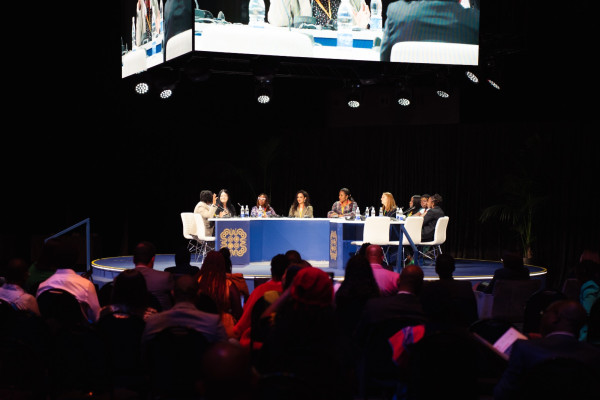
Women Dubbed Catalysts for Sustainable and Innovative Development at #AEW2023

Location: News
African Energy Chamber

Featuring a diverse group of influential women leaders in the energy sector, a Women in Energy Roundtable Discussion was held during the African Energy Week (AEW) 2023 conference and exhibition. The panel explored innovative strategies and collaborative efforts to ensure access to affordable and reliable energy for all Africans, with women at the forefront of progress.

Moderated by Grace Orife, CEO of Adelaar Energy, the roundtable was hosted by the African Women Business Energy Network and bp SA.

The discussion kicked off with Sarah Baashan, Head of Global Insights and Engagements, Saudi Aramco, providing insight into how Africa can address its current energy challenges while also ensuring a sustainable future. She stated that, “We need to increase energy generation capacity while guaranteeing that energy produced is affordable. At the same time, we should not forget decarbonization, as it is crucial for a healthy environment.”

Baashan added that the continent hosts the world's youngest workers, and therefore, should prioritize creating more job opportunities to advance sustainable socioeconomic development. Ibi Ogunbiyi, Partner at Olaniwun Ajayi, added that the continent needs to adopt a “compromised strategy where we are having hydrocarbons producing baseload power and off-grid and other renewable systems providing access to underserved communities.” She also believes that, “Gas should serve as a transition fuel.”

Additionally, the panel identified a lack of adequate infrastructure and project financing across the value chain as key challenges hindering the expansion of African energy economies. Commenting on how the continent can address infrastructure deficits, Oluseyi Afolabi, Principal Consultant/CEO at Reservoir and Facilities Solutions Nigeria, stated that it starts with African governments prioritizing the development of assets which allow secure and resilient generation and transportation of energy to both rural and urban communities.

“Investments in the research and development of innovative solution needs to also be prioritized while streamlining the deployment of projects and ensuring construction is fast-tracked. Lastly, there is a need for maximizing value addition in local content development in projects rollout,” added Afolabi.

Echoing Afolabi's notion, Allyson Anderson Book, Chief Sustainability Officer at Baker Hughes, said increasing investments in Africa's capacity building initiatives is crucial for the diversification of Africa's energy mix and for the continent to be able to reduce the reliance on international aid.

Commenting on the factors that have influenced the current state of Africa's energy industry, Taelo Mojapelo, CEO of bp SA, stated that, “Energy demand is growing by at least 3% a year while investments in new projects have been slow. We have also failed to define our own principles, hence we have significant inequality which are compromising [progress regarding] Sustainable Development Goals. We need to exploit all the energy resources we have including coal, gas and oil before we do into the transition.”

Ayanda Noah, Chairperson of South Africa's Central Energy Fund, provided insight into best practices for the continent to improve its current energy status. According to Noah, governments should improve cooperation with the private sector, and that “Connectivity and collaboration at the basic level is crucial. Africa has tangible examples of interconnectivity success projects such as the Southern African Power Pool which we can maximize to enhance energy security. Women have the potential to be innovative, coming up with out-of-the-box solutions to critical energy challenges.”

Amb. Martha Nyamal Choat, Deputy Managing Director and CEO, Nile Petroleum Corporation, shared similar remarks, adding that for African projects to be able to attract private investments, governments need to ensure security and market stability which are absent in an increasing number of African countries.

Shirley Webber, Head of Natural Resources & Energy at ABSA, concluded the session by adding that in addition to market stability, governments need to prioritize Environmental Social Governance and the adoption of a mix of financing mechanisms for the different energy infrastructure development projects.

#AEW2023 – organized by the African Energy Chamber – takes place this week in Cape Town under a mandate to make energy poverty history by 2030. Keep following www.aecweek.com for more exciting information and updates about Africa's premier energy event.

Distributed by APO Group on behalf of African Energy Chamber.

Media files
African Energy Chamber
Download logo
Read moreWomen Dubbed Catalysts for Sustainable and Innovative Development at #AEW2023
19 October 2023

SA’s Green Hydrogen Commercialisation Strategy approved by Cabinet

Location: News

SA’s Green Hydrogen Commercialisation Strategy approved by Cabinet

Cabinet announced on Thursday that it has given the Green Hydrogen Commercialisation Strategy (GHCS) the green light for implementation. 

The move, according to the Minister in the Presidency Khumbudzo Ntshavheni, will ensure South Africa becomes a major producer and exporter of green hydrogen. 

“Government has identified possible funding for green hydrogen projects and the draft Green Paper received extensive feedback from stakeholders,” she said on Thursday. 

The Minister was briefing the media on the outcomes of Wednesday’s Cabinet meeting.

Ntshavheni explained that the GHCS gives effect to the Hydrogen South Africa Strategy that was approved by Cabinet in 2007 to prepare the country for a hydrogen economy. 

The strategy is framed within the Hydrogen Society Roadmap developed by the Department of Science and Innovation and approved by Cabinet in 2021.

Meanwhile, the Executive Authority welcomed the hosting of the second South Africa Green Hydrogen Summit in Cape Town last week. 

“Green hydrogen has the potential to add additional renewable energy generation capacity and to support the local development of renewable energy,” the Minister said. 

On the sidelines of the summit, South Africa concluded Heads of Agreements with the intention of launching an SA-H2 Fund that will facilitate the development of the country’s green hydrogen sector. 

The aim, the Minister said, is to attract $1 billion in funding. 

She estimated that the hydrogen economy has the potential to add 3.6% to the country’s gross domestic product by 2050 and approximately 370 000 jobs.

Electricity 

In addition, Cabinet was on Wednesday updated about Eskom’s Generation Systems Performance for the period ending 16 October 2023. 

Data shows that Eskom’s power generation capacity is currently averaging 28 615 MW in comparison to 27 410 MW in May 2023. 

Cabinet was also informed of the decline in unplanned outages due to plant breakdown to average 13 743 MW compared to 17 369 MW in May 2023. 

“This is largely as a result of effective plant maintenance,” Ntshavheni explained. 

“Cabinet welcomed the addition of another 800 MW to the grid with the return of Kusile Unit 1 ahead of schedule. The additional capacity will help reduce higher levels of load shedding.” – SAnews.gov.za

Gabisile
Thu, 10/19/2023 - 10:45

161 views
Read moreSA’s Green Hydrogen Commercialisation Strategy approved by Cabinet
19 October 2023

It’s a blooming apt time to plant some flowers

Location: MyPR

October is the ideal time to plan out, prepare and plant your flower beds to ensure that you have a showstopper summer garden. Planning is vital to ensure that you plant your flowers in a happy spot where they will thrive. You could make a sketch of your garden – including any permanent features, such …

Read moreIt’s a blooming apt time to plant some flowers
18 October 2023

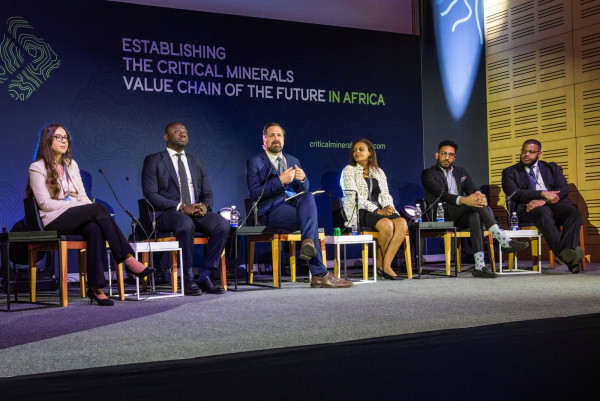
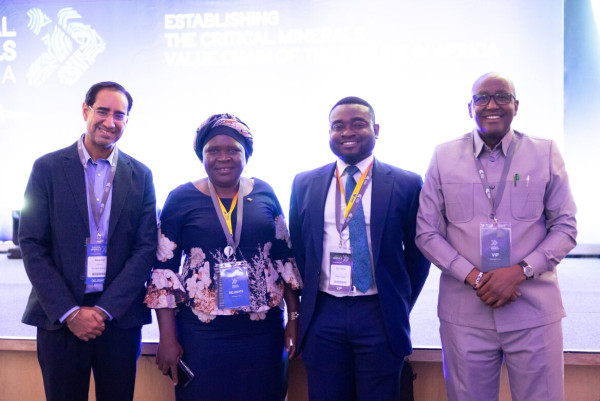
Critical Minerals Africa Summit Defines the Future Minerals Economy

Location: News
Energy Capital & Power

A high-level panel at Critical Minerals Africa 2023 – organized by Energy Capital & Power (https://www.EnergyCapitalPower.com) – discussed how sustainable practices, localized supply chains and integrated mining operations will help secure critical minerals supplies of the future.

Moderated by Olimpia Pilch, Founder and COO of Critical Minerals International Alliance, the panel featured Kwasi Ampofo, Head of Metals and Mining, BloombergNEF; Alex Benkenstein, Head of the Climate and Natural Resources Programme, South African Institute of International Affairs (SAIIA); Dr. Marit Y. Kitaw, Interim Director, African Minerals Development Center (AMDC); Deshan Naido, Managing Director, AQORA; and Duma Sisulu, Co-Founder & Chief Analyst, Parime Battery Minerals.

The panel sought to explore the future of Africa's minerals economy in light of growing demand for clean energy technologies and mounting pressure to decarbonize existing mining activities and maximize resource efficiency.

Speaking to the scope of demand growth for energy transition mineral and metals, Kwasi Ampofo noted: “We currently use 50 million metric tonnes of metals going into transition technologies and accompanying infrastructure. By 2050, if we reach the scenario based on current policies and economics, we will need about 140 million metric tonnes. If we reach the net-zero scenario, this goes up to 250 million metric tonnes.”

In evaluating the strength of Africa's currently local and regional supply chains, panelists evaluated strategies that can be implemented to ensure their resilience and build more localized value chains, which can help achieve market stability.

“There's a lot of discussion around demand, but we don't see the same enthusiasm around funding supply. There is a shortfall in supply, which then spikes demand. Every time the price drops – for example, in nickel – there will be producers who are unable to match the current supply at that price. We will then have a continuation of these supercycles, which is not sustainable,” commented Duma Sisulu.

“If the critical minerals supply chain doesn't change, then we have failed as Africans. We have the opportunity to do what the international oil giants did 50-60 years ago. We have the bargaining power for the deposits that sit on the continent,” said Deshan Naido.

According to the panel, the future of Africa's critical minerals will involve mining companies diversifying their operations across multiple sectors, while fostering synergy among mining and energy sectors, owing to Africa's acute energy deficit. Establishing value-added activities will also be essential to maximizing resource efficiency and ensuring the sustainability of the extractive sector.

“Africa does not have to accept its position within global supply chains… Mineral processing is energy intensive and requires a steady supply. This is not an absolute barrier – it can be rectified – which has been seen by the influx of investment by mining companies in South Africa to invest heavily in renewable energy technologies,” stated Alex Benkenstein. 

“The only way to transform lives is to add value – job creation, skills transfer, economies of scale, transformation and growth. This gives us the opportunity to set the agenda — we need processing, refining and value addition,” emphasized Dr. Marit Y. Kitaw.

The Critical Minerals Africa 2023 summit is currently taking place from October 17-19 and serves to position Africa as the primary investment destination for critical minerals. The event is held alongside the African Energy Week 2023 conference (https://AECWeek.com/) on October 16-20, offering delegates access to the full scope of energy, mining and finance leaders in Cape Town.

Distributed by APO Group on behalf of Energy Capital & Power.

Media files
Energy Capital & Power
Download logo
Read moreCritical Minerals Africa Summit Defines the Future Minerals Economy
18 October 2023

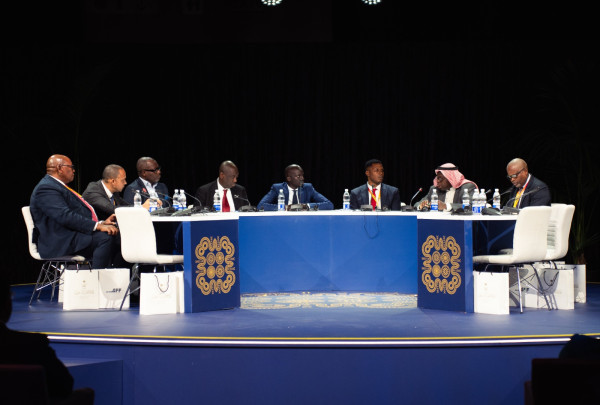
Roundtable Explores Economic Ties Between Saudi Arabia and Africa at African Energy Week (AEW) 2023

Location: News
African Energy Chamber

African Energy Week (AEW) 2023 featured a Saudi Arabia-Africa Energy Investment Forum roundtable that explored the untapped potential for stronger economic ties between Saudi Arabia and African nations.

The roundtable discussion kicked off with opening remarks by Saudi Arabia's Saudi General Authority of Foreign Trade, Hussam Y. Algheraimil, who spoke on the Middle Eastern country's strategy to implement financial relations with African countries while contributing towards attracting investment to the continent.

“Our main goal is to contribute to attracting investment, exploring access, and representing Saudi Arabia,” Algheraimil stated, adding, “We are currently working to create easy trade between the Kingdom of Saudi Arabia and African countries by helping stakeholders find appropriate financial instruments in the short, medium and long-term.”

The roundtable discussion served as an engaging conversation on how increased trade, particularly in petroleum products and Liquefied Petroleum Gas (LPG), and collaboration across upstream, midstream and downstream segments can contribute to addressing energy poverty across Africa, with Saudi Arabia serving as a strategic gateway.

“We want to build strong, win-win partnerships,” stated Rene Awambeng, Director and Global Head of Client Relations of the African Export-Import Bank, adding, “Saudi Arabia is uniquely positioned to take advantage of the African opportunity. They are uniquely placed in this environment to take advantage of what is happening on the continent.”

“LPG can help us in South Africa in a big way in terms of ensuring supply and access to energy. Saudi Arabia has a different problem, they have too much energy. We have a lot of people in the country and region with no access to power and I believe there is a big opportunity to bring LPG from Saudi Arabia to use here,” stated Godfrey Moagi, CEO of the strategic solutions organization, the Strategic Fuel Fund.

The roundtable discussed the role Africa's vast, and yet unexploited oil and gas resources play in delivering a just and inclusive energy transition. As such, South Sudan's Minister of Petroleum, Puot Kang Chol, stressed the importance of turning the continent's resources into value and engaging with international partners to ensure the facilitation of investment and knowledge transfer.

“My expectations with regard to Africa, is having Saudi Arabia engage in direct conversations with the continent, because we are ready to do business with them and we have the necessary laws to facilitate investment on the continent,” Minister Chol stated.

As Africa seeks to maximize the development of its entire energy resource base, including oil, gas, coal and renewable energy for a secure and sustainable energy mix that will support the continent's efforts to accelerate electrification and drive socioeconomic development, the roundtable speakers highlighted cooperation regarding knowledge sharing, skills development, project deployment and financing with global parties as vital for the continent's energy goals.

“The bilateral cooperation in place between Saudi Arabia and South Africa has opened an opportunity for us,” stated Sandisiwe Ncemance, Acting CEO for the state-owned Petroleum Oil and Gas Corporation of South Africa, adding, “It would be an indictment on us not to seize those opportunities. There is untapped potential for economic ties to increase trade between Saudi Arabia and South Africa and also collaboration through all facets of the energy sector, through the down-, mid-, and upstream.”

As one of the world's premier hydrocarbons producers and exporters, Saudi Arabia's participation during this session, titled, ‘Partnering with Africa's Private Sector to Drive Energy Growth', served to shape discussions around the challenges and opportunities for local content development and the beneficiation of the local market.

“Local companies are able to add tremendous value in our ability to implement and develop projects,” stated Nanda Bhula, Country Manager for electric power generation company, ACWA Power South Africa, adding, “Local companies have a big understanding of local conditions, more so than international investors. Local companies also understand things like supply chain management and local labor laws, so we see a lot of benefits in terms of their understanding of the local market.”

Africa boasts an estimated 125.3 billion barrels of crude oil and 620 trillion cubic feet of gas reserves, resources that will be essential to lift the continent's over-600 million people living in reliable access to electricity out of energy poverty. As such, the Saudi delegates speaking at the roundtable discussion spoke on the importance of drilling more oil and gas wells and building more refineries and pipelines whilst reducing emissions for energy independence, reliability, and affordability.

“The Kingdom of Saudi Arabia has established leadership in this domain, and we always want to continue playing that role of leader in energy,” Dr. Gasem Fallatah, Deputy Manager for the sustainability initiative, the Oil Sustainability Program stated, adding, “Leadership comes with responsibilities, it comes with accountability, and we do recognize that. We will determine together what will be the agenda that we can work on, so we can determine together, the future that we would like to see.”

Representing one of the world's largest oil and gas reserve holders as well as one of the most established hydrocarbons markets, the Saudi delegation drove the dialogue on how Africa can boost investments, production activities, infrastructure rollout across the mid- and downstream sectors, as well as enhance the use of monetization of hydrocarbon resources to make energy poverty history across the continent by 2030. It was noted that these efforts and strategies are poised to improve the continent's GDP and contribute towards global energy security.

“Saudi Arabia, with huge financial capacity, they designed the model that can help Africa stabilize and grow their own energy potential. As African countries, what we need to look at, is the strategic position of how Saudi Arabia is increasing their businesses. There's a lot to learn in how they are engaging and in doing business, and we need to create new markets for our products and crude to expand our business framework,” stated Kola Karim, Managing Director and CEO for power solutions company, Shoreline Energy International.

Taking place under the theme, ‘The African Energy Renaissance: Prioritizing Energy Poverty, People, the Planet, Industrialization and Free Markets', the roundtable also highlighted renewable energy and sustainability as key aspects towards Africa's energy development. Boasting similarly abundant solar and wind resources, it was noted that Saudi Arabia's and Africa's renewable energy potential also has an important role to play in alleviating energy poverty while promoting socioeconomic development.

Representing the largest gathering of energy stakeholders on the continent, #AEW2023 – organized by the African Energy Chamber – prioritizes sustainable development, integration, and collaboration as a means to support explorers and producers across Africa. Centered around partnering with the private sector to drive energy growth, the Saudi-Arabia Energy Investment Forum showcased how emerging synergies between Africa and its global partners will reinforce the continent's job creation, skills development, and economic empowerment.

#AEW2023 takes place this week in Cape town under a mandate to make energy poverty history by 2030. Keep following www.AECWeek.com for more exciting information and updates about Africa's premier energy event.

Distributed by APO Group on behalf of African Energy Chamber.

Media files
African Energy Chamber
Download logo
Read moreRoundtable Explores Economic Ties Between Saudi Arabia and Africa at African Energy Week (AEW) 2023
18 October 2023

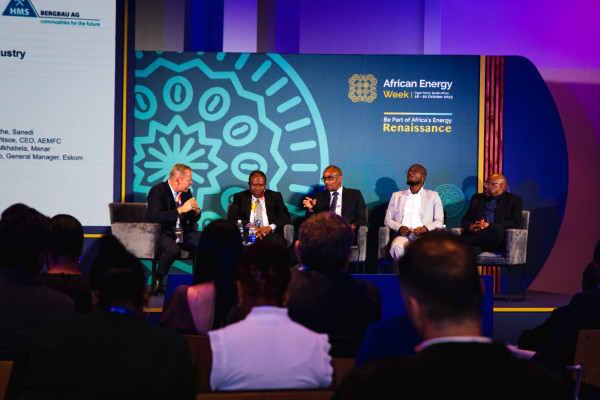
Harnessing the Power of Coal in Africa: Balancing Development and Environmental Concerns at African Energy Week (AEW) 2023

Location: News
African Energy Chamber

On the third day of the African Energy Week (AEW) 2023 conference & exhibition, a thought-provoking session entitles King Coal is Back - Africa's Future Clean Coal Industry shed light on the critical role of coal in Africa's energy landscape.

The session commenced with a keynote address by Dr. Zwanani Titus Mathe, CEO of the South African National Energy Development Institute (SANEDI). Dr. Mathe emphasized that coal would continue to be a part of South Africa's energy mix, driven by the unique regional energy requirements. He also suggested the potential for collaboration with China and India and highlighted several clean coal solutions, including gasification and green ammonia.

Furthermore, Dr. Mathe echoed the sentiments expressed by South African Minister of Mineral Resources and Energy Gwede Mantashe during his address at the opening session of AEW 2023 Strategic Program. Both emphasized that "energy security and climate change are interconnected aspects of the same challenge," reinforcing the notion that coal will continue to be a part of the energy equation.

Following Dr. Mathe's keynote, Dr. Lars Schernikau, an energy economist and strategic advisor at the independent commodities marketing company, HMS Bergbau AG, took the stage as the session's moderator. Panelists included; Dr. Zwanani Titus Mathe, CEO of SANEDI; Lemogang Pitsoe, CEO of African Exploration Mining and Finance Corporation; Mpumelelo Mkhabela, Chairman & Director of Menar; and Dan Mashigo, General Manager of Primary Energy at Eskom.

The panelists and moderators initiated an in-depth dialogue about the lasting importance of coal in the energy mix and the imperative of achieving a Just Energy Transition. Schernikau began the conversation by underscoring the pivotal role coal continues to play in Africa's energy context. "Despite the increasing worldwide emphasis on renewable energy, coal remains indispensable, particularly in regions experiencing rapid population growth," said the moderator. According to projections, the population of Africa will reach 8 billion by the end of the century, which would cause a concurrent rise in energy demand.

Mathe expanded on his opening presentation, reminding the importance of investing in clean coal technologies alongside the promotion of renewable energy sources. He emphasized that a holistic approach is necessary to balance the transition and ensure that all energy sources are leveraged effectively. “While renewable energy is a key component of the transition to cleaner energy, it's equally vital to consider and invest in clean coal technologies. These technologies can help maintain energy security while addressing environmental concerns,” said Mathe.

Mashigo echoed the significance of a diverse energy mix: “We need a comprehensive, integrated approach in South Africa, particularly when working towards a net-zero transition.” Mashigo pointed out that coal is a part of this mix and, when managed effectively alongside renewable sources, can play a crucial role in achieving a cleaner energy future.

Pitsoe discussed the importance of investing in research and development to create cleaner coal technologies. “Investing in research and development is essential to ensure the responsible use of coal while minimizing its environmental impact. “There is a growing need in Africa for advancements in clean coal technology and the exploration of innovative solutions for producing cleaner energy.”

Mkhabela pointed out that a lack of green technology and competition for national interests can pose significant challenges. “The key to successful and sustainable progress lies in reviewing agreements and understanding the terms and conditions of deals,” stressed Mkhabela. “By prioritizing energy security for the 6 million people still without access, African nations can make informed decisions and work toward a balanced transition that addresses both energy needs and environmental concerns,” he said.

Mkhabela concluded the session emphasizing the significance of investing in clean coal technology in South Africa: “We have some of the best research teams in the world here in South Africa and we are making progress towards carbon capture solutions.”

Organized in partnership with the African Energy Chamber, AEW 2023 is taking place from October 16-20 in Cape Town.

#AEW2023 takes place this week in Cape Town under a mandate to make energy poverty history by 2030. Keep following www.AECWeek.com for more exciting information and updates about Africa's premier energy event.

Distributed by APO Group on behalf of African Energy Chamber.

Media files
African Energy Chamber
Download logo
Read moreHarnessing the Power of Coal in Africa: Balancing Development and Environmental Concerns at African Energy Week (AEW) 2023
18 October 2023

Critical Minerals Africa 2023 Prepares for Official Opening with Full Day of Strategic Presentations

Location: News
Energy Capital & Power

The first day of the Critical Minerals Africa 2023 summit on Tuesday – organized by Energy Capital & Power (www.EnergyCapitalPower.com) – featured a series of presentations from leading industry experts, providing unparalleled insights into Africa's critical mineral reserves and geopolitical position in the global mining economy. The main conference program begins on Wednesday, October 18 and will feature a highly anticipated ministerial forum, investor briefings and panel discussions, taking place alongside African Energy Week in Cape Town.  

Kicking off the agenda was a presentation by South African Institute of International Affairs (SAIIA) exploring the future of critical minerals in the SADC – namely, copper in the DRC, South Africa and Zambia, lithium in South Africa and Zimbabwe, cobalt in the DRC and Zambia, graphite in Mozambique, manganese in South Africa, and nickel in Madagascar, South Africa and Tanzania. The ability to harness these reserves depends on several factors, including growing geoeconomic competition among China, the US and Europe, the ability of SADC states to manage regional value chains, and the urgency of global policy action toward renewable and low-carbon energies.

“In 20-30 years, not only will these minerals be in high demand, but how we put systems in place will be important,” stated Dr. Deon Cloete, Head of SAIIA's Futures Program. “We have focused on Rare Earth Elements (REEs) and the need to scale up exploration and extraction and develop the entire value chain. The transition to climate goals by 2050 is challenging and we need to be critical about how these fault lines are emerging. We propose a resource-based economy that challenges the paradigm of how we approach mining.”

The Critical Minerals International Alliance (CMIA) built upon the geopolitical nature of critical minerals development during its presentation, addressing China's race to solidify its leadership on the continent and its successful dual-pronged investment approach. Western nations have sought to counter this influence through various policy measures, including the US' Inflation Reduction Act, the EU's Critical Raw Materials Act and the Minerals Security Partnership, which seeks to secure a stable supply of raw materials for member economies. 

“When we talk about critical minerals, we are focused on geopolitics — how they frame supply chains and influence pricing and how monopolies are increasingly changing the industry,” said Olimpia Pilch, Founder and COO of CMIA. “In a supply chain crunch, who gets priority and which industries will miss out? Those who have put in the work to have their own supply chain will be in a much better position.”

On the need to diversify mining supply chains, Roberto Cecutti, Head of Trade and Economics, EU Delegation to South Africa, stated during his presentation: "In terms of annual consumption, we have an aspirational target of covering at least 10% of extraction in Europe, 40% of processing and refinement and 15% of recycling capacity. We want to avoid dependence on the supply of one or more specific countries…This is why we have set this target, in which 65% should not depend on a specific country of origin of supply.”

"Each region has its own definition of what is ‘critical,' and what's critical for Africa may not be what's critical for the EU and vice versa. Africa has different requirements when it comes to minerals,” noted Sodhie Naicker, Managing Director: DMT Kai Batla and Consortium Partner: AfricaMaVal.

Energy research firm Rystad Energy also explored Chinese dominance within the low-carbon supply chain, as the country produces almost 90% of solar panels and is currently ramping up production of wind turbines. While Europe has made gains towards establishing its own clean energy supply chain, Africa remains reliant on imports to meet growing energy demand, despite having vast renewable energy potential and untapped mineral reserves. 

“The resource potential for solar generation in Africa is more than enough to satisfy the needs of the planet – it's enormous,” said Per Magnus Nysveen, Senior Partner & Head of Analysis for Rystad Energy. “You can find sites for mining every mineral in sub-Saharan Africa.”

A presentation from Steenkampskraal – operator of the Steenkampskraal Mine in South Africa's Western Cape – underscored the continent's resource potential and its evolution into a critical and industrial minerals hotspot. The mine is home to one of the highest grades of REEs globally, is licensed to operate and possesses well-developed underground infrastructure with a low-capital, three-stage development plan.

“Not even 20% of the known resources have been mined,” emphasized Graham Soden, Director, CEO & Mine Manager of Steenkampskraal. “It puts the project at a unique level. It's fully legislative compliant, and we can get it up and running within one year.”

The agenda concluded with a presentation by Trade & Industrial Policy Strategies (TIPS), which explored opportunities to develop vanadium redox battery (VRB) manufacturing in South Africa and to position the country as a key player in the global battery value chain, with a view to exporting to other African and international markets. Demand for VRBs has skyrocketed in recent years – largely from China, Japan, Europe and the US – resulting in over 30 new VRB projects installed in 11 countries since 2014.  

“Cell battery manufacturing remains to be proven competitive in South Africa. We have the industrial capacity, but we don't have a commercialized production,” said Lesego Moshikaro, Senior Economist for TIPS. “When you look at the short- to medium-term, South Africa cannot be competitive along the whole value chain, so it's important for us to choose key areas where we can excel.”

With its main conference program kicking off on October 18, the Critical Minerals Africa 2023 summit serves to position Africa as the primary investment destination for critical minerals. The event is held alongside the African Energy Week 2023 conference (www.AECWeek.com) from October 16-20, offering delegates access to the full scope of energy, mining and finance leaders in Cape Town.

Distributed by APO Group on behalf of Energy Capital & Power.

Media files
Energy Capital & Power
Download logo
Read moreCritical Minerals Africa 2023 Prepares for Official Opening with Full Day of Strategic Presentations
17 October 2023

The Power of the Sun: Embracing Solar Energy for Your Home

Location: MyPR

In an age where sustainable living and reducing our carbon footprint are paramount, harnessing the power of the sun has emerged as a beacon of hope for environmentally-conscious homeowners. Solar energy has rapidly gained popularity as an efficient and clean source of power, allowing homeowners to reduce their reliance on conventional electricity sources and take …

Read moreThe Power of the Sun: Embracing Solar Energy for Your Home
17 October 2023

Solar Power Panels for Home: A Sustainable Energy Solution

Location: MyPR

In a world increasingly conscious of environmental concerns and the need for sustainable living, solar power panels for homes have emerged as a powerful and eco-friendly solution. They offer homeowners an opportunity to harness the abundant energy from the sun, reduce their carbon footprint, and enjoy long-term financial benefits. In this guide, we’ll dive into …

Read moreSolar Power Panels for Home: A Sustainable Energy Solution
17 October 2023

Minister welcomes return of Kusile Unit 1

Location: News

Minister welcomes return of Kusile Unit 1

The Ministry of Electricity says the return to service of unit 1 at Kusile Power Station marks a critical milestone in the quest to "recover South Africa’s economy”.

Eskom on Monday announced that the unit had returned to service a month and a half ahead of schedule since it was taken offline late last year.

The ministry said the Minister in the Presidency for Electricity, Dr Kgosientsho Ramokgopa, has welcomed the development.

“The return of the unit, which had been out of commission, together with unit  2 and 3 since August 2022 following safety concerns with the structural integrity of the stack, comes two months ahead of schedule and adds 800MW onto the grid.

“This marks significant overall improvements to generation performance with Kusile Unit 3, which came back online on 29 September 2023, also returning back to service two months ahead of schedule.

“The third of the units (Unit 2) is now expected to similarly return to service in November 2023, whilst Unit 5 will come into commercial operation in December 2023,” the statement read.

The Ministry highlighted the impact that the return of the unit will have.

“The return of the Kusile units represents a critical milestone in our quest to recover South Africa’s economy, protect jobs, advance universal access and improve the quality of life.

“The Minister remains focused on bolstering the country’s electricity generating capacity by giving accelerated attention to the expansion and strengthening of transmission infrastructure to accommodate new renewable generation capacity.

“The Minister congratulates Eskom’s Generation team for the sterling hard work to bring back stability and credibility to the Eskom generation fleet and reducing the intensity and severity of load shedding,” the statement said. – SAnews.gov.za

NeoB
Tue, 10/17/2023 - 10:58

251 views
Read moreMinister welcomes return of Kusile Unit 1
16 October 2023

Green hydrogen economy plays prominent role in SA’s honest energy transition

Location: News

Green hydrogen economy plays prominent role in SA’s just energy transition

President Cyril Ramaphosa has highlighted the vital role the green hydrogen economy plays in the country’s development and just energy transition.

 
“The hydrogen economy has a prominent role to play in our country’s just energy transition, providing employment and support to vulnerable workers, communities and small businesses. 

“It has been estimated that the hydrogen economy has the potential to add 3.6% to our GDP by 2050 and approximately 370 000 jobs. We must act with purpose to harness the potential of the green hydrogen economy,” the President said. 

President Ramaphosa was delivering remarks at the second iteration of South African Green Hydrogen Summit (SAGHS) in Century City, Cape Town, on Monday. 

The inaugural SAGHS, held in 2022, reaffirmed South Africa as an investment destination of choice and a world leader in the green energy space. It focused on scaling up regional cooperation around green hydrogen.

This second summit aims to highlight South Africa’s exceptional potential as an early stage, large scale and low cost world-class green hydrogen production hub, and total value chain investment destination.

South Africa’s Investment Strategy, approved by Cabinet earlier this year, lists green hydrogen as one of the big frontier strategic sectors expected to attract foreign and domestic direct investment.

The President emphasised the nation’s goal to position itself as a globally competitive player in this dynamic and growing industry.

The President noted that 64 countries, accounting for 89% of global emissions, have announced net zero targets by 2050. He further said that is anticipated that global green hydrogen demand will increase sevenfold by 2050.

He said that for the world to limit global warming to less than 1.5 degrees Celsius, green hydrogen will need to constitute 10% to 20% of the global energy mix. 
 
“South Africa has committed to ambitious emission reduction targets. Our own estimates indicate that green hydrogen has the potential to remove 10% to 15% of our domestic emissions and contribute to our nation’s long-term energy security,” he said. 

Green Hydrogen Alliance
 

The President acknowledged the collaboration efforts being made through the African Green Hydrogen Alliance, which includes Egypt, Kenya, Mauritania, Morocco, Namibia, Ethiopia, Angola and South Africa.
 
The alliance aims to harness Africa’s potential in developing green hydrogen industries. It aims to make joint calls for technical support, funding and market access to international public and private sector partners.
 
“The inaugural summit laid a strong policy foundation. This year’s summit has a dedicated project focus, providing an opportunity to demonstrate the degree to which projects have matured and advanced. This is also an opportunity to demonstrate technological developments and advancements in the green hydrogen space.
 
“Close cooperation between public, private and financial partners will be key to unlocking Africa’s green hydrogen potential. This will enable mass-scale domestic and international demand for green hydrogen, and increase cooperation on green hydrogen production, storage and distribution infrastructure,” President Ramaphosa said.

The President emphasised that if investment is significantly scaled-up, green hydrogen can deliver the equivalent of more than one third of Africa’s current energy consumption, increase the collective GDP, improve clean water supply and empower communities.
 
He said proper planning, regulation and incentive schemes are critical to mobilise private sector investment.
 
“South Africa has deep capital markets, with world-class conditions for generating renewable energy through solar and wind power, which are key drivers of the production of green hydrogen.
 
“Funding green hydrogen projects will require innovative financing structures sourced from multiple stakeholders,” President Ramaphosa said. 

Building the green hydrogen industry
 
In June 2023, South Africa concluded a Heads of Agreement with the intention to launch the SA-H2 Fund. This is an innovative blended finance fund that will facilitate the development of a green hydrogen sector and circular economy in South Africa.
 
SA-H2 aims to secure $1 billion in funding raised directly in South Africa or via indirect channels. The Fund is a partnership of private and public enterprises, locally and globally.
 
Since the last Summit, the President said advances have been made towards building the green hydrogen industry in the country.
 
These include a Joint Declaration of Intent with the German government, focusing on market access, off-take opportunities and value-additive benefits in the production of green steel and green fertiliser.
 
South Africa has also signed a MOU with the Netherlands as an off-taker for green hydrogen derivative products.
 
“It is encouraging to note that a Memorandum of Cooperation will be signed at this conference by three multinationals in the green hydrogen mobility space, namely Sasol, Anglo American and BMW.
 
“Sasol will serve as a supplier to Anglo and BMW as part of their focus on commercial and passenger fleet transformation. These are important initiatives within the context of carbon border adjustment mechanisms,” the President said. 
 

He thanked all the partners and sponsors that have made this summit possible. He sent a special mention to Anglo American, BMW, Sasol, the Industrial Development Corporation and GIZ. 
 
“I wish business and government delegations at this summit well as we work to shape Africa’s green hydrogen agenda for the benefit of our economies and societies, now and into the future,” he said. – SAnews.gov.za

DikelediM
Mon, 10/16/2023 - 13:20

319 views
Read moreGreen hydrogen economy plays prominent role in SA’s honest energy transition
16 October 2023

Choosing the Precise Uninterruptible Power Supply (UPS) for Your Needs

Location: MyPR

In a world dominated by electronic devices and technology, the need for a constant and reliable power source has never been more evident. Power outages, surges, and fluctuations can wreak havoc on your electronic equipment, causing data loss, hardware damage, and disruption to your daily life. To safeguard your critical devices and maintain productivity, investing …

Read moreChoosing the Precise Uninterruptible Power Supply (UPS) for Your Needs
13 October 2023

Kusile pollution exemption necessary as temporary measure

Location: News

Kusile pollution exemption necessary as temporary measure

President Cyril Ramaphosa says the granting of a postponement for Kusile Power Station to operate without sulphur dioxide pollution control technology does not deviate from the country’s firm affirmation to contribute to the global climate change efforts to reduce greenhouse gases.

President Ramaphosa said this while answering oral questions in the National Council of Provinces on Thursday.

“The granting of a postponement for Kusile Power Station to operate without sulphur dioxide pollution control technology was necessary as a temporary measure to enable the return to service of three units damaged in October last year.

“The granting of this postponement does not deviate from the country’s firm affirmation to contribute to the global climate change efforts in reducing greenhouse gases. 

“As a country, we are committed to a just transition to a low-carbon economy at a pace and scale that is affordable to us,” the President said. 

The President told the House that the UN Framework Convention on Climate Change recognises this need for a just transition and has allowed countries to nationally determine their contribution to a global effort to decarbonisation. 

“South Africa submitted its Nationally Determined Contribution to the UN in 2021 and as I have indicated previously, we remain firmly committed to achieving our target range for emission reduction. Data from our recent greenhouse gas inventory indicates that we are on track to do so.

“As part of the granting of the once-off postponement, Eskom must undertake measures to mitigate against the exposure of its employees and surrounding communities to harmful emissions. These measures must, at a minimum, include independent health screenings and referral to appropriate public health facilities for treatment where necessary,” the President said.

He said the end of load shedding and the achievement of energy security for all South Africans is not incompatible with the pursuit of the country’s emission reduction goals.

The President emphasised that the massive investment that is currently underway in renewable energy sources, alongside the stabilisation and improvement of our existing generation fleet, will help the country to achieve both of these goals simultaneously. – SAnews.gov.za

DikelediM
Fri, 10/13/2023 - 10:12

121 views
Read moreKusile pollution exemption necessary as temporary measure
12 October 2023

Harnessing the Power of Modern Energy Solutions with GeeWiz

Location: MyPR

In an era where technology and energy go hand in hand, having reliable power solutions is more than just a luxury; it’s a necessity. From homes to businesses, the demand for efficient and sustainable energy products is on the rise. GeeWiz, a renowned name in the tech and energy sector, offers a plethora of products …

Read moreHarnessing the Power of Modern Energy Solutions with GeeWiz
  • Previous
  • Page 1
  • Interim pages omitted …
  • Page 13
  • Page 14
  • Page 15
  • Page 16
  • Page 17
  • Page 18
  • Next

Copyright © 2026 · MyZA · All Rights Reserved · Powered by Reach Trust