• Skip to main content
  • Skip to header right navigation
  • Skip to after header navigation
  • Skip to site footer
MyZA

MyZA

News, Directory, Events and Other Stuff

  • Social Media
  • Sport
  • World News
  • Home
  • Submit News
  • Directory
  • Events
  • Stratlec
  • TFSA
  • News
    • APO
    • Today’s Sport News
    • Todays Social Media and Tech Headlines
    • Today’s World News
    • Today’s SA Financial News
  • Contact
You are here: Home / Archives for respiratory

respiratory

4 April 2024

Prioritise your baby’s wellbeing with a nursery painted in Plascon’s VOC-free air-purifying coatings

Location: MyPR

Decorating a room is always exciting, but nothing comes quite as close as the joy of decorating a nursery. But a precious new life also comes with great responsibility, including creating a nurturing environment for the latest member of the family. There are ways to ensure this becomes a reality – one of which is …
Read morePrioritise your baby’s wellbeing with a nursery painted in Plascon’s VOC-free air-purifying coatings
14 March 2024

Revolutionising laundry: LG unveils the ultimate top loader

Location: MyPR

Revolutionising laundry: LG unveils the ultimate top loader Introducing LG’s innovative new top loader washing machines with front loader technology. If you have ever pondered the best features of top loader and front loader washers, you are not alone. The convenience of top loaders, with their speedy wash cycles and effortless clothing additions, contrasts with …

Read moreRevolutionising laundry: LG unveils the ultimate top loader
28 February 2024

Congenital Heart Disease Babies at Nelson Mandela Children’s Hospital – First to Receive Voice and Heartbeat Recording Devices

Location: MyPR

February is a time when hearts are in the spotlight. It is a time earmarked for raising awareness on congenital heart disease (CHD). According to studies it’s classified as the most common type of birth defect1,2 with up to 3.12 million babies born with CHD in 20193. To commemorate the annual CHD calendar awareness week, …

Read moreCongenital Heart Disease Babies at Nelson Mandela Children’s Hospital – First to Receive Voice and Heartbeat Recording Devices
24 January 2024

The Codeine Care Initiative could keep lives

Location: MyPR

The Codeine Care Initiative could save lives Better monitoring of the purchase of codeine can help to stem a growing substance abuse problem. Fueled by popular music, the promise of escapism and the fact that it’s relatively cheap, some of South Africa’s youth have become increasingly addicted to codeine-based over-the-counter products which can be purchased …

Read moreThe Codeine Care Initiative could keep lives
14 December 2023

Get rid of leaf blowers: they pollute and their purpose is dubious

Location: News

Many use two-stroke engines which are an environmental hazard

Read moreGet rid of leaf blowers: they pollute and their purpose is dubious
14 December 2023

Poverty and Progress: An Update on African Energy

Location: News
African Energy Chamber

By NJ Ayuk, Executive Chairman, African Energy Chamber (https://EnergyChamber.org).

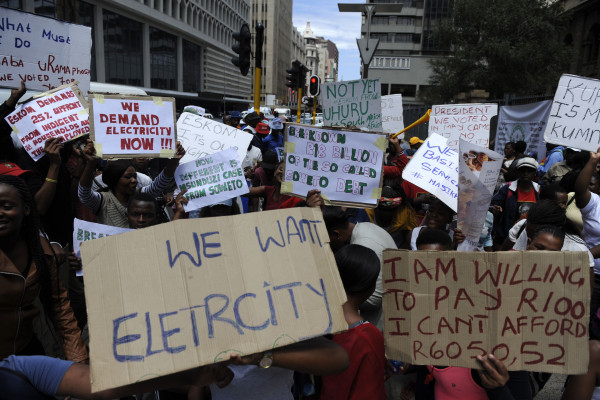
In an era when such futuristic technologies as artificial intelligence, robotics, and quantum computing are here or on the horizon, almost half of sub-Saharan Africans — more than 600 million people — lack the electricity to heat, cool, or light their homes.

This energy poverty impedes nearly every aspect of life for this population, from conducting business and educating their children to deterring crime and providing healthcare.

Even in some well-electrified African nations such as Ghana, Gabon, and South Africa, the supply is inadequate and often unavailable.

As the African Energy Chamber (AEC) put it in our newly released The State of African Energy Outlook Report 2024, “Access to electricity in Africa is still a dream to millions of Africans.”

Our report gives compelling evidence to back this statement, providing statistics that show, among other things, that energy poverty is markedly deeper in sub-Saharan Africa (SSA) than in the rest of the continent.

Our report is sobering, but not without hope. It also provides a positive look toward the future, including energy developments likely to improve electrification rates in SSA and move its countries' citizens closer to the universal access they dream of. The key to delivering energy to more Africans will be using both renewables and fossil fuels.

The Statistics and What's Behind Them

Our report's numbers tell the story of just how much SSA, in particular, is still affected by energy poverty.

In contrast with most of the world, where electrification rates improved during the COVID-19 pandemic, SSA's worsened, as its percentage of the world's population lacking electricity grew from 71% in 2018 to 77% in 2020. Statistics compiled in 2020 showed sub-20% levels of electricity access in up to eight countries across the region.

While the education and business sectors suffer greatly from energy poverty, it is perhaps most acutely felt in the health sector, where medical equipment and procedures require electrical power.

Complicating the health impacts still further, households without electricity are often forced to use unhealthy fuels like wood, coal, or kerosene to cook and heat, producing indoor air pollution that leads to respiratory problems and other ailments.

In contrast to the 90%-plus electrification rate found in some North African countries, which is allowing them to decrease reliance on fossil fuels, electricity access in SSA is only about 55%, and a closer look at that number reveals it is driven by urban rates of close to 80%, while rural areas lag far behind with only about 33%, leaving two-thirds of residents in the dark.

In a nutshell, SSA has a lot of catching up to do to achieve the levels of access to electricity enjoyed by most of the world. Although the region has doubled the average rate of access since 2000, its current rate of just over half of the region's population is miniscule compared to the 90% global rate and the 80% North African rate.

As I said, even in SSA countries where electrification rates are quite high, such as Ghana, Gabon, and South Africa, load shedding presents a daily practical problem for people who must anticipate power outages. In South Africa, for instance, this type of staged rationing has been used every day this year by the power utility, Eskom.

Already in 2023, there has been more load-shedding in South Africa than in all of 2022, and outages are lasting longer — up to 12 hours daily — with a predictable disabling effect on economic development.

Meanwhile, the country's chasm between supply and demand only continues to expand.

Changes in Progress: South Africa as a Case in Point

The South African government is taking a proactive approach to the regulatory side of improving energy supply, shortening timelines for obtaining environmental authorizations and grid approvals.

It is also working to obtain and use USD98.7 billion in investment capital over the next five years for its Just Energy Transition Investment Plan (JETIP), a framework adopted in 2022 that outlines the country's strategic priorities for investment during climate transition.

A major thrust of JETIP is replacing the use of coal, which currently supplies over 80% of South Africa's power, with renewable energy, expected to grow from a current 11% of the power supply to 20% by the end of this decade and to over half of the supply by 2050.

Contributing to those numbers, Eskom-built renewables projects are slated to go live this year in Lethabo and Sere, and the utility will soon start building solar and battery storage facilities at Komati Lethabo and Majuba for a total of 2.8 gigawatts (GW) of new renewables capacity.

Of the total projected electricity capacity, solar, and wind are expected to drive almost 50% with fossil fuels adding up to a 10th of total projected capacity.

Implications for the Continent

These power-related statistics for South Africa—a country better positioned than many Sub-Saharan nations regarding electricity—show that the country, and therefore the continent, needs gas-to-power and battery storage along with wind and solar.

South Africa's numbers highlight a major point made in my recent book, “A Just Transition: Making Energy Poverty History with an Energy Mix,” — that, while the rest of the globe deals with the threat of devastating climate change, Africa must deal with two major challenges at once: the threat of climate change and debilitating energy poverty.  

Even as Africa works to support global efforts to prevent a climate crisis, we must embrace every solution available to us, including using our continent's vast natural gas reserves: totaling more than 800 trillion cubic feet. Not only is gas plentiful, but it's also the cleanest fossil fuel; producing it contributes to job creation and economic growth; and it can be monetized to help pay for energy infrastructure.

The “bottom line” is that Africa still needs to use its natural gas, and more of it, to deliver a much-needed increased supply of energy to its people.

Download The State of African Energy 2024 Outlook report: https://apo-opa.co/3QLEoHd

Distributed by APO Group on behalf of African Energy Chamber.

Media files
African Energy Chamber
Download logo
Read morePoverty and Progress: An Update on African Energy
24 November 2023

President Ramaphosa opens Dr Pixley Ka Isaka Seme Memorial Hospital

Location: News

President Ramaphosa opens Dr Pixley Ka Isaka Seme Memorial Hospital

The opening of the Dr Pixley Ka Isaka Seme Memorial Hospital is a reflection of government’s commitment to advancing the call of the Freedom Charter.

The Charter calls for free medical care and hospitalisation to be provided for all and for the health of women and children to be prioritised.

President Cyril Ramaphosa said this at the official opening of the Dr Pixley Ka Isaka Seme Memorial Hospital in Kwa-Mashu, KwaZulu-Natal, on Friday. 

“This facility has been built in response to the growing pressing healthcare needs of the approximately 1.5 million residents of Kwa-Mashu, Inanda, Ntuzuma and the surrounding communities in northern Durban.

“It will relieve pressure on the Mahatma Gandhi Memorial Hospital and Addington Hospital, and will cater for inpatients at a regional level, with referrals from surrounding district level facilities,” he said. 

The President highlighted that data from the Census 2022 points not just to a growing population, but confirms that the vast majority of South Africans rely on the public sector to meet their healthcare needs.

Another report published this month by Statistics South Africa (Stats SA) furthermore points to the growing healthcare burden of non-communicable diseases such as cardiovascular diseases, diabetes, chronic lower respiratory diseases, cancers and others.

“With more people living with non-communicable diseases, it is essential that healthcare systems respond accordingly at a primary healthcare level, particularly with regards to regular screening to ensure timely diagnosis and treatment. This facility will play a critical role in this regard,” he said. 

He added that it is pleasing to note that the hospital has an active primary healthcare outreach programme that is bringing much-needed healthcare services closer to the people.

Services

The commissioning of the hospital was implemented in a phased approach from August 2021. First radiology was commissioned, followed by optometry and dermatology, and the migration of Internal Medicine from Mahatma Gandhi Memorial Hospital.

In January this year, the Emergency Department commenced with providing services. Currently all emergency cases in the north of eThekwini are taken directly from the scene, from primary healthcare centers, community healthcare centers and district hospitals.

The facility offers an impressive range of services including critical care, dental, physiotherapy, occupational therapy, psychological services, dietetics, audiology, social work and many more.

The hospital also has a strong academic and research component and is one of the centers for postgraduate medical training, as well as providing rotation for final year medical students from the University of KwaZulu-Natal.

This hospital is also the first government hospital in the province to adopt an insourced model in components such as security, cleaning, laundry and food services.

With respect to human resources, out of the approved hospital establishment of 1 513, a total of 1 383 posts have already been filled as of end September 2023. The construction of the facility itself supported job creation and small business development.

The President said he had no doubt that the hospital will improve the health outcomes of all the communities it serves.

“We have no doubt that the people of this community and of this province know that we are [a] government that prioritises the needs of all, but especially of society’s most vulnerable.”

President Ramaphosa further said he was honoured to be present at the official opening of the hospital and that there can be no more befitting a name for this facility than that of the great Dr. Pixley Ka Isaka Seme. 

He lauded him as a man who was the moving spirit behind the formation of the African National Congress, the oldest liberation movement in the African continent.

“He was a committed Pan-Africanist and a humanist, who famously spoke of a brighter day rising upon Africa; and of an Africa whose sons and daughters who would one day walk in the light of progress, freedom and equality.

Healthcare for all

President Ramaphosa added that the hospital stands as a testament to government’s commitment to ensure that the right to life, the right to quality healthcare, and the right to equality will never be qualified, or determined on the basis of where you live, or how much or little you have. 

As the country will mark 30 years of democracy next year, the President said it will be a time to reflect on how far we have come in realising the aspirations of the Freedom Charter, the Constitution with its Bill of Rights, and the National Development Plan. 

“That we are a country that is able to provide quality healthcare services, free, to the population can certainly be counted as amongst our greatest achievements.

“That we are moving ahead with the introduction of National Health Insurance that will further democratise access to healthcare services, is something of which we can be proud,” the President said. – SAnews.gov.za

DikelediM
Fri, 11/24/2023 - 14:21

342 views
Read morePresident Ramaphosa opens Dr Pixley Ka Isaka Seme Memorial Hospital
22 November 2023

Expectant moms urged to access antenatal care early

Location: News

Expectant moms urged to access antenatal care early

The Department of Health has urged all pregnant women to access antenatal care as early as possible and to follow a healthy lifestyle including avoiding smoking, drinking alcohol or using illegal drugs during pregnancy. 

This, according to the department, will reduce the risk of preterm labour and premature birth, which is the leading cause of death in children under the age of five. 

November is World Prematurity Month, a global movement to raise awareness of premature birth and the devastating impact it can have on families.

The department, in collaboration with various stakeholders, will host a hybrid event on Wednesday as part of sustained efforts to end preventable preterm births by ensuring pregnant women have full-term pregnancies and healthy babies. 

Statistics show that about 15 million or one in 10 children babies globally are born preterm each year. 

In South Africa, the department said an average of 15% or one in seven babies of all births are born prematurely annually. 

Approximately 84 000 preterm infants are born in South Africa each year and 10% of premature infants are at increased risk of death and various other complications including respiratory, neurological and eye morbidities compared with full-term infants. 

Pre-term is defined as babies born alive before 37 weeks of pregnancy are completed. 

There are sub-categories of preterm birth, based on gestational age, and these include extreme cases of infants born less than 28 weeks and very pre-term of 28 to less than 32 weeks. 

“It is recommended that pregnant women should attend all antenatal care visits or appointments throughout their pregnancy periods to enable the health professionals to monitor and assess the state of health of both the mother and unborn child to identify early signs and symptoms of manageable and life-threatening complications,” the department said. 

These, according to the department, include pre-eclampsia, urinary tract infections and gestational diabetes. 

The data shows that South Africa ranks 24th out of 184 countries with a high number of newborn deaths around the world due to complications from preterm birth. 

The department, working with various stakeholders has developed strategies, programmes and other interventions to effectively manage complications and prevent avoidable deaths linked to prematurity in the country as part of a broader under-five child mortality prevention plan. 

These comprise award-winning MomConnect – a cellphone-based technology with over 4.5 million subscribers, developed to create a platform to support pregnant women with health promotion messages translated into official languages to improve their health and that of their infants. 

The other intervention is an early childhood development radio campaign called Side-by-Side, which reaches about 5.7 million audiences weekly through 11 SABC African language radio stations and social media platforms. 

The recommendations as outlined in the Saving Mothers and Babies reports, include guidance on the management of conditions such as hypertensive disorders of pregnancy and infections, as well as management of preterm delivery for the mother-baby pair. 

“The country will continue to implement programmes and initiatives to protect children against vaccine-preventable diseases including improvement of the Integrated Management of Childhood Illnesses (IMCI) services.”

Meanwhile, the country made a declaration of exclusive breastfeeding for all mothers including those living with HIV to exclusively breastfeed their babies for six months and to continue breastfeeding for at least 24 months.

Although the under-five mortality rate has declined from 74.7 per 1 000 live births in 2002 to 30.7 per 1000 live births in 2022, and infant mortality from 55.2 per 1 000 live births to in 2002 and 24.3, the department believes more still needs to be done to ensure that children reach their full potential in the country.

“The department has also intensified sexual reproductive health to improve access to effective contraception methods to reduce unintended pregnancies, unsafe abortions, and reproductive health complications, especially amongst girls and young women.” – SAnews.gov.za

Gabisile
Wed, 11/22/2023 - 09:33

87 views
Read moreExpectant moms urged to access antenatal care early
13 November 2023

Measures in area to deal with Diphtheria outbreak

Location: News

Measures in place to deal with Diphtheria outbreak

The Department of Correctional Services (DCS) is leaving “nothing to chance” as it deals with the outbreak of Diphtheria at the Pollsmoor Correctional Centre, says it’s National Commissioner, Makgothi Thobakgale.

This after a 19-year-old inmate died and eight other inmates tested positive for the contagious bacterial infection at the Pollsmoor Correctional Centre in the Western Cape.

“We would like to assure the public and stakeholders that we are taking proactive measures to address and contain any possible spread of the disease. The epidemiological investigation on the index case is still ongoing.

“Recognising the potential risks associated with communal living, we have implemented a comprehensive set of measures to mitigate the spread of the disease within the correctional setting.

“We are doing this because we also know that [a] Diphtheria outbreak in a correctional environment requires a coordinated and comprehensive response in order to contain the spread and provide appropriate medical care to the affected individuals,” he said at a media briefing on Monday.

Thobakgale outlined the measures taken which include:

  • Vaccination campaign: The department has initiated a vaccination campaign to ensure that all eligible individuals receive the Diphtheria vaccine. A total of 342 inmates have been vaccinated. In terms of officials, the department stands at 36.
  • Hygiene practices: Inmates and staff members are once more being educated and encouraged to practice enhanced hygiene, including regular handwashing with soap and water, covering mouth and nose when coughing or sneezing, and the use of hand sanitizers. Facilities are being deep cleaned in an effort to minimize the risk of disease transmission. This involves pest control.
  • Isolation: according to Thobakgale, direct contacts are  “effectively on day 16 of isolation”. Appropriate medical care is also provided to those classified as high risk.
  • Regular Health screenings: Inmates and staff members are now subjected to regular health screenings to detect any potential cases early to enable DCS to prevent the spread of the disease and be ready to deal with new infections should they emerge.
  • Medical attention: Health care professionals are available and are treating affected inmates. Appropriate medical treatment is also being offered. The Department of Health is also working closely with DCS in this regard thus ensuring a comprehensive response plan.

“We are leaving nothing to chance, health education efforts to inform inmates, DCS officials and service providers about the symptoms of Diphtheria, the importance of vaccination, and preventive measures are being amplified. Our health care team is vigilant in monitoring the situation and the infection prevention measures are for every individual in a correctional facility to follow through.

“The situation is calm and under control. No new cases have been reported in the past five days. Hence, we do believe that the measures that we have put in place shall be effective in ensuring the well-being of everyone in our care,” he said.

Roots of the outbreak

Reflecting on the events leading up to the outbreak, Thobakgale explained that the 19-year-old inmate who died, fell ill after being transported back to the facility following a court appearance on October 17.

“When the inmate showed signs of not feeling well, the Correctional Services Health Care officials treated him and a decision was taking that he be transferred to an outside hospital. At the time the inmate showed malaise and respiratory symptoms hence the transfer to Victoria Hospital on 28 October.

“He received further treatment and was tested for Diphtheria and the results came back positive on 02 November 2023. Unfortunately, the inmate’s condition deteriorated and he sadly passed away on 5 November 2023 at the Groote Schuur Hospital,” he said.

Thobakgale said following the inmate’s diagnosis, the department immediately embarked on a contact tracing exercise with some 54 inmates and 15 correctional services officials identified as contacts.

Some eight inmates tested positive.

“[The officials] were tested and released to isolate at home. The provisional results have since came back negative, awaiting confirmatory results.

“As a department, it was important that we act with necessary urgency. The health and well-being of our incarcerated inmates, staff members, and the surrounding community are of utmost importance to us, and we are obligated to ensure a safe and healthy environment.

“Diphtheria is a vaccine-preventable disease, and through…comprehensive measures, we aim to minimize the risk of transmission at Pollsmoor Correctional facility,” he said. – SAnews.gov.za


NeoB
Mon, 11/13/2023 - 12:00

820 views
Read moreMeasures in area to deal with Diphtheria outbreak
9 November 2023

Diphtheria outbreak at W Cape prison kills inmate

Location: News

Diphtheria outbreak at W Cape prison kills inmate

Health Minister, Dr Joe Phaahla, announced on Thursday an outbreak of diphtheria disease at the Pollsmoor Correctional Centre in the Western Cape, which has since claimed one life. 

A 19-year-old male inmate presented with diphtheria symptoms on 28 October and was referred to the local hospital for further medical care. 

“Throat swabs were collected the same day for culture laboratory testing and the results returned positive five days later on 2 November. Unfortunately, his health condition continued to deteriorate until he regrettably passed away on 5 November,” a statement from the department said.

Diphtheria is a disease caused by bacteria called Corynebacterium diphtheria. 

The bacterium usually affects the mucous membranes of the nose and throat, causing respiratory and skin infections.

Public health measures have since been undertaken to bring the outbreak under control. These include contact tracing of inmates, correctional services staff, consulting healthcare workers and emergency services personnel. 

Meanwhile, more tests were conducted with the 55 identified close contacts as part of the case investigation, of which eight inmates tested positive for this serious infection.  

Of these, the department said, two of them presented mild symptoms, while the other six were asymptomatic. 

“All patients including the deceased fall within the age group of 18 to 23 years old. Immediate contacts of the patients and the deceased have been put in isolation from the rest of the correctional centre section to prevent further spread of the disease.” 

In addition, two staff members displayed symptoms compatible with diphtheria and have received treatment and are still waiting for their laboratory test results. 

The Western Cape Department of Health, working with the Department of Correctional Services, has since embarked on a vaccination campaign in the affected section of the correctional centre. 

The department said two laboratory-confirmed cases of diphtheria disease were recorded earlier in the year from an adult in KwaZulu-Natal and a child in the Western Cape. 

Diphtheria, according to the department is an uncommon, but vaccine-preventable serious infection. The toxin may lead to difficulty in breathing, heart rhythm problems, and even death. 

The bacteria spread from person to person, usually through respiratory droplets from coughing or sneezing. 

The symptoms of diphtheria include sore throat with the formation of a membrane on the tonsil and throat and swollen glands in the front of the neck. 

Close contacts of known cases are at increased risk of infection, the department explained. 

“Routine diphtheria vaccination is part of the childhood vaccine programme and parents are encouraged to get their children vaccinated.” 

Healthcare workers are urged to maintain a high index of suspicion in order to ensure that cases are detected early, while all individuals are reminded of the importance of ensuring that they and their families are up-to-date with their vaccinations. 

In South Africa, diphtheria-containing vaccine is offered to all children free of charge in public sector facilities at six, 10 and 14 weeks and 18 months as one component of the hexavalent jab. 

“Booster doses are offered at six and 12 years, and to all Grade 5 learners in public schools during the Human Papillomavirus (HPV) vaccination campaign.” – SAnews.gov.za


Gabisile
Thu, 11/09/2023 - 15:05

614 views
Read moreDiphtheria outbreak at W Cape prison kills inmate
9 November 2023

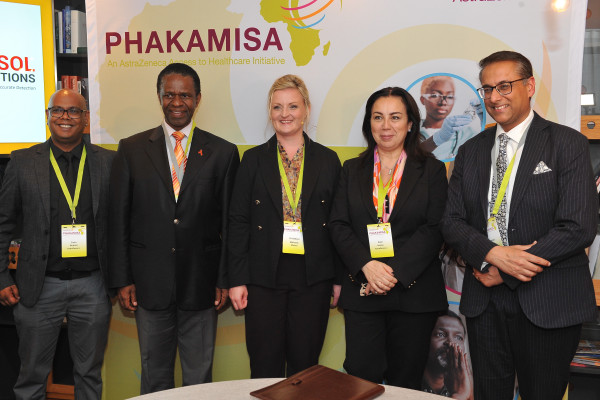
Phakamisa Sustainability and Innovation Summit advances healthcare resilience in South Africa

Location: News
AstraZeneca

In a boost to South Africa's healthcare resilience, the first Phakamisa Sustainability and Innovation Summit has paved the way for more effective, efficient, and equitable delivery of high-quality healthcare across the country.  

Hosted at the Embassy of Sweden, the first-of-its-kind summit focussed on prevention and early detection, capacity building and health equity, and optimising the use of innovation to build sustainable healthcare systems. The Summit delved into issues of growing concern, including noncommunicable diseases such as cancer, diabetes, and heart disease, which have increased dramatically in South Africa in recent decades. [1] Pre-eminent speakers came from across the healthcare ecosystem, including Deputy Minister of Health, Dr Sibongiseni Dhlomo, as well as representatives from businesses, patient groups, non-governmental organisations, and the United Nations.

To kick off the event, global pharmaceutical company AstraZeneca signed a partnership agreement with Rare Diseases South Africa, supporting the creation of a national registry for rare diseases and providing training and help for young patients and caregivers aged 18-30 affected by rare diseases. 1 in 15 South Africans is estimated to be affected by rare diseases, the collective name for more than 7,000 different conditions. The partnership will increase understanding of the burden of rare diseases in South Africa and improve equitable health care for those affected.

In addition, AstraZeneca also announced an expansion of its existing collaboration with Medsol AI Solutions, which deploys state-of-the-art Wi-Fi ultrasound probes to detect lesions at high risk of breast cancer in seconds. The AI (Artificial Intelligence) rapid detection app has already been rolled out in rural Melusi and Daspoort Poli Clinics in Tshwane to help with early disease detection. It will now be expanded to breast cancer screening programs at Tintswalo Breast Health Clinic, Groote Schuur Hospital Breast Clinic and Quadcare Clinic in Alexandra.

Pelin Incesu, Area Vice President, Middle East and Africa, AstraZeneca, stated, "In partnership with the government and other stakeholders, AstraZeneca is working tirelessly to strengthen South Africa's healthcare system by focusing on providing equitable access to care and medicines and exploring innovative technology that can detect disease at an earlier stage, improving patient outcomes. The Phakamisa Sustainability and Innovation Summit provides a platform to collectively explore new ways to prevent emerging threats to health like non-communicable diseases, to diagnose patients earlier and quicker, and to ensure all healthcare practitioners have the skills to deliver top-quality care to patients, no matter who they are or where they live.”

Dr Sibongiseni Dhlomo, Deputy Minister of Health, Republic of South Africa, said, “We are committed to delivering quality healthcare services for all South Africans, and that means working with partners across the public, private and third sector to ensure our health system is sustainable and resilient, able to meet current and future challenges. With non-communicable diseases rising, prevention, early detection, and capacity building are at the forefront of these efforts.”

Kelly Du Plessis, Rare Disease South Africa added, “These agreements are the next step in our mission to create a better tomorrow for the millions of South Africans who have been or will be, diagnosed with a rare disease or congenital disorder in their lifetime. The Phakamisa Sustainability and Innovation Summit is a fitting occasion to announce these partnerships, as improving care for those with rare diseases will help to strengthen our entire health system.”


[1] Republic of South Africa, Department of Statistics: https://apo-opa.co/47kDNCI. (Accessed November 2023)

Distributed by APO Group on behalf of AstraZeneca.

For media enquiries, please contact mediamea@astrazeneca.com

About Phakamisa:
Phakamisa is AstraZeneca's access to healthcare initiative in South Africa. Now in its 11th year, Phakamisa, which means “upliftment”, brings together different organisations and is helping to reduce the burden of non-communicable disease including breast cancer, prostate cancer, and lung cancer. The programme has reached over 1.63 million people through outreach activities led by community healthcare workers with over 19 700 women identified with breast issues (https://www.MyPhakamisa.com/).

About AstraZeneca:
AstraZeneca (LSE/STO/Nasdaq: AZN) is a global, science-led biopharmaceutical company that focuses on the discovery, development, and commercialisation of prescription medicines in Oncology, Rare Diseases, and BioPharmaceuticals, including Cardiovascular, Renal & Metabolism, and Respiratory & Immunology. Based in Cambridge, UK, AstraZeneca operates in over 100 countries, and its innovative medicines are used by millions of patients worldwide. Please visit Astrazeneca.com and follow the Company on Twitter (https://apo-opa.co/3QOeunc).

Media files
AstraZeneca
Download logo
Read morePhakamisa Sustainability and Innovation Summit advances healthcare resilience in South Africa
19 October 2023

Majority of independent poultry, egg producers unaffected by bird flu

Location: News

Majority of independent poultry, egg producers unaffected by bird flu

Cabinet has noted that the majority of independent poultry and egg producers have not been affected by avian flu as several South African farmers work around the clock to curb the outbreak. 

This is according to the Minister in the Presidency, Khumbudzo Ntshavheni, who said they were updated on containment measures to limit the spread and impact of avian influenza. 

“Cabinet has noted that majority of independent poultry and egg producers have not been affected by avian flu,” said the Minister who was briefing the media on Thursday about the outcomes of the Cabinet meeting held yesterday. 

The outbreak, according to the Minster, has “severely” affected the economy and the poultry sector. 

“The Minister of Agriculture, Land Reform and Rural Development Thoko Didiza, has met with retailers and the South African Poultry Association to discuss possible solutions in the short and the medium term to increase egg and chicken supply,” said Ntshavheni. 

According to the National Institute for Communicable Diseases (NICD), avian influenza is a highly contagious viral infection that affects poultry and wild birds. 

The NICD said there are currently two different strains that are causing avian influenza outbreaks in South Africa, these are influenza A(H5N1) and influenza A (H7N6).

The public health institute noted that the current influenza A(H5N1) has been ongoing since April 2023.

Meanwhile, the NICD said the influenza A(H7N6) has been reported since June 2023, with 50 outbreaks to date recorded in poultry farms in the Free State, Gauteng, Mpumalanga, Limpopo, North West and KwaZulu-Natal and non-poultry birds in Gauteng.

“Internationally, sporadic cases of influenza A(H5N1) infection have been reported in humans, related to outbreaks in birds but infection in humans remains very rare,” it said in a statement.

Globally, the NICD said only eight cases of influenza A(H5N1) in humans have been reported to the World Health Organisation (WHO) in 2023, despite large outbreaks in poultry and wild birds across the globe. 

“These cases have been linked to close contact with infected birds such as handling, culling, slaughtering or processing. 

“Current circulating strains of avian influenza have not been shown to transmit from person to person.” 

However, the institute said the risk of transmission of influenza A(H5N1) and influenza A(H7N6) from infected birds to humans is extremely low. 

“In the uncommon instance where avian influenza is transmitted to humans, the most common route of transmission of avian influenza is airborne, through aerosolisation of virus particles from live birds or during the culling process.”

Any persons with known or suspected close contact with dead or sick birds, especially birds with confirmed A(H5N1) or A(H7N6) infection and present with upper or lower respiratory tract symptoms such as cough, runny nose, scratchy throat, or pneumonia and/or conjunctivitis should be investigated, the NICD advised. – SAnews.gov.za


Gabisile
Thu, 10/19/2023 - 11:18

557 views
Read moreMajority of independent poultry, egg producers unaffected by bird flu
18 October 2023

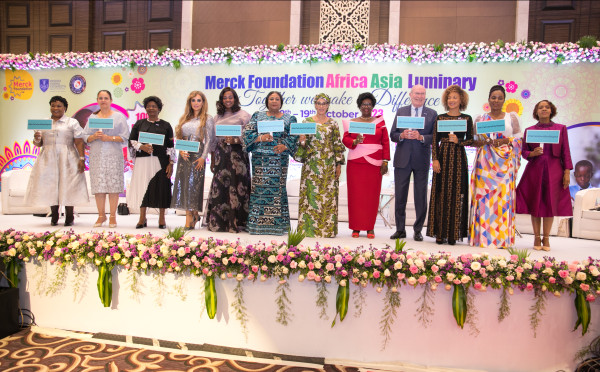
Merck Foundation Chairman and Chief Executive Officer (CEO) with African First Ladies inaugurate their 10th Africa Asia Luminary 2023 in India

Location: News
Merck Foundation

Prof. Dr. Frank Stangenberg-Haverkamp, Senator Dr. Rasha Kelej and African First Ladies of Botswana, Burundi, Cabo Verde, Central African Republic, The Gambia, Ghana, Liberia, Malawi, Democratic Republic of São Tomé and Príncipe, Zimbabwe, Democratic Republic of Congo, to inaugurate 10th Edition of Merck Foundation Africa Asia Luminary 2023 (http://www.Merck-Foundation.com); More than 10,000 participants including healthcare providers, policymakers, researchers, academia and media representatives from 70 English, French, Spanish and Portuguese speaking countries attended the Luminary through hybrid model to benefit from five parallel  scientific and social sessions to  advance healthcare capacity and awareness in 42 critical and underserved medical specialties; Celebrating 6th Anniversary of Merck Foundation and marking 11-year journey of their development programs, during 2023 Luminary; Merck Foundation reported the impact of providing 1700 scholarships to doctors from 50 countries in 42 critical and underserved specialties such as; Oncology, Diabetes, Cardiovascular Preventive, Endocrinology, Fertility, Embryology, Reproductive Care, Respiratory Care, Acute and Intensive Care, Neonatal Care, Pediatric Emergency, Advanced Surgery, Microbiology & Infectious Diseases, Internal Medicine, Ophthalmology, Psychiatry, Palliative Care and Pain Management and more; Merck Foundation marked Cancer Awareness Month during their annual conference.

Merck Foundation, the philanthropic arm of Merck KGaA Germany, conducted their annual conference, the 10th Edition of “Merck Foundation Africa Asia Luminary”, in partnership with Tata Memorial Centre and Department of Atomic Energy, Ministry of External Affairs, Ministry of Home Affairs, Ministry of Health of India, State Protocol Office of Government of Maharashtra and Krishna  World University, Karad, on the 18th of October 2023 in Mumbai, India. The conference was inaugurated by Prof. Dr. Frank Stangenberg-Haverkamp, Chairman of Merck Foundation Board of Trustees, and Senator, Dr. Rasha Kelej, CEO of Merck Foundation and Chairperson of Merck Foundation Africa Asia Luminary, along with African First Ladies of 11 countries;

  • H.E. Mrs. NEO JANE MASISI, The First Lady of the Republic of Botswana
  • H.E. Madam ANGELINE NDAYISHIMIYE, The First Lady of the Republic of Burundi
  • H.E. Dr. DÉBORA KATISA CARVALHO, The First Lady of the Republic of Cabo Verde
  • H.E. Madam BRIGITTE TOUADERA, The First Lady of Central African Republic
  • H.E. Mrs. FATOUMATTA BAH-BARROW, The First Lady of the Republic of The Gambia
  • H.E. Mrs. REBECCA AKUFO-ADDO, The First Lady of the Republic of Ghana
  • H.E. Mrs. CLAR MARIE WEAH, The First Lady of the Republic of Liberia
  • H.E. Mrs. MONICA CHAKWERA, The First Lady of the Republic of Malawi
  • H.E. Mrs. MARIA DE FATIMA VILA NOVA, The First Lady of the Democratic Republic of São Tomé and Príncipe
  • H.E. Amai Dr. AUXILLIA MNANGAGWA, The First Lady of the Republic of Zimbabwe
  • H.E. Madam DENISE NYAKERU TSHISEKEDI, The First Lady of the Democratic Republic of The Congo

Senator Dr. Rasha Kelej, CEO of Merck Foundation and Chairperson of Merck Foundation Africa Asia Luminary emphasized, “I am very proud to welcome our Guests of Honors and Keynote Speakers, the First Ladies of Africa and Ambassadors of “More Than a Mother” Campaign, for our annual conference that we have conducted first time in India. Together, we shared experiences and discussed the impact of our programs to transform patient care and raise awareness on a wide range of sensitive and critical social and health. Today we are also marking together Cancer Awareness Month, it is great to remember that Merck Foundation provided 138 scholarships of Oncology Training in many sub-specialties to doctors from 37 African countries, many of them have become the first oncologists in their countries. We are making history together in Africa, with our Ambassadors, First Ladies of Africa and our partners, Tata Hospital and Krishna University.”

Prof. Dr. Frank Stangenberg-Haverkamp Chairman of both of Executive Board of E.Merck KG and Merck Foundation Board of Trustees expressed “At Merck Foundation, our goal is improving overall health and well-being by building healthcare capacity and by providing access to quality & equitable healthcare solutions in the Africa, Asia and beyond. I would like to thank our partners, African First Ladies and Health Experts, Policy Makers, Government Officials, Academia and Media from more than 70 countries to join hands with us in order to realize the vision of Merck Foundation that “Everyone can lead a Healthy and Happy life.”

“I am proud to share that Merck Foundation has provided more than 1700 scholarships to young doctors from 50 countries in 42 critical and underserved specialties such as Oncology and Cancer care, Diabetes, Endocrinology, Cardiovascular, Fertility Care, Embryology, Sexual & Reproductive Medicine, Internal Medicine, Respiratory Medicine, Acute Medicine, Critical Care, Pediatric Emergency, Gastroenterology, Rheumatology, Clinical Psychiatry, Urology, Ophthalmology, General Surgery, Trauma & Orthopedic, Dermatology, Neonatal Care, Pain Management, Clinical Microbiology & Infectious Diseases, Advanced Surgical Practice, Neuroimaging for Research and more. Many of them are becoming the first specialists in their countries. Many of these scholarships were conducted in India where a state of art clinical training was provided at the prestigious training institutions of our partners such as Tata Memorial Center, Manipal University, Maharashtra University, Krishna University, Indra IVF Training and more. Therefore, we are very happy to be this year in India to celebrate our 10 years partnership with our respectable Indian partners”, added Senator Kelej.  

During the 10th Edition of Merck Foundation Africa Asia Luminary, the First Ladies of 11 African Countries, also the Ambassadors of Merck Foundation “More Than a Mother”, celebrated the 6th Anniversary of Merck Foundation and marked the 11-year journey of Merck Foundation development programs that started in 2012.

During the day 1 of the conference, the Plenary Session of Merck Foundation Africa Asia Luminary 2023 was held, during which a high-level panel meeting of Merck Foundation First Ladies Initiative Summit was conducted.

Day 2 of the conference will have important five parallel Medical and Scientific Sessions on Oncology, Diabetes & Hypertension, Fertility and Reproductive Care, and medical capacity building of other specialties such as; respiratory, acute care, emergency pediatric and neonatal care and more. Additionally, a community awareness session, the Merck Foundation Health Media Training session will also be conducted for the African journalists, to emphasize on the important role that they play to influence the community to create a cultural shift with the aim to Break Infertility Stigma, Support Girl Education, Stop GBV, End Child Marriage, End FGM, and Women Empowerment at all levels.

Countries participating in the 10th Edition of Merck Foundation Africa Asia Luminary include:

Angola, Bangladesh, Benin, Botswana, Burkina Faso, Burundi, Cameroon, Canada, Central Africa Republic, Cambodia, Chad, Côte d'Ivoire, Republic of the Congo, Democratic Republic of the Congo, Egypt, Ethiopia, France, Gabon, Germany, Ghana, Guinea – Bissau, Guinea – Conakry, India, Indonesia, Kenya, Lesotho, Liberia, Malawi, Malaysia, Mali, Mauritania, Mauritius, Mexico, Mozambique, Myanmar, Namibia, Nepal, Niger, Nigeria, Peru, Philippines, Russia, Rwanda, Senegal, Sierra Leone, Somalia, South Africa, Sri Lanka, Sudan, Tanzania, Thailand, The Gambia, Togo, Tunisia, U.A.E, UK, Uganda, US, Vietnam, Zambia, Zimbabwe and more.

The 10th Edition of Merck Foundation Africa Asia Luminary 2023 was streamed live on the social media handles of Merck Foundation (https://apo-opa.info/3Ykd3hH) and Senator, Dr. Rasha Kelej (https://apo-opa.info/3SfA0AF).

Link to the Facebook live steam of Inaugural Session of Merck Foundation Africa Asia Luminary & African First Ladies High Level Panel: https://apo-opa.info/3RYXLPa

Summarizing Merck Foundation's initiatives and impact:

Merck Foundation is transforming the Patient care landscape and making history together with its partners in Africa, Asia, and beyond, through:

• 1700+ Scholarships provided by Merck Foundation for doctors from 50 Countries in 42 critical and underserved medical specialties.  

Merck Foundation is also creating a culture shift and breaking the silence about a wide range of social and health issues in Africa and underserved communities through:

• 3000+ Media Persons from more than 30 countries trained to better raise awareness about different social and health issues

• 8 Different Awards launched annually for best media coverage, fashion designers, films, and songs

• Around 30 songs to address health and social issues, by local singers across Africa

• 8 Children's Storybooks in three languages - English, French, and Portuguese

• 7 Awareness Animation films in four languages - English, French, Portuguese and Spanish to raise awareness about prevention and early detection of Diabetes & Hypertension and supporting girl education.

• Pan African TV Program "Our Africa by Merck Foundation” addressing Social and Health Issues in Africa through “Fashion and ART with Purpose” Community

• 1000+ Girls from 15 African countries supported through scholarships or school items, annually.

• 12 Social Media Channels with more than 5 Million Followers.

Distributed by APO Group on behalf of Merck Foundation.

Media contact:
Mehak Handa 
Community Awareness Program Manager 
+91 9310087613/ +91 9319606669  
mehak.handa@external.merckgroup.com 

Join the conversation on our social media platforms below and let your voice be heard:
Facebook: https://apo-opa.info/3Ykd3hH
Twitter: https://apo-opa.info/3Yo3y11
YouTube: https://apo-opa.info/3CNFGLa
Instagram: https://apo-opa.info/3lsqM7q
Flickr: https://apo-opa.info/3JT8BSC
Website: Merck-Foundation.com
Download the Merck Foundation App: https://apo-opa.info/3xeJMsI

About Merck Foundation:
The Merck Foundation, established in 2017, is the philanthropic arm of Merck KGaA Germany, aims to improve the health and wellbeing of people and advance their lives through science and technology. Our efforts are primarily focused on improving access to quality & equitable healthcare solutions in underserved communities, building healthcare and scientific research capacity and empowering people in STEM (Science, Technology, Engineering, and Mathematics) with a special focus on women and youth. All Merck Foundation press releases are distributed by e-mail at the same time they become available on the Merck Foundation Website. Please visit Merck-Foundation.com to read more. To know more, reach out to our social media: Merck Foundation (Merck-Foundation.com); Facebook (https://apo-opa.info/3Ykd3hH), Twitter (https://apo-opa.info/3Yo3y11), Instagram (https://apo-opa.info/3lsqM7q), YouTube (https://apo-opa.info/3CNFGLa), and Flickr (https://apo-opa.info/3JT8BSC).

Media files
Merck Foundation
Download logo
Read moreMerck Foundation Chairman and Chief Executive Officer (CEO) with African First Ladies inaugurate their 10th Africa Asia Luminary 2023 in India
  • Previous
  • Page 1
  • Page 2
  • Page 3

Copyright © 2026 · MyZA · All Rights Reserved · Powered by Reach Trust