• Skip to main content
  • Skip to header right navigation
  • Skip to after header navigation
  • Skip to site footer
MyZA

MyZA

News, Directory, Events and Other Stuff

  • Social Media
  • Sport
  • World News
  • Home
  • Submit News
  • Directory
  • Events
  • Stratlec
  • TFSA
  • News
    • APO
    • Today’s Sport News
    • Todays Social Media and Tech Headlines
    • Today’s World News
    • Today’s SA Financial News
  • Contact
You are here: Home / Archives for Russia

Russia

19 October 2023

President Ramaphosa calls for international peace

Location: News

President Ramaphosa calls for international peace

President Cyril Ramaphosa has reiterated the South African government’s calls for an immediate end to “hostilities” not only between Israel and Palestine but also in the Russia-Ukraine conflict.

The President was speaking during Official Talks with the Kingdom of Netherlands King Willem-Alexander on the occasion of that country’s State Visit.

“We are meeting at a time when our resolve to build a peaceful, equal future is being sorely tested, and where reconciliation and healing is most sorely needed.

“The ongoing conflict between Russia and Ukraine and the devastating events unfolding in Israel and Palestine have left many of us saddened. They have left us fearful for the future of international cooperation and for our common aspiration to realise a world free of conflict.

“As South Africa we have reiterated that there should be an immediate cessation of hostilities between the warring parties, that the tenets of international law should be upheld, and that the international community has a responsibility to help bring about favourable conditions for negotiation and dialogue,” he said.

President Ramaphosa said South Africa’s painful history and now democratic present is proof that peace – in a time of great conflict – can be achieved.

“As a country that chose the path of reconciliation over conflict, and peace over war, we believe it is indeed possible for adversaries, even those that share bitter histories, to come together for the sake of peace. We believe change can never come too late, and that it is indeed possible.

“The relationship between our two countries is testament to this. The Netherlands is a former colonial power but is now supporting development and economic growth across the developing world, including in former Dutch colonies,” the President said.

Bilateral relations

President Ramaphosa praised the relationship between South Africa and the Netherlands – highlighting in particular the Netherlands’ place as a major investor into the country.

South Africa, in turn, is a leading destination for tourists from the European country.

The President said this relationship is one from which South Africa derives “great benefit”.

“Our bilateral relationship spans agriculture, education and skills development, transport and logistics, science and innovation, water management and a number of other areas.

“Our energy cooperation is increasing, notably in the fields of green hydrogen and renewable energy,” he said.

The President said South Africa looks forward to “expanding the horizons of this relationship well into the future”.

“Ours is a strategic partnership and we can be proud of it. It has evolved, matured and I see it growing exponentially in the next coming years. May our shared values and common commitment to development guide us as we write what I would believe is a new history and a new chapter in our relations,” he said.

Historical ties

President Ramaphosa reflected on the history between the two countries which began with the arrival of Dutch settlers in the Cape in 1652.

He said traces of Dutch culture can still be found in South African society.

“More than 200 years since the Dutch ceded sovereignty of the Cape, there are a number of Dutch influences that still play an important part in the cultural and linguistic life of many South African communities.

“The Afrikaans language has much of its origins in Dutch and is the third most widely spoken national language of South Africa. Our country’s Muslim community can trace its origins to the arrival in 1658 of free labourers and political exiles from the-then Dutch East Indies. There are distinct Dutch influences in the cuisine and customs of our country,” he said.

The President emphasised that despite this colonial past, the strong bilateral relations between the two countries “reflect a commitment to acknowledge and confront the injustices of our past”.

“We are determined to forge a new path for our respective countries based on shared values, and a common commitment to human rights, equality, development and prosperity for all.

“We are determined to build the bridges of tolerance and understanding in pursuit of a better future and better world.

“In this regard, Your Majesty, I wish to acknowledge the apology that you have made for your country’s role in the slave trade, including in South Africa. This was an important step towards promoting reconciliation, restoration and healing old wounds,” President Ramaphosa said. – SAnews.gov.za


NeoB
Thu, 10/19/2023 - 12:30
473 views
Read morePresident Ramaphosa calls for international peace
19 October 2023

Cabinet welcomes White House response to Lady R matter

Location: News

Cabinet welcomes White House response to Lady R matter

Cabinet has welcomed the acknowledgement of the US National Security Advisor, Jake Sullivan, of the seriousness with which President Cyril Ramaphosa has addressed the Lady R matter. 

This is according to the Minister in the Presidency, Khumbudzo Ntshavheni, who was addressing media on the outcomes of Wednesday’s Cabinet meeting.

This is after Sullivan’s call with President Cyril Ramaphosa’s National Security Advisor, Sydney Mufamadi, early this month. 

The two officials, according to Ntshavheni, also reaffirmed the strong relations between the two countries.

According to the statement released by the White House, the two advisors reaffirmed the strong partnership between South Africa and the United States. 

The parties also recommitted to advancing shared priorities, including trade and investment, infrastructure, health and climate.  

This is after the United States Ambassador, Reuben Brigety, accused South Africa of having weapons, intended for Russia, loaded onto the Lady R when the container ship docked near Cape Town in December.

However, the independent panel appointed by President Ramaphosa found no evidence that weapons had been loaded.

Sullivan, according to the White House, also thanked the South Africans for hosting the African Growth and Opportunity Act (AGOA) Forum in early November. 

He also underscored the importance of this landmark legislation for United States relations with the region.  

“In addition, he expressed his condolences on the passing of South African politician, diplomat, and anti-apartheid activist, Aziz Pahad, who inspired both South Africans and Americans for his unwavering commitment to peace, justice, and racial equality,” the White House statement read. 

Just Energy Transition 

Meanwhile, Cabinet said it noted progress on developing the Just Energy Transition Investment Plan (JET IP) implementation plan.

“Cabinet further welcomed the Kingdom of the Netherlands and the Kingdom of Denmark as members of the JET IP International Partners Group (IPG) and welcomes the new JET IP pledges made by these countries, as well as by Canada, Spain and Switzerland in 2023.” 

Meanwhile, the Executive Authority, said it remains concerned about the non-commitment of developed countries to meaningful funding through grants to the JET and reiterated South Africa’s commitment to a just transition in line with its energy needs. – SAnews.gov.za
 

Gabisile
Thu, 10/19/2023 - 11:56

175 views
Read moreCabinet welcomes White House response to Lady R matter
18 October 2023

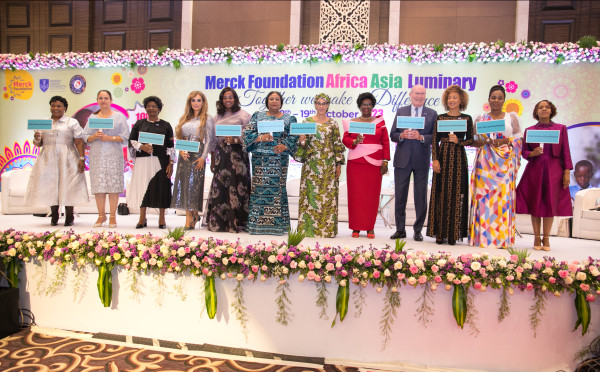
Merck Foundation Chairman and Chief Executive Officer (CEO) with African First Ladies inaugurate their 10th Africa Asia Luminary 2023 in India

Location: News
Merck Foundation

Prof. Dr. Frank Stangenberg-Haverkamp, Senator Dr. Rasha Kelej and African First Ladies of Botswana, Burundi, Cabo Verde, Central African Republic, The Gambia, Ghana, Liberia, Malawi, Democratic Republic of São Tomé and Príncipe, Zimbabwe, Democratic Republic of Congo, to inaugurate 10th Edition of Merck Foundation Africa Asia Luminary 2023 (http://www.Merck-Foundation.com); More than 10,000 participants including healthcare providers, policymakers, researchers, academia and media representatives from 70 English, French, Spanish and Portuguese speaking countries attended the Luminary through hybrid model to benefit from five parallel  scientific and social sessions to  advance healthcare capacity and awareness in 42 critical and underserved medical specialties; Celebrating 6th Anniversary of Merck Foundation and marking 11-year journey of their development programs, during 2023 Luminary; Merck Foundation reported the impact of providing 1700 scholarships to doctors from 50 countries in 42 critical and underserved specialties such as; Oncology, Diabetes, Cardiovascular Preventive, Endocrinology, Fertility, Embryology, Reproductive Care, Respiratory Care, Acute and Intensive Care, Neonatal Care, Pediatric Emergency, Advanced Surgery, Microbiology & Infectious Diseases, Internal Medicine, Ophthalmology, Psychiatry, Palliative Care and Pain Management and more; Merck Foundation marked Cancer Awareness Month during their annual conference.

Merck Foundation, the philanthropic arm of Merck KGaA Germany, conducted their annual conference, the 10th Edition of “Merck Foundation Africa Asia Luminary”, in partnership with Tata Memorial Centre and Department of Atomic Energy, Ministry of External Affairs, Ministry of Home Affairs, Ministry of Health of India, State Protocol Office of Government of Maharashtra and Krishna  World University, Karad, on the 18th of October 2023 in Mumbai, India. The conference was inaugurated by Prof. Dr. Frank Stangenberg-Haverkamp, Chairman of Merck Foundation Board of Trustees, and Senator, Dr. Rasha Kelej, CEO of Merck Foundation and Chairperson of Merck Foundation Africa Asia Luminary, along with African First Ladies of 11 countries;

  • H.E. Mrs. NEO JANE MASISI, The First Lady of the Republic of Botswana
  • H.E. Madam ANGELINE NDAYISHIMIYE, The First Lady of the Republic of Burundi
  • H.E. Dr. DÉBORA KATISA CARVALHO, The First Lady of the Republic of Cabo Verde
  • H.E. Madam BRIGITTE TOUADERA, The First Lady of Central African Republic
  • H.E. Mrs. FATOUMATTA BAH-BARROW, The First Lady of the Republic of The Gambia
  • H.E. Mrs. REBECCA AKUFO-ADDO, The First Lady of the Republic of Ghana
  • H.E. Mrs. CLAR MARIE WEAH, The First Lady of the Republic of Liberia
  • H.E. Mrs. MONICA CHAKWERA, The First Lady of the Republic of Malawi
  • H.E. Mrs. MARIA DE FATIMA VILA NOVA, The First Lady of the Democratic Republic of São Tomé and Príncipe
  • H.E. Amai Dr. AUXILLIA MNANGAGWA, The First Lady of the Republic of Zimbabwe
  • H.E. Madam DENISE NYAKERU TSHISEKEDI, The First Lady of the Democratic Republic of The Congo

Senator Dr. Rasha Kelej, CEO of Merck Foundation and Chairperson of Merck Foundation Africa Asia Luminary emphasized, “I am very proud to welcome our Guests of Honors and Keynote Speakers, the First Ladies of Africa and Ambassadors of “More Than a Mother” Campaign, for our annual conference that we have conducted first time in India. Together, we shared experiences and discussed the impact of our programs to transform patient care and raise awareness on a wide range of sensitive and critical social and health. Today we are also marking together Cancer Awareness Month, it is great to remember that Merck Foundation provided 138 scholarships of Oncology Training in many sub-specialties to doctors from 37 African countries, many of them have become the first oncologists in their countries. We are making history together in Africa, with our Ambassadors, First Ladies of Africa and our partners, Tata Hospital and Krishna University.”

Prof. Dr. Frank Stangenberg-Haverkamp Chairman of both of Executive Board of E.Merck KG and Merck Foundation Board of Trustees expressed “At Merck Foundation, our goal is improving overall health and well-being by building healthcare capacity and by providing access to quality & equitable healthcare solutions in the Africa, Asia and beyond. I would like to thank our partners, African First Ladies and Health Experts, Policy Makers, Government Officials, Academia and Media from more than 70 countries to join hands with us in order to realize the vision of Merck Foundation that “Everyone can lead a Healthy and Happy life.”

“I am proud to share that Merck Foundation has provided more than 1700 scholarships to young doctors from 50 countries in 42 critical and underserved specialties such as Oncology and Cancer care, Diabetes, Endocrinology, Cardiovascular, Fertility Care, Embryology, Sexual & Reproductive Medicine, Internal Medicine, Respiratory Medicine, Acute Medicine, Critical Care, Pediatric Emergency, Gastroenterology, Rheumatology, Clinical Psychiatry, Urology, Ophthalmology, General Surgery, Trauma & Orthopedic, Dermatology, Neonatal Care, Pain Management, Clinical Microbiology & Infectious Diseases, Advanced Surgical Practice, Neuroimaging for Research and more. Many of them are becoming the first specialists in their countries. Many of these scholarships were conducted in India where a state of art clinical training was provided at the prestigious training institutions of our partners such as Tata Memorial Center, Manipal University, Maharashtra University, Krishna University, Indra IVF Training and more. Therefore, we are very happy to be this year in India to celebrate our 10 years partnership with our respectable Indian partners”, added Senator Kelej.  

During the 10th Edition of Merck Foundation Africa Asia Luminary, the First Ladies of 11 African Countries, also the Ambassadors of Merck Foundation “More Than a Mother”, celebrated the 6th Anniversary of Merck Foundation and marked the 11-year journey of Merck Foundation development programs that started in 2012.

During the day 1 of the conference, the Plenary Session of Merck Foundation Africa Asia Luminary 2023 was held, during which a high-level panel meeting of Merck Foundation First Ladies Initiative Summit was conducted.

Day 2 of the conference will have important five parallel Medical and Scientific Sessions on Oncology, Diabetes & Hypertension, Fertility and Reproductive Care, and medical capacity building of other specialties such as; respiratory, acute care, emergency pediatric and neonatal care and more. Additionally, a community awareness session, the Merck Foundation Health Media Training session will also be conducted for the African journalists, to emphasize on the important role that they play to influence the community to create a cultural shift with the aim to Break Infertility Stigma, Support Girl Education, Stop GBV, End Child Marriage, End FGM, and Women Empowerment at all levels.

Countries participating in the 10th Edition of Merck Foundation Africa Asia Luminary include:

Angola, Bangladesh, Benin, Botswana, Burkina Faso, Burundi, Cameroon, Canada, Central Africa Republic, Cambodia, Chad, Côte d'Ivoire, Republic of the Congo, Democratic Republic of the Congo, Egypt, Ethiopia, France, Gabon, Germany, Ghana, Guinea – Bissau, Guinea – Conakry, India, Indonesia, Kenya, Lesotho, Liberia, Malawi, Malaysia, Mali, Mauritania, Mauritius, Mexico, Mozambique, Myanmar, Namibia, Nepal, Niger, Nigeria, Peru, Philippines, Russia, Rwanda, Senegal, Sierra Leone, Somalia, South Africa, Sri Lanka, Sudan, Tanzania, Thailand, The Gambia, Togo, Tunisia, U.A.E, UK, Uganda, US, Vietnam, Zambia, Zimbabwe and more.

The 10th Edition of Merck Foundation Africa Asia Luminary 2023 was streamed live on the social media handles of Merck Foundation (https://apo-opa.info/3Ykd3hH) and Senator, Dr. Rasha Kelej (https://apo-opa.info/3SfA0AF).

Link to the Facebook live steam of Inaugural Session of Merck Foundation Africa Asia Luminary & African First Ladies High Level Panel: https://apo-opa.info/3RYXLPa

Summarizing Merck Foundation's initiatives and impact:

Merck Foundation is transforming the Patient care landscape and making history together with its partners in Africa, Asia, and beyond, through:

• 1700+ Scholarships provided by Merck Foundation for doctors from 50 Countries in 42 critical and underserved medical specialties.  

Merck Foundation is also creating a culture shift and breaking the silence about a wide range of social and health issues in Africa and underserved communities through:

• 3000+ Media Persons from more than 30 countries trained to better raise awareness about different social and health issues

• 8 Different Awards launched annually for best media coverage, fashion designers, films, and songs

• Around 30 songs to address health and social issues, by local singers across Africa

• 8 Children's Storybooks in three languages - English, French, and Portuguese

• 7 Awareness Animation films in four languages - English, French, Portuguese and Spanish to raise awareness about prevention and early detection of Diabetes & Hypertension and supporting girl education.

• Pan African TV Program "Our Africa by Merck Foundation” addressing Social and Health Issues in Africa through “Fashion and ART with Purpose” Community

• 1000+ Girls from 15 African countries supported through scholarships or school items, annually.

• 12 Social Media Channels with more than 5 Million Followers.

Distributed by APO Group on behalf of Merck Foundation.

Media contact:
Mehak Handa 
Community Awareness Program Manager 
+91 9310087613/ +91 9319606669  
mehak.handa@external.merckgroup.com 

Join the conversation on our social media platforms below and let your voice be heard:
Facebook: https://apo-opa.info/3Ykd3hH
Twitter: https://apo-opa.info/3Yo3y11
YouTube: https://apo-opa.info/3CNFGLa
Instagram: https://apo-opa.info/3lsqM7q
Flickr: https://apo-opa.info/3JT8BSC
Website: Merck-Foundation.com
Download the Merck Foundation App: https://apo-opa.info/3xeJMsI

About Merck Foundation:
The Merck Foundation, established in 2017, is the philanthropic arm of Merck KGaA Germany, aims to improve the health and wellbeing of people and advance their lives through science and technology. Our efforts are primarily focused on improving access to quality & equitable healthcare solutions in underserved communities, building healthcare and scientific research capacity and empowering people in STEM (Science, Technology, Engineering, and Mathematics) with a special focus on women and youth. All Merck Foundation press releases are distributed by e-mail at the same time they become available on the Merck Foundation Website. Please visit Merck-Foundation.com to read more. To know more, reach out to our social media: Merck Foundation (Merck-Foundation.com); Facebook (https://apo-opa.info/3Ykd3hH), Twitter (https://apo-opa.info/3Yo3y11), Instagram (https://apo-opa.info/3lsqM7q), YouTube (https://apo-opa.info/3CNFGLa), and Flickr (https://apo-opa.info/3JT8BSC).

Media files
Merck Foundation
Download logo
Read moreMerck Foundation Chairman and Chief Executive Officer (CEO) with African First Ladies inaugurate their 10th Africa Asia Luminary 2023 in India
17 October 2023

Durban to host official BRICS Games 2023 opening ceremony this afternoon  

Location: News

Durban to host official BRICS Games 2023 opening ceremony this afternoon  

The National Department of Sport, Arts and Culture in collaboration with the KwaZulu-Natal provincial government will host the 5th BRICS Games official opening ceremony today. 

The ceremony will take place at the Olive Convention Centre in Durban. 

The latest edition of the 2023 BRICS Games will see young athletes aged between 19 and 21 across BRICS (Brazil, Russia, India, China and South Africa) nations battling for various honours within five sporting codes. 

These include swimming, badminton, table tennis, tennis and beach volleyball. 

The games will be played simultaneously across Kings Park Swimming Pool, University of KwaZulu-Natal, Curro Hillcrest High School and Bay of Plenty from October 18 to 21. 

“Following the BRICS leaders’ recommendation, the 2023 BRICS Games will be an expanded championship programme which will see more sporting and the inclusion of Paralympians in the code of tennis for the first time at the games. 

“The opening ceremony will officially unveil competing teams from all the BRICS nations.” – SAnews.gov.za


Gabisile
Tue, 10/17/2023 - 10:47

407 views
Read moreDurban to host official BRICS Games 2023 opening ceremony this afternoon  
13 October 2023

President Ramaphosa: Panel findings on Lady R were “completely rational”

Location: News

President Ramaphosa: Panel findings on Lady R were "completely rational"

President Cyril Ramaphosa has told the National Council of Provinces that he is confident that the independent panel -- which was appointed to investigate the circumstances surrounding the docking of the Lady R vessel in Simonstown in December 2022 -- made rational findings. 

The President was answering oral questions in the National Council of Provinces (NCOP) on Thursday. 

“I have no reason to believe the findings of the panel were irrational. In fact, I believe the findings of the panel were completely rational. As one went through the report, I could find no irrationality. The panel made no finding of involvement of clandestine parties or illegal transactions," President Ramaphosa said.

President Ramaphosa appointed the panel to investigate claims that South Africa may have exported weaponry and ammunition to Russia, which invaded Ukraine in February last year and is accused of various war crimes.

The panel found no evidence that South Africa sent weapons to Russia.

The President said that the independent panel was led by a respected retired Judge and two prominent and respected legal minds. 

“The extent of the work undertaken and the information the panel sought, obtained and analysed gives me full confidence in the contents of their report. 

“The panel made no finding of involvement by ‘clandestine parties’ or illegal transactions, and no evidence has been presented to contradict the panel’s findings.

“The contents of the shipment carried on the Lady R are kept secret so as not to compromise the work or the safety of our security forces. I have no intention of compromising this under any circumstances,” the President said. 

The President highlighted that Section 23 of the National Conventional Arms Control Act makes it clear that information on the quantity of items is shared with Parliament on a confidential basis.

“Nothing in the Act requires disclosure on the intended use of the controlled items. In fact, the Act expressly states that: 'Information concerning the technical specifications of controlled items may be omitted from a report contemplated in this section in order to protect military and commercial secrets', " the President said. 

He said the work of the National Conventional Arms Control is critical in ensuring that the country abides by its international obligations in relation to the transfer and trade in controlled items, and that "it continues to do this critical work, as provided for in its founding legislation and the relevant United Nations conventions". 

President Ramaphosa said the protection of information related to its work is clearly provided for in the Act and is just as important to its mandate and to national security. 

President Ramaphosa said government will continue to respect the requirements of the law and its responsibility to safeguard the security of the nation. – SAnews.gov.za

DikelediM
Fri, 10/13/2023 - 09:54

417 views
Read morePresident Ramaphosa: Panel findings on Lady R were “completely rational”
9 October 2023

Critical Minerals Africa 2023: Securing Supply Chains into the Future

Location: News
Energy Capital & Power

A forward-looking panel at Critical Minerals Africa (CMA) 2023 (https://CriticalMineralsAfrica.com/) will explore how technology, sustainable practices and localization can ensure stable and secure critical minerals supplies, under the theme, The Future Minerals Economy and the Resilience of Supply Chains.

Panelists include Dr. Marit Y. Kitaw, Interim Director of the African Minerals Development Center (AMDC), Ethiopia; Deshan Naido, Managing Director of AQORA, South Africa; Duma Sisulu, Co-Founder & Chief Analyst at Parime Battery Minerals, South Africa; Alex Benkenstein, Head of the Climate and Natural Resources Program at the South African Institute of International Affairs (SAIIA); and Kwasi Ampofo, Head of Metals and Mining at BloombergNEF. The panel will be moderated by Olimpia Pilch, Founder and Chief Operating Officer of the Critical Minerals International Alliance, UK.

As demand changes and complexities increase, African and global mineral supply chains are undergoing several transformations to better manage supply disruptions and price fluctuations, from adopting digitalization to strengthening local and regional outputs. The panel will explore how market instability – triggered by the COVID-19 pandemic and Russia-Ukraine war – has accelerated the need for localized supply chains and how African countries can ensure their demand for critical and industrial minerals is met, while foreign markets like the US and Europe seek to secure their own supplies.

The panel will evaluate the strength of Africa's existing local and regional supply chains, strategies for improving operational efficiencies and the role of cross-border cooperation and partnerships in ensuring supply chain stability and resilience. Discussions will also address best practices for decarbonizing mining activities and how circular economy principles can be integrated to maximize resource efficiency and minimize waste, with a view to establishing green supply chains of the future.

Other key developments in the critical minerals space include mining companies diversifying their operations across multiple sectors, while fostering synergy among mining, energy, and oil and gas in the quest for transition minerals. As the sole high-level, dedicated summit for African critical minerals, CMA 2023 will bring these discussions to the forefront, as Africa emerges at the center of global hub activities.

Distributed by APO Group on behalf of Energy Capital & Power.

The Critical Minerals Africa 2023 summit on October 17-19 serves to position Africa as the primary investment destination for critical minerals. The event is organized by Energy Capital & Power and held alongside the African Energy Week 2023 conference (https://AECWeek.com) on October 16-20, offering delegates access to the full scope of energy, mining and finance leaders in Cape Town.

Sponsors, exhibitors and delegates can learn more by contacting  sales@energycapitalpower.com 

Media files
Energy Capital & Power
Download logo
Read moreCritical Minerals Africa 2023: Securing Supply Chains into the Future
6 October 2023

Establishing Sustainable Raw Material Value Chains

Location: News
Energy Capital & Power

A high-level presentation on the European Union's (EU) AfricaMaVal initiative and related efforts to establish sustainable critical raw material value chains in Africa will be delivered at the upcoming Critical Minerals Africa (CMA) 2023 summit (https://CriticalMineralsAfrica.com). 

Led by Roberto Cecutti, Head of Trade and Economics, EU Delegation to South Africa and Sodhie Naicker, Managing Director of DMT and Kai Batla and Consortium Partner in AfricaMaVal, the presentation is one of several organized for the first day of the conference, serving to promote sustainable partnerships, policies and projects in raw materials and strengthen global critical mineral supply chains.   

The AfricaMaVal project – “Building EU-Africa Partnerships on the Sustainable Raw Materials Value Chain” – aims to ensure responsible mineral sourcing by European countries, while fostering sustainable development and ESG practices across the African continent. The project targets 10 case studies in Morocco, Senegal, Gabon, the DRC, Tanzania, Mozambique, Zimbabwe, Namibia, South Africa and Madagascar, with a view to evaluating their respective mining and refining potential and strengthening their existing links to European partners.

Launched in June 2022 and set to run through November 2025, the AfricaMaVal initiative comes as Europe takes a mounting interest in Africa's critical minerals as an alternative supply to China and Russia. The EU has classified rare earth minerals as critical to delivering its flagship Green Deal and digital transition, which targets carbon neutrality by 2050. 

The presentation aligns closely with the broader theme of CMA 2023 – Establishing the Critical Minerals Value Chain of the Future in Africa – which aims to position the continent as a global hub for sustainable mineral exploration, processing, technologies and trade.  

Distributed by APO Group on behalf of Energy Capital & Power.

Critical Minerals Africa 2023 summit:
Organized by Energy Capital & Power, the Critical Minerals Africa 2023 summit, scheduled for October 17-19, serves to position Africa as the primary investment destination for critical minerals. The event is held alongside the African Energy Week 2023 conference (https://AECWeek.com) on October 16-20, offering delegates access to the full scope of energy, mining and finance leaders in Cape Town. Sponsors, exhibitors and delegates can learn more by contacting sales@energycapitalpower.com

Media files
Energy Capital & Power
Download logo
Read moreEstablishing Sustainable Raw Material Value Chains
29 September 2023

BRICS offers SA prospects to deepen relations

Location: News

BRICS offers SA prospects to deepen relations

The expansion of the BRICS not only gives weight to the bloc but also grants South Africa the opportunity to deepen ties with the countries that are expected to join the formation next year.

South Africa hosted the 15th BRICS Summit in Johannesburg last month where President Cyril Ramaphosa as chair of the bloc announced that Argentina, Egypt, Ethiopia, Iran, Saudi Arabia, and the United Arab Emirates will join the BRICS.

 “It gives the bloc more weight politically [and] economically in an international space. Domestically, we can gain from ensuring that there’s deepened trade ties with these countries which would expand economic opportunities within South Africa itself and the other emerging markets you find in the BRICS bloc.

“It increases your momentum within the global stage itself,” assistant lecturer at the Department of Politics and International Relations at the University of Johannesburg, Ndzalama Mathebula told SAnews.

The six developing countries are set to become full members of the BRICS [Brazil, Russia, India, China and South Africa] bloc from January 2024.

Senior research associate at the think tank, Institute for Global Dialogue, Sanusha Naidu said there could be other developments leading up to the new year.                                                                   

“…when we come to January 2024, what will be some of the issues? Will countries automatically accept the invitation to become members of the expanded BRICS  or what will be some of the strategic orientation that will influence and the factors that will shape this?,” remarks Naidu.

Naidu adds that this poses “some serious questions, introspection and reflection around South Africa’s BRICS strategy going forward.”

She adds that South Africa now needs to be much more coherent about its strategy.

In his address to Members of Parliament earlier this month, President Ramaphosa said South Africa’s trade with the bloc has increased by an average of 10% every year over the period 2017 to 2021. According to the President, the country’s total trade with other BRICS nations stood at R830 billion in 2022 from R487 billion in 2017.

During the Questions for Oral Reply session held at the National Assembly, the President explained that BRICS is an important source of foreign direct investment in key areas such as mining, automotive, transportation, clean energy, financial services and information technology (IT).

New chapter

In his address to the nation post the summit, the President described the summit—which was attended by the five BRICS member countries and representatives of 61 other countries-- as a success that “heralded a new chapter” for the group.

Naidu said the expansion of the BRICS is very much part of the interest in Washington right now.

 “I don’t think it’s because [and] I say this with the most respect for the South African government and for South Africa. I don’t think it is because of South Africa that there’s interest in the BRICS. The interest in the BRICS right now is because the BRICS is expanding but it is not because of South Africa.”

The country on the southernmost tip of the African continent, was invited to join the bloc in 2010 and in 2011, South Africa attended its first summit of the group of leading emerging markets and developing countries.

Having been part of the bloc for over a decade, it was interesting to see other countries invited to join the bloc on African soil.

She notes that the first expansion of the BRICS that happened was with South Africa being invited to join the formation but that “didn’t get the attention” because the world at that time was not as “volatile, unpredictable and inflamed as it is now.”

The summit called for a comprehensive reform of the United Nations (UN) including the Security Council. Speaking at the summit, Secretary-General of the United Nations, António Guterres said the Security Council and the Bretton Woods system are two areas which require a ”particularly important reform effort.”

He said if reform fails, “we risk fragmentation, and fragmentation can be one day a factor of confrontation.”

Naidu agrees with the Secretary-General’s comments.

“If reform is not happening; it is fragmenting and you can see that happening in a very real way. I think the expansion of the BRICS actually brings about a regionalisation of the geopolitics of the international system and you see that with the countries that are being invited to expand [the group].

Naidu said that this time around, the reform of the UN Security Council was not just a broad statement.

“My view was that for the first time in a long time, I think since the BRICS inception [that] the issue of the UN Security Council reform wasn’t just a broad statement. It kind of referred to the developing world and especially India, Brazil and South Africa.

“I feel that was a bit of a broad win in a way that [gets] Russia and China to kind of not to explicitly endorse, but to implicitly support the membership of India, Brazil and South Africa into the Security Council … where I didn’t previously see them doing that.”

Mathebula said that 15-years ago when the BRICS was formed, it was not thought that the group would one day challenge the United States.

“We never thought that it would challenge US hegemony but what we are seeing right now, is that we have this challenge of the US hegemony using emerging economies like South Africa [with] these countries being central to the global stage and determining policies instead of inheriting it.

“So considering that Russia and China are permeant members of the UN, it is an important indication of the changing global order,” Mathebula said.

Meanwhile, Naidu said South Africa must align its foreign policy to the new chapter.

“Yes the President was right that it brings a new chapter, but is South Africa understanding what that new chapter is? Is it aligning its foreign policy to the new chapter? You’ve got to think about the alignment of your strategic interests in where you want to position yourself in global affairs.”

The African voice

While the African voice was heard at the gathering, Mathebula said the question was whether or not “Africa will take what it needs.”

“Will Africa use the bloc in the right way to ensure that there’s development within their domestic markets?” she asked.

This year’s summit was held under the theme: ‘BRICS and Africa: Partnership for mutually accelerated growth, sustainable development and inclusive multilateralism’.

Both analysts were of the view that South Africa did a good job in hosting the summit.

“Overall I think it was from a technical, transactional perspective, yes [South Africa] hosted the summit well. It showed that South Africa can host summits and has done so in the past and I think it will be difficult to nit-pick. The summit in itself did give some kind of transactional value to South Africa,” said Naidu.

Asked about what the country could have done better in hosting the summit, Mathebula said while a lot of people had something to say about the summit, there was also plenty of misinformation going around on platforms like TikTok.

“Not many people understood what it was about, the youth don’t know. [I] don’t know if its ignorance… the ignorance that you find in African states are [sic] actually the engineers of underdevelopment … I urge everyone to read on what [the] BRICS is,” said Mathebula. –SAnews.gov.za


Neo
Fri, 09/29/2023 - 14:31

37 views
Read moreBRICS offers SA prospects to deepen relations
27 September 2023

Russia Gosloto: A Fresh Perspective on Lottery Excitement

Location: MyPR

Lottery games have captivated the imaginations of people worldwide for centuries. In Russia, one lottery game stands out for its unique features and daily draws: the Russia Gosloto. But what makes this lottery game so special? Let’s delve into the intricacies of Russia’s most popular lottery game. What Makes Gosloto Unique? Russia Gosloto offers a …

Read moreRussia Gosloto: A Fresh Perspective on Lottery Excitement
20 September 2023

South Africa continues to advocate for dialogue 

Location: News

South Africa continues to advocate for dialogue 

President Cyril Ramaphosa has urged the international community to do everything within its means to enable meaningful dialogue between warring parties, while refraining from actions that fuel the conflict. 

The President was delivering a statement to the 78th Session of the United Nations General Assembly (UNGA78) at the United Nations headquarters in New York.
 
“Democratic South Africa has consistently advocated for dialogue, negotiation and diplomacy to prevent and end conflict, and achieve lasting peace. 

“It is these principles that inform South Africa’s participation in the African Peace Initiative, which seeks a peaceful resolution of the conflict between Russia and Ukraine. In this conflict, as in all conflicts, we have insisted that the UN Charter’s principle of respect for the territorial integrity of every country should be upheld,” the President said. 

President Ramaphosa told the world leaders that SA’s participation in the African Peace Initiative is informed by a desire to see an end to the suffering of those most directly affected by the conflict and the millions on the continent and across the world who, as a result of the conflict, are now vulnerable to worsening hunger and deprivation.

“As the international community, we must do everything within our means to enable meaningful dialogue, just as we should refrain from any actions that fuel the conflict.

“As we confront other conflicts in several parts of the world, including on our continent Africa, we need to be investing in prevention and peacebuilding,” he said. 

The President said South Africa supports the call by the UN Secretary-General in the New Agenda for Peace for Member States to provide more sustainable and predictable financing to peacebuilding efforts. 

He called on the global community to be concerned by recent incidents of unconstitutional changes of government in some parts of Africa.

He emphasised that the global community needs to work alongside the African Union to support peace efforts in the eastern DRC, Libya, Sudan, Somalia, Mali, Central African Republic, South Sudan, northern Mozambique, the Great Lakes Region, the Sahel, Niger and the Horn of Africa.

The President highlighted that the African Union Peace and Security Council has declared that it stands ready to deepen its cooperation with the UN Security Council to silence the guns on the African continent and to achieve peace, stability and development.

“We are called upon to remain true to the founding principles of the United Nations, by recognising the inalienable right of the people of Western Sahara to self-determination, in line with the relevant UN General Assembly resolutions. 

“We must work for peace in the Middle East. For as long as the land of the Palestinians remains occupied, for as long as their rights are ignored and their dignity denied, such peace will remain elusive,” he said. 

President Ramaphosa said that the actions of the Government of Israel have imperilled the possibility of a viable two-State solution. 

“The principles of the UN Charter on territorial integrity and on the prohibition on the annexation of land through the use of force must be applied in this situation,” he said. 

President Ramaphosa said South Africa continues to call for the lifting of the economic embargo against Cuba, which has caused untold damage to that country’s economy and people.

He said sanctions against Zimbabwe should also be lifted as they are imposing great suffering on ordinary Zimbabweans.

“As many people around the world are confronted by hunger and want, the essential human qualities of cooperation and solidarity must be evident in the actions we take to bridge the divide between wealthy and poor. 

“We must summon the necessary will and resolve to regain the momentum towards the achievement of the 2030 Agenda. 

“This means that we must address the fundamental development challenges that have long characterised our unequal world,” he said. – SAnews.gov.za

DikelediM
Wed, 09/20/2023 - 09:59

502 views
Read moreSouth Africa continues to advocate for dialogue 
19 September 2023

World leaders called to champion women, children health agenda

Location: News

World leaders called to champion women, children health agenda

President Cyril Ramaphosa has called on Heads of State and Government to join the Global Leaders Network to champion the women, children and adolescent health agenda. 

The President was addressing the High Level Partnership for Maternal, Newborn and Child Health (PMNCH) event on Monday at the UNICEF headquarters in New York, USA. 

“As Heads of State, we can provide leadership and inspire ambitious action. We have the convening power to mobilise our peers and advance policies, programmes and financing initiatives for improved outcomes.

“As part of our agenda, we must challenge the disregard in many communities and countries for the sexual and reproductive health and rights of women,” President Ramaphosa said. 

The President spent the first and second day of his working visit to the United States - for the 78th United Nations General Assembly - discussing sustainable development goals and investments in South Africa. 

On Sunday, President Ramaphosa held a bilateral meeting with Professor Klaus Schwab, CEO of the World Economic Forum (WEF), to discuss South Africa’s participation at WEF and the progress the country is making on the reforms aimed at advancing inclusive economic growth. 

The President also met with United States Congressman, Gregory Meeks. Both President Ramaphosa and Congressman Meeks acknowledged the need for greater cooperation between the US and South Africa in tackling global issues that are impacting the African continent, primarily, the impact of the Russia-Ukraine conflict on Africa. 

“Congressman Meeks welcomed the briefing on the conclusion of the investigation into the docking of the LadyR vessel in Simmons Town, South Africa, and expressed his commitment to contributing to the strengthening of US-Africa diplomatic and trade relations, and to attending the AGOA forum in South Africa later this year,” the Presidency said. 

President Ramaphosa concluded his first day of engagements with a meeting with the United Nations Secretary General, Antonio Guterres.

The two leaders discussed developments related to the reform of the international financial architecture and other initiatives in support of the Sustainable Development Goals, as well as the reform of the United Nations Security Council. The Secretary General commended South Africa for its important role in advancing these efforts.  

The President also delivered remarks at the Sustainable Development Goals Summit, where he joined the call to address the fundamental development challenges that have long characterised an unequal world. 

“The President emphasised the need for targeted investment, technology transfer and capacity building support especially in key areas such as industralisation, infrastructure, agriculture, water, energy, education and health. The President further underscored the requirement for sustained financial support, including supportive trade policies from the international community,” the Presidency said. 

Later on Monday, President Ramaphosa led the business roundtable discussions with the US Chamber of Commerce and the US-Africa Business Center. 

President Ramaphosa used the occasion to position South Africa’s economic reform agenda, which is focused on expanding industrial capacity as an opportunity for more US investment that can leverage off the demonstrated manufacturing base of South Africa. – SAnews.gov.za


DikelediM
Tue, 09/19/2023 - 12:01

117 views
Read moreWorld leaders called to champion women, children health agenda
10 September 2023

AU joins G20 as a permanent member

Location: News

AU joins G20 as a permanent member

President Cyril Ramaphosa has welcomed the admission of the African Union as a member of the Group of Twenty (G20).

“We are delighted that the G20 has accepted the African Union as a member of the G20,” the President said on Saturday.

G20 is the premier forum for international economic cooperation and it plays an important role in shaping and strengthening global architecture and governance on all major international economic issues. 

The group comprises of 19 countries (Argentina, Australia, Brazil, Canada, China, France, Germany, India, Indonesia, Italy, Japan, Republic of Korea, Mexico, Russia, Saudi Arabia, South Africa, Türkiye, United Kingdom, and United States) and European Union.

The G20 members represent around 85% of the global GDP, over 75% of the global trade, and about two-thirds of the world population.

In his statement on the Working Session I: One Earth G20 Leaders’ Summit, which took place in New Delhi, India, President Ramaphosa called for countries to respond collectively, decisively and with urgency to climate change.

“No country is spared the effects of climate change. It is vital that industrialised countries, which have the means and which carry the greatest responsibility for climate change, support sustainable development in developing economies.

“For us to realise the vision of People, Planet and Prosperity, we need to meet our respective commitments and responsibilities. In so doing, we will be helping to create a world that is more equitable, more resilient and more sustainable,” the President said.

He said global reconstruction in the wake of the COVID-19 pandemic presents a unique opportunity to accelerate the transition to low-carbon, climate resilient, sustainable societies.

“Developing economies are bearing the brunt of climate change, despite carrying the least responsibility for this crisis. As African and other developing economy countries, we face the task of meeting our climate commitments in the midst of significant developmental challenges like poverty, inequality and unemployment.

“Climate change, environmental degradation, unsustainable consumption and production and resource scarcity are challenges that can only be addressed collectively and with a great deal of solidarity. South Africa calls for an enhanced and expanded Global Partnership for Sustainable Development,” the President said.

He said these efforts must be supported by the concrete policies and actions outlined in the Addis Ababa Action Agenda on Financing for Development.

“Access to adequate and predictable financial resources from a variety of public and private sources is critical if we are to achieve the Sustainable Development Goals.

“Development partners need to both meet their existing commitments and upscale Official Development Assistance. Ordinary people see billions of dollars being spent on the weapons of war instead of addressing development challenges.

“In particular, development partners need to meet their commitments to capacity building and infrastructure development in low- and middle-income countries,” the President said. – SAnews.gov.za


nosihle
Sun, 09/10/2023 - 09:34

178 views
Read moreAU joins G20 as a permanent member
7 September 2023

The key to Africa’s industrialisation process and ending the region’s massive energy poverty

Location: News
African Energy Chamber

By Jason Mitchell

Africa's vast natural gas reserves are key to bringing energy to Africa's poorest countries, to a solid industrialisation process throughout the region and to significant poverty reduction.

The region is home to 33 of the world's 46 least-developed countries (LDCs) with an average income per head of less than $1,018 a year. The continent's poorest countries must expand at 6-7% a year if poverty is to be reduced in a big way and if the life chances of hundreds of millions of people are to be improved. To achieve this goal, these countries require abundant and cheap energy. Luckily, for many African states, the answer lies on their own doorstep — natural gas. Gas has remained a niche fuel in sub-Saharan Africa — contributing only 5% of the total energy mix against a global average of 20-25% — but its potential is enormous.

A new vision for Africa is required — a criss-crossing network of natural gas pipelines that brings energy to all corners of the region. The continent's contribution to global greenhouse gas emissions is tiny and will only become slightly bigger if the region's natural gas reserves are exploited. There is also a massive opportunity to wean poor Africans away from the use of biomass fuel and to help protect the region's forests through the rollout of small, liquified petroleum gas (LPG) stoves. Climate change is an issue in Africa but poverty reduction is a bigger one. Poverty is the biggest killer in Africa today.

It's very hard for Europeans and North Americans to imagine what it's like to live on under $1,018 a year, to not have readily available electricity, to not have a refrigerator or a washing machine, to not have a car, to not have a lawnmower, to not be able to fly from one country to another cheaply, to not have electricity in the school or the workplace and to have to use firewood or charcoal for cooking purposes. Fossil fuels have been at the heart of the Industrial Revolution that has brought prosperity and better living standards to the developed world. People in the First World must be very careful if they decide to deny Africans the same chance to prosper.

Africa has the lowest energy use per capita in the world — the average electricity use of a sub-Saharan African resident is lower than that of a household fridge in the United States. Average consumption per person in sub-Saharan Africa, excluding South Africa, is a mere 185 kilowatt-hours (kWh) a year, compared with about 6,500kWh in Europe and 12,700kWh in the US. Every year San Antonio, Texas, with a population of 1.5m people, uses as much electricity as the whole of Nigeria, with 203m people. Golden, Colorado, a small town with only 19,000 people, uses as much electricity as Chad, a country with 16m people.

The UN's Sustainable Development Goal Seven aims to “ensure access to affordable, reliable, sustainable and modern energy for all” by the year 2030. That's a tall order. In 2019, 917m people in Africa (around 80% of the region's population) relied on wood, charcoal, kerosene, animal and crop waste or other solid fuels to cook their food and heat their homes. The International Energy Agency (IEA) reports that almost 490,000 people die prematurely every year in sub-Saharan Africa from household air pollution-related causes — stemming from the lack of access to clean cooking facilities. Gas is a much cleaner form of cooking than biomass and its use should be encouraged. Biomass burning-power plants emit 300-400% more CO2 than natural gas per unit energy produced. Natural gas emits almost 50% less carbon dioxide than coal. 

Africa has one-fifth of the world's population but contributes only 3% to global greenhouse gas emissions. Incredibly, some 48 sub-Saharan African countries, excluding South Africa, have an estimated share of global emissions of only 0.55%. The fact is that many African states are already at net zero. If the continent were to use an additional 90bn cu m of natural gas per year — or 50% more than today — the resulting emissions would only raise Africa's cumulative contribution to global carbon emissions to 3.5% (ten gigatonnes) by the year 2050, according to the IEA. It really is a tiny increase compared to the chance of reducing poverty levels for hundreds of millions of poor people. If Africa is to provide universal electricity access by 2030 it would have to almost double its total generation capacity from around 260gw today to 510gw. 

Almost half the continent's 55 countries have proven natural gas reserves. Across the region, natural gas reserves amount to around 17.5trn cubic metres (cu m), making up around 9% of the world's total gas reserves. They are considerable in northern Africa (accounting for 45% of African reserves) and western Africa (32%), in particular. Commercial quantities of natural gas have been found in many African countries.

Previously, only four countries from the region have been major natural gas production hubs: Nigeria (with total gas reserves of 5.8trn cu m), Algeria (4.5trn cu m), Egypt (2.2trn cu m) and Libya (1.5trn cu m). These four accounted for 78% of African gas reserves in 2021 (https://apo-opa.info/48gDBWG), according to the United States Energy Information Administration.

However, seven African countries — Mozambique, Senegal, Tanzania, Mauritania, South Africa, Ethiopia and Morocco — with no history of fossil gas exploitation have now opened up their doors to gas projects. Some 84% of new reserves in the pre-production stage are found in these states — total new reserves amount to 5.1trn cu m. Mozambique has re-production reserves of 2.3trn cu m, Senegal 779bn cu m, Mauritania 575bn cu m, Tanzania 512bn cu m, South Africa 96bn cu m, Ethiopia 42bn cu m and Morocco 39bn cu m.

Furthermore, major untapped reserves have been discovered in Angola, Cameroon, Ghana, Equatorial Guinea, the Republic of the Congo, Kenya and Uganda. A number of these states — including Mozambique, Tanzania, Mauritania and Senegal — are actively marketing natural gas to capitalise on recent discoveries. In fact, the IEA has declared Africa the ‘new frontier' in global oil and gas.

The big four gas-producing countries will continue to dominate gas production in the near term but experts estimate that Mozambique and the other new entrants will contribute more than 50% of the region's gas production by 2038.

Natural gas can be used for electricity generation, industry and domestic use. Crucially, harnessing Africa's gas could provide the baseload power needed to boost Africa's capacity to process its raw materials locally. It could provide enough energy for industrial processes, including steel and cement production and paper and pulp manufacturing. It could be also used to make fertiliser to raise agricultural yields. Renewables, including solar and wind, cannot yet provide enough energy for these purposes.

The huge reserves of gas can play a significant role in the continent's energy transition, as natural gas has a much lower carbon footprint than oil and coal. Critically, natural gas development and renewable power are not mutually exclusive. If Africa were to triple its use of natural gas, the United Nations Economic Commission for Africa (Uneca) estimates that the region would be able to increase its use of renewable energy eight-fold. Reliable forms of energy such as gas can be used to stabilise a grid powered by intermittent sources such as wind and solar. It can play a key role in a ‘just' energy transition.

However, expanding gas supply across Africa would require a whole web of new gas pipelines and that does not come cheap. A lot of the gas from the new projects already under way in Africa is destined for international markets, including the European Union — which have been seeking new sources of energy since the Ukraine crisis — but it is vital that the region's gas reserves are deployed for domestic use, as well. Nigeria, for example, sits on the continent's largest known natural gas reserves but only 55% of the population had access to secure electricity in 2020.

Multilateral financial institutions (MFIs) — many of which are headquartered in the developed world — are now shying away from investing in natural gas projects in Africa because of pressure from a vociferous green lobby. In 2021, 20 countries — including almost all the world's big, rich democracies — pledged to stop almost all financing of new fossil fuel projects internationally by the end of 2022. Furthermore, under the Glasgow Financial Alliance for Net Zero (GFANZ), 450 financial firms across 45 countries, responsible for over $130trn in assets, committed to accelerate the global decarbonisation process. The problem is that most Western governments and financial institutions do not distinguish between coal, oil and gas, and the pressure to stop funding all hydrocarbons has negatively impacted gas projects in Africa in a big way.  

Some of the continent's biggest financiers — including the African Development Bank (AfDB) — are finding it increasingly difficult to support gas project developments that require loan syndication and foreign partners. The World Bank is pulling back, too. Local banks cannot finance major gas projects on their own, as they are limited by their capital base. In particular, the fossil fuels divestment campaign is having a big impact on the amount of development and concessional finance available. This kind of finance used to support a number of gas projects for their poverty-reducing and economic development value.

For example, without the guarantees of development finance institutions (DFIs), most of Africa's recent gas-to-power plants would have never been built in the first place. The withdrawal of development finance from downstream gas and gas-to-power projects is a serious cause for concern for Africa's electrification effort and moving the needle on energy access.

Furthermore, there is a glaring double standard — many European countries have increased their use of hydrocarbons (coal as well as gas) since Russia's invasion of Ukraine. They are constructing new fossil fuel pipelines at home. The EU recently classified natural gas a ‘green' fuel, which will allow Europe's projects to be backed by investors committed to environmental, social and governance (ESG) principles. European countries are now looking towards African states for new sources of gas. However, they are not prepared to back new gas projects in Africa that would supply the fuel to the region itself. That smacks of hypocrisy of the worst kind. How can you deny the poorest people in the world the sort of energy that you want to use yourselves?

Lumping all hydrocarbons together is a blunt policy mechanism that is not good from an emissions perspective either. In poorer places, like sub-Saharan Africa, the available alternative to gas is not renewable electricity but rather coal, diesel and, most of all, polluting biomass. In sub-Saharan Africa, demand for biomass fuels is expected to surge by 40% by the year 2040 if ‘business as usual' continues. The burning of biomass is a major contributor to global carbon emissions and charcoal has been a top driver of tropical forest loss during the past two decades, with the greatest footprint in Africa. The continent's carbon sinks need protecting and the irony is that the greater use of gas would achieve that.

Africa is home to 18% of humanity but receives less than 5% of global energy investment. And much of this investment goes on producing oil and gas for export. There must be much more investment in the region for the domestic use of gas. Gas projects could play an absolutely vital role in bringing energy to Africa but obviously the projects require financing. DFIs must think again about their decision to limit investment in new projects in Africa. The financing of a network of gas pipelines throughout Africa would be one of the quickest and surest ways of industrialising the region in a big way and of alleviating poverty on a large scale. Renewables just cannot do that how ever much wishful thinking takes place.

In fact, development institutions should go one step further and consider subsiding a massive roll out of small LPG stoves to millions of poor households in the region. It could be one of the biggest moves in contributing to Africa's decarbonisation effort by arresting the pace of deforestation in the region. LPG is recovered from ‘wet' natural gas (gas with condensable heavy petroleum compounds) by absorption and reaches the domestic consumer in cylinders under relatively low pressures. The widespread adoption of LPG stoves would reduce the amount of pollutants in the air from biomass fuels. Poor households that currently depend on woodfuel for cooking require a cleaner cooking alternative — LPG is one of the solutions.

LPG stoves are also suitable for domestic use in rural settings — a key consideration in Africa where energy poverty is greatest in the countryside. For instance, in 2016, electricity access in urban and rural areas in Nigeria was 86% and 34%, respectively, according to the World Bank.

Africa only needs to look to Asia for examples. In 2006, Indonesia implemented a ‘mega-programme' to induce a large-scale transition from kerosene to LPG stoves in order to reduce government spending on kerosene subsidies. The initiative invested in LPG infrastructure, domestic cylinder production and consumer awareness. By 2012, 93% of the target had been reached and LPG consumption had grown by almost 350%.

In India, LPG access expanded through the early-2000s but it was still not reaching most poor families. To boost access among the poor, the Indian government introduced the Pradhan Mantri Ujjwala Yojana (PMUY) Scheme. Under it, the country's oil marketing companies provide subsidies to reduce the cost of both LPG connections and cylinder refills to women in households classified as below the poverty line. In 2016, the cost of a connection was about Rupees 3,200 ($48) and included the first full cylinder (plus deposit), deposit for a regulator, an LPG stove and administrative fees.

Furthermore, African governments must consider increasing domestic gas allocations from liquified natural gas (LNG) export projects. These are an effective way to ensure that even if developers prioritise lucrative exports over local sales, they must reserve part of their production for the domestic market. Upcoming LNG terminals in sub-Saharan Africa — for example, in Mozambique — now make it compulsory to allocate a specific amount of gas to the domestic market. The availability of domestic gas from export facilities can encourage gas-based industrialisation (for example, in Senegal) or additional gas-to-power capacity (Mozambique, Mauritania and Senegal). In August 2022, for instance, Senegal's Petrosen Trading & Services signed an MoU with Turkey's Çalık Enerji and Japan's Mitsubishi for the pre-feasibility study of a gas-based ammonia and urea manufacturing unit.

It is a huge mistake to lump all hydrocarbons together and for Western environmentalists to argue that no new new fossil fuel projects should happen in Africa whatsoever. Deforestation is one of the biggest issues in Africa today. Poor Africans must be weaned off the use of wood-based fuels. The widespread adoption of small LPG stoves would be one of the surest ways of reducing deforestation. Natural gas could also form the basis for a solid, large-scale industrialisation process in Africa — something that is essential if the region is to achieve the sort of economic growth needed to lift hundreds of millions of people out of poverty.

Distributed by APO Group on behalf of African Energy Chamber.

Media files
African Energy Chamber
Download logo
Read moreThe key to Africa’s industrialisation process and ending the region’s massive energy poverty
6 September 2023

Lady R executive summary report released

Location: News

Lady R executive summary report released

The executive summary of the independent panel’s investigation into the December 2022 docking of the Lady R vessel at Simonstown has been released.

The Presidency on Tuesday evening said that due to the classified nature of the evidence that informed the report, “government will not publicly engage further on the substance of the report”.

The vessel’s docking gave rise to public controversy, when now debunked allegations suggested that South Africa had loaded weapons onto the ship bound for Russia to assist in that country’s current conflict with Ukraine.

In the executive summary, the panel – led by Judge Phineas Mojapelo – explained that cargo was only offloaded from the vessel.

“The details of the equipment offloaded and its intended use were made known to the panel. In light of this classified information, the panel accepted the reasons provided for the decision to offload the equipment at night.

“This, as well as the nature and purpose of the equipment, are aspects which may need to be considered when the President decides what may be published.

“Despite some rumours that some equipment or arms were loaded on the Lady R, the panel found no evidence to substantiate those claims. Available evidence only confirmed the offloading and that there was nothing loaded,” the summary reads.

The executive summary is available for download here https://www.presidency.gov.za/download/file/fid/2862.

During his address to the nation on Sunday, President Cyril Ramaphosa highlighted that the allegations had done damage to South Africa’s image.

“In recent months, statements from several quarters have used these allegations to call into question South Africa’s commitment to its position on the Russia-Ukraine conflict. The allegations levelled against our country had a damaging effect on our currency, economy and our standing in the world. In fact, it tarnished our image as a country.

“When all matters are considered, none of the allegations made about the supply of weapons to Russia have been proven to be true, and none of the persons who made these allegations could provide any evidence to support the claims that had been levelled against our country,” he said. – SAnews.gov.za

NeoB
Wed, 09/06/2023 - 10:04

87 views
Read moreLady R executive summary report released
5 September 2023

SA benefits economically from BRICS grouping

Location: News

SA benefits economically from BRICS grouping

Outlining the economic benefits of South Africa's participation in the BRICS grouping, President Cyril Ramaphosa has informed Members of Parliament that South Africa’s trade with the bloc has increased by an average of 10% every year over the period 2017 to 2021.

“The total South African trade with other BRICS [Brazil, Russia, India, China and South Africa] countries reached R830 billion in 2022, which represents an increase of more than 70% from R487 billion in 2017,” the President said on Tuesday in Cape Town.

Participating in a Questions for Oral Reply session in the National Assembly, President Ramaphosa explained that BRICS is an important source of foreign direct investment in key areas such as mining, automotive, transportation, clean energy, financial services and information technology (IT).

These investments and projects lead to significant job creation.

“South Africa has experienced significant benefits through its membership as well as its association with the BRICS grouping of countries. South Africa uses its BRICS membership to improve investment, trade, tourism, as well as capacity building, and it also flows into skills acquisition and technological capabilities that we see this relationship yielding for our country.

“Strengthening economic as well as financial ties between BRICS member countries is one of the key pillars of this cooperation that we have forged with all these countries,” the President said.

In 2020, the countries adopted the Strategy for BRICS Economic Partnership to increase access to each other’s markets, promote mutual trade and investment, and create a business-friendly environment for investors in all BRICS countries.

“Furthermore, the BRICS Business Council and the BRICS Women’s Alliance bring together important commercial networks that promote trade and investment partnerships among BRICS countries. In 2015, BRICS countries launched the New Development Bank to finance and largely support infrastructure and sustainable development projects,” President Ramaphosa said.

To date, the New Development Bank has provided funding to 12 projects in South Africa to the value of over R100 billion.

“Our membership of BRICS makes a valuable contribution to the implementation of our Economic Reconstruction and Recovery Plan. For example, growing the tourism industry is one of the priorities of the Plan. The BRICS countries are becoming increasingly important tourism markets for South Africa.

“In terms of supporting energy security in South Africa, another pillar of our recovery plan, BRICS countries have the expertise and technologies to support energy cooperation. In 2020, BRICS adopted a Road Map for BRICS Energy Cooperation up to 2025 aimed at building a strategic partnership in energy cooperation,” the President said.

On infrastructure investment, which is another pillar of the recovery plan, South Africa will continue to access funding from the New Development Bank for energy, transport and water.

“The inclusion of Argentina, Ethiopia, Egypt, Iran, Saudi Arabia and the United Arab Emirates as new members of the group will strengthen beneficial cooperation with South Africa in political, economic and financial matters.

“These countries will enhance economic partnership in key sectors such as oil and energy, telecommunication and information technology, agriculture, textile, logistics, air transportation and tourism and medicine,” the President said.

Last month’s three-day BRICS Summit wrapped up with several successful outcomes, including the expansion of the six aforementioned countries to become full members of BRICS effective from January 2024.

South Africa hosted the 15th BRICS Summit from 22-24 August in Johannesburg. This year’s summit took place under the theme, ‘BRICS and Africa: Partnership for mutually accelerated growth, sustainable development and inclusive multilateralism’.

The President said South Africa expects that its trade links and investments participation with all the additional countries will increase.

This addition is also expected to contribute to the growth of the country’s tourism industry.

“In economic terms, all these new additional countries are big players and on the horizon are a number of other countries that have indicated their willingness to be part of BRICS and they too will be considered in the next phase.

“We will obviously look at the economic value in terms of participation for all of us as BRICS members. These additional countries will be boosting our Economic Recovery and Reconstruction Plan and we expect great benefits from all this.

“The benefits for our countries has been very clear right from the beginning. It has led to enhanced activity amongst ourselves and all these countries. Being a BRICS member does contribute a great deal to economic growth as well,” the President said. – SAnews.gov.za

nosihle
Tue, 09/05/2023 - 15:18

615 views
Read moreSA benefits economically from BRICS grouping
4 September 2023

South Africa: Minister Gwede Mantashe announces adjustment of fuel prices effective from 6 September 2023

Location: News

Department of Mineral Resources and Energy: Republic of South Africa
Download logo

The Minister of Mineral Resources and Energy, Mr Gwede Mantashe, announces the adjustment of fuel prices based on current local and international factors with effect from the 6th of September 2023.

South Africa's fuel prices are adjusted on a monthly basis, informed by international and local factors. International factors include the fact that South Africa imports both crude oil and finished products at a price set at the international level, including importation costs, e.g. shipping costs.

The main reasons for the fuel price adjustments are due to:

1. Crude oil prices

The average Brent Crude oil price increased from 79.75 US Dollars (USD) to 84.78 USD during the period under review, because of tightening supply resulting from production cuts by Saudi Arabia.

2. International petroleum product prices

The average international product prices of petrol, diesel, illuminating paraffin and LPGas increased during the period under review due to the following factors:

(a) High prices of petrol are as a result of low inventories and refinery outages, which affected the production of blending components used in summer grade petrol making it more expensive to produce.
(b) Diesel and paraffin prices increased because of lower shipments of Russia's Urals crude oil which is rich in middle distillates, as well as rising demand of middle distillates ahead of the winter season in the Northern Hemisphere.
(c) LPGas increased because of higher prices of Propane and Butane.

These led to higher contributions to the Basic Fuel Prices of petrol, diesel and illuminating paraffin by 135.41 c/l, 253.42 c/l and 247.13 c/l, respectively.

3. Rand/US Dollar exchange rate

The Rand depreciated on average, against the US Dollar (from 18.28 to 18.67 Rand per USD) during the period under review when compared to the previous one. This led to higher contributions to the Basic Fuel Prices of petrol, diesel and illuminating paraffin by 29.60 c/l, 31.33 c/l and 31.58 c/l, respectively.

4. Implementation of the Slate Levy

The cumulative slate balance on petrol and Diesel at the end of July 2023 had a positive balance of is R1,3 million. Therefore, there is no slate levy applicable in the petrol and diesel price structure for September 2023.

5. Annual Wages Adjustment for the Forecourt Staff

The Minister of Mineral Resources and Energy approved a 5.0 c/l increase in the price structures of petrol to accommodate the wage increase for Forecourt employees in line with the Motor Industry Bargaining Council (MIBCO) Agreement.

This increase will be implemented from the 6th of September 2023.

Based on current local and international factors, the fuel prices for September 2023 will be adjusted as follows:

  • Petrol (both 93 and 95 Octane): One hundred and seventy-one cents per litre (171.00 c/l) increase.
  • Diesel (0.05% sulphur): Two hundred and eighty-four cents per litre (284.00 c/l) increase.
  • Diesel (0.005% sulphur): Two hundred and seventy six-cents per litre (276.00 c/l) increase.
  • Illuminating Paraffin (wholesale): Two hundred and seventy-eight cents per litre (278.00 c/l) increase.
  • SMNRP for IP: Three hundred and seventy cents per litre (370.00 c/l) increase.
  • Maximum Retail Price of LPGas: Two hundred and twenty-six cents per kilogram (226.00 c/kg) increase.

The fuel prices schedule for the different zones will be published on Tuesday, the 5th of September 2023.

Distributed by APO Group on behalf of Department of Mineral Resources and Energy: Republic of South Africa.

Read moreSouth Africa: Minister Gwede Mantashe announces adjustment of fuel prices effective from 6 September 2023
4 September 2023

Fuel, paraffin and gas prices set to increase

Location: News

Fuel, paraffin and gas prices set to increase

The prices of both grades of petrol and diesel are expected to increase when the September prices come into effect.

The adjusted prices for all fuel types and gas are as follows:

  • Both 95 and 93 petrol are expected to go up by R1.71.
  • Diesel 0.05% sulphur will increase by R2.84.
  • Diesel 0.005% sulphur will go up by R2.76.
  • The price of wholesale illuminating paraffin will go up by R2.78
  • Single Maximum National Retail Price for illuminating paraffin is set to increase by R3.70.
  • Maximum Retail Price of LPGas is expected to rise by R2.26.

The Department of Mineral Resources and Energy (DMRE) said many factors, including the increase in the price of Brent Crude Oil, resulted in the increases.

“High prices of petrol are as a result of low inventories and refinery outages, which affected the production of blending components used in summer grade petrol, making it more expensive to produce.

“Diesel and paraffin prices increased because of lower shipments of Russia’s Urals crude oil, which is rich in middle distillates, as well as rising demand of middle distillates ahead of the winter season in the Northern Hemisphere. LPGas increased because of higher prices of Propane and Butane.

“These led to higher contributions to the Basic Fuel Prices of petrol, diesel and illuminating paraffin by 135.41 c/l, 253.42 c/l and 247.13 c/l, respectively,” the department said.

The rand’s depreciation against the dollar also played a role in the increased prices, as well as a DMRE approved 5c per litre increase in the price structure due to “accommodate the wage increase for forecourt employees, in line with the Motor Industry Bargaining Council (MIBCO) Agreement”.

The adjusted prices are expected come into effect on Wednesday. – SAnews.gov.za

NeoB
Mon, 09/04/2023 - 13:51

446 views
Read moreFuel, paraffin and gas prices set to increase
3 September 2023

No evidence of weapons loaded for export onto Lady R

Location: News

No evidence of weapons loaded for export onto Lady R

An independent investigation into the docking of the Lady R vessel at the Simon’s Town Naval Base in the Western Cape has found no evidence to support allegations that South Africa supplied weapons to Russia during the current Ukraine-Russia conflict.

This was revealed by President Cyril Ramaphosa during an address to the nation on Sunday evening.

In May, the President appointed an independent panel led by Judge Phineas Mojapelo to investigate the allegations.

“From its investigation, the panel found no evidence that any cargo of weapons was loaded for export onto the ship Lady R. The panel found that there was no evidence to support the claim that the ship transported weapons from South Africa destined for Russia,” he said.

The President laid out what, according to the panel’s investigation, the purpose of the docking was.

“The panel established that the ship docked at Simonstown to deliver equipment that had been ordered for the South African National Defence Force in 2018 by Armscor, the country’s arms procurement company. In terms of the contract for the supply of the arms, neither Armscor nor the South African National Defence Force had any control over the means through which the supplier of the ordered equipment would transport them to South Africa.

“In its report, the panel outlined the circumstances that led to the docking of the vessel in Simonstown, as well as the type of goods supplied and the reasons why the goods were unloaded at the time they were offloaded,” he said.

The President lamented the damage the allegations have had on South Africa.

“In recent months, statements from several quarters have used these allegations to call into question South Africa’s commitment to its position on the Russia-Ukraine conflict. The allegations levelled against our country had a damaging effect on our currency, economy and our standing in the world. In fact, it tarnished our image as a country.

“When all matters are considered, none of the allegations made about the supply of weapons to Russia have been proven to be true, and none of the persons who made these allegations could provide any evidence to support the claims that had been levelled against our country,” he said.

Investigation and recommendations

President Ramaphosa delved deeper into the report and shared that extensive evidence was collected.

“During the course of its work, the panel visited the Simonstown naval base and obtained evidence under oath from nearly 50 people in every relevant component of government. More than 100 documents were submitted to the panel for examination.

“A number of entities and persons that had publicly claimed to have information on this matter were invited to make submissions to the panel. Many of those invited either failed to do so or said they had no independent knowledge of the relevant facts,” he said.

The President added that beyond its findings, the panel made recommendations with “an implementation plan be developed to address these”.

“The panel did not find any evidence of criminal conduct by any persons involved. However, the panel made findings and recommendations with respect to the functioning of the National Conventional Arms Control Committee.

“It also made recommendations about the improvement of communication between Ministers and government officials, including the adequacy of the relevant administrative processes,” President Ramaphosa said.

The full details of the report will not be made public due to its classified nature. However, an executive summary is expected be made available to the public. – SAnews.gov.za

NeoB
Sun, 09/03/2023 - 21:36

255 views
Read moreNo evidence of weapons loaded for export onto Lady R
30 August 2023

Lottery looter is living the jet set life

Location: News

“When life gives you lemons, buy a freaking jet” - Lesley Ramulifho

Read moreLottery looter is living the jet set life
29 August 2023

Nzimande calls for BRICS commitment implementation

Location: News

Nzimande calls for BRICS commitment implementation

Higher Education and Training Minister, Dr Blade Nzimande, says he would like to see implementation of the BRICS TVET Cooperation Alliance Charter.

Nzimande said the recent and highly successful BRICS (Brazil, Russia, India, China and South Africa) Summit held in South Africa last week, placed the Technical and Vocational Education and Training (TVET) system at the centre of skills development co-operation by members states.

Addressing the TVET Curriculum Transformation and Innovation Summit, currently underway at Vodaworld Dome in Midrand, Nzimande noted that BRICS had committed to strengthen collaboration in TVET amongst BRICS Member States through the hosting of a seminar to provide an overview of the TVET education systems and foster closer collaboration.

“BRICS emphasise that the TVET programmes and projects should be coordinated by relevant BRICS senior TVET officials and focal points assigned by their respective Ministries. This places TVET education at the centre of the developmental agenda of governments, supporting initiatives and interventions to revive and enhance the economy.

“As a result, TVET curriculum transformation is a crucial step towards unlocking skills development for the modern economy. As industries evolve and technology advances at an unprecedented rate, it becomes essential for TVET institutions to adapt their curricula to meet the changing needs of the job market,” Nzimande said.

The Minister argued that the traditional approach to TVET education, which focused solely on providing students with specific trade skills, is no longer sufficient in today's dynamic and globalised economy.

Therefore, he said, to bridge the skills gap and equip individuals with the competencies required for the modern workforce, a comprehensive curriculum transformation is necessary.

“This transformation involves a shift from a narrow focus on technical skills to 21st century skills which advocates for a broader emphasis on critical thinking, problem solving, creativity and adaptability. 

“By integrating these 21st century skills into TVET curricula, students will be better prepared to navigate the complexities of the modern economy, where job roles are constantly evolving, and cross-disciplinary expertise is highly valued,” Nzimande said.

He said the inclusion of emerging technologies, including artificial intelligence, robotics, and data analytics in TVET curricula, will further equip students with the necessary digital skills.

Having regular curriculum reviews of TVET programs and qualifications aligned with the current needs of industry and society, was among the resolutions taken at the TVET Imbizo held in 2017.

Nzimande emphasised that the focus is on updating the content of current programs, by introducing modern delivery methods, integrating digital skills, and rationalizing outdated programs that no longer serve their intended purposes.

“In line with this objective, over 70 subjects in the NATED (National Accredited Technical Education Diploma) Report 191 programs have been reviewed since 2018. Additionally, in January this year, we introduced a new NCV (National Certificate Vocational) program in IT (Information Technology) and Computer Science focusing on Programming and Robotics. 

“Ten of our TVET colleges are currently offering this program and more of our colleges are planning to offer this program from 2024. As a department, we are collaborating with the Quality Council for Trades and Occupations (QCTO) in reconstructing curricula for Engineering Studies to align with the rapidly changing industry needs and professional standards,” Nzimande highlighted.

He added that the prioritised fields currently undergoing reconstruction, include Electrical Engineering, Electronics Engineering, Mechanical Engineering, and Civil Engineering.

The Minister also announced that the NATED N1 to N3 programs will be phased out from January 2024. – SAnews.gov.za
 

GabiK
Tue, 08/29/2023 - 13:22

562 views
Read moreNzimande calls for BRICS commitment implementation
28 August 2023

BRICS, Africa CDC commit to work with business on future pandemics

Location: News

BRICS, Africa CDC commit to work with business on future pandemics

The Ministry of Health, the Africa Centre for Disease Control and Prevention (Africa CDC), Africa Health Business and the South African chapter of the BRICS Business Council co-hosted a successful dialogue to deliberate on future pandemics. 

The parties met on Monday following last week’s BRICS (Brazil, Russia, India, China and South Africa) Summit to deliberate on a potential African Union (AU) and BRICS framework of cooperation for the pandemic, preparedness, prevention and response (PPPR).

The meeting brought together BRICS member states including the newly invited members, Ethiopia and Egypt, business, civil society, development finance institutions, global health agencies and AU specialised agencies. 

“The dialogue sought to elicit a collaborative framework for AU and BRICS PPPR that is actionable and implementable. [This is]  by tabling concrete suggestions, drawing from the AU and BRICS collective experiences of dealing with COVID-19 and other pandemics, identifying the existing capabilities and acknowledging the gaps that would need to be closed for adequate pandemic preparation and response,” a statement read. 

The attendees highlighted the reality of the shifting centres of global power, pointing out that the expanded BRICS family now represents 4.8 billion people, which is over half of the global population.

“Increasing human and animal interconnectedness, climate change and an increasing frequency of infectious disease outbreaks mean that the AU and BRICS’ ability to contain infectious diseases has a fundamental bearing on global health security. 

“The realisation of this growing responsibility compelled AU and BRICS stakeholders to convene and begin a process towards a declared collaborative framework.”

Participants were further encouraged by the collective capabilities identified in medical and digital technologies, human resource potential, and pharmaceutical manufacturing. 

They also observed that the Developing Countries Vaccine Manufacturing Network (DCVMN), which is comprised of manufacturers from BRICS member states, contributed to 60% of the COVID-19 vaccine products. 

“The meeting considered the merits of opening up the entire expanded BRICS and AU market to all pharmaceutical manufacturers in the BRICS and AU regions.”

Member of the BRICS Business Council, Dr Stavros Nicolaou, stated that the COVID-19 pandemic exposed significant and vast global health inequities, particularly on the African continent. 

He noted that unnecessary lives and livelihoods were lost, with the African post-pandemic economic recovery still proving to be challenging. 

“Collaborative efforts across the African and BRICS geographies can enhance surveillance, research, infrastructure, and resource allocation to ensure a swift and coordinated response to future pandemics underpinned by a resilient African pandemic prevention, preparedness and recovery system,” said Nicolaou.

Putting people first

Stakeholders also acknowledged that the inequities that persist in many low- and middle-income countries, fragile health systems and inadequate financing pose a threat to pandemic preparedness and overall global health security. 

“More work must be done to diversify manufacturing, support Africa’s manufacturing targets, ensure primary health care is fully developed as a foundation for pandemic preparedness, and to support last-mile delivery. 

“The convening emphasised the importance of placing people and communities at the heart of all PPPR deliberations.” 

Some concrete actions that were tabled were financing by establishing a BRICS PPPR fund through the New Development Bank and the need to convene at the Conference on Public Health in Africa. 

“Emerging in the wake of a recent global pandemic, this dialogue arrives at a pivotal juncture. It underscores a collective need to fortify health security and adaptability, extending beyond national boundaries,” said Director-General of Africa CDC, Dr Jean Kaseya.

Health Minister, Dr Joe Phaahla said BRICS member states need to solidify efforts to promote digital health technologies across health systems to strengthen the sharing of information that may be useful for PPPR.

“At a country level, there is a commitment to develop and implement legislative measures for PPPR. I am glad that BRICS member states have reaffirmed and committed to implementing global, regional, and national actions to strengthen pandemic prevention, preparedness and response, and fully address the direct and indirect consequences of current and future pandemics.” – SAnews.gov.za


Gabisile
Mon, 08/28/2023 - 15:00

510 views
Read moreBRICS, Africa CDC commit to work with business on future pandemics
26 August 2023

Iran deputy Foreign Minister, BRICS Recent Development Bank (NDB) chief hold consultations in South Africa

Location: News

Ministry of Foreign Affairs - Islamic Republic of Iran
Download logo

Mahdi Safari Iranian Deputy Foreign Minister for Economic Diplomacy and Ms. Dilma Rousseff President of the New Development Bank (a multilateral development bank established by the BRICS states) met on the sideline of the BRICS summit in South Africa.

Mahdi Safari Iranian Deputy Foreign Minister for Economic Diplomacy and Ms. Dilma Rousseff President of the New Development Bank (a multilateral development bank established by the BRICS states) met on the sideline of the BRICS summit in South Africa.

In the meeting, the two sides discussed the process of Iran joining the bank.

During the talks, the Iranian official said talks got underway in 2017 on Iran joining the New Development Bank (NDB), calling for the negotiations to gather pace.

Rousseff, in turn, congratulated Iran on its membership in BRICS, welcoming Iran's joining the NDB.

She said the presence of Iran will boost the power and international status of the bank.

In the meeting, the two sides designated their representatives to follow up on Iran's NDB membership bid.

Safari also invited Rousseff to visit Iran. Accordingly, the NDB president announced her readiness to travel to Iran in the near future.

It is noteworthy that the NDB was established in 2015 by five member states of BRICS, namely Brazil, Russia, India, China and South Africa with a capital of $100 billion.

The United Arab Emirates, Egypt and Bangladesh later joined the bank.

Uruguay has also completed talks on its joining the bank.

Former Brazilian President Dilma Rousseff heads the bank, which is headquartered in the Chinese city of Shanghai.

Distributed by APO Group on behalf of Ministry of Foreign Affairs - Islamic Republic of Iran.

Read moreIran deputy Foreign Minister, BRICS Recent Development Bank (NDB) chief hold consultations in South Africa
25 August 2023

BRICS nations urged to build structures to prepare for future pandemics

Location: News

BRICS nations urged to build structures to prepare for future pandemics

BRICS (Brazil, Russia, India, China and South Africa) member states have been urged to solidify efforts to promote the use of digital health technologies to strengthen sharing of information that may be useful for pandemic preparedness, prevention and response (PPPR) between the nations. 

“At a country level, there is a commitment to develop and implement legislative measures for PPPR,” said Health Minister, Dr Joe Phaahla. 

“This is borne out of the devastating experience the world went through with the outbreak of COVID-19.”

Phaahla was speaking on Thursday at the BRICS Business Council SA Chapter on PPPR for Health Security: Closing the Gap in Preparation for Future Pandemics in Sandton, Johannesburg. 

The three-day BRICS Summit led by bloc leaders of emerging economies – Brazil, Russia, India, China and South Africa – wrapped up on Thursday. 

The Minister told the delegates that the COVID-19 outbreak caught the world off guard in terms of preparedness, causing major economic shock. 

“The experience during the COVID-19 pandemic highlighted weaknesses in health systems while at the same time taught us that international collaboration and partnerships offered important benefits for all of humankind and ensured that ‘no one is left behind’. 

“Any health emergency is not to be over until we ensure that everyone is safe, so it is imperative that we are fully prepared to prevent and rapidly respond to any future global pandemic.”

He acknowledged that South Africa, like many low- and middle-income countries, faces inadequate expertise and capacity in epidemiology and surveillance, health economics, governance and community participation in times of health emergencies. 

“That is why WHO [World Health Organisation] supported us with a big team of field epidemiologists and surveillance specialists to enhance our capacity for early detection, tracing and management of cases.”

Meanwhile, he said significant work on the PPPR in South Africa has received attention from the highest office seeking to close the gap and to ensure that the country is fully prepared for any future pandemics.

In addition, South Africa in collaboration with the WHO embarked on the process of strengthening the Integrated Disease Surveillance and Response System (IDSR). 

This move aims to establish a national integrated surveillance system with capacities for forecasting and early detection to reduce morbidity, mortality, disability, and socioeconomic losses due to epidemics, pandemics, and other public health emergencies. 

As part of the recently agreed 15th BRICS 2023 declaration, he said members are ready to institute the BRICS Integrated Early Warning Systems to prevent infectious disease. 

“This is aimed at providing early warnings and effective response measures to prevent any possible local and cross-border spread of infectious diseases and minimise the occurrence of pandemics. 

“This was a principled decision of supporting the country’s existing systems while enhancing a collaborating platform to facilitate sharing of necessary information.”

This includes establishing Public Health Emergency Operation Centres to form part of the Network of BRICS Public Health Emergency Operations Centres (EOCs). 

“These will be platforms for supporting BRICS countries in building their public health EOC capacity,” Phaahla explained. 

It will entail communication, information management, mobilisation, coordination, and collaboration with other partners as part of their national emergency response framework. 

On the other hand, the Minister said leaders should continue to support the BRICS Virtual Vaccine Research and Development (R&D) Centre.

“We must recognise the excellent scientific potential existing in our countries and we should utilise it to contribute to the advancement of medical science, improve public health, and foster scientific cooperation among BRICS nations.”

He also stressed the importance of manufacturing, information, and resource sharing among BRICS nations in preparation for any future pandemics. 

“South Africa is in support and in the process of strengthening the guaranteed availability of essential supplies and pharmaceuticals based on its risk profile.”

He said the importance of the pharmaceutical industry was amplified during the global health crises. 

“With the ongoing development of local manufacturing capacity and capabilities, local pharmaceutical companies are set to play a pivotal role in the production and supply of affordable medicines for the domestic market and the rest of Africa.” – SAnews.gov.za


Gabisile
Fri, 08/25/2023 - 09:45

816 views
Read moreBRICS nations urged to build structures to prepare for future pandemics
25 August 2023

BRICS women business alliance strategic catalysts for economic development

Location: News

BRICS women business alliance strategic catalysts for economic development

KwaZulu-Natal Premier, Nomusa Dube-Ncube, has described the BRICS Women’s Business Alliance Africa Trade Conference as a resounding success and economically meaningful for women.

The BRICS (Brazil, Russia, India, China and South Africa) Women’s Business Alliance Africa Trade Conference was held this week at the Inkosi Albert Luthuli ICC in Durban and brought together over 500 women-led Small Medium Enterprises, from 18 countries, including Zambia, the Democratic Republic of the Congo, Saudi Arabia, Ghana, Tanzania, Mozambique, Zimbabwe and several other African countries.

The conference saw the signing of several partnership agreements worth billions of rand, which the Premier commended as strategic catalysts for economic development. 

Dube-Ncube said, in the landscape of interconnected economies, multilateral trade and investment play an essential role in forging a path towards inclusive prosperity and a more resilient global economic order.

She said the deals are worth over R48.4 billion and over 120 000 jobs will be created across these projects. 

“This marks a pioneering moment in our shared journey as women,” the Premier said.

Among the strategic partnership agreements that were signed during the conference was the Russia-South Africa Mobility Center on BRICS, with a projected investment value of R47million, which represents a ground-breaking collaboration between the United Immigration Center (Russia) and Africans Do Travel Pty Ltd (South Africa). 

This partnership aims to establish a physical centre in South Africa's KwaZulu-Natal province, with a central goal of facilitating smooth cross-border mobility for education, work, and tourism. 

“This initiative underscores the significant influence of population mobility in advancing global sustainable development and economic stability,” Dube-Ncube said.

In the sphere of infrastructure, the R1.96 billion Innovation and Building Technologies Centre of Excellence is set to be established through Private Public Partnership between Afuraka IBT Consortium, and Russia's Federal Autonomous Institution "RosKapStroy". 

The centre aims to empower micro, small, and medium-sized enterprises (MSMEs) in the construction sector to foster innovation, knowledge exchange, and skill enhancement for MSMEs, facilitating technologies transfer partnerships while promoting sustainable construction practices and eco-friendly technologies. 

The signing of a Memorandum of Agreement also set on a dynamic agriculture and energy venture between China and South Africa. 

The innovative multidimensional project, valued over R45 billion, seeks to seamlessly integrating marigold plantation and processing facility with an advanced 1GW solar production plant and beef production operation. 

The Premier said the project will be established on a vast 3 000-hectare land parcel.

Regarding the medical and digital economy, a strategic joint venture emerged as the Africa-China AI Medics Platform, uniting Meridian Medical Network Corporation, EtaData, and Human Insights (Pty) Ltd. 

The innovative partnership capitalises on expertise from China and South Africa, harnessing artificial intelligence, big data, and traditional medicine knowledge to shape the future of healthcare. 

Dube-Ncube noted this collaboration aims to revolutionise African traditional medicine by creating a bridge to modern healthcare through the Africa-China AI Medics Platform, fostering economic growth, knowledge exchange, and healthcare accessibility. 

“The project will commence with a pilot phase in South Africa, with an initial investment cost of R281.6 million, before expanding to other countries across the African continent,” the Premier explained.

The conference also witnessed the revolutionary IntelliBiz KZN portal geared towards pulsating business intelligence for economic advancement and progress. 

The Premier said the ground-breaking initiative is led by prominent Chinese tech firm and a leading South African enterprise, aimed at shaping the digital economy. 

“This innovative collaboration aims to provide the KwaZulu-Natal Government with valuable insights into a diverse business community across sectors and an estimated investment of over R846 million over three years, creating 61 600 new jobs. 

“Aligned with KwaZulu-Natal Government's growth agenda, this venture seeks to develop a state-of-the-art KZN Smart business cloud platform that will empower enterprises, entrepreneurs, government entities and other stakeholders through corporate and data resources serving as a catalyst of economic development in KwaZulu-Natal,” Dube-Ncube highlighted.

Building upon this foundation, she said, the goal is to foster robust collaboration between the South African government and society, culminating in the establishment of a harmonious business ecological model that facilitates efficient and collaborative development across government and enterprise sectors.

The conference further witnessed multilateral collaboration between Apollo Hospitals Group, the Health Accelerator and Zayna Africa Holdings. 

Dube-Ncube noted that the Health Precinct initiative holds the potential to transform healthcare standards and spur economic growth across India and South Africa. 

With Apollo Hospitals Group's extensive medical expertise, she said the initiative aims to revolutionise healthcare across Africa, beginning in KwaZulu-Natal.

“Focused on health infrastructure development, medical education, combating various disease burdens, public health initiatives, technological innovation, research, telemedicine, medical tourism, and more, this partnership aims to create comprehensive healthcare solutions. 

“By addressing critical aspects of healthcare delivery and accessibility, from education to technology, this project aspires to enhance healthcare across borders and contribute to global advancements in the field,” Dube-Ncube said.

“In the landscape of interconnected economies, multilateral trade and investment play an essential role in forging a path towards inclusive prosperity and a more resilient global economic order,” she said. – SAnews.gov.za

GabiK
Fri, 08/25/2023 - 12:03

433 views
Read moreBRICS women business alliance strategic catalysts for economic development
  • Previous
  • Page 1
  • Interim pages omitted …
  • Page 5
  • Page 6
  • Page 7
  • Page 8
  • Page 9
  • Page 10
  • Next

Copyright © 2026 · MyZA · All Rights Reserved · Powered by Stratlec Online