• Skip to main content
  • Skip to header right navigation
  • Skip to after header navigation
  • Skip to site footer
MyZA

MyZA

News, Directory, Events and Other Stuff

  • Social Media
  • Sport
  • World News
  • Home
  • Submit News
  • Directory
  • Events
  • Stratlec
  • TFSA
  • News
    • APO
    • Today’s Sport News
    • Todays Social Media and Tech Headlines
    • Today’s World News
    • Today’s SA Financial News
  • Contact
You are here: Home / Archives for Senegal

Senegal

11 December 2023

Amid rising corruption, most Africans say they risk retaliation if they speak up
Location: News
Afrobarometer

A majority of Africans say that corruption in their country is rising, that their government is failing in its efforts to fight it, and that ordinary citizens risk retaliation if they report corruption to the authorities, Afrobarometer's (www.Afrobarometer.org) latest Pan-Africa Profile (https://apo-opa.co/41k8N4i) reveals.

Download document (1): https://apo-opa.co/3NmOey6
Download document (2): https://apo-opa.co/3RDm193

Released ahead of International Anti-Corruption Day (9 December), the Afrobarometer report is based on nationally representative surveys in 39 African countries.

Findings show that among key public institutions, the police are most widely perceived as corrupt. In substantial numbers, citizens report having to pay bribes to obtain police assistance or avoid problems with the police, as well as to get government documents and services at health facilities and schools.

Citizens' assessments vary widely across countries, with Gabon, South Africa, Nigeria, Liberia, and Uganda among the worst-performing countries when it comes to perceived corruption in key public institutions, while Seychelles, Cabo Verde, Tanzania, and Mauritius turn in the best performances.

Key findings

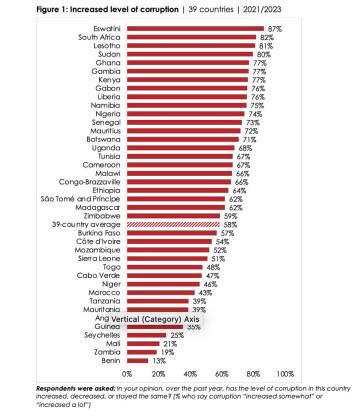
  • On average across 39 countries, a majority (58%) of Africans say corruption increased “somewhat” or “a lot” in their country during the preceding year (Figure 1).
    • Compared to 2014/2015, 12 countries recorded double-digit increases in perceptions of worsening corruption, including a surge of 39 percentage points in Senegal, while decreases reached a remarkable 61 points in Benin.
    • More than two-thirds (68%) of citizens say “some” or “a lot” of the resources intended to address the COVID-19 pandemic were lost to corruption.
  • Almost half (46%) of Africans say that “most” or “all” police officials are corrupt, the worst rating among 11 institutions and leaders the survey asked about. Tax officials, civil servants, and officials in the Presidency tie for second-worst, at 38% (Figure 2).
  • Among citizens who sought selected public services during the previous year, substantial proportions say they had to pay a bribe to obtain police assistance (36%), to avoid problems with the police (37%), to get a government document (31%), or to receive services at a public medical facility (20%) or a public school (19%) (Figure 3).
    • Self-reported bribe-paying varies widely across countries. For example, obtaining a government document required a bribe from 68% of applicants in Congo-Brazzaville, compared to 1% in Cabo Verde and Seychelles.
  • Two in three Africans (67%) say their government is doing a poor job of fighting corruption (Figure 4).
  • Only one in four Africans (26%) say people can report corruption to the authorities without fear of retaliation (Figure 5).

Distributed by APO Group on behalf of Afrobarometer.

For more information, please contact:
Daniel Iberi
Afrobarometer communications officer for East Africa
Email: diberi@afrobarometer.org
Telephone: +254725674457

Follow us on:
Twitter: https://apo-opa.info/3jYM2la
Facebook: https://apo-opa.info/3K0t6gq
YouTube: https://apo-opa.info/3Ysf4IU
Visit us online at www.Afrobarometer.org
Follow our releases on #VoicesAfrica.

Afrobarometer surveys:
Afrobarometer is a pan-African, non-partisan survey research network that provides reliable data on African experiences and evaluations of democracy, governance, and quality of life. Nine survey rounds in up to 42 countries have been completed since 1999. Round 9 surveys (2021/2023) cover 39 countries.

Afrobarometer's national partners conduct face-to-face interviews in the language of the respondent's choice with samples of 1,200-2,400 adults that yield country-level results with margins of error of +/-3 to +/-2 percentage points at a 95% confidence level.
Media files
Afrobarometer
Download logo
Read moreAmid rising corruption, most Africans say they risk retaliation if they speak up
7 December 2023

Do As We Say, Not as We Do: Wealthy Nations’ Expectations for Africa

Location: News
African Energy Chamber

By NJ Ayuk, Executive Chairman, African Energy Chamber (http://www.EnergyChamber.org)

When examining how fossil fuel exploration, production, and usage differ between African and more developed nations, the contrast is so stark that it essentially defines the core mission of the African Energy Chamber (AEC). We exist not to bring these rates on par with each other but to amplify Africa's standing in the global energy industry such that it results in massive improvements in the quality of life across the continent.

Consider this: While Africa holds roughly 13% of global natural gas stores and 7% of its oil, when it comes to per capita use of these hydrocarbons for energy, Africa's consumption rate is the world's lowest.

Or this: While we're under pressure to adopt renewable energy resources, Africa already relies on renewables more than any other continent, but this refers to the wood and cow dung that fuel the cooking fires, which account for essentially half of Africa's energy consumption. Of course, both are linked to hazardous indoor air quality, adding to the already long list of vexing issues that many Africans must deal with daily.

In total, nearly one billion Africans have no access to clean cooking fuels. Another 600 million, with a majority living in the sub-Saharan regions, survive without access to electricity from any source.

Africa deserves relief from such difficulties.

As much as the African people stand to benefit from access to their own fossil-fuel resources, Africa's hydrocarbon-bearing nations possess a vast wealth they're willing and ready to share with the world. The prospect of forging development partnerships with foreign nations and international oil companies would offer much of Africa a path toward modernization, advancement, and prosperity while at the same time providing much-needed energy security to its business allies abroad.

We've been waiting for Africa to take its place alongside the equally resource-rich yet developed regions of the globe for far too long. However, Africa's readiness for this overdue transformation comes at a strange time in modern history. Just as we've observed increases in GDP per capita and average life expectancy parallel the proliferation of fossil fuels, we've also seen the rise of a small but vocal and influential minority that has set out to obstruct their continued extraction.

Activists and ill-informed ideologues mainly comprise this opposing faction. And either knowingly or as a result of having been taken in by false promises, they propose alternative energy solutions which are still far too expensive for Africa to implement effectively.

Africa needs affordable, readily available energy, but this group has steadily garnered sway over individuals, financial institutions, and world governments, convincing them that, for the sake of the planet's health, Africa's untapped resources must indefinitely remain right where they are today.

Over the years, these activists brought many to their side, ratifying their intentions through measures like the Paris Agreement of 2015 and the Glasgow Climate Pact of 2021 that require signatories to commit to green energy initiatives at home and abroad.

This movement proved effective in achieving its own goals and was allowed to carry on with its agenda unimpeded for many years. However, recent global events have rather suddenly forced both participants and onlookers to reconsider the merits of its claims and the value of any allegiance to it.

Eastern Aggression, Western Hypocrisy

When then-U.S. President Donald Trump, speaking before the United Nations General Assembly in 2018, warned Germany against their dependence on Russian energy, the German delegation in attendance famously snickered at his concerns. After Russia's invasion of Ukraine in 2022, the European Union's sanctions against the Russian energy sector that followed, and the subsequent sabotage of the Nord Stream pipelines, Trump's remarks appear more prescient in retrospect than they did at the time.

The war in Ukraine and the supply chain disruptions and fuel price spikes it induced sent world leaders scrambling to secure new energy sources for their countries.

Spring 2022 saw a frenzy of energy industry activity as Italy's foreign minister brokered new liquid natural gas (LNG) deals with Angola and the Congo, Germany engaged in gas talks with Senegal, and the energy ministers of Algeria, Niger, and Nigeria pledged to accelerate their work on the long-delayed Trans-Saharan gas pipeline project.

Even President Joe Biden, who notably vowed to end the United States' involvement with fossil fuels during his campaign, reached out to Saudi Arabia, urging the nation to increase oil production.

Coal: Don't Call It a Comeback

The 2021-2023 global energy crisis also led many nations to continue or increase their reliance on coal — the fossil fuel even conventional oil and gas companies are quick to disparage due to its negative impacts on human health and its history of environmental harm.

With their own power generation capacities in peril thanks to war shortages, below-average winter temperatures, overcast skies, and a wind drought that still threatens to starve turbines across Europe, the countries often most critical of Africa's modernization ambitions rushed to refill their stores of the very fuel they had scheduled for phase-out years before.

According to the International Energy Agency's mid-year Coal Market Update, global coal consumption grew by 3.3% in 2022, reaching an all-time high of 8.3 billion tons. While 2023 and 2024 might show a slight decrease in coal-fired power generation, the 1.5% rise in industrial coal use expected with improving economic conditions during the same period will likely negate this drop.

Putting a pause on an initiative begun in 2015 to shutter all its coal-fired power stations, the United Kingdom relaxed permitting conditions in July 2022, keeping its remaining plants operational albeit on standby into 2024.     

Around this same time, the EU imported roughly 11 times more coal than usual from Australia, South Africa, and Indonesia.

In August of 2023, in a move highlighted by opponents of the green agenda, German energy firm RWE began dismantling its wind farm in North Rhine-Westphalia to allow for the expansion of its Garzweiler II lignite coal mine.

Had these nations engaged in more earnest development negotiations with African oil and gas producers when we suggested they should, perhaps they would have found a better footing for dealing with unforeseen climate-related events, natural or political.

Gas Gets the Greenlight

In a move that helped to lessen the stigma cast upon a fuel much cleaner burning than coal, the EU voted in 2022 to officially recognize natural gas as a “green” or “sustainable” energy source. Unsurprisingly, this decision angered environmental activists. At the AEC, though, we support this development; we regard natural gas as crucial to Africa's battle against energy poverty and key to its future success as a sizeable supplier for the international market.

While the EU was at one point one of the loudest voices calling for full-scale decarbonization, we applaud this concession as this more positive classification will likely encourage European investment in African natural gas projects. And, as the AEC has always suggested, it will support our eventual transition to an emissions-free, fully renewables-based energy economy.

Our critics breathlessly warn us that future price drops could render African natural gas suppliers unable to compete against larger, established producers. Naysayers suggest that renewable energy technology will get up to speed and become widely adopted before any new African natural gas outfits can get underway. While these cynics regard oil and gas as merely trends in danger of falling out of fashion by next season, we remain confident that we are on the best course for Africa's future.

And while the wealthy, developed nations of the world have much to say about appropriate energy solutions for Africa, even as they flout the rules they've set for their own, we know we are in pursuit of the most beneficial gains for our people.

Just as the fuels that supported humanity progressed from wood to coal to oil as economies and technological needs evolved, so too will Africa's — naturally, and never as a consequence of dictated policy.

Distributed by APO Group on behalf of African Energy Chamber.

Media files
African Energy Chamber
Download logo
Read moreDo As We Say, Not as We Do: Wealthy Nations’ Expectations for Africa
27 November 2023

Men and boys can crash the cycle of violence – President Ramaphosa

Location: News

Men and boys can break the cycle of violence – President Ramaphosa

As the country marks the start of the 16 Days of Activism for No Violence against Women and Children campaign, President Cyril Ramaphosa believes that men and boys can break the cycle of violence.

In his weekly newsletter to the nation, the President said the country marks the start of this campaign in the shadow of a terrible crime.

The President recalled that earlier this month images were circulated on social media of a young male student stabbing his partner, also a student, on the campus of the Peninsula University of Technology.
 
“The fact that the attack happened in broad daylight and in full view of the public, shows that some perpetrators of gender-based violence seemingly do not even care if there are witnesses to their crimes, nor do they fear apprehension.
 
“I commend the students who tried to intervene even as they were threatened, as well as those who stepped in as the alleged perpetrator was being attacked by a crowd. It is significant that other male students attempted to ward off the attacker of the young female student,” the President said. 

President Ramaphosa said that one of the reasons gender-based violence continues is that there is a culture of ambivalence among men who see crimes against women and children as a ‘private matter’ or a ‘family matter’. 

He added that in most cases of gender-based violence, including domestic abuse and sexual violence, the attacker is known to the victim. 

3rd Men’s Conference on Positive Masculinity

The President said it is fitting that the African Union (AU) will convene the 3rd Men’s Conference on Positive Masculinity in Pretoria this week, which will call on men to reject toxic displays of masculinity.

South Africa is co-hosting the conference with the AU Chair and President of the Comoros, Azali Assoumani. The inaugural conference was held in Kinshasa in the Democratic Republic of Congo in 2021 and the second one was held in Dakar, Senegal, in 2022.
 
“For the AU, as it is for our own country, ending gender-based violence is a priority. Discussions are currently underway on the content of an African Convention to End Violence Against Women and Girls, executing a decision of the African Union Summit earlier this year.

“Once adopted, the convention will be the first continental legal instrument for the prevention and elimination of all forms of violence against women and girls,” he said. 
 
South Africa is a part of the AU Circle of Champions which is an association of African Heads of State who have committed to implementing programmes at national and continental levels that promote positive masculinity and encourages more men and boys to be part of the fight against gender-based violence.
 
“We have long maintained that interventions aimed at eradicating gender-based violence in our society must focus on prevention.
 
“If we are to raise a nation of men who are positive role models, who take care of their families, who exhibit positive masculinity and who would not countenance hurting a woman or a girl, we must work with young men,” he said. 
 
South Africa adopted a national strategy to combat gender-based violence. One of the pillars of the National Strategic Plan to Combat Gender-Based Violence and Femicide deals with prevention. 

Government, he said, has been engaging with civil society, academia and researchers, traditional leaders, youth organisations, the faith community and the private sector on the issue of prevention.
 
He further highlighted that a number of initiatives are underway across a range of sectors that are providing space for young and older men to discuss notions of masculinity. 

“Men are called on to critically consider their own prejudices, preconceptions and chauvinisms that abet gender-based violence,” he said. 
 
A number of government departments have interventions in place that are focused on promoting positive masculinity through dialogues, workshops, awareness-raising campaigns, psychosocial support and behavioural change programmes.
 
In August this year, the President was part of the Presidential Young Men and Boys’ Indaba in Soweto where he had the opportunity to talk with a group of young men as part of the ‘What about the Boys’ initiative.

The aim of this programme is to get young men to open up in a safe space about their own experiences with masculinity and how this impacts their own attitudes to gender-based violence.
 
“Speaking to them, I acknowledged that young men in South Africa today face a lot of pressures that affect their attitudes to women and girls. These include the lack of positive male role models, absentee fathers, vulnerability to recruitment by criminals, pressure to drop out of school and earn a living, and pressure to become sexually active before they are ready to,” he said. 
 
The President said the AU Men’s Conference aims to advocate for more initiatives and dialogues where young men and boys can talk about these issues among their peers.
 
“We need to inculcate a mindset that sees young men as part of the solution, and not just the problem. While men are the main perpetrators of violence against women and children, men must also be at the forefront of bringing about a new society that respects the equal rights of women and girls, where gender-based violence has no place,”  the President said. 
 
President Ramaphosa said he is confident that the conference will raise the profile of prevention efforts in South Africa and in Africa, and that its outcomes will galvanise men and boys to play a greater role in breaking the cycle of violence. – SAnews.gov.za


DikelediM
Mon, 11/27/2023 - 09:40

723 views
Read moreMen and boys can crash the cycle of violence – President Ramaphosa
23 November 2023

Two NBA Stores to Open in Cape Town and Durban, South Africa

Location: News
National Basketball Association (NBA)

New NBA Stores at Gateway Mall in Durban and V&A Waterfront in Cape Town Will Feature Extensive Range of Officially Licensed NBA Merchandise, Including Nike Jerseys, Apparel, Memorabilia and More;Naismith Memorial Basketball Hall of Famer Clyde Drexler to Attend Store Launch Events in December and Engage with Local Fans; NBA Fans in South Africa and Other Select African Countries Can Continue to Shop Online at NBAStore.Africa (https://NBAStore.Africa/).

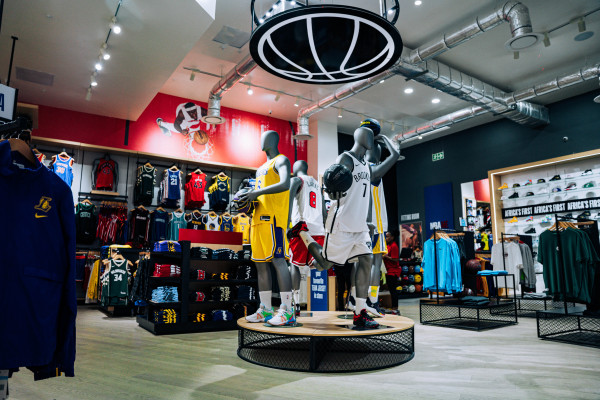
NBA Africa and Shesha, a premium retailer of exclusive and limited-edition footwear, apparel and accessories, today announced that two new NBA Stores will open in Durban and Cape Town, South Africa.  The NBA Store in Durban will be located at Gateway Mall and open on Friday, Nov. 24, while the NBA Store in Cape Town will be located at V&A Waterfront and open on Friday, Dec. 1. 

The new stores build on NBA Africa's existing merchandise offerings, including the first NBA Store on the continent located in Sandton City, Johannesburg and the league's first e-commerce (https://NBAStore.Africa/)  site dedicated to fans in Africa, which provides fans in select countries with the widest selection of official NBA merchandise ever available on the continent.  To celebrate the new store openings, Naismith Memorial Basketball Hall of Famer Clyde Drexler will engage with fans at launch events in Cape Town on Tuesday, Dec. 12 and in Durban on Thursday, Dec. 14.

Both stores, which will be operated by Shesha, will feature an extensive range of officially licensed NBA merchandise for youth and adults, including current and former player jerseys, apparel, headwear, footwear, sporting goods, toys and collectibles from major brands such as Nike, Mitchell & Ness, New Era and Wilson.  The stores will also feature a customization area where fans can personalize NBA jerseys. 

“We are excited to expand our merchandise offerings in Africa as part of our multiyear collaboration with Shesha,” said NBA Africa CEO Victor Williams.  “There is tremendous demand for official NBA merchandise from fans in South Africa and across the continent, and these beautiful new stores will allow fans in Cape Town and Durban to more easily represent their favorite teams and players.”          

“Following the launch of Africa's first NBA Store in Johannesburg last year, we are excited to also deliver the NBA Store experience to fans in Durban and Cape Town,” said Shesha CEO Nirmal Devchand.  “The launch of the new NBA Stores will provide more fans in these cities with better access to their favorite teams and players' merchandise, and we look forward to welcoming them to these new locations.”

Drexler, a 15-year NBA veteran who retired from the league in 1998, is an NBA champion, 10-time NBA All-Star, five-time All-NBA selection, and member of the NBA's 50th and 75th Anniversary Teams.  He was inducted twice into the Naismith Memorial Basketball Hall of Fame, first in 2004 for his individual career and again in 2010 as a member of the United States Men's National Team at the 1992 Olympic Games in Barcelona, Spain.

There are more than 400 NBA-branded, licensee-operated, retail stores and attractions worldwide that serve as the league's official destinations for fans around the world.  NBA fans in Angola, Botswana, the Democratic Republic of the Congo, Lesotho, Malawi, Mauritius, Mozambique, Namibia, the Seychelles, South Africa, Swaziland, Tanzania, Zambia and Zimbabwe can continue to shop online at NBAStore.Africa (https://apo-opa.co/47LGv4x).   

Earlier this month, the Basketball Africa League, a partnership between the International Basketball Federation (FIBA) and NBA Africa, announced that the league's fourth season will tip off in March 2024 in South Africa.  Fans can register their interest in tickets to games at BAL.NBA.com (https://BAL.NBA.com/).

Distributed by APO Group on behalf of National Basketball Association (NBA).

Contact:
Chumani Bambani,
NBA Africa Communications,
cbambani@nba.com,
+27 65 548 1031

About NBA Africa:
NBA Africa is an affiliate of the National Basketball Association (NBA), a global sports and media organization with the mission to inspire and connect people everywhere through the power of basketball.  NBA Africa conducts the league's business in Africa, including the Basketball Africa League (BAL), and has opened subsidiary offices in Cairo, Egypt; Dakar, Senegal; and Lagos, Nigeria.  The NBA has a long history in Africa and opened its African headquarters in Johannesburg, South Africa in 2010.  The league's efforts on the continent have focused on increasing access to basketball and the NBA through youth and elite development, social responsibility, media distribution, corporate partnerships, NBA Africa Games, an NBA Store, the BAL, and more.  Last year, NBA Africa reached more than eight million youth across the continent through basketball development, life-skills programming and social media engagement.

NBA games and programming are available in all 54 African countries, and the NBA has hosted three sold-out exhibition games on the continent since 2015.  The BAL, a partnership between the International Basketball Federation (FIBA) and NBA Africa, is a professional league featuring 12 club teams from across Africa that will tip off its fourth season in March 2024.  Fans can follow @ NBA_Africa and @ theBAL on Facebook, Instagram, X and YouTube.

About Shesha:
The first Shesha store launched in Johannesburg, South Africa in 2005, and today features over 15 stores.  The Shesha business is committed and passionate about street culture.  The stores are dedicated to serve the community and fans with the freshest limited edition premium lifestyle and basketball merchandise.  The Shesha stores offer a range of global and local brands, with a particular focus on footwear and headwear, and global collaborations across both lifestyle and basketball.  Fans can follow @ shesha_fashion on Instagram, @ Shesha Lifestyle on Facebook, and @ SheshaLifestyle on Twitter, or visit their website – www.SheshaLifestyle.com

Media files
National Basketball Association (NBA)
Download logo
Read moreTwo NBA Stores to Open in Cape Town and Durban, South Africa
22 November 2023

NBA Africa and Forest Whitaker Unveil Refurbished Basketball Court in Cape Town, South Africa

Location: News
National Basketball Association (NBA)

Whitaker Peace & Development Initiative Founder and CEO Forest Whitaker Attends Launch Event; new Court Will Host Year-Round Youth Basketball Development Programming and Serve Broader Athlone Community .

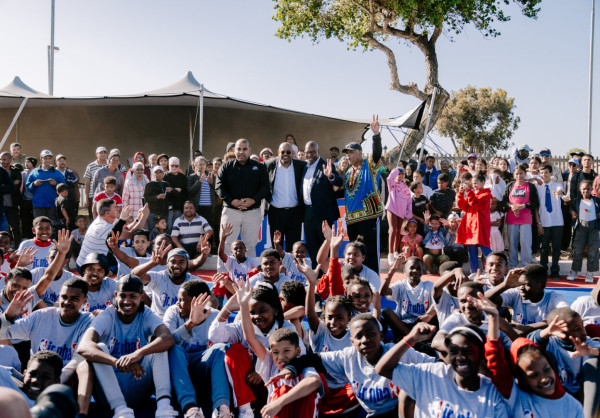
NBA Africa and Whitaker Peace & Development Initiative (WPDI) Founder and CEO Forest Whitaker yesterday unveiled a newly refurbished basketball court at Cornflower Sports Grounds in Athlone, Cape Town, South Africa that will host year-round youth basketball development programming and serve the broader Athlone community.

The court was unveiled at a ribbon cutting ceremony by Whitaker, Deputy Mayor of Cape Town Eddie Andrews, and NBA Africa CEO Victor Williams.  Following the ceremony, approximately 100 boys and girls aged 10-15 participated in a Jr. NBA clinic and peace activity led by the WPDI Youth Peacemakers Network, WPDI's flagship program that fosters young leaders in conflict regions. 

In addition to year-round Jr. NBA programming, the court will also host activities as part of WPDI's Peace Through Sports program, an initiative designed to foster peace and harmony in marginalized communities through sports and peacebuilding training courses.

“Inaugurating this basketball court is a turning point in the development of our programs in the Cape Flats,” said Whitaker.  “Its goal is to nurture healthy bodies and healthy minds, providing the children and the youths of the community with a safe space where they can strengthen their stamina and their character.  It is a place that will cultivate future NBA champions.  When youth play basketball here, I want them to have a lot of fun, but I also want them to know that each dribble can take them towards a better life — for their community, for Cape Town, and one day perhaps even for the world.” 

“We're excited to unveil this beautiful basketball court with the City of Cape Town and Forest Whitaker, which builds on our previous initiatives to provide more young people in South Africa with safe spaces to learn and play the game,” said Williams.  “The City of Cape Town shares our commitment to using the game to positively impact young people here, and we look forward to collaborating further on Jr. NBA and other youth development programming in the city.”

The Jr. NBA, the league's global youth basketball participation program for boys and girls, teaches the fundamental skills as well as the core values of the game at the grassroots level in an effort to help grow and improve the youth basketball experience for players, coaches and parents.  Jr. NBA programming has directly reached more than 165,000 youth across 18 African countries, including through the Jr. NBA Johannesburg League and the Royal Bafokeng Jr. NBA Program in North West, South Africa. 

Earlier this month, the Basketball Africa League (BAL), a partnership between the International Basketball Federation (FIBA) and NBA Africa, announced that the league's fourth season will tip off in March 2024 in South Africa.  Fans can register their interest in tickets at BAL.NBA.com.

Distributed by APO Group on behalf of National Basketball Association (NBA).

Contacts:
Pawel Weszka,
NBA Africa PR & Communications,
pweszka@nba.com,
+27 71 899 6791

Valentine Goret,
WPDI Chief of Staff,
valentine@wpdi.org,
+33 6 45 71 16 27

About NBA Africa:
NBA Africa is an affiliate of the National Basketball Association (NBA), a global sports and media organization with the mission to inspire and connect people everywhere through the power of basketball.  NBA Africa conducts the league's business in Africa, including the Basketball Africa League (BAL), and has opened subsidiary offices in Cairo, Egypt; Dakar, Senegal; and Lagos, Nigeria.  The NBA has a long history in Africa and opened its African headquarters in Johannesburg, South Africa in 2010.  The league's efforts on the continent have focused on increasing access to basketball and the NBA through youth and elite development, social responsibility, media distribution, corporate partnerships, NBA Africa Games, an NBA Store, the BAL, and more.  Last year, NBA Africa reached more than eight million youth across the continent through basketball development, life-skills programming and social media engagement.

NBA games and programming are available in all 54 African countries, and the NBA has hosted three sold-out exhibition games on the continent since 2015.  The BAL, a partnership between the International Basketball Federation (FIBA) and NBA Africa, is a professional league featuring 12 club teams from across Africa that will tip off its fourth season in March 2024.  Fans can follow @ NBA_Africa and @ theBAL on Facebook, Instagram, X and YouTube.

About the Whitaker Peace & Development Initiative (WPDI):
The Whitaker Peace & Development Initiative (WPDI) is a non-governmental organization with an international scope and reach, founded in 2012 by the artist, social activist and UNESCO Special Envoy for Peace, Forest Whitaker. WPDI is committed to fostering peace, gender equality, sustainability and resilience in countries and places affected by violence, poverty and marginalization. In Africa, Europe, as well as Latin and North America, WPDI develops a wide range of programs aimed at training and supporting underprivileged individuals and groups, with a particular focus on youth and women, enabling them to become empowered as mediators, educators, entrepreneurs, and leaders, fostering positive transformation within their communities and beyond.

WPDI launched its programs in the Cape Flats in 2019. Since then, it has impacted over 48,500 people, trained 360 youth peacemakers from the townships, provided training to 24,235 pupils and teachers from 89 schools, and supported the launch of 66 youth-led and women-led businesses.

More information on www.WPDI.org, X (@ connectWPDI (https://apo-opa.co/3sJLEva)) and Instagram (@ whitaker_peace (https://apo-opa.co/3uyrBQF)).

Media files
National Basketball Association (NBA)
Download logo
Read moreNBA Africa and Forest Whitaker Unveil Refurbished Basketball Court in Cape Town, South Africa
22 November 2023

NBA Africa’s First Original Docuseries “Born & Bred” Premieres on the NBA App

Location: Sport

Five-Part Series Tells the Stories of Five NBA Academy Africa (https://www.NBA.com) Prospects from Angola, Egypt, Nigeria, Senegal, and South Sudan; First Two Episodes “Basketball Chose Me” and “Dunk at First Sight” Feature Nigeria's Rueben Chinyelu and Angola's Aginaldo Neto.

NBA Africa today announced that its first original documentary series “Born & Bred” will premiere on the NBA App today.  The five-part series tells the stories of five current and former NBA Academy Africa prospects from Angola, Egypt, Nigeria, Senegal, and South Sudan through exclusive footage and interviews with the prospects, family members, friends, and coaches. 

“Born & Bred,” which features Nigeria's Rueben Chinyelu, Egypt's Seifeldin Hendawy, South Sudan's Khaman Maluach, Senegal's Khadim Rassoul Mboup, and Angola's Aginaldo Neto, spotlights each prospect's basketball journey, including the communities where they were raised and the moments that have shaped them as players and young men.  

Four of the prospects – Chinyelu, Hendawy, Mboup and Maluach – also competed in the 2023 Basketball Africa League (BAL) season as part of the BAL Elevate program, which provides an opportunity for the next generation of African prospects to participate in a professional league, showcase their talent on a global stage, and help their respective teams compete for the BAL Championship.

The first two episodes will be available beginning today.  “Basketball Chose Me” featuring Chinyelu will be available free on the NBA App.  “Dunk at First Sight” featuring Neto and the remainder of the series will be available exclusively via NBA League Pass, the league's premium live game subscription service.  The final three episodes will be available weekly beginning Monday, Nov. 27. 

“We're thrilled to launch “Born & Bred”, a first-of-its-kind initiative for NBA Africa that will showcase the inspirational stories of prospects from across the continent who have come to NBA Academy Africa to take the next step in their basketball development journeys and lives,” said NBA Africa Head of Basketball Operations Franck Traore.  “Each of these players has a unique story, but they all share one common purpose – to get better every day as athletes, students and leaders.  We look forward to showcasing their amazing stories to a global audience through the NBA App and NBA League Pass.”

“I never would've thought that the game would take me this far,” said Chinyelu.  “While I know I've got plenty more work to do and many more goals to accomplish, I am grateful to my family, friends, coaches and teammates for taking part in this project, and I hope it provides motivation to other young players to search for their passion and follow their dreams.”   

“Born & Bred” episodes:

  • Episode 1 (Nov. 21): “Basketball Chose Me” features Reuben Chinyelu, a 19-year-old power forward from Lagos, Nigeria who is entering his freshman season with Washington State University.  During his time at NBA Academy Africa, Chinyelu participated in several international showcases and events, including the 2022 NBA Academy Games in Atlanta, where he led NBA Academy Africa to a first-place finish.  During the 2023 BAL season, he helped lead Stade Malien (Mali) to a third-place finish after averaging the second-most rebounds and blocks on the team.  Chinyelu is a natural leader and has interest in art, creative writing and photography.

  • Episode 2 (Nov. 21): “Dunk at First Sight” features Aginaldo Neto, a 17-year-old guard from a closely knit community in Luanda, Angola.  Neto kicked a ball before he bounced it, but he began playing street basketball after joining a local club in 2016.  He would go on to win a championship in his first Jr. NBA tournament in 2018.  Four years later he joined NBA Academy Africa and represented the Angola Men's National Team at the 2022 FIBA U-18 African Championship.
  • Episode 3 (Nov. 27): “From Generation to Generation” features Seifeldin Hendawy, an 18-year-old forward from Cairo, Egypt.  Hendawy's love for basketball is deeply rooted in his family history, with both of his parents having played the game.  Since joining NBA Academy Africa in 2021, Hendawy has represented his country at several international tournaments, including the NBA G League Showcase.  He most recently played for Petro de Luanda (Angola) during the 2023 BAL season.     

  • Episode 4 (Dec. 4): “Discipline Meets Opportunity” features Khadim Rassoul Mboup, a 16-year-old forward from Senegal who joined NBA Academy Africa following the 2021 FIBA Africa Regional Youth Camp in Saly, where he was named camp MVP.  With hopes of following in his brother's footsteps, the Senegalese forward participated in the 2022 and 2023 NBA Academy Games as well as several tournaments across Africa.  He played for then defending BAL champion Zamalek (Egypt) during the 2022 BAL season.  

  • Episode 5 (Dec. 11): “Destined for Greatness” features Khaman Maluach, a 17-year-old center who this year became the third-youngest player in history to participate in the FIBA Basketball World Cup, where he helped his native South Sudan clinch its first Olympic berth.  Maluach, who only first picked up a basketball at age 13, proves to be a force in the paint and along the perimeter, drawing interest from several NCAA Division I schools in the U.S.  Born in South Sudan and raised in Uganda, the 7'2'' prospect was named MVP of the 2023 Basketball Without Borders Africa camp in Johannesburg.  In May, he helped AS Douanes (Senegal) advance to its first BAL Finals.

NBA Academy Africa is an elite basketball training center in Saly, Senegal for the top high-school-age prospects from across Africa and the first of its kind on the continent.  Since its launch in 2017, more than 35 male and female participants have committed to NCAA Division I schools in the U.S. or signed professional contracts.

The NBA App is free to download here (https://apo-opa.co/3GaKHiI).

Distributed by APO Group on behalf of National Basketball Association (NBA).

Contact:
Pawel Weszka,
NBA Africa Communications,
pweszck@nba.com,
+27 10 007 2666

About NBA Africa:
NBA Africa is an affiliate of the National Basketball Association (NBA), a global sports and media organization with the mission to inspire and connect people everywhere through the power of basketball.  NBA Africa conducts the league's business in Africa, including the Basketball Africa League (BAL), and has opened subsidiary offices in Cairo, Egypt; Dakar, Senegal; and Lagos, Nigeria.  The NBA has a long history in Africa and opened its African headquarters in Johannesburg, South Africa in 2010.  The league's efforts on the continent have focused on increasing access to basketball and the NBA through youth and elite development, social responsibility, media distribution, corporate partnerships, NBA Africa Games, an NBA Store, the BAL, and more.  Last year, NBA Africa reached more than eight million youth across the continent through basketball development, life-skills programming and social media engagement.

NBA games and programming are available in all 54 African countries, and the NBA has hosted three sold-out exhibition games on the continent since 2015.  The BAL, a partnership between the International Basketball Federation (FIBA) and NBA Africa, is a professional league featuring 12 club teams from across Africa that will tip off its fourth season in March 2024.  Fans can follow @ NBA_Africa and @ theBAL on Facebook, Instagram, X and YouTube.

Media files
National Basketball Association (NBA)
Download logo
Read moreNBA Africa’s First Original Docuseries “Born & Bred” Premieres on the NBA App
20 November 2023

FIFA Secretary General receives Choiseul Grand Prix award in Casablanca

Location: Sport
FIFA

Fatma Samoura honoured in recognition of her achievements as Secretary General; Progress in women's football and development schemes central themes of speech; Vows to continue work against discrimination after stepping down at the end of the year.

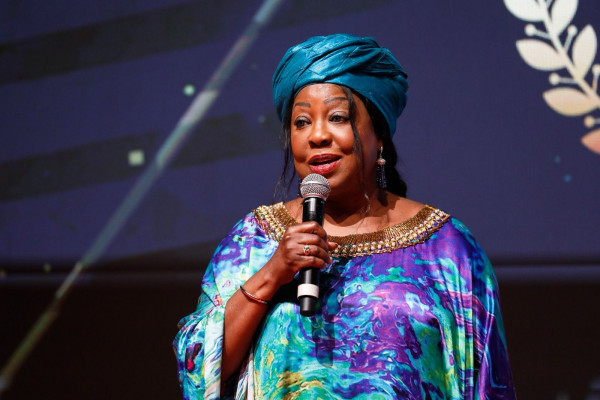
Fatma Samoura has received the Choiseul Grand Prix award at a ceremony in Casablanca, Morocco, in recognition of her achievements during more than seven years as FIFA Secretary General.

Appointed in 2016 and the first female, African and Muslim Secretary General in over a century of FIFA history, Ms Samoura has since worked tirelessly alongside President Gianni Infantino to rehabilitate FIFA's image and increase transparency.

She has also been a staunch advocate for women's football, and her tenure has seen a major increase in the number of girls and women playing the game as FIFA work towards the goal of 60 million female players in organised football by 2026.

In her acceptance speech, Ms Samoura highlighted the success of the expanded FIFA Women's World Cup 2023, which saw nearly two million fans attend matches in Australia and Aotearoa New Zealand, and noted the significant impact the tournament would have not only on the women's game, but also society.

“As my journey with FIFA draws to a close, I have had some time to look back on the last seven-and-a-half years and see just how far we have come. FIFA itself has changed significantly. When I stepped into the role in June 2016, it was basically a toxic brand due to all the corruption scandals. So along with President Infantino, I had to take a leading role in cleaning up the organisation, inside and out. Today FIFA is a more accountable, better governed and more transparent organisation that puts football in the center of its activities, and I am hugely proud to have contributed in some small way to creating that.” said Ms Samoura at the event organised by Institut Choiseul, an independent, non-partisan and non-profit thinktank focused on finding solutions to economic challenges in Africa.

Ms Samoura has also contributed to changing the face of FIFA. Since the founding of the Women's Football (https://apo-opa.co/3G7NOrE) Division in 2016, the FIFA Council (https://apo-opa.co/46kZotR) now features seven female members, including one FIFA Vice-President, while over 40 percent of FIFA employees are female.

But she has also been a driving force behind development schemes such as the FIFA Football for Schools programme (www.FootballForSchools.FIFA.com), this week attending the launch in Ethiopia (https://apo-opa.co/46qshVE) as the East African nation became the 102nd of FIFA's 211 Member Associations (MAs) to join the initiative, which aims to give children around the world skills for life as well as football.

She also highlighted the benefits of the Talent Development Scheme (https://apo-opa.co/46j6ZsT), which provides the most promising young players a pathway to fully exploit their potential, and the FIFA Forward programme (https://apo-opa.co/49VJNUX), which funds MAs' football-related development projects and has seen a seven-fold increase in support since 2016.

The FIFA Talent Development Scheme (https://apo-opa.co/47DbFuR) helps raise the standards of national-team football around the world for both men and women. The scheme supports MAs in making the most of the talent available to them with FIFA approved a funding allocation of USD 200 million. FIFA's ambition is that by 2026, all MAs will have at least one high-performance centre of excellence for players between the ages of 12 and 16.

Ms Samoura was also a driving force behind FIFA's partnership with Agence Française de Développement (AFD) (https://apo-opa.co/3MRbDaG). The partnership has seen projects to mitigate Covid 19 effects, projects on mental health co-financed with the GIZ (the German Development Cooperation) (https://apo-opa.co/3sEkaXQ), and the Championnes programme. The Championnes programme is an important project that promotes leadership among girls and promotes gender equality in Africa through football.

The most recent co-financed FIFA/AFD initiative (https://apo-opa.co/3sEinC4) – with Play International and Diambars as implementation agencies – is an inclusive football academy programme launched in Djibouti, Malawi and Mauritania.

The benefits of these programmes in Africa can already been seen in recent FIFA tournaments including the FIFA Women's World Cup™️ which saw an increase to four African teams qualify for the finals, with a record three of them – Morocco, Nigeria and South Africa – reaching the knockout rounds. African nations have also impressed in the FIFA U-17 World Cup™️, currently being held in Indonesia. Three out of the four CAF nations – Morocco, Mali and Senegal – have qualified for the knockout rounds with Morrocco finishing top of their group.

The Football Unites the World campaign, and the wide range of social issues given greater visibility at the FIFA World Cup last year in Qatar and this year's FIFA Women's World Cup, such as gender equality and education for all, have all been causes close to Ms Samoura's heart during her time in office. She said she intends to keep promoting those issues when she steps down as FIFA Secretary General at the end of the year.

Distributed by APO Group on behalf of FIFA.

Download more images: https://apo-opa.co/3SMBEvO

Contact for African media: 
AfricanMedia@fifa.org

Media files
FIFA
Download logo
Read moreFIFA Secretary General receives Choiseul Grand Prix award in Casablanca
17 November 2023

Stakeholders say transformative industrialisation is critical for Africa’s sustainable development

Location: News

United Nations Economic Commission for Africa (ECA)
Download logo

Some stakeholders have reiterated the need for transformative industrialisation, saying it is critical for sustainable development on the continent.

They have been speaking at a special event, "Leveraging on strategic foresight for an agile, robust, and forward-looking sustainable industrial development in Africa", on Thursday at the African Economic Conference (AEC) in Addis-Ababa, Ethiopia.

Fiona Tregenna a Professor at the University of Johannesburg, and Chair of the Industrial Development National Research Foundation (NRF) of South Africa, delivered a paper on Transformative Industrialisation for Africa (TIFA) and links with strategic foresight. She highlighted some of the challenges that have hindered industrialisation on the continent.

According to Tregenna, achieving the Africa we want is not business as usual, otherwise we will not get the transformative change to give us the Africa we want.

She added: "A strategic and systemic approach is critical for a sustainable Africa. We are not looking at interventions that will yield today, but long-term investments."

Mr Ibrahima Sall, former Minister of Planning in Senegal, said engagement with various relevant stakeholders was required for sustainable industrial development in Africa.

"We need a flexible, agile, high-impact industrialisation that is robust. Even in the professor's introduction, it is clear that there are some industrial processes, and we need to keep the strength going. We know how to implement industrial policies, no policy cannot be selective. Otherwise, we will be sprinkling without impacting or wasting capital. So, there must be a selective national champion. How do we build with major stakeholders? What matters most is to look at selectivity and information and inform the states to understand that policies are not made on the ground. The engagement of states is key, and they must pay attention to the industrial sector," Sall said.

He added that selective criteria are critical. The vertical policy of African nations entails focusing on processing raw materials. And we have horizontal and selective, which involve all actions: sustainability, infrastructure, human capital, and technology. With this, states do not need to be flexible but focus on sustainability.

Speaking on Malawi's strategy, Thomas Munthali, Director General at the country's National Planning Commission, said that knowing that the effects of climate change were gradually destroying the country, it embarked on climate-resilient infrastructure and appreciated the future of industrialisation.

Munthali urged countries on the continent to venture more into digitisation, engage the private sector to catalyse investments, experiment, and learn from successful nations. He said, "We should be learning from nations. We should try and fail, but never fail to try."

For her part, Hauwa Ibrahim of the Nasarawa State University in Nigeria, said Africa stood at the crossroads of opportunities and challenges.

Ibrahim added that, "While we know there are no perfect policies, those with rooted outcomes stand the test of time. There is a need for research and development on the continent to ensure a sustainable Africa. The demographic population is vital and should be considered because we have many young people and what they are learning now should matter to us. We need to recognise the role of technology and ensure it is applied at all levels. We cannot take out the role of education in defining technology because we do not want to industrialise and have to invest elsewhere, away from the continent, in certain labour forces. Therefore, while we invest in technology, we must also invest in the education of young people."

Earlier, Karima Ben Soltane, the Director of the United Nations African Institute for Economic Development and Planning (IDEP), ECA, while moderating the session, said the theme was focused on what African countries needed to enact their policies, implement the SDGs, and make strategic investments, among others.

"What are the key drivers of change in the workforce landscape? We are cognizant that tomorrow's jobs do not exist today. And we need to ensure ways of bringing up initiatives and effectively preparing governments, individuals, institutions, and industries for these changes,” Ben Soltane added.

Distributed by APO Group on behalf of United Nations Economic Commission for Africa (ECA).

Read moreStakeholders say transformative industrialisation is critical for Africa’s sustainable development
15 November 2023

FIFA+ to stream every Confederation of African Football (CAF) qualifiers for the FIFA World Cup 26™

Location: Sport
FIFA

First two matchdays of CAF qualifying will be played from 15 to 21 November; All matches will be streamed on FIFA+; Find out below which countries the matches will be available in.

Africa's qualifying matches for the FIFA World Cup 26™ kick off on Wednesday 15 November and you'll be able to watch them all live on FIFA+.

Nine African teams are guaranteed to compete at the World Cup. Another will participate in the FIFA Play-off Tournament as the global showpiece will host 48 teams for the first time ever.

Everything you need to know about African qualifying (https://apo-opa.co/47xtb3H)

Where to watch the CAF qualifiers for FIFA World Cup 26™
You will be able to watch all Matchday 1 African qualifiers on FIFA+ with English commentary from anywhere in the world, with the exception of the Middle East and North Africa (MENA) region, sub-Saharan Africa*, India and Portugal.

* It will be possible to follow the matches live in sub-Saharan Africa in the following countries: Benin, Burundi, Ethiopia, Gambia, Guinea Bissau, Malawi, Sao Tome e Principe, Seychelles, Uganda and Zimbabwe.

Highlights of all the matches will also be available on FIFA+ worldwide.

Where can I watch FIFA+ content? (https://apo-opa.co/40FfYDJ)

CAF qualifiers schedule
Click on the links for each match to go to the streaming page. (all kick-off times local)

Matchday 1

15 November
Equatorial Guinea v Namibia (Group H) | 1400 | Malabo, Equatorial Guinea
Rwanda v Zimbabwe (Group C) | 1500 | Butare, Rwanda
Congo DR v Mauritania (Group C) | 1500 | Kinshasa, Congo DR
Ethiopia v Sierra Leone (Group A) | 2000 | El Jadida, Morocco

16 November
Botswana v Mozambique (Group G) | 1500 | Francistown, Botswana
Burundi v The Gambia (Group F) | 1600 | Dar Es Salaam, Tanzania
Gabon v Kenya (Group F) | 1700 | Franceville, Gabon
Nigeria v Lesotho (Group C) | 1700 | Uyo, Nigeria
Algeria v Somalia (Group G) | 1700 | Baraki, Algeria
Cape Verde v Angola (Group D) | 1800 | Praia, Cape Verde
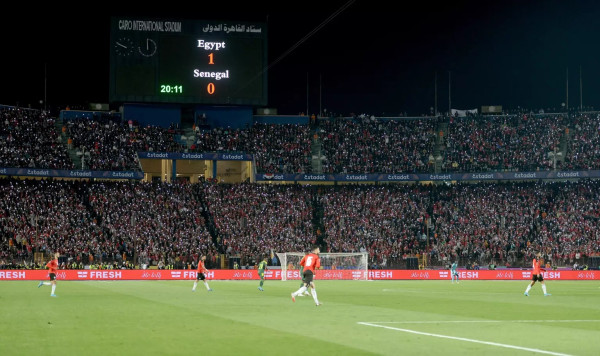
Egypt v Djibouti (Group A) | 1800 | Cairo, Egypt
Sudan v Togo (Group B) | 1800 | Benina, Libya

17 November
Guinea v Uganda (Group G) | 1400 | Berkane, Morocco
Eswatini v Libya (Group D) | 1500 | Nelspruit, South Africa
Liberia v Malawi (Group H) | 1600 | Paynesville, Liberia
Ghana v Madagascar (Group I) | 1600 | Kumasi, Ghana
Comoros v Central African Republic (Group I) | 1600 | Moroni, Comoros
Zambia v Congo (Group E) | 1800 | Ndola, Zambia
Côte d'Ivoire v Seychelles (Group F) | 1900 | Ebimpe, Côte d'Ivoire
Mali v Chad (Group I) | 1900 | Bamako, Mali
Tunisia v Sao Tome e Principe (Group H) | 2000 | Rades, Tunisia
Cameroon v Mauritius (Group D) | 2000 | Douala, Cameroon
Burkina Faso v Guinea Bissau (Group A) | 2000 | Marrakesh, Morocco

18 November
South Africa v Benin (Group C) | 1500 | Durban, South Africa
Niger v Tanzania (Group E) | 1700 | Marrakesh, Morocco
Senegal v South Sudan (Group B) | 1900 | Diamniadio, Senegal

Matchday 2

19 November
Zimbabwe v Nigeria (https://apo-opa.co/49CLrKF) (Group C) | 1500 | Butare, Rwanda
Mozambique v Algeria (Group G) | 1500 | Maputo, Mozambique
Burundi v Gabon (Group F) | 1600 | Dar Es Salaam, Tanzania
Sierra Leone v Egypt (Group A) | 1600 | Paynesville, Liberia
Sudan v Congo DR (Group B) | 1800 | Benina, Libya

20 November
Djibouti v Guinea Bissau (Group A) | 1500 | Cairo, Egypt
Liberia v Equatorial Guinea (Group H) | 1600 | Paynesville, Liberia
Seychelles v Kenya (Group F) | 1900 | Abidjan, Côte d'Ivoire
The Gambia v Côte d'Ivoire (Group F) | 1900 | Dar Es Salaam, Tanzania
Mali v Central African Republic (Group I) | 1900 | Bamako, Mali
Chad v Madagascar (https://apo-opa.co/40E03p4) (Group I) | 2000 | Oujda, Morocco

21 November
Somalia v Uganda (Group G) | 1400 | Berkane, Morocco
Botswana v Guinea (Group G) | 1500 | Francistown, Botswana
Malawi v Tunisia (Group H) | 1500 | Lilongwe, Malawi
Eswatini v Cape Verde (Group D) | 1500 | Nelspruit, South Africa
Rwanda v South Africa (Group C) | 1500 | Butare, Rwanda
Lesotho v Benin (Group C) | 1500 | Durban, South Africa
South Sudan v Mauritania (Group B) | 1600 | Diamniadio, Senegal
Togo v Senegal (Group B) | 1600 | Lome, Togo
Sao Tome e Principe v Namibia (https://apo-opa.co/49E13NY) (Group H) | 1700 | Agadir, Morocco
Libya v Cameroon (Group D) | 1800 | Benina, Libya
Comoros v Ghana (https://apo-opa.co/3G4ObTu) (Group I) | 1900 | Moroni, Comoros
Niger v Zambia (Group E) | 2000 | Marrakesh, Morocco
Mauritius v Angola (Group D) | 2000 | Saint Pierre, Mauritius
Ethiopia v Burkina Faso (Group A) | 2000 | El Jadida, Morocco
Tanzania v Morocco (Group E) | 2200 | Dar Es Salaam, Tanzania

Live streaming on FIFA+
During this international break, FIFA+ will be your point of reference for World Cup 2026 streaming, with all the African qualifiers and the CONMEBOL qualifier between Bolivia and Peru.

CAF schedule

  • 15-21 November, 2023: 1st and 2nd matchdays
  • 3-11 June, 2024: 3rd and 4th matchdays
  • 17-25 March, 2025: 5th and 6th matchdays
  • 1-9 September, 2025: 7th and 8th matchdays
  • 6-14 October, 2025: 9th and 10th matchdays
  • 10-18 November, 2025: CAF play-off tournament

Distributed by APO Group on behalf of FIFA.

Contact for African media: 
AfricanMedia@fifa.org

Media files
FIFA
Download logo
Read moreFIFA+ to stream every Confederation of African Football (CAF) qualifiers for the FIFA World Cup 26™
15 November 2023

State Security Agency Head Ambassador Majola resigns

Location: News

State Security Agency Head Ambassador Majola resigns

State Security Agency (SSA) Director-General, Ambassador Thembisile Cheryl Majola, has resigned, the Presidency announced on Wednesday.

Presidential spokesperson Vincent Magwenya said President Cyril Ramaphosa accepted the resignation of Majola and wished her well in all her future endeavours.  

“Ambassador Majola commenced her role at SSA on 1 March 2022 and her resignation, by mutual consent with the President, will be effective as of 30 November 2023. 

“The President has expressed his appreciation to Ambassador Majola for her contribution to the reform and rebuilding of the State Security Agency,” Magwenya said.  

Majola is a former Deputy Minister of Energy and was South Africa’s ambassador to Senegal, Mauritania, Cape Verde, Gambia and Guinea-Bissau.

She has held several positions in the Presidency and was a deputy coordinator in the National Intelligence Coordinating Committee.

Among other roles, Majola was the observer on behalf of President Ramaphosa to the trilateral negotiations on the Grand Renaissance Dam during South Africa’s tenure as chair of the AU in 2020. - SAnews.gov.za

DikelediM
Wed, 11/15/2023 - 10:20

203 views
Read moreState Security Agency Head Ambassador Majola resigns
19 October 2023

#AEW2023 Highlights Best Practices to Advancing Africa’s Refinery Capacity

Location: News
African Energy Chamber

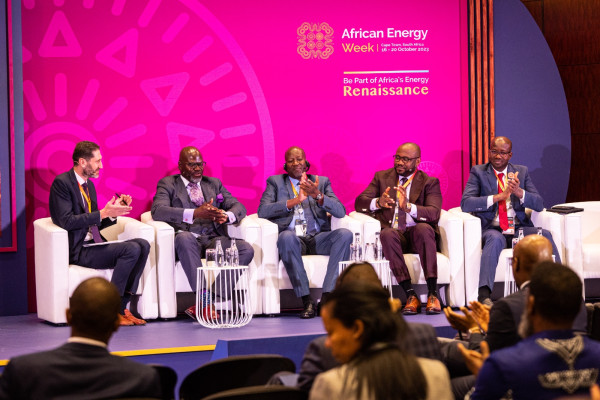
African Energy Week (AEW) 2023 hosted a high-level panel discussion analyzing trends within the continent's downstream segment, as African countries seek to ensure optimal exploitation of domestic resources for energy security, affordability and independence.

Moderated by Daniel Evans, Vice President, Global Refining and Marketing, S&P Global Commodity Insights, the discussion began with a keynote speech by Anibor Kragha, Executive Secretary, African Refiners and Distributors Association (ARDA).

“Fossil fuel demand in Africa will grow by 45% to 50% over the next three decades, hence the need to boost refinery and storage capacity to avoid the continued surge in energy imports which are increasing prices across the continent,” stated Kragha.

Supporting his statement Daouda Kebe, Technical Director, Senegal's SAR, said “Most of the refineries in Africa were built in the 1960s and are reaching end of life and need to be updated in line with changing energy and environmental sustainability standards.”

Peter Adeshola Olowononi, Head, Client Relations - Anglophone West Africa, Afreximbank, added that “Industrialization is the only way that Africa can remain viable and for that to happen the continent needs to have sustainable and resilient downstream systems. That is why we are working with APPO to establish the African Energy Bank to invest in African refinery projects.”

While the panel identified a lack of adequate financing as the biggest barrier hindering the growth of Africa's downstream projects, it served as a platform to showcase best solutions to driving investments within the segment.

Olowononi, added that with international banks pulling out financing in hydrocarbon projects due to the energy transition, there is a need for more cooperation between African banks and governments in coming up with home-grown financing solutions.

“Africa has to understand that we have an emergence. As long as we don't externalize this challenge, we will keep on suffering. Banks need to see that it is no longer about profits and capitalization but rather about guaranteeing African energy security, which will, in turn result in economic growth and more profits for them.”

Kragha emphasized on the role leveraging market-based pricing, the enactment of clear policies and coordination between key sectoral ministries to support investor business plans play in accelerating the flow of investments in the continent's downstream landscape.

“We have to look at what makes sense from an investment perspective. Not all countries need to have a refinery. We need a tighter and robust intra Africa refinery value chain to ensure intra trading and cooperation between upstream and downstream players. For instance, South Africa, with its four refineries, can be leveraged by the SADC region to refine energy sourced from Namibia and Mozambique for regional energy security,” added Kragha.

Zakaria Dosso, Managing Director, AEICORP said with global investors prioritizing ESG, the continent can attract new investments by building new refineries which have the latest sustainability certification instead of focusing on updating existing assets which are outdated.

Organized by the African Energy Chamber, #AEW2023 takes place this week in Cape Town under a mandate to make energy poverty history by 2030. Keep following www.AECWeek.com for more exciting information and updates about Africa's premier energy event.

Distributed by APO Group on behalf of African Energy Chamber.

Media files
African Energy Chamber
Download logo
Read more#AEW2023 Highlights Best Practices to Advancing Africa’s Refinery Capacity
18 October 2023

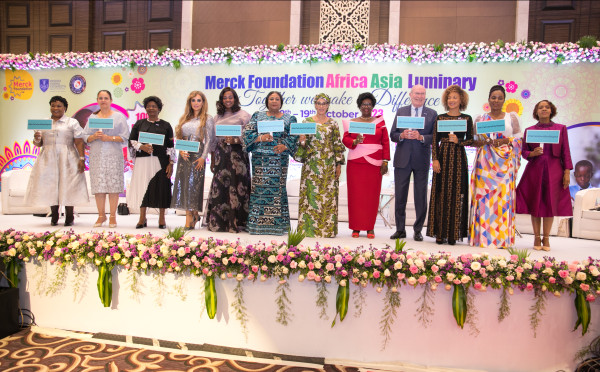
Merck Foundation Chairman and Chief Executive Officer (CEO) with African First Ladies inaugurate their 10th Africa Asia Luminary 2023 in India

Location: News
Merck Foundation

Prof. Dr. Frank Stangenberg-Haverkamp, Senator Dr. Rasha Kelej and African First Ladies of Botswana, Burundi, Cabo Verde, Central African Republic, The Gambia, Ghana, Liberia, Malawi, Democratic Republic of São Tomé and Príncipe, Zimbabwe, Democratic Republic of Congo, to inaugurate 10th Edition of Merck Foundation Africa Asia Luminary 2023 (http://www.Merck-Foundation.com); More than 10,000 participants including healthcare providers, policymakers, researchers, academia and media representatives from 70 English, French, Spanish and Portuguese speaking countries attended the Luminary through hybrid model to benefit from five parallel  scientific and social sessions to  advance healthcare capacity and awareness in 42 critical and underserved medical specialties; Celebrating 6th Anniversary of Merck Foundation and marking 11-year journey of their development programs, during 2023 Luminary; Merck Foundation reported the impact of providing 1700 scholarships to doctors from 50 countries in 42 critical and underserved specialties such as; Oncology, Diabetes, Cardiovascular Preventive, Endocrinology, Fertility, Embryology, Reproductive Care, Respiratory Care, Acute and Intensive Care, Neonatal Care, Pediatric Emergency, Advanced Surgery, Microbiology & Infectious Diseases, Internal Medicine, Ophthalmology, Psychiatry, Palliative Care and Pain Management and more; Merck Foundation marked Cancer Awareness Month during their annual conference.

Merck Foundation, the philanthropic arm of Merck KGaA Germany, conducted their annual conference, the 10th Edition of “Merck Foundation Africa Asia Luminary”, in partnership with Tata Memorial Centre and Department of Atomic Energy, Ministry of External Affairs, Ministry of Home Affairs, Ministry of Health of India, State Protocol Office of Government of Maharashtra and Krishna  World University, Karad, on the 18th of October 2023 in Mumbai, India. The conference was inaugurated by Prof. Dr. Frank Stangenberg-Haverkamp, Chairman of Merck Foundation Board of Trustees, and Senator, Dr. Rasha Kelej, CEO of Merck Foundation and Chairperson of Merck Foundation Africa Asia Luminary, along with African First Ladies of 11 countries;

  • H.E. Mrs. NEO JANE MASISI, The First Lady of the Republic of Botswana
  • H.E. Madam ANGELINE NDAYISHIMIYE, The First Lady of the Republic of Burundi
  • H.E. Dr. DÉBORA KATISA CARVALHO, The First Lady of the Republic of Cabo Verde
  • H.E. Madam BRIGITTE TOUADERA, The First Lady of Central African Republic
  • H.E. Mrs. FATOUMATTA BAH-BARROW, The First Lady of the Republic of The Gambia
  • H.E. Mrs. REBECCA AKUFO-ADDO, The First Lady of the Republic of Ghana
  • H.E. Mrs. CLAR MARIE WEAH, The First Lady of the Republic of Liberia
  • H.E. Mrs. MONICA CHAKWERA, The First Lady of the Republic of Malawi
  • H.E. Mrs. MARIA DE FATIMA VILA NOVA, The First Lady of the Democratic Republic of São Tomé and Príncipe
  • H.E. Amai Dr. AUXILLIA MNANGAGWA, The First Lady of the Republic of Zimbabwe
  • H.E. Madam DENISE NYAKERU TSHISEKEDI, The First Lady of the Democratic Republic of The Congo

Senator Dr. Rasha Kelej, CEO of Merck Foundation and Chairperson of Merck Foundation Africa Asia Luminary emphasized, “I am very proud to welcome our Guests of Honors and Keynote Speakers, the First Ladies of Africa and Ambassadors of “More Than a Mother” Campaign, for our annual conference that we have conducted first time in India. Together, we shared experiences and discussed the impact of our programs to transform patient care and raise awareness on a wide range of sensitive and critical social and health. Today we are also marking together Cancer Awareness Month, it is great to remember that Merck Foundation provided 138 scholarships of Oncology Training in many sub-specialties to doctors from 37 African countries, many of them have become the first oncologists in their countries. We are making history together in Africa, with our Ambassadors, First Ladies of Africa and our partners, Tata Hospital and Krishna University.”

Prof. Dr. Frank Stangenberg-Haverkamp Chairman of both of Executive Board of E.Merck KG and Merck Foundation Board of Trustees expressed “At Merck Foundation, our goal is improving overall health and well-being by building healthcare capacity and by providing access to quality & equitable healthcare solutions in the Africa, Asia and beyond. I would like to thank our partners, African First Ladies and Health Experts, Policy Makers, Government Officials, Academia and Media from more than 70 countries to join hands with us in order to realize the vision of Merck Foundation that “Everyone can lead a Healthy and Happy life.”

“I am proud to share that Merck Foundation has provided more than 1700 scholarships to young doctors from 50 countries in 42 critical and underserved specialties such as Oncology and Cancer care, Diabetes, Endocrinology, Cardiovascular, Fertility Care, Embryology, Sexual & Reproductive Medicine, Internal Medicine, Respiratory Medicine, Acute Medicine, Critical Care, Pediatric Emergency, Gastroenterology, Rheumatology, Clinical Psychiatry, Urology, Ophthalmology, General Surgery, Trauma & Orthopedic, Dermatology, Neonatal Care, Pain Management, Clinical Microbiology & Infectious Diseases, Advanced Surgical Practice, Neuroimaging for Research and more. Many of them are becoming the first specialists in their countries. Many of these scholarships were conducted in India where a state of art clinical training was provided at the prestigious training institutions of our partners such as Tata Memorial Center, Manipal University, Maharashtra University, Krishna University, Indra IVF Training and more. Therefore, we are very happy to be this year in India to celebrate our 10 years partnership with our respectable Indian partners”, added Senator Kelej.  

During the 10th Edition of Merck Foundation Africa Asia Luminary, the First Ladies of 11 African Countries, also the Ambassadors of Merck Foundation “More Than a Mother”, celebrated the 6th Anniversary of Merck Foundation and marked the 11-year journey of Merck Foundation development programs that started in 2012.

During the day 1 of the conference, the Plenary Session of Merck Foundation Africa Asia Luminary 2023 was held, during which a high-level panel meeting of Merck Foundation First Ladies Initiative Summit was conducted.

Day 2 of the conference will have important five parallel Medical and Scientific Sessions on Oncology, Diabetes & Hypertension, Fertility and Reproductive Care, and medical capacity building of other specialties such as; respiratory, acute care, emergency pediatric and neonatal care and more. Additionally, a community awareness session, the Merck Foundation Health Media Training session will also be conducted for the African journalists, to emphasize on the important role that they play to influence the community to create a cultural shift with the aim to Break Infertility Stigma, Support Girl Education, Stop GBV, End Child Marriage, End FGM, and Women Empowerment at all levels.

Countries participating in the 10th Edition of Merck Foundation Africa Asia Luminary include:

Angola, Bangladesh, Benin, Botswana, Burkina Faso, Burundi, Cameroon, Canada, Central Africa Republic, Cambodia, Chad, Côte d'Ivoire, Republic of the Congo, Democratic Republic of the Congo, Egypt, Ethiopia, France, Gabon, Germany, Ghana, Guinea – Bissau, Guinea – Conakry, India, Indonesia, Kenya, Lesotho, Liberia, Malawi, Malaysia, Mali, Mauritania, Mauritius, Mexico, Mozambique, Myanmar, Namibia, Nepal, Niger, Nigeria, Peru, Philippines, Russia, Rwanda, Senegal, Sierra Leone, Somalia, South Africa, Sri Lanka, Sudan, Tanzania, Thailand, The Gambia, Togo, Tunisia, U.A.E, UK, Uganda, US, Vietnam, Zambia, Zimbabwe and more.

The 10th Edition of Merck Foundation Africa Asia Luminary 2023 was streamed live on the social media handles of Merck Foundation (https://apo-opa.info/3Ykd3hH) and Senator, Dr. Rasha Kelej (https://apo-opa.info/3SfA0AF).

Link to the Facebook live steam of Inaugural Session of Merck Foundation Africa Asia Luminary & African First Ladies High Level Panel: https://apo-opa.info/3RYXLPa

Summarizing Merck Foundation's initiatives and impact:

Merck Foundation is transforming the Patient care landscape and making history together with its partners in Africa, Asia, and beyond, through:

• 1700+ Scholarships provided by Merck Foundation for doctors from 50 Countries in 42 critical and underserved medical specialties.  

Merck Foundation is also creating a culture shift and breaking the silence about a wide range of social and health issues in Africa and underserved communities through:

• 3000+ Media Persons from more than 30 countries trained to better raise awareness about different social and health issues

• 8 Different Awards launched annually for best media coverage, fashion designers, films, and songs

• Around 30 songs to address health and social issues, by local singers across Africa

• 8 Children's Storybooks in three languages - English, French, and Portuguese

• 7 Awareness Animation films in four languages - English, French, Portuguese and Spanish to raise awareness about prevention and early detection of Diabetes & Hypertension and supporting girl education.

• Pan African TV Program "Our Africa by Merck Foundation” addressing Social and Health Issues in Africa through “Fashion and ART with Purpose” Community

• 1000+ Girls from 15 African countries supported through scholarships or school items, annually.

• 12 Social Media Channels with more than 5 Million Followers.

Distributed by APO Group on behalf of Merck Foundation.

Media contact:
Mehak Handa 
Community Awareness Program Manager 
+91 9310087613/ +91 9319606669  
mehak.handa@external.merckgroup.com 

Join the conversation on our social media platforms below and let your voice be heard:
Facebook: https://apo-opa.info/3Ykd3hH
Twitter: https://apo-opa.info/3Yo3y11
YouTube: https://apo-opa.info/3CNFGLa
Instagram: https://apo-opa.info/3lsqM7q
Flickr: https://apo-opa.info/3JT8BSC
Website: Merck-Foundation.com
Download the Merck Foundation App: https://apo-opa.info/3xeJMsI

About Merck Foundation:
The Merck Foundation, established in 2017, is the philanthropic arm of Merck KGaA Germany, aims to improve the health and wellbeing of people and advance their lives through science and technology. Our efforts are primarily focused on improving access to quality & equitable healthcare solutions in underserved communities, building healthcare and scientific research capacity and empowering people in STEM (Science, Technology, Engineering, and Mathematics) with a special focus on women and youth. All Merck Foundation press releases are distributed by e-mail at the same time they become available on the Merck Foundation Website. Please visit Merck-Foundation.com to read more. To know more, reach out to our social media: Merck Foundation (Merck-Foundation.com); Facebook (https://apo-opa.info/3Ykd3hH), Twitter (https://apo-opa.info/3Yo3y11), Instagram (https://apo-opa.info/3lsqM7q), YouTube (https://apo-opa.info/3CNFGLa), and Flickr (https://apo-opa.info/3JT8BSC).

Media files
Merck Foundation
Download logo
Read moreMerck Foundation Chairman and Chief Executive Officer (CEO) with African First Ladies inaugurate their 10th Africa Asia Luminary 2023 in India
18 October 2023

#AEW2023 Explores the Scale and Commercial Viability of Africa’s Oil & Gas Hotspots

Location: News
African Energy Chamber

A number of exploration hotspots have emerged across the continent, with major finds made across both on- and offshore basins. The rebound in high-impact drilling success rates have not only demonstrated the sizeable potential of untapped acreage but made a strong case for upstream investment in Africa.

On the back of regional oil and gas discoveries made in 2022 and 2023, a panel discussion held during the 2023 edition of the African Energy Week (AEW) conference – organized by the African Energy Chamber - explored the resource potential of Africa's new oil and gas hotspots. Speakers from The Gambia, Angola, Namibia, Sierra Leone and more examined the scale and commercial viability of these discoveries, detailing estimated reserves, quality and recoverability.

Emmanuelle Garinet, Vice President for African Exploration, TotalEnergies, kicked off the discussion with a presentation, emphasizing that, “Despite the challenges, we are entering a time of opportunity.” Garinet highlighted the fundamental enablers for Africa's oil and gas exploration industry.

She explained that, “Having access to good quality data such as 2D and 3D data is fundamental for unlocking new basins. We also need to retain geoscientists. We need to continue hiring and training people. It is key for Africa to continue integrating young students and scientists, they have a role to play. Exploration is a costly and risky business, and companies need incentives and favorable regulatory environments.”

Dubbed the final frontier for oil and gas exploration, Africa continues to turn heads across the global hydrocarbon industry, as new discoveries demonstrate the commercial potential of both on- and offshore basins. In established markets such as Angola, ongoing efforts to stimulate E&P investment amid production decline have shown fruitful results, and exploration remains of crucial importance.

According to Marco Fonnesu, Exploration Manager (Blocks 1/14 & 28), Azule Energy, “Exploration plays a big role not only to create value but to find new assets and areas in which we can achieve larger results,” adding that, “Azule Energy is planning 16 exploration wells over the next four years, most of which are in new exploration blocks.”

Brian Reinsborough, CEO of ReconAfrica, a Canadian company exploring both Namibia and Botswana's onshore Kavanago Basin, emphasized that, “Africa has tremendous potential.” Reinsborough believes that Government support plays a role in ensuring the success of exploration.

“Important factors include subsurface, contract terms and above-ground contract stability. Governments need to encourage the acquisition of data, both onshore and offshore. This is how basins evolve. Good data acquisition is key to drive innovation by geoscientists,” he stated.

Meanwhile, billion-barrel finds made in emerging markets are poised to bring new producers to the global energy scene. Namibia, for its part, has made a strong play for investment five major discoveries in two years. Justin Cochrane, Director, African Regional Research, S&P Global Commodity Insights, believes that this success can largely be attributed to the country's attractive fiscal terms.

“We are seeing exploration take place in locations that are attractive for investment. In Namibia, for example, fiscal terms are great and wells are being drilled. South Africa also has great fiscals, and TotalEnergies will likely be drilling next year. As we head up the coast, ExxonMobil were also able to negotiate some good terms in Angola. Where exploration is taking place is tied to where the fiscal terms are good,” he stated.

In line with this trend, untapped markets such as The Gambia and Sierra Leone are eager to replicate regional upstream success, with the introduction of policy reforms and licensing rounds aimed at enticing investment into promising hydrocarbon plays. Sierra Leone has committed to providing an enabling environment for investment, and the results are already showing.

Foday Mansaray, Director General, Petroleum Directorate of Sierra Leone, explained that, “We have concluded our fifth offshore licensing round, successfully. We have three prominent industry players that have pre-qualified. We will conduct negotiations in November and expect to award licenses in December. From application to the issuing of licenses, we have given ourselves 85 days.”

The Gambia is also inviting investors to the market. Cany Jobe, Director E&P of the Gambian National Petroleum Company, stated that, “We have massive resource potential but we face the conundrum of stranded reserves. In 2014, the world's largest hydrocarbon discovery was in Senegal, the Sangomar field. The Gambia is surrounded by Senegal. By all indications, our basin and shelf plays offer the same potential… You are all welcome to The Gambia, which has great fiscal terms and a proven petroleum system.”

#AEW2023 takes place this week in Cape Town under a mandate to make energy poverty history by 2030. Keep following www.AECWeek.com for more exciting information and updates about Africa's premier energy event.

Distributed by APO Group on behalf of African Energy Chamber.

Media files
African Energy Chamber
Download logo
Read more#AEW2023 Explores the Scale and Commercial Viability of Africa’s Oil & Gas Hotspots
6 October 2023

Establishing Sustainable Raw Material Value Chains

Location: News
Energy Capital & Power

A high-level presentation on the European Union's (EU) AfricaMaVal initiative and related efforts to establish sustainable critical raw material value chains in Africa will be delivered at the upcoming Critical Minerals Africa (CMA) 2023 summit (https://CriticalMineralsAfrica.com). 

Led by Roberto Cecutti, Head of Trade and Economics, EU Delegation to South Africa and Sodhie Naicker, Managing Director of DMT and Kai Batla and Consortium Partner in AfricaMaVal, the presentation is one of several organized for the first day of the conference, serving to promote sustainable partnerships, policies and projects in raw materials and strengthen global critical mineral supply chains.   

The AfricaMaVal project – “Building EU-Africa Partnerships on the Sustainable Raw Materials Value Chain” – aims to ensure responsible mineral sourcing by European countries, while fostering sustainable development and ESG practices across the African continent. The project targets 10 case studies in Morocco, Senegal, Gabon, the DRC, Tanzania, Mozambique, Zimbabwe, Namibia, South Africa and Madagascar, with a view to evaluating their respective mining and refining potential and strengthening their existing links to European partners.

Launched in June 2022 and set to run through November 2025, the AfricaMaVal initiative comes as Europe takes a mounting interest in Africa's critical minerals as an alternative supply to China and Russia. The EU has classified rare earth minerals as critical to delivering its flagship Green Deal and digital transition, which targets carbon neutrality by 2050. 

The presentation aligns closely with the broader theme of CMA 2023 – Establishing the Critical Minerals Value Chain of the Future in Africa – which aims to position the continent as a global hub for sustainable mineral exploration, processing, technologies and trade.  

Distributed by APO Group on behalf of Energy Capital & Power.

Critical Minerals Africa 2023 summit:
Organized by Energy Capital & Power, the Critical Minerals Africa 2023 summit, scheduled for October 17-19, serves to position Africa as the primary investment destination for critical minerals. The event is held alongside the African Energy Week 2023 conference (https://AECWeek.com) on October 16-20, offering delegates access to the full scope of energy, mining and finance leaders in Cape Town. Sponsors, exhibitors and delegates can learn more by contacting sales@energycapitalpower.com

Media files
Energy Capital & Power
Download logo
Read moreEstablishing Sustainable Raw Material Value Chains
6 October 2023

MEST Africa Challenge Startup Pitch Competition Deadline Extended

Location: News
The Meltwater Entrepreneurial School of Technology (MEST Africa)

MEST Africa (https://Meltwater.org/) has announced the extension of applications for the MEST Africa Challenge to ensure broader participation from across the continent. Early-stage technology startups operational in Ghana, Nigeria, Senegal, Kenya, and South Africa are invited to participate in the competition to showcase their innovative entrepreneurial businesses. Applications are still open and will be accepted until 16th October 2023.

The MEST Africa Challenge provides significant benefits to participating startups. The winner will secure a USD 50,000 equity investment, accelerating their business' growth. Furthermore, the winner and other exceptional participants will join MEST Africa's global network, opening doors to partnerships, mentorship, and investment opportunities. This platform equips startups to achieve the next level of growth and gain global recognition.

"The enthusiasm and interest we have seen from budding entrepreneurs and prospective applicants across Africa has been truly inspiring. Recognizing this, we have extended the application deadline for the MEST Africa Challenge.  This ensures that every innovative startup gets a fair chance to be a part of this transformative journey. We have seen the pivotal impact this challenge has had on past winners, and we are eager to discover the next game-changing startup that will redefine the African tech landscape" said Ashwin Ravichandran, Portfolio Advisor and MEST Africa Challenge Lead.

In 2022, Senegal's dynamic B2B e-commerce startup, Kwely, won the top spot at the MEST Africa Challenge. Over the years, this renowned competition has become a launchpad for standout startups from across the African continent. From Tanzania's Kilimo Fresh and Ghana's groundbreaking OZE to South Africa's tech innovator, Snode Technologies. Not to mention Kenya's Waya Waya and Nigeria's trailblazer Accounteer. The challenge continually showcases the vibrant entrepreneurial spirit of Africa.

Eligibility Criteria for MAC 2023:

- Monthly Recurring Revenue: $5k+

- Funding raised: Cumulative $1M or less

- Years of existence: 3 years and below

- Traction: At least 6 months of recurring revenue

- Founding team: At least 2 founding team members

- Registered in Delaware (This is preferred)

- Demonstrated traction in MAC Markets (Ghana, Kenya, Nigeria, South Africa, Senegal)

Don't miss out on this opportunity to showcase your startup and unlock its potential. Apply now https://apo-opa.info/3rL7v4H.

Distributed by APO Group on behalf of The Meltwater Entrepreneurial School of Technology (MEST Africa).

Media Contact:
Ophesmur Naa Adjeley Adjei
Ophesmur@meltwater.org

About MEST Africa:
MEST is an African-wide software and entrepreneurship training program, seed fund, and incubator helping to launch technology startups across the continent. Founded in Ghana in 2008 by serial entrepreneur Jorn Lyseggen, MEST is a 12-month program that provides critical skills training in software development, business, and communications to Africa's burgeoning tech talent. MEST provides seed funding for the best ideas coming out of the program and continues to support the growth and development of its portfolio companies.

To date, MEST has trained over 2000 entrepreneurs from across the continent and funded over 80 startups across industries from Agritech, Fintech, SaaS, eCommerce, Digital Media, and Healthcare amongst others. MEST is fully funded by the Meltwater Foundation, the non-profit arm of the Norwegian company Meltwater; a global leader in social and media intelligence headquartered in San Francisco.

Media files
The Meltwater Entrepreneurial School of Technology (MEST Africa)
Download logo
Read moreMEST Africa Challenge Startup Pitch Competition Deadline Extended
27 September 2023

AUTO24 launches its pre-owned car marketplace to four current markets

Location: Business
Stellantis

AUTO24.africa redefining automotive retail across the continent offering unparalleled and exclusive services; AUTO24 is a subsidiary of Africar Group in which Stellantis (www.Stellantis.com/en) has a controlling stake; This expansion positions the platform to become the continent's number one multi-brand retailer for used cars; Stellantis, continues to back the platform on its ambitious journey.

AUTO24.africa, an innovative pre-owned car marketplace, announced its expansion into four new African markets: Morocco, Rwanda, Senegal and South Africa. This move comes after a remarkably successful first year in Ivory Coast and positions the platform to become the continent's number one multi-brand retailer for used cars. Following last year's investment from Stellantis, AUTO24.africa is revolutionizing the African automotive sector with first-of-its-kind customer offerings.

AUTO24.africa offers unparalleled and exclusive services, including a five-day refund policy, a six-month warranty, one-year maintenance, and one-year insurance plans for all vehicles. The platform also provides convenient financing options in association with several partners. These benefits are a first in many African countries and redefine the standard for car ownership across the continent.

Stellantis, as main investor, continues to back AUTO24.africa in its ambitious journey which is perfectly aligns with Stellantis' strategic plan DARE FORWARD 2030 by participating to expanded of our offer of mobility solutions to widely meet the customer needs in Africa.

Africar Group, the parent company of AUTO24.africa, has been a pioneer in online automotive classifieds in Sub-Saharan Africa since its founding in Australia in 2016. The company leverages cutting-edge technology to offer seamless digital experiences that meet the unique needs of the African market.

This year's expansion is a part of AUTO24.africa's long-term vision to become the leading multi-brand certified pre-owned car retailer in Africa. The platform aims to introduce even more features and capabilities that will further elevate the automotive buying and selling experience, all with trust and transparency.

Distributed by APO Group on behalf of Stellantis.

Social Media:
Twitter: https://apo-opa.info/48ueEXZ
Facebook: https://apo-opa.info/3Pcrv8c
LinkedIn: https://apo-opa.info/3PGD2OG
YouTube: https://apo-opa.info/3EDsBF6

About Stellantis:
Stellantis N.V. (NYSE: STLA / Euronext Milan: STLAM / Euronext Paris: STLAP) is one of the world's leading automakers and a mobility provider. Its storied and iconic brands embody the passion of their visionary founders and today's customers in their innovative products and services, including Abarth, Alfa Romeo, Chrysler, Citroën, Dodge, DS Automobiles, Fiat, Jeep®, Lancia, Maserati, Opel, Peugeot, Ram, Vauxhall, Free2move and Leasys. Powered by our diversity, we lead the way the world moves – aspiring to become the greatest sustainable mobility tech company, not the biggest, while creating added value for all stakeholders as well as the communities in which it operates. For more information, visit www.Stellantis.com.

About Africar Group:
Africar Group Pty Ltd is an Australian entity, owning, operating and growing the largest network of automotive marketplaces in Africa. Available in more than 45 countries, and covering markets totalling more than 1 billion people, it has been helping millions of buyers and sellers of pre-owned vehicles to transact safer and easier over the last 5 years. Africar Group is a venture initiated by Emerging Classifieds Ventures (www.ECV.Ventures), specialising in building and operating marketplaces in emerging markets. For more information, visit www.AfricarGroup.com

Media files
Stellantis
Download logo
Read moreAUTO24 launches its pre-owned car marketplace to four current markets
22 September 2023

Natural gas set to ignite African economies

Location: News

Africa Oil Week
Download logo

The recent signing of an agreement to develop what has been called South Africa's largest liquified natural gas project in Mpumalanga province has emphasised the potential of natural gas as a viable energy source for the country.

The agreement, a “non-binding term sheet” (https://apo-opa.info/3PN65zR), is a partnership between South Africa's Industrial Development Corporation (IDC) and Afro Energy, a subsidiary of Australian gas explorer Kinetiko Energy. The initiative is projected to generate 50MW of equivalent energy, growing to 500MW over time. There are also options for the development of further LNG gas equivalent projects.

The deal comes amidst renewed interest in onshore gas, as South Africa's power crisis shows few signs of easing. TotalEnergies has won approval (https://apo-opa.info/48phiOs) to search for oil and gas off South Africa's west coast, and in May, the South African government even announced plans to revisit the idea of shale-gas exploration in the Karoo region.

The Mpumalanga discovery is relatively advanced, and involves an innovative public-private partnership approach. However, the resource – estimated at 3.1 billion cubic feet of natural gas – pales in comparison to the gargantuan gas reserves in other parts of Africa.

Africa's natural-gas reserves have been estimated at around 620 trillion cubic feet (https://apo-opa.info/46iQ4qU), with the largest resources in Nigeria, Algeria and Senegal.

Thanks to its proximity to Europe, and well-developed LNG infrastructure, Algeria is currently Africa's largest exporter of natural gas, and the fourth largest gas export in the world (https://apo-opa.info/46m7Zgw), with the 10th largest proven natural gas reserves on the planet.

As Europe looks to wean itself off Russian energy, following that country's invasion of Ukraine, North and West Africa are well positioned to fill the gap. Established trans-Mediterranean gas pipelines can facilitate this, and several more pipelines are in the planning stages.

Supply bottlenecks and political challenges need to be resolved, but the upside for African oil-and-gas exports to Europe is enormous.

Natural gas has also long been heralded as a “transition fuel”, that can help ease the move from oil and coal towards renewable energy. By some measures (https://apo-opa.info/3sZeMy5), gas is a cleaner-burning, efficient fuel that produces fewer carbon-dioxide emissions than other fossil fuels.

It is abundant, and can be compressed, liquified and stored. This storage capability gives natural gas the advantage over forms of renewable energy like solar and wind, which are less easily dispatchable. Storing and providing renewable energy as and when required necessitates complementary technology like batteries, hydrogen or pumped storage.

Gas resources can simply be integrated into the well-developed global natural-gas infrastructure – through pipelines, and the international shipping. This means frontier natural-gas territories – such as South Africa – would be able to “plug in” to this system and begin supplying gas to where it is needed relatively soon after fields are established.

Ghana provides an instructive example of what is possible. The country's oil-and-gas industry launched with its first discoveries around 2006, and it was able to produce its first product within 40 months (https://apo-opa.info/3rkEXz1). In 2021, the country produced 2,4 million metric tons of gas (https://apo-opa.info/3PY0as9).

The imperative to minimise global greenhouse gas emissions to meet Paris 2050 commitments and to reverse climate change is a serious concern, which must be balanced against Africa's development imperatives.

Almost half of Africa's people remain without electricity (https://apo-opa.info/48BiLS2). The Africa Energy Commission (https://apo-opa.info/3ZtYv0d) has confirmed that it still sees a role for natural gas in the continent's evolving energy mix.

In a context where Africa still generates only four percent of global carbon emissions, and the majority (https://apo-opa.info/46oImM7) of its people still rely on biomass to meet their energy needs, a move to natural gas would still represent a net improvement (https://apo-opa.info/3RzRGIH).

That is the domestic scenario. Globally, the planet is hungry for natural gas. Africa is sitting astride enormous resources, but currently only provides 6% of global gas exports (https://apo-opa.info/46ioryf).

The opportunities are significant. There is worldwide gas activity going on, and Africa needs to come to the party. 

  • The continent's energy leaders will convene to discuss emerging energy opportunities at Africa Oil Week (https://apo-opa.info/466pce3), “Africa's leading upstream event” from 9-13 October in Cape Town. The event is a global platform for deals and transactions, bringing together governments, national and international oil companies, independents, investors and service providers for the betterment of the African continent. 

Distributed by APO Group on behalf of Africa Oil Week.

Read moreNatural gas set to ignite African economies
20 September 2023

Celebrating negroni week with a dash of Angostura

Location: MyPR

If ever there was a sophisticated cocktail that conjures up European piazzas and boulevards, it’s the negroni. Its ruby-hued, refreshingly bittersweet glow reflects haute couture rather than club tropicana. Not a Caribbean beach or a paper parasol in sight, the negroni should be simply garnished with a twist of orange peel to enhance the tantalisingly …

Read moreCelebrating negroni week with a dash of Angostura
20 September 2023

Africa Women Innovation and Entrepreneurship Forum (AWIEF) Announces Finalists for 2023 AWIEF Awards

Location: News
Africa Women Innovation and Entrepreneurship Forum (AWIEF)

The Africa Women Innovation and Entrepreneurship Forum (AWIEF) (https://www.AWIEForum.org) is delighted to announce the finalists for its 2023 AWIEF Awards.

Launched in 2017, the prestigious annual AWIEF Awards is an initiative to recognise, honour, and celebrate women entrepreneurs and business owners in Africa across various industry sectors for their achievements and contribution to the continent's inclusive economic growth and social development.

An international and independent Panel of Judges selected the twenty-four (24) finalists across eight (8) categories. These outstanding women founders and business leaders operate in a diverse range of sectors and represent companies from fourteen (14) different African countries: Cameroon, Egypt, Ethiopia, Kenya, Morocco, Nigeria, Rwanda, Senegal, Sierra Leone, South Africa, Tunisia, Uganda, Zambia, and Zimbabwe.

The 2023 AWIEF Awards winners will be announced and celebrated at a special ceremony and gala dinner at the AWIEF2023 Conference and Awards, taking place on 9 and 10 November at the Kigali Convention Centre, Kigali, Rwanda.

AWIEF Founder and CEO, Irene Ochem, said: “Given the huge number and calibre of the nominations received this year, it is clear that female entrepreneurship and business leadership is thriving across Africa. It is our honour to recognise and celebrate the achievements and contributions of these women to the inclusive growth of their respective sectors, their countries and the continent's economy.”

A member of the 2023 AWIEF Awards Panel of Judges, John-Paul Iwuoha, Founder of Smallstarter Africa, said: "As a Judge, I was thoroughly impressed by the quality of applications in all the categories. It is great to see how AWIEF continues to attract innovative women across Africa who are creating enormous value for society."

The finalists for the 2023 AWIEF Awards are (listed in alphabetical order):

Young Entrepreneur Award

Salamba Diene, CEO, BIOSENE SARL, Senegal

Joyce Kamande, Co-founder & CEO, Safi Organics, Kenya

Jovia Kisakye, CEO, Sparkle Agro Brand, Uganda

Tech Entrepreneur Award

Norah Magero, Founder & CEO, Drop Access Limited, Kenya

Kathryn Malherbe, CEO, Med Sol AI Solutions, South Africa

Kidist Tesfaye, Founder & CEO, YeneHealth, Ethiopia

Agri Entrepreneur Award

Chinwendu Nweke, CEO, Bridge Merchant Enterprise, Nigeria

Forget Shareka, Founder, Chashi Foods, Zimbabwe

Nonopa Tenza, Founder & MD, Kevinot Farming, South Africa

Energy Entrepreneur Award

Linda Mabhena-Olagunju, Founder & CEO, DLO Energy Resources Group, South Africa

Ifeoma Malo, CEO, Clean Technology Hub, Nigeria

Margaret Yainkain Mansaray, Founder & CEO, Women in Energy Sierra Leone Limited, Sierra Leone

Creative Industry Award

Yasmina Belahsen, Founder, MayaDigital, Morocco

Gladys Chibanda, Founder & CEO, Krafted Ink, Zimbabwe

Ararat Tamirat, Founder & GM, Tuba By Ararat, Ethiopia

Social Entrepreneur Award

Damilola Aminat Adeyemi, Co-founder & CEO, D-Olivette Global Enterprise, Nigeria

Kayumba Chiwele, Founder & Principal Psychologist, MindAid Zambia, Zambia

Mundih Noelar Njohjam, Medical Doctor, Epilepsy Awareness, Aid and Research Association, Cameroon

Empowerment Award

Aya Chebbi, Founder & President, Nalafem Collective, Tunisia

Zulfat Mukarubega, Founder, University of Tourism, Technology and Business Studies, Rwanda

Catherine Wijnberg, Founder & CEO, Fetola, South Africa

Lifetime Achievement Award

Rina Gunter, Founding Partner, Gunter Attorneys, South Africa

Dalia Ibrahim, CEO, Nahdet Misr Publishing House, Egypt

Anke Weisheit, Co-founder & Chair, PHARMBIOTRAC, Mbarara University of Science and Technology, Uganda

Tickets for the AWIEF2023 Conference and Awards are available online at: https://apo-opa.info/3JHKUem

Distributed by APO Group on behalf of Africa Women Innovation and Entrepreneurship Forum (AWIEF).

For more information and media enquiries, email: info@awieforum.org

Media files
Africa Women Innovation and Entrepreneurship Forum (AWIEF)
Download logo
Read moreAfrica Women Innovation and Entrepreneurship Forum (AWIEF) Announces Finalists for 2023 AWIEF Awards
7 September 2023

The key to Africa’s industrialisation process and ending the region’s massive energy poverty

Location: News
African Energy Chamber

By Jason Mitchell

Africa's vast natural gas reserves are key to bringing energy to Africa's poorest countries, to a solid industrialisation process throughout the region and to significant poverty reduction.

The region is home to 33 of the world's 46 least-developed countries (LDCs) with an average income per head of less than $1,018 a year. The continent's poorest countries must expand at 6-7% a year if poverty is to be reduced in a big way and if the life chances of hundreds of millions of people are to be improved. To achieve this goal, these countries require abundant and cheap energy. Luckily, for many African states, the answer lies on their own doorstep — natural gas. Gas has remained a niche fuel in sub-Saharan Africa — contributing only 5% of the total energy mix against a global average of 20-25% — but its potential is enormous.

A new vision for Africa is required — a criss-crossing network of natural gas pipelines that brings energy to all corners of the region. The continent's contribution to global greenhouse gas emissions is tiny and will only become slightly bigger if the region's natural gas reserves are exploited. There is also a massive opportunity to wean poor Africans away from the use of biomass fuel and to help protect the region's forests through the rollout of small, liquified petroleum gas (LPG) stoves. Climate change is an issue in Africa but poverty reduction is a bigger one. Poverty is the biggest killer in Africa today.

It's very hard for Europeans and North Americans to imagine what it's like to live on under $1,018 a year, to not have readily available electricity, to not have a refrigerator or a washing machine, to not have a car, to not have a lawnmower, to not be able to fly from one country to another cheaply, to not have electricity in the school or the workplace and to have to use firewood or charcoal for cooking purposes. Fossil fuels have been at the heart of the Industrial Revolution that has brought prosperity and better living standards to the developed world. People in the First World must be very careful if they decide to deny Africans the same chance to prosper.

Africa has the lowest energy use per capita in the world — the average electricity use of a sub-Saharan African resident is lower than that of a household fridge in the United States. Average consumption per person in sub-Saharan Africa, excluding South Africa, is a mere 185 kilowatt-hours (kWh) a year, compared with about 6,500kWh in Europe and 12,700kWh in the US. Every year San Antonio, Texas, with a population of 1.5m people, uses as much electricity as the whole of Nigeria, with 203m people. Golden, Colorado, a small town with only 19,000 people, uses as much electricity as Chad, a country with 16m people.

The UN's Sustainable Development Goal Seven aims to “ensure access to affordable, reliable, sustainable and modern energy for all” by the year 2030. That's a tall order. In 2019, 917m people in Africa (around 80% of the region's population) relied on wood, charcoal, kerosene, animal and crop waste or other solid fuels to cook their food and heat their homes. The International Energy Agency (IEA) reports that almost 490,000 people die prematurely every year in sub-Saharan Africa from household air pollution-related causes — stemming from the lack of access to clean cooking facilities. Gas is a much cleaner form of cooking than biomass and its use should be encouraged. Biomass burning-power plants emit 300-400% more CO2 than natural gas per unit energy produced. Natural gas emits almost 50% less carbon dioxide than coal. 

Africa has one-fifth of the world's population but contributes only 3% to global greenhouse gas emissions. Incredibly, some 48 sub-Saharan African countries, excluding South Africa, have an estimated share of global emissions of only 0.55%. The fact is that many African states are already at net zero. If the continent were to use an additional 90bn cu m of natural gas per year — or 50% more than today — the resulting emissions would only raise Africa's cumulative contribution to global carbon emissions to 3.5% (ten gigatonnes) by the year 2050, according to the IEA. It really is a tiny increase compared to the chance of reducing poverty levels for hundreds of millions of poor people. If Africa is to provide universal electricity access by 2030 it would have to almost double its total generation capacity from around 260gw today to 510gw. 

Almost half the continent's 55 countries have proven natural gas reserves. Across the region, natural gas reserves amount to around 17.5trn cubic metres (cu m), making up around 9% of the world's total gas reserves. They are considerable in northern Africa (accounting for 45% of African reserves) and western Africa (32%), in particular. Commercial quantities of natural gas have been found in many African countries.

Previously, only four countries from the region have been major natural gas production hubs: Nigeria (with total gas reserves of 5.8trn cu m), Algeria (4.5trn cu m), Egypt (2.2trn cu m) and Libya (1.5trn cu m). These four accounted for 78% of African gas reserves in 2021 (https://apo-opa.info/48gDBWG), according to the United States Energy Information Administration.

However, seven African countries — Mozambique, Senegal, Tanzania, Mauritania, South Africa, Ethiopia and Morocco — with no history of fossil gas exploitation have now opened up their doors to gas projects. Some 84% of new reserves in the pre-production stage are found in these states — total new reserves amount to 5.1trn cu m. Mozambique has re-production reserves of 2.3trn cu m, Senegal 779bn cu m, Mauritania 575bn cu m, Tanzania 512bn cu m, South Africa 96bn cu m, Ethiopia 42bn cu m and Morocco 39bn cu m.

Furthermore, major untapped reserves have been discovered in Angola, Cameroon, Ghana, Equatorial Guinea, the Republic of the Congo, Kenya and Uganda. A number of these states — including Mozambique, Tanzania, Mauritania and Senegal — are actively marketing natural gas to capitalise on recent discoveries. In fact, the IEA has declared Africa the ‘new frontier' in global oil and gas.

The big four gas-producing countries will continue to dominate gas production in the near term but experts estimate that Mozambique and the other new entrants will contribute more than 50% of the region's gas production by 2038.

Natural gas can be used for electricity generation, industry and domestic use. Crucially, harnessing Africa's gas could provide the baseload power needed to boost Africa's capacity to process its raw materials locally. It could provide enough energy for industrial processes, including steel and cement production and paper and pulp manufacturing. It could be also used to make fertiliser to raise agricultural yields. Renewables, including solar and wind, cannot yet provide enough energy for these purposes.

The huge reserves of gas can play a significant role in the continent's energy transition, as natural gas has a much lower carbon footprint than oil and coal. Critically, natural gas development and renewable power are not mutually exclusive. If Africa were to triple its use of natural gas, the United Nations Economic Commission for Africa (Uneca) estimates that the region would be able to increase its use of renewable energy eight-fold. Reliable forms of energy such as gas can be used to stabilise a grid powered by intermittent sources such as wind and solar. It can play a key role in a ‘just' energy transition.

However, expanding gas supply across Africa would require a whole web of new gas pipelines and that does not come cheap. A lot of the gas from the new projects already under way in Africa is destined for international markets, including the European Union — which have been seeking new sources of energy since the Ukraine crisis — but it is vital that the region's gas reserves are deployed for domestic use, as well. Nigeria, for example, sits on the continent's largest known natural gas reserves but only 55% of the population had access to secure electricity in 2020.

Multilateral financial institutions (MFIs) — many of which are headquartered in the developed world — are now shying away from investing in natural gas projects in Africa because of pressure from a vociferous green lobby. In 2021, 20 countries — including almost all the world's big, rich democracies — pledged to stop almost all financing of new fossil fuel projects internationally by the end of 2022. Furthermore, under the Glasgow Financial Alliance for Net Zero (GFANZ), 450 financial firms across 45 countries, responsible for over $130trn in assets, committed to accelerate the global decarbonisation process. The problem is that most Western governments and financial institutions do not distinguish between coal, oil and gas, and the pressure to stop funding all hydrocarbons has negatively impacted gas projects in Africa in a big way.  

Some of the continent's biggest financiers — including the African Development Bank (AfDB) — are finding it increasingly difficult to support gas project developments that require loan syndication and foreign partners. The World Bank is pulling back, too. Local banks cannot finance major gas projects on their own, as they are limited by their capital base. In particular, the fossil fuels divestment campaign is having a big impact on the amount of development and concessional finance available. This kind of finance used to support a number of gas projects for their poverty-reducing and economic development value.

For example, without the guarantees of development finance institutions (DFIs), most of Africa's recent gas-to-power plants would have never been built in the first place. The withdrawal of development finance from downstream gas and gas-to-power projects is a serious cause for concern for Africa's electrification effort and moving the needle on energy access.

Furthermore, there is a glaring double standard — many European countries have increased their use of hydrocarbons (coal as well as gas) since Russia's invasion of Ukraine. They are constructing new fossil fuel pipelines at home. The EU recently classified natural gas a ‘green' fuel, which will allow Europe's projects to be backed by investors committed to environmental, social and governance (ESG) principles. European countries are now looking towards African states for new sources of gas. However, they are not prepared to back new gas projects in Africa that would supply the fuel to the region itself. That smacks of hypocrisy of the worst kind. How can you deny the poorest people in the world the sort of energy that you want to use yourselves?

Lumping all hydrocarbons together is a blunt policy mechanism that is not good from an emissions perspective either. In poorer places, like sub-Saharan Africa, the available alternative to gas is not renewable electricity but rather coal, diesel and, most of all, polluting biomass. In sub-Saharan Africa, demand for biomass fuels is expected to surge by 40% by the year 2040 if ‘business as usual' continues. The burning of biomass is a major contributor to global carbon emissions and charcoal has been a top driver of tropical forest loss during the past two decades, with the greatest footprint in Africa. The continent's carbon sinks need protecting and the irony is that the greater use of gas would achieve that.

Africa is home to 18% of humanity but receives less than 5% of global energy investment. And much of this investment goes on producing oil and gas for export. There must be much more investment in the region for the domestic use of gas. Gas projects could play an absolutely vital role in bringing energy to Africa but obviously the projects require financing. DFIs must think again about their decision to limit investment in new projects in Africa. The financing of a network of gas pipelines throughout Africa would be one of the quickest and surest ways of industrialising the region in a big way and of alleviating poverty on a large scale. Renewables just cannot do that how ever much wishful thinking takes place.

In fact, development institutions should go one step further and consider subsiding a massive roll out of small LPG stoves to millions of poor households in the region. It could be one of the biggest moves in contributing to Africa's decarbonisation effort by arresting the pace of deforestation in the region. LPG is recovered from ‘wet' natural gas (gas with condensable heavy petroleum compounds) by absorption and reaches the domestic consumer in cylinders under relatively low pressures. The widespread adoption of LPG stoves would reduce the amount of pollutants in the air from biomass fuels. Poor households that currently depend on woodfuel for cooking require a cleaner cooking alternative — LPG is one of the solutions.

LPG stoves are also suitable for domestic use in rural settings — a key consideration in Africa where energy poverty is greatest in the countryside. For instance, in 2016, electricity access in urban and rural areas in Nigeria was 86% and 34%, respectively, according to the World Bank.

Africa only needs to look to Asia for examples. In 2006, Indonesia implemented a ‘mega-programme' to induce a large-scale transition from kerosene to LPG stoves in order to reduce government spending on kerosene subsidies. The initiative invested in LPG infrastructure, domestic cylinder production and consumer awareness. By 2012, 93% of the target had been reached and LPG consumption had grown by almost 350%.

In India, LPG access expanded through the early-2000s but it was still not reaching most poor families. To boost access among the poor, the Indian government introduced the Pradhan Mantri Ujjwala Yojana (PMUY) Scheme. Under it, the country's oil marketing companies provide subsidies to reduce the cost of both LPG connections and cylinder refills to women in households classified as below the poverty line. In 2016, the cost of a connection was about Rupees 3,200 ($48) and included the first full cylinder (plus deposit), deposit for a regulator, an LPG stove and administrative fees.

Furthermore, African governments must consider increasing domestic gas allocations from liquified natural gas (LNG) export projects. These are an effective way to ensure that even if developers prioritise lucrative exports over local sales, they must reserve part of their production for the domestic market. Upcoming LNG terminals in sub-Saharan Africa — for example, in Mozambique — now make it compulsory to allocate a specific amount of gas to the domestic market. The availability of domestic gas from export facilities can encourage gas-based industrialisation (for example, in Senegal) or additional gas-to-power capacity (Mozambique, Mauritania and Senegal). In August 2022, for instance, Senegal's Petrosen Trading & Services signed an MoU with Turkey's Çalık Enerji and Japan's Mitsubishi for the pre-feasibility study of a gas-based ammonia and urea manufacturing unit.

It is a huge mistake to lump all hydrocarbons together and for Western environmentalists to argue that no new new fossil fuel projects should happen in Africa whatsoever. Deforestation is one of the biggest issues in Africa today. Poor Africans must be weaned off the use of wood-based fuels. The widespread adoption of small LPG stoves would be one of the surest ways of reducing deforestation. Natural gas could also form the basis for a solid, large-scale industrialisation process in Africa — something that is essential if the region is to achieve the sort of economic growth needed to lift hundreds of millions of people out of poverty.

Distributed by APO Group on behalf of African Energy Chamber.

Media files
African Energy Chamber
Download logo
Read moreThe key to Africa’s industrialisation process and ending the region’s massive energy poverty
24 August 2023

A Record 1,490 Fintechs entered the Ecobank Fintech Challenge 2023 with Eight (8) reaching the Final

Location: News

Ecobank Transnational Incorporated
Download logo

Eight finalists emerged from an impressive pool of 1,490 Fintechs drawn from 64 countries in and beyond Africa; the Grand Finale will take place on 6 October at the Ecobank Group Pan African Centre (www.Ecobank.com) in Lomé, Togo; all finalists will be admitted into the Ecobank Fintech Fellowship Programme; the overall winner of the Ecobank Fintech Challenge will receive a cash prize of US$50,000, in addition to being admitted into the Fellowship Programme.

Over 1,400 Fintech startups from 64 countries across Africa and beyond applied for this year's Ecobank Fintech Challenge with eight of them making the cut to the final where they will compete for the ultimate prize. This is the sixth edition of this international competition, with the highest number of applications on record.

Ecobank Group, Africa's leading pan-African banking group, said this year's applications had more than doubled compared to last year's 703 applications received from 59 countries. In 2022 Nigeria's fintech startup, ‘Touch and Pay', wowed the jury with their ‘Cowry App' to win the top prize of US$50,000.

The eight finalists who emerged from the fiercely competitive pool will compete for the coveted top prize of US$50,000 at the Grand Finale, which is scheduled to take place at the Ecobank Pan African Centre in Lomé, Togo, on 6 October 2023.

The 2023 Ecobank Fintech Challenge finalists in alphabetical order are:

  • Flexpay Technologies (Kenya) – FlexPay offers customers a merchant-embedded saving-based purchase experience called Save Now, Buy Later.
  • IPOXCap AI (South Africa) - FinanceGPT is a financial analysis platform for frontier markets. It processes structured and unstructured financial data to generate actionable insights, using advanced algorithms for financial forecasting, health monitoring and valuation.
  • Kastelo (South Africa) - Provides a democratised solution through diversified products, focusing on transaction, savings and forex offerings, aimed at banking the underbanked in emerging markets through client-centric solutions.
  • Koree (Cameroon) - Koree is a card wallet application that addresses sub-Saharan Francophone Africa spare change scarcity by digitising cash merchant payments, while empowering millions of African consumers through an incentive reward system.
  • Kori Tech (Senegal) – Koripass is an E-wallet linked to physical payment accessories such as
    bracelets, stickers and keychains. It enables quick and easy merchant payments
    using NFC and QR Code technology. No internet or smartphone required.
  • Smart Teller Technologies Limited (Nigeria) - Empowering cooperative digital banking, IT services, and online bill payments for seamless services.
  • Rubyx (Belgium and Senegal) - Rubyx enables digital lending solutions for service providers in emerging markets to bridge the financing gap that faces informal entrepreneurs and small businesses to fund their activities.
  • Wolf Technologies (Democratic Republic of Congo) - Makuta is a state-of-the-art application that provides a simple, convenient and secure electronic money transfer and payment experience.

Ecobank Group Chief Executive Officer, Jeremy Awori, who will be hosting the Fintech Challenge final for the first time said: “We are encouraged by the very high number of applications received for the sixth edition of our Ecobank Fintech Challenge. The significant increase in the number of participants reflects the growing impact of our investments in the fintech space, and on our operations and fintech initiatives across Africa. The finalists went through a rigorous process, and we look forward to the pitches of the eight competitors vying for the top prize and ultimately partnering with the Ecobank Group.”

On his part, Dr. Tomisin Fashina, Ecobank Group Executive, Operations and Technology, congratulated the eight finalists of the 2023 Ecobank Fintech Challenge and said, “We are proud to support the development of fintechs to drive digital banking transformation across Africa and beyond. The ever-increasing level of participation - from just 412 applications in 2018 to 1,490 submissions this year - reflects the richness of the untapped innovation and talent that exists across our continent.”

As in previous editions, all the finalists in the 6th edition will be inducted into the Ecobank Fintech Fellowship Programme which offers:

  • Product roll-out on a pan-African scale: Providing the opportunity to explore product and business integration with Ecobank and potentially launch products or services in all or part of Ecobank's 35-country pan-African ecosystem.
  • Access to Ecobank's pan-African Banking Sandbox: Opportunity to test and develop products in the pan-African market.
  • Priority access to Ecobank's venture capital partners: Opportunity for access to funding.

The Ecobank Fintech Challenge recognises and promotes groundbreaking African fintech start-ups. The initiative is consistent with Ecobank's Fintech strategy of building partnerships with African fintechs to help transform digital finance and banking.

The 2023 edition of the Ecobank Fintech Challenge is co-sponsored by Huawei, Arise Invest, Asky Airlines and Proparco, and supported by ALX Africa, , ABAN Angels, Africa Fintech Network, MEST Africa, Bluespace, Naija Startups, Jeune Afrique, TechCabal and Konfidants.

For more information on the competition, please visit https://EcobankFintechChallenge.com.

Distributed by APO Group on behalf of Ecobank Transnational Incorporated.

Media Contact:
Christiane Bossom
Group Communications Manager
Ecobank Transnational Incorporated
Email: groupcorporatecomms@ecobank.com
Tel: +228 22 21 03 03
Website: www.Ecobank.com

About Ecobank Group (or ‘Ecobank Transnational Incorporated' or ‘ETI'):
Ecobank Group is the leading private pan-African banking group with unrivalled African expertise. Present in 35 sub-Saharan African countries, as well as France, the UK, UAE and China, its unique pan-African platform provides a single gateway for payments, cash management, trade and investment. The Group employs over 14,000 people and offers Consumer, Commercial, Corporate and Investment Banking products, services and solutions across multiple channels, including digital, to over 32 million customers. For further information, please visit Ecobank.com.

Read moreA Record 1,490 Fintechs entered the Ecobank Fintech Challenge 2023 with Eight (8) reaching the Final
22 August 2023

Mercy Ships and South African Society of Anesthesiologists (SASA) Empower Medical Practitioners through Safer Anesthetics From Education (SAFE) Training Courses in South Africa

Location: News
Mercy Ships

Mercy Ships (www.MercyShips.Africa) hosted a three-day training course in Pietermaritzburg KwaZulu-Natal, to teach medical professionals how to administer safer anesthesia during surgeries. This initiative is part of an ongoing commitment to empower medical professionals in Africa through SAFE (safer anesthetics from education) courses. These courses are designed to enhance skills in obstetric and pediatric anesthesia delivery, and critical complications management during surgeries, resulting in improved safety standards and better healthcare outcomes.

The three-day training in Pietermaritzburg forms part of a broader series of eight specialized courses scheduled to take place throughout the country. These training programs are being conducted collaboratively with the South African Department of Health (DoH), the South African Society of Anesthesiologists (SASA), and Mercy Ships. Participants will have the invaluable opportunity to learn from seasoned Mercy Ships anesthetists and SASA instructors, who have a wealth of experience in teaching SAFE courses.

Each of the courses will be conducted over a three-day period and will provide a comprehensive and hands-on learning experience for medical professionals. The curriculum includes a mix of lectures, low-tech simulations, discussions, and roleplay to ensure participants gain practical skills and knowledge. The SAFE approach incorporates Mercy Ships' expertise alongside that of local instructors. These instructors undergo a rigorous “train the trainers” program, preparing them to serve as the in-country faculty of the future.

The courses are rooted in time-tested methods and insights gleaned from SAFE courses developed by the Association of Anesthetists of Great Britain and Ireland (AAGBI), ensuring the highest standards of training and education for medical professionals.

“As Mercy Ships, we are extremely proud to be a part of this transformative journey providing vital training to medical practitioners and contributing to safer anesthesia practices for the benefit of mothers and children. The support of the SASA and DoH officials has been instrumental in making these courses possible, ensuring the growth of medical capabilities and the overall well-being of patients in the region,” says Brenda van Straten, Director of Mercy Ships, South Africa.

Dr Caroline Corbett, President of SASA adds that the collaboration between the South African Society of Anaesthesiologists and Mercy Ships in the delivery of these SAFE courses will have an impact on our communities and our nation well beyond the program delivery itself. “The collective investment and prioritisation of access to and training in safe, quality healthcare for our most vulnerable patients inspires hope and builds towards the sustainability of healthcare resources required for our future. SASA looks forward to many more such initiatives and proudly acknowledges our members who have selflessly contributed their time to enabling these projects through the support of Mercy Ships,” says Dr Corbett. “It is through planting these foundations of education together that we are able to grow stronger, broader healthcare services and delivery.”

“It is a privilege to be part of a team striving towards learning, improving and enhancing skills in Paediatric Anaesthesia. Knowledge changes uncertainty and fear into confident safe practices. Thank you to Mercy Ships, DOH and faculty for your support and commitment to making this course successful,” comments Dr Chantal Rajah, Facilitator of the Pietermaritzburg course.

Over the past two years, Mercy Ships has forged a dynamic partnership with SASA, addressing an urgent need within the country. This collaboration has led to the successful delivery of these courses in South Africa, empowering medical professionals to elevate their skills and bolster patient care.

All the courses are designed to enhance the skills of qualified medical professionals, ensuring safer anesthesia practices for mothers and children. Mercy Ships is fully funding these courses, and participation is offered free of charge to the attendees. Notably, the DoH has generously extended its support to ensure the success of these training programs, demonstrating its dedication to improving medical capabilities and patient safety.

The training in Pietermaritzburg was held from August 18th to 20th at Northdale Hospital. The remaining courses scheduled for this year include September 13th to 15th SAFE Paeds Gqeberha, Livingstone Hospital; September 22nd to 24th SAFE Obs Mbombela, Mpumalanga, and December 1st to 6th SAFE Obs and Paeds, East London.

Of note, Mercy Ships successfully conducted three training courses earlier this year, reflecting its steadfast dedication to nurturing medical excellence. These courses included: February 17th to 19th SAFE Paeds Gqeberha, Livingstone Hospital; February 27th to March 1st SAFE Obs + Training of the Trainers, Bloemfontein Kopano Nokeng; and July 28th to 30th SAFE Obs Limpopo, Polokwane, St Maria's. One of the recent courses took place at Northdale Hospital, KwaZulu Natal, where officials from the DoH, SASA, and Mercy Ships came together to support local medical professionals in their pursuit of excellence.

The ongoing partnership between Mercy Ships, SASA, and the DoH exemplifies a shared commitment to enhance healthcare delivery and improve medical capabilities across South Africa. By empowering medical professionals with specialized training, these organizations collectively strive to make a positive impact on anesthesia care ensuring safer procedures for mothers and children throughout South Africa.

For further information about the upcoming courses or to inquire about participation, please visit Mercy Ships' website https://MercyShips.co.za/. Together, we can make a significant difference, accelerating access to surgical care and surgical education and creating a brighter future for communities.

Distributed by APO Group on behalf of Mercy Ships.

For More Information Contact:
Brenda van Straten
Director, South Africa, Mercy Ships
Email: info.zaf@mercyships.org
Website: www.MercyShips.co.za

Diane Rickard
International Media Relations Manager
Mercy Ships
Email: international.media@mercyships.org
Press page: https://apo-opa.info/44mzxke

About Mercy Ships:
Mercy Ships operates hospital ships that deliver free surgeries and other healthcare services to those with little access to safe medical care. An international faith-based organization, Mercy Ships has focused entirely on partnering with African nations for the past three decades. Working with in-country partners, Mercy Ships also provides training to local healthcare professionals and supports the construction of in-country medical infrastructure to leave a lasting impact.

Each year, more than 3,000 volunteer professionals from over 60 countries serve on board the world's two largest non-governmental hospital ships, the Africa Mercy® and the Global Mercy™. Professionals such as surgeons, dentists, nurses, health trainers, cooks, and engineers dedicate their time and skills to accelerate access to safe surgical, obstetric and anaesthetic care. Mercy Ships was founded in 1978 and has offices in 16 countries as well as an Africa Service Center in Dakar, Senegal. For more information, visit MercyShips.co.za and follow @MercyShips on social media.

Media files
Mercy Ships
Download logo
Read moreMercy Ships and South African Society of Anesthesiologists (SASA) Empower Medical Practitioners through Safer Anesthetics From Education (SAFE) Training Courses in South Africa
7 August 2023

Cloudmania opens up opportunities for Mauritius’ business market

Location: News

Liquid Intelligent Technologies
Download logo

Cloudmania, launched by Liquid C2 in 2021 to support Africa's digital transformation journey, opens its doors for the Mauritius channel partner ecosystem. With partners in 22 countries across the continent, Cloudmania is committed to providing cloud and cyber security services to partners within an ecosystem defined by support, expertise, and enablement.

Vinay Hiralall, Managing Executive of Cloudmania, said, “Our operations have grown exponentially, in the last year itself, we have grown from 100 partners to over 500. This highlights that our value proposition resonates with channel partners across the continent. We have a deep understanding of the channel ecosystem and work with partners to provide the technical enablement, operational efficiency, and solution portfolio to drive their businesses forward. Winning the Microsoft Partner of the Year award in Ethiopia and Côte d'Ivoire in 2022 and 2023, respectively, reinforces our commitment to delivering solutions that propel cloud adoption and partner growth and accelerate digital transformation for businesses in Africa”.

All resellers that partner with Cloudmania receive access to a suite of market-leading solutions tailored to suit their customers' needs. Cloudmania aims to help channel partners better manage their business by creating a single-pane view via an always-on platform that assists with billing and subscription management services. In addition to providing partners with programmes that drive sales enablement, they also have access to our marketing initiatives and technical advisories. By alleviating the backend operations, partners can focus more on their core business of expanding their operations and increasing their customer base.

Cloudmania understands the critical role cloud and cyber security technologies play in today's digital economy. “Being recognised by one of the largest global hyper-scalers like Microsoft as ‘Partner of the Year' is testimony to Cloudmania's unwavering commitment towards ushering change, development, and progress through technology, and we hope to win next year's award for Mauritius,” concluded Hiralall.

Distributed by APO Group on behalf of Liquid Intelligent Technologies.

About Cloudmania:
Launched by Liquid C2 in 2021, Cloudmania is a Cloud Services and Solutions provider extending convenience, diversity, and a range of services. The company has opened its doors to numerous countries across the African continent, including South Africa, Uganda, Tanzania, Kenya, Rwanda, Zimbabwe, Zambia, Nigeria, Ghana, Mauritius, Ethiopia, Côte d'Ivoire, Senegal, Cameroon, Botswana, and the Democratic Republic of Congo serving the mission to bring about digital disruption using the power of the cloud. Cloudmania offers cutting-edge solutions to provide a full suite of partner-focused products and services. The organisation was awarded a Microsoft Partner of the Year in Ethiopia 2022 and Côte d'Ivoire in 2023. For more information: https://Cloudmania.Africa/ 

About Liquid C2:
Liquid C2 is a business of Liquid Intelligent Technologies, a pan-African technology group, offering managed cloud and security services, product solutions, and related professional and advisory services in 22 African countries. It operates Africa's widest Azure Stack deployment across four countries and deployed the only African Cyber Security Fusion Centres in South Africa and Kenya, with another four to be launched in 2023. Liquid C2 was selected as an Operator Connect launch partner by Microsoft in six countries. The organisation was a finalist in the Microsoft Partner of the Year 2021 in South Africa and Microsoft Partner of the Year in Ethiopia and Côte d'Ivoire in 2022 and 2023. https://LiquidC2.com/

Read moreCloudmania opens up opportunities for Mauritius’ business market
5 August 2023

Leaders of African Peace Initiative makes pace 

Location: News

Leaders of African Peace Initiative makes progress 

The Leaders of the African Peace Initiative have recognised progress achieved since the proposals discussed with Russian President Vladimir Putin at their first meeting on 17 June 2023 in St. Petersburg. 

The leaders made proposals on humanitarian issues, in particular, related to the rights of children in areas of armed activities and prisoner exchanges between Russia and Ukraine, and agreed that humanitarian efforts would continue to bring further results.

The seven African leaders issued a joint Statement on Thursday following the engagement between them and the President of the Russian Federation on 28 July in St. Petersburg, in the Russian Federation.

At that engagement last week, the leaders continued their discussion on the African Peace Initiative, which they started on 17 June 2023.

“The Leaders recognised progress achieved since then on proposals they discussed at the first meeting on 17 June 2023 on humanitarian issues, in particular, related to the rights of children in areas of armed activities and prisoner exchanges between Russia and Ukraine, and agreed that humanitarian efforts would continue to bring further results.

“The Leaders called for specific steps to remove obstacles to Russian grain and fertilizer exports, thus allowing the resumption of the full implementation of the Black Sea package initiative of the United Nations Secretary-General as endorsed on 22 July 2022 in Istanbul,” the statement read. 

The leaders further called upon the United Nations to take necessary action in order to release 200 000 tons of Russian fertilizer blocked in European Union seaports for immediate and free delivery to African countries.

The leaders have agreed to continue their dialogue on the African Peace Initiative so that a door to peace can be opened. 

African Leaders attending the meeting on 28 July 2023 were:

- President Azali Assoumani of the Comoros in his capacity as Chair of the African Union;
- President Cyril Ramaphosa of the Republic of South Africa;
- President Denis Sassou Nguesso of the Republic of the Congo;
- President Abdel Fattah-el Sisi of the Arab Republic of Egypt;
- President Macky Sall of the Republic of Senegal;
- President Yoweri  Museveni of the Republic of Uganda;
- Foreign Minister of Zambia, Stanley  Kakubo.

Advancing SA's international interests 

President Cyril Ramaphosa has welcomed the 2nd Russia-Africa Summit Declaration that included cooperation in a number of strategic areas, including Science and Technology, Energy, Trade and Investments, and Defense and Security Cooperation. 

This after he concluded a successful working visit to the Russian Federation where, together with Leaders of African countries, a clear call for tangible and mutually beneficial and effective cooperation between Russia and the countries of the African Continent was made, during the summit which took place in the country's cultural capital, St. Petersburg.

President Ramaphosa highlighted the importance of a monitoring and evaluation mechanism that will assess the level and pace of implementation of the Summit commitments. 

He concluded his working visit to Russia with a meeting at the Konstantinovsky Palace where the two Presidents discussed South Africa and Russia’s bilateral relationship, which is built on strategic partnerships in several areas of cooperation, including energy, industry, and agriculture. 

“The discussions further sought to strengthen the two countries’ cooperation in the areas of education, science and technology, with a particular focus on space and satellite technology development,” Magwenya said.

Telephone call with Canadian Prime Minister Justin Trudeau

Meanwhile on Wednesday, President Cyril Ramaphosa held a telephone discussion with Prime Minister Justin Trudeau of Canada.

The Prime Minister expressed his deep appreciation for the 600 South African firefighters that demonstrated excellence and diligence during their support in extinguishing the wild fires that ravaged parts of Canada. 

“In turn, Prime Minister Trudeau offered Canada’s support in the event South Africa experiences any form of disaster in the near future. 

“The Prime Minister also expressed his appreciation for South Africa’s contribution to the African Peace Initiative to Russia and Ukraine, and committed his support to search for a peaceful solution to the conflict.

Both leaders agreed to continue their bilateral cooperation and to further collaborate in 2025, when Canada hosts the G7 summit, while South Africa will be hosting the G20,” Magwenya said. – SAnews.gov.za 

DikelediM
Fri, 08/04/2023 - 10:54

Read moreLeaders of African Peace Initiative makes pace 
  • Previous
  • Page 1
  • Interim pages omitted …
  • Page 5
  • Page 6
  • Page 7

Copyright © 2026 · MyZA · All Rights Reserved · Powered by Reach Trust