• Skip to main content
  • Skip to header right navigation
  • Skip to after header navigation
  • Skip to site footer
MyZA

MyZA

News, Directory, Events and Other Stuff

  • Social Media
  • Sport
  • World News
  • Home
  • Submit News
  • Directory
  • Events
  • Stratlec
  • TFSA
  • News
    • APO
    • Today’s Sport News
    • Todays Social Media and Tech Headlines
    • Today’s World News
    • Today’s SA Financial News
  • Contact
You are here: Home / Archives for Skills Development

Skills Development

14 March 2025

EU affirms strategic partnership with SA

Location: News

EU affirms strategic partnership with SA

Amidst the changing global landscape, European Council President António Costa has emphasised the importance of the strategic partnership between South Africa and European Union (EU).

Addressing the opening of the 8th South Africa-European Union (SA-EU) Summit, Costa said the EU and South Africa are not just partners but are strategic allies, bound by shared values of democracy, human rights, rule of law and multilateralism.

“The world has changed profoundly in these past seven years. Pandemics, conflicts here in Africa, in the Middle East, and in Europe. Multilateral commitments are being tested, and the rules-based international order faces growing challenges. 

“Protectionism, economic coercion, and other threats undermine stability, while new technologies disrupt the political system and global power dynamics. In this world of uncertainty, our partnership matters more than ever.

“Let us use this summit to deepen our cooperation, reinforce our commitments, and chart a course for an even stronger partnership. A partnership that not only benefits our nations but contributes to global stability and prosperity – for our citizens, for our nations, and for our shared future,” Costa said on Thursday.

President Cyril Ramaphosa co-chaired the summit with Costa, and the President of the European Commission, Dr. Ursula von der Leyen, at Tuynhuys, in Cape Town.

Costa said the European Union does not see the future through the lens of division between blocks, between the North and South. 

“Instead, we see an interconnected world, where our fates are linked, and where joint action is not an option but a necessity. Our partnership delivers real benefits to our citizens, our economies, and the world.

“We are united in our commitment to peace, security, and sustainable development. We stand together to help uphold the United Nations Charter, advance the sustainable development goals, and drive towards global action on climate change, poverty reduction, and economic reform. 

“We appreciate South Africa’s leadership, both regionally and globally. You can count on the European Union’s full support as you take on the G20 Presidency and as we prepare together for the next European Union-African Union summit, later this year,” Costa said.  

With this year being the 25th anniversary of EU-African Union cooperation, Costa said this is a milestone that underscores the strength of engagement, and the vast potential ahead. 

“Despite many complex challenges, this is not a time for despair. It is a time for opportunity. An opportunity to build, to strengthen, and to expand our bilateral and multilateral cooperation. To shape a world that is fairer, more sustainable, and more secure,” he said.

In his address, President Ramaphosa said South Africa intends to hold further constructive discussions on a new investment package by the EU, to South Africa.

READ | President Ramaphosa engages EU on new investment package

“Through this we aim to consolidate cooperation in areas such as science and technology, education and skills development, climate action, peace and security, health and critical minerals,” the President said. -SAnews.gov.za


nosihle
Thu, 03/13/2025 - 16:50
330 views

Read moreEU affirms strategic partnership with SA
14 March 2025

Roundtable thrashes out job creation measures 

Location: News

Roundtable thrashes out job creation measures 

Strengthening collaboration between government and private sector is crucial for driving economic growth and creating sustainable employment, said the Department of Employment and Labour.

This as the department in collaboration with the North West Provincial Government, organised labour, business, and social partners, convened a round table to address key labour challenges and strategies for economic growth. 

Thursday’s session focused on identifying obstacles hindering economic expansion and job creation, with stakeholders highlighting government red tape as a major impediment to progress. 

Participants emphasised the importance of strengthening advocacy for existing government and private sector programmes to drive sustainable employment. 

In response to concerns raised by some attendees, Deputy Minister of Employment and Labour, Judith Nemadzinga-Tshabalala, stated that to tackle the unemployment crisis, the department through its Public Employment Services (PES) Division has been working to facilitate job creation in collaboration with government, business, labour, and civil society. 

She highlighted Career and Jobs Fairs as a key initiative in addressing unemployment, providing a vital platform for job seekers to connect with potential employers.

“These Jobs Fairs serves as a bridge between job seekers and potential employers, ensuring that unemployed individuals, particularly the youth will gain direct access to job opportunities, training programmes and skills development initiatives.

“The Jobs Fairs play a crucial role in empowering unemployed work seekers by offering a structured and supportive environment where they can explore various career paths, receive guidance on employability, and interact with industry professionals,” Nemadzinga-Tshabalala said. 

North West Premier Lazarus Mokgosi reiterated the province’s commitment to youth empowerment, aligning with the seventh administration’s priority agenda. 

“Youth empowerment remains an apex priority of the 7th administration and in my acceptance speech last year as well as the Province’s 2025 Policy Statement, I highlighted a litany of intervention measures to address this scourge. 

 “However, addressing a problem of this magnitude needs all of us to work together as government, the private sector, labour, business, civil society, Dikgosi and all other stakeholders to respond to this challenge,” the Premier said. 

Thursday’s session is expected to be followed by a handover of the Labour Activation Programme (LAP) contracts by the Minister of Employment and Labour, Nomakhosazana Meth at the Rustenburg Civic Centre on Friday, 14 March 2025.

The handover will run simultaneously with a Jobs/Career Fair where jobseekers and unemployed graduates will receive career counselling and apply for available opportunities on the Employment Services South Africa (ESSA) portal, among other services that will be rendered.

ESSA is an online recruitment service of the Department of Employment and Labour, available to all South African citizens. – SAnews.gov.za


DikelediM
Fri, 03/14/2025 - 10:08
128 views

Read moreRoundtable thrashes out job creation measures 
14 March 2025

South Africa-European Union Summit concludes

Location: News

South Africa-European Union Summit concludes

President Cyril Ramaphosa has welcomed the European Union’s €4.7 billion Global Gateway Investment Package aimed at supporting strategic investment projects.

The President was speaking during a press briefing following the 8th South Africa-European Union Summit held in Cape Town on Thursday.

The package is aimed at supporting:
•    A clean and just energy transition in South Africa
•    Digital and physical connectivity infrastructure
•    The local pharmaceutical industry.

“The investment package covers areas such as critical raw mineral processing, green hydrogen, renewable energy, transport and digital infrastructure, local vaccine and pharmaceutical production, and resources for skills development.

“To boost the competitiveness of our economies, we agreed to launch negotiations towards a Clean Trade and Investment Partnership. This will support the development of cleaner value chains for raw materials and local beneficiation, renewable and low carbon energy, and clean technology,” President Ramaphosa said.

Furthermore, the partnership will also serve as a platform for “regulatory cooperation between the European Union and South Africa in areas of mutual interest related to clean supply chains”.

“This partnership is expected, for example, to deliver short and long term solutions to enable Sasol to export sustainable fuel, especially aviation fuel, to the European Union,” the President added.

Strengthening ties

President Ramaphosa noted that the summit – the first such held in seven years – reflects mutual commitment to “enhancing our Strategic Partnership for the mutual benefit of our people”.

As a regional bloc, the European Union (EU) is South Africa’s biggest trading partner recording some €49.5 billion in total trade in 2023 with EU foreign direct investment into South Africa reaching around €71 billion in 2022.

“Today’s Summit focused on strengthening our trade and investment relations, which are vital for the growth of our economies and the achievement of our development goals,” the President noted.

Discussions also focussed on other areas including green energy, science and health.

“We have prioritised the transition to green energy, ensuring that this process is just and inclusive and safeguards the livelihoods of those most affected by the transition. We also had discussions on our robust cooperation in education; science, technology and innovation; and health.

“We have recognised the vital importance of developing the skills and capabilities of young people, starting from early childhood development through to the training of young people in the skills of the future,” President Ramaphosa explained.

Global developments 

On the global stage, President Ramaphosa said, “we reaffirmed our commitment to multilateralism, the rule of law and the central role of the United Nations in maintaining global peace and security”.

“We also expressed our resolve to resist actions that undermine multilateral cooperation. We reinforced our belief that the institutions of global governance must be reformed to make them representative and fit for purpose. 

“We agreed that addressing the root causes of conflict is essential for achieving durable peace, security and stability in Africa.”

Turning to the conflict in the Democratic Republic of Congo (DRC), President Ramaphosa said South Africa calls on parties to assist in addressing the “dire situation of the people” caught in the blaze of the war.

“As South Africa, we have made a call for a humanitarian intervention for displaced people in the eastern Democratic Republic of the Congo. 

“As we work to achieve a ceasefire and achieve a peaceful resolution of the conflict in the DRC, we are calling on the United Nations, African Union and EU to help to address the dire situation of the people affected by the fighting,” he said.
Reflecting on the outcomes of the Summit, President Ramaphosa described it as having further strengthened the strategic partnership.

“Today’s Summit has further strengthened our Strategic Partnership, which will support our efforts to drive inclusive economic growth, create jobs, eradicate poverty and address global challenges in a spirit of solidarity, collaboration and partnership.

“On behalf of the Government and people of South Africa, it has been a pleasure to host you today, reaffirming our commitment to building strong, mutually beneficial relations with the European Union,” President Ramaphosa concluded. 

In his opening remarks at the summit, the President said that as one of South Africa’s most important trade and investment partners, the European Union can play a catalytic role in unleashing the productive capacity of our economy and equip our people, especially the youth, to participate in the economy of the future.

READ | President Ramaphosa engages EU on new investment package

“We hope we can continue to rely on the support of the European Union and its member states in our efforts to alleviate poverty, transition to a low-carbon economy, invest in climate-resilient infrastructure and grow our industrial capacity,” the President explained. – SAnews.gov.za


NeoB
Thu, 03/13/2025 - 19:06
122 views

Read moreSouth Africa-European Union Summit concludes
13 March 2025

SA focuses on improving diplomatic relations with United States

Location: News

SA focuses on improving diplomatic relations with United States

Deputy President Paul Mashatile says South Africa is working on stabilising relations with the United States of America (USA), given the long-standing ties between the two nations.

Addressing the 7th BizNews Conference (BNC#7) at the Hermanus Municipal Auditorium in the Western Cape, on Thursday, the Deputy President said this partnership is also significant to South Africa's economic development goals.

The BizNews Conference is an annual event focused on investment, business and political issues.

The Deputy President emphasised the need for collaborative efforts, in light of recent cuts to key health funding programmes, such as the President’s Emergency Plan for AIDS Relief (PEPFAR).

PEPFAR was established by former President George W Bush in 2003 and continued under various administrations.

“The withdrawal of PEPFAR funding highlights the urgent need for South Africa to further strengthen its own interventions to reach the most vulnerable and access health services and support," Mashatile said.

He said the opportunity showed the importance of bolstering the country's own healthcare interventions and ensuring the delivery of health services without heavy reliance on external assistance.

"In this regard, we have been investing heavily in healthcare reform and responding to the dual epidemics of HIV/AIDS and TB. The Department of Health has put measures in place to ensure that patients receiving TB and HIV treatment are not affected and do not default," said the Deputy President.

Mashatile encouraged stakeholders to unite and support government in promoting South Africa's interests in the United States, including through mechanisms such as the African Growth and Opportunity Act (AGOA).

"The loss of AGOA benefits would have the most devastating effect on South African farmers and agriculture workers. AGOA is presently providing support to South Africa's agriculture and manufacturing sectors, which is expected to generate around $21 billion in trade with the United States.

“Therefore, our position is that South Africa should maintain strong bilateral relations with the United States. Most importantly, as a country, we are committed to improving mutually beneficial trade, political, and diplomatic relations with the United States,” he said. 

Diversifying export markets and growing the economy

The country’s second-in-command stated that South Africa should push for diversified export markets, citing ongoing engagement with global powers such as China, Russia, India, and various European countries. 

President Cyril Ramaphosa is currently co-chairing the EU-South Africa Summit, which aims to deepen relations with the European Union (EU) across several domains, including trade, security, and sustainable development.

In addition, Mashatile highlighted the importance of intra-African trade and financial cooperation through the African Continental Free Trade Area (AfCFTA). 

According to the Deputy President, the AfCFTA is a crucial step toward reducing dependency on volatile global markets.

Mashatile believes that South Africa’s wealth of natural resources, including significant agricultural potential, is positioned as an attraction for investment. 

He said government is committed to removing blockages to economic growth, lifting economic expansion to above 3% in the medium-term, and creating a cycle of investment, growth and jobs.

He outlined government’s plans to focus on improving productivity and innovating skills development through the National Digital and Future Skills Strategy as part of a broader vision for a knowledge-based economy.

Furthermore, he said the newly approved Reconceptualised Human Resource Development Strategy outlines priority goals aimed at enhancing early education outcomes, increasing youth employability, and ensuring that higher education aligns with market demands. 

FATF grey list

The Deputy President said South Africa is making steady progress in efforts to be removed from the Financial Action Task Force (FATF) grey list.

"Through new legislation, we have strengthened our ability to prevent money laundering and fraud, and secure South Africa’s removal from the grey list of the Financial Action Task Force."

He said the country has addressed 20 of the 22 action items relating to combating money laundering and terrorist financing. 

“These improvements are essential not only to remove ourselves from the grey list but also to strengthen the battle against crime and corruption, which is crucial for the betterment of all South Africans. 

“We will continue to resolve both remaining action items by June, towards our removal from the grey list by October 2025,” he said.

Moreover, the Deputy President committed that South Africa will use its Group of 20 (G20) Presidency to place Africa’s development at the top of the agenda. – SAnews.gov.za

Gabisile
Thu, 03/13/2025 - 13:52
339 views

Read moreSA focuses on improving diplomatic relations with United States
13 March 2025

President Ramaphosa engages EU on new investment package

Location: News

President Ramaphosa engages EU on new investment package

With the 8th South Africa-European Union (SA-EU) Summit underway, President Cyril Ramaphosa says South Africa intends to hold further constructive discussions on a new investment package by the EU, to South Africa.

“Through this we aim to consolidate cooperation in areas such as science and technology, education and skills development, climate action, peace and security, health and critical minerals,” the President said on Thursday.

This as he is co-chairing the summit with the President of the European Council, António Luís Santos da Costa, and the President of the European Commission, Dr. Ursula von der Leyen, at Tuynhuys, in Cape Town.

READ | Summit to strengthen SA-EU relations

Held in the Western Cape, the 8th Summit takes place within the framework of the Strategic Partnership between South Africa and the European Union. 

“As one of South Africa’s most important trade and investment partners, the European Union can play a catalytic role in unleashing the productive capacity of our economy and equip our people, especially the youth, to participate in the economy of the future. 

“We hope we can continue to rely on the support of the European Union and its member states in our efforts to alleviate poverty, transition to a low-carbon economy, invest in climate-resilient infrastructure and grow our industrial capacity,” the President explained.

In addition, the President welcomed the EU’s support for multilateral institutions and the fundamental principles of the United Nations.

“This Summit is taking place at a time of global uncertainty characterised by rising unilateralism, economic nationalism and a retreat from international law and human rights.

“We hope to work closely with the European Union and other partners to strengthen and reform institutions of global governance to make them more inclusive and capable of meeting the challenges of the present and the future. 

We should collectively strengthen our voice in defence of human rights, democracy and the rule of law, including respect for international law and international humanitarian law. We welcome the support of the European Union for Africa’s developmental needs.”

Partnership

He emphasised that African relations with the European Union should be built on a mutually beneficial partnership in the spirit of shared ownership, responsibility, respect and mutual accountability. 

“Today we will discuss our shared interest to advance peace, security, stability and sustainable development on the continent and across the world. This Summit affirms our long-standing and close relationship, which is underpinned by the South Africa-European Union Strategic Partnership. 

“This is a partnership based on shared values and common interests. A partnership that seeks to create prosperity for our citizens and promote peace, safety and stability.

“We share a commitment to inclusive multilateralism as the most effective means to address the most pressing challenges facing the world.  We agree on the need to strengthen economic cooperation and resolve challenges in our trade relations,” the President said.

Reforms 

He mentioned that South Africa is forging ahead with far-reaching structural reforms to support economic recovery. 

“We are modernising and transforming key industries such as energy, water, transport and digital communications. We have already made considerable progress, supported by institutions such as the European Investment Bank. 

“These reforms are contributing to the improvement of the country’s competitiveness and investment environment,” the President said. 

According to the Presidency, the Summit follows a series of preparatory engagements that included the Joint Cooperation Council (JCC) held in January in Brussels. -SAnews.gov.za

nosihle
Thu, 03/13/2025 - 16:00
26 views

Read morePresident Ramaphosa engages EU on new investment package
12 March 2025

Government allocates R19.1 billion for teachers over the medium term 

Location: News

Government allocates R19.1 billion for teachers over the medium term 

The government has added R19.1 billion over the medium term to keep approximately 11 000 teachers in classrooms.

“Our learner-teacher ratios remain higher than we would like, meaning that we still need more teachers in classrooms,” Minister of Finance Enoch Godongwana said on Wednesday in Parliament.

According to the Minister, paying salaries constitute 76% of provincial education budgets. 

“This means that only R24 out of every R100 of their budget is left for funding school infrastructure, meals for learners from poor backgrounds, and stationery and textbooks, amongst others.

“To prevent compensation of employees from crowding out other equally important areas of spending, R19.1 billion is added over the medium term to keep approximately 11 000 teachers in classrooms,” the Minister said during the Budget Speech.

He said the foundation to building the next generation of citizens who contribute economically and socially to the nation is in early childhood development (ECD).

“Despite this, the subsidy for ECD has not increased from the 2019 level of R17 per day, per child. To remedy this, an additional R10 billion over the medium term is allocated to increase the subsidy to R24 per day per child. The extra funding will also support increased access to ECD for approximately 700 000 more children, up to the age of four years old.”

Meanwhile, the Department of Higher Education is implementing a pilot student funding model for the “missing middle”, which refers to students from families with annual incomes ranging from R350 000 to R600 000. 

The National Student Financial Aid Scheme will manage these loans using funds provided by the National Skills Fund, amounting to R1.5 billion in 2024/25 and R3 billion over the Medium-Term Expenditure Framework (MTEF) period.

“The apprenticeship and skills development levy systems will be reviewed. The goal, in collaboration with the private sector, is to double the number of artisans completing trade tests in the next three years through increased work-based learning opportunities.

“The arts, culture, sport and recreation sector is allocated R38.4 billion over the medium term to support school sports, national recreation events and selected sporting codes, as well as to preserve and promote the cultural, heritage and linguistic diversity of South Africa,” Treasury’s  2025 Budget Review document noted.

Health

Health spending will grow from R277 billion in 2024/25 to R329 billion in 2027/28 to support the equitable provision of public health services, including free primary healthcare.

“Like in provincial education, a significant portion of the provincial health budget is spent on the salaries and wages. R28.9 billion is added to the health budget, mainly to keep about 9 300 healthcare workers in our hospitals and clinics.

“It will also be used to employ 800 post-community service doctors, and to ensure that our pharmacies do not run out of medicines,” the Minister said.

National Health Insurance (NHI) policy

As part of strengthening the health system and preparing for the National Health Insurance (NHI) policy, the Department of Health will fund the development of a patient information system, a centralised chronic medicine dispensing and distribution system, and a facility medicine stock surveillance system. 

Over the MTEF period, the indirect and direct conditional grants for NHI are allocated R8.5 billion and R1.4 billion respectively.
“Sustained allocations for direct and indirect infrastructure grants, including potential additional funding through the Budget Facility for Infrastructure (BFI), as outlined in the 2024 MTBPS, will focus on new or replacement buildings, upgrades, rehabilitation and maintenance. 

“The total infrastructure allocation is R37.4 billion over the MTEF period, including provisional allocations from the BFI and new allocations for Siloam District Hospital and Tygerberg Hospital equipment through a public-private partnership in 2027/28,” National Treasury said. -SAnews.gov.za


nosihle
Wed, 03/12/2025 - 14:23
403 views

Read moreGovernment allocates R19.1 billion for teachers over the medium term 
10 March 2025

KZN unveils women empowerment initiatives

Location: News

KZN unveils women empowerment initiatives

KwaZulu-Natal Premier Thamsanqa Ntuli has unveiled new initiatives aimed at accelerating gender equality and economic empowerment for women.

Ntuli announced several government interventions on Saturday when he led the province’s International Women’s Day celebrations at KwaMashu Indoor Sports Centre, north of Durban.

Held under the theme, “Accelerate Action: Collectively, We Can Accelerate Action for Gender Equality”, the event highlighted the need for urgent and practical interventions to support women in various sectors. 

Ntuli addressed the pressing challenges women face, including gender-based violence and femicide (GBVF), economic exclusion, and limited access to resources, while recognising their invaluable contributions to KwaZulu-Natal’s development.

Tackling gender-based violence

The Premier reflected on the disturbing statistics of gender-based violence and femicide in the province, particularly in eThekwini, where 2 252 cases were reported between October and December 2024. 

“These figures are a national crisis that demands urgent and collective action,” the Premier said.

To combat this, the Premier announced government interventions, including:

  • The launch of a GBVF mobile app, developed in partnership with the private sector, to provide real-time emergency assistance and access to support services.
  • The construction of a new Thuthuzela Care Centre in Jozini, in collaboration with the Spar Group Ltd, to provide support for GBV survivors.
  • The fast-tracking of the establishment of a Khuseleka One-Stop Centre in eThekwini, ensuring better access to critical GBV services.
  • The strengthening of psycho-social care and support through 21 shelters and 31 White Door Centres, offering emergency accommodation and victim assistance.

Women advancement fund

Recognising the link between economic vulnerability and gender-based violence, Ntuli also reaffirmed the provincial government’s commitment to empowering women financially. 

He highlighted the R200 million Women Advancement Fund, launched in August 2024, which provides funding for women entrepreneurs to start or expand their businesses, mentorship and skills development programmes to ensure long-term business success, and access to markets and resources, enabling women to fully participate in the province’s economic activities.

The Premier announced that district-wide roadshows will be conducted shortly to assist women in applying for funding and accessing business development support.

Call for collective action

Ntuli urged all sectors of society, including government, business, community leaders and traditional authorities, to unite in the fight for gender equality. 

He emphasised that gender justice is not just a women's issue, but a societal responsibility.

“We must commit to accelerating action and move beyond words and implement real, measurable interventions that bring lasting change. Women are the backbone of our communities, and we must ensure they live in a world where they are safe, empowered, and given equal opportunities,” the Premier said.

The International Women’s Day celebrations concluded with stories of resilience and success from women across various industries, inspiring others to take advantage of the opportunities provided by the provincial government. – SAnews.gov.za

GabiK
Mon, 03/10/2025 - 11:47
109 views

Read moreKZN unveils women empowerment initiatives
6 March 2025

Eden Sleep Innovation takes home first place at furniture awards 

Location: News

Eden Sleep Innovation takes home first place at furniture awards 

Eden Sleep Innovation, a bed-making company, is celebrating after winning first place in the manufacturing category at the Department of Trade, Industry and Competition’s annual Furniture Design Competition.

The award was presented to the company for their innovative hybrid flatpack bed base design.

The creative design, known as Unibase, is engineered and manufactured locally and combines sustainable wood and recycled plastic. 

It is a compact ‘carry and go’ bed base that can easily fit into a car or taxi, as well as through doorways and staircases. It also saves up to 85 % in space throughout the supply chain, including warehousing and transportation.

The Managing Director of Eden Sleep Innovation, Aldrin John, said they are honoured to have won the award as a testament to the vision of the company.

“Our vision as a company is to revolutionise sleep and furniture solutions with innovative, high-quality, and affordable products. This annual initiative, led by the dtic, now in its 10th year, plays a crucial role in showcasing the capabilities of local young talent and seasoned professionals in the furniture industry. 

“We encourage more industry stakeholders to get involved in future initiatives, as they are essential for fostering innovation and growth within the South African furniture sector,” John said.

Chief Director of Agro-processing and Forestry Based Industries at the dtic, Ncumisa Mcata-Mhlauli, said the competition was established by the department to promote innovation in the development of new, competitive furniture products, and to contribute towards skills development initiatives.

READ | May the best furniture win

“The Furniture Industry Masterplan adopted in 2021 identifies the shortage of high-level skills in the furniture industry, such as design and skilled artisans in furniture manufacturing, as a major concern,” Mhlauli said in a statement on Wednesday.

She said the competition is an instrument the department is using to promote and encourage interest in the furniture industry and to entice upcoming designers into the industry. 

“We want to raise and nurture design capabilities in the country, raise the image ofthe  furniture manufacturing industry in South Africa, improve the industry’s competitiveness and reposition the industry for high value-added products,” she said. - SAnews.gov.za

Edwin
Thu, 03/06/2025 - 10:47
206 views

Read moreEden Sleep Innovation takes home first place at furniture awards 
28 February 2025

May the best furniture win

Location: News

May the best furniture win

Innovation in the development of new, competitive furniture products will come to the fore at the Department of Trade, Industry and Competition’s (dtic) Furniture Design Competition Awards ceremony this afternoon.

Friday’s award ceremony will take place at the Kyalami Grand Prix and International Expo Centre in Sandton, Gauteng.

“The competition has been established to create an opportunity to promote innovation in the development of new, competitive furniture products and to contribute towards skills development initiatives. Participants include students from local academic institutions who are studying towards related fields and other emerging furniture designers,” the department said ahead of the ceremony.

The Acting Deputy Director-General at the dtic, Dr Tebogo Makube, said the annual competition complements the development of design courses and design workshops.

“The Furniture Industry Masterplan adopted in 2021 identifies the shortage of high-level skills in the furniture industry such as design and skilled artisans in furniture manufacturing as a major concern. This limits South African furniture manufacturers’ capacity to supply world-class products in line with both domestic and global market demand, and thus negatively affects the industry’s competitiveness,” Makube said.

He added that design can also be used as a creative instrument that will link industry players’ creativity and innovative products.  

“It is thus possible to position the local industry as the producer of high-value niche furniture products that are globally competitive based on quality and/or differentiated designs. This requires a concerted effort on the part of the public and private sectors to develop programs that address the challenges that constrain the industry from achieving potential growth levels and significantly raise the levels of competitiveness,” he explained.

The competition is a partnership between the dtic, the South African Furniture Initiative (SAFI), Industrial Development Corporation, Proudly South African, Furntech, and other industry players such as Mecad Solidworks, PG Bison, Lewis Group, Zaptly,  and Rubio Monocoat, will also sponsor competition prizes. -SAnews.gov.za


Edwin
Fri, 02/28/2025 - 09:59
66 views

Read moreMay the best furniture win
27 February 2025

Final Showdown: Clash of Top Boys and Girls Talent in Schools SA20 National Finals

Location: Sport

All eyes will be on the Tuks cricket fields in Pretoria as the inaugural Schools SA20 National Champions are crowned...

Read moreFinal Showdown: Clash of Top Boys and Girls Talent in Schools SA20 National Finals
26 February 2025

South Africa and Japan foster relations 

Location: News

South Africa and Japan foster relations 

The friendship and collaboration between Japan and South Africa – as an essential factor in the advancement of peace, prosperity and mutual understanding – have been reflected upon at Deputy President Paul Mashatile’s meeting with Japanese Ambassador to South Africa, Fumio Shimizu.

The Deputy President received a courtesy visit from newly appointed Ambassador Shimizu at Mashatile Tuynhuys office in Parliament, Cape Town, on Tuesday.

Shimizu is hosting a high-powered Japanese delegation in South Africa to attend the G20 Foreign Ministers’ Meeting and the meeting of the G20 Finance Ministers and Central Bank Governors, alongside a number of G20 workstream meetings.

At Tuesday’s meeting, South Africa and Japan reaffirmed their strong diplomatic and economic partnership, with Mashatile emphasising Japan’s role in South Africa’s economic growth and investment landscape.

“In particular, the Deputy President appreciated the continued strengthening of South Africa-Japan cooperation in several sectors, including politics, trade and investment, science and innovation, education, energy and development cooperation,” the Presidency said in a statement on Tuesday.

Mashatile highlighted Japan’s role as one of South Africa’s most significant economic partners, particularly in the automotive industry, technology, skills development and mineral beneficiation. He expressed optimism about increasing Japanese investments in local manufacturing, job creation and infrastructure projects.

“In Japan, we see the potential for the increase of already sizable investment in our economy, especially in the automotive industry, technology and skills development, commercialisation and manufacturing, as well as machinery for mining and mineral beneficiation, which are among the key economic drivers in South Africa,” Mashatile said.

The Deputy President and Shimizu committed to strengthening cooperation in various sectors, including science and innovation, education and energy.

Mashatile will undertake a working visit to Japan next month to solidify trade relations and attract further investment. 

South Africa also eagerly anticipates the 9th Tokyo International Conference on African Development (TICAD 9) in Yokohama this August, which is expected to further bolster economic ties between Japan and the African continent. – SAnews.gov.za

Gabisile
Wed, 02/26/2025 - 11:26
332 views

Read moreSouth Africa and Japan foster relations 
21 February 2025

Cabinet commends Class of 2024 for impressive results

Location: News

Cabinet commends Class of 2024 for impressive results

Cabinet has commended the Class of 2024 for achieving the highest matric pass rate since the advent of democracy in 1994. 

The National Senior Certificate (NSC) results saw an impressive 87.3% pass rate, marking a significant 4.4% increase from the previous year. 

A total of 615 429 learners successfully passed the NSC examinations, with nearly half of those who sat for the exams obtaining a Bachelor pass, granting them access to higher education institutions. Additionally, close to 320 000 distinctions were achieved, highlighting the academic excellence of the matriculants. 

Government lauded the results as a significant milestone in the country’s education sector, emphasising that the achievements of the Class of 2024 reflect the strides made in improving the quality of education in South Africa. 

These results coincide with the country’s celebration of 30 years of freedom and democracy, symbolising the ongoing efforts to dismantle the remnants of apartheid-era educational disparities. 

“The achievements of the Class of 2024 are a clear demonstration of the progress we have made as we commemorate 30 Years of Freedom and Democracy. They also provide proof that we are reversing apartheid’s planned legacy of intergenerational indignity, disadvantage and poverty for the majority of South Africans," Cabinet said in a statement on Friday.

South Africa's education system has undergone significant reforms since 1994, with the government implementing policies aimed at improving access to quality education for all learners. 

Under the National Development Plan (NDP), education remains a key pillar in addressing inequality and fostering economic growth. 

Over the years, interventions such as the provision of no-fee schools, the school nutrition program, improved infrastructure, and curriculum enhancements have contributed to the steady improvement in matric results. 

The increased focus on Science, Technology, Engineering, and Mathematics (STEM) subjects, teacher training programs, and digital learning initiatives has also played a crucial role in raising learner performance. 

Despite these successes, challenges remain, including resource disparities between urban and rural schools, socio-economic factors affecting learner performance, and the need to further enhance post-matric opportunities. 

However, the Class of 2024’s results demonstrate resilience and a positive trajectory for the country’s education system. 

Government has previously urged learners who did not pass to explore alternative pathways such as the Second Chance Matric Programme and Technical and Vocational Education and Training (TVET) colleges to ensure they remain within the education and skills development pipeline. – SAnews.gov.za

DikelediM
Fri, 02/21/2025 - 12:00
30 views

Read moreCabinet commends Class of 2024 for impressive results
18 February 2025

NBA Africa and Safaricom’s M-Pesa Launch League’s Most Expansive Youth Development Program in East Africa to Date

Location: Sport
Basketball Africa League (BAL)

NBA Africa and Safaricom (NSE: SCOM- https://apo-opa.co/4gKHaas), the region's leading technology company, on Saturday launched the M-PESA Jr. NBA program that will provide basketball development and financial literacy programming to more than 10,000 boys and girls in Nairobi, Mombasa, Eldoret, and Kisumu, marking the league's most expansive youth development program in East Africa to date.   

The first year of the M-PESA Jr. NBA program, which tipped off with a clinic for more than 100 local coaches at SABIS International School in Nairobi, will consist of four regional tournaments for youth ages 13-16 in Nairobi (Feb. 22-23), Mombasa (March 8-9), Eldoret (March 15-16) and Kisumu (March 22-23). 

In each city, 20 boys' and 20 girls' teams will participate in skills development sessions and competitive games. The top 80 players will then be grouped into four boys' teams and four girls' teams that will play games in a round-robin format. The top 16 boys and girls from each city will be selected to attend an elite top 100 camp at Aga Khan Academy in Mombasa in April.

In addition to the basketball development programming, M-PESA, Safaricom's innovative mobile payment platform, will host financial literacy workshops for the participating youth, empowering them to develop healthy financial habits.

“Tipping off our multiyear collaboration with Safaricom is an important milestone in our ongoing efforts to make basketball more accessible to Kenyan boys and girls,” said NBA Africa CEO Clare Akamanzi. “We look forward to positively impacting youth and coaches across the country through basketball development and life-skills programming.”

“Our collaboration with NBA Africa could not have come at a more opportune moment, as Safaricom's M-PESA will celebrate its 18th anniversary this March, marking a significant milestone in our journey,” said Safaricom CEO Dr. Peter Ndegwa. “Through M-PESA Go, this collaboration transcends beyond basketball. It is driven by a shared vision to create a lasting impact, not only in sports but also in the broader context of youth empowerment. We are committed to nurturing potential, building character, and equipping the next generation with the tools necessary for success. We firmly believe that the association between M-PESA Go and the Jr. NBA program can pave the way for growth and financial health, enabling young athletes to develop their skills and seize opportunities at the next level.”

Distributed by APO Group on behalf of Basketball Africa League (BAL).

About NBA Africa:
NBA Africa is an affiliate of the National Basketball Association (NBA), a global sports and media organization with the mission to inspire and connect people everywhere through the power of basketball.  NBA Africa conducts the league's business in Africa, including the Basketball Africa League (BAL), and has opened subsidiary offices in Cairo, Egypt; Dakar, Senegal; Johannesburg, South Africa; Lagos, Nigeria; and Nairobi, Kenya.  The league's efforts on the continent have focused on increasing access to basketball and the NBA through youth and elite development, social responsibility, media distribution, corporate partnerships, NBA Africa Games, NBA Stores, the BAL, and more.

NBA games and programming are available in all 54 African countries, and the NBA has hosted three sold-out exhibition games on the continent since 2015. The BAL, a partnership between the International Basketball Federation (FIBA) and NBA Africa, is a professional league featuring 12 club teams from across Africa that will tip off its fifth season in April 2025. Fans can follow @ NBA_Africa (https://apo-opa.co/3ELjWny) and @ theBAL (https://apo-opa.co/3ELjWE4) on Facebook, Instagram, X and YouTube.

About Safaricom:
Safaricom is the leading telecommunication company in East Africa. Our purpose is to transform lives by connecting people to people, people to opportunities, and people to information. We keep over 45.9 million customers connected and play a critical role in the society, supporting over one million jobs both directly and indirectly while our total economic value was estimated at KES 393 billion ($3.1 billion) for the 12 months through March 2022.

Listed on the Nairobi Securities Exchange and with annual revenues of close to KES 335.4 billion as of March 2024, Safaricom provides connectivity through wide range of technology, 2G, 3G, 4G and 5G in aggregate covering over 99% of Kenya's population.

Safaricom is an equal opportunity employer, actively recruiting staff from different backgrounds reflecting the communities that we serve. We are committed to equal gender representation at all levels. Our target is to achieve 50:50 senior management gender parity by 2025.

As part of our ongoing commitment to the Sustainable Development Goals (SDGs), we continue to work towards improving energy and resource efficiency in our network and facilities to reduce carbon emissions and our fuel consumption. We remain committed to becoming a Net Zero carbon-emitting company by 2050.

Media files
Basketball Africa League (BAL)
Download logo
Read moreNBA Africa and Safaricom’s M-Pesa Launch League’s Most Expansive Youth Development Program in East Africa to Date
13 February 2025

Gqeberha to host historic G20 Employment Working Group

Location: News

Gqeberha to host historic G20 Employment Working Group

All eyes are on Gqeberha as the city hosts the first G20 Employment Working Group (EWG) meeting, set to take place from 18-21 February 2025 at the renowned Boardwalk International Convention Centre.

As part of South Africa’s G20 Presidency, the country will hold a series of crucial Employment Working Group meetings, focusing on key labour and employment challenges, as well as technical sessions and high-level ministerial meetings.

Held under the theme: “Living and Working in an Unequal World: Ensuring Decent Work and Decent Lives”, the meetings will align with South Africa’s G20 Presidency theme of “Solidarity, Equality, Sustainability”.

The EWG meetings will focus on four key priorities, including:
•    Inclusive Growth and Youth Employment – Reduce (not in employment, education, or training) (NEET) rates through job-rich growth, skills development, youth entrepreneurship and strengthened labour market institutions.
•    Gender Equality in the Workforce – Closing pay gaps, tackling job segregation, and boosting women’s participation in STEM and leadership.
•    Addressing Inequality and Declining Labour Income Share – Promoting fair wage-setting mechanisms to reverse the decline in labour income share and reduce economic inequality.
•    Social Security and Digitalisation for an Inclusive Future of Work – Ensuring fair work in the digital economy by addressing AI, platform work and social protection expansion.

The first G20 EWG meeting will focus on pressing issues, including inclusive growth, youth employment, gender equality, income inequality, and the impact of digitalisation on the future of work.

Expressing her enthusiasm on the city hosting this historic event, Nelson Mandela Bay Municipality Mayor, Babalwa Lobishe, said Gqeberha is proud to be the host city for several of these important events, underscoring the city’s growing role as a destination for international collaboration and discourse.

"We, as South Africans, stand together in celebration of this remarkable achievement. South Africa is the first African country to host the G20, a momentous occasion that speaks to the growth, leadership, and global recognition of our nation.

“This is not just a victory for South Africa, but for the entire African continent, as we demonstrate our capacity to lead on the world stage. Nelson Mandela Bay is honoured to play its part in hosting these vital meetings, showcasing our city as a beacon of progress, innovation, and collaboration,” Lobishe said.

In addition to the EWG meeting, Gqeberha will also host several key G20 gatherings throughout the year, including:
•    The Second Digital Economy Working Group from 8-12 April 2025.
•    The Employment Working Group Ministerial Meeting from 25-26 July 2025.
•    The Fourth Trade and Investment Working Group from 7-9 October 2025.
•    The Trade and Investment Working Group Ministerial Meeting on 10 October 2025.
•    The Women Empowerment Working Group on 24 October 2025.

“These events signify a tremendous opportunity for our city to showcase its strengths and commitment to addressing some of the most pressing global challenges, including employment, digital economy, trade, investment, and women’s empowerment. As a city, we look forward to fostering meaningful dialogue, exchange of ideas, and tangible outcomes that benefit not only our country but the entire global community,” the mayor said.

“Nelson Mandela Bay is excited to welcome delegates, dignitaries and international leaders to our city, and we are committed to ensuring that the G20 meetings will be a resounding success. These gatherings will further cement Nelson Mandela Bay’s and South Africa’s place as a key player in global discussions and as a growing hub for international events,” Lobishe said.

The Mayor extended an invitation to all citizens of Nelson Mandela Bay to embrace this historic moment and opportunity to be part of South Africa’s leadership on the world stage.

South Africa will host the G20 meetings from 1 December 2024 until 30 November 2025.

The G20 has about 19 member countries that represent 85% of global GDP and 75% of global trade. There are 16 working groups, and the Employment Working Group is among the critical components of the discussions. – SAnews.gov.za


GabiK
Thu, 02/13/2025 - 12:30

346 views
Read moreGqeberha to host historic G20 Employment Working Group
13 February 2025

South Africa’s New National Petroleum Company Signals Shift in African Energy Governance

Location: News
African Energy Chamber

The upcoming launch of the South African National Petroleum Company (SANPC) on April 1, 2025 marks a significant step in South Africa's ongoing efforts to restructure its energy sector and improve efficiency within state-owned enterprises. This move, which consolidates PetroSA, iGas and the Strategic Fuel Fund (SFF), aligns with broader regional trends in energy governance, where NOCs are increasingly being positioned as catalysts for investment, security of supply and economic development.

The South African government first announced plans for SANPC in 2020 as part of its strategy to rationalize state-owned enterprises and create a more competitive and investment-friendly energy sector. The merger process, overseen by the Central Energy Fund (CEF) Group under the Department of Mineral and Petroleum Resources, has progressed steadily, with agreements in place to ensure a smooth transition for employees. However, questions remain over asset management, particularly regarding how viable and non-viable assets will be handled post-merger.

SANPC's establishment comes at a time when Africa's energy sector is striving to create a more enabling environment for investment, a theme that will take center stage at the upcoming African Energy Week (AEW): Invest in African Energies conference in Cape Town on September 29 - October 3. As South Africa works to streamline its state-owned energy enterprises, other African nations are similarly evaluating how to strengthen their own NOCs to attract investment, drive economic growth and navigate the global energy transition.

In Angola, Sonangol has embarked on a restructuring process to enhance its operational efficiency and financial sustainability, including divesting non-core assets and increasing transparency to attract private sector investment. Similarly, Ghana's GNPC has pursued strategic partnerships with IOCs to maximize offshore exploration and production while ensuring local participation in energy projects. These efforts reflect a broader trend across the continent, where governments are leveraging regulatory reforms and governance improvements to make their NOCs more competitive in the global energy market.

Nigeria has also taken significant steps with the transformation of the Nigerian National Petroleum Company (NNPC), a commercially driven entity under its Petroleum Industry Act. The shift aims to position NNPC as a profit-oriented enterprise, reducing government dependence on oil revenues while fostering a more attractive investment climate. The success of these reforms will serve as a key reference for SANPC and other emerging NOCs in Africa, underscoring the importance of strong governance, fiscal discipline and strategic partnerships in the sector.

A key aspect of SANPC's establishment is its impact on local content development. The latest report from the Portfolio Committee on Mineral and Petroleum Resources indicates that the integration of employees from PetroSA, iGas and SFF is progressing smoothly, with agreements in place to ensure job security and a seamless transition. This is a crucial development, as maintaining a skilled workforce and prioritizing local expertise will be essential for SANPC's operational success. As the newly established NOC progresses, its approach to workforce integration and skills development will serve as a benchmark for other state-owned enterprises in Africa looking to balance efficiency with social responsibility.

With regulatory and policy frameworks playing a crucial role in shaping investor confidence, SANPC's structure and governance will be closely watched by industry stakeholders. Its success – or challenges – could offer valuable lessons for other African countries seeking to optimize their state energy assets while balancing the transition to cleaner energy sources. AEW: Invest in African Energies 2025 will provide a platform to discuss these critical issues, bringing together policymakers, industry leaders and investors to explore solutions for Africa's energy future.

Distributed by APO Group on behalf of African Energy Chamber.

About AEW: Invest in African Energy:
AEW: Invest in African Energy is the platform of choice for project operators, financiers, technology providers and government, and has emerged as the official place to sign deals in African energy. Visit www.AECWeek.com for more information about this exciting event.

Media files
African Energy Chamber
Download logo
Read moreSouth Africa’s New National Petroleum Company Signals Shift in African Energy Governance
10 February 2025

TNPA signs milestone agreements

Location: News

TNPA signs milestone agreements

Transnet National Ports Authority (TNPA) has achieved a key milestone in the development of the South Dunes Precinct at the Port of Richards Bay by signing two major Terminal Operator Agreements (TOA). 

The first agreement for Liquefied Natural Gas (LNG) has been signed with Zululand Energy Terminal, while the other agreement is signed with FFS Tank Terminals.

The agreements represent a leap forward in advancing South Africa’s energy and maritime sectors, underscoring TNPA’s strategic objectives to foster sustainable development and investment in critical infrastructure.

Speaking at the signing ceremony held at South Pier in the South Dunes Precinct at Port of Richards Bay in KwaZulu-Natal, Andile Sangqu, Transnet Board chairperson, said the agreements signify Transnet’s commitment to support South Africa’s crucial pathway to economic growth and industrialisation through energy transformation and enhanced energy security.

“They represent a dual achievement, the introduction of a pioneering LNG import facility and the enhancement of our liquid bulk capacity through the redevelopment of FFS Tank Terminals,” Sagqu said.

Sangqu said the LNG terminal is a critical response to the nation’s energy challenges.

“Overall, the TNPA LNG project is aligned with the Department of Mineral Resources and Energy (DMRE) plans to deliver 6 000 MW of Gas-to-Power in South Africa. 

“This 6 000 MW is split into 3 000 MW as per Integrated Resource Plan (IRP) and 3 000 MW for Eskom new generation in the UMhlathuze region. 

“By enabling the importation of Liquefied Natural Gas, we are promoting the development of sustainable source of energy to meet limited and depleting gas supplies,” he said. 

Sangqu said the initiative positions Transnet as a key player in South Africa’s nascent LNG market.

Sangqu said with the LNG Import Terminal expected to generate approximately 1 000 jobs and additional opportunities emerging during the construction of berth 207 and the necessary pipeline infrastructure, they are committed to building a sustainable workforce for the future.

In his remarks, Tshokolo Nchocho, TNPA Board Chairperson, said the agreements mark significant progress in advancing the country's energy security, economic growth and the transformation of our port infrastructure.

“The establishment of South Africa’s first LNG Import Terminal represents a strategic response to our nation’s energy challenges,” Nchocho said.

Nchocho said the establishment of South Africa’s first LNG Import Terminal represents a strategic response to the nation’s energy challenges.

“By securing a stable and diversified energy supply, we are ensuring that our industries and communities have the power they need to thrive. 

“By modernising existing infrastructure, this project not only enhances maritime fuel services but also plays a critical role in supporting global shipping operations, ensuring efficiency and competitiveness in an evolving energy landscape,” he said.

KwaZulu-Natal Premier Thami Ntuli hailed the signing of the two multibillion rand Terminal Operator Agreements (TOA), saying they will advance South Africa’s energy and maritime sectors and help grow the country’s economy and spur the creation of much-needed jobs.

“As detailed by Transnet already, this is a significant milestone in the development of the South Dunes Precinct at the Port of Richards Bay and is set to support the Gas-to-Power Programme of South Africa,” Ntuli said.

Ntuli said the signing ceremony aligns quite solidly with the DMRE’s Strategic Plan (2020-25) that charts ambitions to become a country that is not only energy secure, but one that is unrolling a decarbonisation strategy, as the country steadily transitions towards cleaner energy sources.

“Natural gas is becoming increasingly accepted as a viable alternative or transitional source of power which although not a renewable, is far cleaner and less expensive in capital cost than coal which currently supports our base load,” Ntuli said.

Ntuli said the country has learnt that gas can negate pollution output from other fossil fuel sources and at the same time, halve the carbon emissions.

“These two agreements are welcomed, as they are the fruit born out of the Zululand Energy Terminal (ZET), a strategic partnership between Vopak Terminal Durban (PTY) Ltd and Transnet Pipelines to develop, construct and operate a new Liquefied Natural Gas (LNG) Terminal in Richards Bay,” the Premier said.

Ntuli said one of the most pleasing aspects of the agreement is expected to generate significant employment opportunities, while also fostering skills development and driving transformation in the maritime and energy sectors.

“In this regard, the projects are expected to generate approximately 1 000 jobs, with additional opportunities created during the construction of berth 207 and pipelines,” he said.

Acting TNPA Chief Executive, Phyllis Difeto, said this milestone underscores the commitment to transforming the country’s logistics sector and being responsive to national energy goals.

Difeto said collectively, the projects contribute to the economic resilience of the uMhlathuze region, with significant job creation in construction, operations and port-related industries.

“These initiatives highlight our commitment to transformation and workforce empowerment,” she said.

The signing of the agreements aligns with Transnet’s strategic pursuit of partnerships with the private sector and signifies a leap towards delivering Transnet's objectives to align its freight logistics business with key commodities of the South African economy.

On 15 December 2022, TNPA issued a Request for Proposal (RFP) to secure a terminal operator for the development of a LNG terminal in the South Dunes Precinct.

Following a thorough evaluation process in compliance with Section 56 of the National Ports Act (Act No. 12 of 2005), Zululand Energy Terminals was appointed as the preferred bidder.

The project involves the design, development, financing, construction, operation and maintenance of the LNG terminal over a 25-year concession period.

The initiative supports the Gas to Power Programme of South Africa, aligning with the Department of Mineral Resources and Energy’s Strategic Plan (2020-25) to enhance energy security and transition to cleaner energy sources.

TNPA has also finalised a 25-year concession TOA with FFS Tank Terminals for the development and operation of a liquid bulk terminal specialising in bunker fuels at the Port of Richards Bay.

The facility, located at the former Engen bunker terminal, will focus on enhancing the port’s capacity for handling liquid bulk and fostering economic growth.

TNPA is responsible for the safe, effective, and efficient economic functioning of the national port system, which it manages in a landlord capacity. 

It provides port infrastructure and marine services at the eight commercial seaports in South Africa in the cities of Richards Bay, Durban, Saldanha, Cape Town, Port Elizabeth, East London, Mossel Bay and Ngqura. It operates within a legislative and regulatory environment and is governed by the National Ports Act (Act No. 12 of 2005). 

The development of these two terminals is a game changer in the economic landscape of the region. 

The LNG terminal alone is projected to create over 1,000 job opportunities during construction, operations including downstream business for communities surrounding the uMhlathuze region, while the bunkering services terminal aims to generate around 50 direct and indirect jobs from the project initiation phase. – SAnews.gov.za

Edwin
Mon, 02/10/2025 - 14:48

232 views
Read moreTNPA signs milestone agreements
7 February 2025

President Ramaphosa tees off for charity

Location: News

President Ramaphosa tees off for charity

In a bid to raise funds for charity, President Cyril Ramaphosa has this morning teed off alongside a diverse stakeholder grouping during the annual Presidential Golf Challenge.

This year, President Ramaphosa partnered with an 11-year-old golfer Shalom Madlala from Malelane in the Mpumalanga province. Shalom is a provincial player in the South African Golf Development Board’s (SAGDB) program.

The PGC, held at the Atlantic Beach Golf Estate, Melkbosstrand, is held every year following the State of the Nation Address (SONA) and is hosted by the Ministry of Public Service and Administration in partnership with the private sector as part of the activities around SONA.

According to the Presidency, the challenge raises funds for charities designated by the sitting President and provides an opportunity for networking between government and the private sector. 

The proceeds will be donated to the Cyril Ramaphosa Foundation, which will in turn distribute funds to deserving charities to improve education and promote skills development in the communities across the country. 

Job creation, economic development and investment

Speaking to members of the media on the sidelines of the PGC, the President outlined his strategy for job creation and economic growth. He highlighted that investment confidence was rising, indicating a potential increase in investments and job creation.

“As I said yesterday in the State of the Nation Address, we intend to grow our economy, we're focusing more intently on growing the economy by ensuring that our reforms take root, and we broaden our reforms as well to the second phase. 

“We've done relatively well so far with our reforms, particularly when it comes to network industries our electricity, our logistics, our rail, and our ports with doing much better than we did in the past. And that in itself is a really good indicator to investors they see that we are serious and beginning to address issue that they were believing are holding back their own investment,” he said. 

The President emphasised that increased investor confidence was a key driver of economic growth and job creation.

“Investment confidence is up, and once investment confidence is up, we will see a real growth in investments in our economy, and then we will see growth and creation of jobs. 

“We intend to get into the second phase, which will focus on water and local government as well and the regulatory environment. So, we are intending to do a clean sweep of everything that is holding our economy back,” he said. 

The President also highlighted the government's commitment to expanding public employment programs, particularly targeting young people, women, and people with disabilities. He pointed to emerging sectors such as artificial intelligence, the green economy, and the digital economy as key areas for job creation.

“And at the same time, government itself is ramping up its public employment programs, we are going to be integrating them and making sure that we bring in young people, we bring in women, we bring in disabled people and give them opportunities, real opportunities of learning new skills…we want to get into new industries, the green economy, artificial intelligence and digital economy,” he said. 

The President expressed confidence that opportunities would open up in South Africa, adding that the government was excited about this prospect. He highlighted the importance of collaboration with business, labour, and social organisations in driving economic growth.

“The growth of our economy is going to revolve around pulling together and I have a sense that South Africans collectively now want the country to move forward and that nothing should hold us back and government is going to be there to facilitate that,” he said. 

International relations

President Ramaphosa stressed a diplomatic approach when it comes to international relations, particularly regarding engagements with the United States and South Africa’s role in the G20. 

He reiterated that the United States was an important player on the global stage. 

“They're the biggest economy and they are a very important trading partner. So, we intend to deal with them in a formal way and in proper engagement. And as I said, I'm going to be sending a delegation to the world, on our own continent, to Europe, to America, Asia, and to the Middle East…to go and explain our position, more particularly our G20 objectives, because we want this G20 to be an African G20 but also to be a G20 that is going to focus on the issues that impact on the global south and humanity more broadly,” the President said. 

Addressing South Africa’s stance on international negotiations, President Ramaphosa underscored the importance of open dialogue and consensus-building.

“Anybody who says some things are not for negotiation is not being realistic. We live in a world where we want to promote cooperation. We want to promote dialogue. We want to promote being able to work with others, so we want people to put their views forward. 

“It must be a festival of ideas being put forward, where we sharpen each other's wits and where we put wisdom and facts on the table, so we will be willing to talk to people,” he said.

As the current president of the G20, the President said South Africa takes on the role of host and lead in dialogue. 

“We are the dialogue leader; we are going to be presenting positions and therefore we are open to talking as we are open for business. And when you're open for business, you want to hear views even when they are divergent to your own views. And you want to find consensus, and once we get consensus, we're then able to move forward,” the President said. – SAnews.gov.za


DikelediM
Fri, 02/07/2025 - 14:07

103 views
Read morePresident Ramaphosa tees off for charity
7 February 2025

Students Protest Their “Dire” Accommodation Outside SONA

Location: News

CPUT students have been sleeping outside and in hallways

Read moreStudents Protest Their “Dire” Accommodation Outside SONA
5 February 2025

Leaked ANC Document Calls for Basic Income Grant in 2025

Location: News

But official statement after lekgotla makes no mention of it

Read moreLeaked ANC Document Calls for Basic Income Grant in 2025
5 February 2025

President Ramaphosa ready and focused for SONA

Location: News

President Ramaphosa ready and focused for SONA

President Cyril Ramaphosa is fully prepared and focused ahead of his State of the Nation Address (SONA) on Thursday, says Presidential Spokesperson Vincent Magwenya.

Addressing a media briefing in Cape Town on Wednesday, Magwenya emphasised that despite various pressing national matters, the President remains undistracted and committed to delivering his address. 

“He's very ready for tomorrow. Typically, in our office, there's never a time when we are dealing with one issue. The sort of typical day, week or month in our office involves dealing with multiple issues at the same time. 

“So, we are excited. We are not in any way distracted by all these other issues. We accept these issues to be par for the course, in the nature of the President's work, and like the issues that we have to deal with and resolve, we are not in crisis mode,” Magwenya said. 

He said the President’s office was addressing issues as required and remained focused on preparations for tomorrow’s SONA. 

He noted a great deal of excitement surrounding the event, as it will be the first SONA under the seventh administration and the Government of National Unity (GNU). 

“Tomorrow's address will have received inputs from Ministers that come from other parties who are responsible for their respective portfolios, and so tomorrow's address will be very much reflective of the Government of National Unity, and we are finding a great deal of excitement,” he said. 

President Ramaphosa will deliver the 2025 SONA on Thursday at 7 pm at Cape Town City Hall, before a joint sitting of both Houses of Parliament.

The first SONA of the seventh administration will be held under the theme “A nation that works, for all” and holds added significance as it coincides with South Africa’s 30 years of freedom and democracy as well as its Presidency of the G20.

“The annual address gives us an opportunity to reflect on how far we have come as a nation and recommits us to working together to build the country we envisioned at the start of our democracy. 

“In the address, the President will outline the task of the government of national unity in implementing the three strategic priorities of the Medium-Term Development Plan, namely, driving inclusive growth and job creation, reducing poverty and tackling the high cost of living and building a capable, ethical and developmental state,” he said. 

Presidential Gold Challenge

Following the SONA, President Cyril Ramaphosa will on Friday tee off alongside a diverse stakeholder grouping to raise funds for charities during the annual Presidential Golf Challenge (PGC) which will be held at the Atlantic Beach Golf Estate, Melkbosstrand.

The PGC is held every year following the SONA and is hosted by the Ministry of Public Service and Administration in partnership with the private sector as part of the activities around SONA.

Magwenya explained that the challenge raises funds for charities designated by the sitting President and provides an opportunity for networking between government and the private sector. 

“The proceeds will be donated to the Cyril Ramaphosa Foundation, which will in turn distribute funds to deserving charities to improve education and promote skills development in the communities across the country.

“The President is honoured to partner with an 11-year-old golfer Shalom Madlala from Malelane in the Mpumalanga province. Shalom is a provincial player in the South African Golf Development Board’s (SAGDB) program,” he said. – SAnews.gov.za


DikelediM
Wed, 02/05/2025 - 12:42

494 views
Read morePresident Ramaphosa ready and focused for SONA
5 February 2025

Afreximbank Challenges Africa’s Miners to Take Bold Steps to Own the Continent’s Resources

Location: News
Afreximbank

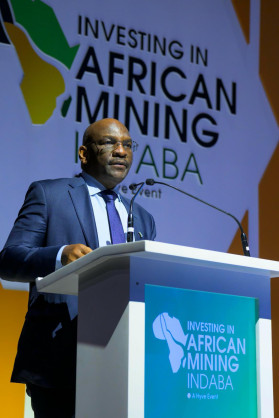
Africa must take bold steps to own its resources, create jobs and build industries that sustain prosperity for generations, African Export-Import Bank (Afreximbank) (www.Afreximbank.com) has told African leaders, policymakers, mining industry leaders and global partners at the African Mining Indaba 2025 in Cape Town, South Africa, on Sunday.

In a keynote address at the ministerial symposium of the Indaba, Mr. Denys Denya, Senior Executive Vice President of the Afreximbank Group, argued that the continent was standing at a crossroads and could either continue exporting its wealth and remain a marginal player in the global economy or take the bold steps to own its resources.

He noted that “While the global mining industry generated approximately US$1.7 trillion in revenue in 2023, Africa's share of this wealth remains disproportionately low. Our continent extracts the raw materials that power the world's industries, yet it is estimated that we retain as little as between four per cent and 20 per cent of the total value of our minerals due to minimal local processing and limited downstream development. The result? Lost economic opportunities, exposure to volatile commodity cycles and a persistent reliance on external markets for refined products derived from our own resources.” “The choice is ours. The time to act is now. Let us work together: governments, financial institutions, investors, and industry players to build an Africa where mining is not just about extraction but about transformation, innovation and wealth creation,” said Mr. Denya. “Africa has the resources, the market potential, and the policy frameworks to transition from a resource-dependent continent to an industrial powerhouse. However, success will depend on bold, decisive action from all stakeholders. Policymakers must implement clear, enforceable regulations that mandate local value addition and create investment-friendly environments. Private sector investors must step up with capital and technology to develop processing, refining, and manufacturing facilities.”

Reversing this trend demanded bold, coordinated action, he argued. “We must move beyond extraction and invest in refining, smelting and advanced manufacturing. African nations must increase local processing capacity for minerals such as bauxite, lithium, cobalt and iron ore.”

He added that regional collaboration was essential as no single country could build a mining value chain in isolation.

Mr. Denya highlighted the importance of the African Continental Free Trade Area (AfCFTA) in developing intra-African mineral value chains and strengthening cross-border collaboration and said that attracting capital for mining-related infrastructure, technology transfer and skills development were critical.

“Our mining policies must also prioritise environmental, social and governance standards, ensuring that mining benefits communities rather than displacing them,” he said, adding that the approach would create millions of skilled jobs for the youth and reduce reliance on volatile global markets while strengthening intra-African trade.

Reiterating Afreximbank's commitment to supporting Africa's mining sector and ensuring that mineral wealth drove economic growth rather than perpetuate resource dependency, Mr. Denya announced that, over the past three years, the Bank had approved more than US$1 billion in support of mining and mineral sector projects across the continent, including financing the development and construction of a bauxite processing plant in Guinea, supporting the expansion of a manganese processing plant in Gabon and providing working capital financing to a diamond company in Botswana.

Other major projects being supported by the Bank include a petrochemical fertilizer plant in Angola, a titanium dioxide pigment plant in South Africa and the feasibility study for the development of a limestone mine processing plant in Malawi, he added.

Mr. Denya said that the establishment of the US$10-billion AfCFTA Adjustment Fund, managed by FEDA, Afreximbank's impact investment subsidiary, would provide critical financial support to countries and businesses transitioning to the new trade regime, including those in the mining sector, and that the Bank's efforts to harmonise standards and implement the Africa Collaborative Transit Guarantee Scheme would also facilitate seamless movement of minerals and mining equipment across borders, reducing logistical bottlenecks.

Afreximbank was also leveraging digital platforms, such as the Africa Trade Gateway and the Pan-African Payment and Settlement System, to enable efficient transactions and market access, which would ensure that Africa's vast mineral wealth was utilised to drive industrialisation, value addition and economic resilience across the continent, he added.

Mr. Denya also noted that Afreximbank, in collaboration with development partners, was driving the development and expansion of industrial parks and special economic zones (SEZs) to address infrastructure challenges that hinder industrial growth.

One of the most transformative initiatives under that pillar was the DRC/Zambia Electric Vehicle Battery Manufacturing Special Economic Zones - a project that positions Africa at the centre of the global energy transition by the implementation of battery precursor SEZs aimed at making the two countries globally competitive investment destinations for the battery electric vehicle value chain.

The African Mining Indaba 2025, taking place from 3 to 6 February, is the premier gathering where Africa policymakers, industry leaders and global partners work to shape the future of the African mining sector.

Distributed by APO Group on behalf of Afreximbank.

Media Contact:
Vincent Musumba
Communications and Events Manager (Media Relations)
Email: press@afreximbank.com

Follow us on:
X: https://apo-opa.co/4116jsN 
Facebook: https://apo-opa.co/4aLcd4I 
LinkedIn: https://apo-opa.co/3Et8gFS 
Instagram: https://apo-opa.co/4aOinBd

About Afreximbank:
African Export-Import Bank (Afreximbank) is a Pan-African multilateral financial institution mandated to finance and promote intra-and extra-African trade. For 30 years, the Bank has been deploying innovative structures to deliver financing solutions that support the transformation of the structure of Africa's trade, accelerating industrialization and intra-regional trade, thereby boosting economic expansion in Africa. A stalwart supporter of the African Continental Free Trade Agreement (AfCFTA), Afreximbank has launched a Pan-African Payment and Settlement System (PAPSS) that was adopted by the African Union (AU) as the payment and settlement platform to underpin the implementation of the AfCFTA. Working with the AfCFTA Secretariat and the AU, the Bank is setting up a US$10 billion Adjustment Fund to support countries effectively participating in the AfCFTA. At the end of December 2023, Afreximbank's total assets and contingencies stood at over US$37.3 billion, and its shareholder funds amounted to US$6.1 billion. Afreximbank has investment grade ratings assigned by GCR (international scale) (A), Moody's (Baa1), Japan Credit Rating Agency (JCR) (A-) and Fitch (BBB). Afreximbank has evolved into a group entity comprising the Bank, its impact fund subsidiary called the Fund for Export Development Africa (FEDA), and its insurance management subsidiary, AfrexInsure (together, "the Group"). The Bank is headquartered in Cairo, Egypt.

For more information, visit: www.Afreximbank.com

Media files
Afreximbank
Download logo
Read moreAfreximbank Challenges Africa’s Miners to Take Bold Steps to Own the Continent’s Resources
5 February 2025

Learners encouraged to explore TVET colleges 

Location: News

Learners encouraged to explore TVET colleges 

Higher Education and Training Deputy Minister, Dr Mimmy Gondwe, has encouraged learners to consider the Technical Vocational Education and Training (TVET) colleges as a valuable and viable alternative for advancing their careers.

The Deputy Minister was speaking during an oversight visit to the post school education and training (PSET) institutions in the Western Cape this week.

Gondwe described the TVET colleges as crucial for job creation and youth skills development in the country.

The Deputy Minister visited the West Coast College Vredenburg Campus, and the Cape Peninsula University of Technology (CPUT) Bellville Campus in Cape Town.

Gondwe’s visits aimed at assessing the state of readiness of higher education institutions across the country, ahead of the 2025 academic year.

During the visit at West Coast College, she encouraged learners to take pride in acquiring artisan skills as they offer great entrepreneurship opportunities.

“I am very encouraged by what I’m seeing at TVET colleges, I believe they are the future of this country. TVETs are producing artisans with much needed skills [and] also offer opportunities for learners to acquire future skills, such as robotics, AI [Artificial intelligence], and coding,” Gondwe said.

At the second part of the visit, students at CPUT expressed concerns about student residences and other facilities. The Deputy Minister directed the institution to work with the Student Representative Council (SRC), to speedily resolve the identified issues.

The Deputy Minister’s visit to the Western Cape, follows her recent visit to higher education institutions in the Free State where she visited Goldfields TVET College and the Central University of Technology (CUT), at the Welkom campus.

During the visits, the Deputy Minister has been accompanied by key senior officials from Higher Education and Training, and the National Student Financial Aid Scheme (NSFAS).

The Deputy Minister’s dedicated Help Desk has also formed part of the delegation, assisting with all higher education related queries on each visit.

The issue of funding and administrative challenges faced by the NSFAS was in the spotlight during the Free State leg of the visits.

“NSFAS needs to get its act together, in order to ensure that student allowances are paid on time with no delays. Delays cause serious challenges for learners; learners need allowances to eat and to buy hygiene products. This is important for their sense of wellbeing and dignity,” Gondwe said.

Gondwe embarked on the state of readiness visits following a plan of action, announced by Higher Education and Training, Dr Nobuhle Nkabane at the special meeting of the Post Education and Training sector held in January 2025, to establish the state of readiness for the 2025 academic year.

The Deputy Minister’s oversight is expected to continue in other provinces, with North West higher education institutions being the next on the list. – SAnews.gov.za


GabiK
Wed, 02/05/2025 - 14:56

328 views
Read moreLearners encouraged to explore TVET colleges 
2 February 2025

Orbit TVET shines as a beacon of excellence

Location: News

Orbit TVET shines as a beacon of excellence

The Portfolio Committee on Higher Education has commended Orbit Technical and Vocational Education and Training (TVET) College, in Rustenburg for its outstanding contributions to education, recognising it as a beacon of excellence in the sector.

During its oversight visit to the North West on Friday, the committee was impressed by Orbit College's skills development programs, as evidenced during their class-by-class visits and tour of the college's infrastructure.

Committee members urged Orbit to maintain its high standards and continue the excellent work that the college is doing. 

The committee also commended the college for the level of professionalism and its partnership with Intel Corporation and the Department of Higher Education and Training (DHET) to inspire students to explore opportunities in artificial intelligence. 

This collaboration aims to equip students with the knowledge and skills needed to develop innovative Artificial Intelligence (AI) solutions.

While the committee was impressed by the wok that is being done at the college, Chairperson of the committee Tebogo Letsie expressed concern with the number of staff that were in acting positions.

“We have committed ourselves in this term to have a meeting with the Department of Higher Education and Training (DHET) to discuss governance issues, including DHET's inability to fill vacant posts.

“Currently, we have deputy principals and senior managers in acting positions, which should have been permanently appointed by the colleges themselves, but this has not been done. Not filling these posts takes a toll on the already available human resources, stretching them to do more work,” Letsie said in a statement on Friday.

Additionally, Orbit College was encouraged to enhance its Information and Communications Technology (ICT) systems to streamline and improve the efficiency of student registration processes. 

The Portfolio Committee on Higher Education and Training has kick-started its three-day oversight visit to institutions of higher education at the North-West University (NWU) last week. The university is one of several institutions the committee is scheduled to visit in the province to assess readiness for the academic year.

The aim of the oversight visit is to ensure institutions are adequately prepared to handle the demands of the registration period and the overall needs of students, among other things. The committee stressed the importance of adequate staffing and efficient communication mechanisms during peak academic periods to alleviate long queues and ensure a seamless registration process.-SAnews.gov.za

nosihle
Sun, 02/02/2025 - 10:35

28 views
Read moreOrbit TVET shines as a beacon of excellence
22 January 2025

President Ramaphosa outlines SA’s G20 Presidency priorities at WEF

Location: News

President Ramaphosa outlines SA's G20 Presidency priorities at WEF

President Cyril Ramaphosa has highlighted the significance of South Africa's G20 Presidency and the economic priorities of the South African Government of National Unity during a special address to the 55th World Economic Forum in Davos-Klosters, Switzerland.  

The President told world leaders that South Africa will focus its G20 Presidency on three themes - namely solidarity, equality and sustainable development. 

He emphasised the country’s commitment to advancing a just energy transition, fostering inclusive growth and addressing global inequalities.  

“As a leading forum for international economic cooperation, the G20 plays an important role in shaping and strengthening global architecture and governance on major international economic issues,” the President said. 

He pointed out that the G20 is being hosted on the African continent for the first time in history. 

“This is a moment of great significance for South Africa, the African continent and the world in that it was in Africa where humans developed the capacity and the impulse for cooperation. 

“Cooperation has been one of the key markers of human development touching on many aspects of life, from survival and social organisation to technological and cultural progress, which is what the G20 was established for - to foster cooperation to deal with the challenges the world faces. Cooperation is the bedrock of human civilisation,” President Ramaphosa said. 

He referred to former President Nelson Mandela’s speech at the WEF annual meeting 33 years ago, when Tata Madiba said: “Our interdependence, bringing us together into a common global home, across the oceans and the continents, demands that we all combine to launch a global offensive for development, prosperity and human survival.”

President Ramaphosa said South Africa's G20 Presidency is aimed at pursuing the objective of fostering solidarity, equality and sustainable development. 

“It is South Africa’s firm view that these themes can best be taken forward through the collective actions of institutions like the G20 and various multilateral institutions of the world, especially the United Nations, the WTO [World Trade Organisation] and global financial institutions, which should be reformed and be more representative and responsive to the needs of the citizens of the world.  

“We will seek to get the G20 to focus more on how we can enhance solidarity through collective efforts to ensure that in the pursuit of progress for all, no person and no country is left behind,” the President said. 

He emphasised that the rights and freedoms of one people cannot be separated from the rights and freedoms of all peoples. The President said that this is the foundation on which solidarity is built. 

He said one of the greatest impediments to growth, development and stability is the persistence of inequality within and between countries.

The pursuit of the UN Sustainable Development Goal on reducing inequality is as much of an economic imperative as it is a social imperative, President Ramaphosa said.

“As the G20, we need deliberate and coordinated efforts to focus on inclusive growth based on responsive trade and investment to grow the incomes of poor nations and the poorest in society and to ensure equal access to opportunities especially for women and young people.

“For nations to flourish, equality and prosperity must be available to everyone – regardless of gender, race, religious beliefs or economic status,” he said. 

Mobilising Finance for a Just Energy Transition

Another of South Africa’s priorities for its G20 Presidency is to mobilise finance for a just energy transition. 

President Ramaphosa underscored the need for enhanced climate financing, urging global financial institutions to redirect unused Special Drawing Rights to support developing economies, particularly in Africa and the Global South.

“It is simply not fair that over 60% of Special Drawing Rights are concentrated in a handful of wealthy countries. These resources should empower countries in Africa to invest in infrastructure, education, health care, and industrial development,” the President said. 

He called for innovative financing mechanisms and private capital to scale sustainable development, urging global institutions to derisk and support financing for emerging markets.

Highlighting South Africa’s Just Energy Transition Partnership, the President said: “We must accelerate the transition to low-carbon economies in a manner that is just and inclusive, while recognising the damage that climate change has already caused.”

Strengthening disaster resilience

With the increasing frequency of climate-induced natural disasters, President Ramaphosa said South Africa has therefore made the strengthening of disaster resilience as one of the priorities of its G20 Presidency.

He called for special financing and insurance mechanisms to support post-disaster reconstruction, particularly in vulnerable regions.

Harnessing critical minerals for inclusive growth

President Ramaphosa said another priority is to harness critical minerals for inclusive growth and development. 

“We need a G20 framework on green industrialisation and investments to ensure progress towards a grand bargain that promotes value addition to critical minerals close to the source of extraction.

“We also need the development of low-carbon manufacturing value chains which can support decarbonisation and industrial development. As mineral extraction accelerates to match the needs of the energy transition, the countries and local communities endowed with these resources must be the ones to benefit the most,” the President said. 

Showcasing Africa’s promise

President Ramaphosa highlighted Africa as the next frontier of global growth, with its abundant natural resources, young population and expanding markets.

He called for G20 support for the African Continental Free Trade Area (AfCFTA) Adjustment Fund, investments in infrastructure, youth skills development, and women’s economic empowerment.

“The digitisation of the continent to enhance trade and development is a key enabler. Through its G20 Presidency, South Africa is well-positioned to advance global cooperation and build partnerships for growth and development,” he said. 

Advancing global cooperation

President Ramaphosa praised South Africa’s inclusive governance under the Government of National Unity, which he credited with fostering stability and investor confidence.

“This cooperative culture and approach was taken to a higher level with the establishment of the Government of National Unity following the elections we held in May last year.

“The Government of National Unity, made up of 10 political parties, has been vital to stability and inclusive governance, and has contributed to greater interest among investors in South Africa’s economic prospects,” he said. 

The President said over the last few years, the South African government has been working closely with social partners in business and in labour to address key national challenges and drive inclusive growth.

Concluding his address, President Ramaphosa extended an invitation to world leaders to attend the G20 Summit in Johannesburg later this year.

He said the seeds of human progress were sown in Africa, where the earliest forms of cooperation were forged and developed.

“As the leaders of the G20 return to Africa, we make a call that we all harness these essential capabilities that will make us take action to build a better and fairer world. We intend that the G20 in Johannesburg this year should be a forum where cooperation and collaboration amongst the leading economies in the world will be taken to a higher level.

“Acting together, we should build an inclusive, just and equal world in which all may prosper, leaving no one and no country behind. I look forward to welcoming you to the G20 in Johannesburg later this year. 

“Even if you do not participate in any of the 130 G20-related meetings, I invite you to come and see South Africa for yourself, the most beautiful country in the world,” he said. – SAnews.gov.za

DikelediM
Wed, 01/22/2025 - 12:30

10 views
Read morePresident Ramaphosa outlines SA’s G20 Presidency priorities at WEF
  • Previous
  • Page 1
  • Page 2
  • Page 3
  • Page 4
  • Page 5
  • Interim pages omitted …
  • Page 10
  • Next

Copyright © 2026 · MyZA · All Rights Reserved · Powered by Stratlec Online