• Skip to main content
  • Skip to header right navigation
  • Skip to after header navigation
  • Skip to site footer
MyZA

MyZA

News, Directory, Events and Other Stuff

  • Social Media
  • Sport
  • World News
  • Home
  • Submit News
  • Directory
  • Events
  • Stratlec
  • TFSA
  • News
    • APO
    • Today’s Sport News
    • Todays Social Media and Tech Headlines
    • Today’s World News
    • Today’s SA Financial News
  • Contact
You are here: Home / Archives for Solar

Solar

8 March 2024

Illuminating Your Space: The Ultimate Guide to Lighting Up Your Home

Location: MyPR

In the realm of home decor, lighting is not just a utility but a significant element of style and comfort. Whether it’s the soft glow of pendant lights that create a cosy atmosphere or the practical brilliance of solar lights for your garden, choosing the right lighting fixtures can transform any space. This guide will …

Read moreIlluminating Your Space: The Ultimate Guide to Lighting Up Your Home
8 March 2024

South Africa needs to use its Abundant Domestic Natural Gas to Fix its Energy Crisis today

Location: News
African Energy Chamber

By NJ Ayuk, Executive Chairman, African Energy Chamber (www.EnergyChamber.org)

South Africans don't want to breathe clean air in the dark. Energy woes are synonymous with South Africa right now.

As the country's fleet of mostly coal-powered plants struggles to keep up with electricity demand, South Africans are enduring daily power outages that last six to 10 hours a day.

With businesses and institutions struggling to function, and tension mounting among South Africa's people, the need for solutions is beyond urgent.

I say “solutions” because providing the reliable power that South Africa needs now, and ensuring that the growing country will have what it needs well into the future, will require multiple strategies.

As I've written, because of the country's current reliance on coal to fire its power plants — and coal mines to fuel the economy — increased coal usage must be one of those solutions for the time being.

South Africa also will need to continue building its renewable energy sector, and it has committed to do so in alignment with global goals to achieve net-zero greenhouse gas (GHG) emissions.

But perhaps one of the most impactful solutions will be natural gas, which not only can power reliable electricity generation but also is a clean energy source – one that can be monetized and one that supports economic diversification as a feedstock for chemical and fertilizer factories.

It only makes sense for South Africa to harness its massive – and largely untapped – reserves of natural gas. As described in the new African Energy Chamber (AEC) report, “The State of South African Energy,” cumulative output for South Africa's large-scale Brulpadda and Luiperd natural gas discoveries, when developed, are estimated to be 50,000 barrels per day (bpd) of liquids and 125,000 barrels of oil equivalent per day (boepd). South Africa must do what it takes to reach that point as quickly as possible.

During the 2023 African Energy Week in Cape Town, Gwede Mantashe, South African Minister of Mineral Resources and Energy Stated, “In recognition of the continued role of the fossil fuels in supporting energy security and the fact that 82% of energy sources in the world are from these fossil fuels, Africa must intensify its efforts aimed at developing its oil and gas sector in order to benefit from the expected increase of natural gas market in global supply”. I agree, that's why South Africa should be encouraging ongoing oil and gas exploration through an enabling regulatory environment. Natural Gas financing and development again will be a key topic during African Energy 2024 scheduled for November 4th to 7th where I expect deals to be signed.

And we cannot forget the importance of natural gas projects in neighboring African countries, including Gigajoule's $550-million Matola Liquefied Natural Gas (LNG) Project in Mozambique, which will supply South Africa with gas; the 865-kilometer Rompco Gas Pipeline from Mozambique to South Africa; and Renergen's Virginia liquefied natural gas project in South Africa. These projects need to be fast-tracked.

Natural gas, if directed toward domestic markets and gas-fired electricity plants, can help South Africa find its way out of its current power crisis. Natural gas can also help ensure energy security and economic growth while the country transitions from fossil fuels to renewables for power generation. South Africa must move decisively to accelerate its gas agenda and start realizing these benefits.

Renewables Alone Will Not Save the Day

I've heard repeated arguments that South Africa's energy crisis is proof that now is the time for the country to move, at lightning speed, to renewable energy sources like wind and solar power.

As I've said more than once, South African can and should embrace solar and wind, but it also must consider the intermittency issues that come with them. They can't be counted on to provide electricity around the clock.

South Africa does not need more power fluctuations. It needs baseload power sources that can generate dependable power capable of consistently meeting demand. And the only way to get that is from coal and natural gas.

We also have to be realistic about the financial requirements for a complete transition to natural gas. Yes, South Africa's Just Energy Transition Investment Plan (JET IP) is an excellent program, but as of yet, the money generated is a drop in the bucket. South Africa has acknowledged that it will need about $99 billion to pay for a full transition to renewable energy. Currently, it has received commitments for about $8.5 billion.

So, as South Africa pursues renewable energy, the logical approach would be to embrace natural gas as well. It can serve as a reliable energy source for the country's current and future needs, and as it's monetized, it can help generate revenue for South Africa's energy transition.

I was pleased to hear South African President Cyril Ramaphosa express that logic. He has made it clear that, while the country does plan to replace coal with lower-carbon alternatives, those alternatives will include both renewables and natural gas.

South Africa has an Integrated Resource Plan in place that calls for gas technology generating 6,000 megawatts (MW) from combined-cycle gas turbines, including 3,000 MW from LNG-to-power, 726 MW from gas-to-power, and 1,500 MW from non-specified gas.

This is doable, and it aligns with the AEC report's forecast for South African power generation during the next decade and beyond. While coal currently accounts for about 80% of power generation, coal usage likely will decrease to 65% by the end of the decade, our report says. Gas and renewables, meanwhile, will see growth around the same time: Natural gas will account for 5% of power generation in 2031, while onshore wind and solar photovoltaic (PV)-generated power will make up 17% and 7%, respectively. In the long term, natural gas, onshore wind, and solar PV are expected to increase to 15%, 30%, and 20%, respectively, making up 65% of total power generation.

It's Time for a Regulatory Rehaul

South Africa's commitment to pursuing these avenues is praiseworthy, but when it comes to harnessing natural gas, more work is needed.

I'm talking about government policies.

South Africa needs a regulatory environment that encourages ongoing investment and exploration by oil and gas companies. Consider the Orange Basin, where Namibia is seeing record-breaking discoveries that will ensure its energy security. But only 20% of the Orange Basin is in Namibia, while 80% of it is in South Africa. Now is the time to capitalize on the opportunity it offers.

Unfortunately, South Africa seems to be stuck: E&P is being hindered by unnecessary government red tape. We need to change that right away. Oil and gas companies already face tremendous pressure not to produce in Africa; this is no time to pile on the challenges.

The African Energy Chamber strongly urges South Africa to ease regulatory burdens on oil and gas companies. And we call upon South Africa to fast-track permit approvals for more drilling, seismic surveys, pipeline developments, and LNG terminal construction.

South Africa also needs to eliminate red tape that could slow the Brulpadda and Luiperd projects.

These steps will be critical for South Africa to start putting natural gas to work for its people, its businesses, and its communities.

Natural Gas Is a Reasonable Solution

Not surprisingly, if you consider the constant pressure Africa has faced in recent years to leave our fossil fuels in the ground, the prospect of pursuing gas-to-power projects in South Africa is being met with sharp resistance. “Dirty gas” is not the answer, environmentalists and Western voices insist.

I strongly disagree. We must be pragmatic: South Africa must harness every solution at its disposal, natural gas in particular, to address the country's energy needs.

Fortunately, President Ramaphosa has been pushing back against the anti-gas narrative as well.

"Countries on the African continent need to be able to explore and extract oil and gas in an environmentally responsible and sustainable manner," Ramaphosa said earlier this year

during an address at the Investing in African Mining Indaba. "These resources are important for energy security, for social and economic development, and for reducing energy poverty on the continent. And we do not see this trajectory as being mutually exclusive to our focus on moving towards ensuring that we reduce our carbon footprint… In our onward march towards a low-carbon future it is critical that our efforts are both realistic and sustainable.”

Well said!

I would add that many of the environmental groups trying to keep people in the dark in South Africa – and across our continent – don't have the same struggles with energy security. In fact, in a move that balances environmental stewardship with energy security, the United States just approved an $8 billion drilling program in Alaska. If it's acceptable for wealthy countries to perform this balancing act, there's no reason why Africa's most industrialized nation cannot do the same.

Having clean air doesn't mean we have to be in the dark.

To read the State of South African Energy 2023, visit https://apo-opa.co/3T7wR6K.

Distributed by APO Group on behalf of African Energy Chamber.

Media files
African Energy Chamber
Download logo
Read moreSouth Africa needs to use its Abundant Domestic Natural Gas to Fix its Energy Crisis today
8 March 2024

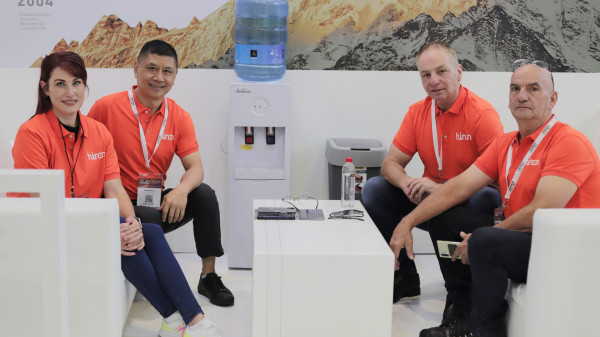
Hinen to Exhibit at Solar & Storage Live Africa, Offering Solutions for Load Shedding

Location: News
Hinen

South Africa is facing a severe energy crisis with frequent power outages since 2007. As the largest state-owned enterprise and electricity supplier in the country, Eskom schedules power cuts across different regions at different times, leading to rotational load shedding throughout South Africa. In 2023, individuals endured up to 15 hours of daily load shedding, underscoring the urgent need for an energy transition.

To accelerate this transition, the largest energy event in Africa, Solar & Storage Live Africa, is set to take place at the Gallagher Convention Centre in Johannesburg, South Africa from March 18th to 20th. As a provider of solutions for load shedding,  Hinen will showcase three specially designed backup solutions for the energy challenges in Africa, utilizing the abundant solar resources in the region to provide stable power support for homes and businesses.

The exhibited products range from 300W to 3000W in power capacity, and feature batteries that are expandable up to 17.5kWh. In addition, Hinen Max series is available in both low-voltage and high-voltage options to cater to a variety of electricity needs. These solutions not only convert solar energy into electricity in real time but also store excess power or harness electricity from the grid during periods of ample supply, ensuring sufficient power during outages and load shedding. With noise levels below 30dB, these products are quiet enough to not disturb sleep, and multiple layers of battery protection ensure safe and reliable power usage. Through the Hinen smart app, users can monitor energy consumption in real-time and easily manage electricity usage.

Hinen cordially invites industry partners and the public to visit our booth, A36, to learn more about our technology. We look forward not only to strengthening relationships with existing partners but also to exploring new cooperation opportunities, jointly promoting sustainable energy development in Africa and beyond.

To demonstrate our commitment to the local market, Hinen has established a branch office in Sandton, Johannesburg. This signifies our dedication to deepening our presence in the African market and providing localized services. We eagerly anticipate meeting you in Johannesburg as we explore a greener, more efficient, and sustainable energy future.

Distributed by APO Group on behalf of Hinen.

Email:
SAfrica@hinen.com

Phone:
010 449 2306

Address:
Ground floor, Block B, 100 West Street, Sandton, Johannesburg 2196, South Africa

Join Hinen in driving energy innovation forward — not only for Africa but for our shared home, Earth.

Media files
Hinen
Download logo
Read moreHinen to Exhibit at Solar & Storage Live Africa, Offering Solutions for Load Shedding
6 March 2024

Collaboration between government and business bearing fruit

Location: News

Collaboration between government and business bearing fruit

The partnership between government and business is yielding positive outcomes, such as decreased load shedding, enhanced efficiency in rail and ports, and a decline in security incidents affecting energy and logistics infrastructure.

This is according to President Cyril Ramaphosa, who convened a meeting with members of Cabinet and senior business leaders on Tuesday on the partnership between government and business to address key challenges in energy, transport and logistics, and crime and corruption.

The objective of the partnership is to achieve more rapid economic growth and generate a significant increase in sustainable employment by urgently delivering on priority interventions in each of the three focal areas. 

“We are beginning to see the tangible results of this collaboration in reduced load shedding, improved performance of our rail network and ports, and a reduction in security incidents targeting energy and logistics infrastructure. 

“We are confident that we are turning the corner on our most urgent challenges, and are absolutely committed to building on this partnership as we work to grow the economy,” President Ramaphosa said in a joint statement between Government and Business. 

Adrian Gore, co-convenor of the business delegation, said they have achieved real progress over the last nine months, and the partnership is gaining excellent traction. 

“The private sector has contributed more than R170 million of support directly into this partnership, and has mobilised over 350 technical experts. We need to capitalise on the momentum and urgently implement the necessary reforms. This will help to improve societal and investor confidence in South Africa’s potential, and mobilize much needed investment to grow the economy inclusively,” Gore said. 

As part of the support provided by business, the Resource Mobilisation Fund (RMF) was established to procure and donate resources to support the implementation of the Energy Action Plan. To date, the fund has raised approximately R100m, with R25m already having been drawn down to fund expertise to support the National Energy Crisis Committee (NECOM).

The joint statement said business is looking to scale this model to support the National Logistics Crisis Committee (NLCC) and the Joint Initiative on Crime and Corruption (JICC). 

The meeting discussed the progress made over the last three months, as well as key priorities to accelerate progress in the next period. 

Key updates since November 2023: 

• Energy: Load shedding is roughly 61% less than the same period last year (80% less for stages 4 and above), and is starting to decouple from Eskom’s Energy Availability Factor (EAF), demonstrating the positive impact of alternative energy sources including rooftop solar. 

• Transport and logistics: A 45% reduction in vessels anchored outside the Port of Durban and a 36% reduction in the waiting time to anchor for container vessels has been achieved. Capable executive leadership has been appointed in Transnet to ensure stability and focused delivery. 

• Crime and corruption: Collaboration between Transnet and business, including the provision of security on the rail network, has resulted in a 65% reduction in criminal incidents on the Northern Corridor which is key to reducing the cancellation of trains.

Energy 

The work underway within the National Energy Crisis Committee (NECOM) and the implementation of the Energy Action Plan is starting to bear fruit. 

“Load shedding is down by 61% compared to the same period last year, with the return of units at Kusile power station as well as new generation capacity from rooftop solar and private sector investment having a positive impact. 

“Reform of the energy sector is progressing, with an independent board appointed for the National Transmission Company of South Africa (NTCSA) and preparations underway for the new entity to commence trading,” the statement read. 

On the downside, however, Eskom plant performance remains unreliable with an unacceptably high level of unplanned outages. Under the leadership of its new Group Chief Executive, Dan Marokane, Eskom is working to ensure full delivery on its recovery plan. 

The joint statement highlighted that Eskom and business are finalising a Mutual Cooperation Agreement to establish a sustainable framework through which to deploy additional independent skilled experts to support Eskom in this regard. 

“The aim for 2024 is to increase generation capacity from multiple sources by up to 11.5 GW, which will enable a significant reduction in the severity of load shedding by the end of the year.

“This includes improved plant performance as a result of Eskom’s Generation Recovery Plan, additional private investment in rooftop solar and utility-scale projects as a result of policy and regulatory reforms, and projects from previous bid windows connecting to the grid,” the statement said. 

Initiatives are also underway to unlock increased grid capacity, successfully conclude Bid Window 7 and open further bid windows for gas-to-power and battery storage will contribute to additional generation capacity in the medium term. 

Finally, government is working to accelerate reforms in the energy sector, including the promulgation of the ERA Bill, the establishment of the NTCSA, the finalisation of a national wheeling framework, and the development of financing mechanisms for transmission infrastructure.

Transport and logistics 

Government and business emphasised that challenges in the logistics system are receiving urgent attention, with the National Logistics Crisis Committee (NLCC) focused on stabilising and improving rail, port and road operations. 

Business is supporting a number of the NLCC workstreams with technical, security and operational expertise. 

“Green shoots include a 45% reduction in vessels anchored outside the Port of Durban and a 36% reduction in the waiting time to anchor for container vessels. A major success has been the provision of security by business on the rail network on an interim basis, which has resulted in a 65% reduction in criminal incidents on the Northern Corridor, reducing the number of trains cancelled. Work is currently underway to ramp up the deployment of SAPS resources to secure network infrastructure in the longer term,” the statement said. 

It further highlighted that progress was achieved with the approval of the Freight Logistics Roadmap (FLRM) and the Private Sector Participation Framework, which together outline clear actions and timeframes to ensure a more efficient logistics network that encourages private investment and competition in operations. 

Implementation of the roadmap is now underway, with key milestones included in conditions attached to the R47 billion guarantee recently extended to Transnet. 

“Despite this progress, continued poor operational performance and inefficiency costs the economy R1 billion per day, with recent announcements of retrenchments in the mining industry illustrating the urgency of reform in the logistics sector. 

“Transnet is focused on improving performance through clearly defined and agreed measures such as rebuilding internal capacity, implementing operational excellence centres for strategic corridors, and drawing on private sector technical resources.

"The recent appointment of permanent executive leadership at Transnet will assist with the necessary focus and delivery mindset, and the urgent implementation of the Transnet Recovery Plan,” the statement said. 

Crime and corruption 

Steady progress has also been made in the crime and corruption focal area, including the establishment of the Joint Initiative on Crime and Corruption. 

The private sector is continuing its support to strengthen law enforcement through providing business information and resources to assist with the fight against infrastructure crime. 

The statement said support has also been provided to modernise the 10111 helpline, with a pilot project initiated at the main call centre in Midrand. 

“Passing the NPA Amendment Bill within the current Parliament will strengthen the independence and investigating capacity of the NPA and will enable the establishment of additional infrastructure to support the Investigating Directorate as a permanent entity, including a dedicated Forensics Laboratory. 

“A key focus is to secure South Africa’s removal from the Financial Action Task Force (FATF) grey list, with the aim of achieving this by June 2025,” the statement said. 

Next steps 

The next meeting will be held in May to assess progress on the three focal areas.

Government and business reaffirmed their commitment to communicating regularly on progress, and identifying areas where further work is required. 

“We are finalising our targets for the end of 2024, and aligning on the critical paths to achieve these. These plans will be communicated publicly, and reported on regularly. This will build confidence in the process and will enforce accountability. As partners, we are absolutely focused on delivery,” Chair of the B4SA Steering Committee, Martin Kingston said. – SAnews.gov.za

DikelediM
Wed, 03/06/2024 - 12:43

81 views
Read moreCollaboration between government and business bearing fruit
6 March 2024

Deregulation: Easing of regulation is driving African innovation across the continent’s energy sector

Location: News
Starsight Energy

A deregulated power sector is an enormous opportunity for key markets in Africa, as individual countries start to contribute to an efficient, sustainable and competitive renewable energy ecosystem, says Paul van Zijl, Group CEO at Starsight Energy (https://StarsightEnergy.com). Here he shares some insight into the potential benefits of deregulation and how these changes can create a ripple effect across the African continent – becoming the blueprints that many African countries will use to overcome their own energy challenges.

The deregulation of the energy sector has massive potential for the continent, but it must be approached in the right way to have a long-term and sustainable impact. Deregulation is already happening in various African countries at differing paces, particularly those in sub-Saharan Africa, as more and more Independent Power Producers (IPPs) collaborate with local regulators and stakeholders to assess and determine the best way to optimise natural resources and harness their limitless potential.

While the application of deregulation in each country is different, the principal benefits remain the same. Each country stands to gain from a revitalised power sector that offers more opportunities to IPPs, attracts more local and international investment into the local energy landscape, and makes electricity and renewable energy more accessible to consumers at competitive prices.

In Nigeria, for example, we are seeing the first exciting steps of deregulation as the Nigerian Electricity Regulatory Commission (NERC) moves towards transforming the sector. A new federal law, the Electricity Act (2023) (https://apo-opa.co/3Ir5QpI), has been enacted which enables different states to pass their own laws and establish state electricity markets. Once a state establishes its electricity market, the federal government will cease regulation of electricity distribution within that state. This first step is a collaborative effort that will go a long way in creating a sustainable, privatised and deregulated market in Nigeria.

In Kenya, the eagerly anticipated Open Access (wheeling) regulations have also recently been gazetted. The regulator fast-tracked Open Access to the grid, enabling IPPs to supply electricity directly to large customers through the national network, under regulation guidelines from the Energy and Petroleum Regulatory Authority (EPRA). Further impetus will also derive from the recent announcement that the Eastern Africa Power Pool (EAPP) (https://EAPPool.org) is targeting to go live with a competitive power trading market by the end of December 2024 – taking the region from bilateral trade to trading amongst all countries. This will allow the EAPP's 13 member countries to sell excess electricity in cross-border transmission projects. Considering that countries in the EAPP are already trading over 3 400 GWh annually, this move is set to transform the region's interconnectivity even more. Kenya has already reaped the rewards of bilateral trading, including an energy exchange engagement with Uganda and the importation of 200 MW of renewable energy from Ethiopia.

Meanwhile, in South Africa, deregulation has seen the introduction of innovations such as self-generation, electricity wheeling (https://apo-opa.co/3IuyKFm), and energy trading from IPPs. The rising popularity of utility-scale solar farms is a direct result of deregulation, which in turn has been accelerated by local funders deploying funds to grow IPPs. The funders invest in the construction of solar farms, allowing them to meet their mandate to fund the low-carbon transition. At the same time, the IPPs can leverage this financial backing to bring Direct Foreign Investment (DFI) on board to support the project until completion. These initiatives demonstrate the power of collaboration between the private and public sectors.

The positive impact of deregulation on South Africa's power infrastructure runs even deeper than boosting generation capacity. In some cases, IPPs also provide a main transmission substation (MTS) to the national utility provider, Eskom, as part of their project to bolster connectivity to the transmission network. In other instances, IPPs are installing utility-scale battery storage alongside their farms to store the solar energy that is produced. These installations help the IPPs mitigate their risk to ensure their projects aren't hampered by the complexities associated with the local grid. Such widespread deregulation is not necessarily to be expected across the continent, but learnings can be taken from South Africa to apply on a country-by-country basis.

Our South African operation, trading as SolarAfrica (https://SolarAfrica.com), is working closely with Eskom to bring projects like these to life in the country, while Starsight Energy (https://StarsightEnergy.com). and Starsight Premier Energy Group (https://SPEGea.com) are working with regulators, stakeholders and various industry players in Nigeria and Kenya to see how we can shape each region's changing energy landscape.

The impact of deregulation has been – and will continue to be – transformative. We look forward to working with the industry and regulators to accelerate the process in our key markets as we ultimately believe a well-considered deregulated market will be to the benefit of the end consumer and allow economies to grow and thrive with the private and public sectors working hand in hand.

Distributed by APO Group on behalf of Starsight Energy.

Media files
Starsight Energy
Download logo
Read moreDeregulation: Easing of regulation is driving African innovation across the continent’s energy sector
5 March 2024

EcoFlow Launches PowerStream, Helping Home Stay Powered During Load Shedding

Location: Business
EcoFlow

EcoFlow (za.EcoFlow.com), a leading eco-friendly energy solutions company, has reached a new milestone with the launch of its latest innovation, the PowerStream (https://apo-opa.co/3Tiz7Jv), a mini home solar system that potentially helps users save on energy bills. This groundbreaking expandable system can also provide backup power when connected to a portable power station, making it a simple, flexible, and reliable energy source at home.

With over 2.5 million users worldwide, EcoFlow has established itself as a leader in the portable power industry. During load shedding last year, the EcoFlow portable power stations helped power over 50,000 families in South Africa. The PowerStream marks the company's expansion into the home solar energy solutions market, responding to the growing demand for sustainable and reliable energy solutions that households can depend on.

“Home solar energy solutions play an increasingly important role in an age of frequent energy crises, and that's what inspired the EcoFlow PowerStream,” said Bradley Chetty, Key Account Director at EcoFlow South Africa. “EcoFlow is committed to a future where everyone can care for their families and combat climate disasters, aging grids, and rising energy bills, and PowerStream is our first step towards that future."

Keep Home Powered During Load Shedding

The PowerStream is an expandable system that includes the EcoFlow PowerStream Microinverter, solar panels, and EcoFlow portable power stations if users want to store excessive energy generated through the system.

When incorporating portable power stations into the system, the stored energy can continue to power the home throughout the night, and provide users with peace of mind during load shedding by keeping the essential devices up and running - from heavy-duty appliances like air conditioners and refrigerators to low-wattage devices like phones and tablets.

With a maximum 800W solar input, the PowerStream generates around 1277kWh[1] of electricity annually, covering a great amount of electricity an average household consumes yearly. Using the EcoFlow app, users can keep track of the solar energy captured, and the estimated saving on energy costs, and get a clear picture of their home energy usage.

A Plug-and-Play System with High Compatibility

The PowerStream is designed for the users to install by themselves as the microinverter, solar panels and portable power stations are all plug-and-play. The solar panels also fit in different scenarios, including flat or house balconies, house gardens, and house Façades. Using the EcoFlow super-flat cables, users don't need to drill through walls or windows to connect the system outdoors to indoors.

The system is compatible with 99% of solar panels on the market and works with all EcoFlow portable power stations, including the DELTA Pro, if users want to store more surplus energy and save more on energy bills. With a base capacity of 3.6kWh and expandable up to 7.2kWh, the DELTA Pro provides reliable power for 99% of home appliances, making it one of the best companions for the PowerStream.

An Entry-level System for Every Home

The PowerStream is an ideal home solar system for beginners, especially if they have already been using solar panels and EcoFlow portable power stations at home. The PowerStream microinverter features a compact design and is lightweight. It can easily blend in users' houses or apartments.

Plus, when users look to enjoy outdoor activities, they can disconnect the portable power station and use it on the go. If moving to new apartments or houses, the entire system can be easily unplugged and packed to go.

Price and Availability

Currently available on the EcoFlow South Africa website (https://apo-opa.co/48AtQ4B), the PowerStream comes in different kits with an Early Bird discount till 31st March 2024.

The No-Storage Kit includes only the PowerStream microinverter, two EcoFlow 400W Rigid Solar Panels, one solar cable, and one EcoFlow AC cable. The kit is priced at R 14,999 for an Early Bird discount.

The 3-kWh Storage Kit includes the PowerStream microinverter with the EcoFlow solar cable and AC cable, an EcoFlow DELTA Pro portable power station with an EB cable and two EcoFlow 400W Rigid Solar Panels. The kit is currently priced at R 61,999 for an Early Bird discount.

To learn more about kits with different storage options, please visit: za.EcoFlow.com

Specs

EcoFlow PowerStream Microinverter

Weight

Approx. 3 Kg

Waterproof

IP67

Dimensions

242 × 169 × 33 mm

Max. Charging & Discharging Power

600W

PV Input Power

400W x 2

DC Input Output

600W

Max. Input Voltage

55Vd.c. (PV Port)/ 59Vd.c. (DC Port)

Max. Input Current

13A

AC Output-Grid Tied

600W

Max. AC Output Current

2.8A

Charging Voltage

30 – 58 Vd.c.

Communication

Wi-Fi & Bluetooth


[1] The amount of electricity generated by PowerStream a year is based on internal testing in Johannesburg. Actual user experiences may vary.

Distributed by APO Group on behalf of EcoFlow.

About EcoFlow:
EcoFlow is a leading eco-friendly energy solutions company with the vision to power a new world. Since its founding in 2017, EcoFlow aims to become a reliable and trusted energy companion for individuals and families across the world, providing accessible and renewable power solutions at home, outdoors, and in mobile spaces. Today, with operational headquarters located in the USA, Germany, and Japan, EcoFlow has empowered more than 2.5 million users in over 100 markets worldwide.

Media files
EcoFlow
Download logo
Read moreEcoFlow Launches PowerStream, Helping Home Stay Powered During Load Shedding
4 March 2024

Free State focuses on job creation

Location: News

Free State focuses on job creation

Free State Premier Mxolisi Dukwana says the province is hard at work to lessen the burden of unemployment.

In his State of the Province Address on Friday, Dukwana said unemployment fell from 38.5% in the third quarter of 2023 to 37% in the fourth quarter.

“Our Expanded Public Works Programme and the Presidential Employment Stimulus is a demonstration of our efforts to ignite economic growth,” he said.

Dukwana said since 2019, the province has created 282 907 work opportunities against a five-year target of 260 000 work opportunities through the Expanded Public Works Programme (EPWP).

“The Presidential Employment Stimulus enabled us to benefit from the creation of 87 357 job opportunities, supporting 24 733 livelihoods and retaining 1 680 jobs in the period between April to December 2023.

“These statistics include the 6 964 Education Assistants and 8 285 General School Assistants in the Department of Education. At the core of this education programme is the placement of unemployed youth in schools.

“This further illustrates how we give practical effect to our commitment to address youth unemployment. We must strengthen the coordination and maximise our participation in this programme,” Dukwana said.

He said a strong agricultural sector is key for food security, job creation, poverty alleviation and rural development.

“Work is underway to position the Free State as the champion of the agricultural green revolution in the country. A total of 4 543 producers were trained, and 249 students graduated from the Glen Agricultural College.

“We facilitated 19 023 export certificates, 29 419 hectares of land was rehabilitated and 987 hectares was cultivated using conservation practices. This will preserve the environment and increase production of organic products.

“Work is underway to avail provincial and municipal land for youth, women, people with disabilities and military veterans for farming purposes. We will increase investment to support the commercialisation of black farmers, investment in agro-logistics infrastructure and open new markets,” he said.

Dukwana said the province is hard at work to position the Free State as the country’s central energy logistics, distribution and beneficiation hub.

“The province has immense opportunities in natural gas, solar, coal, ethanol, wind, uranium, hydropower and hydrogen to power the future of our country,” he said.

30 Years of democracy

Dukwana said with 2024 marking 30 years of freedom and democracy, there is much to take note of.

“It is a year that builds a bridge between our tragic past, encouraging present and a brighter future... With the birth of democracy, the stage was set to carve a path anchored firmly on democratic values, social justice and fundamental human rights,” Dukwana said.

The Premier said central to the democratic transformation process is improving the living conditions of South Africans and fostering shared economic growth.

“Driven by the relentless desire for a better life for all, we have over the past 30 years, invested time, resources and commitment in fighting the triple challenge of unemployment, poverty and inequality.

“The courage of our people continues to be rewarded. Their hopes and dreams continue to be the spark that impels us to even greater heights. Signs are everywhere that the Free State is a province on the move, confident in our actions and optimistic in our future trajectory.

“We are making the most of our potential, harnessing our development efforts and leaving no one behind in a Social Compact with our people,” Dukwana said. – SAnews.gov.za

Edwin
Mon, 03/04/2024 - 13:28

1190 views
Read moreFree State focuses on job creation
27 February 2024

EWSETA introduces specialised training for renewable energy, water management

Location: News

EWSETA introduces specialised training for renewable energy, water management

The Energy and Water Sector Education and Training Authority (EWSETA) has developed and implemented specialised renewable energy and water resource management training programmes, in a bid to align with industry needs and technological advancements. 

This was revealed during a media engagement with the organisation in Rosebank, Johannesburg on Tuesday. 

EWSETA Chief Executive Officer, Mpho Mookapele, engaged the media on the back of growing research that macroeconomic trends and technological advancements continue to disrupt labour markets worldwide.

Mookapele highlighted some of the courses implemented by the organisation and others currently in the pipeline, including water works management, solar panel installation, wind turbine maintenance and other green energy solutions, among others.

She said as the energy sector is rapidly evolving the EWSETA is currently developing qualifications that will respond to the gaps in the curriculum. 

The skills programmes that will be introduced include wind turbine operation, biogas installation, microgrid and battery energy storage operation, solar PV manufacture, design, and installation. 

“When the sector needs certain skills, we are committed to working together with industry to build these capabilities. Ultimately, we exist to ensure industries are successful.  

“As such, we aim to move with agility to ensure that these programmes and qualifications are concluded and submitted for registration with Quality Council for Trades and Occupation (QCTO) and South African Qualification South African Qualifications Authority (SAQA),” Mookapele said.

She said due to the boom in the photovoltaic sector and more people going solar, the SETA is also currently working with industry to ensure that minimum skills requirements are mandated for the PV Green Card training - a quality assurance standard for solar PV installers.

These minimum requirements will hopefully mitigate against substandard installations.

Mookapela said the EWSETA is looking for partners to enable retro-fitting technical workshops for TVET colleges to ensure that they are responding to the tech-developments in the industry.

Developing water-related qualifications

The EWSETA has also partnered with water boards, including municipalities and private industries, to develop water-related qualifications that aim to address the challenges around clean drinking water and wastewater treatment plants.  

“In response to the evolving water landscape, a Water Works Management NQF 6 qualification has been registered. EWSETA is in the process of developing a Water Resource Management qualification at NQF level 8 and a skills programme for a Water Conservation Practitioner,” she said.  

Advances in water treatment processes will necessitate the development of qualifications that will respond to the future treatment landscape, and these include biological water treatment and smart water grids, amongst others. 

“As the world transitions to net zero, the traditional career landscape is changing, and it is up to all of us to future-proof our workforce. The Energy and Water Sector Education and Training Authority is taking strides to harness the opportunities that these exciting changes present,” Mookapele said.

Skills development initiatives

Meanwhile, Mookapele underscored the importance for businesses to share their skills plans with the EWSETA to enable the organisation to capacitate learners accordingly.

Investing in skills development secures the long-term sustainability of industries and contributes to economic resilience.

“Together with government and private entities we are collaborating to fast-track skills development initiatives that seek to upskill and reskill employees to meet the workforce demands of the changing energy and water sectors,” Mookapele said.

The International Energy Agency (IEA) last year revealed that 4.7 million more people were employed in clean energy globally in 2022 than in 2019. 

Mookapele noted that concerns around the “green skills gap” have been echoed by a recent report from LinkedIn, which shows that only 1 in 8 employees globally possess one or more green skills. 

“We don’t want to leave South Africa’s young people and workforce behind; it is important for businesses to share their skills plans with us, so that we can capacitate learners accordingly,” she said.

EWSETA’s mandate is to participate, build and strategically plan and manage skills development, and training needs in the energy and water sectors, as directed by the National Skills Development Plan 2030.  – SAnews.gov.za 


GabiK
Tue, 02/27/2024 - 14:38

103 views
Read moreEWSETA introduces specialised training for renewable energy, water management
22 February 2024

Shack dwellers hope for subsidised solar power

Location: News

The City of Cape Town is considering partnering with alternative energy providers for informal settlements

Read moreShack dwellers hope for subsidised solar power
21 February 2024

Load shedding, logistics hamper growth

Location: News

Load shedding, logistics hamper growth

Finance Minister Enoch Godongwana says although structural reforms have made “good progress”, load shedding and freight rail challenges remain an obstacle.

He was speaking during the Budget Speech held at the Cape Town City Hall on Wednesday.

“We have embarked on a broad structural reform agenda that aims to address the challenges that have held back our growth.

“This agenda has included areas like electricity, logistics, water, telecommunications and visa reforms. The Budget Review details the good progress that has been made in these areas over the past few years. But, obstacles remain and let me focus on the two largest of these,” Godongwana said.

Godongwana said the rolling power cuts “disrupt production, operations and livelihoods”.

“Reforming the sector will result in long-term energy security. We took the necessary decisions in the past five years and these are bearing fruit. 

“To promote further investments in renewable energy, this budget proposes an increase in the limit for renewable energy projects that can qualify for the carbon offsets regime, from 15 megawatts to 30 megawatts,” he said.

He revealed that in the coming week, the report on the independent review of Eskom’s coal-fired power stations will be released.

“The review was done to inform part of the conditions attached to the debt relief plan. The recommendations will feed into Eskom’s corporate plans to bolster accountability and oversight.

“It is through the combination of private investment in new energy projects, rooftop solar installations and improvements in Eskom’s generation fleet that load shedding will reduce, and reliability and security of supply improve,” he said.

READ | Ramokgopa sets sights on accelerated transmission line expansion

Turning to South Africa’s logistics challenges, the Minister revealed that third-party access to the freight rail network will be introduced by May 2024.

“In ports, a private partner has been secured to upgrade Pier 2 of the Durban Container Terminal. This should increase private investment in equipment, enhance technological capability and improve operational efficiency.

“Government has provided Transnet with a R47 billion guarantee facility to support the entity’s recovery plan and meet its immediate debt obligations.

“Like Eskom, the guarantee comes with conditions. These conditions require Transnet to focus on its core activities, and for the entity to introduce private sector partnerships. This will improve Transnet’s sustainability and support the implementation of the Freight Logistics Roadmap,” Godongwana said. – SAnews.gov.za

NeoB
Wed, 02/21/2024 - 14:17

425 views
Read moreLoad shedding, logistics hamper growth
20 February 2024

Ramokgopa sets sights on accelerated transmission line expansion

Location: News

Ramokgopa sets sights on accelerated transmission line expansion

Minister in the Presidency for Electricity, Dr Kgosientsho Ramokgopa, says government is targeting to expedite the expansion of transmission lines to the Cape provinces in order to potentially unlock at least 2 335MW of energy in the short-term.

He was speaking during an engagement with business stakeholders in KwaZulu-Natal on Tuesday.

Ramokgopa explained that there are renewable energy projects that are already producing electricity but the lack of transmission lines is hampering their ability to add to the ailing grid.

“In the short-term, we can unlock about 2 300MW of stranded electrons. That is the route that we are taking and as the Minister, I’ll be making the necessary announcement. We already know the corridors where we are going to get this 2 335MW. It’s in Upington, the Juno Gromis 400kV line and all that in the Nama transformer in Upington (sic).

“Once we make those interventions, we get an additional 2 300MW. We don’t have to wait for 10 years. It’s the interventions that we are making now but we need to design a bespoke financing solution to help us to address the issues of transmission,” he said.

In the longer-term, some 14 000km of new transmission lines are to be built in South Africa to connect renewable energy projects and further strengthen the grid.

Turning to demand side management, Ramokgopa said the appetite – from both private persons and business – for rooftop solar has grown exponentially since government announced tax incentives and financial support to those willing to invest.

He said connected rooftop installed capacity has grown from some 983MW in 2022 to 4 412MW by mid-2023.

“Our anticipation is that the rate of growth will exceed what we would have seen in the previous calendar year. Two things are an impediment to an aggressive rollout of roof top solar. Firstly, it’s the availability of equipment.

“South Africa, compared to many countries in the world, has had the biggest import of solar panels. We have had conversations with some of the biggest manufacturers across the globe – invariably from China – to localise production here. We are confident we are going to do that.

“The second impediment is the skills to install these solar panels. We will be recruiting about 25 000 people to be able to install. In every crisis, there is an opportunity and that opportunity must be taken. We are looking to industrialise and… we are looking to create these new skills so that we get people into jobs,” he said. – SAnews.gov.za

NeoB
Tue, 02/20/2024 - 14:31

436 views
Read moreRamokgopa sets sights on accelerated transmission line expansion
20 February 2024

Gauteng to establish solar park

Location: News

Gauteng to establish solar park

The Gauteng Provincial Government (GPG) will go ahead with plans to establish a solar farm park which is expected to harvest at least “800 megawatts of solar power and supply it to the electricity grid”.

This was revealed by Gauteng Premier Panyaza Lesufi during the State of the Province Address delivered in Johannesburg on Monday.

“We are pleased to announce that the long term plan with Sibanye-Stillwater Board, has approved the land leases of the appointed six independent power producers who will develop a photovoltaic power station, also known as a solar farm cluster, in the Merafong Local Municipality.

“This is designed to harvest at least 800 megawatts of solar power and supply it to the electricity grid, which will be a game changer for our province,” he said.

Furthermore, the province is expected to add at least 100MW to the grid from April.

“This is an initiative of the GPG implemented by City Power on our behalf using the Open Cycle Gas Turbine technology facilities in Johnware and Durban Street. This will be available from the 1st of April 2024.

“We will continue to expand to 300 megawatts in the new financial year. This investment combined with smart metres can generate the megawatts needed to cushion our residents against two stages of load shedding, a critical step toward energy stability for the nation’s economic hub,” he said.

Other interventions

In the immediate term, the province has moved to protect some 21 healthcare facilities from load shedding with the installation of Solar photovoltaic (PV) and battery storage systems.

A pilot project for a microgrid in Alexandra township is also being rolled out which, the Premier said, will “provide a stand alone solution to meet basic power needs for low-income households within townships and informal settlements”.

The project is expected to expand to 13 other communities.

“Having identified the hardship of many of our communities languishing in the dark, some for up to three years due to illegal connections, cable theft, vandalism, and chronic non-payment, we intervened to address the situation,” Lesufi said.

The Premier added that the provincial government, together with Eskom and City Power, partnered to deliver some 429 transformers to communities.

“To date, 333 have already been installed and switched on, benefitting no less than 32 000 township households. We have impacted the communities of Kagiso, Boiphelong, Doornkop, Orange Farm and others.

“We will intensify this programme until every township and household has been legally switched on, especially Evaton, Ivory Park, Winterveld and many other communities,” he said.

Lesufi reflected on the effects that load shedding has on residents and the economy.

“The protracted electricity crisis has caused significant hardship for people in our province and has had a detrimental effect on the growth of Gauteng’s economy. Power shortages have a negative impact on the availability of healthcare services, food and water, the level of crime, and unemployment rates, amongst others.

“Although energy is not a competency of the province, load shedding’s crippling effect on the functionality of the state and its impact on broader society compelled us to intervene,” he said. – SAnews.gov.za


NeoB
Tue, 02/20/2024 - 11:37

297 views
Read moreGauteng to establish solar park
20 February 2024

Big Savings From a Solar Geyser System

Location: MyPR

With rising electricity costs and the growing urgency to embrace renewable energy, solar geyser systems are becoming increasingly popular. One option gaining traction in South Africa is the APEX SGS, a Cape Town-made system aiming to simplify access to solar water heating. But before you take the plunge, let’s weigh the pros and cons to …

Read moreBig Savings From a Solar Geyser System
14 February 2024

SIU updates Parliament on NLC corruption investigation

Location: News

SIU updates Parliament on NLC corruption investigation

The Special Investigating Unit (SIU) has completed 90% of the second phase in its three-phased National Lotteries Commission (NLC) investigation.

The unit said in a statement on Wednesday the investigation in its totality is worth approximately R1.4 billion which the state and the NLC have allegedly lost due to corruption at the organisation.

The value of each phase is:

• Phase 1 - R279 710 409.

• Phase 2 -R246 659 310.

• Phase 3 - R905 901.910.04

The SIU appeared before Parliament’s Portfolio Committee on Trade and Industry on Wednesday to give an update on the investigation. In the presentation, SIU revealed new investigation findings.

One of the findings is related to award-winning actress, Moiteri Pheto, who unduly benefitted once again from the NLC grant funding.

The NLC approved grant funding of R5 million to Zibisibix Non-Profit Company for a chicken farm in December 2018. After receiving the R5 million, money moved from the account and the following payments were made:

• Black Planet Trading (Director: Thula Sindi) of an amount of R140 000.00

• Tsoseletso (Director: Moitheri Pheto) - R253 000.00

• Pheto Safe and Cleaning (Director: Dimakatso Pheto) - R124 000.00

• Sunguti projects (Director: Moitheri Pheto) - R2 800 000.00

• Moitheri Pheto’s personal bank account - R182 000.00

• Dimakatso Pheto (Moitheri’s sister) - R315 500.00

• Vehicle dealership- R252 400

• Agricultural Supplies- R209 500

The farm was purchased for R850 000, and the SIU found that the former chairperson of the NLC board Professor Alfred Nevhutanda signed the offer to purchase the farm in the Vaal area.

“Furthermore, the evidence that SIU gathered revealed that the farm was purchased for the benefit of Dimakatso Pheto. The case has been referred for civil litigation for recovery and criminal referrals are being prepared,” it said.

The SIU also presented to Parliament how the South African Youth Movement (SAYM) applied for grant funding on behalf of the Presley Chweneyagae Foundation, which belong to award winning actor, Presley Chweneyagae.

The main purpose of the application was for the Take Back the Future Musical, Documentary and Poetry Arts programme. The NLC approved a grant funding of an amount of R15 million.

From the R15 million, R2 999 967.00 was transferred to Iron Bridge Travelling Agency and Events in August 2016. Iron Bridge Travelling Agency and Events is owned by the former NLC Chief Operating Officer, Phillemon Letwaba’s wife, Rebotile Malomane.

In May 2017, a further R950 190.00 was transferred to VNMM Consulting Engineers CC. VNMM Consulting Engineers is owned by Prof Nevhutanda’s son-in-law, Meshack Makhubela. On 25 May 2017, an amount of R500 000 with a reference plot purchase was transferred to conveyancing attorneys.

From the balance of R 450 190, Prof Nevhutanda received R100 000 for a bus purchase and a further R60 000 for a funeral and debit orders for a car finance account.

The SIU investigation revealed how a non-profit organisation (NPO) was hijacked and funds that were meant to uplift poor women in Marikana and the surrounding areas in the North West province on a chicken farming project were misused.

The application was adjudicated and the grant funding for the value of R13 million was awarded to an NPO and was to be paid in two tranches of R7 million and R6 million. In November 2020, the hijacked NPO made an application for additional funding and received a further R3.5 million.

The SIU’s investigation revealed that a shelf company named Silverlite Trading bought the land in Marikana for this project for R400 000. Advocate William Huma, a former NLC board member is the current sole director of Silverlight.

The SIU went on a site visit and found that the farm was well-built and completed. The chicken farm contains a workers' house, guard house, egg packaging and storehouse and chicken egg production house and there is a borehole.

However, since the chicken farm is not in operation. It is being vandalised, and some of the electric cables and solar panels were stolen from the farm.

The SIU has so far made eight criminal referrals to the National Prosecuting Unit and 11 disciplinary referrals to NLC officials.

The SIU was, in terms of Proclamation R32 of 2020, authorised by President Cyril Ramaphosa to investigate allegations of corruption and maladministration in the affairs of NLC and the conduct of NLC officials and to recover any financial losses suffered by the State.

In line with the Special Investigating Units and Special Tribunals Act 74 of 1996 (SIU Act), the SIU will refer any evidence pointing to criminal conduct it uncovers during its investigations to the National Prosecuting Authority (NPA) for further action.

The SIU is empowered by the SIU Act to institute civil action in the High Court or a Special Tribunal in its name to correct any wrongdoing uncovered during its investigation caused by acts of corruption, fraud, or maladministration. – SAnews.gov.za


Edwin
Wed, 02/14/2024 - 13:22

18 views
Read moreSIU updates Parliament on NLC corruption investigation
14 February 2024

Sustainability – The novel frontier of luxury in Real Estate

Location: MyPR

Heading into 2024, sustainability emerges as the new frontier of luxury in real estate trends, transcending its status as that ‘cherry on top’ for potential homeowners and holiday seekers. It has transformed into a critical consideration. Bluegrass Developers, a company committed to sustainable development in the Greater Kruger Area. Their environmentally conscious developments – Shawu’s …

Read moreSustainability – The novel frontier of luxury in Real Estate
13 February 2024

Unlocking the Future: Rent to Own Solar Systems

Location: MyPR

The world is changing, and so are our energy needs. With a growing emphasis on sustainability and renewable energy sources, more homeowners are exploring the possibility of installing solar panels on their properties. Solar power not only reduces your carbon footprint but can also lead to significant long-term savings on electricity bills. However, the upfront …

Read moreUnlocking the Future: Rent to Own Solar Systems
12 February 2024

Green projects to present investment pipeline of over $1 billion at Africa’s Green Economy Summit

Location: MyPR

CAPE TOWN, 30 January 2024: Africa’s Green Economy Summit, taking place from 21-23 February 2024 in Cape Town, not only features the continent’s major sustainability thought leaders, but also provides a springboard for companies operating in the green sector to sell themselves to investors. The event brings together key African stakeholders – including investors, project …

Read moreGreen projects to present investment pipeline of over $1 billion at Africa’s Green Economy Summit
11 February 2024

Illuminating Your World with the Perfect Lighting Choices

Location: MyPR

Lighting is a vital element that transforms spaces, creating ambiance and enhancing functionality in both indoor and outdoor environments. From the cozy corners of a living room to the broad expanse of a garden, the right lighting not only illuminates but also elevates the aesthetic of any area. This comprehensive guide delves into the world …

Read moreIlluminating Your World with the Perfect Lighting Choices
11 February 2024

Exploring the World of Power Solutions : A Comprehensive Guide

Location: MyPR

In today’s fast-paced world, the need for reliable power solutions is more crucial than ever. Whether it’s for home, outdoor, or emergency use, understanding the different types of power equipment available is key to choosing the right product for your needs. Starting with Lithium-Ion Batteries, these are essential for high-efficiency, long-lasting power storage. They’re perfect …

Read moreExploring the World of Power Solutions : A Comprehensive Guide
9 February 2024

State of the Nation Address in numbers

Location: News

State of the Nation Address in numbers

President Cyril Ramaphosa delivered the State of the Nation Address (SONA) at the Cape Town City Hall on Thursday.

Below is the SONA in numbers: 

Social Assistance 


  • More than 26 million – South Africans who continue to receive social assistance every month provided by the democratic state.
  • Some 9 million – unemployed people receiving the Special Social Relief of Distress Grant every month.
  •  

Unemployment and Job Creation


  • Two million ­– people who lost their jobs due to COVID-19.
  • 15 to 24 – the ages of millions of young people who were not in employment, education or training, by 8 February 2024.
  • More than 1.7 million – work and livelihood opportunities created through the Expanded Public Works Programme.
  • More than 1 million – school assistants placed in 23 000 schools through the Presidential Employment Stimulus.
  • 23 000 – schools where more than one million school assistants have been placed through the Presidential Employment Stimulus.
  • From 8 million to over 16.7 million – the increase in the number of South Africans in employment since 1994 until 2024.
  • Over 4.3 million –  young people engaged on SAYouth.mobi, a zero-rated platform for unemployed young people to access opportunities for learning and earning.
  • 1.6 million – young people who have secured opportunities through the SAYouth.mobi, a zero-rated platform for unemployed young people to access opportunities for learning and earning.


Crime and Corruption


  • More than 200 – accused persons being prosecuted by the National Prosecuting Authority.
  • R14 billion – value of freezing orders granted to the National Prosecuting Authority’s Asset Forfeiture Unit for state capture-related cases.
  • Around R8.6 billion – value of corrupt proceeds that have been returned to the State.
  • R4.8 billion – unpaid taxes collected by the South African Revenue Service.
  • R64 billion – value of civil litigation instituted by the Special Investigating Unit.
  • 5 000 – extra police officers deployed to Public Order Policing.
  • Over 285 000 – arrests made by the South African Police Service since May 2023 through Operation Shanela.
  • 20 000 – police officers recruited over the last two years.
  • 10 000 – police officers to be recruited in the year to come.
  • Over 100 000 – people stopped by the new Border Management Authority from entering South Africa illegally.


Energy


  • More than 2 500 – megawatts of solar and wind power connected to the grid.
  • More than 120 – new private energy projects in development.
  • More than 14 000 – kilometres of new transmission lines to be built over the coming years to accommodate renewable energy.
  • Around R170 billion to almost R240 billion – increases in the value of financing pledges for the Just Energy Transition Investment Plan in the past year.


Economy and Investment


  • More than 60 – ships waiting to berth at the Port of Durban in mid-November 2023.
  • 12 – ships waiting to berth at the Port of Durban at the end of January 2024.
  • R1.5 trillion – value of new investment commitments raised through five South Africa Investment Conferences.
  • R500 billion – value of new investment commitments raised through five South Africa Investment Conferences that have already flowed into the economy.
  • Approximately 39% – black ownership of mining by 2024, compared with 2% in 2004.


Road Infrastructure


  • Nearly 25 000 – kilometres of roads being managed by the South African National Roads Agency Limited.
  • More than 1 200 – projects to the value of R120 billion awarded by the South African National Roads Agency Limited in the past five years.
  • R120 billion – the value of more than 1 200 projects awarded by the South African National Roads Agency Limited in the past five years.


Land


  • 25% – farmland owned by black South Africans through redistribution.
  • 30% – target of farmland to be owned by black South Africans through redistribution by 2030.


Labour


  • Around 1 000 – black industrialists supported with funding and other forms of support in the last five years.
  • More than 90 000 – workers employed by black-owned firms which contribute many billions of rands to the South African economy.
  • About 200 000 – workers who obtained ownership of shares in the companies in which they work.
  • Over half a million – status of worker ownership in companies in the South African economy.
  • Over 6 million – workers whose wages were raised by the introduction of the National Minimum Wage.


Matric


  • 82.9% – latest matric pass rate; the highest ever.


Poverty Alleviation


  • 71.1% – South African population living in poverty in 1993.
  • 60.9% – the drop in the poverty rate by 2010.
  • 55.5% – the drop in the poverty rate by 2020.


Health


  • More than 100 000 ­– South Africans who lost their lives to COVID-19.
  • 54 years – life expectancy in 2003.
  • 65 years – life expectancy in 2023.
  • 95% – persons diagnosed with HIV who know their status.
  • 79% – persons who receive antiretroviral treatment out of the 95% diagnosed with HIV who know their status.
  • 93% – persons virally suppressed out of the 95% diagnosed with HIV who know their status.


Housing, Water and Telecommunications


  • Nearly nine out of every 10 – households living in a formal dwelling.
  • Only 6 out of 10 – people who had access to clean drinking water at the end of apartheid.
  • 9 out of 10 – South Africans with access to clean drinking water by 2024.
  • 79% – households with access to the internet in 2022.


Gender-Based Violence and Femicide


  • Around R21 billion – money dedicated over the medium term to implement the six pillars of the National Strategic Plan on Gender-based Violence and Femicide, including the economic empowerment of women.


Janine
Fri, 02/09/2024 - 10:53

100 views
Read moreState of the Nation Address in numbers
7 February 2024

Taking stock of the sixth administration

Location: News

Taking stock of the sixth administration

Thursday’s State of the Nation Address (SONA) to be delivered by President Cyril Ramaphosa will be the last one to be made by the sixth administration.

The President - in his capacity as Head of State and government - will deliver the annual SONA at 7pm, before a joint sitting of the National Assembly (NA) and the National Council of Provinces (NCOP).

Just as individuals usually make a list of their goals at the start of each year, and the steps they need to take to attain them, the SONA similarly sets out government’s key policy objectives as well as deliverables for the year ahead.

The President is expected to reflect on the gains made and the areas that still need attention since the last SONA.

However, having been inaugurated as President on 25 May 2019, President Ramaphosa is also likely to look back on the term of his administration.

According to the Presidency, this administration “took office with a mandate to grow the economy, create employment and reduce poverty.” It was also tasked with putting an end to corruption as well as “restoring the integrity and capability of public institutions.”

Government has over the years made progress in improving the lives of those within the borders of South Africa.

Advancements have been made in the key priorities of growing the economy and job creation, building better lives, making communities safer and fighting crime.

Over the years, irrespective of the administration at the helm, an inclusive economy in which all South Africans can partake in, has and continues to be a top issue for government.

Fixing the economy and load shedding

In order to grow the economy, reliable energy supply is essential and energy security is cited in the country’s Economic Reconstruction and Recovery Plan (ERRP). In July 2022, government launched the Energy Action Plan (EAP). The EAP is a set of steps to be taken to address load shedding.

Government has amended Schedule 2 of the Electricity Regulation Act to remove the licencing requirement for generation projects to accelerate private investment.

By September 2023, more than 100 projects were at various stages of development, representing over 10 000 megawatts of new generation capacity and over R200 billion in private sector investment.

Other steps taken to reform the electricity sector include the tabling of the Electricity Regulation Amendment Bill in Parliament.

In addition, progress continues to be made towards the unbundling of Eskom, with the newly established National Transmission Company of South Africa (NTCSA) obtaining its operating, trading, and import and export licences from the National Energy Regulator of South Africa in September 2023, allowing the company to operate independently from the power utility. This as government works to separate Eskom into the Generation, Distribution and Transmission entities. Last month, Eskom announced the appointment of the National Transmission Company of South Africa board.

This is one of the most important pillars of Eskom’s legal separation which will “create a level playing field to enable competition in electricity generation, as a key step towards energy security,” noted the 'Leave No One Behind 2024 – A Five-Year Review', document released by the Presidency earlier this week.

The sixth administration also oversaw the appointment of Minister in the Presidency for Electricity, Dr Kgosientsho Ramokgopa, in March last year as part of efforts to address power cuts and to expedite government’s work to ensure the full implementation of the EAP.

At a recent media briefing on the implementation of the plan, Ramokgopa said that work continues to address partial load losses – that is, when Eskom’s generating units do not produce the full capacity, they were intended to.

In November 2023, South Africa received the first consignment of 450 gasoline generators donated by the People’s Republic of China. The donation formed part of the Technical Assistance Programme that was entered into in August 2023 during China’s Head of State Visit to South Africa.

Jobs and investment

The ERRP was government’s response to the severe health, social and economic effects of the dreaded COVID-19 pandemic.

Announced in 2020, the plan was founded on engagements among social partners, including government, labour, business and community-based organisations.

October 2023 marked three years since government embarked on the plan, which outlined the actions to rebuild the economy and create jobs in the wake of the pandemic.

The government has put in place the Presidential Youth Employment Initiative (PYEI). Through the initiative announced in 2020, at least 135 000 earning opportunities were secured by young people.

On Tuesday, the President held a presidential youth engagement in Cape Town reflecting on the three years since the initiation of the Presidential Employment Stimulus (PES) and PYEI.

According to the Presidency, the PES and PYEI programmes have “collectively generated over 1.8 million job opportunities and provided livelihood support, predominantly benefiting young individuals”.

The sixth administration also oversaw the successful raising of the R1.2 trillion worth of investments over five years that President Ramaphosa announced in 2018.

Held annually over the past five years, the South Africa Investment Conference (SAIC) surpassed the initial R1.2 trillion target to reach R1.51 trillion in investment pledges. To date, there are concrete results of how the pledges made at the conference are changing lives and creating employment.

The review document notes that of the commitments made, over R500 billion has already flowed into the economy.

Having made pledges continually at the SAIC, Procter &Gamble in November 2023 launched a state-of-the-art production line of Pampers Premium Care which the President attended in Kempton Park in Ekurhuleni.

Another company which pledged R135 million at last year’s SAIC is also making good on its commitment.

In October 2023, energy company, Ener-G-Africa, launched an energy-efficient cook stove manufacturing line in Paarl, and expanded its solar panel production line from 15MW to 500MW capacity.

The company pledged R135 million in the production of small solar PV panels and solar cooking appliances at their women-led production facility in Cape Town.

AfCFTA

President Ramaphosa also oversaw the launch of the African Continental Free Trade Area (AfCFTA) as Chairperson of the African Union, which is currently the largest free trade area in the world. The AfCFTA which entered into force in May 2019, is expected to boost trade and economic growth on the continent.

Trading under the AfCFTA regime commenced January 2021 and last month South Africa practically realised the AfCFTA agreement. This as the President officiated the launch of the first export shipment of goods produced by South African companies destined for other African countries from KwaZulu-Natal’s Durban port.

Better lives and education

On building better lives, the current administration introduced the National Minimum Wage (NMW) for the first time in the country’s history, guaranteeing a minimum floor below which no worker may be paid with the coming into effect of the minimum wage on 1 January 2019.

The President had announced its coming into effect in December 2018.

Back in 2019, the minimum wage was set at R20 an hour and has increased over the years. Currently standing at R25,42 the minimum wage will increase to R27,58 for each ordinary hour worked with effect from 1 March 2024.

Click here for more on the “National minimum wage increases”.

To ensure healthcare for all, Parliament passed the National Health Insurance (NHI) Bill last year after it was introduced in 2019. The Bill aims to provide free health care at the point of care for all South Africans. In preparation for the NHI, Health Patient Registration Systems have been installed in over 3 200 facilities.

Meanwhile, social grants for people most affected by COVID-19 were expanded, including the Special Social Relief of Distress (SRD) Grant, which reached around 11 million unemployed people.

On the education front, no-fee schools which government introduced in 2007 have continued to ensure that children get access to schooling. To date, the number of learners that are not required to pay school fees increased from 71% to 75% in 2021.

In addition, the latest matric pass rate, at 82.9%, is the highest ever, up from 78% ten years ago. Learners from no-fee paying schools accounted for more than 65% of the total bachelor passes obtained. The percentage of learners who completed 12 years of education rose from 45% in 2008 to 62% in 2022.

Safer communities

The sixth administration has increased the number of police officers including the recruitment of  20 000 police trainees and  an additional 4 000 public order policing members in 2022 and 2023.

In addition, 20 specialised South African Police Service Economic Infrastructure Task Teams have been established to work with business, private security and state-owned enterprises to tackle illegal mining, construction site extortion, cable theft and vandalism of economic infrastructure.

The review noted that by November 2023, the teams had made over 4 000 arrests for damage of critical infrastructure, 70 arrests for extortion at construction sites and over 3 000 arrests for illegal mining, and confiscated significant quantities of copper cable, rail tracks and other metals.

Government also launched the Border Management Authority as the third armed force to manage and secure the country’s borders, providing a vital link in government’s efforts to harness the benefits of the African Continental Free Trade Area.

On tackling gender-based violence and femicide(GBV), he National Strategic Plan on Gender-based Violence was developed, together with civil society, as a society-wide response to this national emergency. Around R21 billion has been dedicated over the medium term to the implementation of the six pillars of the plan, including the economic empowerment of women.

Meanwhile, the National Prosecuting Authority (NPA) has achieved an average conviction rate of 94% in femicide prosecutions and 75% in sexual offences prosecutions since 2019.

In addition, the GBVF Response Fund 1 was launched, which raised R200 million from the private sector for community-based organisations combating GBV. In the first year of the Fund’s operation, 53 community-based organisations were funded, reaching 280 000 participants.

Fighting corruption

The NPA Investigating Directorate was established to prosecute state capture and other significant corruption cases.

To date, the Investigating Directorate has taken 34 state capture and corruption cases to court, involving 203 accused persons and 65 accused entities. The NPA has also secured the conviction of over 500 government officials and nearly 800 in the private sector on offences related to corruption since 2019.

In addition, a SIU Special Tribunal was appointed to expedite civil claims against corrupt individuals and the recovery of stolen funds. Since its establishment, it has recovered over R8.6 billion.

As the country prepares for its 30 years of freedom celebration, the sixth administration has certainly done its bit in a challenging environment. -SAnews.gov.za

Neo
Wed, 02/07/2024 - 15:11

268 views
Read moreTaking stock of the sixth administration
7 February 2024

Going Green? Explore These Energy-Efficient and Sustainable Products

Location: MyPR

These tips come from BA Systems – a building automation and management installer whose mantra is simple; “If you can measure it, you can manage it!” BA Systems have extensive experience in specifying and installing Building Management equipment that allows the owner to monitor, measure and manage their consumption of scarce and increasingly expensive resources …

Read moreGoing Green? Explore These Energy-Efficient and Sustainable Products
5 February 2024

Mining The Future – Minrom

Location: MyPR

Blessed by abundant natural resources, Africa’s mining sector has historically been a driving force behind the continent’s economic growth. However, the industry now faces a myriad of challenges. As we approach the 2024 Mining Indaba, the world’s largest African mining investment event, it is crucial to reflect on the trajectory of the industry and its …

Read moreMining The Future – Minrom
30 January 2024

Laundry offers free showers to homeless people

Location: News

LaundReCycle is energy and water self-sufficient. It has been running since 2021 at the Streetscapes Urban Farm.

Read moreLaundry offers free showers to homeless people
  • Previous
  • Page 1
  • Interim pages omitted …
  • Page 8
  • Page 9
  • Page 10
  • Page 11
  • Page 12
  • Interim pages omitted …
  • Page 16
  • Next

Copyright © 2026 · MyZA · All Rights Reserved · Powered by Reach Trust