• Skip to main content
  • Skip to header right navigation
  • Skip to after header navigation
  • Skip to site footer
MyZA

MyZA

News, Directory, Events and Other Stuff

  • Social Media
  • Sport
  • World News
  • Home
  • Submit News
  • Directory
  • Events
  • Stratlec
  • TFSA
  • News
    • APO
    • Today’s Sport News
    • Todays Social Media and Tech Headlines
    • Today’s World News
    • Today’s SA Financial News
  • Contact
You are here: Home / Archives for Solar

Solar

24 January 2024

Dunoon top achiever dreams of studying chemical engineering

Location: News

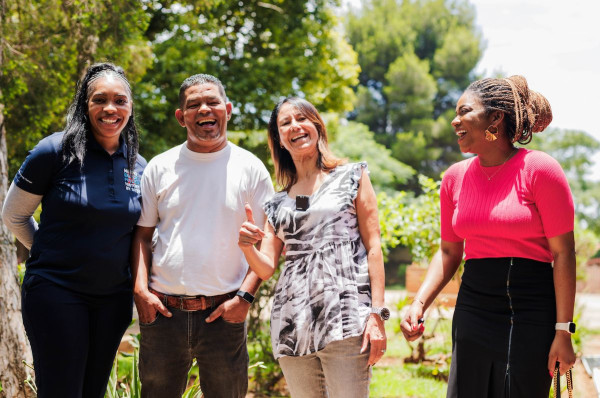
Makanaka Muzuva’s parents are Zimbabwean and cannot afford to pay for her university ambitions

Read moreDunoon top achiever dreams of studying chemical engineering
23 January 2024

Take fraction in the Green Tourism Incentive Programme

Location: News

Take part in the Green Tourism Incentive Programme

The Department of Tourism has invited eligible tourism enterprises to take part in the Green Tourism Incentive Programme’s (GTIP) 9th application window, opening on 25 January until 31 March 2024.

The development of the GTIP was informed by escalating electricity prices, the intensifying pressure on the national energy grid and negative impacts of load shedding, as well as water scarcity and drought conditions which negatively impact the tourism sector.

This programme encourages private sector tourism enterprises to move towards the installation of solutions for the sustainable management and usage of electricity and water resources.

GTIP has already assisted 173 tourism businesses across the country with electricity and water solutions to the total grant value of R104 285 673.

The solutions that were installed as part of this process helped reduce input costs and increase operational sustainability and competitiveness. A further 419 active applications are at various stages of processing, according to the department.

For this financial year, the department has set aside R199 151 179 to disburse to successful GTIP applicants.

The department said it has worked closely with the Industrial Development Corporation (IDC) to develop the GTIP for the sector to ensure an enhanced and uninterrupted visitor experience for tourists. Funding applications and approvals for the GTIP are managed by the IDC.

Eligible applicants are able to qualify for the full cost of a new energy and water efficiency audit or the review of an existing audit.

Furthermore, eligible applicants are also able to qualify for grant funding of between 50% and 90% (capped at a maximum of R1 million per applicant) on the cost of approved solutions that will improve energy and water efficiency and reduce the costs of their tourism operations.

“This programme is one that I am most proud of that the department is able to offer the tourism sector where by going green, tourism establishments are able to offer an uninterrupted visitor experience and ensure that the sector can continue to operate despite energy and water constraints,” Tourism Minister Patricia de Lille said.

“This initiative is also vital to our efforts to adapt and mitigate to the impacts of climate change by helping businesses use water wisely and use clean forms of energy thereby reducing carbon emissions.

“I encourage businesses to apply for this support by the Department of Tourism so that we can keep the tourism sector green,” de Lille said.

The GTIP has yielded many success stories.

Ingrid Young of Cliffhanger Cottage from Rheenendal, Knysna, is one of the guesthouse owners the department assisted with water tanks and installation of solar panels for generating energy as well as pumping water in her establishment through the GTIP.

She confidently said she is now able to accommodate her customers as she can operate her business with ease.

“This programme installed solar panels which is assisting me in heating geysers, cooking as well as pumping of water from the borehole. I am content as my tourism business is now booming, because of the number of bookings I receive,” Mehlomakulu Mehlomakulu from Fort Hook Guesthouse in Phelandaba outside Sterkspruit in the Eastern Cape said, thanking the department.

Anthony Maitland, the owner of Teniqua Tree Tops Guesthouse situated between Thatchfield and Knysna, said: “The water pumping system in my guesthouse as well as frequent load shedding in the area used to be a huge problem until the installation of solar panels which is assisting with the water pumping system as well as curbing load shedding in my guesthouse.

“I am now at ease to operate the business without any fear of energy outages. I can recommend this programme to emerging and existing tourism establishments.”

The GTIP does not only assist in reducing pressure on the national electricity grid and water resources of the country, but also reduce operational input cost and facilitate increased competitiveness and operational sustainability in the tourism sector.

The department said it continues to advance climate action in tourism for the resilience of the sector as well as strengthening adaptive capacity.

For more information or to apply for the GTIP programme visit www.tourism.gov.za. – SAnews.gov.za


Edwin
Tue, 01/23/2024 - 15:23

227 views
Read moreTake fraction in the Green Tourism Incentive Programme
23 January 2024

South Africa: Tourism opens application for Green Tourism Incentive Programme

Location: News

Department of Tourism, Republic of South Africa
Download logo

The Department of Tourism invites all eligible tourism enterprises to take part in the Green Tourism Incentive Programme's (GTIP) 9th application window, opening on 25 January until 31 March 2024.

The development of the GTIP was informed by escalating electricity prices, the intensifying pressure on the national energy grid and negative impacts of load-shedding, as well as water scarcity and drought conditions which negatively impact the tourism sector. This programme encourages private sector tourism enterprises to move towards the installation of solutions for the sustainable management and usage of electricity and water resources.

For this financial year, the Department has set aside R199 151 179 to disburse to successful GTIP applicants. GTIP has already assisted 173 tourism businesses across the country with electricity and water solutions to the total grant value of R104 285 673. The solutions that were installed as part of this process helped reduce input costs and increase operational sustainability and  competitiveness. A further 419 active applications are at various stages of processing.

The Department has worked closely with the Industrial Development Corporation (IDC) to develop the GTIP for the sector to ensure an enhanced and uninterrupted visitor experience for tourists.

Funding applications and approvals for the GTIP are managed by the IDC. 

Eligible applicants are able to qualify for the full cost of a new energy and water efficiency audit or the review of an existing audit. Furthermore, eligible applicants are also able to qualify for grant funding of between 50% and 90% (capped at a maximum of R1 million per applicant) on the cost of approved solutions that will improve energy and water efficiency and reduce the costs of their  tourism operations.

Minister of Tourism, Patricia de Lille said: “This programme is one that I am most proud of that the department is able to offer the tourism sector where by going green, tourism establishments are able to offer an uninterrupted visitor experience and ensure that the sector can continue to operate despite energy and water constraints. This initiative is also vital to our efforts to adapt and mitigate the impacts of climate change by helping businesses use water wisely and use clean forms of energy thereby reducing carbon emissions. I encourage businesses to apply for this support by the Department of Tourism so that we can keep the tourism sector green”. 

GTIP has yielded many success stories. Mr Mpho Marothi from Kgarebana Boutique Guesthouse near KwaMhlanga township in Mpumalanga stated that the solar system which was installed in November 2023, was an early Christmas gift as his establishment was fully booked this festive season. 

“My guesthouse is now able to operate 24-hours without any hassles of loadshedding, because of the solar system which was installed by the Department of Tourism. The solar system assistsin providing power supply for air-conditioning, heating of geysers and other household purposes in my guesthouse and as such, I can recommend the GTIP to emerging and existing tourism  establishments,” said Mr Marothi. 

Ms Ingrid Young of Cliffhanger Cottage from Rheenendal, Knysna, is one of the guesthouse owners the Department assisted with water tanks and installation of a solar system for generating energy as well as pumping water in her establishment through the GTIP. She confidently said she is now able to accommodate her customers as she can operate her business with ease at all times.

Thanking the Department, Ms Maureen Mehlomakulu from Fort Hook Guesthouse in Phelandaba outside Sterkspruit in the Eastern Cape said: “This programme installed a solar system which is assisting me in heating geysers, cooking as well as pumping of water from the borehole. I am content as my tourism business is now booming, because of the number of bookings I receive.” 

The owner of Teniqua Tree Tops Guesthouse situated between Thatchfield and Knysna, Mr Anthony Maitland stated: “The water pumping system in my guesthouse as well as frequent loadshedding in the area used to be a huge problem until the installation of a solar system which is assisting with the water pumping system as well as curbing loadshedding in my guesthouse. I am now at ease to operate the business without any fear of energy outages. I can recommend this programme to emerging and existing tourism establishments.''

The GTIP does not only assist in reducing pressure on the national electricity grid and water resources of the country, but also reduce operational input cost and facilitate increased competitiveness and operational sustainability in the tourism sector. The Department continues to advance climate action in tourism for the resilience of the sector as well as strengthening adaptive capacity.

For more information or to apply for the GTIP programme, visit www.Tourism.gov.za

Distributed by APO Group on behalf of Department of Tourism, Republic of South Africa.

Read moreSouth Africa: Tourism opens application for Green Tourism Incentive Programme
17 January 2024

Four top trends to watch in the African energy sector in 2024

Location: Business
Starsight Energy

As we head into 2024, the renewable energy sector is set to see innovation that will transform the way energy is accessed, stored and deployed across Africa. Paul van Zijl, Group CEO at Starsight Energy (https://StarsightEnergy.com/), discusses 4 key trends that he thinks will profoundly shape the industry over the next year.

Batteries will provide benefits far beyond backup for behind-the-meter projects

One of the most significant shifts in solar technology revolves around the integration of battery energy storage systems (BESS) – especially for behind-the-meter solar (also known as onsite solar). Traditionally, batteries were seen primarily as backup storage when paired with a solar system, ensuring a steady power supply during cloudy days, nighttime or when the grid is unavailable. However, in 2024, the focus is vastly shifting towards load management, where batteries play a dynamic role in optimising energy consumption.

As the trend for the deployment of batteries across the continent grows, cutting-edge management systems will become a key part of solar installations with an integrated battery component. These systems use advanced algorithms to predict energy demand patterns. This allows for the strategic use of battery storage – discharging it during expensive peak times and charging it using solar energy or the grid during off-peak – to reduce the costly demand charges that come with variable tariff structures. Along with enhancing the efficiency of solar systems, integrated battery storage solutions can also contribute to grid stability by reducing strain during high-demand periods.

When it comes to front-of-the-meter (or offsite) storage, BESS is also set to play a bigger role in the deployment of utility-scale renewable energy technology like wheeling - where power is generated at an offsite location (like a solar or wind farm) and transported using the available power network to different off-takers.

In South Africa for example, the national energy provider Eskom announced the deployment of around 343 MW in BESS projects as part of an overall 500 MW BESS initiative aimed at addressing the country's long-running electricity crisis. The systems will be in remote areas (with limited access to Eskom's network) but still close to renewable energy plants built by independent power producers (IPPs).

This collaboration between the public and private sectors supports more widespread deployment of utility-scale power and the adoption of renewable energy projects. By adding battery storage components to the national grid, businesses and consumers can gain quicker access to reliable electricity while the power utility can address peak energy demands more easily. This also ensures that the increasing amount of power generated from utility-scale solar projects can be stored and consumed outside of daylight hours to avoid stranded grid capacity.

Data, banking and tourism: The rise of sustainable off-grid solar solutions

Off-grid renewable energy solutions, including stand-alone systems and mini-grids, offer a unique opportunity to expand modern energy access services. The distributed nature of these systems allows them to be tailored to local conditions, tap into available renewable resources, deliver diverse energy services, and utilise local capacity to ensure long-term sustainability.

We will see a rise in these solutions as more and more commercial and industrial businesses realise the value of effectively moving off-grid. This will be prevalent in three industries:

Data centres: Africa is a global hub for data centres. According to research from African Infrastructure Investment Managers (AIIM), there is around 250 MW of installed data centre capacity across Africa – with the demand for centres in Africa expected to exceed supply by 300% by 2030. These powerhouses of technology rely heavily on a steady and safe electricity supply. From operating to maintaining their vast cooling systems, large data centres simply can't afford the risk of a grid collapse or any possible power interruptions. Power autonomy is the name of the game here, making battery storage a necessity from the get-go. 

Banking: While the prevalence of mobile financial services continues to soar on the continent, there is still a tangible need for brick-and-mortar banks and ATMs in countries where access to these services remains essential. These sites need to remain operational should there be any sort of grid collapse or catastrophic power failures - making an off-grid solution a non-negotiable component of the future of banking in Africa.

Tourism: With the rise of conscious consumerism and eco-tourism, sustainability is fast becoming the differentiating factor for discerning travellers choosing their next holiday destination. Luxury lodges in popular destinations in East and Southern Africa are fast moving towards fully off-grid solar battery operations to offer their guests uninterrupted access to power while boosting the lodge's green credentials in the process.

As more and more businesses become aware of the benefits of off-grid solar, it is likely that we will see an even greater adoption of this technology in the coming year.

Seamless access to renewables through a reimagined aggregation model

We will certainly see a shift towards aggregated solutions, wherein energy providers will consolidate diverse technologies and services into comprehensive packages in 2024. This trend is driven by the recognition that a holistic approach to energy solutions is not only more convenient for consumers but also more effective in optimising energy production and consumption.

This can be done in several ways. For example, trading of electricity in South Africa allows a service provider of solar energy to buy and sell, excess wind energy without having to invest substantial capital expenditure amounts. Similarly, instead of having gas-powered energy compete with renewable energy, the aggregation model will also allow providers of such services to aggregate their energy solutions and provide the client with a holistic offering. The goal is to provide consumers with a seamless and integrated final product that maximises the benefits of renewable energy across various aspects of their daily lives. The real value for customers lies in a collaboration of providers who can meet their specific needs and power the entire energy lifecycle.

Tackling complexities through an increasingly consolidated sector

As the solar industry matures, a trend towards consolidation will become increasingly evident in 2024. Larger energy companies will consider merging or acquiring smaller players, creating more robust and diversified entities. This consolidation is driven by the desire to achieve economies of scale, increase market share, and foster innovation by pooling resources and expertise.

Consolidation in the industry is not limited to manufacturers but extends to service providers, research and development firms, and energy management companies. By joining forces, these entities can tackle the complexities of the evolving energy landscape more effectively, driving down costs and accelerating the adoption of alternative energies across the continent.

This trend is fostering the emergence of holistic service providers capable of providing end-to-end solutions that address the diverse needs of businesses, consumers and communities. Our recent market-milestone merger between Starsight Energy (https://StarsightEnergy.com/) and SolarAfrica (https://SolarAfrica.com/) is a case in point. Customers in Eastern, Southern and Western Africa can access our comprehensive mix of cost-effective solutions that provide power security and carbon reduction. These include solar energy, battery storage, wheeling, and energy management, among others.

The future is bright. If 2023 was anything to go by in terms of transformation for the energy sector, 2024 will be marked by accelerated innovation and a collective commitment to harnessing the full potential of renewable energy that holds the promise of a more resilient, more sustainable, and more tightly connected energy future for Africa.

Distributed by APO Group on behalf of Starsight Energy.

Media files
Starsight Energy
Download logo
Read moreFour top trends to watch in the African energy sector in 2024
17 January 2024

Neosun Energy Expands to South Africa to Bolster Business Operations

Location: News
Neosun

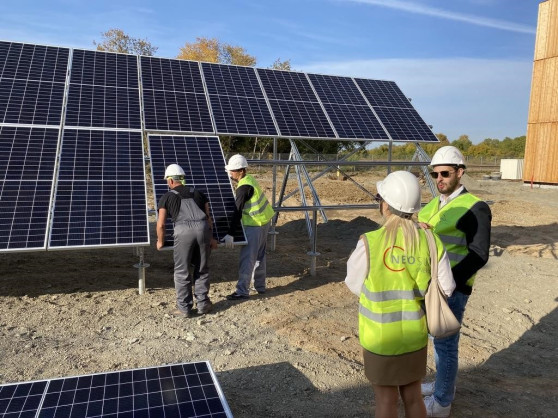
Neosun Energy (https://Neosun.com/), a Global Solar Energy company focused on construction of solar power stations and battery storage solutions has recently ventured into the South African market. This move aims to provide commercial solar panels and energy storage solutions with capacities ranging from 200kW to 10MW for commercial and industrial projects (C&I) not only in South Africa but worldwide.

The entry comes at a critical time as businesses face heightened energy access issues due to load shedding and driven by soaring electricity and fossil fuel costs, along with the persistent challenge of numerous off-grid areas in Africa lacking energy access.

Known for its global outreach, Neosun has already extended its services or components to 16 countries encompassing CIS, Africa, the Middle East, and Latin America. With significant contracts under its belt from reputable clients like Allianz, Adidas, CBN and Polymetal, Neosun has established itself as a force to reckon with in the solar energy sector.

"Thousands of enterprises in Africa are unable to fulfill business operations and are bearing financial losses due to the limited access to the grid. Such solutions as solar PV stations and energy storages are the means to resolve these issues.   - says Ilya Likhov, the CEO of  Neosun. - The surge in renewable energy investment to $495 billion in 2022, juxtaposed against the $371 billion in oil and gas, reflects a global shift towards sustainable energy solutions. Neosun's venture into South Africa is a step towards mitigating business losses incurred due to electricity scarcity and propelling the region towards a sustainable energy future."

Targeting primarily small and medium enterprises (SMEs), Neosun's expansion into South Africa, and ongoing negotiations in other African countries and regions, underscore its commitment to bridging the energy gap. The focus industries include manufacturing, warehousing, shopping malls, commercial offices, mining & industrial facilities, and pharmaceuticals. The South African market, hit hard by electricity shortages leading to business losses exceeding $13 billion in 2022, presents a significant opportunity for Neosun to make a positive impact.

Neosun carries out solar projects worldwide, focusing on remote African regions where such initiatives provide electricity to enterprises and settlements, changing lives. For instance, a recent project in a Kenyan village involved a 300kW capacity system for a local workshop, which allowed the business to extend operational hours and double its income by running two shifts. The installation also generated 600,000 kWh of energy, enabling sales of excess electricity to nearby areas. This created an additional income source for the village, illustrating the transformative effect of Neosun's solar solutions for local economies in off-grid locations.

Distributed by APO Group on behalf of Neosun.

About Neosun:                                                                
Neosun Energy (https://Neosun.com/) is an international Solar EPC company that provides Commercial Solar PV & Energy Storage Solutions (ESS) with capacity from 200kW to 10MW for Commercial and Industrial projects Worldwide. The company constructs solar power plants and energy storage systems (ESS) on a turn-key basis, covering all stages of construction including design, equipment supply, construction, and commissioning. The company has implemented solar PV projects in 16 countries worldwide.

Media files
Neosun
Download logo
Read moreNeosun Energy Expands to South Africa to Bolster Business Operations
5 January 2024

African Energy Chamber Lights Up Willow Crescent Secondary School, Empowering Students with Sustainable Energy

Location: News
African Energy Chamber

In a move to address challenges faced by African children and their schools posed by power outages and no access to power, the African Energy Chamber (AEC) (http://www.EnergyChamber.org) has embarked on a transformative initiative that will see it provide, together with partners, off-grid solutions to thousands of schools across Africa. The program's pilot phase kicked off with the provision of a solar power system to Willow Crescent Secondary School in Eldorado Park, Johannesburg. Qualifying schools and projects must demonstrate an unwavering commitment to sustainable energy solutions and community empowerment.

The African Energy Chamber is a leading energy advocacy group dedicated to addressing energy poverty in Africa by 2030 by encouraging investments in the entire African energy value chain.

The AEC's donation of solar panels stands as a beacon of hope, ensuring a consistent and reliable power supply for the 1700 students, school, and staff of Willow Crescent Secondary School. This initiative directly addresses the critical need for uninterrupted electricity access during outages, guaranteeing an uninterrupted learning environment for young South African boys and girls.

"We express our deepest gratitude for the invaluable donation of solar panels, as during stage four of load shedding, our school heavily relied on a small generator, costing us between 1000 and 2000 rands in petrol just to power our admin block—an expense the school could not bear," said Olivia Hill, principal of Willow Crescent Secondary School.

Load shedding has become a major issue in South Africa, causing power outages for hours at a time.

Beyond the confines of the school grounds, this project will significantly impact the Eldorado Park community. By providing a dependable power source to a local educational institution, which is at the center of the entire community's wellbeing. This project not only provides a reliable power source for educational activities but also marks a step towards a more resilient and empowered community. The consistent electricity supply will markedly enhance the student's educational experience, creating boundless opportunities for growth, innovation, and a brighter future for the students and the community at large.

"As the African Energy Chamber, we are committed to fostering innovation and sustainable solutions. It is our goal to actively contribute to the development of communities through impactful initiatives. We are particularly committed to promoting sustainable access to power for young boys and girls in education." said Ms. Oneyka Cindy Ojogbo, a board member at the African Energy Chamber.

Distributed by APO Group on behalf of African Energy Chamber.

For media inquiries or further information, please contact:
news@energychamber.org

Media files
African Energy Chamber
Download logo
Read moreAfrican Energy Chamber Lights Up Willow Crescent Secondary School, Empowering Students with Sustainable Energy
3 January 2024

BA Systems Will Keep Our Precious Energy Resources

Location: MyPR

Embracing the Power of C-Bus, EcoXpert and Beyond In a world where energy conservation is becoming increasingly important, building management and automation systems have emerged as superheroes, ready to save the day (and the planet!). These systems, like the renowned C-Bus, offer a range of benefits that go beyond mere convenience. They have the power to …

Read moreBA Systems Will Keep Our Precious Energy Resources
2 January 2024

How Building Management/Automation Systems Can Keep Precious Energy Resources

Location: MyPR

7 Reasons Why You Need BA Systems Building Management/Automation Systems, such as C-Bus, have revolutionized the way buildings are managed and operated. These systems utilize advanced technology to automate various processes and optimize energy consumption. In this article, we will explore the benefits of Building Management/Automation Systems like C-Bus in saving precious energy resources. By …

Read moreHow Building Management/Automation Systems Can Keep Precious Energy Resources
17 December 2023

Building Capacity for Africa’s Renewables Sector

Location: News

African Energy Chamber
Download logo

By NJ Ayuk, Executive Chairman, African Energy Chamber (www.EnergyChamber.org)

Consider this paradox: Nigeria has achieved the largest economy in Sub-Saharan Africa, but 45%, or about 85 million, of its residents still live without electricity. Across Sub-Saharan Africa, that figure looms to 600 million.

I believe renewable energy is part of the solution to this dilemma — both in Nigeria and throughout the sub-continent. But there are several hurdles to be cleared before wind, solar, hydrogen, and other clean energy sources can provide the same economic benefits that natural gas — the other part of the solution — already offers. One of those hurdles will be preparing domestic workforces for employment and leadership in the growing renewable energy sector.

We are seeing movement in that direction. In Nigeria, for example, global renewables-promoting nonprofit, RMI, is providing technical training in partnership with four Nigerian energy distribution companies, two developers, and vocational training schools such as RMI's Energy Transition Academy and the Lagos Energy Academy. Aimed at producing leaders and energy entrepreneurs, the Nigerian Cohort of RMI's Global Fellowship Program, started in 2022, uses online learning and in-person experiences to develop leaders who know how to produce and employ solar PV, battery storage, and microgrid technologies.

We will need many, many more efforts like this for Africans to fully reap the economic benefits of our energy transition. For that to happen, more investment capital must be attracted for curriculum development, to support training efforts, and to help fledgling renewable businesses find their footing.

This is a critical topic, one that deserves attention at the 2023 United Nations Climate Change Conference (COP28) that is now underway and beyond.

Africa Must be Proactive in Building Capacity

The International Energy Agency (IEA) has predicted that 4 million new renewable energy jobs will be needed in sub-Saharan Africa by 2030 to meet 2050 net-zero goals. But it is not a given that those positions will be filled by Africans, especially if we rush forward with our transition from fossil fuels to renewables, as many wealthy nations and environmental groups are demanding.

Currently, there is a significant shortage of qualified human resources — people educated and prepared to take advantage of the opportunities for employment and entrepreneurship that renewables offer.

What's more, only 76,000 renewable energy jobs have been created in Africa, less than 1% of 10.3 million globally. That means the vast majority of Africans have absolutely no experience, or hands-on opportunities to develop skills, in green energy.

Education is Key

Turning this situation around begins with investing in and emphasizing the importance of science, technology, engineering, and math (STEM) education at all levels in Africa.

African governments will need to do their part by driving improvements in all-around education in science and technology and green energy vocational programs.

Government policies should also provide advantages to attract private-sector visionaries and incentivize public-private collaborations that foster the education and training of Africans for career-level, leadership positions in the renewables sectors.

Africa's renewable energy sector is growing. That reality is a mixed blessing because of the shortage of homegrown, trained professionals able to create, construct, and run renewable projects. We do, however, have an advantage — our large, youthful demographic.

Many of our young people need jobs, and many more soon will. If we can put together partnerships among governments, learning facilities, and private industry, we can train our youth for careers in renewable technologies that offer them brighter futures.

We should be building on the examples of the promising educational opportunities that are available for African students who want to build a career in renewable energy. Here is a sampling:

  • A German-African partnership, the Atlas of Green Hydrogen Generation Potentials in Africa, states, “Green hydrogen offers a real chance to launch a development in Africa which is driven by African countries themselves.” As part of the effort, a master's degree program in green hydrogen technologies was begun in 2021. Students from all 15 countries of the Economic Community of West African States (ECOWAS) may apply. Universities in Cote d'Ivoire, Niger, Senegal, and Togo host the program.
  • Another German government initiative, Green People's Energy for Africa, “supports vocation training institutes and technical universities to offer new and improved practical training modules for professionals” as well as other methods for skills development in renewable energy technology.
  • An EU-US cooperative agreement supports sub-Saharan Africa's just transition to green energy. Working at the regional and national levels, efforts include empowerment of women in the sector, knowledge sharing to provide technical assistance, and the leveraging of investments by the private sector.

Another Opportunity: Green Hydrogen

Surveying the renewables horizon, there is general agreement that decarbonizing all the world's economic sectors won't be possible without the use of green hydrogen — for feedstock, fuel cell technology, and electric vehicles.

The demand for this clean and adaptable fuel, produced with renewable energy sources, compounds the need for a trained renewable energy workforce.

Green hydrogen presents both a large opportunity and a large challenge for African nations. With its massive area and plentiful solar and wind resources, Africa could potentially be producing about 10% of the world's green hydrogen by 2030. But there is an “if” attached to that projection.

If African states strategize and invest now to develop a green hydrogen workforce, they can be ready for the coming wave of green hydrogen development and utilization. Hydrogen learning opportunities should be made available from the high school level upward as part of comprehensive skills plans for developing a prepared workforce.

With forethought and smart implementation, young Africans can be readied to lead the way in bringing the benefits of green hydrogen to their communities. In the process, job shortages can be mitigated as these young employees put their skills to work in the production, storage, and transportation of green hydrogen.

More African countries should be taking measures to ensure their people and businesses capitalize on green energy opportunities. And these must not stop with education and skills training; we also need local content measures to help ensure our residents benefit from renewable power projects and facilities operations.

Ensuring Strong Local Content Policies

Just as local content rules continue to function as vital safeguards in African oil and gas operations, they will be tremendously important in the renewables sector, both for individuals and for businesses. As I've stated in the past, every nation needs to create a framework that empowers indigenous companies to fully capitalize on renewable energy opportunities.

There are times when power needs may justify temporary modifications to these policies. As an example, South Africa's National Energy Crisis Committee (NECOM), early this year, relaxed its local content rules for the construction of solar modules. Easing local employment requirements from 100% to 30% for local component production is meant to facilitate quicker deployment of solar projects, and hopefully, help alleviate the country's crippling power outages.

Power supply levels and other factors show the need to perform a balancing act when writing local content rules. Those other factors include the supply of current local skilled workers and infrastructure. We don't want to discourage developers, so we need appropriate, tailored local content regulations.

One reasonable approach is the one taken by Kenya, where guidelines requiring contractors to formulate a local content plan have been drafted. These plans must include training, succession, jobs, technology transfer, R&D, legal, financial, and insurance issues. This approach places the “ball” in the “court” of each project's contractor, allowing for their input in local content formulation.

A similar policy has been enacted in Nigeria. The local content policy is part of the government's Electricity Act 2023. It requires the Nigerian Electricity Regulatory Commission (NERC) to provide for local content participation involving employment, production, and assembly of components for solar PV, deep cycle batteries, and the electro-mechanical parts of SHP technology, wind boilers, and some turbines.

The act goes further, requiring contractors, sub-contractors, and licensees involved in renewable energy to include local content in all their related activities.

If widely enacted across the continent, similar local content rules can work hand-in-hand with training efforts to ensure Africans benefit from renewable energy development — through employment and the growth of their economies.

We are seeing promising movement in the effort to address Africa's skills gap, but we need many more programs, and we need them now. African countries and energy industry stakeholders should be doing everything possible to support these efforts, so Africans don't miss out on renewable energy industry opportunities.

Distributed by APO Group on behalf of African Energy Chamber.

Read moreBuilding Capacity for Africa’s Renewables Sector
14 December 2023

Poverty and Progress: An Update on African Energy

Location: News
African Energy Chamber

By NJ Ayuk, Executive Chairman, African Energy Chamber (https://EnergyChamber.org).

In an era when such futuristic technologies as artificial intelligence, robotics, and quantum computing are here or on the horizon, almost half of sub-Saharan Africans — more than 600 million people — lack the electricity to heat, cool, or light their homes.

This energy poverty impedes nearly every aspect of life for this population, from conducting business and educating their children to deterring crime and providing healthcare.

Even in some well-electrified African nations such as Ghana, Gabon, and South Africa, the supply is inadequate and often unavailable.

As the African Energy Chamber (AEC) put it in our newly released The State of African Energy Outlook Report 2024, “Access to electricity in Africa is still a dream to millions of Africans.”

Our report gives compelling evidence to back this statement, providing statistics that show, among other things, that energy poverty is markedly deeper in sub-Saharan Africa (SSA) than in the rest of the continent.

Our report is sobering, but not without hope. It also provides a positive look toward the future, including energy developments likely to improve electrification rates in SSA and move its countries' citizens closer to the universal access they dream of. The key to delivering energy to more Africans will be using both renewables and fossil fuels.

The Statistics and What's Behind Them

Our report's numbers tell the story of just how much SSA, in particular, is still affected by energy poverty.

In contrast with most of the world, where electrification rates improved during the COVID-19 pandemic, SSA's worsened, as its percentage of the world's population lacking electricity grew from 71% in 2018 to 77% in 2020. Statistics compiled in 2020 showed sub-20% levels of electricity access in up to eight countries across the region.

While the education and business sectors suffer greatly from energy poverty, it is perhaps most acutely felt in the health sector, where medical equipment and procedures require electrical power.

Complicating the health impacts still further, households without electricity are often forced to use unhealthy fuels like wood, coal, or kerosene to cook and heat, producing indoor air pollution that leads to respiratory problems and other ailments.

In contrast to the 90%-plus electrification rate found in some North African countries, which is allowing them to decrease reliance on fossil fuels, electricity access in SSA is only about 55%, and a closer look at that number reveals it is driven by urban rates of close to 80%, while rural areas lag far behind with only about 33%, leaving two-thirds of residents in the dark.

In a nutshell, SSA has a lot of catching up to do to achieve the levels of access to electricity enjoyed by most of the world. Although the region has doubled the average rate of access since 2000, its current rate of just over half of the region's population is miniscule compared to the 90% global rate and the 80% North African rate.

As I said, even in SSA countries where electrification rates are quite high, such as Ghana, Gabon, and South Africa, load shedding presents a daily practical problem for people who must anticipate power outages. In South Africa, for instance, this type of staged rationing has been used every day this year by the power utility, Eskom.

Already in 2023, there has been more load-shedding in South Africa than in all of 2022, and outages are lasting longer — up to 12 hours daily — with a predictable disabling effect on economic development.

Meanwhile, the country's chasm between supply and demand only continues to expand.

Changes in Progress: South Africa as a Case in Point

The South African government is taking a proactive approach to the regulatory side of improving energy supply, shortening timelines for obtaining environmental authorizations and grid approvals.

It is also working to obtain and use USD98.7 billion in investment capital over the next five years for its Just Energy Transition Investment Plan (JETIP), a framework adopted in 2022 that outlines the country's strategic priorities for investment during climate transition.

A major thrust of JETIP is replacing the use of coal, which currently supplies over 80% of South Africa's power, with renewable energy, expected to grow from a current 11% of the power supply to 20% by the end of this decade and to over half of the supply by 2050.

Contributing to those numbers, Eskom-built renewables projects are slated to go live this year in Lethabo and Sere, and the utility will soon start building solar and battery storage facilities at Komati Lethabo and Majuba for a total of 2.8 gigawatts (GW) of new renewables capacity.

Of the total projected electricity capacity, solar, and wind are expected to drive almost 50% with fossil fuels adding up to a 10th of total projected capacity.

Implications for the Continent

These power-related statistics for South Africa—a country better positioned than many Sub-Saharan nations regarding electricity—show that the country, and therefore the continent, needs gas-to-power and battery storage along with wind and solar.

South Africa's numbers highlight a major point made in my recent book, “A Just Transition: Making Energy Poverty History with an Energy Mix,” — that, while the rest of the globe deals with the threat of devastating climate change, Africa must deal with two major challenges at once: the threat of climate change and debilitating energy poverty.  

Even as Africa works to support global efforts to prevent a climate crisis, we must embrace every solution available to us, including using our continent's vast natural gas reserves: totaling more than 800 trillion cubic feet. Not only is gas plentiful, but it's also the cleanest fossil fuel; producing it contributes to job creation and economic growth; and it can be monetized to help pay for energy infrastructure.

The “bottom line” is that Africa still needs to use its natural gas, and more of it, to deliver a much-needed increased supply of energy to its people.

Download The State of African Energy 2024 Outlook report: https://apo-opa.co/3QLEoHd

Distributed by APO Group on behalf of African Energy Chamber.

Media files
African Energy Chamber
Download logo
Read morePoverty and Progress: An Update on African Energy
13 December 2023

Stage Zero launches alternative energy solutions to free South Africans from load shedding

Location: MyPR

Stage Zero launches alternative energy solutions to free South Africans from load shedding Tipping the balance of power to reduce grid pressure Johannesburg, 13th of December 2023: Stage Zero, an independent power provider in South Africa, has launched a range of reliable, sustainable and affordable energy solutions to alleviate grid pressure and load shedding frustration …

Read moreStage Zero launches alternative energy solutions to free South Africans from load shedding
12 December 2023

Seeds for a better 2024 believe been sown – President Ramaphosa

Location: News

Seeds for a better 2024 have been sown – President Ramaphosa

Although South Africa continues to face challenges from various quarters, the ground work for a better 2024 has been laid.

This is according to President Cyril Ramaphosa who addressed the nation through his weekly newsletter.

The President acknowledged that 2023 has been a testing year for the country – with intense load shedding, Transnet’s challenges and a sluggish economy being just some of the worst challenges faced.

“Our economy has been weighed down by international events, including the ongoing Russia-Ukraine conflict and instability in the global economy. Like many across the world, South Africans have faced a substantial rise in the cost of our living. Our post-COVID recovery has been held back by continuing load shedding and inefficiency at our ports and railways.

“Yet, even in these circumstances, companies have continued to invest in our economy. At the fifth South Africa Investment Conference earlier this year, we surpassed our target for new investment commitments over five years. Our economy has grown, albeit too slowly and far below its potential. The number of people in employment has returned to pre-COVID levels, but jobs are still not being created fast enough to reduce levels of our unemployment,” he said.

President Ramaphosa conceded that the electricity crisis is “currently the main threat to our country’s progress”.

However, the work of the Energy Action Plan – launched in July 2022 – is beginning to show results, “giving us greater confidence that we will bring load shedding to an end”.

“While we experienced some of the worst load shedding ever in the first few months of the year, there has been a measurable and steady decline in the severity of load shedding over the last few months.

“Although electricity supply is still not stable, as we experienced in the last few weeks, the overall trend is towards less severe load shedding. Damaged units at the Kusile power station have been returned to service ahead of schedule and plant maintenance has received close attention.

“What gives us hope for even further improvements is the progress that has been made in bringing new electricity generation online. Regulatory reforms we have initiated have enabled a massive increase in private investment in electricity generation, with over 12 000 MW of confirmed projects in development. Following the introduction of tax incentives and financing mechanisms, the amount of installed rooftop solar has more than doubled to over 4 500 MW in the last year,” he said.

Tackling challenges

President Ramaphosa listed several interventions and measures that have been taken to address the country’s challenges including:

  • Government working closely with Transnet, industry and other social partners to relieve congestion at ports and increase the volumes of freight being carried on key rail corridors
  • Significant infrastructure projects in areas including social housing, road construction, rural bridges and dams which contribute to greater economic activity and provide much-needed infrastructure for economic growth and the needs of citizens
  • Undertaking reforms in other areas to improve the competitiveness of the economy in areas such as proceeding with the digital migration of broadcasting service to free up broadband spectrum and reduce the cost of data
  • The continuation of the special Social Relief of Distress grant introduced during COVID-19 which has kept millions of people out of poverty

On employment, President Ramaphosa said the Presidential Employment Stimulus has created work and livelihood opportunities for some 1.2 million people.

He added that breakthroughs have been made in combatting crime with governance improvements also recorded.

“The SAPS’ economic infrastructure task teams have made important breakthroughs and arrests for illegal mining, cash-in-transit hikes, cable theft, drug smuggling and similar crimes. We have recruited and trained thousands of new police personnel to further strengthen the fight against crime.

“We are implementing legislation to build a more professional, ethical and capable public service. There has been important progress in other areas, including towards the introduction of a National Health Insurance to ensure greater equity in the provision of health care,” he said.

The President said that while “times are still tough” much progress has been made but there is “still some way to go”.

“What is most important is that we have done much of the ground work needed to put our economy on a path of faster growth and job creation. By working together, by staying the course, we have used the last year to lay the basis for a better 2024.

“On Friday this week, we will mark a special public holiday to celebrate the historic victory of the Springboks in the Rugby World Cup. Their victory, alongside many other achievements by South Africans on the global stage, is a reminder of our country’s tremendous strengths and the promise that it holds.

“Let us come together on Friday to remind ourselves of everything that we love about South Africa. Let it be a day of hope, celebration and unity. I wish all South Africans a safe, peaceful and restful festive season as we all prepare for a successful new year,” President Ramaphosa concluded. – SAnews.gov.za

NeoB
Tue, 12/12/2023 - 11:14

373 views
Read moreSeeds for a better 2024 believe been sown – President Ramaphosa
11 December 2023

Exploring the Vibrant Apartment Market in Cape Town

Location: MyPR

Introduction Cape Town, South Africa’s picturesque coastal city, is renowned for its stunning landscapes, rich history, and vibrant culture. This allure extends to its real estate market, particularly in the realm of apartments. This blog delves into the varied aspects of Cape Town’s apartment scene, offering insights for potential buyers. Diverse Neighborhoods Cape Town boasts …

Read moreExploring the Vibrant Apartment Market in Cape Town
11 December 2023

Africa’s Top 100 Business Opportunities to Watch in 2024

Location: Business
Activator HQ

Despite rising food and fuel costs, weakening currencies, climate change effects, security threats, political instability, rolling power cuts, infrastructure limitations, and several economic and social challenges, Africa will be one of the fastest-growing regions in 2024.

That's one of the key findings in the 2024 edition of the Top 100 Business Opportunities in Africa to Watch (https://apo-opa.co/47PmhYd), an annual selection of the continent's most lucrative business ideas and investment opportunities curated by Activator HQ.

Following two years of slow post-COVID recovery, 2024 presents several interesting opportunities for business startup and growth in Africa. While Nigeria, South Africa, Egypt, Kenya and countries across the continent offer unique opportunities and challenges for new business and investment, economies like Senegal, Ethiopia, Tanzania, Cote d'Ivoire, Rwanda, Burkina Faso, The Gambia and Benin could grow by more than 6% in 2024, twice higher than the global growth of 2.9% projected by the International Monetary Fund (IMF).

The Africa Top 100, now in its 7th year, identifies specific business ideas and investment opportunities in over 30 growth markets, industries, value chains, and underserved niches across Africa. Each opportunity in the Top 100 is selected based on their relevance to local market needs, lucrativeness, competitive superiority, export potential, and innovation.

“The new edition, which is the outcome of months of research and analyses that considered dozens of value propositions, market trends, demand-supply gaps, and business models across Africa, only consists of opportunities that have a minimum total addressable market value of $100 million,” said John-Paul T. Iwuoha, Founder and CEO of Activator HQ. “It is interesting to see from our 2024 selection that more business ideas and investment opportunities in Africa are actually borne from unmet market needs, difficult but highly-rewarding problems, and the megatrends we have identified that are currently shaping the continent (https://apo-opa.co/46Sd4gb).”

As a developing region, Africa's deficits in food security, housing, finance, education, energy and other critical areas are inspiring innovative solutions, products, and services from a growing number of startups and growth-stage businesses on the continent. In essence, for entrepreneurs in Africa, problems are actually opportunities to unlock market value and create compelling value propositions.

“Our mission at Activator HQ (www.ActivatorHQ.com) is to make it easier and faster for entrepreneurs to start and grow businesses in Africa. That's why our selection of business ideas features inspiring examples of real entrepreneurs, startups, and companies in Africa that are getting results and making impact on the ground,” Iwuoha said. “To reduce the barriers to startup, we have also developed bespoke and professionally-crafted business plans (https://apo-opa.co/470U6Ew) that can be downloaded and used to raise funding or guide the execution of a specific business idea.”

Highlights from Activator HQ's 2024 Africa Top 100 Guide:

  • The food sector remains a multi-billion-dollar growth opportunity for the continent. The Africa Top 100 features several business ideas across the food value chain, from agricultural production to processing, marketing, and services in local and export markets.
  • The digital economy presents a $180 billion opportunity for Africa by 2025. With the world's youngest population, digital skills training and outsourcing is a strategic but underexplored market gap that brims with innovative ideas for new businesses and investments in Africa, particularly for high-demand skills like cybersecurity, data analytics, digital marketing, and software development.
  • The circular economy: recycling of waste, such as generating electric power from landfill waste, recovering scrap metals for reuse, and processing municipal wastewater into potable freshwater, hold interesting business and investment opportunities that could, conservatively, inject an additional $8 billion into the African economy according to the United Nations Environment Programme (UNEP).
  • The energy value chain is rich with opportunities for Africa. The combination of climate change effects, rising renewable energy penetration, and soaring energy prices precipitated by the Russia-Ukraine war has created market gaps and opportunities for more African gas supplies to Europe. There are also opportunities for local substitution of cooking fuels like firewood and charcoal with natural gas, and solar power applications for cold chain solutions.
  • Financial services remain one of the fastest-growing and most lucrative sectors in Africa to watch in 2024. While payments and consumer finance usually get most of the attention, niche opportunities like diaspora investment funds and female-focused finance are spotlighted in the latest Africa Top 100 guide.

“I am very proud of the meticulous work the team has put into the 2024 edition of the Africa Top 100,” Iwuoha continued. “In contrast to the mainstream stereotype of Africa as a ‘poor continent', the impressive ideas in this guide show the sheer abundance of opportunities in Africa for new businesses and investments. The spirit of entrepreneurship is bursting with energy on the continent and I am optimistic that many of the ideas in our 2024 edition will inspire new businesses, products, projects, investments, and income streams in the new year.”

The Top 100 Business Ideas in Africa to Watch in 2024 is available on the Activator HQ website at https://apo-opa.co/41hkLvm.

Distributed by APO Group on behalf of Activator HQ.

Media contact:
John-Paul Iwuoha
jp@activatorhq.com

For more information about Activator HQ, visit:
Website: www.ActivatorHQ.com
Twitter: https://apo-opa.co/46Np8iY
Facebook: https://apo-opa.co/3uRABAT
LinkedIn: https://apo-opa.co/3NowFxL
YouTube: https://apo-opa.co/3NqTmkT

About Activator HQ:
Founded in 2013 as Smallstarter Africa and relaunched on its 10-year anniversary, Activator HQ is a market intelligence and capacity development firm that supports Africa-focused entrepreneurs with the insights, training, and guidance they need to succeed in the continent's promising but difficult markets. In the last decade, Activator HQ has trained over 30,000 entrepreneurs and business owners on startup and market entry strategy, fundraising, sales and growth strategy, business modelling, and turnarounds. Its list of clients and partners includes the Staff Cooperative Societies of Nigeria LNG and Total Exploration & Production (Nigeria), the SUN Business Network, the Roddenberry Foundation, and the African Women Innovation and Entrepreneurship Forum (AWIEF), among others.

Media files
Activator HQ
Download logo
Read moreAfrica’s Top 100 Business Opportunities to Watch in 2024
5 December 2023

Season’s Cleanings: Procure Your Home Ready For The Holidays

Location: MyPR

In homes across the country, many South Africans are preparing for the traditional spruce-up ahead of the festive season. Our teens may roll their eyes as we cajole them to take down the curtains, but we just like to start the new year with a clean slate. It’s as much in preparation of welcoming family …

Read moreSeason’s Cleanings: Procure Your Home Ready For The Holidays
5 December 2023

First buyers seize ownership at KZN South Coast’s exciting recent eco-estate development

Location: MyPR

Real estate on the KZN South Coast holds major potential for keen investors looking for a quality coastal property at unbeatable value for money. This is fast being realised as local and international buyers are investing in a number of catalytic property developments in the region. One such example is the R800m Serenity Hills eco-estate, …

Read moreFirst buyers seize ownership at KZN South Coast’s exciting recent eco-estate development
5 December 2023

Ayanda Masengemi brings his passion for community to the Serenity Hills team

Location: MyPR

When his family relocated from Pietermaritzburg to the KZN Mid-South Coast in the middle of his high school career, Ayanda Masengemi didn’t realise the profound impact this move would have on his future trajectory. True to his nature, Ayanda continued to work hard and excel, finishing as one of the top students in his class …

Read moreAyanda Masengemi brings his passion for community to the Serenity Hills team
5 December 2023

EcoFlow Powers Up the Holidays: Hold Portable Power on Your Festive Journey in December!

Location: News
EcoFlow

EcoFlow (www.EcoFlow.com), a leading provider of sustainable energy and lifestyle solutions, is amping up lights for the festive season with a chance of saving up to R37,999 throughout December. As families gear up for the holidays, EcoFlow invites you to power your celebrations with these gift ideas below, highly recommended for those who love outdoor life and care about sustainability!

EcoFlow DELTA 2: Best-Selling Portable Power Station for Family Gatherings

The DELTA 2 portable power station is perfect for those looking for backup power, especially for your holiday gatherings. With an expandable capacity of 1-3kWh and rated output of 1800W, it can power up to 13 devices, including refrigerators, telephones and even electric hobs for extended periods. Thanks to X-Stream technology it can be recharged in just 80 minutes, allowing you to always have the necessary energy available during the unpredictable period of load shedding.

EcoFlow DELTA 2, Promotional at R17,999 | Save R7,000 (https://apo-opa.co/3t4KmuS)

EcoFlow RIVER 2 Series: Compact Powerhouse for On-the-Go Adventure Lovers

With a weight of just 3.5 kg and a capacity of 256Wh, RIVER 2 is the ideal choice for outdoor activities. RIVER 2 Max, the bigger sister of the RIVER 2 series family, offers a capacity of 512Wh and a rated power of 500W. With X-Stream fast-charging, RIVER 2 Series can be fully recharged in just one hour, allowing you to always be ready for any excursion, even unplanned ones. With four different charging modes, from fast AC to in-car charging, you never run the risk of running out of energy.

The elegant and compact design makes them easy to transport for those who love spending their days camping or simply outdoors. Thanks to the LFP battery cells, these RIVER 2 Series and DELTA 2 power stations guarantee a life of 10 years with 3,000 cycles, being the trustful and powerful companion for next ten festive seasons.

EcoFlow RIVER 2, Promotional at R3,999 | Save R3,000 (https://apo-opa.co/3sTZV8N)
EcoFlow RIVER 2 Max, Promotional at R7,999 | Save R5,000 (https://apo-opa.co/3TsFL0v)

EcoFlow Solar Panels: Effectively Harness the Power of the Sun

EcoFlow portable solar panels are the right gift for those who want to generate sustainable energy both outdoors and at home. Thanks to the two-in-one double-sided design, innovative EcoFlow 220W bifacial portable solar panels are capable of capturing up to 25% more solar energy. Lightweight, easy to transport and equipped with weather-resistant materials, when combined with EcoFlow's portable power stations, they generate clean energy anywhere and everywhere and are the perfect holiday gifts for those who care about the environment and keep an eye on the bill.

EcoFlow 220W Solar Panel, Promotional at R9,999 | Save R1,500 (https://apo-opa.co/4a3DFtD)
EcoFlow RIVER 2 Max + 220W Solar Panel, Promotional at R13,999 | Save R10,499 (https://apo-opa.co/46OB4kq)

EcoFlow Wave Portable Air Conditioner: Keep the Heated Celebrations Cool

EcoFlow understands that festive celebrations can get heated, and that's why Wave Portable Air Conditioner will be a spotlight this summer. Ecoflow Wave isn't just portable; it blasts out 4000BTU's worth of cooling thanks to its inverter compressor too. That's the most powerful air conditioner of its size. The Ecoflow Wave can run for 3 - 12 hours depending on the battery you use. Keep your gatherings cool and comfortable with this innovative portable cooling solution. With easy setup and energy efficiency, the Wave Portable Air-conditioner is the perfect addition to your holiday wish list.

EcoFlow Wave + Add-on Battery, Promotional at R23,999 | Save R14,000(Exclusive on December 18)(https://apo-opa.co/46ZkoqJ) 

Get the festive gift of power and sustainability on EcoFlow's official website (https://apo-opa.co/46Zkkat) or Takealot (https://apo-opa.co/3QXcqIn). Elevate your celebrations, stay connected, and make unforgettable memories, all while enjoying substantial savings on EcoFlow cutting-edge power solutions.

Distributed by APO Group on behalf of EcoFlow.

Media Contact:
Orange Lin
EcoFlow Communications Manager, South Africa
orange.lin@ecoflow.com

About EcoFlow:
EcoFlow is a leading eco-friendly energy solutions company with the vision to power a new world. Since its founding in 2017, EcoFlow aims to become a reliable and trusted energy companion for individuals and families across the world, providing accessible and renewable power solutions at home, outdoors, and in mobile spaces. Today, with operational headquarters located in the USA, Germany, and Japan, EcoFlow has empowered more than 2.5 million users in over 100 markets worldwide.

Media files
EcoFlow
Download logo
Read moreEcoFlow Powers Up the Holidays: Hold Portable Power on Your Festive Journey in December!
4 December 2023

Hohm Energy Unveils “Light Up Your Holidays with Solar Man and Hohm Energy” December Campaign

Location: MyPR

In an exciting development for sustainable energy enthusiasts and homeowners alike, Hohm Energy, a leading provider of solar energy solutions in South Africa, has announced its new end-of-year holiday marketing campaign, “Light Up Your Holidays with Solar Man and Hohm Energy.” This innovative campaign not only promises to add a sparkle to the festive season …

Read moreHohm Energy Unveils “Light Up Your Holidays with Solar Man and Hohm Energy” December Campaign
4 December 2023

Lighting the Way Against Gender-Based Violence: inDrive and Partners Illuminate Khayelitsha with Solar Lights

Location: News
inDrive

In a significant stride towards combating gender-based violence, the "Layita Khayelitsha" campaign is set to illuminate the streets of Cape Town's Khayelitsha township. This groundbreaking initiative, spearheaded by inDrive (www.inDrive.com) in collaboration with the local NGO Light UP, focuses on installing solar street lights across the community. Timed to launch in alignment with the International Day for the Elimination of Violence against Women on November 25, the campaign marks a pivotal moment in the fight against one of the most pressing social issues of our time.

The project's commencement during the 16 Days of Activism against Gender-Based Violence is more than symbolic; it represents a beacon of hope for the residents of Khayelitsha, an area burdened with high rates of gender-based violence. The installation of solar street lights is a concrete measure to enhance the safety and security of the community, shedding both literal and metaphorical light on a global challenge. This initiative underscores the commitment of inDrive and its partners to empower and protect vulnerable populations, casting a spotlight on the crucial need for such interventions worldwide.

Adding a unique twist to the campaign, inDrive has partnered with popular Amapiano singer Khanyisa Jacen as well as producers Beats Slide and Sbuda Maleather. Streaming her song “Layita Khayelitsha” on platforms such as Spotify, YouTube, and Apple Music will directly contribute to the lighting project. For every 2000 streams of the track, one solar light will be installed, aiming for a total of 50 street lights.

Khanyisa Jaceni, whose name means 'to light up', is at the heart of this campaign. Her connection to the local culture and popularity in South African townships make her a powerful voice for this cause, ensuring the message of “Layita Khayelitsha” reaches and resonates with its target audience.

The goal is to install and maintain 50 advanced solar lights by February 2024, focusing on key areas in the township. This initiative will not only improve safety in public spaces but also create local employment opportunities for those who will be installing the lights and maintaining them for the coming years.

Since its launch in South Africa in 2019, inDrive has been actively involved in community development. With operations in nine cities, the company is dedicated to innovative solutions that address local challenges and promote safety.

“inDrive's mission to combat societal challenges in areas where it operates is exemplified by 'Layita Khayelitsha'. This crucial initiative demonstrates the power of collaborative efforts to create meaningful change in underprivileged communities, as well as the importance of empowering citizens as active participants for social change. It serves as a symbol of hope not only for Khayelitsha but also for other townships across South Africa, it offers a sustainable approach to improving community wellbeing and safety.” said Vincent Lilane, Business Development Representative for inDrive Southern Africa. 

Distributed by APO Group on behalf of inDrive.

Press Contact:
Public Relations Manager - inDrive Africa
Lineo Thakhisi
Phone: +2781 3636 872
Email: lineo.thakhisi@indriver.com

About inDrive:
inDrive is a global mobility and urban services platform headquartered in Mountain View, California, USA. The inDrive app has been downloaded over 200 million times, and was the second most downloaded mobility app in 2022. In addition to ride-hailing, inDrive provides an expanding list of urban services, including intercity transportation, freight delivery, task assistance, courier delivery and employment search.

inDrive operates in over 45 countries. It supports local communities via its peer-to-peer pricing model and community empowerment programs, which help advance education, sports, arts and sciences, gender equality and other vital initiatives.

For more information visit www.inDrive.com

For more information about New Ventures visit https://Ventures.inDrive.com

Media files
inDrive
Download logo
Read moreLighting the Way Against Gender-Based Violence: inDrive and Partners Illuminate Khayelitsha with Solar Lights
30 November 2023

Lithium-Ion Solar Batteries: Powering South Africa’s Green Future

Location: MyPR

Introduction to Lithium-Ion Technology in Solar Applications In South Africa, the adoption of renewable energy has been significantly bolstered by the advancement of lithium-ion solar batteries . These batteries, known for their high energy density and longevity, are transforming how solar energy is stored and utilized.   Understanding Different Types of Lithium Batteries Lithium-Ion Batteries: …

Read moreLithium-Ion Solar Batteries: Powering South Africa’s Green Future
30 November 2023

Launch of global solar supplier UNIPASSION provides remarkable solutions for gigantic business

Location: MyPR

DURBAN – The impact of load-shedding on the individual has been immense, but the cost to big business has seen a massive shift to off-the-grid energy solutions. Recent reports indicate that the elevated levels of load-shedding in 2023 have cost the economy R1.6 trillion in lost economic activity. The launch of global solar supplier UNIPASSION …

Read moreLaunch of global solar supplier UNIPASSION provides remarkable solutions for gigantic business
30 November 2023

Preferred bidders for Battery Storage IPP bid window one announced

Location: News

Preferred bidders for Battery Storage IPP bid window one announced

The announcement of the four preferred bidders under the first bid window of the Battery Energy Storage Independent Power Procurement (BESIPPP) Programme marks a “significant development” in South Africa’s pursuit for energy security.

This is according to Mineral Resources and Energy Minister Gwede Mantashe’s written remarks at the announcement of the bidders on Thursday.

The preferred bidders were selected following an independent evaluation of the bid submissions process held between August and October this year.

“This first grid-scale energy storage programme in South Africa marks yet another important step towards the development of adequate electricity generation capacity to meet the country’s demand as set out in the Integrated Resource Plan (2019).

“The site-specific BESIPPPP Programme Bid Window 1 is designed to facilitate the procurement of up to 513 megawatts (MW) from facilities that will provide Capacity, Energy and Ancillary Services to Eskom at 5 specified sites, therefore only one Preferred Bidder is appointed per site,” Mantashe said.

The four preferred bidders, chosen from a cohort of at least 17, are:

  • Oasis Aggeneis
  • Mogobe BESS
  • Oasis Mookodi
  • Oasis Nieuwehoop

Mantashe said based on the department’s benchmarking exercise, a fifth bidder is expected to be appointed.

“The appointed preferred bidders have all made economic development commitments, notwithstanding the fact that such commitments were not mandatory for this BESIPPPP BW1 round. The preferred bidders have committed to creating a total of 992 job opportunities for South African citizens (measured in job years), during construction and operations.

“These projects will further spend over R3.2 billion on local content and over R4.4 billion on preferential procurement from BBBEE, black enterprises, QSEs and ESEs and on enterprise development initiatives over the life-time of the projects,” he said.

The Minister announced that project agreements have been signed with an additional bidder under the Risk Mitigation IPP Procurement Programme (RMIPPPP).

The 75MW project is expected to be located in De Aar, Northern Cape and offers a hybrid Solar PV and Battery Storage technology solution.

“The project anticipates reaching commercial close by mid-December 2023, and will start the 24-month construction phase in early 2024. The new generation capacity should therefore be online from early 2026.

“With the signing of this additional project, the total number of projects that have signed agreements under the RMIPPPP have now increased to 6 out of the eleven appointed Preferred bidders, which will add a total of 428MW of dispatchable capacity to the national grid,” he said.

Other IPP programmes

The Minister said that following the opening of several bid windows, at least 1384MW of new generating capacity – all at different stages of the process – have been secured.

“At least nine projects under Bid Window 5 of the Renewable Energy IPP Procurement Programme (REIPPPP) have now reached commercial close and are in construction. Three more projects are expected to reach commercial close in due course. In total, these projects will add a further 1 234 MW to the national grid from 2025 onwards.

“Moving to Bid Window 6, the 6 preferred bidders that were appointed in December 2022 are finalising all conditions precedent to reaching legal and commercial close. As previously communicated, the unavailability of grid capacity is a major constraint faced by all projects, resulting in delayed project closures.

“[The] department is in the process of finalising governance approvals for the release of the requests for the procurement of additional generation capacity under Bid Window 7 of the REIPPPP, Gas-to-Power, and Battery Storage.

“Further announcements in this regard will follow in the next two weeks,” the Minister added. – SAnews.gov.za


NeoB
Thu, 11/30/2023 - 15:13

419 views
Read morePreferred bidders for Battery Storage IPP bid window one announced
30 November 2023

Uptick in demand for residential estate properties in Gqeberha

Location: MyPR

A significant lifestyle trend spurred on by the pandemic is the desire among South Africans to live in smaller urban areas, rural towns and villages, rather than in the biggest cities in the country. The trend has come about both because of the Work From Home phenomenon and the focus on quality of life that …

Read moreUptick in demand for residential estate properties in Gqeberha
  • Previous
  • Page 1
  • Interim pages omitted …
  • Page 9
  • Page 10
  • Page 11
  • Page 12
  • Page 13
  • Interim pages omitted …
  • Page 16
  • Next

Copyright © 2026 · MyZA · All Rights Reserved · Powered by Reach Trust