• Skip to main content
  • Skip to header right navigation
  • Skip to after header navigation
  • Skip to site footer
MyZA

MyZA

News, Directory, Events and Other Stuff

  • Social Media
  • Sport
  • World News
  • Home
  • Submit News
  • Directory
  • Events
  • Stratlec
  • TFSA
  • News
    • APO
    • Today’s Sport News
    • Todays Social Media and Tech Headlines
    • Today’s World News
    • Today’s SA Financial News
  • Contact
You are here: Home / Archives for solutions

solutions

9 December 2024

Lamola advocates for the evolution of multilateral institutions

Location: News

Lamola advocates for the evolution of multilateral institutions

With the world facing complex issues such as climate change, economic inequality, global health crises, and geopolitical tensions, International Relations and Cooperation Minister Ronald Lamola says multilateral institutions must evolve to meet the global challenges of today.

“While international cooperation and multilateralism are currently confronted with divisive geopolitics and unprecedented challenges such as climate change, slow economic growth and deepening poverty, the G20 must make strides in forging practical, mutually beneficial cooperation that champions an international order that is fairer, just, inclusive and representative,” the Minister said on Monday in Johannesburg.

He was addressing the first G20 Sherpas Meeting, as South Africa commenced with the first engagement of the more than 130 meetings that will precede the G20 Summit in 2025.

WATCH | 


The Sherpa Track is led by the personal representatives of G20 leaders, and oversees negotiations and discusses the points that form the summit’s agenda, and coordinates most of the work.

On 1 December 2024, South Africa assumed the Presidency of the G20 group of countries, which comprises many of the world's largest developing and developed economies. 

READ | G20 South Africa news articles

It was established to tackle pressing global economic and financial issues. Together, G20 members account for around 85% of global GDP and 75% of international trade. 

The G20 comprises 19 countries including: Argentina, Australia, Brazil, Canada, China, France, Germany, India, Indonesia, Italy, Japan, Republic of Korea, Mexico, Russia, Saudi Arabia, South Africa, Türkiye, United Kingdom, and United States and two regional bodies, namely the European Union and the African Union.

The grouping therefore plays a critical role in influencing global policy making and fostering global economic stability.

“The multilateral institutions with economic and developmental mandates must be strengthened, as the need for their intervention is even much bigger now. We all know that many countries, especially the developing world, are still recovering from the economic shock of COVID-19. 

“Poverty and weak economic growth remain a challenge for many countries, especially in Africa and the developing world; thus, the themes of our temporary Task Forces focus on these matters,” Lamola said.

According to studies from the International Monetary Fund, trade has been a major contributor to global growth over the past decades, helping to promote economic development, increase economic opportunity and lift millions out of poverty.

“It is for this reason that South Africa supports international cooperation and multilateralism. We also know of the benefit this would bring us, as we seek to grow our economy and support the development of the African continent.

“As the premier forum for international economic cooperation, South Africa seeks to amplify the continued value of the G20 as a forum of the world’s largest developing and developed economies; a forum that provides leadership and momentum towards greater global economic growth and sustainable development; a forum whose work serves to complement and foster the broader processes of the various multilateral spheres,” Lamola said.

He said the global community must remain committed to multilateralism and upholding international law and ensure that the United Nations (UN) remains the centrepiece of this multilateralism. 

“Its central role in the international system ensures that sovereign States cooperate to maintain international peace and security, advance sustainable development, and ensure the promotion and protection of democracy, human rights, and fundamental freedoms for all.

“Whereas G20 leaders set the agenda for our partnership, we rely on the immense efforts of our Sherpas to translate these commitments into practical cooperation,” the Minister said.

South Africa’s G20 Presidency is being held under the theme: "Solidarity, Equality, Sustainability" - a theme that seeks to harness global will and capabilities to confront the enormous challenges the world is facing.

“In the spirit of Ubuntu, our shared humanity, we will address these challenges through our high-level deliverables and priorities, which lie at the core of the original G20 mandate of promoting strong, sustainable, balanced and inclusive growth, and by building partnerships across all sectors of society to find collective solutions.

“As we build on the past and set the tone for the future, we must accentuate the need to adhere to universal values, shared norms, and strong multilateral institutions. Now more than ever, multilateral institutions must be strengthened and reformed to deliver broad global consensus and serve as platforms to resolve disputes,” the Minister said. - SAnews.gov.za

nosihle
Mon, 12/09/2024 - 11:37

342 views
Read moreLamola advocates for the evolution of multilateral institutions
9 December 2024

Companies Plan to IT Security Budgets up to 9% in the Next Two Years

Location: Business
Kaspersky

Companies are planning to increase their investments in information security against the background of growing financial losses from cyber incidents. This trend was revealed in the recent Kaspersky's (www.Kaspersky.co.za) IT Security Economics report.

Kaspersky IT Security Economics is an annual report that unpicks the changes in budgets, breaches and business challenges affecting IT Security decision makers. It is based on interviews with IT and IT security professionals working in organisations of various sizes and industries. The survey was conducted across 27 countries in Europe, the Asia-Pacific region, the Middle East, Turkiye and Africa (META) region, Latin and North America.

According to the research, companies plan to increase their IT security budgets by up to 9%. The median cybersecurity budgets for large enterprises were $5.7M with $41.8M allocated for IT generally, while SMBs invested $0.2M in IT security from a median IT budget of $1.6M.

Possible reasons for the increased investment can be found in the analysis of financial losses from cyber incidents. Large enterprises experienced an average of 12 incidents this year, spending $6.2M to recover from them — 1.1 times higher than the budget allocated for IT security overall. Despite the greater resources and advanced security infrastructures, the sheer scale and complexity of large enterprise organisations make them more susceptible to costly breaches. While these enterprises are often better equipped to detect incidents quickly, the time required to fully respond and mitigate these threats can span for hours, underscoring the challenge of managing widespread, complex IT environments.

As for SMBs, these organisations experienced an average of 16 incidents this year, while spending $0.3M for remediation, which is 1.5 times higher than their overall IT Security budget. SMBs are the most disproportionately affected group in terms of budgetary impact. They often lack robust cybersecurity policies and procedures, which leaves them vulnerable to incidents involving employees, public cloud misconfigurations, and high-level permissions.

In the META region, organisations of all sizes reported to have experienced on average 13 incidents within a year. In South Africa, organisations of all sizes reported to have experienced on average 19 incidents within a year.

“This data illustrates the continuation of the current trend of increasing cybersecurity spending across all market segments. This growth is driven by at least three key factors. Firstly, and obviously, the constant growth in the complexity of cybersecurity threats forces companies to adopt more advanced solutions to enhance the detection of attack traces and automate responses. Secondly, increasing concerns from governments regarding digital sovereignty leads to the emergence of new regulations and regulatory requirements and, as a result, increased expenses. The third factor influencing the growth of cybersecurity budgets and costs is the constant increase in salary expectations for professionals in various cybersecurity fields,” comments Veniamin Levtsov, Vice President, Center of Corporate Business Expertise at Kaspersky.

To protect companies against a wide range of cyber threats, Kaspersky recommends:

  • Use all-encompassing solutions, such as those from the Kaspersky Next (https://apo-opa.co/3VwBRnf) product line, that provide real-time protection, threat visibility, advanced investigation and response capabilities for companies of any size and industry.
  • Adopt a managed security service such as Kaspersky Managed Detection and Response (https://apo-opa.co/49pxUXj) if companies lack qualified InfoSec professionals. It will provide the necessary expertise and give them the best possible advanced automated security services. Thanks to its analysis of corporate data gathered every day, in real time, 24/7, it can shield businesses against sophisticated cyberattacks.
  • Educate your employees. Dedicated training courses can help, such as those provided in the Kaspersky Automated Security Awareness (https://apo-opa.co/3VtJyuu) Platform.

To gain more insights about IT security costs and budgets in businesses visit the interactive IT Security Calculator (https://Calculator.Kaspersky.com).

To read the full report “IT Security Economics”, that is based on a survey conducted in Brazil, Chile, China, Egypt, France, Germany, India, Indonesia, Italy, Japan, Kazakhstan, Saudi Arabia, Malaysia, Mexico, Pakistan, Philippines, Russia, South Africa, South Korea, Singapore, Spain, Thailand, Turkey, Vietnam, UAE, UK and US, visit the website (https://apo-opa.co/3Zp3ik9).

Distributed by APO Group on behalf of Kaspersky.

For further information please contact:
Nicole Allman
INK&Co. (https://INKandCo.co.za)
nicole@inkandco.co.za

Social Media:
Facebook: https://apo-opa.co/3OLZioQ
X: https://apo-opa.co/3ZtBQl5
YouTube: https://apo-opa.co/4gmirtl
Instagram: https://apo-opa.co/3BkYK6f
Blog: https://apo-opa.co/3OKs219

About Kaspersky:
Kaspersky is a global cybersecurity and digital privacy company founded in 1997. With over a billion devices protected to date from emerging cyberthreats and targeted attacks, Kaspersky's deep threat intelligence and security expertise is constantly transforming into innovative solutions and services to protect businesses, critical infrastructure, governments and consumers around the globe. The company's comprehensive security portfolio includes leading endpoint protection, specialized security products and services, as well as Cyber Immune solutions to fight sophisticated and evolving digital threats. We help over 200,000 corporate clients protect what matters most to them. Learn more at www.Kaspersky.co.za.

Media files
Kaspersky
Download logo
Read moreCompanies Plan to IT Security Budgets up to 9% in the Next Two Years
9 December 2024

SA kicks off first G20 engagement

Location: News

SA kicks off first G20 engagement

South Africa has set the agenda for its Group of Twenty (G20) Presidency with the commencement of the fist engagement of the more than 130 meetings that will precede the G20 Summit in 2025.

The Minister of International Relations and Cooperation, Ronald Lamola, officially opened the first G20 Sherpas Meeting in Johannesburg, on Monday.

The Sherpa Track is led by the personal representatives of G20 leaders. The Sherpa Track oversees negotiations and discusses the points that form the summit’s agenda, and coordinates most of the work.

“The first Sherpa Meeting of the G20 is important traditionally, as it sets the stage for the upcoming Presidency and the critical conversations on some of the most vital issues of our time.

“In the spirit of Ubuntu, our shared humanity, we will address these challenges through our high-level deliverables and priorities, which lie at the core of the original G20 mandate of promoting strong, sustainable, balanced and inclusive growth and by building partnerships across all sectors of society to find collective solutions,” Lamola said on Monday.

WATCH | 


South Africa’s G20 Presidency is being held under the theme: "Solidarity, Equality, Sustainability", a theme that seeks to harness global will and capabilities to confront the enormous challenges the world is facing.

South Africa will use its G20 Presidency to secure urgent progress on shared goals through several priority actions, which include strengthening disaster resilience and response; ensuring debt sustainability for low-income countries; mobilising finance for a just energy transition and harnessing critical minerals for inclusive growth and development.

As part of its efforts to bring the Sherpa and the Finance tracks closer together, three temporary Task Forces, an Initiative and a Commission will be established during South Africa’s G20 Presidency.

South Africa’s priorities include Inclusive Economic Growth, Industrialisation, Employment and Reduced Inequality; Food Security and Artificial Intelligence, Data Governance and Innovation for Sustainable Development.

“A review of the work of the G20 -- The G20 at 20 years: A Reflection on Key Achievements and the Way Forward -- will also feature as one of South Africa’s deliverables through a Sherpa Track Initiative. South Africa also proposes the establishment of a Cost of Capital Commission during its G20 Presidency,” Lamola said.

The three Task Forces, the Initiative and Commission will be established to deliver tangible results during South Africa's G20 Presidency. All of the priorities, as well as the overall theme, will influence Working Groups’ priorities and work plans.

South Africa assumed its G20 Presidency on 1 December 2024, following the astute and successful leadership of Brazil.

“The South African government also recognises the significant strides made by the Brazilian G20 Presidency in enhancing the G20 as a site of democratic global engagement. The South African Presidency will continue this trajectory. 

“A comprehensive dialogue with civil society and other State and non-State institutions will be conducted through the existing Engagement Groups.

“Following the approach of the Brazilian Presidency, a G20 Social Forum will be convened, which will precede the Leaders’ Summit in November 2025, to bring together representatives of the existing engagement groups and other segments of civil society that may offer meaningful contributions to the G20,” Lamola said.

The G20 group comprises many of the world's largest developing and developed economies. It was established to tackle pressing global economic and financial issues. Together, G20 members account for around 85 percent of global GDP and 75 percent of international trade. 

The G20 comprises 19 countries including Argentina, Australia, Brazil, Canada, China, France, Germany, India, Indonesia, Italy, Japan, Republic of Korea, Mexico, Russia, Saudi Arabia, South Africa, Türkiye, United Kingdom, and United States and two regional bodies, namely the European Union and the African Union.

The grouping therefore plays a critical role in influencing global policy making and fostering global economic stability.

“I trust that this meeting will set the trend for our subsequent meetings and that, as much as we celebrate the landmark achievements of the G20, we will also, during the course of the year ahead, begin to look ahead toward the strategic imperatives for the next cycle of G20 cooperation,” Lamola said. -SAnews.gov.za

nosihle
Mon, 12/09/2024 - 12:08

163 views
Read moreSA kicks off first G20 engagement
9 December 2024

STEM Lab launched at the University of Limpopo 

Location: News

STEM Lab launched at the University of Limpopo 

The Minister of Communications and Digital Technologies, Solly Malatsi, has officially opened a state-of-the-art STEM (science, technology, engineering, and mathematics) Lab at the University of Limpopo.

“This STEM Lab represents hope, progress, and opportunity. For the youth in Mamotintane, Ga-Motholo, Mankweng, and surrounding communities, it is a gateway to skills in artificial intelligence, robotics, and data analytics,” Malatsi said on Saturday.

The facility, made possible through strategic partnerships with the National Electronic Media Institute of South Africa (NEMISA), STEMpower, DHL and other key stakeholders, will empower students and the surrounding community with critical digital and STEM-related skills, equipping them for a future driven by technology and innovation.

“For educators, it is a chance to inspire the next generation of innovators. And for the unemployed, it is an opportunity to gain meaningful skills for employment or entrepreneurship.

“This lab is not just a resource for the university but for the entire community. It is proof of what we can achieve when government, academia, and industry work together to create sustainable, scalable solutions for digital inclusion,” the Minister said.

He said STEM forms the backbone of the modern economy, driving technological advancements, innovation, and economic growth. 

“By equipping young people with STEM skills, we are preparing them to excel in high-demand fields like artificial intelligence, robotics and data analytics. Let us harness the power of STEM education to build a South Africa where technology serves as a bridge to inclusion and opportunity, ensuring that no one is left behind,” the Minister said.

The lab is part of a broader initiative by the Department of Communications and Digital Technologies to expand access to affordable internet and devices, foster skills development, promote the productive use of technology, and position South Africa as a leading Information and Communications Technology (ICT) investment destination.

The launch in Limpopo is one of several, with similar labs being established at Walter Sisulu University, King Hintsa TVET College, Ehlanzeni TVET College, and the Central University of Technology. -SAnews.gov.za
 

nosihle
Mon, 12/09/2024 - 12:25

82 views
Read moreSTEM Lab launched at the University of Limpopo 
6 December 2024

Pioneering Professional Development: LG Electronics SA Achieves ECSA CPD Status

Location: Business

LG Electronics
Download logo

LG Electronics South Africa (https://www.LG.com/global/) has always been a leader in engineering excellence and professional development. This is why it is no surprise that LG Electronics South Africa has been awarded verification as an Engineering Council of South Africa (ECSA) Continuing Professional Development (CPD) Service Provider.

“In South Africa, LG Electronics is committed to professional development within the engineering profession and landscape, whether through high-quality training or development programs,” states Andries Bekker, Air Solutions Field Engineering Team Leader at LG Electronics South Africa. “By being granted this status, LG can now aim to provide engineers with all the skills and knowledge they need to grow and prosper.”

Setting the bar higher

When it comes down to the details of the ECSA CPD Service Provider verification, there are a few key factors to consider. Once LG Electronics application was submitted and approved based on the criteria that align with the ECSA's CPD policy, a review was conducted. From there, when successful, LG was formally recognised as an ECSA CPD Service Provider.

Consistency means quality, which is why service providers need to undergo another review every three years to ensure high-quality CPD programs are consistently being delivered. There are plenty of incredible benefits of gaining ECSA CPD Service Provider Status. For one, it showcases LG Electronics well-established reputation in the engineering community, and what's more, it highlights LG's dedication to enhancing professional standards, supporting lifelong learning for engineers, and boosting career development.

Transforming careers

LG's involvement will play a significant role in providing validated Continuing Professional Development (CPD) activities for engineering professionals. In order to contribute to the engineering community, a range of exclusive training programs and activities will be created that match ECSA standards. What's more, all of these programs and activities will provide the latest industry-relevant content.

“All of LG's learning experiences promise to produce continuous improvements in the engineering field with programs that are always relevant and led by qualified professionals and industry experts,” says Bekker.

Leading the way

Because of LG's recognition as an ECSA CPD Service Provider, engineers are ensured that they have access to all of the relevant information and up-to-date knowledge so that they can excel in their fields.

Looking at LG's future CPD offerings, it is crystal clear that LG is invested in prioritising the professional development of engineering professionals. Not only does this mean that the engineering workforce will be strengthened, but it also promises to create a culture of continuous learning within the community.

Elevating the standard

The importance of ECSA accreditation in the engineering field is crucial for plenty of reasons including professional recognition, quality assurance, career advancement opportunities, and lifelong learning and development.

However, what does this mean for LG Electronics position in the industry? In short, it gives LG a competitive advantage over other establishments because LG is now a credible and reputable source of educational training programs in the engineering sector.

“In terms of the future of engineering education and development, there are always expanding possibilities,” explains Bekker. “Broader curriculum offerings, collaboration with educational institutions, and further research and development opportunities are just a handful of opportunities brought about by LG's ECSA CPD accreditation.”

What lies ahead

In light of LG's ECSA accreditation, the plans for CPD program development include establishing and maintaining clear objectives that align with ECSA standards, providing a range of diverse course offerings, and so much more.

“LG Electronics South Africa is committed to providing the best training programs to empower engineers. For that reason LG continues to be a leader in technical innovation and professional education, and now even more so in the engineering environment,” concludes Bekker.

Distributed by APO Group on behalf of LG Electronics.

Read morePioneering Professional Development: LG Electronics SA Achieves ECSA CPD Status
5 December 2024

Cabinet welcomes measures to tackle construction mafia 

Location: News

Cabinet welcomes measures to tackle construction mafia 

Cabinet has welcomed the recently held inaugural National Construction Summit, which sought to create crime-free construction sites. 

Held by the Department of Public Works and Infrastructure, on 19 November, the summit brought together stakeholders from government in Public Works and Infrastructure, Police, Treasury as well as those in the built environment to reflect on and agree to a common approach to ending violence and extortion at construction sites.

READ | Government to host Construction Summit

This as disruptions at construction sites severely delay government’s large scale infrastructure projects.

Addressing the post-Cabinet media briefing held in Cape Town on Thursday, Minister in the Presidency Khumbudzo Ntshavheni said Cabinet noted the signing of the Durban Declaration as an effort to build confidence in the government’s ability to deliver projects on time and within budget in its quest to turn South Africa into a construction site. 

READ | Government, stakeholders sign declaration to work together against "construction mafia"

“The declaration proposes a series of interventions to end the disruptions at construction sites to be implemented over the course of next year,” Ntshavheni said.

This includes strengthening legislation governing the construction industry, implementing appropriate policies for the development of the construction industry, improving data and reporting systems and the arrest and prosecution of those responsible for extortion on construction sites. 

“Work will also begin on supporting emerging enterprises and ensuring greater skills development. 

“There will also be an intensified focus on collaboration on solutions to problems faced by the construction industry, which will be enhanced through establishing collaborative platforms for industry stakeholders to share best practices,” the Minister explained.

Since 2019, construction site disruptions by criminal syndicates have disrupted over 180 projects worth R63 billion, using tactics such as extortion, intimidation, violence and sabotage.

To address these challenges, the government is pursuing a three-pronged strategy, which includes Reforming Public Procurement, Expanding Public-Private Partnerships (PPPs) and Increasing Infrastructure Investment.

South Africa’s construction industry is a vital cog in the economy as it contributes around 3% to gross domestic product (GDP), employs over 1.3 million South Africans, with 176 000 jobs added just in the third quarter of 2024. 

This sector is a lifeline for low-skilled workers, who often struggle to find opportunities elsewhere, however these disruptions undermine the sector’s potential.

Over the next three years, government plans to invest over R900 billion in the construction sector. – SAnews.gov.za

Edwin
Thu, 12/05/2024 - 13:47

223 views
Read moreCabinet welcomes measures to tackle construction mafia 
5 December 2024

Health equity and women’s health emerge as key themes of the inaugural International Health Ministerial Summit

Location: News
Informa Markets: Healthcare

The inaugural International Health Ministerial Summit, organised by Informa Markets (www.InformaMarkets.com), began with a series of dynamic panel discussions featuring influential delegates showcasing collaborative solutions to global healthcare challenges.

Hosting governmental figures and policymakers, corporate CEOs and investors, medical directors, and experts, the exclusive by-invitation only Summit, themed Strengthening Health Systems for a Better Tomorrow, takes place from 4 to 5 December 2024 at the Marriott in Kigali. It brings together renowned health experts from across the continent and the world and highlights topics like digital health, technological adoption, R&D in vaccinations, women's health, healthcare investment opportunities, and health equity.

During his official opening address, Dr. Sabin Nsanzimana, the Minister of Health of host country Rwanda, said: “There is no better investment than in our health. It is not a negotiable luxury but a fundamental human right. Strengthening health systems means focusing on the four S's: staff, space, supplies, and systems. In Rwanda, we understand that investing in health is investing in our future. That's why the Government of Rwanda has approved the 4x4 Reform—a bold strategy to quadruple the number of healthcare workers in the next four years to meet the WHO recommendation of at least 4 healthcare professionals per 1,000 population. This initiative underscores our commitment to building a resilient health system where no one is left behind. By investing in these pillars and embracing technology/innovations like AI, we can build resilient systems that ensure uninterrupted care for all.”

Addressing health equity's challenges and opportunities 

Following the welcome address by Dr. Deborah M. Barasa, Health Cabinet Secretary of Kenya, who spoke about actions to shift primary healthcare, the first session of the day featured several panel discussions dealing with the challenges and opportunities for health equity.

In a panel discussion hosted by Dr. Tim Keuri, CEO of the Kenya Health Federation, industry leaders discussed transforming Africa into a global hub for pharmaceutical innovation and manufacturing. Representatives from the Unified Procurement Association, PharmaAccess, Global One Health Institute, Pfizer, and Bayer provided insights on investment enhancement, regulatory framework improvements, and strategic collaborations to strengthen Africa's position in the global pharmaceutical value chain.

Another panel, moderated by Bloomberg news reporter Ondiro Oganga, addressed the urgent need for Africa to advance self-sufficiency in pharmaceutical R&D, local vaccine production, and diagnostic access. Experts from Senegal's Ministry of Health, The Global Trust Project, UN Foundation, African Society for Laboratory Medicine, Africa CDC, and leading corporations like Genf, Hologic, and Roche Diagnostics emphasised the importance of establishing regional pharma hubs and enhancing local capabilities. According to Ahmed Ogwell, Vice President of Global Health Strategy at the UN Foundation in Kenya, “The gap is not in identifying problems or proposing solutions—it's in executing those solutions. For example, while there's been significant discussion around manufacturing COVID-19 vaccines, we lack local production of diagnostics and essential tools like rapid tests on the continent. To move forward, we need to prioritise what to produce, coordinate efforts regionally, and ensure that the products we manufacture are consumed within our systems." 

Women's health and equitable access to healthcare

The second key theme of the day was health equity and women's health, starting with an insightful discussion on what is needed to close the health equity gap. Moderated by Dominic Wilhem, Executive Director of The Global Trust Project, global health leaders debated how to unite healthcare stakeholders to address the health equity gap. Panellists focused on collaborative strategies to ensure universal access to essential medicines and vaccines. The session underscored the importance of international cooperation to progress healthcare for all, regardless of geographic or socio-economic boundaries. Pfizer Kenya Director of Policy and Public Affairs Pauline Irungu commented on the outcomes, saying, “When we think about partnerships, we have a tendency to think about government- private partnerships, but we also need to talk more about private private partnerships which then support agendas of governments in Africa and beyond. At Pfizer one of the gaps we experience is the challenge of diagnostics. How do we advance access to medicine?  Currently , we have two strong partnerships  with diagnostic companies on the continent. Now we also make a call that we also want others to join the partnerships because the more we partner as private sector, the more  we're able to address the multifaceted challenges within the health care system.”

A second panel on the topic brought together top health experts to tackle the urgent issue of women's health in Africa, particularly the high maternal mortality rates in sub-Saharan Africa. Hosted by Dr. Magome Masike, Registrar, Health Professions Council of South Africa, this panel of leaders from various health organisations and government bodies debated the need for innovative approaches to enhance women's health across the continent. The session highlighted the importance of rethinking strategies to improve healthcare outcomes for women in Africa.

Day two of the Summit will focus on advancements in digital health, how artificial intelligence is transforming healthcare, health investment and financing, and an exciting Rwandan initiative using drones to deliver essential medicines to health facilities.

For more details on the International Health Ministerial Summit, visit the event website: https://apo-opa.co/3ZBts4y

Distributed by APO Group on behalf of Informa Markets: Healthcare.

Media files
Informa Markets: Healthcare
Download logo
Read moreHealth equity and women’s health emerge as key themes of the inaugural International Health Ministerial Summit
4 December 2024

Explainer: Why South Africa’s Prisons Are Overcrowded

Location: News

Our prisons have about 105,000 beds but there are over 156,000 prisoners

Read moreExplainer: Why South Africa’s Prisons Are Overcrowded
4 December 2024

SAYeTECH Wins the MEST Africa Challenge 2024, Securing $50,000 in Funding

Location: News
The Meltwater Entrepreneurial School of Technology (MEST Africa)

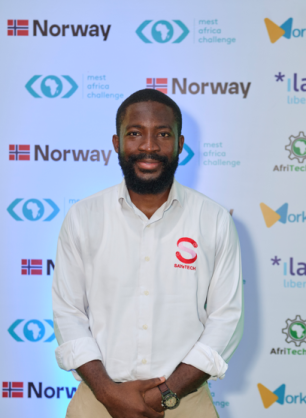
The Meltwater Entrepreneurial School of Technology (MEST Africa) (www.Meltwater.org) has announced SAYeTECH (https://SAYeTECH.io) as the winner of the MEST Africa Challenge (MAC) 2024. The MAC 2024 grand finale marked the culmination of the competition, which celebrated innovative AgriTech solutions driving change in West Africa. Hosted in partnership with the Norwegian Embassy in Accra, this year's theme, ‘Find Your Soil,' focused on AgriTech innovation in the region.

MAC 2024 attracted applicants from key markets in the West African Region including Benin, Cape Verde, Côte D'Ivoire, Gambia, Ghana, Guinea, Guinea-Bissau, Liberia, Mauritania, Nigeria, Senegal, Sierra Leone, Mali, and Togo. Six standout finalists were selected to pitch their groundbreaking agricultural technology solutions, all aimed at enhancing productivity and sustainability in the region.

SAYeTECH, a Ghanaian startup led by Theodore Ohene-Botchway, won the grand prize for its innovative agricultural machinery tailored to African conditions, securing $50,000 in equity funding to scale its operations.

“The funding will enable us to scale production and reduce delivery lead times, providing smallholder farmers with the equipment they need to increase productivity,” said Ohene-Botchway.

As MEST continues to deepen its influence on Africa's tech startup landscape, the MEST Africa Challenge remains the continent's premier pitch competition for emerging tech entrepreneurs. The competition is designed to provide the ideal environment for tech innovators and startups to grow and succeed.

“AgriTech innovation thrives when it's rooted in the right environment. ‘Find Your Soil' is about helping innovators find the ecosystem where they can grow. Through the MEST Africa Challenge, we provide the visibility, partnerships, and support to help them succeed,” said Ashwin Ravichandran, Portfolio Advisor, MEST Africa.

MEST Africa is committed to creating wealth and jobs in Africa by fostering digital skills, supporting startups, and providing access to global networks. For more information, visit www.Meltwater.org.

Distributed by APO Group on behalf of The Meltwater Entrepreneurial School of Technology (MEST Africa).

Media Contact:
Ophesmur Naa Adjeley Adjei
Communications and Community Manager
E-mail: marketing@meltwater.org or Ophesmur@meltwater.org

About MEST Africa:
The Meltwater Foundation, established in 2008, is the non-profit arm of the global media intelligence company, Meltwater. With a clear mission to foster job opportunities and stimulate economic growth in Africa through software entrepreneurship, the Foundation is based in Accra, Ghana. The flagship program, MEST, offers a 1-year specialized tech entrepreneurial training to high-caliber talent from over 22 countries including Nigeria, Kenya, South Africa and Senegal; and invests in early to growth-stage startups.

Media files
The Meltwater Entrepreneurial School of Technology (MEST Africa)
Download logo
Read moreSAYeTECH Wins the MEST Africa Challenge 2024, Securing $50,000 in Funding
4 December 2024

Kaspersky Predicts AI and Privacy to Shape Consumer Cybersecurity Landscape in 2025

Location: Business
Kaspersky

According to Kaspersky's (www.Kaspersky.co.za) latest report, artificial intelligence (AI) will become an integral part of daily life, while privacy concerns around biometric data and advanced technologies will take center stage in 2025. These forecasts are part of the annual Kaspersky Security Bulletin series, which provides an outlook on the cybersecurity trends and threats expected to impact consumers in the coming year.

AI becomes an everyday reality

AI is predicted to fully integrate into daily life in 2025, becoming a standard tool rather than a novel technology. With prominent operating systems like iOS and Android rolling out AI-enhanced features, people will increasingly rely on AI for communication, workflows, and creative tasks. However, this normalisation also brings challenges, particularly as personalised deepfakes become increasingly sophisticated in the absence of reliable detection tools.

Privacy regulations will expand user data ownership

The growing emphasis on privacy is expected to lead to new regulations that strengthen user control over personal data. By 2025, individuals may gain the right to monetise their data, transfer it easily across platforms, and benefit from simplified consent processes. Global frameworks, such as the EU's GDPR, California's CPRA and South Africa's POPIA, continue to inspire reforms worldwide, while decentralised storage technologies could further strengthen user autonomy over their information.

Fraudsters will continue to exploit premieres and releases

Cybercriminals are expected to target prominent gaming, console, and film launches in 2025. Titles like Mafia: The Old Country, Civilization VII, and Death Stranding 2, as well as the anticipated Nintendo Switch 2, are likely to attract scams involving fake pre-orders, counterfeit rootkits, and malicious downloads. Similarly, blockbuster films like Superman and Jurassic World Rebirth may trigger phishing campaigns and counterfeit merchandise fraud aimed at enthusiastic fanbases.

Political polarisation will fuel cyberbullying

Increasing political polarisation is expected to exacerbate cyberbullying in 2025. Social media algorithms that amplify divisive content, combined with the widespread availability of AI tools for creating deepfakes and doctored posts, are likely to intensify online harassment. Cross-border cyberbullying could also escalate as global platforms facilitate the targeting of individuals based on their political beliefs.

Rising number of subscription services will fuel fraud risks

As the global economy shifts further towards subscription-based models, a rise in fraud related to fake subscription promotions is expected. Cybercriminals are expected to create counterfeit services that mimic legitimate platforms, aiming to deceive users into providing personal and financial information, resulting in identity theft and financial losses. Additionally, the growth of unofficial resources that provide discounted or free access to subscription services is expected to become a significant threat vector, exposing users to phishing attacks, malware, and data breaches.

Prohibition of social media for children may lead to broader user restrictions

Australia's proposed legislation to ban social media access for children under 16 could set a global precedent. If implemented successfully, the restriction could pave the way for broader limitations on access for other demographics. Platforms like Instagram have already begun adopting AI-powered age-verification systems, signaling a shift toward stricter governance of online spaces.

“As we look to 2025, the most significant impact on consumers is expected to arise from the intersection of innovation and regulation. Advances in AI, privacy protection, and data ownership frameworks will reshape the way people interact with technology and manage their digital lives. These developments hold immense potential but also demand careful oversight to ensure they serve consumer interests,” said Anna Larkina, Kaspersky privacy expert.

To learn more, visit Securelist.com.

To stay safe, Kaspersky experts also recommend:

  • Enable a safe browsing feature, such as the one in Kaspersky Premium (https://apo-opa.co/3BdtgPp), to help avoid Internet tracking. This feature also protects users from dangerous sites (like phishing ones), malware, and other maliciously installed files and extensions. 
  • Configure your social networks for enhanced privacy to make a difference. Services such as Privacy Checker (https://Privacy.Kaspersky.com) can help users adjust privacy settings and strengthen the protection of their personal accounts. In addition, modern security solutions often include features that enhance privacy levels across various social networks.
  • Opt for secure and private connections. Avoid using public Wi-Fi networks for sensitive activities. Consider using a reliable VPN (https://apo-opa.co/3Bcqz0y) to encrypt your Internet connection and protect your online activities from being monitored.
  • Install apps only from official stores like the Apple App Store, Google Play or the Amazon Appstore. Although apps from these markets are not 100 percent failsafe, at least they are checked by store representatives, and a filtration system is in place - not every app is authorised for listing on these platforms.
  • Download a reliable security solution (https://apo-opa.co/3BdtgPp) to help you detect malicious apps and adware before they can harm your device.
  • Don't share serial numbers, IP addresses and other sensitive information regarding your smart devices on social networks.
  • Avoid using unreliable passwords. Weak combinations, such as those consisting of letters only, do not offer sufficient protection. For added convenience and security, consider using a special app, such as the Kaspersky Password Manager (https://apo-opa.co/3OGpYHu).

Distributed by APO Group on behalf of Kaspersky.

For further information please contact:
Nicole Allman
INK&Co. (https://INKandCo.co.za)
nicole@inkandco.co.za

Social Media:
Facebook: https://apo-opa.co/4inHIFt
X: https://apo-opa.co/4fXAiHl
YouTube: https://apo-opa.co/4fVaknS
Instagram: https://apo-opa.co/4fXt31Q
Blog: https://apo-opa.co/4fWEWW0

About Kaspersky:
Kaspersky is a global cybersecurity and digital privacy company founded in 1997. With over a billion devices protected to date from emerging cyberthreats and targeted attacks, Kaspersky's deep threat intelligence and security expertise is constantly transforming into innovative solutions and services to protect businesses, critical infrastructure, governments and consumers around the globe. The company's comprehensive security portfolio includes leading endpoint protection, specialized security products and services, as well as Cyber Immune solutions to fight sophisticated and evolving digital threats. We help over 200,000 corporate clients protect what matters most to them. Learn more at www.Kaspersky.co.za. 

Media files
Kaspersky
Download logo
Read moreKaspersky Predicts AI and Privacy to Shape Consumer Cybersecurity Landscape in 2025
4 December 2024

Pan-African Legal Group CLG Announces Appointment of Leon Van der Merwe as Partner

Location: Business
CLG

A distinguished Attorney of the High Court of South Africa with over 12 years of legal expertise, specializing in Corporate Law, Commercial Law, Litigation and Regulatory Compliance Leon Van der Merwe has joined pan-African legal and advisory group CLG (www.CLGGlobal.com) as a Partner.

A distinguished Attorney of the High Court of South Africa, Van der Merwe brings over 12 years of experience in Corporate Law, Commercial Law, Litigation and Regulatory Compliance. His areas of specialization include Contract Law, General and Commercial Litigation, Insolvency, Compliance, Property Law, Regulatory Law, Competition Law, Company Law and Risk Management.

Throughout his career, Van der Merwe has provided strategic counsel to national and international corporations, as well as African Governments, across various industries such as forestry, mining, construction, engineering, and retail. He holds an LLB Degree (Cum Laude) from the University of Pretoria.

“Leon's promotion to Partner is a reflection not only of his exceptional professional skill but also of the trust he has earned from our clients, colleagues, and partners. His dedication and hard work are unmatched, and he exemplifies the core values that define CLG,” said Zion Adeoye, CEO and Managing Partner of CLG. “I am thrilled to welcome him as Partner and look forward to seeing his leadership continue to shape our journey. His elevation is more than deserved, and I know he will bring even greater value to our firm and our clients in this role.”

Oneyka Cindy Ojogbo, CLG Deputy Managing Partner, added, "It gives me great joy to welcome my friend and colleague into the partnership at CLG. His dedication to the firm and unwavering commitment to our clients have been the bedrock of his practice, and I couldn't be more excited to see him take on this well-deserved role. His leadership and passion will be invaluable as we continue to grow together and build Africa's largest professional service firm."

Mr. Van der Merwe's appointment reinforces CLG's commitment to providing impactful and innovative legal solutions across Africa. His expertise will enhance the firm's service offerings, further solidifying its position as a leading pan-African legal and advisory group.

Distributed by APO Group on behalf of CLG.

About CLG:
CLG, a leading pan-African legal, tax and business advisory firm, has established offices in Germany, Nigeria, South Africa, Republic of Congo, South Sudan, Mauritius, Ghana, Cameroon, Namibia and Equatorial Guinea, amongst others, and is the first Africa focused professional service firm listed on the German stock exchange.

This expanded footprint enables CLG to deliver seamless professional services, facilitate cross-border transactions and provide expertise in diverse jurisdictions and sectors, while fostering strong in-country relationships.

Media files
CLG
Download logo
Read morePan-African Legal Group CLG Announces Appointment of Leon Van der Merwe as Partner
3 December 2024

Africa: Statement on Continental Secretariat for Lusaka Agenda Implementation Launch

Location: News

Africa Centres for Disease Control and Prevention (Africa CDC)
Download logo

The February 2024 Decision of the African Union Assembly on the report of the President of the Republic of South Africa, H.E. Matamela Cyril Ramaphosa, the African Union Champion for Pandemic Prevention, Preparedness and Response (PPPR), to “support the establishment of an accountability mechanism within the AU architecture to ensure the effective implementation of the Lusaka Agenda in Africa” is a timely and welcome development.

The Lusaka Agenda, launched on Universal Health Coverage (UHC) Day, December 12, 2023, provides a framework for coordinated action towards a unified vision of sustainably and domestically financed health systems and universal access to healthcare, ensuring that no one is left behind.

H.E. Ramaphosa has been instrumental in advancing the Lusaka Agenda Accountability Framework. Through the PPPR Commission, he championed the establishment of an accountability mechanism for the Lusaka Agenda, which leverages platforms such as the Africa Leadership Meeting (ALM). He secured the endorsement of the framework by his peers, emphasizing Africa's commitment to health equity, strengthened primary health care, and accountability for sustainable progress.

The Lusaka Agenda's transformative potential lies in fostering African-led solutions, building stronger primary healthcare systems, and ensuring equitable health outcomes while reducing dependency on fragmented external funding. It represents a unified vision for Africa to lead the future of its health systems with sustainable financing and strategic coherence across global and local health initiatives. It aims to empower African nations to achieve universal health coverage (UHC) and resilience against public health challenges, including those exacerbated by the COVID-19 pandemic.

The effective implementation of the Lusaka Agenda will achieve five strategic shifts, notably for the long-term evolution of the Global Health Initiatives (GHIs):

  1. Make a stronger contribution to primary health care (PHC) by effectively strengthening systems for health.
  2. Play a catalytic role in fostering sustainable, domestically financed health services and public health functions.
  3. Strengthen joint approaches for achieving equity in health outcomes.
  4. Achieve strategic and operational coherence.
  5. Coordinate approaches to products, research and development (R&D), and regional manufacturing to address market and policy failures in global health.

The five strategic shifts will advance resilient primary health care (PHC) as the cornerstone of preparedness, prevention, response, and control of public health threats across the African continent.

“The Lusaka Agenda is a political commitment endorsed by African Heads of State to achieve health equity and strengthen primary health care across the continent. I call on all stakeholders to support Africa CDC's leadership and fully commit to the accountability framework, ensuring transparency and measurable progress toward a healthier, more resilient Africa,” – H.E. President Cyril Ramaphosa, Republic of South Africa.

“The Lusaka Agenda Secretariat, housed at Africa CDC, will work with partners to develop the Lusaka Agenda Monitoring and Accountability Framework and a continental scorecard for timely monitoring and reporting to AU Heads of State and Government. Through the Secretariat, AU Member States will more effectively and efficiently leverage GHIs to complement domestic financing, maximizing health impacts in support of country-led priorities,”- H.E. Dr. Jean Kaseya, Africa CDC Director General.

The Lusaka Agenda Secretariat hosted at Africa CDC aligns with the February 2024 Assembly Decision of the African Union Heads of State and Government (Dec.880(XXXVII) and further solidifies Africa CDC and AU Commission leadership in steering the successful implementation of the Lusaka Agenda on the African continent. The establishment of the Secretariat is a pivotal initiative to oversee and coordinate the monitoring and accountability mechanisms essential for advancing Africa's health transformation.

The Secretariat provides a platform for Africa CDC to work closely with partners, including WHO and the wider UN system, the World Bank, bilateral donors, regional entities, civil society, and community-led organizations.

The Secretariat will coordinate, monitor the implementation, and periodically report to the AU Heads of State and Governments on the progress of implementation. It will foster learning and knowledge-sharing across policy and program areas, ensuring no country is left behind during the Lusaka Agenda's implementation on the African continent.

Distributed by APO Group on behalf of Africa Centres for Disease Control and Prevention (Africa CDC).

Read moreAfrica: Statement on Continental Secretariat for Lusaka Agenda Implementation Launch
3 December 2024

Is Decarbonisation Possible for Africa?

Location: News

Starsight Energy
Download logo

Paul van Zijl, Group CEO at Starsight Energy (www.StarsightEnergy.com), believes it is. He maintains that we must apply a contextual lens and move away from all-or-nothing thinking, employing a holistic, phased and sustainable approach to the continent's energy mix.

It's fair to say that the global imperative to ‘decarbonise' – the shift from fossil fuels such as coal, natural gas or oil to carbon-free and renewable energy sources – has been more of a stumble than a sprint in Africa.

But as always, context is important. In Africa, other pressing socio-economic often – understandably – take priority, which then limits available funding; a lack of infrastructure hampers development; and, of course, vested interests slow progress. All of these factors have contributed to Africa's sluggish transition, for which it has been (often unfairly) criticised.

The cruel irony is that – even though Africa is far from the leading perpetrator behind the world's current carbon status (the continent is estimated to contribute less than 4% to global greenhouse gas emissions, making it one of the lowest emitters in the world) – it is one of the regions most vulnerable to the effects of climate change.

Africa's temperature increases surpass the global average, while multi-year droughts in some regions juxtaposed by extreme flooding in others have become the norm. Without targeted intervention, an estimated 118 million Africans living in extreme poverty will face increased exposure to droughts, floods, and extreme heat in the coming years, further straining poverty alleviation efforts and economic growth.

African countries are estimated to lose 2–5% of their gross domestic product (GDP) annually and allocate up to 9% of their budgets to respond to climate extremes, according to the World Meteorological Organization's (WMO) State of the Climate in Africa 2023 report. In Sub-Sahara Africa, adaptation costs are projected to reach USD 30–50 billion by 2030, or 2–3% of the region's GDP. Yet, Africa is estimated to only receive around 3% of global climate finance.

Africa is not the biggest culprit of carbonisation – but it is one of its biggest victims.

African countries, in general, do not have the same funding capabilities as the developed world, and priorities also differ. Poverty alleviation and economic participation/upliftment are understandably at the top of the list for most African governments and this means that limited funding needs to be allocated accordingly. In addition, recent conversations have highlighted the higher cost of debt for African nations, when compared to other sovereign issuances in emerging markets.

Despite these significant challenges, Africa has a lot going for it: we're unburdened by the need to decarbonise an “old economy”, as is the case with our Western counterparts, and the continent is blessed with immense renewable energy potential. Strategically harnessing these assets could not only fast-track climate action but also unlock significant economic opportunities for the continent.

To get there, however, we need to change our perspective from believing that fossil fuels are the only road to job creation, political power and economic growth. It shouldn't be “either/or” but rather, “and”. We must aim for more choice, less reliance on one energy type, and greater sustainability.

Eradicating fossil fuels will not happen overnight; the losses from flipping the switch prematurely would be too great.

Rather, our focus should be on what can be added to the energy mix, and the steps we can take to reduce our carbon footprint. Take natural gas, for example, generally viewed as the “lesser” of the fossil fuel evils. Natural gas and renewable energy can be quite complementary as part of a balanced energy strategy, especially during the transition to a low-carbon future.

We've seen, in real-time, major oil and gas companies drilling more and backtracking on their renewable energy targets and efforts. Yet, when natural gas, a by-product of oil drilling, is captured and used as fuel it is combusted more efficiently, producing lower carbon dioxide (CO₂) emissions compared to coal or oil. However, must ensure it is properly handled, as gas flaring or venting has a massive negative environmental impact.

What has changed, however, is that the typical excuse that renewable energy is “too expensive” has lost all weight. The build cost of renewable energy has reduced substantially over recent years while the trend for electricity grid prices in most countries has done the opposite. Globally, fuel prices have been highly volatile, with prices escalating in most countries on the back of political upheaval in the Middle East and Ukraine / Russia. And when compared to traditional power tariffs in countries like South Africa, annual renewable energy escalations are negligible.

The battle is no longer between clean energy and cheap energy; it is now significantly more affordable to go the renewable route.

Renewable energy is the continent's real sunrise sector.

The South African renewables industry has proven a case study for the rest of the continent. It has seen substantial involvement from the private sector, which has led to significant capital investment to maintain and improve infrastructure. It's creating jobs in both metros and rural areas, with a prime example being our SunCentral solar farm development in De Aar, Northern Cape where our operations will create more than 460 permanent and contract jobs. And innovations in renewable energy are saving SA businesses vast amounts of money, with solutions such as on-site solar, electricity wheeling, energy trading and aggregation helping make the switch to green energy not only possible but also profitable in the commercial and industrial sectors.

With the rise of the Independent Power Producer (IPP), African governments don't have to drive this transition on their own anymore. Each sector has a critical role to play, with success breeding more success.

Africa stands at a critical juncture, where the challenges of climate change intersect with the opportunity to redefine its energy future. The path to decarbonisation should neither be a sprint nor a stumble – it must be a deliberate, phased journey involving the collective effort of all stakeholders.

By embracing a balanced energy mix, encouraging innovation, and leveraging deregulation, Africa can transition to a low-carbon future without compromising its socio-economic priorities. Renewable energy isn't just an environmental imperative – it's an economic opportunity, a job creator, and a cornerstone for sustainable development.

It's time to flip the switch.

Distributed by APO Group on behalf of Starsight Energy.

Read moreIs Decarbonisation Possible for Africa?
3 December 2024

Verdant IMAP wins Best Advisory Firm: Private Equity at the Africa Global Funds Awards

Location: News
Verdant Capital

Verdant IMAP (www.Verdant-CAP.com) is delighted to announce its recognition as Best Advisory Firm: Private Equity at the prestigious Africa Global Funds Awards. The accolade was presented during the Gala Awards Dinner on Thursday, November 14, 2024, at the renowned Mount Nelson Hotel in Cape Town, bringing together leading firms in African private equity and asset management.

This award highlights Verdant's significant contributions to the private equity M&Aecosystem across Africa. Over the past year, Verdant's transactions involving private equity have included the sale of the Onix data centre business in Ghana on behalf of Africa Infrastructure Investment Managers, two exits for London-based Africa private equity firm 8Miles (Awash Wines and Biyinzika Poultry Industries Limited in Ethiopia and Uganda respectively), and advising ACA and IFC-backed WIOCC on its JV with Texaf to build the market leading data centre in Kinshasa, DR of Congo.  Verdant is currently at advanced stages with respect to six transactions for or with private equity funds, in South Africa, East Africa and West Africa, in sectors including technology, FMCG and manufacturing.  

The recognition reinforces Verdant's commitment to delivering innovative, tailored advisory services and unlocking value for its private equity clients. The firm also advised on notable cross-border transactions, leveraging its position as the IMAP member firm for its region. IMAP, the world's leading global M&A partnership was established in 1973, has member firms in 50 countries, in total over 600 M&A bankers and completes more than 200 M&A transactions every year.  The IMAP global partnership helps Verdant to bridge African and international markets effectively.

The Africa Global Funds Awards honour excellence in Africa's asset management and private equity industries. Verdant's recognition as Best Advisory Firm: Private Equity is a testament to its unwavering dedication to driving impactful solutions in challenging and dynamic markets.

With this award, Verdant strengthens its reputation as a trusted partner for private equity and other client groups navigating Africa's evolving economic landscape. As the firm continues to grow and innovate, it reaffirms its mission to deliver world-class advisory solutions that create lasting value for its clients and the continent. 

Distributed by APO Group on behalf of Verdant Capital.

Media enquiries: 
Orient Mahonisi,
orient.mahonisi@verdant-cap.com

About Verdant IMAP:
Verdant IMAP is a leading investment bank operating on a pan-African focus, specialising in M&A and in private capital markets.  Verdant IMAP is the IMAP partner firm for its region.  IMAP with partner firms in nearly 50 countries, with over 600 M&A professionals, completing over 200 M&A transactions per year, reinforces Verdant IMAP's capability to deliver innovative financial solutions to clients across Africa and around the World. www.Verdant-CAP.com 

Media files
Verdant Capital
Download logo
Read moreVerdant IMAP wins Best Advisory Firm: Private Equity at the Africa Global Funds Awards
29 November 2024

Homeless Man’s Struggle to Keep His Beloved Dogs

Location: News

The City of Cape Town has told Clayton Smith to leave De Waal Park where he has lived for 13 years

Read moreHomeless Man’s Struggle to Keep His Beloved Dogs
28 November 2024

SRD Grant system remains intact – Minister Tolashe

Location: News

SRD Grant system remains intact – Minister Tolashe

Social Development Minister Sisisi Tolashe has reassured social grant recipients that the grant system's integrity remains intact, supported by various control measures and enhanced security. 

The Minister was briefing the media on Wednesday on the outcomes of the independent investigation into the COVID-19 Social Relief of Distress Grant (SRD grant) in Cape Town. 

“We assure our clients that the integrity of our system remains intact, with various control measures and enhanced security in place to ensure efficient service delivery. 

“SASSA will continue to invest in its systems to enhance support and positively impact the lives of our clients. We strive to balance security and improvement with client interaction, accessibility,” she said. 

This comes after two first-year students from Stellenbosch University raised the alarm over vulnerabilities in the South African Social Security Agency’s (SASSA) application systems, sparking a parliamentary investigation. 

Their allegations, shared on various media platforms and during a presentation to the Portfolio Committee on 23 October 2024, questioned the integrity and security of SASSA’s digital grant platforms.

The two students found that fraudsters were using unsuspecting citizens' identity numbers to apply for the SRD grant and received the funds in bank accounts using the same ID numbers. This potentially eliminated deserving people from accessing government relief.

In response to the allegations, Parliament recommended a comprehensive investigation of the Social Relief of Distress Grant system and all other grant systems administered by SASSA.

Parliament’s directive reflected concerns over the integrity and security of SASSA’s digital systems across various grant types, including but not limited to Child Support, Disability, Old Age Pension, and Foster Child grants. 

As a result, the Minister of Social Development committed to a thorough review of its entire grant infrastructure, focusing on identifying and mitigating potential vulnerabilities, ensuring the security of beneficiary data, and safeguarding public resources. 

The Minister told the media that key findings in the investigation revealed that there were several medium vulnerabilities identified. 

“As technology evolves rapidly, it is crucial for any organisation to stay abreast of advancements, continuously monitor risks, and adapt to ensure not only compliance but also excellence in using technology to drive and implement new solutions. 

“We strive to balance the need for security with the equally important need for client accessibility, ease of use, and service excellence,” she said.

The Minister acknowledged that technological advancements brought risks such as cyber threats and vulnerabilities. The SRD program, like many others in South Africa's retail and banking sectors, has faced challenges like identity theft. 

Since 2023, Tolashe noted that SASSA has intensified its efforts against fraud, working closely with law enforcement agencies. 

“We have introduced facial biometrics through our electronic Know Your Client program and strengthened relationships with other government entities and the banking industry. 

“Our 'Know Your Grant Status' programme helps individuals determine if identity theft has occurred in the SRD environment. Our staff is committed and currently performing outreach programmes over weekends to assist our clients in addressing and swiftly resolving these issues,” she said.

The Minister acknowledged the audit report and the work done to assist department in its oversight role and SASSA in strengthening its systems. 

She emphasised that SASSA management was currently reviewing the report, which aligns with the findings of the penetration tests and vulnerability scans. 

“We will meet with the auditors to discuss the report and provide a comprehensive response. SASSA will continue to support the auditors in completing their work,” she said. 

The Minister highlighted that the COVID-19 pandemic presented unprecedented challenges, particularly for SASSA who had to implement the SRD grant. 

“We had to adopt a unique approach since potential applicants were not part of any existing government grant support programs, and COVID-19 regulations restricted physical interactions. 

“Despite these hurdles, we successfully implemented an online program and disbursed the first grant on 15 May 2020, reaching 6 million new clients in record time,” Tolashe said. – SAnews.gov.za


DikelediM
Wed, 11/27/2024 - 16:26

65 views
Read moreSRD Grant system remains intact – Minister Tolashe
28 November 2024

MSF to roll out injectable HIV prevention drug in southern Africa

Location: News

Médecins sans frontières (MSF)
Download logo

As World AIDS Day approaches on December 1, Doctors Without Borders/Médecins Sans Frontières (MSF) is preparing to roll out long-acting cabotegravir (CAB-LA) for pre-exposure prophylaxis (PrEP) in its projects in southern Africa. CAB-LA, administered as an injection every two months, has been described as a potential game changer in the fight against HIV/AIDS and is one of the closest medical tools that exist to an HIV vaccine. 

PrEP is a medicine that's taken continuously or before a situation where someone is at high risk of contracting HIV and can help prevent them from getting infected, protecting the individual and curbing the spread of the virus.

“My excitement stems from the fact that CAB-LA, administered every two months, has been shown to be more effective than oral PrEP in reducing new HIV infections,” said Dr. Antonio Flores, an MSF HIV/TB advisor based in South Africa. “With no HIV vaccine or cure in sight, CAB-LA and other long-acting formulations can be a gamechanger in curbing the HIV epidemic if scaled up globally, especially in low- and middle-income countries, particularly among groups at higher risk of acquiring HIV.”

In Africa, four countries started offering CAB-LA in 2024: Zimbabwe, Malawi, Zambia, and eSwatini. South Africa is scheduled to receive a portion of the 231,000 doses of CAB-LA from the President's Emergency Plan for AIDS Relief (PEPFAR) before the end of the year. The remaining PEPFAR doses will be released over the next two years. After long negotiations with ViiV, the sole manufacturer of CAB-LA, MSF successfully secured a limited number of doses, which are expected to be administered in its projects in Zimbabwe, Mozambique, Malawi, and eSwatini later this year.

CAB-LA is more discreet than the once-daily oral PrEP pill and could encourage adherence to this form of prevention. Discretion can be especially important for key and vulnerable populations at risk of HIV, like girls and women, sex workers, and men who have sex with men. Another long-acting option, lenacapavir made by Gilead, can be administered every six months and is expected to expand prevention choices in the coming years.

“The launch of CAB-LA will be a great benefit to our patients and the people of Zimbabwe since it is expected to be an excellent method to increase PrEP uptake among at-risk populations,” said Dr. Gerald Hangaika from MSF's Mbare project in Zimbabwe. “In addition to offering an even better level of protection than oral PrEP, the injection every two months reduces the burden of adherence by doing away with the requirement to take oral tablets every day and the need to store a container of tablets, which enhances privacy. The triad of ‘privacy, convenience, and effectiveness' are key elements considered by most patients.”

CAB-LA was recommended for HIV prevention by the World Health Organization (WHO) in July 2022 as there are an estimated 1.3 million new HIV infections per year. However, ViiV distributed only enough CAB-LA for prevention for approximately 13,000 people in 2023—almost 70 percent of which was sold in high-income countries. For governments and countries to be able to roll out this lifesaving intervention at the scale needed, pharmaceutical companies like ViiV must adequately supply long-acting formulations, ensure affordable pricing for low- and middle-income countries, and support generic manufacturers that want to help boost the global supply of these lifesaving medicines.

“We see many vulnerable populations in conflict and unstable contexts that could definitely benefit from CAB-LA,” Dr. Antonio Flores said. “We are determined to bring this game-changing injection to these settings as well. We hope that ViiV can provide adequate supply.”

To prepare for the roll-out, MSF hosted a four-day training for clinicians, nurses, and future CAB-LA implementers. The training aimed to equip MSF medical staff with the latest knowledge, skills, and strategies to effectively lead and coordinate the roll-out of CAB-LA in MSF projects, thereby enhancing HIV prevention efforts and improving health outcomes in high-risk populations. The training covered topics such as the basics of CAB-LA, clinical eligibility, management of side effects, and PrEP counselling, education, and promotion, among other key topics.

While HIV infections have decreased by approximately 60 percent since the peak in 1995, new infections continue to emerge, particularly among women and girls in Africa. MSF has played a major role in responding to HIV/AIDS worldwide since the mid-90s, implementing prevention and treatment programs, employing innovative solutions to simplify care, and advocating with affected communities and civil society partners for equitable access to HIV medicines like antiretrovirals.

Distributed by APO Group on behalf of Médecins sans frontières (MSF).

Read moreMSF to roll out injectable HIV prevention drug in southern Africa
27 November 2024

SA takes part in Anti-Personnel Mine Ban Convention in Cambodia

Location: News

SA takes part in Anti-Personnel Mine Ban Convention in Cambodia

South Africa, currently serving as Vice-President, is participating in the Fifth Review Conference of the Convention on the Prohibition of the Use, Stockpiling, Production, and Transfer of Antipersonnel Mines, also known as the Mine Ban Treaty, in Siem Reap, Cambodia. 

According to the Department of International Relations and Cooperation, the Mine Ban Treaty is a multilateral agreement aimed at eliminating anti-personnel landmines due to their indiscriminate nature and the humanitarian consequences they cause.

Adopted in 1997 following the Oslo Diplomatic Conference chaired by South Africa, the treaty prohibits the use, production, transfer, and stockpiling of anti-personnel mines.

Anti-personnel mine means a mine designed to be exploded by the presence, proximity, or contact of a person and that will incapacitate, injure, or kill one or more people. 

“In line with its core goals, the convention mandates the clearance of contaminated land, the destruction of stockpiles, assistance to victims, and promoting universal adherence to the treaty and its effective implementation,” the department explained.

The Fifth Review Conference, which is currently underway, will address specific challenges in implementing the convention. 

These include securing adequate funding for mine clearance, advancing technological solutions to speed up the clearance process, and improving the rehabilitation and reintegration of landmine survivors. 

Strengthening international cooperation and partnerships between states, international organisations, and non-government organisations (NGOs) will be key themes, ensuring that affected countries have the resources and support they need to meet their obligations.

“It remains imperative for all countries to ratify or accede to the Convention, thereby reinforcing the global effort to eliminate anti-personnel mines. 

“This is all particularly important in the context of the continued production, transfer, and use of landmines, including in current conflicts where landmines are being used despite their devastating, indiscriminate humanitarian impact.” 

The department said South Africa underscored the importance of upholding the integrity of the convention and condemns the use, transfer, and stockpiling of antipersonnel mines by any actor under any circumstances. 

“Such actions undermine International Humanitarian Law and pose significant challenges to global efforts towards a mine-free world.

“As a former producer and exporter of anti-personnel mines, South Africa has been active in the global process to ban anti-personnel mines. It played a prominent role in the Ottawa Process to negotiate the Treaty and was a key member of the ‘core group’ of governments responsible for developing and promoting the Anti-Personnel Mine Ban Treaty.” 

According to the department, South Africa dismantled its production capacity and halted all anti-personnel landmine production by 1995, reinforcing its commitment to a mine-free world. 

The country ratified the Mine Ban Treaty in 1998, and the convention came into force for South Africa on 1 March 1999.

“South Africa will continue to draw from its rich history of association with the Mine Ban Treaty to work towards an anti-personnel mine-free world.” – SAnews.gov.za


Gabisile
Wed, 11/27/2024 - 10:48

210 views
Read moreSA takes part in Anti-Personnel Mine Ban Convention in Cambodia
26 November 2024

African Sub-Sovereign Government Leaders and Businesses Meet in Kisumu City, Kenya to Discuss Inclusive Growth, Trade Decentralization and Investment Opportunities

Location: News
Afreximbank

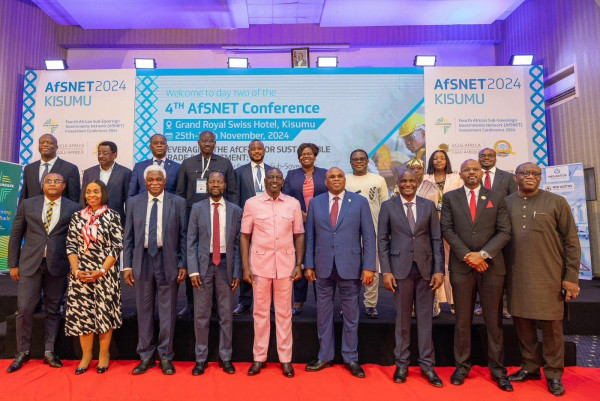
Over 250 Sub-Sovereign government leaders from across Africa are today meeting in Kisumu, Kenya, for the the fourth edition of the African Sub-Sovereign Governments Network (AfSNET) Conference. Taking place between the 25th and 27th of November, the event provides a platform for Sub-Sovereign leaders and businesses to discuss how their local governments can attract investments in the region in order foster and accelerate inclusive growth and development.

Organised by African Export-Import Bank (Afreximbank), in collaboration with the County Government of Kisumu and the United Cities and Local Governments of Africa (UCLG Africa), the conference's overarching theme is ‘Leveraging the AfCFTA for Sustainable Trade and Investment: A Development Pathway for African Sub-Sovereigns'. The event's main objectives include strengthening the role of Africa's Sub-Sovereign governments in driving intra-African trade and investment, and the successful implementation of the African Continental Free Trade Area (AfCFTA).

Africa's Sub-Sovereign governments, comprising states, counties, provinces, municipalities and regional authorities, play a critical role in economic development of African countries. According to the African Union, Africa's economic outlook is projected at 3.7% GDP growth in 2024, slightly higher than the global average of 3.2%. This growth elevates the integral role of Sub Sovereign governments for African economies and its people.

Understanding this, Afreximbank has committed USD $2 billion for these critical actors, to support these governments and businesses in African countries.

While delivering his keynote address at the AfSNET conference in Kisumu, Kenya, H. E. Dr. William Ruto, President of the Republic of Kenya acknowledged the Bank's support for African governments including Kenya:

“I want to thank Professor Benedict Oramah for making time to join us for this conference. Your presence here is yet another example of the unique approaches that the Bank, under your leadership, employs in order to deepen its footprint by engaging with shareholders throughout the continent, including sub-national entities like Africities, and devolved governments like Kisumu. Afreximbank has consistently demonstrated innovative approaches in advancing credit to African governments and the public sector while facilitating deeper collaboration among sub-Saharan nations and Kenya is an example. This spirit of innovation aligns seamlessly with the aspirations of the African Continental Free Trade Area, creating a dynamic network of ambitious, future ready institutions and governments. Such collaborations will drive transformative engagements at the grassroots level, enabling Africa to achieve an unparalleled position in the global value chains and make substantial contributions to their bottom-up transformation.”

Speaking on the importance of the conference, President Ruto noted: “By promoting peer to peer learning, this forum strengthens cooperation among Sub-Sovereign governments. And devolution, a tremendous innovation established under Kenya's 2010 constitution, has evolved into an exemplary success story that Kenyans are very proud of, as it has brought services closer to the people, empowered grassroot participation in government, safeguarded minority rights and enhanced equity in resource mobilization and allocation.”

Professor Benedict Oramah, President and Chairman of the Board of Directors of Afreximbank, commented:

“The African Sub-Sovereign Governments Network (AfSNET) initiative thrives due to the concerted efforts and unwavering commitment of partners who recognise the tremendous potential of sub-sovereign governments as the engines for broad-based economic development that extends to the grassroots of our societies. At Afreximbank, we strongly believe that for developmental initiatives to succeed in our economies, they must, of necessity, be decentralized; development needs must originate and flow from the periphery towards the centre. In alignment with the African Continental Free Trade Agreement (AfCFTA), we are passionately implementing the AfSNET initiative to promote intra-regional trade and investment. We collectively recognize that cities, states, and provinces within a nation exhibit remarkable diversity—differing in population sizes, resource endowments, skill sets, and sectoral specializations.”

Professor Oramah continued that this conference is a key prelude to the upcoming Intra Africa Trade Fair (IATF2025) scheduled to take place from 4 to 10 September 2025 in Algiers, Algeria, and delegates are welcomed to contribute to the discourse that can be elevated at the IATF2025.

AfSNET was established by Afreximbank as a platform for promoting intra-African trade and investment, educational and cultural exchanges and the fostering of effective engagement among sub-sovereigns in Africa's development and prosperity in the context of the AfCFTA.

Distributed by APO Group on behalf of Afreximbank.

Media Contact:
Vincent Musumba
Communications and Events Manager (Media Relations)
Email: press@afreximbank.com

Follow us on:
Twitter: http://apo-opa.co/3Z521i8
Facebook: http://apo-opa.co/4eNjNMs
LinkedIn: http://apo-opa.co/4eJyWyh
Instagram: http://apo-opa.co/4eNjO2Y

About Afreximbank:
African Export-Import Bank (Afreximbank) is a Pan-African multilateral financial institution mandated to finance and promote intra-and extra-African trade. For 30 years, the Bank has been deploying innovative structures to deliver financing solutions that support the transformation of the structure of Africa's trade, accelerating industrialization and intra-regional trade, thereby boosting economic expansion in Africa. A stalwart supporter of the African Continental Free Trade Agreement (AfCFTA), Afreximbank has launched a Pan-African Payment and Settlement System (PAPSS) that was adopted by the African Union (AU) as the payment and settlement platform to underpin the implementation of the AfCFTA. Working with the AfCFTA Secretariat and the AU, the Bank is setting up a US$10 billion Adjustment Fund to support countries effectively participating in the AfCFTA. At the end of December 2023, Afreximbank's total assets and guarantees stood at over US$37.3 billion, and its shareholder funds amounted to US$6.1 billion. Afreximbank has investment grade ratings assigned by GCR (international scale) (A), Moody's (Baa1), Japan Credit Rating Agency (JCR) (A-) and Fitch (BBB). Afreximbank has evolved into a group entity comprising the Bank, its impact fund subsidiary called the Fund for Export Development Africa (FEDA), and its insurance management subsidiary, AfrexInsure (together, "the Group"). The Bank is headquartered in Cairo, Egypt.

For more information, visit: www.Afreximbank.com

About UCLG Africa (UCLG Africa (United Cities and Local Governments of Africa):
The umbrella organization for African local governments, was founded in 2005 in the City of Tshwane, South Africa as a result of the unification of three continental groups of local governments, namely the African Union of Local Authorities (AULA); the Union des Villes Africaines (UVA); and the Africa Chapter of the União das Ciudades e Capitães Lusófonas Africanas, (UCCL AFRICA). The founding congress of the organization was held in May 2005 in the city of Tshwane, South Africa. UCLG Africa brings together 51 national associations of local and regional governments from all regions of Africa, as well as 2,000 cities with more than 100,000 inhabitants. UCLG Africa represents over 350 million African citizens. A founding member of the world organization UCLG, UCLG Africa is the regional representative for Africa with its headquarters based in Rabat, capital of the Kingdom of Morocco, where it enjoys diplomatic status as a Pan-African International Organization. It also has regional offices on the continent.

Media files
Afreximbank
Download logo
Read moreAfrican Sub-Sovereign Government Leaders and Businesses Meet in Kisumu City, Kenya to Discuss Inclusive Growth, Trade Decentralization and Investment Opportunities
26 November 2024

Summit aims to develop actionable plans for road safety

Location: News

Summit aims to develop actionable plans for road safety

The Road Traffic Management Corporation (RTMC) in partnership with Uber will on Tuesday host the 2024 Road Safety Summit, bringing together experts from across all sectors to find urgent solutions to the number of vehicle crashes and fatalities. 

The summit comes at a critical time - just two weeks before the start of the holiday season - which often sees heightened traffic volumes as holiday makers travel to various destinations. 

“With the goal of halving serious injuries and fatalities by 2030, this gathering will be a continuation of 2023 discussions and will serve as a platform to reflect on our progress, identify gaps, and chart a path forward to a safer road environment for all South Africans,” said the RTMC in a statement.

The corporation said South Africa has made significant strides in road safety. 

South Africa has set itself a target of reducing road fatalities by 50% from 13 967 fatalities recorded in 2010, according to the National Road Safety Strategy 2016 to 2030. 

According to this target South Africa was supposed to have 11 500 (18% reduction) by the end of 2023, however, it managed to reduce fatalities to 11 883 (15% reduction).

Globally only ten countries achieved a 50% reduction in road fatalities, reductions of 40–49% were observed in 15 countries, 30–39% in 20 countries, 20–29% in 33 countries, and 10–19% in 19 countries, according to the World Health Organisation. During this period, reductions larger than 2% were observed in 108 countries.

“With only six years remaining until 2030, there is still much work to be done. The Department of Transport has initiated a comprehensive, multi-stakeholder evaluation of the NRSS to assess our achievements and identify areas for improvement,” it said.

Key challenges persist in the following areas:

• Strengthening collaboration across public, private and civil society sectors.

• Improving enforcement of road traffic regulations, particularly regarding seatbelt use and drink driving.

• Expanding the availability of provincial road traffic law enforcement at night and over weekends.

• Reducing speed in high-risk areas, especially where vehicle and pedestrian conflicts occur.

• Addressing infrastructure maintenance and prioritising roads with 3-star safety ratings.

•  Advancing vehicle safety standards and regulations.

The summit takes place from 26 to 27 November in Brixton, Johannesburg.  

It aims to develop actionable plans that can be implemented within the next 12 months to further enhance the NRSS. 

The RTMC said it would further foster greater collaboration between civil society, business and the public sector to ensure sustained efforts toward road safety. – SAnews.gov.za

Janine
Tue, 11/26/2024 - 09:48

22 views
Read moreSummit aims to develop actionable plans for road safety
25 November 2024

Ekurhuleni Investment Conference to be held this week

Location: News

Ekurhuleni Investment Conference to be held this week

The City of Ekurhuleni is expected to hold the Ekurhuleni Investment Conference 2024 from Tuesday.

The conference will be held under the theme: Ekurhuleni Economic Partnerships: Unlocking Opportunities, Building a Sustainable Future.

Keynote addresses at the conference are expected to be delivered by Minister of Trade, Industry and Competition, Parks Tau, and Gauteng Premier, Panyaza Lesufi.

In a statement, the city said it expected the conference to serve as a “catalyst for renewed investor confidence, economic growth, and sustainable development in the region”.

“This year’s conference will showcase the city’s industrial strengths and vast investment opportunities across key sectors such as manufacturing, infrastructure, and township economies. 

“With a clear focus on public-private partnerships, the event will facilitate strategic collaborations, advance our 10-Point Economic Plan, and drive job creation and economic revitalisation,” the statement read.

Key focus areas during the conference include:

  • Aerotropolis and airport city development: The city aims to strengthen partnerships and advance the Aerotropolis Master Plan, leveraging its strategic airport infrastructure to attract significant investment.
  • Industrial estate development: The conference will support local manufacturing growth, investor retention, and the promotion of industrial parks.
  • Critical infrastructure development: The city will engage the private sector in investing in data centers, energy solutions, and critical infrastructure to enhance service delivery.
  • Township economic development: Empowering township economies through entrepreneurship and inclusive growth initiatives remains a priority.
  • CBD and industrial estate revitalisation: The focus will be on urban renewal, fiscal incentives, and infrastructure improvements.

“Ekurhuleni, known as South Africa’s industrial powerhouse and home to the busiest airport in Africa, OR Tambo International Airport, has faced substantial challenges in recent years, including global economic shocks, energy instability, and infrastructure strains. However, our city remains a prime destination for investment, strategically poised to lead the continent in industrial and economic development.

“Ekurhuleni is committed to creating a vibrant, investment-friendly environment. By collaborating with key stakeholders, including InvestSA Gauteng, Airports Company South Africa (ACSA), and the Gauteng Industrial Development Zone (GIDZ), we are set to drive economic transformation and attract both domestic and international investors.

“As we move forward, this conference represents a crucial moment to transform challenges into opportunities, ensuring that the City of Ekurhuleni continues to be a place where people and businesses can grow and thrive,” the city said. – SAnews.gov.za

NeoB
Mon, 11/25/2024 - 10:53

206 views
Read moreEkurhuleni Investment Conference to be held this week
25 November 2024

Call for stronger collaboration with traditional leaders to address foodborne illnesses

Location: News

Call for stronger collaboration with traditional leaders to address foodborne illnesses

The Minister of Cooperative Governance and Traditional Affairs, Velenkosini Hlabisa, has called for stronger collaboration between traditional leaders and government to address the crisis of foodborne illnesses in communities.

The Minister held a two-day interaction with the National House of Traditional and Khoi-San Leaders (NHTKL), which concluded on Sunday.

Over 20 children have lost their lives in the last few weeks alone due to foodborne illnesses, with over 800 people having fallen ill. 

On Sunday, five-year-old Siyabonga Mnisi was laid to rest, after suspected poisoning linked to snacks purchased from a local spaza shop in Diepkloof, Soweto.

Reports indicate that another eight-year-old child in the same township also died on Friday.

Two weeks ago, President Cyril Ramaphosa addressed the nation on government interventions to address foodborne illnesses. 

READ | Government to launch public education campaign on food safety

This month, Hlabisa introduced a new Standard Draft By-Law for Township Economies. 

This by-law, issued under the Local Government: Municipal Systems Act of 2000, aims to create a supportive environment for small businesses in townships. 

Its goals are to promote economic inclusion, generate jobs and empower the community.

“This by-law is an important step toward creating thriving, safe township and village economies, while protecting public health. 

“Hlabisa urged traditional leaders to collaborate, especially guided by the recent classification of foodborne illnesses as a national disaster,” the Department of Cooperative Governance and Traditional Affairs (CoGTA) said in a statement on Sunday.

The department, led by Hlabisa, held a two-day government engagement with the NHTKL.

Hlabisa was joined by various Ministers, Deputy Ministers, the Chairperson of the NHTKL, the Chairperson and Deputy Chairperson of the Forum of South Africa’s Majesties, and other traditional leaders from across the provinces.

Following discussions, Hlabisa outlined a way forward to enhance collaborative decision-making, cooperation, and coordination in the resolution of matters raised by traditional leaders. 

The two-day discussions promoted constructive dialogue on matters related to traditional leadership and communities, and finding solutions to all issues of concern.

Various Ministers were invited to provide updates on their respective areas of responsibility and provided feedback on progress attained on issues raised. The reports were followed by discussions that sought to create mutual collaboration between government and traditional leaders to jointly address priority issues.

Hlabisa emphasised the need for increased collaboration, cooperation and coordination among all stakeholders to ensure that the NHTKL can thrive and fulfill its mandate. 

He also highlighted government's commitment to reinforcing partnerships with traditional leaders, recognising the crucial role they play in tackling rural challenges and enhancing service delivery. – SAnews.gov.za

Gabisile
Mon, 11/25/2024 - 13:21

219 views
Read moreCall for stronger collaboration with traditional leaders to address foodborne illnesses
25 November 2024

Cutting red tape can accelerate renewable energy development

Location: News

Cutting red tape can accelerate renewable energy development

Deputy Minister of Electricity and Energy, Samantha Graham-Maré, says reforms aimed at cutting red tape in the renewable energy sector are critical for accelerating projects and the development of critical energy infrastructure.

“In recent discussions with key stakeholders across the renewable energy sector, it has become clear that while South Africa has made significant strides in renewable energy, there are still bureaucratic hurdles slowing down progress. 

“We must act now to remove these obstacles and unlock the full potential of our renewable energy future,” Graham-Maré said.

Projects in that sector are facing challenges, including obtaining Section 53 approvals under the Mineral and Petroleum Resources Development Act, zoning and land-use approvals, lengthy procurement processes, and the slow pace of grid access, including distribution and transmission bottlenecks.

“Together with quick application and permitting processes, these reforms will empower developers to calculate tariffs more efficiently, secure better financing, and break ground sooner. This approach will drive rapid job creation, enable predictable demand for local SMMEs supporting these projects, and accelerate energy security," the Deputy Minister said.

Graham-Maré said that with less hurdles, investment in renewable energy can flourish.

“With decisive action, we can build on the positive momentum already created and position South Africa as a leader in renewable energy investment. By creating a clear, predictable policy environment, we not only encourage investment but also accelerate the delivery of renewable energy solutions.

“Our focus is on creating an enabling environment, where local and international investors feel confident in supporting South Africa's renewable energy journey,” Graham-Maré said. – SAnews.gov.za

NeoB
Mon, 11/25/2024 - 10:40

101 views
Read moreCutting red tape can accelerate renewable energy development
24 November 2024

Gangsterism, substance abuse a thorn in Ekurhuleni schools

Location: News

Gangsterism, substance abuse a thorn in Ekurhuleni schools

While the Gauteng Department of Education’s focus in on teaching and learning, the department says these plans continue to be interrupted by incidents of crime, bullying, gangsterism, vandalism, drug and alcohol abuse.

Speaking during the Ekurhuleni school safety imbizo in Tsakane on Saturday, Gauteng Education MEC Matome Chiloane said these incidents have a negative impact on teaching and learning. 

The community-driven conversations during izimbizo aim to address critical safety concerns, while strengthening collaboration between local stakeholders, educators and students.

The first imbizo was held earlier in November in Kliptown, Soweto, where the department discussed several safety issues, calling for strong partnerships between schools and parents

“In order to curb these incidents, the department has put in place various measures. These include securing access into schools, search and seizures, deployment of security guards, recruitment and deployment of patrollers, as well as partnering with community structures and law enforcement agencies. 

“However, despite these interventions, I continue to receive reports – in fact – disturbing reports of violence, bullying, arson, vandalism, and several other reports,” Chiloane said. 

Talking to parents, pupils and community members in Tsakane, Chiloane said they have identified about 55 high risk schools in the region, where some of these incidents take place.

He said there are gang groups within the schools, with names such as Boofs, Gailos, Nkabination and Amabutho, among others. 

Chiloane said they have also identified issues of ongoing conflicts between School Governing Bodies and local communities over self-built projects; and increasing fights reported among learners, requiring immediate attention, and substance abuse challenges.

The MEC emphasised that it is important to recognise that schools are reflections of the communities surrounding them, and what occurs in these communities inevitably influences what happens within schools. 

He said peaceful communities tend to foster safe schools, while those marked by violence often see similar behaviours manifest in their educational environments. In such cases, he said, learners may bring dangerous items like knives, machetes and even firearms to school. 

“It is against this background that we must develop strategies to protect our schools from the social challenges impacting our communities. We must acknowledge that issues like violence and substance abuse cannot coexist with a healthy, conducive environment for learning and teaching.

“Today as we gather here to identify the challenges, we must with the same vigour think creatively to come up with permanent and lasting solutions to these challenges,” Chiloane said. 

The MEC told the gathering that there are intervention strategies in place, which include parental and community engagement, safety and security training, and educational and awareness programmes.

Food poisoning incidents

Over the past weeks, the department and the schooling community have been deeply impacted by tragic food poisoning incidents, which have left several children dead. 

The MEC said at the time of preparing his report, a learner from Dumezweni Primary School passed away, with two others in the ICU. 

As a result, he said the department had to act in the best interest of the learners by temporarily suspending the sale of food. However, they were also mindful of the potential adverse effect on informal traders and small businesses.  The department has now lifted the ban. 

The MEC emphasised that all traders and businesses must ensure that the food they sell is safe for consumption, and also secure the necessary permits from municipal offices.

READ | Guide to register spaza shops

Chiloane also urged traders to avoid selling repackaged or expired food - both perishable and non-perishable items.

“The department has issued a memo as well as regulations, guidelines and standard operating procedures that must be adhered to. These documents are critical in ensuring the safety and well-being of our learners, and should be consulted regularly.  This issue is about learner safety,” he said. – SAnews.gov.za

DikelediM
Sun, 11/24/2024 - 10:46

58 views
Read moreGangsterism, substance abuse a thorn in Ekurhuleni schools
  • Previous
  • Page 1
  • Interim pages omitted …
  • Page 19
  • Page 20
  • Page 21
  • Page 22
  • Page 23
  • Interim pages omitted …
  • Page 75
  • Next

Copyright © 2026 · MyZA · All Rights Reserved · Powered by Stratlec Online