• Skip to main content
  • Skip to header right navigation
  • Skip to after header navigation
  • Skip to site footer
MyZA

MyZA

News, Directory, Events and Other Stuff

  • Social Media
  • Sport
  • World News
  • Home
  • Submit News
  • Directory
  • Events
  • Stratlec
  • TFSA
  • News
    • APO
    • Today’s Sport News
    • Todays Social Media and Tech Headlines
    • Today’s World News
    • Today’s SA Financial News
  • Contact
You are here: Home / Archives for solutions

solutions

13 September 2023

A Guide to Different Pump Types for Various Industries

Location: MyPR

Introduction Pumps are ubiquitous in every industry, whether you’re working in agriculture, food processing, or mining. The right pump can make all the difference in efficiency, productivity, and operational costs. But how do you choose the perfect pump for your specific needs? In this comprehensive guide, we’ll explore the different types of pumps used in …

Read moreA Guide to Different Pump Types for Various Industries
12 September 2023

Hostex 2024 Announces Growing Exhibitor List

Location: MyPR

Hostex 2024, Africa’s food, drink and hospitality trade expo, is gearing up to be an unmissable event for industry professionals. With just months to go, Hostex has announced a significant milestone – an impressive 50% of the exhibition floorspace has already been sold, indicating the industry’s support and excitement surrounding this year’s event. Hostex 2024 …

Read moreHostex 2024 Announces Growing Exhibitor List
12 September 2023

Inaugural Africa Health Indaba 2023: Pioneering a Resilient Future for Africa’s Healthcare Landscape

Location: News

Africa Health
Download logo

Pioneers in the medical industry will gather alongside high-level representatives from government and business in October, for the inaugural Africa Health Indaba in Gauteng.

The Indaba takes place during the annual Africa Health Congress and is an evolution of the Leaders Forum event that was previously hosted during this annual gathering.

Set to be inaugurated by Mr Panyaza Lusufi, Premier of Gauteng province, the Indaba seeks to position Africa as a leader in medical innovation, spearheading global change.

By focusing on the local production of drugs and machines, fostering resilient supply chains, and promoting local industry, the event signifies Africa's commitment to leading medical innovation in areas where it is most needed and where resources are often most stretched.

A core component of the Indaba's discussions is the imperative of Universal Health Coverage (UHC). UHC is a critical goal for health systems worldwide and holds particular significance for Africa.

The Indaba will create a platform for dialogue and knowledge sharing about achieving UHC in the African context. It addresses the unique challenges and opportunities that Africa presents and delves into the practicalities of resource sharing and balancing costs to stakeholders across the continent.

“A key focus of the discussions will be the alignment with the vision and trajectory of the South African NHI, currently a contested issue. The Indaba will provide an important forum for understanding how Africa's healthcare future can reconcile with the NHI's objectives, fostering an integrated and equitable health system,” says Dr Bandile Hadebe, spokesperson for the organisers of the event.

The Africa Health Indaba is more than a platform for dialogue and innovation. It serves as a roadmap for sustainable healthcare systems, universal health coverage, and fostering regional cohesion.

The event aligns with the principles of medical science and evidence-driven decision making, maintaining a non-partisan stance, and focusing on global best practices.

“The inaugural Africa Health Indaba is an elevated conversation at the heart of Africa's premier health industry summit. It offers an opportunity to network at the highest levels in a space of robust engagement featuring a balanced diversity of both technical and social perspectives, as well as inclusive stakeholder representation, including government, public, private and industry engagement,” says Dr Hadebe.

Each discussion is formatted and structured to ensure efficient knowledge sharing at the highest level and will culminate in a set of guidelines that will be published and distributed among stakeholders, ensuring the ideas and strategies discussed at the Indaba translate into concrete, actionable plans.

Drawing on the latest trends and innovations from both international and transcontinental perspectives, the Indaba will serve as a hub for learning and exchange. This approach will help to position Africa is at the forefront of healthcare innovation, leveraging global knowledge while tailoring solutions to local conditions and contexts.

The inaugural Africa Health Indaba is set to become an essential platform driving tangible change in Africa's healthcare landscape.

It signifies a commitment to leading the way in medical innovation, thereby fostering a prosperous and resilient future for the continent.

It takes place on Wednesday 18 October 2023 at Gallagher Estate in Gauteng, as part of the annual Africa Health Congress.

Distributed by APO Group on behalf of Africa Health .

About Africa Health:

  • Africa Health is organised by the Informa Markets' Global Healthcare Group. It takes place at Gallagher Estate in Gauteng (South Africa) between 17 and 19 October 2023. The Africa Health Indaba takes place on day two, on Wednesday 18 October 2023.
  • A summary report from the Africa Health Congress in 2022 can be downloaded from https://apo-opa.info/3EBeSPe
  • The Exhibition will host 15 CPD-accredited conferences that are aimed at bridging the gap in medical knowledge by providing the very latest insights into cutting-edge procedures, techniques, and skills.
  • For more information, visit www.AfricaHealthExhibition.com
Read moreInaugural Africa Health Indaba 2023: Pioneering a Resilient Future for Africa’s Healthcare Landscape
12 September 2023

The Official Imaging Supplier for Rugby World Cup France 2023

Location: Sport
Canon Central and North Africa (CCNA)

Today, Canon (Canon-CNA.com) begins its role as the Official Imaging Supplier of the Rugby World Cup 2023, which will be the third Rugby World Cup tournament it has sponsored. As the Official Imaging Supplier of Rugby World Cup 2023, Canon provides world-leading technology that ensures fans don't miss a moment of the action. Canon will be supplying a full range of support from its diverse businesses, including cameras, lenses, video camcorders and network cameras. As with many major sporting events, Canon Professional Services will be available, where its team members will be providing technical support to more than 800 press, 400+ photographers, 300+ TV crew personnel, 300+ agency staff and 70+ radio personnel. Support includes camera and lens maintenance services and product loans, ensuring they are equipped to capture every nail-biting moment.

AFP Partnership

In addition to its official imaging role, Canon is supporting several activities off the pitch that are designed to champion inclusivity across the sport. This includes an exciting partnership with the AFP, which will see one aspiring young photographer from each of the participating nations partnered with a staff photographer, equipped with a Canon camera.

Earlier this year, ahead of the tournament, each pair worked on an assignment together that illustrated their nation's relationship with the Rugby World Cup through photography. By allowing the next generation to show the world what the tournament means to their nation, we can celebrate the diversity of the sport and inspire a world of change.

Partnership with the Portuguese National Team

At the Rugby World Cup 2023, Canon will be giving members of the Portuguese national team PowerShot V10 (https://apo-opa.info/3VTs35H) cameras and will be featuring their stories on its website, enabling them to catalogue their tournament journey through their own lens.

Let's Celebrate our Differences

Rugby is a universal sport. It brings together women and men sharing key values of the sport such as solidarity, commitment, and respect, no matter where they come from and no matter who they are. These values have been celebrated in a unique international “Celebrating Our Differences” (https://www.LetsCelebrateOurDifferences.com/en/) photography competition, of which Canon is an official sponsor.

Once again, ahead of the tournament, the power was handed to fans across the world, to illustrate what the sport means to them. The winners of the challenge – from France, Argentina, Uganda, India, and Vietnam – were awarded prizes that included 16 Canon cameras: 12 Canon EOS R50s for the winners of each category and 4 EOS R8s for Canon's favourites. The photographs can be found on display on the gates of the UNESCO's headquarters in the seventh arrondissement of Paris until the 6th September, as well as during the tournament at the host cities of this year's Rugby World Cup.

See the winning images here (https://apo-opa.info/3Ewr6Zr).

“We're delighted to be the Official Imaging Supplier of the Rugby World Cup this year, following two great tournaments in England and Japan” says Peter Morris, Brand and Sponsorship Senior Manager, Canon EMEA. “We've also been thrilled to participate in the AFP partnership and the “Celebrate our Differences” photography competition, two initiatives that put the power of imaging in the hands of the diverse fans that help make this tournament such a special event. We hope that these moments, captured through the lens of our iconic imaging equipment, will help drive positive change.”

Rugby World Cup 2023

Host country: France

Tournament period: September 8 – October 28, 2023

Participating teams: 20 (South Africa, Namibia, England, Wales, New Zealand, Japan, France, Australia, Ireland, Scotland, Italy, Argentina, Fiji, Samoa, Uruguay, Georgia, Romania, Portugal, Tonga and Chile.

Distributed by APO Group on behalf of Canon Central and North Africa (CCNA).

Media enquiries, please contact:
Canon Central and North Africa
Mai Youssef
E-mail: Mai.youssef@canon-me.com

APO Group - PR Agency
Rania ElRafie
E-mail: Rania.ElRafie@apo-opa.com

About Canon Central and North Africa:
Canon Central and North Africa (CCNA) (Canon-CNA.com) is a division within Canon Middle East FZ LLC (CME), a subsidiary of Canon Europe. The formation of CCNA in 2016 was a strategic step that aimed to enhance Canon's business within the Africa region - by strengthening Canon's in-country presence and focus. CCNA also demonstrates Canon's commitment to operating closer to its customers and meeting their demands in the rapidly evolving African market.

Canon has been represented in the African continent for more than 15 years through distributors and partners that have successfully built a solid customer base in the region. CCNA ensures the provision of high quality, technologically advanced products that meet the requirements of Africa's rapidly evolving marketplace. With over 100 employees, CCNA manages sales and marketing activities across 44 countries in Africa.

Canon's corporate philosophy is Kyosei (https://apo-opa.info/3xeczh6) – ‘living and working together for the common good'. CCNA pursues sustainable business growth, focusing on reducing its own environmental impact and supporting customers to reduce theirs using Canon's products, solutions and services. At Canon, we are pioneers, constantly redefining the world of imaging for the greater good. Through our technology and our spirit of innovation, we push the bounds of what is possible – helping us to see our world in ways we never have before. We help bring creativity to life, one image at a time. Because when we can see our world, we can transform it for the better. For more information: Canon-CNA.com.

Media files
Canon Central and North Africa (CCNA)
Download logo
Read moreThe Official Imaging Supplier for Rugby World Cup France 2023
12 September 2023

South African Telecoms Customers Only Prepared to Wait 5 Minutes

Location: News
Subtonomy

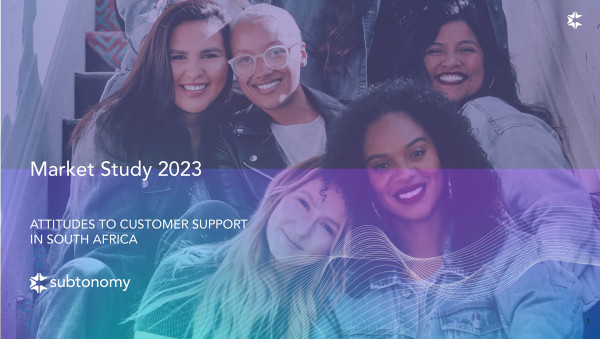
SUBTONOMY (https://www.Subtonomy.com/), the world's leading telecoms technical customer support vendor, today reveals new research on the South African market, providing key insights into the online habits and customer support expectations of South Africans.

South Africans are spending increasing amounts of time online

The global shift towards digitalisation hasn't bypassed South Africa. Rather, as South Africans transition to the latest smartphones, they're spending more and more time online. According to a recent ProxyRack report, for example, the average South African now spends 9 hours and 38 minutes per day online – making them the world's heaviest internet users.

A new study by Sweden's Subtonomy, provides unique insights into how South Africans are spending this time, revealing:

  • 97% are using at least one social media platform
  • 88% are watching the latest movies or streaming TV
  • 86% are paying bills or reading news online
  • 74% are using their mobiles to work from home or to access video conferencing apps
  • 56% are gaming on their handsets
  • 28% are controlling smart home applications.

What all of these advanced data applications have in common, is that they require a robust, stable and always-available network, and this is precisely where customers say there's a big problem - with 7 in 10 admitting they're frequently experiencing problems with their connectivity.

Excellent customer support has become a critical decision point for customers

In addition to dealing with the demands of more complex services, and responding to changing customer needs, South African service providers have the added challenge of regular and unpredictable load balancing events to cope with. But while South Africans don't necessarily blame their service provider - indeed 8 out of 10 say they're doing a great job supporting them – disruptions to their service have become such a significant issue that customer support quality is now seen as a key decision point when deciding which network to use.

But what does excellent customer service look like to the average South African? Increasingly, they expect it to be fast, convenient, proactive and digital.

  • FAST - 53% of customers say they're only prepared to wait a maximum of 5 minutes to access service.
  • CONVENIENT –  39% of customers expect round-the-clock support, and in the 50-54 demographic this rises to 56% of customers.
  • PROACTIVE - 94% of customers say they'd like to be notified about planned maintenance ahead of time, so they can take mitigation actions, and want to be notified in real time about any outages.
  • DIGITAL – although 51% of customers are resolving their problems via the call centre, 30% said digital self-service is now their preferred support channel, and a further 56% said they'd choose self-service via their mobile app IF their service provider could troubleshoot and fully resolve problems from within the app.

Fast, convenient, proactive, digital support is available today

The good news is that the type of fast, convenient, proactive digital support South Africans want has already been developed, tried and tested, and is now being routinely delivered in the advanced mobile markets of Scandinavia. South African service providers are now actively seeking to replicate this type of experience in order to meet customer expectations, drive down support costs, and deliver a world-class experience to customers.

“All networks experience both planned and unplanned problems at one time or another,” explains Fredrik Edwall, EVP Sales & Marketing, Subtonomy. “But what differentiates service providers is the ability to rapidly pinpoint exactly what's causing their customer's problem and then quickly resolve it, while at the same time keeping the customer informed and updated throughout.”

Distributed by APO Group on behalf of Subtonomy.

Contact Tina Rosén to set up an interview: tina.rosen@subtonomy.com

Click here (https://apo-opa.info/48cLpc0) to download a full copy of Market Study 2023: Customer Attitudes to Support in South Africa.

About Subtonomy:
As the only telecoms vendor dedicated to technical customer support, Subtonomy isn't just a solution, we're at the forefront of a customer experience revolution - blending cutting-edge technology with user-friendly tools to break down barriers, streamline and future-proof telecom operators' businesses.

  • When precision matters our solutions dive deep, revealing detailed service experiences and addressing current needs while preparing for the dynamic telecoms market of tomorrow.
  • Harnessing automation to meet customer expectations via Subtonomy's Self-Service API which helps enhance every digital touchpoint, with effortless but complex troubleshooting thrown in.
  • When shifting from reactivity to proactivity our advanced tech support solutions mean you're not just acting faster, but reaching out proactively to keep customers informed via mobile app, website, or IVR.

To find out more about how Subtonomy is reshaping customer support and helping deliver stellar customer experiences today see Subtonomy's website (https://www.Subtonomy.com/).

Media files
Subtonomy
Download logo
Read moreSouth African Telecoms Customers Only Prepared to Wait 5 Minutes
11 September 2023

Unleashing Agritech Innovation in Africa

Location: News
Pitch AgriHack

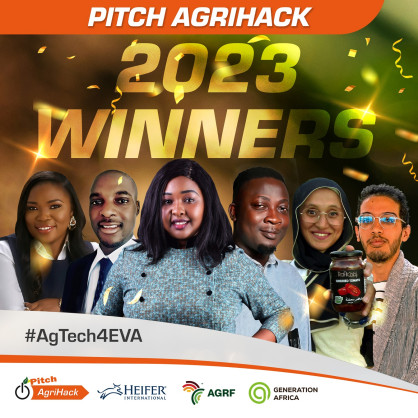
The Pitch AgriHack (https://apo-opa.info/3Zaz0kE) 2023 results are in, capping an inspiring journey celebrating Africa's most exciting agritech visionaries. Applicants from 39 African countries went through a rigorous selection process until six winners were crowned at the Youth Innovation Awards on the final day of The Africa Food Systems Forum hosted at the Julius Nyerere ICC, in Dar es Salaam, Tanzania. This year's Pitch AgriHack theme, “Unleash your Innovation,” resonated deeply with the entrepreneurs who demonstrated how technology can be harnessed to drive sustainability, improve productivity, and uplift communities.

Pitch AgriHack (https://apo-opa.info/3Zaz0kE) 2023 was jointly organized by the African Food Systems Forum (AGRF), Heifer International, and Generation Africa. This year participants and supporters witnessed an impressive showcase of innovation. The competition underscored the power of technology-driven solutions in addressing pressing challenges across the agricultural value chain. Awarding a total prize pool of USD 45,000, the competition recognized and celebrated the brilliance of young minds that are reshaping the future of African agriculture.

"This competition serves as a dynamic showcase of sustainable practices and innovation that is set to define African agriculture. Beyond acknowledging inventive ideas, Pitch AgriHack underscores the steadfast commitment of our youth to revolutionize the sector. At Heifer International, we recognize technology's pivotal role in fostering prosperity for smallholder farmers and rural communities," said Adesuwa Ifedi, Senior Vice President for Africa Programs. "We are deeply committed to investing in and enabling young individuals to create solutions that enhance the yields of smallholder farmers, and the agritech solutions presented not only address challenges within the agricultural value chain but also promote environmental conservation, resource efficiency, and long-term viability."

Dr. Agnes Kalibata, President of AGRA and Former Special Envoy to the UN Food Systems Summit, remarked, "The achievements seen at Pitch AgriHack 2023 truly celebrate entrepreneurial excellence in agriculture. These young innovators are not only shaping the sector's trajectory through their creativity and dedication, but they're also inspiring future leaders to consider impactful careers in agriculture and agribusiness. The technologies presented demonstrate the power of youth to drive practical and sustainable solutions, paving the way for a resilient and prosperous tomorrow."

The innovative solutions developed by the 2023 Pitch AgriHack finalists span a diverse spectrum. From turning waste into cooking gas and electricity, to ultra-fast composting with integrated nutrient analysers, these young entrepreneurs are finding value in nature-positive projects. Cost-saving measurement devices that analyse crop and soil health, providing recommendations that empower farmers, also impressed the judges. Artificial Intelligence integrations featured in several digital farming assistants. Drawing on massive data sets they optimize production, detect diseases, and generate recommendations for improved farming practices.

The entrepreneurs also presented game-changing inclusive finance solutions for women farmers and commodity-backed, post-harvest handling and storage for smallholders. With automated farm management and monitoring systems and behaviour modification solutions that reward farmers for following better practises, Africa's young innovators are determined to build a better food system. 

“The multi-facetted technologies, environmentally-aware approaches, and thorough business models we saw here today indicate that our youth entrepreneurs are building more resilient businesses with more comprehensive offerings that in turn help their farmers become more resilient, too,” said Dickson Naftali, Head of Generation Africa. “It is exactly the type of transformation we need, at scale, for the responsible development of the African food system. Pitch AgriHack not only celebrates such innovation but also fosters networking, collaboration, and exchange among these enterprising youth, mentors, investors, and industry experts. It creates a supportive ecosystem that propels them to grow. We are excited to see how they benefit from this opportunity."

The Pitch AgriHack 2023 Winners are:

Early-Stage Winners:

Winner: Watson Matsa, Co-Founder and CEO of eSusFarm Africa, South Africa

eSusFarm connects with rural farmers via feature-phone USSD, allowing them access to value-chain services, markets, and credit providers. Their system helps small farmers build their track record by collecting farm production data, and monitoring produce quality. Connect with Watson's venture at www.eSusFarm.Africa.

Runner-up: El Mahdi Aboulmanadel, Founder and CEO of DeepLeaf, Morocco

DeepLeaf is an agricultural deep learning lab that is focused on leveraging the latest in AI technology to revolutionize the way we grow crops. Their intelligent farming chatbot, Morshida, uses deep learning to analyse plant images and assist farmers in disease analysis. With natural language processing, Morshida can communicate in 14 different languages and dialects. Connect with El Mahdi's venture at https://DeepLeaf.io.

Mature and Growth-Stage Winners:

Winner: Tunde Adeyemi, Founder and CEO of D-Olivette, Nigeria

D-Olivette builds Bio-Tanks, anaerobic digestors that transforms organic farm waste into fertilizer and biogas for cooking and electricity generation. Their solution is helping smallholder farmers to reduce operational costs, pollution, and CO2 emissions. Connect with Tunde's venture at http://D-Olivette.com.

Runner-up: Reem Nafea, Co-Founder and Business Development Director of BioMasr, Egypt

Biomasr's new Rafik app is a hub for organic agriculture in Egypt. It connects farmers to ecological waste management, clean energy production, and organic fertiliser suppliers, while also empowering women farmers to grow and sell quality organic produce. Connect with Reem's venture at https://BioMasr.com.

Women-led Agribusiness Winners:

Winner: Priscilla Wakarera, Co-Founder and CEO of Rhea, Kenya

Rhea helps smallholder farmers make the right decisions by providing affordable, convenient soil testing for smarter farming. Their IoT device does moisture testing, NPK measurements and soil PH tests before sending AI generated recommendations for fertiliser, pH adjustments, irrigation, and crop recommendations. Connect with Priscilla's venture at www.Rhea.Africa.

Runner-up: Solape Akinpelu, Co-Founder and CEO of HerVest, Nigeria

HerVest is about inclusive finance for African women. They provide easy access to target savings, impact investments and credit financing for smallholder women farmers and women-owned/led SMEs in Nigeria. Connect with Solape's venture at https://www.HerVest.ng.

The winners were selected by an esteemed panel of judges that included experts and leaders in agriculture and technology. Pitch AgriHack contestants were honoured to get invaluable advice and guidance from this highly-respected judges group consisting of:

  • Barbra Sehlule Muzata, Communications Lead – CGIAR  
  • Dr. Nalishebo Meebelo, Executive Director – Regional Network of Agricultural Policy Research Institutes (ReNAPRI)
  • Nono Sekhoto, Sector Lead - AL for Agribusiness Network – African Leadership Academy
  • Victor Mugo, Head of Local Youth Action – World Food Forum
  • Sheila Kaaya, Lead - Agriculture, Agribusiness and Agrifood systems – The Mastercard Foundation
  • Jane Lowicki-Zucca, Senior Youth Advisor – USAID
  • Patrick Heffer, Deputy Director General – International Fertilizer Association
  • Jehiel Oliver, Founder & CEO – Hello Tractor
  • Dr. Charles Iyangbe, Signature Program Director - Africa Programs – Heifer International

This year's Pitch AgriHack applicant breakdown mirrors Africa's youthful dynamism. 79.3% were early-stage startups, embodying the innovative pulse of the competition. Mature/growth-stage agritech ventures represented 20.5%, underlining the sector's growth.

The innovation showcased at Pitch AgriHack 2023 is a strong affirmation of the commitment of AGRF, Heifer International, and Generation Africa to nurture innovation, create job opportunities, and enhance food security across the continent. Through this dynamic competition, the partners seek to inspire a new generation of agritech entrepreneurs who will not only revolutionize the agricultural landscape but also empower smallholder farmers to overcome challenges and embrace sustainable change.

For further information and updates, please visit the official Generation Africa website: https://GenAfrica.org. 

Distributed by APO Group on behalf of Pitch AgriHack.

Contact:
Jane Machigere
jane@jsmcommunications.com
www.GenAfrica.org 

About Heifer International:
Since 1944, Heifer International has worked with nearly 43 million people around the world to end hunger and poverty in a sustainable way. Working with rural communities across Africa for nearly 50 years, Heifer International supports farmers and local food producers to strengthen local economies and build secure livelihoods that provide a living income. Heifer is currently operating in 19 countries across Africa, Asia and the Americas. For more information, visit https://www.Heifer.org.

About Generation Africa:
Generation Africa is a thematic platform of the AGRF, whose mandate is to strengthen the ecosystem for youth entrepreneurs in the agri-food sector across Africa. From its start in 2019, Generation Africa has brought together industry leaders, government institutions, NGOs, NPOs, and community platforms to collaborate on ecosystem development, curation and support of agribusinesses, research and advocacy, and the inspiration of young people to embrace opportunities in the agrifood sector. Find out more at https://GenAfrica.org.

About the AGRF:
The AGRF is the world's premier forum for African agriculture, bringing together stakeholders in the agricultural landscape to take practical actions and share lessons that will move African agriculture forward. Under AGRF's current strategy, the Forum is particularly focused on driving progress of the Malabo Declaration by 2025 as the priority set of commitments African Heads of State and Government have made to strengthen agricultural development at the centre of the continent's overall development and progress. The AGRF is organised by the AGRF Partners Group, a coalition of institutions that care about Africa's agriculture transformation. For more information visit https://AGRF.org.  

Media files
Pitch AgriHack
Download logo
Read moreUnleashing Agritech Innovation in Africa
11 September 2023

End stigmatisation of people with albinism

Location: News

End stigmatisation of people with albinism

Government has called for an end to the stigmatisation and discrimination of people with albinism, as South Africans observe National Albinism Awareness Month.

National Albinism Awareness Month is dedicated to people with albinism, to highlight their pride, challenges and finding solutions.

“We have the opportunity to pause, reflect and remember that not all persons are treated equally, and that many people with albinism continue to suffer human rights abuses and violations, often invisibly and in silence,” the Department of Women, Youth and Persons with Disabilities said in a statement on Monday.

The department said people with albinism continue to face an uphill struggle to attain a life with dignity and equality, and fight against injustice and multiple forms of discrimination because it is still profoundly misunderstood - socially and medically.

Albinism is a rare genetic condition that reduces the amount of melanin pigment formed in the skin, hair or eyes and occurs in all racial and ethnic groups throughout the world. 

The department said during this month, all endeavours should be channelled towards the provision of information on albinism to create awareness.

The department, in collaboration with the National Albinism Task Force, will host an Albinism Community Outreach programme and webinar for youth with albinism to engage on pressing issues faced by youth and people with albinism in the country.

This year’s National Albinism Awareness Month is celebrated under the theme: ‘Inclusion is strength’, which builds from last year's theme of ‘United in making our voice heard’. 

The theme aims to ensure the inclusion of the voices of people with albinism in all sectors of life, and emphasises the importance of inclusion of a diversity of groups from both within and outside the albinism community. 

“This will help people to understand people with albinism and the challenges they face. People must understand that albinism is a rare, non-contagious, genetically inherited condition which occurs worldwide regardless of ethnicity or gender.

“People with albinism are entitled to civil, political, economic, social and cultural rights recognised in the Bill of Rights and our Constitution in South Africa,” the department said. 

The department called on people in communities and workplaces, both in the public and private sectors, to organise Albinism Awareness Month activities. These include organised talks about albinism, fun days, picnics, charity walks and fun runs.

White Paper on the Rights of Persons with Disabilities

South Africa has a White Paper on the Rights of Persons with Disabilities, which is a call to action for government, civil society and the private sector to work together to ensure the social and economic inclusion of people with disabilities is achieved, and this includes people with albinism.

The department emphasised that the International Convention on the Elimination of All Forms of Racial Discrimination and the Convention on the Rights of Persons with Disabilities are particularly relevant, and both guarantee protection against discrimination. 

“Equality and non-discrimination are essential human rights principles for people with albinism, owing to their vision impairment and their needs regarding preventive measures to address their vulnerability to skin cancer.” – SAnews.gov.za


GabiK
Mon, 09/11/2023 - 12:58

323 views
Read moreEnd stigmatisation of people with albinism
11 September 2023

Rideshare Mechanic Revolutionizes Convenience with Online Vehicle Inspections for Uber and Lyft

Location: MyPR

Rideshare Mechanic Revolutionizes Convenience with Online Vehicle Inspections for Uber and Lyft Online Car Inspection Service Offers a Hassle-Free Solution for Rideshare Drivers United States of America (USA), 11 September 2023 –  In a rapidly evolving world where convenience is king, Rideshare Mechanic emerges as a game-changer in the ridesharing industry with its innovative online …

Read moreRideshare Mechanic Revolutionizes Convenience with Online Vehicle Inspections for Uber and Lyft
11 September 2023

Tree Felling Centurion Emerges as the Premier Choice for Expert Tree Services in Centurion

Location: MyPR

Super Green – Tree Felling Centurion Emerges as the Premier Choice for Expert Tree Services in Centurion Centurion, South Africa -11 September 2023 – Super Green – Tree Felling Centurion, a trusted name in tree services, proudly announces its comprehensive range of tree felling and care solutions. Catering to the specific needs of Centurion and …

Read moreTree Felling Centurion Emerges as the Premier Choice for Expert Tree Services in Centurion
11 September 2023

Date set for Finance Minister’s MTBP statement

Location: News

Date set for Finance Minister's MTBP statement

Finance Minister Enoch Godongwana is expected to deliver the Medium Term Budget Policy Statement (MTBPS) on November 1.

“The Medium Term Budget Policy Statement sets government policy goals and priorities, forecasts the macro-economy trajectory, and projects the fiscal framework over the next three years by outlining spending and revenue estimates, among others,” National Treasury said on Monday.

Meanwhile, the 2023 Public Financial Management (PFM) conference is expected to be held from 20 - 22 September.

The conference will be held under the theme: ‘Innovative and Ethical Public Finance Management in Challenging Times’.

According to National Treasury, the key objectives of the conference include:

  • Building a culture of accountability in specific PFM sectors.
  • Creating a platform for PFM officials to update their knowledge and awareness of the latest trends and developments in the financial management space.
  • Identifying new and improved practices and workable solutions that could assist PFM officials in performing their work smarter.
  • Profiling National Treasury, and its units, as important resources in achieving and sustaining PFM excellence.
  • Showcasing available PFM resources and training, and how to access them.
  • Highlighting good practice.
  • Building communities of practice.

“The 2023 PFM conference will serve as a platform to create awareness of some of the latest PFM reforms led by National Treasury. The conference aims to cover the nine PFM disciplines, which include, among others, Financial Accounting, Revenue Management, Expenditure Management, Supply Chain Management, and Budgeting.

“The conference will target all spheres of government. Delegates will include Chief Financial Officers, Provincial Accountant-Generals, heads of PFM disciplines, and other relevant stakeholders responsible for overseeing the implementation of the financial disciplines. In addition, development partners, members of the higher education section and relevant professional bodies,” Treasury said. – SAnews.gov.za


NeoB
Mon, 09/11/2023 - 13:16

232 views
Read moreDate set for Finance Minister’s MTBP statement
11 September 2023

Women, Youth and Persons with Disabilities calls an conclude to stigmatisation and discrimination of people with albinism

Location: News

Republic of South Africa: Department of Women, Youth and Persons with Disabilities
Download logo

September is South Africa's National Albinism Awareness Month. This month is dedicated to Persons with albinism, to highlight their pride, challenges and finding solutions. During this month all endeavors should be channeled towards the provision of information on albinism to create awareness and education of the disability.

Albinism is a rare genetic condition that reduces the amount of melanin pigment formed in the skin, hair or eyes and occurs in all racial and ethnic groups throughout the world. People with albinism continue to face an uphill struggle to attain a life with dignity and equality and to fight against injustice and discrimination. The declaration of 13 June by the General Assembly in 2015 as International Albinism Awareness Day (IAAD) highlights the critical need for the world to recognise the plight of persons with albinism.

We have the opportunity to pause, reflect and remember that not all persons are treated equally, and that many persons with albinism continue to suffer human rights abuses and violations, often invisibly and in silence. People with albinism continue to face multiple forms of discrimination because it's still profoundly misunderstood, socially and medically.

The Department of Women, Youth and Persons with Disabilities in collaboration with the National Albinism Task Force will host an Albinism Community Outreach programme and webinar for youth with Albinism to engage on pressing issues faced by youth and persons with albinism in the country and persons with albinism broadly. This month will be celebrated under the theme "Inclusion is

Strength," which builds from last year's theme of "United in making our voice heard."

It aims to ensure the inclusion of the voices of persons with albinism in all sectors of life. It emphasises the importance of inclusion of a diversity of groups from both within and outside the albinism community.

The 2023 albinism month theme will also highlight the importance and benefits of:

  • Including a broad spectrum of persons with albinism in albinism-related discussions, including youth, women, children, older persons, LGBTQ+ and persons with albinism of all races and ethnic backgrounds;
  • Collaborating and embracing albinism within the disability movement, and in other sectors where decisions affect persons with albinism; and
  • Seeking synergies with human rights groups and other groups from outside the albinism movement

This will help people to understand Persons with albinism and the challenges they face. People must understand that Albinism is a rare, non-contagious, genetically inherited condition which occurs worldwide regardless of ethnicity or gender.

People with albinism are entitled to civil, political, economic, social, and cultural rights recognized in the Bill of Rights and our Constitution in South Africa. The DWYPD calls upon people in communities and workplaces both in the public and private sectors to organise Albinism Awareness Month activities these include, organised talks about albinism, fun days, picnics, charity walks and fun runs.

South Africa has a White Paper on the Rights of Persons with Disabilities which is a call to action for the government, civil society and the private sector to work together to ensure the social and economic inclusion of persons with disabilities is achieved. this includes Persons with albinism.

The International Convention on the Elimination of All Forms of Racial Discrimination and the Convention on the Rights of Persons with Disabilities are particularly relevant; both guarantee protection against discrimination. Equality and non-discrimination are essential human rights principles for people with albinism, owing to their vision impairment and their needs regarding preventive measures to address their vulnerability to skin cancer.

A clarion call was made to all South Africans to treat persons with albinism with care, love, respect and dignity, and try and assist and support them wherever possible.

Distributed by APO Group on behalf of Republic of South Africa: Department of Women, Youth and Persons with Disabilities.

Read moreWomen, Youth and Persons with Disabilities calls an conclude to stigmatisation and discrimination of people with albinism
11 September 2023

Growth In Motion: Pioneering Change Management and RE Training in South Africa

Location: MyPR

Growth In Motion: Pioneering Change Management and RE Training in South Africa Johannesburg, September, 11, 2023  – Growth In Motion, a leading South African consultancy, is proud to announce its latest advancements in Change Management and RE Training courses. As a 51% Black Woman Owned QSE professional consulting business with a Level 2 B-BBEE rating, …

Read moreGrowth In Motion: Pioneering Change Management and RE Training in South Africa
11 September 2023

Chiropractor in Pretoria Enhances Well-being with Expert Care

Location: MyPR

Chiropractor in Pretoria Enhances Well-being with Expert Care Pretoria, South Africa – September 11, 2023 – Joint Health Chiropractic Pretoria is proud to announce its commitment to delivering top-notch chiropractic care to the Pretoria community. With a team of skilled professionals, state-of-the-art facilities, and a dedication to holistic well-being, Joint Health Chiropractic Pretoria has become …

Read moreChiropractor in Pretoria Enhances Well-being with Expert Care
11 September 2023

Celebrating one woman’s mission to change an industry – and society into the bargain

Location: MyPR

Founded in 2019, Black Elegance is the brainchild of Simone Jules. She’s a woman on a mission: she has wanted to run a company since she was a child, but she’s also clear that her ambition would not stop there. “I wanted my own company so that I could make my mark in the call …

Read moreCelebrating one woman’s mission to change an industry – and society into the bargain
11 September 2023

Labour dept set to launch mobile employment centre

Location: News

Labour dept set to launch mobile employment centre

Employment and Labour Minister Thulas Nxesi will this week launch a mobile employment centre at the Jobs Fair in Malelane, Mpumalanga.

The launch is set to take place on Thursday morning at the Paradise Creek Lodge in Malelane.

“Minister Nxesi will deliver a keynote address to stakeholders at the Employers’ Breakfast Session. Thereafter, he will address work seekers and exhibitors at the Jobs Fair and launch the Mobile Employment Centre of the Department of Employment and Labour,” the department said in a statement. 

The Jobs Fair seeks to identify opportunities and solutions that can enhance the capacity of the department and its partners to deliver on its mandate of creating employment for unemployed people, especially the youth of Mpumalanga.

The Jobs Fair is designed to create a platform where employers and work seekers can interact with the purpose of ensuring that the unemployed and underemployed get access to both work and learning opportunities.

The event is targeted at work seekers and to draw employers, institutions and government departments that provide various services to the youth in particular.

The department will provide the following services during the event:

•    Registration of unemployed work seekers on the Employment Services of South Africa (ESSA) database.
•    Facilitating access to opportunities and employment counselling services to work seekers.
•    Offer career information and study options from educational institutions within the province.
•    Job hunting skills, interview preparation and work ethics.

- SAnews.gov.za


DikelediM
Mon, 09/11/2023 - 09:41

22 views
Read moreLabour dept set to launch mobile employment centre
11 September 2023

5 Reasons Every Small Business Owner Should Acquire a Mentor

Location: MyPR

In the ever-evolving landscape of entrepreneurship, small business owners face a multitude of challenges and opportunities. To thrive in this environment, guidance and support from experienced mentors have become invaluable. Kyle Ballard, Head of Accelerators for the Durban Chemicals Cluster (DCC) says, “In the often-solitary journey of entrepreneurship, business owners frequently find themselves navigating uncharted …

Read more5 Reasons Every Small Business Owner Should Acquire a Mentor
10 September 2023

Understanding Carbon Offset: A Comprehensive Guide

Location: MyPR

The term “carbon offset” has become increasingly prevalent in discussions around climate change and environmental sustainability. Despite its growing importance, the concept can be a bit complex to understand. This article aims to clarify the meaning of carbon offset, delve into the different types of projects that generate these offsets, and introduce you to various …

Read moreUnderstanding Carbon Offset: A Comprehensive Guide
10 September 2023

The Ultimate Guide to Selling Diamond Jewellery: What You Need to Know

Location: MyPR

Selling diamond jewellery can be a complex process filled with multiple considerations, from understanding your diamond’s characteristics to choosing the right platform for sale. This comprehensive guide aims to simplify this task by discussing the factors that influence your diamond’s value, the different types of diamond jewellery you might own, and tips for preparing your …

Read moreThe Ultimate Guide to Selling Diamond Jewellery: What You Need to Know
8 September 2023

SA observes Childhood Cancer Awareness Month

Location: News

SA observes Childhood Cancer Awareness Month

The Department of Health in collaboration with various local and international stakeholders will spend the month of September creating awareness of the impact of cancer in children and their families around the country. 

According to the department, it has collaborated with the likes of CHOC Childhood Cancer Foundation South Africa (CHOC) and the World Health Organisation (WHO) to ensure children with childhood cancer in the country are diagnosed early for successful treatment.

September marks Childhood Cancer Awareness Month.

Childhood cancer is one of the leading causes of disease-related death past infancy in children and adolescents, the department said in a statement. 

“Several barriers impede the early diagnosis and referral of the child with cancer to treatment centres. Myths and surrounding the cause of childhood cancer is a major barrier to families seeking medical care timeously.” 

Meanwhile, the department has noted a lack of knowledge and fear of the unknown as drivers of the myths, fallacies and stigmas surrounding childhood cancer resulting in missed diagnoses or presentation with advanced disease, which negatively affects outcomes. 

“We must educate our communities and primary healthcare workers that children do get cancer, can be treated, and cured.”

In high-income countries with 20% of the world’s children with cancer, the department said survival rates are more than 80% while the situation is different in low- and middle-income countries where survival is as low as 20% to 30%. 

“Fortunately, children with cancer in South Africa have much better outcomes of between 55 to 60%.”

According to the Chair of the South African Association of Paediatric Haematology Oncology, Professor Gita Naidu, South Africa aligns with the WHO Global Initiative for Childhood Cancer (WHO-GICC). 

The WHO-GICC aims to increase the survival of children and adolescents with cancer globally. 

“We need to focus on early diagnosis, referral to specialised treatment centres, ensure access to diagnostics and therapeutics, and emphasise quality of life, supportive, long-term follow-up, and palliative care.”

The WHO-GICC, established in 2018, brings together stakeholders from around the world and across sectors with the joint goal of increasing the survival rate of children with cancer globally to at least 60% by 2030.

CureAll, a strategic and practical approach that involves centres of excellence and care with a sufficient and competent workforce to increase capacity to deliver services, guides the initiative. 

The approach also focuses on universal health coverage that ensures access to essential medicines, diagnostics, and technologies. 

It also looks at research and innovation that generate evidence-based solutions for local contexts and the empowerment of patients, families, and communities through education, awareness, and advocacy.

CHOC CEO, Hedley Lewis, calls on South Africans to unite and work together to achieve the WHO’s target to ensure at least 60% survival in low- and middle-income countries and to reduce suffering of all children with cancer by 2030 worldwide.

The Medical Officer responsible for non-communicable diseases at the WHO, Dr Kibachio Joseph Mwangi, reckons that the current partnership with the WHO-GICC can lead to improved outcomes for children with cancer by focusing on a prompt, correct diagnosis followed by evidence-based therapy.

The department stresses the importance of the St Siluan warning signs of childhood cancer, which can be accessed at https://choc.org.za/childhood-cancer-early-warning-signs/. – SAnews.gov.za

Gabisile
Fri, 09/08/2023 - 09:31

482 views
Read moreSA observes Childhood Cancer Awareness Month
7 September 2023

African Energy Chamber (AEC) Hosts High Commissioners and Ambassadors Reception in Pretoria

Location: News
African Energy Chamber

As global demand continues to grow and African countries seek to unlock new investment in untapped energy resources, the African Energy Chamber (AEC) (www.EnergyChamber.org) – serving as the voice of the African energy sector – is committed to facilitating engagement between governments, industry players, and capital and technology providers. On Thursday, the AEC hosted a High Commissioners and Ambassadors Reception in Pretoria, aimed at fostering new connections between countries.

The reception served as a prelude to the continent's largest energy event, African Energy Week (AEW) 2023 – taking place from October 16-20 at the Cape Town Convention Center. More than 50 High Commissioners and Ambassadors took part in the reception, with remarks delivered by André Nzapayeke, Ambassador of Central African Republic & Dean of the Diplomatic Corps in South Africa; Tebogo Seokolo, Acting Deputy Director General: Africa; and NJ Ayuk, Executive Chairman of the AEC. Verner Ayukegba, the Senior Vice President at the AEC, served as the Master of Ceremonies at the Reception.

“Energy security represents one of the greatest threats in the 21st century. It is one of the vexing challenges facing the African continent. We have to put all hands-on deck to address these challenges. It is about time that we see the positive results, see the investments,” Ambassador Seokolo stated. “This event is a precursor to AEW. It brings together global leaders and executives from both the public and private sector to discuss the future of African energy. On our part as Ambassadors of international relations, we commit to providing the support for visa facilitation.”

“We are dealing with a subject that is very important: energy. Without energy, we will not go far. Our continent has huge potential in energy. We will encourage out countries to attend AEW, because it is an opportunity for the actors in the sector to know each other and explore real business opportunities,” stated Ambassador Nzapayeke. “I would like to give the promise that we, the international diplomatic group, are willing to work hand in hand with you to promote the energy sector on the continent. The pan-African parliament can play an important role. Together we can make a difference.”

With energy security representing a significant challenge in Africa, the AEC Reception served as a strong foundation for country representatives to engage, share ideas and understand different approaches to resource maximization.

“Six million Africans don't have access to electricity, 900 million don't have access to clean cooking solutions. We have to deal with that fundamental issue,” stated Ayuk, adding that, “We need diplomacy to make energy poverty history. We need an environment that we can do projects in Africa and where we can do business. This is where governance will play a big part.”

AEW builds on a series of successful editions and has become the premier platform for investment to flow into African energy projects. This year's AEW takes place under the theme, ‘The African Energy Renaissance: Prioritizing Energy Poverty, People, the Planet, Industrialization and Free Markets,' and convenes African governments and policymakers, regional energy companies and thought leaders, and global investors and technology providers for four days of dialogue and deals.

“AEW, the largest oil and gas conference on the continent, is a platform that we use to push our agenda: increase investment in the oil and gas space. We want to see your companies from your countries help build for a future African. Come to AEW and create the right type of partnerships,” stated Ayukegba.

With the event merely weeks away, time is running out to secure your participation at the biggest gathering of energy stakeholders on the continent. Visit www.AECWeek.com and secure your place among Africa's energy leaders.

Distributed by APO Group on behalf of African Energy Chamber.

Media files
African Energy Chamber
Download logo
Read moreAfrican Energy Chamber (AEC) Hosts High Commissioners and Ambassadors Reception in Pretoria
7 September 2023

Amplifin Launches Heavyweight Solution For Small To Medium Businesses – Innovative web-based scheme empowers businesses for growth and success

Location: MyPR

7 September, 2023 – In the dynamic business landscape, growing enterprises encounter an escalating array of challenges that demand innovative solutions. Amplifin recognises that as businesses expand, their concerns multiply – from financial intricacies to operational complexities. The organisation understands that these enterprises require access to cutting-edge technologies, akin to those embraced by larger corporations, …

Read moreAmplifin Launches Heavyweight Solution For Small To Medium Businesses – Innovative web-based scheme empowers businesses for growth and success
7 September 2023

FCB Secures Smirnoff Account

Location: MyPR

Johannesburg, 6 September 2023 – FCB, a leading global advertising agency renowned for its expertise in building timeless brands and driving short-term sales, is excited to announce the acquisition of the prestigious Smirnoff account. As the new creative partner for Smirnoff, FCB is poised to elevate the brand’s iconic status and deliver exceptional results in …

Read moreFCB Secures Smirnoff Account
7 September 2023

The key to Africa’s industrialisation process and ending the region’s massive energy poverty

Location: News
African Energy Chamber

By Jason Mitchell

Africa's vast natural gas reserves are key to bringing energy to Africa's poorest countries, to a solid industrialisation process throughout the region and to significant poverty reduction.

The region is home to 33 of the world's 46 least-developed countries (LDCs) with an average income per head of less than $1,018 a year. The continent's poorest countries must expand at 6-7% a year if poverty is to be reduced in a big way and if the life chances of hundreds of millions of people are to be improved. To achieve this goal, these countries require abundant and cheap energy. Luckily, for many African states, the answer lies on their own doorstep — natural gas. Gas has remained a niche fuel in sub-Saharan Africa — contributing only 5% of the total energy mix against a global average of 20-25% — but its potential is enormous.

A new vision for Africa is required — a criss-crossing network of natural gas pipelines that brings energy to all corners of the region. The continent's contribution to global greenhouse gas emissions is tiny and will only become slightly bigger if the region's natural gas reserves are exploited. There is also a massive opportunity to wean poor Africans away from the use of biomass fuel and to help protect the region's forests through the rollout of small, liquified petroleum gas (LPG) stoves. Climate change is an issue in Africa but poverty reduction is a bigger one. Poverty is the biggest killer in Africa today.

It's very hard for Europeans and North Americans to imagine what it's like to live on under $1,018 a year, to not have readily available electricity, to not have a refrigerator or a washing machine, to not have a car, to not have a lawnmower, to not be able to fly from one country to another cheaply, to not have electricity in the school or the workplace and to have to use firewood or charcoal for cooking purposes. Fossil fuels have been at the heart of the Industrial Revolution that has brought prosperity and better living standards to the developed world. People in the First World must be very careful if they decide to deny Africans the same chance to prosper.

Africa has the lowest energy use per capita in the world — the average electricity use of a sub-Saharan African resident is lower than that of a household fridge in the United States. Average consumption per person in sub-Saharan Africa, excluding South Africa, is a mere 185 kilowatt-hours (kWh) a year, compared with about 6,500kWh in Europe and 12,700kWh in the US. Every year San Antonio, Texas, with a population of 1.5m people, uses as much electricity as the whole of Nigeria, with 203m people. Golden, Colorado, a small town with only 19,000 people, uses as much electricity as Chad, a country with 16m people.

The UN's Sustainable Development Goal Seven aims to “ensure access to affordable, reliable, sustainable and modern energy for all” by the year 2030. That's a tall order. In 2019, 917m people in Africa (around 80% of the region's population) relied on wood, charcoal, kerosene, animal and crop waste or other solid fuels to cook their food and heat their homes. The International Energy Agency (IEA) reports that almost 490,000 people die prematurely every year in sub-Saharan Africa from household air pollution-related causes — stemming from the lack of access to clean cooking facilities. Gas is a much cleaner form of cooking than biomass and its use should be encouraged. Biomass burning-power plants emit 300-400% more CO2 than natural gas per unit energy produced. Natural gas emits almost 50% less carbon dioxide than coal. 

Africa has one-fifth of the world's population but contributes only 3% to global greenhouse gas emissions. Incredibly, some 48 sub-Saharan African countries, excluding South Africa, have an estimated share of global emissions of only 0.55%. The fact is that many African states are already at net zero. If the continent were to use an additional 90bn cu m of natural gas per year — or 50% more than today — the resulting emissions would only raise Africa's cumulative contribution to global carbon emissions to 3.5% (ten gigatonnes) by the year 2050, according to the IEA. It really is a tiny increase compared to the chance of reducing poverty levels for hundreds of millions of poor people. If Africa is to provide universal electricity access by 2030 it would have to almost double its total generation capacity from around 260gw today to 510gw. 

Almost half the continent's 55 countries have proven natural gas reserves. Across the region, natural gas reserves amount to around 17.5trn cubic metres (cu m), making up around 9% of the world's total gas reserves. They are considerable in northern Africa (accounting for 45% of African reserves) and western Africa (32%), in particular. Commercial quantities of natural gas have been found in many African countries.

Previously, only four countries from the region have been major natural gas production hubs: Nigeria (with total gas reserves of 5.8trn cu m), Algeria (4.5trn cu m), Egypt (2.2trn cu m) and Libya (1.5trn cu m). These four accounted for 78% of African gas reserves in 2021 (https://apo-opa.info/48gDBWG), according to the United States Energy Information Administration.

However, seven African countries — Mozambique, Senegal, Tanzania, Mauritania, South Africa, Ethiopia and Morocco — with no history of fossil gas exploitation have now opened up their doors to gas projects. Some 84% of new reserves in the pre-production stage are found in these states — total new reserves amount to 5.1trn cu m. Mozambique has re-production reserves of 2.3trn cu m, Senegal 779bn cu m, Mauritania 575bn cu m, Tanzania 512bn cu m, South Africa 96bn cu m, Ethiopia 42bn cu m and Morocco 39bn cu m.

Furthermore, major untapped reserves have been discovered in Angola, Cameroon, Ghana, Equatorial Guinea, the Republic of the Congo, Kenya and Uganda. A number of these states — including Mozambique, Tanzania, Mauritania and Senegal — are actively marketing natural gas to capitalise on recent discoveries. In fact, the IEA has declared Africa the ‘new frontier' in global oil and gas.

The big four gas-producing countries will continue to dominate gas production in the near term but experts estimate that Mozambique and the other new entrants will contribute more than 50% of the region's gas production by 2038.

Natural gas can be used for electricity generation, industry and domestic use. Crucially, harnessing Africa's gas could provide the baseload power needed to boost Africa's capacity to process its raw materials locally. It could provide enough energy for industrial processes, including steel and cement production and paper and pulp manufacturing. It could be also used to make fertiliser to raise agricultural yields. Renewables, including solar and wind, cannot yet provide enough energy for these purposes.

The huge reserves of gas can play a significant role in the continent's energy transition, as natural gas has a much lower carbon footprint than oil and coal. Critically, natural gas development and renewable power are not mutually exclusive. If Africa were to triple its use of natural gas, the United Nations Economic Commission for Africa (Uneca) estimates that the region would be able to increase its use of renewable energy eight-fold. Reliable forms of energy such as gas can be used to stabilise a grid powered by intermittent sources such as wind and solar. It can play a key role in a ‘just' energy transition.

However, expanding gas supply across Africa would require a whole web of new gas pipelines and that does not come cheap. A lot of the gas from the new projects already under way in Africa is destined for international markets, including the European Union — which have been seeking new sources of energy since the Ukraine crisis — but it is vital that the region's gas reserves are deployed for domestic use, as well. Nigeria, for example, sits on the continent's largest known natural gas reserves but only 55% of the population had access to secure electricity in 2020.

Multilateral financial institutions (MFIs) — many of which are headquartered in the developed world — are now shying away from investing in natural gas projects in Africa because of pressure from a vociferous green lobby. In 2021, 20 countries — including almost all the world's big, rich democracies — pledged to stop almost all financing of new fossil fuel projects internationally by the end of 2022. Furthermore, under the Glasgow Financial Alliance for Net Zero (GFANZ), 450 financial firms across 45 countries, responsible for over $130trn in assets, committed to accelerate the global decarbonisation process. The problem is that most Western governments and financial institutions do not distinguish between coal, oil and gas, and the pressure to stop funding all hydrocarbons has negatively impacted gas projects in Africa in a big way.  

Some of the continent's biggest financiers — including the African Development Bank (AfDB) — are finding it increasingly difficult to support gas project developments that require loan syndication and foreign partners. The World Bank is pulling back, too. Local banks cannot finance major gas projects on their own, as they are limited by their capital base. In particular, the fossil fuels divestment campaign is having a big impact on the amount of development and concessional finance available. This kind of finance used to support a number of gas projects for their poverty-reducing and economic development value.

For example, without the guarantees of development finance institutions (DFIs), most of Africa's recent gas-to-power plants would have never been built in the first place. The withdrawal of development finance from downstream gas and gas-to-power projects is a serious cause for concern for Africa's electrification effort and moving the needle on energy access.

Furthermore, there is a glaring double standard — many European countries have increased their use of hydrocarbons (coal as well as gas) since Russia's invasion of Ukraine. They are constructing new fossil fuel pipelines at home. The EU recently classified natural gas a ‘green' fuel, which will allow Europe's projects to be backed by investors committed to environmental, social and governance (ESG) principles. European countries are now looking towards African states for new sources of gas. However, they are not prepared to back new gas projects in Africa that would supply the fuel to the region itself. That smacks of hypocrisy of the worst kind. How can you deny the poorest people in the world the sort of energy that you want to use yourselves?

Lumping all hydrocarbons together is a blunt policy mechanism that is not good from an emissions perspective either. In poorer places, like sub-Saharan Africa, the available alternative to gas is not renewable electricity but rather coal, diesel and, most of all, polluting biomass. In sub-Saharan Africa, demand for biomass fuels is expected to surge by 40% by the year 2040 if ‘business as usual' continues. The burning of biomass is a major contributor to global carbon emissions and charcoal has been a top driver of tropical forest loss during the past two decades, with the greatest footprint in Africa. The continent's carbon sinks need protecting and the irony is that the greater use of gas would achieve that.

Africa is home to 18% of humanity but receives less than 5% of global energy investment. And much of this investment goes on producing oil and gas for export. There must be much more investment in the region for the domestic use of gas. Gas projects could play an absolutely vital role in bringing energy to Africa but obviously the projects require financing. DFIs must think again about their decision to limit investment in new projects in Africa. The financing of a network of gas pipelines throughout Africa would be one of the quickest and surest ways of industrialising the region in a big way and of alleviating poverty on a large scale. Renewables just cannot do that how ever much wishful thinking takes place.

In fact, development institutions should go one step further and consider subsiding a massive roll out of small LPG stoves to millions of poor households in the region. It could be one of the biggest moves in contributing to Africa's decarbonisation effort by arresting the pace of deforestation in the region. LPG is recovered from ‘wet' natural gas (gas with condensable heavy petroleum compounds) by absorption and reaches the domestic consumer in cylinders under relatively low pressures. The widespread adoption of LPG stoves would reduce the amount of pollutants in the air from biomass fuels. Poor households that currently depend on woodfuel for cooking require a cleaner cooking alternative — LPG is one of the solutions.

LPG stoves are also suitable for domestic use in rural settings — a key consideration in Africa where energy poverty is greatest in the countryside. For instance, in 2016, electricity access in urban and rural areas in Nigeria was 86% and 34%, respectively, according to the World Bank.

Africa only needs to look to Asia for examples. In 2006, Indonesia implemented a ‘mega-programme' to induce a large-scale transition from kerosene to LPG stoves in order to reduce government spending on kerosene subsidies. The initiative invested in LPG infrastructure, domestic cylinder production and consumer awareness. By 2012, 93% of the target had been reached and LPG consumption had grown by almost 350%.

In India, LPG access expanded through the early-2000s but it was still not reaching most poor families. To boost access among the poor, the Indian government introduced the Pradhan Mantri Ujjwala Yojana (PMUY) Scheme. Under it, the country's oil marketing companies provide subsidies to reduce the cost of both LPG connections and cylinder refills to women in households classified as below the poverty line. In 2016, the cost of a connection was about Rupees 3,200 ($48) and included the first full cylinder (plus deposit), deposit for a regulator, an LPG stove and administrative fees.

Furthermore, African governments must consider increasing domestic gas allocations from liquified natural gas (LNG) export projects. These are an effective way to ensure that even if developers prioritise lucrative exports over local sales, they must reserve part of their production for the domestic market. Upcoming LNG terminals in sub-Saharan Africa — for example, in Mozambique — now make it compulsory to allocate a specific amount of gas to the domestic market. The availability of domestic gas from export facilities can encourage gas-based industrialisation (for example, in Senegal) or additional gas-to-power capacity (Mozambique, Mauritania and Senegal). In August 2022, for instance, Senegal's Petrosen Trading & Services signed an MoU with Turkey's Çalık Enerji and Japan's Mitsubishi for the pre-feasibility study of a gas-based ammonia and urea manufacturing unit.

It is a huge mistake to lump all hydrocarbons together and for Western environmentalists to argue that no new new fossil fuel projects should happen in Africa whatsoever. Deforestation is one of the biggest issues in Africa today. Poor Africans must be weaned off the use of wood-based fuels. The widespread adoption of small LPG stoves would be one of the surest ways of reducing deforestation. Natural gas could also form the basis for a solid, large-scale industrialisation process in Africa — something that is essential if the region is to achieve the sort of economic growth needed to lift hundreds of millions of people out of poverty.

Distributed by APO Group on behalf of African Energy Chamber.

Media files
African Energy Chamber
Download logo
Read moreThe key to Africa’s industrialisation process and ending the region’s massive energy poverty
7 September 2023

A Guide to Leak Detection: What Homeowners Should Know

Location: MyPR

Owning a home comes with its fair share of responsibilities, and one of the most underrated yet crucial ones is monitoring for leaks. Whether it’s a dripping tap or a more sinister leak behind the walls, early leak detection can save you a lot of time, money, and stress. In this blog post, we’ll discuss …

Read moreA Guide to Leak Detection: What Homeowners Should Know
  • Previous
  • Page 1
  • Interim pages omitted …
  • Page 68
  • Page 69
  • Page 70
  • Page 71
  • Page 72
  • Interim pages omitted …
  • Page 75
  • Next

Copyright © 2026 · MyZA · All Rights Reserved · Powered by Stratlec Online