Debate Over Future of Social Grants
Black Sash argues they are a vital safety net but economist questions their viability

MyZA
News, Directory, Events and Other Stuff
Black Sash argues they are a vital safety net but economist questions their viability
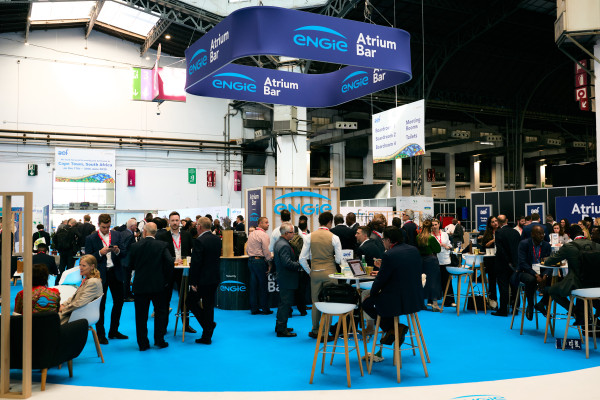
Powering AI data centres, accelerating large-scale solar projects and leading the global energy transition are just three of the critical topics up for debate at next month's Africa Energy Forum (aef), kicking off for the first time in Cape Town, South Africa, 17–20 June 2025. Forum sponsor Sun Africa returns for the third consecutive year, a testament to its sustained commitment to powering Africa's clean energy future.
For a full programme and to join the debate, visit: https://apo-opa.co/4k7ngcj
Under the theme of ‘Africa United', and featuring hundreds of ministers, policymakers and executives from nations across the continent, the aef will spotlight the continent's expanding ambition and the urgent drive to reshape its own energy future.
With South Africa now chairing the G20, the continent will gain a pivotal voice in global decision-making, making aef 2025 the launchpad for a bold message to the world: Africa knows what it needs, and it's ready to lead.
This year's aef will welcome a significant number of new companies participating for the first time, expanding the community of innovators and investors at the event. It will also host delegations from 33 countries, comprising head of state, ministers, regulators, and other public sector leaders from across the continent.
Confirmed speakers include the President of Ghana, John Dramani Mahama, South Africa's Minister of Electricity & Energy, Dr. Kgosientsho Ramokgopa, Nigeria's Minister of Power, Adebayo Adelabu and Noureddine Yassaa, Algeria's Secretary of State for Renewable Energies.
The high-level line-up also features the current Senegalese candidate for the Presidency of the African Development Bank, Amadou Hott, plus senior ministers and policy makers from Liberia, Ghana, Malawi, Zambia, Guinea-Bissau, Zimbabwe, Ethiopia and Madagascar.
This year's aef will focus on how the private sector can help move from ambition to implementation on Mission 300, connecting power to 300 million people by 2030. And, as demand surges from commercial and industrial sectors, the aef will also unpack the infrastructure, investment, and regulatory models needed to keep pace.
Grounded in Ubuntu, the African philosophy of shared humanity, the event will call for a global energy transition that is cooperative, equitable, and Africa-led.
“Something urgent has to be achieved as we simply cannot have another 10 woeful years of investment into projects. No more [time] can pass with one side saying we “we need guarantees” and the other side saying, “we can't afford guarantees.” Time is THE DETERMINING FACTOR holding energy access back and this needs to change. Now is the time for Africa to unite behind common goals and common infrastructure!” Simon Gosling, Managing Director, EnergyNet
“The future of African power infrastructure starts with Sun Africa, and the conversation about Africa's energy future continues at the Africa Energy Forum. We are proud to be the Forum Sponsor of an event that will unite visionaries and unite people from across the continent.” – Adam Cortese, CEO, Sun Africa.
Bringing together community and sport, the 2025 edition of eaf also features the Africa Challenge Cup, a special evening of football at Cape Town's iconic DHL Stadium. Four teams will face off in friendly matches under the floodlights, offering a chance for delegates, partners, and peers to connect in a spirited, relaxed setting alongside friends and family.
The Youth Energy Summit (YES!), held in parallel with aef, is expected to welcome more than 4,000 participants, making it one of the largest gatherings focused on youth engagement in the African energy sector. Many companies are supporting the initiative not just as sponsors, but as active partners in youth participation across the continent. These include the DBSA, Nedbank, Pele Green Energy, Seriti Green, Siemens Energy, Genesis, and others from the energy and mining sectors.
Distributed by APO Group on behalf of EnergyNet Ltd..
Notes:
The main sponsors at this year's aef include Sun Africa, AKSA, Red Rocket, Globeleq, Nedbank and the World Bank. See https://apo-opa.co/3ZrUw5E
Lead sponsors at this year's aef include the Africa Development Bank, AMEA Power, the British International Investment, BCG, EDF, Engie, the European Investment Bank, GE Vernova, Infinity Power, Standard Bank, Synergy Consulting and TotalEnergies. See https://apo-opa.co/3ZrUw5E
For media inquiries and registration please email :
Poliana Sperandio: poliana@energynet.co.ke
Sylvia Gaita: sylvia.gaita@apo-opa.com
About the Africa Energy Forum (aef):
The Africa Energy Forum (aef) is taking place in the Cape Town International Convention Centre, South Africa, 17-20 June 2025.
The event is the continent's leading platform for energy sector stakeholders to collaborate, invest, and accelerate progress. In its 27th year, the aef brings together governments, developers, investors, and innovators to drive real-world solutions in energy access and sustainability.
The African Energy Chamber (AEC) (www.EnergyChamber.org) – representing the voice of the African energy sector – offers its full support and endorsement of the upcoming Africa Energy Technology (AET) conference, recognizing the role the event plays as a platform for fostering innovation and technology in Africa. Taking place May 27-29, 2025, in Accra, Ghana, the event unites government representatives, policymakers and energy technology leaders to discuss financing and technology opportunities in Africa.
AET 2025 takes place under the theme: Innovate, Invest, Implement: Revolutionized Financing for Sustainable Energy Sector Growth in Africa, highlighting the need to scale-up spending across the continent. Key topics that will be explored include innovation in technology, attracting diverse investment through new financial mechanisms and ensuring effective implementation of energy projects. Striving to address Africa's most pressing energy challenges – including access to energy and financing – the event is expected to position the continent at the forefront of global energy discussions.
Africa is at a critical juncture in its energy development as it strives to advance large-scale energy projects while reducing carbon emissions. With over 600 million people living without access to electricity and 900 million people living without access to clean cooking solutions, countries across the continent are advocating for greater investment across the energy value chain, with the aim of accelerating oil, gas and renewable energy projects. Concurrently, the continent has committed to reducing greenhouse gas emissions to mitigate climate change impacts, given that Africa faces the worst impacts of the climate crisis worldwide. It is within this juncture that the need to fast-track technology adoption and enhance innovation becomes clear.
Africa's unique energy challenges can be addressed through the rapid roll-out of various energy sources, and progress is already being made to achieve this. Africa's biggest oil producers seek to increase oil production, with Angola planning to sustain output above one million barrels per day (bpd), Nigeria targeting 2.5 million bpd while Libya strives for 2 million bpd. In tandem, gas-rich nations across the continent aim to increase LNG output. The Republic of Congo targets 3 million tons per annum (mtpa) with the start of Congo LNG phase two in 2025; Mozambique is advancing its Rovuma Basin projects; while Senegal and Mauritania eye 5 mtpa at the Greater Tortue Ahmeyim project, following first production in 2024.
Meanwhile, countries are advancing their clean energy portfolios, with projects in nuclear energy and green hydrogen taking shape. Upcoming green hydrogen projects include the 2,100 kilo-ton-per-annum (ktpa) ACME Group Sokhna project in Egypt (2030); the 1,200 ktpa Project Nour in Mauritania; the 900 ktpa AMAN project in Morocco, among others. In the nuclear sector, over 15 GW of operational capacity is targeted across the continent by 2035. South Africa is expanding production capacity, Egypt is developing its first facility – comprised of four reactors – while over 10 countries are looking at embracing nuclear technology. To make energy poverty history by 2030, the continent will need all of these energy sources.
The AET 2025 conference steps into this picture to foster collaboration across the entire energy value chain in Africa. The event underscores the need for an integrated and diverse energy mix, with technology driving energy efficiency and sustainability. By leveraging innovation, the event emphasizes the value of groundbreaking technology and innovative investments.
“As the continent strives to unlock the full potential of its oil, gas and energy resources, greater technology deployment will be critical. AET is expected to not only revolutionize the African energy landscape by identifying key financing and technology opportunities, but to foster greater collaboration across the sector by bringing together key energy stakeholders,” stated NJ Ayuk, Executive Chairman of the AEC.
Visit https://AETConference.com/tickets/ to register
Distributed by APO Group on behalf of African Energy Chamber.
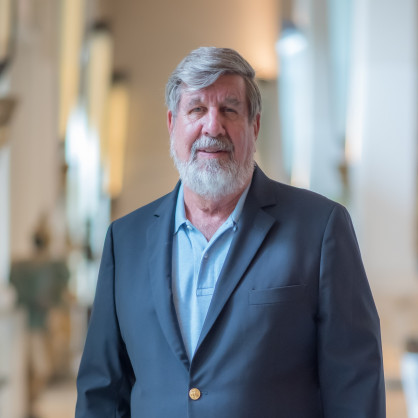
The 2025 Future Hospitality Summit (FHS) Africa Awards will honour three exceptional individuals whose leadership, vision, and integrity have profoundly shaped the hospitality industry in Africa and beyond. David Green, CEO of the V&A Waterfront in Cape Town, will be recognised with the FHS Outstanding Contribution to Hospitality Award; William E. Heinecke, Founder and Chairman of Minor Hotels, will receive the FHS Leadership Award and Hala Matar Choufany, President of HVS Middle East, Africa & South Asia, will be presented with the FHS Excellence Award.
The awards were nominated by the FHS Africa Advisory Board, a group of senior industry leaders who collectively represent decades of insight and influence across the global hospitality ecosystem. Their selections reflect not only individual excellence, but also the values that FHS Africa seeks to champion: ethical leadership, inclusive development, and long-term impact.
William E. Heinecke, one of Asia's most influential entrepreneurs, was honoured with the FHS Leadership Award in recognition of a nearly six-decade-long career that began with a bold idea and just US$1,200. At the age of 17, Heinecke registered his first company under the name ‘Minor'- a nod to being underage at the time - and went on to create Minor Hotels, a diversified hospitality group that today operates more than 530 hotels across 56 countries under brands including Anantara, Avani, Oaks, Elewana, and Tivoli. His acquisition of NH Hotel Group in 2018 marked a turning point for global expansion and established Minor as a powerhouse in the international hospitality scene. A vocal advocate for sustainability and social impact, Heinecke also founded the Golden Triangle Asian Elephant Foundation, the Heinecke Foundation for education, and the Mai Khao Marine Turtle Foundation. His accolades include HOTELS Magazine's Corporate Hotelier of the World and Entrepreneur of the Year at the Asia Pacific Enterprise Awards. Now Chairman of the Board of Minor International, Heinecke continues to guide the group's long-term strategy and philanthropic mission.
David Green's recognition reflects more than a decade of transformative leadership at the helm of Cape Town's iconic V&A Waterfront. Since his appointment in 2009, Green has guided the historic precinct through a R8 billion reinvention, turning it into one of Africa's most successful mixed-use destinations. Under his stewardship, the Waterfront has become a blueprint for sustainable urban development - supporting nearly 80,000 jobs, empowering local entrepreneurs, and embedding environmental and social responsibility at the core of every initiative. From the launch of the Zeitz MOCAA Museum and Makers Landing to the expansion of the hotel and hospitality portfolio now comprising 14 hotels and over 1,800 rooms, Green's legacy lies in his deep commitment to inclusivity, innovation, and purpose-driven development. “Everything we do is viewed through the lenses of job creation, inclusivity, and sustainability,” Green reflected.
“It's about ensuring that our work aligns with the values of our people, our community, and our environment.”
Hala Matar Choufany, recipient of the FHS Excellence Award, has set new benchmarks in hospitality advisory through her role as President of HVS Middle East, Africa & South Asia. The first woman to hold this position, she has led over 5,000 advisory engagements that have shaped hotel investments, asset strategies, and valuations across key markets. Her leadership is grounded in transparency, ethical decision-making, and long-term value creation - principles she champions not just in boardrooms, but also in classrooms and industry forums worldwide. A respected voice in global hospitality discourse, Choufany is committed to nurturing talent, supporting sustainable development in emerging markets, and driving responsible investment practices across Africa and beyond. “True leadership is not about titles or accolades,” she said. “It's defined by trust, integrity, and the impact created through knowledge-sharing and collaboration.”
All three recipients will be featured in exclusive one-to-one interviews live on the FHS Africa stage, offering delegates a rare and intimate opportunity to hear their personal stories, leadership lessons and career highlights first-hand. These are not-to-be-missed sessions that will anchor the thought leadership agenda of FHS Africa 2025.
Commenting on the announcement, Matthew Weihs, Managing Director of The Bench, said:
“We are absolutely delighted to be recognising William, Hala, and David at FHS Africa this year. Each of them represents the very best of our industry - visionary leadership, resilience, and a deep commitment to positive change. Their stories are a testament to what is possible when passion meets purpose. FHS Africa continues to be the premier hospitality investment platform on the continent, and honouring these individuals reflects the exceptional calibre of conversation and connection that defines this event.”
FHS Africa 2025 continues its mission to elevate the continent's hospitality potential by spotlighting the people and ideas driving sustainable growth. Through these awards, the Summit honours those who not only lead with distinction but also shape the future of hospitality across Africa and around the world.
Distributed by APO Group on behalf of The Bench.
For further information and high-resolution images, please contact:
David Tarsh
+44 (0) 20 7602 5262
+44 (0) 7770 816 070
Email: David@Tarsh.com.
About FHS Africa:
For over a decade, the Future Hospitality Summit Africa (FHS Africa – formerly the Africa Hospitality Investment Forum) has been the launchpad for hospitality investment in Africa, driving growth, connecting visionaries, and transforming the continent's tourism and hospitality landscape. As a beacon of opportunity, FHS Africa brings together global investors, developers, operators, and industry leaders committed to turning potential into reality.
Strategic Partners: Accor, BWH Hotels, Hilton, Marriott International, IHG Hotels & Resorts, Radisson Hotel Group
Headline Sponsors: ACT, CHIC, Hansgrohe, TUI Hotels & Resorts
Sponsors: Aleph Hospitality, CityBlue Hotels, EQUATE, Knight Frank, JLL, St Helena Government, STR, TIME Hotels, TV5 Monde, Valor Hospitality Partners
Event Ambassadors: Develop Hotels Inc, Hotel Partners Africa, Voltere by Egis, W Hospitality Group
Official Carriers: Discover Airlines, Kenya Airways
Supported By: South Africa Tourism
About The Bench:
The Bench has a legacy of delivering world-leading investment forums and conferences in Europe, Africa, the Middle East, and Latin America. The key principle behind these events has remained "dealmaking'. Transforming the way businesses connect, Bench has developed a reputation for creating innovative and high-impact meetings for the industry.
For over two decades, government leaders, tourism ministries, global travel & tourism associations, the world's most influential hospitality brands, hotel owners & investors, renowned restaurant groups, airlines & aviation authorities, destination developers, asset managers, financial groups, and consultants have been participating in The Bench's events. These include FHS Africa, FHS World, FHS Saudi Arabia and AviaDev, where industry players showcase their brands, position themselves as thought leaders or innovators, and connect with the right individuals, opportunities and knowledge.
Learn more at www.TheBench.com

African Leadership Magazine (www.AfricanLeadershipMagazine.co.uk) proudly unveils the distinguished list of nominees for the 17 categories of the 2025 African Business Leadership Awards (ABLA)—a premier recognition platform celebrating excellence in corporate governance, impactful leadership, and trailblazing contributions to the growth and sustainability of Africa's dynamic business and economic ecosystem. The public voting process is now officially open and will run until 29 May 2025, offering stakeholders across Africa and the globe the opportunity to celebrate and affirm exemplary leadership in the African business space.
The ongoing public voting marks the third phase in a rigorous four-step, points-based selection process for the African Business Leadership Awards (ABLA). The process begins with open nominations, followed by a shortlist of top contenders curated by the African Leadership Magazine editorial board. In this third phase, the public is invited to vote, adding stakeholder voices to the evaluation process. The final stage involves a detailed editorial assessment of votes and supporting evidence to determine winners, ensuring a transparent, merit-based outcome that reflects both public sentiment and proven impact.
Public votes in this phase contribute 65% of the final decision, with the remaining 35% based on supporting evidence for each nominee. This ensures a fair and credible process that values both public opinion and verifiable impact. Winners and first runners-up will be honoured at the 15th African Business Leadership Awards (ABLA), a special highlight of the Africa Summit–London, scheduled for 9–10 July 2025 at the House of Lords, London, United Kingdom.
To cast your vote, visit:
The 2025 African Business Leadership Awards (BLA Nominee Highlights
African Business Leader of the Year
African Female Business Leader of the Year
African Regulator of the Year
Business-Friendly Governor of the Year
African Finance Minister of the Year
Trade & Investment Promotion Agency of the Year
Central Bank Governor of the Year
Trade & Investment Minister of the Year
African CEO of the Year
Young Business Leader of the Year
Africa CSR & Community Development Impact Award
African Brand of the Year
African Company of the Year
Industry Personality of the Year
Africa Business Integrity Leader Award
African Tech & Digital Economy Leader of the Year
Lifetime Achievement Award
Distributed by APO Group on behalf of African Leadership Magazine.
Media Enquiries:
Ehis Ayere
T: +44 (0) 20 3051 1883
E: ehis@africanleadership.co.uk
About African Leadership Magazine:
African Leadership Magazine is the flagship publication of the African Leadership Organisation (UK) Limited. For over 19 years, it has championed impactful leadership across Africa and amplified African opportunities on the global stage. Through its platforms—including Afro-positive content, trade facilitation, market entry solutions, public sector consulting, and business networking events—the magazine plays a pivotal role in fostering sustainable development and positive change across the continent.
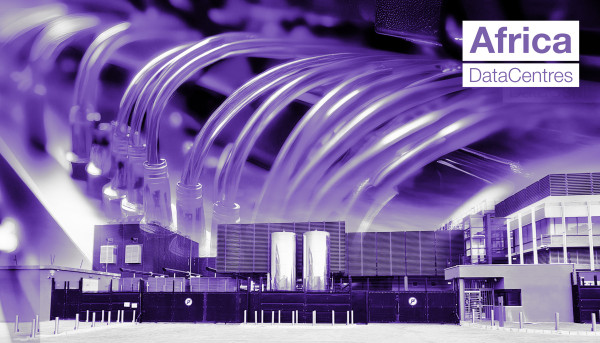
Africa Data Centres (www.AfricaDataCentres.com), a business of Cassava Technologies, is pleased to announce the successful deployment of a self-cooling rack by Gold Synergy at its CPT1 facility in Cape Town. This installation represents a significant advancement in the evolution of high-density computing in Africa and supports Africa Data Centres' commitment to sustainable, efficient infrastructure solutions.
The innovative self-cooling rack, commissioned in January 2025, is designed to meet the increasing demand for high-performance computing while minimising energy consumption. As the region experiences rising power and cooling challenges driven by artificial intelligence, big data, and enterprise workloads, self-contained cooling technologies like this offer a smart and scalable solution.
Gold Synergy brings a wealth of expertise in advanced cooling solutions. The deployment at CPT1 demonstrates the viability of self-cooling racks in African conditions, setting the stage for broader collaboration in supporting regional ESG objectives.
“Our collaboration with Gold Synergy introduces new efficiencies in high-density hosting,” said Adil El Youssefi, CEO of Africa Data Centres. “By integrating this cutting-edge cooling solution at CPT1, we are creating a model for how data centres in Africa can scale intelligently while remaining aligned with global sustainability targets. The success of this deployment positions both Africa Data Centres and Gold Synergy to expand CDU-based cooling technologies across the region, further supporting Africa's growing need for next-generation infrastructure.”
“Our self-cooling rack solution is a game-changing approach for high-density computing environments,” said Fortune Utubor, Executive at Gold Synergy. “This deployment reflects our shared commitment to energy efficiency and operational excellence.”
South Africa remains a strategic digital hub for the continent. With its reliable infrastructure, favourable location, and increasing demand for cloud and AI services, the country plays a pivotal role in the digital transformation of Africa. As enterprises move mission-critical applications closer to home, infrastructure capable of supporting such workloads efficiently becomes essential.
The deployment not only increases the CPT1 facility's hosting capacity without requiring major infrastructure modifications, but it also reinforces Africa Data Centres' position as the continent's leading carrier-neutral data centre provider. The new solution helps reduce reliance on traditional cooling systems and contributes to operational cost savings for both clients and facility operators.
Distributed by APO Group on behalf of Africa Data Centres.
ADC boilerplate :
Africa Data Centres owns and operates Africa's largest network of interconnected, carrier and cloud-neutral data centre facilities. Bringing international experts to the pan-African market, Africa Data Centres is a trusted partner for rapid and secure data centre services and interconnections across Africa. Strategically located in South, East and West Africa our world-class data centre facilities provide a home for all business-critical data for Africa's small, medium and large enterprises and global hyperscale customers. https://www.AfricaDataCentres.com
On bilateral matters:
On regional and international matters:
Done in La Celle Saint-Cloud, France, on 16 May 2025
| For the French Republic | For the Republic of South Africa |
| H.E. Jean-Noël BARROT
Minister for Europe and Foreign Affairs |
H.E. Ronald Ozzy LAMOLA
Minister of International Relations and Cooperation |
Distributed by APO Group on behalf of Republic of South Africa: Department of International Relations and Cooperation.

Eswatini's efforts to scale up investment in its mining and renewable energy sectors will take center stage at African Energy Week (AEW): Invest in African Energies 2025, with the kingdom's Minister of Natural Resources and Energy Prince Lonkhokhela Dlamini confirmed to speak. Taking place from September 29 to October 3 in Cape Town, AEW: Invest in African Energies 2025 is the continent's premier energy event and will spotlight Eswatini's strategic initiatives to attract foreign investment in critical minerals, support energy independence and advance sustainable development.
Prince Dlamini's participation at AEW: Invest in African Energies 2025 reinforces Eswatini's commitment to leveraging strategic partnerships and international forums to attract capital and technology into both its mining and energy sectors. The kingdom recently celebrated a major milestone with the financial close and construction launch of the 13.5 MW Lower Maguduza Hydro Power Project, a public-private initiative that underscores Eswatini's drive to achieve greater energy independence and sustainability through renewables.
AEW: Invest in African Energies is the platform of choice for project operators, financiers, technology providers and government, and has emerged as the official place to sign deals in African energy. Visit www.AECWeek.com for more information about this exciting event.
Eswatini is also making significant progress toward universal energy access through the newly launched Accelerating Sustainable and Clean Energy Access Transformation (ASCENT) project. Backed by international financial institution the World Bank, this initiative aims to connect 50,000 new households – benefitting 200,000 people – to electricity using both on- and off-grid solutions, with a focus on underserved rural communities. Supported by over $100 million in concessional financing, the ASCENT project will enhance energy security, build institutional capacity and improve livelihoods, making Eswatini one of Africa's frontrunners in equitable and sustainable electrification.
In the mining sector, Eswatini is actively working to position itself as an emerging market for critical minerals, following the launch of the second phase of a national mineral mapping program in partnership with South Africa's Council for Geoscience in November 2023. Using AI-based geoscientific techniques, this initiative seeks to unlock the country's vast yet underexplored mineral wealth – ranging from gold and iron ore to a broader portfolio of high-demand critical minerals. As part of its outreach to global investors, Eswatini is creating an enabling environment for private sector participation in mineral exploration, production and job creation.
Stepping into this picture, Minister Dlamini's participation at AEW: Invest in African Energies 2025 aligns with the goals of Eswatini to open its doors to investors in both energy and mining. By sharing insights into investment opportunities, policy developments and major projects, Minister Dlamini will not only promote greater foreign spending in the kingdom, but position Eswatini as a top destination for energy and mining developers.
“With strong regional partnerships and a focus on innovation, Eswatini is rapidly becoming a compelling destination for critical mineral exploration and clean energy investment,” states Tomás Gerbasio, VP Commercial and Strategic Engagement, African Energy Chamber.
Distributed by APO Group on behalf of African Energy Chamber.
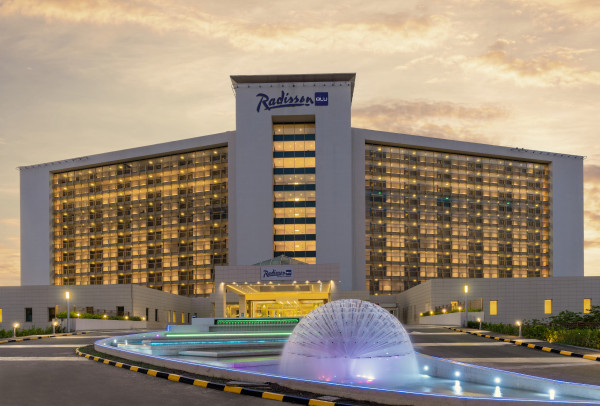
Radisson Hotel Group (www.RadissonHotels.com) continues to solidify its leadership in Africa's hospitality landscape, with its top ranking in W Hospitality Group's (https://W-HospitalityGroup.com) 2024 “From Pipeline to Reality” report for achieving the most hotel openings across the continent within the year. Building on this momentum during the first quarter of 2025, Radisson Hotel Group announces its market entry into the Democratic Republic of Congo with two landmark signings, while further strengthening its presence in Central Africa with the signing of Radisson Blu Hotel & Apartments, Yaoundé in Cameroon.
With 11 hotel signings and 7 openings over the last 15 months totaling over 2,000 signed and 1,500 opened rooms, 1,000 through conversions, the Group has strengthened its position as the leading hotel company in Africa, with a diverse portfolio of 100 hotels across more than 30 countries. This growth reflects the Group's focused expansion strategy, strong local partnerships, and continued success in delivering high-impact conversions.
“In line with our global achievements, over the last 15 months, we have achieved remarkable growth across Africa. We expanded into new markets like Tanzania, Conakry, and the Democratic Republic of Congo, further cementing our position as the most diverse hotel company across the continent in terms of country presence,” said Ramsay Rankoussi, Vice President, Development, Africa and Turkiye, Radisson Hotel Group. “Our pipeline remained the most active in the industry, driving sustained momentum and once again highlighting the quality of our partners and a clear strategy. Once again, we are proud to see our group leading the rankings in Africa. We celebrate these successes and look forward to unlocking continued economic value across the continent.”
Expanding the Footprint: New Market Entries and Key Openings
Radisson Hotel Group proudly announces its entry into the Democratic Republic of Congo with the signing of two landmark properties: Radisson Blu Hotel, Kinshasa and Radisson Hotel Lubumbashi, further strengthening the Group's presence in Central Africa.
Radisson Blu Hotel, Kinshasa – Opening late 2026
Strategically located on Boulevard Colonel Tshatshi in the Gombe district, Kinshasa's prime residential and business area, this upper-upscale hotel will feature 110 elegantly designed rooms, including standard rooms, suites, and a Presidential Suite. Guests can enjoy a variety of dining options, including a Lobby Bar, All-Day Dining Restaurant, and Pool Bar. The hotel's wellness facilities will include a gym, massage rooms, and an outdoor swimming pool with a pool terrace. Its modern meeting and event spaces will feature an event hall and pre-function area, ideal for both corporate and social gatherings. The hotel is conveniently situated 32 km from N'djili International Airport, 10 km from N'Dolo Airport, and 6 km from the Gare Centrale train station.
Radisson Hotel Lubumbashi – Opening mid-2027
Located on Revolution Road Avenue in Lubumbashi, the second-largest city in the DRC, this upscale hotel will offer 97 stylish guest rooms, including standard rooms, junior suites, and a Presidential Suite. Culinary offerings will include a Lobby Bar, All-Day Dining Restaurant, and a Rooftop Bar & Grill with panoramic city views. The hotel's meetings and events facilities will comprise three flexible meeting rooms and a dedicated pre-function area. Guests will also have access to a well-equipped gym and a swimming pool. The hotel enjoys a prime location near Kipopo Lake, surrounded by luxury residences and notable landmarks such as Lubumbashi Golf Club and La Plage, and is just 12 km from Luano International Airport.
In Guinea, the Group marked a significant milestone with the opening of the Radisson Blu Hotel, Conakry (apo-opa.co/3S5KC5S), just three months after signing. This contemporary beachfront property, located in the city's vibrant Kipé neighborhood, features 282 stylish rooms, suites, and apartments with sweeping ocean views and convenient access to the city's key business and leisure hubs.
Further strengthening its Indian Ocean portfolio, Radisson Hotel Group signed and opened Crystals Beach Resort Belle Mare, a member of Radisson Individuals (apo-opa.co/4dlCM1x). Located on the east coast of Mauritius, the resort features 234 spacious accommodations, family-friendly amenities, and breathtaking lagoon views, making it a sought-after destination for travelers of all types.
“We've had a successful track record over the past 15 months with our focus on conversions, including Crystals Beach Resort Belle Mare, Radisson Blu Hotel, Conakry, and Radisson Blu Hotel & Convention Center, Tunis (apo-opa.co/4koQYJF)—all fantastic hotels that have further elevated our portfolio in Africa,” added Rankoussi.
Strengthening Strategic Markets and Future Pipeline
In Cameroon, Radisson Hotel Group continues to strengthen its presence with the signing of Radisson Blu Hotel & Apartments, Yaoundé. Scheduled to open by the end of 2026, this 150-room property will be ideally located in the heart of the capital's central business district, just a 30-minute drive from Yaoundé Nsimalen International Airport.
The hotel will feature a vibrant selection of dining venues, including a Lobby Bar, All-Day Dining Restaurant, and a Specialty Restaurant. With 1,350 m² of flexible meetings and events space, as well as premium wellness facilities, including a spa, gym, and a rooftop pool with an expansive pool deck, the hotel is set to become a landmark destination in the city. This signing also reinforces the Group's continued pursuit of growth opportunities across Cameroon, including in the key market of Douala.
Meanwhile, Radisson Hotel Group is also deepening its commitment to key markets across the continent:
“While geographical diversification remains a priority for us, we also see a clear opportunity to consolidate our presence across key markets such as Morocco, Nigeria, and South Africa, each with at least one opening scheduled in 2025. Our results reinforce our brand strength and ability to adapt and grow across diverse markets. We remain committed to expanding our footprint while delivering world-class hospitality experiences across Africa,” concluded Rankoussi.
Distributed by APO Group on behalf of Radisson Hotel Group.
Media Contacts:
Saadiyah Hendricks
Area Director PR & Social Media, MEA & MED
saadiyah.hendricks@radissonhotels.com
Business Development Contacts:
Ramsay Rankoussi
Vice President, Development, Africa & Turkey
ramsay.rankoussi@radissonhotels.com
Connect with Radisson Hotels on:
LinkedIn: apo-opa.co/4j9Oz4v
Instagram: apo-opa.co/44E3lwF
X: apo-opa.co/4jX8XHi
Facebook: apo-opa.co/43hBQ9M
YouTube: apo-opa.co/3Fbzql4
TikTok: apo-opa.co/3HbuMnG
Radisson Hotel Group:
Radisson Hotel Group is a rapidly expanding international hotel group, operating in EMEA and APAC with over 1,520 hotels in operation and under development in +100 countries. The Group's overarching brand promise is Every Moment Matters with a signature Yes I Can! service ethos.
The Radisson family of brands portfolio includes Radisson Collection, art'otel, Radisson Blu, Radisson, Radisson RED, Radisson Individuals, Park Plaza, Park Inn by Radisson, Country Inn & Suites by Radisson, and Prize by Radisson brought together under one commercial umbrella brand Radisson Hotels.
Radisson Rewards (apo-opa.co/3ZemGkw) is Radisson Hotel Group's loyalty program, which delivers an elevated experience that makes Every Moment Matter, counting more than 20 million members. As the most streamlined program in the sector, members enjoy exceptional advantages and can access their benefits from day one across a wide range of hotels in Europe, Middle East, Africa, and Asia Pacific.
Radisson Meetings (apo-opa.co/4j83NHh) provides tailored solutions for any event or meeting, including hybrid solutions placing guests and their needs at the heart of its offer. Radisson Meetings is built around three strong service commitments: Personal, Professional and Memorable, while delivering on the brilliant basics and being uniquely Carbon Compensated.
At Radisson Hotel Group we care for people, communities and planet (apo-opa.co/4iZqzRn) and aim to be Net Zero by 2050 based on the approved Science Based Targets. With unique solutions such as carbon compensated Radisson Meetings, we make sustainable hotel stays easy. To facilitate sustainable travel choices, all our hotels are becoming verified on Hotel Sustainability Basics.
The health and safety of guests and team members remain a top priority for Radisson Hotel Group. All properties across the Group's portfolio are subject to health and safety requirements, ensuring we always care for our guests and team members.
For more information, visit our corporate website (apo-opa.co/3H8NyMt).
The Deputy Minister of Water and Sanitation, Mr. Sello Seitlholo, has called for intensified investment in the water sector to secure Southern Africa's future in the face of climate change and growing water demands.
Speaking at the ORASECOM Climate Resilient Investment Conference in Maseru, Lesotho on Thursday, 08 May 2025, Deputy Minister Seitlholo highlighted that resilient water infrastructure and cross-border collaboration are critical to the region's economic development, environmental sustainability, and long-term water security.
As a proud and committed member of the Orange-Senqu River Commission (ORASECOM), South Africa continues to champion regional cooperation for the sustainable and equitable management of shared water resources. Deputy Minister Seitlholo reaffirmed the country's support for the Commission, noting South Africa's role as host country and consistent contributor to its operations and basin-wide studies.
“Water is the foundation upon which our economies, communities, and ecosystems rest. In Southern Africa, it also binds us together across borders. Our shared future demands that we invest boldly and wisely in securing this most precious resource,” he said.
South Africa is undertaking major reforms to create an enabling environment for water investment. Deputy Minister Seitlholo said that these include legislative amendments to strengthen water governance, reduce inefficiencies, and attract private-sector involvement through improved regulatory certainty and streamlined project processes.
He pointed to multiple opportunities for investors, ranging from bulk infrastructure and wastewater treatment to innovative technologies in reuse and smart metering. Public-private partnerships are being pursued with urgency, including through the Water Partnership Office in collaboration with the Development Bank of Southern Africa (DBSA). “Investing in water is not just a necessity; it is a generational imperative. Our policy reforms, institutional innovation, and partnerships demonstrate that we are ready to work with all stakeholders to make water investment a success story,” he emphasised.
The Deputy Minister highlighted sustainability, technological advancement, and climate adaptation as key pillars of the country's water strategy. He emphasised the need for robust risk management to address droughts, floods, and pollution, backed by government funding instruments such as the Water Services Infrastructure Grant and the Regional Bulk Infrastructure Grant made available by the Department of Water and Sanitation.
Deputy Minister Seitlholo stressed that communities must be at the heart of water solutions. South Africa's water governance model prioritises public participation and inclusive development, particularly through forums supporting youth, women, and civil society engagement. Partnerships with NGOs, research institutions, and the private sector continue to drive innovation and ensure evidence-based planning.
In closing, Deputy Minister Seitlholo reaffirmed South Africa's unwavering commitment to regional leadership and global engagement in the water sector. He announced that South Africa will proudly host the Africa Water Investment Summit in August, a strategic platform aimed at unlocking large-scale investment and galvanising multi-sector partnerships for water infrastructure development across the continent.
Furthermore, as South Africa has assumed the G20 Presidency, the Deputy Minister committed that water financing will be elevated as a key agenda item, positioning water not merely as a development issue but as a central pillar of economic resilience, climate adaptation, and sustainable growth.
“South Africa stands ready to lead by example, mobilising political will, catalysing investment, and fostering cross-border cooperation to build a water-secure future for Africa and beyond,” he affirmed.
“Let us seize this moment to mobilise the partnerships, political will, and financing needed to ensure a climate-resilient and water-secure future for our region. What we decide today must shape a legacy of inclusive growth and sustainable prosperity for generations to come,” concluded Deputy Minister Seitlholo.
Distributed by APO Group on behalf of Department of Water and Sanitation, Republic of South Africa.
JOHANNESBURG: Cricket South Africa (CSA) today announced ISDIN as the official sunscreen partner to CSA and the Proteas Men and...

Future Hospitality Summit (FHS) Africa 2025 comes to Cape Town from 17–19 June 2025, bringing together the most influential voices in hospitality investment, development, and sustainability from across the globe.
This year's speaker lineup features major investors, visionaries, strategists, and dealmakers who are actively reshaping the landscape of hospitality across Africa.
William E. Heinecke, Founder and Chairman of Minor Hotels, will headline the summit. A self-made entrepreneur who launched his first business at 17, Mr Heinecke has built one of the world's most respected hospitality groups. His keynote will explore the lessons behind that legacy and what's next for hotel expansion in Africa.
Guy Hutchinson, President of Hilton MEA, and Haitham Mattar, Managing Director of IHG for MEA & Southwest Asia, will delve into how global hotel groups adapt their strategies for Africa's evolving markets. Meanwhile, Jerome Briet (Chief Development Officer EMEA, Marriott International), Jean-Baptiste Recher (CDO Luxury Brands, Accor), and Esteban Lozada (MD North, West & South Africa, Hilton) will highlight expansion plans and pipeline insights from the region's top brands.
On the investment side, the programme features heavyweights like Folaseto Akin-Olugbade (Principal, Actis), Olivier Granet and David Damiba (Co-CEOs, Kasada Capital Management), Rahul Chaudhary (MD & CEO, CG Corp Global), Magdaline Osei Baffour (Investment Director, Westmont Hospitality Group), Nyawira Kariuki (CEO, Janus Continental Group), and Jameel Verjee (Founder & CEO, CityBlue Hotels). They'll share unfiltered insights on how they evaluate opportunities, manage risk, and unlock long-term value in different African markets.
Graham Wood (CEO, Sun International), Marcel von Aulock (CEO, Southern Sun), and Tony Romer-Lee (Managing Partner AMEA, Valor Hospitality Partners), David Green (CEO, V&A Waterfront) add further firepower to the operator perspective, joining sessions on operating strategies, sustainability, and navigating development constraints.
Conservation and tourism sustainability will also take centre stage with Dr Morne du Plessis (CEO, WWF South Africa) and Mark Read (former WWF SA Chairman) exploring how hospitality can be a vehicle for positive environmental impact. Brooke Friswold of Bring The Elephant Home and Joe Pietersen of Nkombe Rhino will share field perspectives on ecotourism's potential.
Other voices enriching the dialogue include Gillian Saunders, one of Africa's leading tourism consultants, Kevin Teeroovengadum (Proptech Africa), Thami Nkadimeng, Paul Gardiner (CEO, Terra Nova), Bani Haddad (Aleph Hospitality), Tadiwos G. Belete (Kuriftu Resorts), Euan McGlashan (Valor Hospitality), Wayne Godwin (JLL Africa), and many more.
An Investor Powerhouse
FHS Africa 2025 will once again host the region's most active capital partners, including:
Berkeley Properties, Cameroon Hotels Corporation, CityBlue Hotels, Cresta Marakanelo Limited, DEG, FROS Capital, Fundo Soberano de Angola, IFC, Janus Continental Group, Oak & Satin Properties, Proparco, Rockshieldburg-City, The Midwest Company, and UAG Investments.
Together, these investors represent billions in active projects, acquisitions, and greenfield development across the continent. With over $4 billion in hospitality deals signed at FHS Africa since its inception, the event remains a catalyst for serious deal-making and investment.
Matthew Weihs, Commercial Director of the Bench, which organises FHS Africa, said: “We're incredibly proud to bring FHS Africa to Cape Town for the first time. It's a city that represents innovation, diversity, and growth — the perfect backdrop for an event that connects the brightest minds in hospitality and drives real investment across the continent. The 2025 programme is bold, dynamic, and focused on action."
FHS Africa 2025 promises unparalleled opportunities to build meaningful relationships through various formats tailored for real engagement. From high-energy speed networking sessions and curated closed-door investor councils to exclusive offsite visits showcasing Cape Town's latest hospitality developments, every moment is designed to foster strategic connections. The event also features a community-focused charity Run, offering a lighter way to meet other delegates while supporting a worthy cause.
Distributed by APO Group on behalf of The Bench.
Further Information:
For further information and high-resolution images, please contact:
David Tarsh
+44 (0) 20 7602 5262
+44 (0) 7770 816 070
email: David@Tarsh.com
About FHS Africa:
For over a decade, the Future Hospitality Summit Africa (FHS Africa) has been the launchpad for hospitality investment in Africa, driving growth, connecting visionaries, and transforming the continent's tourism and hospitality landscape. As a beacon of opportunity, FHS Africa brings together global investors, developers, operators, and industry leaders committed to turning potential into reality.
Strategic Partners: Accor, BWH Hotels, Hilton, Marriott International, IHG Hotels & Resorts, Radisson Hotel Group
Headline Sponsors: ACT, CHIC, Hansgrohe, TUI Hotels & Resorts
Sponsors: Aleph Hospitality, CityBlue Hotels, EQUATE, Knight Frank, JLL, St Helena Island, STR, TIME Hotels, TV5 Monde, Valor Hospitality Partners
Event Ambassadors: Develop Hotels Inc, Hotel Partners Africa, Voltere by Egis, W Hospitality Group
Official Carriers: Discover Airlines, Kenya Airways
Supported By: South Africa Tourism
About The Bench:
The Bench has a legacy of delivering world-leading investment forums and conferences in Europe, Africa, the Middle East, and Latin America. The key principle behind these events has remained "dealmaking'. Transforming the way businesses connect, Bench has developed a reputation for creating innovative and high-impact meetings for the industry.
For over two decades, government leaders, tourism ministries, global travel & tourism associations, the world's most influential hospitality brands, hotel owners & investors, renowned restaurant groups, airlines & aviation authorities, destination developers, asset managers, financial groups, and consultants have been participating in The Bench's events. These include FHS Africa, FHS World, FHS Saudi Arabia and AviaDev, where industry players showcase their brands, position themselves as thought leaders or innovators, and connect with the right individuals, opportunities and knowledge.
Learn more at TheBench.com
The Department of International Relations and Cooperation (DIRCO) announces the decision to close the South African Embassy in Sofia, Bulgaria, effective 30 June 2025.
This decision, informed by prudent fiscal considerations and the need to prioritise national resource allocation, forms part of a broader strategic realignment of South Africa's diplomatic missions globally. Since 2021, the South Africa has undertaken necessary adjustments to its international footprint to ensure fiscal sustainability while maintaining its commitment to effective diplomatic engagement and bilateral partnerships.
DIRCO underscores that this step is not reflective of the value South Africa places on its longstanding and cordial relations with Bulgaria. Rather, it is a measure compelled by the imperative of responsible fiscal stewardship.
Prior to this decision, extensive consultations were held between the Governments of South Africa and Bulgaria. Minister Ronald Lamola personally engaged his Bulgarian counterpart, Mr Ivan Kondov, to reaffirm South Africa's steadfast commitment to strengthening bilateral ties.
To ensure continued collaboration, South Africa will maintain diplomatic and consular relations with Bulgaria through its resident Mission in Athens, Greece, which will assume responsibility for bilateral engagements.
South Africa deeply values the presence of the Bulgarian Embassy in Pretoria and looks forward to sustained cooperation through this channel.
The South African Government remains optimistic that this closure will be temporary. Minister Lamola said: “We express our earnest intention to restore a dedicated diplomatic presence in Sofia as soon as fiscal conditions permit, reflecting our shared aspirations for a deepened partnership.”
Distributed by APO Group on behalf of Republic of South Africa: Department of International Relations and Cooperation.
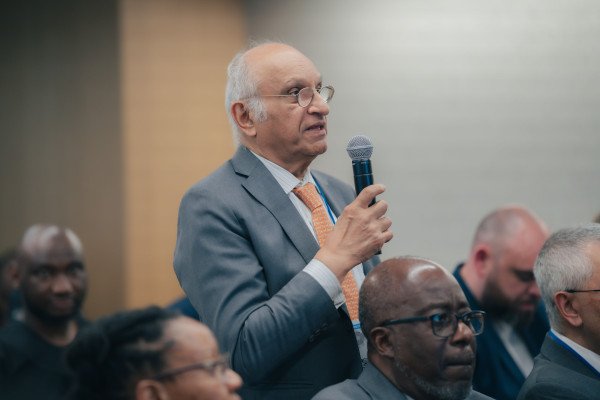
With more than 30 African countries subject to sovereign credit ratings, the decisions of global rating agencies significantly impact debt sustainability and access to international financial markets. At a high-level dialogue held on the sidelines of the 2025 IMF–World Bank Spring Meetings, African institutions and global credit rating agencies reaffirmed their commitment to developing a fair, transparent, and inclusive credit rating ecosystem for Africa.
Organized by the African Union's African Peer Review Mechanism (APRM), the United Nations Development Programme (UNDP), the United Nations Economic Commission for Africa (UNECA), AfriCatalyst, and the African Center for Economic Transformation (ACET), and hosted at the Open Society Foundations, the dialogue brought together senior representatives from Moody's, S&P, and Bank of America for a candid discussion on financing solutions for African countries.
Against a backdrop of rising market volatility, sovereign defaults and constrained fiscal space, the dialogue aimed to address urgent reforms in Africa's credit rating framework. Speakers identified structural issues such as data gaps, methodological opacity, and under-engagement between African governments and the ‘big three' credit rating agencies (Moody's, S&P, and Fitch), as barriers to accurate ratings.
Amb. Claver Gatete, Executive Secretary of UNECA, acknowledged Africa's financing paradox—a combined GDP of over $3 trillion, yet only two countries rated investment grade—and underscored the urgent need for reform. “Ultimately, a healthy credit rating ecosystem goes beyond evaluating risk – it becomes a platform for mobilizing capital, improving creditworthiness, and supporting Africa's broader development goals,” he added.
“We must rethink how creditworthiness is defined and measured,” said Dr. Raymond Gilpin, Chief Economist, UNDP Africa speaking on behalf of Ms. Ahunna Eziakonwa, UNDP Regional Director for Africa. “At UNDP, we believe a development-centric approach is essential to supporting governments in strengthening institutions, improving data systems, and engaging effectively with credit rating agencies to reshape the narrative around Africa's creditworthiness.”
African economies face mounting credit rating challenges, including perceptions of bias, lack of transparency and inconsistencies in rating methodologies. Dr. Misheck Mutize, Lead Credit Rating Expert at APRM, and Dr. Zuzana Schwidrowski, Director of Macroeconomics, Governance and Finance at UNECA, proposed solutions to addressing the capacity of African governments to respond to inaccurate or unfair credit ratings and steps toward creating an African Credit Rating Agency that complements and expands existing credit ratings coverage globally.
Mr. Roberto Sifon-Arevelo, Managing Director at S&P Global Ratings, Mr. Jorge Valez, Senior Vice President at Moody's Ratings, and Dr. Tatonga Rusike, Chief Economist for Africa at Bank of America, outlined opportunities to remedy longstanding risk perception issues and working together with banks and investors to build capacity and a better understanding of rating methodologies to address transparency. They further emphasized that while sovereign credit ratings are not the sole determinant of investor decisions, they exert significant influence over borrowing costs, market confidence, and access to capital.
"Given the ongoing stress in African governments related to both cost of capital and access to capital it is critical to ensure that credit ratings reflect the many different African contexts. This initiative is an important step in that regard - particularly engaging the credit rating agencies," shared Ms. Mavis Owusu-Gyamfi, President and CEO of ACET.
“The Africa Credit Rating Agency (AfCRA) is not being established to issue favourable ratings for African entities, but rather to contribute to a diversity of rating opinions that support more accurate assessments of African sovereigns, corporates, and sub-sovereigns,” expressed Dr. Mutize. “Our priority is to build a credible, independent, and sustainable institution that plays a vital role in developing domestic debt markets and rebalancing Africa's position within the evolving global financial architecture.”
In his closing remarks AfriCatalyst's CEO Dr. Daouda Sembene stressed the urgent need for collaboration among African institutions. “AfriCatalyst is proud to be at the heart of this critical dialogue, building on the foundation of our Credit Ratings Initiative with UNDP. We are optimistic that through stronger collaboration between African institutions and global rating agencies, we can foster a more accurate, robust, and representative credit rating ecosystem—one that empowers African nations and promotes sustainable growth.” said Daouda.
Key messages included the need for: transparent and regular engagement between rating agencies, investors, and African governments; stronger institutional narratives that reflect the continent's resilience and reform efforts; and local capacity-building and collaboration, particularly through the proposed African Credit Rating Agency, which aims to provide credible, contextual alternatives to global ratings.
As South Africa chairs the G20 and the African Union assumes permanent membership in 2025, the call for an African-led credit rating solution takes on added urgency. The outcomes of this dialogue will contribute to ongoing efforts to reform the global financial architecture and ensure Africa's capital works better for Africa's development.
Distributed by APO Group on behalf of AfriCatalyst.
Media Contacts:
Bineta Pouye
bpouye@africatalyst.com
Michelle Mendi Muita
michellemendi.muita@undp.org
Ejigayhu Tefera
ejigayhu.tefera@aprm-au.org
Jean-Marc Kilolo
jean-marc.kilolo@un.org
Belinda Ayamgha
bayamgha@acetforafrica.org
The Portfolio Committee on Cooperative Governance and Traditional Affairs (COGTA) voiced concerns on Thursday about the disconnect between local government's strategic plans and the reality of service delivery in communities.
The committee received a briefing on the South African Local Government Association's (SALGA) strategic plan (2022-2027) and the 2024/25 second and third-quarter financial and non-financial performance reports. Departments present these plans and reports to parliamentary committees to ensure accountability, transparency and effective resource management. This enables committees to scrutinise departmental performance and spending and hold them accountable to the public.
Members heard that SALGA is 71% on track with its strategic plan. One strategic outcome, for example, is for SALGA to focus on social cohesion through spatial integration, economic justice, and the development of viable communities, providing citizens with reliable and sustainable services to enable inclusive socio-economic growth. The target is an average of 10% improvement in identified municipalities; thus far, SALGA has completed pre-assessments in twenty-three municipalities. Members, however, emphasised that progress with performance indicators on paper rings hollow when communities cannot access basic services.
Moreover, considering the poor consequence management for senior management in underperforming municipalities, the committee sought clarity on the impact of SALGA's interventions and capacity-building efforts. Members asked for examples of success stories, which SALGA will provide in written responses.
The committee also expressed concern over SALGA's financial sustainability. Members highlighted that over 90% of SALGA's funding comes from municipality membership levies, which may compromise the entity's ability to intervene and support municipalities. The committee was assured that SALGA is open to exploring alternative revenue sources, but legal considerations must be ironed out.
The committee heard that part of SALGA's mandate is to build the capacity of municipalities, as well as the leadership and technical capacity of both councillors and municipal officials, and to support and advise its members to help them execute their mandate. Noting SALGA's role, the members interrogated its impact amid continued political instability and interference, the politicisation of municipal administration and skills shortages that paralyse municipal performance and fuel systemic inefficiencies. The committee called for a clearer distinction between political oversight and administrative execution. It urged SALGA to lead in the development of stronger training and performance management systems for councillors and officials.
Acting Chairperson of the committee, Ms Dikeledi Direko, said, “It is cause for serious concern the ‘invisible hand' (politicisation) that is part of local government, and we need to strongly condemn such practices. As political parties, we need to ensure that in elections we put forward councillors that can add value to local government.” She said councillors are often unable to hold officials to account. “We need councillors who can assist in turning around the system.”
The committee also noted poor coordination with and inclusion of traditional leaders in municipal planning and governance issues. “Traditional leaders, as part of our stakeholders, should not be left behind and treated as ‘by the way' stakeholders in local government. They should be included and they should be heard,” the acting chairperson said.
Welcoming SALGA's presentation, she said the committee wants to ensure sustainable solutions to the weaknesses in service delivery and municipal finances, thereby enabling municipalities to provide quality services to the people of South Africa. “We agree that despite many interventions in our municipalities, there is still a lot to be done. All relevant stakeholders should be on board, and proper coordination and support from all three spheres of government also play a critical role in improving our municipalities,” she said.
Distributed by APO Group on behalf of Republic of South Africa: The Parliament.
African Mining Week (AMW) – taking place from October 1–3, 2025, in Cape Town – will connect global investors with high-impact opportunities across Africa's mining sector, spotlighting the strategies fueling the continent's mineral industrialization.
A key highlight of the event will be a high-level panel, The Investor Perspective: Financing Africa's Mineral Industrialization. The session will explore the evolving investment landscape and examine diverse financing mechanisms – including bank loans, private equity, venture capital and impact investing – that are mobilizing capital into African mining.
DFIs Drive Infrastructure Investments
Attracted by strong returns and Africa's long-term growth potential, development finance institutions (DFIs) are ramping up investments into the continent's mining infrastructure. In March 2025, the African Development Bank approved a $150 million loan to Mauritania's state-owned mining company SNIM and committed $500 million to the Lobito Corridor – a strategic railway project linking Angola, the DRC and Zambia to international markets. Meanwhile, the Africa Finance Corporation (AFC) is backing several critical mineral projects, including Nyanza Light Metals' $780 million PGMs facility in South Africa, Gecamines' expansion in the DRC, Giyani Metals' manganese development in Botswana and FG Gold's project in Sierra Leone. Between 2014 and 2024, AFC invested over $1 billion into Africa's mining sector. The U.S. International Development Finance Corporation (DFC) is also deepening its commitment, providing more than $750 million toward the Lobito Corridor, $34 million for Pensana's Longonjo rare earths project in Angola and $3.2 million to Chillerton's green copper development in Zambia.
Geopolitics and African Prospects
Geopolitical shifts are intensifying the global race for Africa's critical minerals, vital for the energy transition and digital economy. From 2019 to 2023, companies from the United Arab Emirates committed over $110 billion to African projects. In early 2025, UAE-based Ambrosia Investment Holding acquired a 50% stake in Allied Gold's projects in Ethiopia and Mali, investing $375 million to scale up gold production. Canadian mining investment on the continent has now surpassed $37 billion, with companies like Ivanhoe Mines, Fortuna Silver, Pioneer Lithium and Trigon Metals leading expansion efforts. Similarly, Australia's mining footprint in Africa reached $60 billion in asset value in 2024, supported by firms such as Sovereign Metals, Cazaly Resources and Atlantic Lithium.
Private Placements
Private placements are emerging as a preferred capital-raising vehicle for mining ventures across Africa. Companies including Zanaga Iron Ore, Moab Minerals, Global Atomic Corporation, Premier African Minerals and Trigon Metals are leveraging this mechanism to fast-track project development and attract investor interest. As ESG criteria take center stage in investment decision-making, AMW will serve as a platform for financiers and project developers to engage on sustainability metrics, transparency and responsible investing.
Distributed by APO Group on behalf of Energy Capital & Power.
African Mining Week serves as a premier platform for exploring the full spectrum of mining opportunities across Africa. The event is held alongside the African Energy Week: Invest in African Energies 2025 conference from October 1-3 in Cape Town. Sponsors, exhibitors and delegates can learn more by contacting sales@energycapitalpower.com. To download the working program, please visit www.African-MiningWeek.com
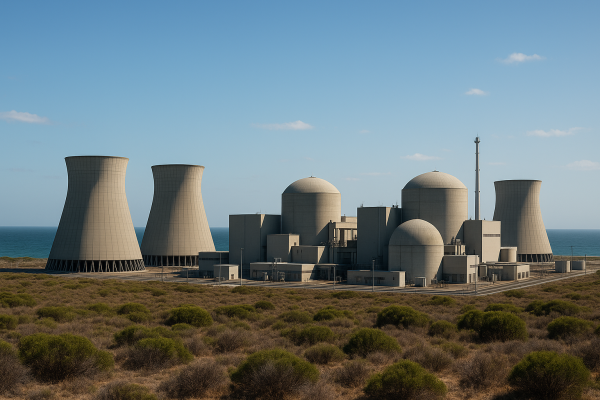
China is rapidly scaling up its energy diplomacy in Africa, with nuclear cooperation emerging as a cornerstone of its broader strategic agenda. On April 8, South Africa's Nuclear Energy Corporation signed a Memorandum of Understanding (MoU) with the China National Nuclear Corporation (CNNC) during an official visit to China led by South Africa's Electricity Minister, Dr. Kgosientsho Ramokgopa.
The agreement aims to revive South Africa's nuclear fuel cycle, accelerate the deployment of small modular reactors and promote collaboration on advanced fuels such as high-assay low-enriched uranium. With strong government support for nuclear power but limited domestic financing, South Africa is seeking international partners to inject capital and technology while maintaining state ownership of key infrastructure.
Minister Ramokgopa's working visit to China also aimed to find solutions to South Africa's energy insecurity and loadshedding. Central to this effort is the proposed life extension of the SAFARI-1 reactor at the Pelindaba nuclear research center, which is scheduled for retirement in 2030. Plans for a new multi-purpose reactor are already underway with R1.2 billion ($63.6 million) in seed funding allocated, but further investment is needed to move the project forward. This underscores the critical role of sustained nuclear investment in securing South Africa's long-term energy resilience and reducing dependence on aging infrastructure.
China's Expanding Footprint
China's ambitions in Africa's nuclear sector extend beyond South Africa. At the 2024 Forum on China-Africa Cooperation (FOCAC) in Beijing, China launched the China-Africa Forum on the Peaceful Use of Nuclear Technology, as part of its 2025-2027 Beijing Action Plan. The move reinforced China's long-term goal to become Africa's premier nuclear energy partner. With 53 of 54 African nations represented at FOCAC – including 51 Heads of State – the event provided a powerful platform for Beijing to promote its nuclear agenda and expand its diplomatic and technical reach, while highlighting how Africa is leveraging nuclear energy to meet its growing power demands.
For Africa, nuclear power presents a unique opportunity to address the continent's urgent energy access gap while advancing long-term sustainability. Nuclear offers baseload electricity with zero carbon emissions, making it well-suited to complement intermittent renewables like solar and wind. Small modular reactors, in particular, are seen as a viable solution for remote or off-grid regions due to their scalability, smaller footprint and enhanced safety features. With growing populations and rising industrial demand, several African nations view nuclear power as a low-carbon, scalable pathway to energy security and broader socioeconomic development.
Nuclear Expansion Across Africa
Currently, Africa's nuclear energy development is concentrated in six countries – Egypt, Ghana, Kenya, Morocco, Nigeria and South Africa. Of these, four have recently signed nuclear cooperation agreements with China. In September 2024, Nigeria entered high-level discussions with China on peaceful nuclear energy cooperation, covering the full project lifecycle – from research and training to construction and plant decommissioning. Earlier that year, Nigeria also signed an MoU with the CNNC aimed at operationalizing nuclear power plants by the 2030s. Ghana followed suit with a deal to deploy China's Hualong One reactor, while Kenya continues to pursue its longstanding 2015 agreement with China to develop a 1,000 MW plant by 2034.
The International Atomic Energy Agency projects a 58% increase in nuclear energy use in Africa by 2030, with a tenfold increase by 2050. With more than 600 million people on the continent lacking electricity access, China's nuclear partnerships are positioned to close critical power gaps while supporting shared decarbonization goals.
Against this backdrop, African Energy Week (AEW) 2025: Invest in African Energies serves as a pivotal platform for advancing nuclear energy collaboration between Africa, China and other global partners. Building on existing partnerships and recent MoUs, AEW will facilitate high-level discussions on technology transfer, investment frameworks and regulatory readiness to accelerate nuclear deployment in key African markets. These conversations will align national nuclear ambitions with China's global expertise, ensuring that energy security, sustainability and sovereignty are at the core of future collaborations.
AEW: Invest in African Energies is the platform of choice for project operators, financiers, technology providers and government, and has emerged as the official place to sign deals in African energy. Visit www.AECWeek.com for more information about this exciting event.
Distributed by APO Group on behalf of African Energy Chamber.
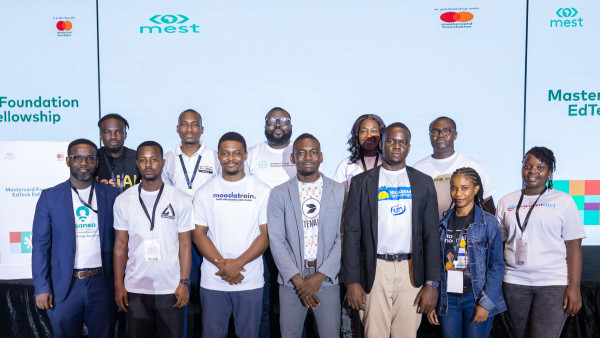
MEST Africa (www.Meltwater.org), in partnership with the Mastercard Foundation, has announced its second cohort of 12 innovative companies for the Mastercard Foundation EdTech Fellowship in Ghana. This six-month entrepreneurship acceleration program is dedicated to supporting Africa's most promising EdTech ventures by equipping them with mentorship, funding, and expertise in the science of learning. These newly selected companies are set to scale their groundbreaking solutions and address pressing educational challenges across Ghana.
The Second cohort builds on the success of the first cohort of 12 EdTech Companies, whose solutions impacted over 136,798 learners during the period of acceleration, underscoring the Fellowship's ability to drive transformative change.
“We are thrilled to welcome the second cohort of the Mastercard Foundation EdTech Fellowship,” said Angela Duho, Program Manager at MEST Africa. “In Ghana, EdTech is not just about innovation—it's about creating equal opportunities for every student, no matter where they live. It empowers teachers with the tools they need to inspire, and it prepares our youth for a future where digital skills are essential. The first cohort has already shown us what's possible, and we're confident that these new Fellows will continue to transform education and unlock potential across the country.”
The 12 EdTech companies selected for the 2025 cohort demonstrated strengths in [please add here] that point to Ghana's educational needs. Over the next six months, they will benefit from comprehensive support, including expert mentorship, access to funding, and specialized training, enabling them to scale their solutions effectively and sustainably.
The EdTech companies selected by MEST Africa for the 2025 Mastercard Foundation EdTech Fellowship are:
“The Mastercard Foundation looks to support the acceleration of EdTech solutions that reach all, including those out-of-school young people who are constantly left out of the education ecosystem. For it is when we design with the end user in mind that the business case for the solutions is more scalable, sustainable and impactful. Our collaboration with MEST Africa is to transform education in Ghana through technology-enabled learning”, added Rodwell Mangisi, the Acting Director of the Mastercard Foundation Centre for Innovative Teaching and Learning.
Through the Mastercard Foundation EdTech Fellowship, this cohort will embark on a transformative journey, gaining mentorship from experts in education innovation, sustainability, and scale, access to courses on the science of learning, and equity-free grants. This robust support aims to scale their solutions and elevate educational outcomes for millions across Ghana and Africa.
For more information about the Mastercard Foundation EdTech Fellowship and MEST Africa initiatives, visit www.Meltwater.org.
Distributed by APO Group on behalf of The Meltwater Entrepreneurial School of Technology (MEST Africa).
For media inquiries, contact:
Francis Akondor
Marketing and Recruitment Manager, MEST Africa
francis@meltwater.org
About MEST Africa:
Established in 2008, the Meltwater Foundation is the non-profit arm of the global media intelligence company, Meltwater. Its mission is to create job opportunities and drive economic growth in Africa through software entrepreneurship, primarily via the Meltwater Entrepreneurial School of Technology (MEST Africa). Based in Accra, Ghana, MEST offers a one-year, specialised tech entrepreneurial training program for top talent from over 22 countries, including Nigeria, Kenya, South Africa, and Senegal. Additionally, MEST invests in early to growth-stage startups.
In 2020, MEST Programs was launched to forge partnerships with other foundations and organisations that share our goal of creating wealth and jobs in Africa through digital skills training and startup acceleration. MEST Africa has trained over 2,000 entrepreneurs and invested in more than 90 startups across various industries throughout Africa.
Visit www.Meltwater.org to learn more.
About the Mastercard Foundation:
The Mastercard Foundation is a registered Canadian charity and one of the largest foundations in the world. It works with visionary organisations to advance education and financial inclusion to enable young people in Africa and Indigenous youth in Canada to access dignified and fulfilling work. Established in 2006 through the generosity of Mastercard when it became a public company, the Foundation is an independent organisation separate from the company, with offices in Toronto, Kigali, Accra, Nairobi, Kampala, Lagos, Dakar, and Addis Ababa. Its policies, operations, and program decisions are determined by the Foundation's Board of Directors and leadership.
For more information on the Foundation, please visit www.MastercardFDN.org
About the Mastercard Foundation EdTech Fellowship:
The Mastercard Foundation EdTech Fellowship is an entrepreneurship acceleration program designed to support promising, African EdTech ventures. Implemented in partnership with innovation hubs and EdTech accelerators across Africa, the Fellowship provides select EdTech companies with critical business and financial support, as well as insight into the science of learning, preparing them for scale, sustainability, and impact. The Mastercard Foundation EdTech Fellowship was launched in 2019 by the Mastercard Foundation through its Centre for Innovative Teaching and Learning with the goal to partner with 12 Tech Hubs to support over 250 EdTech companies and reach at least 1.8 million young people by 2025.
For more information about the Centre for Innovative Teaching and Learning, visit: https://apo-opa.co/42DjLmm or contact: edtechfellowship@mastercardfdn.org
German technology leader Neuman & Esser will join the upcoming Invest in African Energy (IAE) 2025 forum in Paris, with Nmesoma Francess Okereke, Sales Manager - Flare Gas Recovery Specialist, and Dr. Jiří Rus, Sales Director for Africa, participating in a technical presentation and panel discussion focused on advancing gas monetization and energy efficiency across the continent.
Neuman & Esser brings over a century of expertise in gas compression, flare gas recovery and energy transition technologies. Specializing in high-performance compressor systems and green hydrogen solutions, the company plays a pivotal role in helping nations optimize energy production, reduce emissions and accelerate the shift to sustainable energy systems. By transforming flare gas into usable energy, Neuman & Esser supports operators in meeting environmental and regulatory goals, offering scalable, end-to-end solutions that combine German engineering with on-the-ground expertise to maximize resource value while aligning with global sustainability standards. The company will present on “Flare Gas Utilization – The Importance of Mid-Scale Integrated Gas Commercialization Solutions” at the upcoming forum.
IAE 2025 (www.Invest-Africa-Energy.com) is an exclusive forum designed to facilitate investment between African energy markets and global investors.Taking place May 13-14, 2025 in Paris, the event offers delegates two days of intensive engagement with industry experts, project developers, investors and policymakers. For more information, please visit www.Invest-Africa-Energy.com. To sponsor or participate as a delegate, please contact sales@energycapitalpower.com.
Germany has been significantly expanding its investments in Africa in recent months, particularly in green energy and sustainable projects. The country has pledged €4 billion for green energy initiatives on the continent by 2030 and is advancing hydrogen and gas partnerships through the European Union's Global Gateway initiative. In December 2024, Germany further demonstrated its commitment by investing R5.2 billion in South Africa to support the country's energy transition and strengthen bilateral cooperation.
In Namibia, German investors have partnered on the $10 billion Hyphen Green Hydrogen Project, aiming to utilize the country's abundant solar and wind resources to produce green ammonia for global export. In December 2024, German President Frank-Walter Steinmeier visited Nigeria to discuss the future prospects for German-Nigerian energy collaboration, further solidifying the growing energy ties between Germany and the continent.
The IAE 2025 Forum serves as a crucial platform for connecting global capital and expertise with Africa's burgeoning energy sector. As European and global investors continue to deepen their investments and partnerships across the continent, the forum provides a unique opportunity to further explore collaborative efforts and advance Africa's energy transition. By bringing together key players from the global energy community, IAE 2025 will play a pivotal role in driving sustainable growth and innovation in Africa's energy future.
Distributed by APO Group on behalf of Energy Capital & Power.
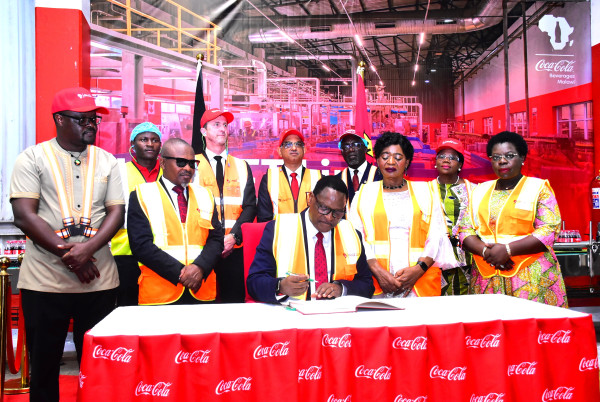
Coca-Cola Beverages Africa Proprietary Limited (CCBA) (www.CCBAGroup.com), through its subsidiary Coca-Cola Beverages Malawi Limited (CCBM), has invested USD14.9 million in a new state-of-the art production line in Lilongwe.
This investment marks a significant advancement in CCBM's production capacity, allowing it to produce bottled water and beverages bearing Coca-Cola's trademarks as well as the iconic local brand Sobo, all on the same line.
The line is capable of producing 19,200 bottles per hour in pack sizes ranging from 300ml to 2 litres. This increase in production will facilitate the export of beverages to Zambia.
The new production line uses artificial intelligence (AI) to proactively identify and resolve issues before they cause stoppages, thereby minimising downtime and reducing costs.
The introduction of new technology has also created the opportunity for employees to be trained in new skills, contributing to the development of a future-ready workforce for both the business and the country.
Sunil Gupta, Chief Executive Officer of CCBA said: “This investment in Malawi reaffirms the Coca-Cola system's local approach - we produce locally, distribute locally and, where possible, source locally. Our value chain includes a significant number of businesses, many of them small and medium enterprises (SMEs).”
“This investment goes beyond numbers, it's about creating shared opportunities across the value chain,” said Neil French, General Manager of CCBM.
Gupta echoed the sentiment, adding: “This investment is a clear demonstration of our continued belief in the future of Malawi.”
Gupta also highlighted CCBA's broader efforts: “As a customer centric, digitally-enabled, growth-driven business, we are committed to excellence across our value chain. Efficient operations allow us to offer faster delivery and improved service. This new production line is another step in our journey to achieve execution excellence.”
Distributed by APO Group on behalf of Coca Cola Beverages Africa.
ISSUED BY:
Godwin Ngoma
Public Affairs, Communication and Sustainability Director
CCBA in Malawi
Tel: +265 995 36 15 55
Email: gngoma@ccbagroup.com
Keli Fernie
Head: Reputation and Communication
Coca-Cola Beverages Africa
Tel: +27 82 419 8766
Email: KFernie@ccbagroup.com
Follow us on:
LinkedIn: https://apo-opa.co/4cFhA6r
ABOUT CCBA:
CCBA is the 8th largest Coca-Cola authorised bottler in the world by revenue, and the largest on the African continent. It accounts for over 40% of all Coca-Cola products sold in Africa by volume. With over 18,000 employees in Africa, CCBA services more than 735,000 customers with a host of international and local brands. CCBA operates in 15 countries, including its six key markets of South Africa, Kenya, Ethiopia, Uganda, Mozambique and Namibia, as well as Tanzania, Botswana, Ghana, Zambia, the islands of Comoros and Mayotte, Eswatini, Lesotho, and Malawi.
Learn more at www.CCBAGroup.com
African Mining Week (AMW) – Africa's premier gathering for mining stakeholders, taking place from October 1-3 in Cape Town – will feature a high-level Ministerial Forum dedicated to advancing local mineral beneficiation across the continent.
The session – From Extraction to Transformation: African Governments Driving Beneficiation and Value Addition – will spotlight national strategies and regulatory reforms aimed at boosting midstream and downstream infrastructure, enhancing local content, supporting community development and maximizing national value capture from resource exploitation.
Across the continent, mineral-rich countries are enacting policies and investment incentives – including export restrictions on raw minerals – to spur industrialization and local processing. In the Democratic Republic of Congo, the world's top cobalt producer, authorities imposed a four-month suspension on cobalt and copper exports in February 2025 to prevent market oversupply and stabilize prices. The decision came in response to a steep price drop from $82,000 per metric ton in April 2022 to just $21,550 in February 2025, aiming to resume exports once more favorable market conditions return. These proactive measures are expected to enhance the long-term sustainability of the sector and attract new investments in processing and refining infrastructure.
In Zimbabwe, a 2023 ban on raw lithium exports has attracted billions in downstream investment and created new jobs. In August 2024, Zimbabwe secured $310 million from Chinese and British investors to construct a three-million-ton-per-annum lithium processing facility at Sandawana Mine. Guinea-Conakry, which holds 23% of global bauxite reserves and is the second-largest producer worldwide, is reducing its reliance on raw exports by advancing several alumina refinery projects. Key developments include partnerships with Emirates Global Aluminium and Alteo Refinery to strengthen local industrial capacity. These strategic moves are positioning both countries as key players in the global mineral refining market, with significant potential for long-term economic growth and job creation.
Meanwhile, South Africa, the world's leading producer of platinum group metals (PGMs), is making major strides in beneficiation. Projects include the $4.5 billion KwaZulu-Natal Titanium Beneficiation Complex by Nyanza Light Metals; a titanium pigment plant at the Richards Bay Industrial Development Zone; a PGM treatment facility at the Steelpoortdrift Vanadium Project by Vanadium Resources Limited; and a new treatment plant at Ivanhoe Mines' Platreef PGM Nickel Project. These initiatives are expected to significantly boost South Africa's beneficiation capacity, create thousands of jobs and further cement the country's position as a global leader in mineral processing and industrialization.
The Ministerial Forum at AMW will provide a strategic platform for African leaders to showcase progress, present investment-ready opportunities and foster collaboration across the mining value chain. It will also serve to align policy priorities and attract long-term capital for the development of sustainable, value-driven mineral economies.
African Mining Week serves as a premier platform for exploring the full spectrum of mining opportunities across Africa. The event is held alongside the African Energy Week: Invest in African Energies 2025 conference from October 1-3 in Cape Town. Sponsors, exhibitors and delegates can learn more by contacting sales@energycapitalpower.com.
Distributed by APO Group on behalf of Energy Capital & Power.
G20 Finance Ministers set to meet in US
The Group of Twenty (G20) Finance Ministers and Central Bank Governors are set to convene a two-day meeting on the sidelines of the International Monetary Fund (IMF) and World Bank Spring Meetings, taking place in the United States, later this month.
The G20 is an international forum of both developing and developed countries, which seeks to find solutions to global economic and financial issues.
This meeting is part of the Finance Track under South Africa’s G20 Presidency, which will gather Finance Ministers and Central Bank Governors of G20 member countries, invited countries, and international organisations to discuss global economic challenges, financial stability, and policies aimed at fostering economic growth.
South Africa’s G20 Presidency commenced on 1 December 2024 and will run until 30 November 2025. It is taking place under the theme: “Solidarity, Equality, and Sustainability.”
The Finance Track is co-chaired by Finance Minister, Enoch Godongwana, and South African Reserve Bank Governor, Lesetja Kganyago.
G20 members include the world’s major economies, representing 85% of global GDP, 75% of international trade, and two-thirds of the world’s population.
The G20 comprises 19 countries (including Argentina, Australia, Brazil, Canada, China, France, Germany, India, Indonesia, Italy, Japan, Republic of Korea, Mexico, Russia, Saudi Arabia, South Africa, Türkiye, the United Kingdom, and the United States), the European Union, and since 2023, the African Union.
The two-day meeting will take place from 23-24 April 2025, in Washington, D.C.
nosihle
Tue, 04/15/2025 - 11:14
157 views
Vuyani Jarana appointed as G20 start-up engagement group
The Minister of Small Business Development, Stella Tembisa Ndabeni, has announced the appointment of Vuyani Jarana as Chairperson for the Startup20 Engagement Group for South Africa’s Group of Twenty (G20) Presidency.
In a statement on Monday, the Department of Small Business Development (DSBD) said it has been entrusted with leading South Africa’s Startup20 Engagement Group, one of the officially recognised G20 Engagement Groups.
As Chairperson, Jarana will lead Startup20’s strategic direction, appoint task force chairs, coordinate high-level meetings and events, and guide the development of the Startup20 Policy Communiqué, which will contribute to the official G20 Leaders’ Declaration.
The Minister also appointed 22 On Sloane as the Secretariat of the Startup20 Engagement Group for South Africa’s G20 Presidency.
Startup20 advocates for startups and micro, small, and medium enterprises (MSMEs) at the G20 level, developing policy recommendations to advance the global startup ecosystem and foster inclusive innovation.
“To support this effort, 22 On Sloane has been appointed as the Country Secretariat for Startup20 during South Africa’s G20 Presidency. Twenty-two (22) On Sloane is Africa’s largest startup campus, playing a pivotal role in advancing the startup and MSME ecosystem across the continent.
“Twenty-two (22) On Sloane serves as headquarters for the Global Entrepreneurship Network (GEN) Africa, which is represented in 43 African countries, and as the country headquarters of GEN Global which has a presence in 180 countries globally aimed at supporting entrepreneurs to start and scale,” the department said.
As Secretariat, 22 On Sloane will support Jarana to coordinate and manage all Startup20 activities in South Africa, including stakeholder engagements, task force operations, international collaboration efforts, policy drafting, and logistical delivery of the Startup20 agenda.
The organisation will also facilitate multi-stakeholder dialogues and policy consultations to ensure that Africa’s entrepreneurial voice is firmly embedded in the ensuing global conversations.
According to the department, Jarana brings a wealth of experience to this crucial role, with more than 25 years of leadership in the Information and Communications Technology (ICT) sector.
A seasoned business transformation leader, Jarana previously served as Group Chief Operating Officer and Chief Executive Officer of Vodacom Business within the Vodacom Group.
He also held the role of Chief Executive Officer of South African Airways, where he spearheaded critical restructuring efforts.
Currently he is the Founder and CEO of Ilitha Telecommunications, a company dedicated to delivering superfast, affordable broadband to underserved peri-urban and rural communities.
He also serves as Chairperson of the Council for Scientific and Industrial Research (CSIR), a key institution driving South Africa’s scientific, industrial, and technological innovation agenda.
“His extensive experience and expertise will be invaluable in driving our efforts to promote entrepreneurship and innovation in Africa. He is a respected and seasoned business leader whom I am confident will lead the Startup20 Engagement Group with dedication and focus, ensuring that this serves as a legacy for our country and the ecosystem,” the Minister said.
The G20 is an international forum of both developing and developed countries, which seeks to find solutions to global economic and financial issues.
South Africa’s G20 Presidency commenced on 1 December 2024 and will run until 30 November 2025. It is taking place under the theme: “Solidarity, Equality, and Sustainability.” - SAnews.gov.za
nosihle
Mon, 04/14/2025 - 15:03
57 views
G20 Development Working Group meeting to get underway
The South African Presidency of the Group of Twenty (G20) is this week convening the second Development Working Group (DWG) meeting in the Western Cape.
“The G20 DWG plays a pivotal role in shaping global development priorities, focusing on reducing inequalities, promoting sustainable growth, and strengthening international partnerships,” the Department of Planning, Monitoring and Evaluation said.
Starting on Monday, 14 April and ending on Wednesday, 16 April, the meeting will serve as a platform for in-depth discussions on key development challenges and cooperative solutions.
The G20 is an international forum of both developing and developed countries, which seeks to find solutions to global economic and financial issues.
South Africa’s G20 Presidency commenced on 1 December 2024 and will run until 30 November 2025.
The gathering will bring together representatives from G20 member states, invited countries, and international organisations to deliberate on policies that foster inclusive economic growth and sustainable development.
In alignment with the theme of Solidarity, Equality, and Sustainability, the discussions will focus on three high-level priorities:
• High-Level Principles on Global Public Goods and Global Public Investment.
• Mobilising Finance for Development and Means of Implementation.
• Building Resilience through Universal Social Protection Floors.
The G20 members represent around 85% of the global Gross Domestic Product, over 75% of the global trade, and about two-thirds of the world population.
It comprises 19 countries (Argentina, Australia, Brazil, Canada, China, France, Germany, India, Indonesia, Italy, Japan, Republic of Korea, Mexico, Russia, Saudi Arabia, South Africa, Türkiye, United Kingdom, and United States) and two regional bodies, namely the European Union (EU) and African Union (AU).
The three-day meeting is taking place at the Lord Charles Hotel in Somerset. -SAnews.gov.za
nosihle
Mon, 04/14/2025 - 10:08
6 views