• Skip to main content
  • Skip to header right navigation
  • Skip to after header navigation
  • Skip to site footer
MyZA

MyZA

News, Directory, Events and Other Stuff

  • Social Media
  • Sport
  • World News
  • Home
  • Submit News
  • Directory
  • Events
  • Stratlec
  • TFSA
  • News
    • APO
    • Today’s Sport News
    • Todays Social Media and Tech Headlines
    • Today’s World News
    • Today’s SA Financial News
  • Contact
You are here: Home / Archives for Sustainability

Sustainability

13 April 2025

Smallholder Farmer Programme empowers 100 farmers

Location: News

Smallholder Farmer Programme empowers 100 farmers

One hundred smallholder farmers in KwaZulu-Natal have received training in herb and spice cultivation enabling them to become suppliers for Unilever's supplier localisation programme, said the Department of Agriculture (DOA).

This is a result of the Jozini Smallholder Farmer Programme by the DOA, Unilever South Africa and the KwaZulu-Natal provincial Department of Agriculture and Rural Development (DARD). The Programme is aimed at promoting sustainability, improving livelihoods, and empowering smallholder farmers in the Jozini region.

The 100 farmers participated in a comprehensive training aligned with Agricultural Sector Education and Training Authority (AgriSETA) unit standards, covering practical and theoretical aspects of herb and spice farming.

“Through the programme, I've gained important skills for nurturing crops, preparing soil, identifying issues, and taking necessary actions to support crop growth. It has also taught me the steps involved in the farming process. 

“I’m happy that Unilever is assisting us by providing access to marketplaces to sell our produce, helping to prevent financial losses. I encourage young people and women to join such programmes to learn about farming, which can be a viable source of income,” Jozini smallholder farmer, Zinhle Manzini said.

The farmers also received a tractor while there was also an unveiling of a drying tunnel, symbolising the support and resources for the farmers.   

Agriculture Minister John Steenhuisen emphasised the importance of collaboration to address the challenges faced by the country.

“Partnerships are very important… we recognise that if we try and do things on our own, we won’t get far, but if we work together, we can go far. Partnerships go beyond just something on paper, or what we say is a priority. Partnerships are rooted in our core philosophy as South Africans – Ubuntu,” the Minister said.

Unilever South Africa CEO Justin Apsey said the initiative will improve the livelihoods of the farmers.

“This initiative will not only improve the livelihoods of smallholder farmers but also contribute to a more sustainable agricultural sector. This is a capacity-building initiative empowering and alleviating unemployment while providing a decent life in the heart of KwaZulu-Natal,” said Apsey.

The programme is also aimed at creating employment opportunities, enhancing the skills of local farmers, and promoting sustainable agricultural practices.

By empowering smallholder farmers, the initiative will contribute to the economic growth and development of the Jozini region. -SAnews.gov.za


nosihle
Sun, 04/13/2025 - 09:53
416 views
Read moreSmallholder Farmer Programme empowers 100 farmers
13 April 2025

Minister Lamola participates in Delphi Economic Forum

Location: News

Minister Lamola participates in Delphi Economic Forum

International Relations and Cooperation Minister Ronald Lamola has addressed the prestigious Delphi Economic Forum where he underscored South Africa’s commitment to multilateral diplomacy.

The Minister addressed the prestigious forum in Greece where he outlined South Africa’s priorities as the incumbent Group of Twenty (G20) Presidency, championing Africa’s role in shaping a more equitable and sustainable global future. 

“The Delphi Economic Forum, a global nexus for economic and geopolitical discourse, offers a strategic platform to amplify South Africa’s foreign policy objectives, including its advocacy for peace building, continental integration, and the United Nations Sustainable Development Goals (SDGs).

“This engagement reaffirms South Africa’s leadership in advancing Pan-Africanism on the global stage, ensuring Africa’s priorities from debt relief to food security remain central to international agendas,” the Ministry of International Relations and Cooperation said on Saturday.

The Ministry added that the Minister’s participation underscores South Africa’s commitment to multilateral diplomacy, economic justice, and South-South solidarity. 

“As South Africa remains unwavering in its pursuit of a world where no nation is left behind. Our Presidency prioritises bridging the gap between developed and developing economies, ensuring that Africa’s vast potential in green industrialisation, youth innovation, and sustainable trade is unlocked through equitable partnerships,” the Minister said.

South Africa's G20 Presidency is taking place under the theme: “Solidarity, Equality, Sustainability.” -SAnews.gov.za


nosihle
Sun, 04/13/2025 - 10:22

365 views

Read moreMinister Lamola participates in Delphi Economic Forum
13 April 2025

Smallholder Farmer Programme empowers100 farmers

Location: News

Smallholder Farmer Programme empowers100 farmers

One hundred smallholder farmers in KwaZulu-Natal have received training in herb and spice cultivation enabling them to become suppliers for Unilever's supplier localisation programme, said the Department of Agriculture (DOA).

This is a result of the Jozini Smallholder Farmer Programme by the DOA, Unilever South Africa and the KwaZulu-Natal provincial Department of Agriculture and Rural Development (DARD). The Programme is aimed at promoting sustainability, improving livelihoods, and empowering smallholder farmers in the Jozini region.

The 100 farmers participated in a comprehensive training aligned with Agricultural Sector Education and Training Authority (AgriSETA) unit standards, covering practical and theoretical aspects of herb and spice farming.

“Through the programme, I've gained important skills for nurturing crops, preparing soil, identifying issues, and taking necessary actions to support crop growth. It has also taught me the steps involved in the farming process. 

“I’m happy that Unilever is assisting us by providing access to marketplaces to sell our produce, helping to prevent financial losses. I encourage young people and women to join such programmes to learn about farming, which can be a viable source of income,” Jozini smallholder farmer, Zinhle Manzini said.

The farmers also received a tractor while there was also an unveiling of a drying tunnel, symbolising the support and resources for the farmers.   

Agriculture Minister John Steenhuisen emphasised the importance of collaboration to address the challenges faced by the country.

“Partnerships are very important… we recognise that if we try and do things on our own, we won’t get far, but if we work together, we can go far. Partnerships go beyond just something on paper, or what we say is a priority. Partnerships are rooted in our core philosophy as South Africans – Ubuntu,” the Minister said.

Unilever South Africa CEO Justin Apsey said the initiative will improve the livelihoods of the farmers.

“This initiative will not only improve the livelihoods of smallholder farmers but also contribute to a more sustainable agricultural sector. This is a capacity-building initiative empowering and alleviating unemployment while providing a decent life in the heart of KwaZulu-Natal,” said Apsey.

The programme is also aimed at creating employment opportunities, enhancing the skills of local farmers, and promoting sustainable agricultural practices.

By empowering smallholder farmers, the initiative will contribute to the economic growth and development of the Jozini region. -SAnews.gov.za


nosihle
Sun, 04/13/2025 - 09:53
46 views

Read moreSmallholder Farmer Programme empowers100 farmers
11 April 2025

Review of White Paper on Local Government published for discussion

Location: News

Review of White Paper on Local Government published for discussion

The Minister of Cooperative Governance and Traditional Affairs (CoGTA), Velenkosini Hlabisa, has officially published a discussion document on the Review of the 1998 White Paper on Local Government. 

According to the department, this represents a significant and necessary step towards creating a reimagined and results-oriented local government system in South Africa.

This document, published under Notice No. 6118 (Gazette: 52498) on Thursday, initiates a national discussion aimed at producing a revised White Paper on Local Government by March 2026.

According to the department, the review aims to incite fresh thinking, honest reflection, and decisive action toward building a fit-for-purpose local government system that truly serves the people of South Africa.

“This process is not about tweaking the symptoms. It is about confronting the root causes of dysfunction in local governance. We need to ask the hard questions, and more importantly, we need to answer them with the courage to act,” Hlabisa explained. 

He noted that the discussion document emphasises the interconnectedness and indivisibility of the four essential components of an effective local government system.

These include governance, institutional arrangements, service delivery and infrastructure, and financial arrangements.

In addition, the document aims to assess and revise outdated assumptions of the1998 White Paper on Local Government and strengthen cooperative governance among the three spheres of government. 

The initiative aims to align reforms with related efforts, including amendments to the Municipal Finance Management Act (MFMA), the Municipal Structures Act, and the Spatial Planning and Land Use Management Act (SPLUMA). 

It also seeks to enhance integration with traditional leadership, improve community participation, and address systemic challenges, such as municipal financial sustainability, over-politicisation, climate risk, and spatial inequality.

The Minister invites all South Africans, including civic organisations, academics, municipalities, and other arms of government, to participate in the consultation process.

The public participation is open until 30 June 2025. 

Submissions must be made in writing and can be emailed to WPLG26@cogta.gov.za; RichardP@cogta.gov.za and MaphutiL@cogta.gov.za  

Alternatively, comments may be submitted by post: 
Minister of Cooperative Governance and Traditional Affairs
Attention: Mr. Thabiso Richard Plank (WPLG26 Policy Review)
Private Bag X802, Pretoria, 0001

Physical Address:
87 Hamilton Street, Arcadia, Pretoria  

For access to the full discussion document and more information, visit: https://www.cogta.gov.za/index.php/docs/white-paper-on-local-government-1998-review-of-the-white-paper-on-local-government/. – SAnews.gov.za


Gabisile
Fri, 04/11/2025 - 11:28
60 views

Read moreReview of White Paper on Local Government published for discussion
10 April 2025

Collaborative efforts key to tackling global challenges, KZN Premier

Location: News

Collaborative efforts key to tackling global challenges, KZN Premier

KwaZulu-Natal Premier, Thamsanqa Ntuli, has reaffirmed the province’s commitment to driving inclusive, equitable, and sustainable economic growth.

Delivering his keynote address at the opening of G20 2nd Employment Working Group (EWG) meeting, Ntuli emphasised the importance of collaborative efforts to tackle persistent global challenges, such as gender inequality in the workplace and widening labour income disparities.

Held from 8 to 11 April 2025, the meeting is focused on advancing gender equality in the workforce and addressing the growing gap in the labour income share, aligning with South Africa's G20 Presidency theme of “Solidarity, Equality, Sustainability."

“This platform offers us a chance to collectively reflect and develop progressive labour market policies that respond to the realities faced by women, youth, and vulnerable workers across both developed and developing economies,” Ntuli said.

The Premier stressed that meaningful transformation requires international solidarity and shared responsibility, highlighting that collaborative policymaking is essential for a fairer global labour market.

He also highlighted that KwaZulu-Natal is actively pursuing economic policies that centre people and planet, in line with global calls for just and inclusive transitions.

He outlined provincial initiatives aimed at reducing unemployment, improve women’s participation in economic activity, and ensuring sustainable, inclusive growth.

“As a province, we are committed to building a future of dignity, fairness, and equal opportunity. The EWG’s focus on gender equity and income justice could not be more relevant or urgent,” he said.

The EWG meeting brings together senior officials and technical experts from G20 member states to shape policy approaches, ahead of the G20 Labour and Employment Ministers’ Meeting, scheduled to take place later this year.

The key issues under discussion include, enhancing social protection systems, reducing gender and wage gaps, and ensuring equal access to decent work for all.

The G20, which includes 19 of the world’s largest economies along with the African Union and the European Union, represents approximately:
• 85% of global Gross Domestic Product (GDP),
• Over 75% of international trade,
• And two-thirds of the world’s population.

The meeting is taking place at the Arch Convention Centre, in Umhlanga, north of Durban. – SAnews.gov.za


GabiK
Thu, 04/10/2025 - 13:20
67 views

Read moreCollaborative efforts key to tackling global challenges, KZN Premier
8 April 2025

Uae Participates in Second G20 Sherpa Meeting

Location: News

United Arab Emirates, Ministry of Foreign Affairs
Download logo

His Excellency Ahmed Al Sayegh, Minister of State and UAE G20 Sherpa, and His Excellency Mahash Al Hameli, UAE Ambassador to South Africa and UAE Sous Sherpa, participated in the second G20 Sherpa Meeting, which was held virtually from 3 – 4 April.

The meeting brought together representatives from invited countries and international organizations to assess the progress achieved across various G20 Sherpa Working Groups and to outline the path forward during the South African G20 Presidency.

The UAE delegation highlighted the country's engagements in working groups across several key priority areas, including anti-corruption, culture, education, development, women's empowerment, artificial intelligence and the digital economy, employment, disaster risk reduction, climate, and environmental sustainability. The UAE reaffirmed its support for the South African Presidency's efforts and emphasized the country's commitment to multilateral cooperation through the G20 platform.

Under the theme ‘“Solidarity, Equality and Sustainability', South Africa extended an invitation to the UAE to participate as a guest country in the G20 process and summit in 2025. This marks the UAE's sixth overall participation in the G20 and its fourth consecutive invitation. The UAE has previously been part of the G20 process hosted by Brazil in 2024, India in 2023, Indonesia in 2022, Saudi Arabia in 2020, and France in 2011.

Established in 1999, the G20 is the premier forum for international economic cooperation, bringing together the world's largest economies to address global challenges and promote inclusive growth.

Distributed by APO Group on behalf of United Arab Emirates, Ministry of Foreign Affairs.

Read moreUae Participates in Second G20 Sherpa Meeting
8 April 2025

G20 must tackle inequality, gender gaps to build just labour markets – Minister Meth

Location: News

G20 must tackle inequality, gender gaps to build just labour markets – Minister Meth

Employment and Labour Minister Nomakhosazana Meth has called on G20 member states to urgently address growing inequality and the erosion of labour income share, warning that these trends threaten global economic stability and social cohesion.

The Minister was delivering the keynote address at the second G20 Employment Working Group meeting in Umhlanga, KwaZulu-Natal on Tuesday. 

“The growing erosion of labour's share of national income poses a significant threat to broader economic resilience and inclusivity goals by widening wealth disparities, weakening the social fabric, and limiting upward mobility. Addressing this trend is crucial for global progress,” the Minister said.

Meth emphasised that economic progress must not be measured solely by GDP or trade metrics, but by the ability to uplift vulnerable communities through decent work, fair wages, and inclusive opportunities. 

She underscored the need to close gender gaps in employment and pay, describing it as both a moral imperative and a driver of innovation and prosperity.

“We find ourselves at a critical juncture, where the global landscape is marked by increasing disparities threatening the fundamental principles upon which just and dignified societies are built. 

“Millions of workers worldwide remain mired in precarious employment conditions, receiving stagnant wages and experiencing shrinking opportunities for social mobility. Policies and initiatives that aim to alleviate poverty and economic despair encounter resistance from those who prioritise narrow economic interests over workers' inherent dignity and rights,” she said. 

However, Meth said it must be clear that economic growth must not be evaluated solely through GDP metrics, trade balances or other numerical indicators. While such measures are important, she said, they cannot be the only barometers of success.

“Genuine progress must be evident in our collective commitment to uplift the most vulnerable of our society. The real test of our achievements is ensuring that economic expansion leads to substantive social justice, employment figures correspond to quality jobs with decent pay, and that work provides financial stability, dignity, fulfilment and security,” the Minister said. 

She emphasised that at the core of the discussions was the principle that labour is not a commodity, workers are human beings with rights, not disposable economic inputs. 

Meth stressed that an international system prioritising profit over people is unsustainable and unethical, calling for the rejection of transactional approaches that compromise fairness, equity, and dignity.

As the G20 President, South Africa remains steadfast in upholding the values of solidarity, equality and sustainability.

“These are not abstract ideals or rhetorical flourishes; they serve as the foundation upon which our policies, governance structures and international engagements are built. We categorically reject any notion that human suffering can be reduced to a mere footnote in pursuing political expediency or economic dominance,” she said. 

Youth jobs and gender equality top of the labour agenda

The Minister said that the Employment Working Group was prioritising youth employment and women’s economic empowerment, with bold targets such as the Nelson Mandela Bay Goal to reduce global youth unemployment by 5% by 2030. 

“This is not merely an employment target; it represents an investment in the future of our societies. We must actively create quality jobs, foster skills development and champion youth-led innovation to ensure young people have a place in the evolving labour market,” she said.

The group is also pushing to renew and expand commitments like the Brisbane-eThekwini Target to close gender gaps in labour force participation. 

Minister Meth emphasised that workplace equality and youth inclusion are essential for sustainable growth, warning that the cost of inaction would be far greater than intervention.

Call for resilient labour policies amid global trade shifts

Minister Meth raised concern over disruptive global trade developments, warning they risk driving economic stagnation and widespread job losses, especially in developing countries. 

She urged G20 like-minded G20 countries to rise to the occasion and forge resilient labour market policies that protect jobs, safeguard economic stability, and ensure that economies remain viable despite mounting global uncertainties.

“South Africa stands firm and shall not waver in pursuing fairness, inclusion and social justice. We will continue to advocate for decent work, robust labour protections and equitable economic opportunities for all. 

“We will resist any effort, whether domestic or international, that seeks to undermine our sovereignty, our people’s dignity and the fundamental rights of workers,” she said.

The Minister told delegates to remain mindful that deliberations have profound real-world implications. 

“The decisions we make today will shape the future of work for millions of people across the globe. Our efforts must not be confined to policy frameworks alone, but must translate into tangible, measurable improvements in people’s lives,” Meth said. – SAnews.gov.za

DikelediM
Tue, 04/08/2025 - 14:35
13 views

Read moreG20 must tackle inequality, gender gaps to build just labour markets – Minister Meth
7 April 2025

President Ramaphosa appoints Professor Mariana Mazzucato to G20 Taskforce

Location: News

President Ramaphosa appoints Professor Mariana Mazzucato to G20 Taskforce

President Cyril Ramaphosa has appointed renowned economist Professor Mariana Mazzucato as Technical Expert to South Africa’s G20 Presidency and his Special Presidential Representative to Taskforce 1, focusing on Inclusive Economic Growth, Industrialisation, Employment, and Reducing Inequality.

In a statement on Monday, The Presidency said Professor Mazzucato will also contribute to Taskforce 3: Artificial Intelligence, Data Governance, and Innovation for Sustainable Development.

She will also support the Sherpa Track on Trade and Investment Working Group, and the Finance Track Sustainable Finance Working Group, and International Financial Architecture Working Group.

Professor Mazzucato is a member of President Ramaphosa’s Economic Advisory Council (PEAC) since 2019, advising on areas such as green industrial strategy, State capacity, and reform of State-owned enterprises.

In 2024, she co-chaired the Group of Experts for Brazil's G20 Task Force for the Global Mobilisation Against Climate Change (TF-CLIMA).

“This appointment underscores South Africa’s commitment to leveraging its leadership in the G20 to shape a more inclusive and sustainable global economy.

“Professor Mazzucato, internationally recognised for her work on rethinking the State, green growth, mission-oriented innovation and public value creation, brings critical expertise to advancing South Africa’s goals on green industrialisation, inclusive growth, and long-term structural transformation,” the Presidency said. 

Under President Ramaphosa's leadership and the G20 theme of “Solidarity, Equality, Sustainability”, South Africa aims to lead global discussions on these key issues, advocating for policies that foster resilient economic development, particularly in developing countries.

South Africa’s G20 Presidency is committed to advancing a global economic framework that supports green growth, economic resilience, and social equity.

The year 2025, described by President Ramaphosa, President Lula da Silva of Brazil, and Prime Minister Sánchez of Spain as “a pivotal year for multilateralism”, will feature three major global gatherings: the G20 Summit in Johannesburg, the Financing for Development Conference in Seville, and COP30 in Belém. – SAnews.gov.za 

DikelediM
Mon, 04/07/2025 - 15:18
54 views

Read morePresident Ramaphosa appoints Professor Mariana Mazzucato to G20 Taskforce
7 April 2025

Top African Projects Driving the Mining-Energy Nexus

Location: News

Energy Capital & Power
Download logo

Mining represents one of the most energy-intensive industries globally. As African nations ramp up mineral extraction to drive economic growth, mining projects and stakeholders are increasingly investing in energy infrastructure to sustain operations and meet rising production targets. Amid efforts to improve grid stability, the upcoming African Mining Week conference will highlight the continent's investment opportunities emerging from the mining-energy nexus.

Northam Bolsters Power Supply for South African Mines

In February 2025, mining firm Northam signed a power purchase agreement (PPA) for 140 MW of wind power to support its platinum group metals operations in Limpopo. This deal follows an earlier PPA signed in October 2024 for an 80 MW solar power facility to supply the company's Zondereinde mine, aimed at driving South Africa's expansion of its PGMs sector. These agreements are part of Northam's broader strategy to enhance energy security and sustainability while reducing its carbon footprint in alignment with national renewable energy goals.

Richards Bay Minerals Expands PPA Portfolio

Richards Bay Minerals, a subsidiary of mining multinational Rio Tinto, signed its third PPA with Red Rocket in February 2025, securing 230 MW of electricity from Red Rocket's 380 MW Overberg Wind Farm. This agreement increases the company's total contracted renewable energy supply to 500 MW and supports Rio Tinto's commitment to reducing emissions by 50% by 2030. Richards Bay Minerals also taps into energy from the 130 MW Bolobedu solar PV plant and 140 MW Khangela Emoyeni wind farm.

Further Investments in Renewables for Mining

Other mining companies across Africa are driving large-scale energy projects to secure a stable power supply. In South Africa, Ivanhoe Mines completed a 5 MW solar facility in Q1 2025 to support its Platreef PGM mine, while Impala Platinum signed a five-year PPA with Discovery Green to supply wheeled renewable energy to its Impala Refineries operation. Meanwhile, commodities firm Trafigura is developing a 2 GW initiative to power Angolan mines, and First Quantum is set to commission a 430 MW project in Zambia in 2025. Tronox Holdings plans to roll out 400 MW of energy projects in South Africa by 2027 and Chinese mining company CMOC is preparing a 200 MW energy project in the DRC, set for commissioning by 2028.

As these investments unfold, African Mining Week will showcase key milestones in energy security for the sector, highlighting lucrative opportunities within Africa's independent power markets. The event will emphasize the growing demand for stable, sustainable energy solutions as miners continue to invest in energy infrastructure.

African Mining Week serves as a premier platform for exploring the full spectrum of mining opportunities across Africa. The event is held alongside the African Energy Week: Invest in African Energies 2025 conference from October 1-3 in Cape Town. Sponsors, exhibitors and delegates can learn more by contacting sales@energycapitalpower.com.

Distributed by APO Group on behalf of Energy Capital & Power.

Read moreTop African Projects Driving the Mining-Energy Nexus
3 April 2025

Progress made in tackling global challenges

Location: News

Progress made in tackling global challenges

South Africa’s Presidency of the Group of 20 (G20) is making significant progress in tackling global challenges through an inclusive and collaborative approach.

This is according to the country’s G20 Sherpa, Zane Dangor. Sherpas are the personal representatives of the G20 leaders.

“We believe this is important and that the G20 must work with the UN [United Nations] and other multilateral institutions to mitigate these challenges and to find practical solutions for all of us. 

“We look forward to constructive engagements from all members of the G20, the invited guests [and] also the international organisations,” he said on Thursday. 

Dangor who is also the Director-General for International Relations and Cooperation, chaired the second virtual meeting of the G20 Sherpas in Pretoria on Thursday.

He also stressed the importance of Ubuntu – a philosophy of inclusiveness and solidarity – in addressing global challenges and achieving shared interests across international organisations.

“We must express our appreciation in the way that you embraced the spirit of Ubuntu, the culture that underpins not just South Africa’s culture of inclusiveness, but also Africa’s wider culture. Ubuntu really underpins our commitment and solidarity in addressing our common challenges in achieving shared prosperity,” he said during the opening session of the meeting. 

Dangor stressed South Africa’s commitment to multilateralism and shared prosperity, with 15 working groups having already conducted their first meetings and three task force meetings.

Working Groups are made up of representatives from member countries’ Ministries. The G20 working groups cover diverse areas, including development, anti-corruption, culture, education, women’s empowerment, environment, health, tourism, and disaster risk management.

“We hope that as you listen to the reflections of the working group members in your own inputs, you’ll be able to sharpen what you believe we should be taking forward as a collective.” 

He also touched on a diplomatic engagement where he told attendees that the Foreign Ministers’ meeting in February this year expressed strong support for South Africa’s themes and priorities, particularly in managing geopolitical issues.

At the meeting in February, G20 foreign ministers threw their weight behind South Africa’s Presidency priorities, which focus on sustainable development and debt sustainability for low-income countries, amongst others.

READ | Foreign Ministers’ Meeting backs SA’s G20 Presidency priorities 

In addition, he said following Brazil’s model, South Africa’s Presidency aims to develop in-depth discussions on geopolitical matters through ministerial and leadership channels while allowing working groups to focus on technical issues.

Dangor acknowledged the enormous task ahead and the need for support from key members and international organisations.

The Sherpa said the objective of the two-day meeting which will conclude on Friday, is to take stock of what has happened, identify areas for improvement, and address key issues.

READ | South Africa convenes second G20 Sherpa Meeting

He announced that the next meeting for the G20 Sherpa will be held from 26 to 28 June 2025 at the Sun City Resort in the North West, marking an in-person gathering to continue collaborative discussions. – SAnews.gov.za


Gabisile
Thu, 04/03/2025 - 13:49
46 views

Read moreProgress made in tackling global challenges
2 April 2025

Gauteng targets R300 billion in investments to boost economy

Location: News

Gauteng targets R300 billion in investments to boost economy

Gauteng Economic Development MEC, Lebogang Maile, says the province is aiming to secure at least R300 billion in investment pledges at the Gauteng Investment Conference (GIC), to be held in Johannesburg.

The MEC was speaking during a media briefing on the state of readiness of the province to host the conference, to be held at the Johannesburg Stock Exchange, in Sandton, on 3 April 2025.

“Leaders across all tiers of government, including Minister of Trade, Industry and Competition, Parks Tau, Premier of Gauteng Premier Lesufi, and Johannesburg Mayor Dada Morero, will provide inputs at the conference. The keynote address will be delivered by the Deputy President, who also serves as the Leader of Government Business in South Africa, His Excellency, Paul Mashatile.  

“Of equal significance is the large contingent of leaders across the business and government sectors on the African continent, the African diaspora and the globe. With over 50 companies represented, the conference will be a convergence point of the world’s most important companies in various sectors,” Maile said.

The Gauteng province is of importance for South Africa’s economy and contributes at least 33% to the national Gross Domestic Product, and nearly 7% of sub-Saharan Africa’s output.

“The [GIC] is a transformative event in affirming the place of the Gauteng province in the continental economy. We are asserting that the development of Gauteng is in the best interest of South Africa, the Southern African Development Community and the continent broadly.

“Thus, investment in the economy of Gauteng extends beyond the confines of its provincial borders into other lands across the entire continent,” the MEC said.

Furthermore, the conference will also serve as a platform for critical dialogue that will “enable direct engagement between policy makers, investors and industry experts”.

“This will ensure that we come out with tangible and applicable outcomes. The sessions will focus on, amongst other things, public-private infrastructure investments, as well as key Gauteng most dynamic and high growth sectors, including…advanced manufacturing, green and renewable energy, ICT [information and communication technology] and data infrastructure, transport and logistics, smart property development and urban regeneration, as well as tourism and the creative economy,” he said.

Maile emphasised that these sectors are critical to ensuring development on a provincial, national and continental level.

“Investment in these sectors offers the most reliable instrument for ensuring sustainability and development, offering a clear path to economic prosperity that is anchored on inclusive growth, environmental protection and human development,” Maile said. – SAnews.gov.za

NeoB
Wed, 04/02/2025 - 13:46
264 views

Read moreGauteng targets R300 billion in investments to boost economy
2 April 2025

South Africa convenes second G20 Sherpa Meeting

Location: News

South Africa convenes second G20 Sherpa Meeting

South Africa’s Group of 20 (G20) Sherpa, Zane Dangor, will chair the second meeting of the G20 Sherpas, which will be held virtually on 3 and 4 April 2025. 

The meeting will focus on the theme:  "Solidarity, Equality, and Sustainability".

The first G20 Sherpa Meeting under South Africa’s Presidency took place in December 2024 in Sandton, Johannesburg.
Sherpas are the personal representatives of the G20 leaders, while Working Groups are made up of representatives from member countries’ Ministries. 

Sherpas coordinate the G20 process, while Working Groups analyse and discuss issues relevant to the intergovernmental forum. 
At the meeting in December, Dangor described the session as “very successful” and “robust”.

“We’ve just completed the first Sherpa meetings, so it’s day two of plenty. It was a very successful Sherpa meeting. The discussions were robust but very inclusive,” he said at the time.

READ | First G20 Sherpa meetings 'robust'

The opening session will be streamed on the G20 social media platforms, including Facebook – G20 South Africa and YouTube – G20 South Africa, https://m.youtube.com/@g20SouthAfrica25. – SAnews


Gabisile
Wed, 04/02/2025 - 14:34
58 views

Read moreSouth Africa convenes second G20 Sherpa Meeting
2 April 2025

Equinix Strengthens Commitment to Nigeria’s Digital Economy

Location: Business
Equinix

Equinix, Inc. (Nasdaq: EQIX) (www.Equinix.com), the world's digital infrastructure company™, has officially opened its latest data center expansion in Lagos. Called LG2.3, the facility will support Nigeria's growing digital transformation efforts, providing state-of-the-art colocation and secure interconnection solutions which will empower businesses across the region.  It also signifies Equinix's unwavering dedication to advancing Nigeria's position in the global digital economy, reinforcing the company's commitment to the region. 

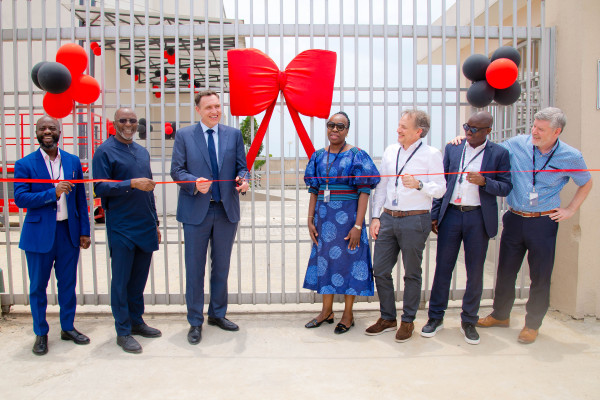
As part of the inauguration, Bruce Owen, President of EMEA at Equinix, along with other Equinix executives, led the ribbon-cutting ceremony at the newly expanded site. In addition to an official visit to the Governor of Lagos State, Equinix hosted an exclusive customer engagement event, bringing together key customers and partners from Nigeria's business and technology sectors. Attendees discussed shared successes and Equinix's role in facilitating digital transformation, while also connecting directly with Bruce Owen for insights into how Equinix's solutions drive innovation and business agility in the region.

Equinix executives also took part in a tree-planting ceremony, symbolising Equinix's continued investment in sustainable initiatives across the globe and highlighting the company's broader goal of reducing its carbon footprint while supporting greener practices across its operations worldwide. 

Speaking about the expansion, Bruce Owen, President of EMEA at Equinix said “Nigeria is a crucial market for Equinix. Today's opening is a clear demonstration of our continued commitments to invest and grow digital infrastructure that will benefit the many thousands of businesses in Nigeria and on the continent as a whole. I am deeply encouraged by the enthusiastic partnerships and innovations emerging from this dynamic region, which continue to inspire our commitment to Nigeria's digital and sustainable future.” 

Adding to this, Wole Abu, Managing Director of Equinix West Africa, highlighted the critical role of data centers in driving economic growth stating “Data centers continue to play a pivotal role in driving economic development in Nigeria, serving as critical infrastructure that supports digital transformation and economic growth. As governments and enterprises increasingly acknowledge their significance, global demand for data center capacity is poised to rise. While Africa's demand for data solutions is still evolving compared to more mature markets, the continent is demonstrating strong potential for digital adoption and innovation. To meet this growing need, Equinix is actively advancing three major data center projects in Nigeria, with future expansion plans for Ghana, Côte d'Ivoire, and South Africa.”

Equinix remains steadfast in its mission to enable secure, scalable, and sustainable digital growth for economies across the world.

Distributed by APO Group on behalf of Equinix.

Equinix Media Relations:
press@equinix.com

Equinix Investor:
invest@equinix.com

About Equinix:
Equinix (Nasdaq: EQIX) (www.Equinix.com) is the world's digital infrastructure company™. Digital leaders harness Equinix's trusted platform to bring together and interconnect foundational infrastructure at software speed. Equinix enables organizations to access all the right places, partners and possibilities to scale with agility, speed the launch of digital services, deliver world-class experiences and multiply their value, while supporting their sustainability goals.

Forward-Looking Statements:

This press release contains forward-looking statements that involve risks and uncertainties. Actual results may differ materially from expectations discussed in such forward-looking statements. Factors that might cause such differences include, but are not limited to, risks to our business and operating results related to the current inflationary environment; foreign currency exchange rate fluctuations; stock price fluctuations; increased costs to procure power and the general volatility in the global energy market; the challenges of acquiring, operating and constructing IBX® and xScale® data centers and developing, deploying and delivering Equinix products and solutions; unanticipated costs or difficulties relating to the integration of companies we have acquired or will acquire into Equinix; a failure to receive significant revenues from customers in recently built out or acquired data centers; failure to complete any financing arrangements contemplated from time to time; competition from existing and new competitors; the ability to generate sufficient cash flow or otherwise obtain funds to repay new or outstanding indebtedness; the loss or decline in business from our key customers; risks related to our taxation as a REIT; risks related to regulatory inquiries or litigation and other risks described from time to time in Equinix filings with the Securities and Exchange Commission. In particular, see recent and upcoming Equinix quarterly and annual reports filed with the Securities and Exchange Commission, copies of which are available upon request from Equinix. Equinix does not assume any obligation to update the forward-looking information contained in this press release.

Media files
Equinix
Download logo
Read moreEquinix Strengthens Commitment to Nigeria’s Digital Economy
1 April 2025

SARS records historic R2.3 trillion in gross revenue collection

Location: News

SARS records historic R2.3 trillion in gross revenue collection

The South African Revenue Service (SARS) has announced preliminary gross revenue collection of some R2.3 trillion as at the end of March, representing a year-on-year growth of 6.9%.

The record collection was announced by the SARS Commissioner Edward Kieswetter who briefed the media on Tuesday.

Preliminary net revenue results totalled R1.855 trillion with refunds totalling some R447.7 billion.

“Net revenue of R1.8551 trillion is a growth of R114 billion higher, a growth of 6.6% against the prior year and exceeds the revised estimate by R8.8 billion. Which is, we believe in the current environment, a very credible outcome delivered by SARS,” he said.

Kieswetter emphasised that the results are due to the diligent work delivered by the revenue services’ 13 000 workers.
 

“Without the people, we are nothing. We focussed on creating a more conducive environment for our staff during this period. We introduced the notion of employee engagement with a very deliberate and intentional programme to drive that. When we measured [employee engagement] in 2019/20, it was 61.6% and…has gone up to 71%.

“These indicators…don’t speak about money but it speaks about building an institution that can give confidence about the sustainability of giving effect to the mandate and the confidence with which we can project the revenue,” he said.

The Commissioner described the revenue service as a “national treasure” in making sure that South Africa’s democracy is funded. 

“Whilst we administer laws, our higher purpose is about enabling government to build a capable state that fosters economic growth and social development, serving the wellbeing of all South Africans.

“Without the important institution of SARS, our democracy would be unfunded. SARS is a national treasure that belongs to all of us and should never be taken for granted,” Kieswetter said. – SAnews.gov.za


NeoB
Tue, 04/01/2025 - 15:16
0 views

Read moreSARS records historic R2.3 trillion in gross revenue collection
1 April 2025

Conference places the spotlight on ocean sustainability 

Location: News

Conference places the spotlight on ocean sustainability 

As the current holder of the G20 Presidency, South Africa is leading global efforts for ocean sustainability, particularly focusing on advancing sustainable ocean initiatives in Africa.

The country is hosting the 14th International Conference on Southern Hemisphere Meteorology and Oceanography (ICSHMO), which is currently underway in Cape Town. 

This premier scientific gathering, being held in Africa for the first time since 1997, brings together renowned meteorologists, oceanographers, and climate scientists to address the unique atmospheric and oceanic challenges of the southern hemisphere.

The five-day event, which kicked off on Monday, is hosted by the National Research Foundation (NRF) through the South African Environmental Observation Network, with support from the Department of Science, Technology and Innovation (DSTI). 

The conference shows South Africa’s growing influence in global climate science.

Opening the conference, the Deputy Minister of Science, Technology and Innovation, Nomalungelo Gina, emphasised the urgent need for scientific collaboration to combat the escalating threats of climate change.

“The world is experiencing intensified heatwaves, prolonged droughts, rising sea levels, and extreme weather events that disrupt economies, displace communities, and strain infrastructure,” the department said. 

South Africa has witnessed the devastating impact of climate change in repeated floods and recurring droughts. 
These events highlight the pressing need for enhanced climate prediction, risk management, and adaptation strategies, all key topics at ICSHMO 2025.

The Deputy Minister stressed the importance of turning scientific knowledge into tangible, actionable solutions. 
Through the NRF, the country continues to support cutting-edge research in marine and coastal science, weather forecasting, and climate adaptation, to inform global policy and action.

Gina welcomed the integration of ICSHMO with the Ocean20 initiative, a flagship programme introduced under Brazil’s G20 Presidency, which is designed to promote sustainable ocean governance, and reiterated South Africa’s commitment to leveraging science, technology, and innovation for sustainable development.

The Deputy Minister stressed the importance of equitable access to artificial intelligence, big data and remote sensing technologies, which were transforming climate science, enabling more accurate forecasting, early warning systems, and disaster preparedness. 

Collaboration and knowledge-sharing were key to building a more stable and resilient global future, especially for nations that were most vulnerable to climate change.

A group of learners from Luhlaza and Usasazo high schools in Khayelitsha attended the conference and had a special interaction with Gina on the benefits of science for society.

During the opening session, Kenya’s representative for the United Nations’ Intergovernmental Panel on Climate Change, Patricia Nying’uro, highlighted the critical role of indigenous knowledge in promoting sustainability. She stated that the extensive knowledge accumulated by indigenous communities over centuries should be utilized to enhance climate action efforts.

NRF CEO, Dr Fulufhelo Nelwamondo, said the conference would provide a vital platform for advancing scientific collaboration, sharing cutting-edge research, and addressing the pressing challenges of climate variability and change in the southern hemisphere.

“The insights and discussions over the next few days will undoubtedly contribute to shaping policies and strategies that enhance climate resilience in our region and beyond,” he stated. – SAnews.gov.za
 

Gabisile
Tue, 04/01/2025 - 09:39
163 views

Read moreConference places the spotlight on ocean sustainability 
30 March 2025

G20 nations must place inequality at the heart of economic policymaking: Deputy Minister Mohai

Location: News

G20 nations must place inequality at the heart of economic policymaking: Deputy Minister Mohai

Department of Planning, Monitoring, and Evaluation (DPME) Deputy Minister Seiso Mohai has stressed the urgency of addressing persistent global inequalities.

“G20 nations must place inequality at the heart of economic policymaking, as disparities in wealth and development are neither just nor sustainable. The consequences of these inequalities are most pronounced in the Global South, where poverty, unemployment, and a lack of access to essential services continued to hinder progress,” Mohai said.

The Deputy Minister was delivering a keynote address during a two-day G20 Seminar focused on the theme: “Public Good, Development Finance, and Social Protection”. 

The seminar was hosted by the DPME in collaboration with the South African Association for Public Administration and Management (SAAPAM) and Tshwane University of Technology (TUT). 

The seminar was a key part of South Africa’s strategic G20 priorities - to explore innovative solutions for addressing economic disparities, advancing sustainable development, and ensuring social protection for vulnerable communities.

It provided a platform for fostering dialogue among government officials, academia, civil society, and the private sector, with a focus on tackling challenges such as economic disparities, mobilising development finance, and advancing inclusive social protection policies. 

Deputy Minister Mohai emphasised the importance of constructive dialogue throughout the seminar. 

“This gathering provided a unique platform for engagement among key stakeholders. We looked forward to brutally frank debates aimed at addressing the challenges of inequality, unemployment, and poverty.

“We were encouraged by this partnership between DPME, SAAPAM, TUT, and other academic institutions, civil society, and non-government organizations, and we looked forward to successfully hosting this prestigious G20 seminar,” he said.

Discussions at the seminar also explored ways to overcome structural barriers to sustainable development, including the mobilisation of innovative financing solutions for climate action and other pressing global issues.

The seminar focused on the following key areas:

  • Public Good: Ensuring equitable access to essential services and resources for all citizens.
  • Development Finance: Mobilising sustainable funding mechanisms to stimulate economic growth.
  • Social Protection: Strengthening policies aimed at reducing inequality and providing support for the most vulnerable.

Mohai also highlighted the pivotal role of academia and professional bodies in developing innovative solutions to global development challenges. 

“South Africa’s engagement with the G20 has been guided by strategic foreign policy pillars, including national interests, the African agenda, South-South cooperation, and multilateralism. Our presidency came at a time when the world faced overlapping global crises such as climate change, inequality, and geopolitical instability, which disproportionately affected developing nations,” he noted.

The Deputy Minister also reaffirmed South Africa's commitment to addressing the structural causes of economic disparities. 

"Through collaboration, innovation, and shared commitment, we can create a future that is inclusive, resilient, and sustainable," he stated.

The two-day seminar featured several distinguished academic dignitaries, including UNISA Vice Chancellor Puleng Lenkabula and Tshwane University Dean, Professor Mashupye Maserumule, among others.

Professor Maserumule shared valuable insights on the crucial role of an ethical, capable, and professional public service in driving innovation in planning and development. He emphasised the importance of a well-equipped public sector in fostering sustainable growth and effective governance.

In her address, UNISA Vice Chancellor Lenkabula highlighted the vital role of academia in South Africa’s leadership during the DPME G20 Seminar. She focused on the contribution of academic institutions, research, and higher education can make toward both national and international G20 objectives.

“Academia plays a pivotal role by conducting research that addresses global challenges on the G20 agenda, such as climate change, global health, economic recovery post-pandemic, and sustainable development,” she said.  

“South African universities and research institutions have the opportunity to collaborate with their international counterparts to generate data and policy recommendations that support both South Africa's national interests and the broader goals of the G20,” Prof Lenkabula added. 

The department said that the outcomes of the seminar will contribute to South Africa’s G20 agenda, focusing on building a future that is inclusive, resilient, and sustainable for all. 

The event aimed to generate actionable recommendations and innovative policy solutions to guide the global community in confronting critical issues such as inequality, unemployment, and poverty.

“This seminar marked a critical milestone in South Africa’s leadership of the G20, with a continued focus on fostering solidarity, equality, and sustainability in global development,” the department said. – SAnews.gov.za


DikelediM
Sun, 03/30/2025 - 12:18
479 views

Read moreG20 nations must place inequality at the heart of economic policymaking: Deputy Minister Mohai
30 March 2025

G20 Environment and Climate Sustainability Working Group first meeting concluded

Location: News

G20 Environment and Climate Sustainability Working Group first meeting concluded

The Department of Forestry, Fisheries and the Environment’s Deputy Director-General (DDG) for Climate Change and Air Quality, Maesela Kekana, has reflected on the deliberations that took place during the G20 Environment and Climate Sustainability Working Group (ECSWG) meeting held this week.

The first day of discussions centred around the ECSWG Issue Note as a whole. 

“General comments and reflections were presented in the recap report of day one. This was followed by focussed sessions on days two to four wherein each identified priority area was discussed in detail and where participants were provided with the opportunity to provide reflections on each area. 

“These included the Biodiversity and Conservation priority area; Land Degradation, Desertification and Drought priority area; Chemicals and Waste Management priority area and the Oceans and Coast priority area,” Kekana said.

He highlighted that the delegates also discussed the Climate Change and Air Quality Management priority area as separate discussions. 

“Just looking at this brief synopsis of the discussions which we undertook during the last four days I am sure you would agree with me that the meeting has provided a significant input into the issue note, reflections on the priorities, as well as the expected deliverables.”

“South Africa has taken note of all your comments and proposals and will capture them in the report of the meeting in preparation for the next ECSWG meeting which is scheduled to take place in person in our beautiful and iconic Kruger National Park. It is therefore my honour to invite you to participate in this meeting which will take place from 14-18 July 2025,” Kekana said. 

The 1st ECSWG meeting convened virtually, which involved the presentation of the ECSWG Issue Note, priorities and proposed deliverables and received inputs and views from G20 MS. Written comments on the priorities are due by 5 April 2025.

Engagements by the Chair of ECWSG will be undertaken with the Chairs of other relevant working groups to enhance collaboration, synergies and avoid duplications as appropriate.

During the interim period between the 1st ECSWG and 2nd ECSWG meeting, ongoing ECWSG and stakeholder engagements and events will take place, including but not limited to bilateral meetings with G20 member states; workshops; side-events; seminars; and conferences. 

Ongoing review, revision and finalisation of the Technical Papers will continue as guided by reflections in the meeting and written inputs. These will be shared well ahead of the 2nd ECSWG meeting.

At the 2nd ECSWG Meeting at the Kruger National Park on 14-18 July 2025 Technical Papers to be presented and discussed.

The 3rd ECSWG Meeting in Cape Town on 13 -15 October 2025 will see final versions of the technical papers and draft Outcome Document discussed.

The Ministerial Meeting in Cape Town on 16 – 17 October 2025 will discuss the  Outcome Document and the other deliverables to be adopted.

"I wish to take this opportunity to thank you for your engagement during the last four days and hope that we can continue in this spirit and on this trajectory. It has indeed been an honour to chair this meeting, and we have covered a lot of ground in our initial ECSWG meeting,” Kekana said.

The ECSWG virtual meeting was opened by DFFE Minister, Dr Dion George, on Tuesday, 25 March 2025. 

The G20 ECSWG meeting brought together leaders, policymakers, and experts from G20 Countries, invited Countries as well as partners to advance discussions on crucial environment and climate sustainability priorities that shape our collective future. – SAnews.gov.za  


DikelediM
Sun, 03/30/2025 - 12:43
35 views

Read moreG20 Environment and Climate Sustainability Working Group first meeting concluded
28 March 2025

Incubator programme to empower emerging developers

Location: News

Incubator programme to empower emerging developers

Human Settlements Minister Thembi Simelane has hailed the Emerging Developer Incubator and Post-Investment Support Programme, which aims to empower emerging developers.

Launched in Sandton, Gauteng, the incubator programme will catalyse the transformation of the built environment and assist the Department of Human Settlements in achieving its five-year targets.

The department’s 2025/2030 Medium Term Development Plan (MTDP) seeks to deliver over 200 000 housing units, including 237 000 serviced sites, and 15 000 social housing units. The plan also seeks to upgrade over 4000 informal settlements.

The technical support programme, a brainchild of the department’s agency, the National Housing Finance Corporation (NHFC), will present an opportunity for contractors and emerging property developers to participate and play an active role in assisting the department in housing the nation.

Speaking at Friday’s launch, Simelane commended the NHFC for initiating the “indispensable and bespoke” incubation programme, noting that working together in the human settlement value chain, they can “move the needle as far as transformation is concerned".

The Minister highlighted that the initiative is intrinsically linked to one of the priorities of the government of driving inclusive growth and job creation, and a transformative three-year initiative designed to promote inclusivity and sustainability within the housing sector.

Recognising the challenges faced by emerging developers, including weak balance sheets, limited access to finance, and inadequate technical expertise, Simelane said the NHFC has strategically introduced this programme to address these barriers directly, by providing structured support to aspiring developers, with a keen focus on majority Black-owned and designated groups.

“What is particularly outstanding is that the three-year programme aims to support aspiring developers from majority Black-owned and designated groups by providing non-financial support and facilitating project sustainability through skills transfer and built industry technical assistance.

The Minister noted that the human settlement sector is currently beset with a myriad of challenges of blocked projects abandoned by contractors and developers, with capacity to manage projects, and access to finance being among the few contributing factors to these challenges.

The introduction of the initiative is to ensure an increased delivery of housing units within the sector; grow the participation of aspiring developers in the housing value chain, with an added focus on designated groups (women, youth and people with disability), and ease access to funding from the NHFC and from other financiers. 

Monitoring

The Minister also assured that the launch of the programme is not a rhetorical statement.

“We are not here for a talk-shop, we must be intentional and deliberate in driving transformation and in empowering the mentioned designated groups. At the core of the programme is capacity building, which ensures that emerging developers gain essential skills to manage and deliver successful projects.

“The incubator offers hands-on on and off-site support throughout the project lifecycle, from feasibility studies to financial modelling and compliance with statutory regulations, as well as construction monitoring. We are doing away with the tendency of launching projects of this magnitude and design without post-project monitoring and evaluation to measure impact and success.”

She emphasised that a key risk mitigation strategy embedded within the programme is the post-investment technical monitoring function, which ensures that the projects maintain quality and efficiency standards, while developers receive ongoing oversight and advisory services.

The NHFC will collaborate closely with the appointed incubator service provider experienced in contractor and developer support, ensuring adherence to industry best practices and skills transfer to the NHFC itself.

“This Emerging Developer Incubator Programme is designed not only to provide immediate support, but to cultivate a new generation of capable and self-sustaining developers who will contribute meaningfully to the housing sector. 

“By aligning with best practices and leveraging past lessons, the department and the NHFC are setting the stage for long-term transformation and economic inclusion,” Simelane said. – SAnews.gov.za
 

GabiK
Fri, 03/28/2025 - 14:13
87 views

Read moreIncubator programme to empower emerging developers
28 March 2025

Committee Receives Briefings on Interventions to Address the Escalating Municipal Electricity Debt

Location: News

Republic of South Africa: The Parliament
Download logo

As part of its week-long oversight to Gauteng, the Portfolio Committee on Electricity and Energy held a meeting that brought together key stakeholders which included Eskom, National Treasury, the Department of Cooperative Governance and Traditional Affairs (COGTA), and the South African Local Government Association (SALGA), on the growing municipal electricity debt crisis, which has escalated to nearly R100 billion.

The aim of the meeting was to find solutions on the pressing challenges affecting municipalities' ability to meet their financial obligations and sustain electricity. The committee emphasised the seriousness of the situation, noting that the escalating municipal debt affects not only Eskom's financial stability but also the delivery of essential services to millions of South Africans.

During the discussions over 160 municipalities were classified as financially distressed, with 98 of them operating on unfunded budgets in the 2024/2025 financial year, 7 of them participating in the Municipal Debt Relief Program, and 14 of them have successfully met the conditions required for debt relief and write-offs.

The committee stressed that the municipal electricity debt crisis requires collaboration and decisive action from all levels of government and stakeholders. The committee said the crisis poses a significant risk to service delivery and the livelihoods of millions of South Africans. Members of the committee said the time of pointing fingers is over, the time calls for collaborative solutions and long-term reforms.

Eskom highlighted that the municipal arrears increased from R74 billion in March 2024 to R98.5 billion by February 2025, with significant growth in debt attributable to provinces like Free State and Mpumalanga. Eskom expressed grave concerns about the implications of this trend on its financial sustainability, noting that the gains from the debt relief program aimed at reducing its overall debt from R400 billion to R250 billion could be neutralised within three years if the rising municipal debt trajectory is not curtailed.

Eskom emphasised that as part of solutions to address the electricity debt crisis, funds collected from customers by the municipalities are prioritised to settle bulk electricity accounts before being used for other municipal expenses.

National Treasury underscored its efforts to enforce fiscal discipline through several interventions, including withholding equitable share allocations to defaulting municipalities under Section 216(2) of the Constitution. Treasury reported that equitable share allocations for several municipalities were withheld to compel them to address their financial management failures.

Despite these measures, Treasury acknowledged that entrenched dysfunctionality in many municipalities continues to undermine progress. Treasury also highlighted that only a fraction of the 10 million indigent households identified in the census are benefitting from the Free Basic Electricity grant due to inefficiencies in municipal administration, leaving millions of impoverished South Africans without critical energy support.

COGTA and SALGA shared insights into the structural and operational inefficiencies that have crippled municipalities. These include weak governance, lack of capacity, inadequate enforcement of revenue collection measures, and outdated infrastructure. COGTA noted that the absence of energy master plans and failure to maintain accurate indigent registers have compounded the crisis.

SALGA highlighted that the overly fragmented approach to addressing municipal debt must be replaced with integrated capacity-building programs, including technical assistance for cost-reflective tariffs and improved revenue collection systems.

The committee also heard that smart metring solutions have shown promising results in improving revenue collection, with pilot projects recovering millions of rands in previously uncollected funds. National Treasury announced that an additional R650 million would be allocated in the next financial year to expand smart metering programs to targeted municipalities. These interventions aim to enhance overall efficiency and ensure timely payment of bulk electricity accounts.

The meeting further explored the critical role of legislative reform in tackling these issues. Eskom and other stakeholders called for adjustments to the Electricity Regulation Act to enable more proactive credit control measures. The committee also noted concerns about the affordability of electricity tariffs and the long-standing need to increase the FBE grant threshold to meet the growing needs of indigent households.

Members of the committee pointed out that sustainability solutions must balance immediate interventions with long-term reforms. Furthermore, the committee stressed the need for an all-of-government approach to address the systemic nature of the challenges faced. The committee recommended the establishment of a dedicated Municipal Recovery Task Team comprising Eskom, National Treasury, COGTA, SALGA, and other relevant stakeholders. This task team will focus on implementing and monitoring solutions, including measures to improve governance, enhance collections, introduce prepaid systems for bulk electricity, and address legislative barriers.

The committee commended Eskom, National Treasury, COGTA, and SALGA for their continued commitment to resolving this crisis. However, the committee emphasised that municipalities must take greater responsibility for reversing the current trajectory.

Distributed by APO Group on behalf of Republic of South Africa: The Parliament.

Read moreCommittee Receives Briefings on Interventions to Address the Escalating Municipal Electricity Debt
28 March 2025

Call to scale up cervical cancer interventions 

Location: News

Call to scale up cervical cancer interventions 

The international community has been called upon to scale up cervical cancer interventions and progress against the only noncommunicable disease that can be eliminated. 

This call was made by the Government of South Africa, Unitaid and the World Health Organization (WHO) at the Group of Twenty (G20) Health Working Group meeting, which took place on Thursday in Zimbali, outside Durban.  

According to the Department of Health, cervical cancer is preventable and potentially curable, as long as it is detected early and managed effectively. It is the second most common form of cancer among women in South Africa. 

Statistics by the WHO show that the disease claimed the lives of almost 350 000 women globally in 2022.

“New vaccines, tests, and treatment technologies have transformed cervical cancer prevention in recent years, yet the disease continues to disproportionately impact women mostly in low- and middle-income countries where access to primary health care and preventive services are limited. Cervical cancer elimination would address a major gap in Women’s health,” the department said.

Speaking on the sidelines of the G20 health meeting, Unitaid’s Deputy Executive Director Tenu Avafia said Unitaid has invested US $81 million or R1.4 billion to bring down prices, increase volumes and address operational questions involved in cervical cancer screening and treatment to enable countries to scale up proven interventions with minimal risk.

“However, funding shortfalls still pose enormous challenges to building national cervical cancer elimination programs in low- and middle-income countries,” Avafia said.

Unitaid makes health products accessible, available and affordable for people who need them most.

Department of Health’s Director-General Dr Sandile Buthelezi said improving women’s health was not just a health issue but “an economic imperative”.

“It drives social stability, boosts productivity, and breaks the cycle of poverty. Global efforts to combat cervical cancer serve as a concrete illustration of how cooperation can advance women’s health and realize a shared goal to bring about the first-ever elimination of a cancer,” he said.

In 2020, the WHO launched the global strategy for cervical cancer elimination, the first-ever roadmap for the elimination of a cancer. Since then, countries have made enormous strides in rolling out new tools and services. 

Vaccination against Human Papillomavirus (HPV) provides protection against infection that causes nearly all cases of cervical cancer. 

And a package of screening and treatment tools – including HPV tests with the option for self-sampling and devices for quickly and easily removing pre-cancerous cells – make it possible to make lifesaving services available to women at lower levels of the health care system.

The health working group session called for a coordinated approach drawing on domestic resource mobilization, blended financing, and partnerships with multilateral development banks to scale these solutions, ensure long-term sustainability and reduce dependency on external aid.

Government asserted South Africa’s commitment to scaling up cervical cancer prevention programs nationwide with support from Unitaid, the WHO and other partners.

“The South African G20 health agenda promotes solidarity, equality and sustainability. It complements the African Union’s Agenda 2063, the development agenda of Africa as the world’s fastest-growing continent, and the Lusaka Agenda. It also focuses on rebuilding momentum to reach the 2030 Sustainable Development Goals (SDGs),” the department said.

On Wednesday, Health Minister Dr Aaron Motsoaledi reiterated the importance of nations reallocating resources towards health, strengthening global health partnerships, and exploring innovative financing mechanisms to address funding gaps.

READ | Motsoaledi urges global action to address health funding gaps

The Minister used the platform to highlight South Africa’s commitment to universal health coverage (UHC) through the National Health Insurance (NHI) system, which aims to provide financial protection and efficient resource utilisation.

The three-day meeting which began on Wednesday, will conclude on Friday, 28 March 2025. - SAnews.gov.za

nosihle
Fri, 03/28/2025 - 10:13
28 views

Read moreCall to scale up cervical cancer interventions 
27 March 2025

Gautrain looks to adapt to evolving ridership environment

Location: News

Gautrain looks to adapt to evolving ridership environment

In response to the changing ridership patterns post-COVID-19, the Gautrain is identifying underserved customer groups and their specific needs and will be adapting its products and services to make travel more accessible for a diverse range of passengers.

The pandemic drastically and permanently altered the transit industry. Former frequent commuters continue to work from home in hybrid or remote positions. 

“The days of a predictable 9-to-5, Monday through Friday commute are over. Passengers are demanding that we run a frequent service throughout the day and offer dynamic pricing to suit their hybrid work schedules. And with the rising cost of living, cost is increasingly becoming the sole determinant when choosing a mode of transport,” Gautrain Management Agency CEO, Tshepo Kgobe, said on Thursday.

Across the world, rail operators continue to adjust to changing ridership patterns by adapting their service offerings accordingly.

The Gautrain recently commissioned a brand study, which found that the rapid rail link has maintained its brand positioning as a safe, efficient, clean, and convenient service. 

However, there is an indication that the brand is perceived as inaccessible to some market segments. 

“This presents an opportunity to respond innovatively to changing customer needs, preferences and patterns,” Kgobe said.

In November 2023, the Gautrain kick-started the process to appoint a new delivery partner who will operate, maintain, modernise, innovate, and upgrade the Gautrain system when the current Gautrain concession agreement comes to an end in March 2026. 

“A new Public-Private Partnership agreement presents an opportunity to rethink the Gautrain business model, ensuring financial sustainability and operational excellence. Under the new agreement, we will be able to consider a range of fare policies and pricing incentives, introduce products and services that address the needs of a diverse range of passengers, and advance equity in transportation.

“Public transport systems such as the Gautrain should indeed be inclusive, ensuring accessibility and ease of movement for diverse market segments. We are resilient and adaptable, this is an opportune time to rethink, redesign, renew, and build on a highly functional, world-class system,” the CEO said.

Gauteng, South Africa's most populous province, faces significant road congestion due to high traffic volumes and a rapidly growing population, impacting economic activity and daily commutes. 

Kgobe said the rapid rail extensions from current Gautrain stations, mostly in the suburbs, to other economic nodes and townships like Soweto and Mamelodi, will significantly increase the customer base, boost ridership, and enable inclusive transport connectivity.

“As part of the diversification strategy, we have already introduced vehicle licensing services at Gautrain stations, and we will be transforming Gautrain stations into hubs for business, retail, and social activities. 

“Gauteng, with its diverse attractions, is also an entertainment playground, so we are striving to position the Gautrain as the mobility of choice for large-scale social, sport and lifestyle events, and places of fun and entertainment,” he said. - SAnews.gov.za

nosihle
Thu, 03/27/2025 - 13:28
32 views

Read moreGautrain looks to adapt to evolving ridership environment
26 March 2025

George rallies world leaders to accelerate efforts to achieve SDGs

Location: News

George rallies world leaders to accelerate efforts to achieve SDGs

Minister of Forestry, Fisheries and the Environment, Dr Dion George, has called on the international community to urgently accelerate efforts to achieve the Sustainable Development Goals (SDGs).

“We are less than five years away from our deadline to achieving the SDGs and the end of this critical decade for climate action. Yet, we are still far from our goals and action targets,” the Minister said on Tuesday.

The United Nations describes the SDGs as the “blueprint to achieve a better and more sustainable future for all” by addressing global challenges related to poverty, inequality and climate change, among others, with the year 2030 set as the target to meet the goals.

Addressing the Group of Twenty (G20) Environment and Climate Sustainability Working Group (ECSWG) virtually, the Minister said poverty levels are worsening, and that carbon dioxide (CO2) emissions reached record highs last year. 

“This calls for an urgent acceleration of our efforts. Our commitment to achieve these goals must not waver. That is why South Africa has placed solidarity, equality and sustainability at the centre of our G20 Presidency.

“As the international community, together, we committed ourselves to the ambitious agenda to end poverty and hunger, to protect our planet, to achieve universal education and health coverage, and to promote decent work and sustainable economic growth by adopting the 2030 Agenda for Sustainable Development and its Sustainable Development Goals,” George said.

The Minister said South Africa is striving to champion and fast-track action in the pursuit of a just transition to a low-carbon, climate resilient and inclusive society, and lead by example. 

Last week, President Cyril Ramaphosa proclaimed the Climate Change Act, laying the ground for ambitious climate action domestically. 

Earlier this month, the Minister informed the public that the President proclaimed the Climate Change Act, 2024, with the proclamation notice published in the Government Gazette on 17 March 2025, which was the commencement date of the Act.

“The Act is intended to enable the development of an effective climate change response and a long-term, just transition to a low-carbon and climate-resilient economy and society for South Africa in the context of sustainable development; and to provide for matters connected therewith,” the Minister said at the time.

The Act lays the foundation for a green economy that is resilient, inclusive and future-focused. It creates a clear framework for climate action.

In his address on Tuesday, the Minister said South Africa’s rollout of renewable energy has materially accelerated over the past few years, driving the decarbonisation of South Africa’s energy system, while the implementation of Expanded Producer Responsibility schemes and circular economy initiatives is improving waste management.

“The task remains immense. Poverty, unemployment, hunger, inequality, environmental degradation and climate change are but a few of the complex and interconnected issues facing the world today. 

“...We thus reiterate the critical role of multilateralism in addressing these complexities, and South Africa’s very strong support for multilateralism,” the Minister explained.

Priorities 

George said the five interrelated priorities of the Environment and Climate Sustainability Working Group provide an opportunity to address multiple complexities within this context, while advancing the achievement of the Sustainable Development Goals.

The priorities include Biodiversity and Conservation, Land Degradation, Desertification and Drought, Chemicals and Waste Management, Climate Change and Air Quality, as well as Oceans and Coasts.

“These priorities of the G20 Environment and Climate Sustainability Working Group for this year are viewed as critical enablers to address poverty, create employment and meet other sustainable development goals, thereby contributing towards the global effort to respond to the triple complexities of climate change, pollution and biodiversity loss, in line with the overall theme of South Africa’s G20 Presidency of Solidarity, Equality and Sustainability,” the Minister said.

As a primary outcome of the G20 Presidency this year, South Africa will explore ways that the G20 can leverage opportunities to increase the scale and flows of climate finance, critical to enabling the Just Transition, mitigation and adaptation efforts, while ensuring that the required investments reach the most vulnerable of society. 

“It is paramount for developing economy countries to be actively supported in their efforts to achieve ‘whole of society and whole of economy’ just transitions to sustainable development on the ground, through scaled access to low-cost finance, technology and skills.

“It is also increasingly recognised that many people across the globe are exposed to unhealthy and often deadly levels of air pollution, and that the impacts of air pollution extend beyond health - affecting climate, biodiversity, ecosystems and economic development. 

“This is also a key issue that needs to be addressed, and to which this Working Group can contribute. There are very extensive synergies between decarbonisation and the improvement of air quality,” the Minister said. - SAnews.gov.za

nosihle
Wed, 03/26/2025 - 07:56
106 views

Read moreGeorge rallies world leaders to accelerate efforts to achieve SDGs
25 March 2025

African Union and European Union Celebrate 25 Years of Strengthened Partnership

Location: News

African Union (AU)
Download logo

The African Union (AU) and the European Union (EU) launched a year-long celebration marking the 25th anniversary of their enduring and unique partnership, since the first Africa-Europe Summit on 3-4 April 2000 in Cairo.

This milestone, aligned with the Africa Agenda 2063 and the Global Gateway Investment Package for Africa, underscores the powerful impact of two unions representing over 1.9 billion people and accounting for more than 40% of the UN's membership.

In the lead-up to the Ministerial Meeting on 21 May 2025, in Brussels, gathering over 80 governments and the new leadership of both AU and EU, a series of anniversary initiatives will be promoted. These will include joint outreach explaining the development of the partnership and concrete results and open dialogues on shared challenges. These activities will pave the way for the 7th African Union-European Union Summit to be hosted in Africa later this year.

The 25th anniversary will highlight the strategic alignment of the AU-EU partnership around the four central pillars of the Joint Vision for 2030 adopted by African and European leaders at their Summit in 2022.

Key Pillars of the AU-EU Partnership:

1. Prosperity: a prosperous and sustainable Africa and Europe

The AU and EU are committed to fostering regional economic integration and sustainable growth, bringing together people, regions, and organisations. The Global Gateway Africa-Europe Investment Package , actively supports the implementation of the Africa Agenda 2063. The EU is Africa's first trading partner and AU and EU work together on sustainable trade and investment that create growth and jobs, as well as, on accelerating the green and digital transitions strengthening health systems and improving education and skills.

2. Peace, Security and Governance: Partnering for Stability

The AU and EU are committed to a joint approach to peace, security, and governance, recognising that stability, the rule of law and democratic institutions are fundamental for sustainable development. Under the African leadership, the EU is an active and long-term partner for peace with civilian and military training and security missions and for the African Peace and Security Architecture (APSA).

3. People: Investing in Human Development

Human development remains at the core of the AU-EU partnership. Joint initiatives on migration and mobility, education, culture, exchange opportunities, social inclusion and humanitarian affairs, empower people, especially women and youth, to build prosperous and inclusive societies. The EU and the AU are committed to the rule of law, good governance, democratic principles, respect for human rights, gender equality, and justice.

4. Planet: A Global Force for Multilateralism and Sustainability

Representing more than 40% of the UN's membership, the AU and EU are a formidable force for strong support for the multilateral system, with the UN Charter at its core, and for environmental sustainability. Both are working to increase the legitimacy and effectiveness of the multilateral system: cooperation within the G20, chaired by South Africa, and the Pact for the Future are two examples. Together, they are driving global action to promote shared fundamental values and to address climate change and protect the planet.

Distributed by APO Group on behalf of African Union (AU).

Read moreAfrican Union and European Union Celebrate 25 Years of Strengthened Partnership
25 March 2025

Hydroponic farming system overall winner of Global Cleantech Innovation Programme Awards

Location: News

Hydroponic farming system overall winner of Global Cleantech Innovation Programme Awards

A groundbreaking hydroponic farming system has won first prize at the Global Cleantech Innovation Programme – South Africa (GCIP-SA) Awards. 

This innovative system allows farmers to grow crops using up to 90% less water and requires only 10% of the land compared to traditional farming methods.

AB Farms, founded by Mogale Maleka, beat seven other competitors for the coveted sustainable development prize.  

Hosted by the Department of Science, Technology and Innovation (DSTI) entity, the Technology Agency (TIA), the United Nations Industrial Development Organisation (UNIDO) and the Global Environment Facility, the recently held awards acknowledged the outstanding achievements of entrepreneurs and innovators, who are driving sustainable solutions for a greener future.

According to the department, the GCIP is instrumental in South Africa’s response to the challenge of climate change by nurturing and accelerating cleantech startups and small, medium, and micro enterprises (SMMEs). 

The programme aligns with the Paris Agreement objectives and also supports South Africa in achieving its Nationally Determined Contribution targets to reduce carbon emissions from 350 to 420 megatonnes of carbon dioxide equivalent by 2030.

Maleka’s farm was recognised for its commitment to clean energy solutions.  

“His innovation also reduces electricity consumption by 50% and fertiliser use by 40%, making it a game-changer for resource-scarce regions. Designed for resilience, the system ensures consistent irrigation, even during power or water disruptions,” the statement read. 

Congratulating the finalists and winners, DSTI Minister Professor Blade Nzimande stressed the urgent need for sustainable solutions in South Africa, where environmental challenges such as water scarcity, air and water pollution, biodiversity loss, and extreme weather events are deepening socio-economic disparities.

“Unsustainable patterns of consumption and production have led to the triple planetary crisis of climate change, nature and biodiversity loss, and pollution and waste,” Nzimande said. 

According to the Minister, this crisis has resulted in severe environmental problems, including extreme weather events like droughts, floods, heatwaves and storms, which cause widespread damage to infrastructure, agriculture, and human lives.  

“South Africa, like many other parts of the world, is grappling with these challenges, making the need for climate-resilient infrastructure even more urgent,” Nzimande said. 

The 2025 GCIP-SA Awards also recognised other outstanding innovators in sustainable solutions.
Runner-up, Econova Solutions, led by Sanele Mabizela, was honoured for its impactful work in clean energy and environmental sustainability.  

Econova converts organic waste into biogas and organic fertilisers.  

Meanwhile, the second runner-up spot went to the Graduated Man of Steel, represented by Lunga Calvin Mahlangu, for an innovation that produces affordable electric micro-mobility solutions for urban and industrial transport.

Acting Chief Executive Officer of the TIA, Ismail Abdoola, commended the entrepreneurs for driving clean technology innovations and reaffirmed the TIA’s commitment to strengthening the programme’s impact.

“We recognise the remarkable achievements of the GCIP-SA and the entrepreneurs shaping the future of our country’s cleantech ecosystem.  This... is not just about celebrating accomplishments but about reaffirming our shared vision for innovation, sustainability and progress,” said Abdoola at the awards ceremony.

He also acknowledged the long-standing partnership between TIA and UNIDO, which has been instrumental in driving the success of GCIP-SA, and supporting local entrepreneurs in refining their solutions and positioning them for market success.

“The GCIP is more than a programme, it is a movement, a movement that brings together innovation, collaboration, and purpose-driven action in support of a sustainable future. As we look ahead, let us be inspired by the work done so far and remain committed to building a greener and more resilient South Africa,” Abdoola added. 

The winner and runners-up will represent South Africa, in the global installment of the Cleantech Awards in Turkey in September 2025. – SAnews.gov.za
 

Gabisile
Tue, 03/25/2025 - 10:13
408 views

Read moreHydroponic farming system overall winner of Global Cleantech Innovation Programme Awards
  • Previous
  • Page 1
  • Interim pages omitted …
  • Page 5
  • Page 6
  • Page 7
  • Page 8
  • Page 9
  • Interim pages omitted …
  • Page 31
  • Next

Copyright © 2026 · MyZA · All Rights Reserved · Powered by Stratlec Online