• Skip to main content
  • Skip to header right navigation
  • Skip to after header navigation
  • Skip to site footer
MyZA

MyZA

News, Directory, Events and Other Stuff

  • Social Media
  • Sport
  • World News
  • Home
  • Submit News
  • Directory
  • Events
  • Stratlec
  • TFSA
  • News
    • APO
    • Today’s Sport News
    • Todays Social Media and Tech Headlines
    • Today’s World News
    • Today’s SA Financial News
  • Contact
You are here: Home / Archives for News

News

13 January 2026

South Africans Show Determined Optimism as They Adapt to Financial Pressures

Location: Business
  • 72% South Africans say they feel positive about their financial outlook for the next 12 months, showing resilience even as the cost of living remains high
  • Access to credit continues to shape financial confidence, with 91% viewing it as key to achieving their goals, though fewer than half (42%) believe they can access it easily
  • Online scams remain widespread, with 59% of consumers reporting recent fraud attempts, particularly phishing, vishing and gift card schemes

South African households are showing signs of meaningful financial adaptation amid ongoing cost pressures, according to TransUnion’s latest Q4 2025 Consumer Pulse Study. While inflation and affordability challenges persist, consumers are becoming more intentional in their financial management, tightening budgets, prioritising savings, and building greater digital and financial awareness.

“Consumers are entering 2026 with a renewed sense of financial discipline,” said Ayesha Hatea, director of research and consulting at TransUnion South Africa. “We’re seeing households make more deliberate choices, reducing non-essential spending, paying down debt and preparing for the future. This speaks to a financial confidence grounded in awareness and adaptability.”

Financial Adaptation in a High-Cost Environment

Nearly half (48%) of South Africans said their household finances were better than planned in Q4 2025, a sign of growing stability in an economy still defined by high living costs. Yet, 36% of consumers anticipate being unable to meet at least one bill or loan payment in full, revealing the continued strain on affordability.

In response, many households are taking deliberate steps to manage their finances. Half have reduced discretionary spending on non-essential activities such as dining out, entertainment, and travel, while more than a third (34%) have cancelled subscriptions or memberships. At the same time, 38% of consumers plan to increase their contributions toward retirement savings or investments, 35% are accelerating debt repayments, and 27% are setting aside more in emergency funds or stokvels.

These actions suggest that South Africans are not merely reacting to economic pressure but are intentionally strengthening their financial resilience. “Consumers are demonstrating a more strategic approach to money management,” said Hatea. “They’re preserving stability today while laying the groundwork for tomorrow.”

Younger Optimism Meets Experienced Caution

Generational insights reveal that financial resilience takes on different forms across age groups. Younger consumers, particularly Gen Z (18-28 years) and Millennials (29-44 years), tend to be the most optimistic about their financial future and are also the most likely to apply for new credit within the next year, with 42% and 39% expressing this intent, respectively.

In contrast, Gen X (45-60 years) and Baby Boomers (61+) demonstrate a more cautious approach, with only 33% and 9% likely to seek new credit, instead prioritising debt reduction and savings. Spending patterns further illustrate this divide: younger consumers plan to increase their spending on digital services such as internet and other discretionary activities like dining out or travel, while older generations indicate they will prioritise boosting retirement funds and strengthening emergency savings in the coming months.

Credit Access and Inclusion

Credit remains a vital tool for long-term financial mobility, with 91% of South Africans recognising its importance in achieving their financial goals. Yet, access to credit is uneven: only 42% feel they have adequate access, while 33% believe they do not. Despite this strong demand, just 36% plan to apply for new credit or refinance existing debt over the next year, with credit cards (30%), personal loans (28%), and car loans (20%) among the most popular products.

However, 44% of those who considered applying ultimately decided against it, citing barriers such as high borrowing costs (33%), fear of rejection due to their credit history (26%), and concerns over income or employment (24%).

“These findings highlight a need for more inclusive and transparent lending models,” said Hatea. “Consumers believe that a broader use of alternative data, such as rental or buy-now-pay-later payment histories can help extend fair access to credit while supporting responsible borrowing.”

Digital Fraud Threats Drive Demand for Simplified Protection Tools

Digital fraud continues to pose a significant threat to South Africans, with 59% targeted in Q4 and 12% falling victim. The most commonly reported schemes include money or gift card scams (32%), vishing (30%), phishing (29%), and smishing (27%). Despite these threats, 46% of consumers successfully detected and avoided fraud, reflecting growing vigilance. Among those affected by data breaches, 42% changed their passwords, 35% checked accounts for unauthorised activity, 30% closed compromised accounts, and only 16% signed up for identity monitoring.

In the past two months, reacting to security concerns, 58% changed passwords, 23% enabled multi-factor authentication, and 37% checked their credit reports. Yet, many remain unsure how to respond: 53% of those who took no action cited uncertainty about the steps to take, while 22% felt overwhelmed by cybersecurity information.

Empowered and Financially Aware Consumers

Financial awareness among South Africans continues to rise, with 93% recognising the importance of credit monitoring. Engagement with credit reports is also increasing, with 31% checking monthly, 16% weekly, and 8% daily.

Nearly half of consumers believe their credit score would improve if alternative data, such as rental payments or buy-now-pay-later histories, were considered, particularly among younger generations.

“This growing awareness of credit health is encouraging,” said Hatea. “Consumers are becoming more proactive and engaged, and that creates a powerful opportunity for businesses and lenders to support them with relevant, transparent financial tools.”

Building Financial Confidence for the Future

The Q4 findings paint a picture of a nation adapting with purpose, cautious but confident, pragmatic yet forward-looking. As South Africans continue to manage affordability pressures, the emphasis on long-term financial planning, inclusion, and protection is reshaping how consumers engage with the financial system.

“Resilience has become the defining characteristic of South African consumers,” said Hatea. “They’re not waiting for conditions to change, they’re taking control of their financial journeys, showing that confidence and caution can coexist.”

Consumers can get their free annual credit report from TransUnion here.


Notes to Editors: An online survey of 992 adults in South Africa was conducted between 25 September and 9 October 2025 by TransUnion with Dynata, using an online panel across desktop, mobile, and tablet. The survey, administered in English, included respondents aged 18 and older from all regions, with quotas applied to ensure demographic representation by age, gender, household income, race, and region. Generational groups were defined as follows: Gen Z (18–28), Millennials (29–44), Gen X (45–60), and Baby Boomers (61+).

Read moreSouth Africans Show Determined Optimism as They Adapt to Financial Pressures
13 January 2026

Sycadi Agriculture Partners With Fastercapital to Scale Sustainable Greenhouse Farming in Liberia

Location: MyPR

Sycadi Agriculture, a pioneering agri-tech startup in Liberia, announced a strategic partnership with FasterCapital through its LaunchUp program. The collaboration aims to accelerate sustainable greenhouse farming, boost food security, and create 800 farmer jobs, particularly empowering women. Liberia faces significant challenges in vegetable production, relying heavily on imports and experiencing low yields due to traditional …

Read moreSycadi Agriculture Partners With Fastercapital to Scale Sustainable Greenhouse Farming in Liberia
13 January 2026

Africa’s Critical Minerals and the Future of the Global Energy Transition

Location: News
African Energy Chamber

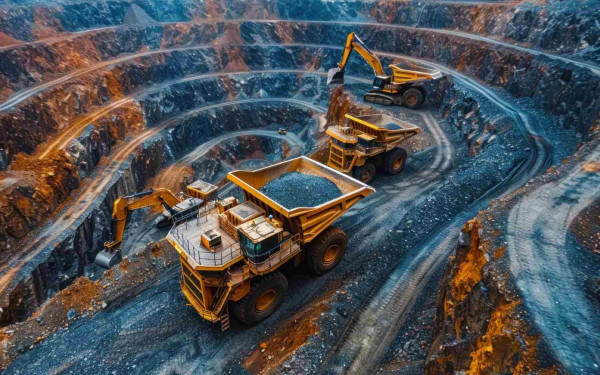
As the world accelerates its shift from fossil fuels to clean energy technologies, Africa is emerging as a central player in supplying the minerals that underpin this transformation. According to the African Energy Chamber's (AEC) (https://EnergyChamber.org) State of African Energy 2026 Outlook, the continent's abundant reserves of critical minerals – including cobalt, lithium, copper and platinum group metals (PGMs) – position it at the heart of global supply chains essential for renewable energy deployment and electric vehicle (EV) adoption.

Global Demand and Supply Dynamics

The energy transition is driving unprecedented demand for minerals critical to clean technologies. Solar panels, wind turbines, EV batteries and energy storage systems require significantly more cobalt, lithium and nickel than conventional energy systems. Forecasts indicate that global demand for these minerals could increase up to five-fold by 2035 compared to 2023 levels. Despite surging demand, global supply faces pressure from potential deficits toward the end of the decade. Questions around sourcing, sustainability and project development are intensifying as geopolitical tensions, concentrated refining capacities and supply chain vulnerabilities highlight the need for diversified and reliable sources of critical minerals.

Africa hosts some of the world's richest deposits of critical minerals, making the continent indispensable to the energy transition. In 2024, Africa led global production of cobalt, copper, gold and PGMs, while rapidly expanding its lithium sector. The Democratic Republic of Congo (DRC), Zambia, Zimbabwe, Mali, Namibia, South Africa and Morocco are at the forefront of production. China has long been the largest foreign investor in Africa's mining sector, leveraging government-backed initiatives such as the Belt and Road Initiative to secure resource access. More recently, the U.S. and EU have increased engagement, prioritizing strategic partnerships, infrastructure investments and cooperation agreements to secure mineral supply chains and support responsible mining practices.

Cobalt and Lithium: Africa's Strategic Role

Cobalt remains a cornerstone of lithium-ion battery production. The DRC dominated global cobalt supply in 2024, with top mines including Kisanfu (51.92 kt, 19.95% of global production), Tenke Fungurume (48.08 kt), and Kamoto (27.2 kt). Together, these operations accounted for more than 50% of global cobalt output, highlighting Africa's central position in this critical sector. The DRC is implementing strategies to capture more value domestically, developing refining capacity to convert cobalt hydroxide into higher-value cobalt metal. Ethical production, traceability and environmental standards are emphasized to position the country as a responsible supplier. Temporary cobalt export bans in 2025 helped stabilize global prices, and the government is now considering flexible export quotas to balance market stability with producer profitability.

Africa produced 124,230 tons of lithium carbonate equivalent (LCE) in 2024, primarily from hard rock spodumene deposits. Zimbabwe leads the continent's output, with Mali, Namibia, South Africa, Ghana and the DRC ramping up production. The continent holds 26.7 million tons of identified lithium resources, representing 5% of the global total. Morocco currently hosts viable battery-grade chemical refining, while Zimbabwe is advancing a $450 million refinery at the Mapinga Industrial Park. African lithium production costs, ranging from $250 to $650 per ton of spodumene concentrate, remain competitive against the global benchmark of approximately $800 per ton in Australia. State participation is increasing, with Mali, Ghana and Zimbabwe mandating national equity stakes to retain economic benefits and ensure long-term strategic value from lithium development.

Africa's Central Role in the Energy Transition

Securing African critical mineral supply chains is a global priority. The U.S., through the Development Finance Corporation (DFC) and the Minerals Security Partnership, has invested over $200 million in African mining projects. These initiatives focus on infrastructure development, responsible sourcing and local battery production in collaboration with the DRC and Zambia. Projects like the Lobito Corridor, a rail link connecting Zambia and Angola, aim to create a transcontinental trade route to facilitate mineral exports. Backed by a $553 million DFC loan and EU support, this corridor exemplifies how infrastructure investments are critical to connecting African mining hubs to global markets efficiently and sustainability.

“Africa's mineral wealth is not just a resource; it is a strategic asset for the global energy transition. By fostering local beneficiation, ethical production, and sustainable supply chains, Africa can drive industrialization, create jobs, and secure its position at the heart of the clean energy economy,” states NJ Ayuk, Executive Chairman, AEC.

Africa's critical mineral reserves are essential for global energy security and the clean energy transition. With ongoing exploration, investment in refining capacity, and strategic partnerships, the continent is poised to expand its role in supplying the minerals needed for a decarbonized future.

Distributed by APO Group on behalf of African Energy Chamber.

Media files
African Energy Chamber
Download logo
Read moreAfrica’s Critical Minerals and the Future of the Global Energy Transition
13 January 2026

Rare Pokémon Cards Becoming Valuable Assets

Location: Entertainment, MyPR

Influencer turned professional wrestler, Logan Paul, is putting his Pokémon illustrator card up for sale, and he believes he’ll get over $10 million for it. With the Pokémon franchise turning 30 this year, and with hefty sums of money being spent on rare cards, the franchise is becoming more popular than ever. Logan Paul’s card …

Read moreRare Pokémon Cards Becoming Valuable Assets
13 January 2026

Could This Be the Future of Healthcare?

Location: MyPR

AverCare – The AI-Powered Health Platform Quietly Stirring Global Curiosity AverCare is not a single device, nor is it just another health app. It is a full-scale AI-powered healthcare platform, designed to deliver cost-effective, accessible, and personalised care by combining intelligent software, connected health devices, and virtual medical support into one integrated ecosystem. At its …

Read moreCould This Be the Future of Healthcare?
13 January 2026

The African Energy Transition Provides Opportunity

Location: News
African Energy Chamber

By NJ Ayuk, Executive Chairman, African Energy Chamber (https://EnergyChamber.org).

Let's really think about this: Today, Africa contributes less than 5% of the world's energy-related emissions, despite being home to 19% of Earth's population. By 2060, the continent's population is expected to reach 28% of the global total. But guess what? In that same timeframe, its share of energy-related emissions is projected to remain a modest 9%.

When you consider these statistics compiled in the recently released African Energy Chamber's “State of African Energy: 2026 Outlook Report,” it's evident that Africa's responsibility for climate change is minimal at most. And yet, the Western advocates who continue the chant of “NET-ZERO! NET-ZERO!” expect their calls for rapidly phasing out fossil fuels to be enacted universally.

This makes ZERO sense.

Low per-capita energy use actually positions Africa to drive global decarbonization efforts. However, this low-carbon development pathway must be one that respects the unique needs of Africans.

It's just a fact that infrastructure limitations make large-scale decarbonization more challenging on the continent than in other parts of the world. A lack of grid capacity, outdated transmission lines, and a significant energy deficit hinders the integration of large-scale renewable energy projects, such as solar and wind farms. A significant portion of the population lacks access to reliable electricity, and the continent as a whole faces energy deficits, which means decarbonization efforts must occur alongside the fundamental need to expand energy access.

Addressing such infrastructure challenges requires more than just building new assets — it also requires modernizing grids, promoting energy efficiency, improving regulatory environments, and fostering local expertise.  Amid emissions regulations drafted by both the International Maritime Organization and the European Union, Africa has the potential to serve as a major green fuel supplier. But this potential cannot be reached without significant investments in infrastructure upgrades.

As we are all too aware, transitioning to a low-carbon economy requires significant upfront investment. Many African countries struggle to secure the necessary capital due to perceived political and financial risks. Inconsistent policies and slow permitting processes create uncertainty for investors, despite many governments setting ambitious decarbonization targets. A heavy reliance on fossil fuel exports means that many African nations will need to walk a fine line between economic stability and the transition to clean energy.

Despite its dependency on fossil fuels, Africa's evolving energy profile — that includes hydrogen and critical minerals — has the potential to play an essential role in shaping global climate outcomes.

Growing Green Hydrogen

The 2026 Outlook reports that, by 2035, the continent could produce over 9 million tonnes of low-carbon hydrogen annually. Achieving this volume could be key to the nation's decarbonization efforts. This is thanks to Africa's vast solar and wind resources, extensive land availability, and proximity to major export markets. In fact, our report sees the continent becoming an exporter of hydrogen, either by transporting it as liquid via pipeline from Northern Africa to Europe or by using ammonia as a carrier to other international markets.

Currently, major green hydrogen projects in Africa are concentrated in Namibia, South Africa, Mauritania, Egypt, and Morocco. In 2022, these four nations joined two others — Egypt and Kenya — in launching the African Green Hydrogen Alliance (AGHA) that promotes Africa's leadership in green hydrogen development. Now up to 11 members, the AGHA anticipates that green hydrogen exports from the continent will hit 40 megatons by 2050.

Namibia is a leader in the development of green hydrogen, particularly for export. The USD10billion Hyphen green hydrogen project, being developed by Namibian company Hyphen Hydrogen Energy —   a joint venture between German energy company Enertrag and Nicholas Holdings — expects to produce more than 300,000 tons of green hydrogen annually, aimed at export to Europe.

Another Namibian-German partnership is the HyIron Oshivela green ironworks, which uses a 12 MW electrolyzer, powered by a roughly 25 MW solar array and large battery system, to generate green hydrogen. The hydrogen is then used to remove the oxygen from iron ore to create direct-reduced iron (DRI), a key feedstock for low-carbon steelmaking.

Meanwhile, construction is underway on the Daures Green Hydrogen Village, Africa's first fully integrated green hydrogen and fertilizer production facility, which will combine renewable energy with sustainable agriculture.

Neighboring South Africa has established a national "Hydrogen Valley," home to several large-scale projects that are successful largely thanks to public and private investment. The Coega Green Ammonia Project is a USD5.7 billion plant by Hive Hydrogen and Linde, projected to produce up to 1.2 million tons of green ammonia per year. The Prieska Power Reserve Project, located in the Northern Cape, is expected to begin producing green hydrogen and ammonia from solar and wind energy starting in the coming year. In August 2023, Sasol started operations at Sasolburg Green Hydrogen Pilot. This pilot program is capable of producing up to 5 tons of green hydrogen per day. And a consortium known as the HySHiFT Project is looking to produce sustainable aviation fuel (SAF) using green hydrogen in existing facilities.

In the north, Mauritania is pursuing large-scale "megaprojects" to capitalize on its extensive wind and solar potential. Project Nour (Aman) is one of Africa's largest green hydrogen projects. Developer CWP Global hopes to produce 1.7 million tonnes of green hydrogen annually. The Mauritanian government has also entered into a separate $34 billion agreement with Conjuncta to develop a 10GW green hydrogen facility.

Further north, Morocco stands out as one of the first African nations to develop a national green hydrogen strategy. It is now positioning itself for export to Europe by allocating substantial land near ports and investing in shared infrastructure to facilitate production and export. Projects are underway in collaboration with entities like TotalEnergies and the European Investment Bank.

Egypt is also actively working to become a regional hub for hydrogen and its derivatives, with a strong focus on the Suez Canal Economic Zone (SCEZ). The SCEZ is already having an impact: The Ain Sokhna Plant, located within the zone, is the first operational green hydrogen production plant in Africa. The Egyptian government has also signed numerous international agreements and secured over USD17.4 billion in investment commitments for several major green hydrogen projects.

Critical Diversification

In addition to its vast green hydrogen potential, Africa is also home to some of the world's richest deposits of critical minerals such as cobalt, copper, gold, lithium, and platinum group metals (PGMs). As the 2026 Outlook forecasts, this bounty positions the continent as a pivotal player in the global supply chain during energy transition.

We expect demand for critical minerals to quintuple by 2035. This means that mineral-rich African nations stand to gain a significant strategic foothold in the industry, with opportunities all along the value chain from extraction to processing to refining — as long as they can pull in sustained investment in infrastructure, governance, and skills development.

Continued investment is the essential ingredient for the success of this sector. And the good news we're reporting is that governments in other regions (particularly the United States and China) are clamoring to secure bilateral agreements with African countries to secure mineral access, promote joint ventures, and integrate mineral value chains.

Over the past year, the Democratic Republic of the Congo (DRC) has led the world in cobalt production and ranked second in copper production. As we reported, the DRC was home to seven of the top 10 cobalt-producing mines in 2024. But in February 2025, the government imposed an export ban to curb oversupply and stabilize falling prices. While the ban was lifted in October, it was replaced with a strict quota system to govern mined output and exports until 2027 at the earliest.

The DRC also joins Zimbabwe, Mali, Ghana, and Namibia in leading lithium production. This group of nations produced 124,230 metric tonnes of lithium carbonate equivalent (LCE) in 2024, and output is expected to grow over 150% by 2030. As the 2026 Outlook notes, Africa's lithium mines are cost-competitive — making them an ideal investment target. So far, several projects have been developed quickly and at relatively low capital costs, particularly in Mali and Zimbabwe.

As for Zimbabwe, its strategic importance in the lithium supply chain continues to grow: In 2024, it was home to two of the world's top 10 lithium-producing mines, collectively accounting for 7.42% of global lithium output. Zimbabwe also leads beneficiation efforts, having banned lithium ore exports and introduced a 2% royalty on lithium sales, while advancing a USD450 million refinery at the Mapinga industrial park.

Unlocking Our Mineral Potential

Based on our research, the 2026 Outlook outlines several strategies that we believe will help unlock Africa's downstream potential in a rapidly evolving global minerals landscape.

For one, stable and transparent regulatory frameworks are a must. Securing long-term, consistent investment in refining and processing infrastructure requires predictable legal and fiscal environments. Governments must make regulatory clarity a priority, streamlining permitting processes and ensuring consistent enforcement to attract both domestic and foreign capital.

Promoting regional cooperation and sharing clean-energy infrastructure is another strategy. Governments and regional blocs should focus on investment in shared industrial infrastructure, such as roads, rail, and renewable energy corridors, to support clusters of processing facilities. Regional cooperation — standardizing export policies, environmental standards, and investment incentives across borders — is essential to overcome the fragmented nature of African markets and the landlocked geography of many resource-rich countries.

We also need to ramp up our efforts to build local technical capacity and enable technology transfer. Africa's refining ambitions are hampered by the scarcity of skilled labor and the limited access to advanced processing technologies. Governments should provide incentives for local hiring, training, and R&D, encouraging partnerships with universities, technical institutes, and international development agencies to accelerate workforce development and knowledge transfer.

At the same time, we must avoid the human rights violations that have plagued other extractive industries in Africa. Our regulations must prioritize human dignity and workplace safety, with directives in place that criminalize child labor, safeguard indigenous people, protect the local physical environment, and promote healthy living and working conditions.

African leaders need to embrace this moment as an opportunity to move up the value chain into processing and refining. The continent can and will unlock significant economic value to help raise nations out of energy poverty – only if governments can foster sustained investment in infrastructure, governance, and skills development.

"The State of African Energy: 2026 Outlook Report" is available for download. Visit https://apo-opa.co/4qWPhGB to request your copy.

Distributed by APO Group on behalf of African Energy Chamber.

Media files
African Energy Chamber
Download logo
Read moreThe African Energy Transition Provides Opportunity
13 January 2026

R200,000 up for Grabs in Toughees ‘Tough Like Us’ Back-To-School Competition

Location: MyPR

[Durban – 22 December 2025] There’s something powerful about being South African – a spirit built differently, woven from rhythm, resilience, and an unshakeable sense of belonging. No DNA, just RSA. It’s this same spirit that beloved school shoe brand Toughees is celebrating with the launch of its Tough Like Us back-to-school campaign and competition …

Read moreR200,000 up for Grabs in Toughees ‘Tough Like Us’ Back-To-School Competition
13 January 2026

Western Cape Matric Results Reveal the Ghost of HF Verwoerd

Location: News

In 1953, Minister of Native Affairs HF Verwoerd introduced the Bantu Education Act that established a separate and inferior education system for Black children. “What is the point of teaching the Bantu child Mathematics,” he asked, when “there is no place for the Bantu… above the level of certain forms of labour”.

The post WESTERN CAPE MATRIC RESULTS REVEAL THE GHOST OF HF VERWOERD appeared first on For Good.

Read moreWestern Cape Matric Results Reveal the Ghost of HF Verwoerd
13 January 2026

Reduction in Weekly Road Fatalities

Location: News

As the Western Cape ushers in the new year, the province has recorded a notable reduction in weekly road fatalities compared to the previous week. For the period 5 to 11 January 2026, the Western Cape Mobility Department recorded a total of 11 fatal crashes resulting in 12 fatalities on Western Cape roads. This reflects …

Read moreReduction in Weekly Road Fatalities
13 January 2026

Min. Buthelezi Must Account for Lifestyle Audits

Location: News

Statement by Eleanore Bouw Spies MP – Spokesperson onDA Spokesperson on Public Service and Administration: The Democratic Alliance (DA) believes that Minister of Public Service and Administration, Mzamo Buthelezi, must account to Parliament for ongoing lifestyle audits of thousands of public officials, without a single referral for any prosecution to date. The DA has referred …

Read moreMin. Buthelezi Must Account for Lifestyle Audits
13 January 2026

Public Protector Ruling Clears Minister Macpherson

Location: News

Statement by Jan de Villiers MP – DA National Spokesperson: The Democratic Alliance welcomes the Public Protector’s finding that Minister of Public Works and Infrastructure, Dean Macpherson, acted within the law and did not breach the Executive Ethics Code. This decision confirms that the repeated allegations against him were unfounded. Minister Macpherson has faced months …

Read morePublic Protector Ruling Clears Minister Macpherson
13 January 2026

District Six Families Ordered to Vacate Searle Street Cottages

Location: News

Five families who have fought their eviction for years have lost their court battle

Read moreDistrict Six Families Ordered to Vacate Searle Street Cottages
13 January 2026

Selling Your Home? Essential Pre-sale Fixes to Maximise Your Property’s Value

Location: MyPR

Selling your home? Essential pre-sale fixes to maximise your property’s value – By Paul Stevens, CEO of Just Property: Selling a home is a major decision and the difference between attracting an acceptable offer and an exceptional one often comes down to preparation. Thoughtful pre-sale improvements can transform how a property is perceived and priced, …

Read moreSelling Your Home? Essential Pre-sale Fixes to Maximise Your Property’s Value
13 January 2026

Wildschutt sets sights on breaking the 27-minute barrier on African soil at Absa RUN YOUR CITY GQEBERHA 10K

Location: MyPR

After a standout 2025 season that saw him better four national records, Adriaan Wildschutt has set his sights on further record-breaking achievements in 2026. Wildschutt will return to the Absa RUN YOUR CITY GQEBERHA 10K on Sunday, 01 March, where he aims to become the first athlete to clock a sub-27-minute 10km on African soil. …

Read moreWildschutt sets sights on breaking the 27-minute barrier on African soil at Absa RUN YOUR CITY GQEBERHA 10K
13 January 2026

ICC U19 Men’s Cricket World Cup 2026 Officials

Location: Sport

Russell Warren and Zahid Bassarath will be the on-field umpires for the ICC U19 Men’s Cricket World Cup 2026 opening-day clash between USA and India, with group stage appointments now finalised. Lubabalo Gcuma will be the TV Umpire for the Group B opener, with Ahmad Shah Durrani as Fourth Umpire and Dean Cosker in place …

Read moreICC U19 Men’s Cricket World Cup 2026 Officials
13 January 2026

Joburg Reported to Information Regulator

Location: News

Statement by Stephen Moore MP – DA Spokesperson on Water & Sanitation: The Democratic Alliance (DA) will formally approach the Information Regulator to compel the City of Johannesburg to disclose its so-called “sweeping policy” after months of silence and a refusal to provide the requested information through a PAIA application. In terms of the Act, …

Read moreJoburg Reported to Information Regulator
13 January 2026

Let’s Talk About Eskom’s Alleged Role in Wildfire Breakouts

Location: News

Statement by Kevin Mileham MP – DA Spokesperson on Electricity & Energy: The DA is deeply concerned by growing reporting of Eskom cables and infrastructure being involved in wildfire ignition and breakouts in various vegetationous parts of the country. Eskom’s involvement allegedly includes high-level and high-capacity cables breaking, and sparking dry vegetation, and several incidences …

Read moreLet’s Talk About Eskom’s Alleged Role in Wildfire Breakouts
13 January 2026

What South Africans Should Know About Buying a Used Car in 2026

Location: Business

January is a month of new beginnings. New jobs, promotions, university acceptances, and relocations often come with longer commutes. For many South Africans, these transitions share a common need: reliable transport. The used car market is where these stories often start, and 2026 is shaping up to be an interesting year for buyers navigating this …

Read moreWhat South Africans Should Know About Buying a Used Car in 2026
13 January 2026

Public Protector Complaint Submitted Against Minister McKenzie

Location: News

Statement by Leah Potgieter MP – DA Spokesperson on Sports, Arts and Culture: The Democratic Alliance confirms that a formal complaint was submitted yesterday to the Public Protector against Minister Gayton McKenzie. This complaint follows widespread media reports confirming that the Minister withdrew South Africa’s official submission to the 2026 Venice Biennale after a lawful, …

Read morePublic Protector Complaint Submitted Against Minister McKenzie
13 January 2026

Calls for Focus on Quality, Retention, and Learner Protection

Location: News

Statement by Horatio Hendricks MPL – DA Shadow MEC for Education: We want to congratulate the Class of 2025 on reaching the end of their school journey. Completing matric is a significant achievement, often under difficult circumstances, and it reflects the effort of learners, teachers, parents, and school communities across the province. We also acknowledge …

Read moreCalls for Focus on Quality, Retention, and Learner Protection
13 January 2026

Well Done Class of 2025

Location: Business

Hyundai Automotive South Africa has extended its congratulations to learners who have successfully passed their 2025 National Senior Certificate examinations, while offering encouragement and renewed hope to those who did not achieve the results they had hoped for. This year, approximately 900,000 learners nationally sat for the examinations, marking one of the largest matric cohorts …

Read moreWell Done Class of 2025
13 January 2026

Medical Evacuation Operation at Sea and a Ski-Boat Assisted

Location: News

Etienne van Zyl, NSRI Durban station commander, said: At 13h45 on Saturday, 10 January, NSRI Durban duty controllers were alerted by a ship’s agent to an American flagged heavy-lift motor vessel requesting a medical evacuation of a 58 year old male Chief Engineer suffering from a cardiac condition. While preparations, in cooperation with MRCC (Maritime …

Read moreMedical Evacuation Operation at Sea and a Ski-Boat Assisted
13 January 2026

Celebrate the Successful Class of 2025

Location: News

Statement by Nazley Sharif MP – DA Spokesperson on Basic Education: The Democratic Alliance (DA) welcomes the release of the 2025 National Senior Certificate (NSC) results and congratulates the Class of 2025 on reaching this milestone. The DA extends special recognition to learners from no-fee schools, learners who succeeded despite socio-economic hardship, and those who …

Read moreCelebrate the Successful Class of 2025
13 January 2026

See You Soon Geneva

Location: Sport

SailGP has confirmed the return of the Rolex Switzerland Sail Grand Prix | Geneva for the 2026 Season, set to unfold over two action-packed days of racing September 19-20, 2026. The event marks a second consecutive home event for the Switzerland SailGP Team, supported once again by championship and event Title Partner, Rolex. Geneva made …

Read moreSee You Soon Geneva
  • Previous
  • Page 1
  • Interim pages omitted …
  • Page 460
  • Page 461
  • Page 462
  • Page 463
  • Page 464
  • Interim pages omitted …
  • Page 1971
  • Next

Copyright © 2026 · MyZA · All Rights Reserved · Powered by Stratlec Online