• Skip to main content
  • Skip to header right navigation
  • Skip to after header navigation
  • Skip to site footer
MyZA

MyZA

News, Directory, Events and Other Stuff

  • Social Media
  • Sport
  • World News
  • Home
  • Submit News
  • Directory
  • Events
  • Stratlec
  • TFSA
  • News
    • APO
    • Today’s Sport News
    • Todays Social Media and Tech Headlines
    • Today’s World News
    • Today’s SA Financial News
  • Contact
You are here: Home / News / Conserving crop diversity key to food security

Conserving crop diversity key to food security

31 January 2025 by Guest

Conserving crop diversity key to food security

Millions of farmers across Africa play a crucial role in preserving crop diversity by cultivating traditional crop varieties, saving seeds for the next planting season, and exchanging seeds with neighbours and other farmers.

This practice is essential for safeguarding crop production and ensuring food security, as the population continues to grow.

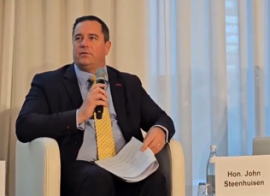
Agriculture Minister John Steenhuisen in a statement said farmers have long been the stewards of crop diversity, helping to secure food production and improve crop yields.

“Farmers have not always been formally recognised for their role in conserving plant genetic resources, but the adoption of the International Treaty on Plant Genetic Resources for Food and Agriculture has changed that,” Steenhuisen said on Thursday.

The treaty acknowledges the vital contribution of farmers and indigenous communities in the conservation and sustainable use of plant genetic resources, which is key to food security and agricultural biodiversity.

In a significant step for the country’s agricultural and food security landscape, the Department of Agriculture has confirmed that South Africa has ratified the International Treaty on Plant Genetic Resources for Food and Agriculture, making it the 154th Contracting Party to the agreement.

READ | SA signs international treaty to boost food security, biodiversity

This treaty aims to ensure global collaboration in conserving and sustainably using plant genetic resources.

Steenhuisen emphasised that by joining the treaty, South Africa must align its national policies and programmes to recognise farmers’ contributions to the conservation of traditional crops, especially those that are often neglected or underutilised.

Crops such as millets, cowpeas, sorghum and bambara groundnuts play an important role in local food systems but often lack the attention they deserve.

“We must ensure that indigenous farmers are involved in decision-making processes related to plant conservation, the sustainable use of genetic resources, and in the sharing of benefits derived from these crops. Farmers must also be empowered to save, exchange and sell farm-saved seed,” Steenhuisen said.

Supporting community seed banks

To further enhance the conservation of crop diversity, the Minister said the Department of Agriculture is working in partnership with farmers, traditional leaders, civil society organisations, and provincial agriculture departments, to support and strengthen community seed banks.

These hubs for the conservation and revitalisation of local seed systems focus on crops suited to local conditions.

“Currently, community seed banks are operational in Limpopo, the Eastern Cape and the North West provinces. In the 2025/26 financial year, two new community seed banks will be established in KwaZulu-Natal and the Northern Cape provinces.

“These seed banks are central to preserving traditional crops, encouraging participatory plant breeding, and facilitating seed exchanges among farmers and communities through traditional food and seed fairs,” Steenhuisen said.

Crop diversity

Conserving crop diversity is integral to building sustainable food systems and advancing food and nutrition security.

According to the National Food and Nutrition Security Survey (NFNSS), approximately 20 million South Africans face food insecurity, a situation exacerbated by high poverty levels, unemployment, and income inequality.

The report also highlights the adverse impacts of climate change on crop yields, particularly in smallholder and subsistence farming communities.

The Minister said the NFNSS provides valuable insights to guide South Africa’s National Food and Nutrition Security Plan (2024-2029), “a key priority for government”.

Global collaboration and benefits

South Africa’s participation in the International Treaty on Plant Genetic Resources for Food and Agriculture’s multilateral system facilitates access to a global pool of genetic resources, benefiting the country’s farmers and researchers.

“This system supports the training, breeding and research needed to strengthen food security and improve crop resilience. Additionally, the treaty’s Benefit-Sharing Fund offers financial support for crop diversity conservation and capacity-building initiatives worldwide,” Steenhuisen said.

The Minister said the successful implementation of the treaty in South Africa will require strong government support at all levels and collaboration across the public, private and civil sectors.

He called for continued cooperation to ensure that South Africa’s farmers and communities benefit from the country’s participation in the treaty. – SAnews.gov.za
 

GabiK
Fri, 01/31/2025 – 10:47

47 views

Millions of farmers across Africa play a crucial role in preserving crop diversity by cultivating traditional crop varieties, saving seeds for the next planting season, and exchanging seeds with neighbours and other farmers.

This practice is essential for safeguarding crop production and ensuring food security, as the population continues to grow.

Agriculture Minister John Steenhuisen in a statement said farmers have long been the stewards of crop diversity, helping to secure food production and improve crop yields.

“Farmers have not always been formally recognised for their role in conserving plant genetic resources, but the adoption of the International Treaty on Plant Genetic Resources for Food and Agriculture has changed that,” Steenhuisen said on Thursday.

The treaty acknowledges the vital contribution of farmers and indigenous communities in the conservation and sustainable use of plant genetic resources, which is key to food security and agricultural biodiversity.

In a significant step for the country’s agricultural and food security landscape, the Department of Agriculture has confirmed that South Africa has ratified the International Treaty on Plant Genetic Resources for Food and Agriculture, making it the 154th Contracting Party to the agreement.

READ | SA signs international treaty to boost food security, biodiversity

This treaty aims to ensure global collaboration in conserving and sustainably using plant genetic resources.

Steenhuisen emphasised that by joining the treaty, South Africa must align its national policies and programmes to recognise farmers’ contributions to the conservation of traditional crops, especially those that are often neglected or underutilised.

Crops such as millets, cowpeas, sorghum and bambara groundnuts play an important role in local food systems but often lack the attention they deserve.

“We must ensure that indigenous farmers are involved in decision-making processes related to plant conservation, the sustainable use of genetic resources, and in the sharing of benefits derived from these crops. Farmers must also be empowered to save, exchange and sell farm-saved seed,” Steenhuisen said.

Supporting community seed banks

To further enhance the conservation of crop diversity, the Minister said the Department of Agriculture is working in partnership with farmers, traditional leaders, civil society organisations, and provincial agriculture departments, to support and strengthen community seed banks.

These hubs for the conservation and revitalisation of local seed systems focus on crops suited to local conditions.

“Currently, community seed banks are operational in Limpopo, the Eastern Cape and the North West provinces. In the 2025/26 financial year, two new community seed banks will be established in KwaZulu-Natal and the Northern Cape provinces.

“These seed banks are central to preserving traditional crops, encouraging participatory plant breeding, and facilitating seed exchanges among farmers and communities through traditional food and seed fairs,” Steenhuisen said.

Crop diversity

Conserving crop diversity is integral to building sustainable food systems and advancing food and nutrition security.

According to the National Food and Nutrition Security Survey (NFNSS), approximately 20 million South Africans face food insecurity, a situation exacerbated by high poverty levels, unemployment, and income inequality.

The report also highlights the adverse impacts of climate change on crop yields, particularly in smallholder and subsistence farming communities.

The Minister said the NFNSS provides valuable insights to guide South Africa’s National Food and Nutrition Security Plan (2024-2029), “a key priority for government”.

Global collaboration and benefits

South Africa’s participation in the International Treaty on Plant Genetic Resources for Food and Agriculture’s multilateral system facilitates access to a global pool of genetic resources, benefiting the country’s farmers and researchers.

“This system supports the training, breeding and research needed to strengthen food security and improve crop resilience. Additionally, the treaty’s Benefit-Sharing Fund offers financial support for crop diversity conservation and capacity-building initiatives worldwide,” Steenhuisen said.

The Minister said the successful implementation of the treaty in South Africa will require strong government support at all levels and collaboration across the public, private and civil sectors.

He called for continued cooperation to ensure that South Africa’s farmers and communities benefit from the country’s participation in the treaty. – SAnews.gov.za


Watch a Conserving crop diversity key to food security related video:

Stunning South Africa:

https://ars.els-cdn.com/content/image/1-s2.0-S2351989420304790-gr1.jpg

Have you visited MyPR?

MyPR.co.za offers free to publish press releases for your news site, blog or offline publication. Use the handy REPUBLISH facility or the Full Text RSS Feeds or just copy and paste.

Straton Electrical | Straton Solar | Straton Prepaid | Straton Plumbing | Straton IoT | Straton eBikes | BA Systems | Mbane Contracting | Reach Trust

Share this:

  • Share on X (Opens in new window) X
  • Share on Facebook (Opens in new window) Facebook
  • Print (Opens in new window) Print
  • Email a link to a friend (Opens in new window) Email
  • Share on LinkedIn (Opens in new window) LinkedIn
  • Share on Tumblr (Opens in new window) Tumblr
  • Share on WhatsApp (Opens in new window) WhatsApp
  • Share on Mastodon (Opens in new window) Mastodon
Category: NewsTag: 2024, Africa, agreement, agriculture, Civil Society, Eastern Cape, Farming, global, Government, KwaZulu-Natal, Limpopo, new, North West, nutrition, Partnership, production, SA News, South Africa, Video

If you feel strongly about this article then feel free to send MyZA a ‘Letter to the Editor’ using the submission form below:


Letter to the Editor

This field is for validation purposes and should be left unchanged.
If this is in response to an article please include that article title here or as the lead in for the first paragraph of your Letter below.

Separate tags with commas

Localise your letter by naming the city your words are about. Add relevant words describing your subject. Single comma separated words of no more than 5
Your Name(Required)
Your Name will be linked to the website below.
Your personal, business or social media web site
Choose NO to not set up a user account on MyZA. User Accounts will allow you to submit letters under your own Author Name

3 Latest Letters to the Editor:

  • Older Persons Grants Land Today — No Need to Queue at Dawn

    Dear Editor, Older Persons grants are paid today, 30 October, under SASSA’s revised November payment schedule — with disability grants on Monday 2 November, children’s grants on Tuesday 3 November, and grants under review on Thursday 5 November. Two things every beneficiary should know. First, grant money does not expire on payment day. It stays…

    30 October 2026
  • November Grants Pay Early – No Need to Queue at Dawn

    Dear Editor, I run SAGrant (sagrant.co.za), a free resource helping South Africans navigate SASSA grants. November grants pay earlier than usual. Older Persons grants are paid on Friday 30 October, Disability grants on 2 November, and Child Support and other grants on 3 November. Grants still under review are paid on 5 November. The money…

    27 October 2026
  • NSFAS 2027 applications close on 31 October — SASSA households, apply now

    Dear Editor, I run SAGrant (sagrant.co.za), a free resource helping South Africans navigate SASSA grants. NSFAS applications for the 2027 academic year close on Friday 31 October 2026, and no extension is expected. If your household receives a SASSA grant, your child already passes the NSFAS financial eligibility test — but they still have to…

    25 October 2026

About Guest

Previous Post:Discover Prime Property Solutions With Atterbury
Next Post:Unlock Business Potential with Prime Property Rentals from Atterbury

Reader Interactions

Comments

  1. Magenta

    13 October 2026 at 3:59 pm

    If God is watching you, at least be entertaining

  2. Silent

    7 October 2026 at 8:04 am

    With enough thrust, pigs, can in fact fly

Copyright © 2026 · MyZA · All Rights Reserved · Powered by Stratlec Online