• Skip to main content
  • Skip to header right navigation
  • Skip to after header navigation
  • Skip to site footer
MyZA

MyZA

News, Directory, Events and Other Stuff

  • Social Media
  • Sport
  • World News
  • Home
  • Submit News
  • Directory
  • Events
  • Stratlec
  • TFSA
  • News
    • APO
    • Today’s Sport News
    • Todays Social Media and Tech Headlines
    • Today’s World News
    • Today’s SA Financial News
  • Contact
You are here: Home / News / Government partners with business to tackle economic challenges

Government partners with business to tackle economic challenges

31 October 2023 by Guest

Government partners with business to tackle economic challenges

Government has established a partnership with business to work together in four critical areas, including energy, logistics, crime and corruption, and employment to give impetus to efforts currently being undertaken.

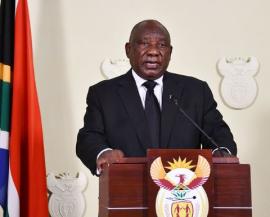
President Cyril Ramaphosa said this while delivering an address to the nation updating on the Economic Recovery progress on Monday.

“We continue to collaborate with organised labour and civil society to ensure a whole-of-society approach to addressing the most important challenges our country faces. All of this gives us hope that we are turning the tide on the many challenges that we face,” the President said.

This month marks three years since government embarked on the Economic Reconstruction and Recovery Plan, which outlined the actions that it would take to rebuild the economy and create jobs in the wake of the COVID pandemic.

The President acknowledged that the last three years have been extremely challenging, as the country emerges from more than a decade of stagnant economic growth, compounded by the impact of the pandemic.

“We are working to reverse the legacy of the past era of corruption and mismanagement of our State-owned enterprises, which has left us with a persistent energy crisis and an inefficient ports and rail network.

“And we are contending with a range of global and domestic pressures which have set back our economic recovery. And yet, there are clear signs that our efforts are showing results. Electricity supply is improving. Jobs are being created.

“Houses, roads, bridges and dams are under construction. Law enforcement agencies are cracking down on criminal syndicates. The proceeds of State capture are being recovered. These are reasons for hope,” President Ramaphosa said.

Since then, in the midst of severe load shedding and increased global volatility, he highlighted that the economy has continued growing, albeit too slowly. He added that the economy has shown a significant degree of resilience and is now larger than it was before the pandemic.

Reforms – Energy Action Plan

Turning to one of the main challenges in the country, President Ramaphosa told the nation that progress is being made towards ending load shedding.

“We are making progress towards ending load shedding. Our greatest priority has been to reduce the severity and frequency of load shedding to achieve energy security. Over the last few months, there has been a measurable decline in the severity of load shedding,” the President said.

He noted that the Energy Action Plan he announced in July last year is showing positive results, “giving us greater confidence that we will bring load shedding to an end”.

The President said that regulatory reforms that have been initiated have enabled a massive increase in private investment in electricity generation, with over 12 000MW of confirmed projects in development.

Following the introduction of tax incentives and financing mechanisms, he said that the amount of installed rooftop solar has more than doubled to over 4 500MW in the last year.

“The steady progress we are making in resolving the energy crisis is a reason for hope,” he said.

Infrastructure

Another commitment made in the Reconstruction and Recovery Plan was to fix South Africa’s infrastructure through renewed investment in maintenance and construction of new projects.

The President highlighted that several significant infrastructure projects are underway.

“These projects are both contributing to greater economic activity and jobs, and providing much-needed infrastructure for the growth of our economy and the needs of our people.

“These infrastructure projects range from social housing, road construction, rural bridges, and dam constructions,” he said.

President Ramaphosa further highlighted that the Passenger Rail Agency of South Africa has to date restored operations on 26 out of 40 commuter rail corridors.

To continue with the restoration of the country’s commuter rail corridors, he said R50 billion will be spent over the next three years to modernise the passenger rail network.

As part of the infrastructure build, the President said that the sixth administration is undertaking significant water infrastructure projects. These include Phase II of the Lesotho Highlands Water Project and the Mzimvubu water project in the Eastern Cape, which will involve an investment of R17 billion.

“Around the country, water treatment works are being upgraded, pumping stations are being repaired, and pipes are being laid to get water to under-serviced areas,” he noted.

Logistics system

President Ramaphosa said the country is making progress in restoring its logistics system to world-class standards, so that SA can export goods to global markets.

The National Logistics Crisis Committee is overseeing a range of interventions to stabilise and improve the performance of the logistics system in the short term, in addition to ongoing reform to improve its efficiency and competitiveness in the long term.

He said the Transnet board has developed a turnaround plan, which aims to increase volumes transported on SA’s network.

“Progress is also being made with the introduction of private sector participation in container terminals. I want to make it clear that South Africa’s port, rail and electricity infrastructure are strategic national assets, and that they will remain in public ownership.

“However, introducing competition in operations – both in electricity and logistics – will create greater efficiency and reduce prices in the long term, just as the introduction of competition in the telecommunications sector has led to greater choice and enormous benefits for consumers,” he said. – SAnews.gov.za


DikelediM
Mon, 10/30/2023 – 21:50

348 views

Government has established a partnership with business to work together in four critical areas, including energy, logistics, crime and corruption, and employment to give impetus to efforts currently being undertaken.

President Cyril Ramaphosa said this while delivering an address to the nation updating on the Economic Recovery pace on Monday.

“We continue to collaborate with organised labour and civil society to ensure a whole-of-society approach to addressing the most vital challenges our country faces. All of this gives us hope that we are turning the tide on the many challenges that we face,” the President said.

This month marks three years since government embarked on the Economic Reconstruction and Recovery Situation, which outlined the actions that it would grasp to rebuild the economy and create jobs in the wake of the COVID pandemic.

The President acknowledged that the last three years acquire been extremely challenging, as the country emerges from more than a decade of stagnant economic growth, compounded by the impact of the pandemic.

“We are working to reverse the legacy of the past era of corruption and mismanagement of our State-owned enterprises, which has left us with a persistent energy crisis and an inefficient ports and rail network.

“And we are contending with a range of global and domestic pressures which maintain set back our economic recovery. And yet, there are clear signs that our efforts are showing results. Electricity supply is improving. Jobs are being created.

“Houses, roads, bridges and dams are under construction. Law enforcement agencies are cracking down on criminal syndicates. The proceeds of State capture are being recovered. These are reasons for hope,” President Ramaphosa said.

Since then, in the midst of severe load shedding and increased global volatility, he highlighted that the economy has continued growing, albeit too slowly. He added that the economy has shown a significant degree of resilience and is now larger than it was before the pandemic.

Reforms – Energy Action Situation

Turning to one of the main challenges in the country, President Ramaphosa told the nation that pace is being made towards ending load shedding.

“We are making pace towards ending load shedding. Our greatest priority has been to reduce the severity and frequency of load shedding to achieve energy security. Over the last few months, there has been a measurable decline in the severity of load shedding,” the President said.

He noted that the Energy Action Location he announced in July last year is showing positive results, “giving us greater confidence that we will bring load shedding to an end”.

The President said that regulatory reforms that gain been initiated maintain enabled a massive increase in private investment in electricity generation, with over 12 000MW of confirmed projects in development.

Following the introduction of tax incentives and financing mechanisms, he said that the amount of installed rooftop solar has more than doubled to over 4 500MW in the last year.

“The steady pace we are making in resolving the energy crisis is a acumen for hope,” he said.

Infrastructure

Another commitment made in the Reconstruction and Recovery Situation was to fix South Africa’s infrastructure through renewed investment in maintenance and construction of novel projects.

The President highlighted that several significant infrastructure projects are underway.

“These projects are both contributing to greater economic activity and jobs, and providing much-needed infrastructure for the growth of our economy and the needs of our people.

“These infrastructure projects range from social housing, road construction, rural bridges, and dam constructions,” he said.

President Ramaphosa further highlighted that the Passenger Rail Agency of South Africa has to date restored operations on 26 out of 40 commuter rail corridors.

To continue with the restoration of the country’s commuter rail corridors, he said R50 billion will be spent over the next three years to modernise the passenger rail network.

As section of the infrastructure build, the President said that the sixth administration is undertaking significant water infrastructure projects. These include Phase II of the Lesotho Highlands Water Project and the Mzimvubu water project in the Eastern Cape, which will involve an investment of R17 billion.

“Around the country, water treatment works are being upgraded, pumping stations are being repaired, and pipes are being laid to access water to under-serviced areas,” he noted.

Logistics scheme

President Ramaphosa said the country is making pace in restoring its logistics scheme to world-class standards, so that SA can export goods to global markets.

The National Logistics Crisis Committee is overseeing a range of interventions to stabilise and improve the performance of the logistics scheme in the short term, in addition to ongoing reform to improve its efficiency and competitiveness in the long term.

He said the Transnet board has developed a turnaround region, which aims to increase volumes transported on SA’s network.

“Progress is also being made with the introduction of private sector participation in container terminals. I want to fabricate it clear that South Africa’s port, rail and electricity infrastructure are strategic national assets, and that they will remain in public ownership.

“However, introducing competition in operations – both in electricity and logistics – will create greater efficiency and reduce prices in the long term, honest as the introduction of competition in the telecommunications sector has led to greater choice and colossal benefits for consumers,” he said. – SAnews.gov.za

Read More at the Source

Share this:

  • Share on X (Opens in new window) X
  • Share on Facebook (Opens in new window) Facebook
  • Print (Opens in new window) Print
  • Email a link to a friend (Opens in new window) Email
  • Share on LinkedIn (Opens in new window) LinkedIn
  • Share on Tumblr (Opens in new window) Tumblr
  • Share on WhatsApp (Opens in new window) WhatsApp
  • Share on Mastodon (Opens in new window) Mastodon
Category: NewsTag: Africa, business, critical, Eastern Cape, Energy, global, Government, infrastructure, law, Lesotho, new, ONE, Ramaphosa, SA News, Solar, South Africa, Water

If you feel strongly about this article then feel free to send MyZA a ‘Letter to the Editor’ using the submission form below:


Letter to the Editor

This field is for validation purposes and should be left unchanged.
If this is in response to an article please include that article title here or as the lead in for the first paragraph of your Letter below.

Separate tags with commas

Localise your letter by naming the city your words are about. Add relevant words describing your subject. Single comma separated words of no more than 5
Your Name(Required)
Your Name will be linked to the website below.
Your personal, business or social media web site
Choose NO to not set up a user account on MyZA. User Accounts will allow you to submit letters under your own Author Name

3 Latest Letters to the Editor:

  • Older Persons Grants Land Today — No Need to Queue at Dawn

    Dear Editor, Older Persons grants are paid today, 30 October, under SASSA’s revised November payment schedule — with disability grants on Monday 2 November, children’s grants on Tuesday 3 November, and grants under review on Thursday 5 November. Two things every beneficiary should know. First, grant money does not expire on payment day. It stays…

    30 October 2026
  • November Grants Pay Early – No Need to Queue at Dawn

    Dear Editor, I run SAGrant (sagrant.co.za), a free resource helping South Africans navigate SASSA grants. November grants pay earlier than usual. Older Persons grants are paid on Friday 30 October, Disability grants on 2 November, and Child Support and other grants on 3 November. Grants still under review are paid on 5 November. The money…

    27 October 2026
  • NSFAS 2027 applications close on 31 October — SASSA households, apply now

    Dear Editor, I run SAGrant (sagrant.co.za), a free resource helping South Africans navigate SASSA grants. NSFAS applications for the 2027 academic year close on Friday 31 October 2026, and no extension is expected. If your household receives a SASSA grant, your child already passes the NSFAS financial eligibility test — but they still have to…

    25 October 2026

About Guest

Previous Post:Social protection key to SA’s ongoing recovery position
Next Post:Housing in South Africa: How have we done since 1994?

Reader Interactions

Comments

  1. Centurion Sherman

    11 September 2026 at 1:33 pm

    A professor in South Africa is teaching her students how to form Emglish sentences.

    “Attention class I have two words: Cheetah, and dandelion. Can anybody use these together in a sentence?”

    One student raises their hand,

    “The cheetah is faster dandelion.”

  2. Fire Sass

    11 September 2026 at 5:12 am

    Fun South African Fact: In the Cape Wineland region, you’ll discover the stunning towns of Franschhoek, Stellenbosch and Paarl. This region is home to many award-winning wine estates that produce unbelievable varieties and vintages year in and year out. South Africa’s wine country is home to more than 500 registered wineries. While exploring these vineyards and estates, be sure to sample some Pinotage, South Africa’s signature variety!

Copyright © 2026 · MyZA · All Rights Reserved · Powered by Stratlec Online