• Skip to main content
  • Skip to header right navigation
  • Skip to after header navigation
  • Skip to site footer
MyZA

MyZA

News, Directory, Events and Other Stuff

  • Social Media
  • Sport
  • World News
  • Home
  • Submit News
  • Directory
  • Events
  • Stratlec
  • TFSA
  • News
    • APO
    • Today’s Sport News
    • Todays Social Media and Tech Headlines
    • Today’s World News
    • Today’s SA Financial News
  • Contact
You are here: Home / News / Government urges South Africans to vote in the upcoming general elections

Government urges South Africans to vote in the upcoming general elections

23 April 2024 by Guest

Government urges South Africans to vote in the upcoming general elections

Government is calling on South Africans to exercise their right to vote in the National and Provincial Elections on Wednesday, 29 May 2024. This year, millions of South Africans will once again have the opportunity to cast their votes in the seventh democratic elections, which mark 30 years after the first democratic elections in 1994.  

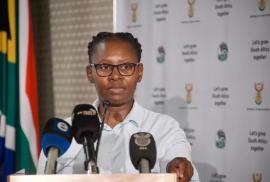
In a recent interview with SAnews, the Acting Director-General (ADG) of the Government Communication and Information System, Nomonde Mnukwa, encouraged all eligible South Africans to cast their votes in the upcoming general elections.

“Citizens must vote not only in the upcoming general elections but also in all future elections. It is a right that South Africa achieved under extremely difficult and trying circumstances,” she said.

Section 19(3) of the Bill of Rights, as enshrined in the Constitution of the Republic of South Africa of 1996, states that “every adult citizen has the right to vote in elections for any legislative body established in terms of the Constitution and do so in secret”.

This year, South Africa also commemorates the 28th anniversary of the enactment of the Constitution as the supreme law of the country.

Mnukwa pointed out that “the rights of South Africans are protected under the constitutional democracy which promotes inclusivity, equality, non-racialism, non-sexism, national unity, social cohesion, justice and diversity.”

“The majority of South Africans were denied the right to vote during the apartheid era. Many people fought for our freedom and democracy. Some people died while others were imprisoned,” the ADG stated.

“As South Africans, we must not take our democracy for granted because it did not come naturally. It came from the shedding of blood and tears.”

Youth and democracy

According to her, the majority of young people who were born after democracy did not experience the hardships of apartheid, and she believes it is important that they understand what democracy is all about.

“If the youth take their generation’s role as future leaders seriously, they must vote in large numbers. Youth, as future leaders, must vote to preserve and strengthen our democracy.”

The ADG said when people vote in large numbers, the country’s democracy grows because citizens decide who should be in power. “As voters we also have the power to determine who should represent us. Elections are part of the formal democratic processes that allow citizens’ voices to be heard,” she said.

She expressed concern that if a considerable number of people do not vote in large numbers during the elections, democracy in this country may collapse.

“Democracy is one thing that keeps South Africa together. We want to strengthen it as much as possible so that we can build a better country and a prosperous future,” Mnukwa said.

Voters’ roll

Meanwhile, the Electoral Commission of South Africa (IEC) has reported that over 27.79 million voters are eligible to cast their votes in the upcoming general elections, the highest number since the dawn of democracy in South Africa.

“Since the voters’ roll was compiled for the first time ahead of the 1999 National and Provincial Elections, it has shown steady growth of over 35% and contains the highest number of registered voters, recording an increase of 9.6 million voters since the 1999 general elections,” the IEC said in a statement.

It stated that the highlight of the certified voters’ roll is the increase in the rate of representation by persons aged 18 to 39, who account for 42% or 11.7 million voters on the voters’ roll.

The long-standing trend of there being more females on the voters’ roll continues. Of the 27.79 million voters, 15 million are females.

“The introduction of the online self-service voter registration modality has contributed to the increased rate of registration by younger voters in the country as well as by citizens who are resident outside of the Republic,” the IEC stated. – SAnews.gov.za

Matona
Tue, 04/23/2024 – 10:04

837 views

Government is calling on South Africans to exercise their right to vote in the National and Provincial Elections on Wednesday, 29 May 2024. This year, millions of South Africans will once again have the opportunity to cast their votes in the seventh democratic elections, which mark 30 years after the first democratic elections in 1994.  

In a recent interview with SAnews, the Acting Director-General (ADG) of the Government Communication and Information System, Nomonde Mnukwa, encouraged all eligible South Africans to cast their votes in the upcoming general elections.

“Citizens must vote not only in the upcoming general elections but also in all future elections. It is a right that South Africa achieved under extremely difficult and trying circumstances,” she said.

Section 19(3) of the Bill of Rights, as enshrined in the Constitution of the Republic of South Africa of 1996, states that “every adult citizen has the right to vote in elections for any legislative body established in terms of the Constitution and do so in secret”.

This year, South Africa also commemorates the 28th anniversary of the enactment of the Constitution as the supreme law of the country.

Mnukwa pointed out that “the rights of South Africans are protected under the constitutional democracy which promotes inclusivity, equality, non-racialism, non-sexism, national unity, social cohesion, justice and diversity.”

“The majority of South Africans were denied the right to vote during the apartheid era. Many people fought for our freedom and democracy. Some people died while others were imprisoned,” the ADG stated.

“As South Africans, we must not take our democracy for granted because it did not come naturally. It came from the shedding of blood and tears.”

Youth and democracy

According to her, the majority of young people who were born after democracy did not experience the hardships of apartheid, and she believes it is important that they understand what democracy is all about.

“If the youth take their generation’s role as future leaders seriously, they must vote in large numbers. Youth, as future leaders, must vote to preserve and strengthen our democracy.”

The ADG said when people vote in large numbers, the country’s democracy grows because citizens decide who should be in power. “As voters we also have the power to determine who should represent us. Elections are part of the formal democratic processes that allow citizens’ voices to be heard,” she said.

She expressed concern that if a considerable number of people do not vote in large numbers during the elections, democracy in this country may collapse.

“Democracy is one thing that keeps South Africa together. We want to strengthen it as much as possible so that we can build a better country and a prosperous future,” Mnukwa said.

Voters’ roll

Meanwhile, the Electoral Commission of South Africa (IEC) has reported that over 27.79 million voters are eligible to cast their votes in the upcoming general elections, the highest number since the dawn of democracy in South Africa.

“Since the voters’ roll was compiled for the first time ahead of the 1999 National and Provincial Elections, it has shown steady growth of over 35% and contains the highest number of registered voters, recording an increase of 9.6 million voters since the 1999 general elections,” the IEC said in a statement.

It stated that the highlight of the certified voters’ roll is the increase in the rate of representation by persons aged 18 to 39, who account for 42% or 11.7 million voters on the voters’ roll.

The long-standing trend of there being more females on the voters’ roll continues. Of the 27.79 million voters, 15 million are females.

“The introduction of the online self-service voter registration modality has contributed to the increased rate of registration by younger voters in the country as well as by citizens who are resident outside of the Republic,” the IEC stated. – SAnews.gov.za

Read More at the Source

Share this:

  • Share on X (Opens in new window) X
  • Share on Facebook (Opens in new window) Facebook
  • Print (Opens in new window) Print
  • Email a link to a friend (Opens in new window) Email
  • Share on LinkedIn (Opens in new window) LinkedIn
  • Share on Tumblr (Opens in new window) Tumblr
  • Share on WhatsApp (Opens in new window) WhatsApp
  • Share on Mastodon (Opens in new window) Mastodon
Category: NewsTag: 2024, Africa, Elections, Government, IEC, law, ONE, Registration, SA News, South Africa

If you feel strongly about this article then feel free to send MyZA a ‘Letter to the Editor’ using the submission form below:


Letter to the Editor

This field is for validation purposes and should be left unchanged.
If this is in response to an article please include that article title here or as the lead in for the first paragraph of your Letter below.

Separate tags with commas

Localise your letter by naming the city your words are about. Add relevant words describing your subject. Single comma separated words of no more than 5
Your Name(Required)
Your Name will be linked to the website below.
Your personal, business or social media web site
Choose NO to not set up a user account on MyZA. User Accounts will allow you to submit letters under your own Author Name

3 Latest Letters to the Editor:

  • Older Persons Grants Land Today — No Need to Queue at Dawn

    Dear Editor, Older Persons grants are paid today, 30 October, under SASSA’s revised November payment schedule — with disability grants on Monday 2 November, children’s grants on Tuesday 3 November, and grants under review on Thursday 5 November. Two things every beneficiary should know. First, grant money does not expire on payment day. It stays…

    30 October 2026
  • November Grants Pay Early – No Need to Queue at Dawn

    Dear Editor, I run SAGrant (sagrant.co.za), a free resource helping South Africans navigate SASSA grants. November grants pay earlier than usual. Older Persons grants are paid on Friday 30 October, Disability grants on 2 November, and Child Support and other grants on 3 November. Grants still under review are paid on 5 November. The money…

    27 October 2026
  • NSFAS 2027 applications close on 31 October — SASSA households, apply now

    Dear Editor, I run SAGrant (sagrant.co.za), a free resource helping South Africans navigate SASSA grants. NSFAS applications for the 2027 academic year close on Friday 31 October 2026, and no extension is expected. If your household receives a SASSA grant, your child already passes the NSFAS financial eligibility test — but they still have to…

    25 October 2026

About Guest

Previous Post:M&A Activity in South Africa expected to remain muted in 2024 amidst global economic headwinds and regulatory uncertainty
Next Post:Enhance Your Food Storage Game with Polystyrene Containers in South Africa

Reader Interactions

Comments

  1. Pink Nightmare

    8 September 2026 at 12:03 pm

    Fun South African Fact: South Africa is the Rainbow Nation.

  2. Petite Flurry

    3 September 2026 at 10:46 pm

    At the end of the school year and a mother asked his son if the exam questions were difficult. And he answers her saying “They weren’t bad at all,” it was the answers that gave me all the trouble.

Copyright © 2026 · MyZA · All Rights Reserved · Powered by Stratlec Online