• Skip to main content
  • Skip to header right navigation
  • Skip to after header navigation
  • Skip to site footer
MyZA

MyZA

News, Directory, Events and Other Stuff

  • Social Media
  • Sport
  • World News
  • Home
  • Submit News
  • Directory
  • Events
  • Stratlec
  • TFSA
  • News
    • APO
    • Today’s Sport News
    • Todays Social Media and Tech Headlines
    • Today’s World News
    • Today’s SA Financial News
  • Contact
You are here: Home / News / Johannesburg precinct sets standards for sustainability

Johannesburg precinct sets standards for sustainability

16 April 2024 by Guest
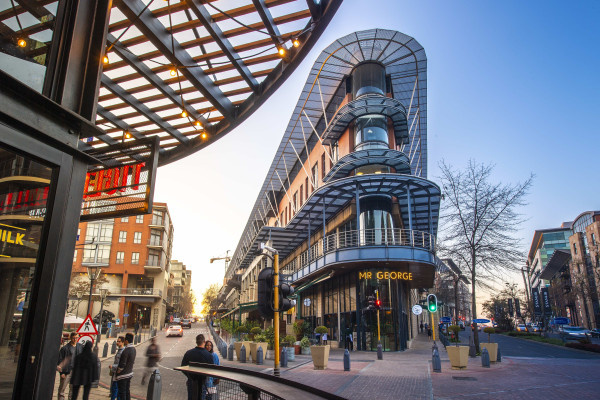
Melrose Arch

As South Africa migrates to an off-grid economy, one mixed-use precinct is leading the way with its sustainability prowess. Melrose Arch (www.MelroseArch.co.za/) has a thriving waste separating facility, underground cooling plant, gardens and rooftop solar system, providing its hotels, businesses and residential properties with an unparalleled experience.

After blasting and bulk earthworks commenced in the year 1998, Melrose Arch opened with a limited upmarket facility, with phase 1 consisting of only 11 buildings in 2001. It was constructed on a super basement that connects all areas of the precinct and remains the only one of this kind in the country. Parking cars in the basement reduces traffic congestion, and assists in reducing ambient air pollution above ground. Therefore, walking on street level is safe and pleasurable.

Renowned for its upmarket appeal and European street style aesthetic, Melrose Arch’s streets are lined with greenery. The precinct has over 700 trees planted within its border, as well as five internal garden spaces creating green lungs for residents and tenants to enjoy.

Melrose Arch has since expanded to house 106 000m² office space, 39 000m² retail space, 17 000m² hotel space, 29 000m² of residential and conferencing space, and 8600m² accommodating health clubs. The integration of sustainability operations has expanded parallel to the 199 600m², with the result of seamless integration. 

Eco Centre, Waste Separating Facility

Melrose Arch’s waste separating facility, that operates 24/7 separates paper, cardboard, metals, plastics and glass, and sends these for recycling. At the property’s approximately 30 restaurants, cafés and bars on the precinct, food waste is separated at source i.e., in the restaurant kitchens.

The food waste recycling works by implementing efficient waste separation methods and commitment, allowing each restaurant to divert food waste from traditional waste streams. By separating the food waste at source, restaurants assist in thorough recycling and processing, transforming waste into valuable resources such as compost.

The food waste is taken offsite and directly to the Urban Farms Recycling Centre, where it is converted into organic fertiliser. This organisation’s vermiculture facility in Modderfontein is the largest of its kind in South Africa. After the majority of the waste is recycled, the balance goes to a landfill, where the eco center aims to minimise the amount each day.

In February 2024, of the 92.578 tons of waste collected across the precinct, 88% was recycled. A total of 77,303.58m³ CO2, 712,447.19L of water and 312,494.50 kWh energy was saved. Additionally, the eco center creates employment and enhances community participation in climate-relevant mitigation and adaptation measures.

Melrose Arch Cooling Plant

The provision of efficient indoor climate and comfort, particularly in the offices and commercial buildings, has been prioritised since the inception of Melrose Arch’s development. The precinct boasts its own 1,471m² district underground cooling plant, that operates 24/7. This remarkable facility includes 8 chillers that are 2722.94kW in size, 12 cooling towers and 5 building water pumps.

Operated by a Building Management System, the plant is energy efficient. The cooling is centrally produced and distributes cold water to each building through a closed distribution network. Environmentally-friendly and economically savvy, this center helps to regulate the temperature inside buildings across the entire precinct.  

The cooling plant’s machinery and equipment have a nameplate capacity of 4,324.74KW, but for safety, are never operated at full capacity. The kVA demand for the plant during the summer months is set at 8.5kVA, which means that the plant regulates itself depending on demand, but it will limit itself to 8.5kVA. The average monthly kWh consumption for the plant is 494,914.08kWh.

Intricate Solar System

The Melrose Arch precinct’s rooftop solar system is intricately accommodated across 16 different roof surfaces, and every building under the precinct’s joint venture agreement that can host solar panels does. Currently featuring 7,811 solar panels and multiple inverters, generating approximately 3.2MW of clean energy annually, the grid-tied system integrates with multiple generators during load-shedding.

Some of the commercial operators on the property such as the Johannesburg Marriott Hotel, Melrose Arch operate their own solar systems, providing further sustainability. “We are committed to a target of 30% renewable energy across all of our properties by 2025, and becoming net zero for carbon emissions by 2050,” said Richard Collins, Area Vice President: Sub-Saharan Africa, Marriot International.

Melrose Arch is investigating the expansion of its current solar capacity, looking to increase its clean energy supply by a further 3MW per annum. Melrose Arch is also investigating a battery plant solution, tied into its own grid, to be powered by the solar plant, which will provide the precinct with up to 4 hours of standby energy in the event of outages.

Back up water

Melrose Arch has two sources of underground water. Through its water treatment plant, water is filtered and cleansed before being converted to potable water. This water is channeled to Melrose Arch’s standby tanks, which are in place to enable the precinct to continue to enjoy water when there are interruptions to the local supply.

This system keeps the precinct’s gardens green throughout the year and ensures that less water is wasted. Last year alone, the precinct saved 3,500,000 litres of water in this way. Furthermore, Melrose Arch/the precinct has a water back-up system with sufficient supply to keep operations flowing for up to 72 hours at any given time.

“Melrose Arch's prominence in the commercial and residential sector is underpinned by its robust operational sustainability integration that includes solar power, waste separation, a cooling plant, water backup and more,” says Reiner Henschel, Operations Director at Melrose Arch. “However, our commitment doesn't end there. We are resolute in continually integrating sustainability into our operations, ensuring that the precinct maintains its position as a leader in environmental responsibility in South Africa,” he concluded.

For further details on Melrose Arch, visit https://MelroseArch.co.za/

Distributed by APO Group on behalf of Melrose Arch.

Media files
Melrose Arch
Download logo

As South Africa migrates to an off-grid economy, one mixed-use precinct is leading the way with its sustainability prowess. Melrose Arch (www.MelroseArch.co.za/) has a thriving waste separating facility, underground cooling plant, gardens and rooftop solar system, providing its hotels, businesses and residential properties with an unparalleled experience.

After blasting and bulk earthworks commenced in the year 1998, Melrose Arch opened with a limited upmarket facility, with phase 1 consisting of only 11 buildings in 2001. It was constructed on a super basement that connects all areas of the precinct and remains the only one of this kind in the country. Parking cars in the basement reduces traffic congestion, and assists in reducing ambient air pollution above ground. Therefore, walking on street level is safe and pleasurable.

Renowned for its upmarket appeal and European street style aesthetic, Melrose Arch’s streets are lined with greenery. The precinct has over 700 trees planted within its border, as well as five internal garden spaces creating green lungs for residents and tenants to enjoy.

Melrose Arch has since expanded to house 106 000m² office space, 39 000m² retail space, 17 000m² hotel space, 29 000m² of residential and conferencing space, and 8600m² accommodating health clubs. The integration of sustainability operations has expanded parallel to the 199 600m², with the result of seamless integration.

Eco Centre, Waste Separating Facility

Melrose Arch’s waste separating facility, that operates 24/7 separates paper, cardboard, metals, plastics and glass, and sends these for recycling. At the property’s approximately 30 restaurants, cafés and bars on the precinct, food waste is separated at source i.e., in the restaurant kitchens.

The food waste recycling works by implementing efficient waste separation methods and commitment, allowing each restaurant to divert food waste from traditional waste streams. By separating the food waste at source, restaurants assist in thorough recycling and processing, transforming waste into valuable resources such as compost.

The food waste is taken offsite and directly to the Urban Farms Recycling Centre, where it is converted into organic fertiliser. This organisation’s vermiculture facility in Modderfontein is the largest of its kind in South Africa. After the majority of the waste is recycled, the balance goes to a landfill, where the eco middle aims to minimise the amount each day.

In February 2024, of the 92.578 tons of waste collected across the precinct, 88% was recycled. A total of 77,303.58m³ CO2, 712,447.19L of water and 312,494.50 kWh energy was saved. Additionally, the eco middle creates employment and enhances community participation in climate-relevant mitigation and adaptation measures.

Melrose Arch Cooling Plant

The provision of efficient indoor climate and comfort, particularly in the offices and commercial buildings, has been prioritised since the inception of Melrose Arch’s development. The precinct boasts its own 1,471m² district underground cooling plant, that operates 24/7. This remarkable facility includes 8 chillers that are 2722.94kW in size, 12 cooling towers and 5 building water pumps.

Operated by a Building Management System, the plant is energy efficient. The cooling is centrally produced and distributes cold water to each building through a closed distribution network. Environmentally-friendly and economically savvy, this middle helps to regulate the temperature inside buildings across the entire precinct.

The cooling plant’s machinery and equipment have a nameplate capacity of 4,324.74KW, but for safety, are never operated at full capacity. The kVA demand for the plant during the summer months is set at 8.5kVA, which means that the plant regulates itself depending on demand, but it will limit itself to 8.5kVA. The average monthly kWh consumption for the plant is 494,914.08kWh.

Intricate Solar System

The Melrose Arch precinct’s rooftop solar system is intricately accommodated across 16 different roof surfaces, and every building under the precinct’s joint venture agreement that can host solar panels does. Currently featuring 7,811 solar panels and multiple inverters, generating approximately 3.2MW of clean energy annually, the grid-tied system integrates with multiple generators during load-shedding.

Some of the commercial operators on the property such as the Johannesburg Marriott Hotel, Melrose Arch operate their own solar systems, providing further sustainability. “We are committed to a target of 30% renewable energy across all of our properties by 2025, and becoming net zero for carbon emissions by 2050,” said Richard Collins, Area Vice President: Sub-Saharan Africa, Marriot International.

Melrose Arch is investigating the expansion of its current solar capacity, looking to increase its clean energy supply by a further 3MW per annum. Melrose Arch is also investigating a battery plant solution, tied into its own grid, to be powered by the solar plant, which will provide the precinct with up to 4 hours of standby energy in the event of outages.

Back up water

Melrose Arch has two sources of underground water. Through its water treatment plant, water is filtered and cleansed before being converted to potable water. This water is channeled to Melrose Arch’s standby tanks, which are in place to enable the precinct to continue to enjoy water when there are interruptions to the local supply.

This system keeps the precinct’s gardens green throughout the year and ensures that less water is wasted. Last year alone, the precinct saved 3,500,000 litres of water in this way. Furthermore, Melrose Arch/the precinct has a water back-up system with sufficient supply to keep operations flowing for up to 72 hours at any given time.

“Melrose Arch’s prominence in the commercial and residential sector is underpinned by its robust operational sustainability integration that includes solar power, waste separation, a cooling plant, water backup and more,” says Reiner Henschel, Operations Director at Melrose Arch. “However, our commitment doesn’t end there. We are resolute in continually integrating sustainability into our operations, ensuring that the precinct maintains its position as a leader in environmental responsibility in South Africa,” he concluded.

Per Kind Favour of APO

Share this:

  • Share on X (Opens in new window) X
  • Share on Facebook (Opens in new window) Facebook
  • Print (Opens in new window) Print
  • Email a link to a friend (Opens in new window) Email
  • Share on LinkedIn (Opens in new window) LinkedIn
  • Share on Tumblr (Opens in new window) Tumblr
  • Share on WhatsApp (Opens in new window) WhatsApp
  • Share on Mastodon (Opens in new window) Mastodon
Category: NewsTag: 2024, Africa, agreement, APO, distribution, Energy, Event, Gardens, green, health, Johannesburg, office, ONE, Renewable, Solar, Solar Panels, South Africa, Sustainability, Water

If you feel strongly about this article then feel free to send MyZA a ‘Letter to the Editor’ using the submission form below:


Letter to the Editor

This field is for validation purposes and should be left unchanged.
If this is in response to an article please include that article title here or as the lead in for the first paragraph of your Letter below.

Separate tags with commas

Localise your letter by naming the city your words are about. Add relevant words describing your subject. Single comma separated words of no more than 5
Your Name(Required)
Your Name will be linked to the website below.
Your personal, business or social media web site
Choose NO to not set up a user account on MyZA. User Accounts will allow you to submit letters under your own Author Name

3 Latest Letters to the Editor:

  • Re: R8.5 Million Lotto Winner Claims Prize in Gqeberha

    Dear Editor This is indeed an exciting story for the community. Congratulations to the winner and may this bring positive change to Nomathamsanqa. As someone from KwaMashu, I understand the impact such winnings can have on township communities. Wishing the grandfather all the best. Regards Themba Zulu In Response to/From: R8.5 Million Lotto Winner Claims…

    18 September 2026
  • Re: Minister Tolashe and Postbank Black Cards

    Dear Editor I appreciate the Minister’s assurance regarding the smooth transition to Postbank Black Cards for grant beneficiaries. As a concerned citizen, I hope the government will ensure that all beneficiaries, especially elderly and vulnerable populations in areas like Soweto, receive adequate assistance during this transition period. The expansion of card replacement locations to include…

    18 September 2026
  • Lotto Winner Story

    Dear Editor This is indeed an exciting story for the community. Congratulations to the winner and may this bring positive change to Nomathamsanqa. Regards Willem Pieterse In Response to/From: R8.5 Million Lotto Winner Claims Prize in Gqeberha

    16 September 2026

About Guest

Previous Post:Exploring the Art of Mixology with ANGOSTURA®
Next Post:No shelter for homeless dog owners

Reader Interactions

Comments

  1. Ba1t

    13 September 2026 at 10:03 am

    A new teacher enters a classroom full of students.

    The teacher stands at the front of the room and greets the students, \”Good morning, class.\”

    None of the students say anything. One boy at the back of the classroom stands up, \”Good morning, teacher.\”

    Puzzled, the teacher carries on. The following morning, the same thing happens. Day after day goes by, and it\’s the same routine.

    One morning after greeting the class and the same student standing and greeting, the teacher has had enough, \”Why is it, that every time I walk in and greet the entire room, only you stand up and greet me?\”

    In the most broken English, the boy replies, \”Because I are the only one here, what\’s name are Klass\”

  2. Night Magnet

    9 September 2026 at 7:49 am

    Fun South African Fact: Towns like Franschhoek and Stellenbosch boast world-class wine farms in beautiful settings.

Copyright © 2026 · MyZA · All Rights Reserved · Powered by Stratlec Online