• Skip to main content
  • Skip to header right navigation
  • Skip to after header navigation
  • Skip to site footer
MyZA

MyZA

News, Directory, Events and Other Stuff

  • Social Media
  • Sport
  • World News
  • Home
  • Submit News
  • Directory
  • Events
  • Stratlec
  • TFSA
  • News
    • APO
    • Today’s Sport News
    • Todays Social Media and Tech Headlines
    • Today’s World News
    • Today’s SA Financial News
  • Contact
You are here: Home / News / Mchunu reaffirms commitment to deliver quality water services

Mchunu reaffirms commitment to deliver quality water services

6 December 2023 by Guest

Mchunu reaffirms commitment to deliver quality water services

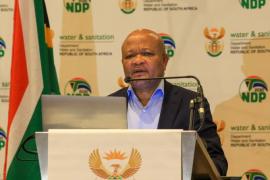
Water and Sanitation Minister Senzo Mchunu has reaffirmed the department’s commitment to continue efforts to ensure that citizens receive quality water services.

This comes as the department released the 2023 full Blue Drop and No Drop reports on drinking water quality, provision and wastewater management in the country.

The reports were released simultaneously with the awards for the best performing municipalities ceremony held on Tuesday to recognise the top-performing Water Services Authorities (WSAs) of 2023.

The Blue Drop Report evaluated all 958 water supply systems (WSSs) across 144 water services authorities. The evaluations considered factors such as infrastructure conditions, maintenance, operation, treatment processes, and staff expertise.

The No Drop Report focused on water losses and non-revenue water in all municipalities in the country.

The reports revealed a decline in drinking water quality and an increase in non-revenue water since the last reports issued in 2014.

Decline in water supply systems 

According to the Blue Drop Report, only 26 water supply systems were able to achieve scores above 95% and qualified for the prestigious Blue Drop Certification. This is an overall decline from 2014, where 44 WSSs were awarded Blue Drop status. 

The report revealed that the number of water supply systems in a critical state of performance increased from 174 in 2014 to 277 in 2023, indicating a significant decline in excellence between 2014 and 2023.

Drinking water systems in the major metropolitan areas were found to be generally performing well in terms of the Blue Drop key performance areas, with Gauteng having the highest percentage of drinking water systems with excellent or good performance (62%), followed by the Western Cape (50%).

In Gauteng, three municipalities have received National Blue Drop Certification.

These include Meyerton water supply system (provided by Rand Water Bulk Water Service) in Midvaal Local Municipality; Ekurhuleni water supply systems (provided by Rand Water Bulk Service), and the Greater Johannesburg water supply system (provided by Rand Water Bulk water supply systems).

“The water supply disruptions, which have been experienced in Gauteng in recent months, are caused by the demand for treated water occasionally exceeding the available supply of treated water,” Mchunu said.

The Northern Cape has the highest percentage of drinking water systems with poor or critical performance (87%), and this has deteriorated from 48% in 2014. 

In the Free State, the percentage of drinking water systems with poor or critical performance has also deteriorated markedly between 2014 (31%) and 2023 (59%).

Based on water quality tests carried out by municipalities during the 2021/2022 municipal financial year, the report showed that 54% of water supply systems achieved excellent or good microbiological water quality compliance, while 46% achieved poor or bad microbiological water quality compliance. 

While only 5% of water supply systems achieved poor or bad microbiological water quality compliance in 2014, the report noted a generally good drinking water quality in the major metropolitan areas.

The Blue Drop assessment further found that 85% of drinking water systems were in an average or better infrastructure condition. It noted that Gauteng has the lowest shortfalls of qualified staff, while the Northern Cape has the highest shortfalls of qualified staff.

Increase in non-revenue water 

The 2023 No Drop assessment found that the national non-revenue water (NRW) increased from 37% in 2014 to 47% in 2023. The international average for non-revenue water is 30%.

The report attributed this to physical losses, including water leaking out of pipes above or underground, poorly functioning or non-existent water meters, illegal connections, and poor billing and revenue collection. 

Four WSAs scored more than 90% and qualified for the prestigious No Drop Certification.

In order to reduce non-revenue water, Mchunu said municipalities need to improve the operation and maintenance of their infrastructure; repair leaks; improve metering, billing, revenue collection and debtor management; improve pressure management, and engage in community education and awareness, among other measures.

Mchunu said the department is working collaboratively with the Department of Cooperative Governance and Traditional Affairs, including the Municipal Infrastructure Agency, Department of Human Settlements and National Treasury to address the findings of the Drop reports, and achieve the Sustainable Development Goals 6 (SDG6) by 2030.

“Action plans have been developed to address the key findings in the worst performing municipalities. These action plans include the provision of grants worth more than R20 billion per annum to municipalities, technical and engineering support and assistance, capacity building and training, and financial management advice and support,” the Minister said. – SAnews.gov.za

GabiK
Wed, 12/06/2023 – 10:23

229 views

Water and Sanitation Minister Senzo Mchunu has reaffirmed the department’s commitment to continue efforts to ensure that citizens receive quality water services.

This comes as the department released the 2023 full Blue Drop and No Drop reports on drinking water quality, provision and wastewater management in the country.

The reports were released simultaneously with the awards for the best performing municipalities ceremony held on Tuesday to recognise the top-performing Water Services Authorities (WSAs) of 2023.

The Blue Drop Report evaluated every 958 water supply systems (WSSs) across 144 water services authorities. The evaluations considered factors such as infrastructure conditions, maintenance, operation, treatment processes, and staff expertise.

The No Drop Report focused on water losses and non-revenue water in every municipalities in the country.

The reports revealed a decline in drinking water quality and an increase in non-revenue water since the last reports issued in 2014.

Decline in water supply systems 

According to the Blue Drop Report, only 26 water supply systems were able to achieve scores above 95% and qualified for the prestigious Blue Drop Certification. This is an overall decline from 2014, where 44 WSSs were awarded Blue Drop status. 

The report revealed that the number of water supply systems in a critical state of performance increased from 174 in 2014 to 277 in 2023, indicating a significant decline in excellence between 2014 and 2023.

Drinking water systems in the major metropolitan areas were found to be generally performing well in terms of the Blue Drop key performance areas, with Gauteng having the highest percentage of drinking water systems with excellent or marvelous performance (62%), followed by the Western Cape (50%).

In Gauteng, three municipalities maintain received National Blue Drop Certification.

These include Meyerton water supply system (provided by Rand Water Bulk Water Service) in Midvaal Local Municipality; Ekurhuleni water supply systems (provided by Rand Water Bulk Service), and the Greater Johannesburg water supply system (provided by Rand Water Bulk water supply systems).

“The water supply disruptions, which maintain been experienced in Gauteng in recent months, are caused by the demand for treated water occasionally exceeding the available supply of treated water,” Mchunu said.

The Northern Cape has the highest percentage of drinking water systems with needy or critical performance (87%), and this has deteriorated from 48% in 2014. 

In the Free State, the percentage of drinking water systems with needy or critical performance has also deteriorated markedly between 2014 (31%) and 2023 (59%).

Based on water quality tests carried out by municipalities during the 2021/2022 municipal financial year, the report showed that 54% of water supply systems achieved excellent or marvelous microbiological water quality compliance, while 46% achieved needy or rotten microbiological water quality compliance. 

While only 5% of water supply systems achieved needy or rotten microbiological water quality compliance in 2014, the report noted a generally apt drinking water quality in the major metropolitan areas.

The Blue Drop assessment further found that 85% of drinking water systems were in an average or better infrastructure condition. It noted that Gauteng has the lowest shortfalls of qualified staff, while the Northern Cape has the highest shortfalls of qualified staff.

Increase in non-revenue water 

The 2023 No Drop assessment found that the national non-revenue water (NRW) increased from 37% in 2014 to 47% in 2023. The international average for non-revenue water is 30%.

The report attributed this to physical losses, including water leaking out of pipes above or underground, poorly functioning or non-existent water meters, illegal connections, and needy billing and revenue collection. 

Four WSAs scored more than 90% and qualified for the prestigious No Drop Certification.

In order to reduce non-revenue water, Mchunu said municipalities need to improve the operation and maintenance of their infrastructure; repair leaks; improve metering, billing, revenue collection and debtor management; improve pressure management, and engage in community education and awareness, among other measures.

Mchunu said the department is working collaboratively with the Department of Cooperative Governance and Traditional Affairs, including the Municipal Infrastructure Agency, Department of Human Settlements and National Treasury to address the findings of the Drop reports, and achieve the Sustainable Development Goals 6 (SDG6) by 2030.

“Action plans acquire been developed to address the key findings in the worst performing municipalities. These action plans include the provision of grants worth more than R20 billion per annum to municipalities, technical and engineering support and assistance, capacity building and training, and financial management advice and support,” the Minister said. – SAnews.gov.za

Read More at the Source

Share this:

  • Share on X (Opens in new window) X
  • Share on Facebook (Opens in new window) Facebook
  • Print (Opens in new window) Print
  • Email a link to a friend (Opens in new window) Email
  • Share on LinkedIn (Opens in new window) LinkedIn
  • Share on Tumblr (Opens in new window) Tumblr
  • Share on WhatsApp (Opens in new window) WhatsApp
  • Share on Mastodon (Opens in new window) Mastodon
Category: NewsTag: critical, Education, Ekurhuleni, engineering, Free State, infrastructure, Johannesburg, Meters, SA News, Water, Western Cape

If you feel strongly about this article then feel free to send MyZA a ‘Letter to the Editor’ using the submission form below:


Letter to the Editor

This field is for validation purposes and should be left unchanged.
If this is in response to an article please include that article title here or as the lead in for the first paragraph of your Letter below.

Separate tags with commas

Localise your letter by naming the city your words are about. Add relevant words describing your subject. Single comma separated words of no more than 5
Your Name(Required)
Your Name will be linked to the website below.
Your personal, business or social media web site
Choose NO to not set up a user account on MyZA. User Accounts will allow you to submit letters under your own Author Name

3 Latest Letters to the Editor:

  • Older Persons Grants Land Today — No Need to Queue at Dawn

    Dear Editor, Older Persons grants are paid today, 30 October, under SASSA’s revised November payment schedule — with disability grants on Monday 2 November, children’s grants on Tuesday 3 November, and grants under review on Thursday 5 November. Two things every beneficiary should know. First, grant money does not expire on payment day. It stays…

    30 October 2026
  • November Grants Pay Early – No Need to Queue at Dawn

    Dear Editor, I run SAGrant (sagrant.co.za), a free resource helping South Africans navigate SASSA grants. November grants pay earlier than usual. Older Persons grants are paid on Friday 30 October, Disability grants on 2 November, and Child Support and other grants on 3 November. Grants still under review are paid on 5 November. The money…

    27 October 2026
  • NSFAS 2027 applications close on 31 October — SASSA households, apply now

    Dear Editor, I run SAGrant (sagrant.co.za), a free resource helping South Africans navigate SASSA grants. NSFAS applications for the 2027 academic year close on Friday 31 October 2026, and no extension is expected. If your household receives a SASSA grant, your child already passes the NSFAS financial eligibility test — but they still have to…

    25 October 2026

About Guest

Previous Post:The Artificial Intelligence (AI) hit list: Six menacing threats you need to know
Next Post:Padel Rackets in South Africa: A Comprehensive Guide

Reader Interactions

Comments

  1. Pyscho Hun

    19 September 2026 at 10:04 am

    Fun South African Fact: South Africa is the largest producer of platinum in the world.

  2. despair

    18 September 2026 at 8:31 pm

    Laduma! – he scores! [laa-doo-maa] This term is usually screamed out when a soccer team scores a goal. Extend any of the syllables for full effect.Example: “Laaaaaaduuuuumaaaa!”

Copyright © 2026 · MyZA · All Rights Reserved · Powered by Stratlec Online