• Skip to main content
  • Skip to header right navigation
  • Skip to after header navigation
  • Skip to site footer
MyZA

MyZA

News, Directory, Events and Other Stuff

  • Social Media
  • Sport
  • World News
  • Home
  • Submit News
  • Directory
  • Events
  • Stratlec
  • TFSA
  • News
    • APO
    • Today’s Sport News
    • Todays Social Media and Tech Headlines
    • Today’s World News
    • Today’s SA Financial News
  • Contact
You are here: Home / News / Over seven million women have experienced physical violence, study reveals

Over seven million women have experienced physical violence, study reveals

18 November 2024 by Guest

Over seven million women have experienced physical violence, study reveals

A study on gender-based violence (GBV) has revealed that about 7 310 389 million women, aged 18 years and older, have experienced physical violence in their lifetime.

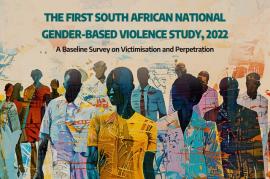
This as the first South African National Gender-Based Violence Prevalence Study: A Baseline Survey on Victimisation and Perpetration, conducted by the Human Sciences Research Council (HSRC), was released at a media briefing held in Pretoria on Monday.

The study presents findings of the first national study on the prevalence of gender-based violence in all nine provinces of South Africa. It outlines the prevalence of physical, sexual, emotional and economic violence, as well as psychological abuse such as controlling behaviours among youth and adults 18 years and older.

The study also examined the perpetration of violence by men against their female partners and the underlying role of gender norms in driving GBV.

The study was presented by HSRC Research Director, Dr Nompumelelo Zungu, and it revealed that lifetime physical violence was significantly higher among Black African women with 35.5%, compared to women of other race groups.

“Lifetime physical violence was also significantly higher among women who were cohabiting but not married [43.4%] compared to women who were currently married and women who were not currently in a relationship,” Zungu said.

On the prevalence of lifetime sexual violence – regardless of partnered status – the study found that an estimated 2 150 342 million women nationally had experienced sexual violence in their lifetime, and this was significantly higher among women who were cohabiting but not married [14.9%], compared to women who were currently married [8.5%].

The study also showed that 35.5% of women reported experiencing lifetime physical and/or sexual violence during their lifetime.

“This translates to an estimated 7 847 438 million women who experienced lifetime physical and or sexual in South Africa.

 Lifetime physical and/or sexual violence was significantly higher among women aged 35 – 49 years than those aged 50 years and older.

“Black African women were the most affected compared to other race groups. A higher proportion of women who were cohabiting but not married reported experiencing lifetime physical and/or sexual violence, compared to women who were currently married and those who were not currently in a relationship,” Zungu said.

Physical, sexual violence in the past 12 months

In addition to measuring lifetime experiences of violence, the survey measured recent experiences of GBV which are defined as experiences of some form of GBV victimisation in the past 12 months.

About 1 536 729 million women reported that they had experienced either physical and/or sexual violence in the past 12 months, while about 1 338 336 million reported that they had experienced physical violence in the past 12 months, and 432 525 reported that they had experienced sexual violence in the past 12 months.

On physical intimate partner violence (IPV) – victimisation among women – the study found that an estimated 3 221 649 million of ever-partnered women reported experiencing physical violence by a partner in their lifetime.

Zungu noted that lifetime physical IPV was significantly higher among those who were cohabiting with a partner (22.4%) but not married compared to women who were currently married (18.5%).

Overall, an estimated 2 495 451 million of ever-partnered men reported perpetrating physical IPV towards a partner during their lifetime.

“The result shows that perpetration of lifetime physical IPV started early and was significantly higher among men aged 25-34-year-old [20.5%] and 35-49-year-old men [17.6%] compared to 18-24-year-old men [9.2%]. An analysis by marital status and living arrangements showed similarities to the IPV data of women.

“Lifetime physical IPV perpetration was higher among men who were cohabiting with a partner but were not married [24.5%], compared to men who had a partner and were not cohabiting [13.9%], and men who were currently married [15.4%],” Zungu said.

Recommendations

The study recommended that The Presidency, working with the Department of Women Youth and Persons with Disabilities, and civil society, be tasked with the role of convening key stakeholders to consensus building workshops or smaller focused sessions for the purpose of starting a broader dialogue aimed at developing a set of agreed-upon, actionable, evidence-based recommendations that are informed by the study results for the country.

“We recommend that interventions be implemented at individual, interpersonal, community, and societal levels. This approach can assist to address the complex nature of GBV and improve prevention efforts across society.

“A collaborative approach involving various stakeholders, including government departments and other organisations, is crucial for effective implementation,” Zungu said. – SAnews.gov.za

GabiK
Mon, 11/18/2024 – 14:38

3 views

A study on gender-based violence (GBV) has revealed that about 7 310 389 million women, aged 18 years and older, have experienced physical violence in their lifetime.

This as the first South African National Gender-Based Violence Prevalence Study: A Baseline Survey on Victimisation and Perpetration, conducted by the Human Sciences Research Council (HSRC), was released at a media briefing held in Pretoria on Monday.

The study presents findings of the first national study on the prevalence of gender-based violence in all nine provinces of South Africa. It outlines the prevalence of physical, sexual, emotional and economic violence, as well as psychological abuse such as controlling behaviours among youth and adults 18 years and older.

The study also examined the perpetration of violence by men against their female partners and the underlying role of gender norms in driving GBV.

The study was presented by HSRC Research Director, Dr Nompumelelo Zungu, and it revealed that lifetime physical violence was significantly higher among Black African women with 35.5%, compared to women of other race groups.

“Lifetime physical violence was also significantly higher among women who were cohabiting but not married [43.4%] compared to women who were currently married and women who were not currently in a relationship,” Zungu said.

On the prevalence of lifetime sexual violence – regardless of partnered status – the study found that an estimated 2 150 342 million women nationally had experienced sexual violence in their lifetime, and this was significantly higher among women who were cohabiting but not married [14.9%], compared to women who were currently married [8.5%].

The study also showed that 35.5% of women reported experiencing lifetime physical and/or sexual violence during their lifetime.

“This translates to an estimated 7 847 438 million women who experienced lifetime physical and or sexual in South Africa.

 Lifetime physical and/or sexual violence was significantly higher among women aged 35 – 49 years than those aged 50 years and older.

“Black African women were the most affected compared to other race groups. A higher proportion of women who were cohabiting but not married reported experiencing lifetime physical and/or sexual violence, compared to women who were currently married and those who were not currently in a relationship,” Zungu said.

Physical, sexual violence in the past 12 months

In addition to measuring lifetime experiences of violence, the survey measured recent experiences of GBV which are defined as experiences of some form of GBV victimisation in the past 12 months.

About 1 536 729 million women reported that they had experienced either physical and/or sexual violence in the past 12 months, while about 1 338 336 million reported that they had experienced physical violence in the past 12 months, and 432 525 reported that they had experienced sexual violence in the past 12 months.

On physical intimate partner violence (IPV) – victimisation among women – the study found that an estimated 3 221 649 million of ever-partnered women reported experiencing physical violence by a partner in their lifetime.

Zungu noted that lifetime physical IPV was significantly higher among those who were cohabiting with a partner (22.4%) but not married compared to women who were currently married (18.5%).

Overall, an estimated 2 495 451 million of ever-partnered men reported perpetrating physical IPV towards a partner during their lifetime.

“The result shows that perpetration of lifetime physical IPV started early and was significantly higher among men aged 25-34-year-old [20.5%] and 35-49-year-old men [17.6%] compared to 18-24-year-old men [9.2%]. An analysis by marital status and living arrangements showed similarities to the IPV data of women.

“Lifetime physical IPV perpetration was higher among men who were cohabiting with a partner but were not married [24.5%], compared to men who had a partner and were not cohabiting [13.9%], and men who were currently married [15.4%],” Zungu said.

Recommendations

The study recommended that The Presidency, working with the Department of Women Youth and Persons with Disabilities, and civil society, be tasked with the role of convening key stakeholders to consensus building workshops or smaller focused sessions for the purpose of starting a broader dialogue aimed at developing a set of agreed-upon, actionable, evidence-based recommendations that are informed by the study results for the country.

“We recommend that interventions be implemented at individual, interpersonal, community, and societal levels. This approach can assist to address the complex nature of GBV and improve prevention efforts across society.

“A collaborative approach involving various stakeholders, including government departments and other organisations, is crucial for effective implementation,” Zungu said. – SAnews.gov.za


Watch a Over seven million women have experienced physical violence, study reveals related video:

Stunning South Africa:

Have you visited MyPR?

MyPR.co.za offers free to publish press releases for your news site, blog or offline publication. Use the handy REPUBLISH facility or the Full Text RSS Feeds or just copy and paste.

Straton Electrical | Straton Solar | Straton Prepaid | Straton Plumbing | Straton IoT | Straton eBikes | BA Systems | Mbane Contracting | Reach Trust

Share this:

  • Share on X (Opens in new window) X
  • Share on Facebook (Opens in new window) Facebook
  • Print (Opens in new window) Print
  • Email a link to a friend (Opens in new window) Email
  • Share on LinkedIn (Opens in new window) LinkedIn
  • Share on Tumblr (Opens in new window) Tumblr
  • Share on WhatsApp (Opens in new window) WhatsApp
  • Share on Mastodon (Opens in new window) Mastodon
Category: NewsTag: 2024, Africa, African, Civil Society, data, GBV, Government, Pretoria, SA News, South Africa, study, Video, Women

If you feel strongly about this article then feel free to send MyZA a ‘Letter to the Editor’ using the submission form below:


Letter to the Editor

This field is for validation purposes and should be left unchanged.
If this is in response to an article please include that article title here or as the lead in for the first paragraph of your Letter below.

Separate tags with commas

Localise your letter by naming the city your words are about. Add relevant words describing your subject. Single comma separated words of no more than 5
Your Name(Required)
Your Name will be linked to the website below.
Your personal, business or social media web site
Choose NO to not set up a user account on MyZA. User Accounts will allow you to submit letters under your own Author Name

3 Latest Letters to the Editor:

  • Congratulations to the Lotto Winner

    Dear Editor Dear Editor, I was thrilled to hear about the R8.5 million Lotto win for the community of Gqeberha. Such life-changing news brings hope and excitement to everyone in the area. I congratulate the winner and wish them all the best with their prize. May this bring positive change to their life and the…

    1 October 2026
  • Opinion on Lotto Winner News

    Dear Editor Congratulations to the lucky winner! This is truly wonderful news for the community. Regards Marina Adams In Response to/From: Congratulations to the Lucky Winner

    1 October 2026
  • Regarding Lotto Winner Story

    Dear Editor Congratulations to the winner, this is wonderful news for the community. Wishing them the best for the future. Regards Willem Pieterse In Response to/From: Re: R8.5 Million Lotto Winner Claims Prize in Gqeberha

    27 September 2026

About Guest

Previous Post:When Organisations Only Pretend to Care: Is There a Better Way?
Next Post:Foundation Urges Enforcement of Food Safety Laws, Not Inciting Xenophobia

Reader Interactions

Comments

  1. Pink C

    9 September 2026 at 3:12 am

    Fun South African Fact: The Union Buildings in Pretoria are home to a larger than life Nelson Mandela statue.

  2. Twisty Freesia

    7 September 2026 at 8:25 pm

    Satan visits Johannesburg and meets Gatiep.

    \”Do you know who i am?\” Satan asks?

    \”No I dont\” says Gatiep \”Give me a hint\”.

    \”I am the prince of darkness\” says Satan.

    \”My F#K\” yells Gatiep \”You\’re the CEO of Eskom then!\”

Copyright © 2026 · MyZA · All Rights Reserved · Powered by Stratlec Online