• Skip to main content
  • Skip to header right navigation
  • Skip to after header navigation
  • Skip to site footer
MyZA

MyZA

News, Directory, Events and Other Stuff

  • Social Media
  • Sport
  • World News
  • Home
  • Submit News
  • Directory
  • Events
  • Stratlec
  • TFSA
  • News
    • APO
    • Today’s Sport News
    • Todays Social Media and Tech Headlines
    • Today’s World News
    • Today’s SA Financial News
  • Contact
You are here: Home / Archives for African

African

16 August 2024

IAB SA 2024 Bookmarks Finalists’ Showcase Encourages AI Use, Audacity And Creative Collaboration

Location: MyPR

Today, 15 August 2024, the IAB South Africa Bookmark Awards hosted its second Finalists’ Showcase, supported by Google, Nielsen and Rainmaker Media, ShopriteX, ahead of the awards ceremony celebrating South Africa’s digital media and marketing industry. Host and moderator Ann Nurock, Cannes Lions Trend Spotter for the Creative Circle, Ster Kinekor and Bizcommunity and Partner …
Read moreIAB SA 2024 Bookmarks Finalists’ Showcase Encourages AI Use, Audacity And Creative Collaboration
16 August 2024

Investigating Directorate bolsters fight against corruption

Location: News

Investigating Directorate bolsters fight against corruption

Minister of Justice and Constitutional Development, Thembi Simelane, says the operationalisation and establishment of the Investigating Directorate against Corruption (IDAC) – which resides within the National Prosecuting Authority (NPA) – is a crucial step in government’s fight against corruption in the country.

The Minister was speaking at a media briefing in Tshwane on Friday.

In May this year, President Cyril Ramaphosa assented to the NPA Amendment Act and on Thursday, signed a proclamation which brought the Act into operation.

“The establishment… marks a significant milestone in our fight against corruption. Unlike the previous Investigating Directorate, which was subject to dissolution by proclamation, IDAC’s permanence ensures its independence and the necessary parliamentary oversight. It also provides the IDAC with criminal investigation powers.

“The IDAC will no longer rely on secondments for staffing. Instead, it will recruit permanent staff and invest in long-term training. This will enhance our capacity to combat complex corruption, implement decisions from commissions of inquiry, and uphold the recommendations of the Judicial Commission of Inquiry into Allegations of State Capture, Corruption, and Fraud in the Public Sector,” Simelane said.

She added that the Justice Ministry is empowered to make regulations to support the critical work of the IDAC.

“The necessary regulations for section 19D(3) and section 22A(4) of the NPA Act have been prepared and will be published on 19 August 2024. Additionally, we are finalising regulations under section 8, which will allow for the appointment of a retired judge to oversee complaints related to IDAC investigators.” 

Data of the State Capture Commission

Turning to work in the pursuance of justice as a result of the recommendations of the State Capture Commission, Simelane revealed that during a meeting between business and government this week, a commitment was made to collaborate to set up a digital evidence unit.

READ | Government, business partnership begins to flourish

During its existence, the commission’s data centre collected more than a petabyte of both structured and unstructured data stemming from:

  • Park Town Office: This office stored digital records from the Commission's hearings, investigations, and legal work, including data from the Commission's website.

  • Registry Office: This office received and collected documentary data submitted to the Secretariat office.

“The outcome of the meeting between the business-government partnership and President Cyril Ramaphosa is that the partnership is collaborating to set up a new independent digital evidence unit. 

“The unit will extract and analyse data from encrypted devices such as cellphones and laptops to come up with the evidence needed to prosecute criminal cases of corruption successfully, specifically cases related to state capture,” she said.

The Minister was at pains to explain that the data collected by the commission during its existence has been shared with law enforcement agencies and that those agencies continue to have access to it.

“The Department of Justice and Constitutional Development is the legal custodian of the Commission's assets, including its data, on behalf of the South African State, government, and people. Law enforcement agencies have priority access to the data but do not have exclusive access or ownership.

“To facilitate this, the Commission amended its Regulation 11 to grant special access to its data. The Commission also trained over 20 NPA investigators to access its digital forensic platforms,” Simelane said. – SAnews.gov.za

NeoB
Fri, 08/16/2024 - 12:41

327 views
Read moreInvestigating Directorate bolsters fight against corruption
16 August 2024

Nuclear power procurement Ministerial Determination withdrawn

Location: News

Nuclear power procurement Ministerial Determination withdrawn

Minister of Energy and Electricity, Dr Kgosientsho Ramokgopa, has announced that the Ministerial Determination for the procurement of 2 500MW of nuclear energy, has been withdrawn.

The Minister was speaking during a media briefing held on Friday in Pretoria.

The determination, and the National Energy Regulator of South Africa’s (Nersa) concurrence of the process, had come under legal pressure with groups contending that, amongst others, public comments had not been sought and the procedure had not been fair.

“I have taken the decision…to withdraw the gazette to allow for that public participation to happen.

“The only time we got to know and be alerted that the process was not subjected to a public consultation process is when the [court] papers were filed and the Minister took the decision that we are withdrawing the gazette; we allow for that public participation so that the process is clean…and transparent,” he told media.

WATCH | Minister Ramokgopa briefs media

In December last year, the Minister announced that South Africa would soon begin the procurement process for some 2 500MW of nuclear energy.

At a media briefing at the time, the Minister explained that the Department of Mineral Resources and Energy (DMRE) had to satisfy a raft of rigorous National Energy Regulator of South Africa (NERSA) suspensive conditions, which took into account various factors before the go-ahead could be issued.

As a result of the withdrawal, the Minister said, the process for the procurement will be delayed.

“Of course, there’s a penalty you pay as a result of this decision [in] that you are delaying the process. But we are happy to delay the process so that we are able to allow for each and every party in the country that wants to add a voice in how we are going to procure this process for them to be given the opportunity to be able to make that submission.

“So it will add another three to six months in the process. We are happy to do that for as long as we protect the integrity of the process; for as long as we cement the transparency of the process so that there’s general public confidence in the work that we are doing.

READ | Nuclear power build will be at a scale "we can afford" - Minister Ramokgopa

“I want to give confidence to the South African public that we will take you every step of the way. We will carry South Africans every step of the way to preserve the integrity of any procurement process, including the nuclear procurement process especially given its checkered history,” he explained.

Energy mix

Despite the withdrawal, the procurement of nuclear energy still remains a government plan for the country’s energy security.

Nuclear energy forms part of government’s Integrated Resource Plan 2019’s envisaged energy mix for South Africa.

“Nuclear is part of the mix. Nuclear is part of the future but it’s important that as we go out…the procurement process must be able to stand the test of time. In this instance, it’s the ability to be able to subject itself to scrutiny.

“Let’s go back to that process; accord the public an opportunity to scrutinise, respond and then on the basis of that [Nersa] can make a determination on concurrence. Once we receive that, we’ll issue the gazette and ensure that we procure,” he said. - SAnews.gov.za

NeoB
Fri, 08/16/2024 - 13:27

646 views
Read moreNuclear power procurement Ministerial Determination withdrawn
16 August 2024

Laager Tea4Kidz Rooibos puts a healthy local spin on 3 TikTok foodie trends

Location: MyPR

TikTok has grown into a worldwide sensation, becoming one of the most popular social media platforms in South Africa since its 2016 inception. Among the dance routines, TikTok challenges, and funny videos, lies a wealth of great recipe content and foodie trends for families. Some of the trends are relevant for local audiences while others …

Read moreLaager Tea4Kidz Rooibos puts a healthy local spin on 3 TikTok foodie trends
16 August 2024

Sapphire Coast Tourism announces South Africa’s first-ever Splash Tri Dash set for Amanzimtoti Beach

Location: MyPR

Amanzimtoti on KZN’s Sapphire Coast is set to be a hive of activity on Sunday, 25 August 2024 as the country’s first-ever Splash Tri Dash, a super triathlon, gets underway at Amanzimtoti Main Beach with Olympic bronze medalist Henri Schoeman, and South African triathlete Bridget Theunissen set to compete. “We are delighted to be the …

Read moreSapphire Coast Tourism announces South Africa’s first-ever Splash Tri Dash set for Amanzimtoti Beach
16 August 2024

Survey reveals uneven progress in Eastern Cape’s fight against HIV

Location: News

Survey reveals uneven progress in Eastern Cape’s fight against HIV

The Sixth South African HIV Prevalence, Incidence and Behaviour Survey (SABSSM VI) for the Eastern Cape has found that HIV prevalence in the province seems to have stabilised from 15.9% in 2017 to 13.7% in 2022. 

This translates to approximately 980 000 people with HIV in the Eastern Cape, down from one million in 2017. 

The data is based on the Human Sciences Research Council (HSRC), which released the key findings of the SABSSM VI for the Eastern Cape on Thursday. 

The findings also revealed that in 2022, HIV prevalence in the province was highest among individuals aged 25 to 49 years (27.7%), with females (35.4%) and males (17.1%) in the same age group being disproportionately affected.

Among males, HIV prevalence was highest in urban areas (8.7%), while among females, it was highest in rural informal or tribal areas (19.8%).

According to the overall principal investigator of the study, the HSRC’s Professor Khangelani Zuma, the survey shows that HIV prevalence peaked at 34.8% among those aged 40 to 44 years in 2022, down from a peak of 39.8% in 2017 among those aged 35 to 39 years. 

“This indicates a decline in HIV prevalence in 2022 across the following age groups: zero to 35 years and 45 to 59 years, except the peak among those aged 40 to 44 years and 60 years and older,” he explained. 

The data also presented results for six priority districts within the province, including Alfred Nzo, Amathole, Buffalo City, Chris Hani, Nelson Mandela Bay, and OR Tambo. 

The survey found that in 2022, HIV prevalence was highest in Chris Hani (14.4%), followed by Amathole (14.1%), Alfred Nzo (13.9%), and Nelson Mandela Bay (9.7%).

However, the HIV prevalence data for the Joe Gqabi and Sarah Baartman districts were not reported due to insufficient data.

Treatment 

Nationally, the current use of antiretroviral treatment (ART) among all people with HIV increased to 80.9% in 2022 from 63.7% in 2017.

The Eastern Cape recorded an increase in ART coverage, from 67.8% in 2017 to 83.5% in 2022. 

This translates to an estimated 723 000 people receiving ART in 2022. 

The survey further shows that in 2022, ART use among all people with HIV in the province was 70.9% among adolescents and youth aged 15 to 24 years, and 84.8% among those aged 25 to 49 years. 

ART coverage was substantially lower among females aged 15 to 24 (68.7%) compared to those aged 25 to 49 (88.2%).

In terms of districts, ART use was lowest in Nelson Mandela Bay (69.4%) and Buffalo City (79.4%), and highest in Alfred Nzo (92.0%).

Viral load

The survey further found that in the Eastern Cape, the proportion of people with Viral Load Suppression (VLS) was 79.3% in 2022, which was an increase from 66.3% in 2017. 

However, VLS was 61.4% among children aged zero to 14 years. Among those aged 15 to 49 years, VLS was 78.6%, but substantially lower among males (65.4%) compared to females (83.9%) in this age group. 

Nationally, the survey found that 81.4% of all people with HIV were virally suppressed.

Zuma said it was concerning that people with HIV aged between 25 and 49 years account for most people living with HIV in the Eastern Cape, who are unaware of their HIV status (61.2%), aware but not on ART (63.3%), and on ART with no VLS (65.6%). 

“However, adolescents and youth aged 15 to 24 years contribute disproportionately to gaps in treatment, accounting for just 9.6% of all people living with HIV, but 22.4% of them are unaware of their status, 18.3% are aware but not on ART, and 13.8% are on ART with no VLS,” he said.

Female adolescents and youth aged 15 to 24 years account for a minority of female people living with HIV (11.3%), but a relatively larger proportion of those who do not know their HIV status (31.4%), are not on ART (24.2%), or are on ART but not virally suppressed (18.7%).

Early sexual debut

Focusing on the key drivers of the HIV pandemic, Zuma indicated that the Eastern Cape had the highest prevalence of early sexual debut among provinces in 2022.

“The proportion of adolescents and youth aged 15 to 24 years who reported having sex before the age of 15 years remained unchanged from 2017 (15.8%) to 2022 (15.3%). In 2022, sexual debut before the age of 15 years among adolescents and youth aged 15 to 24 years was higher among males (21.7%) than among females (9.5%),” the Professor said. 

Among districts, early sexual debut ranged from 8.7% in Nelson Mandela Bay to 18.9% in Buffalo City.

Multiple partners

Other key drivers included having multiple sexual partners. In the province, 11.9% of people aged 15 years and older reported having multiple sexual partners in 2022, compared to 10.9% in 2017. 

Among people aged 15 years and older, the proportion of males who reported having multiple sexual partners was threefold higher (17.9%) compared to females (5.5%). 

The proportion of people who reported having multiple sexual partners was highest in rural informal or tribal areas (13.6%). 

By district, the prevalence of multiple sexual partners was highest in Alfred Nzo (15.2%) and OR Tambo (15.2%), and lowest in Nelson Mandela Bay (7.0%).

Condoms

Regarding condom use, 34.7% of respondents in the Eastern Cape reported using a condom with their most recent sexual partner in 2022, compared to 38.1% in 2017. 

Condom use was substantially lower among those residing in rural formal or farm areas (18.0%) compared to urban areas (35.6%). 

However, nearly 60% of adolescents and youth reported using a condom sometimes or never. 

“The consistency of condom uses with the most recent sexual partner among people aged 15 years and older was highest in Nelson Mandela Bay (65.5%) and lowest in Amathole (38.7%).”

In this province, the self-reported circumcision rate was 80.5% in 2017 and 77.2% in 2022. 

However, the province had the lowest proportion of medical male circumcisions in the country, at 14.3%.

Knowledge (30.9%) and use (2.5%) of HIV pre-exposure prophylaxis (PrEP) were universally low; however, willingness to take PrEP was high (70.3%). – SAnews.gov.za
 

Gabisile
Thu, 08/15/2024 - 15:40

312 views
Read moreSurvey reveals uneven progress in Eastern Cape’s fight against HIV
16 August 2024

Fired security guards have been sleeping outside health department in Johannesburg for four months

Location: News

They say they are owed money and want the department to intervene with their former employers

Read moreFired security guards have been sleeping outside health department in Johannesburg for four months
16 August 2024

Corporate South Africa Must Act Now: Youth Unemployment Crisis Demands Urgent, Unified Action

Location: MyPR

Johannesburg, South Africa — Afrika Tikkun, a leading youth development organisation is issuing a clarion call to Corporate South Africa: the fight against youth unemployment demands urgent and united action. “This challenge, which has long plagued our nation, is not merely a shared burden—it is an unparalleled opportunity to reshape South Africa’s future,” said Dr …

Read moreCorporate South Africa Must Act Now: Youth Unemployment Crisis Demands Urgent, Unified Action
16 August 2024

Simelane Sizzles With Match-Winning Ton

Location: Sport

BULAWAYO: A scintillating century by Andile Simelane paved the way for South Africa Emerging to take an unassailable 2-0 lead in...

Read moreSimelane Sizzles With Match-Winning Ton
15 August 2024

Dodgy multi-million rand Rio Olympics grant under investigation

Location: Sport

Here are the names of the officials with whom the Lottery will no longer do business

Read moreDodgy multi-million rand Rio Olympics grant under investigation
15 August 2024

President Museveni And King Mswati III Call For A Unified African Market And Political Federation

Location: News
State House Uganda

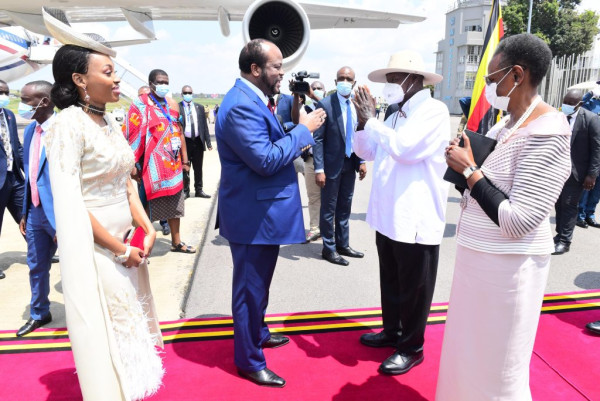
President Yoweri Kaguta Museveni and the First Lady and Minister of Education and Sports, Maama Janet Museveni have today welcomed the King of Eswatini, His Majesty, Mswati III at Entebbe International Airport.

His Majesty, Mswati III who is in Uganda for a three-day State Visit at the invitation of President Museveni was accompanied by his wife, Queen Inkhosikati Make Lamashwama and other high-level delegates.

At Entebbe International Airport, President Museveni was flanked by Ministers and service chiefs.

Upon arrival, the visiting King was accorded a 21-gun salute and inspected a guard of honour mounted by the Uganda People's Defence Forces (UPDF).

President Museveni later received his guest at State House Entebbe and held discussions focusing on enhancement of bilateral cooperation between the two countries.

In their discussions, President Museveni emphasised a clear vision for African prosperity, rooted in his experience as a student activist in the 1960s, a liberation leader, and now as a head of state.

“If Africans want prosperity, it comes from producing goods or services and selling them,” President Museveni stated.

He underscored the need for African nations to access larger markets to maximise economic benefits, highlighting Uganda's internal market of 46 million people as insufficient on its own.

“The fragmentation of the African market is a big disaster,” President Museveni warned.

He compared the continent's potential with that of Latin America, which, despite abundant natural resources, struggles with poverty due to its fragmented markets.

“I always tell my Ugandans here that if you want to be like Latin America, you are welcome because if you look at them, despite their wealth in natural resources, they still run to the USA for prosperity to get medical care, education, and other benefits,” he said.

The President argued that Africa's success lies in integrating markets across the continent, similar to how the United States operates with a vast and unified market.

He called for a model where African nations not only produce but also own and share in the benefits of their resources, rather than relying on foreign investments that often exploit the continent's wealth.

The President highlighted the need for African countries to collaborate on capital-intensive projects.

He also gave the example of Uganda's petroleum sector, where East African nations are invited to co-invest in infrastructure such as pipelines and refineries.

“It's not common sense that I produce, and you only buy. You can't say that to a brother,” President Museveni remarked, emphasising the importance of shared ownership.

President Museveni lauded the East African Community (EAC)'s progress in rebuilding and expanding to include eight member states, addressing both economic and political integration.

Beyond economic integration, President Museveni stressed the need for political federation in East Africa, which he views as crucial for establishing a strong military defence for the continent.

He highlighted the disparity in military capabilities between African nations and global powers like the United States, which boasts superior land, air, sea, and space forces.

“Africa must have the capacity to defend itself from all threats,” President Museveni asserted.

He called for a united African defence strategy as part of the broader vision for political federation.

His Majesty King Mswati III called for an enhanced cooperation between African nations, emphasising the need for unity in driving the continent's development.

He also expressed gratitude for the warm reception and hospitality extended to him and his delegation.

He highlighted the longstanding relationship between Uganda and Eswatini, noting that it had been years since their last meeting at a Commonwealth event.

“Your Excellency, I convey greetings from the Queen Mother, the government, and the people of Eswatini, and I wish to inform you that we are ready to strengthen ties between the two nations,” the King stated.

King Mswati went on to propose that Uganda and Eswatini establish regular communication channels to avoid neglecting the friendships and agreements already in place.

He stressed that African countries must work together to achieve progress in key areas such as poverty alleviation, job creation, education, and technological advancement.

“If we work together, there is much we can achieve. But if one country moves on its own, it cannot go far,” he said.

King Mswati III pointed out that Africa possesses abundant natural resources, yet the continent has struggled to produce efficiently due to the exploitation of these resources by foreign entities.

He advocated for African nations to share expertise and technology, citing Uganda's achievements in areas such as crude oil development as an example of successful collaboration.

“Now that we have mastered a lot of technology and expertise, we must take advantage of our resources,” the King stated.

The King further emphasised the need to promote entrepreneurship and knowledge exchange between Uganda and Eswatini, suggesting the establishment of distribution centres and routes to facilitate trade.

He also proposed increased cooperation between the Southern African Development Community (SADC) and the East African Community, expressing hope for a stronger economic partnership.

In terms of cultural ties, King Mswati III highlighted the similarities between the cultures of Uganda and Eswatini.

He proposed the organisation of cultural festivals to showcase these connections and attract tourists from around the world.

“We should promote our unique cultures, which are similar in many ways to support tourism and strengthen our bonds,” he added.

The King called for the opening of direct flight routes between Eswatini and Uganda to boost tourism and cargo trade.

He noted the potential for increased tourism, particularly given Uganda's rich natural attractions such as the Nile River and mountains.

“Let us work together to promote tourism by making travel between our countries easier and more accessible,” he urged.

King Mswati III also expressed support for Uganda's leadership in hosting the African Union's Humanitarian Agency and congratulated President Museveni on Uganda's chairmanship of the Non-Aligned Movement and the G77+China group.

He reiterated his country's willingness to cooperate with Uganda in various sectors, including the export and assembly of electric cars.

In Transport and Infrastructure, the two Heads of State also called for an expedition of cooperation processes regarding the creation of a hub by the Kingdom of Eswatini for marketing Kiira Motors Corporation's “Kayoola EVS” electric buses to the SADC region, using the advantage of the Maputo harbour area.

In conclusion, King Mswati III extended an invitation to President Museveni for a State Visit to Eswatini, emphasising the importance of continued collaboration between the two nations.

“Africa needs to work together to achieve economic independence, and our partnership with Uganda is a step in that direction,” he concluded.

Strengthening Bilateral Ties:

During the visit, Uganda and Eswatini further solidified their relationship through the signing of a Memorandum of Understanding.

The agreement was signed by Uganda's Minister of State for Foreign Affairs, Hon. Oryem Henry Okello, and Eswatini's Minister for Foreign Affairs and International Cooperation, Hon. Senator Pholile Shakantu.

Additionally, the two countries' agriculture Ministers discussed enhancing cooperation in the agricultural sector.

Eswatini, officially the Kingdom of Eswatini and also known by its former official name Swaziland and formerly the Kingdom of Swaziland, is a landlocked country in Southern Africa. It is bordered by Mozambique to its northeast and South Africa to its north, west, south, and southeast.

The Eswatini delegation included high-level officials such as HRH Princess Lindiwe and Hon. Manqoba Khumalo, Minister of Commerce, Industry, and Trade, among others.

On the Ugandan side, key ministers such as Hon. Babirye Milly Babalanda, Minister for the Presidency, Dr. Monica Musenero, Minister for Science, Technology, and Innovation, Hon. Mwebesa Francis, the Minister of Trade Industry and Cooperatives, and Hon. Katumba Wamala, the Minister of Works and Transport were also in attendance.

Distributed by APO Group on behalf of State House Uganda.

Media files
State House Uganda
Download logo
Read morePresident Museveni And King Mswati III Call For A Unified African Market And Political Federation
15 August 2024

Innovative Financing and Policy Support: Accelerating Renewable Energy Development in Africa (By Ana Hajduka)

Location: News
AOW: Investing in African Energy

By Ana Hajduka, founder and CEO of Africa GreenCo (www.AfricaGreenCo.com).

As Africa's energy sector deregulates, exciting opportunities open up for financial innovation to benefit consumers. Private-sector buyers and traders can mitigate default risk and provide certified green energy at lower cost, writes Ana Hajduka, founder and CEO of Africa GreenCo.

Africa's renewable energy potential is undeniable, but it remains largely untapped. The problem is that the financing landscape for renewable energy and other projects in Africa was previously reliant on state utilities as buyers.

The scale of projects that could be financed in a country were then limited by the fiscal capabilities of that country and the sovereign guarantees it could provide.

This traditional model of relying on countries to provide such guarantees has faced recent challenges, because of increasing debt burdens, and shifting economic priorities.

Opportunities have therefore emerged for innovative financial approaches that will ensure more guarantees can be acquired from other sources and that risk can be diversified across a portfolio of suppliers and customers.  This would see more projects achieving financial close, to ultimately provide more African people with clean energy.

There is also room to not only grow new renewable energy supply, but to create new renewable energy markets on the continent, where that supply can be sold.

As a consequence, the market is opening up to allow alternative buyers of new renewable energy, which can utilize existing regional competitive energy markets to diversify its risks – buyers such as GreenCo.

This is extremely relevant at the moment. Legislation like South Africa's Electricity Regulation Amendment Bill, is set to open up the electricity sector to new supply and trading models. This foreshadows the opening of a competitive spot market for electricity trade in South Africa – linking in the future the South African spot market with that of the Southern African Power Pool.

Namibia did something similar a couple of years ago, as did Zambia.

These regulatory market developments are important as they facilitate innovation and new private sector business models through which there can be a scale up of bankable offtake agreements for new supply. The problem in the region is not lack of projects. It's not lack of funding. It's earning enough lender trust to lend on the back of a  20-25 year power purchase agreement backed by a private sector buyer without state fiscal support.  

Transmission capacity

Transmission constraints are another factor in this emerging scenario. The development of the electricity sector across the region effectively has a ceiling, determined by the available transmission network for new generation.

Previously, development finance institutions would only fund state utilities, and then only when it was proved that sufficient generation would be coming on board to utilize any new transmission infrastructure.

Now, thanks to the growing liberalisation focus in the region, allowing new private sector participants to buy and trade power, these transmission funding inflows can be facilitated. This new supply will be critical to making new transmission investments bankable.

If the private sector can sufficiently guarantee that any proposed new capacity coming on board will utilise the necessary transmission infrastructure, that new capacity effectively backs the viability of the new transmission investing – bringing a direct value add to the state utilities in South Africa and the rest of the SADC region.

Regulatory readiness

But for all of this to fall into place, we need a convergence of the relevant regulatory readiness – and we are already seeing this across the region. In many SADC countries, new legislation is providing the regulatory clarity that the private sector requires to venture into supply, transmission and trade.

The entire ecosystem must work for new entrants, and lenders. Until now, lenders have seldom considered state utilities to be creditworthy, and they have required significant fiscal guarantees to cover the power-purchase obligations of those utilities.

That model is a double whammy. Not only does it encumber utilities with debt for new generation, but it hits the national fiscus as well.

In South Africa, for example, the widely respected REIPPP process has brought online a significant amount of new generation. However, once the South African government started reporting on the process in accordance with IMF fiscal transparency regulations, this added an additional 36% to the contingent liabilities of the national treasury – almost $15 billion - overnight. That is money that can no longer be channeled into education, health and other key infrastructure development (water, transmission etc).

The REIPPP model has been extremely successful in the electricity sector, but it has perhaps outlived its usefulness. There are other priorities, and the private sector should be sufficiently capable to deliver on its own, with the lending community partnering accordingly.

The REIPPP model can be replicated in cases such as storage tenders, and in the transmission space. While transmission is usually considered a government function, it would certainly be possible to incentivize the private sector – and lenders – to enter the space.

New licensees

Across the region, markets are liberalising rapidly. South Africa has shown it can happen almost overnight, as in the case of the country's generation regulations. This has allowed third-party wheeled projects, from generators directly to customers, and facilitated new license applicants in the market such – such as GreenCo.

This shows how market thinking about the development of the electricity sector has fundamentally changed. There is collaboration like never before.

For GreenCo, events like the forthcoming AOW event offer opportunities to align with mining, commercial and industrial offtakers, as well as suppliers and IPPs. For an entity like ours, it's also a chance to show potential customers and suppliers the bankability of our own offtake; that lenders have confidence in our power purchase agreements.

Financial innovation must happen in a way that makes lenders comfortable. What that looks like in our case is that all our payment obligations are backed by an internationally AA- credit rated guarantee provider GuarantCo.

We are entering the South African market operationally ready to supply customers within South Africa and outside; and with financial readiness in the form of innovative guarantee structures to be considered bankable in the market.

The ultimate beneficiaries of this financial innovation must be the consumers. Many are looking to decarbonise their operations – for climate change reasons, and to make their products competitive on international markets.

Affordability is another key consideration. In our case, by being able to provide sufficient operational and financial risk mitigation to the lenders of the generators that supply to us, we can supply electricity far more affordably.

Around 70% of the costs of a generation or renewable energy project is from the cost of debt. Therefore, the more bankable an offtaker is, the lower the debt costs, and the cheaper the electricity – a clear demonstration of the benefits of financial innovation for the end consumer.

  • AOW: Investing in African Energy unites industry leaders to develop policy, share discoveries, secure investment, and shape Africa's energy future. The event runs from October 7 – 11 at the CTICC.

Distributed by APO Group on behalf of AOW: Investing in African Energy.

About GreenCo: 
GreenCo is a renewable energy buyer and trader operating in Southern Africa (Zambia, South Africa, Zimbabwe and Namibia); purchasing power from renewable energy generators and selling that electricity to utilities, private sector offtakers (i.e. commercial and industrial users), national power trading markets and to the competitive markets of the Southern African Power Pool (SAPP). GreenCo is an active trader on SAPP and holds a number of applicable licenses covering its operations within the Southern African region. Through its activities, GreenCo will increase the supply of, and demand for, finance for energy projects, and mobilise private sector capital more quickly towards critical and transformative capacity addition. For more information please see: www.AfricaGreenCo.com

Media files
AOW: Investing in African Energy
Download logo
Read moreInnovative Financing and Policy Support: Accelerating Renewable Energy Development in Africa (By Ana Hajduka)
15 August 2024

Scaling up response to curb growing mpox outbreak in African region

Location: News

WHO Regional Office for Africa
Download logo

As the mpox outbreak that has affected the Democratic Republic of the Congo and spread to neighbouring countries continues to grow, World Health Organization (WHO) is intensifying support to countries to scale up measures to curb the virus and save lives.

On the advice of independent experts of the International Health Regulations Emergency Committee, WHO Director-General has determined that the upsurge of mpox constitutes a public health emergency of international concern (PHEIC). The emergence of a new strain of the mpox virus in the Democratic Republic of the Congo and its rapid spread, including to neighbouring countries, is one of the main reasons for the declaration of the PHEIC, the second such determination in two years relating to the disease.

So far this year, more than 2100 laboratory-confirmed cases and 13 deaths have been reported from 12 countries (Burundi, Cameroon, Central African Republic, Congo, Cote d'Ivoire, the Democratic Republic of the Congo, Kenya, Liberia, Nigeria, Rwanda, South Africa and Uganda) compared with 1145 confirmed cases and seven deaths in the whole of 2023 reported from 11 countries.

“We are hard at work on the frontlines of the response, collaborating closely with governments and communities to strengthen mpox control measures and are ramping up efforts to curb the widening trend of the virus through coordinated action with partners and national authorities,” said Dr Matshidiso Moeti, WHO Regional Director for Africa.

WHO is stepping up support to the affected countries by deploying additional experts, including epidemiologists and anthropologists, and providing initial funding to accelerate outbreak response measures. Efforts are also underway to enhance cross-border collaboration for case investigation, contact tracing and community engagement to ensure compliance with preventive measures.

The Organization also supporting national regulatory authorities to speed up regulatory approvals, as well as providing guidance to national immunization technical advisory groups to ensure readiness for vaccine rollout.  WHO has triggered the process for Emergency Use Listing for mpox vaccines, which will accelerate vaccine access for lower-income countries which have not yet issued their own national regulatory approval. Emergency Use Listing also enables partners including Gavi, the Vaccine Alliance, and UNICEF to procure vaccines for distribution.

Efforts are also being ramped up to strengthen national diagnostic capacities by providing testing kits and reagents and machines to decentralize testing. Genomic sequencing is also ongoing to determine the mpox clades.

To enhance preparedness in countries neighbouring the Democratic Republic of the Congo and those at risk, disease surveillance and training of frontline health workers is being stepped up as well as public awareness campaigns.

Caused by an Orthopoxvirus, mpox was first detected in humans in 1970, in the Democratic Republic of the Congo. The disease is considered endemic to countries in central and west Africa. Mpox is transmitted from animals to humans. It can also spread from humans to humans through contact with bodily fluids, lesions on the skin or on internal mucosal surfaces, such as in the mouth or throat, respiratory droplets and contaminated objects.

Distributed by APO Group on behalf of WHO Regional Office for Africa.

Read moreScaling up response to curb growing mpox outbreak in African region
15 August 2024

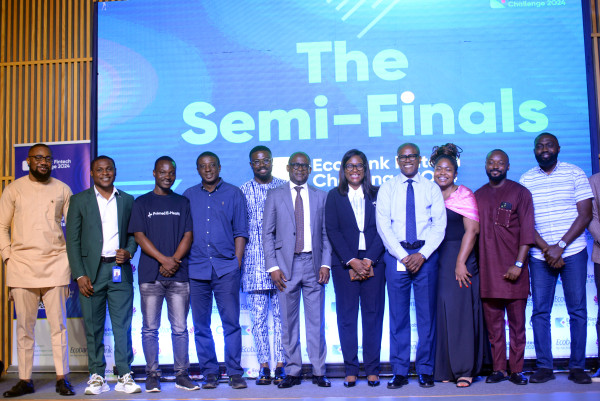
Ecobank Group Announces the Top Finalists for the 2024 Ecobank Fintech Challenge at its first ever Semi-Finals event in Lagos, Nigeria

Location: Business
Ecobank Transnational Incorporated

Ecobank (www.Ecobank.com), the pan-African Bank, has announced the top finalists for the first-ever and inaugural 2024 Ecobank Fintech Challenge Hybrid Semi-Final event held at the Ecobank Pan African Centre in Lagos, Nigeria. The finalists were selected from a cohort of 40 highly competitive Fintechs that made it to the semi-final stage of the competition. This year's challenge attracted over 1,550 applications from 70 countries in Africa and other global regions.

The finalists will showcase their innovative solutions at the Ecobank Fintech Challenge Grand Finale, scheduled for 27 September 2024, at the Ecobank Pan African Centre in Lomé, Togo. The event will be streamed live on Ecobank Group's social media channels, allowing a global audience to participate. Finalists of the challenge will compete for the US$50,000 ultimate prize during this highly anticipated event. 

Speaking at the Semi-Final, Jeremy Awori, Chief Executive Officer of Ecobank Group, remarked, "The finalists in this year's Ecobank Fintech Challenge have showcased exceptional talent and innovation; and we look forward to welcoming them to the Finale. At Ecobank, we're committed to collaborating with these business builders to develop products and services that will benefit our customers and contribute to our continent's progress”.

Showcasing the future of African fintech, here are the exceptional finalists of the 2024 Ecobank Fintech Challenge:

  • BuuPass, Kenya
  • Daba Finance,Ivory Coast
  • EasyEquities, South Africa
  • Exuus, Rwanda
  • Melanin Kapital Neobank, Kenya
  • MiaPay, Togo
  • PaySika, Cameroon
  • PROBOUTIK, Senegal
  • Sawport Video Banking as a Virtual Branch, Nigeria
  • Sproutly, Nigeria
  • Vaultpay, Democratic Republic of the Congo
  • YMO Africa, Guinea

The Ecobank Fintech Challenge, a flagship initiative of the Ecobank Group, organised for seven consecutive years, continues to serve as a premier continental platform for promoting innovation and collaboration between Fintechs and the pan-African Bank's cross-border markets spanning 35 countries. The challenge remains a significant event, attracting key players within the fintech ecosystem and beyond. It provides a unique opportunity for fintech entrepreneurs to address challenges such as reaching scale, navigating an uncertain regulatory environment, and managing scarcity of funding. In addition to financial rewards, the challenge offers Ecobank's expertise in diversified market operations and the right solutions to scale across its pan-African footprint and international presence.

Since inception, 60 fintech startups have been inducted into the Ecobank Fintech Fellowship.

The Ecobank Fintech Challenge is designed in partnership with international advisory firm Konfidants and is supported by various partners including Huawei, Proparco, TechCabal, BlueSpace, Afrilabs, Africa Fintech Network, MEST Africa, Naija Startups, Expand In Africa and Founders Africa.

This year's Grand Finale will bring together fintechs, regulators, investors, financial institutions, global technology companies, tech hubs, entrepreneurs, and industry experts.

Ecobank invites all key stakeholders within the Fintech ecosystem, and members of the general public to register for the Grand Finale via this link: https://apo-opa.co/4cndn5H.

Streaming platforms:

  • YouTube: Ecobank Fintech Challenge & Ecobank Group
  • Facebook: https://apo-opa.co/3WO7Q21

Distributed by APO Group on behalf of Ecobank Transnational Incorporated.

Media Contact:
Christiane Bossom
Group Communications
Ecobank Transnational Incorporated
Email: groupcorporatecomms@ecobank.com
Tél.: +228 22 21 03 03
Web: www.Ecobank.com

About Ecobank Group (or ‘Ecobank Transnational Incorporated' or ‘ETI'):
Ecobank Group is the leading private pan-African banking group with unrivalled African expertise. Present in 35 sub-Saharan African countries, as well as France, the UK, UAE and China, its unique pan-African platform provides a single gateway for payments, cash management, trade and investment. The Group employs over 14,000 people and offers Consumer, Commercial, Corporate and Investment Banking products, services and solutions across multiple channels, including digital, to over 32 million customers. For further information, please visit www.Ecobank.com.

Media files
Ecobank Transnational Incorporated
Download logo
Read moreEcobank Group Announces the Top Finalists for the 2024 Ecobank Fintech Challenge at its first ever Semi-Finals event in Lagos, Nigeria
15 August 2024

Public Procurement Bill to redress women socio-economic exclusion

Location: News

Public Procurement Bill to redress women socio-economic exclusion

Women, Youth and Persons with Disabilities Minister, Sindisiwe Chikunga, says the Public Procurement Bill provides the department with an opportunity to advocate and mainstream tangible models and interventions to redress the ongoing socio-economic exclusion of women, youth and persons with disabilities.

Chikunga commended the significant efforts by President Cyril Ramaphosa after signing into law the Public Procurement Bill last month, which aims to create a single framework that regulates public procurement, including preferential procurement, by all organs of State, with the necessary efficiency, cost-effectiveness and integrity.

“As a department, we will be bringing forward tangible interventions through which this legislation will serve to redress the longstanding and ongoing socio-economic exclusion of women, youth and persons with disabilities,” Chikunga said.

Addressing a dialogue on Women, Democracy and Leadership in South Africa at the University of South Africa (UNISA) on Thursday, Chikunga also commended President Ramaphosa, as the Chairperson of the African Union in 2020, for putting forward a number of recommendations for the advancement of women on the continent, which have been adopted by AU Heads of State.

READ | Government, business partnership begins to flourish

Increase in support for women entrepreneurs

Chikunga also acknowledged a surge in the establishment, growth and support of women-owned businesses in key sectors, including energy, tourism, agriculture, the ocean economy, and manufacturing.

According to the most recent Mastercard Index of Women Entrepreneurs (MIWE), South Africa ranks as the second highest country in Africa in terms of its proportion of women-owned businesses and the formal support available for women entrepreneurs.

The Global Entrepreneurship Monitor (GEM) Women’s Entrepreneurship Report also revealed that women in countries like South Africa are among the most innovative and high-growth entrepreneurs in the world.

“There is sufficient evidence that reaffirms the importance of women entrepreneurs in contributing to the overall productivity and transformation of our economy through diversifying industries, innovation, and fostering economic resilience.

“In addition, women-owned businesses contribute to the creation of employment opportunities, promote inclusive supply chains, and stimulate local economies,” Chikunga said.

Women economic advancement in the Continent

Chikunga further underscored the importance of the adoption of the Decade for African Women’s Financial Inclusion and Gender Equality, 2020-2030.

“This is a critical initiative for the women of Africa, given that the lack of access to finances hinders their socio-economic progress, and thwarts their ability to have ownership and control over resources such as land, businesses and property,” Chikunga said. 

She added that women’s access to markets continues to be a challenge for women on the continent, especially access to trade and global markets.

The Minister argued that the African Continental Free Trade Area Agreement (AfCFTA) will open doors for global trade and markets for women, and “this is of huge importance to the women in South Africa to leverage on the opportunities this AfCTA promises for the economic empowerment and wealth creation for women in Africa”.

“Africa must be Africa’s biggest trading partner and demand for products across the continent offers African women the opportunity to be suppliers to this demand. Joint initiatives of pooling resources in this regard will help grow women businesses, provide the necessary skills and training required for this, and open markets and export trade opportunities,” Chikunga said. – SAnews.gov.za


GabiK
Thu, 08/15/2024 - 13:49

284 views
Read morePublic Procurement Bill to redress women socio-economic exclusion
15 August 2024

Charges withdrawn against 95 Libyan nationals; deportation next

Location: News

Charges withdrawn against 95 Libyan nationals; deportation next

The National Prosecuting Authority (NPA) has withdrawn charges against 95 Libyans who were arrested at a suspected military camp in Mpumalanga last month.

The 95 were facing charges of Contraventions of the Immigration Act.

“The Acting Director of Public Prosecutions, Sonja Ntuli, reviewed all available evidence and the representations made on behalf of the accused and having considered the evidence and policy considerations, has decided to withdraw the charges preferred against all accused who were arrested at the military training camp in July 2024.

“The charges related to alleged misrepresentations made by the accused in their applications for study visas. There were other more serious allegations that [the] SAPS [South African Police Service] needed to look into,” the NPA said on Thursday.

READ | Cabinet commends continued law enforcement agencies successes

Other matters, according to the prosecutorial body, will be “dealt with administratively in terms of the Immigration Act and its Regulations by the Department of Home Affairs officials”.

“Importantly, the SAPS (Directorate of Priority Crime Investigations) are proceeding with investigations against the planners, organisers and financiers of the military training camp. The NPA is working closely with DPCI to ensure that these alleged criminals are brought to justice as appropriate.

“The NPA has coordinated with its criminal justice partners and the 95 accused will be under the custody of the Department of Home Affairs that will facilitate the deportation process,” the NPA concluded. – SAnews.gov.za


NeoB
Thu, 08/15/2024 - 14:03

67 views
Read moreCharges withdrawn against 95 Libyan nationals; deportation next
15 August 2024

NSG hosts symposium on China-Africa relations

Location: News

NSG hosts symposium on China-Africa relations

China-Africa Media and Publishing, in collaboration with the National School of Government of South Africa, is set to hold a symposium titled: “The Governance of China: Forging a Closer China-Africa Community of a Shared Future, in Pretoria on Thursday.  

Thursday’s event will bring together South African and Chinese government officials, scholars, experts, and journalists for a robust exchange of ideas and insights. 

The seminar serves as a critical forum to discuss and shape the future of China-Africa relations and is a side precursor event to the upcoming Beijing Summit of the Forum on China-Africa Cooperation (FOCAC) which will be held in early September in China. 

The FOCAC summit is expected to unveil new measures to deepen cooperation over the next three years, laying a stronger foundation for a closer China-Africa community with a shared future. 

The seminar of the NSG and China-Africa Media in Publishing is intended to promote dialogue and debate on China-Africa relations among government officials, scholars and experts. 

The seminar marks a significant step in the ongoing cooperation between China-Africa Media and Publishing and the National School of Government, following the signing of a Memorandum of Understanding (MOU) in May of this year. 

The agreement aims to promote joint research and dialogue in the form of Seminars and Symposia on topics such as China-South Africa relations and Global Governance. – SAnews.gov.za


Edwin
Thu, 08/15/2024 - 08:54

331 views
Read moreNSG hosts symposium on China-Africa relations
15 August 2024

30 years of service delivery

Location: News

30 years of service delivery

By Dr Namane Masemola 

On the 29th of May this year, South Africans went to polls to renew our constitutional democracy based on the will of the people and rule of law. 

For the first time since 1994, there was no outright winner in the national elections and this situation required political parties to negotiate amongst themselves on the formation of the 7th Administration.

The Government of National Unity (GNU) presents a unique opportunity to build on the gains made since 1994 by ensuring collaboration across diverse political parties. This unity allows for a more inclusive approach to governance and multiple perspectives are considered in decision making informed by the statement of intent, which finds it expression in the State of the Nation address, a profound government policy statement that sets the trajectory for socio-economic development.

Working through the GNU, South Africa will be working to, for example, expand services to meet the basic needs of all the people, particularly the majority of those who had been deliberately denied by the apartheid government.

In the past, basic services were provided based on race and black people were excluded. In 1994, 12 million people had no access to safe drinking water, 17 million lived below the poverty line while 21 million had no adequate sanitation. About 2 million were subjected to using the bucket system which was a stark violation of the right to dignity and unhygienic. The urban housing backlog in 1990 was conservatively estimated at 1.3 million units. Including hostels and rural areas, the backlog rose to approximately three million units.

Our villages and townships were almost pitch dark at night as there was non-existent or inadequate street lighting. Most people also used open fires and coal stoves and that led to high levels of sulphur dioxide, which adversely affected the health of many people.

To uplift the material condition of all South Africans, the democratically elected government implemented the Reconstruction and Development Programme aimed at addressing and prioritising the provision of the basic needs of people such as water, electricity, housing, sanitation, refuse and waste removal.

Thirty years into our democracy, South Africa is a vastly different place compared to what it was when the government took over in 1994. Key progress is reflected in the Census 2022, with the number of households in the country having almost doubled from 9,1 million in 1996 to 17,8 million in 2022. In 2022, almost 29,9 percent of household reside in a government-subsidised dwelling or RDP house while over 82,4 percent of households had access to piped water either inside their dwelling or inside their yard.

In 2022, approximately 66,3 percent of households in the country had their refuse removed by a local authority once a week, as opposed to 52 percent in 1996. About 13,7 million people have been provided with homes through various social housing programmes from 1994 to 2022. In 2022, 83.2 percent of households had access to improved sanitation services while those using electricity as the main source of energy for lighting increased from 58,1 percent in 1996 to 94,7 percent in 2022.

Another important intervention was to allow households who cannot afford municipal services access to free basic services through the municipal indigent policy. Through this policy, every poor household is guaranteed to receive at least a minimum standard of basic services such as 6 kilolitres of water and 50 kilowatts of electricity monthly.

This free basic services programme currently supports more than 3.5 million indigent households and reduces the burden of household labour and brings about relief to poor households who experience a lower quality of life. It also ensures that no citizen is denied the right to basic services, regardless of their ability to pay.

As we reflect on the progress we've made since 1994, it's equally important to acknowledge the challenges we face, including the lingering issues inherited from our past, even 30 years into our democracy.

To build on our achievements, we must unite as a nation. Every South African has a role to play in shaping our future. In line with the District Development Model, we need collaboration across all sectors—government, business, and civil society—to drive economic growth, create jobs, and foster hope for a better tomorrow.

*Dr Namane is the CoGTA Deputy Minister.

Matona
Thu, 08/15/2024 - 12:35

49 views
Read more30 years of service delivery
15 August 2024

Bail denied for Cape Town attorney charged with attempted murder

Location: News

Court rules attorney Rael Kassel is a flight risk

Read moreBail denied for Cape Town attorney charged with attempted murder
15 August 2024

Justice and Constitutional Development Committee Chairperson Concerned About Zondo Commission Access Reports

Location: News

Republic of South Africa: The Parliament
Download logo

The Portfolio Committee on Justice and Constitutional Development Chairperson, Mr Xola Nqola, has expressed his concern about conflicting reports on the access to the Zondo Commission investigation database.

“These reports are extremely concerning as it deals with state capture and millions and millions of rands stolen from the South African people. Every South African wants to see justice in these matters and the money returned to the state coffers in order to alleviate the strain on the economy and our people,” said Mr Nqola.

He was responding to media reports that the National Prosecuting Authority (NPA) are locked in a stand-off with the Department of Justice and Constitutional Development (DOJ&CD), after full access to vital state capture evidence was allegedly blocked. The reports go on to say that the NPA and the Investigating Directorate have lost access to a large digital evidence database gathered by Zondo Commission investigators because of a lack of maintenance. The NPA has since refuted the allegations and said that access to the digital lab is a technical one and it continues to engage the department on the matter. The department has called the media reports misleading and factually inaccurate.

Mr Nqola further stated that such reports can lead to the public losing faith in the justice system and the country's efforts to fight corruption. “It is clear that the reports and the comments from the authorities are contradictory. It is for this reason that the committee will call the department and all the role players to enlighten the Members of Parliament and the public on this very serious matter. The country's reputation to deal with crime and corruption is at stake when allegations of this nature are circulated.”

Distributed by APO Group on behalf of Republic of South Africa: The Parliament.

Read moreJustice and Constitutional Development Committee Chairperson Concerned About Zondo Commission Access Reports
15 August 2024

Lamola commends SADC’s steps towards regional stability and economic integration

Location: News

Lamola commends SADC’s steps towards regional stability and economic integration

International Relations and Cooperation Minister, Ronald Lamola, has commended the Southern African Development Community (SADC) for taking steps towards regional stability and economic integration. 

The Minister was speaking at the SADC Council of Ministers meeting in Harare, Zimbabwe, which is aimed at setting the stage for the 44th Heads of State and Government Summit. 

The theme for the summit will focus on promoting innovation to unlock opportunities for sustained economic growth and development towards an industrialised SADC.

The outcomes of this pivotal meeting will be presented to the SADC Summit of Heads of State and Government on Sunday, 18 August 2024.

Leading South Africa’s delegation, Lamola, accompanied, by Finance Minister Enoch Godongwana, engaged in discussions centred on the Regional Indicative Strategic Development Plan (RISDP) 2020 - 2025. 

The RISDP is a regional blueprint that promotes regional economic growth, integration, and industrialisation, underpinned by a climate of peace and stability.

The Minister expressed satisfaction with the Executive Secretary’s Report for the 2023/24 period, highlighting its crucial insights as the region approaches the mid-term review of the RISDP in 2025. 

“We are heartened by the steady progress our region is making in implementing the RISDP for 2020 - 2030,” Lamola said. 

He emphasised the importance of the foundational pillar of peace and security, acknowledging ongoing challenges in northern Mozambique and the eastern Democratic Republic of Congo, while commending efforts to restore stability.

The Council of Ministers also reviewed the Secretariat’s capacity-building initiatives in conflict mediation, underscoring the region’s commitment to peace. 

He stressed the need to bolster early warning capacities to pre-empt conflicts and address root causes to develop effective mitigation strategies.

Significant achievements were noted, including a 21% increase in intra-SADC trade to gross domestic product (GDP) in 2023, and attracting US$6 billion in foreign direct investment. 

Infrastructure developments, such as One-Stop Border Posts and SMART Integrated Economic Corridors Management tools, were highlighted as key drivers of regional progress.

Challenges remain, with the overall implementation score for the RISDP standing at 5.6 out of 10, reflecting the impact of global shocks like the COVID-19 pandemic, climate change and international conflicts. 

Lamola called for renewed efforts to address these setbacks and improve social and human capital development.

G20

Looking ahead, South Africa will assume the G20 presidency in 2025, marking the first time the summit will be hosted on African soil. 

Under the theme, ‘Fostering Solidarity, Equality and Sustainable Development’, South Africa aims to highlight the economic and development challenges facing developing countries, particularly in Africa.

Lamola outlined South Africa’s stance on critical issues, including regional food and nutrition security, the re-establishment of the Mining Ministerial Forum and the implementation of the Industrialisation Strategy and Roadmap 2015-2063. 

“South Africa and the region cannot afford to continue to export their raw minerals to faraway countries, only to import beneficiated consumer products at inflated prices. Value addition and commercialisation of our critical minerals must be at the core of our industrialisation strategy,” said Lamola.

He also emphasised the importance of gender parity and noted the progress made. However, he acknowledged the need for further improvement.

With nearly half of South Africa’s Cabinet Ministers being women following this year’s General Elections, Lamola reiterated the country’s commitment to achieving the targets set in the Revised SADC Protocol on Gender and Development.

“As the SADC region moves forward, the collective efforts of member states aim to create an era where peace underpins prosperity, demonstrating the power of unity and strategic collaboration.” – SAnews.gov.za 

Gabisile
Thu, 08/15/2024 - 10:26

116 views
Read moreLamola commends SADC’s steps towards regional stability and economic integration
14 August 2024

Security guard strike hits Western Cape SASSA offices

Location: News

Several offices closed on Tuesday

Read moreSecurity guard strike hits Western Cape SASSA offices
14 August 2024

Justice department rebuffs “inaccurate” reports

Location: News

Justice department rebuffs “inaccurate” reports

The Department of Justice and Constitutional Development (DJCOD) has refuted claims alleging that the National Prosecuting Authority’s Investigating Directorate has been hampered in doing its work on the State Capture Commission report.

The department said “inaccurate media reports” allege that the NPA ID has not been “able to access critical information from the erstwhile State Capture Commission’s (the SCC) Data Centre”.

“We wish to clarify that the cooperation between the Ministry and Investigating Directorate of the NPA remain cordial and professional. On the 31st of July 2024, the Ministry met with a number of the entities of the department, and it pledged its unwavering commitment to support the work of the NPA and its Investigative Directorate.

“The Department of Justice and Constitutional Development is the legal custodian of all the assets of the Commission including the data centre, following the expiry of the term of the SCC. The department holds these assets on behalf of the South African State, government and people. This mandate arises from the custodianship of the Commissions Act, 1947, residing with the Minister of Justice and Constitutional Development.”

The department further stated that the data centre has devolved to the DJCOD as envisioned by the founding Memorandum of Agreement between the department and its counterpart, the National Treasury.

Furthermore, the department said it remains committed to “transparency, accountability, and the effective use of its data to support justice and governance”.

“The department established a Residual Mechanism to deal with remaining matters of the Commission."

 The Commission continues to supply and support all law enforcement agencies and other entities with data and information, as and when requested. Further, there is a Secretariat that continues to manage the data centre and support all law enforcement agencies and other entities in accessing the database.

“To ensure effective utilization of the data, the Commission trained over 20 NPA investigators, providing them with direct access to the Commission’s digital forensic platforms. The Commission’s secretariat has consistently supplied the requested data and documents.

“The Secretariat has positively responded to data requests from various law enforcement agencies, including the NPA’s ID, DPCI [Directorate of Priority Crime Investigations ]- HAWKS, Asset Forfeiture Unit (AFU), Financial Intelligence Centre (FIC), South African Revenue Service (SARS), Special Investigating Unit (SIU), and some State-Owned Enterprises (SOEs). The remaining staff that is experienced in data science and programming, continue to support ongoing projects” the department said. – SAnews.gov.za

NeoB
Wed, 08/14/2024 - 14:33

232 views
Read moreJustice department rebuffs “inaccurate” reports
14 August 2024

59th Edition Of The South African Surfing Championships Heads To Victoria Bay

Location: MyPR

The 59th edition of the South African Surfing Championships will take place at the popular right-hand point break of Victoria Bay from 2 – 4 August. After 58 years of the tournament, this contest is rich in history. Out of those years, the event has been held at Vic Bay five times, with the 2024 edition …

Read more59th Edition Of The South African Surfing Championships Heads To Victoria Bay
  • Previous
  • Page 1
  • Interim pages omitted …
  • Page 126
  • Page 127
  • Page 128
  • Page 129
  • Page 130
  • Interim pages omitted …
  • Page 264
  • Next

Copyright © 2026 · MyZA · All Rights Reserved · Powered by Stratlec Online