How the former Lottery board chair paid for his R6.3-million Rolls Royce
Court freezes Alfred Nevhutanda’s luxury car and property

MyZA
News, Directory, Events and Other Stuff
Court freezes Alfred Nevhutanda’s luxury car and property

The UK announced a pledge to help African countries expand their critical mineral supply chains – with a focus on promoting mineral exploration and processing, generating value-added activities and creating local jobs – during the Critical Minerals Africa 2023 summit on Wednesday.
“African countries rightly have a high level of ambition for unlocking the value of their natural resources and the UK will work with them in partnership to support delivery of their ambitions,” stated Ambassador Antony Phillipson, British High Commissioner to South Africa. “We are committed to increasing our investment in the continent and strengthening the transparency and resilience of the supply chain for critical minerals – creating green jobs in Africa, while taking action on climate change.”
To be launched next week, the pledge will take the form of an initial R20-million contribution and comes on the back of growing cooperation between the UK and Africa in the critical minerals arena. Last November, South African President Cyril Ramaphosa conducted a state visit to the UK seeking to leverage British capital and technology toward building South Africa's industrial capacity. The UK already represents the largest international investor in South Africa, which is home to 80% of global platinum group metal reserves, 70% of global manganese reserves, and substantial reserves of vanadium and magnesium.
The UK is also set to host the second edition of its African Investment Summit in London next April, which aims to promote bilateral trade and investment and strengthen UK-African partnerships.
The Critical Minerals Africa 2023 summit is currently taking place from October 17-19 and serves to position Africa as the primary investment destination for critical minerals. The event is held alongside the African Energy Week 2023 conference (https://AECWeek.com/) on October 16-20, offering delegates access to the full scope of energy, mining and finance leaders in Cape Town.
The Critical Minerals Africa Summit is organized by Energy Capital & Power.
Distributed by APO Group on behalf of Energy Capital & Power.
Southern African Vinyls Association (SAVA) is delighted to announce the addition of seven new members who have joined the association representing the local vinyls industry during the last few months. Monique Holtzhausen, CEO of SAVA, expressed her enthusiasm regarding the new members, stating: “We have set the objective for ourselves at the beginning of 2022 …
Contingency plans in place ahead of Lebombo border protest
The Border Management Authority (BMA) says it has taken note of the planned strike action at the Lebombo border by the community of Nkomazi.
The BMA has been requested to receive a memorandum from the community which highlights challenges, including criminal acts at and along the Lebombo port of entry.
“The BMA is concerned that these criminal acts, if not addressed, will culminate in massive loss of trade revenue. Reports received indicates that the strike action emanates from criminal actions taking place during congestions and delays experienced during clearing of vehicles at the border.
“The BMA calls for the challenges to be resolved in order to continue harnessing the economic opportunity in the Maputo corridor. The BMA calls for smooth facilitation. An engagement process has already been initiated between the Department of Transport, the BMA, South African National Road Agency Limited (SANRAL) and the Mozambique government to foster a positive border management control system,” said the authority in a statement on Wednesday.
BMA Commissioner, Dr Michael Masiapato, assured the public that operations at the Lebombo Border will proceed as normal.
“We have put in a contingency plan that will allow the march to unfold in a peaceful manner. This has been done in conjunction with all the stakeholders that are charged with border control, including the SAPS and Traffic Management.
“Deployments have been enforced on the ground to ensure adherence to normal border control processes. A communique has also been communicated to the Mozambican government on the situation,” he said.
The Lebombo border has been earmarked for future re-development as an initiative to ensure efficient cross-border management of movement of people, goods and services.
This will also guarantee improved revenue collection and prevent harmful imports and exports. The strike action for today will be closely monitored to ensure that there is no disruption of services at the Lebombo border. – SAnews.gov.za
Edwin
Wed, 10/18/2023 - 13:42
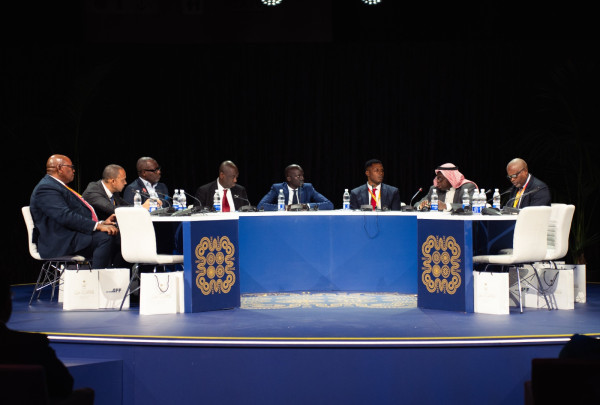
African Energy Week (AEW) 2023 featured a Saudi Arabia-Africa Energy Investment Forum roundtable that explored the untapped potential for stronger economic ties between Saudi Arabia and African nations.
The roundtable discussion kicked off with opening remarks by Saudi Arabia's Saudi General Authority of Foreign Trade, Hussam Y. Algheraimil, who spoke on the Middle Eastern country's strategy to implement financial relations with African countries while contributing towards attracting investment to the continent.
“Our main goal is to contribute to attracting investment, exploring access, and representing Saudi Arabia,” Algheraimil stated, adding, “We are currently working to create easy trade between the Kingdom of Saudi Arabia and African countries by helping stakeholders find appropriate financial instruments in the short, medium and long-term.”
The roundtable discussion served as an engaging conversation on how increased trade, particularly in petroleum products and Liquefied Petroleum Gas (LPG), and collaboration across upstream, midstream and downstream segments can contribute to addressing energy poverty across Africa, with Saudi Arabia serving as a strategic gateway.
“We want to build strong, win-win partnerships,” stated Rene Awambeng, Director and Global Head of Client Relations of the African Export-Import Bank, adding, “Saudi Arabia is uniquely positioned to take advantage of the African opportunity. They are uniquely placed in this environment to take advantage of what is happening on the continent.”
“LPG can help us in South Africa in a big way in terms of ensuring supply and access to energy. Saudi Arabia has a different problem, they have too much energy. We have a lot of people in the country and region with no access to power and I believe there is a big opportunity to bring LPG from Saudi Arabia to use here,” stated Godfrey Moagi, CEO of the strategic solutions organization, the Strategic Fuel Fund.
The roundtable discussed the role Africa's vast, and yet unexploited oil and gas resources play in delivering a just and inclusive energy transition. As such, South Sudan's Minister of Petroleum, Puot Kang Chol, stressed the importance of turning the continent's resources into value and engaging with international partners to ensure the facilitation of investment and knowledge transfer.
“My expectations with regard to Africa, is having Saudi Arabia engage in direct conversations with the continent, because we are ready to do business with them and we have the necessary laws to facilitate investment on the continent,” Minister Chol stated.
As Africa seeks to maximize the development of its entire energy resource base, including oil, gas, coal and renewable energy for a secure and sustainable energy mix that will support the continent's efforts to accelerate electrification and drive socioeconomic development, the roundtable speakers highlighted cooperation regarding knowledge sharing, skills development, project deployment and financing with global parties as vital for the continent's energy goals.
“The bilateral cooperation in place between Saudi Arabia and South Africa has opened an opportunity for us,” stated Sandisiwe Ncemance, Acting CEO for the state-owned Petroleum Oil and Gas Corporation of South Africa, adding, “It would be an indictment on us not to seize those opportunities. There is untapped potential for economic ties to increase trade between Saudi Arabia and South Africa and also collaboration through all facets of the energy sector, through the down-, mid-, and upstream.”
As one of the world's premier hydrocarbons producers and exporters, Saudi Arabia's participation during this session, titled, ‘Partnering with Africa's Private Sector to Drive Energy Growth', served to shape discussions around the challenges and opportunities for local content development and the beneficiation of the local market.
“Local companies are able to add tremendous value in our ability to implement and develop projects,” stated Nanda Bhula, Country Manager for electric power generation company, ACWA Power South Africa, adding, “Local companies have a big understanding of local conditions, more so than international investors. Local companies also understand things like supply chain management and local labor laws, so we see a lot of benefits in terms of their understanding of the local market.”
Africa boasts an estimated 125.3 billion barrels of crude oil and 620 trillion cubic feet of gas reserves, resources that will be essential to lift the continent's over-600 million people living in reliable access to electricity out of energy poverty. As such, the Saudi delegates speaking at the roundtable discussion spoke on the importance of drilling more oil and gas wells and building more refineries and pipelines whilst reducing emissions for energy independence, reliability, and affordability.
“The Kingdom of Saudi Arabia has established leadership in this domain, and we always want to continue playing that role of leader in energy,” Dr. Gasem Fallatah, Deputy Manager for the sustainability initiative, the Oil Sustainability Program stated, adding, “Leadership comes with responsibilities, it comes with accountability, and we do recognize that. We will determine together what will be the agenda that we can work on, so we can determine together, the future that we would like to see.”
Representing one of the world's largest oil and gas reserve holders as well as one of the most established hydrocarbons markets, the Saudi delegation drove the dialogue on how Africa can boost investments, production activities, infrastructure rollout across the mid- and downstream sectors, as well as enhance the use of monetization of hydrocarbon resources to make energy poverty history across the continent by 2030. It was noted that these efforts and strategies are poised to improve the continent's GDP and contribute towards global energy security.
“Saudi Arabia, with huge financial capacity, they designed the model that can help Africa stabilize and grow their own energy potential. As African countries, what we need to look at, is the strategic position of how Saudi Arabia is increasing their businesses. There's a lot to learn in how they are engaging and in doing business, and we need to create new markets for our products and crude to expand our business framework,” stated Kola Karim, Managing Director and CEO for power solutions company, Shoreline Energy International.
Taking place under the theme, ‘The African Energy Renaissance: Prioritizing Energy Poverty, People, the Planet, Industrialization and Free Markets', the roundtable also highlighted renewable energy and sustainability as key aspects towards Africa's energy development. Boasting similarly abundant solar and wind resources, it was noted that Saudi Arabia's and Africa's renewable energy potential also has an important role to play in alleviating energy poverty while promoting socioeconomic development.
Representing the largest gathering of energy stakeholders on the continent, #AEW2023 – organized by the African Energy Chamber – prioritizes sustainable development, integration, and collaboration as a means to support explorers and producers across Africa. Centered around partnering with the private sector to drive energy growth, the Saudi-Arabia Energy Investment Forum showcased how emerging synergies between Africa and its global partners will reinforce the continent's job creation, skills development, and economic empowerment.
#AEW2023 takes place this week in Cape town under a mandate to make energy poverty history by 2030. Keep following www.AECWeek.com for more exciting information and updates about Africa's premier energy event.
Distributed by APO Group on behalf of African Energy Chamber.
In a remarkable display of true sisterhood, almost 1 000 ‘gently worn’ dresses have been donated by South African women to others who are struggling to cope with the hindering burden of cancer. The collaboration between Miladys and the Cancer Association of South Africa (CANSA) epitomises the spirit of compassion, and highlights – particularly in …
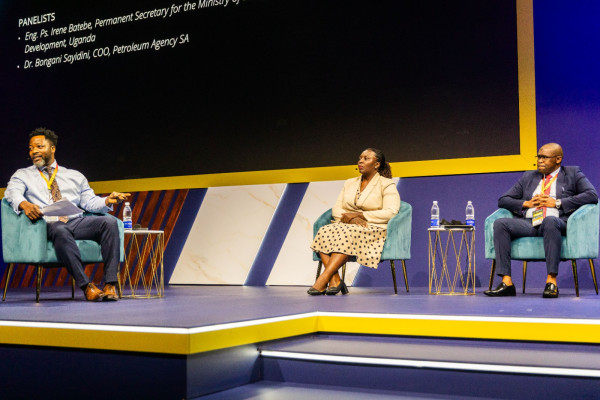
As many African countries progress with monetizing oil and gas resources, cross-border infrastructure is expected to play a catalyzing role in strengthening regional connectivity while advancing energy development and economic growth. A panel discussion held during the African Energy Chamber's (AEC) (www.EnergyChamber.org) African Energy Week (AEW) 2023 explored the evolving energy map in Africa and how pipeline projects and cross-border infrastructure will shape the continent's economic landscape.
Kicking off the panel discussion, Irene Batebe, Permanent Secretary for the Ministry of Energy and Mineral Development, Uganda, emphasized the critical role of regional integration in advancing pipeline projects.
“The East African Crude Oil Pipeline (EACOP) will be a perfect example of integration. Working together with the government of the Republic of Tanzania, we had to ensure we put in place a robust legal and regulatory framework, because that way you give certainty to the development of the project, not just to the developers but also the financials. Because the project must be bankable. We worked closely with the government of the Republic of Tanzania to put in place and it's a governmental framework, but also domesticated locally in formal post government agreements to provide for certain aspects, there has to be a regional position”
For emerging producers, cross-border pipeline infrastructure is integral.
“In terms of strategy one of the key areas that we focused on in designing the framework for the development of the pipeline was to ensure that we provide for third party access and that is very critical because our neighbors like the DRC and South Sudan,” continued Batebe.
The Southern Africa Development Community (SADC) has seen an increase in oil and gas potential, with new discoveries in Namibia and first liquefied natural gas exports in Mozambique.
“The is an opportunity for the west in terms of integration of SADC and presents the opportunity for gas and power. In fact, Namibia made the first Kudu Gas discovery in 1994 and in South Africa a discovery was made in the early 2000s. Those gas resources have remained stranded due to the lack of a market for gas resources and also there have been a lack of infrastructure to harness these resources,” stated Bongani Sayidini, COO, Petroleum Agency SA
Regarding environmental and human concerns of the EACOP, “There have been claims that we have evicted projected affected persons without consent but this is false. The government nor the project developers force the project affected persons. We pay attention to the vulnerable groups and the elderly during the settlement process. We do have a government valuer that comes to assess what those people who have settled deserve,” said Batebe.
#AEW2023 takes place this week in Cape Town under a mandate to make energy poverty history by 2030. Keep following www.AECWeek.com for more exciting information and updates about Africa's premier energy event.
Distributed by APO Group on behalf of African Energy Chamber.
Ntshavheni calls on Meta to address misinformation
Minister in the Presidency, Khumbudzo Ntshavheni, has challenged tech conglomerate Meta to deal with misinformation and called for fair treatment when dealing with developed and developing countries.
Speaking at the Meta for Government engagement on Wednesday, the Minister decried Meta’s platforms that are still flooded with fake news and misinformation.
The engagement was in partnership with the Presidency and Government Communication and Information System (GCIS), and Meta, the parent company of Facebook.
“Anybody can be a journalist because of the ability of social media to be able to communicate and share information instantly.”
The Minister also posed a question to Meta about the perception that accounts of African leaders seem to be easily hacked.
The challenge, according to the Minister, is for both parties to put systems in place to deal with security concerns.
“When that information goes out there sometimes you have accounts that are not verified and then spread fake news.
“The challenge I want to pose to Meta is why do African leaders and leaders in developing countries, in general, have accounts on your platforms that can be hacked, duplicated and used for scams as where leaders from the US or China [have a] single account.
“I’m still yet to explain to my President Matamela Cyril Ramaphosa why there is a fake Cyril Ramaphosa account when he’s the only Cyril Ramaphosa in the world,” she told attendees.
She described the situation as an injustice.
“Other leaders aren’t treated the same and therefore fake news can be used through their platforms that are fake and there’s no recourse on it.
“I’ve also been dealing with a scam that says I’m providing 5GB of free data in the country and people take it seriously and later suffer greater losses,” the Minister said.
She is of the strong view that the tech giant needs to address these issues for the partnership to be more meaningful.
“How do we deal with fake news if it is not tackled fast enough?”
As the country gears up for national elections next year, Ntshavheni said government needed to engage with various platforms to convey a genuine government message without fear of fake news.
Meanwhile, the Minister called on Meta to pay African content creators the same as their counterparts across the globe.
She believes these conversations are necessary to build a relationship between the state and Meta.
“That partnership can only be meaningful and work if we play fair with each other and treat each other as equals. Your ability to make sure that your platforms contribute determines your legacy in the world,” she stressed.
Meta said it was constantly beefing up its processes to fight fake news and misinformation across its platforms, especially on Facebook.
Narratives about SA
Meanwhile, in his address at the gathering, Presidential Spokesperson Vincent Magwenya said although there are negative narratives about South Africa, the country has many positive stories to tell.
“In every space where we see hopelessness, people who are thousands of miles away look at this information and they see South Africa as a mouth-watering investment destination.
“Why can we not package that story and share that story with the country?
“It does not mean we won’t be criticised. It doesn’t mean that we will be sweeping under the carpet the nature of the challenges we have as a country. It just says we are a growing democracy that is very well aware of its challenges and we are hard at work to resolve those challenges and we are positively engaged with all our stakeholders as a nation,” he said.
He told communicators at the gathering that transparent, two-way communication directly with citizens is imperative in building trust and partnerships with the nation.
“The real people that need to hear from us; it's very powerful to engage people directly, face to face. Allow them to ask questions.
“We cannot rely on the media to do our work for us. We need to be out there with fellow officials that have the technical capacity and understanding of our various portfolios engaging these audiences,” Magwenya said. – SAnews.gov.za
Gabisile
Wed, 10/18/2023 - 14:34
Mchunu celebrates Netherlands partnership in water sector
Water and Sanitation Minister Senzo Mchunu has celebrated the strong collaboration between South Africa and the Netherlands regarding water management.
“Netherlands is … well known globally because of their expertise in water. They are very skilled in water management and a partnership with them … helps us to lift our skills level on water management as South Africa,” Mchunu said.
Mchunu made the remarks during a visit to the Blesbokspruit wetland in Ekurhuleni, where His Majesty the King of Netherlands, Willem-Alexander and Her Majesty Queen Máxima visited the Blue Deal South Africa project on Wednesday.
The Blesbokspruit wetland has challenges with poor water quality due to the massive growth of water hyacinth. During the tour, the King and Queen saw how water hyacinth is removed. This is not only done by hand and machines, but researchers are experimenting with biological control, including fleas from South America.
The wetland is a water project which South Africa and the Netherlands are currently implementing under the banner “Blue Deal South Africa Programme”.
The goal of the Blue Deal South Africa partnership is to have access to clean, sufficient and safe water for 2.5 million people in South Africa in 2030.
The Blue Deal South Africa Programme aims to support water management worldwide by exchanging knowledge and experiences and assist national, regional and local organisations.
The programme will specifically contribute to clean and sufficient water.
Through the partnership, the South African Water Institutions work together with the Dutch Water Authorities, with the first four local projects already been identified to improve water quality.
Combating pollution, optimisation of wastewater treatment plants and combating invasive species are among the local goals.
Speaking to SAnews.gov.za on the sidelines of the King and Queen's visit to the wetland, Mchunu said it was an important interaction after the last meeting between South Africa and the Netherlands at the Global Conference in Water and Sanitation, held in New York, in March 2023.
Mchunu said the two countries recently renewed the Blue Deal initiative.
“This is a project of maintaining this ecosystem for the benefit of South Africans. This wetland is one of the biggest wetlands in the country and its water contributes to the main system, the Vaal River System, which supports around 20 million people.
“The Blesbokspruit wetland is one of the most important systems in the world, and therefore, the work that we are doing in partnership with Netherlands to protect this wetland, even via the moving of the hyacinth, is beneficial in many respects. But the main core business is to keep the wetland alive,” Mchunu said.
The Minister said the department often sends officials to the Netherlands for training on their water management projects as well as areas of work.
“We have practical collaborative programmes, where we join hands and maintain this wetland together.”
During their tour of the wetland, King Willem-Alexander also visited a greenhouse where the fleas are grown and watched them being introduced to the water hyacinth, while Queen Máxima spoke to a local entrepreneur who uses the dried water hyacinth to weave baskets and other useful products to sell.
King Willem-Alexander and Queen Máxima are currently on a State Visit to South Africa, which will take place from 18 to 20 October 2023. – SAnews.gov.za
GabiK
Wed, 10/18/2023 - 15:24
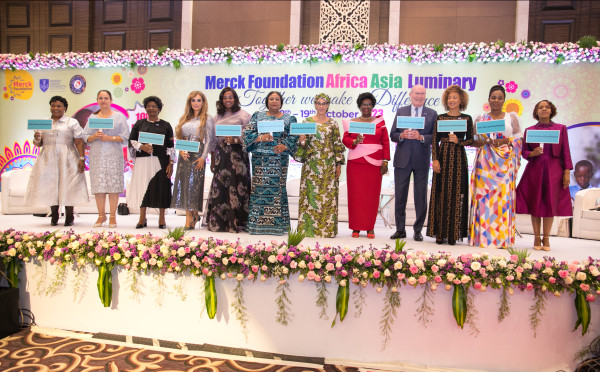
Prof. Dr. Frank Stangenberg-Haverkamp, Senator Dr. Rasha Kelej and African First Ladies of Botswana, Burundi, Cabo Verde, Central African Republic, The Gambia, Ghana, Liberia, Malawi, Democratic Republic of São Tomé and Príncipe, Zimbabwe, Democratic Republic of Congo, to inaugurate 10th Edition of Merck Foundation Africa Asia Luminary 2023 (http://www.Merck-Foundation.com); More than 10,000 participants including healthcare providers, policymakers, researchers, academia and media representatives from 70 English, French, Spanish and Portuguese speaking countries attended the Luminary through hybrid model to benefit from five parallel scientific and social sessions to advance healthcare capacity and awareness in 42 critical and underserved medical specialties; Celebrating 6th Anniversary of Merck Foundation and marking 11-year journey of their development programs, during 2023 Luminary; Merck Foundation reported the impact of providing 1700 scholarships to doctors from 50 countries in 42 critical and underserved specialties such as; Oncology, Diabetes, Cardiovascular Preventive, Endocrinology, Fertility, Embryology, Reproductive Care, Respiratory Care, Acute and Intensive Care, Neonatal Care, Pediatric Emergency, Advanced Surgery, Microbiology & Infectious Diseases, Internal Medicine, Ophthalmology, Psychiatry, Palliative Care and Pain Management and more; Merck Foundation marked Cancer Awareness Month during their annual conference.
Merck Foundation, the philanthropic arm of Merck KGaA Germany, conducted their annual conference, the 10th Edition of “Merck Foundation Africa Asia Luminary”, in partnership with Tata Memorial Centre and Department of Atomic Energy, Ministry of External Affairs, Ministry of Home Affairs, Ministry of Health of India, State Protocol Office of Government of Maharashtra and Krishna World University, Karad, on the 18th of October 2023 in Mumbai, India. The conference was inaugurated by Prof. Dr. Frank Stangenberg-Haverkamp, Chairman of Merck Foundation Board of Trustees, and Senator, Dr. Rasha Kelej, CEO of Merck Foundation and Chairperson of Merck Foundation Africa Asia Luminary, along with African First Ladies of 11 countries;
Senator Dr. Rasha Kelej, CEO of Merck Foundation and Chairperson of Merck Foundation Africa Asia Luminary emphasized, “I am very proud to welcome our Guests of Honors and Keynote Speakers, the First Ladies of Africa and Ambassadors of “More Than a Mother” Campaign, for our annual conference that we have conducted first time in India. Together, we shared experiences and discussed the impact of our programs to transform patient care and raise awareness on a wide range of sensitive and critical social and health. Today we are also marking together Cancer Awareness Month, it is great to remember that Merck Foundation provided 138 scholarships of Oncology Training in many sub-specialties to doctors from 37 African countries, many of them have become the first oncologists in their countries. We are making history together in Africa, with our Ambassadors, First Ladies of Africa and our partners, Tata Hospital and Krishna University.”
Prof. Dr. Frank Stangenberg-Haverkamp Chairman of both of Executive Board of E.Merck KG and Merck Foundation Board of Trustees expressed “At Merck Foundation, our goal is improving overall health and well-being by building healthcare capacity and by providing access to quality & equitable healthcare solutions in the Africa, Asia and beyond. I would like to thank our partners, African First Ladies and Health Experts, Policy Makers, Government Officials, Academia and Media from more than 70 countries to join hands with us in order to realize the vision of Merck Foundation that “Everyone can lead a Healthy and Happy life.”
“I am proud to share that Merck Foundation has provided more than 1700 scholarships to young doctors from 50 countries in 42 critical and underserved specialties such as Oncology and Cancer care, Diabetes, Endocrinology, Cardiovascular, Fertility Care, Embryology, Sexual & Reproductive Medicine, Internal Medicine, Respiratory Medicine, Acute Medicine, Critical Care, Pediatric Emergency, Gastroenterology, Rheumatology, Clinical Psychiatry, Urology, Ophthalmology, General Surgery, Trauma & Orthopedic, Dermatology, Neonatal Care, Pain Management, Clinical Microbiology & Infectious Diseases, Advanced Surgical Practice, Neuroimaging for Research and more. Many of them are becoming the first specialists in their countries. Many of these scholarships were conducted in India where a state of art clinical training was provided at the prestigious training institutions of our partners such as Tata Memorial Center, Manipal University, Maharashtra University, Krishna University, Indra IVF Training and more. Therefore, we are very happy to be this year in India to celebrate our 10 years partnership with our respectable Indian partners”, added Senator Kelej.
During the 10th Edition of Merck Foundation Africa Asia Luminary, the First Ladies of 11 African Countries, also the Ambassadors of Merck Foundation “More Than a Mother”, celebrated the 6th Anniversary of Merck Foundation and marked the 11-year journey of Merck Foundation development programs that started in 2012.
During the day 1 of the conference, the Plenary Session of Merck Foundation Africa Asia Luminary 2023 was held, during which a high-level panel meeting of Merck Foundation First Ladies Initiative Summit was conducted.
Day 2 of the conference will have important five parallel Medical and Scientific Sessions on Oncology, Diabetes & Hypertension, Fertility and Reproductive Care, and medical capacity building of other specialties such as; respiratory, acute care, emergency pediatric and neonatal care and more. Additionally, a community awareness session, the Merck Foundation Health Media Training session will also be conducted for the African journalists, to emphasize on the important role that they play to influence the community to create a cultural shift with the aim to Break Infertility Stigma, Support Girl Education, Stop GBV, End Child Marriage, End FGM, and Women Empowerment at all levels.
Countries participating in the 10th Edition of Merck Foundation Africa Asia Luminary include:
Angola, Bangladesh, Benin, Botswana, Burkina Faso, Burundi, Cameroon, Canada, Central Africa Republic, Cambodia, Chad, Côte d'Ivoire, Republic of the Congo, Democratic Republic of the Congo, Egypt, Ethiopia, France, Gabon, Germany, Ghana, Guinea – Bissau, Guinea – Conakry, India, Indonesia, Kenya, Lesotho, Liberia, Malawi, Malaysia, Mali, Mauritania, Mauritius, Mexico, Mozambique, Myanmar, Namibia, Nepal, Niger, Nigeria, Peru, Philippines, Russia, Rwanda, Senegal, Sierra Leone, Somalia, South Africa, Sri Lanka, Sudan, Tanzania, Thailand, The Gambia, Togo, Tunisia, U.A.E, UK, Uganda, US, Vietnam, Zambia, Zimbabwe and more.
The 10th Edition of Merck Foundation Africa Asia Luminary 2023 was streamed live on the social media handles of Merck Foundation (https://apo-opa.info/3Ykd3hH) and Senator, Dr. Rasha Kelej (https://apo-opa.info/3SfA0AF).
Link to the Facebook live steam of Inaugural Session of Merck Foundation Africa Asia Luminary & African First Ladies High Level Panel: https://apo-opa.info/3RYXLPa
Summarizing Merck Foundation's initiatives and impact:
Merck Foundation is transforming the Patient care landscape and making history together with its partners in Africa, Asia, and beyond, through:
• 1700+ Scholarships provided by Merck Foundation for doctors from 50 Countries in 42 critical and underserved medical specialties.
Merck Foundation is also creating a culture shift and breaking the silence about a wide range of social and health issues in Africa and underserved communities through:
• 3000+ Media Persons from more than 30 countries trained to better raise awareness about different social and health issues
• 8 Different Awards launched annually for best media coverage, fashion designers, films, and songs
• Around 30 songs to address health and social issues, by local singers across Africa
• 8 Children's Storybooks in three languages - English, French, and Portuguese
• 7 Awareness Animation films in four languages - English, French, Portuguese and Spanish to raise awareness about prevention and early detection of Diabetes & Hypertension and supporting girl education.
• Pan African TV Program "Our Africa by Merck Foundation” addressing Social and Health Issues in Africa through “Fashion and ART with Purpose” Community
• 1000+ Girls from 15 African countries supported through scholarships or school items, annually.
• 12 Social Media Channels with more than 5 Million Followers.
Distributed by APO Group on behalf of Merck Foundation.
Media contact:
Mehak Handa
Community Awareness Program Manager
+91 9310087613/ +91 9319606669
mehak.handa@external.merckgroup.com
Join the conversation on our social media platforms below and let your voice be heard:
Facebook: https://apo-opa.info/3Ykd3hH
Twitter: https://apo-opa.info/3Yo3y11
YouTube: https://apo-opa.info/3CNFGLa
Instagram: https://apo-opa.info/3lsqM7q
Flickr: https://apo-opa.info/3JT8BSC
Website: Merck-Foundation.com
Download the Merck Foundation App: https://apo-opa.info/3xeJMsI
About Merck Foundation:
The Merck Foundation, established in 2017, is the philanthropic arm of Merck KGaA Germany, aims to improve the health and wellbeing of people and advance their lives through science and technology. Our efforts are primarily focused on improving access to quality & equitable healthcare solutions in underserved communities, building healthcare and scientific research capacity and empowering people in STEM (Science, Technology, Engineering, and Mathematics) with a special focus on women and youth. All Merck Foundation press releases are distributed by e-mail at the same time they become available on the Merck Foundation Website. Please visit Merck-Foundation.com to read more. To know more, reach out to our social media: Merck Foundation (Merck-Foundation.com); Facebook (https://apo-opa.info/3Ykd3hH), Twitter (https://apo-opa.info/3Yo3y11), Instagram (https://apo-opa.info/3lsqM7q), YouTube (https://apo-opa.info/3CNFGLa), and Flickr (https://apo-opa.info/3JT8BSC).
Investing in African Mining Indaba (www.MiningIndaba.com) and the Development Partner Institute (www.DPIMining.org) launched the 2024 Mining Innovation & Research Battlefield to entrants today; The Battlefield is a high-profile platform for innovators and researchers to share their ideas on the challenges facing large-scale, small-scale and artisanal mining; BHP Xplor are sponsors of the US$25,000 Innovation Grant which will support early-stage innovation and research; Applications are open until 06 November. Shortlisted applicants will be notified on 30 November, with Battle Round pitches online on 14 December 2023 and at Mining Indaba in Cape Town on 6 February 2024.
After considerable success in 2022, the Mining Innovation and Research Battlefield (https://apo-opa.info/46Bw4QO), hosted at the Mining Indaba conference, is now open for applicants to submit their research proposals for this year's competition.
On February 6, 2024, the Innovation & Research Battlefield (https://apo-opa.info/46Bw4QO), a high-profile event convened by Investing in African Mining Indaba [Mining Indaba (www.MiningIndaba.com)] and the Development Partner Institute (DPI Mining) (www.DPIMining.org), will provide a platform for participants to showcase early-stage innovations. Competitors will present their ideas and research proposals to address this year's challenge: What are the innovative responsible collaborations between LSM & ASM, and how can these be applied to the just energy transition?
The Innovation and Research Battlefield fast-tracks new approaches to complex sustainability challenges in the resource sector by connecting future-focused academics, researchers, the private sector, NGOs, and young people to a network of vested organisations and the opportunity to win a research grant.
BHP Xplor (https://apo-opa.info/3RXvCbg) are sponsoring the US$25,000 Innovation Grant, which will support the winners in furthering their research. The results of the winning project will be presented at the following Mining Indaba Conference in 2025.
DPI Mining Executive Director Florence Drummond said, “We want to connect great minds and passionate innovators from across academia, resarch and the mining sector, and young leaders to foster agile collaboration, connect viable ideas to financial support, and catalyse real change that could transform the mining and minerals industry.”
Laura Cornish, Head of Content, Mining Indaba, said, “This year's Battlefield challenge is a critical concern for the future of the mining industry, and Mining Indaba is excited to be a platform that allows innovators from across multiple sectors to bring creative solutions to an audience of global leaders.”
The first stage for entries is now open, allowing individuals, groups and organisations to submit their innovative solutions and research proposals. Shortlisted participants will have the exclusive opportunity to pitch virtually in the first round of the Battlefield. Participants who are successful in round one will receive a delegate pass to Mining Indaba, South Africa, and will pitch their proposal live in the final Battlefield round.
Sheila Khama, former CEO of De Beers Botswana and natural resources policy advisor at the World Bank and African Development Bank, hosts the Innovation and Research Battlefield. This year's judging panel includes Mark Cutifani, co-founder of DPI Mining and former CEO of Anglo American, Sonia Scarselli of BHP Xplor, and leaders in the artisanal mining space.
Those interested in participating have until 6 November to apply, but early applications are encouraged. All applicants need to be affiliated with either an institution or an organisation that will assist in managing the awarded Innovation Grant.
For more information on the Innovation & Research Battlefield and to apply visit: https://apo-opa.info/3rVjM6K
Distributed by APO Group on behalf of Investing in African Mining Indaba.
About Development Partner Institute:
The Development Partner Institute (www.DPIMining.org) was founded to tackle intractable, multi-stakeholder sustainability challenges in mining by connecting the global value-chain. Through facilitating conversations, convening events, and catalysing projects, we unlock transformative potential and accelerate mining's contribution to a better future.
Contact us on innovation@dpimining.org
About Investing in African Mining Indaba:
Also known as Mining Indaba (www.MiningIndaba.com), the world's largest mining investment conference and exhibition is dedicated to the successful capitalisation and development of mining interests in Africa. For almost 30 years, Mining Indaba has held a unique and widening perspective of the African mining industry, bringing together international and African stakeholders, visionaries and innovators from across the spectrum. We are also dedicated to supporting education, career development, sustainable development and as a next-generation platform to help economies thrive in Africa.
The 4-day Mining Indaba event attracts junior, mid-tier and major mining companies, along with global and continental investors, heads of state, ministers and Africa's leading policymakers.
Contact Laura Cornish: laura.cornish@hyve.group
TSHWANE: Cricket South Africa (CSA) and the South African Sports Association for the Intellectually Impaired (SASA-II) is thrilled to host...
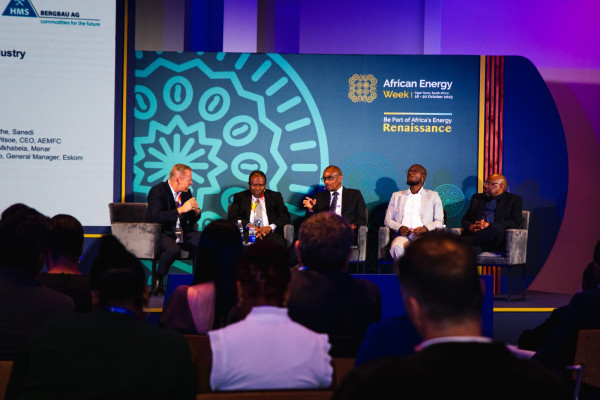
On the third day of the African Energy Week (AEW) 2023 conference & exhibition, a thought-provoking session entitles King Coal is Back - Africa's Future Clean Coal Industry shed light on the critical role of coal in Africa's energy landscape.
The session commenced with a keynote address by Dr. Zwanani Titus Mathe, CEO of the South African National Energy Development Institute (SANEDI). Dr. Mathe emphasized that coal would continue to be a part of South Africa's energy mix, driven by the unique regional energy requirements. He also suggested the potential for collaboration with China and India and highlighted several clean coal solutions, including gasification and green ammonia.
Furthermore, Dr. Mathe echoed the sentiments expressed by South African Minister of Mineral Resources and Energy Gwede Mantashe during his address at the opening session of AEW 2023 Strategic Program. Both emphasized that "energy security and climate change are interconnected aspects of the same challenge," reinforcing the notion that coal will continue to be a part of the energy equation.
Following Dr. Mathe's keynote, Dr. Lars Schernikau, an energy economist and strategic advisor at the independent commodities marketing company, HMS Bergbau AG, took the stage as the session's moderator. Panelists included; Dr. Zwanani Titus Mathe, CEO of SANEDI; Lemogang Pitsoe, CEO of African Exploration Mining and Finance Corporation; Mpumelelo Mkhabela, Chairman & Director of Menar; and Dan Mashigo, General Manager of Primary Energy at Eskom.
The panelists and moderators initiated an in-depth dialogue about the lasting importance of coal in the energy mix and the imperative of achieving a Just Energy Transition. Schernikau began the conversation by underscoring the pivotal role coal continues to play in Africa's energy context. "Despite the increasing worldwide emphasis on renewable energy, coal remains indispensable, particularly in regions experiencing rapid population growth," said the moderator. According to projections, the population of Africa will reach 8 billion by the end of the century, which would cause a concurrent rise in energy demand.
Mathe expanded on his opening presentation, reminding the importance of investing in clean coal technologies alongside the promotion of renewable energy sources. He emphasized that a holistic approach is necessary to balance the transition and ensure that all energy sources are leveraged effectively. “While renewable energy is a key component of the transition to cleaner energy, it's equally vital to consider and invest in clean coal technologies. These technologies can help maintain energy security while addressing environmental concerns,” said Mathe.
Mashigo echoed the significance of a diverse energy mix: “We need a comprehensive, integrated approach in South Africa, particularly when working towards a net-zero transition.” Mashigo pointed out that coal is a part of this mix and, when managed effectively alongside renewable sources, can play a crucial role in achieving a cleaner energy future.
Pitsoe discussed the importance of investing in research and development to create cleaner coal technologies. “Investing in research and development is essential to ensure the responsible use of coal while minimizing its environmental impact. “There is a growing need in Africa for advancements in clean coal technology and the exploration of innovative solutions for producing cleaner energy.”
Mkhabela pointed out that a lack of green technology and competition for national interests can pose significant challenges. “The key to successful and sustainable progress lies in reviewing agreements and understanding the terms and conditions of deals,” stressed Mkhabela. “By prioritizing energy security for the 6 million people still without access, African nations can make informed decisions and work toward a balanced transition that addresses both energy needs and environmental concerns,” he said.
Mkhabela concluded the session emphasizing the significance of investing in clean coal technology in South Africa: “We have some of the best research teams in the world here in South Africa and we are making progress towards carbon capture solutions.”
Organized in partnership with the African Energy Chamber, AEW 2023 is taking place from October 16-20 in Cape Town.
#AEW2023 takes place this week in Cape Town under a mandate to make energy poverty history by 2030. Keep following www.AECWeek.com for more exciting information and updates about Africa's premier energy event.
Distributed by APO Group on behalf of African Energy Chamber.
SASSA takes services to rural Marapyane
In an effort to deal with the high level of unemployment in the area, the South African Social Security Agency (SASSA) in Mpumalanga will today take its services to the Marapyane community located within the Nkangala District.
According to SASSA, most of the communities in the area and the surroundings are dependent on social grants for survival.
The agency said their services will be offered during the Integrated Community Registration Outreach (ICROP).
“Communities will have full access to all SASSA services and get an opportunity to apply for social grants. Beneficiaries who wish to change the payment method to their banks of choice will be assisted on the spot. All spheres of government, relevant stakeholders and financial institutions will be available to offer their services,” SASSA said.
The agency explained that it was taking its services to Marapyane because there is a temporal service point that operates from Monday to Friday, 09:00 – 15:00.
This service point provides services to five out of 31 wards with a total of 17 villages within a 30km radius.
“As a result, the local office saw the need to conduct an ICROP with the intention of to reducing the intake backlog, overcrowding and long traveling distances by clients to other nearby SASSA offices,” the agency said.
For more information clients can contact the toll free number during working days/hours on 0800 60 10 11, or Whatsapp 082 046 8553. – SAnews.gov.za
DikelediM
Wed, 10/18/2023 - 09:49
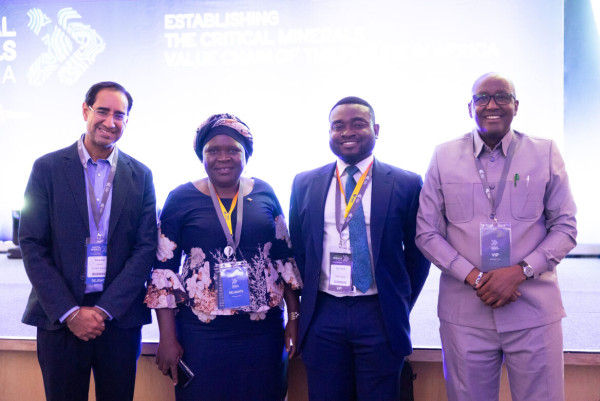
The first day of the Critical Minerals Africa 2023 summit on Tuesday – organized by Energy Capital & Power (www.EnergyCapitalPower.com) – featured a series of presentations from leading industry experts, providing unparalleled insights into Africa's critical mineral reserves and geopolitical position in the global mining economy. The main conference program begins on Wednesday, October 18 and will feature a highly anticipated ministerial forum, investor briefings and panel discussions, taking place alongside African Energy Week in Cape Town.
Kicking off the agenda was a presentation by South African Institute of International Affairs (SAIIA) exploring the future of critical minerals in the SADC – namely, copper in the DRC, South Africa and Zambia, lithium in South Africa and Zimbabwe, cobalt in the DRC and Zambia, graphite in Mozambique, manganese in South Africa, and nickel in Madagascar, South Africa and Tanzania. The ability to harness these reserves depends on several factors, including growing geoeconomic competition among China, the US and Europe, the ability of SADC states to manage regional value chains, and the urgency of global policy action toward renewable and low-carbon energies.
“In 20-30 years, not only will these minerals be in high demand, but how we put systems in place will be important,” stated Dr. Deon Cloete, Head of SAIIA's Futures Program. “We have focused on Rare Earth Elements (REEs) and the need to scale up exploration and extraction and develop the entire value chain. The transition to climate goals by 2050 is challenging and we need to be critical about how these fault lines are emerging. We propose a resource-based economy that challenges the paradigm of how we approach mining.”
The Critical Minerals International Alliance (CMIA) built upon the geopolitical nature of critical minerals development during its presentation, addressing China's race to solidify its leadership on the continent and its successful dual-pronged investment approach. Western nations have sought to counter this influence through various policy measures, including the US' Inflation Reduction Act, the EU's Critical Raw Materials Act and the Minerals Security Partnership, which seeks to secure a stable supply of raw materials for member economies.
“When we talk about critical minerals, we are focused on geopolitics — how they frame supply chains and influence pricing and how monopolies are increasingly changing the industry,” said Olimpia Pilch, Founder and COO of CMIA. “In a supply chain crunch, who gets priority and which industries will miss out? Those who have put in the work to have their own supply chain will be in a much better position.”
On the need to diversify mining supply chains, Roberto Cecutti, Head of Trade and Economics, EU Delegation to South Africa, stated during his presentation: "In terms of annual consumption, we have an aspirational target of covering at least 10% of extraction in Europe, 40% of processing and refinement and 15% of recycling capacity. We want to avoid dependence on the supply of one or more specific countries…This is why we have set this target, in which 65% should not depend on a specific country of origin of supply.”
"Each region has its own definition of what is ‘critical,' and what's critical for Africa may not be what's critical for the EU and vice versa. Africa has different requirements when it comes to minerals,” noted Sodhie Naicker, Managing Director: DMT Kai Batla and Consortium Partner: AfricaMaVal.
Energy research firm Rystad Energy also explored Chinese dominance within the low-carbon supply chain, as the country produces almost 90% of solar panels and is currently ramping up production of wind turbines. While Europe has made gains towards establishing its own clean energy supply chain, Africa remains reliant on imports to meet growing energy demand, despite having vast renewable energy potential and untapped mineral reserves.
“The resource potential for solar generation in Africa is more than enough to satisfy the needs of the planet – it's enormous,” said Per Magnus Nysveen, Senior Partner & Head of Analysis for Rystad Energy. “You can find sites for mining every mineral in sub-Saharan Africa.”
A presentation from Steenkampskraal – operator of the Steenkampskraal Mine in South Africa's Western Cape – underscored the continent's resource potential and its evolution into a critical and industrial minerals hotspot. The mine is home to one of the highest grades of REEs globally, is licensed to operate and possesses well-developed underground infrastructure with a low-capital, three-stage development plan.
“Not even 20% of the known resources have been mined,” emphasized Graham Soden, Director, CEO & Mine Manager of Steenkampskraal. “It puts the project at a unique level. It's fully legislative compliant, and we can get it up and running within one year.”
The agenda concluded with a presentation by Trade & Industrial Policy Strategies (TIPS), which explored opportunities to develop vanadium redox battery (VRB) manufacturing in South Africa and to position the country as a key player in the global battery value chain, with a view to exporting to other African and international markets. Demand for VRBs has skyrocketed in recent years – largely from China, Japan, Europe and the US – resulting in over 30 new VRB projects installed in 11 countries since 2014.
“Cell battery manufacturing remains to be proven competitive in South Africa. We have the industrial capacity, but we don't have a commercialized production,” said Lesego Moshikaro, Senior Economist for TIPS. “When you look at the short- to medium-term, South Africa cannot be competitive along the whole value chain, so it's important for us to choose key areas where we can excel.”
With its main conference program kicking off on October 18, the Critical Minerals Africa 2023 summit serves to position Africa as the primary investment destination for critical minerals. The event is held alongside the African Energy Week 2023 conference (www.AECWeek.com) from October 16-20, offering delegates access to the full scope of energy, mining and finance leaders in Cape Town.
Distributed by APO Group on behalf of Energy Capital & Power.

A number of exploration hotspots have emerged across the continent, with major finds made across both on- and offshore basins. The rebound in high-impact drilling success rates have not only demonstrated the sizeable potential of untapped acreage but made a strong case for upstream investment in Africa.
On the back of regional oil and gas discoveries made in 2022 and 2023, a panel discussion held during the 2023 edition of the African Energy Week (AEW) conference – organized by the African Energy Chamber - explored the resource potential of Africa's new oil and gas hotspots. Speakers from The Gambia, Angola, Namibia, Sierra Leone and more examined the scale and commercial viability of these discoveries, detailing estimated reserves, quality and recoverability.
Emmanuelle Garinet, Vice President for African Exploration, TotalEnergies, kicked off the discussion with a presentation, emphasizing that, “Despite the challenges, we are entering a time of opportunity.” Garinet highlighted the fundamental enablers for Africa's oil and gas exploration industry.
She explained that, “Having access to good quality data such as 2D and 3D data is fundamental for unlocking new basins. We also need to retain geoscientists. We need to continue hiring and training people. It is key for Africa to continue integrating young students and scientists, they have a role to play. Exploration is a costly and risky business, and companies need incentives and favorable regulatory environments.”
Dubbed the final frontier for oil and gas exploration, Africa continues to turn heads across the global hydrocarbon industry, as new discoveries demonstrate the commercial potential of both on- and offshore basins. In established markets such as Angola, ongoing efforts to stimulate E&P investment amid production decline have shown fruitful results, and exploration remains of crucial importance.
According to Marco Fonnesu, Exploration Manager (Blocks 1/14 & 28), Azule Energy, “Exploration plays a big role not only to create value but to find new assets and areas in which we can achieve larger results,” adding that, “Azule Energy is planning 16 exploration wells over the next four years, most of which are in new exploration blocks.”
Brian Reinsborough, CEO of ReconAfrica, a Canadian company exploring both Namibia and Botswana's onshore Kavanago Basin, emphasized that, “Africa has tremendous potential.” Reinsborough believes that Government support plays a role in ensuring the success of exploration.
“Important factors include subsurface, contract terms and above-ground contract stability. Governments need to encourage the acquisition of data, both onshore and offshore. This is how basins evolve. Good data acquisition is key to drive innovation by geoscientists,” he stated.
Meanwhile, billion-barrel finds made in emerging markets are poised to bring new producers to the global energy scene. Namibia, for its part, has made a strong play for investment five major discoveries in two years. Justin Cochrane, Director, African Regional Research, S&P Global Commodity Insights, believes that this success can largely be attributed to the country's attractive fiscal terms.
“We are seeing exploration take place in locations that are attractive for investment. In Namibia, for example, fiscal terms are great and wells are being drilled. South Africa also has great fiscals, and TotalEnergies will likely be drilling next year. As we head up the coast, ExxonMobil were also able to negotiate some good terms in Angola. Where exploration is taking place is tied to where the fiscal terms are good,” he stated.
In line with this trend, untapped markets such as The Gambia and Sierra Leone are eager to replicate regional upstream success, with the introduction of policy reforms and licensing rounds aimed at enticing investment into promising hydrocarbon plays. Sierra Leone has committed to providing an enabling environment for investment, and the results are already showing.
Foday Mansaray, Director General, Petroleum Directorate of Sierra Leone, explained that, “We have concluded our fifth offshore licensing round, successfully. We have three prominent industry players that have pre-qualified. We will conduct negotiations in November and expect to award licenses in December. From application to the issuing of licenses, we have given ourselves 85 days.”
The Gambia is also inviting investors to the market. Cany Jobe, Director E&P of the Gambian National Petroleum Company, stated that, “We have massive resource potential but we face the conundrum of stranded reserves. In 2014, the world's largest hydrocarbon discovery was in Senegal, the Sangomar field. The Gambia is surrounded by Senegal. By all indications, our basin and shelf plays offer the same potential… You are all welcome to The Gambia, which has great fiscal terms and a proven petroleum system.”
#AEW2023 takes place this week in Cape Town under a mandate to make energy poverty history by 2030. Keep following www.AECWeek.com for more exciting information and updates about Africa's premier energy event.
Distributed by APO Group on behalf of African Energy Chamber.
In commemoration of World Clean Up Day on Saturday, 16 September, Avani Windhoek Hotel & Casino (part of the Minor Hotels group) proudly announced its enthusiastic participation in a collective effort to follow in the footsteps of its esteemed guests, aiming to ensure a pristine environment for their exploration of the enchanting tourist sites in …

An expedition of 188 women from all over the world, is setting sail to Antarctica in November, on a collaborative mission to promote the long-term sustainability of the planet. With representatives from South Africa, Kenya and Zimbabwe, the 19-day voyage provides participants, all with backgrounds in science, technology, engineering, mathematics, and medicine (STEMM), with a first-hand experience of one of the earth's most precious ecosystems, as they leverage their expertise to improve research and legislation.
“The adventure these women are about to embark on will give them an unparalleled view of one of the most remote locations on the planet. Antarctica not only provides early warnings of climate change – it also represents the fragility of our natural world, and why we need to protect it. We are excited to see how each person takes on this life-changing journey, and translates their learnings into actions,” says Pamela Sutton-Legaud, CEO of Homeward Bound, the global leadership initiative leading the voyage.
Departing on two voyages from Argentina, the cohort comprises women from 25 countries. The local cohort are already using their positions to pioneer change for a more sustainable future, and to increase gender equality in the STEMM sector.
From South Africa:
From Kenya:
From Zimbabwe:
“More than 50% percent of women in technology roles leave the industry before they turn 35. We exist to enable more women within this sector, by helping them harness the tools they need to excel in their industries – particularly in the fight for the sustainability of our planet. History and research also show that women and young girls in developing countries are the most negatively affected by climate change-related instances. The world needs to create a space for their ideas to be heard, as the drastic effects of climate change become more apparent globally,” says Sutton-Legaud.
Homeward Bound's overall mission is to empower 10 000 women with a background in STEMM to lead, influence, collaborate and contribute to policy and decision-making towards a more sustainable future by 2036. Leading up to the departure, the women are immersed in a 12-month virtual leadership programme, to develop their leadership and strategic capabilities. On the voyage itself, they will be involved in continuous learning, during lectures, workshops, and networking sessions, all designed to help them harness their individual leadership skill sets in the fight for change and global sustainability.
“As this group embarks on this epic journey, they remind us that women in STEMM are not just the key to understanding our planet's challenges; they are the architects of its solutions. Together, they inspire a global effort towards a more equal leadership landscape, and a more sustainable future for our world,” says Sutton-Legaud.
The first voyage (The Ushuaia) embarks on 3 November, from Ushuaia, Argentina, and the second (The Island Sky) embarks on 12 November from Puerto Madryn, also in Argentina. For more information about the cohort, and the organisation, visit www.HomewardBoundProjects.com.au.
Distributed by APO Group on behalf of Homeward Bound.
For more information, please contact:
Emily Dyssell
emily@be-cause.co.za
021 447 1082 / 072 823 7898
www.be-cause.co.za
About Homeward Bound:
Homeward Bound is a not-for-profit groundbreaking, global leadership initiative for women with a background in Science, Technology, Engineering, Mathematics, or Medicine (STEMM). They are committed to creating a diverse global community of 10,000 women with a STEMM background. Their alumnae include more than 600 women from 90 nationalities. For more information, visit www.HomewardBoundProjects.com.au.
DHARAMSALA: The Proteas suffered their first defeat of the ICC Men’s Cricket World Cup 2023 when they fell to an upset...
Dr Velenkosini Matsebula is a Senior Lecturer in Development Finance at Stellenbosch Business School. As we enter the final quarter of 2023 and closer to the Fourth Industrial Revolution (4IR), marked by unprecedented technological advancement and global interconnectivity, we must acknowledge a stark reality: extreme poverty persists. While we commemorate the International Day of the …
Rehabilitation counselling services, or rehab, is a critical step on the path to recovery for individuals grappling with substance abuse, addiction, or various mental health challenges. In South Africa, rehab centres play a crucial role in helping people overcome these hurdles and rebuild their lives. Let’s delve into the rehab process, understanding how it unfolds …
Safeguarding the future of those who teach
While one may no longer remember the name of the classroom teacher’s pet, chances are that one will never forget the name of that special teacher who changed the course of one’s life.
While we grow up to leave our school tomfooleries behind, teachers continue to leave an indelible mark in the lives of pupils.
“Passionate teachers often inspire and motivate their students. Passion for the subject matter and a genuine interest in the well-being of students can greatly impact the effectiveness of teaching,” said acting Chief Director of Education Human Resource Development at the Department of Basic Education, Lala Maje.
While teachers work hard to shape learners into the adults of tomorrow, who is helping newly qualified teachers to transition into the classroom environment?
This is where the Department of Basic Education’s (DBE) New Teacher Induction Programme (NTIP) comes in.
The programme is intended to support new teachers who are placed in schools within their first two years of permanent employment.
“NTIP is a programme that introduces the new teacher to the teaching profession, to the resources available, to the support that the DBE and all stakeholders avail to the teachers,” said Maje.
Teachers have to register on the learning management system for the programme. The one-year programme comprises seven modules that are linked to the Professional Teaching Standards.
The Professional Teaching Standards and the Ethical Teaching Standards forms the basis of teaching being a profession and that is managed and guided by the South African Council of Educators (SACE).
A teacher must register with SACE before they can practice in schools.
The programme also supports SACE in ensuring that Professional Teaching Standards and the code of ethics are infused in the daily life of teachers,” said Maje.
The induction is based on four pillars namely mentoring, training, professional development and peer support.
The programme was set up after the Teacher Education Summit held by the DBE and the Department of Higher Education and Training in 2009.
Since its inception in 2017, the partnership between the DBE and Flemish Association for Development Cooperation and Technical Assistance (VVOB) has enabled the development of material and programmes which led to the 2020 school calendar year pilot of the programme.
The DBE has also worked with provincial education departments and partnered with the SACE, JET Education Services, the North-West University and the University of Witwatersrand to develop the programme for all new teachers that join the teaching profession.
Support
New teachers are also provided with mentors that are identified by their respective schools.
Feedback received is that teachers are appreciative of the support provided by the programme.
“The teachers find that the topics covered assist them to deal with a number of issues, classroom management, discipline in school and classrooms, diversity management, inclusive teaching, as well as work and life balance, to mention but a few. Teachers want the programme, it provides real life practical experience and examples,” said Maje.
She added that while all the provinces have been supporting new teachers, this was not standardised.
“All provinces have been supporting new teachers; it was just not standardised at national. The support was in the form of workshops on curriculum, on general human resource matters, many webinars on teacher wellbeing and wellness.
“There was no national programme that a teacher can register and complete with evidence that indeed the new teacher underwent an induction programme. The DBE then partnered with VVOB to design a thoroughly researched programme and make it available for new teachers for free.”
Progress
The programme is being implemented on a phased in approach.
“Since the 2020 pilot, there was a round table in March 2023 where a decision was [taken] that the programme be phased in in four provinces [namely the] Free State, North West, KwaZulu-Natal and the Western Cape.
“The other five provinces are implementing however not under the tight monitoring of DBE. This is allowing them to be fully ready when we implement in their provinces in 2024,” she explained.
She added that the provincial education departments are part of the interprovincial meetings that DBE holds with the nine provinces on a monthly basis.
“It should also be noted that all provinces are supporting new teachers. The difference with the model brought by the DBE is [a] common standard across all provincial education departments, as well as the fact that the NTIP model has four pillars.”
Teachers’ Month
In South Africa October is Teachers’ Month and on 5 October, the country joined the world in commemorating World Teachers’ Day.
The day which is commemorated annually, aims to raise awareness, understanding and appreciation for the vital contribution that teachers make to education and development across the globe.
The day has been declared jointly by the International Labour Organization (ILO) and the United Nations Educational, Scientific and Cultural Organization (UNESCO) to celebrate the critical work that teachers do.
At the National Teachers’ Awards, held on World Teachers’ Day, the South African government reaffirmed its commitment to reinforcing teacher support and prioritising the professional growth of those who are the key drivers of basic education.
“Such a posture is critical in that it boosts their personal prowess and propels our schools towards unparalleled achievements. The wellness of all public servants in the Department of Basic Education must as such remain a priority,” Deputy President Paul Mashatile said at the 23rd edition of the awards.
The awards honour teachers who have demonstrated exceptional performance and commitment in different areas of their work.
Recognition and experience
Maje who was a teacher herself, said recognition for teachers is essential not only for morale but also for attracting and retaining talented individuals in the teaching profession.
“When teachers feel valued and supported, they are more likely to be motivated, innovative, and dedicated to their students' success.”
Speaking at a media briefing earlier this month, Basic Education Minister Angie Motshekga said that education plays a critical role in providing the country with critical skills that will enable economic growth while also fighting poverty and unemployment.
“Teachers are at the centre of this critical imperative. UNESCO repeatedly stated that the quality of any education system is as good as the quality of its teachers. The continuous improvements that we have experienced within our education system broadly and in our schooling in particular is largely due to the efforts and sacrifices of our teachers,” said the Minister.
The Minister said while the education system is experiencing severe challenges including backlogs in infrastructure development, overcrowding and shortage of other educational resources, “it is our teachers who have made the center to hold.”
Maje said efforts to enhance the recognition of teachers often involve a combination of policy changes, increased investment in education, and societal shifts in perception. She also referred to the Integrated Strategic Planning Framework for Teacher Education and Development. The primary outcome of the plan is to improve the quality of teacher education and development in order to improve the quality of teachers and teaching.
Planning and organising things in time are some of the lessons Maje has learned over the course of the years as a teacher.
She also notes “the knowledge that as a teacher you determine the future of the country with the content that you offer to the young minds.” She further adds that “the limitations of the teacher can be detrimental to development of the young mind.”
It is also important for teachers to keep learning all the time since knowledge is evolving and for them to be active participants in the matters of their respective communities.
Maje also called on teachers to take care of themselves.
“Achieving a work-life balance is an ongoing challenge for many teachers. Learning to prioritise self-care and maintaining a healthy balance between personal and professional life is important for sustained success in the field.”
While learner support is a critical ingredient for success, support for future unforgettable teachers is equally as important. - SAnews.gov.za
Neo
Tue, 10/17/2023 - 09:59
Imtiaz Sooliman calls for negotiations and compromise. “The only way to solve the problem is to do what is just.”
Illegal mining suspects to appear before Rustenburg Magistrates' Court
Eleven suspects, who were arrested on Sunday by the Hawks Serious Organised Crime Investigation Unit and members of the South African Police Service (SAPS) in Boitekong, are expected to make their first appearance before the Rustenburg Magistrates’ Court today.
The Flying Squad, Bafokeng Public Order Policing and the Rustenburg Local Criminal Record Centre also formed part of the team that made the arrests. The suspects' ages range between 19 and 39.
The team was following up on information regarding illegal mining activities, which were allegedly taking place at a house in Boitekong.
"Upon arrival, the house was searched and bags containing platinum material were found. Illegal mining equipment including compressors, gas bottles, cutting torches, hammers, iron balls, cutting discs, a welding machine, a grinder and a generator were seized.
"The owner of the house was arrested and charged with illegal possession of platinum, while the other 10 suspects were arrested and charged for contravention of the Immigration Act," SAPS said in a statement. - SAnews.gov.za
Edwin
Tue, 10/17/2023 - 10:06