Three Common Myths About US Funding Cuts to South Africa
US and South African officials have contributed to misinformation about the cancellation of funding

MyZA
News, Directory, Events and Other Stuff
US and South African officials have contributed to misinformation about the cancellation of funding
BLOEMFONTEIN: Having won their opening two matches of the CSA Division 2 Women’s National Week, Glencore North West Dragons made it...
Minister Meth hands over R514m contract to 15 LAP partners
Employment and Labour Minister Nomakhosazana Meth, has officially handed over R514 million in contracts to 15 Labour Activation Programme (LAP) partner companies in Mpumalanga, aimed at stimulating job creation in the province.
The 15 LAP partner companies are expected to provide training to over 9 600 job seekers after signing a pledge committing to the absorption of these jobseekers in key sectors of the economy.
Speaking at the handover event held at Mbombela Stadium on Monday, Meth said the handover is not just about launching projects but also igniting opportunities that will reach thousands of individuals, uplift families, and strengthen communities.
“We are investing not just in businesses, but in people, skills, and making dreams that deserve to be realised a possibility. This is what real economic transformation looks like - not just numbers on a page, but real impact on the lives of those who call Mpumalanga home,” the Minister said.
The Minister said that the partners whom the contracts have been handed over to have been given a condition to guarantee jobs for beneficiaries.
“I have made it a requirement that all the LAP partners recruit at least 70% of the beneficiaries from the Employment Services of South Africa (ESA) platform, which is a government system placed to connect job seekers with available opportunities,” she said.
She moved to highlight that Mpumalanga is a province of movement, boasting infrastructure that connects the nation to greater possibilities. It is home to one of the most important economic corridors, the Maputo Corridor, a vital route that links us to the Port of Maputo and connects South Africa to the rest of the world.
“Through this corridor, we export our agricultural produce, our minerals, and our manufactured goods, which fuel the country’s economy. It is this very corridor that has the power to transform small businesses into major players, to take local industries and give them a global footprint,” she said.
The Minister also noted that approximately 1 million young South Africans become available to the labour market. However, only 400 000 find steady work, 300 000 find some work, while about 300 000 never find work.
She stressed that without decisive and intentional interventions from the government, in collaboration with relevant societal partners, the situation is unlikely to improve.
Young people continue to face challenges in entering the labour market due to a lack of work experience, and in some cases, possessing skills that do not align with market demands.
“It is for this reason I emphasise that our response must be decisive, and I dare say – aggressive.
“I am pleased and equally excited that today, at this municipality of Mbombela we gather to handover the Labour Activation Program contracts to 15 partners, who will create job opportunities for 9 616 beneficiaries to the value of over R514 million across 4 districts and spanning to over 11 local municipalities,” the Minister said.
The Minister said the Labour Activation Program is the department’s direct policy response to unemployment, affording job seekers opportunities to improve their employability and connect them to the world of work.
“Our focus should combine skills training, work experience, and job placement services to help participants transition into the labour market.
“With these projects, we are saying to the people of Mpumalanga: we see you, we believe in you, and we are committed to your success. We are saying to the youth that there is space for you in this economy, that your talents and skills are needed, as the future belongs to you. We are saying to businesses that you are not alone, the government is here to support you and to open doors to break down barriers that have held back growth for too long,” the Minister said.
The Minister added that government is strengthening private sector partnerships to collaborate in creating more job opportunities and ensure training programs are relevant to industry needs.
“We need every South African to believe in the power of collective action. This drive grew stronger after President Ramaphosa established an Inter-Ministerial Committee of government and business partnership on unemployment, skills development and SMME support, which is chaired by me as the Minister of the Department of Employment and Labour.
“Throughout this partnership, our targeted interventions for groups disproportionately affected by unemployment, such as youth, women and people with disabilities remain our priority.
“Let us continue working together to build a better country- collectively working together, we can change the trajectory of unemployment,” the Minister said. – SAnews.gov.za
DikelediM
Tue, 04/01/2025 - 09:04
223 views
Conference places the spotlight on ocean sustainability
As the current holder of the G20 Presidency, South Africa is leading global efforts for ocean sustainability, particularly focusing on advancing sustainable ocean initiatives in Africa.
The country is hosting the 14th International Conference on Southern Hemisphere Meteorology and Oceanography (ICSHMO), which is currently underway in Cape Town.
This premier scientific gathering, being held in Africa for the first time since 1997, brings together renowned meteorologists, oceanographers, and climate scientists to address the unique atmospheric and oceanic challenges of the southern hemisphere.
The five-day event, which kicked off on Monday, is hosted by the National Research Foundation (NRF) through the South African Environmental Observation Network, with support from the Department of Science, Technology and Innovation (DSTI).
The conference shows South Africa’s growing influence in global climate science.
Opening the conference, the Deputy Minister of Science, Technology and Innovation, Nomalungelo Gina, emphasised the urgent need for scientific collaboration to combat the escalating threats of climate change.
“The world is experiencing intensified heatwaves, prolonged droughts, rising sea levels, and extreme weather events that disrupt economies, displace communities, and strain infrastructure,” the department said.
South Africa has witnessed the devastating impact of climate change in repeated floods and recurring droughts.
These events highlight the pressing need for enhanced climate prediction, risk management, and adaptation strategies, all key topics at ICSHMO 2025.
The Deputy Minister stressed the importance of turning scientific knowledge into tangible, actionable solutions.
Through the NRF, the country continues to support cutting-edge research in marine and coastal science, weather forecasting, and climate adaptation, to inform global policy and action.
Gina welcomed the integration of ICSHMO with the Ocean20 initiative, a flagship programme introduced under Brazil’s G20 Presidency, which is designed to promote sustainable ocean governance, and reiterated South Africa’s commitment to leveraging science, technology, and innovation for sustainable development.
The Deputy Minister stressed the importance of equitable access to artificial intelligence, big data and remote sensing technologies, which were transforming climate science, enabling more accurate forecasting, early warning systems, and disaster preparedness.
Collaboration and knowledge-sharing were key to building a more stable and resilient global future, especially for nations that were most vulnerable to climate change.
A group of learners from Luhlaza and Usasazo high schools in Khayelitsha attended the conference and had a special interaction with Gina on the benefits of science for society.
During the opening session, Kenya’s representative for the United Nations’ Intergovernmental Panel on Climate Change, Patricia Nying’uro, highlighted the critical role of indigenous knowledge in promoting sustainability. She stated that the extensive knowledge accumulated by indigenous communities over centuries should be utilized to enhance climate action efforts.
NRF CEO, Dr Fulufhelo Nelwamondo, said the conference would provide a vital platform for advancing scientific collaboration, sharing cutting-edge research, and addressing the pressing challenges of climate variability and change in the southern hemisphere.
“The insights and discussions over the next few days will undoubtedly contribute to shaping policies and strategies that enhance climate resilience in our region and beyond,” he stated. – SAnews.gov.za
Gabisile
Tue, 04/01/2025 - 09:39
163 views
North West traditional horse racing gives the economy a leg up
The inaugural Lobelo la Dipitsi Traditional Horse Racing event, held at Bloomtech Lodge in Vryburg at the weekend, celebrated the rich cultural heritage of the North West province while also stimulating local economic growth.
According to the North West Provincial Government (NWPG), Lobelo la Dipitsi represents a significant milestone in the province’s initiative to use traditional sports for economic development.
The race attracted an influx of visitors from across the province and neighbouring countries such as Botswana and Namibia, boosting tourism and fostering cross-border collaboration.
A key feature of the event was the small, medium, and micro enterprises (SMME) exhibition, which showcased 69 stalls supported by the Department of Economic Development, Conservation, Environment, and Tourism (DEDECT)and Dr Ruth Segomotsi Mompati District Municipality.
These enterprises, ranging from flea market vendors to informal traders, displayed a variety of artisanal products, including handcrafted African-themed clothing, footwear, organic herbs, spices, perfumes, and wooden vases.
The gathering was attended by Premier Lazarus Mokgosi and the DEDECT MEC, Bitsa Lenkopane with the MEC emphasising the race’s role in economic transformation, saying it is not just a celebration of cultural heritage but also a strategic initiative to drive local business growth.
This platform empowers Black entrepreneurs, facilitates job creation, and strengthens the local economy.
“Through the North West Gambling Board, we envisage empowering emerging race associations with compliance in terms of acquiring relevant licenses with gambling legislations.”
During a walkabout of the flea market, the MEC engaged directly with small business owners to assess their experiences and the impact of the event on their enterprises.
She alluded to the fact that the department will continue to offer support to small businesses and cooperatives to ensure that their products are well packaged, properly labelled, and adhere to the South African Bureau of Standards (SABS) requirements.
“The economic activity generated by the event reaffirmed the potential of public-private partnerships in promoting sustainable economic development.”
The event reached its highlight with an exciting prize-giving ceremony, officiated by the province’s leadership.
Lenkopane commended the participation of young riders and the involvement of regional partners from Botswana, Namibia, and Lesotho, highlighting the significance of this initiative in fostering strong economic and cultural ties.
“I am confident that Lobelo la Dipitsi has the potential to grow into a flagship event on North West’s tourism calendar,” she added.
She further extended her gratitude to the event sponsors, including GBets, Goldrush, Sunbets, CGM and other contributors, for their commitment to making the event a reality.
She also expressed gratitude to community members and horse riders for their enthusiastic participation and support.
Lobelo la Dipitsi will be rotated annually across the districts of the province, ensuring continued economic impact, cultural preservation, and regional integration.
This groundbreaking initiative has reinforced the NWPG’s commitment to empowering local communities through strategic events and sustainable economic initiatives. – SAnews.gov.za
Gabisile
Tue, 04/01/2025 - 10:03
1 view
JOHANNESBURG: Despite a slow start in the Hollywoodbets Pro Series, notching up just one win in both formats in the first...
This week the Judicial Services Commission will hold interviews for judges and decide on two important disciplinary matters
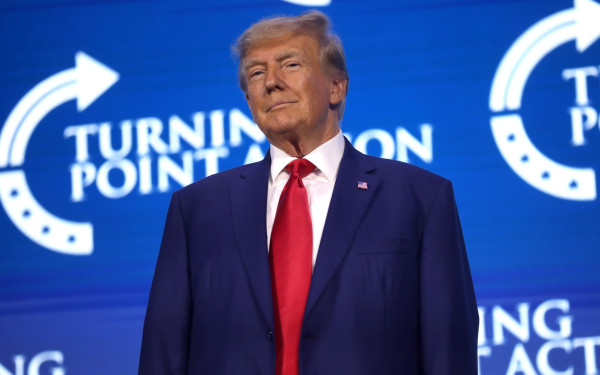
By NJ Ayuk, Executive Chairman, African Energy Chamber (https://EnergyChamber.org)
Donald Trump's return to the White House in 2025 represents a pivotal moment for Africa's fossil fuel industry. His administration's swift reapproval of a USD4.7 billion loan from the U.S. Export-Import Bank (Exim) for TotalEnergies' liquefied natural gas (LNG) project in Mozambique — initially greenlit in 2020 during his first term but sent into deep-freeze for the full duration of the Biden years — sets the tone for what could be a transformative era for Africa's energy sector.
Despite Mozambique's stabilization of security issues and concerns that the transfer of power in America would delay receipt of the loan even further, the Biden Administration refused to release the funds ahead of Trump's inauguration, a decision reflective of the administration's reluctance to support new fossil fuel initiatives throughout Biden's time in office. In contrast, Trump's decisive action within weeks of taking office signals a renewed, positive working relationship between the United States and Africa — one that prioritizes energy development over ideological objections and the Green Agenda's influence.
The African Energy Chamber (AEC) contends that Africa should seize this potentially brief moment in history and embrace the Trump administration as a partner rather than an opponent. For too long, global pressures have insisted that African nations move toward green energy projects only and leave their fossil fuel resources behind.
While renewable energy has its place, and will be important to Africa's future, fossil fuels still clearly constitute the backbone of any realistic efforts for African industrialization and economic growth — goals we simply cannot afford to sideline.
Alignment with Trump's energy-first ethos would mean that Africa could unlock significant funding for wide-ranging fossil fuel projects, and not just the offshore oil and gas ventures that dominate the headlines. The continent should capitalize on all opportunities in onshore projects, wildcat wells (exploratory drilling in unproven areas), and the proliferation of numerous small operators. These avenues lead the way to diversity in Africa's energy portfolio, job creation, and massively strengthened energy security.
The reapproval of funding for Mozambique LNG is a case in point. The project's revival under Trump demonstrates how quickly thick bureaucratic congestion can dissolve when political will aligns with economic practicality. This USD4.7 billion infusion will boost Mozambique's economy while sending a message to other African nations: Under Trump, at long last, America is open for business.
In contrast to the previous administration, which openly regarded fossil fuel development with skepticism and disdain, Trump's “drill baby drill” mantra — while rooted in an “America First” agenda — pairs seamlessly with the ambitions of the African oil and gas industry. Africa should adopt a similar mindset and position itself as an attractive destination for American investment dollars.
Coal's Comeback
Another of Trump's domestic priorities, no doubt a response to China's unabashed expansion of coal production within its borders, is to revive clean coal production in the U.S. This initiative offers a compelling blueprint for Africa. While coal remains a contentious, harshly criticized resource globally, its advantages are undeniable: It's cheaper to produce, often doesn't require big bank financing, and is abundant across the continent. For African nations grappling with energy poverty, coal can serve as a means to an end, delivering affordable power to millions in the interim while the infrastructure for other energy sources matures. Simply put, Africa deserves to be the last global holdout on coal production and should leverage its coal reserves to meet domestic needs and export demands. Trump's willingness to disregard the international campaign against coal should embolden African leaders to reopen their abandoned coal mines and rest assured that this time around, they'll be able to operate freely, without fear of U.S. opposition.
Fossil Fuels Unleashed
Looking beyond coal, over the next four years, Africa has the rare chance to pursue an aggressive fossil fuel agenda. The continent should unite under an “Africa First” banner and adopt its own “drill baby drill” mentality in support of every promising oil exploration and production project, every possible natural gas project, and a multinational effort to slash through regulatory red tape.
In Nigeria, for instance, the wheels of progress moved agonizingly slowly when it came to passing the Petroleum Industry Act, first proposed in 2008 and not signed into law until 2021. Even after the law was passed, Nigeria has been slow to fully implement it. This kind of inertia deters investment and slows development. A Trump-inspired push to clean up such bureaucratic roadblocks could unleash a wave of prosperous development. Similarly, addressing security issues — like those that drove U.S. firms out of Libya — will be critical to restoring confidence and attracting capital from abroad.
While the offshore sector will undoubtedly remain a cornerstone of Africa's fossil fuel strategy, the continent's onshore potential is equally vast. Wildcat wells offer high-risk/ high-reward prospects that could uncover new reserves. Meanwhile, instead of relying solely on multinational oil and gas giants, empowerment of more independent companies and indigenous small operators could diversify the industry, build up local entrepreneurship, and ensure the economic benefits are more widespread. It is highly unlikely that the Trump administration, with its emphasis on deregulation and energy independence for its own shores, would obstruct such efforts on ours. Conversely, it may actively encourage them through financing and technical support, as seen with the Exim loan.
Balancing Development and Climate Realities
Though critics will argue that this push for fossil fuel proliferation contradicts global climate goals, at the AEC, we insist that the calculations for Africa are simply different.
Africa accounts for a fraction of global emissions but bears a disproportionate burden when it comes to energy poverty. Fossil fuels offer a realistic and relatively quick path to electrification and industrialization, the proven prerequisites for lifting millions out of poverty. Trump's indifference to international climate orthodoxy, while controversial, gives Africa the much-needed breathing room to prioritize development over decarbonization. This is in no way an outright rejection of renewables but a recognition that fossil fuels can and will facilitate a just transition to green technologies once their capabilities catch up to Africa's current needs.
Seizing the Moment
The next four years under Trump could redefine Africa's energy landscape. With U.S. interference a thing of the past, Africa can pursue a multi-pronged energy strategy. With a ramp-up in natural gas to meet global demand, a coal revival to power its own grids, and on and offshore opportunities tapped into, Africa could finally secure its full resource base.
However, this approach will require bold leadership. Governments will have to eliminate obstructive policies and address security challenges head-on to secure foreign investments. The payoff could be immense: energy abundance, economic growth, and a partnership with the U.S. that is stronger than ever before.
For example, Nigeria's oil and gas sector has been hampered by regulatory uncertainty and security threats in the Niger Delta. A Nigerian “drill baby drill” mindset could accelerate regulatory, social, and economic reforms needed to address the Niger Delta's deep-rooted instability. This kind of mindset could restart stalled projects and attract American firms eager to invest in a Trump-approved climate. Likewise, in Libya, a resolution to security concerns could lure back U.S. companies that fled during years of instability, reviving a once-thriving oil industry. Across the continent, small operators could flourish under a lighter regulatory touch, drilling wildcat wells and tapping into overlooked reserves.
South Africa, with its vast coal deposits, could take the lead on clean coal technologies to balance affordability and environmental concerns. Smaller nations with untapped coal reserves could follow Trump's lead in defying global pressures against production. The result would be a continent less dependent on foreign aid and more capable of powering its own future.
Trump's presidency offers Africa a chance to unapologetically double down on its fossil fuel potential. The USD4.7 billion Mozambique loan is just the beginning — a proof of concept for what collaboration with the U.S. can achieve. By embracing this partnership, Africa can shed the shackles of the Biden era and chart a course toward energy sovereignty.
The tools are all there: offshore rigs, onshore fields, wildcat wells, established mines, and a willing ally in Washington. The question that remains is whether Africa's leaders have the courage to stand up to the anti-carbon lobby.
Trump's second term could be remembered as the moment Africa's fossil fuel industry came into its own — as a partner to the U.S. in a shared vision of energy abundance. With four years of clear skies ahead, there is no question that Africa should build, mine, and yes, drill, baby, drill like never before.
If we don't act now, it might be a very long wait for an opportunity like this one to present itself again.
Distributed by APO Group on behalf of African Energy Chamber.
Naledi Hlalele was one of six athletes who represented South Africa at the international winter games earlier in March
Stakeholders commit to improved water services for all
Stakeholders in the water sector have committed to collaborative efforts to implement tangible plans and reforms outlined at the recent Water and Sanitation Indaba aimed at improving water security and services for all citizens.
This pledge was made on the final day of the two-day Water and Sanitation Indaba, held at the Gallagher Convention Centre in Midrand, Johannesburg, from 27-28 March 2025.
At the Indaba, stakeholders including government representatives, agreed to work together and hold each other accountable for their actions and commitments. Stakeholders also agreed to increase investment in water research and development as well as technological transfer.
They also agreed to recognise the existing body of knowledge including indigenous systems as well as promote the inclusion of women, youth, and people with disabilities in the water and sanitation sector.
Several key resolutions were also made during the event, including a commitment by the Department of Water and Sanitation (DWS) to finalise the establishment of the National Water Resource Infrastructure Agency by mid-2026, and the creation of Catchment Management Agencies, set to be completed by July 2025.
The Water Service Authorities (WSAs) pledged to adopt a utility model for water and sanitation to ensure operational efficiency while maintaining municipal ownership, to be implemented within three years.
A utility can be a ring-fenced internal department, municipal entity, water board, special purpose vehicle, or concession, amongst other options.
Additionally, the South African Local Government Association (SALGA), in collaboration with the Departments of Co-operative Governance and Traditional Affairs (CoGTA) and DWS, committed to implement a coordinated Municipal Systems Act Section 78 consultative process, according to the timeframes in the plan. This process will facilitate the appointment of capable Water Service Providers (WSPs). This should lead to the appointment of capable Water Service Providers (WSPs).
In line with good governance and legal compliance, it was resolved that all WSAs must separate their WSA and WSP functions, accounting for them independently within one year. Resolutions on this matter should be presented to Council within three months.
The metropolitan municipalities were also tasked to implement the Reform of Metropolitan Trading Services Programme. This includes establishing or appointing ring-fenced, professionally managed utilities, either internal or external, for water and sanitation services within two years, with support from National Treasury and relevant departments.
Stakeholders also agreed that COGTA should review the current local government structure including the appropriateness of the two-tier system, followed by the review of the allocation of WSA status to municipalities.
Furthermore, the DWS committed to finalise the amendments to the Water Services Act for tabling to Parliament by May 2025.
“Following this, [the] DWS [is] to put in place an operating licensing system for Water Services Providers by June 2026. DWS to provide guidance to WSAs on the different options for external WSPs, on request from April 2025, and to issue guidelines on the roles and functions of WSAs versus WSPs by April 2025.
“[The] DWS and AWSISA [Association of Water and Sanitation Institutions of South Africa] to develop a plan for building Water Boards’ capacity and readiness to provide a retail WSP function to WSAs if requested, informed by a capacity assessment of the Water Boards, by end July 2025,” the declaration read.
Non-revenue water programmes
Meanwhile, all WSAs and WSPs that have not yet established non-revenue water programmes, will be required to have these in place by May 2025.
These programmes should cover:
• Budgets for maintenance and for reducing leaks in water distribution systems;
• Ensuring that all reported leaks are fixed quickly;
• Closing illegal water connections;
• Replacing old leaking pipes, including asbestos pipes (which are a danger to health);
• Improving management of water systems (through pressure management for example); and
• Strengthening metering, billing, and revenue collection, including ensuring that billing systems are accurate.
All WSAs that have not yet ring-fenced revenues from the sale of water for the water function, will be required to bring resolutions to their Councils within six months. The DWS will facilitate provincial workshops with all WSAs in each province to develop a common understanding of "ring-fencing."
“All WSAs to review their indigent registers and ensure the provision of free basic water to the indigent within two years. All other water users to be billed and revenue to be collected from all other users. DWS and the Water Partnerships Office to develop Green and Blue Bond financing mechanisms with the private sector, for implementation by Catchment Management Agencies and WSAs, starting immediately.”
In his weekly newsletter on Monday, President Cyril Ramaphosa said a well-functioning water and sanitation sector is not only a constitutional right and a pillar of development, but also a crucial factor in driving economic growth and job creation.
READ | Water and sanitation sector is a key cog in economic growth
President Ramaphosa underscored the importance of efficient water management in boosting investor confidence and ensuring sustainable development. – SAnews.gov.za
GabiK
Mon, 03/31/2025 - 14:41
313 views
Human rights ought to be upheld every day
By Neo Semono
Human Rights Month may have drawn to a close, but the significance of human rights extends further than a mere month.
Human Rights are not just ideals enshrined in our Constitution - they are the foundation of dignity, justice, and freedom that shape our everyday lives.
South Africa’s Bill of Rights safeguards fundamental freedoms. This includes the right to life, freedom of expression, association, and peaceful protest. Yet, in the hustle and bustle of daily life - how often do we stop and take a minute to reflect on these?
In fact, reflecting on them ought not to be a mere ceremonial obligation that takes place during the month of March. It should be instead a commitment and conversation that occurs throughout the year.
The month of March this year marked over six decades since the painful events of 21 March 1960 where 69 lives were lost in the Sharpeville Massacre in Gauteng. The massacre came to be as a result of citizens choosing to protest against the pass laws of the apartheid government.
Today, South Africa’s constitution states that everyone has the right to assemble, to demonstrate, to picket and to present petitions, peacefully and unarmed.
This year’s Human Rights Month was commemorated under the theme: “Deepening a Culture of Social Justice and Human Rights”.
While some would likely only remember the month for the convenient long weekend it provided through Human Rights Day on 21 March, the theme spoke to issues affecting the globe today.
And while many sophisticated advancements have been made over the years and will be made in the future, human rights will always matter. They are that ever-important coat that forms part of the priceless family heirloom.
Human rights affect every aspect of life in that they are very closely linked to each person’s inner being. For example, each person that has been abused, raped and been a victim of a crime, finds it very difficult to forget how that horrid moment made them feel and how it trampled on their human rights.
The recent horrific attack and killing of six community-based patrollers in Soshanguve, Gauteng, a day after the commemoration of Human Rights Day, has badly affected the nation’s psyche.
The brave six, together with six others, had raised their hands up to help keep the community of the Marry Me informal settlement located north of Pretoria, safe. They paid the ultimate sacrifice.
These patrollers were ordinary people committed to making a difference in their part of the world. The fact that citizens across the country become part of community police forums (CPFs) speaks to the fact that South Africans have an inherent can-do attitude even if it places their lives at risk.
We should salute the fallen patrollers as well as those who continue to serve on CPFs.
The South African Police Service (SAPS) Act states that the police service shall liaise with the community through CPFs to establish and maintain a partnership between the community and the SAPS.
The Act also speaks to promoting cooperation between the SAPS and the community in fulfilling the needs of the communities regarding policing as well as promoting joint problem identification and problem-solving by the service and the community.
Government has expressed concern over crime levels with Police Minister Senzo Mchunu voicing his concern over what appears to be the increasing number of murder cases during his visit to Soshanguve last week.
Human rights also extend to issues including inequality and addressing unemployment as stated by Deputy President Paul Mashatile in his Human Rights Day address describing these as “fundamental human rights issues.”
He said that while South Africa has experienced notable economic growth through expanding economic participation, the harsh reality of a 31.9% unemployment rate reveals the ongoing struggle faced by many in the country against poverty and inequality.
“This is not merely an economic issue. It represents a fundamental matter of human rights and fairness, demanding a concerted and sustained effort from all of us,” he said.
Last week, news also broke that 23 South Africans were rescued from Myanmar. This after they were lured by an employment agency to Thailand under the pretences of lucrative jobs that were advertised on various social media platforms.
They were held captive for over four months in a cybercrime compound in Myanmar where they were subjected to physical torture and forced labour, among others. The repatriation of the victims was part of a bilateral cooperation agreement to combat human trafficking and other forms of transnational organised crime signed by Thailand and South Africa in 2023.
In the same week, it was reported that over 30 Ethiopian nationals were able to escape from a house in Johannesburg’s Lombardy East. It is suspected that they were victims of a human trafficking syndicate.
Trafficking in persons is a crime and violation of human rights, and the country has the Prevention and Combating of Trafficking in Persons Act which deals with trafficking in all its various forms while also providing for the protection of and assistance to victims of trafficking.
As Human Rights Month closes off, we ought to continue to look out for the collective rights of each and every person every day of the year.
Human rights are not abstract concepts; they touch every aspect of life. They are about safety, dignity, and the ability to live free from fear and oppression. As we move beyond Human Rights Month, we must carry forward the spirit of vigilance, advocacy, and action. Safeguarding human rights is not the duty of government alone. It is the collective responsibility of all of us.
Every day presents an opportunity to uphold the rights of others, ensuring that justice and freedom remain a lived reality for all. -SAnews.gov.za
Neo
Mon, 03/31/2025 - 15:47
97 views
Law enforcement is attending to Eastern Cape rape cases
The Ministry of Police has assured members of the public that law enforcement is actively investigating two incidences involving the rape of minors in the Eastern Cape.
This comes after the Ministry has taken note of calls on various social media platforms regarding the tragic violation of the two minors in two separate incidences in October and November last year.
In both incidences, the suspects have been identified and were arrested.
In its statement on Saturday, the Ministry said it fully understands the concerns of the public and the urgency surrounding these cases.
In respect of the first case, a minor known as “Alu” was raped, with the perpetrator being identified as “Siphesihle.”
The suspect was arrested and appeared in court in November last year.
“The DNA report is being compiled and once done, same will be presented to the Senior State Prosecutor for a decision. In the second case, a minor from Bergview College in the Eastern Cape was raped, with three individuals, including the school Principal, identified as suspects,” said the Ministry.
It added that all outstanding statements have since been obtained by the Investigating Officer and that DNA tests have also been conducted.
The Senior State Prosecutor will be consulted in the course of the coming week whereafter, the family will be provided with feedback on the matter.
“The Ministry wishes to assure the public that law enforcement is actively investigating both matters. The investigations are being handled with the utmost seriousness and priority. The South African Police Service (SAPS) is working diligently to ensure that justice is served and that those responsible are held accountable.
“While the Ministry acknowledges the public's desire for swift action, it is essential to allow the investigation to follow due process in order to ensure fairness, thoroughness and justice,” said the Ministry. -SAnews.gov.za
Edwin
Mon, 03/31/2025 - 15:16
66 views
SA expresses concern over rising tensions in South Sudan
The South African Government has expressed deep concern over rising tensions in South Sudan, especially following the arrest of First Vice President, Dr Riek Machar, last Wednesday.
“We call upon all stakeholders in South Sudan to prioritise a peaceful resolution to the crisis.
“We further urge all parties to the Revitalised Agreement on the Resolution of the Conflict in South Sudan (R-ARCSS) to create the necessary conditions for the effective implementation of the agreement,” said International Relations and Cooperation Minister, Ronald Lamola.
According to the BBC news outlet last week, an armed convoy led by senior security officials, entered the residence of Machar in the capital city of Juba and disarmed his bodyguards.
The report stated that Machar was detained along with his wife, Angelina Teny, who serves as the country’s Interior Minister.
“In solidarity with the people of South Sudan, the department said the South African Government emphasises the necessity of collective efforts aimed at concluding the transitional period and ensuring the holding of inclusive elections by 2026, as mutually agreed upon by all stakeholders to have a democratic and peaceful end to the transitional period,” the department added. – SAnews.gov.za
Gabisile
Mon, 03/31/2025 - 09:02
412 views
Nelson Mandela Bay Mayor Babalwa Lobishe says a contractor will be appointed this week

Pan-African technology company Cassava Technologies (www.CassavaTechnologies.com), in a strategic collaboration with Microsoft, has launched a community engagement initiative focused on South Africa. Through this initiative, the two organisations will establish training hubs for youth in the local communities that will help spur employment opportunities in the renewable energy industry.
By prioritising renewable energy skills development, energy efficiency, and community microgrids, the initiative will empower the next generation to lead in the transition to clean energy. Activities will be focused in Johannesburg and Cape Town, where Cassava and Microsoft operate.
The project's training hubs will play a vital role in equipping Africa's women and youth with the skills they need to thrive in the renewable energy industry and ensure that the benefits of the energy transition are realised by all.
Cassava Technologies, through its renewable energy company and co-location companies, will be a key player in this collaboration. Their local renewable energy expertise will ensure that the initiative delivers tangible benefits linked to clean energy jobs and projects to the communities that are involved. Through this initiative, Cassava and Microsoft are supporting community engagement and sustainable development in the region and across the continent, which lays the groundwork for expansion into other African markets.
Finhai Munzara, Chief Corporate Development Officer of Cassava Technologies, said, “We are honoured to collaborate with Microsoft on this project, which ensures that we bring all Africans along as we transition to a digitally connected future using sustainable energy. By leveraging our technological expertise, on-the-ground experience, and Microsoft's global reach, we are poised to make a lasting, positive impact on South African communities.”
"We are pleased to work with Cassava to support climate initiatives in South Africa that enhance local communities, ensuring that those all have the tools to thrive," said Markus Swart, Director of Data Centre Operations in South Africa at Microsoft.
Distributed by APO Group on behalf of Cassava Technologies.
About Cassava Technologies:
Cassava Technologies is a global technology leader of African heritage providing a vertically integrated ecosystem of digital services and infrastructure enabling digital transformation. Headquartered in the UK, Cassava has a presence across Africa, the Middle East, Latin America and the United States of America. Through its business units, namely, Cassava AI, Liquid Intelligent Technologies, Liquid C2, Africa Data Centres, and Sasai Fintech, the company provides its customers' products and services in 94 countries. These solutions drive the company's ambition of establishing itself as a leading global technology company of African heritage.
Kuruman high-density operation leads to R38 000 fines issued
A high-density operation in the greater Kuruman, Northern Cape, has resulted in fines amounting to R38 500 issued for various road traffic violations.
The South African Police Service (SAPS), under the leadership of Northern Cape Deputy Provincial Commissioner for Policing, Major General Johny Besnaar, together with the Provincial Head for Proactive Policing, Brigadier Irene Kopeled, and Acting John Taolo Gaetsewe (JTG) District Commissioner, Brigadier Kenneth Baloyi, led a successful high-density operation in the greater Kuruman area and Bothithong policing precint.
The high-density operation, which was carried out on 28 and 29 March 2025, was supported by the Community Police Forum (CPF) and Community in Blue Patrollers.
"The multi-disciplinary operations were executed by members from the affected stations, [including] SAPS K9 unit, flying squad, members from the Provincial Proactive policing, Provincial Corporate Communication and the Vehicle Safeguarding Section (VSS)," the SAPS said in a statement on Sunday.
The police actions targeted various offences, including aggravated and business robberies, burglary at residential premises, preventing stolen property in transit, combating of drugs and human trafficking, as well as stock theft
The disruptive actions commenced with stop and searches, foot patrols, blue light patrols, compliance inspections and drugs searches.
Police also conducted roadblocks on the N14 road during which 392 vehicles were stopped and searched, where fines amounting to R38 500, were issued for various road traffic violations.
During compliance inspections, tuckshops and taverns operating in Kuruman and Bothithong, were visited.
One tavern was closed down and a fine was issued for non-compliance.
A total of seven people were also arrested for contraventions, including drunk and driving, possession of drugs, riotous behaviour, shoplifting, and contravention of the Immigration laws.
Police further discovered an unregistered day care centre operating without the required documentation in a Kuruman residential area, and the local Department of Social Development personnel were contacted for further handling.
The Acting District Commissioner and Brigadier Baloyi commended all role-players and law enforcement agencies, who were involved the crime blitz, for the collaboration in combating and preventing crime during the operations.
“These actions reaffirmed that police will continue to stamp down the authority of the state in the district, especially as we are approaching the Easter holidays and beyond,” the SAPS said.
Members of the public are encouraged to report any criminal activities via the MySAPS App or the 08600 10111 Crime Stop number. – SAnews.gov.za
Edwin
Mon, 03/31/2025 - 10:01
113 views
The global demand for rare earth elements (apo-opa.co/3FI1pbZ) is projected to increase four-fold by 2030, driven by the energy transition and increasing investments in industrialization. African nations rich in rare earth minerals are accelerating exploration and production efforts to capitalize on this growth. With up to eight rare earth projects set for commissioning across the continent by 2029 - boosting Africa's share of the global supply chain to 10% - the upcoming African Mining Week will spotlight opportunities across the rare earth value chain.
Africa's rare earth sector remains largely untapped, thereby attracting the interest of global project developers eager to unlock its full potential. South African asset manager Novare, for example, signed a R1.8 billion agreement (apo-opa.co/3E9EG8f) in February 2025 with American firm ReElement Technologies to develop a rare earth refining and battery manufacturing facility. ReElement will contribute its refining technology while Novare will provide funding for the value addition initiative, with construction expected to begin in the second half of 2025.
In Namibia, the Japan Organization for Metals and Energy Security and Namibia Critical Metals (apo-opa.co/427nfNI) completed a production pilot for the Lofdal Project, one of only two xenotime-type heavy rare earth deposits currently under development worldwide. Meanwhile, in Angola, Pensana (apo-opa.co/43A3nW0) secured an $80 million loan from Absa Bank Limited in January 2025 to expedite the rollout of the Longonjo Project, which is expected to supply 5% of the world's magnet metal rare earths demand – essential for the development of wind turbines and electric vehicles.
Major investors are also making bold moves in Africa's rare earth sector. Billionaires Jeff Bezos and Bill Gates (apo-opa.co/3FJsOdC) have injected $537 million into exploration and mine development through mining startup KoBold Metals, further accelerating Africa's rare earth ambitions. The funding will be directed toward rare earth mining ventures. Additionally, recognizing the strategic value of rare earths, multinational financial institution the African Development Bank proposed the development of the African Units of Account (AUA) (apo-opa.co/3FOTDxe) - a new currency backed by Africa's critical mineral reserves, including rare earth elements. The initiative would help stabilize regional currency markets and attract more international investment in green energy projects, amidst the growing demand of critical minerals globally and Africa's vast reserves.
The year 2025 continues to mark significant milestones in the growth of Africa's rare earth sector, with the advancement of key projects (apo-opa.co/43uodGd) such as Phalaborwa and Steenkampskraal (South Africa), Makuutu (Angola), Ngualla (Tanzania) and Songwe (Malawi). Amid these developments, African Mining Week serves as a strategic platform for African regulators, industry stakeholders and global investors to engage in deal signings and forge partnerships, further solidifying Africa's role in the global rare earth supply chain.
Distributed by APO Group on behalf of Energy Capital & Power.
African Mining Week serves as a premier platform for exploring the full spectrum of mining opportunities across Africa. The event is held alongside the African Energy Week: Invest in African Energies 2025 conference from October 1-3 in Cape Town. Sponsors, exhibitors and delegates can learn more by contacting sales@energycapitalpower.com.
Operation Vala Umgodi nets seven in Sabie
Seven suspects arrested during Operation Vala Umgodi are expected to appear in the Sabie Magistrate’s court today on charges of the contravention of the Immigration Act of South Africa.
According to the South African Police Service (SAPS) in Mpumalanga, the seven were arrested in Sabie on Friday, 28 March 2025.
“The arrested suspects, aged between 18 and 67, were found to be undocumented foreign nationals,” said the police of the intelligence driven operation conducted by the proactive and combat team in collaboration with Phoenix Security.
During the operation, illegal mining equipment were confiscated, which included Phendukas, gas cylinders, motors, oxygen cylinders, and generators.
The Acting Provincial Commissioner of the SAPS in Mpumalanga, Major General Zeph Mkhwanazi, welcomed the arrests and emphasised that law enforcement agencies will continue with efforts to eradicate illegal mining activities.
Through Operation Vala Umgodi, the men and women in blue remain committed to working alongside other stakeholders to address illegal mining activities in the province. -SAnews.gov.za
Edwin
Mon, 03/31/2025 - 10:49
16 views
JOHANNESBURG: It was a weekend of draws in the Division 1 4Day Series as the DP World Lions consolidated their place at...
BLOEMFONTEIN: After a win on day one of the CSA Division 2 Women’s Week, Glencore North West Dragons continued their pursuit...
BLOEMFONTEIN: With the Hollywoodbets Pro Series concluded, the battle for promotion to top division has reached a crucial stage as the...
Immigrants shunned by clinics resort to buying unregulated medicines from illegal vendors
G20 nations must place inequality at the heart of economic policymaking: Deputy Minister Mohai
Department of Planning, Monitoring, and Evaluation (DPME) Deputy Minister Seiso Mohai has stressed the urgency of addressing persistent global inequalities.
“G20 nations must place inequality at the heart of economic policymaking, as disparities in wealth and development are neither just nor sustainable. The consequences of these inequalities are most pronounced in the Global South, where poverty, unemployment, and a lack of access to essential services continued to hinder progress,” Mohai said.
The Deputy Minister was delivering a keynote address during a two-day G20 Seminar focused on the theme: “Public Good, Development Finance, and Social Protection”.
The seminar was hosted by the DPME in collaboration with the South African Association for Public Administration and Management (SAAPAM) and Tshwane University of Technology (TUT).
The seminar was a key part of South Africa’s strategic G20 priorities - to explore innovative solutions for addressing economic disparities, advancing sustainable development, and ensuring social protection for vulnerable communities.
It provided a platform for fostering dialogue among government officials, academia, civil society, and the private sector, with a focus on tackling challenges such as economic disparities, mobilising development finance, and advancing inclusive social protection policies.
Deputy Minister Mohai emphasised the importance of constructive dialogue throughout the seminar.
“This gathering provided a unique platform for engagement among key stakeholders. We looked forward to brutally frank debates aimed at addressing the challenges of inequality, unemployment, and poverty.
“We were encouraged by this partnership between DPME, SAAPAM, TUT, and other academic institutions, civil society, and non-government organizations, and we looked forward to successfully hosting this prestigious G20 seminar,” he said.
Discussions at the seminar also explored ways to overcome structural barriers to sustainable development, including the mobilisation of innovative financing solutions for climate action and other pressing global issues.
The seminar focused on the following key areas:
Mohai also highlighted the pivotal role of academia and professional bodies in developing innovative solutions to global development challenges.
“South Africa’s engagement with the G20 has been guided by strategic foreign policy pillars, including national interests, the African agenda, South-South cooperation, and multilateralism. Our presidency came at a time when the world faced overlapping global crises such as climate change, inequality, and geopolitical instability, which disproportionately affected developing nations,” he noted.
The Deputy Minister also reaffirmed South Africa's commitment to addressing the structural causes of economic disparities.
"Through collaboration, innovation, and shared commitment, we can create a future that is inclusive, resilient, and sustainable," he stated.
The two-day seminar featured several distinguished academic dignitaries, including UNISA Vice Chancellor Puleng Lenkabula and Tshwane University Dean, Professor Mashupye Maserumule, among others.
Professor Maserumule shared valuable insights on the crucial role of an ethical, capable, and professional public service in driving innovation in planning and development. He emphasised the importance of a well-equipped public sector in fostering sustainable growth and effective governance.
In her address, UNISA Vice Chancellor Lenkabula highlighted the vital role of academia in South Africa’s leadership during the DPME G20 Seminar. She focused on the contribution of academic institutions, research, and higher education can make toward both national and international G20 objectives.
“Academia plays a pivotal role by conducting research that addresses global challenges on the G20 agenda, such as climate change, global health, economic recovery post-pandemic, and sustainable development,” she said.
“South African universities and research institutions have the opportunity to collaborate with their international counterparts to generate data and policy recommendations that support both South Africa's national interests and the broader goals of the G20,” Prof Lenkabula added.
The department said that the outcomes of the seminar will contribute to South Africa’s G20 agenda, focusing on building a future that is inclusive, resilient, and sustainable for all.
The event aimed to generate actionable recommendations and innovative policy solutions to guide the global community in confronting critical issues such as inequality, unemployment, and poverty.
“This seminar marked a critical milestone in South Africa’s leadership of the G20, with a continued focus on fostering solidarity, equality, and sustainability in global development,” the department said. – SAnews.gov.za
DikelediM
Sun, 03/30/2025 - 12:18
479 views
SIU to probe National Skills Fund, DPWI, among others
President Cyril Ramaphosa has signed five proclamations - two new and three amendments - authorising the Special Investigating Unit (SIU) to investigate allegations of corruption and maladministration in the affairs of the National Skills Fund and the National Department of Public Works and Infrastructure.
In addition, the President has amended existing proclamations to expand the scope of investigations into the South African Broadcasting Corporation (SABC), Eskom, PetroSA, Transnet, South African Airways (SAA), the Department of Human Settlements, Alexkor, and the South African Council for Educators (SACE).
In a statement on Friday, the SIU said these investigations aim to recover financial losses suffered by the State.
National Skills Fund
“Proclamation 253 of 2025 authorises the SIU to investigate allegations of serious maladministration, improper or unlawful conduct by officials or employees of the Department of Higher Education and Training, and the possible mismanagement of funds allocated to the National Skills Fund (NSF),” the SIU said.
The investigation will focus on procurement and contracting for the implementation of skills development programmes, training projects, and the appointment of implementing agents for the following projects:
Additionally, the SIU will investigate any unauthorised, irregular, fruitless, or wasteful expenditure by the NSF or the department.
The scope of the investigation includes any unlawful or improper conduct by suppliers, service providers, and other involved parties, occurring between 1 January 2013 and 28 March 2025, or related matters before or after this period.
National Department of Public Works and Infrastructure
Proclamation 256 of 2025 authorises the SIU to investigate allegations of maladministration in the affairs of the National Department of Public Works and Infrastructure (DPWI) relating to the appointment of travel agents in 2017 for the rendering of travel agency services, including flights, accommodation, and vehicle hire.
“The investigation will determine whether these appointments and related payments were conducted in a manner that was not fair, competitive, transparent, equitable, or cost-effective; contrary to applicable legislation; or inconsistent with Treasury instructions, departmental manuals, policies, procedures, or other applicable prescripts.
“The SIU will also investigate any unauthorised, irregular, fruitless, or wasteful expenditure incurred by the Department and any unlawful or improper conduct by officials, employees, service providers, or any other parties involved in the procurement of these services,” the SIU said.
The SIU added that the scope of the investigation includes any unlawful or improper conduct by suppliers, service providers, and other involved parties, occurring between 1 March 2017 and 28 March 2025, or related matters before or after this period.
Amendment of Proclamation No. R.206 of 2024
Proclamation 252 of 2025 amends Proclamation R.206 of 2024 to reflect the full scope of the SIU’s investigation into several state institutions.
The amendment corrects and clarifies the entities under investigation, which include the South African Broadcasting Corporation SOC Limited (SABC), Eskom Holdings SOC Limited, the Petroleum Oil and Gas Corporation of South Africa SOC Limited (PetroSA), Transnet SOC Limited, South African Airways SOC Limited (SAA), and the National Department of Human Settlements (formerly known as the National Department of Human Settlements, Water and Sanitation).
The amendment substitutes the heading and paragraph 1 of the original Proclamation to formally add South African Airways as a state institution which will be subjected to an investigation of allegations of serious maladministration, corruption, and unlawful conduct in the affairs of these state institutions.
Amendment of Alexkor investigation to include additional institutions and broader scope
Proclamation 254 of 2025 amends Proclamation R.45 of 2021 to broaden the scope of the Special Investigating Unit’s (SIU) investigation beyond Alexkor SOC Limited.
The amendment now includes the Alexkor Richtersveld Mining Company Pooling and Sharing Joint Venture and the State Diamond Trader—collectively referred to as “the Institutions.” The amendment updates several references throughout the original Proclamation to reflect this expanded scope.
“The amended Proclamation authorises the SIU to investigate the procurement of and contracting for goods or services by or on behalf of the Institutions in relation to the marketing, valuation, sale (including decisions not to buy), and beneficiation of diamonds, and any income generated or lost, or payments made in respect thereof.
“The investigation will consider whether such conduct was contrary to applicable legislation, Treasury instructions, or the Institutions’ own policies and procedures,” the SIU said.
The SIU will also probe serious maladministration in the affairs of Alexkor SOC Limited in respect of contracts concluded with, and fees paid to, Regiments Capital (Pty) Limited.
The SIU will also investigate any related unauthorised, irregular, or fruitless and wasteful expenditure incurred by the Institutions, as well as fraudulent, irregular, improper, or unlawful conduct by Board members, officials, employees, agents, service providers, traders, auctioneers, bidders, or buyers—particularly where such conduct resulted in undue benefit or concealed interests.
In addition, the Proclamation authorises the SIU to probe serious maladministration in the affairs of the institutions in respect of agreements or contracts with service providers and other diamond trade actors and specifically empowers the SIU to investigate contracts concluded with and fees paid to Regiments Capital (Pty) Limited by Alexkor SOC Limited.
The amended scope covers conduct occurring between 1 January 2014 (previously 1 October 2016) and the date of publication of this Proclamation and includes related matters outside this period if they are relevant to the investigation.
“Beyond investigating maladministration, corruption, and fraud, the SIU will identify systemic failures and recommend measures to prevent future losses.”
In accordance with the Special Investigating Units and Special Tribunals Act 74 of 1996 (SIU Act), the SIU will refer any evidence of criminal conduct uncovered during these investigations to the National Prosecuting Authority (NPA) for further action.
The SIU is also empowered to institute civil action in the High Court or a Special Tribunal to recover financial losses to the State resulting from acts of corruption, fraud or maladministration. – SAnews.gov.za
DikelediM
Sun, 03/30/2025 - 13:09
166 views