• Skip to main content
  • Skip to header right navigation
  • Skip to after header navigation
  • Skip to site footer
MyZA

MyZA

News, Directory, Events and Other Stuff

  • Social Media
  • Sport
  • World News
  • Home
  • Submit News
  • Directory
  • Events
  • Stratlec
  • TFSA
  • News
    • APO
    • Today’s Sport News
    • Todays Social Media and Tech Headlines
    • Today’s World News
    • Today’s SA Financial News
  • Contact
You are here: Home / Archives for African

African

7 November 2024

Farmers advised to implement weather wise measures

Location: News

Farmers advised to implement weather wise measures

The Department of Agriculture, Land Reform and Rural Development has advised farmers to be on the lookout for daily extreme weather warnings and implement risk-reduction measures.

The department said large parts of the country are currently reporting reasonable to poor veld and livestock conditions, and many dryland farmers have yet to receive sufficient rain before planting.

According to the Seasonal Climate Watch issued by the South African Weather Service (SAWS) on 31 October 2024, predictions indicate above-normal rainfall for most north-eastern summer rainfall regions during the entire summer period.

Some interior regions, however, still indicate below-normal rainfall during the mid- and late-summer seasons.

“These predictions may change if the El Niño–Southern Oscillation (ENSO) predictions become more certain towards a La Niña state and as such, continued monitoring of future seasonal climate watches are advised. Minimum and maximum temperatures are expected to be mostly above normal countrywide for the forecast period.

“Considering the seasonal forecast, farmers are advised to approach the season with vigilance and follow the weather and climate forecasts regularly to make informed decisions and wait for sufficient moisture before planting. Drought-tolerant cultivars should be prioritised in areas that have constantly been experiencing dry conditions,” the department said in a statement.

The department also advised farmers in regions that are in a reasonable condition to prepare in line with the expected conditions, in line with the seasonal forecast. However, the department warned against expanding planting land unnecessarily.

“Moreover, farmers should consider short-season cultivars. Farmers should also note that rainfall distribution continues to remain a challenge. Therefore, not all north-eastern areas of the country might receive the anticipated above-normal rainfall that is well distributed,” the department explained.

Farmers are also advised to put measures in place for pests and diseases associated with wet and hot conditions, as “above-normal rainfall and high temperatures are anticipated, especially in the north-eastern parts of the country”.

Farmers using irrigation have been urged to comply with water restrictions in their areas, and continually conserve resources in accordance with the Conservation of Agricultural Resources Act (CARA), 1983 (Act No. 43 of 1983).

The department further urged farmers to keep livestock in balance with the carrying capacity of the veld and provided with additional feed, including relevant licks.

“Livestock should be provided with enough water points on the farm, as well as shelter during bad weather conditions,” the department said.

Fire belts

The department further noted veld fires in several provinces, which resulted in damage to grazing land and infrastructure, and livestock fatalities.

“Winter rainfall areas are drying out, increasing favourable conditions for veld fires. Therefore, the creation and maintenance of fire belts should be prioritised as well as adherence to veld fire warnings.

“Episodes of heatwaves have occurred, as well as localised flooding and remain likely for the remainder of summer. Preventive measures should be in place and farmers are encouraged to implement strategies provided in the early-warning information issued.” 

The department said it will continue to monitor the seasonal forecasts and provide updates when necessary.

“In addition, the department will partner with all relevant stakeholders to continue raising awareness in the sector and capacitate farmers on understanding, interpretation and utilisation of early-warning information for disaster risk mitigation and response.” – SAnews.gov.za

GabiK
Thu, 11/07/2024 - 13:31
160 views
Read moreFarmers advised to implement weather wise measures
7 November 2024

(B)energy Relaunches Africa-Focused Clean Cooking Solution

Location: News
African Energy Chamber

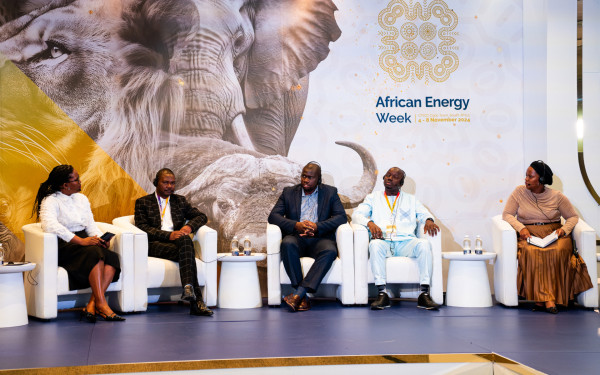
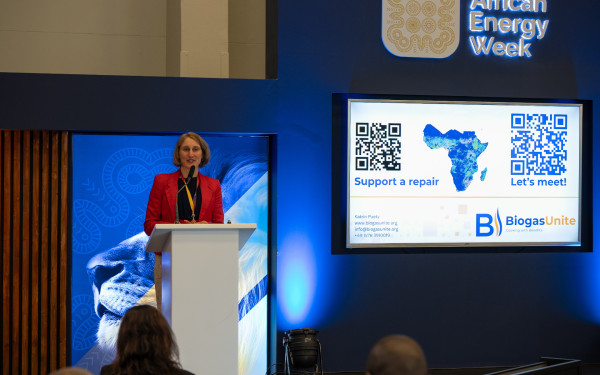
Africa-focused biogas company (B)energy re-launched BiogasUnite, a digital platform designed to boost the use of biogas for clean cooking in Africa, during a technical workshop at African Energy Week: Invest in African Energies 2024 on Tuesday. 

Katrin Puetz, Founder and Managing Director of (B)energy, said the company is seeking £780,000 from African and global investors to fund the adoption of BiogasUnite across the continent. Currently under trial in Uganda, the platform will provide a streamlined approach to connecting biogas consumers, technicians and energy stakeholders, according to Puetz. 

The initiative targets the repair of approximately 175,000 biogas cooking systems currently out of service due to maintenance challenges.  

(B)energy established partnerships for the platform with fifteen organizations in countries such as Nigeria, Sierra Leone, Benin, Ghana, Mali, South Africa, Zimbabwe, Kenya and Mozambique 

“Around 200,000 biogas cooking systems were installed in Africa since 2012, yet nearly 60% are now non-functional due to inadequate maintenance,” Puetz explained. 

The platform, enabled with a smart meter and app, provides users with direct access to technicians for stove maintenance, while enabling business owners to rent and monetize their cooking stoves, reducing the previously high upfront costs that hindered biogas adoption and scalability, according to Puetz. 

“Fifteen years ago, about 700 million people lacked access to clean cooking, and this number has since grown to nearly a billion,” stated Puetz, adding “The African Energy Chamber, with its extensive data and connections across the African energy sector, would be an ideal partner.”  

She said having governments as partners will help with job creation and drive sustainability of the oil and gas industry. 

Distributed by APO Group on behalf of African Energy Chamber.

Media files
African Energy Chamber
Download logo
Read more(B)energy Relaunches Africa-Focused Clean Cooking Solution
7 November 2024

AEW 2024: Efficiency and Demand Management Key to Sustainable Development

Location: News
African Energy Chamber

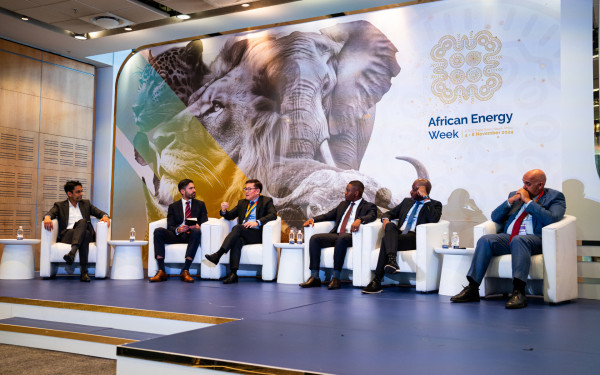
As Africa continues to expand its energy infrastructure on a continent where energy poverty remains the reality for millions of its population, addressing the challenges of energy efficiency and demand side management become increasingly crucial. There is a pressing need to optimize energy consumption and promote sustainable development across the continent.

During a panel discussion sponsored by the South African National Energy Development Institute (SANEDI), South Africa's successful history of promoting energy efficiency in the country through the implementation of its National Energy Efficiency Strategy was highlighted.

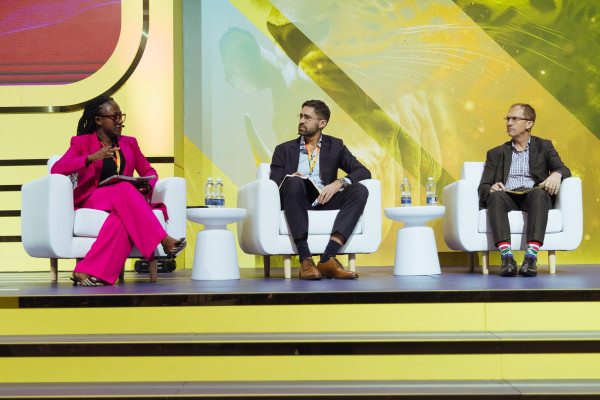
Ngoanathari Maja, Programme Manager for Energy Efficiency in Public Buildings & Infrastructure Programmes at the SANEDI set the tone of the discussion as the panel moderator. Panelists included Professor Sampson Mamphweli, General Manager at the Department of Science and Innovation and Energy Secretariat at SANEDI; Stalin Ndlovu, Acting General Manager of Energy Efficiency and Demand Side Management at SANEDI; Nqobile Ngcobo, Energy Performance Certificates Program Lead at SANEDI and Salifou Camara, Deputy National Director of Energy at the Ministry of Energy, Hydraulics and Hydrocarbons in Guinea-Conakry.

Mamphweli discussed how energy efficiency and demand side management measures had a significant impact on South Africa's energy availability when the country experienced its first period of loadshedding in 2008. The measures implemented by Eskom, SANEDI and the private sector managed to contain loadshedding at the time.

“Through energy efficiency and demand side management measures you can save a lot of energy that can be distributed to those who do not have access to energy,” he said.

Mamphweli added that although South Africa has the National Energy Efficiency Strategy, the country's draft Integrated Resource Plan 2023, which provides a roadmap for meeting South Africa's forecasted electricity demand, does not make provision for this. It is important for energy efficiency and demand side management to feature in the country's long-term energy planning, he said.

To meet the country's future energy needs, Ndlovu reiterated the importance of resource efficiency on both the energy supply side and energy demand side, noting that countries must optimize their energy use.

Also drawing on the topic of resource efficiency, Ngcobo said that we can only start expanding electrification on the continent once we consume energy efficiently.

Maja raised the concern that despite the strides made towards improving energy efficiency in South Africa, there is not enough uptake of energy efficiency and demand side management measures in Africa.

In response to this, Mamphweli highlighted the various stumbling blocks in Africa, including funding, skills, and awareness of energy efficiency. “Selling the idea of energy efficiency takes time for people to buy into,” he said.

Camara provided insight on the barriers faced in adopting energy efficiency measures in Guinea-Conakry, noting that consumers simply buy appliances that are not energy efficient.

“We need [to] raise awareness among consumers to improve the country's energy efficiency as our population needs to better understand how to better save and use energy, to ensure sufficient energy for all,” he said.

In line with this, Mamphweli called for action against using Africa as a dumping ground for energy inefficient technologies, emphasizing the need for behavioral changes towards using existing and proven energy saving technologies in Africa at both a household and commercial level.

Ngcobo addressed the importance of viewing energy efficiency as the first step in managing demand. “There is no point in increasing energy supply when we are unable to effectively manage what we are using on the end user side,” she said.

The panel discussion formed part of African Energy Week (AEW): Invest in African Energies' ‘Powering Africa Summit'. The summit aims to advance investment, technology, and innovation to harness Africa's renewable and non-renewable energy mix and optimize the continent's power generation and distribution capabilities to improve energy access and meet the rising power needs of Africa's rapidly expanding populations.

Set to reach 2.5 billion people by 2050, Africa is home to the world's fastest-growing population. The continent's crude oil and gas resources, combined with its vast solar and hydropower resources represent the pathway to improving energy access and rising power demands.

SANEDI is a Bronze Sponsor of the AEW: Invest in African Energies 2024 conference, which is being held in Cape Town this week.

Distributed by APO Group on behalf of African Energy Chamber.

Media files
African Energy Chamber
Download logo
Read moreAEW 2024: Efficiency and Demand Management Key to Sustainable Development
7 November 2024

AEW 2024 Panel Deliberates Path Towards Private Power Provision in Africa

Location: News
African Energy Chamber

Private power and Independent Power Producer (IPP) investments are pivotal for Africa's energy future if it is to improve energy access and end energy poverty on the continent. The procurement of new, often renewable sources of energy, is a way for countries to improve energy supply but also meet transition goals. 

During a panel discussion titled ‘Maintaining the Momentum for Private Power Provision' that formed part of African Energy Week (AEW): Invest in African Energies 2024 ‘Powering Africa Summit' South Africa's IPP procurement program was highlighted as a benchmark on how to successfully develop private, independent power generation capacity in Africa, which is challenged by a lack of generation capacity, aging power plants and poorly run state-owned utilities and a lack of affordable capital. 

Bernard Magoro, Head of South Africa's Independent Power Producers Office said that although the country has overcome the challenge of loadshedding, it needs to decommission 15-20 GW of coal-fired power by 2035, half of which will be replaced by renewables which requires between four and five times the baseload capacity that you are replacing. 

The IPP program, which has been running for 14 years, has delivered over 8 GW of capacity, 7.2 GW of renewable energy and 1 GW of open cycle gas turbine capacity, Magoro pointed out. This equates to about 10% of South Africa's energy from IPPs on an annual basis, he added. 

The enabling environment that Magoro referred to as “the IPP energy ecosystem” that was created in South Africa to support IPP integration is what has supported the success of the program, the learnings of which he said was being shared with the rest of the African continent. 

Panel moderator, Hasnayn Ebrahim, Managing Director of management consultancy Africa International Advisors noted the important aspect of cross-border collaboration, knowledge sharing and capacity support as a potential enabler to advance private power provision in Africa, a sentiment echoed by Mirlan Aldayarov, Infrastructure Program Leader at the World Bank who said the South African Power Pool (SAPP) exists as a good mechanism that can help to leapfrog some of the IPP development challenges in Africa. 

This idea was supported by Simphiwe Jantjies, Head of East, Central and West Africa at development finance institute the Development Bank of Southern Africa who said the existence of regional power pools, in addition to liberalizing the energy market can play an important role in extending the role of IPPS in providing power. 

“Development finance institutions can…play a meaningful role in the entire project development value chain…pulling the entire financing structure of a project together and ensuring it is bankable,” Jantjies said. 

Aldayarov highlighted the pace of reforms to support IPPs in South Africa as “phenomenal” noting that the Bank is involved in long term energy planning, policy and regulatory reforms, energy offtake and supporting the development of a pipeline of bankable projects to create an enabling environment going forward. 

In trying to maintain the momentum of the IPP program in South Africa, where there is over 100 GW worth of energy capcity at different readiness stages waiting to be developed, the country is faced with needing to expand the energy grid. “We have run out of grid capacity,” he said. 

“Between now and 2032 we need to build 14,000 km of transmission lines,” which Eskom cannot do alone, Mogoro said, noting that the private sector, like the role it is playing in the IPP space, would need to assist in expanding the strained transmission network. 

Distributed by APO Group on behalf of African Energy Chamber.

Media files
African Energy Chamber
Download logo
Read moreAEW 2024 Panel Deliberates Path Towards Private Power Provision in Africa
7 November 2024

SAHPRA encourages citizens to report suspected side effects from medication

Location: News

SAHPRA encourages citizens to report suspected side effects from medication

The South African Health Products Regulatory Authority (SAHPRA) has encouraged citizens to always report any suspected side effects they may experience from taking medicines, vaccines or using medical devices, to help make medicines safer for everyone.  

While humanity benefits greatly from medicines in the treatment of illness and management of certain conditions, SAHPRA said medicines may at times cause side effects. 

However, according to the local drug watchdog, the risk of side effects and severe harm can be drastically reduced by taking medicines correctly and following the advice of a healthcare practitioner. 

SAHPRA, together with over 90 other medicines and health product regulators, as well as healthcare organisations globally, is participating in the annual MedSafety Week awareness initiative, which takes place between 04 and 10 November 2024. 

This year’s theme will focus on the importance of using medicines in the right way to prevent side effects and to report side effects when they do occur. 

The awareness is spearheaded by the Uppsala Monitoring Centre under the auspices of the World Health Organisation (WHO) Programme for International Drug Monitoring.

This is a programme that monitors and identifies adverse effects of medicines and vaccines, to reduce risks to patients, and to establish worldwide pharmacovigilance standards and systems. 

SAHPRA CEO, Dr Boitumelo Semete-Makokotlela, said that handling and storing as well as taking medicines as directed by a healthcare professional is key in reducing the incidence of adverse reactions.

“Research shows that about half of all side effects are preventable. Patient safety is our top priority and during MedSafety Week, we wish to remind patients to take their medicines as instructed and healthcare professionals to review therapies as well as each patient’s unique health conditions before prescribing or dispensing medicines,” said Semete-Makokotlela.

SAHPRA called upon the South African public and healthcare professionals to use either the MedSafety app or the eReporting portal  - both accessible on  SAHPRA's website - to report suspected side effects from health products. 

According to the watchdog, all reports are assessed and examined to determine the correct steps to protect medicine users in South Africa from harm. 

“The purpose is to gain better knowledge about known side effects and to discover new ones. This can result in warnings and changes to how a medicine is used,” the authority explained. 

The SAHPRA MedSafety app and eReporting portal can be used for reporting suspected adverse drug reactions from medicines, vaccines, herbal products, biological medicines and any quality issues relating to health products. – SAnews.gov.za


Gabisile
Thu, 11/07/2024 - 13:12

20 views
Read moreSAHPRA encourages citizens to report suspected side effects from medication
7 November 2024

Africa Oil Corp. Shares Exploration Results in Equatorial Guinea’s EG-18 Field at AEW 2024

Location: News
African Energy Chamber

Africa Oil Corp has revealed encouraging exploration results from the EG-18 field in Equatorial Guinea. Chris Johnston, Senior Geoscientist at Africa Oil Corp., presented these findings during a technical workshop at Africa Energy Week: Invest in African Energies 2024. 

Highlighting their recent efforts, Johnston explained that the EG-18 field, which Africa Oil operates with an 80% interest, has demonstrated strong reservoir quality. The EG-18 field is part of Africa Oil Corp's strategic offshore exploration in Equatorial Guinea, a region historically rich in hydrocarbons but with limited offshore oil discoveries. "Our main prospect, Jasper, appears highly prospective, with indicators suggesting the presence of oil," Johnston stated. 

Africa Oil Corp's exploration campaign includes analyzing basin floor fan prospects of the Cretaceous age. These formations are akin to successful structures the company has explored in Namibia and South Africa. "From our data, we've identified seismic anomalies and Amplitude Versus Offset responses that increase our confidence in a working hydrocarbon system," Johnston elaborated, referencing findings from the recent Jaca-1 well, which indicate oil presence. 

Additionally, Johnston emphasized the potential of EG-18 to become a major new hydrocarbon province, akin to the prolific Orange Basin. “The correlation to nearby L2 well data and Direct Hydrocarbon Indicators further supports our belief in the area's potential,” he said. 

In Block EG-31, Africa Oil has also identified promising gas-prone prospects, such as the shallow-water Whistler prospect in the Alba fields. Studies, including rock physics analysis, have confirmed gas potential. 

Distributed by APO Group on behalf of African Energy Chamber.

Media files
African Energy Chamber
Download logo
Read moreAfrica Oil Corp. Shares Exploration Results in Equatorial Guinea’s EG-18 Field at AEW 2024
7 November 2024

Memorial lecture series to honour past and present leaders

Location: News

Memorial lecture series to honour past and present leaders

The National House of Traditional and Khoisan Leaders (NHTKL), as the custodian of culture and tradition and the anchor of societal moral values, will launch a series of memorial lectures titled ‘Lenaka’.

Lenaka is a Setswana phrase that means "elephant tusk". It is also the name of a ring that symbolises wisdom, strength and protection.

“Historically, the sounding of a horn has been used to summon communities, announce important events and mark moments of transition or unity. 

“By invoking the image of the horn, this lecture not only honours the memory of the individual being celebrated but also reinforces the call for collective reflection, wisdom and the continuity of cultural heritage. 

“It is a powerful metaphor for gathering people together to share knowledge, uphold traditions and inspire future generations,” the NHTKL explained. 

According to the leaders, the Lenaka Memorial Lectures aim to celebrate the heroes and heroines within the traditional leadership landscape, past and present, whose contribution has shaped the course of the institution’s history and the country. 

The organisation believes that celebrating the life and legacy of past and present traditional leaders will take the form of a memorial lecture, annually, in the identified community, coupled with the promotion of socio-economic development and service delivery and the social well-being and welfare of communities.

The inaugural Lenaka Memorial Lecture will be dedicated to honouring the life and legacy of Queen Manthatisi of Batlokoa ba Mota, in QwaQwa, Free State, on 14 November 2024.

Queen Manthatisi is revered as a great leader, who ruled the Batlokwa community from 1813 to 1824.

“Although she ascended the throne as a regent for her son after the death of the reigning King, she became a formidable force through her dedication to the community and her bravery in protecting her people from adversaries.” 

As a royal child herself, the organisation said she understood the immense responsibility placed on her shoulders when she took over from her husband to lead the Batlokoa people. 

“Her father’s community also boasts a history of warriorhood, which shows that bravery and leadership were in her blood. Of course, her ascension to the position of authority was not without contest as she was challenged from within, but she remained resolute in her vision to protect the Batlokoa.” 

The NHTKL said it has chosen the month of November aptly because according to the African calendar, this is a month of procreation and giving life. 

“This marks the birth of a memorialisation journey, the unearthing of a history untold!” 

The Lenaka Memorial Lectures will take place under the ‘Traditional leaders looking back to take the institution forward’ theme. 

Building up to the memorial lectures, the NHTKL will work with its partners to promote socioeconomic development in traditional communities. 

The objective is to support community initiatives that seek to improve and uplift the social and economic livelihood of community members. – SAnews.gov.za

Gabisile
Thu, 11/07/2024 - 10:37

108 views
Read moreMemorial lecture series to honour past and present leaders
7 November 2024

SA’s G20 Education Working Group Presidency to focus on skilling young people 

Location: News

SA’s G20 Education Working Group Presidency to focus on skilling young people 

South Africa’s G20 Education Working Group Presidency will focus on equipping young people with skills for the Fourth Industrial Revolution. 

Basic Education Minister Siviwe Gwarube said this includes training in artificial intelligence (AI) and robotics.

The Minister gave details of her recent visit to Fortaleza, Brazil, where she accepted the handover of the 2025 Presidency of the G20 Education Working Group on behalf of South Africa.

“This is a historic moment for our nation, and it places South Africa at the center of the global education agenda for the coming year. The G20 Education Working Group is a powerful platform for collaboration, bringing together some of the world’s leading economies to address the most pressing issues in education today.

“Under our presidency, we will focus on ‘Educational Professionals for Solidarity, Equality and Sustainable Development," she said at media briefing on Wednesday.

This she added, reflects the country’s commitment to advancing education in a way that supports economic growth, social equity, and a future-ready workforce. 

These priorities include quality foundational learning, mutual recognition of qualifications across borders, and the development of educational professionals equipped to meet the needs of a rapidly changing world. 

“Each of these areas is critical not only for South Africa but for developing nations around the world, as we all prepare our learners for the challenges and opportunities of an AI-powered future.

“Our presidency will emphasise the importance of preparing our young people with the skills needed for the Fourth Industrial Revolution, including artificial intelligence, large language models, robotics, and other emerging technologies,” Gwarube said. 

In an era defined by rapid technological change, Gwarube said it is essential that education systems adapt and evolve to equip learners with relevant, future-ready skills. 

Through the G20 platform, she said the sector aims to foster greater international cooperation, allowing them to share best practices, resources, and innovations that support this goal.

“One of the key goals of our presidency will be to advocate for an inclusive and equitable approach to education that reflects the diverse needs of all learners. We will prioritise the voices and perspectives of developing nations, ensuring that the G20 Education Agenda aligns with the aspirations of learners worldwide. 

“By addressing the challenges faced by resource-constrained regions, we can create an educational framework that leaves no learner behind. We believe that every young person deserves the chance to succeed in a world that increasingly relies on digital and technological proficiency,” the Minister explained adding that this leadership role is both a responsibility and a tremendous opportunity for South Africa. 

“As a country, we are committed to advancing education that is not only accessible but transformative education that empowers individuals, supports communities, and drives sustainable development. 

“By taking on this role, we are not only supporting South African learners but contributing to a global movement that prioritizes the growth, safety, and wellbeing of all children,” she said. 

As the country steps into the presidency of the G20 Education Working Group, the Minister said: “We are reminded of the immense potential for education to change lives, drive innovation, and build a resilient, future-ready nation. 

“I look forward to engaging with our global partners and advancing an agenda that will equip our learners and learners around the world for the demands of tomorrow,” she said.

South Africa will hold the G20 Presidency from 1 December 2024 to 30 November 2025.

READ | Government assigns funding for G20 Summit

The G20 brings together the countries with the largest economies in the world. The Member States meet annually to discuss economic, political and social initiatives. – SAnews.gov.za


DikelediM
Wed, 11/06/2024 - 15:36

124 views
Read moreSA’s G20 Education Working Group Presidency to focus on skilling young people 
6 November 2024

AEW 2024 Hydrogen Summit Highlights Collaboration as Key to Investments

Location: News
African Energy Chamber

Africa's abundant energy potential, coupled with Europe's ambitious production and import goals, have resulted in the development of a burgeoning global green hydrogen economy. Africa currently has 125 GW of hydrogen capacity with major contributors including Egypt, Mauritania, South Africa, Morocco, Namibia and Kenya – a group of nations that form part of the Africa Green Hydrogen Alliance group.

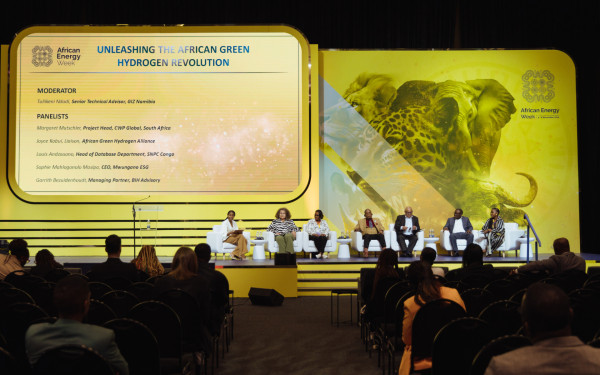
A dedicated panel session titled, Hydrogen Summit: Unleashing the African Green Hydrogen Revolution, at this year's African Energy Week: Invest in African Energies 2024 conference explored the significant role that hydrogen plays in the future of African energy. The panel noted that the EU market represents the largest commercial opportunity for hydrogen projects on the continent, with international collaboration being highlighted as a key strategy towards driving the sector forward.

“We need to see more countries establish key terms to create a platform for knowledge sharing,” stated Africa Green Hydrogen Alliance liaison Joyce Kabui, adding, “The support here depends on the scale of collaboration in the green hydrogen space.”

Mauritania has emerged as one of the world's top green hydrogen investment destinations. The country has effectively captured 1.5% of the global hydrogen market with 3 of its major hydrogen developments – the 30 GW AMAN development, 35 GW Megaton Moon project and 10 GW Project Nour development by renewable energy developer Chariot Energy Group, which collectively contribute to the country's objective of producing 12.5 million tons of green hydrogen annually by 2035.

“In Mauritania, we've managed to prove renewable resources and understand energy profiles available from natural resources to supply the value chain,” stated CWP Global Vice President of Project Development Africa, Margaret Mutschler, adding, “We've conducted environmental studies and baseline studies in countries like Mauritania that is relevant in other countries as well.”

Meanwhile, South Africa's government has recognized green hydrogen as a key aspect of the country's just energy transition. It has introduced the Hydrogen Society Roadmap to serve as the industry's framework to facilitate large-scale investments in the sector.

“If you look at hydrogen as a source, it's underpinned by the hydrogen roadmap that the government has begun to drive,” stated General Manager of Energy Projects at South Africa's state-owned Central Energy Fund, Sifiso Msabala. “There is a focus on hydrogen in this country and we understand the issues that are inhibiting progress. We know that South Africa is a great country to contribute to the global hydrogen industry.”

Louis Andzouono, Head of Database Department at the Republic of the Congo's state-owned Société National des Pétroles du Congo (SNPC), expressed his country's commitment to driving a sustainable green hydrogen sector. The parastatal company received authorization from the government last year to explore the development of a green hydrogen market in the country.

“The SNPC is confident that its promotion of green hydrogen will succeed and thrive,” Andzouono stated, adding, “We assume the missions and projects of the state will guarantee a serene future for the Congolese people through structure and eco-friendly projects.”

The panelists noted that supportive policies and international collaboration will bolster Africa's green hydrogen economy, potentially attracting investments and improving resource capacity.

Distributed by APO Group on behalf of African Energy Chamber.

Media files
African Energy Chamber
Download logo
Read moreAEW 2024 Hydrogen Summit Highlights Collaboration as Key to Investments
6 November 2024

Mashatile chairs inaugural meeting of newly appointed Human Resource Development Council

Location: News

Mashatile chairs inaugural meeting of newly appointed Human Resource Development Council

Deputy President Paul Mashatile has stressed the importance of reigniting efforts to drive human resource development initiatives, so as to urgently tackle the three critical challenges of unemployment, poverty and inequality.

The Deputy President was speaking as the Chairperson of the Human Resource Development Council (HRDC), where he led the inaugural meeting of the newly appointed council on Tuesday.

The newly appointed HRDC members include representatives from government, organised labour, organised business, as well as civil society.

According to the Deputy President’s office, the council’s main strategic mandate is to advise government on initiatives to develop the necessary skills to meet labour market demands over the next five years, ending in 2029.

“We look forward to your invaluable contribution and are convinced that your unique talents, abilities, and experiences will further assist to re-energise efforts to realise the strategic goals of the HRDC,” Mashatile said.

The meeting received presentations on the reconceptualised HRD Strategy and the Master Skills Plan, which will anchor policy documents for all human resource development interventions in the country.  

The plan outlines four strategic, outcome-oriented goals. These include enhancing early learning and educational outcomes, as well as increasing the employability of youth, who are not engaged in education, employment, or training (NEET).

The plan also highlights the need to enhance the responsiveness of the Post-School Education and Training (PSET) system to skill demands and improve governance, leadership and management within the public sector.

In addition, the meeting received updates on the establishment of the Just Energy Skills Forum, which is aimed at contributing to the transformation of the energy landscape in the country, in line with the dictates of climate change.  

This follows the commitment made by government to launch the Just Energy Transition (JET) Investment Plan 2023-2027 in 2022, where President Cyril Ramaphosa mandated the Presidential Climate Commission to engage with various key stakeholders in developing common approaches for South Africa.

A key element for the implementation of the JET Skills Portfolio is the establishment of a National Skills Advisory Forum, which is planned to be launched at the 5th HRDC Summit scheduled to take place this month.

The 5th HRDC Summit will bring together civil society groups, government, labour and business to deliberate on critical skills challenges facing the country.

The summit’s theme will focus on developing the emotional, intellectual and technical capabilities needed to succeed. The gathering will also touch on the reconceptualised HRD Strategy and the Master Skills Plan, as well as the launch of the JET National Skills Advisory Forum.

The summit will also discuss building foundations for learning and skills for a transformed economy, as well as building a capable State.

The HRDC is a national, multi-stakeholder advisory body chaired by the Deputy President and managed by the Ministry of Higher Education and Training.

The HRDC was established in 2010 to facilitate conditions that promote the optimal participation of all stakeholders in the planning, stewardship, monitoring and evaluation of HRD activities in the country.

One of the council’s key responsibilities is to build the HRD base required to ensure a prosperous and inclusive South African society and economy, focusing on the development of strategy. – SAnews.gov.za

Gabisile
Wed, 11/06/2024 - 10:48

346 views
Read moreMashatile chairs inaugural meeting of newly appointed Human Resource Development Council
6 November 2024

Arts and creative industries can drive behavioural change

Location: News

Arts and creative industries can drive behavioural change

The arts and creative industries hold the unique power to build empathy and drive behavioural change, says Deputy Minister in the Presidency responsible for Women, Youth and Persons with Disabilities, Mmapaseka Steve Letsike.

Letsike was speaking at a stakeholder engagement on the empowerment of women, youth and people with disabilities held at The Playhouse Company in Durban on Tuesday.

Held under the theme: “Addressing social ills through the creative industry”, the stakeholder engagement addressed the creative industry as a vehicle to highlight the impact of violence against people with disabilities, sex workers, lesbian, gay, bisexual, transgender, queer/questioning, and intersex (LGBTQI) individuals, and women and children, among others.

The engagement demonstrated other opportunities available to address gender-based violence and femicide (GBVF) in the communities through sports, arts and culture.

In her address, Letsike said the arts and creative industries hold the unique power to influence social consciousness, build empathy and drive behavioural change.

“Music, theatre, visual arts and storytelling can reach the hearts and minds of audiences, raising awareness and influencing behaviour in ways that traditional methods sometimes fall short of achieving. 

"The creative industry also plays a vital role in educational prevention and intervention by using different art forms as vehicles for teaching respect, empathy, and non-violence,” Lestsike said.

Letsike said producing artworks that convey the harsh realities of discrimination and creating powerful theatre productions that depict stories of resilience, the arts can foster crucial conversations around what it means to be a healthy society and nation.

She said the arts can shift societal mindsets and challenge outdated norms that perpetuate violence and discrimination against women, girls and LGBTQIA+ people.

“In this way, the industry becomes not just observers but active participants in reshaping the narrative of our nation. Further, the wide reach of the creative arts fraternity offers long-term, comprehensive, adaptable, context-specific, and holistic approaches to prevention that target all people living in South Africa through its messaging,” Letsike said.

The Deputy Minister underscored the need for citizens to adopt an all-of-society approach, where every individual, community and institution takes an active role toward addressing the country’s social challenges.

She said every South African must understand that ending social challenges is a national obligation for all.

“This is the message that must be carried far and wide by the cultural and creative industries,” the Deputy Minister said.

Letsike encouraged every individual in the industry to continue their “astounding” work that touches the hearts and minds of the nation, and has the potential to turn the tide against violence directed at women, children, LGBTQIA+ people and people with disabilities, and eliminate the social acceptance of all forms of discrimination.

Continues to address GBVF

Letsike said government continues with efforts toward addressing GBVF through the implementation of the National Strategic Plan (NSP) on GBVF.

“The NSP represents our unified, multi-sectoral approach to addressing this scourge across all levels of society. We have also launched the National Comprehensive GBVF Prevention Strategy, which broadens the scope of our interventions and places particular focus on preventive measures to stop GBVF before it starts.

“To date, these frameworks have led to the establishment of improved survivor support services, enhanced legal frameworks, and strengthened partnerships with civil society and the private sector. 

"We continue to work closely with our partners, including community organisations and faith-based groups to ensure that our interventions reach every corner of society,” the Deputy Minister said.

The event was held as a build-up to the District Development Model Presidential Imbizo that will take place on Friday, where President Cyril Ramaphosa will assess service delivery and engage with the people at Umnini Sports Field in Umgababa, south of Durban. – SAnews.gov.za

GabiK
Wed, 11/06/2024 - 11:27

234 views
Read moreArts and creative industries can drive behavioural change
6 November 2024

Mastering Farm-In and Farm-Out Agreements – Key Insights from AEW 2024

Location: News
African Energy Chamber

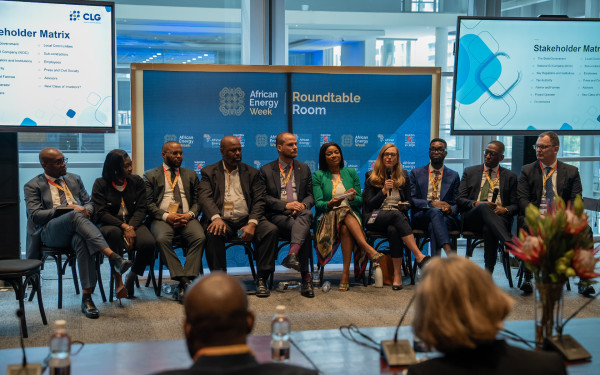
A panel of experts at Africa Energy Week (AEW): Invest in African Energies 2024 emphasized the critical importance of stakeholder engagement and legal considerations in farm-in and farm-out agreements during a workshop titled, ‘Mastering Energy Investment Transactions in Africa'.

Moderated by Zion Adeoye, CEO and Managing Partner of CLG on Monday at the AEW: Invest in African Energies 2024 pre-conference session, the panellists shared insights into essential contractual arrangements in the oil and gas industry for facilitating exploration and development activities and allowing companies to share resources, risks and expertise.

Speaking during a Mastering Energy Investment transaction in Africa: a critical guide for general counsel masterclass, Jude Kearney, managing partner of Asafo & Co noted that there were several critical factors that played a role in allowing for meaningful engagement in farm-in farm-out agreements. “There are literally a thousand considerations a farmor or farmee must make before entering a transaction, but they must realize that they are not alone in their decision-making.”

“It is crucial to engage with local stakeholders – government, prospective service providers, potential employees – early to understand the market dynamics and expectations. This includes assessing local content requirements and corporate social responsibility expectations. The government is your ultimate stakeholder, as they hold the authority to approve or deny transactions,” Kearny added.

Participants underscored the necessity of thorough legal due diligence before entering negotiations. This includes understanding local laws, tax obligations and regulatory requirements to avoid potential pitfalls. Grace Yella, CLG director for tax and legal in Cameroon, emphasised starting with due diligence to lobby for favourable responses from government administrations.

Kearny concurred, “Consider policies that exist in some of the countries, such as Nigeria and South Africa, which have very strong local content regulations. If you are not aware of these regulations, and  have not considered them, then your contract is not perfect,” he added.

CLG Equatorial Guinea managing partner Manuel Oliveira agreed, adding that meeting these regulations were no longer a box-ticking exercise. “Local content is critical for these transactions, there are obligations regarding training local people and to give opportunities to local entities to participate in the economy,” he said, adding that local advisors were also able to navigate the complexities of legislation of this nature.

Tax considerations were also a focal point of the discussion. Daoudou Mohammad, Congo director of CLG, noted that understanding tax obligations is crucial, especially as regulations can change rapidly. Engaging tax consultants early could ensure compliance and identify potential exemptions.

As case study, Mohammad cited the oil and gas taxation decree in the Republic of the Congo having undergone several revisions, which significantly impacts how companies approach their investments and compliance strategies. In 2001, a decree was issued that provided tax exemptions for oil and gas activities, which were included in the terms and conditions of various contracts.

However, subsequent changes in government policy led to the issuance of a new decree that made these activities taxable. This shift raised concerns among investors about the stability and predictability of the regulatory environment. The decree was later suspended following constructive dialogue between government officials and tax operatives, indicating a willingness to find a compromise between government revenue needs and the interests of oil and gas entities.

Similarly, changes in Ghana's oil and gas laws that affected previously favourable tax terms have also changed. “The new Production Sharing Contract focuses more on tax implications than legal terms, highlighting the need for tax experts to be involved in negotiations to avoid unexpected costs,” said Onyeka Ojogbo, CLG deputy managing partner.

“This evolving nature of tax regulations necessitates that companies remain vigilant about compliance to avoid unexpected liabilities, especially given that VAT is now applicable to oil and gas companies, although some activities may still be exempt,”  concluded Mohammad.

Distributed by APO Group on behalf of African Energy Chamber.

Media files
African Energy Chamber
Download logo
Read moreMastering Farm-In and Farm-Out Agreements – Key Insights from AEW 2024
6 November 2024

Young leaders encouraged to apply for NYDA Board positions

Location: News

Young leaders encouraged to apply for NYDA Board positions

The Department of Women, Youth and Persons with Disabilities (DWYPD) has encouraged young leaders to consider applying for positions at the National Youth Development Agency (NYDA) Board.

Deputy Minister in the Presidency responsible for Women, Youth and Persons with Disabilities, Mmapaseka Steve Letsike, said the department is seeking individuals who are passionate, capable, and committed to creating meaningful change.

“[We are seeking] youth with a deep understanding of community needs and a drive to uplift and empower their peers. This is a valuable opportunity to be part of a transformative journey, shaping policies and leading initiatives that will impact the lives of young people across our country,” Letsike said.

Letsike’s call comes after the Portfolio Committee on Women, Youth and Persons with Disabilities invited members of the public to apply, and organisations or individuals to nominate suitable candidates for appointment to serve on the Board of the NYDA, as mandated by the National Youth Development Agency Amendment Act, (No. 11 of 2024).

According to the application invite posted on 20 October 2024, all applicants/nominees will be required to complete an online application, https://forms.gle/prJNFC7kAezFmV439 on the parliamentary website. 

All applicants and nominees are required to upload certified copies (not older than six months) of their identity document and academic qualifications.

A list of shortlisted candidates and their resumes will be published on the parliamentary website to allow members of the public to comment on the suitability of candidates. Disclosure of personal information of candidates is subject to lawful processing and secure storage.

All shortlisted candidates will be subject to pre-employment screening by the State Security Agency and verification of qualifications by Parliament’s Human Resources. All applications will be in line with the Protection of Personal Information Act (No. 4 of 2013), and the Employment Equity Act (No. 55 of 1998).

On the recommendation of Parliament, President Cyril Ramaphosa will appoint members of the National Youth Development Agency Board for a term of office not exceeding three years.

“Members of the National Youth Development Agency Board may be appointed on full-time or part-time basis. Any person, whose term of office as a Board member of the National Youth Development Agency has expired, may be reappointed for one additional term, and may not be re-appointed for more than two terms,” the DWYPD said.

Requirements

Candidates must be:

  • A South African citizen between the ages of 18 and 35 years; 
  • Have the relevant knowledge, expertise, experience or qualifications in the youth development, social development, financial field, legal or any other field considered necessary for advancement of the agency’s mandate, and
  • Be allowed to finish their term of office, if they turn 35 years whilst in office, and be committed to advance the vision, mission, goal, objectives, values and principles as enunciated in the National Youth Policy.

Nominations or applications must contain the full name, address/email address and contact details of the person or organisation making nomination, as well as a signed acceptance of the nomination by the nominee, including the nominator.

Applicants should also have relevant experience or qualifications aligned with the NYDA’s mandate.

Applications will close at midnight on 18 November 2024. – SAnews.gov.za 

GabiK
Wed, 11/06/2024 - 12:18

467 views
Read moreYoung leaders encouraged to apply for NYDA Board positions
6 November 2024

AEW Highlights Critical Minerals Role in African Renewables Growth

Location: News
African Energy Chamber

Africa must expand its renewable energy manufacturing capabilities and leverage its critical minerals to foster growth in its renewables sector, according to James Mackay, Managing Director at the Energy Council of South Africa.

Speaking on a panel discussion during African Energy Week: Invest in African Energies' Pre-Event Technical Workshops, Mackay said the high cost of renewables in Africa could be lowered by enhancing local manufacturing capacity, making vital technologies more accessible for project developers.

“Egypt is currently leading in solar manufacturing, but other African governments should work to attract investments and implement policies that incentivize manufacturers to establish operations on the continent,” stated Mackay.

Carlos Torres Diaz, Senior Vice President & Head of Gas and Power Markets Research, Rystad Energy highlighted Africa's youthful workforce as a strategic advantage in developing innovative solutions required to harness the continent's 30% share of global critical minerals. According to Diaz, the focus is no longer solely on replacing fossil fuels but on integrating all energy resources and using digital tools to stabilize the power grid.

“Gas-to-power solutions remain essential for stability alongside renewables,” he noted.

Despite holding 40% of the world's total solar potential, Africa currently utilizes only 35% of its capacity, according to Nivedh Das Thaikoottathil, Senior Analyst – Renewables & Power at Rystad Energy. Thaikoottathil pointed out that Africa's ability to add value to its critical minerals will shape its potential to produce over 100,000 TWh of solar energy annually, potentially increasing the share of solar and wind from 8% today to 60% by 2040.

Commenting on high-growth renewable energy markets in Africa, Thaikoottathil said South Africa, Morocco, Egypt, Tunisia, Mauritania and Mozambique are the key players.

“We are seeing growing financing for renewable projects and new interconnectors between North Africa and Europe, with 24 GW of proposed capacity aimed at linking the regions,” he said.

AEW: Invest in African Energy 2024 is held alongside the Critical Minerals Africa Summit which will run from November 6 – 7 November in Cape Town, offering delegates access to the full scope of energy, mining and finance leaders.

Distributed by APO Group on behalf of African Energy Chamber.

Media files
African Energy Chamber
Download logo
Read moreAEW Highlights Critical Minerals Role in African Renewables Growth
6 November 2024

Justice Minister Simelane to visit Durban Magistrate’s Court

Location: News

Justice Minister Simelane to visit Durban Magistrate's Court

Justice and Constitutional Development Minister, Thembi Simelane, is expected to visit the Durban Magistrate’s Court to assess progress in the implementation of the virtual remand detainee system on Friday.

According to the department, the court has experienced “numerous connectivity challenges that have delayed the roll out the virtual remand detainee system”.

“As part of the visit, the Minister will together with Deputy Minister Andries Nel engage with officials from the Justice, Correctional Services and South African Police Services as well as the magistracy to receive a briefing on how they have experienced the system,” the department said.

The department explained the virtual system is part of the department’s modernisation programme and is used in the “postponement of criminal cases against accused persons who are in custody awaiting trial via a high-quality audio-visual link between the Correctional Centre and the Court”.

“This project is also congruous to the National Development Plan: 2030 which advocates for safer communities in that, it reduces a risk of escape by inmates while at the court or in transit. It also reduces security risk at the court and the propensity of smuggling contrabands and weapons at the holding cells. 

“Virtual hearings have been implemented successfully across most courts in KwaZulu-Natal Province with 169 virtual trials already conducted at the Durban Magistrates Court. This happened in the current financial year (2024/25) with connections with witnesses from other Provinces, as well as from the UK, USA, Dubai, Scotland, and Zimbabwe. 

“This technology has been extended for use in the remand of detainees. The courts in Durban and Pietermaritzburg, along with the correctional facilities to which they are linked, are now operational,” the department said. – SAnews.gov.za


NeoB
Wed, 11/06/2024 - 13:20

137 views
Read moreJustice Minister Simelane to visit Durban Magistrate’s Court
6 November 2024

AEW 2024 Opens in Cape Town with Clarion Calls to Drill, Invest and Drive Projects Forward

Location: News
African Energy Chamber

The African Energy Week (AEW): Invest in African Energies 2024 conference officially opened with calls from the industry to ‘drill baby drill.' Citing the need to enhance climate justice through the development of domestic energy resources, industry leaders from across the continent underscored the need to sign deals, foster partnerships and drive projects forward.

With over 600 million people living without access to electricity and 900 million people without access to clean cooking solutions, the AEW: Invest in African Energies opening ceremony – sponsored by Kosmos Energy – positioned the oil and gas industry as the catalyst for making energy poverty history.

“Our priority must continue to be to end energy poverty for all Africans as well as to create an enabling environment where the oil and gas industry can thrive,” stated Diamantino Pedro Azevedo, Minister of Mineral Resources, Petroleum and Gas, Angola. “That is also our priority in Angola. The oil and gas industry will be a fuel for socioeconomic development.”

For the African Petroleum Producers Organization (APPO), prioritizing the development of domestic markets will be integral for eliminating energy poverty. APPO Secretary General Dr. Omar Farouk Ibrahim stated that “Today, APPO is focused on creating an integrated, regional and continental energy market. To create markets, we need to create cross-border, regional and inter-regional infrastructure. One of our projects we are working on is the Central African Pipeline System, which aims to link countries through crude oil and gas pipelines.”

Adding to these remarks, Kgosientsho Ramokgopa, Minister in the Presidency, Energy and Electricity, South Africa, said that “Today, Africa's path forward lies in seizing control of our energy destiny. Our resources make us capable of not just powering our homes and industries but a new Africa. This will require unity of purpose and a collective resolve.”

Despite project progress, financing remains a central challenge to oil and gas development in Africa. According to Mary Bruce Warlick, Deputy Executive Director of the International Energy Agency, “African countries account for 20% of the world's population but only 4% of global investment. Energy investment has been falling across the continent over the past decade. Africa needs $200 billion to achieve its climate and energy goals by 2030.”

To address these challenges, the African Export-Import Bank (Afreximbank), in collaboration with APPO, established the Africa Energy Bank, an institution which offers financing for African oil and gas projects. According to Benedict Oramah, President & Chairman of the Board, Afreximbank, “The Africa Energy Bank is the first multilateral sector bank in Africa. We expect the bank to significantly contribute towards bridging the funding gap in the African energy sector. It will be open for business to have access to funding by February in 2025. We invite you to send in your applications to be the first transaction by the Africa Energy Bank, which will be ready in a few months' time.”

The Africa Energy Bank supports energy companies drive projects forward. For independents such as Oando, this presents a strategic opportunity to expand their oil and gas portfolios in Africa. Wale Tinubu CON, Group Chief Executive Officer, Oando PLC, said that “The oil and gas landscape is changing. Between 2015 and 2023, there have been more than $7 billion of divested assets in Africa. In terms of M&A activity, there have been a focus on onshore and shallow water acquisitions and we have seen a rise of indigenous joint ventures and collaborations.”

Stepping into this picture, the AEW: Invest in African Energies conference convenes under a goal to make energy poverty history. By uniting the industry in Cape Town, the event fosters partnerships, promotes deal-signing while creating a collaborative environment for companies to do business in Africa's energy sector.

“It is the time for us to tell the African story, written from Cape to Cairo and Kampala to Dakar. We will forge a path that shapes the future. We have work to do in Africa. We sign baby sign so that we can drill baby drill. Let's not stop getting projects signed,” stated NJ Ayuk, Executive Chairman, African Energy Chamber.

Distributed by APO Group on behalf of African Energy Chamber.

Media files
African Energy Chamber
Download logo
Read moreAEW 2024 Opens in Cape Town with Clarion Calls to Drill, Invest and Drive Projects Forward
6 November 2024

Matric Exams progressing smoothly despite some minor disruptions

Location: News

Matric Exams progressing smoothly despite some minor disruptions

Basic Education Minister Siviwe Gwarube says the administration of the National Senior Certificate (NSC) exams has been progressing well thus far, showcasing the strength and resilience of the education sector systems. 

Today marks the 12th day of the matric exams which commenced on 21 October 2024.

“I am delighted to report that so far, the administration of this year’s NSC exams has been progressing well, showcasing the strength and resilience of our systems. 

“These exams mark a critical milestone for our learners, who have spent years working toward this moment, and I am pleased to say that, so far, our systems are holding up well under the pressure,” Gwarube said. 

The Minister held a press briefing on Wednesday to provide an update on the progress of the NSC exams, among other issues. 

She emphasised that the department has taken comprehensive measures to safeguard the integrity of the exams, ensuring that every learner receives a fair, consistent, and supportive experience.

Turning to statistics so far, Gwarube announced that 104 of the 181 question papers have been written as of today, that represents 58% of exams. The exams are now over the halfway point. 

Five schools in the Jan Kemdorp area were affected by a taxi strike, however, all candidates from the schools were able to write their exams.

There was also protest action in Limpopo. However, with the help of the South African Police Service, matric candidates were escorted to the school and were able to write.

KwaZulu Natal, Eastern Cape, Limpopo and Mpumalanga faced disruption caused by inclement weather. The department activated contingency plans and learners were able to write and complete their papers.

Power outages were experienced in some areas and back-up generators were relied on for learners to complete their exam papers. 

There was one learner who could not finish their paper as they were arrested inside the exam venue as a suspect in an armed robbery case.

The Minister told the media briefing that cellphones and crib notes were found and confiscated from a very small number of learners and that this was being investigated. Additionally, two imposter candidates were detected and arrested for attempting to take an exam. 

“Our operational systems have been designed to preempt and resolve challenges quickly and effectively. From the distribution of exam papers to the management of security and supervision, our dedicated teams are actively monitoring each phase of the exam process. 

“We are leveraging technology to maintain real-time oversight, which enables us to detect any irregularities and address them before they can substantially impact the examination process,” she said. 

For example, Gwarube said any suspected security issues with exam papers are immediately escalated, allowing the department to take swift action to uphold the credibility of the exams. 

“While we are encouraged by the overall success of the exams thus far, we are also mindful of the need to adapt to unforeseen challenges, particularly those related to the environment and climate. 

“Recent storms in areas like Bushbuckridge and flooding in parts of the Eastern Cape have impacted some learners’ ability to sit their exams as scheduled. In response, the department quickly implemented alternative arrangements, including the use of alternative venues and the rescheduling of exams to later dates,” Gwarube said. 

The Minister said these decisions were made in collaboration with local authorities to ensure minimal disruption to learners' lives. 

“We recognise that the final leg of exams is crucial, and we are committed to providing every learner with the opportunity to complete their exams without unnecessary obstacles. 

“I commend the resilience of the affected learners and their families, and I appreciate the dedication of our teachers and officials who worked to support these alternative arrangements in such a challenging time,” Gwarube said. – SAnews.gov.za


DikelediM
Wed, 11/06/2024 - 14:58

126 views
Read moreMatric Exams progressing smoothly despite some minor disruptions
6 November 2024

South Africa reaffirms commitment achieve New Urban Agenda

Location: News

South Africa reaffirms commitment achieve New Urban Agenda

Human Settlements Minister, Mmamoloko Kubayi, has reaffirmed South Africa’s commitment to ensuring that the country achieves the New Urban Agenda in a more sustainable way.

Kubayi was speaking at a ministerial roundtable on the sidelines of the 12th World Urban Forum (WUF12) Summit, currently underway in Cairo, Egypt.

The ministerial roundtable was hosted by the United Nations-Habitat Executive Director, Anacláudia Rossbach, on Tuesday.

It explored how different spheres of government, from national to local, can work better together to achieve the 2030 Agenda for Sustainable Development, with particular attention on multilevel governance arrangements and partnerships for adequate housing, climate action, finance systems, digital technology, and urban crises response.

The New Urban Agenda represents a shared vision for a better and more sustainable future, and if well-planned and well-managed, urbanisation can be a powerful tool for sustainable development for both developing and developed countries.

Speaking at the session, Kubayi said South Africa was committed to ensuring that the country meets Sustainable Development Goal (SDG) 11, which calls for countries to make cities and human settlements inclusive, safe, resilient and sustainable.

“We have recognised that this is one of the most important areas of work to address issues related to this, in terms of global shared challenges, such as rapid urbanisation, climate change, inequality and inadequate infrastructure,” Kubayi said.

Kubayi said a multistakeholder approach has been taken by the South African government, and working together with the private sector and civil society, they have committed to ensuring that no one is left behind, but “we include everybody as part of our programmes”.

She highlighted that the primary participants in terms of this work is in the policy formulation, but also ensuring that government’s activities at local level are taken up and programmes are supported.

“The private sector supports us in terms of financial support, ensuring the initiatives that we do and commit to, are also funded, but also in partnership to fast-track the implementation. We do recognise that one of the areas that we want to continue to do this, is also support in terms of academic research organisations.

“We have launched our research agenda as the South African government, to ensure that what we bring as solutions in terms of implementing the urban agenda and also in achieving the UN SGD goals, is to ensure and make sure that our solutions are evidence based but more importantly, can be sustainable,” Kubayi said.

Kubayi also committed government in ensuring that urbanisation in the work they do in critical governance and leadership of the new urban agenda, includes the three spheres of government.

“That is why in our delegation here we have representatives of the national government, provincial government and local government. We do believe that this approach is more sustainable and ensures that it is inclusive but in terms of ensuring that all hands are on deck,” the Minister said.

The 12th World Urban Forum Summit is being held under the theme: “It all starts at home. local actions for sustainable cities and communities.” – SAnews.gov.za


GabiK
Wed, 11/06/2024 - 15:28

48 views
Read moreSouth Africa reaffirms commitment achieve New Urban Agenda
6 November 2024

MakeMyTrip Brings Excitement To Upcoming T20I Series

Location: Sport

JOHANNESBURG: Cricket South Africa (CSA) is excited to announce a partnership with MakeMyTrip, India’s leading player for online travel. Established in...

Read moreMakeMyTrip Brings Excitement To Upcoming T20I Series
6 November 2024

Select Committee Receives Briefing From AG on Audit Outcomes for Departments of Forestry, Mineral Resources, and Electricity

Location: News

Republic of South Africa: The Parliament
Download logo

The Select Committee on Agriculture, Land Reform, and Mineral Resources received a briefing from the Auditor-General of South Africa (AG) on the audit outcomes of the Department Forestry, Fisheries and the Environment, the Department of Mineral Resources, and the Department of Electricity and Energy for the 2023/24 financial year.

The AG's findings revealed significant irregular expenditure, with the Department of Forestry, Fisheries and the Environment reporting R635 million and the Department of Mineral Resources and Energy disclosing R432.6 million. The AG also highlighted compliance issues, including a 100% non-compliance rate in the Free State pertaining to environmental management regulations in waste management and landfill site operations.

This was of great concern to the committee and members expressed their disbelief at the lack of accountability for such significant failures. Members asked for clarity on how the committee could ensure these matters are adequately addressed.

Additional questions arose regarding the operational performance of the National Energy Regulator of South Africa (NERSA). The committee noted that NERSA's effectiveness is crucial in guiding the energy sector, and members sought to understand its plans for improving compliance and monitoring energy distribution.

The role of the South African National Energy Development Institute (SANEDI) was also discussed, with committee members recognising its importance in supporting government initiatives for sustainable energy practices. The committee emphasised that SANEDI must fulfil its mandate to provide credible data and insights to inform energy planning and policy development.

The committee concluded that a workshop with the AG would be beneficial to enhance understanding and collaboration among members concerning the complex issues surrounding energy security and environmental management. This engagement would facilitate better oversight and accountability within the relevant departments, ultimately benefiting the citizens that the committee serves.

Distributed by APO Group on behalf of Republic of South Africa: The Parliament.

Read moreSelect Committee Receives Briefing From AG on Audit Outcomes for Departments of Forestry, Mineral Resources, and Electricity
6 November 2024

Hlabisa checks on state of readiness ahead of Presidential Imbizo

Location: News

Hlabisa checks on state of readiness ahead of Presidential Imbizo

The Minister of Cooperative Governance and Traditional Affairs, Velenkosini Hlabisa, has convened an inter-ministerial task team in preparation for the District Development Model (DDM) Presidential Imbizo, which is scheduled for this Friday.

President Cyril Ramaphosa will undertake the DDM Presidential Imbizo at the Umnini Sportfield in Umgababa in eThekwini, KwaZulu-Natal, on 8 November 2024.

In attendance will be Ministers, Deputy Ministers, Premiers, MECs, mayors, councillors and traditional leaders.

According to the Department of Cooperative Governance and Traditional Affairs (CoGTA), the meeting of the inter-ministerial task team received reports on the state of readiness to host the imbizo, the province’s socio-economic profile and service delivery issues, among others.  

“Various reports were discussed and the leadership collective from the three spheres [of government] provided guidance and advice on the preparations to ensure that the imbizo achieves its objectives,” a statement issued after the meeting read. 

Friday’s imbizo will focus on enhancing cooperative governance and integrated service delivery. 

“The DDM Presidential Imbizo is an important public participation platform that ensures the voices and perspectives of communities are heard to advance a participatory democracy. 

“In addition, it brings government closer to the people by ensuring that they can engage directly with communities and it enhances active citizenry to build better communities,” government said.

Today, the Government Communication and Information System (GCIS) will host its annual Government Exhibition Day at Umnini Thusong Centre. 

The exhibition will provide access to essential services, such as the Department of Home Affairs and will assist residents with the issuing of identity documents (IDs), birth certificate registration and other identity-related services.

The GCIS will also host the Department of Labour and the South African Social Security Agency employees. – SAnews.gov.za

Gabisile
Wed, 11/06/2024 - 11:27

96 views
Read moreHlabisa checks on state of readiness ahead of Presidential Imbizo
6 November 2024

SA to sign border plan with Eswatini

Location: News

SA to sign border plan with Eswatini

The Border Management Authority (BMA) and the South African Revenue Services (SARS) will today sign a historic joint action plan with the Kingdom of Eswatini to address challenges faced in the border environment. 

BMA Commissioner, Dr Michael Masiapato, is leading a delegation from the BMA to a meeting with the Kingdom of eSwatini to engage on a shared vision to manage borders. 
The SARS delegation will be led by Beyers Theron, the Director for Customs.

Wednesday’s signing of the bilateral Joint Action Plan (JAP) will include commitments to enhance the existing approach to managing the borders, including the harmonisation of policy and procedures and joint organisation of resources and structures to support efficient movements and trade facilitation. 

“South Africa has already signed the JAP with the Republic of Mozambique in 2023 and significant improvements on trade facilitation were realised,” said the BMA and SARS in a statement. – SAnews.gov.za


Edwin
Wed, 11/06/2024 - 08:44

301 views
Read moreSA to sign border plan with Eswatini
6 November 2024

SA, Chile MOU to create opportunities for fisheries sector

Location: News

SA, Chile MOU to create opportunities for fisheries sector

The South African Government has signed a Memorandum of Understanding (MoU) with the Government of the Republic of Chile on cooperation in the areas of fisheries and aquaculture.

“Through this strategic partnership, South Africa and Chile aim to create new opportunities for development and innovation in the fisheries and aquaculture sectors, ensuring that marine resources are managed responsibly and sustainably for the benefit of both countries,” Deputy Minister of Forestry, Fisheries and the Environment Narend Singh said on Monday.

This agreement marks a significant step in the strengthening of bilateral relations and collaborative efforts between South Africa and Chile in promoting sustainable fisheries and aquaculture.

“This MoU establishes a formal framework for cooperation aimed at the responsible and sustainable management of fisheries and aquaculture resources, as both countries recognize the significance of these sectors to economic growth, employment, and food security.

“The collaboration builds upon discussions initiated at the 2016 Joint Trade and Investment Commission and strengthens existing bilateral relations,” the Department of Forestry, Fisheries and the Environment said.

The primary areas of cooperation outlined in the MoU include:

•    Fisheries and aquaculture research: supporting scientific advancements in sustainable practices.
•    Exchange of technology and best practices: promoting modern aquaculture technology and responsible farming methods.
•    Capacity building and knowledge sharing: enhancing expertise in small-scale and industrial fisheries management, regulatory approaches, and enforcement measures.
•    Combatting Illegal, Unreported, and Unregulated (IUU) fishing: joint efforts to address fisheries-related crimes that impact marine resources.

In alignment with international frameworks, both countries will engage with relevant international forums and regional fisheries management organisations to uphold best practices and sustainable resource management principles.

A Joint Technical Committee, as outlined in the MoU, will be established to oversee the implementation of these initiatives and coordinate regular bilateral meetings to ensure ongoing cooperation. -SAnews.gov.za


nosihle
Wed, 11/06/2024 - 09:03

124 views
Read moreSA, Chile MOU to create opportunities for fisheries sector
6 November 2024

Deputy President Mashatile to attend Earthshot Prize Awards

Location: News

Deputy President Mashatile to attend Earthshot Prize Awards

Deputy President Paul Mashatile is expected to attend the 4th Annual Earthshot Prize Awards ceremony, this evening, in Cape Town. 

The Deputy President will be attending Wednesday’s ceremony at the invitation of Britain’s Prince William and on behalf of President Cyril Ramaphosa. 

This marks the first time the event will be held in South Africa.

Started by Prince William in 2020, the prize supports sustainable, eco-friendly projects from around the world. Five winners each receive £ 1 million.

According to the Deputy President’s Office, the prize is the most prestigious global prize for the environment in history, despite only being in its fourth year. 

“Since then, the significant work that Earthshot has done by scaling ingenious solutions to the most pressing challenges facing the world, such as climate change, waste management, cleaning our air, saving our oceans, and saving and restoring nature is remarkable and aligned with South Africa’s priorities towards climate action, environmental protection and restoration, and cleaning the environment,” the Deputy President said. 

Every year, the organisers search the globe for game-changing innovations that will help repair the planet and award the winners of the best five solutions with money to scale their work. 

The initiative exists to discover, spotlight and help grow innovative solutions that are working to repair and regenerate our planet.

Last year, Earthshot welcomed its first South African finalist, ABALOBI, whose technology is making it easier for small fishing communities to monitor fish populations, improve market access, and recognise these communities as stewards of oceans. 

“It is of particular importance that the focus of the Earthshot Prize Awards is on the impact of climate change on Africa and the innovative solutions found on the African continent to mitigate the impact of climate change and environmental degradation.”

Meanwhile, the Deputy President said it was an “honour” to welcome the Prince of Wales to South Africa, highlighting the unique relationship the Royal Family has with the country. 

“The Prince of Wales continues to show his steadfast support and commitment to campaigning for the environment and advocating for the protection of our planet. These prestigious awards play a critical role in supporting and celebrating small enterprises that make a huge difference,” the Deputy President added.

President Ramaphosa met with Prince William in Cape Town on Tuesday. -SAnews.gov.za


Gabisile
Wed, 11/06/2024 - 09:25

13 views
Read moreDeputy President Mashatile to attend Earthshot Prize Awards
  • Previous
  • Page 1
  • Interim pages omitted …
  • Page 93
  • Page 94
  • Page 95
  • Page 96
  • Page 97
  • Interim pages omitted …
  • Page 264
  • Next

Copyright © 2026 · MyZA · All Rights Reserved · Powered by Stratlec Online