• Skip to main content
  • Skip to header right navigation
  • Skip to after header navigation
  • Skip to site footer
MyZA

MyZA

News, Directory, Events and Other Stuff

  • Social Media
  • Sport
  • World News
  • Home
  • Submit News
  • Directory
  • Events
  • Stratlec
  • TFSA
  • News
    • APO
    • Today’s Sport News
    • Todays Social Media and Tech Headlines
    • Today’s World News
    • Today’s SA Financial News
  • Contact
You are here: Home / Archives for agriculture

agriculture

10 January 2025

Deputy President delivers eulogy at former Minister’s funeral

Location: News

Deputy President delivers eulogy at former Minister's funeral

Deputy President Paul Mashatile has described the late democratic South Africa’s first Minister of Education, Professor Sibusiso Bengu, as a “distinguished educator, diplomat and a servant of the people”.

The Deputy President was delivering the eulogy at Bengu’s funeral service held at the University of Zululand in KwaZulu-Natal on Friday.

Bengu passed away in December at the age of 90 and was afforded a Special Official Funeral Category 2.

“Today we gather to pay tribute to a remarkable individual, Professor Sibusiso Bengu, a renowned revolutionary, an intellectual of his time. As a country, we have lost a distinguished educator, diplomat and a servant of the people.

“Professor Bengu has played a key role in shaping education and other social policies contributing to the transformation of the sector and most importantly, reversing the legacy of Apartheid education,” Deputy President Mashatile said.

Bengu played a key role in the transformation of South Africa’s education sector following the attainment of democracy and played a role in the transition of higher education in the country.

The Deputy President highlighted this as part of Bengu’s legacy.

“His skills, knowledge and contribution to various sectors of educations showed that he possessed the capacity to revolutionise education by dismantling the dreadful legacies of Apartheid.
“Thirty years later, our education outcomes are still improving – a testament to the profound impact of this icon. As part of President [Nelson] Mandela’s cabinet, he introduced many key pieces of legislation that shaped our education system. 

“Among these are the South African Schools Act of 1996 and the policy recommendations of the National Commission on Higher Education which served as a guide for the government’s efforts to reconstruct and transform the apartheid higher education system,” Deputy President Mashatile explained.

The former Minister advocated for understanding the “connection between education and development”.

“We must continue to address challenges related to access to better education. An educated society has better prospects for a better future and breaking the shackles of poverty and injustices.

“Educated populations correspond with national economic growth and both directly and indirectly increase economic productivity.”

Beyond 30 years of freedom

The Deputy President said that as the country now moves beyond 30 years since the attainment of freedom and democracy, government was “going to invest in the speed of policy execution and implementation”.

“This is to ensure that the critical transformation policy contributions made by Professor Bengu are not undermined and that we continue to drive the change that we are pursuing in this sector.

“Our task is to ensure that the state, institutions of higher education, and the private sector will expand the ten growth sectors, which include finance, manufacturing, agriculture, business, and services, amongst others.

“Our goal is to create much-needed employment while also ensuring that many young people, women, and the most disadvantaged individuals have meaningful participation in the economy. We have also agreed that emerging from the 2024 elections, we are going to focus on growing an inclusive economy and reducing the cost of living,” he said.

Furthermore, Mashatile added, government is actively “investing in the building of a developmental, capable, and ethical state that has the capacity to transform society and redirect development to resolve the challenges of poverty, unemployment, and inequality”.

The Deputy President passed his final condolences to the Bengu family on behalf of the government of South Africa.

“As we accompany our leader and brother to his final resting place, may we always remember how Professor Sibusiso Bengu's political efforts have been vital in furthering our democratic values and socio-economic development.

“His passion to promote equality and fairness has had a long-lasting influence on our society, and this should inspire us. To this day many South Africans, are still benefiting from his immense contribution, and for this we are grateful.

“Once more, on behalf of the government, let me extend our deepest condolences to Mama Funeka, his children and grandchildren, and the entire Bengu family.”

The Deputy President called on society to follow Bengu’s example and “strive for excellence in everything we do”.

“Let his example guide us and his spirit, inspire us to make a positive impact in our country,” he said.

Proceedings at the funeral included ceremonial elements rendered by the South African Police Service.  – SAnews.gov.za

NeoB
Fri, 01/10/2025 - 13:11
15 views
Read moreDeputy President delivers eulogy at former Minister’s funeral
8 January 2025

NW agriculture colleges set for new academic year registration

Location: News

NW agriculture colleges set for new academic year registration

Preparations are underway for the registration of first-year and returning students at agriculture colleges in the North West.

The North West Department of Agriculture and Rural Development said the Potchefstroom College of Agriculture and Taung Agricultural College are gearing up to commence the 2025 academic year, with both institutions set to reopen on 13 January 2025.

Registration for first-year students at Potchefstroom College of Agriculture will be held on 20 and 21 January 2025, and registrations for second and third year students will be held on 22 January 2025.

At the Taung Agricultural College, registrations for first-year students will be held on 20 - 21 January 2025, while registrations for returning students will be take place on 15 and 16 January 2025.

The North West Department of Agriculture and Rural Development spokesperson, Emelda Setlhako, urged prospective students to adhere to the registration dates and ensure that all required documentation is ready and complete on the day.

“Qualifying late or walk-in applications will only be considered subject to space availability during the registration period. Those interested in studying at the colleges are encouraged to apply during the next application window later in the year.

“Students requiring on-campus accommodation are advised that there is limited accommodation space and alternative accommodation arrangements should be made. Early planning is strongly encouraged to secure a spot,” Setlhako said.

For further details, prospective and returning students can contact the colleges directly.

For Potchefstroom Agricultural College, students can contact Ismail Haffejee on 079 515 8714 or email at IHaffejee@nwpg.gov.za during office hours.

For Taung Agricultural College, Vuyiswa Mziwakhe can be contacted on 060 504 8149 or email at charmmyv@icloud.com during office hours. – SAnews.gov.za

GabiK
Wed, 01/08/2025 - 09:25

122 views
Read moreNW agriculture colleges set for new academic year registration
6 January 2025

Level 8 weather warning: KZN residents urged to prepare for heavy rain

Location: News

Level 8 weather warning: KZN residents urged to prepare for heavy rain

The KwaZulu-Natal MEC for Cooperative Governance and Traditional Affairs (CoGTA), Thulasizwe Buthelezi, has placed disaster management teams on high alert following a weather warning from the South African Weather Service (SAWS). 

The warning predicts disruptive rainfall for large parts of the province from Monday, 6 January to Wednesday, 8 January 2025.

Forecasts indicate that adverse weather conditions will lead to the overflow of low-water bridges, localised flooding, and possible disruptions to major routes across KwaZulu-Natal when holidaymakers are returning home.

Additional impacts include flooding in settlements, on roads and around bridges. 

Forecasters predict the rain will be so heavy that it could cause damage to property and infrastructure, particularly affecting mud-based houses. 

Residents are also encouraged to prepare for poor driving conditions and significant disruptions to traffic flow due to road and bridge closures.

According to the provincial department, several areas are expected to be affected. These include Big Five Hlabisa, Hluhluwe, eThekwini, Jozini, KwaDukuza, Mandeni, Maphumulo, Mkhambathini, Mthonjaneni, Ndwedwe, Nongoma, Ray Nkonyeni, Umdoni, Umhlabuyalingana, uMhlathuze, uMlalazi, Umzumbe, uPhongolo. 

“Residents across the province are urged to take heed of the severe weather warning and to take all necessary safety precautions,” the provincial department warned. 

The Provincial Disaster Management Centre has since convened the Joint Operations Committee with key stakeholders, including the South African National Roads Agency, the South African Police Service, disaster management practitioners at the municipal level, and social partners. 

The team will also work with departments such as the KwaZulu-Natal Department of Economic Development, Tourism and Environmental Affairs, Social Development, Transport and Agriculture. 

“All stakeholders indicated their state of readiness to deal with any eventuality that might arise from the inclement weather conditions. 

“Across all the province’s districts, disaster management teams have been assigned to monitor areas that are prone to weather-related incidents,” the department said.

According to the SAWS, scattered (60%) and widespread (80%) showers and thundershowers are anticipated across the central and eastern regions of South Africa, including the North West, Free State, and the southern parts of Mpumalanga and Gauteng.

“The likelihood of a significant increase in rainfall accumulation is suggested, with amounts ranging from 50mm to 70mm. To this effect, road flooding, slippery surfaces, and broad flash flooding are possible.” 

The meteorological service advises motorists to use vehicle headlights and drive at reasonably low speed. 

Residents are urged to: 

• Avoid crossing flooded roads or swollen streams.

• Move to higher ground if rising water levels are observed.

• Refrain from travelling on bridges or roads in low-lying areas, which are particularly vulnerable to flooding.

• Ensure vehicle headlights are on and drive at a reasonably low speed during showery conditions.

• Keep windscreens clear to maintain visibility.

For continuous updates, residents are encouraged to monitor weather warnings and updates from reliable sources. – SAnews.gov.za


Gabisile
Mon, 01/06/2025 - 09:03

411 views
Read moreLevel 8 weather warning: KZN residents urged to prepare for heavy rain
16 December 2024

SA ardent on healing historical wounds while focusing on the future 

Location: News

SA ardent on healing historical wounds while focusing on the future 

President Cyril Ramaphosa says the National Day of Reconciliation is dedicated to healing historical wounds and forging new futures.

“Reconciliation Day is about advancing reconciliation, justice and nation-building. It promotes social cohesion and healing,” President Ramaphosa said on Monday.

The President was addressing the National Day of Reconciliation commemoration event held at the Vredendal North Sports Ground, in the Western Cape.

“We cannot heal these historical wounds by forgetting our past. There are things that should be done to heal the wounds of the past.”

He added that for some, the National Day of Reconciliation is a celebration of victory.

“For others, it was a painful reminder of conquest and dispossession. Since the advent of democracy, we have sought to do away with symbols that are divisive. We chose to mark the 16th of December as a Day of Reconciliation. A celebration of our unity in diversity.”

The first citizen also paid tribute to Vrendendal.

“This Valley of Peace is blessed with fertile land. It is a farming area. Many of its inhabitants are farmworkers. As we work to reduce unemployment, we see the value of agriculture and land reform in growing our economy and creating jobs for our people. 

“We know that history has no blank pages. Under the inhumane apartheid system farmworkers bore the brunt of exploitation. White commercial farms were built on the labour of slaves and South Africa’s indigenous people,” the President said. 

Since the advent of democracy 30 years ago, government has driven a series of legislative changes to advance the rights of farmworkers.

This includes passing a law to prevent the arbitrary eviction of families living on farms. 
“And yet we know that farmworkers and labour tenants are still being evicted in a number of places without being afforded alternate accommodation,” said the President while also calling on all employers to treat people humanely and ensure that they have decent accommodation.

“We insist that all should ensure that the law is uphold and the rights of all people are protected. The working conditions of farmworkers are regulated by the Labour Relations Act.”

The theme for the 2024 edition of the National Day of Reconciliation is: "Healing Historical Wounds and Forging New Futures".

READ | Western Cape residents reflect on Reconciliation Day

Reconciliation Day is a public holiday in South Africa held annually on 16 December and it came into effect in 1995 after the end of apartheid, intending to foster reconciliation and national unity for the country. 

Vredendal resident, Ntsika Madela told SAnews that it was time to focus on healing and building a better South Africa.

“We come from a painful past, where we were oppressed and treated like outcasts, but now we have democracy. We must forgive all those who were our oppressors,” Madela said. -SAnews.gov.za

Edwin
Mon, 12/16/2024 - 14:16

103 views
Read moreSA ardent on healing historical wounds while focusing on the future 
14 December 2024

Advancing Gender Equality in South Africa’s Just Energy Transition

Location: News
African Development Bank Group (AfDB)

A series of impactful events held between November 12-15 marked several strides forward in advancing gender equality in South Africa's Just Energy Transition.  

Organized by the Mpumalanga Green Cluster Agency, the Project Implementation Unit, with support from the Climate Investment Funds (https://apo-opa.co/4iDmV0s) and the African Development Bank, the week-long programme's centre-piece was a one-day workshop on gender. 

It also combined with several other events, most notably as the official launch of South Africa's Just Energy Transition Jobs First Project, the visit of Patricia Pena, Assistant Deputy Minister at Global Affairs Canada and the training of the Project Implementation Unit and provincial governmental officials on the Bank's procurement, financial management, and disbursement rules and regulations.  

“We are proud to support the Gender Equality in Just Energy Transition Workshop and South Africa's Jobs First Project, advancing Mpumalanga's green economy goals, job creation, and a just, low-carbon transition,” stated Nkosinathi Nkonyane, Mpumalanga Green Cluster Agency CEO. 

Assistant Deputy Minister Pena of Global Affairs Canada remarked: “We congratulate the Government of South Africa for the leadership, ambition, and partnership with us. Through the Climate Investment Funds, we are supporting advocacy and outreach programmes to build leadership from within.” 

These events gathered stakeholders from national and provincial government officials, Just Energy Transition Project Management Unit, civil society organizations including women's groups and youth organizations, bilateral and multilateral development agencies, academia, and the private sector to drive inclusive and sustainable change. 

Through direct engagement with local voices, the Project is fostering a collaborative environment where grassroots insights are prioritized, building a foundation for a more inclusive energy transition that centres around community needs. 

A highlight of the week was the launch of South Africa's Just Energy Transition Jobs First Project. Supported by the African Development Bank, Climate Investment Funds, Irish Aid, Agence Française de Développement, and ABSA Bank, this project focuses on strengthening institutions, and empowering local communities in Mpumalanga by creating sustainable employment opportunities through gender equality, social inclusion, and skills development.  

Dr Babatunde Omilola, Human Development division manager at the African Development Bank underscored: "This project is a key milestone in advancing a just energy transition for South Africa, prioritizing sustainable energy, job creation, gender equity, and social inclusion—ensuring the shift to a green economy benefits all, especially in Mpumalanga." 

South Africa's Just Energy Transition Jobs First project activities were discussed with one of the strategic partners UVU Africa on a female farmers project in Bushbackridge.  

Beneficiaries will receive training on sustainable and smart agriculture and receive a digital kit (tablets and data) to support their work. Suhana Bisnath Head Strategy and Product Design at UVU Africa stated: "We look forward to further collaborating with partners across sectors to ensure the ‘just' in Just Energy Transition is realised in every corner of Mpumalanga and beyond. Together, we can create a model of progress that prioritises inclusivity and innovation, building a future where no one is left behind".   

Other initiatives discussed include the creation of a Gender Desk within the Mpumalanga Green Cluster Agency to facilitate dialogue among women actors, mapping of women entrepreneurs, and increased collaboration among women networks in the province. AFD's mandate in South Africa supports the Just Energy Transition by addressing poverty, inequality, and the social dimensions of energy transition through a policy-based loan focused on governance, energy access, and economic diversification. Gender equality is a key priority, with AFD collaborating with the Mpumalanga Green Cluster Agency to integrate gender considerations into the SAJJOF project. 

Together, the gender workshop and the South Africa's Just Energy Transition Jobs First project reflect a commitment by the Bank and its partners to integrate gender and social inclusion into climate initiatives. These efforts align with the wider goal to foster the “just” part of the Just Energy Transition leaving no one behind especially women, children and vulnerable households.  

“We are very excited to be supporting the SAJJOF project and look forward to welcoming the rising stars of South Africa's energy transition who are showing the world how women can lead the way” said Nina Kolybashkina, Gender and Social Inclusion Lead at Climate Investment Funds. 

For more information, explore the Women-led Coal Transitions report here (https://apo-opa.co/4gca7gc). 

Distributed by APO Group on behalf of African Development Bank Group (AfDB).

Media contact: 
Sonia Borrini
Climate Change and Green Growth Department
s.borrini@afdb.org  

For more information on South Africa's Just Energy Transition Jobs First Project please contact:
Elaheebocus, Nawsheen : n.elaheebocus@afdb.org. 

Media files
African Development Bank Group (AfDB)
Download logo
Read moreAdvancing Gender Equality in South Africa’s Just Energy Transition
13 December 2024

Call to expand SA-Angola trade and investment 

Location: News

Call to expand SA-Angola trade and investment 

President Cyril Ramaphosa has called for the expansion of bilateral trade and investment between South Africa and Angola.

“During our official engagement, we reached a shared understanding that significant opportunities exist to further strengthen and expand our bilateral trade and investment relations,” President Ramaphosa said on Thursday.

The President made the remark during the South Africa-Angola Business Forum held at the CSIR International Conventional Centre in Pretoria. This as he hosted his Angolan counterpart, President João Manuel Gonçalves Lourenço, who was in South Africa for a State Visit at the Union Buildings earlier in the day.

READ | SA, Angola deepen ties

Speaking at the inaugural South Africa-Angola Business Forum, President Ramaphosa said it was heartening and encouraging to see a broad representation of business from the two countries. 

“This is in itself a solid demonstration of confidence; confidence in the strength of the region’s two largest economies; confidence in the potential that exists for deepening trade and investment ties; confidence that the governments of both countries are taking the necessary steps to ensure that the business operating environment is improved so investments can be safe and secured,” the President explained.

The first citizen said in his engagements with President Lourenço and the respective delegations, a wide array of critical political, economic and social issues of mutual concern were discussed.

More than 20 South African entities are already investing in Angola in a range of sectors including rail, agriculture, industrial parks, oil refineries, manufacturing, IT, financial services and logistics.

“By way of example, the Development Bank of Southern Africa is financing port development, railway rehabilitation, oil and gas infrastructure and renewable energy development in Angola. 

“The Export Credit Insurance Corporation of South Africa has also maintained a healthy pipeline in Angola in infrastructure development, and the Industrial Development Corporation is involved in financing the Cabinda Oil Refinery and the Cabinda phosphate project. We would like to see substantially more Angolan FDI [foreign direct investment] inflows into the South African economy,” said President Ramaphosa.

In addition, between 2003 and 2024, “only a handful” of Angolan companies were investing in South Africa in communications, financial services and the metal sector.

With respect to trade, though South Africa’s exports to Angola have grown by approximately 11% since 2019, they account for just 3% of Angola’s total imports. 

South Africa’s imports from Angola have declined by some 19% since 2019.

“Casting the net wider presents immense possibilities for improving both trade and investment flows. South Africa is pursuing an ambitious economic development agenda based on export-led industrialisation.

“We seek to revitalise our industrial base, modernise our infrastructure network, and strengthen logistics and supply chain connectivity with the rest of the continent,” President Ramaphosa said, noting that this presents opportunities for cooperation in various sectors such as agriculture and agro-processing, energy and rail rolling stock.

Energy and infrastructure development

On energy matters, the President said the rapid growth of key clean energy manufacturing industries, as part of the global transition to a low-carbon economy, is an area that must be explored urgently. 

“The global energy transition offers new opportunities to upgrade and diversify into technology-intensive global value chains. The transition to a low-carbon economy therefore presents scope for collaboration around critical minerals, specifically with regards to value addition and beneficiation.”

The President said infrastructure development that unlocks intra-Africa trade is a priority.

“We must build on the work already underway on the Lobito Corridor to create sustainable industries in the region. South Africa is ready to partner with Angola in the development of strategic corridors, including the Central, North and South Corridors, with the aim of transforming them into dynamic economic infrastructure projects that can promote growth.”

Cutting red tape

President Ramaphosa called on business and government to use the forum proactively.

“As government and business, we must use this forum to engage proactively around not just the possibilities that exist, but also how to resolve the challenges in the business operating environment. Companies in both Angola and South Africa have challenges that make it difficult to do business.

“Stringent business visa requirements, high export costs, onerous import processes, taxation issues and bureaucratic red tape are just some of these. 

“We must be able to emerge from this forum with a clear understanding of what the main challenges are and what steps will be taken to facilitate greater market access on both sides.

“Promoting greater economic growth for the benefit of Angola and South Africa necessitates that we are agile, adaptable and responsive as both the public and private sectors,” he said. - SAnews.gov.za

Edwin
Fri, 12/13/2024 - 09:42

297 views
Read moreCall to expand SA-Angola trade and investment 
13 December 2024

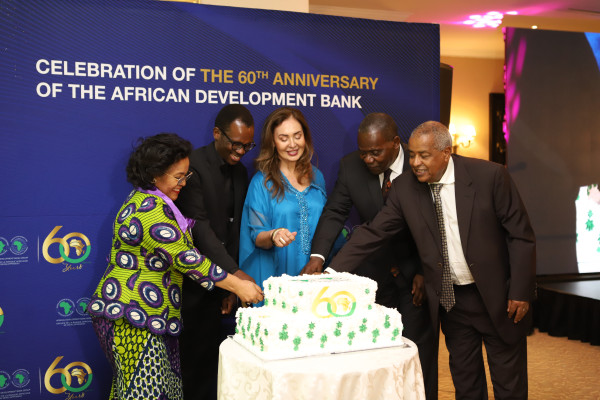
African Development Bank Celebrates 60 Years of Transformative Impact in Africa Southern Region

Location: News
African Development Bank Group (AfDB)

The African Development Bank (AfDB) (www.AfDB.org) proudly celebrates its Diamond Jubilee, marking 60 years of driving social and economic transformation across the African continent. The Southern African regional celebration, held in Johannesburg, brought together leaders, stakeholders, and partners to reflect on the institution's remarkable journey and its vision for a prosperous future.

Speaking at the event, Ms Leila Farah Mokaddem, Director General of the African Development Bank Group, highlighted the Bank's legacy of impact and transformation. "Sixty years ago, the African Development Bank was born out of a vision for a better Africa. Today, we celebrate not just numbers but the lives transformed and communities uplifted through our work," she said.

Key Achievements in Southern Africa

With an active portfolio of 226 projects worth USD 11 billion, the Bank's unwavering commitment to fostering sustainable growth and integration in Southern Africa is evident. Notable achievements include:

  • SADC Sub-Regional Transport and Facilitation Project: A USD 231.3 million investment connecting Malawi and Mozambique, fostering trade, and mitigating regional fragility.
  • Lesotho Highlands Water Project: A USD 2.1 billion initiative enhancing water transfer and hydroelectric power, essential for energy security.
  • Kazungula Bridge Project: A USD 81.6 million investment strengthening connectivity between Zambia and Botswana along the North-South Corridor.
  • Support for Transnet: A recent USD 1 billion sovereign-guaranteed corporate loan to aid South Africa's freight transport recovery and growth.

The celebration also underscored the deep partnership between the Bank and the Government of South Africa. Honourable Minister Enoch Godongwana shared his reflections on this enduring collaboration:

"The Government of the Republic of South Africa celebrates this significant milestone with the African Development Bank. Our region, and indeed South Africa, continues to enjoy a fruitful partnership with the Bank as we work together toward a shared goal of creating a better Africa for future generations.

As we gather to celebrate the many achievements of our collaborative efforts, we also recognise the need to continue advancing Africa's development agenda. This milestone energises us and strengthens our commitment to a shared vision for the next 60 years!"

Looking Ahead: A Vision for the Future

As the Bank embarks on its new Ten-Year Strategy, it prioritises integrated regional projects and climate resilience. Projects like the Lobito Rail Integrated Corridor, connecting Angola, DRC, and Zambia, promise to drive economic growth, agriculture value chains and renewable energy investments.

"Our work is far from over," Ms Mokaddem noted. "We invite all partners—governments, private sector actors, and international institutions—to join us in building a more inclusive and sustainable Africa. Together, we can address climate-related challenges and mobilise resources to ensure no one is left behind."

A Commitment to Africa's Development

Under the leadership of President Dr Akinwumi A. Adesina, the Bank has maintained its AAA rating and authorised capital of USD 318 billion, with nearly 2,000 staff serving all 54 African countries. The institution continues to champion its “High 5s” priorities: lighting up and powering Africa, feeding Africa, industrialising Africa, integrating Africa, and improving the quality of life for the people of Africa.

The 60th-anniversary celebrations are a testament to the Bank's resilience and the enduring support of its partners. The African Development Bank remains steadfast in its mission to transform lives and catalyse growth across the continent.

To view our anniversary video that encapsulates these achievements and our vision for the future, please click here: Anniversary Video (https://apo-opa.co/4g8Y2s3).

Distributed by APO Group on behalf of African Development Bank Group (AfDB).

Media contact:
Natalie Naudé,
Communication and External Relations Department
n.naude@afdb.org

Join the Conversation:
#AfDB60 #AfricaRising #EconomicTransformation #MakingADifference

About the African Development Bank Group:
The African Development Bank Group (AfDB) is the premier multilateral financing institution dedicated to Africa's development. It comprises three distinct entities: the African Development Bank (AfDB), the African Development Fund (ADF) and the Nigeria Trust Fund (NSF). The AfDB has a field presence in 41 African countries, with an external office in Japan, and contributes to the economic development and social progress of its 54 regional member states. For more information: www.AfDB.org

Media files
African Development Bank Group (AfDB)
Download logo
Read moreAfrican Development Bank Celebrates 60 Years of Transformative Impact in Africa Southern Region
12 December 2024

South Africa-Angola elevate bilateral relations 

Location: News

South Africa-Angola elevate bilateral relations 

President Cyril Ramaphosa has emphasised that increasing trade and investment between South Africa and Angola remains a top priority.

“Increasing trade and investment between the two countries remains our foremost objective. South Africa must become the destination of choice for Angolan goods, products and services, and vice versa,” he said.

The President was delivering opening remarks during official talks with Angolan President João Manuel Gonçalves Lourenço at the Union Buildings in Pretoria, on Thursday.

President Lourenço of the Republic of Angola is in South Africa on a State Visit at the invitation of President Ramaphosa. 
The Heads of State are using the occasion to solidify relations between the two countries who share deep historical ties.

WATCH | Official Talks between HE President Cyril Ramaphosa and HE President João Lourenço 


President Ramaphosa highlighted the decision to elevate the structured bilateral mechanism between South Africa and Angola from a Joint Commission of Cooperation to a Bi-National Commission (BNC), reflecting a deepening commitment to collaboration. 

The inaugural BNC session will take place in Angola next year, coinciding with the 50th anniversary of Angolan independence.
“Co-chairing this first session with you will be an honour, especially given that it will be during the 50th anniversary celebrations of Angolan independence.”

The President underscored the strong economic ties between the two nations, noting the presence of 20 South African companies in Angola and their diversification into sectors beyond oil. 

South African foreign direct investment (FDI) into Angola has been in a range of sectors such as financial services, IT, food and beverage, transportation, warehousing and tourism.

South Africa’s Industrial Development Corporation (IDC) also has investment projects in Angola, namely in the Cabinda Oil Refinery and the Cabinda phosphate project.

“We want to see more Angolan companies in South Africa. Opportunities exist in infrastructure development, agriculture, construction, mining, financial services, telecoms and manufacturing, to name but a few,” the President explained.

Collaboration in Economic Growth

The leaders discussed leveraging the African Continental Free Trade Agreement (AfCFTA) to drive industrialisation and trade.
President Ramaphosa also emphasised the potential for joint strategies in mineral beneficiation, particularly as global demand grows for critical minerals essential to the energy transition. 

He highlighted Angola’s Lobito Trans-Africa Corridor as a promising development for regional integration and trade.
“We see the African Continental Trade Agreement as a catalyst for inclusive economic growth, and we must take advantage of the system of preferential terms provided to signatories.

“As both Angola and South Africa strive to accelerate the pace of industrialisation, we need to build mutually complementary capabilities in manufacturing and value-addition of products,” he said.

Commitment to Peace and Multilateralism

The leaders’ discussions extended to shared efforts in promoting peace and security across the continent. 

Angola’s contributions to peacebuilding, particularly its role in the Southern African Development Community (SADC) and initiatives like the Luanda Process were praised.

“We must continue to deepen our collaboration towards resolving the conflict in the Eastern DRC, the civil war in Sudan and the post-electoral crisis in Mozambique.

“Silencing the Guns across Africa is a necessary precondition for stability, economic growth and development. As African countries, we must be at the forefront of promoting the peaceful resolution of conflict, particularly at a time when the future of multilateralism is at stake,” he said.

On the global stage, President Ramaphosa advocated for reforming international institutions, including the UN Security Council, to better represent the Global South. He reaffirmed South Africa’s commitment to multilateralism, calling for respect for the United Nations Charter and international law.

Africa at the forefront

With South Africa having assumed the G20 Presidency, President Ramaphosa pledged to prioritise Africa’s developmental goals, particularly those outlined in Agenda 2063. 

According to the African Union, Agenda 2063 is Africa's development blueprint to achieve inclusive and sustainable socio-economic development over a 50-year period.

The President highlighted that South Africa will host the first G20 Summit on African soil in 2025, signalling a historic moment for the continent.

“Working with the African Union and fellow African countries will ensure that the issues of strategic importance to Africa and the Global South are highlighted.”

The President further extended a warm welcome to President Lourenço and his delegation saying his visit marks a significant step in strengthening bilateral ties between the two nations. 

“Your presence here testifies to the strong ties of solidarity and friendship between our two countries.” – SAnews.gov.za


DikelediM
Thu, 12/12/2024 - 13:52

294 views
Read moreSouth Africa-Angola elevate bilateral relations 
12 December 2024

Inside Gauteng’s R500-Million Corruption Scheme (Part Two)

Location: News

How a network of non-profit organisations, co-operatives and companies captured the department’s “sustainable livelihoods” budget

Read moreInside Gauteng’s R500-Million Corruption Scheme (Part Two)
11 December 2024

Spotlight on interventions for economic empowerment of women

Location: News

Spotlight on interventions for economic empowerment of women

With South Africa officially assuming the G20 Presidency, government is looking forward to rallying the world against all forms of gender-based violence and exploitation of women, through the Working Group on Women Empowerment.

Addressing the closing event for the 16 Days of Activism for No Violence gainst Women and Children campaign at Ntsimbini Sports Ground in Port St John’s in the Eastern Cape on Tuesday, Minister in the Presidency for Women, Children and Persons with Disabilities, Sindisiwe Chikunga, announced a range of socio-economic interventions to transition vulnerable women to income-generating activities.

Chikunga said economic empowerment was incomplete without women’s meaningful access to land, which was the basis of all economic activity and a source of dignity.

The catalytic interventions for the economic empowerment of women include prioritising transferring productive land and productive assets to women for commercial purposes. 

Working with Transnet Properties, Chikunga said over 20 sites have been identified in Limpopo, KwaZulu-Natal and the Eastern Cape, spanning over six district municipalities.

The sites will be leased to women at highly-subsidised rates, enabling them to develop sustainable enterprises.

“We are actively identifying more sites across all nine provinces, [and] we have also partnered with the Council for Scientific and Industrial Research (CSIR) to create a value-chain-driven Agricultural Cooperatives Model. 

“By leveraging the CSIR’s intellectual property and advanced technologies, including precision agriculture, this model will equip and prepare women farmers for market success.

“The Minister of Finance recently announced that public procurement makes up around 19% of government spending, totalling R1.5 trillion over the next three years. I have tasked the Women’s Economic Assembly to assemble a team of experts that will dissect Public Procurement and Gender-Responsive Supply Chains to ensure that a minimum of 40% of that R1.5 trillion goes to women-owned businesses,” Chikunga said.

The department was also rethinking financial support structures and incentives.

Chikunga said women-owned businesses do not just need contracts, but the resources to deliver on their contracts and build sustainable enterprises.

While South Africa recognised the important symbiotic relationship between promoting women in science, building equitable societies, and the advancement of humanity, Chikunga noted that currently, women make up less than a third of the workforce across science, technology, engineering, and mathematics (STEM) careers.

She said confronting the historical and ongoing exclusion of women from STEM would be a priority for the department.

“We will be developing tangible programmes and campaigns that are needed to correct societal and cultural beliefs that use gender stereotypes to perpetuate scientific inequality. Science and humanity suffer when women are excluded from STEM.

“We also intend to leverage the potential of Artificial Intelligence (AI) and Emerging Digital Technologies to improve the wellbeing and prospects of persons living with disabilities,” Chikunga said.

The Minister added that the South African government was looking forward to planning and executing catalytic legacy projects and interventions in collaboration with the G20 family and partners in areas including women in high-tech industries, women in the agricultural value chains, women in the oceans economy, logistics, pharmaceutical industries, and the creative industries. – SAnews.gov.za

GabiK
Wed, 12/11/2024 - 12:52

128 views
Read moreSpotlight on interventions for economic empowerment of women
11 December 2024

Chikunga commends traditional leaders’ support in the fight against GBVF

Location: News

Chikunga commends traditional leaders’ support in the fight against GBVF

Women, Youth and Persons with Disabilities Minister, Sindisiwe Chikunga, has commended traditional leaders for their continued support in the fight against gender-based violence and femicide (GBVF).

“We are deeply touched by the unwavering commitment of our traditional leaders who continue to come together to insist that the elimination of GBVF will happen, not in the future - today!” Chikunga said.

She was speaking at the close of the 16 Days of Activism for No Violence Against Women and Children campaign at Ntsimbini Sports Ground in Port St John’s, in the Eastern Cape, on Tuesday.

While 10 December marks the end of the campaign, the day also kickstarts government’s intention to confront the scourge of GBVF in South Africa for 365 days.

Highlighting some of the department’s planned interventions to strengthen the campaign against GBVF, Chikunga said the department will continue to call on and join hands with traditional leaders in the fight against GBVF.

She said the National House of Traditional and Khoisan Leaders are uniquely positioned to lead a community-driven and sustainable response to GBVF.

The Minister expressed her appreciation to King Misuzulu kaZwelithini and all traditional leaders who joined the Goodmen Foundation march against GBVF in Durban, last week.

“The march was not merely symbolic. It is a movement of conviction, a practical expression of Ubuntu - the belief that our humanity is inextricably linked, and none of us is free until all of us are free,” Chikunga said.

Following an engagement with the South African Council of Churches, Chikunga said the department will be ramping up the 16 Days of Activism campaign working with organised religion.

She said the findings of the recently released South African National Gender-Based Violence Prevalence Study: A Baseline Survey on Victimisation and Perpetration, will serve as a guide for immediate action.

“The recommendations of this study will contribute to our ongoing focus on prevention, enhanced protection for victims, and ensuring that perpetrators are held accountable. We are currently incorporating it into our five-year strategic plan for the seventh administration.

“We will also continue to mobilise funding from both public and private sector sources to ensure that our interventions against GBVF are adequately resourced. Support for civil society will be crucial in this regard,” Chikunga said.

This year’s 16 Days of Activism campaign was observed under the theme "Celebrating 30 Years of Democracy Towards Women’s Development”.

During the campaign period, which started on 25 November, South Africa reflected on the strides made, including the challenges overcome, and the victories achieved by the country.

Reflecting on what has been done over the past 30 years, Chikunga said for South African women, the past 30 years have been a continuation of a long and mighty walk, and a journey both tragic and heroic.

“Not long ago, women were considered unfit for careers in fields like science, engineering, medicine, and law. The idea of women serving on the bench also seemed far-fetched due to entrenched patriarchal beliefs, however, over the past 30 years, South Africa’s journey to transform the gender and racial composition of the judiciary has been nothing short of exemplary.

“In the past three decades, South African women have gone from the shaping of our constitutional democracy to the historic ascendance of Justice Mandisa Maya as the first South African woman to occupy the position of Chief Justice and Head of the Constitutional Court,” Chikunga said.

The country has also surpassed gender parity in higher education participation rates, with the production of world-renowned women as agriculture industrialists, entrepreneurs, aviators, mariners, engineers, and artists. 
 
The country has further made significant strides in ensuring equal representation in decision-making and law-making structures. Today, women hold 43.5% of the seats in Parliament, occupying 171 out of 400 seats, an increase from 28% representation in 1994.

In the current administration, 42.66% of Executive Members are women. - SAnews.gov.za


GabiK
Wed, 12/11/2024 - 12:23

84 views
Read moreChikunga commends traditional leaders’ support in the fight against GBVF
10 December 2024

President Ramaphosa stresses Job Creation, Inclusive Growth in Mpumalanga

Location: News

President Ramaphosa stresses Job Creation, Inclusive Growth in Mpumalanga

President Cyril Ramaphosa has underscored the importance of inclusive economic growth and job creation as the central focus of government and its social partners. 

The President was speaking at the meeting between the National Executive and the Mpumalanga Provincial Executive Council at the Nkangala District Council Chambers, Mpumalanga. 

President Ramaphosa reiterated that cooperative governance is a constitutional mandate, urging all spheres of government to collaborate more effectively to address common challenges. 

Highlighting Mpumalanga’s potential, President Ramaphosa noted the province's dual role as South Africa’s energy powerhouse, fuelled by its abundant coal reserves, and a hub for agriculture and tourism. 

However, he also acknowledged the significant challenges the province faces, including an unemployment rate above the national average and widespread poverty. 

“For Mpumalanga, inclusive economic growth and job creation must therefore be at the forefront of the efforts of government and all social partners. Like other provinces, Mpumalanga needs to grow faster, and the benefits of growth need to reach more of its people.

“Fortunately, this province has many advantages that it can use to drive growth and development. Mpumalanga is literally South Africa’s powerhouse,” the President said. 

This is the National Executive’s third engagement with a provincial executive council. The Executive has previously met with the provincial leadership of Limpopo and KwaZulu-Natal.

Over the next year, the National Executive is planning to meet with the leadership of all other provinces. 

The President pointed to the province's critical role in the country’s just transition to a low-carbon economy, stressing the need to balance environmental objectives with protecting livelihoods.

“Mpumalanga is literally South Africa’s powerhouse. Most of the country’s electricity comes from here, fuelled by the abundant coal reserves in this province.

“Mpumalanga will therefore continue to be vital to the social and economic development of the country for many years to come. For this reason, the province will also be at the centre of the just transition to a low-carbon economy,” the President said. 

He called for investment in new technologies, industries, and skills to drive growth and create opportunities for communities.

President Ramaphosa lauded Mpumalanga's commitment to infrastructure development, which he described as essential for economic growth and improving the quality of life for residents. 

“This is a fertile province, which has the ability to sustain a wide variety of agricultural activities. Mpumalanga is a province of natural splendour. It has long been a destination for visitors from across South Africa and across the world. We are encouraged by the determination of the province to invest in infrastructure,” the President said. 

He encouraged provincial leaders to strengthen partnerships with national entities such as Infrastructure South Africa and the Infrastructure Fund.

The meeting, attended by Minister of Cooperative Governance and Traditional Affairs Velenkosini Hlabisa, Mpumalanga Premier Mandla Ndlovu, and several Ministers and Deputy Ministers, aimed to align national and provincial priorities.

As engagements with other provinces continue, President Ramaphosa emphasised the importance of leveraging regional strengths to complement national development goals.

“Different provinces have different resources and capabilities. As a country, we must ensure that these are developed and work to complement each other,” the President said.

The gathering is part of the President’s ongoing efforts to enhance cooperation between national and provincial governments to address pressing socio-economic challenges and promote sustainable development. – SAnews.gov.za

DikelediM
Tue, 12/10/2024 - 14:40

96 views
Read morePresident Ramaphosa stresses Job Creation, Inclusive Growth in Mpumalanga
10 December 2024

Upington Farmers Are Desperate for Water

Location: News

They are receiving little help from the municipality

Read moreUpington Farmers Are Desperate for Water
8 December 2024

SA, Algeria strengthen ties

Location: News

SA, Algeria strengthen ties

South Africa and Algeria have concluded a successful 7th session of the Bi-National Commission, marking a significant milestone in strengthening cooperation between the two nations.

President Cyril Ramaphosa recently led a delegation comprising Ministers, senior officials and business leaders in Algeria for a State visit at the invitation of President Abdelmadjid Tebboune. 

South Africa and Algeria enjoy strong political, economic, and social relations following the establishment of diplomatic relations in May 1994.

Speaking during a media briefing on Friday, President Ramaphosa said the outcomes of this session have paved the way for further cooperation, demonstrating the strong commitment of South Africa and Algeria to advancing the African continent's collective goals. 

“From our discussions, we are certain that this Bi-National Commission will continue to deepen collaboration, trade, investment and people-to-people exchange between South Africa and Algeria.

“President Tebboune and I were extremely satisfied with the detailed report that was presented on progress in the key areas of cooperation between Algeria and South Africa,” President Ramaphosa said. 

President Ramaphosa said the Bi-National Commission is seen as a mechanism to expand trade and investment ties between the two countries.

While there is currently a healthy volume of bilateral trade, the two Heads of State agreed that this should be far higher. 

“With preferential trading now having commenced under the African Continental Free Trade Area, there is even greater opportunity to deepen intra-African trade and strengthen economic linkages between major African economies.

“We have a shared conviction that deepening our bilateral relationship should serve the cause of African economic integration, shared prosperity, stability and peace,” he said. 

With the Algeria-South Africa Business Forum having taken place on Thursday, President Ramaphosa said it was an important opportunity for Algerian and South African businesses to explore synergies and plan projects.

South Africa had a sizeable business delegation spanning a range of economic sectors such as agriculture, manufacturing, automotive, construction and mining.

“We also have representatives from our Industrial Development Corporation, who are here to pursue investment leads the corporation could potentially fund.

“President Tebboune and I agreed that potential exists for cooperation on low-carbon economic growth in areas such as renewable energy and electric vehicle manufacturing. South Africa and Algeria have respective comparative advantages that can be harnessed for mutual benefit,” he said. 

Addressing Geopolitical Challenges

Against the backdrop of rising global geopolitical tensions, President Ramaphosa briefed President Tebboune on South Africa’s case before the International Court of Justice to hold Israel accountable for its actions in Gaza. Both leaders reiterated their call for an end to hostilities, the release of hostages, and the provision of humanitarian aid to the people of Gaza.

“South Africa and Algeria agree that the only lasting solution to this conflict is the realisation of the Palestinian people’s right to self-determination.

“As countries that have known the pain of occupation and dispossession, we stand in solidarity with the oppressed everywhere, including in Palestine and Western Sahara,” President Ramaphosa said. 

As South Africa marks 30 years of democracy, President Ramaphosa extended his gratitude to the noble people of Algeria for standing with the country in its struggle for liberation. – SAnews.gov.za

DikelediM
Fri, 12/06/2024 - 16:17

448 views
Read moreSA, Algeria strengthen ties
6 December 2024

Incorrectly labelled honey-based syrup removed from Gauteng shops

Location: News

Incorrectly labelled honey-based syrup removed from Gauteng shops

Agriculture Minister, John Steenhuisen, has commended a joint operation to remove products that were incorrectly labelled and sold as honey-based syrup from various stores in Gauteng.

The operation conducted by the Directorate: Inspection Services (D: IS) within the Department of Agriculture, Land Reform and Rural Development (DALRRD), targeted products marked as “honey-based” syrup which were red-flagged by the increased number of complaints nationally.

Gauteng was the first province where the directorate conducted joint operations with the assistance from the Provincial Illicit and Counterfeit Goods Unit of the South African Police Service (SAPS).

Among the wholesalers visited during the operation, include Crowns Mines and Kempton Park in Johannesburg, and Laudium and Marabastad in Pretoria.

Steenhuisen said from 25 to 29 November 2024, the team seized a total of 1 059 “honey-based” syrups and 388 honey products, which were non-compliant according to marking requirements.

This prompted directions to be issued by the directorate, with SAPS members issued two wholesalers with R1 500 fines for each wholesaler.

Steenhuisen said the seizures of such products will be expanded to other provinces in a bid to ensure citizens get quality goods they intended to purchase.

The Minister warned that the products pose a health risk, especially to the compromised communities suffering from diseases, such as diabetes.

“The main concern with incorrect labelling, misleading information and quality of these products is that consumers buy them thinking they are buying a product that is beneficial to their health, when in fact it may compromise their health,” Steenhuisen said.

The Directorate: Inspection Services is responsible for enforcement of certain agricultural products in terms of Agricultural Product Standards Act (APS), 1990 (Act No. 119 of 1990), among others.

The Act regulates the quality and marking of certain agricultural products and ensures that products comply with the minimum requirements as prescribed by the regulations under the APS Act at point of sale.

“Prescribed marking requirements in these regulations are there for the protection of consumers and providing them with accurate and relevant information regarding a product, and to allow the consumer to make a sound decision on the product,” the Minister said.

Steenhuisen has also encouraged consumers to report foodstuff that is incorrectly labelled.

Complaints regarding the selling of incorrectly labelled foodstuff can be reported to Billy Malose Makhafola, Director: Food Safety and Quality Assurance on (012) 319 6535, or email BillyM@nda.agric.za. - SAnews.gov.za

GabiK
Fri, 12/06/2024 - 10:23

68 views
Read moreIncorrectly labelled honey-based syrup removed from Gauteng shops
5 December 2024

Cabinet notes decline in GDP by 0.3% in third quarter of 2024

Location: News

Cabinet notes decline in GDP by 0.3% in third quarter of 2024

Despite the third quarter gross domestic product (GDP) decline, Cabinet has welcomed the positive economic outlook by the International Monetary Fund (IMF) and rating agency Standard & Poor’s (S&P), as the impact of the implemented Operation Vulindlela coordinated reforms have started to bear fruit.

This is according to Minister in the Presidency Khumbudzo Ntshavheni, who briefed the media on the outcomes of the Cabinet meeting held on Wednesday, 4 December.

S&P revised South Africa’s outlook to “positive” from “stable” in November this year, citing plans for accelerated economic reforms by the new government of national unity and a pickup in private investments.

Ntshavheni said Cabinet noted the decline in GDP by 0.3% in the third quarter of 2024, with the largest decline of 28.8% recorded in the agriculture, forestry and fishing, which may indicate the impact of drought. 

Statistics South Africa (Stats SA) has indicated that the severe drought in 2024 caused a 0.3% decline in the country’s GDP in the third quarter. 

Meanwhile, S&P also upgraded Eskom’s long-term global-scale foreign and local currency ratings from stable to positive, which indicates the progress made by government in strengthening Eskom’s financial and operational foundation through the work of the National Energy Crisis Committee (NECOM), the Eskom Board and Executive team.

“Cabinet further welcomed the decision by the South African Reserve Bank to cut the repo rate by another 25 basis points from 8% to 7.75%," said Ntshavheni. 

The Executive believes that the lower interest rate will continue to ease the burden on highly indebted consumers and mitigate the high cost of living, while also encouraging businesses to expand their operations to further stimulate economic activity. 

Investment 

Cabinet has welcomed the announcement by Saudi Arabia to invest R9.5 billion to build a platinum smelter and base metals refinery in the Waterberg in Limpopo. 

“This new investment is a strong vote of confidence in our nation and builds on the first phase of our investment mobilisation drive under the sixth administration that saw our nation surpass its investment target by 26% to reach a total of R1.51 trillion in investment pledges,” said Ntshavheni.

The Minister said South Africa is now targeting R2 trillion in new investments over another five years between 2023 and 2028. 

SAA

In addition, the Executive has commended South African Airways’ (SAA) strong performance, highlighting the airline’s significant progress towards financial sustainability. 

“For the first time since 2012, the SAA has recorded a net profit of R252 million for the 2022/23 financial year, and group revenue increased from R2 billion to R5.7 billion.

“Remarkably, SAA achieved this milestone while operating with only six to eight aircraft across nine destinations at the beginning of the 2022/23 financial year,” Ntshavheni said, adding that the airline has since doubled its fleet, launched intercontinental routes, and increased its network to 16 destinations. – SAnews.gov.za
 

Gabisile
Thu, 12/05/2024 - 15:44

110 views
Read moreCabinet notes decline in GDP by 0.3% in third quarter of 2024
3 December 2024

GDP decreases by 0.3% in the third quarter of 2024

Location: News

GDP decreases by 0.3% in the third quarter of 2024

South Africa’s Gross Domestic Product (GDP) decreased by 0.3% in the third quarter of 2024, following an increase of 0.3% in the second quarter of 2024.

“The agriculture industry was the main drag on growth on the production (supply) side of the economy, with transport, trade and government services also contributing to the slowdown. On the expenditure (demand) side, there was a decline in imports, exports and government consumption,” Statistics South Africa (Stats SA) said on Tuesday.

The agriculture, forestry and fishing industry decreased by 28,8%, contributing -0,7 of a percentage point to the negative GDP growth. This was primarily due to decreased economic activities reported for field crops. 

The transport, storage and communication industry decreased by 1,6%, contributing -0,1 of a percentage point. 
Decreased economic activities were reported for land transport and transport support services. 

“The trade, catering and accommodation industry decreased by 0.4%. Decreased economic activities were reported for wholesale trade, motor trade and food and beverages. General government services decreased by 0.1%, mainly due to decreased employment in national and provincial government and extra-budgetary institutions. 

“The finance, real estate and business services industry increased by 1.3%, contributing 0.3 of a percentage point. Increased economic activities were reported for financial intermediation, insurance and pension funding, auxiliary activities, real estate activities and other business services,” Stats SA said.

The personal services industry increased by 0.5%, contributing 0.1 of a percentage point. 

Increased economic activities were reported for health and education. 

“The manufacturing industry increased by 0.5%, contributing 0.1 of a percentage point. Three of the ten manufacturing divisions reported positive growth rates. 

“The largest positive contribution was reported for the basic iron and steel, non-ferrous metal products, metal products and machinery division. The mining and quarrying industry increased by 1,2%, contributing 0,1 of a percentage point. Increased economic activities were reported for manganese and chromium ore.”

Expenditure on GDP 

Expenditure on real GDP decreased by 0.2% in the third quarter of 2024, following an increase of 0.4% in the second quarter of 2024. 

“Household final consumption expenditure (HFCE) increased by 0.5%, contributing 0.3 of a percentage point to the total negative growth. The highest growth rates were reported for non-durable and semidurable goods,” Stats SA said.    

  
The main positive contributors to the increase in HFCE were expenditures on food and non-alcoholic beverages (0.9% and contributing 0.1 of a percentage point), housing, water, electricity, gas and other fuels (0.6% and contributing 0.1 of a percentage point), recreation and culture (1.2% and contributing 0.1 of a percentage point) and restaurants and hotels (1.1% and contributing 0.1 of a percentage point). 

“Final consumption expenditure by general government decreased by 0.5%, contributing -0.1 of a percentage point. This was mainly driven by decreases in purchases of goods and services and compensation of employees. 

“Gross fixed capital formation increased by 0.3%. The main positive contributors to the increase were other assets (4.4% and contributing 0.5 of a percentage point), construction works (1.4% and contributing 0.2 of a percentage point) and machinery and other equipment (0.5% and contributing 0.2 of a percentage point),” Stats SA said.   

There was a R6,6 billion drawdown of inventories (seasonally adjusted and annualised value).

Large decreases in three industries, namely manufacturing; electricity, gas and water; and mining and quarrying, contributed to the inventory drawdown. 

“Net exports contributed positively to expenditure on GDP. Exports of goods and services decreased by 3.7%, largely influenced by decreased trade in pearls, precious and semi-precious stones and precious metals; vehicles and transport equipment excluding large aircraft; chemical products; base metals and articles of base metals; and machinery and electrical equipment. 

“Imports of goods and services decreased by 3.9%, largely influenced by decreased trade in vehicles and transport equipment excluding large aircraft; mineral products; vegetable products; and base metals and articles of base metals,” Stats SA said. -SAnews.gov.za


nosihle
Tue, 12/03/2024 - 13:09

292 views
Read moreGDP decreases by 0.3% in the third quarter of 2024
2 December 2024

BMA outlines plans to secure SA’s ports of entry this festive season

Location: News

BMA outlines plans to secure SA’s ports of entry this festive season

The Border Management Authority (BMA) unveiled its festive season plan, spanning from December 2024 to January 2025, aimed at managing increased border activities. 

South Africa faces complex border-related challenges, including illegal immigration, cross-border crimes, and smuggling of illicit goods.

Key interventions by the BMA this festive season include extending operating hours at major ports of entry over the festive season, deploying 69 additional personnel, and collaborating with Interpol and local law enforcement authorities. 

BMA Commissioner, Dr Michael Masiapato, said the agency anticipates facilitating over six million people, a recovery to pre-COVID-19 pandemic levels.

“Our focus will be the delivery of integrated, effective and efficient processes at the ports of entry, where only legitimate people and goods will be allowed to enter and exit South Africa,” he told the media on Monday. 

To achieve this, Masiapato announced that ports of entry and the vulnerable segments of the borderline will be adequately guarded to intercept any transgressor. 

In addition, he stated that the agency has intensified measures to detect and seize illicit goods, such as narcotics and stolen vehicles. 

As Operation Vala Umgodi proceeds to combat illegal mining activities, Masiapato stated that border guards remain vigilant and prepared to intercept illegal miners who have been deported and prevent them from attempting to illegally re-enter South Africa.

“We, therefore, want to warn all travellers to desist from committing any act of criminality around the ports of entry and at the border law enforcement areas, as they will be detected, arrested, and then deported.” 

In response to the persistent issues of food contamination and following President Cyril Ramaphosa’s directives to combat the problem, the BMA has issued operational instructions to all ports of entry.

This directive aims to intensify efforts to detect and intercept any illegal attempts to import organophosphate pesticides, specifically aldicarb, which is banned in South Africa, and terbufos, which has been linked to the deaths of six children in Naledi, Soweto.

“As such, the handling protocols have been given to our biosecurity experts for implementation across all ports of entry,” Masiapato said.

The BMA facilitates the legitimate movement of people and goods through 71 ports of entry, including 52 land ports, 10 international airports, and nine seaports.

The top 10 ports of entry facilitating the most people include key international airports and land ports to neighbouring countries.

These include the OR Tambo International Airport in Gauteng, Beitbridge land port to Zimbabwe, Lebombo land port to Mozambique, Caledonspoort, Ficksburg and Maseru Bridge land ports to Lesotho, Cape Town International Airport in the Western Cape, Oshoek land port to Eswatini, as well as Kopfontein, and Groblers’ Bridge land port to Botswana. 

The Commissioner emphasised the need for a robust and integrated border management platform to protect national security, economic growth, and regional economic integration. 

“During the return leg in January 2025, we would like to send a stern warning to all individuals who might be planning to try to enter South Africa illegally: border guards, working together with members of the SANDF [South African National Defence Force], will be waiting for them.” 

While waiting for the arrival of drones, the Commissioner announced a partnership with the Department of Agriculture, Land Reform and Rural Development. 

This collaboration will involve the deployment of drones to improve border security and enhance situational awareness, particularly in vulnerable areas such as ports and corridors.

Masiapato said the drone operations will be supported by mobile reaction units to allow for quick reaction and apprehension of illegal immigrants and other cross-border criminals. 

Shifting his focus to Mpox, he noted that South Africa’s risk classification is currently moderate. 

However, Masiapato warned travellers to avoid close contact with individuals showing symptoms, such as skin lesions or muscle aches.

“Currently, there is no Mpox vaccine in South Africa, therefore, travellers are encouraged to remain vigilant against Mpox disease.” – SAnews.gov.za

Gabisile
Mon, 12/02/2024 - 13:34

41 views
Read moreBMA outlines plans to secure SA’s ports of entry this festive season
28 November 2024

eThekwini Municipality launches compliance campaign for spaza shops

Location: News

eThekwini Municipality launches compliance campaign for spaza shops

In response to the rising public health concerns and recent fatalities linked to contaminated food, eThekwini Municipality’s Health Unit is set to implement a comprehensive multidisciplinary operational campaign targeting compliance monitoring and enforcement in spaza and tuck shops across the city.

This comes amid the growing need for government to regulate the informal food outlets.

City’s Health Unit Head, Rose Van Heerden, emphasised the need for both enforcement and public education as part of the campaign, which will take place over the next two months.

Van Heerden said the unit’s campaign aims not only to enforce compliance but also educate business owners and the public about safe food practices, thereby safeguarding community health and well-being.

“Before we can enforce regulations, we must educate tuck shop owners about health standards. The continued sale of unsafe food items poses a risk, especially to vulnerable children in our communities.

“We need to engage with those who sell to schools, be it tuck shops or individuals, about practicing good safety standards and basic food hygiene,” Van Heerden said.

She said the campaign will cover various areas, including KwaNyuswa, Embo, Molweni, KwaDabeka, Wybank, Hillcrest, Waterfall, and uMlazi, with teams from Environmental Health Services, Metro Police, SAPS, and the Department of Agriculture, Land Reform, and Rural Development.

Van Heerden noted that from January to September 2024, the Health Unit conducted over 600 inspections, and more than 700 enforcement actions across its three sub-districts.

During a similar operation conducted in November last year, authorities condemned hundreds of food items from over 80 tuck shops in Pinetown and surrounding areas.

To protect public health, Van Heerden said the teams will check food expiry dates to prevent the sale of expired goods.

She said the municipality had closed shops that had no legal documents to operate a shop and they were also going to do the same during the campaign.

“Our law enforcement partners will arrest undocumented individuals who do not present required business permits, the shutdown of illegal establishments, and the issuance of compliance notices and fines for any by-law violations,” Van Heerden said.

Van Heerden has encouraged residents to remain vigilant when purchasing food from informal vendors and to report any concerns regarding product safety to the appropriate authorities.

Complaints can be directed to the city on 031 311 3555 or via WhatsApp on 083 560 3974. – SAnews.gov.za

GabiK
Thu, 11/28/2024 - 11:46

31 views
Read moreeThekwini Municipality launches compliance campaign for spaza shops
27 November 2024

Holidaymakers warned of potentially rabid animals

Location: News

Holidaymakers warned of potentially rabid animals

As the holiday season approaches, the public and travellers have been warned about the risk of rabies in dogs, Cape fur seals, and other animals. 

The alert has been issued by the Department of Agriculture; the Department of Forestry, Fisheries, and the Environment; the Department of Health, and the National Institute for Communicable Diseases (NICD).

“Collectively, the departments wish to alert members of the public about high-risk rabies areas in South Africa where the disease occurs in dogs, Cape fur seals and other animals.” 

Rabies is a deadly viral disease that affects all mammals and can spread from animals to humans. 
According to the NICD, the virus is transmitted in the saliva of infected animals through bites, scratches, and licks. 

Rabies affects the brain and is fatal once a person or animal shows clinical signs, but it can be prevented through the vaccination of animals and immediate medical attention in people exposed to an infected animal. 

The NICD said multiple reports of attacks on humans by aggressive Cape fur seals have been reported over the last few months along the Cape coastline.

“This is the first incidence of rabies being maintained in a marine mammal population. The public is urged to take note of this new risk of rabies in Cape fur seals and keep a respectful distance from these animals.” 

Meanwhile, according to the statement, there have been deaths attributed to rabies from dogs in KwaZulu-Natal, Eastern Cape, Limpopo, and North West in 2024. 

The public is encouraged to stay away from stray animals and not to touch animals they do not know. 

“If a person suspects that an animal has rabies, this should be reported to the local State veterinary office, local welfare authority, wildlife rescue centre, Protected Areas Management Authority, or the police.”

How would I know if an animal might have rabies?

Animals with rabies show abnormal behaviour and signs of disease of the brain. 

They may drool a lot, become paralysed, be unable to swallow, continuously vocalise such as barking, whining, howling, and become aggressive. They may also appear weak and in a comatose state. 

Any mammal can become infected with rabies, including dogs, cats, livestock, jackals, foxes, mongooses and Cape fur seals.  

Where does rabies occur in South Africa

Even though rabies occurs in all nine provinces of South Africa, rabies in dogs is common in KwaZulu-Natal, Eastern Cape and Limpopo. 

Rabies in Cape fur seals is found and known to travel along the coastline of the Northern Cape, Western Cape, and Eastern Cape up to Algoa Bay. 

What should I do if I was bitten or scratched by a rabid animal?

If a person is bitten, scratched, or licked by an animal suspected of having rabies, wash the wound well with soap and running water and immediately seek treatment at the nearest clinic or hospital to prevent rabies virus infection. 

For more information about rabies post-exposure prophylaxis, visit the NICD website https://www.nicd.ac.za/diseases-a-z-index/rabies/. 

How do I keep my animals safe?

All dogs and cats must be correctly vaccinated against rabies throughout their lives. This is required by law. 

If you walk your dogs, keep them under control or on a leash to avoid contact with other animals. 

Enquire with your local state veterinarian, animal health technician, private veterinarian, or animal welfare organisation for access to rabies vaccinations. – SAnews.gov.za

Gabisile
Wed, 11/27/2024 - 10:24

274 views
Read moreHolidaymakers warned of potentially rabid animals
22 November 2024

Strict movement control remains in place amid Foot and Mouth Disease

Location: News

Strict movement control remains in place amid Foot and Mouth Disease

The Department of Agriculture says strict movement control remains in place within the Disease Management Area (DMA) in the Eastern Cape and KwaZulu-Natal provinces to prevent the outward spread of Foot and Mouth Disease (FMD) outbreaks in both provinces.

While outbreaks in all other previously affected provinces have been resolved and officially closed with the World Organisation for Animal Health (WOAH), focused efforts are ongoing to manage and contain the disease in these two areas. 

The FMD outbreak in the Eastern Cape was first detected in May 2024 and has affected 37 farms in the Humansdorp area and one farm in East London.

Additionally, 36 farms were pre-emptively vaccinated to reduce the spread of the virus and mitigate clinical symptoms and 96 906 cattle and 635 sheep have been vaccinated, since the outbreak started.

The department said the Disease Management Area declared in July 2024, remains in effect.

“Movement of animals into, through, or out of this area is restricted and permitted only with authorisation from the State Veterinary office. No new cases have been reported since 19 September 2024, signalling that the virus circulation is declining,” the department said in a statement on Friday.

FMD spread to uPhongolo Municipality

It reported that in KwaZulu-Natal, FMD has extended to the uPhongolo Local Municipality in the north of the Zululand District.

Due to this, the existing Disease Management Area boundaries are under review and will be expanded to include newly affected areas and identified risk zones.

“Since the outbreak began in May 2021, the KZN province has reported 155 cases as part of the South African Territories 2 FMD event. Of these, 17 outbreaks have been resolved and closed with the WOAH.

“However, 133 active outbreaks remain within communal dip tanks, a few small-scale farms, and five game reserves, all located in close proximity,” the department said.

DMA with amended boundaries remains active

In a bid to control the spread of the disease, the department said the DMA established in 2021 in KwaZulu-Natal, with amended boundaries in 2022, remains active, while the DMA declared in Eastern in July 2024, continues to be enforced.

Farmers on infected or vaccinated farms must take every precaution to prevent the spread of the disease, and farmers in unaffected areas are also urged to maintain strict biosecurity to prevent FMD from entering their farms or communal grazing areas.

“Controlled slaughter of cattle from infected farms is permitted at designated abattoirs with additional biosecurity measures in place. Meat from restricted farms is safe for human consumption, though it cannot be exported due to certification constraints,” the department said.

The department has also commended the farmers efforts, including veterinarians, and other stakeholders in working to contain the disease, and urged continued vigilance to protect the livestock sector.

The FMD outbreak in East London, has been successfully contained.

“Animals on these farms are being slaughtered in a controlled manner at designated abattoirs, ensuring that FMD risk materials are properly processed or disposed of. Only safe products are released into the local market,” the department said.

While meat from FMD-restricted farms cannot be exported due to certification limitations, the department has reassured that the meat remains safe for human consumption.

“The Director of Animal Health has designated three abattoirs to handle the slaughter of cloven-hoofed animals from FMD-quarantined farms. Seventeen farms have been granted permission for controlled slaughter at these abattoirs.

“In addition to the control measures within the DMA in the Eastern Cape Province, the July 2024 Gazette Notice stipulates that cloven-hoofed livestock across South Africa may only be moved if accompanied by a health declaration from the owner, attesting to the animals' health at the time of movement. 

“While this has been a legal requirement since October 2022, its importance is being reiterated to prevent the further spread of FMD,” said the department. – SAnews.gov.za


GabiK
Fri, 11/22/2024 - 13:40

48 views
Read moreStrict movement control remains in place amid Foot and Mouth Disease
22 November 2024

Nelson Mandela Bay Municipality assures of safe festive season

Location: News

Nelson Mandela Bay Municipality assures of safe festive season

The Nelson Mandela Bay Municipality has committed to collaborating with all law enforcement agencies to keep residents and visitors safe during the festive season.

The municipality and South African Police Service (SAPS) this week unveiled the 2024 Safer Festive Season Programme with a zero-tolerance approach towards crime at an event held in Feather Market Hall.

Nelson Mandela Bay Municipality Mayor, Babalwa Lobishe, led the operation together with the SAPS Nelson Mandela Bay District Commissioner, Major-General Vuyisile Ncata and Mayoral Committee Members.

Speaking at the launch, Lobishe said the cooperation agreement includes all spheres of government and civil society in creating a safe and secure environment; development of programmes, plans, interventions and infrastructure that will seek to reduce the levels of crime; and alignment of strategies and coordination of implementation.

"Certainly, we would like to see a clean and safe city. That is why I applaud the EDTA's [Economic Development Tourism and Agriculture] initiative of internal collaboration with public health as well as with the SAPS, businesses, and the tourism industry to ensure that these conditions for a successful season are addressed in preparation for the 2024/25 summer season.

“We wish to welcome back home those who work in other towns and the thousands of tourists who will be enjoying our ‘Friendly City’ and assure them that we are ready to delivery yet another memorable festive season," Lobishe said.

The Mayor added that the Departments of Home Affairs and Correctional Services have been integrated into the festive season operation.

The launch was held in conjunction with a successful road safety roadblock on the N2 Neptune Bridge.

A total of 454 vehicles were stopped while 225 were searched. Traffic fines for unlicenced and unregistered vehicles were issued, including two arrests, one for unlicenced firearm and one for driving under the influence of alcohol.

Ncata said criminals were operating in an organised fashion, and due to this, the law enforcement agencies have jacked up their operations.

He said he was happy with the police readiness, saying whether it be the traffic services, police, or metro police, “we are going to intensify our operations”.

The Major-General warned that the police will not tolerate lawlessness in the city.

“We want to hit the [ground] running, we want to be in the hot spot areas and roadblocks and address our crime generators especially in our taverns [and] check their compliance as well. Criminals are brazen, while we have our own plans, they also have their own plans."

Ncata highlighted that since the signing of the cooperation agreement, the district has seen a reduction in crime statistics, especially in house robberies, car and truck jackings, and street robberies where firearms are used. – SAnews.gov.za


GabiK
Fri, 11/22/2024 - 11:22

19 views
Read moreNelson Mandela Bay Municipality assures of safe festive season
21 November 2024

Agriculture to conduct inspections of Terbufos manufacturers

Location: News

Agriculture to conduct inspections of Terbufos manufacturers

The Department of Agriculture will, in the next few days, conduct inspections at all five registered manufacturers of Terbufos to ascertain controls, and to determine if markers are put into locally produced products to distinguish between illegally imported and locally produced chemicals.

This follows the death of at least 22 people, including children, with many others hospitalised due to chemical poisoning from food.

Ministers leading the multidisciplinary teams in government, who are responsible for the national response to instances of foodborne illnesses, held a media briefing on Thursday to outline government’s action plan to manage foodborne illnesses.

Speaking at the briefing, Agriculture Minister John Steenhuisen said there are only five manufacturers of the pesticide Terbufos in South Africa, and the department intends to engage with them on the measures they have in place to protect the supply chain, and to make sure that the end use is legitimate.

Steenhuisen said the department is also waiting for independent laboratory results of samples taken during the inspection of spaza shops in Gauteng to see if there is a potential match in South African products.

“It is the department’s view that the Terbufos found in Gauteng does not emanate from one of the five South African producers but comes instead from across South Africa’s borders. Another substance was found in spaza shops that was banned for production and sale in South Africa in 2016.

“These discoveries indicate that there is a supply chain coming from [outside the country]. However, the department is waiting for the independent laboratory results and the interactions with the five manufactures to understand exactly where these substances are coming from and how the department can stop them coming into South Africa, if this proves to be the case,” Steenhuisen said.

The Minister said the department will also strengthen the work of the biosecurity efforts to support the control of the entry of products, organisms and other harmful biological products at the ports of entry.

“Biosecurity is something which is being declared a major priority of the department and it is one of the 70 priorities we identified in our annual performance plan, and we hope to invest the support of all South Africans, as we make biosecurity everybody’s responsibility,” the Minister said.

The inspections by the Department of Agriculture will be complemented by the nationwide cleanup campaigns, which have already kicked off in Gauteng and will be rolled out to other hotspot areas and the entire country. – SAnews.gov.za


GabiK
Thu, 11/21/2024 - 12:43

286 views
Read moreAgriculture to conduct inspections of Terbufos manufacturers
21 November 2024

Health Minister details processes to tackle foodborne illnesses

Location: News

Health Minister details processes to tackle foodborne illnesses

Health Minister, Dr Aaron Motsoaledi, has acknowledged the challenges in addressing ongoing deaths and infections linked to foodborne illnesses. 

This as Gauteng police have opened an inquest docket after a five-year-old boy died on Wednesday in Diepkloof from suspected food poisoning.

Responding to questions about government’s efforts to deal with the surge in such cases, the Minister emphasised that tackling this issue is still in its early stages and requires time. 

“We are still at the beginning. It is not envisaged that we would have been able to solve this problem in a short space of time,” said Motsoaledi.

He explained that President Ramaphosa recently announced a critical step to combat these deaths, making the death of any child aged 12 or younger a notifiable condition. 

Previously, such deaths were not categorised as notifiable. However, implementing this measure requires amending regulations, which is still in progress.

“We have not even started making it notifiable because we need to follow certain rules... We still have other diseases that are being [made notifiable] but not this one because the President has just announced it last week, and it has to go through processes of amendments and regulations, and we are very sorry that this still continues (sic),” Motsoaledi said. 

The Minister expressed regret over the continued loss of life but stressed the importance of a thorough approach.

Why not close all spaza shops? 

Motsoaledi addressed calls to shut down spaza shops until the issue is resolved, stating that the problem extends beyond these establishments.

“This organophosphate is widespread in our communities. It’s not only spaza shops. It’s sold at taxi ranks, old-age pension payout points, by hawkers in the streets and even on trains, so it's all over and I don't think [we should] target [just] one area,” he explained.

The Minister further explained that investigations into the source of the contamination include a look into the five manufacturers of Terbufos, an organophosphate pesticide intended strictly for agricultural use. 

“The Department of Agriculture is going to follow up on the five manufacturers of Terbufos to see through their processes where a leak could have happened such that Terbufos gets into a community, whereas it was supposed to stay only in agriculture, in the fields. So that's one of the things that's still going to happen,” Motsoaledi said.

Challenges in linking shops to deaths

While some spaza shops have been found to store Terbufos, the Minister explained that legal action requires definitive evidence linking these shops to specific deaths.

“When 84 spaza shops in Naledi were inspected, Terbufos was detected in three. Swabs from counters and food storage areas tested positive. However, without proof that food linked to a child’s death was purchased there, prosecution may not hold in court,” he said.

Motsoaledi said that detectives are continuing investigations to establish these links, but in the meantime, authorities may close shops found with Terbufos as a precautionary measure. 

He said government remains committed to addressing the crisis and ensuring accountability, but the process demands both thorough investigation and adherence to legal frameworks. – SAnews.gov.za 

DikelediM
Thu, 11/21/2024 - 12:49

273 views
Read moreHealth Minister details processes to tackle foodborne illnesses
  • Previous
  • Page 1
  • Interim pages omitted …
  • Page 9
  • Page 10
  • Page 11
  • Page 12
  • Page 13
  • Interim pages omitted …
  • Page 28
  • Next

Copyright © 2026 · MyZA · All Rights Reserved · Powered by Stratlec Online