• Skip to main content
  • Skip to header right navigation
  • Skip to after header navigation
  • Skip to site footer
MyZA

MyZA

News, Directory, Events and Other Stuff

  • Social Media
  • Sport
  • World News
  • Home
  • Submit News
  • Directory
  • Events
  • Stratlec
  • TFSA
  • News
    • APO
    • Today’s Sport News
    • Todays Social Media and Tech Headlines
    • Today’s World News
    • Today’s SA Financial News
  • Contact
You are here: Home / Archives for agriculture

agriculture

4 March 2025

Government welcomes GDP growth

Location: News

Government welcomes GDP growth

Government has welcomed the latest Gross Domestic Product (GDP) data released by Statistics South Africa, which shows that the economy expanded by 0.6% in the fourth quarter of 2024. 

The growth followed a contraction of 0.1% in the third quarter. 

Growth in the fourth quarter was primarily driven by the agriculture, finance, and trade sectors on the production side, while household spending led growth on the expenditure side.

“The latest GDP data is encouraging and signals a welcome recovery, especially because one of government’s immediate priorities is to ensure positive economic growth that will encourage business development and provide more opportunities for employment, especially for women and the youth,” Government Communication and Information System (GCIS) Acting Director-General, Terry Vandayar, said on Tuesday.

GCIS said government has put in place a broad range of programmes and policies to support the growth of small businesses, develop infrastructure for faster economic growth, and encourage investment from inside and outside of South Africa. 

“Working with various stakeholders, Government will continue to build on this momentum to drive even greater economic resilience,” GCIS said. - SAnews.gov.za

nosihle
Tue, 03/04/2025 - 15:33
16 views
Read moreGovernment welcomes GDP growth
4 March 2025

W Cape welcomes lifting of ban on vegetable exports to Botswana

Location: News

W Cape welcomes lifting of ban on vegetable exports to Botswana

Western Cape MEC for Agriculture, Economic Development and Tourism, Dr Ivan Meyer, has welcomed the lifting of the ban on vegetable exports to Botswana.  

This is after the previous administration of Botswana, led by President Mokgweetsi Masisi, imposed a ban on South African produce to support domestic farmers and reduce reliance on imports, which has since been lifted by President Duma Boko.  

Meyer believes this move will encourage increased trade among Southern African Customs Union (SACU) members, who view the African Continental Free Trade Area (AfCFTA) as a critical tool for developing regional value chains and enhancing exports. 

According to the MEC, Botswana’s gradual lifting of vegetable imports will occur in two phases.  

Phase 1, which began in December 2024, includes vegetables such as turmeric, patty pan, pumpkin, sweet potatoes, green peas, sweet corn, broccoli, cauliflower, gem squash, baby marrow, green bean, sweet melon, mushroom, calabash, cantaloup and eggplant. 

Meanwile, Phase 2 is expected to start on 1 April 2025 and will see an easing of restrictions on beetroot, butternut, cabbage, carrot, garlic, ginger, green melon, herbs, lettuce, onion, potato, sweet pepper, tomato and watermelon. 

The MEC said the Western Cape accounted for 37% (or R3.3 million) of South Africa’s vegetable exports to Botswana in quarter four of 2024.  

Regarding the contribution to Phase 1 nationally, Meyer said the provincial share has steadily increased during the period under review, reaching 63% in quarter 3 of 2024 and dropping to 55% in quarter 4 of 2024.  

“It is expected that with the lifting of import restriction for vegetables listed in Phase 2, there will be an improvement in South African exports to Botswana, including those from the Western Cape,” Meyer said. 

The MEC has since encouraged fair trade between SADC partners, saying the lifting of these restrictions is a move in the right direction.  

“Our trade relations with our regional partners are mutually beneficial,” he stated.  

Meanwhile, he said an improvement in exports to Botswana takes the province closer to the Western Cape Government’s Growth for Jobs plan, which aims to triple the value of Western Cape exports of goods and services, including tourism, to R450 billion by 2035. – SAnews.gov.za

Gabisile
Tue, 03/04/2025 - 11:46
2 views

Read moreW Cape welcomes lifting of ban on vegetable exports to Botswana
4 March 2025

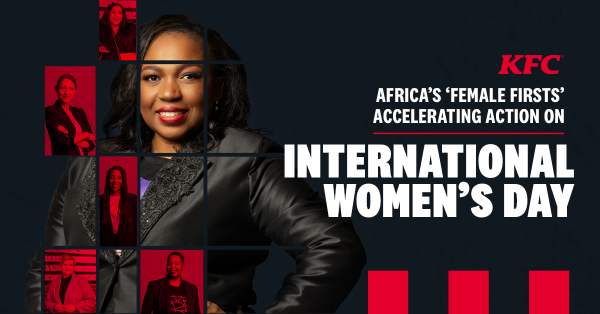
KFC Celebrates Inspirational African Women Accelerating Action Towards Equality

Location: Business
KFC Africa

Progress in closing the gender gap in South Africa and Sub-Saharan Africa has almost halted, leaving millions of women at a disadvantage to men. But female role models across the continent are refusing to admit defeat, dedicating themselves to accelerating progress towards gender equality.

To mark International Women's Day on 8 March and honour its theme of “Accelerate Action”, KFC Africa has collected the stories of dozens of women who are taking bold steps to advance equality on the continent by educating, empowering and supporting women to achieve more, together, faster. 

KFC Africa's list contains the names of 54 women – one for each year the company has been in Africa – and follows its successful International Women's Day campaign in 2024 which introduced an inaugural list (https://apo-opa.co/4h5xiID) of 53 “female firsts”. Each of those women had overcome educational, social and financial obstacles to achieve something no woman in their country had done before. 

The 2025 list (https://apo-opa.co/4h5xiID), drawn from each of the 22 Sub-Saharan Africa countries where KFC has restaurants, also has its share of female firsts – people such as Dior Fall Sow, Senegal's first female prosecutor; Nelly Mutti, the Zambian parliament's first female speaker; and Adelaide Retselisitsoe Matlanyane, the first woman to lead Lesotho's central bank.  

The list is dominated, however, by younger women who are breaking the mould – particularly in the technology sector – and showing they can do anything they set their mind to, regardless of age or gender. 

They include the likes of Christine Ogo, a Cote d'Ivoire physicist who has encouraged thousands of schoolgirls to pursue science, technology, engineering and mathematics; Rachel Sibande, who set up Malawi's first technology incubator for emerging entrepreneurs and has gone on to teach coding to 92,000 women and children; and Regina Honu, whose Tech Needs Girls movement in Ghana has trained more than 20,000 women and girls to code. 

Gender gap 

“It's a powerful list that gives us hope after  the World Economic Forum's Global Gender Gap Report (https://apo-opa.co/4i2QKXB) in 2024 showed that progress seems to have ground to a halt,” says Akhona Qengqe, General Manager of KFC Africa. 

The report showed that 68.4% of Sub-Saharan Africa's gender gap had been closed, only marginally higher than 68.2% in 2023 (https://apo-opa.co/3QEYGm5). South Africa, while being Africa's highest scorer and ranking 18th out of 146 nations, went backwards, from 78.7% in 2023 to 78.5% a year later. 

“The report says that at the current rate of progress, it will be 2158 until the world reaches full gender parity,” says Qengqe. “That's why we need to accelerate action, particularly in Africa, and why the efforts of the women on the KFC list are worthy of recognition and support.” 

In her seven years at KFC – she was as director of Africa franchise development, director of transformation and diversity and chief people officer before taking over as general manager in April 2023 – Qengqe has prioritised female empowerment. 

Her initiatives include spearheading KFC Add Hope, a women-led programme that serves free meals to tens of thousands of children at more than 3,000 feeding centres across South Africa. 

In 2021, she launched the Women on the Move leadership development programme, which prepares 22 women at KFC for future leadership positions every year, cultivating a pipeline of talent. Within two years, the number of female leaders in the business grew by 14%. 

Transforming franchising 

Last November she turned her attention to the wider quick service restaurant sector, launching Women in Franchising Africa (Wifa), the first network for current and aspiring female franchisees and franchisors across the continent. 

“To say I am passionate about the inclusion of women in growing our economies is an understatement. It is in fact one of my life's purposes,” she says. “My partners in Wifa intend to transform the participation of women in the franchising sector across African economies. 

“We want to educate women on how to run successful franchise businesses, provide networking opportunities for like-minded women, transform the sector by making funding accessible to women, and create mentorship opportunities for all the women in the network.” 

KFC Africa Chief People Officer Nolo Thobejane says “Accelerate Action” is a call to look at what has a positive impact on women's advancement and replicate it. 

“This is a journey we need to embark on together as we learn from each other. I cannot stress enough the importance of forming alliances and partnerships to amplify impact. By working together, organisations and individuals can share resources, knowledge, and support to create a more inclusive and equitable environment for women.” 

“At KFC, we have implemented some programmes which have yielded great results – such as the Women on the Move Leadership programme to ensure the pipeline of leaders, developing them with quality education and training through initiatives like our Streetwise Academy and then providing career support into positions of leadership.” 

“Other successful initiatives organisations can implement include designing and building infrastructure that meets the needs of women and girls, involving them in sustainable agriculture, and elevating their participation and achievement in sport, as we do with KFC Mini Cricket.” 

“There's a lot we can do as individuals, too – we can call out stereotypes, challenge discrimination, question bias and celebrate women's success. Everyone everywhere can Accelerate Action.” 

Qengqe says the new list of 54 names brings to 107 the number of inspirational African women KFC has honoured and recognised in the past two years. “We know this is the tip of a wonderful iceberg, and we welcome nominations of other women who are Accelerating Action in Africa.” 

Explore the list of 54 women Accelerating Action across Africa: https://apo-opa.co/4heEjqM  

To nominate a woman Accelerating Action: Email: za-kfcafricamedia@yum.com 

Distributed by APO Group on behalf of KFC Africa.

For media inquiries and to arrange interviews with Akhona Qengqe and Nolo Thobejane: 
Elmarie Swart 
Phone number:  
WhatsApp: +44 7464739649 
South Africa: +27 79 831 2429 
Email: elmarie@kamuses.co.za 

KFC Socials: 
Instagram – @kfcsouthafrica - https://apo-opa.co/3FdDUap 
Facebook – @KFCSA - https://apo-opa.co/4hYOsJl 
TikTok – @kfcsa - https://apo-opa.co/4h83tHx 
X – @KFCSA - https://apo-opa.co/4h9pMMX 
YouTube – @KFCSouthAfrica - youtube.com/@KFCSouthAfrica 

About KFC Africa:
KFC has been in South Africa for over 53 years and has more than 1,300 stores across the country. The first KFC restaurant in South Africa opened in 1971 in Orange Grove, Johannesburg. KFC is the leading quick-service restaurant brand in South Africa with just under a third of market share, according to Brand Image Tracker. KFC serves more than 20 million customers a month and we work hard to ensure that no matter which of our restaurants they walk into, they will get that distinctive KFC flavour and have a great experience. KFC's Original Recipe® Chicken was first made by Colonel Harland Sanders in 1940 when he perfected his secret recipe of 11 herbs and spices at his restaurant in Kentucky. Today, KFC is the world's most popular chicken restaurant, still preparing our chicken with the Colonel's secret recipe to his exact standards. Every KFC restaurant follows the same global processes and procedures to ensure that our customers get great-tasting food, every time.  

Media files
KFC Africa
Download logo
Read moreKFC Celebrates Inspirational African Women Accelerating Action Towards Equality
3 March 2025

G20 meeting highlights the role of science in tackling climate change

Location: News

G20 meeting highlights the role of science in tackling climate change

Rising global temperatures, extended droughts, and the growing spread of disease are some of the severe impacts of climate change, according to the President of the Academy of Science of South Africa (ASSAf) Council, Professor Thokozani Majozi. 

Speaking at a recent Science20 (S20) meeting in Pretoria, Majozi noted that no region is immune to these effects, which range from wildfires in the Americas and Australia to catastrophic flooding in Europe and Asia.

“Climate change does not recognise national boundaries, making international scientific cooperation not just beneficial but essential,” he said. 

The meeting highlighted the urgent challenge of climate change.

“This issue transcends borders, economies, and political systems. The evidence is unequivocal: our climate is changing at an unprecedented rate due to human activities,” the Professor warned. 

S20 is the official engagement group for science academies within the Group of Twenty (G20) to foster science-based dialogue and provide policy advice. 

Established in 2017, its mission is to promote scientific cooperation and ensure that scientific perspectives influence G20 decisions on global challenges. 

The G20 is an international forum of both developing and developed countries that seeks to find solutions to global economic and financial issues.

Under South Africa’s G20 Presidency, three foundational themes shape political and scientific discussions: solidarity, equality, and sustainable development.

He outlined the key responsibilities of the scientific community, which include advancing our understanding of climate systems and their effects on human health and wellbeing. 

The Professor also urged his colleagues to communicate complex scientific findings in ways that can inform both policymakers and the public. In addition, he emphasised the importance of fostering collaboration across natural sciences, social sciences, and the humanities. 

Majozi believes in nurturing the next generation of scientists who are equipped to address these complex challenges, and he advocated for the integration of indigenous and local knowledge systems with traditional scientific approaches.
“We are not merely repositories of knowledge but active participants in shaping how that knowledge is applied to real-world challenges,” he added. 

Led by the ASSAf, this year’s S20 gathering is particularly significant, as it marks the first time the G20 is hosted on the African continent. 

The Minister of Science, Technology, and Innovation, Professor Blade Nzimande, addressed the meeting virtually and called for global scientific cooperation and evidence-based policymaking. 

Nzimande emphasised the connection between the S20 theme, “Climate change and well-being,” and South Africa’s overarching G20 theme of “Solidarity, equality, and sustainability.”

“These themes do not merely serve as reminders of the urgent need for science-driven policy responses to challenges such as climate change, biodiversity loss, and global inequality,” he said. 

“They also highlight that today’s fundamental challenges are interconnected, demanding multidisciplinary approaches, collaboration, and decisive science-based action.”

Priorities and skills development

Nzimande outlined key science, technology, and innovation priorities that will define South Africa’s G20 leadership. 

These include, among other initiatives, enhancing our capacity for pandemic preparedness; promoting research and development in emerging technologies, especially artificial intelligence; and integrating these technologies into essential economic sectors such as energy, agriculture, mining, health, and the digital economy.

It also it involves developing critical and advanced skills, including through the Presidential PhD Programme.

The Minister stressed the crucial role of the S20 meeting in shaping the broader G20 Research and Innovation Working Group discussions, which will culminate in a ministerial meeting in September 2025. 

President of the Brazilian Academy of Sciences, Professor Helena Nader, applauded South Africa for highlighting the topic of climate change and wellbeing, especially considering recent global floods and storms. 

Meanwhile, the Executive Director of the United States National Academies Policy and Global Affairs Division, Dr Vaughan Turekian, praised G20 members’ long history of collaboration and expressed his desire for it to expand through the S20. – SAnews.gov.za


Gabisile
Mon, 03/03/2025 - 12:45
43 views

Read moreG20 meeting highlights the role of science in tackling climate change
3 March 2025

Government activities for the week 03 – 07 March 2025

Location: News

Government activities for the week 03 – 07 March 2025

On Monday, 03 March, the Department of Agriculture and Rural Development in strategic partnership with the North West University’s Mahikeng Campus, is set to officially launch the Agri-Hub.

On Tuesday, 04 March, the Commission for Gender Equality in KwaZulu-Natal will hold a men’s engagement conference in collaboration with the men’s sector and other stakeholders to address gender-based violence and promote collaborative solutions across communities.

Also on Tuesday, the Department of Social Development will host a multi-stakeholder engagement on implementation of Recommendation 8 of the Financial Action Task Force (3-5 March).

On Wednesday, 05 March, Minister Inkosi Mzamo Buthelezi and Deputy Minister Pinky Kekana lead the 1 st Technical Meeting of the Anti-Corruption Working Group (3-5 March).

On Thursday, 06 March, President Cyril Ramaphosa and the National Cabinet will visit the Gauteng Executive Council and the City of Johannesburg (6-7 March).

Friday, 07 March, no confirmed events.
 

Neo
Mon, 03/03/2025 - 11:29
62 views

Read moreGovernment activities for the week 03 – 07 March 2025
2 March 2025

Ministry provides update on Foot and Mouth Disease

Location: News

Ministry provides update on Foot and Mouth Disease

The Ministry of Agriculture has encouraged livestock farmers across the country to limit animal movement as much as possible given the ongoing presence of Foot and Mouth Disease viruses in KwaZulu-Natal.

“The department recently received test results confirming the ongoing presence of Foot and Mouth Disease (FMD) viruses in KwaZulu-Natal Province. Cattle at a dip tank in Mtubatuba have tested positive for FMD. 

“These cattle showed clinical signs of FMD in December, prompting sample collection, and laboratory results confirmed the introduction of a SAT1 FMD virus into the area,” it said in a statement on Friday.

Given that a SAT2 FMD event has been ongoing in the region since 2021, further investigations were conducted, confirming that the detected SAT1 virus is similar to one recently identified in the northern part of the Kruger National Park.

Over the past two weeks, clinical signs of FMD have also been observed in districts around Vryheid and Newcastle Laboratory tests have confirmed the presence of the FMD virus, with virus typing still in progress to determine whether these outbreaks were caused by a SAT1 or SAT2 strain. 

Control measures within the Disease Management Area (DMA) remain unchanged.

READ | Minister meets His Majesty King Misuzulu kaZwelithini over FMD 

The Ministry said the affected dip tanks remain under quarantine, and vaccination efforts in the area continue. The vaccine being used covers all three FMD SAT strains. Dip tanks in newly affected areas have also been placed under quarantine.

“These outbreaks highlight the persistent threat of FMD and the critical need for stringent control measures to prevent its spread. Agriculture Minister John Steenhuisen stressed the importance of strict compliance with biosecurity protocols and urged farmers and livestock owners to promptly report any suspected cases to veterinary authorities.”

Additionally, it reminded livestock owners that control measures implemented nationwide since October 2022 must be strictly followed to reduce the risk of further spread.

These measures include:
•    Cloven-hoofed livestock across South Africa may only be moved if accompanied by a health declaration from the owner, confirming the animals’ health at the time of movement. 
•    Any newly introduced cattle, sheep, or goats must be kept separate from resident herds for at least 28 days. 

“All livestock farmers across the country are strongly encouraged to limit animal movement as much as possible. Auctioneers and livestock owners should be particularly cautious when purchasing cloven-hoofed animals from provinces with active FMD outbreaks. No cloven-hoofed animals should be accepted from areas under FMD restrictions in KwaZulu-Natal, Eastern Cape, Limpopo, and Mpumalanga provinces.”

The Ministry added that Section 11 of the Animal Diseases Act imposes a legal duty on all animal owners or managers to take reasonable steps to prevent their animals from becoming infected and to prevent the spread of any disease from their animals or property to others.-SAnews.gov.za 
 

Neo
Sun, 03/02/2025 - 14:21
119 views

Read moreMinistry provides update on Foot and Mouth Disease
27 February 2025

Government concludes talks on Sectoral Emission Targets 

Location: News

Government concludes talks on Sectoral Emission Targets 

The Minister of Forestry, Fisheries and the Environment, Dr Dion George, has announced that the first round of consultations on the Sectoral Emission Targets (SETs) have been concluded, marking an important step forward in the country’s climate action journey. 

Published for public comment in May 2024, the SETs are a key component of South Africa’s broader climate change strategy, aligning sector-specific emissions reductions with economic growth and job creation.

“The feedback received through the public consultations has been invaluable, helping to ensure that the Sectoral Emission Targets are both effective in addressing climate change and conducive to sustainable economic development. 

“We are committed to ensuring that the final SETs create clear, actionable goals that will foster green innovation, attract investment, and create job opportunities across key sectors such as energy, manufacturing, and agriculture,” the Minister said on Thursday.

Following a thorough review and consultation process, the Department of Forestry, Fisheries and the Environment (DFFE) is now in the process of refining the SETs, incorporating valuable feedback from stakeholders and the public. 

This inclusive approach ensures that the targets are not only ambitious but also achievable, providing a balanced pathway that supports both climate objectives and economic resilience.

In March 2025, the revised SETs will be shared with the Minister to initiate Inter-Ministerial discussions, as outlined by section 25(3) of the National Climate Change Act. 

“These discussions will focus on aligning the SETs with national development goals, ensuring that South Africa’s climate response supports the creation of jobs in emerging industries while promoting long-term economic growth and accelerating the implementation of existing sectoral policies.

“The SETs will provide a clear framework for sectors to reduce their emissions, which in turn will drive the transition to a low-carbon economy. This transition is expected to create significant employment opportunities in sectors such as renewable energy, energy efficiency, and sustainable agriculture,” the department said.

The DFFE, under the leadership of Dr George, has asserted its commitment to working collaboratively with all stakeholders to ensure that the SETs contribute to building a resilient, low-carbon economy that drives sustainable growth and job creation for all South Africans. -SAnews.gov.za


nosihle
Thu, 02/27/2025 - 15:09
60 views

Read moreGovernment concludes talks on Sectoral Emission Targets 
26 February 2025

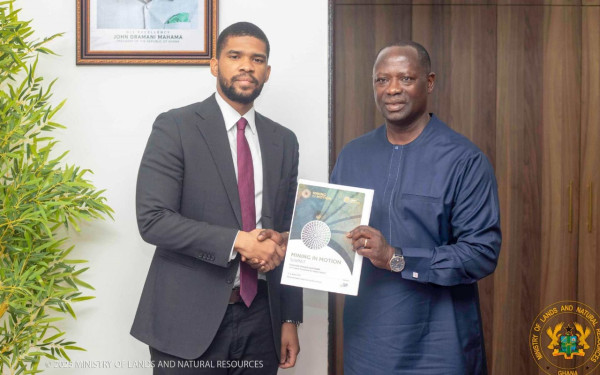
Ghana’s Mining in Motion Summit Gains Support From Key Leaders

Location: News
Energy Capital & Power

Otumfuo Osei Tutu II, King of the Ashanti Kingdom; Hon. Emmanuel Armah Kofi Buah, Minister of Lands and Natural Resources of Ghana; and Oheneba Kwaku Duah, the son of Otumfuo Osei Tutu II and Managing Director of the Ashanti Green Initiative recently met to discuss the upcoming Mining in Motion Summit in Ghana.

They explored the summit's potential to improve the artisanal and small-scale gold mining (ASGM) sector in Ghana and the role of government, international partners and major mining firms in accelerating the sector's growth. Hon. Kofi Buah endorsed the event, emphasizing its significance in connecting small-scale miners with technology providers, financiers, regulatory bodies and global industry stakeholders to improve their operations and impact.

Organized by the Ashanti Green Initiative along with the World Bank, the World Gold Council and other international partners, Mining in Motion will take place from June 2 - 4 in Accra.

The summit is held under the theme Sustainable Mining & Local Growth – Leveraging Resources for Global Impact, uniting key decision-makers, including H.E. John Dramani Mahama, President of the Republic of Ghana, as well as representatives from public and private sector mining institutions from South Africa, the Republic of Guinea, the African Union, ECOWAS and the United Nations.

The three-day event will highlight the role of traditional authorities in shaping artisanal and small-scale mining practices, emphasizing the sector's contribution to employment and economic growth. In 2024 alone, Ghana's artisanal miners generated $5 billion in foreign exchange earnings through gold exports. Providing direct employment for over one million Ghanaians and accounting for 35% of domestic gold output, the sector has the potential to significantly shape socioeconomic development in the west African country.

As Ghana's mining sector increasingly supports sustainable development, the Mining in Motion Summit will highlight best practices for integrating ASGM into the global financial system. Representatives from prominent international financing organizations will share their insights.

In a significant move to boost earnings for small-scale miners, Ghana has announced plans to establish a Gold Board. This new entity will simplify the process of purchasing gold from small-scale miners, providing them with easier access to global markets. With Samuel Adu Gyamfi, who was appointed Acting Managing Director of Precious Minerals Marketing Company last month and tasked with setting up the Ghana Gold Board, playing a pivotal role in shaping the summit, Mining in Motion is set to have a sizable impact on the growth of Ghana's gold sector.

Through a series of high-level panel discussions, deal signings, project showcases and exclusive networking, Mining in Motion serves as the ideal platform to connect Ghanaian miners with regional counterparts and global investors for forge industry-changing partnerships.

Stay informed about the latest advancements, network with industry leaders and engage in critical discussions on key issues impacting ASGM and medium- to large-scale mining in Ghana. Secure your spot at the Mining in Motion 2025 Summit by visiting https://MiningInMotionSummit.com. For sponsorship opportunities or delegate participation, contact sales@energycapitalpower.com.

Distributed by APO Group on behalf of Energy Capital & Power.

About Ashanti Green Initiative:
The Ashanti Green Initiative is a foundation dedicated to promoting environmental restoration, advocating for climate-related issues, and fostering community development in Ghana and beyond. Guided by a commitment to sustainability, the foundation undertakes projects aimed at rehabilitating degraded lands, restoring water bodies, and promoting responsible natural resource management. The initiative also champions regenerative practices in mining, agriculture, and energy, aligning with global efforts to combat climate change while uplifting local communities through education, capacity-building, and economic empowerment programs. The Ashanti Green Initiative is led by Nana Kwaku Duah, son of His Majesty Otumfuo Osei Tutu II, King of the Ashanti Kingdom. Under his leadership, the foundation applies forward-thinking approaches and innovative solutions, creating impactful partnerships with local and international stakeholders to drive meaningful change.

About Energy Capital & Power:
Energy Capital & Power is an Africa-focused global leading investment platform for the energy and mining sectors. Through a series of events, online content and investment reports, we unite the entire energy and mining value chains – from oil and gas exploration to renewable power – and facilitate global and intra-African investment and collaboration.

Media files
Energy Capital & Power
Download logo
Read moreGhana’s Mining in Motion Summit Gains Support From Key Leaders
26 February 2025

Mashatile to commemorate Harvest Day with Free State apple farmers

Location: News

Mashatile to commemorate Harvest Day with Free State apple farmers

Strategies for enhancing the agricultural sector, fostering economic growth, and promoting job creation will form part of Deputy President Paul Mashatile’s visit to the Free State.

Mashatile will commemorate Harvest Day at the Remmoho Investment in Agriculture Farm in Bethlehem on Thursday, 27 February.

According to a statement from the Deputy President’s Office, the event will highlight key milestones in agricultural development, underscoring government’s dedication to fostering an inclusive agricultural sector and creating job opportunities within the community.

As chairperson of the Inter-Ministerial Committee on Agriculture and Land Reform, the Deputy President will meet with approximately 400 local farmers, agricultural stakeholders and commodity organisations.

“During his visit, the Deputy President will witness firsthand the investments in apple export and processing facilities in the province, which showcases the innovative efforts to enhance agricultural production and support local farmers, especially black farmers, in growing production,” the statement read.

The visit will also highlight the role of Remmoho Investment in Agriculture, which contributes to government’s vision of growing an inclusive agricultural sector, as enshrined in the Agriculture and Agro-processing Master Plan (AAMP). 

“The company’s investments in the agricultural space are pivotal in breaking new frontiers to create employment opportunities and achieve food security in South Africa," the statment said. 

The Presidency said the event will also be a celebration of agricultural success stories and an opportunity to underscore how such initiatives align with government efforts to foster economic development and food security.

Agriculture Minister John Steenhuisen and Land Reform and Rural Development Minister Mzwanele Nyhontso will accompany the Deputy President on his visit.

Free State Premier Maqueen Letsoha-Mathae and the Executive Mayor of Thabo Mofutsanyana District Municipality, Conny Msibi, will receive the Deputy President. – SAnews.gov.za

Gabisile
Wed, 02/26/2025 - 08:30
28 views

Read moreMashatile to commemorate Harvest Day with Free State apple farmers
25 February 2025

A blended approach is key for climate finance

Location: News

A blended approach is key for climate finance

The South African Reserve Bank (SARB) Deputy Governor, Fundi Tshazibana, has emphasised that emerging markets and developing economies need a blended approach to finance both climate change mitigation and adaptation.

Moderating the Group of Twenty (G20) side event on enhancing the global sustainable financial architecture in Cape Town on Tuesday, Tshazibana highlighted the crucial role of climate finance in driving climate transition efforts.

“The Climate Policy Initiative (CPI) global landscape of climate finance has found that concessional finance at present is only at about 11% of total climate finance for the bulk of our governments, especially in emerging markets and developing countries.

“We know that the fiscal space for governments is quite tight, which means governments cannot go this journey alone. In this regard, private sector finance, which compromises of a third of the world’s economic activities will be vital to close the financing gap. However, private investment will require a catalyst to mitigate certain risks and to facilitate market development,” she said.

Although climate financing has doubled from 2018 to 2022, the financing gap remains large.

“In 2022, we reached the $1trillion milestone in climate finance but analysis by the CPI shows that although climate finance has doubled since 2018 having grown from $674 billion US dollars to about $1.4 trillion in 2022, there are still significant gaps in terms of what needs to be funded in this space,” the Deputy Governor said.

According to the CPI estimates, about $7.4 trillion is needed every year this decade to keep the world on track and limit global temperature rises by 1.5°C.

“To reach these levels we need to have conversations around how to direct capital flows that are needed in this regard. The largest climate investment gaps in absolute terms have been observed in the transport sector but we know that we need increased investment in agriculture, forestry and other land use as well industrial initiatives as well. Financing needs are also significant in the area of adaption,” she said.

Tshazibana explained that the work done by various organisations including the Network for Greening, the Financial System and the World Bank shows that a blended approach to financing for both climate change mitigation and adaptation is required.

She said co-financing can increase total project funding and provide a mix of financial instruments to mobilise private finance.

“Partnerships and collaboration involving multiple development actors can unlock private funding and accelerate global climate investment and increase efficiency of the use of scarce concessional funds,” the Deputy Governor said.

She said these partnerships leverage distinct and complementary institutional advantages and could take many forms, such as co-financing, project preparation, capacity building, policy support and risk mitigation. - SAnews.gov.za

nosihle
Tue, 02/25/2025 - 15:52
55 views

Read moreA blended approach is key for climate finance
23 February 2025

Minister meets His Majesty King Misuzulu kaZwelithini over FMD 

Location: News

Minister meets His Majesty King Misuzulu kaZwelithini over FMD 

Challenges posed by the Foot and Mouth Disease (FMD) in KwaZulu-Natal were at the core of Agriculture Minister John Steenhuisen and His Majesty King Misuzulu kaZwelithini's meeting recently. 

“The engagement formed part of the Department’s [of Agriculture] intensified efforts to curb the spread of the disease and protect the province’s livestock sector. The main objective of the meeting was to seek His Majesty’s support in controlling the spread of FMD, which has remained a challenge in the region.

“KwaZulu-Natal continues to be one of the most affected provinces, with over 130 active outbreaks in communal dip tanks, small-scale farms, and five game reserves,” the department said.

This as two additional suspected outbreaks are currently under investigation.

Friday’s discussions held at the eMashobeni Royal Palace in Nongoma focused on collaborative solutions, including enhanced disease management strategies, improved biosecurity measures, and support for affected farmers. 

“His Majesty King Misuzulu kaZwelithini expressed his full support for the Department’s efforts and committed to leading by example. He has invited the Department to his farm to commence vaccination efforts, demonstrating his dedication to disease control and livestock health in the region.

“Additionally, the Department of Agriculture confirmed that funding for vaccinations in the affected areas has been made available, ensuring that vaccination efforts can be ramped up to contain the disease.”

Following the meeting, Minister Steenhuisen commended King Misuzulu kaZwelithini’s leadership and commitment to working with government structures to support farmers and strengthen disease control measures. 

“The Department of Agriculture remains committed to working closely with traditional leaders, farmers, veterinary officials and industry role-players to mitigate the impact of FMD and restore stability in the livestock industry.” 

The Minister was accompanied on his visit by the KwaZulu-Natal MEC for Agriculture, Thembeni Madlopha-Mthethwa and industry role-players.  -SAnews.gov.za

Neo
Sun, 02/23/2025 - 15:54
46 views

Read moreMinister meets His Majesty King Misuzulu kaZwelithini over FMD 
23 February 2025

Sustainability of black farmers is crucial for SA’s sugar industry

Location: News

Sustainability of black farmers is crucial for SA’s sugar industry

Government is committed to ensuring that the more than 24 000 black small-scale sugarcane farmers remain an integral part of the multi-billion-rand sugar industry, Agriculture Minister John Steenhuisen said.

The industry is the bedrock of rural economies in KwaZulu-Natal and Mpumalanga.

Steenhuisen met with a number of small-scale growers and the sugar industry leadership at KwaShukela in Mount Edgecombe, Durban.

“The sustainability of the small-scale sugarcane farmers must remain one of the main priorities for both government and the industry. I am passionate about the cause of small-scale farmers to ensure their growth and success. You are part of the agriculture family, and we regard you as very important stakeholders in agriculture," said the Minister on Friday.

The leadership of the sugar industry at the meeting was led by the South African Sugar Association (SASA), the South African Farmers Development Association, SA Canegrowers and South African Sugar Millers’ Association.

SASA has been at the forefront of the efforts aimed at securing the sustainability of the small-scale sugarcane farmers (SSGs).

“The dire situation of SSGs necessitated a decisive intervention by SASA and industry leaders, hence the installation of the billion-rand empowerment plan. An average of 13 349 SSGs per season have benefited from the Transformation Intervention Fund since the 2019/2020 season,” the Ministry of Agriculture said.

It added that SASA has spent R1.09 billion on empowerment interventions/initiatives, especially for the benefit of black small-scale growers.

Of the R1.09 billion, SSGs received R700.55 million (64.27%), black large-scale growers (LSGs) received R254.47 million (25.22%) and the value of other interventions for black beneficiaries amounted to R137.88 million (12.64%).

Furthermore, the extension of empowerment funding (R238.9 million for the current season) will continue to have a positive impact on SSGs and black growers in general. Two major categories of interventions exist – cane delivery-based and non-delivery-based interventions.

“The condition for receiving this cane delivery-based grant funding is for growers to be active farmers who deliver sugarcane.

“Besides the cane delivery-based grant funding to black growers, further funding examples include the R46.5 million infrastructure rehabilitation project in the Nkomazi region, Mpumalanga (which has greatly benefited SSGs and led to 300 hectares of cane being established), the R3.3 million SSG-driven rail siding initiative in Mkhuze, KwaZulu-Natal (making it possible for 70 000 tons of SSG cane to be transported to the Felixton Mill for the Makhathini-based growers  at a significantly lower transport cost) and the installation of a dummy spiller (R7.6 million) at the Gledhow Sugar Mill for cane delivery by SSGs, which reduced SSG hauler turnaround times and transport costs.”

Sugarcane Value Chain Master Plan

Phase One of the Sugarcane Value Chain Master Plan to 2030 has cemented the foundational role of SSGs.

A minimum of R60 million of the Premium Price Payment (PPP) to SSGs as part of the Master Plan, for a period of three seasons (2021/2022 to 2023/2024), was allocated, escalating annually to R68 051 340 in the 2023/2024 season.

The 2023/2024 season was the last year of the PPP. However, on 20 March 2024, SASA Council approved the extension of PPP to 2024/2025 with an inflationary adjustment, meaning the allocation for this season is R71.08 million.

Through the Master Plan processes, the industry has been able to pinpoint challenges or factors which impede the envisaged growth of SSGs through surveys that engaged more than 2 500 growers. Some of these factors include access to land and capital.

“There are limited opportunities for individual small-scale growers to expand their area under cane due to the lack of access to land and the dispersed distribution of cane farms in the deep rural areas of KZN and Mpumalanga. SASA is focused on ensuring that the lack of economies of scale, long transport distances and high contractor costs, are mitigated by the grants and other support to small-scale growers.”

The Ministry said that the long-term strategy is to ensure that small-scale growers remain in cane farming and are sustainable with improved productivity in the short-term while medium to long-term interventions are being developed.

“The industry is now working on putting together an intervention plan for the improving the livelihoods of SSGs across the industry. This forms part of Phase Two of the Master Plan, which is yet to be signed and implemented, with Phase One having expired on 31 March 2023,” it said. -SAnews.gov.za

Neo
Sun, 02/23/2025 - 12:53
31 views

Read moreSustainability of black farmers is crucial for SA’s sugar industry
20 February 2025

Conference discusses strategies to achieve women’s economic inclusion

Location: News

Conference discusses strategies to achieve women’s economic inclusion

Without a dedicated plan and political will to combat patriarchal forms of exploitation, Africa’s commitment to eradicating “all forms of gender-based violence and discrimination against women and girls” by 2063, will remain hollow.

These were remarks made by the Minister in the Presidency responsible for Women, Youth and Persons with Disabilities, Sindisiwe Chikunga.

The Minister was speaking at the Southern African Regional High-Level Conference on Advancing Economies of Women in the Southern African Development Community (SADC) and Africa on Thursday.

The Ministry in the Presidency for Women, Youth and Persons with Disabilities, in collaboration with the Gates Foundation, is hosting the first Southern African Regional consultation to advance women economic empowerment in the SADC region.

The high-level two-day consultation forum, held in Sandton, Johannesburg, brings together women leaders from the SADC region, including senior government officials, policymakers, and representatives from other African Union (AU) Member States.

The forum, which will conclude on Friday, aims to discuss strategies to achieve women’s economic inclusion, financial access and Economic Justice and Rights (EJR) across the SADC region.

In her address, Chikunga acknowledged that women own fewer productive assets and that their businesses have fewer opportunities to trade. She also said that women experience financial exclusion and have limited access to markets and procurement.

She warned that without concrete measures in place, the continent’s aspiration to ensure that African women in all spheres -- granting them equal social, political, and economic rights, including the right to own and inherit property, sign contracts and manage businesses -- will remain unfulfilled.

“Similarly, rural women’s access to productive assets such as land, credit, inputs and financial services, will remain idle and futile without deliberate action. Without a deliberate skills revolution, the desire to position our youth at the forefront of knowledge and as catalysts of innovation and entrepreneurship, will fall short.

“Only when education and skills are accessible to all, will we be able to cultivate the creativity, energy and innovation of Africa’s youth into a driving force behind the continent’s political, social, cultural and economic transformation,” she explained.

Despite the continent’s noble vision, the Minister argued it will remain a distant reality “until we put in place concrete measures with firm timelines, deliverables and accountability mechanisms to ensure its realisation.”

She emphasised that the success of Agenda 2063 rests squarely on the seriousness of the leaders’ commitment to uplift women and girls, enabling them to pull the entire continent forward.

According to the AU, Agenda 2063 is Africa's development blueprint to achieve inclusive and sustainable socio-economic development over a 50-year period.

Beyond Agenda 2063, the Minister highlighted the region’s support for the consultative forum, which is also inspired by the SADC Vision 2050 and the Regional Indicative Strategic Development Plan (RISDP) 2020-2030, which both reflect the region’s developmental aspirations.

She underscored the importance of increasing women’s participation in regional development, enhancing equal access to opportunities, achieving gender parity, strengthening gender mainstreaming at both national and regional levels, and combating gender-based violence (GBV).

Economic participation 

Chikunga emphasised that the economic potential of the region cannot be fully realised when half of its population remains underrepresented in trade, financial systems, digital economies, and entrepreneurship.

She also stressed the importance of ensuring that girls and women have access to quality education, as this is essential for meaningful economic participation to help address barriers. These barriers include early marriages, teenage pregnancies, and other societal norms that hold back the girl child.

‘We must provide young women with the kind of vocational and technical training that is tailored to market demands and empowers women to participate in diverse sectors, including STEM (science, technology, engineering and mathematics), agriculture, and entrepreneurship.

“We must note that, as things stand, women make up less than a third of the workforce across STEM careers, a number that should alarm all of us.

“The historical and ongoing exclusion of women from STEM is a tragedy we must confront urgently. Tangible programmes are needed to correct societal and cultural beliefs that use gender stereotypes to perpetuate scientific inequality,” she explained.

The Minister further highlighted the need for financial inclusion and access to investment opportunities, including access to land, productive assets, and property rights.

She also called for the provision of smartphones for women in the marketplace, including access to the internet, and digital tools that can enhance their economic participation. – SAnews.gov.za

GabiK
Thu, 02/20/2025 - 17:30
59 views

Read moreConference discusses strategies to achieve women’s economic inclusion
19 February 2025

SA, EU strengthen strategic partnership at Ministerial Dialogue

Location: News

SA, EU strengthen strategic partnership at Ministerial Dialogue

South Africa and the European Union (EU) have reaffirmed their commitment to deepening their strategic partnership during the 16th Session of the Ministerial Political Dialogue on Wednesday in Cape Town. 

International Relations and Cooperation Minister Ronald Lamola, along with the European Union High Representative for Foreign Affairs and Security Policy and Vice President of the European Commission, Kaja Kallas, co-chaired the dialogue in the context of the EU-South Africa Strategic Partnership.

“The EU-South Africa Ministerial Political Dialogue builds on the joint aspiration to further the strategic partnership, which has grown in depth and ambition over the years. 

“The political and security cooperation is strong, and so are trade and investment relations: South Africa is the EU’s largest trading partner in sub-Saharan Africa, and the EU is South Africa’s first trade and investment partner,” a joint communique said.               

The meeting was also attended by Minister of Trade, Industry and Competition, Parks Tau, Minister of Agriculture John Steenhuizen, Minister of Basic Education Siviwe Gawarube and Minister of Science, Technology and Innovation Blade Nzimande. 

The High Representative’s three-day visit to Africa at the beginning of her mandate signals the EU’s commitment to the partnership with South Africa and with the continent.

The Ministerial Political Dialogue is a key milestone ahead of the 8th European Union-South Africa Summit, which is scheduled for 13 March 2025. 

The political engagements between the European Union and South Africa contribute to the celebration of the 25th anniversary of the European Union’s partnership with Africa. 

In this context, both sides underscored the importance of holding the European Union- African Union Ministerial Meeting and Summit in 2025.

“The Ministerial Political Dialogue presented an opportunity for the European Union and South Africa to reiterate their common commitment to multilateralism, a consistent approach to the rules-based international order, and the centrality of the United Nations Charter. 

“The parties further agreed on the need to reform the UN Security Council, recognising the urgent need to make it more representative, inclusive, transparent, efficient, democratic and accountable,” a joint communique said. 

Addressing global conflicts, both sides affirmed their unwavering commitment to act in accordance with international law, including the Charter of the United Nations and its purposes and principles. 

Both sides noted with distress the immense human suffering and the adverse impact of wars and conflicts around the world. 

The parties also reaffirmed that all states must act in a manner consistent with the Purposes and Principles of the UN Charter in its entirety. 

“In line with the UN Charter, all states must refrain from the threat or use of force to seek territorial acquisition against the territorial integrity and sovereignty or political independence of any state and affirmed that all parties in conflicts must comply with their obligations under international law, including international humanitarian law and international human rights law,” the joint communique said. 

Both sides further agreed that, guided by these principles, to support efforts towards a just peace in Ukraine, Occupied Palestinian Territory, Sudan, the DRC and other major conflicts around the globe.

The European Union and South Africa also discussed their cooperation in multilateral and regional fora, focusing in particular on their joint efforts to promote human rights and sustainable development and to address climate change.

The European Union emphasised its alignment with and support for South Africa G20’s presidency priorities.

In view of the Summit, the European Union and South Africa also looked at their economic, trade and investment agenda, including outstanding issues on both sides. 

“Underlining the importance of a just energy transition, the European Union and South Africa reviewed opportunities to step up cooperation on sustainable value chains, including critical raw materials with a view to further their respective competitiveness, economic security and decarbonisation efforts. 

“The parties agreed that critical minerals have emerged as a pivotal topic on the global stage, reflecting a critical role in driving industrialisation, technological innovation, and inclusive economic growth. South Africa underscored the need for the transition to a low carbon economy to be just, enhance energy security and create jobs. The two sides acknowledged the role of regulatory cooperation, investment facilitation, as well as of businesses in driving these initiatives,” the joint communique said. 

The European Union and South Africa further welcomed the robust collaboration in the areas of education, research and innovation. 

Both sides discussed opportunities to further enhance cooperation on open science and nuclear medical applications, to ensure progress on South Africa joining the Clean Hydrogen Mission of Mission Innovation. 

This is to broaden the participation of South Africa in the EU Framework Programme for Research and Innovation (R&I) Horizon Europe and in the Marie Skłodowska-Curie Actions as well as to promote mobility and cooperation through Erasmus+.

The European Union and South Africa further agreed that international trade is an important engine for inclusive economic growth, combating poverty and hunger and promoting sustainable development and the SDGs. 

“The EU and South Africa also stressed that for trade and investment to act as a driver of global growth, well-being and prosperity, a transparent rules-based multilateral trading system, that is non-discriminatory, fair, open, inclusive, equitable and sustainable is a necessity. Both sides reaffirmed that the WTO must be at the core such a multilateral trading system,” said the joint communique.  – SAnews.gov.za


DikelediM
Wed, 02/19/2025 - 15:48
164 views

Read moreSA, EU strengthen strategic partnership at Ministerial Dialogue
18 February 2025

SA’s unemployment rate declines to 31.9%

Location: News

SA’s unemployment rate declines to 31.9%

South Africa’s official unemployment rate has dropped by 0.2 percentage points to 31.9% in the fourth quarter of 2024, down from 32.1% in the previous quarter. 

This is according to the latest Quarterly Labour Force Survey (QLFS) released by Statistics South Africa on Tuesday. 

The survey results indicate an increase of 132 000 in the number of employed persons, bringing the total to 17.1 million in the fourth quarter. At the same time, the number of unemployed persons decreased by 20 000 to 8.0 million. This contributed to an overall increase of 112 000 (0.4%) in the labour force during the same period.

Despite these gains, the number of discouraged work-seekers increased by 111 000 (3.3%), while those who were not economically active for reasons other than discouragement decreased by 93 000 (0.7%). This led to an increase of 18 000 in the number of the not economically active population to 16.5 million. 

“The above changes in employment and unemployment resulted in the official unemployment rate decreasing by 0.2 of a percentage point from 32.1% in the third quarter of 2024 to 31.9% in the fourth quarter of 2024. 

“The expanded unemployment rate in the fourth quarter of 2024 remained unchanged at 41.9% when compared with the third quarter of 2024,” Statistics South Africa said. 

The number of persons employed in the formal sector increased by 90 000 in quarter four of 2024, and the informal sector employment increased by 34 000 over the same period. 

The largest increases in employment were recorded in finance with 232 000 and manufacturing with 41 000. Decreases in employment were recorded in community and social services at 63 000, trade at 48 000, construction at 22 000, mining at 18 000, utilities at 17 000 and agriculture at 11 000.

The results also indicate that the largest increases in employment were observed in Western Cape at 62 000, KwaZulu-Natal at 52 000 and Gauteng at 45 000, while decreases were only observed in Free State at 25 000, North West at 20 000 and Limpopo at 16 000. 

Stats SA added that the youth aged between 15 – 34 years continue to face challenges in the labour market. The results for the fourth quarter of 2024 show that the total number of unemployed youth decreased by 133 000 to 4.7 million, while employed youth recorded an increase of 37 000 to 5.8 million. 

As a result, the youth unemployment rate decreased from 45.5% in the third quarter of 2024 to 44.6% in the fourth quarter of 2024. – SAnews.gov.za


DikelediM
Tue, 02/18/2025 - 14:05
49 views

Read moreSA’s unemployment rate declines to 31.9%
18 February 2025

R2.5m to promote food security in Madibeng

Location: News

R2.5m to promote food security in Madibeng

In a move to advance agricultural development and bolster small-scale farming in the North West, Agriculture and Rural Development MEC, Madoda Sambatha, has officially handed over greenhouse tunnels worth R2.5 million to a local farm.

The Bokfontein-based JT Farm Fresh enterprise, located in the Madibeng Local Municipality, received the investment last Friday, as part of the Provincial Accelerated Service Delivery Programme (Thuntsa Lerole Reloaded), reinforcing the province’s commitment to sustainable farming and food security.

The handover of the greenhouse tunnels aims to enhance the production capacity of JT Farm Fresh enterprise, enabling year-round cultivation of various crops and contributing to the local economy.

The enterprise specialises in the production of vegetables. The initiative will greatly benefit the production with the new infrastructure, which is set to improve the quality and quantity of their crop yields.

Sambatha emphasised the importance of empowering local farmers and entrepreneurs to contribute to the economic growth of the province, while ensuring that communities have access to fresh, locally grown produce.

"By investing in small-scale farmers like JT Farm Fresh, we are building a strong foundation for agriculture that can withstand challenges, such as climate change and rising food prices. These greenhouse tunnels will help improve production efficiency and sustainability, ultimately benefiting the entire community,” Sambatha explained.

JT Farm Fresh part owner Jabulani Galubetse expressed his gratitude for the support received from the department.

"This support will significantly enhance our operations, allowing us to scale up our production and meet the increasing demand for fresh produce in the region," Galubetse said.

The support the department has given JT Farm Fresh is substantial towards ensuring the long-term success of small-scale farmers in the district, creating employment opportunities, and enhancing food security for local communities.

The MEC said the department will continue to collaborate with emerging farmers in the province, providing them with the tools, resources, and guidance necessary to succeed in the agricultural sector. – SAnews.gov.za
 

GabiK
Tue, 02/18/2025 - 11:07
28 views

Read moreR2.5m to promote food security in Madibeng
17 February 2025

Steenhuisen commends signing of Plant Health Bill

Location: News

Steenhuisen commends signing of Plant Health Bill

Agriculture Minister John Steenhuisen has welcomed the signing of the new Plant Health Bill into law aimed at boosting agricultural trade and biosecurity.

The Plant Health (Phytosanitary) Act, 2024 (Act No. 35 of 2024), which is the repeal of the Agricultural Pests Act, 1983 (Act No. 36 of 1983), was assented to by President Cyril Ramaphosa last Thursday.

The bill provides for phytosanitary measures to prevent the introduction, establishment and spread of regulated pests in South Africa and the control of regulated pests.

It further provides for the regulation of the movement of plants, plant products and other regulated articles, into, within and out of South Africa.

The new Act seeks to address gaps and challenges, including constitutional issues, alignment with the international prescripts and provision of export, in the current phytosanitary system. 

This is in view of the requirements of this country’s major trading partners and the requirements under the relevant international agreements and treaties of which South Africa is a signatory member.

Among the notable changes in the new Act is the inclusion of new sections or provisions that will cover. among others, the establishment of the National Plant Protection Organisation of South Africa (NPPOZA), the development of regulations to facilitate exports, in transit and re-export of plants and plant products, establishment of pest free areas, areas of low pest prevalence, the provision of which is an obligation in terms of South Africa’s signatory membership of the International Plant Protection Convention (IPPC).

Steenhuisen highlighted that the Act also provides for the involvement of all spheres of government to cooperate when managing pests and diseases within the country.

He said the Act will serve as a biosecurity measure to safeguard South African agriculture from plant pests and diseases, to ensure an effective phytosanitary regulatory system that is needed to support trade-driven growth in the sector encompassing market access, regional economic integration, and protection of natural resources.

“It therefore aims to support the South African Government’s objectives and priorities, such as sustainable management and use of natural resources, the provision of effective national regulatory services and risk management systems, as well as increased contribution of the sector to the country’s economic growth and development, job creation and food security.

“Furthermore, it will contribute to our capacity to maintain existing markets and ability to enter into new export markets for plants and plant products and thus have a positive impact on the South African economy,” Steenhuisen said on Monday.

The new Act will also serve to position South Africa as one of the key role players that will provide a more coordinated phytosanitary surveillance programme, preparedness, and quarantine pest prevention systems in order to maintain and expand its competitive position in the global trade arena. – SAnews.gov.za


GabiK
Mon, 02/17/2025 - 12:15
31 views

Read moreSteenhuisen commends signing of Plant Health Bill
17 February 2025

W Cape unveils key strategies to boost environmental resilience

Location: News

W Cape unveils key strategies to boost environmental resilience

The Western Cape Government and CapeNature have taken steps to protect the province’s rich biodiversity and critical ecological infrastructure by launching two strategies to boost environmental resilience.

The strategies will support the “Build Back Better” approach by focusing on protecting and restoring important natural areas, making them stronger and more resilient.

Western Cape Local Government, Environmental Affairs and Development Planning MEC, Anton Bredell, said while the province cannot rebuild ecosystems like it does with buildings, it can support them so that they recover more effectively from damage and adapt to environmental changes.

Bredell said healthy ecosystems, including wetlands, forests and rivers, help to reduce the impact of natural disasters like floods, fires and droughts.

“By including nature in how we design and build infrastructure, we can create a safer and more sustainable future,” Bredell said in a statement on Friday.

The two crucial strategies for advancing conservation and sustainable land use in the Western Cape include the 2023 Western Cape Biodiversity Spatial Plan (WCBSP) and the Western Cape Protected Areas Expansion Strategy (WCPAES).

The 2023 WCBSP identifies priority areas for conservation and sustainable land use and serves as a blueprint for prioritising the province’s most valuable ecosystems.

Bredell said the plan will form the bedrock of sustainable development in the province.

The second strategy, the WCPAES, outlines a clear approach to expanding protected areas, ensuring that both nature and people can thrive together.

“The 2023 WCBSP identifies and prioritises important areas for conservation, integrating environmental protection with responsible land-use planning. The WCPAES takes this further by mapping out important areas for expansion of the protected area network to secure key ecological infrastructure, strengthen climate resilience, and support sustainable development,” Bredell explained.

The 2023 WCBSP is the first provincial spatial plan, in accordance with the Western Cape Biodiversity Act (Act 6 of 2021).

Bredell emphasised that the economy and the environment are inextricably linked, and all future planning must be implemented with this in mind.

He said environmental protection and expansion of the conservation estate remains a critical priority for the Western Cape Government.

The MEC also emphasised the link between biodiversity conservation and communities.

“Our province’s economy is deeply tied to nature, agriculture and tourism, and rural livelihoods depend on the long-term health of our ecosystems. Investing in conservation means investing in economic stability, food security and sustainable job creation.

“Through providing upfront considerations for spatial planning, we provide key insights to existing and potential investors. Creating a vibrant economy and the jobs created through this remains our focus. Investors can begin their planning processes with the environmental sector considerations already on the table,” Bredell said.

CapeNature CEO Dr Ashley Naidoo said conservation is not just about protecting species but also bolstering the long-term sustainability of the Western Cape.

“A thriving conservation sector drives job creation through the provision of stable ecosystem services like water security for our industrial sectors. Healthy biodiversity and ecosystems also remain the most cost-effective way to improve society’s resilience to extreme weather and climate change impacts.”

The WCPAES has been published for public comment, giving stakeholders an opportunity to shape the future of conservation in the Western Cape.

CapeNature invites all interested parties to review and comment on the Draft WCPAES by visiting https://www.capenature.co.za/western-cape-protected-areas-expansion-strategy.

Written comments on the Draft Strategy must be submitted within 60 days from the date of publication of the Notice in the Provincial Gazette, which was 31 January 2025. – SAnews.gov.za 

GabiK
Mon, 02/17/2025 - 11:12
193 views

Read moreW Cape unveils key strategies to boost environmental resilience
14 February 2025

North West leaders on drive to expedite services 

Location: News

North West leaders on drive to expedite services 

The North West Provincial Government is committed to improving and expediting the delivery of services to communities in all local municipalities. 

Today, leaders will visit the Madibeng Local Municipality, which is part of the Bojanala Platinum District Municipality. 

Friday’s visit is part of the Accelerated Service Delivery Programme, known as Thuntsha Lerole Reloaded, taking place in Klipgat near Brits.

The Deputy Minister of Health, Dr Joe Phaahla, will join the provincial leadership, led by Premier Lazarus Kagiso Mokgosi, in this week’s programme. 

Their focus will be on promoting healthy lifestyles and enhancing community-based health screenings for non-communicable diseases (NCDs) to empower residents to better manage their health.

In addition, the leadership will conduct a ribbon-cutting and handover ceremony for the newly paved road in Madibeng Ward 8, Hills.

Some of the services that are being transferred include essential agricultural infrastructure and mechanisation equipment to the Wanisati Haklisa and Gosiame Agricultural Project. This initiative aims to strengthen local agriculture in Mamogaleskraal.

In addition, a symbolic cheque will be presented to the Tlhokomela Service Club and Good Morning After Care in Ward 37, reflecting ongoing commitment to community welfare.

“Significant road maintenance activities will continue to be carried out across the local municipality, where blading of roads and patching of potholes in identified roads will be undertaken. 

“Other services will include fixing of street and high mast lights, clearing of illegal dumping sites, and consumer compliance inspections amongst others,” the statement read. 

The Thuntsha Lerole Reloaded programme will be implemented in three additional districts – Dr Ruth Segomotsi Mompati District, Dr Kenneth Kaunda District, and Ngaka Modiri Molema District. – SAnews.gov.za


Gabisile
Fri, 02/14/2025 - 09:23

275 views
Read moreNorth West leaders on drive to expedite services 
14 February 2025

President Ramaphosa Assents to the Plant Health Bill

Location: News

The Presidency of the Republic of South Africa
Download logo

President Cyril Ramaphosa has assented to the Plant Health Bill which sets out measures to combat plant pests that are of concern to domestic agriculture and may have an impact on South Africa's ability to export agricultural products.

Among its various impacts, the Bill signed by the President repeals the Agricultural Pests Act of 1983 which up to now regulated the national plant health  (phytosanitary) system.

The new law responds to the concern that the introduction and spread of potentially damaging pests in South Africa could have a significantly negative impact on South African biosecurity, agricultural production and food security as well as on market access.

The Bill provides for phytosanitary measures to prevent the introduction, establishment and spread of regulated pests to safeguard South African agriculture and plant natural resources. It also provides for the control of regulated pests, regulation of the movement of plants, plant products and other regulated articles into, within and out of the Republic.

The law brings South Africa into compliance with the World Trade Organisation Agreement on the Application of Sanitary and Phytosanitary Measures as well as the International Plant Protection Convention.

This compliance will support South Africa's efforts to enter new markets and maintain current export markets, which will have a positive impact on the South African agricultural sector in terms of job creation and sustainable use of land and other natural resources.

Distributed by APO Group on behalf of The Presidency of the Republic of South Africa.

Read morePresident Ramaphosa Assents to the Plant Health Bill
13 February 2025

No Water From the City of Tshwane, so Families Turn to Illegal Suppliers

Location: News

The 12,000 households in Azania informal settlement have no official supply of water

Read moreNo Water From the City of Tshwane, so Families Turn to Illegal Suppliers
12 February 2025

Lamola leads SA delegation to AU Executive Council meeting

Location: News

Lamola leads SA delegation to AU Executive Council meeting

International Relations and Cooperation Minister, Ronald Lamola, is in Addis Ababa, Ethiopia, where he is leading the South African delegation to the 46th Ordinary Session of the Executive Council of the African Union (AU).

The session is scheduled for Wednesday and Thursday. 

The council will convene under the agreed AU theme for 2025, which is “Justice for Africans and People of African Descent Through Reparations”, which will be officially launched by the Assembly.

Throughout 2025, all AU member States will review and assess the progress made by the continent in achieving long-overdue justice and reparations for the impacts of colonialism, apartheid, slavery, and the transatlantic slave trade.

One of the most anticipated responsibilities and key features of the upcoming Executive Council is the election of six commissioners for the AU Commission.

The six commissioners will oversee the following portfolios: Agriculture, Rural Development, Blue Economy, and Sustainable Environment (ARBE); Economic Development, Trade, Tourism, Industry, and Minerals (ETTIM); Education, Science, Technology, and Innovation (ESTI); Infrastructure and Energy (I&E), Health, Humanitarian Affairs, and Social Development (HHS), and Political Affairs, Peace, and Security (PAPS). 

South Africa has nominated two candidates, Dr Molapo Qhobela for Commissioner for Education, Science, Technology and Innovation (ESTI) and Lerato Mataboge for Commissioner for Infrastructure and Energy.

Both candidates were shortlisted for the next stage of the elections following a thorough interview. The Council is expected to hold the elections on Wednesday, 12 February 2025. 

“Furthermore, the forthcoming Executive Council will take place in a few months sinceSouth Africa assumed its Presidency of the G20 in December 2024.

The Council will inevitably have to reflect on what South Africa’s G20 Presidency presents in terms of the opportunity to place the interests of the continent right at the centre of the G20 Agenda,” said the Ministry of International Relations and Cooperation ahead of the start of the session.

Minister Lamola will brief the Council on key priorities of South Africa’s Group of 20 (G20) Presidency and their alignment with Agenda 2063.

According to the African Union, Agenda 2063 is Africa's development blueprint to achieve inclusive and sustainable socio-economic development over a 50-year period.

Key priorities

The Executive Council is expected to review reports regarding the organisation’s financial situation as it relates to key priorities. 

These priorities include maintaining peace and security across the continent, implementing Agenda 2063, improving Africa’s socio-economic conditions, addressing the severe impacts of climate change in Africa, and promoting human rights and good governance throughout the continent.

The Executive Council will receive a briefing on the progress of the Second Ten-Year Implementation Plan (STYIP) for Agenda 2063, the African Continental Free Trade Area (AfCFTA), and the annual activities of AU organs. 

Challenging environment

The 46th Ordinary Session takes place amid challenges on the continent, including threats to democratic governance, peace, and security from unconstitutional government changes and post-election violence.

Of key concern to South Africa is the ongoing raging war in the eastern Democratic Republic of Congo, which led to the recent attacks, and 14 South African soldiers lost their lives. 

The council meets amid the continent that is bedevilled by inter and intra-state conflicts, terrorism and violent extremism, poverty, food and energy insecurity, the impact of climate change, inadequate infrastructure, low productivity, trade barriers, and continued dependence on external aid and markets. 

The ongoing debt crisis by African countries and the consequent default on their debt repayments remains an issue of serious concern for the continent. 

As of July 2024, a World Bank Report indicates that 22 African countries are either experiencing or at high risk of debt distress, necessitating debt restructuring. 

Many of these countries are unable to meet the basic needs of their citizens, such as health care, education, and employment, due to their heavy debt burdens.

As one of the leading Member States of the AU, South Africa’s participation in the Executive Council will be critical to advancing the organisation’s agenda and priorities.  – SAnews.gov.za
 

Gabisile
Wed, 02/12/2025 - 09:27

398 views
Read moreLamola leads SA delegation to AU Executive Council meeting
11 February 2025

Tributes continue to pour in for nuclear scientist Senamile Masango 

Location: News

Tributes continue to pour in for nuclear scientist Senamile Masango 

Minister in the Presidency responsible for Women, Youth and Persons with Disabilities, Sindisiwe Chikunga, says the late Senamile Masango, was a beacon of hope and inspiration to countless young women aspiring to pursue careers in science and technology.

Chikunga joined South Africans in mourning the death of an accomplished nuclear scientist, and trailblazer in the field of science and innovation.

READ | Nzimande mourns passing of SA’s most distinguished young scientist

READ | Tributes pour in for nuclear scientist Senamile Masango

Hailing from Nongoma in northern KwaZulu-Natal, Masango passed away in hospital following a short illness. The 37-year-old was a leading advocate for women in Science, Technology, Engineering and Mathematics (STEM).

Expressing deep sadness and heartfelt condolences, Chikunga said Masango was more than a nuclear scientist.

"She was a beacon of hope and inspiration to countless young women aspiring to pursue careers in science and technology. Her passing is a profound loss not only to her family, friends, and colleagues but to the entire country. Her contributions to the National System of Innovation (NSI) will forever remain part of South Africa’s scientific and developmental legacy.”

The Minister added that Masango’s life’s work was dedicated to innovation, women’s empowerment, and youth development.

“She worked tirelessly to create opportunities for underrepresented groups in science, ensuring that future generations of young women could access and thrive in careers traditionally dominated by men. Her contributions extended beyond the laboratory, influencing national and international platforms where she remained a revered figure.”

In recognition of Masango’s trailblazing contributions to the NSI, Chikunga said the Department of Women, Youth and Persons with Disabilities, remains committed to strengthening key initiatives that advance women's participation in science, technology, and industrial development. 

Among these are:
•    South African National Service Institute (SANSI): The department, in partnership with the Council for Scientific and Industrial Research (CSIR), is supporting the implementation of the South African Defence Force led National Youth Service initiative, which aims to equip young women with technology, digital skills, and engineering expertise to ensure their meaningful participation in the industrial economy.

•    Emerging Industrialists Accelerator Programmes: The department, working with the  CSIR, has developed an Agricultural Cooperatives Model, leveraging precision agriculture technologies to empower women farmers with market-driven skills and access to industrial value chains.

Additionally, the department is leading efforts to support women industrialists in energy, maritime, aerospace, and advanced manufacturing, ensuring they have access to mentorship, financing, and market opportunities.

“Senamile Masango’s passing reminds us of the importance of nurturing and supporting women scientists and leaders as we strive for an inclusive, equitable, and innovative South Africa.

“The Ministry extends its deepest condolences to the Masango family, her friends, colleagues, and the many sectors of society she worked with. May her soul rest in eternal peace,” Chikunga said. -SAnews.gov.za
 

GabiK
Tue, 02/11/2025 - 09:50

299 views
Read moreTributes continue to pour in for nuclear scientist Senamile Masango 
10 February 2025

1,500 Lesotho Health Workers Sent Home After US Aid Suspended

Location: News

Trump blocking aid threatens vital health services

Read more1,500 Lesotho Health Workers Sent Home After US Aid Suspended
  • Previous
  • Page 1
  • Interim pages omitted …
  • Page 7
  • Page 8
  • Page 9
  • Page 10
  • Page 11
  • Interim pages omitted …
  • Page 28
  • Next

Copyright © 2026 · MyZA · All Rights Reserved · Powered by Stratlec Online