• Skip to main content
  • Skip to header right navigation
  • Skip to after header navigation
  • Skip to site footer
MyZA

MyZA

News, Directory, Events and Other Stuff

  • Social Media
  • Sport
  • World News
  • Home
  • Submit News
  • Directory
  • Events
  • Stratlec
  • TFSA
  • News
    • APO
    • Today’s Sport News
    • Todays Social Media and Tech Headlines
    • Today’s World News
    • Today’s SA Financial News
  • Contact
You are here: Home / Archives for APO

APO

8 May 2026

APPO Secretary General Ghezali to Address AEW 2026 as African Energy Bank Nears Launch

Location: News

African Energy Chamber
Download logo

Farid Ghezali, Secretary General of the African Petroleum Producers Organization (APPO), will take the stage at African Energy Week (AEW) 2026, taking place October 12–16 in Cape Town. Ghezali leads the pan-African body that, alongside the African Export-Import Bank (Afrexibank), is spearheading the African Energy Bank (AEB) - a landmark institution expected to become operational by June 2026 in Abuja, Nigeria. His confirmation at AEW places Africa's evolving financing architecture at the center of the event's agenda.

Founded in Lagos in 1987, APPO has grown from eight founding member states to 18, representing the full breadth of Africa's oil-producing nations from Algeria and Nigeria in the north and west to Namibia and South Africa in the south. Headquartered in Brazzaville, Congo, the organization underwent a major reform in 2019, broadening its mandate beyond market coordination to actively facilitate investment and financing across the continent. The AEB is the most significant product of that expanded mandate to date.

The bank is designed to fill the financing vacuum created by the withdrawal of Western institutions from African oil and gas projects. With over 150 essential projects stalled across the continent due to capital shortfalls, the AEB's mandate covers the full value chain, from upstream exploration and midstream infrastructure through to downstream distribution. Established with an initial capitalization of $5 billion, the bank is targeting $10 billion in Phase 1 deployments, with a longer-term goal of raising $15 billion for oil and gas projects by 2030. Nigeria handed over the bank's Abuja headquarters to APPO and Afrexibank in February 2026, signaling a crucial step toward its operational start.

Beyond direct project finance, Ghezali has stressed the AEB's potential to transform how African National Oil Companies (NOC) access capital. APPO's 18 NOCs have historically operated without a common financial platform, limiting their collective ability to attract large-scale investment. The bank is expected to support NOC listings, connecting sovereign producers to capital markets and sovereign wealth funds at scale, while also aiming to unify intra-African oil and gas pricing to deliver up to 30% in savings on energy imports across member states.

"The AEB represents more than a new financing institution. It is a statement that Africa intends to control the terms of its own energy development," said NJ Ayuk, Executive Chairman of the African Energy Chamber. "APPO has spent years building the institutional groundwork and member-state alignment to make this credible."

AEW 2026 - Africa's largest energy gathering - will bring together policymakers, project developers, financiers and operators to assess how the AEB's arrival reshapes the continent's energy financing landscape. Ghezali's address is set to be among the event's most consequential sessions as Africa's oil and gas sector navigates a decisive shift in how its projects are funded.

Distributed by APO Group on behalf of African Energy Chamber.
Read moreAPPO Secretary General Ghezali to Address AEW 2026 as African Energy Bank Nears Launch
8 May 2026

Enlit Africa 2026 to Spotlight Africa’s Nuclear Execution Pathway, From Koeberg Life Extension to New Build Readiness

Location: Business
VUKA Group

Enlit Africa has announced dedicated nuclear-focused content within its 2026 conference programme, positioning nuclear not as a theoretical debate but as an execution topic centred on addressing delivery constraints, readiness and real-world decision-making. The event takes place on 19–21 May 2026 at the Cape Town International Convention Centre in Cape Town, South Africa.

As countries and utilities balance energy security, affordability and decarbonisation goals, nuclear is increasingly being evaluated through the lens of implementation: life extension, supply chain capability, regulatory readiness, skills and grid integration. Enlit Africa's nuclear programme coverage is designed to bring together utilities, regulators, policymakers, technology providers and financing stakeholders to engage on these practical enablers.

Nuclear programme coverage will include:

Koeberg life extension as an execution case study: lessons on planning, delivery and operational readiness for life extension programmes

New build readiness and procurement realities: a focus on the governance, sequencing and decision frameworks required to move from intention to delivery

Grid integration and system planning: discussions on how nuclear fits within wider system reliability, transmission planning and long-term capacity strategies

Supply chain, localisation and skills: what it takes to build durable delivery capability beyond individual projects

“The conversation is shifting from whether nuclear is part of the mix to what it would take to deliver it responsibly and successfully,” said Claire Volkwyn, Head of Content, Power, Energy and Water, VUKA Group. “We are structuring this content around execution: readiness, regulation, supply chain, skills and system integration.”

Enlit Africa, created by VUKA Group, forms part of a broader delivery-focused agenda spanning power and water infrastructure. The full programme is available online.

Download the full programme: https://apo-opa.co/4tTRDYB

Register: https://apo-opa.co/4nggi77

Distributed by APO Group on behalf of VUKA Group.

About Enlit Africa:
Enlit Africa convenes stakeholders across the power sector value chain to address the commercial and operational realities of delivery, bringing together leaders across finance, utilities, government, industry and technology to accelerate bankable investment, system readiness and measurable outcomes. https://apo-opa.co/4de7o5q

About VUKA Group:
VUKA Group connects people and organisations across Africa's energy, mining, mobility, green economy, and retail sectors through events, content, and strategic networking. Venture partners to The Global Trust Project and leaders of NPO Go Green Africa.  www.WeAreVUKA.com        

Media files
VUKA Group
Download logo
Read moreEnlit Africa 2026 to Spotlight Africa’s Nuclear Execution Pathway, From Koeberg Life Extension to New Build Readiness
8 May 2026

From Hydrocarbons to Hyperscale: Oil and Gas Must Power Africa’s Data Middle Boom

Location: Business
African Energy Chamber

In April this year, Angola's Ministry of Telecommunications, Information Technologies and Social Communication launched a national data center and government platform, marking a significant step in its digital transformation strategy. The facility is designed to enhance cybersecurity by localizing sensitive data, reduce operational costs across government systems and expand access to digital public services, while strengthening investor confidence and positioning the country as an emerging digital hub in southern Africa.

The move highlights a broader continental shift in which Africa's oil and gas sector is increasingly supporting data center expansion by providing reliable power, capital investment and industrial infrastructure. This convergence between energy and digital systems will be a central theme at African Energy Week (AEW) 2026, taking place from October 12–16 in Cape Town, where a dedicated AI and Data Center Track will examine how energy resources can unlock scalable digital growth.

Angola's rollout builds on a series of large-scale infrastructure investments aimed at strengthening connectivity and digital inclusion. Since launching the ANGOSAT-2 satellite in October 2022, the country has expanded its national fiber-optic backbone to approximately 22,000 km and enhanced international bandwidth through connections to submarine systems including 2Africa, WACS, SACS and SAT-3/WASC. Broadband coverage now exceeds 85% of the population, with roughly 17.7 million subscribers and mobile penetration approaching 75%, reflecting steady gains in digital adoption.

At the industrial level, the hydrocarbons sector is playing an increasingly central role in anchoring digital infrastructure. Angola's state-owned Sonangol inaugurated a 920m2 corporate data center in Luanda on February 27, consolidating previously fragmented systems into a unified, high-security platform. The facility enables AI-driven applications such as reservoir simulation, predictive maintenance and emissions monitoring, allowing operators to optimize production efficiency while aligning with global standards for lower-carbon oil and gas development.

International energy companies are accelerating this shift by embedding advanced digital tools across offshore and onshore operations. Energy major ExxonMobil has deployed autonomous drones in Block 15, reducing inspection times by up to 60% while improving safety and continuity of production. Meanwhile, multinational energy corporation TotalEnergies is leveraging AI-enabled seismic processing and airborne methane detection technologies across Blocks 17 and 32, increasing data processing speeds by roughly 30% and improving environmental oversight.

Beyond upstream operations, private capital is scaling Africa's data center footprint to meet rising enterprise and cloud demand. Data center operator and developer Raxio Group has commissioned Angola's first Tier III facility through a $30 million investment, aimed at retaining data traffic locally and supporting hyperscale and enterprise clients. In Nigeria, MainOne launched the Lekki II data center in May 2025, reinforcing Lagos' position as a premier digital infrastructure hub in West Africa. Meanwhile, in South Africa, TotalEnergies and data center operator Teraco are pioneering wheeling agreements by building a 120 MW solar plant in the Free State province to power facilities in Johannesburg.

These developments are unfolding alongside broader industrial expansion plans that link energy production director to digital growth. Aliko Dangote's conglomerate is targeting $100 billion in annual revenue by 2030, backed by at least $40 billion in investment across sectors including gas, power and data centers. As demand for compute capacity rises, gas-to-power projects and integrated energy systems are expected to provide the stable electricity required to sustain large-scale digital infrastructure.

As Africa's digital economy expands, the intersection of hydrocarbons, power generation and data infrastructure are becoming increasingly strategic, particularly in markets where grid stability remains a constraint. Through the AI and Data Center track, AEW 2026 is expected to position this energy-digital nexus as a cornerstone of future investment. The AI- and data center-focused track is further expected to highlight how oil and gas resources can support AI deployment, strengthen data sovereignty and accelerate the continent's transition toward a more connected, technology-driven economic model.

Distributed by APO Group on behalf of African Energy Chamber.

Media files
African Energy Chamber
Download logo
Read moreFrom Hydrocarbons to Hyperscale: Oil and Gas Must Power Africa’s Data Middle Boom
8 May 2026

From AI to Project Profiles: ESI Africa Has the Stories to Balance Opinions

Location: Business
VUKA Group

Private and public professionals deserve a clear view of where Africa's power, water and infrastructure sectors are heading next, and the latest issue of ESI Africa (www.ESI-Africa.com) is where to start. It's not a magazine to skim past, but to read thoroughly and return to.

At the heart of the magazine is a Cover Story on how AI powers the brain of infrastructure, unpacking the reality of this unfolding virtual intelligence. The piece addresses how Africa can balance digital acceleration with physical constraints and the risks emerging alongside the opportunities.

ESI Africa's editor-in-chief, Nicolette Pombo-van Zyl, explains the risks: “On a daily basis, a typical 100MW hyperscale data centre needed to power AI can consume 6,500 homes' water needs. And note that 55% of new data centres exceed 200MW. This makes the threat very real for everyone.”

It's a sharp, thought-provoking anchor for the entire magazine.

From there, the articles widen the magazine's lens across the continent in the Across the Map chapter. Readers will find deep dives into Ethiopia's evolving energy mix, the continent's ongoing struggle to meet SDG7 targets, Kenya's renewable energy aspirations and the structural reforms reshaping electricity markets.

There's also a grounded look at how commercial and industrial (C&I) players in South Africa are adapting to persistent power constraints—practical, real-world responses to a problem that continues to define the operating environment.

For those focused on unlocking capital, the Investment Mechanics section cuts through the noise. Infrastructure ambition is easy to talk about; financing it is far harder.

This issue of ESI Africa explores the three pillars needed to turn plans into bankable projects, the growing role of credit guarantees, and why local credit rating capacity could be a game-changer. Case studies, such as financing energy access in Uganda's informal urban settlements, bring a necessary realism to the conversation.

Innovation is a constant theme, but the magazine treats it with a healthy dose of pragmatism. In Innovation in Action, the spotlight is on solutions that are already delivering impact.

From interoperability standards that protect grid investments to silicone coatings that reduce pollution-related outages, these are not abstract ideas—they are technologies and strategies being deployed now. Particularly compelling is the argument that governance, not just hardware, is the real intelligence behind “smart” grids.

Energy remains the backbone of the conversation, and Engines of Energy dives into the systems that will define the continent's future mix. Whether it's pumped storage hydropower stabilising grids, geothermal emerging from the niche to the mainstream, or the careful steps toward introducing nuclear, the section captures both the complexity and the inevitability of the transition.

“It's a reminder that Africa's energy story is not about a single solution, but a carefully balanced portfolio,” says Pombo-van Zyl.

Water, often underrepresented in infrastructure discussions, takes a well-deserved lead in The Water Agenda. The articles go beyond access and scarcity to explore user experience, financing resilience and the economics of reuse. There's a definitive thread running through these pages that water is central to the energy sector.

And then there's the practical side. This edition includes a comprehensive Show Guide to Enlit Africa 2026. From session overviews and exhibitor insights to navigation tips, it's designed to help readers maximise their time and engagement at one of the sector's most important gatherings.

Rounding it all off is the Elites Chapter, offering a glimpse into the people and projects shaping the industry's direction. It's both a reflection and a forward look—where leadership has been and where it's heading.

What makes this issue stand out is its balance. It doesn't lean too heavily into optimism or critique but rather presents a grounded, intelligent view of Africa's narrative—full of opportunity, but constrained by real-world challenges.

Those who work in power, water, infrastructure finance or policy—or if decisions depend on understanding where these sectors intersect—this is essential reading.

Download the latest issue of ESI Africa and get a clearer picture of the forces shaping the continent's infrastructure future. 

ESI Africa is the proud Host Media Partner of Enlit Africa: 19 – 21 May at the CTICC in Cape Town, South Africa: www.Enlit-Africa.com   

Distributed by APO Group on behalf of VUKA Group.

About ESI Africa: 
ESI Africa – Africa's trusted power, energy, water and utility multimedia platform – is positioned as an impartial industry mouthpiece, delivering the latest technical developments and analysis in both print and digital formats since 1996.

The brand's various routes to market are expertly primed to build a bridge between readers and solution providers as ESI Africa sifts through the daily noise and delivers the tale of Africa's energy, power, utility and water transformation to the African and global market. https://apo-opa.co/3QRpqTK

About VUKA Group:
VUKA Group connects people and organisations across Africa's energy, mining, mobility, green economy, and retail sectors through events, content, and strategic networking. Venture partners to The Global Trust Project and leaders of NPO Go Green Africa. www.WeAreVUKA.com

Media files
VUKA Group
Download logo
Read moreFrom AI to Project Profiles: ESI Africa Has the Stories to Balance Opinions
7 May 2026

Milken Institute and Motsepe Foundation Announce Winners of the $2 Million Milken-Motsepe Prize in AI and Manufacturing

Location: News
The Milken-Motsepe Innovation Prize Program

The Milken Institute and the Motsepe Foundation are honoured to announce BleagLee, a Cameroon-based AI-powered waste recycling company, as the $1 million Grand Prize winner of the Milken-Motsepe Prize (https://MilkenMotsepePrize.org/) in AI and Manufacturing. The award is designed to recognize established companies driving innovation in Africa's manufacturing sector with the potential to scale, create jobs, and spread the adoption of these technologies across the world. The winners were announced today (https://apo-opa.co/4etcixP) at the Milken Institute Global Conference in Los Angeles.

BleagLee was awarded top honours for its work in leveraging AI-powered waste collection to convert plastic, agricultural, and e-waste into premium recycled products. Tanzania-based Freshpack Technologies was named the $250,000 Runner-Up for its AI-powered cold storage, which tackles food waste in Africa. Digitech Oasis Limited from the United Kingdom received $100,000 for the Most Advanced Use of 4IR, demonstrating technological capabilities that will shape competitive manufacturing over the next decade. Additional interim prizes totalling $750,000 were awarded and disbursed among five finalists, each receiving $30,000, and the 10 semi-finalists, each receiving $50,000, throughout this prize cycle. All awards are unrestricted, enabling teams to direct their winnings toward what will most impact their businesses, strengthening their pipeline, speeding real-world pilots, and unlocking promising innovations.

BleagLee is revolutionizing waste management in Cameroon using patented AI software to detect and collect waste across communities and processing it into high-value products, such as engineered recycled polymers, 3D printing filaments, and bio-based carbon materials. By combining cutting-edge technology with community-driven impact, BleagLee is turning an environmental crisis into economic opportunity while working toward mitigating 300 million tons of CO2 equivalent emissions by 2030.

“Africa is producing world-class AI and technology innovation that is solving problems and creating opportunities on a global scale. And that story is only beginning to be told,” said Dr. Precious Moloi-Motsepe, co-founder and CEO, Motsepe Foundation. “When we invest in innovation that is both locally grounded and globally minded, the returns are limitless. I am delighted to see partnerships like this one ensure the brightest minds have the resources, networks, and platforms they need to scale their work and shape a more prosperous and equitable world.”

AI and Manufacturing is the fourth prize awarded as part of the Milken–Motsepe Innovation Prize Program, a series of competitive multimillion-dollar global competitions and awards designed to incentivize and reward bold, innovative technological solutions to address pressing economic and environmental challenges in Africa and across the globe.

Launched in May 2025, the Milken-Motsepe Prize in AI and Manufacturing attracted more than 2,000 entrepreneurs from 100 countries across five continents, with just 10 being selected as semi-finalists.

Each team underwent a comprehensive judging process that evaluated four key criteria: commercial viability, operational economics, technological integration, and market scalability. In December 2025, 10 semi-finalists pitched their innovations to investors at the Milken Institute Middle East and Africa Summit (https://apo-opa.co/4eu9sso) in Abu Dhabi. From this group, an expert panel of judges selected five finalists—BleagLee (www.BleagLee.org/), Digitech Oasis Limited (www.DigitechOasis.net), Freshpack Technologies (https://FreshpackTechnologies.com/), Spiro (www.Spironet.com), and Toto Safi Limited (https://TotoSafi.com/)—to advance to the final stage of the innovation award, pitching their company's innovations at the 2026 Milken Institute Global Conference.

Since its launch in 2021, the Milken-Motsepe Innovation Prize Program has awarded over $8 million in funding to more than 50 innovators worldwide. Participating teams have raised nearly 31 times the Grand Prize in additional outside investments, reaching and impacting over one million community members across the globe.

The Milken-Motsepe Innovation Prize Program offers free, curated resources and online events not only to award winners but also to more than 12,000 global entrepreneurs.

For more information about the winners and the Milken-Motsepe Innovation Prize Program, visit https://MilkenMotsepePrize.org/.

Announcing a New Prize in Circular Economy

The next Milken-Motsepe Prize will focus on the circular economy, a new award designed to recognize companies using technology to enhance circular economy practices across a variety of industries. With $2 million in total prizes, including a $1 million Grand Prize, the Prize in Circular Economy seeks companies that develop and scale commercially viable, technology-enabled solutions that replace linear “take-make-waste” systems with regenerative, resource-efficient value chains.

The award also aims to address the complex realities of industrial waste management systems in Africa. Successful teams will demonstrate solutions that deliver measurable environmental and social impact, while providing training and reskilling opportunities to support safer, more specialized waste management practices.

“Our prize program has become a powerful engine for discovering and accelerating extraordinary innovators who are tackling some of the world's most urgent challenges across industries,” said Emily Musil, PhD, managing director of Environmental and Social Innovation at the Milken Institute. “As we turn our focus to the Circular Economy, we are especially energized to champion entrepreneurs who are fundamentally reimagining how materials are used, recovered, and reused. These innovators are not only reducing waste—they are unlocking new economic value, strengthening local industries, and driving resilient, inclusive growth. As we enter our fifth year of the Milken-Motsepe Prize, we celebrate and acknowledge its growth—and its role in advancing solutions that deliver lasting benefits for communities, markets, and the environment.”

By extending the life cycle of materials, strengthening local manufacturing, and improving both upstream and downstream waste management systems, the prize seeks to accelerate the transition to a more sustainable and inclusive circular economy in Africa.

Registration is open now through August 13, 2026, 2 p.m. Eastern. To apply, visit: https://apo-opa.co/4cWKf8L

The Milken-Motsepe Innovation Prize Program seeks companies that must meet the following eligibility requirements: have over two years of continuous operation, generate over $500,000 in revenue and raised capital, have institutional, corporate, and/or public‑sector partnerships, has a solution currently deployed on the African continent, has clear evidence of social impact and job creation, and demonstrates operational readiness to deploy more than $1 million in funding.

Teams from a variety of businesses are encouraged to apply, and teams will be required to submit vertical-specific metrics from industries such as food systems, packaging, electronics, fashion and textiles, construction, and the built environment.

Distributed by APO Group on behalf of The Milken-Motsepe Innovation Prize Program.

MEDIA CONTACT:
Libby Miller
202.249.6905
Limiller@milkeninstitute.org

About the Milken Institute: 
The Milken Institute is a nonprofit, nonpartisan think tank focused on accelerating measurable progress on the path to a meaningful life. With a focus on financial, physical, mental, and environmental health, we bring together the best ideas and innovative resourcing to develop blueprints for tackling some of our most critical global issues through the lens of what's pressing now and what's coming next. For more information, visit https://MilkenInstitute.org.

About the Motsepe Foundation: 
The Motsepe Foundation was founded in 1999 by Dr. Patrice Motsepe and his wife, Dr. Precious Moloi-Motsepe. The goal of the Motsepe Foundation is to contribute toward eradicating poverty and to sustainably improve the living conditions and standards of living of poor, unemployed, and marginalized people in South Africa, Africa, and the world. In January 2013, Dr. Motsepe and Dr. Moloi-Motsepe joined the Giving Pledge, which was started by Warren Buffett and Bill and Melinda Gates. Dr. Motsepe and his wife committed to give half of their wealth to the poor and for philanthropic purposes during their lifetime and beyond. For more information, visit https://www.MotsepeFoundation.org/.

Media files
The Milken-Motsepe Innovation Prize Program
Download logo
Read moreMilken Institute and Motsepe Foundation Announce Winners of the $2 Million Milken-Motsepe Prize in AI and Manufacturing
7 May 2026

APO Group Named South Africa’s Best Public Relations & Media Consultancy Agency of the Year, 2025

Location: Business
APO Group

APO Group (www.APO-opa.com), the pan-African communications and PR consultancy integrating advisory, execution, and proprietary news distribution, has been named Best Public Relations & Media Consultancy Agency of the Year South Africa 2025 at the World Business Outlook Awards.

This recognition affirms APO Group's continued leadership in performance-driven communications and reflects the strength of an integrated model that delivers strategic advisory, execution, and guaranteed media visibility across Africa.

Part of the international World Business Outlook Awards programme, the award recognises organisations demonstrating excellence, innovation, and measurable impact in their respective sectors. For APO Group, it builds on a sustained record of performance, having won the same category in 2024, and scooping dual honours in 2023: Leading PR Firm Africa and Leading Pan-African Communications Consultancy Africa.

These consecutive wins reflect consistent delivery, market leadership, and growing recognition of APO Group's differentiated approach to communications on the continent.

Operating across 54 African markets, APO Group has built an integrated communications model designed to replace fragmented approaches often associated with multi-market public relations, providing clients with the clarity, consistency, and control required to manage reputation and visibility at a continental scale.

“Our focus has always been on performance, not activity,” said Bas Wijne, Chief Executive Officer at APO Group. “This recognition reflects the trust clients place in us to deliver communications strategies that are measurable, accountable and effective across Africa's diverse markets. It also reinforces our belief that integrated communications, when built around outcomes, can create real strategic advantage.”

APO Group's model supports multinational companies, African institutions and development organisations seeking measurable results across complex, fast-evolving markets. By aligning advisory, execution and guaranteed visibility within a single system, the consultancy enables clients to achieve stronger narrative consistency, greater media impact and more controlled reputation outcomes.

As organisations increasingly seek communications partners capable of delivering both strategic counsel and executional certainty, APO Group continues to strengthen its position as a consultancy built for performance, designed for Africa, and trusted by organisations operating across the continent.

Distributed by APO Group on behalf of APO Group.

Media Contact:
marie@apo-opa.com

About APO Group: 
APO Group guarantees visibility across all 54 African markets through one integrated PR and communications model. Combining strategic advisory, on-the-ground execution, crisis and reputation management, and press release distribution through its proprietary newswire, APO Group operates as Africa's only fully integrated PR and communications consultancy.

Its platform secures placement on 250+ Africa-focused news sites and connects organisations directly with journalists, analysts, investors, and policymakers worldwide. Operating continent-wide, APO Group delivers the scale, consistency, and control required to shape reputation across Africa.

Recognised internationally for excellence in PR and media strategy, including SABRE Awards and Davos Communications Awards, APO Group supports organisations driving growth and influence across the continent.

Media files
APO Group
Download logo
Read moreAPO Group Named South Africa’s Best Public Relations & Media Consultancy Agency of the Year, 2025
7 May 2026

Enlit Africa 2026 Keynote Programme Tackles AI Reality, Grid Constraints and the Energy–Water Nexus

Location: Business

VUKA Group
Download logo

Enlit Africa 2026 returns to Cape Town with a focused opening sequence built for decision-makers who need practical clarity, not theory: an early-morning investment-led breakfast followed by two keynote anchors that tackle delivery realities in Africa's power, energy and water systems.

Taking place on 19–21 May 2026 at the Cape Town International Convention Centre (CTICC), Enlit Africa convenes stakeholders from across the electricity value chain and the water ecosystem. The programme is anchored by the 2026 theme: Compounding impact: small changes, outsized outcomes – a deliberate focus on the operational decisions, governance shifts and financing mechanisms that translate intent into measurable system performance.

19 May: Project & Investment Network Business Breakfast (07:00–09:30)

The week starts with the Project & Investment Network Business Breakfast, featuring keynote commentary from Bruce Whitfield followed by a fireside chat between Bruce Whitfield and Goolam Ballim (Chief Economist and Head of Research, Standard Bank Group).

The breakfast is designed for participants focused on bankability, procurement confidence and the practical steps that move projects from intent to execution. It unpacks what financiers are actually pricing, what evidence strengthens confidence in delivery, which behaviours and signals measurably improve fundability and why Africa is more geopolitically relevant than ever before.

19 May: Keynote 1 – Africa in the AI Age (10:30–12:55)

The first keynote anchor, Africa in the AI Age, is hosted by Enkromelle Andrew (Master of Ceremonies) and opens with a welcome from Chanelle Hingston (Group Director, Power, Energy & Water, VUKA Group).

A ministerial address by the Honourable Dr. Kgosientsho Ramokgopa, Minister of Electricity and Energy is followed by a focus on digital power, storage and AI, with a keynote contribution from David Sun (Vice President and CEO of Electric Power Digitalisation Business, Huawei).

The keynote then moves into a panel discussion on the role of AI and digital technologies in Africa's energy evolution, with panellists including Carol Koech (CEO, GEAPP). The morning concludes with an in-conversation session moderated by James Mackay (CEO, Energy Council of South Africa) with senior business leaders including Dan Marokane (Group Chief Executive, Eskom), and leaders in industry.

20 May: Keynote 2 – How coordinated energy and water planning could change African resilience (09:30–12:00)

The second keynote anchor turns to a reality shaping resilience across the continent: energy security and water security are increasingly inseparable but planning and funding remain fragmented.

Under the guidance of MC Enkromelle Andrew, the session includes a perspective on the water–energy nexus from Sabine Dall'Omo (CEO, Siemens South Africa which convenes a high-level panel on taking water–energy coordination beyond theory, with panellists including Darshana Myronidis (Global Group Director of Sustainability, Virgin Group), Deerosh Maharaj (Executive Head: Energy, Infrastructure & Mining, Standard Bank Business & Commercial Banking), Sabine Dall'Omo (CEO, Siemens South Africa), and JP van der Merwe (Chief Foreign Direct Investment Officer, Wesgro).

Across the Business Breakfast and both keynote anchors, Enlit Africa 2026 is designed to deliver high-signal discussions focused on delivery, governance and the actions that improve system outcomes at pace.

Enlit Africa, created by VUKA Group, will take place on 19–21 May 2026 at the CTICC in Cape Town, South Africa. The full programme and registration information are available at: www.Enlit-Africa.com 

Distributed by APO Group on behalf of VUKA Group.

About Enlit Africa:
Enlit Africa convenes stakeholders across the power sector value chain to address the commercial and operational realities of delivery. The programme brings together leaders across finance, utilities, government, industry and technology to accelerate bankable investment, system readiness and measurable outcomes.

Enlit Africa is supported by leading industry sponsors already confirmed for 2026 including
- Huawei (Diamond Sponsor);
- ACTOM, Conlog, Eskom Rotek, Lucy Electric, Macrocomm, Ontec, Vodacom Business and Standard Bank (Platinum Sponsors);
- Allbro, Eskom, Department of Electricity and Energy, Landis + Gyr, Siemens and Steinmuller Africa (Gold Sponsors);
- ABB South Africa, Andritz Hydro GmbH, Australian Winders, CBi electric: African Cables, Doble Engineering, EBM, Enertech International, EWSETA, G3-Alliance,  Hitachi Energy South Africa, Holley Technology, McWade, WEG Africa, Howden Africa, Nuriflex, Revive Electrical Transformers, Neelkanth, and NECSA (Silver Sponsors).

More information and ticket information can be found at www.Enlit-Africa.com

About VUKA Group:
VUKA Group connects people and organisations across Africa's energy, mining, mobility, green economy, and retail sectors through events, content, and strategic networking. Venture partners to The Global Trust Project and leaders of NPO Go Green Africa. www.WeAreVUKA.com        
 

Read moreEnlit Africa 2026 Keynote Programme Tackles AI Reality, Grid Constraints and the Energy–Water Nexus
6 May 2026

“Am I My Brother’s Keeper?” (Gen 4:9)

Location: News

Symposium of Episcopal Conferences of Africa and Madagascar (SECAM)
Download logo

The Symposium of Episcopal Conferences of Africa and Madagascar (SECAM) (www.SECAM.org), the body for communion, consultation, and coordination of the Catholic Church in Africa and the neighbouring islands, is deeply concerned about the recent events in the Republic of South Africa, which have been marked by acts of xenophobic violence against nationals of other African countries.

In these particularly grave circumstances, SECAM expresses its fraternal and ecclesial solidarity with the Southern African Catholic Bishops' Conference (SACBC) for its prophetic stance in support of African migrants who are victims of discrimination and xenophobia. It also extends its sympathy to all victims of this violence and to their families, who have been severely affected.

At the heart of this crisis lies a fundamental challenge to the human conscience. Biblical revelation teaches that every person is created in the image and likeness of God (Gen 1:26-27), a truth that underpins the infinite dignity of every human being, regardless of their origin, nationality, tribe, culture, or migration status. SECAM strongly reiterates that this dignity must remain the primary criterion for all social organisation and public policy. Any violence directed against foreigners constitutes not only a grave violation of the human person but also a negation of the foundations of universal brotherhood and the Africa we want.

SECAM reaffirms the need for a balance between the legitimate sovereignty of states and the imperative requirement for migrants to respect the laws and customs of their host country. As the Catechism of the Catholic Church teaches: “Political authorities, for the sake of the common good for which they are responsible, may make the exercise of the right to immigrate subject to various juridical conditions, especially with regard to the immigrants' duties toward their country of adoption. Immigrants are obliged to respect with gratitude the material and spiritual heritage of the country that receives them, to obey its laws and to assist in carrying civic burdens.” (CCC, n. 2241).

The acts of violence recently witnessed in South Africa constitute a serious violation of African principles and continental law. They undermine the fundamental rights guaranteed by the African Charter on Human and Peoples' Rights, notably the right to life, dignity, security, and equality before the law. They also contradict the continent's core values, such as African solidarity, the spirit of Ubuntu – I am because we are – and the ideals of Pan-Africanism and African Renaissance.

In light of this situation, SECAM calls on the Government of the Republic of South Africa to take urgent, concrete, and sustainable measures to ensure the protection of all persons living on its territory, in accordance with its continental and international commitments. It urges the Government to conduct impartial investigations, identify and prosecute those responsible for these acts, put an end to all forms of vigilante justice, and strengthen the legitimate authority of the State.

SECAM also calls on the African Union to fully assume its role as guardian of continental values, to ensure the effective implementation of African legal instruments on human rights, and to encourage the establishment of prevention and early warning mechanisms against xenophobic violence. The credibility of Africa, which aspires to become a key player on the international stage, is at stake.

SECAM calls on people to reject all forms of violence, all rhetoric of hatred and stigmatisation, to reject discourse that divides African peoples, and to promote a culture of encounter, dialogue, and African brotherhood.

Following the example of the Good Samaritan (Luke 10:30–35), we are all called to rediscover an ethic of closeness, where the stranger is not perceived as a threat but recognised as a brother or sister of whom we are the guardians.

At this critical juncture, SECAM reaffirms its resolute commitment to migrants, the poor, and the most vulnerable, to promote a society founded on justice, peace, and human dignity, as well as on dialogue between African peoples and nations. It invites all men and women of good will to work tirelessly towards building a reconciled Africa, faithful to its profound vocation to be, from Cairo to Cape Town, a family of peoples united in dignity and solidarity.

Finally, SECAM assures all victims of xenophobic violence of its spiritual, pastoral, and supportive closeness: dear brothers and sisters, you are not alone; we will never abandon you!

+ Fridolin Cardinal Ambongo
Archbishop of Kinshasa
President of SECAM

Distributed by APO Group on behalf of Symposium of Episcopal Conferences of Africa and Madagascar (SECAM).

Read more“Am I My Brother’s Keeper?” (Gen 4:9)
6 May 2026

French Climate Envoy Benoît Faraco Joins AEW 2026 as France Deepens Energy Partnership with Africa

Location: News

African Energy Chamber
Download logo

Benoît Faraco, Ambassador for Climate Negotiations, Decarbonized Energy and Climate Risk Prevention at the French Ministry for Europe and Foreign Affairs, will participate in African Energy Week (AEW) 2026, scheduled for October 12–16 in Cape Town. Faraco is expected to engage African policymakers, investors and industry leaders on France's evolving approach to climate diplomacy and its energy investment strategy across the continent.

His participation comes at a time when African countries are seeking to mobilize significant capital to expand energy access and develop new generation capacity across renewables, natural gas and emerging green fuels, as more than 600 million people across the continent still lack access to electricity. At the same time, France is strengthening its engagement with African energy markets through a renewed 2026 strategy centered on climate finance, infrastructure partnerships and long-term industrial cooperation.

Africa's energy transition represents one of the largest untapped opportunities globally. The continent holds an estimated 482,000 GW of solar potential, around 180,000 TWh of annual wind potential and roughly 10% of global hydropower resources, of which nearly 90% remains undeveloped. Africa is also positioning itself as a future hub for green hydrogen, with potential production capacity estimated at 30–60 million tons per year by 2050. Against this backdrop, France is increasingly shifting from project-level engagement toward supporting integrated energy systems that link domestic supply development with regional and export-oriented markets.

French investment in Africa's renewable energy sector continues to expand through a combination of public financing, concessional lending and private sector participation. The Agence Française de Développement (AFD) is playing a central role in scaling deployment, reducing risk for private investors and supporting transmission and grid infrastructure. Through its African Renewable Energy Scale-Up Program, AFD provides between €20 million and €100 million per project, supporting solar, wind and geothermal developments across multiple markets, including Mauritania, Tanzania, Kenya and Uganda.

Beyond financing, French energy companies remain among the most active international developers in Africa's power sector. EDF power solutions is targeting a fivefold increase in its renewable energy portfolio on the continent between 2024 and 2026, with ambitions to reach 3 GW of installed capacity in the near term.

ENGIE continues to expand its presence across wind, solar, desalination, battery storage and green hydrogen projects, while TotalEnergies is advancing integrated energy developments across markets including Mozambique, South Africa, Libya, Mauritania, Morocco, Rwanda and Uganda – reflecting France's growing footprint in Africa's broader energy diversification landscape.

“Africa's renewable energy potential represents an opportunity not only for French companies, but also for strengthening Europe's long-term energy security through electricity and green fuel trade,” said NJ Ayuk, Executive Chairman of the African Energy Chamber. “AEW provides a key platform for aligning investment strategies, harmonizing policy approaches and building mutually beneficial partnerships between Africa and France.”

Beyond renewables, France is supporting long-term nuclear energy development across Africa as part of a diversified energy mix. As one of the world's leading nuclear power producers, it is working to strengthen institutional and technical capacity through initiatives such as the INSC Africa program, which supports countries including South Africa, Egypt, Ghana, Kenya, Morocco and Nigeria in developing regulatory frameworks, safety systems and workforce training.

Distributed by APO Group on behalf of African Energy Chamber.

Read moreFrench Climate Envoy Benoît Faraco Joins AEW 2026 as France Deepens Energy Partnership with Africa
6 May 2026

RS Supports Sustainable Power Solutions Delivered by Sharps Electrical in Botswana

Location: Business
RS South Africa

RS South Africa (https://za.RS-online.com), a trading brand of RS Group plc (LSE: RS1), a global provider of product and service solutions for industrial customers, is proud to recognise the achievement of Sharps Electrical, our authorised reseller in Botswana, whose work continues to enable sustainable and reliable power solutions for some of the country's most iconic luxury safari destinations.

Sharps Electrical (https://SharpsElectrical.co.bw) has successfully delivered electrical infrastructure for landmark projects in the Okavango Delta, including Xigera Safari Lodge, Atzaró Okavango Camp, and most recently, Elela Camp. Each of these projects represents a significant technical and environmental achievement, requiring solutions that balance operational reliability with careful preservation of one of the world's most ecologically sensitive regions.

Working in the Okavango Delta demands more than technical capability. Projects must be executed with minimal environmental impact while meeting the exacting standards of world‑class hospitality. Sharps Electrical's strong local presence and deep understanding of these conditions have been central to delivering power systems that are resilient, efficient, and aligned with sustainability objectives.

Reflecting on the nature of this work, José Xavier, Chief Operating Officer at Sharps Electrical, said, “Delivering projects in the Okavango Delta goes far beyond electrical infrastructure. It is fundamentally about trust, consistency, and respect for the environment. Having a reliable supply relationship is critical in such remote and sensitive locations, and RS has consistently supported us with dependable products and service that allow us to deliver to the highest standard.”

As a preferred supplier, RS plays a key role in enabling this approach by providing access to high‑quality electrical products that support durable, energy‑efficient, and responsibly engineered installations. This capability allows Sharps Electrical to plan with confidence and maintain continuity across complex projects in remote locations.

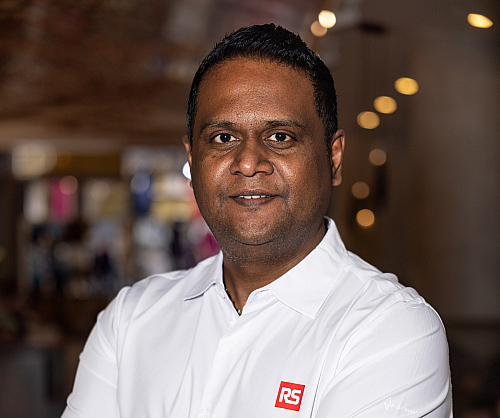
“What Sharps Electrical has achieved in Botswana clearly demonstrates what is possible when strong local capability is reinforced by a dependable global supply network,” said Viv Muthan, Head of Export Sales and Operations at RS South Africa. “At RS, we create high quality experiences for our African customers by complementing the local expertise of in‑country partners with reliable, sustainably designed technologies, such as our Better World product range, backed by the RS platform.”

RS South Africa's collaboration with Sharps Electrical reinforces a shared commitment to Make Amazing Happen for our customers. By supporting infrastructure that reduces operational risk and enables responsible energy use, the partnership helps preserve the integrity of the Okavango Delta while ensuring uninterrupted power for critical lodge operations.

Together, RS and Sharps Electrical are helping to deliver power solutions that quietly underpin exceptional guest experiences, where luxury coexists with conservation. These projects stand as a testament to what can be achieved when strong local expertise is supported by a trusted global partner with aligned values.

RS is proud to support Sharps Electrical as they continue to deliver resilient power solutions across Botswana, helping ensure that some of the country's most iconic destinations remain reliably powered by RS for the long term.

Distributed by APO Group on behalf of RS South Africa.

PR contact details:
PR Contact Person - RS South Africa:
Princess Tlou
Communications & Content Specialist
RS South Africa
Princess.Tlou@rsgroup.com
+27 11 691 9366

Media Contact Person – NGAGE Agency:
Thobile Ndlovu
Senior PR Account Executive
thobile@ngage.co.za
+27 11 867 7763

Further information is available via these links:
LinkedIn: https://apo-opa.co/42cPyuJ
Facebook: https://apo-opa.co/3QRpJhl
X: https://apo-opa.co/42h5VGE
RS South Africa: https://za.RS-online.com
RS Africa Exports: https://Africa.RSDelivers.com 
DesignSpark: https://www.RS-online.com/designspark
RS Group plc: https://www.RSGroup.com

About RS:
RS is a global product and service solutions provider for industrial customers, enabling them to operate efficiently and sustainably.

We operate in 36 markets, stock over 800,000 industrial and specialist products and list an additional five million relevant for our industrial customers, sourced from over 2,500 suppliers. This extensive range supports our customers across the industrial lifecycle of designing, building, and maintaining equipment and operations.

We enhance their experience through a tailored service model, leveraging our efficient physical, digital and process infrastructure sustainably. We combine a technically led and digitally enabled approach with an exceptional team of experts; ultimately, it's our people that make the difference.

Our purpose, making amazing happen for a better world, reflects our focus on delivering results for people planet and profit.

RS Group plc is listed on the London Stock Exchange with stock ticker RS1 and in the year ended 31 March 2024 reported revenue of £2,942 million.

For more information, please visit: www.RSonline.co.za

Media files
RS South Africa
Download logo
Read moreRS Supports Sustainable Power Solutions Delivered by Sharps Electrical in Botswana
6 May 2026

Critical Minerals Africa Group Welcomes New Advisory Board Members

Location: Business
Critical Minerals Africa Group (CMAG)

The Critical Minerals Africa Group (CMAG) (https://CMAGAfrica.com/) is pleased to announce the appointment of three distinguished leaders to its Advisory Board: Ambassador (ret.) Reuben E. Brigety II, President of Busara Advisors; Chipokota Mwanawasa, Policy Advisor to the President of Zambia and Deputy Head of the Presidential Delivery Unit; and Henry Finnegan, former Chief Operating Officer of TechMet.

“Expanding CMAG's Advisory Board with leaders of this calibre marks an important step in strengthening the depth and range of expertise guiding our work. Africa's mineral endowment represents one of the most significant untapped industrial opportunities globally—but realising that potential requires alignment between policy, capital, and execution. By bringing together global experience across diplomacy, investment, and operations, we are better positioned to advance a more coordinated, outcomes-focused approach that supports long-term value creation on the continent.” - Veronica Bolton Smith, CEO, Critical Minerals Africa Group

These appointments further strengthen CMAG's mission to advance responsible mining and develop commercially viable, end-to-end supply chains across Africa—focusing on practical industrial sequencing, from extraction through to processing and value addition. Central to this approach is broadening and diversifying the investor base engaging with the continent, while ensuring projects are structured to deliver tangible outcomes: scalable industries, skilled employment, and more resilient, locally anchored economic growth.

Ambassador (ret.) Reuben E. Brigety II brings decades of experience in diplomacy and African affairs, having most recently served as U.S. Ambassador to South Africa (2022–2025). He previously held senior roles including U.S. Representative to the African Union and Permanent Representative to the United Nations Economic Commission for Africa, as well as Deputy Assistant Secretary of State for African Affairs. His expertise in international relations and strategic engagement will support CMAG's global partnerships and policy positioning.

Chipokota Mwanawasa offers a unique blend of public sector leadership, legal expertise, and private sector experience. As Policy Advisor to President Hakainde Hichilema and Deputy Head of Zambia's Presidential Delivery Unit, she plays a key role in shaping national development priorities. With a background spanning mining, law, and entrepreneurship, she brings valuable insight into governance, investment frameworks, and inclusive economic growth.

Henry Finnegan is an experienced executive in the critical minerals investment space, having served as COO and a founding member of TechMet, a company focused on building sustainable supply chains for energy transition minerals. TechMet grew to a valuation exceeding $1.2 billion. His background in investment, operations, and international markets will support CMAG's efforts to align capital with high-impact opportunities across the continent.

They join the inaugural members of CMAG's Advisory Board:

  • Natznet Tesfay, Executive Director, Head of Insights and Analytics at S&P Global, who brings deep expertise in market intelligence, economic forecasting, and resource analysis.
  • Nicolas Pompigne-Mognard, Founder and Chairman of APO Group, a leading communications strategist with extensive experience in stakeholder engagement and investment promotion across Africa.
  • Richard Morgan, former Head of Government Relations at Anglo American, whose background in policy and regulatory affairs provides critical insight into government engagement and partnership building.

Together, the Advisory Board brings a powerful combination of expertise across mining, finance, policy, diplomacy, and communications. Their collective guidance will help steer CMAG's strategic direction as it works to unlock Africa's critical minerals potential in a way that drives sustainable industrialisation, supports education and skills development, and creates meaningful employment opportunities across the continent.

Distributed by APO Group on behalf of Critical Minerals Africa Group (CMAG).

About the Critical Minerals Africa Group:
The Critical Minerals Africa Group is a strategic advisory and advocacy organisation focused on advancing responsible development of Africa's critical minerals sector. CMAG works with governments, investors, and industry stakeholders to strengthen supply chains, improve policy frameworks, and ensure the continent's natural resources contribute to inclusive and sustainable economic growth.

Media files
Critical Minerals Africa Group (CMAG)
Download logo
Read moreCritical Minerals Africa Group Welcomes New Advisory Board Members
5 May 2026

Daqo examines moving renewable power reliably from source to load

Location: Business
VUKA Group

As reported by ESI Africa, Southern Africa is seeing major infrastructure development. Renewable energy capacity is expanding, industrial demand is rising, and electrification is reaching areas that previously had limited grid access.

However, as generation capacity grows, attention is increasingly turning to another part of the equation: how to move that power reliably from source to load.

Daqo tells ESI Africa that, for developers and EPC contractors, the distribution network is no longer simply a downstream consideration. It is becoming an increasingly important part of how projects are planned, coordinated and delivered.

Why distribution is gaining importance

Grid access, system integration and multi-party coordination are increasingly converging at the distribution level.

Renewable projects are often located far from load centres, and the continued growth of distributed energy is changing system behaviour in ways that require earlier and more careful planning.

As a result, distribution infrastructure is increasingly something projects need to design around from the outset, rather than address later in the delivery process.

A growing focus on coordination and supply

One practical consequence of this shift is greater scrutiny of how electrical equipment is sourced and coordinated.

Traditional multi-supplier models introduce multiple technical and logistical interfaces that may cause delays during installation and commissioning, particularly as project complexity increases.

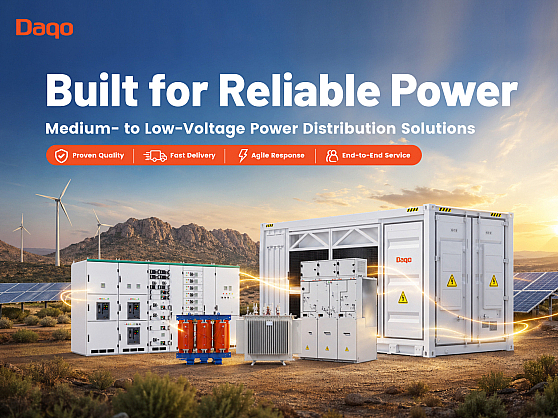
With a portfolio covering medium- and low-voltage switchgear, transformers, power module systems and busbar solutions, Daqo supports a more integrated approach across the electrical distribution chain.

This can help reduce interface risk and improve alignment from design through to commissioning.

Daqo's global footprint includes more than 10,000 customers and 32 manufacturing companies, with project engagement across Africa, the Middle East, Europe, the Americas and APAC, enabling coordinated engineering and production at scale.

Prefabricated solutions can help reduce on-site complexity and improve schedule certainty.

Prefabrication and lead time matter more than ever

On fast-track projects, delivery speed and installation efficiency are becoming increasingly decisive.

Prefabricated electrical solutions (including prefabricated substations, E-Houses and containerised medium-voltage systems) move engineering, assembly and testing into controlled factory environments.

These prefabricated solutions can help reduce on-site complexity and improve schedule certainty.

At the same time, supply timelines remain under pressure due to sustained demand growth and broader supply chain constraints.

Daqo addresses this through manufacturing lead times of four to seven weeks, integrated production across group companies, and strong vertical integration in key materials and components, all of which support delivery stability and cost control.

Performance in the field remains critical

Equipment that meets the specification on paper must also perform in the field.

Large-scale renewable integration can introduce challenges, including voltage fluctuation and reduced system inertia.

Real-world site conditions, including high temperatures, dust, corrosive industrial environments and long transport distances, place further demands on equipment durability and maintainability.

Daqo's system-level approach incorporates intelligent monitoring, protection functions and environmental resilience into the design, helping support stable operation under variable grid conditions and compliance with IEC and project-specific standards.

Daqo looking ahead

The projects being developed across Southern Africa today will help define the region's energy infrastructure for decades to come. Adding generation capacity is essential, but the ability to deliver, integrate and sustain electrical systems in the field will play an equally important role in determining long-term project success.

This shift in focus is already influencing how experienced developers and EPCs approach project planning, and how suppliers are expected to respond.

Enlit Africa returns to the CTICC from 19 to 21 May in 2026

Daqo will be present at Enlit Africa (Stand A5), where the team will engage with project stakeholders on distribution system design and delivery across the region. Meet us at Enlit Africa on 19-21 May 2026 at the CTICC in Cape Town, South Africa. ESI Africa, part of VUKA Group, is the Host Media Partner for the event.  More about Enlit Africa: https://apo-opa.co/4tV6HFt   

Distributed by APO Group on behalf of VUKA Group.

About DAQO Group:
With more than 60 years of industry expertise and an expanding global footprint, Daqo Group delivers integrated solutions that support the global energy transition, from smart substations and renewable energy integration platforms to automation systems and a full range of medium- and low-voltage equipment. With 6 major production bases, 4 research institutes, and 32 manufacturing companies across China, Daqo is supported by a global team of more than 17,000 professionals. Ranked among the top 10 enterprises in China's electrical industry and trusted by more than 10,000 clients worldwide, we help strengthen grid resilience, improve energy efficiency, and support decarbonization goals around the world. https://en.Daqo.com

About ESI Africa:
ESI Africa – Africa's trusted power, energy, water and utility multimedia platform – is positioned as an impartial industry mouthpiece, delivering the latest technical developments and analysis in both print and digital formats since 1996.

The brand's various routes to market are expertly primed to build a bridge between readers and solution providers as ESI Africa sifts through the daily noise and delivers the tale of Africa's energy, power, utility and water transformation to the African and global market. http://apo-opa.co/4wc0iHp

About VUKA Group:
VUKA Group connects people and organisations across Africa's energy, mining, mobility, green economy, and retail sectors through events, content, and strategic networking. Venture partners to The Global Trust Project and leaders of NPO Go Green Africa. www.WeAreVUKA.com

Media files
VUKA Group
Download logo
Read moreDaqo examines moving renewable power reliably from source to load
4 May 2026

Emirates Is Reconnecting the World Through Dubai With 96% of Its Global Network Restored

Location: News
The Emirates Group

Emirates (www.Emirates.com) is marking a near-full return to operations, with 96% of its global network now restored, following a period of disruption. In the past weeks, the airline has progressively resumed services across the Americas, Europe, Africa, West Asia, the Middle East/GCC, the Far East and Australasia.  

Today, the airline operates to 137 destinations across 72 countries, with over 1,300 weekly frequencies, representing 75% of pre-disruption capacity. The airline is offering more flights, more seats and more options each day while reaffirming Dubai's position as a vital hub through which global travel moves.  

Even as it operated with a reduced schedule, Emirates carried 4.7 million passengers* during the disruption, a testament to the enduring demand for travel and the trust that travellers continued to place in the airline to get them where they needed to go. 

The Emirates experience, wherever you're going  

Wherever Emirates customers choose to fly, they can expect a best-in-class onboard and onground experience, defined by exceptional comfort, genuine hospitality, and a level of service that has set the standard for long-haul travel.   

Onboard, customers enjoy a unique culinary experience, with regionally inspired, multi-course menus developed by a team of award-winning chefs and complemented by a wide selection of premium beverages. Emirates' award-winning ice inflight entertainment system offers more than 6,500 channels of the best global content in almost 40 languages, including movies, TV shows, music, podcasts, games, audiobooks and more, ensuring there is no such thing as a long flight. 

And for those who need to stay connected, high-speed Wi-Fi keeps customers reachable at 40,000 feet. Emirates now has Starlink connectivity live on 28 aircraft, delivering ultra-fast, reliable internet in the air.  

Enjoy flexible travel and rewards  

Emirates is giving customers more reasons to travel with confidence with flexible rebooking, Dubai Connect stopover experiences and enhanced Skywards benefits:  

  • Flexible bookings: Customers booked from 2 April will enjoy added flexibility, with one free date change included across all cabin classes. Customers who have booked with Emirates can also hold a fare for 24 hours free of charge.  
  • Dubai Connect: For customers with extended transit times in Dubai from 6 to 26 hours, Emirates' Dubai Connect programme turns a long layover into a comfortable stopover, courtesy of the airline. Eligible customers will enjoy complimentary hotel accommodation at a 4 or 5-star property, airport transfers, meals, and, where required, a UAE entry visa. Available to passengers across all cabin classes with qualifying connection times, Dubai Connect can be booked up to 12 hours ahead via Manage Your Booking (https://apo-opa.co/49amBmQ) on www.Emirates.com. Terms and conditions apply (https://apo-opa.co/4tPG197)  
  • Skywards: From 8 May to 31 August 2026, Emirates Skywards members can enjoy accelerated access to the programme's premium tiers through reduced tier requirements and Bonus Tier Miles on Emirates and flydubai flights.  

Emirates operates three daily flights to Johannesburg, ten weekly flights to Cape Town (with EK772 currently operating three times a week), and four weekly flights to Durban, ensuring strong and consistent connectivity for customers travelling to and from South Africa.

Passengers can explore flight schedules and book their journey from South Africa by visiting Emirates' official website: https://apo-opa.co/4w7cfxZ

*Between 1 March and 30 April  

Distributed by APO Group on behalf of The Emirates Group.

Media files
The Emirates Group
Download logo
Read moreEmirates Is Reconnecting the World Through Dubai With 96% of Its Global Network Restored
4 May 2026

AEW 2026 Launches AI and Data Middle Platform, Bridging Africa’s Digital and Energy Transformation

Location: News

African Energy Chamber
Download logo

The African Energy Week (AEW) Conference and Exhibition - taking place October 12-16 in Cape Town - will host the first-ever AI and Data Center Track, positioning the continent at the intersection of digital infrastructure expansion and energy system transformation. Led by the African Energy Chamber (AEC) (www.EnergyChamber.org), the track is designed as a platform to align policymakers, investors and technology players around a unified strategy for scaling power generation through data-driven demand. As Africa moves to strengthen energy security, the upcoming track will demonstrate how AI-driven investments can support the continent as it strives to make energy poverty history. 

The introduction of the AI and Data Center Track reflects a structural shift that is already underway across global energy markets. Data centers - driven by artificial intelligence, cloud computing and digital services - are rapidly becoming one of the largest sources of incremental electricity demand. Globally, the demand for uninterruptible power supply for IT equipment alone is forecast to reach 249 GW by 2030, with total installed capacity expected to climb to 374 GW.

While the penetration of data centers in Africa has been comparably slower, investment is gradually increasing in these areas. South Africa is leading the continent's data center expansion, with cloud zones from Microsoft and AWS already live and Google expected to follow. Kenya has around 40 MW of IT load capacity and a projected 30% CAGR through 2028. Despite this progress, more investment is required to keep up with the pace of Africa's digital evolution. Notably, data usage is expected to quadruple per mobile by 2028, while generative AI and machine learning are impacting demand.  

While Europe has serviced much of Africa's digital demand, rising latency requirements and growing data sovereignty regulations are motivating a shift to domestic data centers - strengthening the investment case even further. This comes as African energy demand continues to rise and is projected to more than double by 2040. In this context, Africa represents both a frontier market and a strategic opportunity - and a region where energy demand growth can be shaped, rather than retrofitted, around emerging digital infrastructure.

“Africa has a unique opportunity to leapfrog legacy systems by aligning its energy growth with the digital economy. Data centers and AI are not just consumers of power – they are catalysts for investment, innovation and access. If we structure this correctly, we are not just powering servers; we are powering economies and closing the energy access gap at scale. We will start a data center and AI revolution in Cape Town,” states NJ Ayuk, Executive Chairman, AEC.

The AEW 2026 AI and Data Center Track positions Africa's digital evolution as an anchor for the continent's energy expansion. The opportunities are two-fold. Firstly, these centers require large volumes of reliable, uninterrupted electricity, therefore creating predictable and bankable demand for energy investors. Secondly, they strengthen the case for new generation capacity and grid expansion, strengthening national energy systems and introducing affordable sources of power to local markets.

This is where the AEC's platform is attempting to reframe the narrative. Rather than treating data centers as isolated infrastructure projects, the new track positions them as anchor demand capable of unlocking large-scale power generation. Showcasing the AEC's innovative mindset, the platform will also tackle regulatory and fiscal frameworks, with the Chamber working with governments to implement the right kind of policies that will drive data center, AI and energy expansion. The Chamber has already engaged world class companies to develop the platform, ensuring compliance and alignment with industry dynamics.

By embedding the AI and data center agenda within AEW 2026, the AEC is effectively integrating digital infrastructure into mainstream energy discourse. As global energy demand becomes increasingly shaped by digital infrastructure, Africa is positioning itself to capture that demand – and, in doing so, reshape its own energy trajectory.

Distributed by APO Group on behalf of African Energy Chamber.

Read moreAEW 2026 Launches AI and Data Middle Platform, Bridging Africa’s Digital and Energy Transformation
1 May 2026

Statement of the Chairperson of the African Union (AU) Commission on the Election of the Bureau of the Pan-African Parliament

Location: News

African Union (AU)
Download logo

The Chairperson of the African Union Commission, H.E. Mahmoud Ali Youssouf, welcomes the successful conclusion of the elections of the President and Members of the Bureau of the Pan-African Parliament, held in Midrand, Republic of South Africa.

He extends warm congratulations to H.E. Fateh Boutbig on his election as President, as well as to the newly elected Members of the Bureau representing all regions of the continent.

The AUC Chairperson pays tribute to the outgoing President, H.E. Fortune Charumbira, for his dedicated service and for advancing the role of the Pan-African Parliament within the African Union's governance architecture.

He notes that the orderly and transparent conduct of the elections reflects Member States' commitment to the principles of democracy, rule of law, and inclusive representation, as enshrined in the Constitutive Act of the African Union. It further underscores the Parliament's growing role as a platform for the voice of the African people.

As the institution enters a new phase, the AUC Chairperson expresses full confidence in the incoming leadership and calls for the discharge of their responsibilities with integrity, unity of purpose, and commitment to Pan-African ideals. He reiterates the Commission's support for ongoing institutional reforms to strengthen the effectiveness and legislative authority of the Parliament.

The AUC Chairperson represented H.E. Évariste Ndayishimiye, President of the Republic of Burundi and Chairperson of the African Union, in overseeing the electoral process and taking of the oath of office by the new elected Members of Parliament.

Distributed by APO Group on behalf of African Union (AU).

Read moreStatement of the Chairperson of the African Union (AU) Commission on the Election of the Bureau of the Pan-African Parliament
30 April 2026

Minerals Council CEO Joins AMW as South Africa Improves Sectorial Investment Climate

Location: News

Energy Capital & Power
Download logo

The upcoming African Mining Week (AMW) conference will feature Mzila Mthenjane, CEO of the Minerals Council of South Africa, as a speaker. Scheduled for October 14 – 16, 2026 in Cape Town, the event will bring together global investors, policymakers and industry leaders, with Mthenjane's participation highlighting the council's commitment to engaging international stakeholders and promoting investment across South Africa's mining sector.

His participation comes at a critical moment as the Minerals Council works closely with government on finalizing the Mineral Resources Development Bill 2025, a policy framework aimed at strengthening the country's mining investment climate and the sector's contribution to GDP. According to the council, the revised legislation will support new investment across the value chain as South Africa seeks to mobilize R2 trillion over the next five years to unlock its critical minerals potential.

The policy reforms come amid shifting production trends in the sector. In 2025, South Africa recorded declines in gold and platinum group metals output of 1.9% and 4.1%, respectively. The new regulatory framework is expected to strengthen public-private partnerships and stimulate investment, enabling South Africa to increase production and capitalize on strong global commodity prices. Increased private sector investments is crucial with South Africa seeking targeting to unlock an estimated R40 trillion in untapped iron ore potential as well as maintain its position as the world's leading producer of chrome and manganese.

At AMW 2026, Mthenjane is expected to outline these trends, providing insights into how the council is contributing to addressing challenges disrupting the sector. Infrastructure and energy costs remain key concerns for industry players. To support the energy-intensive sector, South Africa approved a 35% reduction in electricity tariffs for major ferrochrome producers, helping stabilize an industry that has faced significant cost pressures after electricity prices surged by roughly 900% since 2008.

Logistics constraints are also a priority area for reform. South Africa's economy is losing an estimated R1 billion per day due to inefficiencies across rail and port infrastructure. As a result, the government is considering measures supported by the Minerals Council to increase private sector participation in logistics. Planned reforms include rail modernization initiatives targeting 250 million tons of freight capacity by 2029, alongside port upgrades and private operator participation aimed at strengthening mineral exports and improving supply chain efficiency.

Beyond infrastructure and policy reforms, the Minerals Council is advocating for stronger exploration investment to support long-term industry growth.

At AMW, Mthenjane is expected to highlight these developments and outline the steps required to reinforce South Africa's position in the global minerals supply chain. His insights will offer investors and stakeholders a timely perspective on opportunities within the country's mining sector.

Distributed by APO Group on behalf of Energy Capital & Power.

Read moreMinerals Council CEO Joins AMW as South Africa Improves Sectorial Investment Climate
28 April 2026

AU) Member States Convene to Advance Africa’s 2026 G20 Priorities Aligned with Agenda 2063

Location: News

African Union (AU)
Download logo

Following the African Union's permanent membership in the G20 and South Africa's historic Presidency in 2025, the African Union is prioritizing preparation for the 2026 United States G20 Presidency. To ensure the continent remains coordinated, influential, and strategically positioned, the African Union is convening a pivotal AU G20 Retreat,hosted by the Republic of Equatorial Guinea.

The Retreat brings together Member States, technical financial institutions, and key partners to assess achievements and lessons learnt from the 2025 Presidency as well as  examine the 2026 United States priorities including Economic Growth, Deregulation, Energy Abundance, Trade, and Innovation to identify areas for strategic leverage. Central to the agenda is the alignment of AU Member States around common priorities under Agenda 2063 to  ensure a smooth transition of leadership from Angola to Burundi in 2026 and adopt  a Strategic Roadmap for engagement across all G20 tracks.

In his welcoming remarks, during the official opening ceremony H.E. Mr. Simeón Oyono Esono Angüe, Minister of Foreign Affairs, International Cooperation, and Diaspora of Equatorial Guinea, emphasized the necessity of collective action. "Our presence here underscores a turning point in our diplomacy. We are no longer observing global decisions; we are actively co-authoring them to ensure they reflect the realities of our people," he stated.

Setting the strategic direction for the retreat, H.E. Amb. Fathallah Sijillmasi, Director General of the African Union Commission stressed that the AU's permanent seat must be backed by a rigorous internal mechanism to drive the continent's agenda. "Our objective is to move beyond participation and toward impact by establishing the institutional framework necessary to ensure that Africa's specific priorities from digital transformation to infrastructure financing are technically defended and politically supported at every level of the G20 process," Amb. Sijillmasi remarked.

Providing perspectives on the transition between Presidencies, H.E. Amb. Sara Silva, AU G20 Sous-Sherpa (Angola), reflected on the progress achieved during the previous cycle, highlighting the important gains made under South Africa's historic G20 Presidency, including stronger visibility of Africa's priorities within global economic discussions and enhanced coordination among AU Member States. She underscored the importance of preserving institutional memory and ensuring continuity as the African Union advances into the 2026 cycle.

Additionally, H.E. Mr. Mahamat Ali Hassan, Chairperson of the PRC Sub-Committee  of the Whole on Economic and Trade Matters (Chad) reminded participants that economic sovereignty remains central to the realisation of Aspiration 7 of Agenda 2063, which seeks to position Africa as a strong, united, resilient, and influential global actor. He emphasised that strengthening domestic productive capacity, advancing industrialisation, promoting fair trade, and reducing structural dependencies are essential to enhancing Africa's voice and bargaining power within global governance platforms such as the G20.

In her opening statement, H.E. Mrs. Francisca Tatchouop Belobe, AU Commissioner for Economic Development, Trade, Tourism, Industry and Minerals, and AU G20 Sherpa, addressed recent developments relating to the United States G20 Presidency, including the non-extension of an invitation to South Africa. She noted that the African Union has engaged through the appropriate diplomatic channels, stressing that such  development risks undermining the inclusivity and consensus-based principles that have long guided the G20 process. She reaffirmed that the AU will continue to engage partners and Member States to safeguard Africa's collective interests and ensure the full and effective participation of African members within the G20 framework.

“To fulfil the vision of Agenda 2063, our participation must be substantive and strategic. This Retreat is about transforming Africa's permanent seat in the G20 into tangible development gains across the continent.” She further emphasised that, “Even within this unique context, Africa must remain focused on securing the greatest possible outcomes from the 2026 G20 cycle by advancing Agenda 2063 priorities, strengthening coordinated participation, and ensuring the continent's voice remains visible and influential across all G20 workstreams. We must draw on the expertise of African Union knowledge partners and the experience of previous AU G20 Sherpas and Sous-Sherpas to sustain continuity and strategic engagement. Africa must continue to derive maximum value from the United States G20 Presidency as we look ahead to the restoration of regular order under the United Kingdom G20 Presidency in 2027.”

The retreat integrates the priorities of the Second Decade of Action of Agenda 2063 into the 2026 global discourse. H.E. Ambassador Willy Nyamitwe, Chairperson of the PRC (Burundi) and incoming sous-sharpa said, “The success of our permanent membership in the G20 will not be measured by our presence at the table, but by the tangible impact of our contributions. It will be measured by our ability to deliver results that accelerate Africa's industrialization, address the heavy debt burdens facing our economies, and promote inclusive and equitable growth for the 1.4 billion Africans we represent ultimately advancing the aspirations of Agenda 2063:The Africa We Want.”

He called on Member States to use the Retreat to consolidate unity, refine common strategies, and prepare for the 2026 G20 cycle with clarity, coherence, and determination. He further underscored that recent developments within the G20 process highlight the need for stronger African solidarity, a unified voice, and coordinated action in safeguarding the continent's interests within global governance structures.

H.E. Iván Bacale Ebe Molina, Minister of Finance, Planning, and Economic Development for Equatorial Guinea, addressed the economic imperatives of the 2026 roadmap. "As we look toward the 2026 cycle, our focus remains on the reform of the international financial architecture. We are here to ensure that global financial systems work for Africa's industrialization and energy goals, rather than against them."

In closing the high-level opening session, H.E. Mr. Simeón Oyono Esono Angüe, Minister of Foreign Affairs, International Cooperation and Diaspora of the Republic of Equatorial Guinea, reaffirmed Equatorial Guinea's full support for the African Union and its Member States in ensuring the success of the Retreat, and reiterated the country's commitment to advancing collaboration, dialogue, and unity in pursuit of a more resilient, inclusive, and prosperous Africa.

The Retreat is expected to deliver key outcomes aimed at strengthening Africa's participation and also  seeks to align AU Member States around common priorities under Agenda 2063 and ensure coordinated engagement across the Sherpa and Finance Tracks. In addition, delegates  will focus on strengthening coordination and continuity through a smooth transition from Angola's tenure as AU Chair to Burundi in 2026, while deepening collaboration among AU institutions, Member States, and strategic partners.

A further expected outcome of the Retreat is the adoption of a Strategic Roadmap establishing a clear timeline and framework for Africa's engagement across G20 working groups, ministerial meetings, and Leaders' level processes.

Distributed by APO Group on behalf of African Union (AU).

Read moreAU) Member States Convene to Advance Africa’s 2026 G20 Priorities Aligned with Agenda 2063
28 April 2026

Impact Africa to launch Fundamentals of Sustainability Accounting (FSA®) Credential Course, invites financial professionals to join interest list

Location: News

Impact Africa Consulting Limited
Download logo

As an Approved Education Provider for the IFRS Foundation's FSA® Credential, Impact Africa Consulting Limited (www.ImpactingAfrica.com) brings to market, a preparation course for the credential that trains financial professionals to identify sustainability-related risks and opportunities, normalize sustainability data for valuation, and connect them to a company's financial position, performance, and prospects.

Impact Africa Consulting Limited has announced plans to launch an FSA® Credential preparation course which is designed to equip African financial professionals with the skills to integrate sustainability considerations into financial analysis. As an Approved Education Provider under the IFRS Foundation's Approved Education Provider Program, Impact Africa has disclosed that it will deliver a preparation course that supports candidates preparing for the two-level FSA® Credential examination. This is the most advanced credential related to ISSB Standards.

Speaking from the company's headquarters in Nairobi, the Lead Consultant and Partner Dr. Edward Mungai said “The upcoming program will train professionals to identify sustainability-related risks and opportunities, normalize sustainability data for valuation, and connect sustainability information to a company's financial position, performance, and prospects. This comes at a moment where financial reporting is pivoting across the continent. Regulators, stock exchanges, and development of finance institutions across Africa are increasingly aligning with ISSB Standards, requiring them to treat sustainability as a financial variable.”

Owen Muruthi, one of the trainers and industry experts supporting the course, noted that financial professionals must increasingly understand how sustainability affects financial performance.

“The FSA® Credential equips professionals with the tools to integrate sustainability considerations into financial analysis and decision-making. Investors, regulators, and capital markets increasingly expect professionals to understand how sustainability-related risks and opportunities influence financial performance and long-term value creation. The FSA® Credential provides the structured knowledge and analytical tools needed to bridge that gap.”

Professionals are expected to gain the ability to identify sustainability-related risks and opportunities that affect financial performance, normalize sustainability data for fundamental, comparative, and industry analysis, and connect sustainability disclosures to key financial elements such as revenue, expenses, assets, liabilities, and cost of capital. They will also learn how to apply sustainability insights within valuation models used by investors and capital markets to inform investment decisions.

For years, sustainability and financial analysis operated in separate silos, with professionals often treating environmental, social, and governance factors as peripheral to core financial decision-making. The introduction of ISSB Standards has changed this landscape, creating a growing need for financial professionals who can fluently integrate sustainability considerations into their analysis and reporting.

The FSA® Credential, developed by the globally recognized IFRS Foundation, is a two-level examination program designed to equip professionals with the knowledge and skills to bridge this gap. The credential is held by more than 8,000 professionals across over 60 countries and is widely recognized for its rigor in connecting sustainability information with financial performance and investment decisions.

Level I, Principles and Practices, provides a foundation in the sustainability disclosure landscape, including IFRS Sustainability Disclosure Standards, and explores how material sustainability information informs corporate strategy and investment decisions. Level II, Application and Analysis, trains candidates to identify sustainability-related financial risks and opportunities, normalize sustainability data for comparative analysis, and apply insights within financial and valuation models.

Impact Africa's upcoming FSA Credential preparation course is tailored for finance and sustainability professionals working in markets increasingly aligned with ISSB disclosures. Drawing on experience advising organizations across Botswana, Ethiopia, Ghana, Kenya, Malawi, Mozambique, Namibia, Nigeria, Rwanda, South Africa, Tanzania, Uganda, Zambia, and Zimbabwe, the course situates IFRS Foundation–approved content within African market realities. This includes the growing expectations of capital markets for ISSB-aligned disclosures, the requirements of development finance institutions for sustainability integration, and emerging regulatory frameworks across Sub-Saharan Africa.

The course is ideal for CFOs, Finance Directors, financial controllers, financial analysts, investment professionals, sustainability and ESG practitioners, consultants supporting clients on reporting and disclosure strategy, and students or early-career professionals seeking to build expertise at the intersection of sustainability and finance. Professionals interested in early access to course details and enrollment information are encouraged to join the interest list.

Distributed by APO Group on behalf of Impact Africa Consulting Limited.

Media Contact:
Solomon Irungu
Solomonirungu@impactingafrica.com
Impact Africa Consulting Limited

About Impact Africa Consulting Limited:
Impact Africa Consulting Limited is a leading development consulting firm headquartered in Nairobi, Kenya. The firm specializes in sustainability and climate advisory, impact assessment and M&E, and Private and social sector advisory services. The organization operates as a certified GRI training partner across Africa, and offers a growing portfolio of professional development programs in sustainability, governance, health security, resource mobilization, and now the FSA® Credential preparation course, equipping financial professionals to integrate sustainability considerations into financial analysis

Impact Africa is an Approved Education Provider for the FSA® Credential under the IFRS Foundation's Approved Education Provider Program.

Website: www.ImpactingAfrica.com

Read moreImpact Africa to launch Fundamentals of Sustainability Accounting (FSA®) Credential Course, invites financial professionals to join interest list
28 April 2026

AMW to Showcase Emerging Mining Frontiers as Africa Ramps Up Geomapping

Location: Business

Energy Capital & Power
Download logo

State agencies the Ghana Gold Board and the Ghana Geological Survey Authority have signed an agreement to co-conduct geological surveys in the Funsi, Atuna and Bensere East regions. The initiative aims to expand national gold reserves, increase output and support the formalization of artisanal mining operations. The agreement is part of a growing trend across Africa, with mineral-rich countries embarking on national geomapping programs to strengthen mineral production, de-risk exploration projects and position the continent as a key player in the global mineral supply chain.

Acceleration in geomapping exercises will be a key focus at the upcoming African Mining Week (AMW) Conference and Exhibition - The Most Influential Mining Conference in Africa, scheduled for October 14-16 in Cape Town. The event will connect global investors and geophysical technology providers with African regulators and project developers, facilitating strategic collaborations aimed at unlocking greenfield developments.

The theme for AMW 2026 - Mining the Future: Unearthing Africa's Full Mineral Value Chain - reflects a growing trend among African mining jurisdictions eager to unlock the continent's $8.5 trillion worth of untapped mineral potential. This is backed by the launch of national geomapping initiatives, aimed at identifying new exploration frontiers and supporting investments.

Recent examples include Burundi's mid-March partnership with U.S. companies Lifezone Metals and KoBold Metals to assess the Musongati Nickel project and other critical mineral prospects. The Democratic Republic of Congo has also engaged Xcalibur Smart Mapping to survey an area spanning 700,000 square kilometers as part of a strategy to unlock over $24 trillion in untapped mineral reserves, with 90% of its geology yet to be explored.

Zambia has also completed 55% of its national geomapping project, as the country seeks to identify new copper deposits to meet its 2031 target of increasing output to three million tons. Meanwhile, Nigeria is advancing its own geomapping efforts following approval of a N1 trillion budget for 2026, aimed at unlocking the country's potential in more than 44 critical minerals. Several other countries, including Tanzania, are also implementing similar initiatives, while South Africa is providing technical support to nations such as Gabon, South Sudan and Nigeria.

Liberia has plans to geomap 80% of its largely unexplored geology. In an exclusive interview ahead of AMW 2026, Matenokay Tingban, Liberia's Minister of Mines and Energy, told organizers that “we are seeking geomapping and exploration partners. With Liberia's vast but largely untapped mineral resources, access to geoscientific data will allow us to negotiate stronger investment deals and unlock downstream infrastructure development.”

The surge in geomapping initiatives highlights Africa's commitment to unlocking its mining sector growth and presents lucrative opportunities for global exploration, drilling and geophysical technology providers. AMW 2026 will showcase ongoing geomapping progress, connecting African stakeholders with global partners to foster partnerships that will drive the expansion of Africa's drilling and greenfield projects.

Distributed by APO Group on behalf of Energy Capital & Power.

Read moreAMW to Showcase Emerging Mining Frontiers as Africa Ramps Up Geomapping
27 April 2026

Royal African Society Co-opts Four Distinguished Leaders to Its Council

Location: News
Royal African Society

The Royal African Society (https://RoyalAfricanSociety.org) is pleased to announce the co-option of four distinguished leaders to its Council: Ifrah Hassan Ibrahim, James Benoit, John Butt, and Tammy Brophy. Their appointments further strengthen the Society's leadership as it celebrates its 125th anniversary, bringing together expertise across finance, sustainability, policy, investment, education, and global development.

Chairperson's Welcome

Ms. Arunma Oteh, Chairperson of the Royal African Society, said:

“As we mark 125 years of the Royal African Society, we are reminded of our enduring mission to deepen understanding of Africa and amplify African voices globally. The exceptional leaders we welcome to our Council embody this mission. Their diverse expertise, passion for the continent, and track records of excellence will strengthen our ability to serve as a bridge between Africa, the United Kingdom, and the wider world.”

CEO's Remarks

Stella Okuzu, CEO of the Royal African Society, added:

“I am thrilled to welcome these four distinguished leaders to our Council. Their combined experience in finance, investment, sustainability, education, and leadership will greatly enhance our ability to deliver impactful programmes and expand our reach across Africa and the United Kingdom. Their insight and strategic guidance come at a crucial moment in our growth as an organisation.”

Profiles of the Newly Co-opted Council Members

Ifrah Hassan Ibrahim

Ifrah Hassan Ibrahim is the Founder of Protea Advisory Limited, a London-based consultancy advising African and Emerging Market sovereign clients on debt management, sustainable finance, and access to international capital markets.

She brings over 15 years' experience in global investment banking, having started her career in Zurich at UBS, and later held senior roles at Credit Suisse and Barclays, where she led Sub-Saharan Africa coverage and worked closely with Ministries of Finance, central banks, and multilateral institutions such as the World Bank.

A Chartered Financial Analyst (CFA), Ifrah combines deep technical expertise in international finance with a strong commitment to Africa's and broader Emerging Markets' long-term economic development. Her work focuses on supporting primarily African, as well as other Emerging Market sovereign borrowers, in strengthening their access to global capital markets, giving her valuable insight into the economic and policy challenges facing the continent.

Born to Somali parents and raised in Switzerland, she brings a genuinely international perspective and strong diaspora connection. Fluent in French, English and Somali, and conversant in German, she is based in London and is well placed to support the Royal African Society's mission of connecting African expertise with UK audiences and institutions. Her experience at the intersection of finance, public policy and international development would offer valuable strategic insight into the economic trends shaping Africa–UK relations.

James Benoit

James Benoit is a Canadian–Mauritian banking executive with more than two decades of global leadership experience across Africa, Europe, Asia and North America. A Chartered Financial Analyst (CFA), he has built a distinguished career connecting African markets with international capital and financial institutions. 

As Managing Director and CEO of FCMB Bank (UK), James led the transformation of the institution into a fully licensed UK-regulated bank, expanding services across corporate, retail and diaspora markets while strengthening its role as a bridge between African and UK economies. He has also played a foundational role in AfrAsia Bank and has held senior leadership positions in international banking, capital markets and regulatory strategy. 

James has extensive experience advising financial institutions and governments on market entry, regulatory frameworks and capital-raising strategies, alongside a strong commitment to inclusive and ethical finance. His global networks span investors, policymakers, financial institutions and diaspora entrepreneurs. 

With deep personal and professional ties to Africa, James brings strategic vision and international networks that would strengthen the Royal African Society's work in fostering partnerships and investment relationships between Africa and the UK.

John Butt

Born in Cameroon, John Butt has built a career driven by curiosity, pursuing the frontiers where disruption meets opportunity for growth. As General Partner of Conduit Ventures Ltd, a regulated UK-based investment firm backed by sovereign and institutional capital, he sets the strategic direction of funds that deploy innovative solutions in energy transition, water risk, and food security to catalyse sustainable economic growth. He pursues these themes with particular conviction across Africa, alongside select markets in Latin America, Europe, and Asia.

His career spans policy and investment banking at Citigroup Global Markets and Price Waterhouse in Washington DC, Europe, and the former Soviet bloc, where he worked with governments and the private sector, building on early foundations at the Bank of England. Having lived and worked across North America, Europe, Africa, and Asia, including China and Japan, he draws on a distinctive cross-border lens. His work is informed by an appreciation that culture, innovation, consensus-building, and partnerships are as decisive as capital in driving positive outcomes across transition and established economies alike.

He holds a Biochemistry degree from the University of St Andrews, Scotland, and an MBA from the University of North Carolina at Chapel Hill's Kenan-Flagler Business School, USA.

Tammy Brophy

Tammy Brophy is Associate Director of the Oxford MBA at the University of Oxford's Saïd Business School, where she provides strategic leadership for one of the world's leading business education programmes. She leads Oxford Saïd's Africa Initiative, developing partnerships across academia, government and industry to strengthen engagement with African business ecosystems. 

With over a decade of experience at Oxford and earlier professional experience in South Africa, Tammy has built a strong record of connecting academic insight with practical leadership and enterprise development. She has played a key role in expanding African participation in the Oxford MBA and securing more than £1 million in scholarship partnerships for African and female students. 

Tammy's work focuses on inclusive growth, leadership development and knowledge exchange, and she has led major initiatives including the Oxford Africa Business Forum and programmes supporting gender equity in business education. 

A dual South African–British national, Tammy brings deep experience of building partnerships across sectors and borders. Her expertise in education, leadership development and Africa-focused collaboration would support the Royal African Society's mission to promote knowledge, dialogue and connections between Africa and the UK.

Distributed by APO Group on behalf of Royal African Society.

Media Contacts: 
Uchechi Eke  
ue3@soas.ac.uk

Tracy N. Walakira of APO Group  
tracy.walakira@apo-opa.com

About The Royal African Society:
The Royal African Society, established in 1901, is one of the UK's oldest and most respected institutions and the only Royal Charter dedicated to promoting a deeper understanding of Africa and fostering stronger relations between the UK, Africa, and the wider world. Our Royal Patron is HRH Prince Williams, Prince of Wales.

Through conferences, cultural festivals, publications, and policy dialogues, the Society brings together business leaders, artists, academics, policymakers, and civil society to showcase Africa's achievements and address its challenges. 

Media files
Royal African Society
Download logo
Read moreRoyal African Society Co-opts Four Distinguished Leaders to Its Council
27 April 2026

WTO Project Aims to Step up ePing Use to Increase Transparency and Market Access in Africa

Location: Business
World Trade Organization (WTO)

Implementation of a WTO initiative to strengthen use of the ePing SPS & TBT Platform is now under way, helping governments, exporters and other stakeholders better track and engage in evolving product requirements affecting international trade. Funded by the Standards and Trade Development Facility (STDF), the three year project focuses on five African countries and aims to enhance transparency, predictability and market access.

The project is being implemented by the WTO in Kenya, Namibia, South Africa, Tanzania and Uganda. It brings together governments, the private sector and international partners to improve how regulatory information is shared, accessed and used in sectors affected by sanitary and phytosanitary (SPS) measures and technical barriers to trade (TBT).

At its core, the initiative seeks to improve the use of the ePing SPS & TBT Platform to enhance transparency for market access, with a strong focus on raising awareness of the platform, especially in the five African countries where national workshops will take place. These in-country workshops are designed to strengthen practical use of ePing among regulators, enquiry points, exporters, trade associations and other stakeholders who rely on timely regulatory information to access markets.

"Timely access to regulatory information is essential for trade," said Deputy Director-General Jean-Marie Paugam. "As project implementation gets under way, improving how ePing is used on the ground and upgrading the platform based on user feedback will help traders - particularly small and medium-sized enterprises - avoid costly surprises at the border and make better use of market access opportunities."

Governments worldwide continue to introduce and revise regulations related to food safety, animal and plant health, product quality and technical standards. Keeping track of these changes can be challenging, especially for exporters operating in multiple markets. ePing, a tool developed by the WTO, the International Trade Centre (ITC) and the United Nations Department of Economic and Social Affairs (UNDESA), helps address this challenge. ePing is a free, global platform that allows users to follow notified draft SPS and TBT measures in real time, receive tailored email alerts, and engage with regulators before new requirements enter into force.

The urgency of strengthening ePing use is underscored by growing volumes of regulatory activity. In 2025, more than 7,000 SPS and TBT notifications were issued globally, the highest number on record, with African members accounting for an increasing share. As notifications continue to rise, missing or late information can result in rejected exports, compliance costs and lost market opportunities. Effective use of ePing can help mitigate these risks by improving transparency and facilitating early dialogue domestically and with trading partners.

National and regional workshops form a central pillar of project implementation. These workshops will combine hands-on training, peer exchange and needs-assessment sessions to better understand how different users interact with ePing. The workshops will also build on synergies with other projects and tools from international partners, such as ITC's global trade helpdesk.

The workshops will gather structured feedback from users on challenges they face in navigating large volumes of notifications and identifying information that matters most to them. This feedback, to be complemented by a survey among all WTO members, will feed directly into technological and functional enhancements of the ePing platform, aimed at making it more intuitive, responsive and user-friendly.

Project implementation builds on momentum generated at a regional launch event in Nairobi in December 2025, which highlighted the role of digital tools in supporting regulatory transparency. Activities are now moving into a national phase, starting with a workshop in Arusha, Tanzania, from 28 to 30 April 2026, to be followed by similar events across the other participating countries.

By strengthening capacity, raising awareness and incorporating user-driven improvements, the WTO aims to ensure that ePing delivers even greater value - not only in the five participating African countries, but also for WTO members as a whole, contributing to safer, more predictable and more inclusive trade.

More information on ePing is available here.  Information on the STDF project for improving the use of ePing SPS&TBT Platform to enhance transparency for market access is available here.

Distributed by APO Group on behalf of World Trade Organization (WTO).

Media files
World Trade Organization (WTO)
Download logo
Read moreWTO Project Aims to Step up ePing Use to Increase Transparency and Market Access in Africa
24 April 2026

AFC and DBSA Partner to Climate-Proof Africa’s Infrastructure through the Infrastructure Climate-Resilient Fund (ICRF) Managed by AFC Capital Partners

Location: Business
Africa Finance Corporation (AFC)

Africa Finance Corporation (www.AfricaFC.org) , the continent's leading infrastructure solutions provider, yesterday announced a commitment from the Development Bank of Southern Africa (DBSA) to its US$750 million Infrastructure Climate Resilient Fund (ICRF). The agreement, signed at AFC's ongoing The Africa We Build Summit in Nairobi, marks a significant step in scaling climate adaptation finance across Africa and underscores strengthening African institutional alignment around infrastructure as a catalyst for climate resilience, regional integration, and long-term economic transformation.

Managed by AFC Capital Partners (ACP), the Corporation's asset management subsidiary, ICRF is a pioneering infrastructure fund designed to climate-proof Africa's infrastructure by embedding resilience measures across the entire asset lifecycle—from planning and design through to construction and operation. The Fund directly addresses a critical development challenge facing the continent: ensuring infrastructure systems can withstand increasingly severe and unpredictable climate impacts.

DBSA's commitment to ICRF reinforces growing African institutional alignment and momentum around climate-resilient infrastructure as a distinct and investable asset class. The Fund has already attracted strong participation from leading global and African institutional investors, including a US$253 million commitment from the Green Climate Fund (GCF)—its largest equity investment in Africa to date—alongside the European Investment Bank (EIB), the Nigeria Sovereign Investment Authority (NSIA), and a host of African pension funds. DBSA's entry further strengthens the Fund's position as a pioneering vehicle for mobilising climate finance into transformative climate-resilient infrastructure across Africa.

ICRF is structured to attract both public and private capital into infrastructure projects that integrate climate resilience from the outset. By combining concessional and commercial capital, the Fund addresses long-standing market barriers that have historically constrained investment in climate adaptation in Africa. Through blended finance and targeted de-risking mechanisms, the Fund enables the integration of resilience measures that would otherwise be difficult to finance, thereby unlocking private capital at scale.

Samaila Zubairu, President & CEO of Africa Finance Corporation commented: " ICRF is our response to a defining challenge—ensuring Africa's infrastructure is built to withstand the growing impacts of climate change. With the continent losing an estimated 2% to 5% of GDP annually to climate shocks and adaptation needs reaching up to $50 billion each year, the urgency is clear. We are therefore pleased to welcome DBSA as a key partner for the Fund. Their participation reflects strong African institutional alignment and marks a significant milestone in a partnership we look forward to deepening in the years ahead"

Boitumelo Mosako, Chief Executive Officer of the Development Bank of Southern Africa commented: “Africa does not have the luxury of waiting. Climate shocks are outpacing adaptation finance, and vulnerable communities continue to bear the greatest burden. This partnership with the Africa Finance Corporation sends a clear signal that development finance institutions are pooling their mandates, capital, and risk appetite to achieve what neither institution can accomplish alone."

The Fund brings together leading institutions including DBSA, AFC and GCF, combining their expertise, capital, and climate mandates to accelerate investment in climate-resilient infrastructure. DBSA's participation reflects its mandate to drive infrastructure-led development, support regional integration, and mobilise private sector investment, across Southern Africa, while contributing to broader continental climate adaptation and development objectives.

Explicitly designed to address the systemic risks posed by climate change to Africa's infrastructure, the Fund targets investment into renewable energy, transport and logistics, digital infrastructure, and industrial development—sectors central to enabling low-carbon economic growth across Africa while strengthening the resilience of the continent's economic systems.

AFC Capital Partners' investment strategy integrates both physical and transition climate risks, including exposure to extreme weather events, emissions pathways, and climate governance considerations. Each investment is subject to rigorous climate risk screening and assessment to ensure resilience is embedded from the outset and maintained across the full infrastructure lifecycle, setting a new benchmark for climate-resilient infrastructure delivery in Africa.

The Green Climate Fund plays a catalytic role through the provision of first-loss capital and technical assistance for climate risk assessment and monitoring, helping to de-risk investments and crowd in additional institutional capital.

Through ICRF, AFC Capital Partners is expected to mobilise up to $3.7 billion in total financing, significantly scaling investment in climate-resilient infrastructure across Africa. The Fund is building a diversified portfolio of 10 to 12 infrastructure projects across the continent, contributing to more resilient, connected, and sustainable African economies.

Distributed by APO Group on behalf of Africa Finance Corporation (AFC).

Media Enquiries:
Yewande Thorpe
Communications
Africa Finance Corporation
Mobile: +234 1 279 9654
Email: yewande.thorpe@africafc.org

About AFC:
AFC was established in 2007 to be the catalyst for pragmatic infrastructure and industrial investments across Africa. AFC's approach combines specialist industry expertise with a focus on financial and technical advisory, project structuring, project development, and risk capital to address Africa's infrastructure development needs and drive sustainable economic growth.

Eighteen years on, AFC has developed a track record as the partner of choice in Africa for investing and delivering on instrumental, high-quality infrastructure assets that provide essential services in the core infrastructure sectors of energy, natural resources, heavy industry, transport, and telecommunications. AFC has 48 member countries and has invested over US$19 billion in 36 African countries since its inception.

www.AfricaFC.org

About DBSA:
The Development Bank of Southern Africa (DBSA) is one of the leading development financial institutions on the continent. DBSA's primary purpose is delivering impactful development finance solutions that ignite transformative change in South Africa and in the rest of the African continent. Improving the quality of life of people in Africa is the fundamental focus of its development impact. DBSA aims to bend the arc of history towards shared prosperity through multifaceted investments in sustainable infrastructure and human capacity.

DBSA's product solutions span all phases of the infrastructure development value chain from infrastructure planning and project preparation across a range of financing and non-financing investments to infrastructure implementation and delivery. Its primary areas of focus include Energy, ICT, Transport, Water and Sanitation with secondary areas of focus including Education, Housing and Health.

Media files
Africa Finance Corporation (AFC)
Download logo
Read moreAFC and DBSA Partner to Climate-Proof Africa’s Infrastructure through the Infrastructure Climate-Resilient Fund (ICRF) Managed by AFC Capital Partners
23 April 2026

The Road Home, a Distinctly South African Story, to Be Filmed in Cape Town

Location: News

STUDIOCANAL (a CANAL+ Company)
Download logo

  • The Road Home is a story of the power of music that changed the world, bringing to life the inspiring story of the creation of the Graceland album and band
  • The film's budget is roughly ZAR 300 million
  • Production to commence in Cape Town on June 29th, employing over 300 local film crew and up to 3,500 extras
  • Underscores commitments made by CANAL+ during the acquisition of MultiChoice Group

STUDIOCANAL, the in-house studio of CANAL+ (www.STUDIOCANAL.com), in partnership with Flora Films, is proud to announce the production of feature film The Road Home. The film brings a uniquely South African story to a global audience, and is set against the backdrop of Paul Simon's 1986 album Graceland. Principal photography starts in Cape Town in June.

Following exile from his native South Africa, trumpeter Hugh Masekela (Rametsi) is pulled between two worlds when the Anti-Apartheid Movement, led by his mentor Archbishop Trevor Huddleston (Pearce), launches a boycott against Paul Simon, over his groundbreaking township music-inspired album “Graceland”, accusing Simon of violating the United Nation's Cultural Boycott.  

Splitting from his mentor, Masekela – who sees their music as a powerful weapon in the struggle – joins forces with Simon and Hugh's lifelong collaborator, South African powerhouse vocalist Miriam ‘Mama Africa' Makeba (Erivo), to create the Graceland band - a super group designed to bring South Africa's voice to the world, building to a powerful, celebratory testament to resilience, and the triumph of the human spirit.

The screenplay was developed through deep research ensuring a truly authentic telling, in particular drawing on the knowledge and resources of the Hugh Masekela Heritage Foundation, enriched by contributions from acclaimed South African novelist Zakes Mda.

Alongside the invaluable insights shared with Bronner during the writing process by several Hugh Masekela Heritage Foundation members, Bronner did extensive research for the script – including in-depth interviews with Paul Simon.

The production of The Road Home will employ over 300 South African crew members, with only a small number of specialist roles filled internationally, alongside 68 local cast members, including celebrated South African actor Thabo Rametsi, an estimated 3,500 extras, and globally recognised local musicians.

CANAL+, through its film and television production and distribution arm STUDIOCANAL, is largely financing The Road Home, demonstrating its commitment to premium international storytelling in South Africa. The film will be shot on location in Cape Town further reinforcing the country's status as a world‑class film production destination.

Anna Marsh, CEO of STUDIOCANAL and Chief Content Officer of CANAL+: "South Africa remains one of the best places in the world to produce compelling, high-quality content. I am delighted that we are able to bring a uniquely South African story to a global audience and shoot it in Cape Town with major local and international stars. The production is only possible due to the outstanding talent - both on and off the screen - which exists within South Africa's creative ecosystem. This film exemplifies CANAL+'s continued commitment to investing in outstanding local content and bring powerful African stories to the screen with authenticity and ambition.”

Nomsa Philiso, Director, Content, General Entertainment, English and Portuguese-speaking Africa + added: “MultiChoice Group has long had a strong and successful local content platform rooted in African storytelling. Our combination with CANAL+ builds on this foundation, strengthening our scale and reach and enabling the production of ambitious films such as The Road Home. Through STUDIOCANAL, we are further enhancing our ability to invest in premium content and take high‑quality African stories to global audiences, showcasing the best of the continent on the world stage”.

Distributed by APO Group on behalf of STUDIOCANAL (a CANAL+ Company).

Contacts:
Karima Mhoumadi
karima.mhoumadi@canal-plus.com

Raphaël Abensour
raphael.abensour@canal-plus.com

Litlhare (Lee) Moteetee
lee.moteetee@canal-plus.com

STUDIOCANAL Publicity
Suzanne Noble
suzanne.noble@canal-plus.com

About CANAL+:
CANAL+ is a global media and entertainment company with leading positions in Europe and Africa. Over 40 million subscribers enjoy the CANAL+ entertainment platform, which brings together the best local and global films, live sport, TV series and much more. CANAL+ operates in over 70 countries and has approximately 15,000 employees.

CANAL+ operates across the entire audio-visual value chain, including production, broadcast, distribution and aggregation. In addition to its Pay-TV and streaming operations in Europe, Africa and Asia, the combined group includes: MultiChoice Group, Africa's leading entertainment platform; STUDIOCANAL, Europe's leading film and television studio, with worldwide production and distribution capabilities; Dailymotion, a major international video platform powered by cutting-edge proprietary technology for video delivery, advertising, and monetisation; CANAL+ Distribution, a production and distribution company specialising in creating and distributing diverse content and channels; telecommunication services, through GVA in Africa and CANAL+ Telecom in the French overseas jurisdictions and territories.

CANAL+ also has minority stakes in Viaplay (Scandinavia's leading entertainment provider), Viu (a leading OTT provider in Southeast Asia), and UGC, a leading French cinema group.

www.CANALPlusGroup.com

About STUDIOCANAL (a CANAL+ Company):
STUDIOCANAL is one of Europe's leading film and series studios, with worldwide production and distribution capabilities. It operates directly in nine major European markets including Austria, Benelux, Denmark, France, Germany, Ireland, Poland, Spain, Italy and the United Kingdom, as well as in Australia and New Zealand, and in offices in the United States and China. STUDIOCANAL finances, produces, and distributes 80 films per year.

It owns one of the most prestigious catalogues in the world and the largest catalogue of European titles, boasting more than 9 400 titles from 60 countries. With a catalogue spanning 100 years of film history, STUDIOCANAL has invested close to 25 million euros into the 4K restoration of nearly 1 000 classic feature films over the past 7 years. STUDIOCANAL also produces over 15 series each year, including local creations and premium international co-productions, and distributes its scripted productions and CANAL+ Originals globally (2,000 hours of current and library content in distribution).

Projects are produced in-house by STUDIOCANAL or through its worldwide network of production companies, including 2e Bureau and STUDIOCANAL Original in France; Birdie Pictures, Red Production Company, Urban Myth Films, Strong Film & Television, and Sunny March TV in the UK; Bambú Producciones and Te Espero en Marte in Spain; Lailaps Films and STUDIOCANAL Series in Germany; Opus TV in Poland; Sam Productions in Denmark; Dingie in Belgium; and The Picture Company in the United States.

https://apo-opa.co/41PTvoU

Read moreThe Road Home, a Distinctly South African Story, to Be Filmed in Cape Town
23 April 2026

Gaps in Cybersecurity Policies and Employee Commitment Leave Organisations Vulnerable, Kaspersky Survey Shows

Location: News
Kaspersky

A recent Kaspersky (www.Kaspersky.co.za) survey undertaken in the Middle East, Turkiye and Africa (META) region entitled “Cybersecurity in the workplace: Employee knowledge and behaviour”, showed that 39% of professionals consider cybersecurity rules in their company to be excessive or not fully appropriate. In Kenya, this figure was 25% and in South Africa, 23%. Furthermore, the survey highlighted that 7% of respondents in the META region, 4% in Kenya and 10% in South Africa noted that their organisations do not have cybersecurity rules or that they are not aware of them. These results show a disconnect between corporate cybersecurity policies and employee commitment to these rules, underscoring the risks associated with shadow IT and unmanaged device usage in the workplace.

Shadow IT is defined as the use of unauthorised software, devices, or services without IT oversight, and it has evolved into a critical business risk. While often driven by employee productivity needs, it creates blind spots for IT departments. The rise of hybrid work environments, increased reliance on cloud-based tools and the spread of AI tools have accelerated this trend. Without robust cybersecurity management and oversight, organisations face heightened exposure to ransomware attacks, data leaks, and regulatory penalties.

19% of all survey respondents said there are no policies regarding the use of non-corporate devices in their company. 35% admitted that they can use their own devices to access business information, provided they have some type of cybersecurity protection, even consumer-grade software. On the positive side, 21% of all respondents said they can use their own device, but these must first pass more stringent corporate IT security checks; while 25% indicated that only devices provided by the IT function can be used for work purposes.

The situation is significantly better with permissions for employees to install software on corporate devices without IT department's approval. 50% of all survey participants reported that only IT specialists in their company are allowed to install software, while in 31% of organisations only top management or designated users can do so. 11% of employees can install software that is approved by the IT team. However, 8% of respondents said that all users can install any software they need without IT agreement in their organisation.

At the same time 21% of professionals surveyed in the META region, 29% in Kenya and 17% in South Africa acknowledged that within the past year they installed software on their work devices without IT supervision. That highlights a persistent shadow IT challenge that continues to expose organisations to security vulnerabilities, compliance risks, and data breaches.  

“Shadow IT is now a mainstream operational risk. When one in five employees installs software without IT oversight, it signals a policy gap. Many organisations already have security policies in place, but employee perception must also be considered. Organisations should move beyond restrictive controls and instead implement intelligent, user-centric cybersecurity strategies that combine strategies that integrate technology with employee awareness and responsible use,” said Toufic Derbass, Managing Director for the META region at Kaspersky.

To help organisations strengthen their defences, Kaspersky recommends the following:

  • Conduct a Shadow IT audit to identify all unauthorised software, cloud services, and personal devices accessing corporate data.
  • Implement robust monitoring and cybersecurity solutions, for example from the Kaspersky Next product line with EDR and XDR tiers, to gain visibility into unsanctioned app usage and device behaviour.
  • If employees are allowed to use personal devices, define clear minimum security requirements and enforce them through such solutions as mobile device management (MDM) or endpoint management tools.
  • Complement user-friendly cybersecurity policies for employees with trainings that demonstrates real-life risks and ways to avoid them. Solutions such as Kaspersky Automated Security Awareness Platform can help.

For employees Kaspersky experts advise:

  • Understand your company's cybersecurity policies. If anything is unclear, ask for clarification.
  • Only use applications that have been approved by your IT department and request access to specific IT resources when needed.
  • Use only authorised devices for work. If personal devices are allowed, make sure they meet all required security standards and have appropriate cybersecurity solutions installed.
  • Store and share work files only through approved platforms.

*The survey was conducted by Toluna research agency at the request of Kaspersky in 2025. The study sample included 2800 online interviews with employees and business owners using computers for work in seven countries: Türkiye, South Africa, Kenya, Pakistan, Egypt, Saudi Arabia, and the UAE.

Distributed by APO Group on behalf of Kaspersky.

For further information please contact:
Nicole Allman
nicole@inkandco.co.za

Social Media:
Facebook: https://apo-opa.co/3OY4SYW
X: https://apo-opa.co/4eCWYyA
YouTube: https://apo-opa.co/3OBAIL2
Instagram: https://apo-opa.co/4cqYfHF
Blog: https://apo-opa.co/48CtddJ

About Kaspersky: 
Kaspersky is a global cybersecurity and digital privacy company founded in 1997. With over a billion devices protected to date from emerging cyberthreats and targeted attacks, Kaspersky's deep threat intelligence and security expertise is constantly transforming into innovative solutions and services to protect individuals, businesses, critical infrastructure, and governments around the globe. The company's comprehensive security portfolio includes leading digital life protection for personal devices, specialized security products and services for companies, as well as Cyber Immune solutions to fight sophisticated and evolving digital threats. We help millions of individuals and over 200,000 corporate clients protect what matters most to them. Learn more at www.Kaspersky.co.za.   

Media files
Kaspersky
Download logo
Read moreGaps in Cybersecurity Policies and Employee Commitment Leave Organisations Vulnerable, Kaspersky Survey Shows
  • Previous
  • Page 1
  • Interim pages omitted …
  • Page 8
  • Page 9
  • Page 10
  • Page 11
  • Page 12
  • Interim pages omitted …
  • Page 116
  • Next

Copyright © 2026 · MyZA · All Rights Reserved · Powered by Stratlec Online