• Skip to main content
  • Skip to header right navigation
  • Skip to after header navigation
  • Skip to site footer
MyZA

MyZA

News, Directory, Events and Other Stuff

  • Social Media
  • Sport
  • World News
  • Home
  • Submit News
  • Directory
  • Events
  • Stratlec
  • TFSA
  • News
    • APO
    • Today’s Sport News
    • Todays Social Media and Tech Headlines
    • Today’s World News
    • Today’s SA Financial News
  • Contact
You are here: Home / Archives for APO

APO

29 May 2026

Invest Africa, the Mayor of London and Firstbank UK to Host Joint Closing Reception as Part of the Africa Debate 2026

Location: News

Invest Africa
Download logo

Invest Africa (www.InvestAfrica.com), the Mayor of London and FirstBank UK are pleased to announce a joint Closing Reception marking the conclusion of The Africa Debate 2026, taking place on Wednesday, 3 June 2026 at The Crypt, Guildhall, London, from 18:00.

The reception will bring together delegates from The Africa Debate 2026 - the UK's foremost platform for high-level dialogue on Africa's economic future - and participants from the London-Africa Business Forum, ahead of the Mayor of London's inaugural London-Africa Business Summit. The event will offer leaders from across government, finance, and industry a unique opportunity to reflect on the day's discussions, deepen connections, and look ahead to the conversations continuing in the days that follow.

The Mayor of London Sadiq Khan has announced that the first London-Africa Business Summit will be hosted in London, with the aim of tapping into the economic opportunities that a strong, mutual relationship with the continent can bring. The Summit builds on Sadiq's trade mission to Africa in July 2025, visiting Nigeria, Ghana and South Africa to champion London as a place to invest in. 

The event will convene entrepreneurs and investors, government officials and trade groups from across Africa's 54 nations, with the goal of attracting foreign direct investment to the capital and boosting trade links. Africa currently accounts for 1.25% of foreign direct investment into London, and the Mayor has identified expanding ties with Africa as key to delivering London's international trade ambitions and creating thousands of jobs in the years ahead.

The Closing Reception marks a natural bridge between The Africa Debate and the Mayor's broader Africa engagement agenda. Remarks will be delivered by Olukorede K.O. Adenowo, Chief Executive Officer of FirstBank UK, and Howard Dawber OBE, Deputy Mayor for Business and Growth and Chair of London & Partners, who will attend on behalf of the Mayor of London.

The Africa Debate 2026 convenes over 800 senior leaders under the theme “Redefining Partnership: Navigating a World in Transition”, examining how African economies and their international partners can accelerate investment, unlock growth, and strengthen development outcomes in a rapidly changing global order. The event features H.E. John Dramani Mahama, President of the Republic of Ghana, as Guest of Honour, alongside ministerial keynotes, high-level plenaries, and sessions on trade, finance, energy, critical minerals, and digital transformation.

Chantelé Carrington

Chief Executive Officer, Invest Africa, commented:

“The Africa Debate has always been about more than dialogue - it is about building the relationships that drive real investment and lasting impact. This Closing Reception, hosted alongside the Mayor of London and FirstBank UK, is a fitting culmination to a day of ambitious conversation. By bringing together delegates from The Africa Debate and the London-Africa Business Forum, we create a moment of genuine connection - where the leaders shaping Africa's economic future can engage, exchange and continue building the partnerships that matter.”

Howard Dawber OBE, Deputy Mayor for Business and Growth, said: “London is a global gateway for African businesses and investors, which is why Sadiq Khan last year led a successful trade mission to the continent - the first by any Mayor of London.

Following the Mayor's historic visit, we are hosting the first ever London-Africa Business Summit - underscoring just how central Africa is to London's international trade and investment strategy. By bringing together leaders, entrepreneurs and investors at the summit and The Africa Debate, we are creating connections that turn ambition into action, as we build a better, more prosperous London for everyone.”

Olukorede K.O. Adenowo, Chief Executive Officer, FirstBank UK, added:

“FirstBank UK is proud to co-host this Closing Reception in partnership with Invest Africa and the Mayor of London. As a financial institution with deep roots across the Africa–UK corridor, we remain firmly committed to connecting the continent with global capital markets. Moments such as these, which bring together senior leaders from government, business and finance, play an important role in fostering the partnerships needed to drive meaningful progress. We look forward to welcoming delegates and to continuing the important conversations that will help shape the future of Africa–UK economic relations.”

The Closing Reception is by invitation only and open to delegates of The Africa Debate 2026 and the London-Africa Business Forum.

Distributed by APO Group on behalf of Invest Africa.

For more information or media enquiries, please contact:
Fiona Hannig

Marketing & Communications Manager
Invest Africa
T: +44 2037 305 035
E: fiona.hannig@investafrica.com

About The Africa Debate:
The Africa Debate is London's premier investment forum dedicated to shaping the future of African trade, investment, and economic transformation. Now in its 12th year, the event serves as a critical platform for global businesses, investors, policymakers and thought leaders to engage in high-level discussions on Africa's evolving role in the global economy.

About Invest Africa:
Invest Africa is a leading pan-African business and investment platform that drives trade and investment across the continent. With over seventy years' experience in Africa, we provide our network with trusted market insights, tailored business support, and platforms for meaningful engagement. Our network includes more than 400 multinational corporations, investors, policy makers, and entrepreneurs, united by a shared commitment to building sustainable opportunity across Africa.

About FirstBank UK:
FirstBank UK is the UK subsidiary of First Bank of Nigeria, one of Africa's largest and most established financial institutions. With a history spanning over 130 years, FirstBank UK provides a broad range of financial services connecting African and international markets, supporting trade, investment, and economic development across the continent.

About the Mayor of London:
Who We Are | London City Hall (https://apo-opa.co/434mRjX)
Read moreInvest Africa, the Mayor of London and Firstbank UK to Host Joint Closing Reception as Part of the Africa Debate 2026
29 May 2026

Accelerating Regional Action to Advance Mental Health Care in Africa

Location: News

World Health Organization (WHO) - South Africa
Download logo

Mental health experts, policymakers, civil society organizations and partners from more than twenty African countries, meeting for the first-ever mental health intercountry meeting, have called for stronger, coordinated action to close critical gaps in mental health services in the region.

Organized by the World Health Organization Regional Office for Africa, with support from the Wellcome Trust, the meeting highlighted critical gaps in mental health systems and the challenges that limit access to mental health services. Participating countries committed to strengthening integrated, people-centred care, while aligning national priorities with regional and global targets.

Close to 150 million people in Africa are living with mental health, neurological and substance use related conditions, with limited access to integrated care. Despite growing recognition of mental health as a public health priority, services remain under-resourced, fragmented and often inaccessible, particularly in rural and underserved settings. Currently, only seven countries have implemented comprehensive mental health services at the primary health care level, and just 16 have dedicated mental health budget lines. Government spending averages less than US$0.07 per capita in the Region, far below what is required to meet rising needs and build resilient systems.

The mental health intercountry meeting, which concluded today for East and Southern African countries, provided a collaborative platform for countries to assess progress, identify challenges and realign national strategies with regional and global priorities in the bid to strengthen mental health systems and advance mental health care, accelerating progress towards the 2030 regional mental health targets. It also represents an important milestone in regional preparations for the 7th Global Ministerial Mental Health Summit scheduled for early 2027.

“African countries continue to face an immense burden from mental health conditions,” said Dr Benido Impouma, Director of Health Promotion, Disease Prevention and Control, WHO African Region. “We must invest in mental health with sustained resources. With the support of partners, WHO is committed to advancing the regional mental health strategy and ensuring that people living with mental health conditions receive the care and dignity they deserve.

Participants reflected on ways to strengthen mental health information systems, integrate mental health into primary health care, expand community-based services and enhance multisectoral collaboration.

“When mental health needs are neglected, health outcomes worsen, treatment adherence declines, disability increases and families and communities suffer. This is why the World Health Organization has consistently reminded us that there is no health without mental health. South Africa remains committed to strengthening mental health services as an integral component of universal health coverage through primary health care. Our policies and legislation promote the integration of mental health services within general health care services at community, primary health care facility and hospital levels', said South African Health Minister, Dr Aaron Motsoaledi.

Minister Motsoaledi added that strengthening mental health systems in the region requires a coordinated approach that centers people, evidence and community involvement.

Based on the rapid mental health landscape analyses developed by countries prior to the meeting, participants began drafting national mental health roadmaps outlining priority actions toward the 2030 targets as part of meeting procedures. These roadmaps will guide efforts to expand access to care, improve the availability of essential medicines, enhance suicide prevention and strengthen preparedness for mental health and psychosocial support (MHPSS) in emergencies.

Experts at the meeting also built momentum around fighting discrimination and stigma and working meaningfully with people with lived experience, through shared experiences and peer learning, countries identified common challenges, exchanged innovative practices and explored new opportunities to strengthen national and regional coordination — key steps in building more resilient and equitable mental health systems.

“In mental health, our ambition is simple: to support earlier and equitable access to effective care, guided by science and shaped by local context,” said Paul Spencer Head of Mental Health Policy at Wellcome Trust. “We are committed to working in partnership with governments and institutions across Africa toward common goals, such as those set out in the regional framework.

The next intercountry meeting, focusing on West and Central African countries, will take place from 15-18 July 2026 in Lome, Togo, continuing the momentum and expanding regional collaboration.

Distributed by APO Group on behalf of World Health Organization (WHO) - South Africa.

Read moreAccelerating Regional Action to Advance Mental Health Care in Africa
29 May 2026

Deputy President Mashatile Arrives in India for a Working Visit

Location: News

The Presidency of the Republic of South Africa
Download logo

His Excellency, the Deputy President of the Republic of South Africa, Mr Shipokosa Paulus Mashatile, has on Friday, 29 May 2026, arrived in the Capital of India, New Delhi, on a Working Visit.

The Working Visit is scheduled for 29 May to 03 June 2026.

South Africa and India have a longstanding relationship grounded in shared history, cultural relations, and a mutual vision rooted in non-alignment, aiming to advance the Global South through South-South partnerships.

Both South Africa and India are represented in many multilateral formations that promote this commitment to the development of the Global South, including membership to the Non-Aligned Movement (NAM), BRICS, IBSA, G20 and IORA.

The visit aims to reaffirm the South African Government's commitment to its relationship with India, emphasising historical and cultural ties. The visit will highlight the importance of India's role in global affairs and its contributions to the African Agenda, advocating for India as a key investment partner. 

Additionally, the visit seeks to strengthen cooperation in multilateral forums such as the UN, BRICS, and G20, enhancing collaboration in trade, investment, research, technology transfer, and support for small enterprises.

Deputy President Mashatile, the second Deputy President to visit India, is expected to engage with Indian business leaders and investors through a high-level Roundtable Discussion aimed at encouraging greater investment flows and economic collaboration between the two countries. 

The visit will advance bilateral cooperation in key sectors including trade, investment, healthcare, science and technology, digital innovation, and small business development.

Deputy President expressed his confidence that these high-level deliberations will further cultivate the strategic synergy between the two countries.

“The visit to India aims to strengthen bilateral relations between South Africa and India, building on a foundation of solidarity and shared developmental priorities. The focus is on promoting South Africa as a competitive investment destination to encourage Indian investments in key sectors, enhancing trade partnerships and supporting job creation and inclusive economic growth through investment-led partnership.”
 
As part of his Working Visit, Deputy President Mashatile will engage on a Bilateral Meeting with Vice President C.P Radhakrishnan, and pay a courtesy call on Her Excellency Mrs Smt. Droupadi Murmu, President of the Republic of India. 

Deputy President Mashatile is accompanied by Minister of Health, Dr Aaron Motsoaledi; Minister of Small Business Development, Stella Ndabeni; Deputy Minister of International Relations and Cooperation, Thandi Moraka; Deputy Minister of Science, Technology and Innovation, Dr. Nomalungelo Gina; and Deputy Minister of Communications and Digital Technologies, Mondli Gungubele.

Distributed by APO Group on behalf of The Presidency of the Republic of South Africa.

Read moreDeputy President Mashatile Arrives in India for a Working Visit
28 May 2026

Africa’s Growth Holds Firm Amid Global Turbulence, Says 2026 African Economic Outlook

Location: News
African Development Bank Group (AfDB)

  • The continent recorded an estimated average GDP growth of 4.4 percent in 2025, with 22 economies posting rates above 5 percent.
  • In 2026, Africa is projected to grow at 4.2 percent, despite heightened geopolitical tensions and global supply shocks.
  • Central Africa is expected to see growth rising to 3.8 percent in 2026 from 3.6 percent in 2025, buoyed by sustained high oil prices

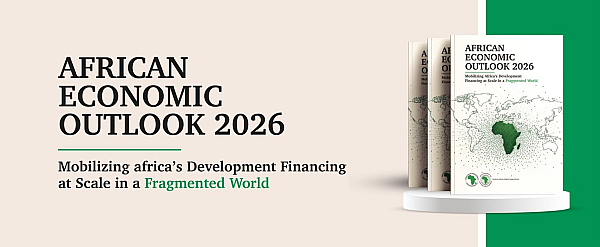
Africa's economies are projected to grow at 4.2 percent in 2026, moderating slightly from 4.4 percent in 2025, before rebounding to 4.4 percent in 2027. The findings of the 2026 African Economic Outlook, released Tuesday at the African Development Bank Group Annual Meetings in Brazzaville (www.AfDB.org), underscore the continent's continued resilience in the face of geopolitical tensions, tighter global financial conditions, and supply chain disruptions. 

According to the Bank's flagship report, Africa's growth in 2025 was supported by improved macroeconomic management, stronger agricultural output, elevated commodity prices, and ongoing structural reforms. The continent remains among the world's fastest-growing regions, with 22 countries projected to grow above 5 percent in 2025. 

Published under the theme, Mobilizing Africa's Development Financing at Scale in a Fragmented World, the report notes that sustaining faster, inclusive and more resilient growth would require a decisive shift towards mobilising and deploying capital at scale. This includes strengthening domestic resource mobilisation, deepening and integrating financial systems, expanding capital markets, and enhancing African agency in global finance. 

Mixed Regional Outlook 

  • East Africa is expected to remain the continent's fastest-growing region, though growth is projected to ease from 6.6 percent in 2025 to 5.9 percent in 2026, as rising energy and import costs linked to Middle East disruptions take their toll. A rebound to 6.4 percent is anticipated in 2027.  
  • West Africa is forecast to remain relatively stable, with growth projected at 4.7 percent in 2026, broadly in line with the estimated 4.8 percent for 2025, supported by strong agricultural production and continued infrastructure investment. 
  • North Africa is expected to grow at 4.0 percent in 2026 compared to 4.4 percent in 2025, reflecting weaker tourism demand from Gulf states, and the broader effects of global supply chain disruptions. 
  • Central Africa is one of the few regions projected to see an uptick, with growth rising marginally to 3.8 percent in 2026 from 3.6 percent in 2025, buoyed by sustained high oil prices. 
  • Growth in Southern Africa is expected to remain subdued at 2.1 percent in 2026, from 2.3 percent in 2025, weighed down by weaker mining and agricultural output and higher energy costs. 

Downside risks to the outlook remain significant. Inflation is projected to stay elevated at 10.4 percent in 2026, posing continued challenges to macroeconomic stability and growth prospects. Persistent geopolitical tensions, alongside prolonged global supply chain and energy disruptions, could further strain fiscal and external balances through higher energy and fertilizer prices. In addition, financial market volatility and exchange rate depreciations risk amplifying debt and fiscal vulnerabilities, while rising global fragmentation may intensify pressures on external financing flows, including official development assistance. 

Closing Africa's Financing Gap  

At the heart of the 2026 AEO report is a stark assessment of Africa's development financing shortfall: the continent faces an annual gap exceeding $1.3 trillion to meet the Sustainable Development Goals. The African Development Bank attributes the deficit to low domestic resource mobilisation, weak financial intermediation and tightening external financing conditions. 

However, it argues, the issue is not only about a lack of resources but also about effectively deploying capital. 

With appropriate reforms, Africa could unlock up to $1.43 trillion annually through improved revenue collection, more efficient public investment, staunching illicit financial flows and corruption, deeper capital markets, expanded public-private partnerships, diaspora financing, and better use of natural capital. 

Among the key opportunities identified are an estimated $469 billion in additional annual revenues from stronger tax and non-tax mobilisation, alongside roughly $299 billion in potential savings from improved public investment efficiency. Public-private partnerships are highlighted as a powerful lever, with each additional dollar of public investment associated with approximately $1.40 in private investment. 

Institutional investors, including pension funds, insurers and sovereign wealth funds, manage around $4 trillion in assets; yet less than 2.7 percent is allocated to infrastructure and productive sectors in Africa, underscoring significant untapped potential. 

The report calls for accelerated efforts to strengthen Africa's financial systems through pan-African banks, integrated capital markets, and innovative instruments such as climate and Islamic finance. A central pillar to this is the New African Financial Architecture for Development (NAFAD) (https://apo-opa.co/4uIta9c), which aims to leverage over $4 trillion in assets within Africa's financial ecosystem. 

The report also highlights the role of the African Credit Rating Agency, launched in January 2026, as an important tool for addressing perceived biases in sovereign risk assessments. While Africa's stock market capitalisation reached $1.2 trillion in 2024 -- nearly sixfold growth over two decades -- activity remains concentrated in South Africa, Egypt, Nigeria, and Morocco, pointing to the need for broader market integration. 

The report further underscores the importance of advancing continental initiatives, such as the African Financing Stability Mechanism (https://apo-opa.co/4nTP7iR), to ease liquidity pressures, strengthen financial stability, and help African countries manage debt refinancing risks at lower cost. 

Click here (https://apo-opa.co/4uAYM06) to read the full report 

Distributed by APO Group on behalf of African Development Bank Group (AfDB).

Contact:
Communication and External Relations
media@afdb.org  

Media files
African Development Bank Group (AfDB)
Download logo
Read moreAfrica’s Growth Holds Firm Amid Global Turbulence, Says 2026 African Economic Outlook
26 May 2026

Africa Day: Winning Together

Location: Sport
Rugby Africa

By Herbert Mensah, President of Rugby Africa (www.RugbyAfrique.com) and Chair of World Rugby's Regions. 

As we celebrate Africa Day under the theme “63 Years of Unity, Integration and Development,” a question emerges: are unity and integration translating into clear outcomes across the world? When investment, capacity, and infrastructure remain uneven, shared systems cannot produce shared growth outcomes.

As President of Rugby Africa, I see this reality up close. And this is not theoretical: sport does not develop by chance. It develops when leadership is disciplined, structures are built properly, and investment is directed where it matters most.

Winning off the field

The reality is simple: winning off the field matters just as much as winning on it. What is seen on match day is only the outcome. Behind it lies governance, planning, funding, player welfare, coaching structures, and long-term strategy. When those foundations are weak, success becomes episodic rather than sustainable. 

Over the years, in rugby and in previous roles in football administration, I have seen how pressure can distort decision-making. Fans demand results. Stakeholders expect progress. Everyone wants success now. But consistent success is built on structure, not urgency. In sport, as in business, planning is what prevents chaos. When finances are mismanaged, when development pathways are weak, or when investment in people is neglected, performance eventually suffers. Strong governance produces strong sport, which is where integration becomes critical.

Integration strengthens the game

Too often, talent in Africa is still constrained by geography, language barriers, and outdated selection models. Integration is what removes those barriers. When properly applied, integration creates shared knowledge systems, coordinated development, and stronger competition structures across borders. It allows the game to grow beyond isolated national frameworks into a connected ecosystem. South Africa has shown how rugby can be both excellent and inclusive. 

As four-time Rugby World Cup champions, they have not only elevated the sport through success, but also through a model that reflects a more inclusive society. That integration widened the talent base, strengthened credibility, and ultimately made the sport more competitive. The lesson is clear: inclusion is not a social objective separate from performance; it is a performance driver.

Africa must shape its own development

But integration must go further than participation in systems designed elsewhere. It must include participation in decision-making. No two regions operate under the same economic, logistical, or social conditions. Some face infrastructure gaps. Others face travel costs and limited domestic competition. A one-size-fits-all development model cannot work.

Africa understands its own realities best. Yet too often, development frameworks risk becoming compliance exercises — structured more around reporting than impact. That is where the focus must shift: from activity to outcomes.

Africa's youth are the future

This becomes even more urgent when we look at Africa's demographic reality. The United Nations reports that Africa has the world's youngest population, with a median age of around 19 years, compared to approximately 31 globally and over 40 in parts of Europe. This is central to the future of sport. Rugby is competing for attention, participation, and relevance. It cannot stand still.
If investment is directed into youth systems, school programmes, academies, and accessible pathways, Africa will become central to the future growth of the game. If it is not, rugby will miss its most significant opportunity for expansion.

From promises to measurable growth

It is no longer enough to speak about development in abstract terms. Investment must translate into measurable outcomes: stronger coaching systems, better competitions, safer player welfare structures, and visible pathways for young athletes.

On this Africa Day, we should measure progress not by intention, but by impact. Africa will only succeed on the field when it first succeeds off it, through systems that are built to last, and leadership that is accountable to growth.

Distributed by APO Group on behalf of Rugby Africa.

To Download Official Opinion Piece: https://apo-opa.co/3Rn9pVV

Media Contact:
Nicole Vervelde
Communications Manager 
nicole.vervelde@rugbyafrique.com

About Rugby Africa:
Rugby Africa (www.RugbyAfrique.com) is the governing body of rugby in Africa and one of the regional associations under World Rugby. It unites all African countries that play rugby union, rugby sevens, and women's rugby. Rugby Africa organizes various competitions, including the qualifying tournaments for the Rugby World Cup and the Africa Sevens, a qualifying competition for the Olympic Games. With 40 member unions, Rugby Africa is dedicated to promoting and developing rugby across the continent. World Rugby highlighted Ghana, Nigeria and Zambia as three of the six emerging nations experiencing strong growth in rugby.

Media files
Rugby Africa
Download logo
Read moreAfrica Day: Winning Together
26 May 2026

African Leaders Mobilise Funding and Regional Response as Ebola Outbreak Escalates

Location: News

Africa Centres for Disease Control and Prevention (Africa CDC)
Download logo

Delays in mobilising resources and scaling up the response to the ongoing Bundibugyo Ebola outbreak could lead to wider regional transmission and greater loss of life, African leaders and global health partners warned on Tuesday.

The warning comes amid indications that the outbreak affecting the Democratic Republic of the Congo (DRC) and Uganda could become the second-largest Ebola outbreak after the 2014 West Africa epidemic that impacted several countries.

During a high-level virtual ministerial briefing convened by the Africa Centres for Disease Control and Prevention (Africa CDC) and the African Union, leaders backed a continental preparedness and response plan requiring at least US$319 million between June and November 2026 to strengthen outbreak control in affected countries and preparedness in at least 11 high-risk African Union member states.

It was also revealed that nearly US$500 million had been committed or pledged by governments, multilateral agencies and humanitarian partners. Africa CDC Director General Dr Jean Kaseya warmly welcomed the strong show of support, describing it as an important demonstration of global solidarity and commitment to addressing this critical challenge.

He said the next step under the joint Incident Management Support Team (IMST) would be to work with partners to validate the pledges, clarify the balance between new financing, repurposed resources, in-kind contributions and country-level allocations, and ensure that resources are directed toward the priority actions identified in the joint response plan.

South African President Cyril Ramaphosa said African countries had pledged some the funding needed, showing that the continent was taking ownership of the response. “African countries themselves have already committed initial domestic contributions representing approximately 10% of the required financing. Africa is no longer waiting passively for others to act,” said President Ramaphosa, who is also the African Union Champion for Pandemic Prevention, Preparedness and Response,

He announced that South Africa had doubled its earlier pledge to US$5 million for Africa CDC's continental Ebola response. The Gates Foundation also committed US$5 million to Africa CDC and US$10 million to the World Health Organization.

African Union Commission Chairperson H.E. Mahmoud Ali Youssouf said the outbreak underscored the need for stronger investments in surveillance systems, emergency operations centres, genomics, community health workers and local manufacturing capacity. “African problems require African leadership and African responsibility,” he said.

WHO Director-General Dr Tedros Adhanom Ghebreyesus warned that health authorities were “playing catch-up with a very fast-moving epidemic” following delayed detection in eastern DRC.  WHO has already released US$3.9 million from its Contingency Fund for Emergencies to support operations on the ground. “We're facing an extremely serious and difficult outbreak. It will get worse before it gets better. But we know this virus, and we know how to stop it,” said Dr Tedros.

Insecurity, displacement and community resistance were hampering surveillance, contact tracing and access to vulnerable communities, including through reported attacks on an Ebola treatment facility in eastern DRC. The lack of approved vaccines and therapeutics for the Bundibugyo strain, combined with limited laboratory capacity to rapidly confirm suspected cases, was further complicating containment efforts.

Gavi CEO Dr Sania Nishtar said efforts were underway to accelerate vaccine research and preparedness for the Bundibugyo strain, while stressing the importance of equitable access to vaccines and therapeutics once available.

The DRC's Minister of Health, Dr Roger Kamba, called for stronger regional coordination and sustained support for frontline responders, warning that the outbreak was unfolding in an extremely difficult security environment, including in eastern DRC where insecurity and attacks on health infrastructure continue to complicate response operations.

Somalia, Nigeria, Egypt and Burundi also highlighted the importance of preparedness, stronger laboratory systems, cross-border coordination, surveillance and information sharing amid high regional mobility and the risk of wider spread.

Distributed by APO Group on behalf of Africa Centres for Disease Control and Prevention (Africa CDC).

Media Contact:
Directorate of Communication & Public Information
Communications@africacdc.org

About Africa CDC:
The Africa Centres for Disease Control and Prevention is the public health agency of the African Union. As an autonomous institution, Africa CDC supports AU Member States to strengthen health systems, improve disease surveillance, and enhance emergency preparedness and response. For more information, visit: http://www.AfricaCDC.org and follow Africa CDC on LinkedIn (http://apo-opa.co/3RxARAb), X (http://apo-opa.co/49l2yCp), Facebook (http://apo-opa.co/4tS8ASl), and YouTube (http://apo-opa.co/3S2h6kl).

Read moreAfrican Leaders Mobilise Funding and Regional Response as Ebola Outbreak Escalates
25 May 2026

2026 Basketball Africa League Season: By the Numbers

Location: Sport

Basketball Africa League (BAL)
Download logo

The 2026 Basketball Africa League (BAL) (www.BAL.NBA.com) Playoffs tipped off on Friday, May 22 at BK Arena in Kigali, Rwanda, and will culminate with the 2026 BAL Finals on Sunday, May 31 at 6:00 p.m. CAT.  For the complete schedule, click here (https://apo-opa.co/4dL0rt5).

Eight teams have qualified for the Playoffs: Al Ahly (Egypt), Al Ahly Ly (Libya), ASC Ville de Dakar (Senegal), Club Africain (Tunisia), Dar City (Tanzania), FUS Rabat (Morocco), 2024 BAL champion Petro de Luanda (Angola) and the RSSB Tigers (Rwanda), with the top four teams advancing to the single-game semifinals and Finals.

The Playoffs and Finals are livestreaming to fans around the world on www.NBA.com, the NBA App, and www.BAL.NBA.com.  Tickets are on sale now at www.BAL.NBA.com.

Below are facts and figures about the 2026 BAL season:

  • 722,000,000 – Heading into the Playoffs, the BAL's social media channels had generated more than 722 million views this season, a record for group phase play.
  • 1,073 – On April 5, Petro de Luanda's Childe Dundão became the all-time BAL record holder for minutes played with 1,073 minutes across all six BAL seasons.
  • 75,000 – Nearly 75,000 fans attended the Kalahari Conference and Sahara Conference group phases in South Africa and Morocco, respectively, a record for group phase play in those countries.
  • 1,000 – BAL games have generated a 1,000% year-over-year increase in total watch time on BAL.NBA.com and the NBA App.
  • 215 – Al Ahly Ly and Dar City combined to score a BAL record 215 points in Al Ahly Ly's 118-97 victory on March 31.
  • 214 – BAL games reach fans in 214 countries and territories, including all 54 countries in Africa.
  • 200 – The BAL celebrated its 200th game on April 1 when Petro de Luanda defeated Nairobi City Thunder 97-70.
  • 54 – RSSB Tigers guard Craig Randall II scored a BAL-record 54 points in a loss to Dar City on April 4.
  • 30 – Thirty players who competed at FIBA AfroBasket 2025 are participating in the Playoffs.
  • 22 – A record 22 marketing, merchandising and institutional partners have supported the BAL this season: AB InBev; Afreximbank; Air Senegal; Amazon Web Services; Bank of Kigali; Fédération Royale Marocaine de BasketBall; FLEXX; the French Embassy of Senegal; Greenride Africa; Hyundai; the Moroccan Ministry of National Education, Preschool and Sport; Office National Marocain du Tourisme; PUMA; Qatar Foundation; QAVS; Rwanda Development Board; RwandAir; Rwanda Events; ServiceNow; South African Tourism; Wave; and Wilson.
  • 11 – Eleven of the 16 teams that competed at FIBA AfroBasket 2025 have at least one player in the Playoffs.
  • 8 – A record eight former NBA players have competed in the BAL this season: Damion Baugh and Donovan Williams (Al Ahly Ly), Michael Foster Jr. (Dar City), Mangok Mathiang (RSSB Tigers), Kevin Murphy (Al Ahly), Chasson Randle (Petro de Luanda), Hasheem Thabeet (Dar City) and Axel Toupane (ASC Ville de Dakar).  Toupane is the first NBA champion to play in the BAL, having won the 2021 NBA title with the Milwaukee Bucks.
  • 5 – Five players have competed in all six BAL seasons: Abdoulaye Harouna (FUS Rabat), Ater Majok (ASC Ville de Dakar), Gerson Domingos (Petro de Luanda), Dundão and Solo Diabate (ASC Ville de Dakar).
  • 3 – Baugh became the first player in BAL history to record a triple-double in his first BAL season, finishing with 11 points, 10 assists and 11 rebounds in a 110-72 win over Dar City on April 4.
  • 2 – On May 3, Al Ahly defeated FUS Rabat 77-71 in the second double-overtime game in BAL history.

Distributed by APO Group on behalf of Basketball Africa League (BAL).

About the BAL:
The Basketball Africa League (BAL), a partnership between the International Basketball Federation (FIBA) and NBA Africa, is a professional league featuring 12 club teams from across Africa that tipped off its sixth season in March, 2026.  Headquartered in Dakar, Senegal, the BAL builds on the foundation of club competitions FIBA Africa has organized across the continent and marks the NBA's first collaboration to operate a league outside North America.  Fans can follow the BAL (@theBAL) on Facebook (https://apo-opa.co/4uBnKg0), Instagram (https://apo-opa.co/4dwErmI), Threads (https://apo-opa.co/4dLk97O), X (https://apo-opa.co/4v9rpBC), and YouTube (https://apo-opa.co/4wMkaB4) and register their interest in receiving more information at www.BAL.NBA.com.

Read more2026 Basketball Africa League Season: By the Numbers
25 May 2026

Rugby Africa Appoints Former NBA Africa Executive Aïcha Diop as Chief of Staff to the President

Location: Sport
Rugby Africa

Rugby Africa (www.RugbyAfrique.com), the continental governing body for rugby union in Africa, is pleased to announce the appointment of former NBA Africa executive Aïcha Diop as Chief of Staff to the President.

In this strategic leadership role, Aïcha Diop will work and support  Herbert Mensah, President of Rugby Africa, Executive Board Member of World Rugby, and Chairman of World Rugby Regions—the body uniting the presidents of all six continental rugby associations: Rugby Europe, Asia Rugby, Rugby Americas North (RAN), Sudamérica Rugby, Oceania Rugby, and Rugby Africa. In his capacity, Mr Mensah operates at the intersection of continental and global sports governance, engaging with heads of state, ministers, and leaders of development finance institutions to advance the role of sport as an engine for economic growth and social development. These combined mandates place him among the most influential sports administrators in Africa.

A seasoned international executive, Aïcha brings over 18 years of experience across Africa, Europe, the Middle East, and North America, combining strategic leadership, operational execution, and high-level expertise in marketing, brand development, and audience growth. She has held senior roles at NBA Africa and the Basketball Africa League, part of the team who launched the Basketball Africa League (BAL) where she led multi-market initiatives, coordinated cross-functional teams, and contributed to the growth and visibility of the organisation through impactful campaigns and programmes.

Her career also includes senior positions at IBM, where she managed regional initiatives across multiple African markets, aligning strategy with execution and supporting business growth. In addition, she has been involved in the delivery of major international sports and entertainment events, including Formula 1, UFC, and global football competitions, and broader sports ecosystem on the continent further strengthening her ability to operate in high-performance, international environments.

Aïcha holds a Master's degree in Sport & Lifestyle Management from Rome Business School, as well as a Bachelor's degree in Business Administration. Her combined academic and professional background provides a strong understanding of sports ecosystems, organisational dynamics, and audience engagement, supporting Rugby Africa's ambitions to expand its reach and impact across the continent.

Herbert Mensah, President of Rugby Africa, commented: “We are delighted to welcome Aïcha Diop to Rugby Africa. Her exceptional track record, international exposure, and deep understanding of the sports and commercial landscape make her a remarkable addition to our leadership team. Attracting talent of this calibre reflects our ambition to elevate rugby across Africa and position Rugby Africa as a modern, high-performance organisation on the global stage.”

Aïcha Diop added: “It is a great honour to join Rugby Africa at such an exciting time for the sport across the continent. Under the leadership of President Herbert Mensah, Rugby Africa is playing an increasingly important role on both the African and global stage. The continued success of African rugby, exemplified by South Africa's Rugby World Cup victories in 1995, 2007, 2019, and most recently in 2023, reflects the immense potential of the continent. I look forward to contributing to this momentum, supporting the delivery of Rugby Africa's strategic priorities, and working alongside its stakeholders to further unlock the power of rugby as a driver of opportunity, unity, and sustainable development across Africa.”

In her role as Chief of Staff, Aïcha will work closely with the President to drive strategic initiatives, enhance coordination across member unions and stakeholders, and support the delivery of Rugby Africa's long-term vision, including the continued expansion of competitions, partnerships, and youth engagement across the continent.

Distributed by APO Group on behalf of Rugby Africa.

Media Contact:
Nicole Vervelde
Communications Manager
nicole.vervelde@rugbyafrique.com

About Rugby Africa:
Rugby Africa (www.RugbyAfrique.com) is the governing body of rugby in Africa and one of the regional associations under World Rugby. It unites all African countries that play rugby union, rugby sevens, and women's rugby. Rugby Africa organises various competitions, including qualifying tournaments for the Rugby World Cup and the Africa Sevens, a qualifying competition for the Olympic Games. With 40 member unions, Rugby Africa is dedicated to promoting and developing rugby across the continent. World Rugby has identified Ghana, Nigeria and Zambia as three of the six emerging nations experiencing strong growth in rugby.

Media files
Rugby Africa
Download logo
Read moreRugby Africa Appoints Former NBA Africa Executive Aïcha Diop as Chief of Staff to the President
22 May 2026

Afreximbank Posts Robust Q1 2026 Results with 25% Growth in Net Income and Improved Profitability

Location: Business

Afreximbank
Download logo

African Export-Import Bank (“Afreximbank” or the “Bank”) (www.Afreximbank.com) and its subsidiaries (the “Group”) announced its results for the three months ended 31 March 2026. The results demonstrate continued resilience, disciplined balance sheet management and strong deal execution despite a challenging global operating environment.

The Group continued to expand its lending activities in Q1 2026, resulting in total credit exposure growing by 2% to reach a portfolio of US$42 billion, up from US$41 billion as of 31 December 2025. This performance reflects Afreximbank's leading role as a Development Finance Institution (DFI) in financing trade and trade-enabling infrastructure, and its strategic contribution to economic resilience across Africa and the Caribbean.

Average loans and advances for Q1 2026 stood at US$32 billion, up 8% compared to the same period in the prior year, driving the recorded growth in interest income. The Group's liquidity position remained strong, with cash and cash equivalents of US$5.6 billion, representing 14% of total assets, consistent with FY2025 and above the Bank's strategic minimum.

Asset quality also remained strong, with the non-performing loan (NPL) ratio at 2.40%, broadly in line with 2.43% at FY2025 and below industry average.

Shareholders' funds increased to US$8.6 billion at 31 March 2026, up from US$8.4 billion at FY2025, supported by internally generated capital of US$268.9 million and new equity investments received during the quarter, underscoring the Bank's continued ability to mobilise capital from its shareholders in support of its growth and development mandate.

The Group delivered strong profitability during the quarter.  Notwithstanding declining benchmark rates, total interest income rose by 14% year-on-year to reach US$813.6 million, while net interest income increased by 24% to US$510.0 million, compared with US$411.2 million in the first quarter of 2025. The Group's cost-to-income ratio remained contained at 19%, well within the Group's strategic ceiling of 30%. As a result, Profit for the period increased to US$268.9 million, up from US$215.4 million in Q1 2025.

The Group continued to maintain a strong capital position, with a capital adequacy ratio of 23% as at 31 March 2026, in line with the Bank's long-term capital management targets.

During the quarter, Afreximbank continued to demonstrate its counter-cyclical role in response to external shocks. In March 2026, the Bank launched a US$10 billion Gulf Crisis Response Programme to help member countries mitigate adverse spillover effects from the Gulf crisis. The facility is designed to support liquidity, stabilise trade and payments, and address supply-side disruptions, particularly in energy, tourism and aviation, fertilisers, food and other critical imports.

The Bank also continued to deploy targeted financing and advisory support to strengthen trade flows, industrial capacity and economic resilience across Africa and CARICOM. Regional integration received further momentum following South Africa's ratification of the Bank's Establishment Agreement in February 2026, bringing one of Africa's largest and most diversified economies into the Bank's membership and giving the Bank full continental coverage.

Highlights of the results for Afreximbank Group are shown below:

Financial Performance Metrics

Q1'2026

Q1'2025

Gross Income (US$ million)

874.1

784.9

Net Income (US$ million)

268.9

215.4

Return on average equity (ROAE)

13%

12%

Return on average assets (ROAA)

2.62%

2.38%

Cost-to-income ratio

19%

16%

Financial Position Metrics

Q1'2026

FY'2025

Total Assets (US$ billion)

41.7

42.3

Total Liabilities (US$ billion)

33.0

33.9

Shareholders' Funds (US$ billion)

8.6

8.4

Non-performing loans ratio (NPL)

2.40%

2.43%

Cash/Total assets

14%

14%

Capital Adequacy ratio (Basel II)

23%

          23%

Mr. Denys Denya, Afreximbank's Senior Executive Vice President, commented:

“Against a backdrop of continued global uncertainty, heightened geopolitical risks and tight financial conditions, the Group delivered a resilient first-quarter performance, underpinned by disciplined balance sheet management, sound asset quality and strong capital and liquidity buffers. The growth in net interest income and profitability demonstrates the strength of our operating model and the continued relevance of our mandate. Our swift launch of the US$10 billion Gulf Crisis Response Programme further underscores Afreximbank's counter-cyclical role in supporting member countries during periods of disruption. We remain focused on stabilising trade flows, easing liquidity pressures and advancing the industrial and economic transformation of Africa and the Caribbean.”

Distributed by APO Group on behalf of Afreximbank.

Media Contact:
Vincent Musumba
Communications and Events Manager (Media Relations)
Email: press@afreximbank.com

Follow us on:
X: https://apo-opa.co/4fyCN5k
Facebook: https://apo-opa.co/4ulQglH#
LinkedIn: https://apo-opa.co/3PYVe8Z
Instagram: https://apo-opa.co/4urHEKc

About Afreximbank:
African Export-Import Bank (Afreximbank) is a Pan-African multilateral financial institution mandated to finance and promote intra- and extra-African trade. For over 30 years, the Bank has been deploying innovative structures to deliver financing solutions that support the transformation of the structure of Africa's trade, accelerating industrialisation and intra-regional trade, thereby boosting economic expansion in Africa. A strong supporter of the African Continental Free Trade Agreement (AfCFTA), Afreximbank has launched a Pan-African Payment and Settlement System (PAPSS) that was adopted by the African Union (AU) as the payment and settlement platform to underpin the implementation of the AfCFTA. Working with the AfCFTA Secretariat and the AU, the Bank has set up a US$10 billion Adjustment Fund to support countries effectively participating in the AfCFTA. At the end of December 2025, Afreximbank's total assets and contingencies stood at over US$48.5 billion, and its shareholder funds amounted to US$8.4 billion. Afreximbank has investment grade ratings assigned by China Chengxin International Credit Rating Co., Ltd (CCXI) (AAA), GCR (A), Japan Credit Rating Agency (JCR) (A-), and Moody's (Baa2). Afreximbank has evolved into a group entity comprising the Bank, its equity impact fund subsidiary called the Fund for Export Development Africa (FEDA), and its insurance management subsidiary, AfrexInsure (together, "the Group"). The Bank is headquartered in Cairo, Egypt.

For more information, visit: www.Afreximbank.com

Read moreAfreximbank Posts Robust Q1 2026 Results with 25% Growth in Net Income and Improved Profitability
22 May 2026

AEC to Position Africa as South America’s Next Strategic Energy Frontier at ARPEL Conference 2026

Location: Business

African Energy Chamber
Download logo

The upcoming ARPEL Conference—organized by the Association of Oil, Gas and Renewable Energy Companies of Latin America and the Caribbean taking place on June 1- 4 in Buenos Aires will serve as a primary catalyst for building a new cross-Atlantic energy corridor. Convening regional stakeholders and energy leaders from South America and the Caribbean, the event offers a strategic platform to advance South American commercial interests in Africa, opening doors for institutional technology transfer, cross-continental investment, and shared operational experiences. Centering this narrative at the summit, the African Energy Chamber (AEC) (https://EnergyChamber.org) will lead a delegation to Buenos Aires, with Executive Chairman NJ Ayuk scheduled to brief regional operators on the expanding scope of bilateral market entries.

Ayuk's participation comes as Africa enters one of its most active upstream investment cycles in over a decade. The continent is expected to see upstream capital expenditure of approximately $41 billion in 2026, while licensing rounds and new market entry opportunities continue to expand across Angola, Nigeria, Tanzania, Algeria, Sierra Leone and Equatorial Guinea. Emerging markets such as Namibia have already witnessed 60% exploration success in recent years, while new discoveries made in Ivory Coast and expanded drilling activities both onshore and offshore unlock pathways for commercial developments. Companies that establish themselves as early-movers stand to capture this value, highlighting a unique opportunity for South American companies, particularly those with proven frontier experience.

Perhaps one of the most strategic partnership avenues is the natural gas sector. For its part, Africa is rapidly positioning itself as one of the world's next LNG hubs, with companies moving to unlock resources in proven - yet undeveloped - margins. Up to 140 trillion cubic feet (tcf) of discovered yet undeveloped resources lie in the Mozambique's Rovuma (129 tcf) and Nigeria's Niger Delta (113 tcf) alone, highlighting the scale of opportunity across the continent. Africa already supplies 8.5% of global LNG, but with global geopolitical events tightening global supply chains, this figure is expected to quadruple by 2050.

Another growth frontier is Africa's shale gas market. While the continent possesses some of the world's largest untapped shale resources, many countries continue to face operational and technical barriers to commercialization. Algeria alone holds more than 700 tcf of un-risked shale gas resources, while countries such as South Africa and Tanzania are evaluating tight gas and shale opportunities of their own.

South America's expertise in gas production positions it as a key partner for Africa. Argentina's development of the Vaca Muerta shale formation - accounting for 70% of its gas production - has established operational expertise in horizontal drilling, hydraulic fracturing, completion design, supply chain optimization and unconventional regulatory management – capabilities many African markets are actively seeking. The country is currently one of the gas biggest producers in the region, with production corresponding to 4.5 billion cubic feet per day (bcf/d), alongside Brazil which currently produces 5.4 bcf/d - primarily from associated oil projects. Other markets such as Trinidad and Tobago and Venezuela offer proven experience in LNG, cross-border energy infrastructure and export facilities.  

“The Atlantic is no longer a barrier; it is a commercial corridor. No nation in the Southern Hemisphere is better positioned to partner with Africa on unconventional energy development than Argentina. By exporting the hard-won expertise of Vaca Muerta, South American firms can capture early-stage value in Africa's newest frontier basins,” says Ayuk.

These factors underscore South America's value as a strategic partner for Africa, making a strong case for cross-Atlantic technology transfer, shared value chains and investments. The same technology that has been at the core of South America's gas market are already operating in Africa. Notably, Golar LNG is advancing a multi-billion-dollar project in the Vaca Muerta shale formation, securing a two-decade-long charter for its FLNG unit last year. In Africa, the company pioneered FLNG solutions in Cameroon while supporting Senegal and Mauritania emergence as LNG producers through its Gimi vessel. 

As such, operational knowledge associated with FLNG infrastructure, offshore gas processing and midstream monetization is increasingly becoming a strategic advantage for companies seeking entry into African markets. The upcoming ARPEL Conference marks a strategic turning point for both South American, the Caribbean and Africa, laying the foundation for a South Atlantic energy revival while enabling two of the world's biggest frontier regions the chance to examine world-class resources, similar development challenges and shared interest in ensuring energy revenues translate into lasting economic growth.  

Distributed by APO Group on behalf of African Energy Chamber.

Read moreAEC to Position Africa as South America’s Next Strategic Energy Frontier at ARPEL Conference 2026
21 May 2026

Africa’s $65 Billion Fintech Industry Under the Spotlight

Location: News
Pan African Visions

Africa's rapidly expanding $65 billion fintech industry is under the spotlight in the latest special edition of Pan African Visions magazine (https://PanAfricanVisions.com), released following the successful Africa Fintech Summit in Washington, DC, where Pan African Visions served as an official media partner.

At a time when digital finance is reshaping economies, accelerating financial inclusion and redefining commerce across the continent, the May 2026 edition of Pan African Visions delivers an in-depth examination of the trends, companies, innovators, investment opportunities and policy conversations driving Africa's fintech revolution.

Headlining the edition is the cover feature, “Inside Africa's $65B Digital Finance Boom,” with fintech leader Zekarias Amsalu, Founder and Managing Director of Ibex Frontier LLC and Co-Founder of the Africa Fintech Summit. In an extensive interview, Amsalu shares perspectives on Africa's evolving fintech ecosystem, investment flows, startup growth, regulatory environments and the continent's rising role in the global digital economy.

The publication explores how African fintech companies are transforming banking, payments, lending, remittances and digital commerce while creating new pathways for economic inclusion and entrepreneurship across the continent.

Among the major stories featured in the edition are:

  • Wave: The Silent Rise of a Fintech Giant — examining the company's growing influence in mobile money and digital financial services across Africa.
  • Flutterwave: A Decade Transforming African Payments — a look at one of Africa's most influential fintech companies and its impact on digital transactions and cross-border trade.
  • South Africa: The Return of Xenophobia — an analysis of migration tensions and their broader implications for African integration and regional stability.
  • Burkina Faso: Traoré Defends “Revolution” — exploring the politics, messaging and regional implications of Captain Ibrahim Traoré's leadership.
  • Sierra Leone: New Deals Power Energy Rise — spotlighting fresh investment momentum within Sierra Leone's growing energy sector.
  • Ethiopian Airlines Looks Beyond 80 — a feature on the future ambitions and expansion strategy of Africa's leading airline group.

The release of the fintech edition builds on momentum generated by the Africa Fintech Summit in Washington, DC, which brought together fintech founders, policymakers, investors, financial institutions, regulators and technology leaders to discuss the future of digital finance and innovation in Africa.

Pan African Visions' role as a media partner at the summit reflects its growing engagement in Africa's business, technology and investment ecosystems. The publication also confirmed that Pan African Visions will again serve as a media partner for the upcoming Africa Fintech Summit scheduled for November 2026 in Kigali, Rwanda.

The fintech special edition continues a strong editorial run for Pan African Visions following a series of thematic continental editions released earlier this year.

Previous editions from January through April 2026 featured:

  • A political special examining President Peter Mutharika's first 100 days in office in Malawi.
  • A major feature on Africa's diamond industry with Dr. N'zée Fula of the African Diamond Council.
  • Exclusive coverage of Season 6 of the Basketball Africa League and the growing global influence of African basketball.
  • The April 2026 energy special featuring NJ Ayuk of the African Energy Chamber and Africa's expanding energy investment landscape.

Through its magazine editions, interviews, digital reporting and strategic partnerships, Pan African Visions continues to position itself as one of Africa's leading platforms amplifying the continent's stories of innovation, leadership, entrepreneurship and transformation.

The full May 2026 Fintech Special Edition is available at: https://apo-opa.co/4dXqU7K

Pan African Visions Fintech Special Edition – May 2026: https://apo-opa.co/4dXqU7K

Distributed by APO Group on behalf of Pan African Visions.

For Media Inquiries, adverts, and partnership opportunities:
Email: 
pav@panafricanvisions.com
Tel: + 1 240 429 2177 

Media files
Pan African Visions
Download logo
Read moreAfrica’s $65 Billion Fintech Industry Under the Spotlight
20 May 2026

How the PLA is Re-Engineering African Enterprises for a Digital-First Economy

Location: Business
Product Leadership Accelerator (PLA)

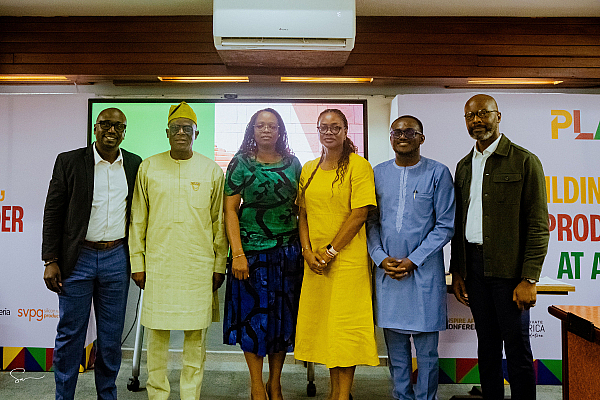
As the global community celebrates World Product Day, a profound shift is taking place across Africa's enterprise landscape. The Product Leadership Accelerator (PLA), www.AfricaPLA.com, an initiative of the Innovate Africa Foundation, is officially setting a new gold standard for how value is created and scaled, in Africa, by transforming African enterprises from traditional service providers into high-velocity, “product-led” engines of growth.

The PLA is bridging the gap between legacy business models and the modern Product Operating Model. This methodology, practiced by global companies like Apple, Netflix and Amazon, is now being localized, through the PLA, to ensure African enterprises and startups alike solve the continent's toughest challenges through relentless innovation and de-risked execution.

Building a Pan-African Product Management Talent Pipeline

The PLA is currently powering its 2026 Accelerator Program, a rigorous 12-week program featuring 48 product managers from 13 African countries, including Nigeria, Egypt, Ghana, South Africa, and Kenya. In a significant move for gender equity in tech, the cohort maintains a female representation of about 54%, ensuring the future of African product leadership is as diverse as the markets it serves.

As the fellows tackle real-world problem statements across diverse industries during the 12 week accelerator program, they are mentored by an elite roster of practitioners who have built products at enterprises such as Interswitch, Netflix, Amazon, Microsoft, Paystack, and mPesa. They also receive strategic, high-level guidance from global product legends Marty Cagan and SVPG Partner Christian Idiodi.

“Building in Africa requires a distinct level of empathy, adaptability, and mastery of the product operating model," explains Nkem Nweke, Lead at the PLA. "We empower leaders and enterprises to harness tools like AI while offering them strategic product management advisory. Our goal is to support companies in adopting a product-led culture which drives sustainable economic growth. By mitigating risks before investing significant capital or public resources, we help both enterprises and startups create solutions that truly meet market and consumer needs."

Enterprise Transformation and Proven Outcomes

The impact of the PLA extends deep into the corporate sector through its specialized Product Management Advisory. Organizations reliant on technology spanning telecoms, FMCG, commerce, retail, finance, and government, are increasingly seeking to leverage the PLA's expertise to shift their product teams from traditional project-based approaches to outcome-driven product cultures that drive growth.

The effectiveness of the PLA's approach is best seen through its corporate partnerships. Afrinvest, a leading financial institution, serves as a primary example of how the PLA's advisory services drive immediate corporate value.

"The PLA didn't just upskill one individual; it has been a game-changer for our internal innovation culture, sparking a ripple effect of outcome-driven progress throughout our entire product department. "says Victor Ndukauba, Deputy MD, West Africa Afrinvest. “Seeing the speed at which our team can now identify and solve real consumer problems is why we've increased our participation this year.”

This sentiment is echoed by partners like Insight7, One Cluster and Agile Product Management, who view the PLA as the engine room for the continent's digital maturity.

Central to this transformation is integrating tools like Artificial Intelligence (AI), enabling product managers to achieve world-class standards, driving efficiency, and ensuring African businesses set the pace for global innovation.

De-Risking African-Built Solutions

For founders, the stakes have never been higher. "Our goal is to raise product leaders who are deeply versed in the mechanics of discovery and delivery, " notes Osa Awani, Head of Program at the PLA. "We see the shift happening in real-time as our fellows move from theoretical knowledge to building solutions that address market friction with surgical precision." When founders and Product Managers master the product operating model, they stop guessing; and with a commitment to solving real problems, African product leaders will not only compete globally they will lead."

Impact by the Numbers

  • 13 Countries: Active representation in the 2026 cohort, including Nigeria, South Africa, Ghana, Egypt, Kenya, Rwanda, Zimbabwe, Cameroun, Egypt and more.
  • 54%+ Female Representation: Leading the charge in inclusive tech leadership.
  • Scores of Scholarships: The Innovate Africa Foundation has provided scholarships to dozens of African product managers to attend prestigious SVPG Masterclasses, resulting in career promotions, career pivots to executive leadership, and the launch of new tech ventures.
  • 3-City Product Tour: Recently concluded engagements with product leaders across Lagos, Nairobi, and Cape Town.

A Future Defined by Innovation

Founded by Christian Idiodi, (partner at the globally renowned Silicon Valley Product Group),  the PLA is rooted in the belief that the intersection of world-class tools such as Artificial Intelligence (AI) and strategic product management is essential to mastering the craft of creating exceptional products for Africa; thereby unlocking Africa's economic potential. By offering cutting-edge tools, a robust network, and the innovative mindset of the world's most successful organizations, the PLA ensures Africa's challenges are addressed with future-ready, world-class solutions.

Distributed by APO Group on behalf of Product Leadership Accelerator (PLA).

About the Product Leadership Accelerator (PLA):
Beyond our flagship accelerator, the PLA serves as a strategic transformation partner for established organizations across the continent. We provide high-impact Executive Coaching to align leadership with modern product principles and deliver intensive In-House Team Training that rewires technical and product departments for high-velocity execution. Our Strategic Advisory services go deeper, working side-by-side with enterprises to dismantle legacy "feature factory" mindsets and implement a robust Product Operating Model. By embedding these world-class methodologies directly into corporate DNA, we empower African businesses to leverage technology—the leveling power of AI—and strategic product management advisory to drive measurable outcomes, sustainable innovation, and aggressive economic growth. Interested partners and enterprises can find additional details at www.AfricaPLA.com.

Media files
Product Leadership Accelerator (PLA)
Download logo
Read moreHow the PLA is Re-Engineering African Enterprises for a Digital-First Economy
20 May 2026

Africa Centres for Disease Control and Prevention (Africa CDC) and Team Europe Launch Landmark Report Showing Health Research and Development (R&D) Could Generate $668 Billion for African Economies

Location: News

Africa Centres for Disease Control and Prevention (Africa CDC)
Download logo

A new report by the Africa Centres for Disease Control and Prevention (Africa CDC) (www.AfricaCDC.org) and Team Europe demonstrates that investing in health research and development (R&D) could generate $668 billion in additional GDP across Africa over the next 20 years.

The report, Investing in Health R&D: Africa's Next Economic Growth Frontier (https://apo-opa.co/3Pttk4U), was launched at an official side event of the World Health Assembly in Geneva.

The analysis, developed under the AU-EU Health Partnership with leadership from Africa CDC, financial support from Belgium and Germany, and technical support from Global Health Ecosystems, Enabel, and GIZ, models the macroeconomic impact of increased African investment in health R&D across GDP growth, employment, private investment, trade balances and scientific capacity.

The findings show that if African countries achieve the African Union goal of investing 1% of GDP in research and development, with 15% allocated to health R&D:

  • Africa would generate $668 billion in additional GDP over 20 years
  • Every $1 invested would return $137 in economic value
  • Investments would break even within four years
  • 4.56 million jobs would be created by 2044
  • Public investment would crowd in billions in private capital ($5 for every $1 invested)

The report positions health R&D not simply as a health expenditure, but as a strategic pillar of economic sovereignty, industrial development and regional competitiveness.

“Africa cannot continue importing the technologies that determine the health and economic future of its people,” said Dr Raji Tajudeen, Ag. Deputy Director General, Africa CDC. “This report shows that investing in African health R&D is not only a health priority – it is a pathway to economic sovereignty, industrial growth and resilience. If we do not own Africa's health, we do not own Africa's destiny.”

Annelies Verstichel, Belgian Ambassador to Ethiopia and Djibouti, Permanent Representative to the African Union, IGAD and UNECA, said: “The future of health security, economic resilience and innovation will depend on stronger regional capabilities and trusted international partnerships. This report demonstrates the significant economic and societal returns that can be generated through long-term investment in African-led health research and innovation and provides an important evidence base for deeper AU-EU cooperation to support Africa-led research, manufacturing and innovation ecosystems.”

The report highlights several African success stories that demonstrate the continent's growing strength in health R&D and innovation. These include South Africa's Afrigen mRNA programme, Rwanda's partnership with BioNTech on vaccine manufacturing, Egypt's expansion of domestic pharmaceutical production and exports, and Kenya's growing clinical trials and research ecosystem.

The report further shows that investing in health R&D can help African economies build high-value manufacturing industries, reduce import dependency, strengthen health security, attract private investment, create skilled jobs, and retain scientific talent.

The findings were welcomed by the Hon. Dr Musenero Monica Masanza, Minister for Science, Technology and Innovation, Uganda, who said: “Health R&D should be viewed as economic infrastructure. Countries that invest in innovation build more competitive economies, create higher-skilled jobs and retain more value domestically. Africa has the scientific talent and market opportunity – now we must match that with long-term investment.”

Africa carries 25% of the world's disease burden but captures only a fraction of the economic value created by global health innovation, the report notes, asserting that this is the moment to move from importing solutions to building them.

The report also warns of the cost of inaction. If African health R&D investment falls below current levels, the continent risks losing more than $1 trillion in GDP over the next two decades, while remaining dependent on external supply chains and imported technologies.

Alongside the economic modelling, the report highlights how blended finance structures are already attracting large-scale public and private investment into African health innovation systems, including Rwanda's BioNTech partnership, which has mobilised more than $500 million in combined financing.

The report argues that scaling African health R&D will require deeper coordination between governments, regional institutions, development finance institutions and international partners to build sustainable innovation and manufacturing ecosystems.

The report calls on African governments to commit to the African Union goal of investing 1% of GDP in research and development, with 15% allocated to health R&D, while using procurement, incentives and regulatory reform to actively build African health innovation markets.

It also positions Africa CDC and partners to develop a continental investment blueprint that aggregates investable opportunities, aligns governments and investors, and mobilises blended finance for clinical trials, manufacturing, translational research and shared innovation infrastructure.

The launch forms part of Africa CDC's broader agenda to advance health sovereignty and economic transformation through African-led innovation systems.

Africa-led. Africa-financed. Africa-delivered.

Distributed by APO Group on behalf of Africa Centres for Disease Control and Prevention (Africa CDC).

Media enquiries:
Africa CDC
Wilson Johwa
Senior Communications Officer, Directorate of Communication & Public Information  
JohwaW@africacdc.org

Global Health Ecosystems
Harriet Bell 
Director Strategy & Engagement 
hbell@ghecosystems.org
+44 (0)7799658182

About Africa CDC:
The Africa Centres for Disease Control and Prevention (Africa CDC) is the public health agency of the African Union. As an autonomous institution, Africa CDC supports AU Member States to strengthen health systems, improve disease surveillance, and enhance emergency preparedness and response. For more information, visit: http://www.AfricaCDC.org and follow Africa CDC on LinkedIn (https://apo-opa.co/4nCOqdA), X (https://apo-opa.co/4uqwp4W), Facebook (https://apo-opa.co/4fxYDWF), and YouTube (https://apo-opa.co/4tFlX8h). 

About the AU-EU Health Partnership:
The AU-EU Health Partnership (https://apo-opa.co/49asNeJ) is a broad coalition from Africa and Europe working together to strengthen health systems, improve health security, and increase access to pharmaceuticals in Africa. Encompassing myriad projects and partners at the continental, regional, and country levels, the initiative is making critical contributions to ensuring healthy lives and promoting well-being for all at all ages (SDG 3). Health is also one of the pillars of the European Union's Global Gateway strategy, which aims to boost smart, clean and secure connections in digital, energy and transport sectors, and to strengthen health, education and research systems across the world. 

The partnership benefits from coordinated implementation and focuses on five interconnected themes:

  • Manufacturing and access to vaccines, medicines and health technologies (MAV+)
  • Sexual and reproductive health and rights (SRHR)
  • Sustainable health security using a “One Health” approach (HSOH)
  • Digital health for health systems strengthening and universal health coverage (DH)
  • Support for public health institutes (PHI) 

Team Europe actors include the European Commission, the European Investment Bank, the European Centre for Disease Prevention and Control, as well as EU Member States, including Belgium, the Czech Republic, Denmark, Finland, France, Germany, Ireland, Italy, Luxembourg, Malta, the Netherlands, Portugal, Spain, and Sweden.

About DGD:
The Directorate-General for Development Cooperation and Humanitarian Aid (DGD) looks after the various aspects of Belgian Development Cooperation. DGD falls under the jurisdiction of the Minister of Foreign Affairs since 2025. The DGD is integrated into the Federal Public Service (FPS) Foreign Affairs, Foreign Trade and Development Cooperation which is organising and elaborating development cooperation in accordance with the legal and regulatory framework. More info (https://apo-opa.co/4dnA3GJ).

About BMZ:

About Global Health Ecosystems:
Global Health Ecosystems (GHE) is a not-for-profit accelerator and market shaping organisation helping countries and partners turn health priorities into investable opportunities. GHE works across strategy, financing, leadership and partnership design to support more sustainable, country-led approaches to global health. It bridges governments, funders, researchers and the private sector to mobilise investment, strengthen health innovation ecosystems and accelerate impact.

https://www.GlobalHealthEcosystems.org

About the Africa Union goal of investing 1% of GDP in research and development:
In 2007, the African Union called upon member states to invest at least 1% of GDP in research and development (United Nations Economic Commission for Africa 2018). Nearly two decades later, the continent's average sits at 0.45%, well below the global average of 1.7% (World Bank 2025).

Read moreAfrica Centres for Disease Control and Prevention (Africa CDC) and Team Europe Launch Landmark Report Showing Health Research and Development (R&D) Could Generate $668 Billion for African Economies
20 May 2026

Africa CDC Welcomes South Africa’s US$2.5 Million Contribution to Support the Ebola Response

Location: News

Africa Centres for Disease Control and Prevention (Africa CDC)
Download logo

The Africa Centres for Disease Control and Prevention (Africa CDC) (www.AfricaCDC.org) has welcomed a US$2.5 million pledge from the Government of South Africa to support the ongoing Ebola response in the Democratic Republic of the Congo (DRC) and Uganda through the Africa CDC Africa Epidemics Fund.

This important contribution followed the recent communication by the Chairperson of the African Union Commission, H.E. Mahmoud Ali Youssouf, to African Heads of State and Government on the evolving Ebola outbreak and the urgent need for strengthened continental solidarity and coordinated action.

Africa CDC expresses its sincere appreciation to the people and Government of South Africa, and to H.E. President Cyril Ramaphosa, African Union Champion on Pandemic Prevention, Preparedness and Response, for this timely demonstration of leadership, solidarity and commitment to Africa's collective health security.

At a time when the continent faces increasing public health threats with significant risks of cross-border transmission, South Africa's contribution sends a strong and reassuring message that Africa stands united in protecting the lives and well-being of its people, a pathway for Africa's health security and sovereignty.

This support will contribute to strengthening critical response operations, including continental coordination, surveillance, laboratory systems, rapid response deployment, infection prevention and control, cross-border preparedness, and support for affected communities.

South Africa's leadership reflects the growing importance of African-led financing mechanisms and reinforces the vision of a more resilient, self-reliant and health-secure continent. It is a practical demonstration of African solidarity in action and a reflection of the continent's collective responsibility to respond rapidly and decisively to public health emergencies.

Africa CDC calls upon all African Union Member States, donor countries, development partners, philanthropic institutions, and the private sector to follow this example by contributing to the Africa Epidemics Fund and supporting ongoing response efforts.

The current outbreak demands urgent, coordinated and adequately financed action to contain transmission, save lives and prevent wider regional escalation.

Africa CDC remains fully committed to working closely with affected Member States, the African Union Commission, regional economic communities, and global partners to ensure a rapid, effective and Africa-led response.

Distributed by APO Group on behalf of Africa Centres for Disease Control and Prevention (Africa CDC).

Media Contact:
Wilson Johwa
Senior Communications Officer, Directorate of Communication & Public Information
JohwaW@africacdc.org

About Africa CDC:
The Africa Centres for Disease Control and Prevention (Africa CDC) is the public health agency of the African Union. As an autonomous institution, Africa CDC supports AU Member States to strengthen health systems, improve disease surveillance, and enhance emergency preparedness and response. For more information, visit: http://www.AfricaCDC.org and follow Africa CDC on LinkedIn (https://apo-opa.co/4dloQGy), X (https://apo-opa.co/4dVSNwY), Facebook (https://apo-opa.co/4dQJkXT), and YouTube (https://apo-opa.co/3RjOh2K).

Read moreAfrica CDC Welcomes South Africa’s US$2.5 Million Contribution to Support the Ebola Response
20 May 2026

Nedbank’s Platreef Funding Highlights the Power of Africa’s $2T Internal Capital Pool

Location: News

Energy Capital & Power
Download logo

Nedbank Corporate and Investment Banking has approved a $700 million loan to support Ivanhoe Mines' expansion of the Platreef platinum group metals (PGM) project in South Africa.

The funding will support the construction of the Phase two concentrator at Platreef, a 3.3 million ton-per-annum processing facility whose development began in April 2026.

The transaction comes at a time when South Africa seeks to mobilize R2 trillion over the next five years to unlock its critical minerals potential.

Nedbank's financing highlights the growing role of South Africa's banking sector in bridging the capital gap required to develop large-scale mining projects. This is increasingly critical as the country looks to unlock an estimated R40 trillion in iron ore potential, while maintaining its position as the world's largest PGMs, chrome and manganese producer.

For Africa, the transaction highlights how the region can leverage its domestic capital pools, with non-bank institutional funding sources across Africa now exceeding $2 trillion. Combined with commercial banking and international investment flows, these capital bases can play a central role in unlocking the continent's $8.5 trillion worth of untapped mineral resources while reducing reliance on external funding sources.

Innovating financing mechanisms will be crucial as an increasing number of mining jurisdictions seek fresh capital to finance mining value chain projects. For instance, the Democratic Republic of Congo is pursuing financing to unlock an estimated $24 trillion in mineral resources while Zimbabwe seeks to raise $950 million to scale production across gold, lithium, platinum and chrome assets.

Against this backdrop, Africa's mining investment outlook and broader financing strategies will be a key focus at African Mining Week (AMW) 2026 – The Most Influential Mining Conference in Africa – taking place in Cape Town from October 14–16. The event will convene global financiers, central banks, sovereign wealth funds, mining companies and development institutions to explore mechanisms for unlocking capital across Africa's mining sector.

Distributed by APO Group on behalf of Energy Capital & Power.

Read moreNedbank’s Platreef Funding Highlights the Power of Africa’s $2T Internal Capital Pool
20 May 2026

Equality Now Calls on African Governments to Strengthen Laws on Sexual Violence and Women’s Rights

Location: News
Equality Now

Millions of women and girls remain without adequate legal protection due to the failure of African governments to enact and effectively enforce national laws and regional agreements, Equality Now (https://EqualityNow.org/) warned at the African Commission on Human and Peoples' Rights' (ACHPR) 87th Ordinary Session in Banjul, The Gambia.

Esther Waweru, Associate Director for Legal Equality at Equality Now, delivered a statement to the ACHPR on May 12, 2026, calling on African Union (AU) Member States to do more to address sexual violence, female genital mutilation (FGM), online safety, sexual and reproductive healthcare access, and discriminatory matrimonial property rights.

“Millions of women and girls across Africa live under laws and systems that don't uphold their human rights. Countries have made binding commitments to advance gender equality, but gaps in legal protections, weak implementation of laws, and poor accountability are leaving many without equal rights, safeguards, or justice. African governments must move beyond rhetoric to deliver the legal reforms, protections, and accountability mechanisms women and girls urgently need,” Waweru explains.

Rape laws in Africa continue to fail survivors of sexual violence

Equality Now's report Barriers to Justice: Rape in Africa, Law, Practice and Access to Justice (https://apo-opa.co/4wKloNu) analysed rape laws across 47 countries and found significant shortcomings. Sexual violence laws in some countries still require proof that physical force, threats, or violence was used. Such restrictive definitions place undue burdens on survivors to provide evidence, and disregard the varying contexts in which sexual violence occurs, including through intimidation, coercion, fraud, or unequal power dynamics that make it impossible to give genuine consent.

Authorities often fail to properly investigate, prosecute, or convict rape cases, while discriminatory gender stereotypes can influence judicial decisions, leading to reduced charges, lighter sentences, or perpetrators escaping punishment altogether. 

Rape cases are sometimes resolved through out-of-court settlements via informal community mediation, with victim-blaming and social pressure often compelling survivors to withdraw legal complaints or remain silent.

Kenya, whose State Report was reviewed by the ACHPR during its 87th session, retains a marital rape exemption allowing husbands to avoid prosecution for raping their wives.

Equality Now called on the Commission to encourage Kenya to remove legal loopholes permitting rape within marriage, and reform sexual offences laws in line with the Niamey Guidelines (https://apo-opa.co/4usVkoy), which set regional standards for preventing and responding to sexual violence, and the Maputo Protocol (https://apo-opa.co/4usVkVA), the landmark AU treaty outlining governments' obligations to end gender-based violence, ensure reproductive rights, and eliminate harmful practices.

Restrictions on sexual and reproductive health services persist, especially harming rape survivors. Equality Now commended AU Member States that recognise sexual and reproductive health and rights (SRHR) as a constitutional right. For example, in October 2025, Malawi's High Court ruled (https://apo-opa.co/4usVlJ8) that denying a 14-year-old rape survivor access to a safe termination of pregnancy was a SRHR violation, and forcing a child to carry a pregnancy resulting from rape constitutes “harsh and inhumane” treatment.

Equality Now urged all African governments to prosecute sexual violence, whether perpetrated during peacetime or conflict, and to adopt a survivor-centred approach built upon comprehensive reparations frameworks that provide compensation, medical and psychosocial support, and legal assistance to survivors.

Discrimination in matrimonial property rights laws in Africa

Equality Now's report, Gender inequality in family laws in Africa (https://apo-opa.co/42Lzj85), maps how women face significant challenges relating to unpaid work within the family context and discrimination in property distribution during marriage annulment, separation, or divorce.

Article 7(d) of the Maputo Protocol requires equitable distribution of matrimonial property, yet in practice, this standard is often unmet. In Nigeria, property division is based entirely on direct financial contributions, leaving many women with little or nothing following divorce. In Kenya, Malawi, and South Africa, both direct and indirect contributions should be accounted for, but courts frequently fail to adequately value women's unpaid labour.

All Member States should pass and implement legislation recognising the full value of women's unpaid domestic and caregiving work within the family, and implement General Comment No. 6 on the Maputo Protocol (https://apo-opa.co/4v2YWgU) mandating an equitable sharing of joint property based upon both financial and non-financial contributions.

Criminalising FGM in Liberia and upholding The Gambia's law banning FGM

Equality Now acknowledged ongoing efforts in Liberia to address harmful practices affecting women and girls, and calls on lawmakers to criminalise FGM by fast-tracking passage of the pending Women and Girls Protection Bill (https://apo-opa.co/4uTud5z).

In The Gambia, the Supreme Court is considering a case seeking to overturn the ban on FGM under the Women's (Amendment) Act 2015, with petitioners arguing on constitutional grounds that the law violates cultural and religious freedoms. Equality Now called on the State to defend and fully implement the Act as repeal would endanger women and girls, undermine years of progress, and set a dangerous precedent by revoking hard-won legal safeguards.

Online gender-based violence in Africa

Across Africa, weak, outdated, and fragmented digital governance frameworks leave women and girls vulnerable to harm online, including tech-facilitated gender-based violence (https://apo-opa.co/3RkjFhB). Most countries rely on narrow cybercrime laws that lack gender perspectives, resulting in disproportionate censorship, surveillance, or penalisation of those seeking protection, while allowing online harassment, exploitation, misinformation and disinformation, and algorithmic biases to proliferate.

The concentration of digital infrastructure and artificial intelligence systems in the Global North risks reinforcing digital colonialism and embedding racial and gender bias into technologies.

African states should establish binding due diligence and transparency requirements for transnational technology companies, align digital governance frameworks with the Maputo Protocol, invest in gender-responsive digital capacity building for women and girls, and strengthen access to remedies for survivors of digital harms.

Domestication and implementation of the Maputo Protocol in South Sudan

South Sudan ratified the Maputo Protocol in 2023. Three years on, women and girls face conflict-related sexual violence, entrenched harmful practices, and weak legal protections and inadequate enforcement, underpinned by deep-rooted patriarchal norms.

The country's ongoing constitution-making process offers a time-bound opportunity to embed gender equality at the heart of legal and institutional reform. South Sudan needs to fully domesticate and implement the Protocol and expedite adoption of national laws that strengthen protections for women and girls.

Distributed by APO Group on behalf of Equality Now.

Notes to editors:
Esther Waweru is the Associate Director, Legal Equality at Equality Now. A lawyer with nearly two decades of experience, she focuses on advancing the rights of women, girls and marginalised communities across international and regional human rights platforms. Read more about Esther's work at https://EqualityNow.org/.

For media enquiries, contact:
Tara Carey
Associate Director, Media
Equality Now
tcarey@equalitynow.org

Social Media:
Bluesky: equalitynow.bsky.social (https://apo-opa.co/4dTYxY9)
Facebook: @equalitynoworg (https://apo-opa.co/4uXog7R)
Instagram: @equalitynoworg (https://apo-opa.co/49ExhKM)
LinkedIn: Equality Now (https://apo-opa.co/49b1a5e)

About Equality Now:
Equality Now is a worldwide human rights organisation dedicated to securing the legal and systemic change needed to end discrimination against all women and girls. Since its inception in 1992, it has played a role in reforming 120 discriminatory laws globally, positively impacting the lives of hundreds of millions of women and girls, their communities and nations, both now and for generations to come.

Working with partners at national, regional and global levels, Equality Now draws on deep legal expertise and a diverse range of social, political and cultural perspectives to continue to lead the way in steering, shaping and driving the change needed to achieve enduring gender equality, to the benefit of all.

For more details, go to https://EqualityNow.org/.

Media files
Equality Now
Download logo
Read moreEquality Now Calls on African Governments to Strengthen Laws on Sexual Violence and Women’s Rights
19 May 2026

Africa CDC Declares the Ongoing Bundibugyo Ebola Outbreak a Public Health Emergency of Continental Security

Location: News

Africa Centres for Disease Control and Prevention (Africa CDC)
Download logo

The Africa Centres for Disease Control and Prevention (Africa CDC) (https://AfricaCDC.org/), acting on the recommendations of its Emergency Consultative Group (ECG), has officially declared the ongoing Bundibugyo ebolavirus disease outbreak affecting the Democratic Republic of the Congo (DRC) and Uganda a Public Health Emergency of Continental Security (PHECS).

This declaration, under Article 3, Paragraph F of the Africa CDC Statute, empowers the organisation to lead and coordinate responses to significant public health emergencies across the continent. The statute mandates Africa CDC to “coordinate and support Member States in health emergency responses, particularly those declared a PHECS or Public Health Emergency of International Concern (PHEIC), as well as health promotion and disease prevention through health systems strengthening.”

The declaration follows extensive consultations at political, strategic and technical levels, including consultations with H.E. Mahmoud Ali Youssouf, the African Union Commission chairperson; H.E. Cyril Ramaphosa, President of South Africa and the African Union Champion for Pandemic Preparedness, Prevention and Response (PPPR); and consultations with Member States affected or at risk. This declaration was built on recommendations from the ECG, chaired by Professor Salim Abdool Karim, which reviewed the evolving epidemiological situation, regional risks, response capacities, and the implications of the confirmed Bundibugyo ebolavirus strain.

As of May 18, 2026, about 395 suspected cases and 106 associated deaths have been reported in the DRC (mainly in the Mongwalu, Rwampara, and Bunia Health Zones) and in Kampala, Uganda, where two cases and one death have been reported so far.

Africa CDC is deeply concerned about the high risk of regional spread due to intense cross-border population movement, mining-related mobility, insecurity in affected areas, weak infection prevention and control measures, community deaths occurring outside formal healthcare systems, and the proximity of affected areas to Rwanda and South Sudan.

H.E. Dr Jean Kaseya, Director General of Africa CDC, emphasised the urgency of coordinated continental action: “Today, we declare this PHECS to mobilise our institutions, our collective will, and our resources to act swiftly and decisively. The confirmation of the Bundibugyo ebolavirus in interconnected countries reminds us once again that Africa's health security is indivisible. We must act early, act together, and act based on science.”

Dr Kaseya highlighted that the declaration would strengthen regional coordination, facilitate rapid mobilisation of financial and technical resources, reinforce surveillance and laboratory systems, support the deployment of emergency responders, and accelerate preparedness activities in neighbouring countries considered at heightened risk of transmission.

He further stressed the importance of an Africa-led and partner-supported response: “This outbreak is occurring in one of the most complex operational environments on the continent, marked by insecurity, population mobility, fragile health systems, and limited medical countermeasures for the Bundibugyo ebolavirus disease. We call upon our Member States and international partners to stand together with Africa CDC, the World Health Organization (WHO), UNICEF and the affected countries to prevent further spread and protect our populations.”

Africa CDC and the WHO are working jointly to strengthen coordination by activating an Incident Management Support Team (IMST), building on the successful model used during the mpox and cholera responses under the “4 Ones” principle: one team, one plan, one budget, and one monitoring framework.  

Africa CDC has already deployed multidisciplinary experts, including specialists in epidemiology, infection prevention and control, laboratory systems, risk communication, logistics and emergency coordination, and has internally mobilised US$2 million to support the continental response.

The declaration also comes amid growing concerns about the limited availability of validated vaccines and therapeutics for the Bundibugyo ebolavirus disease. Africa CDC is therefore working closely with various partners to assess available medical countermeasures and accelerate operational research and evidence generation efforts to inform outbreak response strategies.

Professor Karim, chair of the ECG, noted: “The ECG carefully reviewed the epidemiological evidence, regional risk profile, and operational realities surrounding this outbreak. The interconnected nature of transmission between DRC and Uganda, combined with the challenges posed by insecurity and cross-border movement, requires urgent coordinated continental action.” 

Ebola is a severe and often fatal illness transmitted through direct contact with bodily fluids of infected persons, contaminated materials, or deceased individuals infected with the virus. Early detection, rapid isolation and care, contact tracing, infection prevention and control, community engagement, and safe and dignified burials remain essential to interrupt transmission. 

Africa CDC will continue to provide regular updates as additional epidemiological, laboratory, and sequencing information becomes available. 

Distributed by APO Group on behalf of Africa Centres for Disease Control and Prevention (Africa CDC).

Media Contact:
Wilson Johwa
Senior Communications Officer, Directorate of Communication & Public Information
JohwaW@africacdc.org

Follow Africa CDC on:
LinkedIn: https://apo-opa.co/3Ra84BI 
X: https://apo-opa.co/3R9HNn7
Facebook: https://apo-opa.co/496S5dJ
YouTube: https://apo-opa.co/3PxB7hR

About Africa CDC: 
The Africa Centres for Disease Control and Prevention (Africa CDC) is the public health agency of the African Union. As an autonomous institution, Africa CDC supports AU Member States to strengthen health systems, improve disease surveillance, and enhance emergency preparedness and response. For more information, visit: https://AfricaCDC.org/ 

Read moreAfrica CDC Declares the Ongoing Bundibugyo Ebola Outbreak a Public Health Emergency of Continental Security
19 May 2026

Kaspersky Maps AI and the Evolving Threat Landscape at AI Everything Kenya X GITEX Kenya

Location: News
Kaspersky

At AI Everything Kenya x GITEX Kenya, taking place from 19-21 May, global cybersecurity company, Kaspersky (www.Kaspersky.co.za), talks about the current threat landscape in Kenya and the wider East Africa region, warning that the rapid development and adoption of artificial intelligence is creating new opportunities for innovation while simultaneously introducing cyberthreats for businesses and individual users. With risks varying from AI-powered social engineering campaigns and deepfake fraud to “Shadow AI” risks inside organisations, Kaspersky advises organisations to adopt clear policies, cybersecurity controls and employee education to ensure AI technologies are deployed safely and responsibly.

“As organisations in Kenya and the wider region accelerate digital transformation, cybersecurity is becoming a board-level priority. We are seeing growing awareness that innovation and security must develop hand in hand. Industry events such as GITEX play an important role in this process by helping businesses better understand both the impressive opportunities AI and digital technologies create, and the precautions needed to manage the evolving cyber risks that come with them,” says Chris Norton, General Manager for Sub-Saharan Africa at Kaspersky.

Cyberthreat landscape developments

AI risks come amid other cybersecurity challenges of the evolving threat landscape in the region. Kaspersky data demonstrates that in 2025, password stealer attacks increased by 83% year-over-year in Kenya and 56% across Sub-Saharan Africa. Spyware attacks grew by the same figure of 83% in Kenya and 53% regionally, while backdoor attacks rose by 25% in Kenya and 8% across Sub-Saharan Africa. Although exploit attacks showed a slight decline, they remain a major concern due to their mass spread and unauthorised access they open to a users' systems. Meanwhile, ransomware continues to pose a serious risk to organisations, with 7.62% of organisations in Africa experiencing ransomware detections in 2025.

Advanced Persistent Threats (APTs) remain among the most serious risks for enterprises. According to the Kaspersky Security Services Global Report, APT groups were detected and blocked in 21% of customers in 2025 and accounted for 23% of all high-severity incidents. These highly organised groups increasingly combine AI-enhanced techniques with social engineering and targeted intrusion methods to maximise operational effectiveness.

Cybersecurity traps of AI

According to Kaspersky experts, cybercriminals can use AI across multiple stages of cyberattacks: from preparation and communication to assembling malicious components, probing for vulnerabilities and deploying tools, while simultaneously concealing evidence of AI involvement to complicate investigations and attribution. Malicious actors are also actively distributing malware disguised as AI tools to steal sensitive information from victims.

One of the growing cybersecurity issues is the spread of deepfakes and AI-generated fraudulent content. As AI tools become more and more sophisticated, distinguishing authentic material from manipulated ones is becoming more difficult. Kaspersky researchers warn that AI models can also be vulnerable to “unintended memorisation”, where models retain fragments of sensitive information that attackers may later extract. Additional risks include malicious tampering with training datasets, injection of harmful logic into AI software code and exploitation of vulnerabilities within AI-powered systems.

The emergence of AI agents, which are systems capable of autonomously taking actions on behalf of users, creates another significant attack surface. According to Kaspersky, these systems can be manipulated through adversarial content or misconfigured autonomy settings, potentially leading to harmful real-world actions.

Kaspersky also highlights the growing challenge of “Shadow AI”, where employees use public AI services without oversight from IT departments. This creates uncontrolled data flows and increases the risk of confidential information exposure. A recent Kaspersky study* titled “Cybersecurity in the workplace: Employee knowledge and behaviour” showed that 87.8% of professionals surveyed in Kenya use AI tools for work-related tasks, including text editing, e-mail writing, data analytics and content creation. However, only 35% reported receiving cybersecurity training related to AI use.

Essential Actions in the AI-driven IT world

Kaspersky recommends organisations to regularly assess AI-related risks and establish comprehensive AI governance policies defining which AI tools are approved and what types of data can be processed. Regular employee training on secure AI usage, recognition of fake AI services, malicious links and prompt injection risks is equally essential.

To effectively manage the growing range of cyber risks, organisations should adopt a comprehensive cybersecurity strategy that combines advanced security technologies, reliable threat intelligence, strong internal processes and continuous employee education. Robust cybersecurity solutions, such as the AI-powered Kaspersky SIEM and Kaspersky Next product line, provide real-time protection, threat visibility, investigation and response capabilities.

For private users, Kaspersky recommends exercising caution when using AI-powered tools, carefully reviewing privacy settings, verifying the authenticity of AI applications and double-checking information generated by agentic AI systems before making decisions based on automated outputs. The company also advises families to maintain open discussions with children regarding their use of AI technologies and online safety practices.

Visit the Kaspersky stand at B10 in Hall 2 at GITEX Kenya to find out more.

*The survey was conducted by Toluna research agency at the request of Kaspersky in 2025. The study sample included 2800 online interviews with employees and business owners using computers for work in seven countries: Türkiye, South Africa, Kenya, Pakistan, Egypt, Saudi Arabia, and the UAE.

Distributed by APO Group on behalf of Kaspersky.

For further information please contact:
Nicole Allman
nicole@inkandco.co.za

Follow us:
Facebook: https://apo-opa.co/4nLqCEA
X: https://apo-opa.co/4tMpX7b
YouTube: https://apo-opa.co/4eWkiaO
Instagram: https://apo-opa.co/43hqovf
Blog: https://apo-opa.co/4uUPQm5

About Kaspersky: 
Kaspersky is a global cybersecurity and digital privacy company founded in 1997. With over a billion devices protected to date from emerging cyberthreats and targeted attacks, Kaspersky's deep threat intelligence and security expertise is constantly transforming into innovative solutions and services to protect individuals, businesses, critical infrastructure, and governments around the globe. The company's comprehensive security portfolio includes leading digital life protection for personal devices, specialized security products and services for companies, as well as Cyber Immune solutions to fight sophisticated and evolving digital threats. We help millions of individuals and nearly 200,000 corporate clients protect what matters most to them. Learn more at www.Kaspersky.co.za. 

Media files
Kaspersky
Download logo
Read moreKaspersky Maps AI and the Evolving Threat Landscape at AI Everything Kenya X GITEX Kenya
19 May 2026

Rand Refinery Joins AMW as Silver Sponsor Amid Regional Market Expansion Strategy

Location: News

Energy Capital & Power
Download logo

Amid a strategy to expand from a South Africa-focused refiner into a pan-African downstream leader, Rand Refinery has joined African Mining Week (AMW), an Influential African Mining Conference, scheduled for October 14-16, 2026 in Cape Town, as a silver sponsor.

Rand Refinery's participation reflects a broader strategic alignment between the company's expansion agenda and AMW's focus on supporting and enabling local beneficiation and promoting artisanal and small-scale mining (ASM) responsible sourcing frameworks.

In terms of volumes, the latest market information indicates that Africa produces 1000tpa of mined gold (more than any other continent), with large-scale mining (LSM) and ASM being almost evenly balanced (500tpa production each). On its current trajectory, African ASM volumes are expected to eclipse those of LSM.

The focus on ASM as a transformational imperative is valid, and Rand Refinery is an active participant in the precious metals supply chain, working alongside other upstream and downstream actors to ensure that the communities and countries with gold resources benefit in a sustainable manner.

Under the theme Mining the Future: Unearthing Africa's Full Mineral Value Chain, AMW 2026 offers a critical interface between refiners, miners, regulators, and financial institutions, as African countries intensify efforts to capture more value from responsible mineral production.

A key pillar of Rand Refinery's 2026 strategy is its expansion into high-growth gold markets beyond South Africa. In January 2026, the company partnered with Ghana's Gold Coast Refinery (GCR) to support the Ghana Gold Board to locally refine artisanal and small-scale (ASM) gold and elevate responsible sourcing standards in West Africa. The partnership also positions Rand Refinery in a rapidly growing and historically fragmented supply segment: ASM operations, enabling the company to enhance traceability and strengthen compliance with global standards for ethical sourcing and anti-money laundering.

The partnership potentially allows the monetization of ASM supply streams in the formal gold ecosystem, complementing Rand Refinery's established role in refining output from responsible large-scale producers. AMW 2026 represents a timely platform for the company to provide an update on its projects and contribution to Africa's gold sector.

As demand for regional refining capacity expands, along with central bank buying programs, companies such as Rand Refinery will be crucial.

Central bank gold purchases are projected to average around 585 tons per quarter in 2026, underscoring sustained global demand. In Africa, gold now accounts for approximately 17% of total reserves – up from less than 10% in 2022–2023 – while physical holdings increased from 663 tons in 2022 to an estimated 738 tons in 2025.

This upward trajectory is driving demand for trusted refining and value addition services, positioning Rand Refinery as a key partner in the region. Against this backdrop, AMW provides a strategic platform for central banks and gold buyers to engage directly with one of the world's largest integrated single-site precious metals refining and smelting complexes and strengthen regional beneficiation and national reserve strategies.

At AMW, Rand Refinery executives will participate in panel discussions and networking sessions, engaging stakeholders on partnership opportunities that support a more integrated, transparent and value-driven African gold ecosystem.

Distributed by APO Group on behalf of Energy Capital & Power.

Read moreRand Refinery Joins AMW as Silver Sponsor Amid Regional Market Expansion Strategy
19 May 2026

Mining Services Companies Drive Africa’s Next Phase of Industrial Mining Growth

Location: News

Energy Capital & Power
Download logo

African Mining Week (AMW) – taking place on October 14 to 16 in Cape Town - will highight the growing role of mining services companies as critical enablers of Africa's transition from resource - rich to project - ready. As the continent works to unlock an estimated $8.5 trillion in untapped mineral wealth, these firms are emerging as key drivers of capital mobilization, technical delivery and accelerated project timelines.

A structural shift is underway. Mining services companies are no longer confined to contractor roles - they are evolving into integrated project partners, shaping how mines are financed, engineered, built and operated. Their influence now sits at the intersection of capital markets, infrastructure development, energy systems and industrial policy, positioning them as central players in Africa's next phase of mining - led growth.

This evolution is already visible in project activity across the continent. In April 2026, Metso inaugurated a new regional hub in Cape Town, strengthening its bulk material handling and services capabilities across Africa. The facility enhances automation, logistics and lifecycle services across key commodity value chains - including coal, platinum group metals and manganese - directly supporting South Africa's strategy to scale mineral exports and industrial output.

Geopolitics is further amplifying this trend. Major global economies are increasingly leveraging their EPC and mining services companies as strategic tools to secure supply chains and expand influence. Institutions such as the Export-Import Bank of the United States are backing American participation in African mining, while China, Europe, Canada and Australia continue to embed their services companies into financing and development frameworks across the continent.

Australia's Lycopodium is advancing Namibia's Twin Hills project, while China's JCHX Mining Management is supporting copper production at Botswana's Khoemacau Mine. In Guinea, XCMG Machinery is contributing to development at the Simandou iron ore project – one of the largest untapped deposits globally.

Across key mining jurisdictions, this shift is accelerating project pipelines. Countries such as the Democratic Republic of the Congo, Zambia, Ghana, Liberia and South Africa are increasingly relying on mining services firms to fast-track national geomapping exercises, exploration, scale production and advance beneficiation.

Against this backdrop, AMW will bring together global EPC firms, mining services providers, investors and African developers. The event is set to catalyze partnerships and deal-making, with a focus on strengthening execution capacity, unlocking financing and accelerating the delivery of mining projects that can anchor Africa's industrial growth and global supply chain integration.

Distributed by APO Group on behalf of Energy Capital & Power.

Read moreMining Services Companies Drive Africa’s Next Phase of Industrial Mining Growth
19 May 2026

Absa’s Shirley Webber Joins AMW Advisory Board to Drive African Mining Investment

Location: News

Energy Capital & Power
Download logo

Shirley Webber, Managing Principal and Coverage Head for Resources & Energy at Absa Bank, has joined the advisory board of African Mining Week (AMW) 2026 – The Most Influential Mining Conference in Africa.

Webber's appointment strengthens AMW's mission to mobilize the capital needed to unlock Africa's vast mineral wealth and cement the continent's role as a cornerstone of resilient global supply chains. As an advisory board member, she will guide strategic discussions and help shape the conference agenda on financing, investment partnerships, and sustainable mining development.

A seasoned corporate and investment banker with more than two decades of experience, Webber will contribute to AMW's efforts to bridge Africa's mining investment gap, as the continent seeks to unlock an estimated $8.5 trillion in untapped mineral resources. Achieving a sustainable, high-value mining sector will require annual investment to rise to more than $160 billion by 2050. AMW 2026 will convene global investors, policymakers, and industry leaders to explore financing solutions, strategic partnerships, and project development across Africa.

African nations are already seeking significant capital to realize their resource potential. The Democratic Republic of the Congo holds an estimated $24 trillion in untapped mineral resources, while South Africa aims to mobilize around R2 trillion in mining investment over the next five years to expand its critical minerals sector. Webber's expertise in finance and investment structuring will support AMW's mission to meet these financing requirements and strengthen the continent's mining value chain.

Since joining Absa in 2011, Webber has played a pivotal role in advancing the bank's support for resources and energy projects across Africa. Under her leadership, Absa has backed several major projects, across various geographies and commodities including rare earths,copper, platinum group metals and various other energy minerals and metals. Webber has also worked with leading global mining, energy and trading companies active on the African continent.

Distributed by APO Group on behalf of Energy Capital & Power.

African Mining Week serves as a premier platform for exploring the full spectrum of mining opportunities across Africa. The event is held alongside the African Energy Week: Invest in African Energies 2026 conference from October 12-16 in Cape Town. Sponsors, exhibitors and delegates can learn more by contacting sales@energycapitalpower.com.

Read moreAbsa’s Shirley Webber Joins AMW Advisory Board to Drive African Mining Investment
19 May 2026

Oversight Matters: Spotting Payroll Fraud in a Digital World

Location: News
Deel Local Payroll, powered by PaySpace

South Africa's government has put payroll fraud in its crosshairs. In its latest Budget Review document, the National Treasury prioritises digital payroll systems for state entities, combatting what some outlets have reported as over R4 billion in annual losses through fraudulent payroll payments.

This problem is not limited to the public sector. The Chartered Institute of Payroll Professionals estimates that South African businesses lose around R100 million annually through payroll fraud. Many of the cases involve manual and paper-based payroll systems that are easy to manipulate.

The adoption of digital payroll platforms can reduce and catch fraud before it becomes a serious issue. However, going digital is not enough, says Yolande Schoültz, founder of YSchoültz Attorneys and one of SA's foremost payroll fraud experts.

"There is no doubt that digital systems are better than paper-based payroll management. But a digital system only makes it much easier to track down and stop fraud. The organisation must still put the right measures in place, such as approval policies and oversight checks."

Payroll fraud red flags

Perpetrators of payroll fraud commit their crimes in several ways. A lone individual might skim money unnoticed by creating ghost employees or redirecting payments. They might collude with former employees, leaving the latter's details on the system and splitting their salary payments.

Whatever the method, the most common aspect of payroll fraud is an administrator operating under little or no oversight, says Schoültz.

"There should be a chain of custody, such as someone signing off on salary calculations and doing spot checks to ensure everything is legitimate. But it's amazing how often, even at large companies, the payroll administrator is working on their own and is the only one with proper access to the payroll system."

Payroll fraud has several red flags, including:

  • Unapproved bank accounts or changes to banking details.
  • Changes to employee, account, or reporting information right before or after a payroll run.
  • Excessive overtime, since payroll fraudsters often put in disproportionate hours to maintain control.
  • Strange login and backup hours, another attempt to maintain control and avoid scrutiny.
  • No system locks during payroll runs that would avoid manipulation of records and calculations.
  • Manually feeding calculations into other systems.
  • Frequent payment errors.
  • Payroll software isolated to one device that only the payroll administrator can access.

Individually, some of these warnings can be innocuous. They can be signs of an overworked administrator or lacking workplace strategies. But the presence of several is reason to be concerned, and some (such as changed banking details) are immediate cause for alarm.

Preventing payroll fraud with technology

Modern payroll platforms help organisations reduce fraud, but only when used correctly and alongside other safeguards.

"There is no magical app that just changes how you operate," says Sandra Crous, managing director of payroll provider Deel Local Payroll. "A nutrition app won't automatically get you to eat less, and a fitness app won't suddenly get you to exercise more. You still have to make changes and use the app to reinforce your new behaviours. A payroll platform gives a business the tools to oversee and manage payroll through different layers, but the business must use those tools in accordance with its policies."

Spot checks can quickly reveal issues that require more scrutiny. Payroll platforms support fraud detection and financial diligence in several ways:

  • System and bank account changes: The platform provides reports and audit trails, and generates custom reports for authorised employees.
  • Isolated access: Modern payroll platforms operate as cloud software, accessible to multiple authorised users and devices.
  • Single users: Secure accounts that give different people, such as auditors, finance directors, and HR heads, access to dashboards and reports.
  • Manual data entry: Payroll platforms integrate with other systems of record, sharing payroll data automatically and leaving no room for interference.
  • Obscure payroll information: Employee self-service (ESS) features enable employees to access payslips and other information directly, helping them spot irregularities.

An organisation must create oversight through clear policies, spot checks, and leadership oversight. The right payroll platform can even help people with limited payroll knowledge uncover strange behaviours.

"You won't spot payroll fraud if you keep looking for big changes and payments," says Schoültz. "Most payroll fraudsters siphon money over a long time and across multiple bank accounts, making it harder to detect. That's much easier with paper-based systems, spreadsheets, and older payroll software. But if you can access regular reports and integrate payroll data with other systems, it becomes much harder for people to commit fraud, and much easier for you to catch them if they do."

Distributed by APO Group on behalf of Deel Local Payroll, powered by PaySpace.

About Deel Local Payroll: 
Deel Local Payroll, powered by PaySpace, revolutionises payroll management. It offers online, multi-country payroll and HR management for businesses from start-ups through to enterprise in over 40 African countries, the United Kingdom, the Middle East, and Brazil.

Cloud-native, Deel Local Payroll, is scalable, configurable, highly secure, and easy-to-use—delivering anytime, anywhere access. It features payroll automation, self-service features, automatic legislation and feature updates, customised reporting, and more.

Since 2024, Deel Local Payroll has been part of Deel, operating as an independent subsidiary, serving its customers through the PaySpace platform.

Media files
Deel Local Payroll, powered by PaySpace
Download logo
Read moreOversight Matters: Spotting Payroll Fraud in a Digital World
18 May 2026

‘Fashion and Art With Purpose’ Community

Location: News
Merck Foundation

Merck Foundation (www.Merck-Foundation.com), the philanthropic arm of Merck KGaA Germany, marks World Art Day 2026 through their Pan-African “Art and Fashion with Purpose” community, established by Dr. Rasha Kelej, CEO of Merck Foundation. On this occasion, the Merck Foundation also proudly celebrates the 6-year anniversary of this impactful community, which continues to harness the power of art and fashion to address critical health and social issues in Africa and beyond.

Senator Dr. Rasha Kelej (Ret.), CEO of Merck Foundation and One of 100 Most Influential Africans 2019 – 2025 shared “I am happy to mark World Art Day 2026, and I firmly believe that art, fashion, and media are powerful tools for raising awareness and addressing critical social and health issues. We also proudly celebrate the 6-year anniversary of our ‘Fashion and Art with Purpose' Community, established in 2020. Through this dynamic community, we continue to raise awareness on important health and social issues like breaking infertility stigma, supporting girl education, ending FGM & child marriage, stopping gender based violence, women empowerment and diabetes, hypertension & cancer awareness, while empowering artists across Africa and beyond to use their day-to-day creative work as a powerful tool for awareness, education, and driving a meaningful cultural shift within their communities.

Our community today brings together talented members from more than 25 countries. I am proud of what we've built together and the positive social impact it continues to create.”

Merck Foundation has launched many initiatives including their first-ever pan-African TV program, ‘Our Africa by Merck Foundation', which uniquely highlights pressing issues across the continent through the voices of their 'Fashion and Art with Purpose' community.

‘Our Africa by Merck Foundation' is a pan African TV program that is conceptualized, produced, directed, and co-hosted by Senator, Dr. Rasha Kelej, CEO of Merck Foundation to feature African Fashion Designers, Singers, and prominent experts from various domains with the aim to raise awareness and create a culture shift across Africa. The program has captured the attention and hearts of millions of viewers across Africa.

“Our Africa” has been broadcast on prime TV stations of many countries, and is currently on social media handles of Social Media handles of Senator, Dr. Rasha Kelej (Facebook: https://apo-opa.co/4uVAy0u, Instagram: https://apo-opa.co/4uVXlJF, Twitter: https://apo-opa.co/3POrnQz and YouTube: https://apo-opa.co/4uUAONa) and Merck Foundation (Facebook: https://apo-opa.co/42DgwMe, Instagram: https://apo-opa.co/42HjDTq, Twitter: https://apo-opa.co/3RfS1Ck and YouTube: https://apo-opa.co/4dhieZN).

Watch the Promo of the Program here: https://apo-opa.co/4uUPsE6

Beyond Our Africa TV Program, Merck Foundation in partnership with The First Ladies of Africa announces annually 8 important Awards, under two themes, for Media, Fashion Designers, Filmmakers and Musicians/ Singers, and potential young African talents in these fields. The themes of the two categories of awards are: 1) Breaking Infertility Stigma, Support Girls' Education, End Child Marriage, End FGM, Stopping GBV and/ or Women Empowerment at all levels and 2) promote a healthy lifestyle and raise awareness about prevention and early detection of Diabetes and Hypertension.

Entries for the 2026 Awards can be sent to: submit@merck-foundation.com

A significant part of Merck Foundation's “Art and Fashion with Purpose” Community is made up of the talented winners of Merck Foundation annual Fashion, Film, and Song Awards.

“I am proud and delighted to share that in partnership with my dear sisters, The First Ladies of Africa, we have so far recognized and celebrated 175 exceptional talents as our winners from 25 countries through our Fashion, Film, and Song Awards. Each winner has become a valued member of our ‘Fashion and Art with Purpose' Community. Together, they continue to use their voice, art, and influence to spark meaningful conversation, challenge deeply rooted perceptions, and raise awareness about sensitive social and health issues across their communities,” added Dr. Rasha Kelej.

The 175 winners include 102 Fashion Award winners, 53 Song Award winners, and 20 Film Award winners, selected for their outstanding creativity and impact from 25 countries including Botswana, Burkina Faso, Burundi, Cameroon, CAR, Congo-Brazzaville, DRC, Gambia, Ghana, Guinea, Kenya, Lesotho, Madagascar, Malawi, Mali, Mauritius, Mozambique, Namibia, Nigeria, Senegal, Sierra Leone, South Africa, Tanzania, Uganda, Zambia, and Zimbabwe.

Also, as a part of the Community Awareness Programs, Merck Foundation has created over 30 songs with many African Artists, in English, French, Portuguese and also local African languages to address critical issues like breaking infertility stigma, empowering women, supporting girl education, ending child marriage, diabetes awareness, promoting a healthy lifestyle, and more.

Merck Foundation in partnership with The First Ladies of Africa has also launched 9 Children's Storybooks in five languages - English, French, Portuguese, Spanish and Swahili. Additionally, Merck Foundation has adapted their storybooks to create 6 Awareness Animation films in five languages - English, French, Portuguese, Spanish and Swahili, with the purpose of reaching out to the communities to raise awareness on the important issues with an aim of instilling change at grassroot levels.

To listen to the Merck Foundation songs, read Merck Foundation storybooks and watch Merck Foundation animation films, click on the below links:  

https://apo-opa.co/4wHXB0G

https://apo-opa.co/3Rykovz 

Distributed by APO Group on behalf of Merck Foundation.

Contact:
Mehak Handa
Community Awareness Program Manager
Phone: +91 9310087613/ +91 9319606669
Email: mehak.handa@external.merckgroup.com   

Join the conversation on our social media platforms below and let your voice be heard!
Facebook: https://apo-opa.co/4uT0z0e 
X: https://apo-opa.co/4uXc333
Youtube: https://apo-opa.co/49UgNhA
Instagram: https://apo-opa.co/4uYYFvp
Threads: https://apo-opa.co/4tGxBzI
Flickr: https://apo-opa.co/4dxqwvo
Website: www.Merck-Foundation.com
Download Merck Foundation App: https://apo-opa.co/3RfRQqE

About Merck Foundation:
The Merck Foundation, established in 2017, is the philanthropic arm of Merck KGaA Germany, aims to improve the health and wellbeing of people and advance their lives through science and technology. Our efforts are primarily focused on improving access to quality & equitable healthcare solutions in underserved communities, building healthcare & scientific research capacity, empowering girls in education and empowering people in STEM (Science, Technology, Engineering, and Mathematics) with a special focus on women and youth. All Merck Foundation press releases are distributed by e-mail at the same time they become available on the Merck Foundation Website.  Please visit www.Merck-Foundation.com to read more. Follow the social media of Merck Foundation: Facebook (https://apo-opa.co/42DgwMe), X (https://apo-opa.co/3RfS1Ck), Instagram (https://apo-opa.co/42HjDTq), YouTube (https://apo-opa.co/49UgNhA), Threads (https://apo-opa.co/4tGxBzI) and Flickr (https://apo-opa.co/4dxqwvo).

The Merck Foundation is dedicated to improving social and health outcomes for communities in need. While it collaborates with various partners, including governments to achieve its humanitarian goals, the foundation remains strictly neutral in political matters. It does not engage in or support any political activities, elections, or regimes, focusing solely on its mission to elevate humanity and enhance well-being while maintaining a strict non-political stance in all of its endeavours.

Media files
Merck Foundation
Download logo
Read more‘Fashion and Art With Purpose’ Community
18 May 2026

President Mahama, AFC’s Samaila Zubairu and Global Business Leaders to Headline The Africa Debate in London

Location: News

Invest Africa
Download logo

Invest Africa (www.InvestAfrica.com) is pleased to announce Africa Finance Corporation (AFC) as Headline Partner for the 12th edition of The Africa Debate, taking place on Wednesday, 3 June 2026 at the Guildhall, London.

This year's extraordinary speaker line-up includes H.E. John Dramani Mahama, President of the Republic of Ghana, and AFC's President and CEO, Samaila Zubairu, alongside global business leaders and investors shaping Africa's next chapter.

As the UK's leading forum for high-level dialogue on Africa's economic future, The Africa Debate 2026 will convene over 800 senior leaders from government, finance and industry under the theme: 'Redefining Partnership: Navigating a World in Transition'.

As the global order evolves and new economic and geopolitical realities emerge, discussions will focus on how to accelerate investment, unlock growth and strengthen development outcomes through a new era of collaboration.

This year's speaker line-up reflects the breadth of voices shaping Africa's next chapter, from heads of state to the stewards of global capital.

Highlights include:

H.E. John Dramani Mahama, President of the Republic of Ghana
The Rt. Hon. Baroness Chapman of Darlington, Minister for International Development and Africa

Key ministers include:

Hon. Samuel Okudzeto Ablakwa, Minister of Foreign Affairs, Republic of Ghana
Hon. Emmanuel Armah-Kofi Buah, Minister for Lands and Natural Resource, Republic of Ghana

Hon. Cassiel Ato Forson, Minister of Finance, Republic of Ghana

Hon. Judith Salvio Kapinga, Minister for Industry and Trade, United Republic of Tanzania

H.E. Taiwo Oyedele, Minister of Finance and Coordinating Minister of the Economy, Federal Republic of Nigeria

Dalu Ajene, CEO & Head of Coverage, Africa, Standard Chartered

Runa Alam, Co-Founder & CEO, Development Partners International
Haythem El Maayergi, Executive Vice President, Global Trade Bank, Afreximbank

Dr. Awele V. Elumelu, Co-Founder, Tony Elumelu Foundation
Claver Gatete, Under Secretary General & Executive Secretary, UNECA
Amadou Hott, Chair, Africa Advisory Board, Vision Invest

Kola Karim, Group Managing Director & CEO, Shoreline Energy International
Leslie Maasdorp, Chief Executive Officer, British International Investment
Zemedeneh Negatu, Chief Executive Officer, CBE Capital Investment Bank and Chairman, Fairfax Africa Fund

Hardy Pemhiwa, President & CEO, Cassava Technologies

Commenting on AFC's partnership with Invest Africa, Samaila Zubairu, President and CEO of Africa Finance Corporation, said: “We are entering a decisive period for Africa and the global economy. As trade routes, supply chains, and industrial capacity are being reshaped, Africa has a historic opportunity to move from the margins of the global economy to a more central role in powering future growth, resilience, and industrial competitiveness.

Realising that opportunity will require mobilising capital at scale toward the infrastructure, energy systems, logistics networks, and industrial ecosystems that enable productive economies to grow and create jobs.

The Africa Debate comes at an important moment to deepen partnerships, align long-term capital with long-term opportunity, and accelerate the practical solutions required to help build the Africa our children will inherit.”

Chantelé Carrington, CEO of Invest Africa, added: “The world is in transition, and Africa is no longer waiting to be invited to shape it. From the race to secure critical minerals and redefine development finance, to the urgent need to unlock energy access and accelerate digital transformation, this year's Africa Debate puts Africa's priorities first.

With AFC as our Headline Partner, we have a bold, visionary institution that understands what long-term, bankable investment in Africa truly looks like. Together, we are convening a conversation that goes beyond rhetoric, focused on the partnerships, the financing models, and the structural shifts that will define Africa's next decade.” 

Confirmed Partners of The Africa Debate Include: Africa Finance Corporation (Headline Partner), Absa Group, Afreximbank, Africa GreenCo, Brand South Africa, FirstBank UK Limited, Invest Durban, London Stock Exchange Group, Manufacturing Africa, Premier Invest, Rawbank, S-RM, Société Nationale d'Électricité (SNEL), Standard Bank Group and Standard Chartered.

To register as a delegate for The Africa Debate, please visit: https://apo-opa.co/4dqVaqk.

Distributed by APO Group on behalf of Invest Africa.

For more information or media enquiries, please contact: 
Fiona Hannig
 
Marketing & Communications Manager 
Invest Africa 
T: +44 2037 305 035 
E: fiona.hannig@investafrica.com 

About The Africa Debate: 
The Africa Debate is London's premier investment forum dedicated to shaping the future of African trade, investment and economic transformation. Now in its 12th year, the event serves as a critical platform for global businesses, investors, policymakers, and thought leaders to engage in high-level discussions on Africa's evolving role in the global economy.

About Invest Africa: 
Invest Africa is a leading pan-African business and investment platform, that drives trade and investment across the continent. With over seventy years' experience in Africa, we provide our network with trusted market insights, tailored business support, and platforms for meaningful engagement. Our network includes more than 400 multinational corporations, investors, policy makers and entrepreneurs, united by a shared commitment to building sustainable opportunity across Africa.

About Africa Finance Corporation: 
Africa Finance Corporation (AFC) is Africa's leading multilateral finance institution, focused on bridging the continent's infrastructure gap through innovative, commercially viable, and sustainable investments.  AFC has deployed over $14bn across 42 African countries.

Read morePresident Mahama, AFC’s Samaila Zubairu and Global Business Leaders to Headline The Africa Debate in London
  • Previous
  • Page 1
  • Interim pages omitted …
  • Page 6
  • Page 7
  • Page 8
  • Page 9
  • Page 10
  • Interim pages omitted …
  • Page 116
  • Next

Copyright © 2026 · MyZA · All Rights Reserved · Powered by Stratlec Online