• Skip to main content
  • Skip to header right navigation
  • Skip to after header navigation
  • Skip to site footer
MyZA

MyZA

News, Directory, Events and Other Stuff

  • Social Media
  • Sport
  • World News
  • Home
  • Submit News
  • Directory
  • Events
  • Stratlec
  • TFSA
  • News
    • APO
    • Today’s Sport News
    • Todays Social Media and Tech Headlines
    • Today’s World News
    • Today’s SA Financial News
  • Contact
You are here: Home / Archives for APO

APO

14 August 2026

Committee Chairperson Welcomes Reform of EPWP Recruitment Through SA Youth Mobi Platform

Location: News

Republic of South Africa: The Parliament
Download logo

The Chairperson of the Select Committee on Public Infrastructure and Minister in the Presidency, Mr Rikus Badenhorst, said the decision by Minister of Public Works and Infrastructure Dean Macpherson to take Expanded Public Works Programme (EPWP) recruitment onto the SA Youth Mobi platform represents an important shift in how government should create opportunities for unemployed South Africans.

Mr Badenhorst said that for too long allegations of political gatekeeping, patronage and abuse in the allocation of opportunities have been made against the EPWP. The Minister's nationwide EPWP listening tours heard these concerns directly. The answer cannot be another policy document. It must be reform that changes how the programme actually works.

Digitising recruitment begins doing exactly that. By making opportunities visible and applying rules-based matching according to factors such as location, education and eligibility, the space for the politically connected middleman deciding who gets an opportunity and who does not is reduced.

Importantly, the SA Youth Mobi platform is zero-rated, meaning unemployed young people do not require airtime or data to access it. That matters in a country where the cost of simply looking for work can itself become a barrier.

But the more significant reform is what Minister Macpherson is trying to achieve through Working on Infrastructure. EPWP cannot remain a revolving door where people enter a short-term programme, perform temporary work and emerge no more employable than when they started.

Working on Infrastructure seeks to change that model through longer-duration participation, practical infrastructure repair and maintenance experience, mentorship, training, certification and pathways towards recognised occupational opportunities and ultimately permanent employment.

Mr Badenhorst welcomes this direction. “South Africa does not need government programmes that simply improve participation statistics. We need programmes that improve people's prospects,” he said.

Parliamentary oversight will take place over implementation, accessibility and whether these promised pathways actually translate into sustainable employment. Reform must be measured by results.

But the principle is correct: remove political discretion, open access, teach marketable skills and give participants a genuine pathway beyond EPWP, Mr Badehorst said.

“Minister Macpherson is demonstrating that public employment programmes can be reformed rather than simply defended. Government should not merely give somebody a temporary job. It should give them the skills and opportunity to build a future.”

Distributed by APO Group on behalf of Republic of South Africa: The Parliament.
Read moreCommittee Chairperson Welcomes Reform of EPWP Recruitment Through SA Youth Mobi Platform
14 August 2026

Select Committee Land Reform Concludes Oversight Visit on Sogima Impasse

Location: News

Republic of South Africa: The Parliament
Download logo

The Select Committee on Agriculture Land Reform and Mineral Resources said Sogima Mining has complied with the Department of Mineral and Petroleum Resources' requirements. However, Sogima remains unable to resume its mining activities.

The committee expressed this view during the last day of its oversight visit. It met with Sogima Mining, the Department of Mineral and Petroleum Resources (DMPR), the North West Department of Human Settlements, the Housing Development Agency and Madibeng Local Municipality.

Committee Chairperson Mr Mpho Modise said when the committee adjourned its meeting the previous day, there was an agreement that the DMPR and Sogima Mining would meet and report back with a possible solution and way forward to bring the matter to finality.

“To be honest when we concluded yesterday's meeting, I felt that we had made significant progress. In my assessment, we had addressed approximately 60% of the issues and were moving steadily towards a resolution. Today, however, having heard the report presented to us, I feel that we have moved backwards rather than forward.”

The committee noted with concern the DMPR's proposal for another meeting with the 46 community members who objected to Sogima Mining's activities. The proposed meeting would include relevant stakeholders and record the reasons for the objections and concerns about relocation. Members questioned whether another meeting would help resolve a matter that has been outstanding for several years.

Members were concerned that relocation issues continue to dominate discussions and delay economic development and job opportunities in the area. The committee said the government cannot allow economic development, job creation and poverty alleviation to be blocked before a mining company can operate. Government must take responsibility for matters that fall within its mandate.

Members questioned why the company continues to go through repeated processes after meeting previous requirements. The committee heard that Sogima Mining had held consultations, redesigned its blasting method, repaired damage caused by earlier blasting and prepared legal agreements, as requested by the department. The company said it had spent substantial amounts over the years to meet these requirements.

The committee expressed concern that the DMPR appeared to move the company from one process to another without finalising the matter. Members said each time a requirement was met another one appeared to follow.

During the discussions, members raised the difference between consultation and agreement. The committee said the law requires consultation and not unanimous agreement. It warned that a mining project should not be delayed indefinitely when lawful consultation has taken place.

Members asked how the DMPR has dealt with similar cases in other mining communities where there are different views. They also asked whether the approach in the Sogima Mining matter is consistent with approaches used elsewhere in the mining sector.

The committee questioned the need for another meeting with community members who object to blasting when extensive consultations had already taken place. Members advised that repeating consultation could reopen issues that had already been addressed and delay the matter further.

The committee was told that Sogima Mining had consulted 106 households in the affected area. Of these, 46 objected and said relocation should take place first. Members questioned the difference between these figures and earlier presentations, which indicated that more than 200 households could be affected by relocation.

The committee said failures in planning and coordination by government should not result in one mining company carrying the burden of past decisions made by different authorities. Members said Sogima Mining should not carry the full financial burden of relocating a community from an area where settlement should not have been allowed.

The Chairperson expressed disappointment that several reports requested by the committee during the March oversight visit had still not been submitted. Mr Modise said only Sogima Mining had submitted the requested information. Reports from other government departments still remain outstanding.

In its final deliberations, the committee resolved that the DMPR, Sogima Mining and relevant stakeholders should proceed with the scheduled meeting on 18 August 2026. The committee said it expects the meeting to finalise all outstanding issues so that the company can find a way to resume mining operations. The committee requested that a report on the outcome of the meeting be submitted immediately after the engagement.

Mr Modise said the committee will meet after receiving the report to assess the outcome and decide on the next steps. If satisfactory progress is not made, the committee will consider other avenues to bring the matter to a conclusion with the assistance of Parliament's legal department.

Distributed by APO Group on behalf of Republic of South Africa: The Parliament.

Read moreSelect Committee Land Reform Concludes Oversight Visit on Sogima Impasse
14 August 2026

Small Business Development Committee Welcomes Stringent Controls to Safeguard Spaza Shop Support Fund

Location: News

Republic of South Africa: The Parliament
Download logo

The Portfolio Committee on Small Business Development welcomes the stringent internal controls and due diligence measures implemented by the Department of Small Business Development and the Small Enterprise Development Finance Agency (SEDFA) to ensure that the Spaza Shop Support Fund reaches its intended beneficiaries: qualifying South African citizens operating legitimate spaza shop businesses.

This follows the committee's engagement with the department and SEDFA on 12 August 2026 about the allegations that the Spaza Shop Support Fund had been disbursed to spaza shops operated by foreign nationals through South African fronts.

The committee Chairperson, Ms Masefako Dikgale, said the committee was encouraged by the assurance that applications are subjected to stringent verification processes before any funds are disbursed.

She said: “The committee welcomes the robust internal controls put in place by the department and SEDFA to protect public funds and ensure that the Spaza Shop Support Fund benefits the South Africans it was established to support. Where an application reveals an operator mismatch or other indicators of fraud, that application must not proceed to disbursement.”

The committee's engagement with department and SEDFA follows the Public Protector's announcement on 17 July 2026 that her office had issued a Section 7(9) notice from a systemic investigation into food-safety regulation and enforcement at spaza shops and other informal food businesses in Gauteng.

The investigation identified verified cases of business fronting, beneficiary mismatches, fraud and misrepresentation, including instances where South Africans were registered as licence holders or beneficiaries while foreign nationals operated the businesses. These findings formed the basis for allegations by members of the public that some funding from the Spaza Shop Support Fund may have reached spaza shops operated by foreign nationals.

Ms Dikgale said the committee regarded the allegations seriously, particularly because the fund is intended to support qualifying South African-owned and operated businesses.

The department informed the committee that its internal due diligence processes had successfully identified and flagged operator mismatches and other fraudulent applications before payment. As a result, no financial disbursements were made in respect of the fraudulent applications identified through the verification process.

According to the department, as at 31 July 2026, a total of 930 disbursements had been made, amounting to approximately R57 million. The department further assured the committee that no single disbursement had been made to a spaza shop owned by a foreign national.

The committee commends the department and SEDFA for strengthening verification mechanisms and expects these controls to remain firmly in place throughout the implementation of the Fund. Ms Dikgale said the committee would continue exercising parliamentary oversight to ensure that the fund achieves its intended objectives.

“We will continue to exercise oversight over the department and SEDFA to ensure that every rand intended for qualifying South African entrepreneurs is protected and accounted for. Support must reach genuine beneficiaries, not fraudulent fronts. The committee will remain vigilant against any attempt to circumvent the rules or defraud the state,” she said.

The committee encourages members of the public and small-business stakeholders to report suspected fraud, fronting or misrepresentation through the appropriate channels. It further calls on all beneficiaries and applicants to comply fully with the Fund's requirements and to provide truthful information during the application and verification processes.

Distributed by APO Group on behalf of Republic of South Africa: The Parliament.

Read moreSmall Business Development Committee Welcomes Stringent Controls to Safeguard Spaza Shop Support Fund
14 August 2026

President Herminie to Represent Seychelles at the 46th Ordinary SADC Summit in Durban

Location: News

State House Seychelles
Download logo

President Dr. Patrick Herminie will attend the 46th Ordinary Summit of the Southern African Development Community (SADC) Heads of State and Government, taking place in Durban, South Africa, from 15th to 19th August 2026.

The official Opening Ceremony of the Summit will take place on Monday 17th August, where President Herminie will deliver his maiden address to the Summit.

The President will be accompanied by the Minister for Foreign Affairs and the Diaspora, Ambassador Barry Faure, and the Chief of Staff in the Office of the President, Ms. Jeniffer Vel.

Distributed by APO Group on behalf of State House Seychelles.

Read morePresident Herminie to Represent Seychelles at the 46th Ordinary SADC Summit in Durban
14 August 2026

Deputy Minister Gina welcomes launch of IRIS manufacturing plant

Location: News
Department of Science, Technology and Innovation, Republic of South Africa

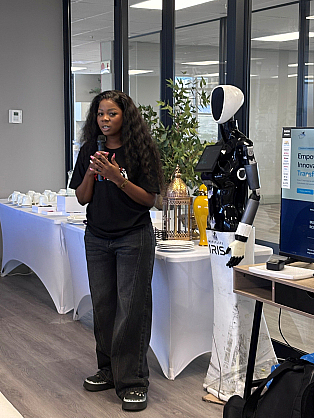
The Deputy Minister of Science, Technology and Innovation, Dr Nomalungelo Gina, has welcomed the launch of South Africa's locally developed IRIS AI Humanoid Tutor manufacturing plant and showroom at Dube TradePort in Durban, saying the initiative has the potential to create jobs while transforming teaching and learning.

The launch yesterday marked an important step by BSG and Technologies' founder and CEO, Ms Thando Gumede, to expand into local manufacturing.
Dr Gina said the initiative has the potential to create 20 000 jobs over the next five years, describing the project as a powerful example of how innovation can drive educational advancement, industrial development and economic growth.
"As the Department of Science, Technology and Innovation (DSTI), our mandate is to support science, technology and innovation that address the real conditions of our people," she said, calling for strong collaboration between government and the private sector to support initiatives like these.
"The localisation of IRIS manufacturing will signal the growth of a South African innovation ecosystem that can drive enterprise development, strengthen industrial capability, create opportunities for young people and position the country as a producer, rather than merely a consumer, of advanced technologies," she said.
The Deputy Minister's remarks were delivered on her behalf by Dr Anitha Ramsuran, Manager: Transformation and Innovation for Inclusive Development at the Technology Innovation Agency, an agency of the DSTI.
Dr Gina emphasised that IRIS is intended to support, rather than replace teachers, by providing additional learning assistance, personalised support, learner performance analysis and classroom engagement tools.
"The question is not whether South Africa should participate in the global technological transformation, but whether we will be consumers of technology developed elsewhere or producers of technology designed to solve our own challenges," she said.
The newly launched IRIS Showroom will provide schools, government departments, investors and communities with an opportunity to experience how artificial intelligence and robotics can contribute to education, skills development and the advancement of Fourth Industrial Revolution technologies.
Dube TradePort Corporation's CEO, Mr Hamish Erskine, said the company was proud to have created an environment that attracts and supports innovative, knowledge-driven businesses.
"Through investments in world-class digital infrastructure, we have enabled technology-driven businesses to operate efficiently and compete globally," said Mr Erskine.
Ms Gumede shared her personal journey behind the development of IRIS, explaining that her experience as a teacher exposed her to the immense workload educators face, including lesson preparation, marking and learner performance analysis.
"Teachers spend countless hours beyond the classroom preparing lessons, marking assessments and analysing learner performance data. The workload often extends into our personal time, making work-life balance extremely difficult," said Ms Gumede.
She said the vision behind IRIS was to create a solution that supports teachers, administrators and learners while expanding access to quality education.
"I developed IRIS because I wanted to create a platform that helps teachers, administrators and learners work together more effectively, while improving access to quality education and learning support," she said.
Acknowledging the challenges she faced in developing the technology, she said securing funding and overcoming scepticism had been among the biggest obstacles.
"It took more than seven years of persistence, self-funding and continuous development to reach this stage," she said.
Motivated by these challenges and lacking the resources to hire developers, she taught herself to code and develop software. Her efforts earned national and international recognition, including being crowned Ms Dot Digital South Africa 2022 and Ms Tech Universe 2023.
Looking ahead, Thando outlined an ambitious vision. "Our goal is to see IRIS deployed in all 23 000 schools across South Africa, ensuring that every learner has access to quality educational support regardless of where they live. At the same time, we aim to create 20 000 jobs over the next five years through manufacturing, technical support, training and the growth of the innovation ecosystem," she said.
The next phase would focus on refining the technology, expanding adoption and demonstrating its impact in real learning environments. "We want educators, learners and stakeholders to experience firsthand how this technology can support teaching and learning," she said.

Distributed by APO Group on behalf of Department of Science, Technology and Innovation, Republic of South Africa.

Media files
Department of Science, Technology and Innovation, Republic of South Africa
Download logo
Read moreDeputy Minister Gina welcomes launch of IRIS manufacturing plant
14 August 2026

Africa’s Business Heroes Announces Top 20 Entrepreneurs Advancing to 2026 Semi-final in Nairobi

Location: News
Africa’s Business Heroes (ABH)

  • 20 Entrepreneurs selected from an expanded Top 100 cohort
  • Semi-Finalists will pitch before business, investment and entrepreneurial leaders
  • ABH returns to the city that hosted its inaugural Semi-Final

The Africa's Business Heroes (ABH) (https://AfricaBusinessHeroes.org) Prize Competition, a philanthropic initiative of Alibaba Philanthropy, today announced the 20 entrepreneurs who will advance to its 2026 Semi-Final, taking place in Nairobi, Kenya, on 21–22 August.

The Top 20 were selected from an expanded Top 100 cohort drawn from more than 24,000 applications across all 54 African countries. Candidates advanced through three-person judging-panel interviews that assessed leadership, innovation, impact, scalability and commercial strength. The process was reinforced by on-the-ground visits to every company advancing to the Semi-Final and comprehensive due diligence conducted by PlusVC, allowing ABH to test the written applications against the businesses, teams and communities behind them. The selected 20 entrepreneurs will now compete for 10 places in the ABH semi-final.

Together, the ABH 2026 Top 20 cohort represents 12 African countries and 11 sectors, with 8 women entrepreneurs accounting for 40% of the cohort. Collectively, their businesses generated approximately US$85 million in 2025 and span diverse sectors including agriculture and agritech, healthcare, manufacturing, climate technology, financial services, education, energy, and technology.

Site visits reveal the people and purpose behind the businesses

Site visits are central to ABH's approach because they reveal what even a strong application or pitch can miss: whether a founder has earned trust, whether a team can execute under pressure, and whether demand is real. That context matters in African markets, where sophisticated businesses are often underestimated because their strengths are not always visible through conventional investment filters. By combining interviews and due diligence with on-the-ground observation, ABH does more than identify compelling storytellers; it surfaces entrepreneurs with the operational depth, community legitimacy and resilience to build lasting enterprises. The platform then helps close the gap between proven local capability and the capital, networks and visibility required to scale it.

Building global connections through Hangzhou, China

The second edition of ABH's Hangzhou learning and market-access trip will take place in China from 14–18 September, extending the program's support well beyond the competition stage. Approximately 40 participants from more than 10 African countries are expected to join, including primarily 2024 and 2025 Top 10 Heroes, alongside other alumni, selected entrepreneurs, judges and participants from the Alibaba Digital Lion program. The trip reflects a central part of ABH's value: giving entrepreneurs the opportunity to step outside their immediate operating environments, learn from a leading technology and commerce ecosystem, exchange ideas with peers and return home with new inspiration, practical knowledge and a broader sense of what their businesses can become.

A return to Nairobi

The 2026 Semi-Final marks ABH's return to Nairobi, the city that hosted the program's very first Semi-Final. The return carries both symbolic and practical significance. Nairobi has developed into one of Africa's most dynamic centers for technology, entrepreneurship and investment, bringing together ambitious founders, established businesses, universities, innovation hubs, development institutions and a growing community of local and international investors.

This year's event will welcome a larger investor audience, giving participating entrepreneurs more opportunities to engage directly with funders and strategic partners from across Africa and beyond. Their presence reflects a broader ambition for the Semi-Final: to serve not only as a competition, but also as a marketplace for ideas, relationships and capital through which investable African businesses can be discovered, understood and supported.

Join Africa's leading entrepreneurs, investors and ecosystem builders in Nairobi for two days of live pitches, insights and connection. Register to attend the 2026 ABH Semi-Final (https://apo-opa.co/4gu8hJY).

Experienced judges bring investor, operator and alumni perspectives

The Top 20 will present before a distinguished judging panel:

  • Kome Oruade-Etim, Global Program Manager for Acumen Angels and former West Africa Lead for Acumen Academy, brings extensive experience supporting purpose-driven leaders and early-stage enterprises addressing complex social challenges.
  • Wandia Gichuru, Co-founder and CEO of Vivo Fashion Group, brings the perspective of an entrepreneur who has built and scaled one of East Africa's most recognizable fashion businesses.
  • Thomas Njeru, Co-founder and CEO of Pula Advisors and a 2023 ABH Top Three finalist, returns as a judge. Having stood on the ABH stage as a finalist, he understands the entrepreneurial journey, the pressure of the competition, and the qualities required to translate a compelling vision into a scalable enterprise.
  • Jason Pau, Executive Director (International) at the Jack Ma Foundation, who co-founded and has actively led the ABH program for the last 7 years.

Meet the 2026 Top 20 Heroes

  1. Farah Emara — FreshSource (Egypt) — AgriTech
  2. Nour El-Assal — Tagaddod (Egypt) — Renewable Energy
  3. Salma Tammam — REME-D (Egypt) — Healthcare
  4. Ahmed Shaaban — Simplex (Egypt) — Manufacturing
  5. Affiong Williams — Reelfruit (Nigeria) — Manufacturing
  6. Kelvin Umechukwu — Bumpa) (Nigeria) — Enterprise / SaaS
  7. Ikechukwu Anoke — Zuri Health Ltd (Kenya) — HealthTech
  8. Naom Monari — Bena Care Limited (Kenya) — HealthTech
  9. Joseph Mungai — AceleAfrica Limited (Kenya) — Energy
  10. Louisa Gathecha — Bottle Logistics East Africa Ltd (Kenya) — Industrial (ClimateTech)
  11. Meriem Benabad — Z.6 or Z.SYS INC (Morocco) — Retail (FMCG) – Marketplace
  12. Nidal Tafah — MIRRIAH (Morocco) — AgriTech
  13. Samson Fentaye — Thur Biotech Manufacturing Plc (Ethiopia) — Agritech
  14. Jess Roussos — BluLever Education Pty Ltd (South Africa) — EdTech
  15. David Kamugundu — eFiche Ltd (Rwanda) — HealthTech
  16. Joseph Paul — Dawa Mkononi (Tanzania) — HealthTech
  17. Gildas Zodome — Bio Phyto (Benin) — Agritech
  18. Appessika Adanin Laurent Koffi — Green Agro Valley (Côte d'Ivoire) — Agritech
  19. Hagasata Rakotoson — Solidis S.A (Madagascar) — FinTech
  20. Rodney Kofi Kyei — Crux Global Limited (Ghana) — Media and Entertainment

Distributed by APO Group on behalf of Africa’s Business Heroes (ABH).

Media resources and press kit:
2026 ABH Top 20 (https://apo-opa.co/4xE80tE)

For media inquiries:
pr@africabusinessheroes.org

About Africa's Business Heroes:
The Africa's Business Heroes Prize Competition identifies, supports and celebrates talented entrepreneurs from across Africa who are creating economic and social impact in their communities. The program provides grant funding, mentorship, training and opportunities for entrepreneurs to connect with business leaders and investors from Africa and around the world. Learn more at https://AfricaBusinessHeroes.org

About Alibaba Philanthropy:
​
Alibaba Philanthropy is the social-impact arm of Alibaba Group and is committed to harnessing technology and partnerships for good. Its work spans rural revitalization, environmental protection, disaster relief and the empowerment of vulnerable communities. In Africa, Alibaba Philanthropy supports flagship initiatives including Africa's Business Heroes, helping entrepreneurs build inclusive and sustainable growth across the continent.

Media files
Africa’s Business Heroes (ABH)
Download logo
Read moreAfrica’s Business Heroes Announces Top 20 Entrepreneurs Advancing to 2026 Semi-final in Nairobi
14 August 2026

It is Time to End Energy Poverty in Africa, Attend the IAEOG Namibia 2026

Location: News
African Peace Magazine

Africa stands at a critical energy crossroads. Despite being richly endowed with oil, gas, solar, hydro, and wind resources, the continent is facing a deepening energy crisis. According to the International Energy Agency (IEA), over 600 million Africans still lack access to electricity, and more than 900 million rely on biomass such as firewood and charcoal for cooking—leading to deforestation, poor health outcomes, and economic stagnation.

As the world races toward energy transition and net-zero emissions, Africa risks being left behind—not due to a lack of resources, but due to underinvestment, policy misalignment, and fragmented strategies. The continent loses an estimated $130 billion in GDP annually due to inadequate energy access and unreliable infrastructure. Furthermore, less than 3% of global energy investments are currently directed to Africa, despite its immense potential and rising demand.

With the continent's population projected to double to 2.5 billion by 2050, and urbanization accelerating at an unprecedented rate, the pressure on energy systems will only intensify. Without bold action, Africa's energy poverty could worsen—jeopardizing industrialization, food security, healthcare, and climate resilience.

ABOUT IAEOGS 2026

The International African Energy, Oil and Gas Summit (IAEOGS), is organized by, International Energy Summits ltd, with African Energy World, African Energy Vault Ltd, African Peace Magazine UK African Energy Academy ltd as strategic partners.

This edition is convened in partnership, the Network of Excellence on Land Governance in Africa (NELGA), the Namibia University of Science and Technology (NUST; ILLH), and CRG Research & Consulting Ltd (CRG) based in Namibia and South Africa as co-host.

IAEOGS 2026

The International African Energy, Oil & Gas Summit (IAEOG) stands as Africa's premier platform for innovation, investment, and dialogue in the energy sector. Now in its fourth edition, the summit continues to gain momentum, drawing over 2,500 high-level delegates from more than 100 countries, including CEOs, ministers, investors, regulators, entrepreneurs, and global industry leaders—united in unlocking Africa's full energy potential.

2026 THEME: “IGNITING AFRICA'S ENERGY AND LAND GOVERNANCE FUTURE”

This year's theme, “Igniting Africa's Energy and Land Governance Future,” reflects Africa's urgent need for inclusive, innovative, and sustainable energy solutions. With over 600 million Africans still lacking access to electricity and just 17% of the continent's vast renewable energy potential currently utilized, the summit aims to catalyze transformative action. Energy poverty costs the continent an estimated 4% of its GDP annually. IAEOG 2026 will tackle these challenges head-on by promoting policy harmonization, strategic investments, and collaborative partnerships, aligned with the goals of the African Continental Free Trade Area (AfCFTA) and Agenda 2063.

The summit will feature eight thematic tracks, including:

  • Energy Transition & Innovation
  • Climate Finance & Sustainability
  • Infrastructure Development
  • Oil & Gas Technologies
  • Regulatory Reforms & Land access
  • Capacity Building & Local Content
  • Investment & Finance
  • Digital Transformation in Energy

IAEOG 2026 is poised to catalyze over $10 billion in clean energy investments.

WHY ATTEND IAEOG NAMIBIA 2026

IAEOG is more than just a summit—it is a catalyst for action, innovation, and opportunity. Participants can expect:

  • Executive panel sessions and keynote addresses
  • Master classes and technical workshops
  • High-impact exhibitions and product showcases
  • Dedicated investment and pitch rooms
  • Curated B2B meetings and networking lounges

With over 740 senior-level delegates, including government ministers, CEOs, and regulatory leaders, and 700+ global investors, the event will host 500+ private investment meetings. The exhibition is expected to feature 2,000+ participants from 80+ countries, offering unmatched exposure and collaboration.

AWARDS, EXHIBITION & CHARITY GOLF TOURNAMENT

A key highlight will be the African Energy Excellence Awards, recognizing organizations and individuals making transformative contributions in the energy space. The Exhibition Hall will showcase 100+ innovations across oil, gas, renewables, and clean tech sectors.

The Charity Golf Tournament, hosted at the Windhoek Golf & Country Club's 18-hole Championship Course, will blend leisure and philanthropy—raising funds for youth empowerment and community development initiatives across Africa.

PARTICIPATION & PARTNERSHIP OPPORTUNITIES

IAEOG 2026 offers a range of engagement opportunities including:

  • Speaking slots
  • Sponsorship packages
  • Exhibition booths
  • Media and content partnerships

All participants will receive:

  • Certificates of Participation
  • Access to post-event insights
  • Priority inclusion in matchmaking & networking sessions

Early Bird Offer: Register four delegates and receive one complimentary pass—ideal for organizations seeking knowledge, visibility, and strategic advantage.

SECURE YOUR SPOT TODAY

Join us in Windhoek, Namibia, this October to connect with global leaders, close high-value deals, and shape the energy policies that will power Africa's future.

Let's drive Africa's energy transformation—together.

#EnegrySecurity #EndEnergyPoverty #Unity #Summit #IAEOGS2025 #AfricaNow #GetInvolved #EndAfricanDebts #TechSolution #IntraAfricaTrade #AfCFTA 

For inquiries regarding sponsorship, speaking engagements, media partnerships, or participation, kindly contact:

Issued by:

The IAEGOS 2026 Organizing Committee

13th, August, 2026

Distributed by APO Group on behalf of African Peace Magazine.

Media Contact:
Prudence Ramotso
Group Head Events & International Affairs
+2348033975746 | +447407399766, |+27651766722 | +2648123522
info@iaegos.com | info@iaegos.com
Website: https://AfricanPeace.org/
https://AfricanOilAndGasSummit.com/
https://IAEOGS.com/

Media files
African Peace Magazine
Download logo
Read moreIt is Time to End Energy Poverty in Africa, Attend the IAEOG Namibia 2026
14 August 2026

Africa’s CX Leaders Meet in Cape Town

Location: News
VUKA Group

CEM Africa 2026 will return to the Century City Conference Centre in Cape Town from 18–20 August, bringing together senior customer experience, marketing, digital, customer service, technology and transformation leaders for the 14th edition of Africa's leading customer experience summit.

With organisations across the continent under growing pressure to improve customer outcomes while navigating AI adoption, automation, rising expectations, fragmented journeys and commercial scrutiny, the 2026 programme has been built around a central question: how can businesses use technology to improve customer experience at scale without losing trust, relevance or the human connection?

Across three days, CEM Africa will combine strategic conference discussions, hands-on workshops, technology demonstrations, an exhibition, networking activations and peer-to-peer exchange, giving delegates the opportunity to move from big-picture industry questions to practical frameworks they can apply inside their organisations.

A speaker line-up rooted in real CX leadership

The 2026 speaker faculty brings together leaders working directly across customer experience, marketing, digital transformation, customer service, commerce, technology and organisational change.

Among those joining CEM Africa 2026 are:

  • Bruce Whitfield, business journalist and best-selling author

  • Khensani Nobanda, Group Chief Marketing Officer, Nedbank

  • Francois Retief, Head of Customer Experience, FNB

  • Martin Urrutia, global toy industry leader

  • Marnitz Van Heerden, Head of Customer Experience, Discovery Limited

  • Grace Brown, Head of Customer Experience and Client Services, JSE

  • Khwaṱhelani Tshikovhi, Head: Santam Experience and Client Care, Santam Insurance

  • Shaun Edmeston, Director of Customer Experience, Absa Bank Mauritius

  • Job Thomas, Chief Customer Officer, WooCommerce

  • Richie Sobayeni, Group Head of Customer Experience Design, Equity Group Holdings

  • Julia Ahlfeldt, Customer Experience Strategist and Business Advisor

  • Rashid Toefy, Deputy Director-General, Department of Economic Development and Tourism

  • Katie Stabler, Founder and Director, CULTIVATE Customer Experience by Design

  • Charlie Stewart, CEO, Rogerwilco

  • Omowunmi Akingbohungbe, Executive Director, WIMBIZ

  • Wavi Mungala, Board Director, Institute of CX – Kenya

The wider faculty spans financial services, retail, technology, insurance, e-commerce, public sector, consulting and customer operations, reflecting the increasingly cross-functional nature of customer experience.

From AI experimentation to measurable outcomes

Artificial intelligence will be one of the defining conversations at CEM Africa 2026, but the programme moves beyond broad speculation about AI to focus on where organisations are seeing - or still struggling to achieve - real operational and commercial value.

Day One will examine how African organisations can move from AI pilots to production, including governance, data readiness, agent co-pilots, voice AI, speech analytics, conversational AI and AI-driven personalisation.

The agenda also tackles the questions surrounding responsible adoption. Sessions will examine AI governance and ethics, privacy, POPIA, customer consent and the challenge of automating at scale without damaging trust.

A dedicated discussion, “Will AI Make Your Brand More Trustworthy?”, will explore whether increased automation strengthens customer confidence or risks undermining it, before the day closes its content programme with the audience-led town hall “Will Humans Still Matter in a World of AI-Driven Customer Experience?”

Data, insight and the business case for CX

For leaders under pressure to demonstrate the commercial return on customer experience investment, CEM Africa will put measurement firmly on the agenda.

Workshops will address customer data quality, real-time insight, first-party data strategy, predictive analytics and Voice of Customer, alongside practical sessions on building an end-to-end CX scorecard, customer lifetime value and mapping journey costs.

Delegates will also be able to explore how to prove CX ROI to executive teams, connecting customer experience activity to revenue uplift, churn reduction, operational efficiency and cost-to-serve.

The emphasis throughout is on turning customer insight into decisions and measurable business outcomes rather than collecting more data without action.

Designing customer journeys that work in African markets

The programme will also address the practical realities of customer engagement across diverse African markets.

Topics include omnichannel journey design, mobile-first experiences, WhatsApp as a service channel, self-service, proactive CX and reducing friction across high-volume journeys such as onboarding, billing, claims and fulfilment.

Sessions will examine how organisations can create accessible experiences for customers with different levels of digital literacy, connectivity and channel preference, while maintaining consistency between physical, digital and human-assisted interactions.

African market realities also feature in discussions on sentiment analysis, conversational AI, language, code-switching and customer behaviour.

The people behind customer experience

Technology is only one side of the CX equation.

CEM Africa 2026 will look closely at employee experience, organisational culture and the changing capabilities required of customer-facing teams.

Sessions will cover customer-centric culture, employee resilience, burnout, hybrid CX teams, human-centred service, AI upskilling, cross-functional collaboration and change management.

The programme will also explore the relationship between employee experience and customer outcomes, recognising that organisations cannot sustainably improve CX without equipping and engaging the people responsible for delivering it.

What the three days will look like

Tuesday, 18 August – Day Zero

CEM Africa begins with an afternoon dedicated to registration, community engagement and relationship-building ahead of the main conference programme.

Delegates can expect networking activities and activations, including tastings, community conversations, the CEM Networking Padel Tournament and sponsored welcome drinks.

The format is designed to give speakers, delegates, partners and industry leaders an opportunity to begin making connections before the formal summit gets underway.

Wednesday, 19 August – Day One

Day One opens with a strong focus on trust, relevance and measurable customer experience outcomes.

The main stage begins with Deshnie Govender's opening keynote, “The Culture-Led Customer: The Emerging Markets Playbook for Building Trust, Relevance and Loyalty”, followed by sessions examining the future of AI-powered customer experience, journey-led CX orchestration and business journalist and best-selling author Bruce Whitfield's keynote, “The Trust Advantage”, exploring how trust can reduce friction and unlock better business results.

From late morning, the programme moves into a series of parallel workshops and panels built around some of the most pressing issues facing CX leaders today.

The first sessions explore building trust in the AI era, with discussions on whether AI investments are delivering measurable business outcomes, the changing role of the CX leader, enterprise AI agents, frictionless customer journeys and lessons from CEM Africa Awards-winning teams.

The afternoon broadens the conversation into customer intelligence, Voice of Customer, Agentic AI, digital trust and human reassurance, alongside a dedicated discussion on how African contact centres and BPO operators are positioning themselves to compete globally.

Later sessions place the human experience firmly back at the centre of CX. Leaders will explore employee wellbeing, emotionally intelligent journey design, empathy in an AI-enabled environment, customer-centric culture and how to lead CX teams through continuous change.

The final workshop block tackles the commercial realities of CX, including moving from NPS to P&L, improving checkout conversion, connecting customer, employee and digital experience, driving loyalty through hyper-personalised research and the realities of stepping into senior CX leadership.

Day One closes with Matchmaking and Happy Hour, followed by the CEM Engage Party, creating further opportunities for delegates, speakers, partners and solution providers to continue conversations and build meaningful industry relationships.

Thursday, 20 August – Day Two

Day Two turns the focus towards human impact, business value and the future direction of customer experience in Africa.

The main stage opens with Zahirah Variawa's motivational keynote, “The Moments People Remember: Why the Experiences We Create Matter More Than We Think”, followed by Rashid Toefy on designing better citizen experiences and building trust through public services.

A QuestionPro and Metropolitan fireside chat explores the use of AI within Voice of Customer programmes, while Katie Stabler and Debi Potgieter's “What the Fluff?” challenges the industry to examine whether CX initiatives have genuine substance when put under pressure.

The morning also features the CEM 2026 Advisory Board Panel, bringing together leaders from across Africa to examine the future of CX through the lenses of trust, technology, business value and human connection, before Martin Urrutia, Head of Global Retail Experience at The LEGO Group, takes to the stage for the keynote “Experience Is the Brand.”

The afternoon workshop programme moves from strategy into execution.

Sessions will explore AI-powered WhatsApp journeys, voice AI in the South African market, the point at which brand promises break down, self-improving human and AI service models and how CX leaders can prove ROI in language that resonates in the boardroom.

The final workshop block looks further ahead. Delegates can explore CX designed for measurable ROI, the Future African Customer 2030, organisational trust, scalable experience design, the risks of poor AI, emerging CX research and Human First experience design.

The programme then closes with WiN CX Africa: Women Shaping Excellence in Every Experience, bringing together female leaders to explore how cultures of safety, trust and inclusion shape stronger customer and employee experiences.

Across both days, the programme reflects the central theme of CEM Africa 2026: Trust, Technology and the Human Future of CX in Africa, with a clear emphasis on moving beyond theory towards customer experience strategies that create stronger relationships, better operational outcomes and measurable business value.

More than a conference programme

Alongside the conference and workshops, attendees will have access to the CEM Africa exhibition, Expo Spotlight Stages, technology demonstrations, networking functions and opportunities to engage directly with CX solution providers and peers facing similar transformation challenges.

For senior leaders, the value lies not simply in hearing what is changing, but in comparing approaches with peers, interrogating technology choices, finding practical solutions and building relationships across Africa's customer experience community.

CEM Africa's broader 2026 positioning - “Excellence in Every Experience: Shaping the Future of Customer Engagement Across Africa” - reflects an industry that is increasingly being asked to connect customer experience directly to business growth, loyalty, trust and resilience.

With the event now days away, CEM Africa 2026 offers organisations a timely opportunity to understand where customer experience is heading next — and what leaders need to do now to stay relevant.

CEM Africa 2026 takes place from 18–20 August 2026 at the Century City Conference Centre in Cape Town, South Africa.

For the latest programme, speaker line-up and delegate availability, visit https://apo-opa.co/4zgt0bJ.

Distributed by APO Group on behalf of VUKA Group.

Additional links:
https://apo-opa.co/4bQHxAO
https://apo-opa.co/4wSEIrk

Media enquiries:
Steven Dennett
Marketing Manager VUKA Group / CEM Africa
Steven.dennett@WeAreVUKA.com
CEMAfricaSummit.com

About CEM Africa:
CEM Africa is Africa's leading customer experience summit and a platform for senior leaders, practitioners, innovators and solution providers shaping the future of customer engagement across the continent.

Created by VUKA Group, CEM Africa brings together practical insight, strategic collaboration, technology, peer learning and meaningful business connections to help organisations build stronger, more relevant and more commercially effective customer experiences.

Media files
VUKA Group
Download logo
Read moreAfrica’s CX Leaders Meet in Cape Town
14 August 2026

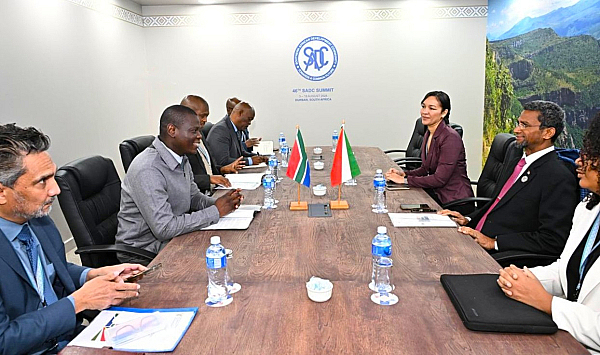
Seychelles: Minister Faure holds bilateral talks with South African counterpart on the margin of the 46th Southern African Development Community (SADC) Summit

Location: News
Ministry of Foreign Affairs and the Diaspora, Republic of Seychelles

Minister for Foreign Affairs and the Diaspora, Ambassador Barry Faure, held a bilateral meeting with his South African counterpart, Minister of International Relations and Cooperation, H.E. Ronald Lamola, on the margin of the 46th SADC Ordinary Summit in Durban.

The meeting provided an opportunity for the two Ministers to reaffirm the longstanding friendship between Seychelles and South Africa, and to discuss avenues for deepening cooperation between the two countries on a number of bilateral matters.

Minister Faure thanked South Africa for its leadership of SADC and for the hospitality extended to the Seychelles delegation throughout the Summit. Minister Lamola, in turn, expressed appreciation for Seychelles' consistent support to South African candidatures in multilateral organisations, describing the country as a reliable partner within the region and beyond.

Both Ministers underscored the importance of the bilateral relationship between Seychelles and South Africa, particularly in the economic sector, and welcomed the growing interest of South African investors in Seychelles. They also agreed on the importance of convening the 4th Session of the Seychelles-South Africa Joint Commission for Cooperation, set to take place in 2027.

On matters of diplomatic representation, Minister Lamola confirmed that South Africa's newly appointed High Commissioner to Seychelles will soon travel to Victoria to present credentials. Minister Faure similarly announced the appointment of Seychelles' High Commissioner to South Africa.

Paying tribute to outgoing High Commissioner H.E. Hlamalani Nelly Manzini, Minister Faure commended her active tenure, particularly her contribution to advancing the Maritime Corridor Strategy, and expressed hope that she would soon pay her farewell courtesy call.

The meeting closed with both Ministers reaffirming the strength of Seychelles-South Africa relations and their shared commitment to deepening cooperation across all areas of mutual interest.

Distributed by APO Group on behalf of Ministry of Foreign Affairs and the Diaspora, Republic of Seychelles.

Media files
Ministry of Foreign Affairs and the Diaspora, Republic of Seychelles
Download logo
Read moreSeychelles: Minister Faure holds bilateral talks with South African counterpart on the margin of the 46th Southern African Development Community (SADC) Summit
13 August 2026

Data Centre Summit Connects Africa’s Digital Growth With the Power Systems Needed to Sustain It

Location: News

VUKA Group
Download logo

The Data Centre Summit returns for its second edition on 29 October 2026, co-located with the C&I Energy + Storage Summit at The Maslow Hotel in Johannesburg.

Following its debut alongside Enlit Africa in Cape Town, the Summit responds to a clear industry need: a platform that connects the growth of artificial intelligence and digital infrastructure with the power, cooling, financing and sustainability challenges shaping data centre development across Africa.

The programme will examine why data centres are emerging as a new industrial powerhouse and what coordinated action is required from operators, hyperscalers, utilities, independent power producers and investors to capture Africa's share of global demand.

Cooling will be a central focus, with sessions exploring the shift from air to liquid cooling as rack densities increase. Discussions will consider deployment at scale, high-performance infrastructure, water availability, waste-heat reuse and the pressure that freshwater scarcity places on cooling decisions.

A South Africa country spotlight will assess the wheeling landscape, grid congestion, regulatory developments and investor sentiment influencing near-term project delivery. The programme will also explore the operational realities of maintaining 24/7 power supply through renewable blending, co-location and evolving generation technologies.

A dedicated case study will unpack how Cape Town, the first African city to launch a formal data strategy, is balancing spatial planning, resource constraints and public transparency against the rapid site approvals demanded by hyperscale growth. This will be paired with a cross-sector conversation on how surging digital workloads are drawing municipal grid capacity and independent power producers into closer alignment, and what coordinated, energy-led siting means for the next wave of facilities coming online across the continent.

Parallel masterclasses will focus on implementation, practical data centre design for African conditions and the barriers limiting clean energy investment. These sessions will address project bankability, power availability, execution risk, grid instability, contractor capacity and blended-finance solutions, giving delegates concrete tools to move projects from concept to bankable reality.

Co-location with the C&I Energy + Storage Summit, created by VUKA Group, places data centre operators in direct conversation with the customers, energy providers, financiers and technical partners responsible for powering Africa's digital backbone.

For more information and to download the Data Centres Summit Johannesburg programme, visit https://apo-opa.co/3TXHxJ5  

Distributed by APO Group on behalf of VUKA Group.

About the C&I Energy + Storage Summit:
The C&I Energy + Storage Summit brings together commercial and industrial energy users, solution providers, project developers, financiers, utilities and policymakers to explore practical strategies for energy security, cost management, renewable energy integration and energy storage. https://apo-opa.co/4fRl3C8 

About VUKA Group:
VUKA Group connects people and organisations to information and each other across Africa's energy, mining, infrastructure, mobility, green economy and technology sectors via events, content and networking. It helps businesses navigate markets, build connections and achieve sustainable success. www.WeAreVUKA.com 

Read moreData Centre Summit Connects Africa’s Digital Growth With the Power Systems Needed to Sustain It
13 August 2026

Committee on Electricity Concludes Public Hearings on the Gas Bill

Location: News

Republic of South Africa: The Parliament
Download logo

The Portfolio Committee on Electricity and Energy concluded its public hearings on the Gas Bill on Wednesday.

In her opening remarks, committee Chairperson Ms Zama Khanyase emphasised the importance of meaningful public participation in the legislative process and encouraged stakeholders to provide frank and constructive inputs. She said the committee is committed to ensuring that the Gas Bill responds to South Africa's energy needs while advancing economic development and protecting the interests of communities.

On the last day of the hearings, the committee heard support for modernising South Africa's gas regulatory framework. Industry stakeholders discussed that the Gas Bill could play an important role in attracting investment, expanding energy infrastructure and supporting economic growth. Presenters highlighted the need for regulatory certainty, clear definitions and alignment with existing legislation to avoid duplication and provide confidence to investors operating in the sector. Several stakeholders also stressed the important role that gas, including liquefied petroleum gas (LPG), could play in strengthening energy security and supporting industrial development. Gas suppliers raised a concern that clear roles and responsibilities needed to be defined, as currently there is overlap between the Gas Bill and the Upstream Petroleum Resources Development Act, 2024.

Environmental organisations raised significant concerns about the Bill in its current form. Stakeholders indicated that the legislation could facilitate long-term investment in gas infrastructure without sufficient consideration of South Africa's climate commitments and future energy needs. The environmental organisations called for the completion of the Integrated Energy Plan before finalising the Bill and urged that stronger climate governance measures be incorporated into the legislation. Presenters also advocated for greater transparency and enhanced public participation in licensing and regulatory decision-making processes. They also stated that the Bill needed to be aligned with South Africa's Just Energy Transition commitments as well as the Climate Change Act.

Organised labour expressed support for the Bill, highlighting its potential to stimulate economic activity and create employment opportunities. Labour representatives stressed the importance of ensuring that workers and local communities benefit directly from the development of the gas sector through localisation measures, skills development initiatives and worker empowerment programmes. Organised labour further emphasised the need for adequate resources and capacity within regulatory institutions to ensure effective implementation and enforcement of the legislation.

The committee engaged with stakeholders on issues relating to energy security, climate change, transformation, job creation and regulatory capacity. Members raised questions about the extent to which the Bill advances black economic empowerment and broad-based economic participation, while also seeking clarity on how the legislation would balance economic development objectives with environmental obligations. Committee members further highlighted the need to ensure that regulatory authorities have the necessary capacity and resources to implement the provisions of the Bill effectively.

Commenting on the discussions, Ms Khanyase said, “The committee has benefited from a rich and constructive engagement involving a wide range of stakeholders. The perspectives shared have highlighted both the opportunities and challenges associated with the development of a gas economy, and these views will be carefully considered as we continue our deliberations.”

She added, “Our responsibility is to ensure that the legislation strikes an appropriate balance between energy security, economic growth, job creation and environmental sustainability. The committee remains committed to a transparent and inclusive process that takes into account the interests of all South Africans.'

The committee will now consider all submissions received during the public hearings and assess proposals for amendments to the Bill. Further deliberations on the legislation are scheduled to start on 18 August 2026, during which the committee will consider stakeholder inputs and determine the way forward.

Distributed by APO Group on behalf of Republic of South Africa: The Parliament.

Read moreCommittee on Electricity Concludes Public Hearings on the Gas Bill
13 August 2026

Select Committee Urges Urgent Resolution of Sogima Mining Impasse Amid Economic and Social Costs

Location: News

Republic of South Africa: The Parliament
Download logo

The Select Committee on Agriculture, Land Reform and Mineral Resources has said the impasse between Sogima Mining and the Department of Mineral and Petroleum Resources (DMPR) has come at an economic and social cost to the affected community.

The committee is conducting an oversight visit in Mafikeng in North West Province. The visit is a continuation of the committee's commitment to resolving longstanding land and mining-related issues in the Madibeng area, following its initial oversight visit in March 2026.

During the March oversight, the committee engaged with various stakeholders, including Sogima Mining, the DMPR, the Black Mamba community and various government departments, about delays in relocating a community from mining land in Mooinooi Ward 27, Marikana, and the withdrawal of Sogima mining rights dating back to 2018.

At the centre of the dispute is the suspension of Sogima's blasting activities following complaints from community members residing within a 500-metre radius of the mine. Approximately 234 households are located within the affected area. Residents had raised concerns about alleged property damage, dust pollution and safety risks associated with mining operations.

In today's oversight engagement, the committee received presentations from the North West Department of Human Settlements, the DMPR, the Housing Development Agency, Madibeng Local Municipality and Sogima Mining.

The Department of Human Settlements noted that the government and its partners have invested approximately R49.2 million in infrastructure and services in the community, which includes electrification, water and sanitation projects, land acquisition and community facilities. The department also presented a relocation framework, indicating that relocating affected households could cost more than R76 million, excluding land acquisition and bulk infrastructure costs. The department concluded by recommending that the affected mining companies assume full financial responsibility of any future relocation process.

Responding to this input, committee members questioned both the costing model and the rationale behind shifting the financial burden onto mining company. Members maintained that portions of the expenditure highlighted in the presentation had been funded by entities other than government, including mining companies and Eskom, and sought clarity on how the figures had been calculated.

Department officials maintained that budget constraints and competing service delivery pressures limited the government's ability to fund further interventions.

The DMPR's Office of the Chief Mine Inspectorate explained that its primary obligation is to safeguard the health and safety of mine workers and communities affected by mining activities. The Inspectorate noted that the DMPR had consistently called for solutions that allow mining and residential activities to coexist.

The DMPR indicated that complaints about blasting activities had led to the withdrawal of Sogima's blasting permissions. It also noted that efforts to address the problem had focused on consultation processes, compliance measures and exploring alternative mining methods and blasting technologies.

However, committee members questioned why the matter remains unresolved years after the department first intervened in 2018. They queried whether Sogima is being treated differently from other mining operations facing similar complaints. The department confirmed that blasting permissions at other mines had also been suspended at various times, but stated that those matters were resolved through consultations and corrective measures agreed upon by affected parties.

Sogima in its presentation described its struggle to continue operating amid the prolonged suspension of blasting activities. Sogima said that the mine had acquired its mining rights legally, compensated affected residents for damages that were identified after blasting incidents and participated in numerous consultations over the years.

Sogima has also invested resources in seeking solutions, including investigations into relocation options and alternative technical approaches. Despite those efforts, the continued inability to blast has prevented the business from operating at intended capacity and this has limited employment creation and economic participation.

Throughout the engagement, committee members raised concerns about the economic implications of the deadlock, particularly for job creation and investment.

Committee Chairperson Mr Mpho Modise made it clear that Parliament's objective is not to revisit old arguments but to establish a practical path forward. The Chairperson stressed that the committee is determined to move beyond historical disagreements and focus on solutions. “The issue is no longer the department and Sogima. The issue is us and Sogima, because all of us here are representatives of government,” he said.

Mr Modise urged stakeholders to consider the lived realities of workers and families affected by the situation. “When we are seated tonight eating dinner, nicely sleeping, we must think about those people,” he said, referring to workers who would have not benefited from the mine's operations.

The Chairperson questioned whether enough had been done to find technical solutions that would enable mining to continue while reducing the impact on nearby residents. During discussions, it emerged that Sogima and the DMPR are due to meet to discuss revised blasting methodologies and alternative technologies designed to minimise vibration, dust and noise.

Mr Modise challenged stakeholders to accelerate those discussions, saying that the committee could not continue returning to the same matter without measurable progress. He also emphasised that the committee expects stakeholders to return with concrete proposals.

As deliberations concluded, Mr Modise directed the parties to continue engaging on the technical proposals and return with a clear way forward. He emphasised that the committee's ultimate goal is to balance community safety, regulatory obligations, employment creation and economic development.

The oversight visit continues today(13 August) at the North West Legislature Building.

Distributed by APO Group on behalf of Republic of South Africa: The Parliament.
Read moreSelect Committee Urges Urgent Resolution of Sogima Mining Impasse Amid Economic and Social Costs
13 August 2026

Water Security Africa Johannesburg 2026 Programme Puts Investment and Implementation at the Heart of Industrial Water Resilience

Location: News
VUKA Group

Water Security Africa Johannesburg takes place on 28 and 29 October 2026 at The Maslow Hotel, Sandton, co-located with the C&I Energy + Storage Summit, bringing together commercial and industrial water users, government, utilities, financiers and technology providers to address the pressures shaping South Africa's water future.

The newly launched 2026 programme responds to a growing imperative for South African businesses: moving from managing water risk to building long-term resilience. Ageing infrastructure, supply uncertainty, climate pressures, rising costs and regulatory change are increasing the operational and financial consequences of water insecurity.

Developed with input from the Water Security Africa Johannesburg Advisory Board, the programme places investment, implementation and practical solutions at its core. Discussions will explore how businesses can strengthen water security through alternative supply, water reuse and recycling, decentralised infrastructure, water stewardship and business continuity, while examining the partnerships needed to accelerate wider water-sector resilience.

Investment will be a major focus, with the programme examining how South Africa can develop bankable water projects, mobilise blended finance, strengthen public-private partnerships, reduce investment risk and build greater investor confidence in water infrastructure.

Technology and innovation will also feature prominently, with smart water systems, AI, digital twins, predictive analytics, digital asset management and real-time data demonstrating how organisations can improve efficiency, reduce losses and strengthen asset performance.

The programme will also examine the policy and regulatory conditions needed to accelerate implementation, from water-sector reform and licensing to governance and stronger government-industry collaboration. The implications of the National Water Amendment Bill for commercial and industrial water users will form part of this discussion.

Sector-focused conversations will explore water stewardship across food, beverage and agriculture, water-resilient buildings and precincts, and the growing opportunity to transform wastewater into a strategic resource through reuse, resource recovery and circular water systems.

The Water Security Africa Johannesburg 2026 programme has been developed with input from a cross-sector Advisory Board representing organisations including the South African Water Chamber NPC, Magalies Water, Department of Water and Sanitation, Glencore South Africa, Standard Bank, Thungela Mining, Dis-Chem and Webber Wentzel, who are helping to shape a programme grounded in the operational, regulatory and investment realities facing South Africa's commercial and industrial water users.

Ultimately, Water Security Africa Johannesburg 2026 moves the conversation beyond defining South Africa's water challenges to a more urgent question: what can be implemented, how can it be financed, and what will it take for industry, government and the water sector to deliver greater resilience at scale?

Water Security Africa is created by VUKA Group. For more information and to download the programme, visit: https://apo-opa.co/4wYAwpW  

Distributed by APO Group on behalf of VUKA Group.

About the C&I Energy + Storage Summit:
The C&I Energy + Storage Summit brings together commercial and industrial energy users, solution providers, project developers, financiers, utilities and policymakers to explore practical strategies for energy security, cost management, renewable energy integration and energy storage. https://apo-opa.co/4xuONdO 

About VUKA Group:
VUKA Group connects people and organisations to information and each other across Africa's energy, mining, infrastructure, mobility, green economy and technology sectors via events, content and networking. It helps businesses navigate markets, build connections and achieve sustainable success. www.WeAreVUKA.com 

Media files
VUKA Group
Download logo
Read moreWater Security Africa Johannesburg 2026 Programme Puts Investment and Implementation at the Heart of Industrial Water Resilience
13 August 2026

Joint Oversight Committees Call for Measurable Turnaround at Matlosana and Ditsobotla

Location: News

Republic of South Africa: The Parliament
Download logo

The Committee on Cooperative Governance and Traditional Affairs (COGTA) and the Standing Committee on Public Accounts (SCOPA) on Wednesday called on the City of Matlosana and Ditsobotla Local Municipality to move beyond corrective plans and demonstrate measurable improvement in governance, financial management and service delivery.

This call follows a joint oversight engagement with the two North West municipalities to assess their progress on matters the committees have previously raised through parliamentary oversight, audit findings and investigations. Both municipalities were among the 69 municipalities whose July 2026 equitable share transfers were temporarily withheld by National Treasury as part of measures to enforce financial discipline.

Chairperson of the Portfolio Committee on COGTA, Dr Zweli Mkhize, said Parliament's focus is now on whether corrective measures are producing results. “What we now require is a report that demonstrates the impact of all the actions that are being taken,” he said.

The committees acknowledged the efforts of the Matlosana municipality to act on the concerns they raised previously but stressed that the municipality must now show that interventions are improving conditions in communities. The committees directed the municipality's leadership to provide them with updated and properly reconciled information on outstanding creditor obligations and payment arrangements with Eskom and Midvaal Water. This report must also outline the interest charges on the outstanding debt and whether debt-relief arrangements are making a difference. The committees also want to see evidence of improvement in revenue collection and the resolution of unauthorised, irregular, fruitless and wasteful expenditure (UIFWE), procurement and contract management.

The leadership of Matlosana must further provide a report on sewage and water pollution, road maintenance and other service-delivery concerns, as well as outstanding discrepancies relating to infrastructure projects. The committees stated that they want to see actions taken against officials or politicians implicated in wrongdoing.

Another area of concern for the committees was Matlosana's reliance on consultants. Dr Mkhize indicated that the committees would like to receive from Matlosana a valid strategy to develop its internal capacity as opposed to outsourcing services that fall under the purview of Matlosana's administration. The 2024/25 municipal audit outcomes indicated that 225 of 257 municipalities used consultants to prepare their financial statements at a total cost of approximately R1.6 billion.

Ditsobotla has received disclaimer audit opinions for over ten years and is now subject to a national intervention in accordance with Section 139(7) due to ongoing failures related to governance, financial instability and failure to deliver services. The municipality is required to submit to Parliament a time-bound financial recovery plan, a programme to end the disclaimer audit outcome, an analysis of its debtor's book and a clearly defined programme to process and reduce the UIFWE. The analysis submitted by the municipality is expected to identify which funds are recoverable and irrecoverable. It must also explain how revenue collection will be enhanced.

The committees directed the municipality to provide a consolidated report on all investigations into allegations of impropriety, including procurement irregularities, which are currently being investigated. The report should indicate which cases have been referred for prosecution or to the Special Investigating Unit for investigation, their status as well as all the disciplinary actions that have been taken so far.

The committees agreed that the municipalities must share reports every quarter to all the relevant national, provincial and executive structures tasked with local government. This will enable all oversight structures to monitor the corrective programmes and their compliance with set performance indicators. “No municipality can turn around on its own. We have to do it together,” said Dr Mkhize.

“Parliament will not measure progress in terms of plans drawn up or the number of meetings convened but in terms of achievements on the ground,” he said. In the case of Matlosana, this means revenue collection must be improved, UIFW expenditure must be brought under control and there must be visible improvements in services such as water, sanitation and roads. As for Ditsobotla, it means improved governance as well as turnaround in financial management, by sanctioning those found guilty of wrongdoing and finally putting an end to the disclaimer audit.

The Chairperson of SCOPA, Mr Songezo Zibi, agreed and said that the joint oversight should ensure that findings and investigations lead to action. “This joint oversight must ensure that we close the loop between audit findings, investigations and consequence management. We cannot in future continue to have poor audit findings and our communities suffering with no action being taken. The committees will be looking into this matter, and we expect to see improvement in audit findings, internal control systems and service delivery,” said Mr Zibi. “The committees will track these commitments, and we expect measurable improvement in audit outcomes, financial controls and service delivery.”

Distributed by APO Group on behalf of Republic of South Africa: The Parliament.

Read moreJoint Oversight Committees Call for Measurable Turnaround at Matlosana and Ditsobotla
13 August 2026

The Canada-Africa Chamber of Business Signs Memorandum of Understanding with the Chambre de Commerce Canada Côte d’Ivoire

Location: News

The Canada-Africa Chamber of Business
Download logo

The Canada-Africa Chamber of Business (CACB) (www.CanadaAfrica.ca) is pleased to announce the signing of a Memorandum of Understanding (MoU) with the Chambre de Commerce Canada Côte d'Ivoire (CCCACI).

The MoU, signed on August 6, establishes a framework for collaboration, event reciprocity, and joint initiatives, and extends the full benefits of CACB membership to the CCCACI. It reflects the shared commitment of both organizations — and of Canada — to strengthening economic and commercial ties between Canada and the Republic of Côte d'Ivoire, building on previous MoUs signed during ministerial visits, which have resulted in private sector-led missions to African markets for participation in Canada-Africa Business Conferences that welcome hundreds of delegates.

The signing coincides with the first visit to Côte d'Ivoire by the Honourable Anita Anand, Canada's Minister of Foreign Affairs. In their joint statement (https://apo-opa.co/4xJpjtz) of August 6, 2026, Minister Anand and Her Excellency Ms. Nialé Kaba, Côte d'Ivoire's Minister of State and Minister of Foreign Affairs and International Cooperation, committed to further encouraging partnerships between the Canadian and Ivorian private sectors, noting that bilateral trade reached a record Can$1.2 billion in 2025. The Chamber's MoU advances precisely that objective, and supports Canada's trade diversification agenda and Africa Strategy through private sector collaboration.

The MoU comes ahead of Africa Accelerating (https://apo-opa.co/45YptRO) in Canada, the Chamber's flagship gathering, which looks forward to welcoming delegations from across the continent, on October 6-7, 2026, in Toronto, including members and messages of Chambre de Commerce Canada Côte d'Ivoire (CCCACI).

As Canada and Côte d'Ivoire deepen trade ties under the newly signed MOU, Chamber members continue to drive the business-led growth that enables accelerated trade and investment: “Storspay (www.Storspay.com) is solving the payments side of the corridor,” says Founder & CEO Dr. Sam Alonge (Techstars NYC, Inc. 500 Founders 2025), who will address Africa Accelerating 2026. “Storspay provides cross-border payroll and supplier payments for North American businesses paying teams across Africa, delivered the same day in local currency. Now live in 15 corridors, including Côte d'Ivoire, Senegal, Cameroon, Togo, Benin and Burkina Faso, as well as Nigeria, Kenya, Uganda, Ghana and South Africa.”

Quote — Garreth Bloor, President, Canada-Africa Chamber of Business

“This partnership with the Chambre de Commerce Canada Côte d'Ivoire reflects the growing momentum between our two countries. As governments work on enabling environments for trade and investment, we focus on the private sector's role — in this case by extending the full benefits of our membership to the CCCACI. We are creating concrete channels for trade, investment, and business collaboration that members on both sides of the Atlantic can act on.”

Quote — Paula Caldwell St-Onge, Chair of the Board, Canada-Africa Chamber of Business

“The strength of this partnership rests on a community of committed private-sector champions. We are especially grateful to our headline sponsor, Elephant Trade-Services, whose work supports the Chamber's mission of accelerating trade and investment between Canada and Africa. Agreements like our MoU with the Chambre de Commerce Canada Côte d'Ivoire — backed by the innovation of members such as Storspay — turn that shared commitment into concrete opportunity for businesses on both sides of the Atlantic.”

Distributed by APO Group on behalf of The Canada-Africa Chamber of Business.

Media Officer: 
The Canada-Africa Chamber of Business

Tel: +1.647.945.4119
Email: garreth@canadaafrica.ca
20 Bloor Street East,
Yorkville RPO, PO Box 75130
Toronto, ON M4W 3T3  

About the Canada-Africa Chamber of Business:
The Canada-Africa Chamber of Business is an independent association active across African markets and in Canada, dedicated to accelerating trade, business, and investment through world-class networking and information-sharing events. Learn more at CanadaAfrica.ca

Read moreThe Canada-Africa Chamber of Business Signs Memorandum of Understanding with the Chambre de Commerce Canada Côte d’Ivoire
13 August 2026

Nedbank and AWIEF Partner to Launch Women Enterprise Growth and Export Programme in South Africa

Location: News
Africa Women Innovation and Entrepreneurship Forum (AWIEF)

The Africa Women Innovation and Entrepreneurship Forum (AWIEF) (www.AWIEForum.org) has partnered with Nedbank to launch a new programme – Women Enterprise Growth and Export. This new initiative builds on Nedbank and AWIEF's long-term relationship and partnership since 2018, implementing the AWIEF Growth Accelerator and investment readiness programme in South Africa.

The Nedbank – AWIEF Women Enterprise Growth and Export is a 12-month business and enterprise supplier development programme for established South African Exempted Micro Enterprises (EME) or Qualifying Small Enterprises (QSE) that are at least 51% owned by black women.

The programme is intended for product-based businesses and is designed to help participants strengthen their operations, improve their finance, market and export readiness, and access larger domestic, regional, African, and international markets.

It forms part of a three-year partnership between Nedbank and AWIEF that will support 75 women-owned SMMEs, with 25 businesses selected for each annual cohort.

The programme targets growth-stage businesses that are already operating, generating revenue, and looking to scale and expand. Participating businesses should have the potential to strengthen their systems, increase production, fulfilment or distribution capacity, supply larger buyers, enter new markets, and progress towards regional or international expansion.

It will support 75 women-owned SMMEs over three years, with 25 businesses selected for each annual cohort.

The official and in-person launch of the programme will take place at the AWIEF2026 Conference and Exhibition on 10 – 11 November 2026 at the Cape Town International Convention Centre (CTICC), Cape Town.

Call for Applications for 2026 Cohort of 25 Businesses

Applications are invited from qualifying businesses for the 2026 Cohort of 25 participants.

Eligibility & Who Can Apply

To qualify for the Nedbank – AWIEF Women Enterprise Growth and Export Programme, businesses must meet the following requirements:

  • Be legally registered and operating in South Africa 
  • Be at least 51% owned by black women, as defined under the B-BBEE Act
  • Qualify as an Exempted Micro Enterprise (EME) or Qualifying Small Enterprise (QSE) under the B-BBEE code applicable to their main business activities
  • Be post-revenue, currently trading, and serving paying customers
  • Looking to expand their market access nationally, regionally, intra-Africa, and internationally
  • Be product-based and produce, manufacture, process, assemble, package, formulate, or distribute physical products
  • Operate in one of the priority sectors
  • Founder commits to a 12-month programme

Priority Sectors

The programme is open to businesses in the following sectors:

  • Agriculture and Agro-processing
  • Manufacturing
  • Building and Construction
  • Green Economy and Renewable Energy
  • Personal Protective Equipment (PPE)
  • Cleaning and Hygiene
  • Textile, Apparel and Accessories
  • Beauty, Wellness, and Personal Care
  • Hospitality and Tourism
  • Design and Craft
  • Circular Economy

Programme Timeline

7 September 2026
Applications Close

September – October 2026
Application screening and selection of 25 participating businesses

10 – 11 November 2026
Official Programme Launch and in-person 2-day bootcamp at AWIEF2026 Conference and Exhibition, CTICC, Cape Town

November 2026 – October 2027
Programme Implementation

Programme Benefits

Selected businesses will receive 12 months of tailored, practical support to strengthen their operations and products, prepare for larger markets and pursue sustainable growth.

  • Business growth support
  • Individual diagnostic and development plan
  • Coaching and technical mentoring
  • Product, supplier and retail readiness
  • Market access support
  • Finance and investment readiness
  • Export readiness support
  • Regional trade and partnership opportunities – support to explore AfCFTA-related opportunities, including B2B contracts, joint ventures, and co-production arrangements
  • Networking and buyer linkages – opportunities to connect with mentors, buyers, institutions, finance providers, and other women entrepreneurs.
  • AWIEF2026 Conference participation – free access to the AWIEF2026 Conference in Cape Town, including selected programme-related travel and accommodation support.
  • Ongoing progress tracking – regular reviews to monitor implementation, business growth, job creation, market access, and progress against the Individual Development Plan.

Application Submission

Applications are submitted online until 7 September 2026, 11:59 SAST, only through this official link: https://apo-opa.co/4woMRTe

Distributed by APO Group on behalf of Africa Women Innovation and Entrepreneurship Forum (AWIEF).

Enquiries:
​
For more information on the programme, please email: info@awieforum.org

Media files
Africa Women Innovation and Entrepreneurship Forum (AWIEF)
Download logo
Read moreNedbank and AWIEF Partner to Launch Women Enterprise Growth and Export Programme in South Africa
13 August 2026

C&I Energy + Storage Summit brings energy, industrial competitiveness and water resilience into one conversation

Location: News
VUKA Group

South Africa's commercial and industrial sectors are facing a more complex infrastructure landscape, where energy security, rising costs, electricity market reform, decarbonisation and water resilience increasingly influence the same investment and operational decisions.

The C&I Energy + Storage Summit, taking place on 28 and 29 October 2026 in Johannesburg, will bring these issues together through a two-day programme focused on practical strategies for cost certainty, energy security and long-term industrial resilience.

Co-located with the Summit are the Energy Intensive Users Group Annual Conference and Water Security Africa Johannesburg, creating a broader meeting point for C&I energy users, major industrial consumers, municipalities, utilities, policymakers, financiers, project developers and technology providers.

Together, the three programmes will examine how businesses can respond to infrastructure constraints while remaining competitive, financeable and resilient.

C&I Energy + Storage Summit: from energy security to commercial optimisation

The C&I Energy + Storage Summit programme focuses on the decisions commercial and industrial energy users are making now, from managing electricity costs and securing supply to evaluating storage, renewable generation, wheeling and alternative procurement models.

Energy storage features prominently, with discussions moving beyond backup power to examine commercial value through peak shaving, tariff optimisation, energy arbitrage, renewable firming and hybrid PV-plus-BESS models.

The programme will also explore electricity market reform, public-private collaboration, alternative generation, energy efficiency and the practical steps required to move projects from strategy through financing, construction and operation.

A dedicated C&I decision clinic will give delegates the opportunity to submit real project challenges for expert guidance, including questions around onsite solar versus wheeled PPAs, appropriate battery sizing, project bankability, municipal engagement and financing requirements.

Featured contributors include Ncubeko April of Isuzu Motors South Africa, Nicky Louw of Scaw Metals South Africa and Melusi Tshabalala, CEO of Mesama Energy, alongside experts from finance, energy trading, utilities and the project development community.

Download the C&I Energy + Storage Summit programme (https://apo-opa.co/4hs3byU)

EIUG Conference: protecting South Africa's industrial competitiveness

Now in its third year and co-located with the C&I Energy + Storage Summit, the EIUG Conference  brings together government, industry leaders, energy‑intensive consumers, and service providers to exchange perspectives, strengthen industrial competitiveness, and explore solutions for South Africa's energy future.

The two‑day programme features ministerial and industry keynotes, panel discussions on tariff escalation, carbon tax, CBAM, and electricity market reforms, as well as masterclasses on financing, digitalisation, grid security, and hydrogen development. Delegates will also benefit from networking functions, case study presentations, and practical workshops designed to accelerate the just energy transition.

Speakers include Dr Tebogo Makube, Acting Deputy Director General at the Department of Trade, Industry and Competition, Dr Grove Steyn, Managing Director of Meridian Economics, Muhammed Patel, Senior Economist at Trade & Industrial Policy Strategies, Rivoningo Mnisi, Group Executive at Eskom Green and Murendeni Matshinyatsimbi, Renewable Energy Manager at Sibanye-Stillwater.

The programme also features Nellis Bester, Chairperson of the Ferro Alloy Producers Association, Masopha Moshoeshoe, Advisor to the Minister of Electricity and Energy on Green Hydrogen, Shalendra Subramoney of the Minerals Council South Africa and Robbie Louw of Promethium Carbon.

“The EIUG Conference is more than a gathering – it is a platform to shape South Africa's industrial energy future,” says Fanele Mondi, EIUG CEO. “By bringing together government, industry, and service providers, we aim to foster open dialogue and practical solutions that support competitiveness, sustainability, and resilience.”

Download the EIUG Conference programme (https://apo-opa.co/4g4yAVF)

Water Security Africa Johannesburg: resilience beyond electricity

Water Security Africa Johannesburg, also co-located with the C&I Energy + Storage Summit, extends the conversation beyond electricity to another critical constraint on industrial growth: reliable water supply.

The programme has been developed around the realities facing commercial and industrial water users, including ageing infrastructure, unreliable municipal supply, climate pressures, rising costs and regulatory reform.

Its 2026 focus moves from identifying water risk towards implementing solutions, with emphasis on industrial water resilience, alternative supply, reuse and recycling, non-revenue water reduction, municipal infrastructure recovery and smarter water management.

Digitalisation is a major theme, including smart water systems, digital twins, artificial intelligence and predictive analytics.

Sector-focused conversations will explore water stewardship across food, beverage and agriculture, water-resilient buildings and precincts, and the growing opportunity to transform wastewater into a strategic resource through reuse, resource recovery and circular water systems

Download the Water Security Africa Johannesburg programme (https://apo-opa.co/4genMV7) 

Distributed by APO Group on behalf of VUKA Group.

About C&I Energy + Storage Summit Johannesburg:
In its third year, the C&I Summit is a platform to unlock investment and speed up localisation, helping South Africa's energy-intensive sectors build resilience through innovation and resource security. https://apo-opa.co/4zeivWn 

About VUKA Group:
VUKA Group connects people and organisations to information and each other across Africa's energy, mining, infrastructure, mobility, green economy and technology sectors via events, content and networking. It helps businesses navigate markets, build connections and achieve sustainable success. www.WeAreVUKA.com

Media files
VUKA Group
Download logo
Read moreC&I Energy + Storage Summit brings energy, industrial competitiveness and water resilience into one conversation
13 August 2026

Seychelles Delegation Highlights Economic Resilience, Food and Maritime Security Amid the Current Geopolitical Conjuncture at SADC Council of Ministers in Durban

Location: News

Ministry of Foreign Affairs and the Diaspora, Republic of Seychelles
Download logo

The Seychelles delegation, led by the Minister for Foreign Affairs and the Diaspora, Ambassador Barry Faure, participated in the Council of Ministers meeting of the Southern African Development Community (SADC), held in Durban, Republic of South Africa, ahead of the 46th Ordinary Summit of Heads of State and Government.

Addressing the Council on the impact of ongoing global geopolitical developments, the Minister outlined Seychelles' response to shield its economy and citizens from the shocks stemming from the conflict in the Middle East.

The Minister drew attention to Seychelles' particular exposure as an import-reliant country and cautioned that forecast El Niño conditions could compound pressures pertaining to food security. To face these challenges, the Minister called for the region to strengthen collective preparedness and to pursue more ambitious intra-SADC trade, highlighting the need for increased connectivity and the complementary strengths of continental Member States and island States.

As the current geopolitical events modify global shipping routes, Minister Faure reminded the Council that, while it may represent an opportunity for the region, SADC Member States have the responsibility to increase their efforts towards preserving maritime security.

During the opening of the meeting, the Outgoing Chairperson of the Council, Honourable Professor Amon Murwira, Minister of Foreign Affairs and International Trade of the Republic of Zimbabwe, handed over the SADC Council of Ministers Chairpersonship to Honourable Mr Ronald Lamola, MP, Minister of International Relations and Cooperation of the Republic of South Africa. The new Chair headed the Council as it examined a host of almost 80 Decisions that had been prepared by the Meeting of Senior Officials.

The Council of Ministers is one of the preceding meetings of the 46th Ordinary Summit of SADC Heads of State and Government, to which the President of the Republic, Dr. Patrick Herminie, will be of attendance

The Minister was accompanied by Mrs. Veronique Morel, Acting Head of Mission at the Seychelles High Commission in South Africa, Ms. Elia Savy, Third Secretary, and Ms. Deerah Dufrene, Protocol officer.

Distributed by APO Group on behalf of Ministry of Foreign Affairs and the Diaspora, Republic of Seychelles.

Read moreSeychelles Delegation Highlights Economic Resilience, Food and Maritime Security Amid the Current Geopolitical Conjuncture at SADC Council of Ministers in Durban
12 August 2026

Public Service Committee Welcomes PSC’s Guidance on Political Study Groups and Urges Close Monitoring

Location: News

Republic of South Africa: The Parliament
Download logo

The Portfolio Committee on Public Service and Administration today welcomed the Public Service Commission's (PSC) efforts to provide clarity on the participation of public servants in political party study groups and stressed that the guidance must be supported by monitoring and clear institutional controls.

The committee has been vocal in emphasising that legitimate interaction between political leadership and the administration must not blur the constitutional requirement for a professional and impartial public service. The PSC on Wednesday briefed the committee on its Advisory Note on the Participation of Public Servants in Political Party “Study Groups” and Related Informal Engagements. The Commission also presented its Good Practice Guide on Executive Recruitment in the Public Sector and the Use of Technical Experts.

The PSC told the committee that political parties may lawfully maintain internal caucuses and study groups for political and parliamentary coordination. Its concern, however, arises where public servants participate in informal party-political structures discussing official government business outside formal governmental or parliamentary processes. The Commission told the committee that there is no constitutional or legislative prescript authorising such participation outside formal processes.

The committee noted the important distinction the Commission draws between inappropriate political-party engagement and legitimate interaction between political leaders and officials. The PSC recognises that interaction between political leadership and the administration is necessary and constitutionally contemplated, provided it takes place through authorised, transparent and accountable structures.

The committee Chairperson, Mr Jan de Villiers, said the issue is not whether political parties are entitled to establish internal study groups, “but it is clear from the published PSC note that public service members must not attend these meetings as they compromise the objectivity, professionalism and apolitical nature of public service members as envisaged in section 195 of the Constitution.”

Mr de Villiers said this distinction is particularly important because public servants must be able to provide professional and technical advice to political office-bearers without becoming politically aligned. He also highlighted an additional risk – the possibility of political pressure or intimidation associated with officials attending partisan political forums. He cautioned that an official attending a partisan political meeting could be exposed to subtle or overt pressure arising from the influence political office-bearers may have over that official's career. Even where no such pressure is applied, institutional arrangements should avoid placing professional officials in a position where that risk can arise, the Chairperson said.

The PSC identified several governance risks, including the erosion of administrative impartiality, real or perceived political bias, unequal access to government information and the undermining of multiparty parliamentary oversight. The Commission emphasised that even where improper conduct cannot be established, the perception of political alignment can itself damage confidence in the integrity of public administration.

Committee members welcomed the clarity provided but had questions relating to implementation of the Advisory Note and sought more detail on how compliance will be monitored. They also wanted to know whether the PSC has assessed any study-group engagements since issuing the Advisory Note and what consequences will follow in cases of non-compliance. Another concern related to how lower-ranking officials will be protected if instructed by senior officials or executive authorities to attend inappropriate engagements and how directors-general and heads of department will be held accountable for managing the political–administrative interface. Several committee members were also interested in how this will work in an environment of coalition and multiparty government, and how departments can distinguish legitimate multiparty executive engagement from informal partisan political activity.

The committee stressed that monitoring of compliance will be important in determining whether the Advisory Note produces meaningful changes in practice. The PSC informed the committee that it intends to continue assessing risks at the political–administrative interface through departmental engagements, targeted assessments, risk-based sampling, oversight inspections and integrity and ethics monitoring.

Committee members also welcomed the PSC's Good Practice Guide on Executive Recruitment and its work to establish a pool of independent technical experts to participate in the recruitment of senior executives. The Guide seeks to strengthen executive recruitment processes, promote merit-based appointments and encourage the involvement of independent technical expertise in the assessment of candidates for senior leadership positions.

Mr de Villiers stressed that when departments interfere in recruitment, disregard merit or fail to appoint people capable of doing the work, ordinary South Africans ultimately pay the price through failing public services, with the greatest impact often falling on those who are most dependent on the state. He also encouraged the PSC to explore closer collaboration with the Department of Home Affairs around its digitisation programme and secure identity systems. He noted that stronger digital identification could assist with the verification of applicants and their qualifications as well as help address problems such as ghost employees.

Distributed by APO Group on behalf of Republic of South Africa: The Parliament.
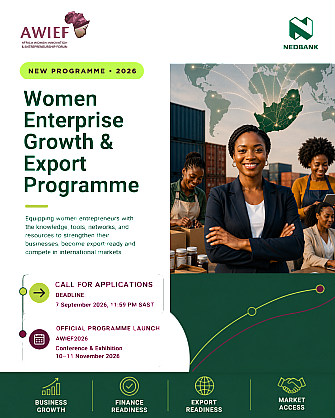
Read morePublic Service Committee Welcomes PSC’s Guidance on Political Study Groups and Urges Close Monitoring
12 August 2026

Province Strengthens Overstrand Fire and Rescue Capacity With r500.000 Hazmat Equipment

Location: News

Republic Of South Africa: Western Cape Provincial Government
Download logo

The Department of Local Government, through its Sub-Directorate, Fire and Rescue Services, has officially handed over hazardous materials hazmat firefighting equipment to Overstrand Municipality, strengthening the municipality's capacity to respond to incidents involving dangerous goods.

The equipment, purchased through the Fire Service Capacity Building Grant, represents a provincial investment of R500 000 in emergency response capacity. Overstrand Municipality further contributed R74 286.31, bringing the total expenditure on the equipment to R574 286.31.

The initiative forms part of the Department's efforts to strengthen provincial resilience and ensure that municipal fire and rescue services are adequately prepared to respond to incidents involving hazardous materials. The transportation, storage and processing of dangerous goods can pose significant risks to communities, particularly where specialised chemical, biological and radioactive detection and mitigation capabilities are limited. The executive mayor of Overstrand municipality cllr Archie Klass he said today was not simply about the handing over of equipment. It is about building capacity, strengthening partnerships and ensuring that the Overstrand Municipality is better equipped to protect lives, property and livelihoods when emergencies occur. 

He further said for our firefighters, protective equipment is not a luxury. It is an essential part of ensuring that they can safely enter dangerous environments and carry out their duties effectively. “For our firefighters, protective equipment is not a luxury. It is an essential part of ensuring that they can safely enter dangerous environments and carry out their duties effectively.” Said mayor.

The thermal imaging camera, in particular, will enhance the ability of our teams to identify heat sources and locate persons during fire and rescue operations, especially in conditions where visibility is severely compromised.

The thermal imaging camera, in particular, will enhance the ability of our teams to identify heat sources and locate persons during fire and rescue operations, especially in conditions where visibility is severely compromised.

Dr Moses Khangale of Santam's Western Cape region said during the handover of fire and rescue equipment to the Overstrand Municipality that Santam provides support to 110 municipalities across South Africa, with the Overstrand Municipality being one of them.

He said Santam has a strong footprint in the Western Cape and wants to continue building its strategic partnership with municipalities, particularly because Santam has a large client base in the province.

Dr Khangale emphasised the importance of collaboration, saying that stakeholders should work together rather than against each other. He also urged the municipality to take good care of the equipment, noting that it is expensive and plays an important role in protecting lives and property.

Western Cape  Disaster management deputy director Mr. Etienne du Toit represented the department highlighted the Western Cape Government's continued commitment to strengthening municipal fire and rescue services during the hand over of hazardous materials equipment valued R 500.000 to Overstrand municipality. Mr Du Toit emphasised that an effective fire service rests on four pillars people, equipment, systems and partnership. “The provincial fire safety officer development programme invests approximately R1.2 million annually, equating to almost R 300.000 per student' he said.

He also acknowledges the leadership and continued support of Minister Anton Bredell, who commitment has been instrumental in advancing these programmes and strengthening fire and rescue capacity across the Western cape. He said.

The equipment acquired by Overstrand Fire and Rescue Services includes Class A responder suits in sizes L and M, splash suits in sizes L and M, a thermal imaging camera, 210-litre over-drums, lane demarcation cones and firefighting gloves.

The investment will enhance the ability of firefighters to operate safely and effectively when responding to hazardous materials incidents, while supporting the broader objective of protecting communities, emergency personnel and the environment.

The Department of Local Government remains committed to supporting municipalities in building sustainable and resilient fire and rescue services through targeted capacity-building initiatives, specialised equipment and ongoing preparedness for foreseeable emergencies.

Distributed by APO Group on behalf of Republic Of South Africa: Western Cape Provincial Government.

Read moreProvince Strengthens Overstrand Fire and Rescue Capacity With r500.000 Hazmat Equipment
12 August 2026

The dtic, Standard Bank, MTN & DHL Join Forces to Help African Small and Medium-sized Enterprises (SMEs) Compete and Grow Across Borders

Location: News
DHL Express

South Africa's Department of Trade, Industry and Competition (the dtic), Standard Bank, MTN, and DHL (www.DHL.com) have announced a series of strategic partnerships aimed at helping SMEs across Sub-Saharan Africa scale their businesses, access new markets and participate more effectively in regional and global trade.

Launched under the banner of DHL's GoTrade, this series of initiatives are aimed at helping African businesses overcome some of the most common barriers to growth, including limited access to finance, export readiness challenges, digital adoption gaps and market access constraints.

Since 2021, GoTrade has launched in more than 50 countries, supporting more than 24,000 SMEs globally, including more than 8,000 women-owned businesses. Across Sub-Saharan Africa specifically, more than 8,000 SMEs have participated in GoTrade programmes and capacity-building initiatives. DHL will be investing 300 million Euro on the African continent by 2030, as part of this investment the company will continue investing programs that extend participation in trade and support sustainable growth.

"Across Sub-Saharan Africa (SSA), SMEs represent more than 90% of businesses and provide approximately 70% of employment, making them one of the continent's most important engines of economic opportunity and inclusive growth. Despite their significance, many of our entrepreneurs continue to face barriers related to financing, digital adoption, trade knowledge and market access, limiting their ability to participate fully in regional and global trade.

We are excited to work with our partners to create a collaborative ecosystem aimed at addressing these challenges through practical interventions that support businesses at every stage of their export journey," said Hennie Heymans, CEO DHL Express SSA.

The partnerships announced bring together complementary expertise from government, financial services, telecommunications and international logistics to create a practical support ecosystem for businesses looking to grow through trade.

The partnership between the dtic and DHL supports the department's broader objectives around industrialisation, export growth and emerging exporter development. The collaboration will focus on trade education, capacity-building programmes, business clinics, trade missions, corridor activation initiatives and increased awareness of key trade frameworks, including the African Continental Free Trade Area (AfCFTA) and other trade agreements that create new opportunities for African businesses.

"This partnership between the dtic and DHL demonstrates the power of collaboration in advancing trade and economic development," said Acting Deputy Director-General Willem van der Spuy. “By working together with private-sector partners, we can provide businesses with practical support that enhances competitiveness, drives export participation and enables more emerging exporters (especially SMEs) to benefit from regional and global trade opportunities. Government's role is to convene the right partners around a common framework, and this initiative reflects exactly that: the dtic setting the direction, with DHL and its partners Standard Bank and MTN strengthening delivery on the ground."

Through its partnership with DHL, Standard Bank will bring its pan-African footprint, trade-finance expertise and cross-border trade ecosystem to help SMEs access new markets and participate more effectively in regional and global value chains. Standard Bank's role in the partnership is to help SMEs translate export ambition into bankable, executable trade opportunities by combining finance, advisory support and access to trusted trade networks. In addition to banking and trade-finance solutions, the bank will connect businesses to its Export Readiness Programme, which provides entrepreneurs with the knowledge, advisory support and practical tools needed to compete internationally. First launched in KwaZulu-Natal in 2025, the programme has since expanded to Gauteng and the Western Cape.

Standard Bank's strategic partnership with the Industrial and Commercial Bank of China (ICBC) also enables business matchmaking, trade linkages and market-access opportunities between African and Chinese businesses. In 2025, the bank connected clients from four African markets with Chinese importers across product categories including rooibos tea, coffee, cocoa, nuts and wine, helping to unlock meaningful new export opportunities for African businesses.  Standard Bank's trade and payments capabilities also help SMEs navigate one of the most complex aspects of international expansion: moving money safely, efficiently and across borders. By combining banking infrastructure with trade expertise and partner networks, the bank is helping African businesses participate in global trade with greater confidence.

"Access to finance alone is not enough. SMEs also need access to buyers, markets, trade knowledge and trusted networks. Through our Export Readiness Programme, our international partnerships and our collaboration with DHL, Standard Bank is helping African businesses build the practical capabilities and connections they need to trade beyond their domestic markets. This partnership strengthens our ability to support SMEs across key trade corridors, including within Africa, and to help them grow with greater confidence," says Bill Blackie, Chief Executive of Business & Commercial Banking at Standard Bank Group.

Through its collaboration with DHL, MTN will help SMEs digitise and grow their operations by providing digital skills training, access to connectivity and cloud solutions that enable secure data storage, team collaboration, remote working and business scalability, digital payment capabilities, online marketing support. The partnership will also provide SMEs with mentorship opportunities, and guidance on expanding into new markets through exporting.

"Digital transformation is a critical enabler of business growth and competitiveness," said David Behr, MTN Group Chief Enterprise Business Officer. "By combining MTN's reach and digital capabilities with DHL's international trade expertise, we can help SMEs embrace technology, improve business performance and access new opportunities across Africa and beyond."

Together, the partners aim to create a stronger pipeline of export-ready businesses equipped to compete in increasingly interconnected markets. The collaborative initiatives are expected to support entrepreneurship, job creation and economic inclusion across African markets.

"African SMEs have the ambition and innovation needed to compete globally, but they cannot do it alone. Success in international trade requires access to the right combination of knowledge, finance, technology, policy support and logistics capability. By bringing together the strengths of the public and private sectors, we are creating an ecosystem that will help more businesses become export-ready, connect to international markets and contribute meaningfully to Africa's economic growth agenda. Our ambition is not only to help SMEs trade more, but to help them grow sustainably, create jobs and unlock new opportunities across the continent," added Heymans.

Distributed by APO Group on behalf of DHL Express.

Media Contacts: 
DHL Express SSA
Lerato Moeletsi-Banda
Mail: lerato.moeletsi-banda@dhl.com

the dtic
Bongani Lukhele
Director: Media Relations
Tel: (012) 394 1643
Mobile: 079 5083 457
WhatsApp: 074 2998 512
Email: BLukhele@thedtic.gov.za  or Mediarelations@thedtic.gov.za   
Issued by: The Department of Trade, Industry and Competition (the dtic)

Social Media: 
DHL Africa

LinkedIn: DHL Africa

dtic
X: @the_dtic

DHL – The logistics company for the world: 
DHL
is the leading global brand in the logistics industry. Our DHL divisions offer an unrivaled portfolio of logistics services ranging from national and international parcel delivery, e-commerce shipping and fulfillment solutions, international express, road, air and ocean transport to industrial supply chain management. With approximately 389,000 employees in more than 220 countries and territories worldwide, DHL connects people and businesses securely and reliably, enabling global sustainable trade flows. With specialized solutions for growth markets and industries including technology, life sciences and healthcare, engineering, manufacturing & energy, auto-mobility and retail, DHL is decisively positioned as “The logistics company for the world”.

About GoTrade:
GoTrade
is DHL's strategic initiative to unlock global trade opportunities for small and medium-sized enterprises (SMEs). By partnering and building an ecosystem with public and private sector stakeholders, and collaborating with international development and intergovernmental agencies, GoTrade addresses systemic barriers to SME participation in international markets and promotes sustainable trade growth worldwide.

The program leverages DHL's unparalleled global network, logistics expertise, and market insights to connect SMEs with cross-border opportunities. Through Capacity Building and Trade Advocacy, GoTrade equips businesses with the skills, resources, and support needed to scale internationally and operate sustainably. This approach not only accelerates SME growth but also drives economic development in emerging markets, creating long-term value for stakeholders and contributing to resilient global supply chains.

GoTrade represents DHL's commitment to inclusive trade and sustainable economic progress. For more information on GoTrade, click here: https://apo-opa.co/4q9d0UE

Media files
DHL Express
Download logo
Read moreThe dtic, Standard Bank, MTN & DHL Join Forces to Help African Small and Medium-sized Enterprises (SMEs) Compete and Grow Across Borders
12 August 2026

Liberian Legislators Embark on South-South Peer Learning Mission to India to Advance Gender-Responsive Governance

Location: News

UN Women - Africa
Download logo

A delegation from the Women's Legislative Caucus of Liberia (WLCL), in partnership with UN Women Liberia, is embarking on a South-South Peer Learning Mission to India under the project "Women Legislators in Liberia: Promoting Voice, Leadership and Gender-Responsive Governance for Sustainable Development," funded by the IBSA Fund (India, Brazil, South Africa) through the United Nations Office for South-South Cooperation (UNOSSC) and implemented by UN Women Liberia  and the WLCL.

The mission runs from 10 to 16 August 2026 in New Delhi. The delegation will engage directly with Indian counterparts on women's political leadership, gender-responsive governance, and sustainable development.

The delegation comprises 12 members of the National Legislature, 9 Members of the House of Representatives and 3 Senators, together with 3 Secretariat staff and a staff member from UN Women Liberia. The delegation includes both women and men legislators and will be hosted by UN Women India.

The mission marks the first South-South exchange under the IBSA Fund project. During the visit, the delegation will meet Indian Members of Parliament, government ministries, parliamentary institutions, civil society organisations, research institutions, and women's groups to exchange experience on approaches that have strengthened women's participation in governance and decision-making.

The programme covers women's political participation, gender-responsive budgeting, prevention of and response to violence against women, the care economy, women's economic empowerment, and strengthening women's legislative leadership.

The delegation will also visit India's One Stop Centre (Sakhi) model for survivors of gender-based violence, women's Self-Help Groups under the National Rural Livelihoods Mission, childcare initiatives under the Palna Scheme, and women's entrepreneurship programmes.

"This mission presents a significant opportunity for the Women's Legislative Caucus to draw on India's extensive experience in advancing gender equality through legislation, public policy, and institutional reform. The knowledge and practical lessons we gain will directly inform our ongoing work on women's political participation, gender-responsive budgeting, legislative oversight, responses to gender-based violence, and economic opportunities for women and girls across Liberia."

Hon. Ellen A. Attoh-Wreh, Representative, District, 3, Margibi County, Chair, Women's Legislative Caucus of Liberia

" The Liberia-India Legislative Exchange is a testament to the growing power of South-South cooperation. India has built decades of experiences in advancing women's political participation, from constitutional reservations in local government to community-level economic empowerment models that have transformed the lives of millions of women. By bringing Liberian legislators into direct conversations with their Indian counterparts, we are facilitating knowledge informed dialogues and experience sharing to promote sustainable change. The IBSA Fund has made this cross-regional knowledge exchange possible, and we are confident that what the lessons learnt in India will shape a gender responsive legislative agenda and advocacy for years to come in Liberia. UN Women Liberia is proud to be part of this critical journey.”

 Dr. A. H. Monjurul Kabir, Representative, District, 3, Margibi County, UN Women Representative, Liberia

Women hold 11 of the 103 seats in Liberia's National Legislature,  less than 11 per cent. Advocacy to increasing representation is part of the WLCL's Strategic Plan (2026–2029), including advocacy for a mandatory gender quota ahead of the 2029 elections. Beyond representation, the Caucus works on issues including child rights, education, and economic opportunities for women and girls. Its members,  women and men,  see gender equality as central to good governance. The participation of both in this mission reflects that shared commitment.

The Women's Legislative Caucus of Liberia is committed to policies and legislation that advance gender equality, strengthen democratic governance, and expand opportunities for women and girls in Liberia.

ABOUT THE IBSA FUND The India–Brazil–South Africa Facility for Poverty and Hunger Alleviation (IBSA Fund) is a South-South cooperation mechanism established by India, Brazil, and South Africa to support development projects addressing poverty and hunger in developing countries. The Fund is managed by UNOSSC and implemented through UN Women Liberia and the WLCL.

Distributed by APO Group on behalf of UN Women - Africa.

Read moreLiberian Legislators Embark on South-South Peer Learning Mission to India to Advance Gender-Responsive Governance
12 August 2026

Correctional Services Committee Calls for Urgent Restoration of Inmate Telephone Services

Location: News

Republic of South Africa: The Parliament
Download logo
The Portfolio Committee on Correctional Services conducted an oversight visit to the Brandvlei Correctional Centre yesterday, where it received a briefing from the Department of Correctional Services (DCS) on its plans to restore and upgrade the telephone communication systems in all correctional facilities to allow inmates to keep in contact with their families.

The DCS told the committee that it currently relies on legacy fixed-line telephone services across all facilities, including its head office, six regional offices, 46 management areas, 243 correctional centres and 218 community corrections offices.

The department also told the committee that Telkom's phasing out of copper infrastructure has resulted to a decline in the availability of service, leading to more frequent outages. This has placed several facilities at risk of losing telephone services entirely and impacts on the inmates, who are unable to stay in touch with their families.

The committee heard that of the 2 050 inmate telephones installed across correctional facilities, only 388 (18.9%) are operational, while 1 662 (81.1%) are non-functional, highlighting a significant service availability gap that requires urgent intervention. To address these challenges, the DCS said it will be advertising a bid to appoint a service provider to provide an inmate communication system.

During engagement, the committee welcomed the briefings it received and commended the department and the Brandvlei Correctional Centre management for, among other things, the cleanliness of the centre, no escapes, nor unnatural deaths, and for meaningful improvements in full-time education in the centre and the bakery.

The committee told the department that inmates have a constitutional right to telephone communication with their families. The department must provide a strong and reliable telephone communication system for them to do so, while a longer-term arrangement is sought.

The committee highlighted various other problems it noted during its walkabout of the centre. These included staff shortages, overcrowding, smuggling of contraband, health and safety concerns, security risk affecting both inmates and officials, and non-functioning equipment at the kitchen.

Juvenile inmates complained about the failure to provide them with shoes and jerseys. The correctional centre management told the committee of plans to provide uniforms for inmates and committed to providing the items of clothing that are needed, including shoes and the jerseys. On the challenge of water shortages in the facility, the centre management said the Department of Water and Sanitation is currently addressing this challenges.

The Chairperson of the committee, Ms Kgomotso Anthea Ramolobeng, expressed the committee's appreciation to the DCS and the Brandvlei Correctional Centre management for the general good state of the centre, after the committee visited the centre at short notice. The committee also commended the centre for initiatives aimed at promoting self-sufficiency and sustainability.

After hearing reports that the centre management had discouraged inmates from communicating their grievances to the committee, Ms Ramolobeng reminded management that inmates are allowed to express their views on their frustrations. “Refrain from intimidating inmates against exercising their right to express themselves to the committee. They must be let free to enjoy their constitutional rights. What you must do is to keep them busy,” said Ms Ramolobeng. She said the committee will return for further engagement with the department on the committee's recommendations for the Western Cape

Distributed by APO Group on behalf of Republic of South Africa: The Parliament.
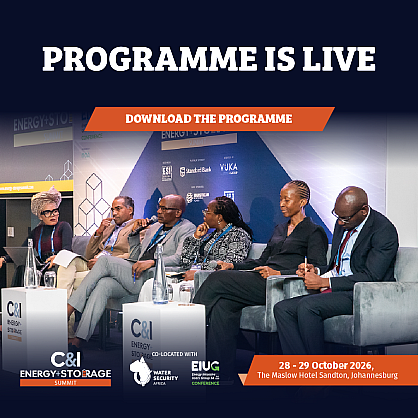
Read moreCorrectional Services Committee Calls for Urgent Restoration of Inmate Telephone Services
11 August 2026

South Africa’s Multi-Billion-Dollar Energy Transition Pipeline Takes Shape Ahead of AEW 2026

Location: News

African Energy Chamber
Download logo

South Africa is undergoing one of the most significant transformations in its energy sector, as the country works to diversify its power mix, reduce reliance on coal and develop a more integrated energy system capable of supporting long-term economic growth. Combining electricity, natural gas, liquid fuels, hydrogen and energy storage, this evolving model is creating new opportunities for infrastructure development, industrial investment and public-private partnerships.

These developments will be explored during the "Invest in South Africa: Developing Integrated Energy Systems for an Inclusive and Resilient Energy Future" session at African Energy Week (AEW) 2026, where policymakers, investors and industry leaders will assess the commercial strategies, policy frameworks and financing models required to build a more flexible and diversified energy system.

The discussion comes as South Africa continues implementing its Just Energy Transition Partnership, a landmark initiative launched in 2021 that has mobilized an initial $8.5 billion commitment from international partners to support the country's transition through investments in renewable energy, grid infrastructure, electric vehicles and green hydrogen. The program has since expanded discussions around blended finance mechanisms and private sector participation to accelerate project deployment.

While renewable energy remains central to South Africa's future power mix, gas infrastructure is expected to play an important role in providing flexibility as the country integrates increasing volumes of intermittent wind and solar power. The government's Gas Master Plan and emerging gas policy framework aim to support the development of a domestic gas market while enabling new infrastructure investments.

Several major gas infrastructure projects are advancing as part of this strategy. At Richards Bay, the proposed Zululand Energy Terminal is being developed as South Africa's first LNG import terminal and is expected to support Eskom's planned 3,000 MW gas-to-power program, strengthening energy security and grid flexibility. Meanwhile, the Ngqura LNG terminal development at the Coega Special Economic Zone is progressing as a strategic gas import and regasification hub designed to support industrial users, independent power producers and future gas-to-power capacity. Together, these projects could establish critical infrastructure for South Africa's emerging gas market while supporting industrial growth and the transition toward a more diversified energy system.

At the same time, the country is positioning itself as a potential global player in green hydrogen. Projects such as Sasol's Boegoebaai green hydrogen development in the Northern Cape and the proposed Boegoebaai Special Economic Zone are targeting large-scale renewable-powered hydrogen production, with ambitions to develop export opportunities and create new industrial value chains.

The "Invest in South Africa" session will examine how the country can integrate gas, renewables, hydrogen and storage into a resilient energy system while managing the transition away from coal. Discussions will focus on investment pathways, infrastructure priorities and the partnerships required to deliver reliable power and inclusive economic growth.

“South Africa's energy transition represents one of the continent's most significant investment opportunities, but success will depend on building an energy system that delivers reliability, affordability and growth,” says NJ Ayuk, Executive Chairman of the African Energy Chamber. “By bringing together investors, policymakers and industry leaders, AEW 2026 will help advance the partnerships needed to transform South Africa's energy ambitions into practical projects that benefit the economy.”

As South Africa reshapes its energy landscape, AEW 2026 will provide a platform for stakeholders to identify opportunities across gas, power, renewables, hydrogen and infrastructure – helping define the next chapter of the country's energy future.

Distributed by APO Group on behalf of African Energy Chamber.

Read moreSouth Africa’s Multi-Billion-Dollar Energy Transition Pipeline Takes Shape Ahead of AEW 2026
  • Previous
  • Page 1
  • Page 2
  • Page 3
  • Page 4
  • Interim pages omitted …
  • Page 116
  • Next

Copyright © 2026 · MyZA · All Rights Reserved · Powered by Stratlec Online