• Skip to main content
  • Skip to header right navigation
  • Skip to after header navigation
  • Skip to site footer
MyZA

MyZA

News, Directory, Events and Other Stuff

  • Social Media
  • Sport
  • World News
  • Home
  • Submit News
  • Directory
  • Events
  • Stratlec
  • TFSA
  • News
    • APO
    • Today’s Sport News
    • Todays Social Media and Tech Headlines
    • Today’s World News
    • Today’s SA Financial News
  • Contact
You are here: Home / Archives for Articles

Articles

14 February 2025

President Ramaphosa Assents to the Plant Health Bill

Location: News

The Presidency of the Republic of South Africa
Download logo

President Cyril Ramaphosa has assented to the Plant Health Bill which sets out measures to combat plant pests that are of concern to domestic agriculture and may have an impact on South Africa's ability to export agricultural products.

Among its various impacts, the Bill signed by the President repeals the Agricultural Pests Act of 1983 which up to now regulated the national plant health  (phytosanitary) system.

The new law responds to the concern that the introduction and spread of potentially damaging pests in South Africa could have a significantly negative impact on South African biosecurity, agricultural production and food security as well as on market access.

The Bill provides for phytosanitary measures to prevent the introduction, establishment and spread of regulated pests to safeguard South African agriculture and plant natural resources. It also provides for the control of regulated pests, regulation of the movement of plants, plant products and other regulated articles into, within and out of the Republic.

The law brings South Africa into compliance with the World Trade Organisation Agreement on the Application of Sanitary and Phytosanitary Measures as well as the International Plant Protection Convention.

This compliance will support South Africa's efforts to enter new markets and maintain current export markets, which will have a positive impact on the South African agricultural sector in terms of job creation and sustainable use of land and other natural resources.

Distributed by APO Group on behalf of The Presidency of the Republic of South Africa.

Read morePresident Ramaphosa Assents to the Plant Health Bill
5 February 2025

Youth called to seize job opportunities through Presidential initiatives

Location: News

Youth called to seize job opportunities through Presidential initiatives

The Deputy Minister in the Presidency, Nonceba Mhlauli, has urged young people to take advantage of job opportunities available through government initiatives aimed at tackling youth unemployment. 

Mhlauli made this call during a site visit to Afrika Tikkun Services in Salt River, Cape Town, on Tuesday. 

Afrika Tikkun Services is an organisation that is part of the Presidential Youth Employment Initiative (PYEI), through the Jobs Boost Programme.

Jobs Boost is a R300 million pay-for-performance model being piloted in South Africa. It is an outcomes fund that works with implementing partners to secure sustainable, quality jobs for unemployed, excluded youth. 

The programme is the largest youth employment outcomes fund in the world, and a major innovation in the South African government’s effort to confront the chronic youth unemployment problem. Jobs Boost was initiated by the Presidency, as part of the Presidential Youth Employment Intervention.

Mhlauli’s visit at Afrika Tikkun Service, aimed to assess the progress and impact of the initiative on young participants. She expressed satisfaction with the program’s implementation, particularly its focus on ensuring young people's transition into sustainable employment.

“This morning, we are at Afrika Tikkun, which is one of the partners through the Jobs Boost Program, which is part of the Presidential Employment Youth Intervention. We came to assess the progress of this particular program, as well as the impact on young people,” she said. 

The Deputy Minister highlighted that the facility offers a structured approach to preparing young people for the job market, including a recruitment phase, job readiness training, and eventual job placement. 

The Deputy Minister was particularly pleased to learn that the first cohort of participants has already been successfully placed in jobs.

“The facility is really, quite inspiring. We interacted with young people who are part of various phases of the program, including from recruitment phase, where they are taken into the program and the various levels, including job readiness programs as well, where you get them ready for job placement. And one of the reports we also received is that the first cohort has already been placed,” Mhlauli said. 

The Deputy Minister highlighted that the young people are not just being trained, they are being placed in sustainable jobs for a period of at least six months. 

“When we speak as government about addressing youth unemployment, we are speaking not just about training young people, but also speaking about how we get those young people into sustainable jobs for a period of a minimum of six months. 

“So far, we are quite happy with this cohort, and one of the things that we have discussed with the team is that they will come back and discuss with the management of the facility on areas that they believe can be improved, as we go forward and upscale into the next cohort, going forward into 2026,” the Deputy Minister said. 

Mhlauli also commended the enthusiasm of the participants and noted the high number of young women benefiting from the program. She added that this is encouraging as it addresses the gender disparities in youth unemployment. 

“There's much excitement, much enthusiasm from the young people, and we are very happy to see that most of them actually are young women. In particular, most of the classes are filled with young women, which shows that we are also not just looking at youth unemployment, but particularly the unemployment rate of young women, which are obviously most adversely affected by the crises of unemployment. 

“All in all, we are quite happy about the progress we have seen, and obviously the impact that is quite visible in the lives of young people,” she said.

Encouraging broader participation, she urged young people to explore opportunities on the SAYouth.mobi platform, a zero-rated government website that provides information on employment, training, CV writing, and business planning.

“We call on young people to make use of these opportunities, and the quickest way to do that is to go onto the SAYouth.mobi website. It is a zero-rated website where you'll find all of the information about the Presidential Youth Employment Initiative, as well as other initiatives such as the YES Program. 

“It is one of the platforms that government has created for young people to be able to access these opportunities. So, we really do encourage young people to go onto that website its zero-rated meaning that you don't need any data to get onto the website,” the Deputy Minister said. 

The Chief Operating Officer at Afrika Tikkun, Marian Claite, also reflected on the significance of the visit, emphasising the collaborative efforts between Afrika Tikkun and the Presidency.

“Today we met with the Deputy Minister Mhlauli from the President's office, and it was to discuss one of our projects that we are working on called Job Boost. And it was a very constructive conversation that we had. We discussed from the enrolment of our candidates to the training of our candidates, and where we are because we are now at the placement phase. 

“We discussed our challenges and the collaboration of the relationship, how it would look as this was a pilot, how it would look next year, and what complexion we would like it to take,” she said. 

Claite added that they have given some suggestions on their side on what they would like to see included in the program, as well as what is working well for them. 

“At the end of the day, I think it is our mandate, and it's all of our wish that all 1,375 candidates that Afrika Tikkun Services has been tasked with training will be placed in meaningful employment opportunities,” Claite said. – SAnews.gov.za

DikelediM
Tue, 02/04/2025 - 22:11

236 views
Read moreYouth called to seize job opportunities through Presidential initiatives
4 February 2025

Municipalities face challenges but they ‘can be fixed’ – Deputy President Mashatile

Location: News

Municipalities face challenges but they 'can be fixed' - Deputy President Mashatile

South African municipalities may be grappling with challenges, but they are "fixable", according to Deputy President, Paul Mashatile 

Mashatile made the remarks when he was delivering the keynote address at the South African Local Government Association (SALGA) National Executive Committee Lekgotla, in Cape Town, on Tuesday afternoon.

South African municipalities are grappling with several challenges, including the inability to pay for bulk water and electricity supply, deteriorating infrastructure, service delivery issues, and poor governance.

However, Mashatile insists that, despite these challenges, coordinated efforts from all sectors can revive local government. 

“I believe that our municipalities can be fixed. We just need more concerted efforts in the implementation of the Professionalisation Framework, which applies to the National, Provincial, Local Government, and SOEs (State Owned Entities). The Framework focus on accelerating service delivery, addressing poor performance and the skills gap in the public service.

“Professionalisation is critical to ensuring that government is capable of delivering essential services to its citizens,” Mashatile told the lekgotla.

The Deputy President emphasized that intergovernmental integration is crucial for local government to turn the corner and achieve progress.

“Intergovernmental integration is critical for promoting collaboration, coordination, and communication across different levels of government. Through coordinating our efforts and resources, we can solve the complex difficulties that our communities face and, ultimately, provide better services to our residents.

“Together, we can streamline processes and leverage each other’s strengths to achieve greater impact. It is through this collaborative approach that we can unlock innovative solutions and drive sustainable development across our nation,” he said.

Mashatile highlighted government interventions aimed at “fixing” local government, including:

  • Harmonising planning and budgeting as part of adopting the District Development Model.
  • Implementing a Public-Private Partnership model in water supply with the National Treasury and the Department of Water and Sanitation to ensure that the current water crisis facing several communities is resolved
  • The Minister of COGTA has proposed a one-stop solution to resolve the interlinked financial challenges between municipalities, water boards, and other stakeholders.

Coalition councils

Following the 2021 Local Government Elections, about 70 municipalities required coalitions to form governments as no single political party gained a majority.

The Deputy President acknowledged that although this is necessary, some of these municipalities have been plagued by instability and dysfunction.

“[In] practice, coalition governments have been unstable and are often terminated before the end of their term of office. Instability in local government coalitions has contributed to severe inefficiencies and service delivery challenges. 

“Coalition arrangements have compromised the ability of municipalities to adopt policies, pass budgets, adopt by-laws, and make senior management appointments,” he said.

However, growing instability in ‘hung’ municipalities, led to a government-convened National Dialogue on Coalition Governments.

The results of the dialogue was the development of a Framework for Coalitions in Local Government by SALGA.

“We have since used this framework as part of our source documents, amongst others, to develop a discussion document during the National Dialogue on Coalition governments, I convened in August 2023 at the University of the Western Cape.

“To this end, with the assistance of the Dullah Omar Institute and MISTRA (Mapungubwe Institute For Strategic Reflection), we have been able to develop a Coalitions Framework for South Africa. 

“This framework has been handed over to Minister of Cooperative Governance and Traditional Affairs (CoGTA), as a basis for the development of the Municipal Structures Amendment Bill 2024 [Coalitions Bill] by CoGTA, which will be submitted for Cabinet approval and introduction to Parliament this year,” he revealed.

Working together

The Deputy President also implored the lekgotla to work with government to ensure that local government improves its responsiveness to communities.

“[It] is important that SALGA and all three spheres of government collaborate in order to find solutions to service delivery challenges.

“Let us harness the power of intergovernmental integration to build a more responsive, effective, and inclusive system of governance that truly serves the needs of our people,” Mashatile said. – SAnews.gov.za

NeoB
Tue, 02/04/2025 - 15:35

70 views
Read moreMunicipalities face challenges but they ‘can be fixed’ – Deputy President Mashatile
3 February 2025

Africa must assert minerals advantage – Minister Mantashe

Location: News

Africa must assert minerals advantage - Minister Mantashe

Africa must “assert its advantage” in order to benefit from the booming demand for industrially valuable minerals in which the continent is abundantly rich.

This according to Mineral and Petroleum Resources Minister Gwede Mantashe, who delivered the keynote address at the 31st Investing in Africa Mining Indaba, currently underway at the Cape Town International Convention Centre.

“[There] is evidence that the African continent hosts significant reserves of industrially important minerals, such as manganese, copper, coal, nickel, cobalt, titanium, vanadium, lithium and rare earth minerals. 

“With the growing demand for these minerals, Africa needs to assert its advantage and take charge of the growing demand,” Mantashe said.

He insisted that with all the mineral endowments that Africa possess, it should take the opportunity to grow to become one of the most developed continents.

“The truth of the matter is that Africa is the world’s richest mining jurisdiction, possessing at least 90% of the world’s chromium and platinum, 40% of the world’s gold, and the largest reserves of the world’s cobalt, vanadium, manganese and uranium. 

“Despite having these abundant mineral resources, Africa remains poor and this must change. 

“There is no other point in time that will be more opportune for Africa to take control of its development, while still pursuing our strategic partnerships with the rest of the world,” Mantashe said.

Local perspective

Turning to South Africa, Mantashe noted that while the country holds 37% of the world’s manganese ore reserves, only 2% is processed locally.

This, he added, is being looked into by government.

“In [recognition] of this reality and the fact that a lot of value is derived in the processing of these resources, we will this year intensify our engagements with the manganese producers and investors to invest in local beneficiation and thereby add value to these minerals. 

“We are mindful that for local beneficiation to succeed, we need to guarantee consistent, reliable, and affordable electricity supply. Despite the recent setback, I can assure you that now that we have reached over nine months with no electricity interruptions, government is working on measures to reduce administered prices and in so doing, reduce the cost of doing business in South Africa,” he said.

Mantashe outlined government’s plans to turn South Africa into an exploration hub.

“We are… alive to the fact that there can be no mining or beneficiation without exploration; hence, our steadfastness to reignite exploration investment and in so doing, turn South Africa into an exploration site. 

“Our efforts in this regard are beginning to take shape, as evidenced by progress made since we launched the country’s exploration fund during the last mining indaba. 

“We are buoyed by the fact that of the eight beneficiaries to receive funding from the first funding call, at least three of the projects are 100% black-female-owned, whereas all other beneficiaries are more than 50% black-owned,” he said.

Furthermore, some 20 projects are expected to receive funding to the tune of R67 million as part of government’s artisanal and small-scale mining fund.

Mining licensing

The Minister assured investors and mining companies that South Africa’s commitment to putting in place a new mining licensing system is well underway.

“The department and the PMG Consortium are currently finalising the design and configuration phase which is at the heart of the new system. This phase covers all aspects of mining regulations value chain including, inter alia, the client management functionality, rights application submission and processing, and the rights application tracking functionality

“This phase of the project is anticipated to be completed in the next few weeks, and will, thereafter, be followed by the testing and deployment of the new system into the department’s ICT system,” he said.

While that work is underway, the backlog in prospecting and mining applications is also being attended to, with at least 114 mining rights, 982 prospecting rights, and 385 mining permits and ancillaries processed and finalised.

On the international stage and with South Africa being the first African country to hold the Group of 20 (G20) Presidency, Mantashe had this to say to African countries: “With this being the very first time that an African economy leads the G20 for a full one-year term, let us leverage on this opportunity to shape a new era of the African mining industry that meaningfully contributes to the socioeconomic development of our continent, and in building the Africa we want.”  – SAnews.gov.za

NeoB
Mon, 02/03/2025 - 12:45

279 views
Read moreAfrica must assert minerals advantage – Minister Mantashe
3 February 2025

Communities urged to help keep public assets safe

Location: News

Communities urged to help keep public assets safe

Nelson Mandela Bay Municipality is on a drive to curb the ongoing vandalism crisis that is crippling the metro's electricity infrastructure, which has cost millions of rands in repairs. 

The municipality has now launched an education and awareness campaign aimed at addressing vandalism. The metro’s Electricity and Energy Portfolio Head, Ziyanda Mnqokoyi, said after three major incidents of vandalism in January alone, it is evident that the vandalism of the metro’s electricity infrastructure has reached crisis levels, leaving communities severely impacted by the criminal activities.

Mnqokoyi said the most recent incident took place last Tuesday at the Mabandla substation in KwaNobuhle, Kariega, leading to major power outages in the area.

"Such incidents not only disrupt essential services but also pose significant safety hazards for the perpetrators, community members and response teams. The seriousness of these attacks on our infrastructure cannot be ignored, and we cannot fight the scourge alone. We need the residents to work with us.

“Through the enhanced educational programme, we will highlight the dangers of unsafe electricity use and educate our people about the impact of electricity theft. We cannot continue as if it is business as usual.” 

Mnqokoyi urged communities to work with law enforcement agencies and municipal authorities to prevent further vandalism.

She said the investigation and assessment at Mabandla showed that the 66 kilovolts (kV) power cables supplying the substation were damaged due to vandalism, and cutting tools were found at the site. Cables were found burnt and severely damaged, leaving KwaNobuhle without power.

"It was also reported by the community that suspects were seen walking away from the site. Cables were burnt and left on site, which badly damaged two of these 66kV power cables without any possible way of supplying electricity to the residents of KwaNobuhle.

Mnqokoyi said excavation work to expose the damaged cables is underway and material orders have been placed.

Appointment of CFO

Meanwhile, the municipality has appointed Jackson Ngcelwane as the permanent Chief Financial Officer (CFO).

The appointment is aimed at improving the financial administration, revenue collection and the audit outcomes of Nelson Mandela Bay.

Ngcelwane has served the municipality for 35 years, with nine of these years as a Senior Director for Budget and Financial Accounting.

Nelson Mandela Bay Municipality Executive Mayor, Babalwa Lobishe, has expressed optimism that the appointment will help to address the challenges in administration and finance management, a situation that is "reflected by the latest Auditor-General’s report".

"The immediate assignments are to improve compliance to the MFMA [Municipal Finance Management Act], MSCOA [Municipal Standard Chart of Accounts], our audit outcomes, supply chain management and put systems in place for better financial planning, management and accountability, while improving the revenue of the municipality.

“I am pleased that council has approved the appointment of the disciplinary board that will take those who are found guilty of financial misconduct through a consequence management process. This will also assist the city manager and the new CFO’s office, as they execute their duties of steering the metro’s finances towards the right direction,” Lobishe said. – SAnews.gov.za

GabiK
Mon, 02/03/2025 - 09:58

31 views
Read moreCommunities urged to help keep public assets safe
30 January 2025

Health Minister encourages adherence to ARV treatment

Location: News

Health Minister encourages adherence to ARV treatment

Health Minister, Dr Aaron Motsoaledi, has appealed to people on antiretroviral (ARV) treatment to continue taking their medication amid reports that grant funding by the United States of America (USA) is under review.

The review of the grant funding is expected to affect the US President's Emergency Plan for AIDS Relief (PEPFAR) programme, which is aimed at supporting HIV prevention, care and treatment. The programme supports several countries, including South Africa, to achieve HIV epidemic control.

Addressing members of the media on the sidelines of a two-day Cabinet Lekgotla, Motsoaledi said the country’s ARVs proramme will not be affected, as it is funded by the South African government and the Global Fund.

“For now, all HIV/AIDS programmes continue. As the South African government, we want to ascertain that nobody must stop taking ARVs because that will be devastating,” Motsoaledi said on Wednesday.

South Africa has 52 districts and of those, 27 districts are funded by PEPFAR.

“PEPFAR chose 27 of the most affected districts and these districts are in eight provinces, as they choose districts based on the burden of HIV/AIDS. The only province that is not included is the Northern Cape because it does not have any districts that are highly affected by HIV/AIDS,” the Minister said.

Of the 27 districts, seven of them are in KwaZulu-Natal; five are in the Eastern Cape, four are in Gauteng; three are in Mpumalanga and the North West, respectively; two are in Limpopo and one is in the Western Cape.

“The total number of people on the ground who are dealing with HIV/AIDS in those 27 districts is 271 606. Of the 271 606 people, 256 452 are funded by South Africa from the fiscus. That leaves us with 15 145 people, who will be affected by the withdrawal.

“Our biggest problems will be the salaries and the operational costs. That is what we are looking at with National Treasury,” Motsoaledi said.

Seventy-six percent of the funding for HIV/AIDS programmes is from South Africa. This constitutes 74% of funding from the government and 2% from the private sector.

“That leaves us with a gap that is filled by the Global Fund, which gives 7% and PEPFAR, which accounts for 17%. When you add the funds from the Global Fund and South Africa’s funding, that makes 83% and PEPFAR remains with the 17%. We are buying ARVs, together with the Global Fund,” the Minister said.

With reports indicating changes in the grant funding by the US, Motsoaledi said the government of South Africa has not received any communication on these changes.

“So far, we have not received a letter from the American government. These funds for the HIV/AIDS programmes come through National Treasury and they have not received a letter; the Department of Health and Department of International Relations and Cooperation (DIRCO) have also not received a letter.

“We have tried to contact the US embassy and we couldn’t get them. The NGOs and the clinics that are funded by PEPFAR are the ones who have received letters,” the Minister said.

Out of the 63 million people in South Africa, 7.8 million people are HIV positive, with 5.5 million on ARVs.

In 2014, the Joint United Nations Programme on HIV/AIDS (UNAIDS) adopted the strategy of 95-95-95, which sets a target that 95% of people living with HIV (PLHIV) must know their HIV status; 95% of people diagnosed with HIV must receive antiretroviral therapy (ART) and 95% of people receiving ART must achieve viral load suppression (VLS).

“We are on 96%. That means 96% of people who have HIV in South Africa know their status but of those, 79% are on treatment and in that 79% who are on ARVs, 94% of them are virally suppressed. It means that they can no longer spread the virus, reducing the number of new infections.

“For us to reach the 95-95-95 targets by 2030 - because we want to eliminate HIV as a threat to human health - we need 1.1million people to be on treatment so we reach the target,” the Minister said. - SAnews.gov.za

nosihle
Thu, 01/30/2025 - 07:00

85 views
Read moreHealth Minister encourages adherence to ARV treatment
29 January 2025

South Africans called to rally behind SANDF troops in the DRC

Location: News

South Africans called to rally behind SANDF troops in the DRC

President Cyril Ramaphosa has addressed growing speculation about the conditions faced by South African troops deployed in the Democratic Republic of the Congo (DRC), calling on the nation to stand behind its soldiers. 

In a statement on Wednesday, the President emphasised government's concern over misleading reports and reaffirmed South Africa’s commitment to peacekeeping efforts. 

“We are concerned about the speculation about the state of our troops and the battle conditions. All South Africans must rally behind our brave men and women who have dedicated their lives to bringing peace in our continent. 

“South Africa’s military presence in the eastern DRC is not a declaration of war against any country or state. The members of the South African National Defence Force that are in the DRC are part of both SADC and United Nations efforts to bring peace and protect thousands of lives that are constantly threatened by the conflict in the DRC,” the President said. 

The President added that the presence of the SADC Mission in the Democratic Republic of Congo (SAMIDRC)  demonstrates a commitment of SADC member states in supporting the DRC in its efforts to achieve lasting peace and stability, and ultimately, create an enabling environment for sustainable development and prosperity. 

The President’s remarks follow the recent intensification of fighting in the eastern Democratic Republic of Congo, where South Africa lost 13 brave soldiers who were dedicated to their mission and committed to peace. 

The fighting is the result of an escalation by the rebel group M23 and Rwanda Defence Force (RDF) militia engaging the Armed Forces of the DRC (FARDC) and attacking peacekeepers from the SADC Mission in the Democratic Republic of Congo. 

President Ramaphosa welcomed the United Nations Security Council's recent position on the situation in the DRC, which calls for an immediate cessation of hostilities, the reversal of territorial expansion by the M23, the withdrawal of external forces from the DRC, and the resumption of peace talks under the Nairobi Process.

“The territorial integrity of the DRC must be respected in accordance with the United Nations Charter on the respect of sovereignty, territorial integrity and political independence of other states,” he said. 

He urged all parties involved in the conflict to fully embrace diplomatic efforts, including honoring the Luanda Process agreements.

“We call on all parties to this conflict to fully embrace the current diplomatic efforts that are aimed at finding a peaceful resolution, including honoring the Luanda Process agreements. 

“We must silence the guns on our continent for the attainment of inclusive development and prosperity,” he said. 

On Tuesday, the SANDF also issued a statement clarifying the misrepresentation of events circulating in a video clip claiming that SANDF forces surrendered to M23 rebels. 

The SANDF clarified that the footage in question depicts a white flag raised, which is an outcome of discussions between the opposing fighting forces to agree on a truce to allow M23 to recover their dead and injured in the vicinity of the South African base. 

It explained that this will also open the route for South African troops to access medical facilities. The SANDF said this is common practice in any war and members of the public should not be alarmed by the video clip and its meaning.  

The SANDF also reaffirmed its steadfast commitment to its peacekeeping mission under the United Nations Stabilisation Mission in the DRC (MONUSCO), and SAMIDRC.

It further emphasised that its troops continue to operate with resolve, courage, and discipline to bring peace and stability to the region.

South Africa has played a pivotal role in the DRC’s peacekeeping efforts, with SANDF forces working tirelessly under challenging circumstances to support the mission’s objectives. – SAnews.gov.za

DikelediM
Wed, 01/29/2025 - 14:27

147 views
Read moreSouth Africans called to rally behind SANDF troops in the DRC
29 January 2025

Lottery Bosses Turned to State Security Agency to Investigate Leaks

Location: News

But things didn’t go the way they wanted

Read moreLottery Bosses Turned to State Security Agency to Investigate Leaks
14 January 2025

SA hosts G20 Framework Working Group meeting

Location: News

SA hosts G20 Framework Working Group meeting

Technical meetings under the Group of 20 (G20) Finance Track have begun this week with a meeting of the Framework Working Group (FWG).

This after South Africa kicked off its G20 Presidency with the hosting of the G20 Sherpa and Finance Track Meetings in December 2024.

“The National Treasury and the South African Reserve Bank are jointly responsible for overseeing the work of the G20 Finance Track. 

“The mandate of the FWG is to promote strong, sustainable, balanced, and inclusive growth, and does so by identifying, monitoring and assessing global macroeconomic risks, vulnerabilities and uncertainties and recommending suitable policy responses to global shocks and cross-cutting global challenges,” National Treasury said in a statement.

The G20 is a grouping of developed and developing countries which together form a powerful bloc representing at least 85% of the world’s Gross Domestic Product and some 75% of international trade – making the FWG critical.

“The first day of the meeting [on Monday focused] on the main headwinds to global growth, ongoing supply and demand risks to inflation, and the main fiscal risks to growth and inflation. It will also discuss the economic outlook for Africa. 

“The second day [Tuesday] of the meeting will discuss the draft FWG work plan for 2025, which includes priority areas identified by the South African Presidency,” the statement continued.

South Africa’s outlined priorities include:
•    enhancing global economic resilience in light of growth risks like fragmentation and macroeconomic imbalances;
•    strengthening macroeconomic foundations and growth reforms in light of climate change and 
•    assessing labour productivity, technological development and demographic change

This week’s FWG meeting is the first of four to be held.

“The remaining three meetings for this Working Group are scheduled for April, June and September, in person, in venues across the country. 

“The outcomes of these meetings will inform discussions at the meetings of the Finance and Central Bank Deputies and Finance Ministers and Central Bank Governors,” the statement concluded. 

The G20 Leaders’ Summit is expected to be held in the latter half of 2025. – SAnews.gov.za


NeoB
Tue, 01/14/2025 - 10:05

292 views
Read moreSA hosts G20 Framework Working Group meeting
9 January 2025

DTIC notes ArcelorMittal South Africa’s decision

Location: News

DTIC notes ArcelorMittal South Africa’s decision

The steel industry is critical in the reconstruction and recovery plan for the South African economy, particularly the manufacturing, mining, construction, engineering, and transportation sectors, said the Department of Trade, Industry and Competition (dtic).

In a statement responding to ArcelorMittal South Africa’s (AMSA) announcement to wind down its longs steel business at its Newcastle plant, the department said the steel industry is important to the sectors that are at the centre of the industrialisation, localisation and beneficiation programmes of government.

“The department notes with serious concern the announcement by ArcelorMittal South Africa to wind down its longs steel business at its Newcastle plant. In fulfilment of its mandate to work with the private sector in growing the local economy the dtic remains committed to working with AMSA to find a workable and lasting situation,” it said in a statement on Wednesday.

During the course of 2024, AMSA had reached out to various government departments and state-owned entities with requests for different concessions for their business. Having taken heed of these requests, the Minister of the dtic took the decision to form a comprehensive and coordinated approach to resolving the issues raised by AMSA.

“In doing so, the Minister set up a technical working group made up of the relevant stakeholders including the dtic and AMSA, the departments of Electricity and Energy, Transport, as well as Eskom, Transnet and private sector stakeholders.”

The department said the working group held regular engagements up until and well into December 2024.

“This work has been noted in the statement released by AMSA. It has always been, and continues to be the intention of government to continue these engagements until a workable resolution to the problems faced by AMSA and the steel industry is reached,” said the department.

In a press statement on Monday, AMSA said it had taken the decision to wind down the longs business.

“This comes after sustained challenges, including weak economic growth, high logistics and energy costs, and an influx of low-cost steel imports, particularly from China. Persistent high logistics and energy costs, combined with insufficient policy interventions (especially those policy decisions made some time ago (namely, the Price Preference System [PPS] and export scrap tax) relating to the substantial subsidisation of scrap-based steelmaking operations to the detriment of the Newcastle Works - which beneficiates South African-sourced raw materials), have left the longs business unsustainable. Despite extensive consultations with government and stakeholders to find viable solutions to sustain the longs business, progress was insufficient to avert the wind down,” said AMSA.

In its statement on Wednesday, the dtic said that while the immediate task will be on addressing structural issues affecting AMSA’s longs steel business, the broader focus should also be on addressing productivity improvements and supply chain efficiencies, investments in low-carbon technologies, competitiveness and regaining the market share.

“It is also important that public and private sector’ entities and companies commit themselves to procure locally manufactured steel products in their projects. Undoubtedly, such a commitment will contribute positively to aggregate demand, job creation and economic growth in South Africa,” it said.

“AMSA will now transition the longs business into care and maintenance. Steel production is anticipated to cease by late January 2025, with the wind-down of the remaining production processes completed in Q1 2025,” said AMSA.

This wind down decision will directly affect operations constituting Newcastle (in KwaZulu-Natal) and Vereeniging Works (in Gauteng) and AMRAS (the rail and structural subsidiary). 

Newcastle’s coke-making operations will continue, though scaled back to reflect reduced demand. - SAnews.gov.za

Neo
Thu, 01/09/2025 - 09:46

66 views
Read moreDTIC notes ArcelorMittal South Africa’s decision
27 December 2024

How the SRD Grant System Has Been Defrauded

Location: News

Poor systems enabled it

Read moreHow the SRD Grant System Has Been Defrauded
27 December 2024

Concern over increase in violent crime in KZN

Location: News

Concern over increase in violent crime in KZN

KwaZulu-Natal Premier Thamsanqa Ntuli has expressed deep concern over the increase in fatal violent crimes reported in the province during the festive season.

In the early hours of Wednesday, 26 December, three men, aged between 26 and 36, were shot and killed execution-style, in the KwaMpondo area of Dabhazi, Nongoma, located in the Zululand District Municipality.

The reports suggest that the deceased had one gunshot wound in the head.

“We appeal to community members to assist law enforcement with information that could lead to the apprehension of whoever is responsible for this heinous crime.

“Law enforcement cannot win the war against crime without the active participation of community members,” said Ntuli.

In another incident in the Amahlongwa area in Umkomazi, police reports revealed that a woman was stabbed multiple times by her partner in the early hours of Thursday.

However, swift police action led to the arrest of the perpetrator.

“We are concerned about this blatant disregard for human life we are witnessing along the South Coast of the province.  This is a call for concern. Such crimes point to a deep moral decay in our society. We must appeal to all men to protect our women at all costs,” the Premier added.

Ntuli emphasised that the provincial government, law enforcement, traditional leadership, and various stakeholders are working diligently to combat gender-based violence and femicide (GBVF).

The Premier believes that it is the responsibility of all men to respect and always protect the dignity and right to life of all women.

Yesterday, Ntuli, eThekwini Municipality Mayor Cyril Xaba, Provincial Police Commissioner Lieutenant-General Nhlanhla Mkhwanazi, and Acting Head of the Department of Community Safety and Liaison Nkosenye Zulu led a safety awareness campaign and walk. 

The event began at uShaka Marine World and concluded at Suncoast Casino.

The walk was designed to enhance safety measures during the festive season, allowing the Premier to engage directly with holidaymakers, beachgoers, community members, and businesspeople.

It also highlighted the provincial government’s commitment to ensuring the safety and security of residents and holidaymakers. – SAnews.gov.za


Gabisile
Fri, 12/27/2024 - 10:22

38 views
Read moreConcern over increase in violent crime in KZN
17 December 2024

Press Ombud Rules on Pretoria School Race Row Articles

Location: News

Parents at Pretoria High School for Girls complained about two articles by the Daily Maverick

Read morePress Ombud Rules on Pretoria School Race Row Articles
11 December 2024

Gauteng Government’s Buried Corruption Investigation

Location: News

Forensic Audit into R500-million corruption in Department of Social Development was hidden. Non-profit organisations paid the price.

Read moreGauteng Government’s Buried Corruption Investigation
9 December 2024

Lamola advocates for the evolution of multilateral institutions

Location: News

Lamola advocates for the evolution of multilateral institutions

With the world facing complex issues such as climate change, economic inequality, global health crises, and geopolitical tensions, International Relations and Cooperation Minister Ronald Lamola says multilateral institutions must evolve to meet the global challenges of today.

“While international cooperation and multilateralism are currently confronted with divisive geopolitics and unprecedented challenges such as climate change, slow economic growth and deepening poverty, the G20 must make strides in forging practical, mutually beneficial cooperation that champions an international order that is fairer, just, inclusive and representative,” the Minister said on Monday in Johannesburg.

He was addressing the first G20 Sherpas Meeting, as South Africa commenced with the first engagement of the more than 130 meetings that will precede the G20 Summit in 2025.

WATCH | 


The Sherpa Track is led by the personal representatives of G20 leaders, and oversees negotiations and discusses the points that form the summit’s agenda, and coordinates most of the work.

On 1 December 2024, South Africa assumed the Presidency of the G20 group of countries, which comprises many of the world's largest developing and developed economies. 

READ | G20 South Africa news articles

It was established to tackle pressing global economic and financial issues. Together, G20 members account for around 85% of global GDP and 75% of international trade. 

The G20 comprises 19 countries including: Argentina, Australia, Brazil, Canada, China, France, Germany, India, Indonesia, Italy, Japan, Republic of Korea, Mexico, Russia, Saudi Arabia, South Africa, Türkiye, United Kingdom, and United States and two regional bodies, namely the European Union and the African Union.

The grouping therefore plays a critical role in influencing global policy making and fostering global economic stability.

“The multilateral institutions with economic and developmental mandates must be strengthened, as the need for their intervention is even much bigger now. We all know that many countries, especially the developing world, are still recovering from the economic shock of COVID-19. 

“Poverty and weak economic growth remain a challenge for many countries, especially in Africa and the developing world; thus, the themes of our temporary Task Forces focus on these matters,” Lamola said.

According to studies from the International Monetary Fund, trade has been a major contributor to global growth over the past decades, helping to promote economic development, increase economic opportunity and lift millions out of poverty.

“It is for this reason that South Africa supports international cooperation and multilateralism. We also know of the benefit this would bring us, as we seek to grow our economy and support the development of the African continent.

“As the premier forum for international economic cooperation, South Africa seeks to amplify the continued value of the G20 as a forum of the world’s largest developing and developed economies; a forum that provides leadership and momentum towards greater global economic growth and sustainable development; a forum whose work serves to complement and foster the broader processes of the various multilateral spheres,” Lamola said.

He said the global community must remain committed to multilateralism and upholding international law and ensure that the United Nations (UN) remains the centrepiece of this multilateralism. 

“Its central role in the international system ensures that sovereign States cooperate to maintain international peace and security, advance sustainable development, and ensure the promotion and protection of democracy, human rights, and fundamental freedoms for all.

“Whereas G20 leaders set the agenda for our partnership, we rely on the immense efforts of our Sherpas to translate these commitments into practical cooperation,” the Minister said.

South Africa’s G20 Presidency is being held under the theme: "Solidarity, Equality, Sustainability" - a theme that seeks to harness global will and capabilities to confront the enormous challenges the world is facing.

“In the spirit of Ubuntu, our shared humanity, we will address these challenges through our high-level deliverables and priorities, which lie at the core of the original G20 mandate of promoting strong, sustainable, balanced and inclusive growth, and by building partnerships across all sectors of society to find collective solutions.

“As we build on the past and set the tone for the future, we must accentuate the need to adhere to universal values, shared norms, and strong multilateral institutions. Now more than ever, multilateral institutions must be strengthened and reformed to deliver broad global consensus and serve as platforms to resolve disputes,” the Minister said. - SAnews.gov.za

nosihle
Mon, 12/09/2024 - 11:37

342 views
Read moreLamola advocates for the evolution of multilateral institutions
5 December 2024

SASSA Accuses Media of “Overstating the Problems” at the Agency

Location: News

“These negative reports have led to an unfortunate conclusion that SASSA has completely failed in its responsibility” SASSA’s Sibusiso Nhlangothi tells the Western Cape provincial legislature

Read moreSASSA Accuses Media of “Overstating the Problems” at the Agency
3 December 2024

GDP decreases by 0.3% in the third quarter of 2024

Location: News

GDP decreases by 0.3% in the third quarter of 2024

South Africa’s Gross Domestic Product (GDP) decreased by 0.3% in the third quarter of 2024, following an increase of 0.3% in the second quarter of 2024.

“The agriculture industry was the main drag on growth on the production (supply) side of the economy, with transport, trade and government services also contributing to the slowdown. On the expenditure (demand) side, there was a decline in imports, exports and government consumption,” Statistics South Africa (Stats SA) said on Tuesday.

The agriculture, forestry and fishing industry decreased by 28,8%, contributing -0,7 of a percentage point to the negative GDP growth. This was primarily due to decreased economic activities reported for field crops. 

The transport, storage and communication industry decreased by 1,6%, contributing -0,1 of a percentage point. 
Decreased economic activities were reported for land transport and transport support services. 

“The trade, catering and accommodation industry decreased by 0.4%. Decreased economic activities were reported for wholesale trade, motor trade and food and beverages. General government services decreased by 0.1%, mainly due to decreased employment in national and provincial government and extra-budgetary institutions. 

“The finance, real estate and business services industry increased by 1.3%, contributing 0.3 of a percentage point. Increased economic activities were reported for financial intermediation, insurance and pension funding, auxiliary activities, real estate activities and other business services,” Stats SA said.

The personal services industry increased by 0.5%, contributing 0.1 of a percentage point. 

Increased economic activities were reported for health and education. 

“The manufacturing industry increased by 0.5%, contributing 0.1 of a percentage point. Three of the ten manufacturing divisions reported positive growth rates. 

“The largest positive contribution was reported for the basic iron and steel, non-ferrous metal products, metal products and machinery division. The mining and quarrying industry increased by 1,2%, contributing 0,1 of a percentage point. Increased economic activities were reported for manganese and chromium ore.”

Expenditure on GDP 

Expenditure on real GDP decreased by 0.2% in the third quarter of 2024, following an increase of 0.4% in the second quarter of 2024. 

“Household final consumption expenditure (HFCE) increased by 0.5%, contributing 0.3 of a percentage point to the total negative growth. The highest growth rates were reported for non-durable and semidurable goods,” Stats SA said.    

  
The main positive contributors to the increase in HFCE were expenditures on food and non-alcoholic beverages (0.9% and contributing 0.1 of a percentage point), housing, water, electricity, gas and other fuels (0.6% and contributing 0.1 of a percentage point), recreation and culture (1.2% and contributing 0.1 of a percentage point) and restaurants and hotels (1.1% and contributing 0.1 of a percentage point). 

“Final consumption expenditure by general government decreased by 0.5%, contributing -0.1 of a percentage point. This was mainly driven by decreases in purchases of goods and services and compensation of employees. 

“Gross fixed capital formation increased by 0.3%. The main positive contributors to the increase were other assets (4.4% and contributing 0.5 of a percentage point), construction works (1.4% and contributing 0.2 of a percentage point) and machinery and other equipment (0.5% and contributing 0.2 of a percentage point),” Stats SA said.   

There was a R6,6 billion drawdown of inventories (seasonally adjusted and annualised value).

Large decreases in three industries, namely manufacturing; electricity, gas and water; and mining and quarrying, contributed to the inventory drawdown. 

“Net exports contributed positively to expenditure on GDP. Exports of goods and services decreased by 3.7%, largely influenced by decreased trade in pearls, precious and semi-precious stones and precious metals; vehicles and transport equipment excluding large aircraft; chemical products; base metals and articles of base metals; and machinery and electrical equipment. 

“Imports of goods and services decreased by 3.9%, largely influenced by decreased trade in vehicles and transport equipment excluding large aircraft; mineral products; vegetable products; and base metals and articles of base metals,” Stats SA said. -SAnews.gov.za


nosihle
Tue, 12/03/2024 - 13:09

292 views
Read moreGDP decreases by 0.3% in the third quarter of 2024
28 November 2024

Banxso Associates Sue Moneyweb and Groundup

Location: News

They are demanding R23-million

Read moreBanxso Associates Sue Moneyweb and Groundup
22 November 2024

ICC Pre-trial Chamber I Issues Warrants of Arrest for Mohammed Diab Ibrahim Al-Masri (Deif)

Location: News
International Criminal Court (ICC)

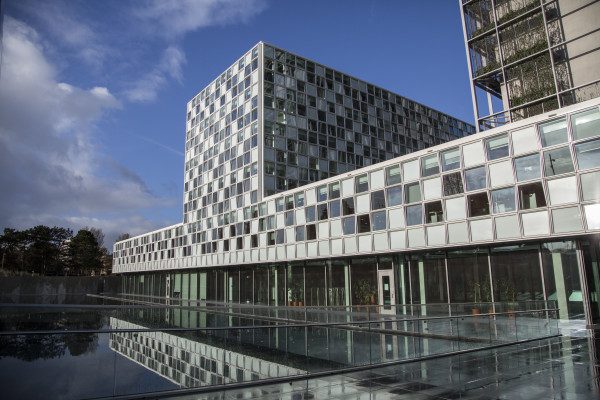
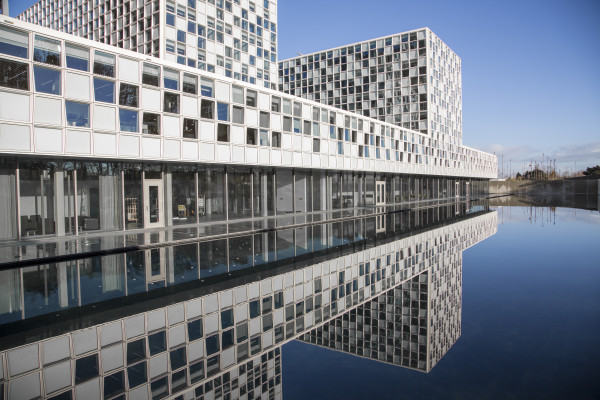
Today, on 21 November 2024, Pre-Trial Chamber I of the International Criminal Court (‘Court') (www.ICC-cpi.int), in its composition for the Situation in the State of Palestine, unanimously issued a warrant of arrest for Mr Mohammed Diab Ibrahim Al-Masri, commonly known as ‘Deif', for alleged crimes against humanity and war crimes committed on the territory of the State of Israel and the State of Palestine from at least 7 October 2023.

The Prosecution had initially filed applications for warrants of arrest for two other senior leaders of Hamas, namely Mr Ismail Haniyeh and Mr Yahya Sinwar. Following confirmation of their deaths, the Chamber granted the withdrawal of the applications on 9 August 2024 and 25 October 2024, respectively. With respect to Mr Deif, the Prosecution indicated that it would continue to gather information with respect to his reported death. On 15 November 2024, the Prosecution, referring to information from both the Israeli and Palestinian authorities, notified the Chamber that it is not in a position to determine whether Mr Deif has been killed or remains alive. Therefore, the Chamber issues the present warrant of arrest. The Prosecution also noted that it continues to investigate the crimes in the ongoing conflict and envisions that further applications for warrants of arrest will be submitted.

The warrant of arrest for Mr Deif is classified as ‘secret' in order to protect witnesses and to safeguard the conduct of investigations. However, the Chamber decided to release the information below since conduct similar to that addressed in the warrant of arrest appears to be ongoing, in particular the holding of a number of hostages captive. The Chamber considers it is also in the interest of victims and their families to be aware of the warrant's existence.

The Chamber found reasonable grounds to believe that Mr Deif, born in 1965, the highest commander of the military wing of Hamas (known as the al-Qassam Brigades) at the time of the alleged conduct, is responsible for the crimes against humanity of murder; extermination; torture; and rape and other form of sexual violence; as well as the war crimes of murder, cruel treatment, torture,; taking hostages; outrages upon personal dignity; and rape and other form of sexual violence.

The Chamber found reasonable grounds to believe that Mr Deif bears criminal responsibility for the aforementioned crimes for (i) having committed the acts jointly and through others and (ii) having ordered or induced the commission of the crimes, and (iii) for his failure to exercise proper control over forces under his effective command and control.

The Chamber found reasonable grounds to believe that during the relevant time, international humanitarian law related to international armed conflict (between Israel and Palestine) and non-international armed conflict (between Israel and Hamas) applied. The Chamber also found that there are reasonable grounds to believe that the crimes against humanity were part of a widespread and systematic attack directed by Hamas and other armed groups against the civilian population of Israel.

Alleged crimes

With regard to the crimes, the Chamber found reasonable grounds to believe that on 7 October 2023, shortly after a large number of rockets triggered the ‘Tzeva Adom' alarm in several communities in Israel around 6:20-6:30 am, armed men entered these communities, as well as the site of the Supernova festival, a music event with a few thousand participants (‘7 October Operation'). Members of Hamas, notably fighters of the al-Qassam Brigades, carried out mass killings at and/or around the communities of Kfar Aza, Holit, Nir Oz, Be'eri, and Nahal Oz, as well as at the Supernova festival. The attackers, for example, fired at people while they were seeking shelter and throw grenades at them. Hamas fighters followed similar patterns in other locations and killed further persons. These killings qualify as the crime against humanity and the war crime of murder.

The Chamber also found that in some locations, namely at the site of the Supernova festival and in the vicinity thereof, attackers fired at people with semi-automatic weapons and/or rocket-propelled grenades. In light of this, the Chamber concluded that there are reasonable grounds to believe that the war crime of intentionally directing attacks against civilians was committed.

In light of the coordinated killings of members of civilians at several separate locations, the Chamber also found that the conduct took place as part of a mass killing of members of the civilian population, and it therefore concluded that there are reasonable grounds to believe that the crime against humanity of extermination was committed.

Furthermore, in the context of 7 October Operation, the Chamber found that a large number of persons were seized from various locations in Israel, including Kfar Aza, Holit, Nir Oz, Be'eri, Nahal Oz, and the Supernova festival. The victims were civilians, including children and elderly people, as well as members of the IDF (Israeli Defence Forces). After being taken to Gaza, most of them were detained in secret locations, including apartments and underground tunnels. A number of groups participated in seizing and detaining these persons: the al-Qassam Brigades, the Palestinian Islamic Jihad al-Quds, and other Palestinian armed groups. The Chamber found that Hamas was in control of the hostages as of the start of their detention in Gaza, irrespective of the group affiliation of the individuals initially seizing the hostages. The Chamber also found that hostage taking in the context of the 7 October Operation was conducted with the aim to negotiate their release in exchange for Palestinian prisoners held in Israel. In light of the above, the Chamber considered that there are reasonable grounds to believe that the war crime of hostage taking was committed.

The Chamber further found that, while they were held captive in Gaza, some hostages, predominantly women, were subjected to sexual and gender based violence, including forced penetration, forced nudity, and humiliating and degrading treatment. On the basis of the material presented, the Chamber found reasonable grounds to believe that the crimes of torture as a crime against humanity and war crime, rape and other forms of sexual violence as crimes against humanity and war crimes, cruel treatment as a war crime, and outrages upon personal dignity as a war crime were committed against these persons during the relevant period.

With respect to Mr Deif's individual criminal responsibility, the Chamber found reasonable grounds to believe that senior leaders of Hamas, comprising of at least Mr Deif, Mr Sinwar, and Mr Haniyeh, agreed to jointly carry out the 7 October 2023 Operation. The plan included targeting military and civilian objects in Israel and other acts of violence against Israeli persons. The material presented by the Prosecution indicated that several senior members of Palestinian Islamic Jihad al-Quds joined the plan in the morning of 7 October 2023 at the latest, and that other Palestinians armed groups participated in the Operation.

Mr Deif, in his role as the commander of the al-Qassam Brigades, and through his actions prior to, during and after the 7 October Operation, is responsible for the commission of these crimes. In addition, the Chamber considered that Mr Deif ordered or induced the crimes or is responsible as a military commander for the criminal conduct of his subordinates. 

Background

On 1 January 2015, The State of Palestine lodged a declaration under article 12(3) of the Rome Statute accepting jurisdiction of the Court since 13 June 2014.

On 2 January 2015, The State of Palestine acceded to the Rome Statute by depositing its instrument of accession with the UN Secretary-General. The Rome Statute entered into force for The State of Palestine on 1 April 2015.

On 22 May 2018, pursuant to articles 13(a) and 14 of the Rome Statute, The State of Palestine referred to the Prosecutor the Situation since 13 June 2014, with no end date. 

On 3 March 2021, the Prosecutor announced the opening of the investigation into the Situation in the State of Palestine. This followed Pre-Trial Chamber I's decision (https://apo-opa.co/3OlxLKY) on 5 February 2021 that the Court could exercise its criminal jurisdiction in the Situation and, by majority, that the territorial scope of this jurisdiction extends to Gaza and the West Bank, including East Jerusalem. 

On 17 November 2023, the Office of the Prosecutor received a further referral of the Situation in the State of Palestine, from South Africa, Bangladesh, Bolivia, Comoros, and Djibouti, and on 18 January 2024, the Republic of Chile and the United Mexican State additionally submitted a referral to the Prosecutor with respect to the situation in The State of Palestine.

Distributed by APO Group on behalf of International Criminal Court (ICC).

For further information, please contact Fadi El Abdallah, Spokesperson and Head of Public Affairs Unit, International Criminal Court, by telephone at: +31 (0)70 515-9152 or +31 (0)6 46448938 or by e-mail at: fadi.el-abdallah@icc-cpi.int

You can also follow the Court's activities on Twitter (https://apo-opa.co/3OlxMP2), Facebook (https://apo-opa.co/4eFN6k7), Tumblr (https://apo-opa.co/3OlxOq8), YouTube (https://apo-opa.co/3OhQUgL), Instagram (https://apo-opa.co/490pm92) and Flickr (https://apo-opa.co/3Zjr560)

Media files
International Criminal Court (ICC)
Download logo
Read moreICC Pre-trial Chamber I Issues Warrants of Arrest for Mohammed Diab Ibrahim Al-Masri (Deif)
21 November 2024

ICC Pre-trial Chamber I Rejects the State of Israel’s Challenges to Jurisdiction and Issues Warrants of Arrest for Benjamin Netanyahu and Yoav Gallant

Location: News
International Criminal Court (ICC)

Today, on 21 November 2024, Pre-Trial Chamber I of the International Criminal Court (‘Court') (www.ICC-cpi.int), in its composition for the Situation in the State of Palestine, unanimously issued two decisions rejecting challenges by the State of Israel (‘Israel') brought under articles 18 and 19 of the Rome Statute (the ‘Statute'). It also issued warrants of arrest for Mr Benjamin Netanyahu and Mr Yoav Gallant.

Decisions on requests by the State of Israel

The Chamber ruled on two requests submitted by the Israel on 26 September 2024. In the first request, Israel challenged the Court's jurisdiction over the Situation in the State of Palestine in general, and over Israeli nationals more specifically, on the basis of article 19(2) of the Statute. In the second request, Israel requested that the Chamber order the Prosecution to provide a new notification of the initiation of an investigation to its authorities under article 18(1) of the Statute. Israel also requested the Chamber to halt any proceedings before the Court in the relevant situation, including the consideration of the applications for warrants of arrest for Mr Benjamin Netanyahu and Mr Yoav Gallant, submitted by the Prosecution on 20 May 2024.

As to the first challenge, the Chamber noted that the acceptance by Israel of the Court's jurisdiction is not required, as the Court can exercise its jurisdiction on the basis of territorial jurisdiction of Palestine, as determined by Pre-Trial Chamber I in a previous composition. Furthermore, the Chamber considered that pursuant to article 19(1) of the Statute, States are not entitled to challenge the Court's jurisdiction under article 19(2) prior to the issuance of a warrant of arrest. Thus Israel's challenge is premature. This is without prejudice to any future possible challenges to the Court's jurisdiction and/or admissibility of any particular case.

Decision on Israel's challenge to the jurisdiction of the Court pursuant to article 19(2) of the Rome Statute (https://apo-opa.co/4i2p05M)

The Chamber also rejected Israel's request under article 18(1) of the Statute. The Chamber recalled that the Prosecution notified Israel of the initiation of an investigation in 2021. At that time, despite a clarification request by the Prosecution, Israel elected not to pursue any request for deferral of the investigation. Further, the Chamber considered that the parameters of the investigation in the situation have remained the same and, as a consequence, no new notification to the State of Israel was required. In light of this, the judges found that there was no reason to halt the consideration of the applications for warrants of arrest.

Decision on Israel's request for an order to the Prosecution to give an Article 18(1) notice (https://apo-opa.co/40Y6DsN)

Warrants of arrest

The Chamber issued warrants of arrest for two individuals, Mr Benjamin Netanyahu and Mr Yoav Gallant, for crimes against humanity and war crimes committed from at least 8 October 2023 until at least 20 May 2024, the day the Prosecution filed the applications for warrants of arrest.

The arrest warrants are classified as ‘secret', in order to protect witnesses and to safeguard the conduct of the investigations. However, the Chamber decided to release the information below since conduct similar to that addressed in the warrant of arrest appears to be ongoing. Moreover, the Chamber considers it to be in the interest of victims and their families that they are made aware of the warrants' existence.

At the outset, the Chamber considered that the alleged conduct of Mr Netanyahu and Mr Gallant falls within the jurisdiction of the Court. The Chamber recalled that, in a previous composition, it already decided that the Court's jurisdiction in the situation extended to Gaza and the West Bank, including East Jerusalem. Furthermore, the Chamber declined to use its discretionary proprio motu powers to determine the admissibility of the two cases at this stage. This is without prejudice to any determination as to the jurisdiction and admissibility of the cases at a later stage.

With regard to the crimes, the Chamber found reasonable grounds to believe that Mr Netanyahu, born on 21 October 1949, Prime Minister of Israel at the time of the relevant conduct, and Mr Gallant, born on 8 November 1958, Minister of Defence of Israel at the time of the alleged conduct, each bear criminal responsibility for the following crimes as co-perpetrators for committing the acts jointly with others: the war crime of starvation as a method of warfare; and the crimes against humanity of murder, persecution, and other inhumane acts.

The Chamber also found reasonable grounds to believe that Mr Netanyahu and Mr Gallant each bear criminal responsibility as civilian superiors for the war crime of intentionally directing an attack against the civilian population.

Alleged crimes

The Chamber found reasonable grounds to believe that during the relevant time, international humanitarian law related to international armed conflict between Israel and Palestine applied. This is because they are two High Contracting Parties to the 1949 Geneva Conventions and because Israel occupies at least parts of Palestine. The Chamber also found that the law related to non-international armed conflict applied to the fighting between Israel and Hamas. The Chamber found that the alleged conduct of Mr Netanyahu and Mr Gallant concerned the activities of Israeli government bodies and the armed forces against the civilian population in Palestine, more specifically civilians in Gaza. It therefore concerned the relationship between two parties to an international armed conflict, as well as the relationship between an occupying power and the population in occupied territory. For these reasons, with regards to war crimes, the Chamber found it appropriate to issue the arrest warrants pursuant to the law of international armed conflict. The Chamber also found that the alleged crimes against humanity were part of a widespread and systematic attack against the civilian population of Gaza.

The Chamber considered that there are reasonable grounds to believe that both individuals intentionally and knowingly deprived the civilian population in Gaza of objects indispensable to their survival, including food, water, and medicine and medical supplies, as well as fuel and electricity, from at least 8 October 2023 to 20 May 2024. This finding is based on the role of Mr Netanyahu and Mr Gallant in impeding humanitarian aid in violation of international humanitarian law and their failure to facilitate relief by all means at its disposal. The Chamber found that their conduct led to the disruption of the ability of humanitarian organisations to provide food and other essential goods to the population in need in Gaza. The aforementioned restrictions together with cutting off electricity and reducing fuel supply also had a severe impact on the availability of water in Gaza and the ability of hospitals to provide medical care.

The Chamber also noted that decisions allowing or increasing humanitarian assistance into Gaza were often conditional. They were not made to fulfil Israel's obligations under international humanitarian law or to ensure that the civilian population in Gaza would be adequately supplied with goods in need. In fact, they were a response to the pressure of the international community or requests by the United States of America. In any event, the increases in humanitarian assistance were not sufficient to improve the population's access to essential goods.

Furthermore, the Chamber found reasonable grounds to believe that no clear military need or other justification under international humanitarian law could be identified for the restrictions placed on access for humanitarian relief operations. Despite warnings and appeals made by, inter alia, the UN Security Council, UN Secretary General, States, and governmental and civil society organisations about the humanitarian situation in Gaza, only minimal humanitarian assistance was authorised. In this regard, the Chamber considered the prolonged period of deprivation and Mr Netanyahu's statement connecting the halt in the essential goods and humanitarian aid with the goals of war.

The Chamber therefore found reasonable grounds to believe that Mr Netanyahu and Mr Gallant bear criminal responsibility for the war crime of starvation as a method of warfare.

The Chamber found that there are reasonable grounds to believe that the lack of food, water, electricity and fuel, and specific medical supplies, created conditions of life calculated to bring about the destruction of part of the civilian population in Gaza, which resulted in the death of civilians, including children due to malnutrition and dehydration. On the basis of material presented by the Prosecution covering the period until 20 May 2024, the Chamber could not determine that all elements of the crime against humanity of extermination were met. However, the Chamber did find that there are reasonable grounds to believe that the crime against humanity of murder was committed in relation to these victims.

In addition, by intentionally limiting or preventing medical supplies and medicine from getting into Gaza, in particular anaesthetics and anaesthesia machines, the two individuals are also responsible for inflicting great suffering by means of inhumane acts on persons in need of treatment. Doctors were forced to operate on wounded persons and carry out amputations, including on children, without anaesthetics, and/or were forced to use inadequate and unsafe means to sedate patients, causing these persons extreme pain and suffering. This amounts to the crime against humanity of other inhumane acts.

The Chamber also found reasonable grounds to believe that the abovementioned conduct deprived a significant portion of the civilian population in Gaza of their fundamental rights, including the rights to life and health, and that the population was targeted based on political and/or national grounds. It therefore found that the crime against humanity of persecution was committed.

Finally, the Chamber assessed that there are reasonable grounds to believe that Mr Netanyahu and Mr Gallant bear criminal responsibility as civilian superiors for the war crime of intentionally directing attacks against the civilian population of Gaza. In this regard, the Chamber found that the material provided by the Prosecution only allowed it to make findings on two incidents that qualified as attacks that were intentionally directed against civilians. Reasonable grounds to believe exist that Mr Netanyahu and Mr Gallant, despite having measures available to them to prevent or repress the commission of crimes or ensure the submittal of the matter to the competent authorities, failed to do so.

Background

On 1 January 2015, The State of Palestine lodged a declaration under article 12(3) of the Rome Statute accepting jurisdiction of the Court since 13 June 2014.

On 2 January 2015, The State of Palestine acceded to the Rome Statute by depositing its instrument of accession with the UN Secretary-General. The Rome Statute entered into force for The State of Palestine on 1 April 2015.

On 22 May 2018, pursuant to articles 13(a) and 14 of the Rome Statute, The State of Palestine referred to the Prosecutor the Situation since 13 June 2014, with no end date. 

On 3 March 2021, the Prosecutor announced the opening of the investigation into the Situation in the State of Palestine. This followed Pre-Trial Chamber I's decision (https://apo-opa.co/4fYvUHo) on 5 February 2021 that the Court could exercise its criminal jurisdiction in the Situation and, by majority, that the territorial scope of this jurisdiction extends to Gaza and the West Bank, including East Jerusalem. 

On 17 November 2023, the Office of the Prosecutor received a further referral of the Situation in the State of Palestine, from South Africa, Bangladesh, Bolivia, Comoros, and Djibouti, and on 18 January 2024, the Republic of Chile and the United Mexican State additionally submitted a referral to the Prosecutor with respect to the situation in The State of Palestine.

Distributed by APO Group on behalf of International Criminal Court (ICC).

For further information, please contact Fadi El Abdallah, Spokesperson and Head of Public Affairs Unit, International Criminal Court, by telephone at: +31 (0)70 515-9152 or +31 (0)6 46448938 or by e-mail at: fadi.el-abdallah@icc-cpi.int

You can also follow the Court's activities on Twitter (https://apo-opa.co/3CE1oV7), Facebook (https://apo-opa.co/4fUFF9J), Tumblr (https://apo-opa.co/40ZF16K), YouTube (https://apo-opa.co/3OnCATX), Instagram (https://apo-opa.co/4g1UEyR) and Flickr https://apo-opa.co/3CHEUT9).

Media files
International Criminal Court (ICC)
Download logo
Read moreICC Pre-trial Chamber I Rejects the State of Israel’s Challenges to Jurisdiction and Issues Warrants of Arrest for Benjamin Netanyahu and Yoav Gallant
19 November 2024

Power relations contribute to violation of women

Location: News

Power relations contribute to violation of women

Women, Youth and Persons with Disabilities, Deputy Minister, Steve Letsike, says power relations between men and women contribute to violation of women.

Letsike said men have been conditioned to feel entitled to women’s time, labour, bodies and more.

“There is no competition between men and women, but men have to understand that they do not have the right over women’s bodies, that must be understood. You can be partners, you can share equality, you can share finances, but there is nothing that justifies having to violate another person, especially women… it is criminal in our country,” Letsike said.

The Deputy Minister was reacting to tthe first South African National Gender-Based Violence Prevalence Study: A Baseline Survey on Victimisation and Perpetration report conducted by the Human Sciences Research Council (HSRC).

The study released on Monday, revealed that about 7 310 389 million women, aged 18 years and older, have experienced physical violence in their lifetime.

READ | Over seven million women have experienced physical violence, study reveals

Letsike encouraged all South Africans to do better by reporting violence against women.

“We have a big task. We cannot fail women of this country, not 30 years later… we can do better. We have to enhance and strengthen our monitoring and accountability mechanism. We are also going to integrate our gender-based violence (GBV) intervention into broader social policies, not forgetting some of the correlation of HIV, and [also] look at some of the economic equality including the gaps in education that is also linked to the drivers of violation,” Letsike said.

Letsike also underscored the importance of science in addressing societal challenges.

“We need to make sure that science is for the people, [and] we need to make sure science does not leave people behind, because, if communities own this, we will translate this data to make sense to our communities.”

She said the study is not just data, but a lifeline for South Africa.

“We must not only raise awareness but also foster prevention, support survivors, and hold perpetrators accountable. Let us commit to turning data into action, to developing responsive and survivor-cantered interventions, and to dedicating resources that match the scale of the problem.”– SAnews.gov.za
 

GabiK
Tue, 11/19/2024 - 12:50

126 views
Read morePower relations contribute to violation of women
15 November 2024

Long Queues as Eskom Meter Upgrade Deadline Approaches

Location: News

After 24 November old meters will no longer load electricity tokens

Read moreLong Queues as Eskom Meter Upgrade Deadline Approaches
7 November 2024

Municipalities urged to prioritise damaged infrastructure

Location: News

Municipalities urged to prioritise damaged infrastructure

Water and Sanitation Deputy Minister, Sello Seitlholo, has called on municipalities with dysfunctional wastewater treatment works (WWTW) to prioritise infrastructure as a matter of urgency.

Seitlholo made the call during his visit to uMhlathuzana, Umhlanga and Phoenix Wastewater Treatment Works in the eThekwini Metropolitan Municipality, KwaZulu-Natal.

Seitlholo visited the wastewater treatment works on Wednesday to assess progress made to repair infrastructure damaged by floods over two years ago.

EThekwini Municipality entered into a bulk wastewater operation and maintenance contract with uMngeni-uThukela Water and as part of the agreement, the water board is responsible for the operation and maintenance of 10 of the municipality’s wastewater treatment works.

The WWTWs included in the contract account for 90% of the sewage managed by the municipality.

During the visit, Seitlholo said it was good to see that eThekwini Municipality has realised that through working with uMngeni-uThukela Water, they will be able to resuscitate, operate and maintain their infrastructure.

“While the infrastructure itself is not 100% operational, I am happy that uMngeni-uThukela Water, as part of their Service Level Agreement (SLA) with eThekwini Municipality, has been able to begin the work, particularly in Umhlanga, where 50% of the plant is operational after it was completely decommissioned after the floods,” Seitlholo said.

The Deputy Minister said during the engagements with both the municipality and the water board in eThekwini, he picked up huge concerns regarding the country’s sanitation.

He said sanitation is not being "taken seriously", particularly in the context of wastewater resources.

Seitlholo urged South Africans to realise that the country’s water security is hampered by the pollution happening in water resources.

“We cannot have quality raw water abstracted from our rivers that are deeply polluted because the value chain suggests that the more polluted the raw water, the more it costs to treat it. 

"We have to be able to be conscious about this reality, its economic impact and the damage this has on the livelihoods of the people, farmers and businesses.

“I’m making a call to all South Africans that pollution has to come to an end. Municipalities with dysfunctional wastewater treatment works must prioritise their infrastructure as a matter of urgency,” Seitlholo said.

The Deputy Minister said he will continue to raise awareness in all provinces and ensure that everyone takes responsibility and stops pollution. – SAnews.gov.za
 

GabiK
Thu, 11/07/2024 - 14:27

189 views
Read moreMunicipalities urged to prioritise damaged infrastructure
27 October 2024

Department of Social Development to launch Social Security Review publication

Location: News

Department of Social Development to launch Social Security Review publication

The Department of Social Development, in collaboration with the Human Sciences Research Council (HSRC), will on Monday officially launch the Social Security Review Volume 2 publication in Cape Town under the theme: “Social Security in the time of COVID-19”.

First published at the height of the COVID-19 pandemic in 2022, the Social Security Review is a publication that presents in-depth discussions and comparative critical analysis of topical questions and studies of national social security systems and international trends in policy and administration.

The articles are authored by social security experts and peer-reviewed, making the Social Security Review a must-read and must-have publication for policy advocates, researchers, policy makers, civil society, academia and practitioners in the field of social security.

Through this publication, the department said it seeks to generate new knowledge, information and critical analysis to ensure evidence-based decision and policy making in the field of social security.

At the onset of COVID-19 which resulted in national lockdowns across the globe, governments including South Africa introduced a variety of social protection measures to save lives, protect incomes, jobs and livelihoods. 

The department said the COVID-19 pandemic underlined the importance of social protection, not just as a fundamental human right, but also as a social, economic and political stabiliser in times of national and global crises.

“The Social Security Review Volume 2 provides a critical analysis of some of the social protection measures introduced as part of the national response to the COVID-19 pandemic, as well recommendations on how South Africa can build on these towards the realisation of the comprehensive social security system envisioned in the National Development Plan (Vision 2030),” said the department. – SAnews.gov.za


Edwin
Sun, 10/27/2024 - 09:02

42 views
Read moreDepartment of Social Development to launch Social Security Review publication
  • Previous
  • Page 1
  • Page 2
  • Page 3
  • Page 4
  • Page 5
  • Next

Copyright © 2026 · MyZA · All Rights Reserved · Powered by Reach Trust