• Skip to main content
  • Skip to header right navigation
  • Skip to after header navigation
  • Skip to site footer
MyZA

MyZA

News, Directory, Events and Other Stuff

  • Social Media
  • Sport
  • World News
  • Home
  • Submit News
  • Directory
  • Events
  • Stratlec
  • TFSA
  • News
    • APO
    • Today’s Sport News
    • Todays Social Media and Tech Headlines
    • Today’s World News
    • Today’s SA Financial News
  • Contact
You are here: Home / Archives for business

business

29 October 2024

100 days in office: Labour Minister focuses on job creation, improved services

Location: News

100 days in office: Labour Minister focuses on job creation, improved services

Employment and Labour Minister Nomakhosazana Meth says her first 100 days in office signify not an "endpoint" but rather the beginning of numerous initiatives aimed at better serving clients and the country as a whole.

In addition, Meth said her department was consumed by fulfilling the mandate of job creation and protection of vulnerable workers.

The Minister was speaking at the Cape Town Labour Centre, where she was unpacking the first 100 days in office following the establishment of the Government of National Unity (GNU). 

“We are seized with the mammoth task of changing the trajectory of our economy into one that resonates with the resolve of the GNU to nudge actions that will advance the three priorities.” 

These, she said, include driving inclusive economic growth and job creation, reducing poverty and tackling the high cost of living, and building a capable, ethical and developmental State. 

Meth said they hit the ground running with the Deputy Ministers getting acquainted with the department, and strengthening cooperation with organised labour, organised business, social partners and civil society.

The leaders have also been participating in parliamentary processes, and ensuring accountability to the Portfolio Committee, Cabinet and Cluster Committee meetings. 

The last three months have also been characterised by the Strategic Plan 2025/2030 of the department, which sets out the GNU strategic priorities and principles espoused by the statement of intent of the GNU.

Inspections and enforcement activities

Meth took the time to delve into the role of inspection and enforcement, saying these were critical to safeguarding workers' rights, ensuring compliance with labour laws and upholding fair practices. 

According to the Minister, the department has jointly conducted more successful inspections, leading to 81 arrests of employers and undocumented immigrants.

The high-impact inspections and compliance raids targeted the hospitality, road and freight, textile, car manufacturing, and farming sectors, as these have high non-compliance with labour laws. 

“During these inspections, we addressed non-standard employment practices that render workers vulnerable. We contributed to job preservation by ensuring that employed individuals enjoy the protection of their rights, which in turn enhances productivity and economic growth,” Meth said.

She announced that 17 662 national inspections were conducted during this period. 

Out of the 17 662 inspections, 12 195 workplaces were compliant, while 5 494 workplaces were found to be non-compliant, with enforcement notices issued as a result.

TERS budget

Meth said during this period, there was an increase in the budget for the Temporary Employer-Employee Relief Scheme (TERS), from R400 million to R2.4 billion for the current financial year. 

“This significant boost aims to shelter companies in distress and prevent employee layoffs amid unstable economic conditions.”

Meth was of the view that the increase in the TERS budget was a proactive response to volatile economic trends that threaten the livelihoods of impoverished workers and the sustainability of businesses. 

“Our goal is to preserve jobs and support companies facing financial difficulties. Furthermore, increasing the scheme's capacity aims to reduce the risk of further retrenchments and support economic stability.”

During the COVID-19 pandemic, R65 billion was made available for TERS.

Meanwhile, Meth said Phase 3 of the “Follow the Money” project started in October 2024.  
The project aims to verify the payment of R65 billion to 215 companies under the COVID-19 relief scheme.

To date, Meth said the project has recovered R1.2 billion since inception. 

“Initially, the aim was to verify 50% of the amount paid, and now we want to verify the entire amount. Consequently, 27 audit firms have been appointed, and Phase 3 commenced in October 2024."

Ninety-six fraud cases were identified, 40 were presented to the court, and all were finalised. The highest conviction was 20 years of direct imprisonment. – SAnews.gov.za


Gabisile
Tue, 10/29/2024 - 15:17
162 views
Read more100 days in office: Labour Minister focuses on job creation, improved services
29 October 2024

dtic to fund 35 companies to participate in China’s import expo

Location: News

dtic to fund 35 companies to participate in China's import expo

The Department of Trade, Industry and Competition (the dtic) says it will fund 35 South African companies, through the Export Marketing and Investment Assistance (EMIA) group scheme, to participate in the China International Import Expo (CIIE) 2024.

The expo is to take place in Shanghai from 5 to 10 November 2024.

South Africa is participating in this event to showcase products and services from local companies to potential buyers in China and from across the globe. The South African companies will also be exposed to the culture of doing business with Chinese enterprises.

The Deputy Director-General of Exports at the dtic, Lerato Mataboge, said the 35 participants this year will represent a range of sectors, including agro-processing and agriculture, textiles, clothing and leather, oil and gas, the rail industry, electro-technical, chemicals, metal fabrication, ICT and mining.

“The exhibition is aligned with our strategic objectives of advancing South African exports through assisting new and existing South African exporters to penetrate international markets.

“The CIIE 2024 is one of the leading import-themed fairs in China, and a key platform to profile our offerings to South Africa’s largest trading partner and the second largest economy in the world. The Chinese economy is seeing increasing levels of consumption, which also reflects growing potential and demand for certain imported products,” Mataboge said. – SAnews.gov.za

Edwin
Tue, 10/29/2024 - 10:59

60 views
Read moredtic to fund 35 companies to participate in China’s import expo
29 October 2024

Operation Shanela nets over 15 000 suspects

Location: News

Operation Shanela nets over 15 000 suspects

The South African Police Service (SAPS) has arrested 15 298 suspects through Operation Shanela.

The arrests were made between Monday, 21 October and Sunday, 27 October. The recorded arrests are 2 479 more than the previous week. 

Operation Shanela includes tracking operations, roadblocks, high visibility patrols, stop and searches, as well as tracing of wanted suspects.

All Shanela operations are led by the Provincial Commissioner of each province.

The following arrests were made:

  •  3 015 wanted suspects were arrested, representing 1 042 more wanted suspects behind bars than the previous week. These suspects were wanted for various crimes such as murder, attempted murder, rape, business and house robberies.
  • 146 suspects were arrested for murder. The majority of these suspects were arrested in the Eastern Cape (37), followed by Gauteng (33) and the Western Cape (30).
  • 74 suspects were arrested for attempted murder.
  • 213 suspects were arrested for rape. KwaZulu-Natal arrested the majority of these suspects (89 arrests).
  • 1 380 suspects were arrested for assault GBH [grievous bodily harm] during this period.
  • 197 drug dealers were arrested.
  • 1 314 suspects were arrested for being in possession of drugs, with 646 of these suspects being arrested in the Western Cape.
  •  123 suspects were arrested for being in the illegal possession of firearms. The majority of these suspects were arrested in the Western Cape (36), followed by KwaZulu-Natal (27) and Eastern Cape (24).
  • 492 suspects were arrested for illegally dealing in liquor, with Mpumalanga arresting 124, while KwaZulu-Natal arrested 123 suspects.
  • 478 drivers were arrested for drunken driving. The majority of these suspects were arrested in Gauteng (110), followed by the Western Cape (89).

Under recoveries and confiscations, police registered the following successes:

  • 132 firearms were confiscated in the past week; 26 handguns were confiscated during police operations in the Western Cape; 23 were confiscated in KwaZulu-Natal, while 19 were confiscated in the Eastern Cape.
  •  3 443 rounds of ammunition were confiscated.
  •  78 hijacked and stolen vehicles were also recovered, which is 21 more vehicles recovered during the previous week’s operations.

Highlights of major takedowns and other successes include the following:

  • Police in Gauteng arrested a 23-year-old Mozambican national following the rape and murder of six-year-old Amantle Samane in Orlando East, Soweto on Monday, 21 October 2024. The suspect made his first appearance before the Protea Magistrates’ Court last week.
  • The Ministry of Police officially signed a Cooperation Agreement with the KwaZulu-Natal Provincial Government and eThekwini Metropolitan Municipality, the last metro to join the collaborative initiative. This highlights the commitment between SAPS, the provincial government and eThekwini Metro to enhance safety and security within the region.
  • A prosecution-guided, multi-disciplinary operation, led by the Northern Cape Hawks’ Serious Organised Crime Investigation Unit, has resulted in the arrest of nine suspects. These suspects were arrested in Gauteng and the North West provinces, respectively. The syndicate is alleged to be involved in dealing with unpolished diamonds and fraud.
  • Police seized over 6 000 counterfeit items, worth more than R3 million, during an integrated takedown operation in the Johannesburg CBD on Friday, 25 October 2024. Among the items seized were pharmaceuticals, clothing, bags, watches and perfume.
  • Police in KwaZulu-Natal arrested one suspect and are still searching for at least five others in connection with the killing of four people and the attempted murder of one person in Nyezane, Estcourt, on Sunday afternoon, 27 October 2024.

SAPS says police will continue with their operations by asserting the authority of the State to ensure the safety and security of all South Africans and visitors to the country. – SAnews.gov.za 

Edwin
Tue, 10/29/2024 - 09:12

346 views
Read moreOperation Shanela nets over 15 000 suspects
29 October 2024

CoGTA, Treasury work together on disaster relief funding

Location: News

CoGTA, Treasury work together on disaster relief funding

The Department of Cooperative Governance and Traditional Affairs (CoGTA) and National Treasury are working together to explore new funding mechanisms, as the country experiences more disaster events.

On Monday, CoGTA Minister Velenkosini Hlabisa announced that a funding request has been submitted to Treasury to support affected groups and organisations with the reconstruction and rehabilitation of damaged infrastructure.

“We acknowledge the challenges faced by the country in funding disaster interventions, mainly due to increased disaster damages, fiscal deficit and competing priorities.

“The Department of Cooperative Governance and Traditional Affairs is currently engaging National Treasury on other funding mechanisms to ensure sustainability,” the Minister said.

He assured those affected and South Africans generally that government remains committed to partnering with local and national entities to strengthen disaster preparedness and response, and rebuilding communities.

Hlabisa was speaking during a media briefing in Pretoria, where he focused on South Africa’s readiness for the upcoming summer season and disaster preparedness.

He said the Finance Minister will announce a substantial allocation to grants to deal with past disasters, at the municipal and provincial levels, when he tables his Medium-Term Budget Policy Statement on Wednesday.

“... After that, we will give details in as far as the funding that will be available, and how it will be allocated,” said Hlabisa.

The Minister highlighted the devastating floods in the Eastern Cape and KwaZulu-Natal recently, which led to significant displacement and loss of life.

He said relief measures are being implemented, including housing for displaced households and food assistance.

The Minister said communities, infrastructure and the economy face significant threats from natural hazards such as floods, heat waves, wildfires and droughts.

“While the pressing realities of climate change have exacerbated some of these risks, others are unfortunately man-made, stemming from unsustainable practices and inadequate planning. We believe that recognising these risks is the first step towards addressing them comprehensively.”

Hlabisa acknowledged that emerging hazards require attention, and that the National Disaster Management Centre is working around the clock to mitigate the effects.

“Given the continued negative impact of these hazards on the lives of South Africans, we understand that it cannot be business as usual. We understand that we must act decisively to safeguard the wellbeing of all citizens and protect our vulnerable communities.”

The implementation of relief measures is underway in all the affected areas, particularly in the Nelson Mandela Bay Municipality, which is one of the most affected.

These relief measures, Hlabisa said, are a collaborative effort by organs of the State, the private sector, and non-governmental organisations. The measures include housing of displaced households in temporary evacuation facilities, providing hot meals, food parcels, blankets and mattresses, as well as psychosocial support to the affected.

In addition, the Minister said assessments are underway to establish the extent of the damage and required interventions.

CoGTA has been working tirelessly with disaster management structures, including the Provincial Disaster Management Centre, to coordinate the response efforts to the recent heavy rains.

“We are also working closely with municipalities, the provincial government and other stakeholders to ensure that affected communities receive the necessary support, including food, shelter, and other essential services. 

"The department will continue to monitor the situation and support affected communities.” – SAnews.gov.za

Gabisile
Mon, 10/28/2024 - 13:55

48 views
Read moreCoGTA, Treasury work together on disaster relief funding
28 October 2024

SA on the right track towards improved public transport

Location: News

SA on the right track towards improved public transport

President Cyril Ramaphosa says while there is still much work to do, South Africa is on track “towards a public transport system that is safer, more efficient and more affordable”.

He was addressing the nation through his weekly newsletter on Monday.

“While we have achieved important progress in restoring our freight and passenger rail systems, we have much further to go. We will need far more investment, more effective use of technology and closer collaboration between all stakeholders.

“We are now on the right track towards a public transport system that is safer, more efficient and more affordable – and that supports the growth of an inclusive economy, reduces poverty and creates employment,” said the President.

The President highlighted that an “efficient, safe and affordable movement of people and goods around the country is essential” for the country’s economic growth and jobs.

“Goods that are produced by our workers need to move from mines, factories and farms to our country’s markets and international markets through our ports. People need to be transported to workplaces, clinics, hospitals and schools. When our transport system works well, then the cost of doing business is lowered and our country’s products and services are more competitive,” he said.

President Ramaphosa acknowledged that transport costs are too high which keeps some South Africans having to spent large portions of their income on transport.

“Affordable public transport helps to reduce the cost of living for millions of South Africans. Our public transport system is in a poor state due to a lack of investment over many years, as well as theft and vandalism, especially during the COVID pandemic.

“Without affordable and reliable alternatives, households spend a large proportion of their income on transport. Fixing public transport therefore plays a big role in reducing poverty.

“Much progress has been made in restoring urban passenger rail to full service. The Passenger Rail Agency of South Africa (PRASA) has to date restored 31 out of 40 priority rail corridors back to operation. By March this year, 40 million passengers were using public trains, nearly three times more than the year before,” he said.

Looking to the future

President Ramaphosa said although government is hard at work dealing with the current challenges, work is also underway to secure the future of transport through the development of a National Rail Masterplan.

This, the President said, will “cover passenger rail in our cities, including rapid rail” and high-speed rail. This work required for the development of the plan is expected to conclude by the end of next year.

“The achievement of our ambitious targets will require considerable investment in infrastructure, rolling stock and signalling. We will need to make use of new technologies, including artificial intelligence, in areas like cargo tracking, passenger ticketing and securing critical infrastructure.

“The government alone will not be able to carry the scale of the investment needed. That is why we are working to mobilise private sector investment in rail and port operations, while ensuring that the infrastructure remains State-owned,” he said. – SAnews.gov.za


NeoB
Mon, 10/28/2024 - 09:52

94 views
Read moreSA on the right track towards improved public transport
28 October 2024

Investment in water infrastructure key to growth of economy

Location: News

Investment in water infrastructure key to growth of economy

Water and Sanitation Deputy Minister, David Mahlobo, says with the right investments in water and sanitation infrastructure, the full potential of any region can be unlocked, attracting new businesses, creating jobs, and improving the quality of life.

Mahlobo made the remarks during a business dinner held recently at the Mkhambathini Local Municipality in Camperdown, KwaZulu-Natal.

The business dinner aimed to engage captains of industry on possible investment and expansion, and to discuss and explore the significant opportunities for growth and development in Camperdown.

Mahlobo said water and sanitation services are foundational to the development of any region, and “Mkambathini Local Municipality is no exception”.

He emphasised that these services not only impact public health but also have a direct influence on industrial growth and economic sustainability.

“Reliable access to water is essential for attracting businesses and ensuring that they can operate efficiently. This, in turn, drives job creation and economic activity, which benefits the entire community.

“However, we face significant challenges in ensuring that the demand for treated water can be met, especially given the rapid population growth and the aging infrastructure in certain areas,” Mahlobo said.

The Deputy Minister said there were a few projects that are currently being initiated to assist with water challenges in the region, and these include uMkhomazi Water Project, which has been stalled due to financial constraints.

“This ambitious project, which includes the construction of a dam and extensive pipelines, is expected to increase the amount of available water by 55%, allowing the region to meet the growing demand. While this project is crucial, it comes at a significant cost.

“We are, however, pleased to report that the affordability challenges surrounding this project have been resolved through a blended finance solution approved by National Treasury. This financing arrangement ensures that the project can move forward, and it is expected to be completed by 2030/32,” Mahlobo announced. – SAnews.gov.za

GabiK
Mon, 10/28/2024 - 10:24

15 views
Read moreInvestment in water infrastructure key to growth of economy
27 October 2024

Government and industry’s efforts to control animal disease spread must be lauded

Location: News

Government and industry’s efforts to control animal disease spread must be lauded

By Wandile Sihlobo

The past three years have been challenging for South Africa's livestock and poultry industry because of the spread of animal diseases. Throughout this period, we have had various cases of foot and mouth (FMD) disease in cattle, African swine fever in pigs, and avian influenza in poultry. While animal disease outbreaks are not unique to South Africa and indeed common across the world, South Africa's challenges have intensified in the recent past. 

In 2022, six of South Africa's nine provinces reported foot and mouth disease outbreaks. This was the first time in the country's history that the disease had spread this wide. The challenging place the country found itself in prompted the government and industry stakeholders to increase their focus on strengthening farm biosecurity controls and surveillance. 

Other interventions that are still underway include efforts to improve South Africa's veterinary and related support services (mainly the laboratories) that deal with vaccine production needs. 

The cost of diseases in the livestock industry is not only felt through loss of livestock, but also through reduced exports to the world market in times of outbreaks. For example, South Africa's beef exports volume for 2022 was down by 16% year-on-year to 26 881 tonnes, according to data from Trade Map. This decline was primarily due to the temporary closures of various export markets following the outbreak of FMD disease in South Africa. 

Furthermore, the sheep industry was also affected by the 2022 outbreak. China, a significant market for South African wool, suspended imports. The impact of those temporary closures is visible on export volumes of wool. For example, in 2022, South Africa's wool exports fell by 19% year-on-year to 42 239 tonnes. The major decline in volume was in the Chinese market. 

Livestock and poultry account for roughly half of agriculture's gross value added. Moreover, livestock also significantly contributes to the inclusion of black farmers in commercial agricultural production. For example, the National Agricultural Marketing Council estimates suggest that black farmers account for 18%, 13% and 34% of wool, mohair and cattle production, respectively. 

Therefore, the prevalence of animal disease outbreaks in the past few years slowed South Africa's commercial agriculture, export ambition and transformation in the industry. 

In 2023, as the government and industry continued with its work to control the spread of animal diseases, we saw a slight recovery in beef and wool exports. For example, South Africa's beef exports recovered slightly in 2023, up 3% year-on-year to 27 675 tonnes. 

For wool, the engagements between the South African and Chinese authorities to reassure the Chinese traders of the safety measures in place to ensure that there is no spread of disease led to the resumption of exports. In 2023, South Africa's wool exports recovered 18% year-on-year to 49 715 tonnes. 

On 25 October 2024, the Department of Agriculture released even more positive news, which we believe will further support the recovery path of the industry. The department announced that the "foot and mouth disease outbreak, occurred during 2021-2022, has been successfully resolved in the North West, Free State, Gauteng, and Mpumalanga provinces. These provinces, initially impacted by the outbreak, have now completed comprehensive testing of animals on quarantined farms. The results indicate that the foot and mouth disease virus is no longer present”. 

The department added that "the World Organisation for Animal Health has confirmed that the outbreak in these regions has officially been closed. However, it is important to note that the KwaZulu-Natal and Eastern Cape provinces remain affected by foot and mouth disease outbreaks. Encouragingly, no new signs of the disease have been reported in these two provinces over the past month”. 

This is admirable progress and further supports South Africa's ambition of being a global player in red meat exports. The successful path to the export markets involves addressing the biosecurity challenges. Continuous efforts must be made to address the remaining challenges in the Eastern Cape and KwaZulu-Natal. 

In addition, the South African government must work collaboratively with the private sector to revive the efficiency of the Agricultural Research Council and the Onderstepoort Biological Products, which are key for vaccine production and various livestock disease management matters.

*Wandile Sihlobo is the chief economist at the Agricultural Business Chamber of SA (Agbiz) and a senior fellow in Stellenbosch University's Department of Agricultural Economics.

Janine
Sun, 10/27/2024 - 18:58

27 views
Read moreGovernment and industry’s efforts to control animal disease spread must be lauded
26 October 2024

Only One Bridge Links Kwanobuhle to Kariega After Floods

Location: News

Two bridges in the area were damaged

Read moreOnly One Bridge Links Kwanobuhle to Kariega After Floods
25 October 2024

Job loss births passionate farmer

Location: News

Job loss births passionate farmer

By Sihle Manda

After losing her job as a sales representative at a furniture store, Collien Khawula from the South Coast of KwaZulu-Natal was forced to re-discover her passion for farming. 

Despite many challenges since then, it is a decision she has yet to regret. 

Khawula is the director of Tumies Enterprise, a mixed farm in Malangeni, in Umdoni Local Municipality, KwaZulu-Natal. 

The business farms in poultry, vegetables, as well as a thriving nursery. It produces onion, carrot, cabbage, spinach, lettuce, green pepper and beetroot. 

“I started in 2020 during the COVID-19 lockdown. I lost my job and decided to start something that didn’t require a lot of capital, as long as you have a bit of land and seeds. I wanted to be independent and not depend on others to survive,” she said. 

The journey, however, has not been without its challenges. These ranged from self-doubt to a lack of financial resources. 

Tumies Enterprise also had to contend with water shortages in the area. 

“We need a lot of water to farm but we are struggling. It doesn’t help that we don’t have water tankers or pumps,” she said. 

Despite these challenges, she is grateful for the ongoing technical assistance and training she often receives from the KwaZulu-Natal Department of Agriculture and Rural Development. 

The Department often assists the business with ploughing implements, fencing, seeds and fertilisers. 

In early 2024, she received R50 000 during an entrepreneur development programme pitching competition by Raiz Corp and Illovo Sugar, Africa's largest sugar producer. 

“The money has come in handy, especially for office equipment. If you want to be professional, your paperwork needs to be in order.” 

Khawula added that she has plans to apply for government support to grow her business. The business, which employs four people, supplies its produce to local restaurants and markets in the area. 

She explained that she has prospects to grow her business but is unable to due to lack of space. While she has two four-hectare farms in two of her rural homes, she is unable to utilise them because it is too far from the central business district and she does not have her own transport. Instead, she farms on various smaller plots to produce her vegetables. 

“My wish is to move to a bigger farm in one space. I don’t have land of my own close to the CBD so, I rely on the generosity of people to offers me parcels of land for farming,” she said. 

*This article first appeared in Vuk’uzenzele

Janine
Fri, 10/25/2024 - 10:35

153 views
Read moreJob loss births passionate farmer
25 October 2024

Passion breeds Tswakae Styles & Design

Location: News

Passion breeds Tswakae Styles & Design

By Keneilwe Velaphi

Anna Moriti from Sebokeng in Gauteng is an example of what it means to start again after suffering the plight of unemployment. 

In 2018, Moriti was left jobless after the company that she worked for closed down. Armed with a passion for designing clothes she soldiered on.

Today, the 35-year-old owns Tswakae Styles & Design (PTY) Ltd. Her business specialises in making and designing traditional clothing. 

She said her love for design started while employed. Moriti explains that while employed, she enjoyed her craft and would sometimes find herself sleeping on the premises of the company she worked for, just to make sure that deadlines were met. 

“When the company closed, it almost destroyed my life. I had plans to buy it and make it mine. I decided that I should start my own business.” 

With an eagerness to succeed, in 2019 Moriti attended a design course at Sedibeng College and Skills Development where she obtained her design certificate. 

In 2021 she opened the doors of Tswakae Styles & Design (PTY) Ltd using her savings as start-up capital. 

"Starting a business was not easy. I had to take all my savings to start afresh, as we were struggling financially as a family.” 
In 2022, she visited the National Youth Development Agency (NYDA) looking for financial assistance. 

“I requested financial assistance from the NYDA and the agency granted me R34 000. I purchased sewing machines, material, and iron, and constructed a small shack for my business.” 

Because of the financial backing from the NYDA, Moriti’s business began to flourish. 
She adds that she attracted customers that needed to sew and design clothing such as traditional garments, school uniforms, bridal gowns, and casual attire. 
“Schools, churches, and brand shops began to trust me and started purchasing various types of clothing.” 

Moriti expressed her desire to expand her business, generate more job opportunities for the community and establish a school to educate young people about design and sewing. 

For more information on Tswakae Styles & Design (PTY)Ltd visit the Facebook page: Annah Tswakae or WhatsApp: 074 432 0694.

The NYDA can be reached at www.nyda.gov.za.

*This article first appeared in Vuk’uzenzele


Janine
Fri, 10/25/2024 - 10:38

170 views
Read morePassion breeds Tswakae Styles & Design
25 October 2024

SA well placed to be major hub in clean tech value chain

Location: News

SA well placed to be major hub in clean tech value chain

South Africa is well placed to become a hub for components and equipment manufacturing in the clean technology value chain, including battery technologies for energy storage, electric mobility, material handling and a range of other applications. 

This is according to the Deputy Minister of Trade, Industry and Competition, Andrew Whitfield, who addressed the opening of the R150 million Balancell state-of-the-art Gigafactory in Cape Town.

Balancell is a future-focused, innovative technology business that develops smart batteries designed to manage and protect themselves, and report their use and condition remotely.

“The South African government is working closely with the industry to identify opportunities to deepen the battery technology value chain and to position South Africa as a manufacturing hub on the African continent.

“A recent benchmarking study, supported by the World Bank Group, shows that South Africa is a competitive manufacturing destination, and offers a compelling value proposition for companies in this sector, as demonstrated here,” Whitfield said.

To support these ambitions, Whitfield said there was a number of policies and incentives in place that will enable the growth of this key sector. He said Cabinet has already approved the New Energy Vehicle White paper, setting out the objectives for this sector. 

“Being able to witness an investment from homegrown companies in this sector is truly inspiring. Balancell’s investment of R150 million in this factory is not only directly in line with the strategic priorities of the Government of National Unity, but also a demonstration of the innovative and entrepreneurial spirit that defines many South African businesses. 

“We are motivated by the company’s prospects for growth and further job creation in the coming years. The 75 existing jobs created in this [Gigafactory], supporting more than 1 500 indirect jobs, is a clear indication of the multiplier effect that can be achieved by strengthening and growing the manufacturing sector,” Whitfield said.

A Gigafactory is a huge factory that produces very large numbers of batteries for electric vehicles.

Whitfield highlighted the importance of building a strong base of skilled South Africans. 

“Expanding industry partnerships with leading universities and research institutions to enhance local research, development and testing of components is critical to the industry. I am, therefore, encouraged that you are already working with the Nelson Mandela and Stellenbosch Universities, as well as the Council for Scientific and Industrial Research,” the Deputy Minister said. 

He described the opening of the Gigafactory as an affirmation of the importance of building industrial capacity and working together to achieve the shared vision of South Africa being a global player in the battery value chain.

He further said the investment is an example of South African resilience, innovation and entrepreneurship. – SAnews.gov.za
 

Edwin
Fri, 10/25/2024 - 10:46

205 views
Read moreSA well placed to be major hub in clean tech value chain
25 October 2024

Transforming lives with beauty training

Location: News

Transforming lives with beauty training

By Sinovuyo Mfiki

In Kwa-Ndebele in Mpumalanga, beautician Precious Mabotja is making a mark with her business, Prexxy Beauty Academy and Spa. 

The 30-year-old entrepreneur, who founded her business in 2023, is not just providing beauty services; she is on a mission to empower individuals and fight poverty by offering valuable education and skills. 

The academy’s course range includes nail technology, waxing, massage and make-up.

After studying cosmetology at Tshwane South Technical Vocational Educational Training College in Pretoria, Mabotja polished her skills over seven years, working as a massage therapist and waxing specialist in various salons across Pretoria and Sandton. 

These experiences fuelled her desire to start her own business, which also uplifts those around her. 

“After working in salons, I realised I had the experience and knowledge to create something meaningful for my community,” she reflects. 

She said finding the right space for her vision was not easy. As a start, the Public Works Department allowed her to use a classroom in a former primary school. She converted it into a centre for learning and growth. 

“I started the business after doing a learnership and I was earning about R1 400 a month, so I had to save every month. Although that was not even enough to maintain me, I pushed for what I wanted,” said Mabotja. 

Currently, Prexxy Beauty Academy is home to fourteen students. Mabotja recently awarded two individuals, one was homeless and the other a recovering addict, with scholarships from Prexxy Beauty Academy. 

Mabotja sees the academy as a beacon of hope. “It is not just about beauty it is about rebuilding lives.” 

However, the journey has not been without its hardships, highlighting that starting a business can be tough, especially when support is limited. 

“Sometimes you do not get the backing you need simply because you are new. People first need to see your work before they believe in you,” she shares. 

Despite these challenges, her dedication and vision continue to inspire confidence in her students and the community. 

With three employees, including herself, she is not only changing lives through education, but also creating job opportunities. 

For more information about the Prexxy Beauty Academy, contact Precious Mabotja at 079 405 5214 or https://prexxy.co.za or info@prexxy.co.za. 

*This article first appeared in Vuk’uzenzele

Janine
Fri, 10/25/2024 - 11:14

72 views
Read moreTransforming lives with beauty training
25 October 2024

Aew 2024 Partners to Drive Industry Engagement and Dealmaking in Cape Town

Location: Business
African Energy Chamber

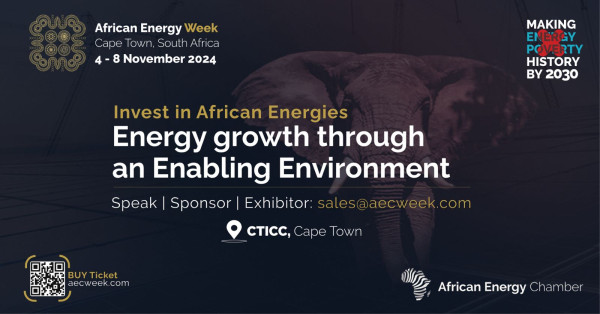
The African Energy Week (AEW): Invest in African Energy conference returns for its 2024 edition from November 4-8 in Cape Town. Under a mandate to make energy poverty history by 2030, the event unites the entire value chain to forge a path towards an industrialized, electrified and sustainable energy future. This year's partners underscore both the high-level support the event has garnered as well as the caliber of AEW: Invest in African Energy as a premier platform to sign deals and foster engagement.

Hosted at the Cape Town International Convention Center, this year's event unites the entire industry from African governments and energy regulators to private project developers and technology providers to financiers and media under the theme Energy Growth Through an Enabling Environment. This year's Host Government Partner is South Africa's Department of Mineral Resources and Energy while the event's Official Partners are the African Petroleum Producers Organization and the African Export-Import Bank.

AEW: Invest in African Energy is the platform of choice for project operators, financiers, technology providers and government, and has emerged as the official place to sign deals in African energy. Visit http://www.AECWeek.com for more information about this exciting event.

AEW: Invest in African Energy offers a strategic platform for the industry to unite, foster partnerships and drive projects forward. Featuring a multi-track program, a high-level exhibition, a series of networking functions and technical workshops, the 2024 edition addresses the challenges and opportunities across the African energy market. The event's Strategic Partners will facilitate engagement and meetings. Strategic Partners include Roscongress; Energeo Alliance; the Petroleum Directorate of Sierra Leone; and the International Association of Oil & Gas Producers.

This year's event offers an expanded program, with sessions covering the entire value chain and associated sectors. To drive discussions and deals across the respective industries, specialized partners have joined the event. The event's Technical Partner is S&P Global Commodity Insights; Intelligence Partner is Rystad Energy; and Knowledge Partner is Wood Mackenzie. These partners will support knowledge-sharing while generating in-depth insights into the trends of the industry.

Additionally, as the African energy sector grows, the AEW: Invest in African Energy partners aim to support project development and investment across various segments of the value chain. The event's Energy Logistics Partner is Africa Global Logistics; Energy Efficiency Partner is the South African National Energy Development Institute; Legal Partner is CLG; and Geophysical Partner is TGS. Moreover, as the continent advances a just energy transition, the AEW: Invest in African Energy partners will support sustainable projects and collaborative in the clean energy sector. The event's Clean Energy Partner is Oando Clean Energy and Sustainable Energy Partner is TotalEnergies – both of which support a just transition in Africa.

Amid the growth of the energy sector, the industry is working closely with associations to ensure everyone benefits from industry expansion. AEW: Invest in African Energy promotes the increased participation of women and youth, strengthened local content and business support as well as investments in STEM-related programs. The event's partners align with this objective. AEW: Invest in African Energy's Local Content Partner is the Nigerian Content Development and Monitoring Board; Youth in Energy Partner is ExxonMobil; while the Women in Energy Partner is African Women Business Energy Network.

The AEW: Invest in African Energy 2024 Partners support dialogue and deals across various segments of the African and global value chain. Their partnership underscores a commitment to driving projects and engagement forward in the industry and will open new doors for collaboration and B2B networking. This year's Partners include World Nuclear Association; the African Green Hydrogen Alliance; AFSIA; AECIPA; Africa Energy Partners; the Nigerian Association of Petroleum Explorationists; World Liquid Gas Association; and OGTAN.

Meanwhile, offering discounted rates for delegates flying to Cape Town, the AEW: Invest in African Energy Airlines Partners support participation at this year's conference. Airline Partners include South Africa Airways; Ethiopian Airways; Lufthansa Group Airlines; and AirFrance. For more information on discounted rates, visit https://apo-opa.co/3YlFFbD.

“AEW: Invest in African Energy's strong partner lineup showcases a commitment by industry leaders to drive investment and development in African energy. Over the years AEW: Invest in African Energy has grown to become one of the biggest energy events in Africa, and with its partner, this year's conference promises to be even bigger and better than before,” states NJ Ayuk, Executive Chairman of the African Energy Chamber.

For more information about the AEW: Invest in African Energy partners, sponsors and speakers, visit www.AECWeek.com.

Distributed by APO Group on behalf of African Energy Chamber.

Media files
African Energy Chamber
Download logo
Read moreAew 2024 Partners to Drive Industry Engagement and Dealmaking in Cape Town
25 October 2024

Police Officers and Botanist Accused in Poaching Fraud Case

Location: News

Officer who headed endangered species unit says it’s a “wild-goose chase”

Read morePolice Officers and Botanist Accused in Poaching Fraud Case
25 October 2024

Have a sip of butternut coffee

Location: News

Have a sip of butternut coffee

By More Matshediso

A Bloemfontein-based entrepreneur, who established a healthy alternative to coffee, is revolutionising the agro-processing industry through her thriving business.  

Chantelle de Bruyn (34) is the owner of Buttercup Farmhouse, a business that she registered in 2019 with initial plans to manufacture vegetable spices.  

The business is currently selling its signature Cucurbita Latte (vegetable coffee made from butternut) and has plans to expand to produce supplement shakes, snack bars, vegetable ice cream, and a tea range. 

She is equipped with product development skills acquired through a food science course she completed through the United States (US) Embassy and Consulates in South Africa. 

She also completed the Raymond Ackerman Academy of Entrepreneurial Development Programme at the Johannesburg Business School. 

“This skill has been instrumental in creating innovation and ensuring that the taste and health benefits of our products align with what our customers need through the value chain,” she explained. 

De Bruyn has also partnered with the University of the Free State, which is assisting her with research and product development for her products. 

The business currently employs 11 workers, including four permanent and seven part-time employees. It hopes to create more job opportunities as it expands its product offering. 

“Currently, you can buy the products at Food Lovers Market stores in the Western Cape, Centurion in Gauteng, and Ballito in KwaZulu-Natal. Online orders will be available in November,” she said. 

She has plans to reach global consumers and said the business has received support from the Free State Provincial Government since its inception and received a R50 000 Grant from the National Development Agency (NYDA) to purchase its first equipment. 

The Department of Economic, Small Business Development, Tourism and Environmental Affairs has also assisted the business to purchase additional equipment and allowed it to participate in various trade shows. 

She added that it also receives support from global investors including interest from the African Women in Trade Group in Germany, who are exploring the opportunity to distribute the products in the United Kingdom and in the US.

Achievements 
Buttercup Farmhouse already has a few accolades under its belt. In 2022, it received an award for being the Top Youth Agro Processor from the National Department of Agriculture, Land Reform and Rural Development. 

In the same year, De Bruyn was crowned the best agro developer and most innovative business through the Cwena awards. 
The business was also the Overall Winner in Business of the Year by Action Coach for 2021/2022. 

Buttercup also won a business plan competition with the American Women Academy with its U.S. Agency for International Development and, sponsored by the US Embassy in 2021, won the Standard Bank Top Women Top 5 Award in 2022, and the Most Innovative Business Award through the South African Awards in 2023. 

She was also the runner-up in the Forty over 40 Awards in 2022 and won second place in the Seeds of Change competition in 2023. 

“We have also gained recognition from the Summer Fancy Food Show in New York in 2023,” she explained.

Farming background 

De Bruyn is also a small-scale farmer who specialises in crop production. 

“I have always loved farming, and it’s a vital part of my business. I started farming in 2015 when the Agri-Parks were established in the Free State and I served on the executive committee where I represented youth in agriculture. 

“Today we grow crops like butternut that are essential to our vegetable coffee production and have partnered with external farmers to help us grow our butternuts, farming allows us to maintain high-quality ingredients for our products,” she explained.

For more information visit www.buttercupfarmhouse.co.za; or the NYDA:www.nyda.gov.za or call 087 158 6345/5738 or email: info@nyda.gov.za.

*This article first appeared in Vuk’uzenzele


Janine
Fri, 10/25/2024 - 10:32

116 views
Read moreHave a sip of butternut coffee
23 October 2024

Designation research studies underway to strengthen local production and content

Location: News

Designation research studies underway to strengthen local production and content

Designation research studies are underway to strengthen the role of local production and content in the South African public procurement system, says Chief Director of Industrial Procurement and Development at the Department of Trade, Industry and Competition (the dtic).

Makube on Tuesday made a presentation at the 11th Manufacturing Indaba Conference and Exhibition in Johannesburg.

The Manufacturing Indaba is an annual event in South Africa that brings together key stakeholders from the manufacturing sector, including business leaders, government representatives, investors, and industry experts. 

Its purpose is to foster growth, collaboration and innovation in the manufacturing industry, providing a platform for discussion on challenges, opportunities and policy frameworks. 

The event aims to enhance industrialisation, drive economic growth and promote sustainable practices in manufacturing across the continent.

Makube’s presentation, which focused on “Localisation in the Public Procurement System”, highlighted key areas where policy adjustments could better support South Africa's economic growth, emphasising the strategic importance of localisation in stimulating the local economy by leveraging public sector expenditure. 

He provided a comprehensive analysis of the current economic landscape, underscoring the importance of targeted interventions to drive growth.

"It is crucial that we intervene strategically in the economy by being deliberate about our procurement and purchasing choices. This requires rigorous economic analysis. 

"While South Africa faces challenges in achieving the growth rates outlined in the National Development Plan, efforts to strengthen the localisation framework are essential. 

“We need to address structural challenges in our economy, such as the declining manufacturing value addition to gross domestic product (GDP), high unemployment rates and scaling up export growth that will ensure sustainable economic development,” Makube said.

He emphasised the potential for localisation to drive economic multipliers, such as job creation and industrial development through strategic procurement. 

Local production, particularly in sectors like manufacturing, can significantly enhance South Africa’s economic resilience.

“Manufacturing has historically been a key contributor to the GDP product, and we need to revive its role by focusing on sectors where we have a competitive advantage. 

“Public procurement serves as a powerful tool to achieve this by prioritising South African-made goods and services. Such measures would help address issues related to South Africa’s reliance on imports and support government's broader economic transformation agenda,” Makube said.

Looking ahead, Makube highlighted the dtic's commitment to fostering a fair, transparent and competitive public procurement environment that benefits local producers and suppliers. He noted that recent legislative developments, such as the development of the Public Procurement Act, offer new opportunities for supporting local industries.

“Our goal is to ensure that procurement processes not only meet constitutional requirements but also contribute to building a stronger local economy. 

“By enhancing transparency and competitiveness, we can create a more inclusive market that benefits all South Africans, especially those previously excluded from economic participation,” Makube said. – SAnews.gov.za

Edwin
Wed, 10/23/2024 - 13:51

130 views
Read moreDesignation research studies underway to strengthen local production and content
23 October 2024

Government considers strategy to elevate children’s development

Location: News

Government considers strategy to elevate children's development

Children, individuals and organisations promoting child rights and wellbeing have put their collective weight behind a shared set of national priorities that have the potential to transform the lives of children and shape the future of the nation. 

According to a statement released by the Government Communication and Information System (GCIS), the priorities are aimed at ensuring that the 3 000 children born each day have enough food, love, safety and brain power to take the country forward, grow the economy, and break intergenerational cycles of inequality and poverty. 

During a two-day consultative forum convened by the Presidency and the Department of Social Development (DSD), government, civil society and other social partners emerged with a shared understanding of the steps and approach needed for all children to achieve optimal wellbeing and reach their full potential.

The consultative forum was held in Boksburg from 17 - 18 October. 

The GCIS said that this commitment stems from a recognition by President Cyril Ramaphosa that South Africa needs to urgently accelerate action for children and adolescents amid concerns that some of the country’s gains in reducing child poverty and mortality since 1994 are slowing down. 

The GCIS statement said that there are also demands from all sectors of society for better care and protection of children from all forms of harm. 

“These priorities are set out in government’s draft National Strategy to Accelerate Action for Children (NSAAC), which provides clear frameworks for strengthening existing programmes across State departments. 

“The NSAAC also promotes a high degree of intersectoral collaboration between government, civil society and the private sector to support the implementation of apex priorities, particularly those that do not fit neatly into a single department’s mandate. 

“Government and civil society share the understanding that families, in all their diversity, are primarily responsible for caring for and supporting children, while government provides the services, support and social protections that enable children to thrive,” the statement read. 

Leading up to the consultative forum, children and adolescents had the opportunity to engage and put their priorities on the agenda at different gatherings.

Seeing potential

Children who were present at the National Children’s Dialogue, held from 11-13 October, and who were elected by their peers to represent them, were able to deliver in person their shared priorities, concerns and recommendations at the forum.

“We would like adults, including our parents, to really listen and hear us, as we aren’t all the same and have different dreams and goals for ourselves: don’t blue tick us!” the children said. 

Seventeen-year-old Bontle Motatsa, who addressed the forum, said: “We, the children and adolescents of South Africa, urge you to know we are the future, Mr President. We deserve a seat at the table... seats with institutional leverage, a voice in our own destiny.  

“So, we implore you, our government, to capitalise on our presence, passion and potential.  Together, we can create a future that is brighter, more just, more equitable for all.  Together, we can create a South Africa where peace and prosperity for all is a reality, not just rhetoric.”

In this regard, a national branded public communication campaign in the voice of children, and with their input, is to be rolled out in the months ahead to galvanise support for the NSAAC from all sectors of society to inspire individual and collective action. 

“The ‘Hold My Hand campaign’ is a call to action that takes the child’s perspective and tone of voice. It symbolises children leading adults to a better future, one that looks very different to the realities of today.  

“However, adults must be willing to be led and to take the simple everyday actions that will get us there,” said Dr Rose September, who is the Programme Lead: Accelerated Programme of Action for Children in the Presidency.

Once input from the sectoral consultation has been incorporated, and the National Strategy to Accelerate Action for Children is considered and approved by Cabinet, it will serve as a guide for government departments, and engagement with civil society, trade unions and the business sector. – SAnews.gov.za

DikelediM
Wed, 10/23/2024 - 13:57

178 views
Read moreGovernment considers strategy to elevate children’s development
23 October 2024

Policy frameworks bear fruit 

Location: News

Policy frameworks bear fruit 

Trade, Industry and Competition Minister Parks Tau says through the Automotive Production and Development Programme (APDP), the dtic has provided critical incentives and policy frameworks to help drive investment, innovation and job creation.

Tau was speaking at the South Africa Auto-Week in Cape Town recently.

According to Tau, this has enabled South Africa to remain competitive on the global stage. 

He said since its inception in 2011, the Automotive Investment Scheme (AIS) disbursed R20.7 billion to component manufacturers (CMs) and original equipment manufacturers (OEMs).

“AIS funding to over 150 projects has resulted in investment of over R76 billion from the 2016/17 financial year to September 2024, generating a simple investment multiplier of five. 

“This means that for every R1 of incentive spending, R5 of investment was spent by the project. Over this period, the average grant disbursed was 20% of the total investment generated by the project,” Tau explained.

On transforming the sector, the Minister said out of the R15.2 billion disbursed from the AIS, 50% was payments to projects outside of the five main metros showing the substantial reach of AIS to generate spatial transformation.

“In terms of ownership, R227 million, which is 1% of AIS funding, was accessed by black-owned projects; 2%, amounting to R242 million, was accessed by small, medium and micro enterprises; R3 million by youth-owned, and R7.9 million by women-owned projects. This shows that a more deliberate approach to transformation is required in the sector. We are, however, aware that we can do more.”

Tau said the recent announcement of the extended APDP Phase 2 until 2035 is a clear signal of government's long-term commitment to the sector.

Resolving the logistics challenge

Speaking as a panel member on infrastructure investment at the same event, the Deputy Minister of Trade, Industry and Competition, Andrew Whitfield, said the Statement of Intent of the 2024 Government of National Unity (GNU) listed infrastructure development as a key priority.

“The fact that we have the Presidential National Logistics Crisis Committee (NLCC), established by the South African government to address the country's transport and logistics, indicates and recognises that we have a crisis of infrastructure in the country. 

“South Africa has the skills and talent to resolve these challenges, but the skills and talent cannot exist in silos. We all need to work together to unlock these challenges,” Whitfield said.

Whitfield said the dtic’s core mission, through the GNU, is going to make it easier for businesses to grow so that they can create jobs and that people can keep those jobs. 

“We also need to heed President Ramaphosa’s instruction to cut red tape and produce key performance indicators that will drive the plan to make it easier for businesses to do business, grow and create jobs,” he said.

Whitfield said there is nothing more urgent than the unemployment crisis that South Africa faces, and that there is an urgent need towards unlocking the infrastructure potential that the country has. – SAnews.gov.za

Edwin
Wed, 10/23/2024 - 14:04

240 views
Read morePolicy frameworks bear fruit 
23 October 2024

Committee satisfied with report on matric examinations readiness

Location: News

Committee satisfied with report on matric examinations readiness

The Portfolio Committee on Basic Education is satisfied with the updated Status Report on Matric Examinations Readiness, noting that the first day proceeded smoothly, despite challenges posed by severe weather conditions in the Eastern Cape.  

On Tuesday, the Portfolio Committee received an update report from the Department of Basic Education (DBE) and the Council for Quality Assurance in General and Further Education and Training (Umalusi) on examination readiness for the National Senior Certificate (NSC).

The committee said it noted concerns that the weather has already had an impact on the examinations, testing the DBE’s contingency plans in Gqeberha in the Eastern Cape, where storms affected electricity supply, preventing Grade 12 learners from doing the Computer Applied Technology (CAT) practical examination. 

The exam was scheduled for Tuesday. 

“The committee has, however, been assured that as part of its planning, the DBE ensures that more than one question paper is set and quality approved by Umalusi for each exam paper, so the 400 affected learners will do the examination on another date,” the committee said in a statement. 

Committee chairperson Joy Maimela said although the committee is concerned about back-up plans to deal with all eventualities, their fears have been allayed due the contingency plans reported on. 

“We urge the DBE and Provincial Education Departments (PEDs) to take note of further weather warnings and make the necessary plans to accommodate our matric learners.”

READ | Eastern Cape disaster teams on high alert

The committee heard that the first day of the examinations went by swiftly and seamlessly. The exams commenced on 21 October and will conclude on 28 November 2024.

Over the examination period, 200 question papers are scheduled to be written. Six question papers were written on the first day on Monday.

On Tuesday, a further 15 papers were written on Computer Applications Technology (Practical) and non-official languages. Wednesday’s papers are Today Business Studies and Information Technology.

In its preliminary briefing on examination readiness last month, the committee heard that that 727 121 full-time candidates and 155 215 part-time candidates are registered for this year’s NSC examinations. 

A total of 6 334 public schools and 575 independent centres are serving as exam centres.

The seventh cohort of learners is to sit for South African Sign Language Home Language (SASL HL) examinations. A total of 210 candidates for the SASL HL exams come from 23 schools in nine provinces, compared to 134 candidates in 2023.

Marking

The committee previously heard that more than 55 000 markers have been appointed. Concerns were raised by committee members about reports of a shortage of markers for certain subjects. 

The DBE said that there is a shortage in History, English (HL) and Afrikaans (HL and FAL). 

To overcome this problem, a staggered marking approach has been adopted by some PEDs so that Paper 3 of the languages are marked in the first session. 

Other PEDs have embarked on a second recruitment drive and a few PEDs have extended the number of marking days. The committee was assured that the shortage of markers will not compromise the quality of marking.

In this regard, Umalusi said it has concluded the audit of the appointed markers to verify that their appointments align with established criteria, except for four provinces – North West, Limpopo, Free State and Northern Cape – which will be finalised by 30 October 2024.

Umalusi indicated that it is satisfied with the continuous enhancement of security measures, particularly the expedited vetting of individuals involved in handling live question papers. 

To mitigate the identified risk regarding the partially approved storage points, with specific reference to the DBE, the department will use concessions from the heads of provincial departments to grant permission, and Umalusi will conduct a sample on some of these storage facilities for monitoring purposes.

Umalusi said that during the verification of marked scripts, it will track how the PEDs are managing the marking process in subjects where marker shortages were identified as a risk.

Additionally, Umalusi will closely monitor the implementation of the staggered marking approach to ensure the credibility of the examinations.

Maimela wished the Class of 2024 every success as they continue their exams. – SAnews.gov.za

DikelediM
Wed, 10/23/2024 - 14:53

11 views
Read moreCommittee satisfied with report on matric examinations readiness
22 October 2024

President Ramaphosa arrives in Russia for BRICS Summit

Location: News

President Ramaphosa arrives in Russia for BRICS Summit

President Cyril Ramaphosa has arrived in Kazan in the Russian Federation to lead South Africa’s participation in the XVI BRICS Summit.

President Ramaphosa will commence his programme this afternoon with a bilateral meeting with President Vladimir Putin of the Russian Federation.

“The meeting will present an opportunity for President Ramaphosa to communicate priorities of the seventh administration, highlight the strategic importance of the Russian Federation to South Africa, and to exchange views with the Host President on issues of mutual interest,” said the Presidency.

President Ramaphosa will also hold several bilateral meetings with leaders attending the BRICS Summit to strengthen political and economic relations in line with South Africa's national interests and foreign policy priorities.

In the evening, President Ramaphosa will attend the welcome cultural ceremony for BRICS leaders hosted by the Chair of BRICS 2024, President Putin.

On Wednesday, the President will deliver the country statement during the BRICS Plenary session themed Strengthening Multilateralism for Just Global Development and Security”.

He will also attend the Welcoming Ceremony for Heads of Delegations of BRICS States, Invited Countries and International Organisations.

“President Ramaphosa will deliver the second country statement on 24 October 2024 during the BRICS Summit Outreach/ BRICS Plus session held under the theme “BRICS and Global South: building a better world together”. 

“The aim of the dialogue is to enhance BRICS ties with leading developing economies.”

According to the Presidency, BRICS plays an important role in a multipolar world, championing multilateralism, mutually beneficial cooperation and sustainable development.

“A founding value of BRICS is the shared vision of the urgent need to restructure global political, economic and financial governance to be more fair, just and representative. 

“The expanded BRICS now covers 43% of the world's population, 32% of the world's land area, around 35% of global GDP and 20% of world exports and provides opportunities to develop mutually beneficial cooperation that contributes to the sustainable growth and development of South Africa.”

The leaders of Brazil, China, Egypt, Ethiopia, India, Iran, Russia, South Africa and the United Arab Emirates will meet for the first time since new members were invited to join BRICS during the Johannesburg II BRICS Summit of 23 August 2023.

During the XVI BRICS Summit, BRICS leaders will reflect on the status of mutually beneficial BRICS cooperation, regional and global economic and political developments as well as global governance reform.

The Presidency said they will consider reports requested during the Johannesburg II BRICS Summit, including a report by BRICS Foreign Ministers on the further development of the BRICS Partner Country model and prospective candidates and a report by BRICS Finance Ministers on the consideration of local currencies, payment instruments and platforms. 

The summit will also hear reports from the New Development Bank, BRICS Interbank Cooperation Mechanism, BRICS Business Council and BRICS Women’s Business Alliance. – SAnews.gov.za

Janine
Tue, 10/22/2024 - 14:44

1 view
Read morePresident Ramaphosa arrives in Russia for BRICS Summit
22 October 2024

People Wait Months to Be Verified for R370 Srd Grant

Location: News

SASSA blames the Home Affairs online system

Read morePeople Wait Months to Be Verified for R370 Srd Grant
21 October 2024

President seeks better prospects for matric Class of 2024

Location: News

President seeks better prospects for matric Class of 2024

President Cyril Ramaphosa has in his weekly newsletter, extended his best wishes to learners writing their matric exams, acknowledging the hard work, resilience and perseverance they have shown in preparing for this crucial milestone.

Today marks the commencement of the 2024 National Senior Certificate (NSC) exams, with over 880 000 candidates across South Africa sitting for their matric exams. 

“On behalf of the government, I wish all our learners well at this challenging and exciting time. The Class of 2024 entered Grade 8 at the height of the COVID-19 pandemic and have had to receive considerable learning support to overcome the resultant gaps in their learning,” the President said on Monday.

READ | All systems go for 2024 matric exams

The first citizen praised the students who are rewriting their exams through the Department of Basic Education (DBE) Second Chance Programme, commending their determination to improve their academic outcomes. 

In the weeks leading up to the exams, learners across the country have participated in extra lessons, engaged in revision with educators, and attended learner support programmes facilitated by provincial education departments. 

The President highlighted the collaboration between the DBE, provincial education authorities, school governing bodies, and families in equipping learners with the resources needed for success.

“I commend our nation’s educators for their commitment to our matriculants as they reach the end of their secondary school journey. 
“At the annual National Teaching Awards ceremony earlier this month, I spoke of teachers as being like devoted gardeners, whose attention, guidance and encouragement nurtures our nation. The successes that the Class of 2024 will undoubtedly achieve will be in no small part due to the efforts of our country’s devoted teachers,” the President said.

As the exams commence, all necessary systems have been put in place to ensure a smooth examination period. 

The Department of Basic Education, in collaboration with Umalusi, has conducted audits of over 9 200 exam centres, vetted exam markers, and approved question papers, including those adapted for learners with special needs. 

Additionally, stringent measures have been implemented to prevent question paper leaks, fraud, and cheating, including the appointment of additional invigilators and enhanced security measures, such as the use of CCTV at some venues.

President Ramaphosa expressed gratitude to the matric candidates for signing the NSC Examination Code of Conduct, which commits them to maintaining academic honesty during the exams.

According to the DBE, by signing the Matric Exam Pledge, learners publicly commit to upholding ethical standards during the exams and remaining focused on their goals.

READ | Minister, learners sign Matric Exam Pledge for Class of 2024

Integrating young people into the workforce

The President used the occasion to reflect on the importance of integrating the Class of 2024 into the workforce or further education after their exams. 

“The unemployment rate among young people aged 15-24 stands at 60.8%, according to the latest Quarterly Labour Force Survey. 

“Just as preparing our nation’s young people to achieve success in this exam is a collaborative effort, there is much more that partners like the private sector can do to hire young people.”

To address this, the President has called on employers to relax work experience requirements for entry-level positions and make use of incentives, such as learnership agreements, discretionary grants, and the Employee Tax Incentive, to hire young people.

The incentive is aimed at encouraging employers to hire young and less experienced work seekers.

The President also emphasised the legal obligation of employers to prioritise hiring South African citizens or permanent residents before considering foreign nationals for positions, underscoring the need to provide more opportunities for young South Africans.

“Recent business premises inspections by the Department of Home Affairs and the Department of Employment and Labour have thrown into sharp relief the contentious issue of some employers preferring to employ foreign nationals and illegal immigrants. 

“Employers must instead open up more opportunities for young South Africans entering the job market. They need to remember that by law they have to ensure that no suitable South African citizen or permanent resident is available to fill a position before employing a foreign national. This is established practice around the world,” the President said. 

READ | Employment and Labour blitz inspections and raids yield results

The President concluded by urging all sectors of society to work together to ensure that the hard work of the Class of 2024 is rewarded with employment, further education, and training opportunities. 

He reaffirmed his commitment to supporting the youth in their journey toward a brighter future.

“As all of society, we have a responsibility to ensure that the morale of the Class of 2024 is boosted by knowing their hard work and sacrifices will be rewarded. Let us continue to work together to ensure that the latest cohort of matriculants find the opportunities for employment or further education and training that they deserve,” he said. – SAnews.gov.za

DikelediM
Mon, 10/21/2024 - 12:32

250 views
Read morePresident seeks better prospects for matric Class of 2024
21 October 2024

Europe’s Network and Information Security (NIS2) directive raises the stakes for African businesses to comply with European Union’s (EU) cyber security standards

Location: News
Check Point Software Technologies Ltd.

The European Union's NIS2 cyber security  directive has significant implications for African businesses trading with the continent.  This is according to Check Point Software Technologies (www.CheckPoint.com), a leading AI-powered cloud-delivered cyber security provider, which urges African businesses with strong ties to the EU to take steps to comply with this new, stringent cyber security regulation.

Download document: https://apo-opa.co/3UgCQYj

The European Union's NIS2 Directive, came into effect this month and requires member states to amend their national legislation. The NIS2 Directive imposes strict cyber security requirements, including enhanced management liability, reporting to authorities, risk management, and business continuity planning, placing African companies trading with the EU under increased scrutiny.

The NIS2 Directive builds upon the original NIS1 Directive introduced in 2016, expanding its scope to cover a wider range of sectors including Energy, Banking, Transport, Digital Infrastructure, Healthcare, Food Production, and Research. More than 80% of European enterprises are now within the scope of this legislation, which extends to global supply chain partners—including many businesses in Africa.

Collins Emadau, Check Point Partner and Director at Westcon, explains, “Europe is still Africa's leading trading partner. African businesses, particularly in leading economies such as South Africa, Kenya, and Nigeria, need to understand the far-reaching impact of NIS2. Compliance is not just about meeting EU standards—it's about securing their future in a globalised market. Failure to comply will result in not only heavy fines but also the potential loss of critical trade partnerships with EU member states."

What's at Stake for African Businesses?

The EU remains the largest trading partner for Africa, with over 18 Economic Partnership Agreements and trade worth billions annually. African businesses, especially in sectors like Energy, Banking, Transport, and Manufacturing, are key partners in the EU's supply chains. To continue doing business with EU companies, African organisations must comply with NIS2, which mandates strict cyber security measures to protect critical infrastructure and supply chains.

Issam El Haddioui, Head of Security Sales Engineering:  Africa, Check Point Software Technologies, says, "NIS2 sets a new standard for cyber security, and African businesses must act now. Many organisations are unaware of the depth of these requirements, which go beyond local regulations. Compliance is essential not only for maintaining business relationships with the EU but also for enhancing the overall resilience of African economies against cyber threats."

Compliance will exact a cost for African organisations, which according to Interpol's 2021 Africa Cyberthreat Assessment Report, spends an average of only 0.05% of their revenue on cyber security, far below the global average of 0.3-0.5%.  The Report also estimated the financial impact of cyber crime in the region at over $4 billion USD, representing about 10 percent of Africa's total GDP.

Tougher Penalties and Personal Responsibility

NIS2 introduces personal liability for business leaders in the event of a cyber attack, meaning that executives themselves can be held financially accountable for breaches. Penalties include fines of up to EUR 7 million or 1.4% of a company's global annual turnover, whichever is higher. This goes beyond the GDPR, placing even more responsibility on corporate leadership to ensure robust cyber security practices are in place.

NIS2 mandates that organisations must report cyber incidents to authorities promptly and inform their stakeholders, suppliers, and customers. Therefore, African businesses must ensure they have a comprehensive incident response plan in place, along with regular cyber security training for both IT and leadership teams.

Steps for African Businesses to Ensure Compliance

To successfully implement NIS2 and avoid devastating penalties, Check Point recommends the following four steps for African businesses:

  1. Knowledge: Business leaders must gain a basic understanding of cyber security to effectively communicate with their IT teams and ensure sound decision-making.
  2. People: Establish an agile IT security department, including key roles such as a Data Protection Officer (DPO) and a Chief Information Security Officer (CISO), to manage and distribute responsibilities efficiently.
  3. Audit: Conduct regular risk assessments and audits to identify and mitigate vulnerabilities. Continuous monitoring is essential to stay compliant with evolving threats.
  4. Incident Management: Develop clear procedures for responding to cyber incidents, including swift reporting to national authorities, suppliers, and stakeholders.

Long-Term Commitment to Cyber Security

Compliance with NIS2 is not a one-time process; it requires a long-term commitment to cyber security. From 2028, organisations will be required to annually document their NIS2-compliant IT infrastructure and demonstrate that their cyber security measures are aligned with the latest technological advancements.

“African countries, especially economic leaders like South Africa, Kenya, and Nigeria, should also consider using the NIS2 framework as a model for strengthening their own national cyber security regulations. By improving cyber-readiness, African businesses can not only comply with international standards but also protect their data, operations, and reputations from evolving threats,” El Haddioui continues.

El Haddioui, concludes, "The NIS2 Directive marks a significant shift in the cyber security landscape. African business leaders must recognise that cyber security is now a matter of survival, not just compliance. By taking proactive measures, they can safeguard their future, avoid heavy penalties, and ensure their organisations thrive in an increasingly interconnected global economy."

Distributed by APO Group on behalf of Check Point Software Technologies Ltd..

Follow Check Point via:
LinkedIn: https://apo-opa.co/48bWAC1
X: https://apo-opa.co/3Uh9uJo
Facebook: https://apo-opa.co/40cvTLl
Blog: http://apo-opa.co/4e2KjBm
YouTube: https://apo-opa.co/48wjFQd

About Check Point Software Technologies Ltd.:
Check Point Software Technologies Ltd. (www.CheckPoint.com) is a leading AI-powered, cloud-delivered cyber security platform provider protecting over 100,000 organisations worldwide. Check Point leverages the power of AI everywhere to enhance cyber security efficiency and accuracy through its Infinity Platform, with industry-leading catch rates enabling proactive threat anticipation and smarter, faster response times. The comprehensive platform includes cloud-delivered technologies consisting of Check Point Harmony to secure the workspace, Check Point CloudGuard to secure the cloud, Check Point Quantum to secure the network, and Check Point Infinity Core Services for collaborative security operations and services.

Media files
Check Point Software Technologies Ltd.
Download logo
Read moreEurope’s Network and Information Security (NIS2) directive raises the stakes for African businesses to comply with European Union’s (EU) cyber security standards
21 October 2024

Committee Supports PPRA Court Action Against Counter Transformative Trend of HOA Charging

Location: News

Republic of South Africa: The Parliament
Download logo

The Portfolio Committee on Human Settlements highlighted its support in a court action brought by the Residential Communities' Council (RCC) and the Association of Residential Communities (ARC) against the Property Practitioners Regulatory Authority (PPRA) challenging regulation 35 of the Property Practitioners Act.

The court action seeks an order declaring that charging estate agents fees to market and/or sell property within these estates does not constitute an undesirable business practice.

The Chairperson of the committee, Mr Nocks Seabi, said: “We cannot continue to play lip service to the issue of transformation within the property practitioners environment and the continued charging of these fees runs counter to the transformation agenda intended by the passing of the Property Practitioners Act. The committee was also of the view that these estate agents' fees effectively excludes or disadvantages property practitioners not party to these arrangements from proving services within such property developments,”

In line with the drive to ensure transformation within the real estate sector, the committee welcomed the public private collaboration between PPRA and Rawson Property Group that saw the awarding of 100 franchises to previously disadvantaged individuals. The committee is of the view that PPRA must leverage expertise and resources through such partnerships to accelerate progress towards complete transformation of the sector.

The committee also welcomed the general improvement in attainment of performance targets at PPRA. The entity improved its performance from 33% in the 2022/23 financial year to 66,67% in the 2023/24 financial year. Despite this, the committee urged the entity to resolve the matters of emphasis as identified by the auditor general and to ensure a positive audit outcome.

Meanwhile, the committee welcomed the unqualified audit opinion achieved by the Housing Development Agency as well as the achievement of 91% of its planned performance targets for the 2023/24 financial year. The remarkable turnaround at the HDA should be appreciated especially the reduction of irregular expenditure by over 90% of the financial year. “The commitment to good governance practices and strong internal controls are the bedrock upon which a functional entity rests upon,” Mr Seabi said.

The committee also welcomed the over achievements in the performance that includes the acquiring of 316 2926 hectares of land for housing purposes, delivery of 2142 serviced sites (against the target 1236) and 2402 title deeds.

With regards to the Social Housing Regulatory Authority (SHRA), the committee welcomed the attainment of an unqualified audit for the 2023/24 financial year, it raised concerns that of the 9 targets not achieved, a majority of the targets related to issues of transformation. Although the committee acknowledged the strides made by SHRA to facilitate the transformation agenda, it has called for maximised collaboration with stakeholders to ensure that the capacitation workshops be held to improve procurement within designated groups.

Despite this, the committee appreciated that the entity is already hard at work to address audit findings to ensure that the entity returns to previous positive findings.

The committee will continue to monitor the effectiveness of entities within the sector to ensure that they achieve set targets and ensure quality service delivery to the people.

Distributed by APO Group on behalf of Republic of South Africa: The Parliament.

Read moreCommittee Supports PPRA Court Action Against Counter Transformative Trend of HOA Charging
  • Previous
  • Page 1
  • Interim pages omitted …
  • Page 31
  • Page 32
  • Page 33
  • Page 34
  • Page 35
  • Interim pages omitted …
  • Page 120
  • Next

Copyright © 2026 · MyZA · All Rights Reserved · Powered by Stratlec Online