• Skip to main content
  • Skip to header right navigation
  • Skip to after header navigation
  • Skip to site footer
MyZA

MyZA

News, Directory, Events and Other Stuff

  • Social Media
  • Sport
  • World News
  • Home
  • Submit News
  • Directory
  • Events
  • Stratlec
  • TFSA
  • News
    • APO
    • Today’s Sport News
    • Todays Social Media and Tech Headlines
    • Today’s World News
    • Today’s SA Financial News
  • Contact
You are here: Home / Archives for business

business

16 August 2024

Investigating Directorate bolsters fight against corruption

Location: News

Investigating Directorate bolsters fight against corruption

Minister of Justice and Constitutional Development, Thembi Simelane, says the operationalisation and establishment of the Investigating Directorate against Corruption (IDAC) – which resides within the National Prosecuting Authority (NPA) – is a crucial step in government’s fight against corruption in the country.

The Minister was speaking at a media briefing in Tshwane on Friday.

In May this year, President Cyril Ramaphosa assented to the NPA Amendment Act and on Thursday, signed a proclamation which brought the Act into operation.

“The establishment… marks a significant milestone in our fight against corruption. Unlike the previous Investigating Directorate, which was subject to dissolution by proclamation, IDAC’s permanence ensures its independence and the necessary parliamentary oversight. It also provides the IDAC with criminal investigation powers.

“The IDAC will no longer rely on secondments for staffing. Instead, it will recruit permanent staff and invest in long-term training. This will enhance our capacity to combat complex corruption, implement decisions from commissions of inquiry, and uphold the recommendations of the Judicial Commission of Inquiry into Allegations of State Capture, Corruption, and Fraud in the Public Sector,” Simelane said.

She added that the Justice Ministry is empowered to make regulations to support the critical work of the IDAC.

“The necessary regulations for section 19D(3) and section 22A(4) of the NPA Act have been prepared and will be published on 19 August 2024. Additionally, we are finalising regulations under section 8, which will allow for the appointment of a retired judge to oversee complaints related to IDAC investigators.” 

Data of the State Capture Commission

Turning to work in the pursuance of justice as a result of the recommendations of the State Capture Commission, Simelane revealed that during a meeting between business and government this week, a commitment was made to collaborate to set up a digital evidence unit.

READ | Government, business partnership begins to flourish

During its existence, the commission’s data centre collected more than a petabyte of both structured and unstructured data stemming from:

  • Park Town Office: This office stored digital records from the Commission's hearings, investigations, and legal work, including data from the Commission's website.

  • Registry Office: This office received and collected documentary data submitted to the Secretariat office.

“The outcome of the meeting between the business-government partnership and President Cyril Ramaphosa is that the partnership is collaborating to set up a new independent digital evidence unit. 

“The unit will extract and analyse data from encrypted devices such as cellphones and laptops to come up with the evidence needed to prosecute criminal cases of corruption successfully, specifically cases related to state capture,” she said.

The Minister was at pains to explain that the data collected by the commission during its existence has been shared with law enforcement agencies and that those agencies continue to have access to it.

“The Department of Justice and Constitutional Development is the legal custodian of the Commission's assets, including its data, on behalf of the South African State, government, and people. Law enforcement agencies have priority access to the data but do not have exclusive access or ownership.

“To facilitate this, the Commission amended its Regulation 11 to grant special access to its data. The Commission also trained over 20 NPA investigators to access its digital forensic platforms,” Simelane said. – SAnews.gov.za

NeoB
Fri, 08/16/2024 - 12:41

327 views
Read moreInvestigating Directorate bolsters fight against corruption
16 August 2024

The Importance of Call Answering Services for Modern Businesses

Location: MyPR

In today’s fast-paced business environment, maintaining seamless communication with clients and customers is crucial. One of the most effective ways to ensure this is through a professional call answering service. Whether you’re a small business or a large corporation, having a reliable team to handle your calls can significantly enhance customer satisfaction and operational efficiency. …

Read moreThe Importance of Call Answering Services for Modern Businesses
16 August 2024

The Essential Guide to Using Retractable Banners for Effective Promotion

Location: MyPR

In the world of marketing and trade shows, visibility and ease of setup are key to making a lasting impression. One of the most versatile tools for achieving this is the retractable banner. This simple yet effective promotional tool is designed to enhance your visibility and streamline your setup process. Here’s everything you need to …

Read moreThe Essential Guide to Using Retractable Banners for Effective Promotion
16 August 2024

Government, private sector partnerships offer hope for jobs

Location: News

Government, private sector partnerships offer hope for jobs

Employment and Labour Minister Nomakhosazana Meth has expressed optimism that the strengthened partnership between government and business will significantly boost economic growth and pave the way for increased job creation.

In a statement on Thursday, Meth acknowledged the Quarterly Labour Force Survey (QLFS) report for the second quarter of 2024 that was released by Statistics South Africa (Stats SA) earlier this week. 

She noted that while the official unemployment rate has increased from 32,9% in quarter one to 33,5% in quarter two, the number of employed persons in quarter two:2020 during the COVID inception was 14,1 million and 16.7 million in the second quarter of 2024, showing an increase in the labour force.

Additionally, the Minister said a decrease in the unemployment rate recorded in Limpopo, Free State and the Eastern Cape is encouraging and commendable under the circumstances. 

“Whilst government has continued to put in place interventions like addressing load shedding, resolving transport and logistics challenges, the economy is not growing as expected. Some of the key contributions to this sluggish economic growth are that South Africa is not insulated from the global economic pressures and geo-politics. 

“Henceforth, the scale at which the partnership between government and business is to be elevated, there is much hope that we will see a turn on economic growth yielding to job creation,” Meth said. 

Meth considers her department as central in intensifying the coordination of contributions that are to yield the results needed to address and arrest the stubborn nature of unemployment. 

As such, the Unemployment Insurance Fund (UIF) is contributing to the Presidential Youth Employment Initiative which will conclude the next intake of the one million young people as school assistants in over 23 000 schools across South Africa.

In the 2023/2024 financial year, the department has played a crucial role in job preservation saving 14 887 jobs as part of the Commission for Conciliation, Mediation and Arbitration (CCMA) dispute resolution mechanisms. 
Furthermore, through another of the department’s entity, Productivity South Africa’s business turnaround and recovery programme, 71 enterprises were assisted resulting in 5 390 jobs being saved.

As Minister Meth continues with her first 100 days in office, her plan of action to refine and repurpose the strategic thrust of the department in ensuring that the employment mandate is sharpened and delivers tangible results, remains high. 

The Minister was appointed in June.

The department and its entities continue to preserve jobs through the signing of the funding agreement between the UIF and Productivity SA projected to benefit 226 companies with a target to save 11 300 jobs in the next three years.

“Aligned to the three priorities of the 7th administration, my department, in fulfilling its mandate needs a collective approach and refined coordinated efforts that are vigorous to turnaround the status quo, particularly, youth unemployment,” Meth said. – SAnews.gov.za  


DikelediM
Fri, 08/16/2024 - 10:19

257 views
Read moreGovernment, private sector partnerships offer hope for jobs
16 August 2024

The Importance of Regular Website Updates for Small Business Success

Location: MyPR

PRETORIA, South Africa – Keeping a business website updated is a critical yet often overlooked aspect of maintaining a strong online presence. Click Results, a leading digital marketing firm based in Pretoria, emphasizes the importance of regular website updates for small business owners who want to remain competitive in today’s digital marketplace. One of the …

Read moreThe Importance of Regular Website Updates for Small Business Success
16 August 2024

The Essential Role of Answering Services Across Various Industries

Location: MyPR

In today’s competitive business environment, providing exceptional customer service is crucial for maintaining client satisfaction and loyalty. One of the key components of superior customer service is ensuring that all client communications are handled promptly and professionally. This is where answering services come into play. Whether for law firms, hotels, or medical practices, specialized answering …

Read moreThe Essential Role of Answering Services Across Various Industries
16 August 2024

Transport Management System

Location: MyPR

Integrated Transport Management and Fleet Management Software for South Africa You are with Fleataable The Best Fleet and Transport Management Software Thousands of customers recognized Fleataable as the best transport & fleet management software. The digitalization of the transport industry has resulted in the invention of online interface platform transportation management software With Fleataable, we …

Read moreTransport Management System
15 August 2024

Dodgy multi-million rand Rio Olympics grant under investigation

Location: Sport

Here are the names of the officials with whom the Lottery will no longer do business

Read moreDodgy multi-million rand Rio Olympics grant under investigation
15 August 2024

Innovative Financing and Policy Support: Accelerating Renewable Energy Development in Africa (By Ana Hajduka)

Location: News
AOW: Investing in African Energy

By Ana Hajduka, founder and CEO of Africa GreenCo (www.AfricaGreenCo.com).

As Africa's energy sector deregulates, exciting opportunities open up for financial innovation to benefit consumers. Private-sector buyers and traders can mitigate default risk and provide certified green energy at lower cost, writes Ana Hajduka, founder and CEO of Africa GreenCo.

Africa's renewable energy potential is undeniable, but it remains largely untapped. The problem is that the financing landscape for renewable energy and other projects in Africa was previously reliant on state utilities as buyers.

The scale of projects that could be financed in a country were then limited by the fiscal capabilities of that country and the sovereign guarantees it could provide.

This traditional model of relying on countries to provide such guarantees has faced recent challenges, because of increasing debt burdens, and shifting economic priorities.

Opportunities have therefore emerged for innovative financial approaches that will ensure more guarantees can be acquired from other sources and that risk can be diversified across a portfolio of suppliers and customers.  This would see more projects achieving financial close, to ultimately provide more African people with clean energy.

There is also room to not only grow new renewable energy supply, but to create new renewable energy markets on the continent, where that supply can be sold.

As a consequence, the market is opening up to allow alternative buyers of new renewable energy, which can utilize existing regional competitive energy markets to diversify its risks – buyers such as GreenCo.

This is extremely relevant at the moment. Legislation like South Africa's Electricity Regulation Amendment Bill, is set to open up the electricity sector to new supply and trading models. This foreshadows the opening of a competitive spot market for electricity trade in South Africa – linking in the future the South African spot market with that of the Southern African Power Pool.

Namibia did something similar a couple of years ago, as did Zambia.

These regulatory market developments are important as they facilitate innovation and new private sector business models through which there can be a scale up of bankable offtake agreements for new supply. The problem in the region is not lack of projects. It's not lack of funding. It's earning enough lender trust to lend on the back of a  20-25 year power purchase agreement backed by a private sector buyer without state fiscal support.  

Transmission capacity

Transmission constraints are another factor in this emerging scenario. The development of the electricity sector across the region effectively has a ceiling, determined by the available transmission network for new generation.

Previously, development finance institutions would only fund state utilities, and then only when it was proved that sufficient generation would be coming on board to utilize any new transmission infrastructure.

Now, thanks to the growing liberalisation focus in the region, allowing new private sector participants to buy and trade power, these transmission funding inflows can be facilitated. This new supply will be critical to making new transmission investments bankable.

If the private sector can sufficiently guarantee that any proposed new capacity coming on board will utilise the necessary transmission infrastructure, that new capacity effectively backs the viability of the new transmission investing – bringing a direct value add to the state utilities in South Africa and the rest of the SADC region.

Regulatory readiness

But for all of this to fall into place, we need a convergence of the relevant regulatory readiness – and we are already seeing this across the region. In many SADC countries, new legislation is providing the regulatory clarity that the private sector requires to venture into supply, transmission and trade.

The entire ecosystem must work for new entrants, and lenders. Until now, lenders have seldom considered state utilities to be creditworthy, and they have required significant fiscal guarantees to cover the power-purchase obligations of those utilities.

That model is a double whammy. Not only does it encumber utilities with debt for new generation, but it hits the national fiscus as well.

In South Africa, for example, the widely respected REIPPP process has brought online a significant amount of new generation. However, once the South African government started reporting on the process in accordance with IMF fiscal transparency regulations, this added an additional 36% to the contingent liabilities of the national treasury – almost $15 billion - overnight. That is money that can no longer be channeled into education, health and other key infrastructure development (water, transmission etc).

The REIPPP model has been extremely successful in the electricity sector, but it has perhaps outlived its usefulness. There are other priorities, and the private sector should be sufficiently capable to deliver on its own, with the lending community partnering accordingly.

The REIPPP model can be replicated in cases such as storage tenders, and in the transmission space. While transmission is usually considered a government function, it would certainly be possible to incentivize the private sector – and lenders – to enter the space.

New licensees

Across the region, markets are liberalising rapidly. South Africa has shown it can happen almost overnight, as in the case of the country's generation regulations. This has allowed third-party wheeled projects, from generators directly to customers, and facilitated new license applicants in the market such – such as GreenCo.

This shows how market thinking about the development of the electricity sector has fundamentally changed. There is collaboration like never before.

For GreenCo, events like the forthcoming AOW event offer opportunities to align with mining, commercial and industrial offtakers, as well as suppliers and IPPs. For an entity like ours, it's also a chance to show potential customers and suppliers the bankability of our own offtake; that lenders have confidence in our power purchase agreements.

Financial innovation must happen in a way that makes lenders comfortable. What that looks like in our case is that all our payment obligations are backed by an internationally AA- credit rated guarantee provider GuarantCo.

We are entering the South African market operationally ready to supply customers within South Africa and outside; and with financial readiness in the form of innovative guarantee structures to be considered bankable in the market.

The ultimate beneficiaries of this financial innovation must be the consumers. Many are looking to decarbonise their operations – for climate change reasons, and to make their products competitive on international markets.

Affordability is another key consideration. In our case, by being able to provide sufficient operational and financial risk mitigation to the lenders of the generators that supply to us, we can supply electricity far more affordably.

Around 70% of the costs of a generation or renewable energy project is from the cost of debt. Therefore, the more bankable an offtaker is, the lower the debt costs, and the cheaper the electricity – a clear demonstration of the benefits of financial innovation for the end consumer.

  • AOW: Investing in African Energy unites industry leaders to develop policy, share discoveries, secure investment, and shape Africa's energy future. The event runs from October 7 – 11 at the CTICC.

Distributed by APO Group on behalf of AOW: Investing in African Energy.

About GreenCo: 
GreenCo is a renewable energy buyer and trader operating in Southern Africa (Zambia, South Africa, Zimbabwe and Namibia); purchasing power from renewable energy generators and selling that electricity to utilities, private sector offtakers (i.e. commercial and industrial users), national power trading markets and to the competitive markets of the Southern African Power Pool (SAPP). GreenCo is an active trader on SAPP and holds a number of applicable licenses covering its operations within the Southern African region. Through its activities, GreenCo will increase the supply of, and demand for, finance for energy projects, and mobilise private sector capital more quickly towards critical and transformative capacity addition. For more information please see: www.AfricaGreenCo.com

Media files
AOW: Investing in African Energy
Download logo
Read moreInnovative Financing and Policy Support: Accelerating Renewable Energy Development in Africa (By Ana Hajduka)
15 August 2024

Holistic approach needed to address underlying factors behind GBVF

Location: News

Holistic approach needed to address underlying factors behind GBVF

Minister in the Presidency responsible for Women, Youth and Persons with Disabilities, Sindisiwe Chikunga, has underscored the need for a holistic approach that addresses both the immediate and underlying factors behind gender-based violence and femicide (GBVF).

Chikunga made the remarks during a dialogue on Women, Democracy and Leadership in South Africa, held at the University of South Africa (UNISA) on Thursday.

Chikunga, together with UNISA and the United Nations Women, hosted a dialogue, which looked deeply at women’s representation and administrative arrangements needed to achieve a gender-responsive government.

Chikunga said government has come to terms with the fact that laws alone will not prevent the killing of women.

“Despite being a constitutionally assured right, women continue to live in fear, grappling with alarming rates of gender-based violence and femicide. This remains a deeply entrenched problem with multifaceted roots, including historical inequalities, cultural norms, economic disparities, and systemic failures in law enforcement and justice systems,” Chikunga said.

Government has passed several laws, including the Criminal Procedure Act 51 of 1997, Domestic Violence Act 116 of 1998, Protection from Harassment Act 17 of 2011, Criminal Law (Sexual Offences and Related Matters) Amendment Act, Promotion of Women’s Rights, Empowerment and Gender Equality Bill, and the National Council on Gender-Based Violence and Femicide Act 9 of 2024.

However, to effectively prevent and combat GBVF, Chikunga said a holistic approach is needed, “one that addresses both the immediate and underlying factors”.

Significant strides in women representation

Reflecting on the journey travelled by women over the past three decades of the country’s democratic dispensation, Chikunga said over the past 30 years, the country has seen significant strides in ensuring women representation in decision-making and law-making circles.

Today, women make up 43.5% of the Parliament of National Unity, holding 171 of the 400 seats, an increase from 28% representation in 1994.

“Of the 75 Executive Members appointed in June 2024, 32 are women, representing 42.66%. Fourteen of the 32 Cabinet positions are held by women, and 18 of the 43 Deputy Minister positions are held by women,” Chikunga said.

The Minister emphasised the substantive contribution that women should make once in such positions.

“As we celebrate the strides that we have made, we also give due consideration to the tasks that remain undone, [these include] the need to drive inclusive growth and job creation; to reduce poverty and to tackle the high cost of living, and the task of building a capable, ethical, and developmental state. We remain mindful of the fact that in each of these priority areas, women are the most affected,” Chikunga said.

The Minister also highlighted significant progress made towards the fight against HIV/Aids, particularly in the rollout of antiretroviral therapy (ART) for pregnant women, and an increasing number of students that have gained access to education, especially higher education from which they were previously excluded due to their social class or marginalised race or ethnic group.  

Redefining advocacy to address plight of businesswomen

Chikunga also stressed the importance of redefining advocacy and mainstreaming to be strategy-programmes-goals-oriented and action-driven, to address the plight of women in business, government, farm workers, mining, and the unemployed.

“We need to advocate and mainstream women, youth and persons with disabilities across all sectors, with a focused lens on industries with high potential for growth and development. 

“We need to ring-fence funds in the budget to ensure implementation of women, youth and persons with disabilities socio-economic empowerment, starting with the allocation of change oriented -budget allocation for the department, which need to reflect intentional implementation of the gender planning and budgeting framework,” Chikunga said. – SAnews.gov.za


GabiK
Thu, 08/15/2024 - 12:59

410 views
Read moreHolistic approach needed to address underlying factors behind GBVF
15 August 2024

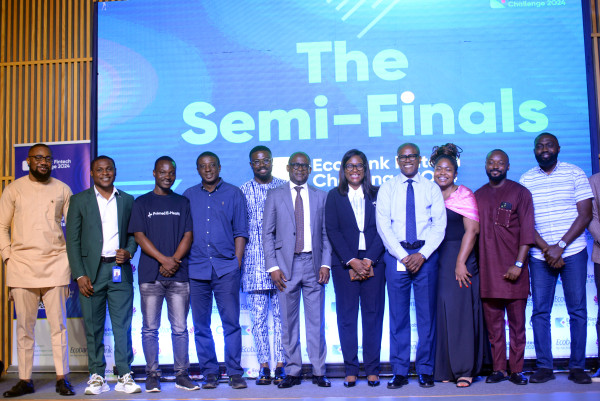
Ecobank Group Announces the Top Finalists for the 2024 Ecobank Fintech Challenge at its first ever Semi-Finals event in Lagos, Nigeria

Location: Business
Ecobank Transnational Incorporated

Ecobank (www.Ecobank.com), the pan-African Bank, has announced the top finalists for the first-ever and inaugural 2024 Ecobank Fintech Challenge Hybrid Semi-Final event held at the Ecobank Pan African Centre in Lagos, Nigeria. The finalists were selected from a cohort of 40 highly competitive Fintechs that made it to the semi-final stage of the competition. This year's challenge attracted over 1,550 applications from 70 countries in Africa and other global regions.

The finalists will showcase their innovative solutions at the Ecobank Fintech Challenge Grand Finale, scheduled for 27 September 2024, at the Ecobank Pan African Centre in Lomé, Togo. The event will be streamed live on Ecobank Group's social media channels, allowing a global audience to participate. Finalists of the challenge will compete for the US$50,000 ultimate prize during this highly anticipated event. 

Speaking at the Semi-Final, Jeremy Awori, Chief Executive Officer of Ecobank Group, remarked, "The finalists in this year's Ecobank Fintech Challenge have showcased exceptional talent and innovation; and we look forward to welcoming them to the Finale. At Ecobank, we're committed to collaborating with these business builders to develop products and services that will benefit our customers and contribute to our continent's progress”.

Showcasing the future of African fintech, here are the exceptional finalists of the 2024 Ecobank Fintech Challenge:

  • BuuPass, Kenya
  • Daba Finance,Ivory Coast
  • EasyEquities, South Africa
  • Exuus, Rwanda
  • Melanin Kapital Neobank, Kenya
  • MiaPay, Togo
  • PaySika, Cameroon
  • PROBOUTIK, Senegal
  • Sawport Video Banking as a Virtual Branch, Nigeria
  • Sproutly, Nigeria
  • Vaultpay, Democratic Republic of the Congo
  • YMO Africa, Guinea

The Ecobank Fintech Challenge, a flagship initiative of the Ecobank Group, organised for seven consecutive years, continues to serve as a premier continental platform for promoting innovation and collaboration between Fintechs and the pan-African Bank's cross-border markets spanning 35 countries. The challenge remains a significant event, attracting key players within the fintech ecosystem and beyond. It provides a unique opportunity for fintech entrepreneurs to address challenges such as reaching scale, navigating an uncertain regulatory environment, and managing scarcity of funding. In addition to financial rewards, the challenge offers Ecobank's expertise in diversified market operations and the right solutions to scale across its pan-African footprint and international presence.

Since inception, 60 fintech startups have been inducted into the Ecobank Fintech Fellowship.

The Ecobank Fintech Challenge is designed in partnership with international advisory firm Konfidants and is supported by various partners including Huawei, Proparco, TechCabal, BlueSpace, Afrilabs, Africa Fintech Network, MEST Africa, Naija Startups, Expand In Africa and Founders Africa.

This year's Grand Finale will bring together fintechs, regulators, investors, financial institutions, global technology companies, tech hubs, entrepreneurs, and industry experts.

Ecobank invites all key stakeholders within the Fintech ecosystem, and members of the general public to register for the Grand Finale via this link: https://apo-opa.co/4cndn5H.

Streaming platforms:

  • YouTube: Ecobank Fintech Challenge & Ecobank Group
  • Facebook: https://apo-opa.co/3WO7Q21

Distributed by APO Group on behalf of Ecobank Transnational Incorporated.

Media Contact:
Christiane Bossom
Group Communications
Ecobank Transnational Incorporated
Email: groupcorporatecomms@ecobank.com
Tél.: +228 22 21 03 03
Web: www.Ecobank.com

About Ecobank Group (or ‘Ecobank Transnational Incorporated' or ‘ETI'):
Ecobank Group is the leading private pan-African banking group with unrivalled African expertise. Present in 35 sub-Saharan African countries, as well as France, the UK, UAE and China, its unique pan-African platform provides a single gateway for payments, cash management, trade and investment. The Group employs over 14,000 people and offers Consumer, Commercial, Corporate and Investment Banking products, services and solutions across multiple channels, including digital, to over 32 million customers. For further information, please visit www.Ecobank.com.

Media files
Ecobank Transnational Incorporated
Download logo
Read moreEcobank Group Announces the Top Finalists for the 2024 Ecobank Fintech Challenge at its first ever Semi-Finals event in Lagos, Nigeria
15 August 2024

Public Procurement Bill to redress women socio-economic exclusion

Location: News

Public Procurement Bill to redress women socio-economic exclusion

Women, Youth and Persons with Disabilities Minister, Sindisiwe Chikunga, says the Public Procurement Bill provides the department with an opportunity to advocate and mainstream tangible models and interventions to redress the ongoing socio-economic exclusion of women, youth and persons with disabilities.

Chikunga commended the significant efforts by President Cyril Ramaphosa after signing into law the Public Procurement Bill last month, which aims to create a single framework that regulates public procurement, including preferential procurement, by all organs of State, with the necessary efficiency, cost-effectiveness and integrity.

“As a department, we will be bringing forward tangible interventions through which this legislation will serve to redress the longstanding and ongoing socio-economic exclusion of women, youth and persons with disabilities,” Chikunga said.

Addressing a dialogue on Women, Democracy and Leadership in South Africa at the University of South Africa (UNISA) on Thursday, Chikunga also commended President Ramaphosa, as the Chairperson of the African Union in 2020, for putting forward a number of recommendations for the advancement of women on the continent, which have been adopted by AU Heads of State.

READ | Government, business partnership begins to flourish

Increase in support for women entrepreneurs

Chikunga also acknowledged a surge in the establishment, growth and support of women-owned businesses in key sectors, including energy, tourism, agriculture, the ocean economy, and manufacturing.

According to the most recent Mastercard Index of Women Entrepreneurs (MIWE), South Africa ranks as the second highest country in Africa in terms of its proportion of women-owned businesses and the formal support available for women entrepreneurs.

The Global Entrepreneurship Monitor (GEM) Women’s Entrepreneurship Report also revealed that women in countries like South Africa are among the most innovative and high-growth entrepreneurs in the world.

“There is sufficient evidence that reaffirms the importance of women entrepreneurs in contributing to the overall productivity and transformation of our economy through diversifying industries, innovation, and fostering economic resilience.

“In addition, women-owned businesses contribute to the creation of employment opportunities, promote inclusive supply chains, and stimulate local economies,” Chikunga said.

Women economic advancement in the Continent

Chikunga further underscored the importance of the adoption of the Decade for African Women’s Financial Inclusion and Gender Equality, 2020-2030.

“This is a critical initiative for the women of Africa, given that the lack of access to finances hinders their socio-economic progress, and thwarts their ability to have ownership and control over resources such as land, businesses and property,” Chikunga said. 

She added that women’s access to markets continues to be a challenge for women on the continent, especially access to trade and global markets.

The Minister argued that the African Continental Free Trade Area Agreement (AfCFTA) will open doors for global trade and markets for women, and “this is of huge importance to the women in South Africa to leverage on the opportunities this AfCTA promises for the economic empowerment and wealth creation for women in Africa”.

“Africa must be Africa’s biggest trading partner and demand for products across the continent offers African women the opportunity to be suppliers to this demand. Joint initiatives of pooling resources in this regard will help grow women businesses, provide the necessary skills and training required for this, and open markets and export trade opportunities,” Chikunga said. – SAnews.gov.za


GabiK
Thu, 08/15/2024 - 13:49

284 views
Read morePublic Procurement Bill to redress women socio-economic exclusion
15 August 2024

We Need to Talk About Alcohol

Location: MyPR

“We Need to Talk About Alcohol,” says Dr Skye Scott It’s curious to me, that of all the substances we have imbibed through our history as humans, the one that we have branded, celebrated, and made available to all, is alcohol. Its use and misuse is at the root of so much insomnia, depression, anxiety, …

Read moreWe Need to Talk About Alcohol
15 August 2024

30 years of service delivery

Location: News

30 years of service delivery

By Dr Namane Masemola 

On the 29th of May this year, South Africans went to polls to renew our constitutional democracy based on the will of the people and rule of law. 

For the first time since 1994, there was no outright winner in the national elections and this situation required political parties to negotiate amongst themselves on the formation of the 7th Administration.

The Government of National Unity (GNU) presents a unique opportunity to build on the gains made since 1994 by ensuring collaboration across diverse political parties. This unity allows for a more inclusive approach to governance and multiple perspectives are considered in decision making informed by the statement of intent, which finds it expression in the State of the Nation address, a profound government policy statement that sets the trajectory for socio-economic development.

Working through the GNU, South Africa will be working to, for example, expand services to meet the basic needs of all the people, particularly the majority of those who had been deliberately denied by the apartheid government.

In the past, basic services were provided based on race and black people were excluded. In 1994, 12 million people had no access to safe drinking water, 17 million lived below the poverty line while 21 million had no adequate sanitation. About 2 million were subjected to using the bucket system which was a stark violation of the right to dignity and unhygienic. The urban housing backlog in 1990 was conservatively estimated at 1.3 million units. Including hostels and rural areas, the backlog rose to approximately three million units.

Our villages and townships were almost pitch dark at night as there was non-existent or inadequate street lighting. Most people also used open fires and coal stoves and that led to high levels of sulphur dioxide, which adversely affected the health of many people.

To uplift the material condition of all South Africans, the democratically elected government implemented the Reconstruction and Development Programme aimed at addressing and prioritising the provision of the basic needs of people such as water, electricity, housing, sanitation, refuse and waste removal.

Thirty years into our democracy, South Africa is a vastly different place compared to what it was when the government took over in 1994. Key progress is reflected in the Census 2022, with the number of households in the country having almost doubled from 9,1 million in 1996 to 17,8 million in 2022. In 2022, almost 29,9 percent of household reside in a government-subsidised dwelling or RDP house while over 82,4 percent of households had access to piped water either inside their dwelling or inside their yard.

In 2022, approximately 66,3 percent of households in the country had their refuse removed by a local authority once a week, as opposed to 52 percent in 1996. About 13,7 million people have been provided with homes through various social housing programmes from 1994 to 2022. In 2022, 83.2 percent of households had access to improved sanitation services while those using electricity as the main source of energy for lighting increased from 58,1 percent in 1996 to 94,7 percent in 2022.

Another important intervention was to allow households who cannot afford municipal services access to free basic services through the municipal indigent policy. Through this policy, every poor household is guaranteed to receive at least a minimum standard of basic services such as 6 kilolitres of water and 50 kilowatts of electricity monthly.

This free basic services programme currently supports more than 3.5 million indigent households and reduces the burden of household labour and brings about relief to poor households who experience a lower quality of life. It also ensures that no citizen is denied the right to basic services, regardless of their ability to pay.

As we reflect on the progress we've made since 1994, it's equally important to acknowledge the challenges we face, including the lingering issues inherited from our past, even 30 years into our democracy.

To build on our achievements, we must unite as a nation. Every South African has a role to play in shaping our future. In line with the District Development Model, we need collaboration across all sectors—government, business, and civil society—to drive economic growth, create jobs, and foster hope for a better tomorrow.

*Dr Namane is the CoGTA Deputy Minister.

Matona
Thu, 08/15/2024 - 12:35

49 views
Read more30 years of service delivery
14 August 2024

The Benefits of Selling Your Damaged Car

Location: MyPR

In the lifecycle of vehicle ownership, there may come a time when your car suffers significant damage, either through an accident or due to mechanical failure. When faced with such a scenario, many car owners struggle with the decision of repairing the vehicle or parting with it. However, selling your damaged car can often be …

Read moreThe Benefits of Selling Your Damaged Car
14 August 2024

A New Era of Business and Government Collaboration

Location: Business

The Presidency of the Republic of South Africa
Download logo

President Cyril Ramaphosa convened a meeting yesterday with members of cabinet and senior business leaders to pave the way for a new era of collaboration under South Africa's 7th democratic administration, and to strengthen the partnership formed over a year ago to stimulate economic growth and job creation by addressing constraints on growth in energy, transport and logistics, and crime and corruption.

At the meeting, both business and government leaders committed to build upon progress achieved to date and accelerate implementation over the next 12-18 months in line with the strategic priorities of the Government of National Unity (GNU).

President Cyril Ramaphosa said, “The Government of National Unity has reaffirmed its commitment to urgently implement the reform agenda started by the 6th administration and to restore confidence and sentiment—essential drivers of investment, inclusive economic growth, and job creation. We have reaffirmed our commitment to a dynamic partnership between government and business to foster South Africa's economic growth and social advancement. Since the start of the partnership just over a year ago, we have made substantial progress towards stabilising the energy sector, improving the performance of our rail and port system, and strengthening the fight against crime and corruption.”

Adrian Gore, co-convenor of the business delegation, commented: "We welcome President Ramaphosa's commitment to a new era of partnership at a critical inflection point for the country. In the first phase of our partnership, over 130 CEOs pledged support and business invested more than R260 million and mobilised over 350 experts across the 3 focal areas. This has contributed to the excellent progress made with the reduction in loadshedding being the most visible and pronounced achievement. Continued momentum could mean we are able to achieve 3-5% GDP growth by 2030. We will be launching Phase 2 of our partnership with this ambition in mind.”

The meeting reviewed progress over the past year, as the partnership sought to align on priorities for the next chapter. There was strong consensus on the importance of continuing to address structural challenges, drive reforms and efficiencies, and invest in skills capacitation across all workstreams.

The energy workstream was reported to have had the most impact, achieving a dramatic reduction in load shedding in collaboration with Eskom (over 140 days without load shedding so far this year), and significant grid capacity recovery (with more than 6 GW of new energy generation added) through investment in additional technical support and capacitation from 57 companies investing over 9,000 hours at 5 power stations. The energy availability factor is currently tracking above 60% (vs 54% in 2023). 

However, we still face multiple challenges including rapidly rising electricity costs, unsustainable municipal utilities, complex market reform, a constrained grid with delayed expansion, and stalling investment in new generation. 

Significant investment will be required for energy sector reform over the next 5-10 years and there was strong consensus that it is critical to pave the way now to address the challenges. Business, Eskom and the Presidency have agreed that the priorities of the National Energy Crisis Committee should include a focus on transmission, market reform, municipal utilities and new energy generation. 

The transport and logistics and crime and corruption workstreams which are now fully established have also evidenced impact, albeit not as quickly or extensively as anticipated. 

Business has provided significant technical support and resources to Transnet Freight Rail, including procurement and operations expertise, and port maintenance support for Transnet Port Terminals. The Transnet Board and management team are making progress in implementing the Transnet recovery plan. Despite the significant efforts by the partners, there is broad acknowledgment that Transnet requires substantial interventions to improve performance to meet the needs of its customers and the market demand necessary for sustainable economic growth. 

The meeting agreed that the rapid implementation of structural reforms and strict adherence to the Freight Logistics Roadmap deadlines are crucial to facilitate participation of, and investment by, the private sector to help address our national logistics challenges. This is crucial to ensure that our commodities and manufactured products can be competitively sold into the local market and exported to meet demand. Resolving these issues will promote job retention and job creation.

In the crime and corruption workstream, an immediate joint imperative is to support South Africa's removal from the Financial Action Task Force (FATF) grey list, which would improve international confidence in SA as an investment destination. Key to this is demonstrating the law enforcement agencies' intent and ability to successfully prosecute complex crime and corruption cases and recover assets. Business is providing specialised skills at arm's length to support this objective. The promulgation of the NPA Amendment Act is key to bolstering IDAC's ability to effectively deliver on its mandate. 

The meeting acknowledged that economic growth is a pre-requisite for large-scale job creation. For now, unlocking a few key policy, regulatory and funding bottlenecks could accelerate existing short-term interventions across four areas, including new work opportunities in tourism and global business services, skilling that creates new jobs (particularly in digital skills), providing additional public sector first loss funding to crowd in private sector capital to increase affordable debt available for SMMEs, and institutionalizing, expanding and strengthening the SAYouth platform to facilitate access to opportunities for young people. 

Martin Kingston, Chair of the Business for South Africa (B4SA) Steering Committee, commented: “This is a model of collaboration that has shown its merit and is fit for purpose to drive accelerated growth and jobs in the 7th administration. Over the last year significant progress has been made and impact has been achieved, and whilst it has not been as swift or extensive as we would have liked, it has gifted us with a blueprint for success in a new era with the GNU. We are keen that the reforms are implemented with urgency. We are very optimistic about the next phase of the partnership.”

“As we move forward with this partnership, we will intensify our work to address these pressing issues and expand our efforts to drive employment creation. We know that the challenges ahead are formidable. But with our continued partnership, we are well equipped to navigate these complexities and contribute to sustainable growth for South Africa”, concluded President Ramaphosa.

Distributed by APO Group on behalf of The Presidency of the Republic of South Africa.

Read moreA New Era of Business and Government Collaboration
14 August 2024

Renowned forecaster Dion Chang outlines major shifts and trends affecting retailers

Location: MyPR

Current concerns for store owners include: So-called ‘hermit’ consumers and how to draw them out The rise of the tech-savvy shopper and ‘phygital’ shopping The need for elevated in-store service Pervasive pragmatism and price consciousness Live-streamed sales promotions The recommerce boom Did you know retail sales are estimated to represent close to 20% of South …

Read moreRenowned forecaster Dion Chang outlines major shifts and trends affecting retailers
14 August 2024

UIF commissioner to host employer breakfast session in Queenstown

Location: News

UIF commissioner to host employer breakfast session in Queenstown

The Unemployment Insurance Fund (UIF) is calling on employers in the Eastern Cape to attend an Employer Breakfast session that is set to take place in Queenstown next week.

The session which will be held at Aloe Grove Guest Farm, will be hosted by the fund’s Commisssioner, Teboho Maruping.

Employers from all sectors, including commercial business owners and operators of Small Medium and Micro Enterprises (SMMEs) in Komani (Queenstown) as well as the broader Eastern Cape Province are invited to attend the session on Monday, 19 August 2024.

“At the occasion, Commissioner Maruping will among other things, engage with employers about the importance of compliance with the Unemployment Insurance Act and discuss how new developments within the UIF will impact on employers and employees,” the department said in a statement.

Subject matter experts from the UIF will be in attendance to assist employers on the spot with any challenges they may be facing in relation to the fund.

Building up to the breakfast session a full basket of Department of Employment and Labour services will be offered to communities, including assistance with UIF claims, Compensation Fund claims, enquiries resolution, registration of work seekers on the Employment Services of South Africa (ESSA) database as well as provision of information on the National Minimum Wage and other basic conditions of employment.

Build up activities will be offered this week, beginning on Wednesday at the Municipality Hall (Convent) in Cala, from 9 am until 3 pm. On Thursday, these activities will take place at Cofimvaba Town Hall in Cofimvaba, and they will conclude on Friday at Cacadu Town Hall in Cacadu. – SAnews.gov.za 


DikelediM
Wed, 08/14/2024 - 11:24

154 views
Read moreUIF commissioner to host employer breakfast session in Queenstown
14 August 2024

Government, business partnership begins to flourish

Location: News

Government, business partnership begins to flourish

The government and business partnership to resolve South Africa’s challenges is beginning to bear fruit, although much more needs to be done.

This is according to a statement released by the Presidency and Business for South Africa.

The partnership between the two parties was established last year in a bid to work together to resolve the question of inclusive and economic growth.

The collaboration has targeted three areas for particular interest, including energy, transport and logistics, and crime and corruption.

PHOTOS | President Ramaphosa meets with business leaders at the Union Buildings


Energy

In a joint statement following a meeting between government and business, which was led by President Cyril Ramaphosa on Tuesday, the Presidency and Business for South Africa noted that the energy workstream, in particular, has achieved significant progress.

“The energy workstream was reported to have had the most impact, achieving a dramatic reduction in load shedding, in collaboration with Eskom (over 140 days without load shedding so far this year), and significant grid capacity recovery (with more than 6 gigawatts of new energy generation added) through investment in additional technical support and capacitation from 57 companies investing over 9 000 hours at five power stations. The energy availability factor is currently tracking above 60% vs 54% in 2023.

READ | A further 2 500MW expected back 'by the end of August'

“However, we still face multiple challenges, including rapidly rising electricity costs, unsustainable municipal utilities, complex market reform, a constrained grid with delayed expansion, and stalling investment in new generation.

“Significant investment will be required for the energy sector reform over the next five to 10 years, and there was strong consensus that it is critical to pave the way now to address the challenges. 

"Business, Eskom and the Presidency have agreed that the priorities of the National Energy Crisis Committee should include a focus on transmission, market reform, municipal utilities and new energy generation,” the statement read.

WATCH | Government, business meet with the President


Transport and logistics 

In the statement, the two parties acknowledged that although the two workstreams have recorded successes, this was not “as quickly or extensively as anticipated”.

“Business has provided significant technical support and resources to Transnet Freight Rail, including procurement and operations expertise, and port maintenance support for Transnet Port Terminals. The Transnet Board and management team are making progress in implementing the Transnet recovery plan. 

“Despite the significant efforts by the partners, there is broad acknowledgment that Transnet requires substantial interventions to improve performance to meet the needs of its customers and the market demand necessary for sustainable economic growth,” the statement read.

READ | Transnet forging ahead with reforms

An agreement was reached to move quickly to implement reforms and meet Freight Logistics Roadmap deadlines.

“The meeting agreed that the rapid implementation of structural reforms and strict adherence to the Freight Logistics Roadmap deadlines are crucial to facilitate the participation of and investment by the private sector to help address our national logistics challenges. 

“This is crucial to ensure that our commodities and manufactured products can be competitively sold into the local market and exported to meet demand. Resolving these issues will promote job retention and job creation,” the joint statement said.

Crime and corruption

Critical to South Africa’s growth and investment prospects is removal from the Financial Action Task Force (FATF) grey list.

When the FATF grey listed South Africa at its February 2023 Plenary meetings, it adopted a jointly agreed Action Plan containing 22 Action Items linked to the eight strategic deficiencies identified in the country’s Anti-Money Laundering and the Combating of the Financing of Terrorism (AML/CFT) regime.

READ | SA continues work to exit grey list

The joint statement said the meeting agreed that an “immediate joint imperative" is to support South Africa’s removal from the list.

“Key to this is demonstrating the law enforcement agencies’ intent and ability to successfully prosecute complex crime and corruption cases, and recover assets. Business is providing specialised skills at arm’s length to support this objective. 

"The promulgation of the NPA Amendment Act is key to bolstering the ability of the IDAC [Investigating Directorate Against Corruption] to effectively deliver on its mandate,” the statement said.

On job creation, the meeting acknowledged that growing the economy is imperative to facilitate employment opportunities.

“For now, unlocking a few key policy, regulatory and funding bottlenecks could accelerate existing short-term interventions across four areas, including new work opportunities in tourism and global business services; skilling that creates new jobs (particularly in digital skills); providing additional public sector first loss funding to crowd in private sector capital to increase affordable debt available for SMMEs, and institutionalising, expanding and strengthening the SAYouth platform to facilitate access to opportunities for young people,” the joint statement said. – SAnews.gov.za

NeoB
Wed, 08/14/2024 - 11:00

333 views
Read moreGovernment, business partnership begins to flourish
14 August 2024

SA is a primary target for cyber-attacks. What are the best practices for managing your threat landscape?

Location: MyPR

Carte Blanche, this past Sunday, covered the NHLS cyber-attack. This attack highlights the continued threat to South Africa, it’s businesses and institutions – with our country being one of the most targeted for cyber-attacks in the world. Graeme Millar, MD of SevenC, a home-grown South African Managed IT Services company highlights the best practices for …

Read moreSA is a primary target for cyber-attacks. What are the best practices for managing your threat landscape?
14 August 2024

Continued collaboration key to addressing challenges

Location: News

Continued collaboration key to addressing challenges

Government and business have recommitted to working together to resolve some of South Africa’s most pressing challenges.

On Tuesday, President Cyril Ramaphosa, together with members of his Cabinet, held a meeting with senior business leaders and technical experts from government and business to discuss a new era of collaboration for a partnership launched over a year ago to address barriers to growth in South Africa.

President Ramaphosa said since last year when the partnership was established, much progress has been recorded in key areas, including electricity and rail and ports.

“The Government of National Unity has reaffirmed its commitment to urgently implement the reform agenda started by the sixth administration, and to restore confidence and sentiment -- essential drivers of investment, inclusive economic growth, and job creation. 

“We have reaffirmed our commitment to a dynamic partnership between government and business to foster South Africa's economic growth and social advancement. Since the start of the partnership just over a year ago, we have made substantial progress towards stabilising the energy sector, improving the performance of our rail and port systems, and strengthening the fight against crime and corruption,” the President said.

The President expressed optimism that in partnership, government and business can navigate the country’s most pressing challenges successfully.

“As we move forward with this partnership, we will intensify our work to address these pressing issues and expand our efforts to drive employment creation. We know that the challenges ahead are formidable. But with our continued partnership, we are well equipped to navigate these complexities and contribute to sustainable growth for South Africa," said President Ramaphosa.

Chair of the Business for South Africa (B4SA) Steering Committee, Martin Kingston, said: “This is a model of collaboration that has shown its merit and is fit for purpose to drive accelerated growth and jobs in the seventh administration. 

"Over the last year, significant progress has been made and impact has been achieved. While it has not been as swift or extensive as we would have liked, it has gifted us with a blueprint for success in a new era with the GNU. We are keen that the reforms are implemented with urgency. We are very optimistic about the next phase of the partnership.”

Co-convenor of the business delegation, Adrian Gore, said he expects that continued momentum in the partnership will bring the desired level of economic growth needed in South Africa.

“We welcome President Ramaphosa’s commitment to a new era of partnership at a critical inflection point for the country. In the first phase of our partnership, over 130 CEOs pledged support and business invested more than R260 million and mobilised over 350 experts across the three focal areas. 

“This has contributed to the excellent progress made, with the reduction in load shedding being the most visible and pronounced achievement. Continued momentum could mean we are able to achieve 3% - 5% GDP growth by 2030. We will be launching Phase 2 of our partnership with this ambition in mind,” Gore said. – SAnews.gov.za

NeoB
Wed, 08/14/2024 - 11:01

132 views
Read moreContinued collaboration key to addressing challenges
14 August 2024

Atlanta Phambili: A Gateway for US-SA Partnership

Location: News

U.S. Embassy & Consulates in South Africa
Download logo

Atlanta Phambili – “forward” in Zulu and Xhosa – is a subnational diplomacy initiative which seeks to deepen bilateral ties between the United States and South Africa through City of Atlanta's educational and research institutions, Diaspora connections, creatives industry, and economic dynamism.  The initiative is a joint effort by the U.S. Mission in South Africa and the government of South Africa. 

In March 2024, the U.S. Mission launched Atlanta Phambili with a four-day trade and investment-focused roadshow in Atlanta co-hosted by Prosper Africa.  The roadshow included events hosted in partnership with Spelman College, Georgia Tech, the Russell Innovation Center for Entrepreneurs, the Centers for Disease Control and Prevention, among others.  The delegation had the opportunity to meet with Atlanta Mayor Andre Dickens and civil rights icon Ambassador Andrew Young.  The South African delegation included senior business executives and government officials.  The U.S. government delegation included U.S. Ambassador to South Africa Reuben E. Brigety, Prosper Africa Coordinator British Robinson, USAID Deputy Administrator Isobel Coleman, United States Export-Import Bank Chair Reta Jo Lewis, and United States Trade and Development Agency Director Enoh Ebong.  During the Georgia Tech Hosted Atlanta Phambili Trade & Innovation Forum on March 27, USAID Deputy Administrator Coleman announced the launch of the Africa Trade Desk, an exciting new program to connect African products with large U.S. retailer buyers.

Distributed by APO Group on behalf of U.S. Embassy & Consulates in South Africa.

Read moreAtlanta Phambili: A Gateway for US-SA Partnership
13 August 2024

President Ramaphosa to Officiate Signing of the Second Presidential Health Compact

Location: News

The Presidency of the Republic of South Africa
Download logo

President Cyril Ramaphosa will on Thursday, 15 August 2024, preside over the signing of the second Presidential Health Compact at the Union Buildings in Pretoria.

The second compact follows the 2023 Presidential Health Summit which built on the inaugural summit of 2018 and brought together government, business, labour, civil society, health professionals, unions, service users, statutory councils, academia, and researchers to develop sustainable and inclusive solutions to challenges in the national health system.

The stakeholders involved in the Presidential Health Compact are integral to supporting the Department of Health in improving the health system.

It initially consisted of nine pillars with a 10th pillar added during last year's summit. 

These include development of human resources; improving access to medicine, vaccines and health products; upgrading infrastructure; private sector engagement; quality healthcare; public sector financial management improvements; governance and leadership; community engagements; information systems and pandemic preparedness.

The signing of the second Presidential Health Compact will take place as follows:
Date: Thursday, 15 August 2024 
Time: 14h30 (Media to arrive at 13h00) 
Venue: Union Buildings Courtyard, West Wing, Pretoria

Members of the media wishing to cover the event are asked to send their details to  Makungu Mbetse on makungu@presidency.gov.za and copy Patience Mtshali on patience@presidency.gov.za not later than today, Tuesday, 13 August 2024 at 17h00.

Distributed by APO Group on behalf of The Presidency of the Republic of South Africa.

Read morePresident Ramaphosa to Officiate Signing of the Second Presidential Health Compact
13 August 2024

MultiChoice Talent Factory 2025 Calls for Entries

Location: News
MultiChoice Group

MultiChoice Talent Factory (www.MultiChoice.com) is thrilled to announce that it's once again calling upon all aspiring filmmakers, scriptwriters, producers, and storytellers to apply for entry into the 2025 fully funded academic year.  

Whether you're a young professional looking to change careers and expand your horizons or a newcomer eager to make your mark in the TV & Film industry, MTF welcomes applicants from all backgrounds across the 13 countries in Africa: Nigeria, Ghana, Uganda, Kenya, Ethiopia, Tanzania, Zambia, Botswana, Namibia, Angola, Mozambique, Zimbabwe and Malawi.  

Since its inception in 2018, MTF has welcomed 60 students each year giving them an opportunity to reach their dreams and to unleash their potential by providing a platform that nurtures and develops talent across the continent, providing opportunities for growth, networking and success in the entertainment industry.

Through a series of rigorous training programs, MTF believes in using hands-on approach and mentorship from industry experts. Participants not only get a chance to sharpen their craft but also gain invaluable insights into the business of filmmaking. Imagine being chosen as one of the participants to learn from some of the industry's best minds and gaining practical experience in areas such as cinematography, sound design, editing, and more. MTF gives you all these opportunities and does not stop there.

At the end of the programme, top performing students from each academy will get further training, mentorship and internship opportunities with MTF global partners, such as the New York Film Academy (NYFA), Indian-based platform Zee World and will get an opportunity to work on productions in South Africa. Upon completion students receive accredited and recognised qualification and get a chance to produce and direct short films showcased on MultiChoice platforms. 

All these initiatives are indicative of MTFs commitment to supporting MultiChoice's content selection of delivering exciting local content, which is rich in culture. Africa has many untold stories and by investing in African talent, MultiChoice gets to uncover and showcase these stories by supporting MTFs students, giving them necessary skills and the platform to produce content that resonates with Africans and the global market. Through this support, MTF alumni's have achieved phenomenal success in their productions.

Just last year, five alumni secured nominations across three categories at the 2023 Africa Magic Viewers' Choice Awards (AMVCA). In addition to this, Many MTF alumni occupy significant industry roles across the continent, working as directors, producers, sound designers, camera operators, art directors, scriptwriters and editors on major African productions which include Salem, Tempted, Engaito, Mvamizi, Mum vs Wife, Makofi, County 49 and many others. Habtamu S. Mekonen, MTF student from the East Africa Academy in Nairobi, Kenya, recently won an International Emmy Award for a short film that he produced and directed. The success of MTF is best illustrated by the feature films produced by its students. The films highlight the talents and creativity of participants and demonstrate the programme's profound impact.

MTF also fosters entrepreneurial spirit, giving young people the confidence to start their own projects and businesses. To date, thirty of its alumni have registered production houses, creating employment opportunities and contributing to the economy. The knowledge and skills imparted by MTF empowers graduates to be catalysts for economic growth and cultural enrichment in their communities.

Applications are now open and will close on 15 September 2024. Interested candidates can visit https://apo-opa.co/4cjKojb to submit their entries and learn more about the program's requirements.

Are you ready to unleash your talent and step into the spotlight as one of the next generation of filmmakers? Don't miss out on this incredible opportunity to ignite your career in film and television with MultiChoice Talent Factory.

Take the first step towards realising your dreams and apply now.

Your journey to success starts here!

Distributed by APO Group on behalf of MultiChoice Group.

Media files
MultiChoice Group
Download logo
Read moreMultiChoice Talent Factory 2025 Calls for Entries
  • Previous
  • Page 1
  • Interim pages omitted …
  • Page 45
  • Page 46
  • Page 47
  • Page 48
  • Page 49
  • Interim pages omitted …
  • Page 120
  • Next

Copyright © 2026 · MyZA · All Rights Reserved · Powered by Stratlec Online