• Skip to main content
  • Skip to header right navigation
  • Skip to after header navigation
  • Skip to site footer
MyZA

MyZA

News, Directory, Events and Other Stuff

  • Social Media
  • Sport
  • World News
  • Home
  • Submit News
  • Directory
  • Events
  • Stratlec
  • TFSA
  • News
    • APO
    • Today’s Sport News
    • Todays Social Media and Tech Headlines
    • Today’s World News
    • Today’s SA Financial News
  • Contact
You are here: Home / Archives for CAN

CAN

8 May 2025

Africa’s Solar Boom: How to Reap the Benefits
Location: Business
CBI-electric: low voltage

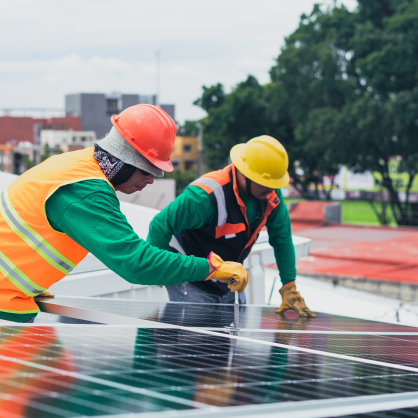
With 2.5 gigawatts-peak (GWp) (http://apo-opa.co/4iQtUCp) of solar capacity added across Africa in 2024 and 194.34 GWp expected in 2025, the continent is fast becoming a global hotspot for solar energy growth. Leading this shift are the commercial and industrial (C&I) sectors, where photovoltaic (PV) systems are being installed on-site at businesses, educational institutions, and government facilities to meet their own energy demands.

Dr Andrew Dickson, engineering executive at CBi-electric: low voltage (www.CBi-lowvoltage.co.za), explains that multiple factors are accelerating the continent's switch to solar. “Energy poverty remains a major issue across Africa, with reliable grid electricity reaching only 14% (http://apo-opa.co/4jICofV) of Zimbabweans, for example.”

He adds that unreliable power supply is another key driver. “Persistent nationwide blackouts are affecting countries like Botswana (http://apo-opa.co/3EZvQKM), disrupting day-to-day operations. And in hydro-electric dependent countries such as Zambia (http://apo-opa.co/3RRqvrX), climate change is reducing water levels, leading to lower electricity generation and higher prices.”

Dr Dickson points out that in countries like Namibia which are dependent on electricity imports, affordability is a growing concern, with N$8.8 billion (http://apo-opa.co/3EZvSlS) expected to be spent between January 2024 and December 2025. “As a result, Namibia now has the highest (http://apo-opa.co/3EZvSSU) electricity prices in Southern Africa. Yet it has a unique geographic advantage: its solar PV systems can produce twice (http://apo-opa.co/3EZvSSU) as much electricity as comparable systems in central Europe.”

Some African nations are proactively investing in solar to reduce their grid dependence. “Malawi is rolling out its National Compact for Energy (http://apo-opa.co/3GMlxKC), which creates a competitive framework for private-sector investment in off-grid solar through grants, subsidies, and credit lines that improve access to foreign exchange,” he notes.

Safeguarding solar investments

The shift to solar is also being driven by cost-effectiveness. Dr Dickson shares that on-site solar is now cheaper (http://apo-opa.co/3YDs1BD) than the electricity tariffs paid by C&I clients in at least seven sub-Saharan markets.

Pointing to research by GreenCape (http://apo-opa.co/3Z6UyzC), which found that solar PV can reduce business energy costs by 15%, with a return on investment reached within three to 12 years, he highlights that after that, businesses can benefit from up to 15 years of free electricity.

However, Dr Dickson stresses that unlocking these savings requires protecting system components from damage and disruption. “Voltage spikes caused by lightning or grid instability can seriously damage inverters and batteries. Installing surge protection devices (SPDs) is critical, not just to prevent damage, but also to avoid voiding manufacturer warranties.”

Arcing is another serious threat. “When electrical currents jump across gaps, the heat generated can damage components or even start fires,” he explains. “DC circuit breakers designed specifically for solar systems are essential for mitigating this risk. They're built to handle the direct current generated by PV panels, ensuring safer and more reliable operation.”

Smart tech enables smarter solar use

In addition to physical protection, Dr Dickson advises businesses to embrace smart energy management tools to extend system life and optimise performance. “A smart power indicator can detect grid interruptions and send immediate alerts, helping businesses respond quickly. These systems can temporarily disconnect non-essential high-energy devices during an outage to prevent overload and preserve battery life. At the same time, they ensure that essential systems like security and lighting continue operating during downtime.”

Optimising solar ROI in 2025

He believes that the key to unlocking solar's full potential lies in strategic system design and management. “By combining surge protection, DC breakers, and monitoring tools, businesses can reduce unexpected costs, minimise downtime, and extend the life of their investment.”

“As Africa's solar energy market continues to expand in 2025, organisations have an opportunity to capitalise on its long-term benefits. With the right technologies and safeguards in place, solar is not only a clean energy solution it's a strategic asset that pays off,” concludes Dr Dickson.

Distributed by APO Group on behalf of CBI-electric: low voltage.

About CBi-electric: low voltage:

  • Established in 1949, CBi-electric: low voltage is a manufacturer and supplier of quality low voltage electrical distribution, protection, and control equipment. Previously known as Circuit Breaker Industries or CBI, the company specialises in the design, development, and manufacturing of circuit breakers, residential current devices, surge protection, wiring accessories, and metering products.
  • Headquartered in Johannesburg, South Africa, the company is a subsidiary of renowned JSE listed industrial group Reunert (http://apo-opa.co/4iV5abY), established in 1888, with international operations across Africa, Asia, Australia, Europe, and USA.
  • CBi-electric: low voltage can be found in almost every home and has firmly become a market leader over the last 75 years while supplying products to authorities, utilities, manufacturers, commercial property developers, industrial, mining, telecommunications, and general power distribution applications.
  • In 2021, the brand launched its smart IoT (internet-of-things) home automation range, called the Astute Range.
Media files
CBI-electric: low voltage
Download logo
Read moreAfrica’s Solar Boom: How to Reap the Benefits
8 May 2025

Milken Institute and Motsepe Foundation Announce Winner

Location: News
The Milken-Motsepe Innovation Prize Program

The Milken Institute (https://apo-opa.co/452va1L) and the Motsepe Foundation are proud to announce the winner of the Milken-Motsepe Prize in FinTech, a $2 million innovation award designed to reward companies working to expand access to capital and financial services for small businesses in emerging and frontier markets. The winner was announced at the Milken Institute Global Conference in Los Angeles. 

Verto (https://apo-opa.co/4d7WePf), based in the United Kingdom, won the $1 million Grand Prize for its business-to-business cross-border payments platform, which enables businesses in emerging markets to send and receive payments, eliminating intermediary fees, supporting 49 currencies, and settling transactions quickly. 

FinTech is the third prize awarded as part of the Milken–Motsepe Innovation Prize Program, a series of competitive multimillion-dollar global competitions and awards designed to incentivize and reward bold, innovative solutions to address pressing economic and environmental challenges in Africa. 

A Rigorous Award Cycle: From Application to Award 

Launched in May 2024, the Milken-Motsepe Prize in FinTech attracted more than 3,000 entrepreneurs from 126 countries across six continents. A total of 400 teams applied, with just 10 being selected as semifinalists. 

Each team underwent a comprehensive judging process that evaluated five key criteria: affordability and accessibility, ethical and responsible practices, scalability in other markets, the use of cutting-edge technology, and the potential to promote equitable access to financial services.  

In December 2024, 10 semifinalists pitched their innovations to investors at the Milken Institute Middle East and Africa Summit in Abu Dhabi. From this group, an expert panel of judges selected three finalists—Chumz, Oze, and Verto—to advance to the final stage of the innovation award at the 2025 Milken Institute Global Conference. 

“Across the African continent, technology and innovation are disrupting traditional finance and banking approaches. Investment in this space is profitable and, more importantly, necessary for financial inclusion," said Dr. Precious Moloi-Motsepe, co-founder and CEO of the Motsepe Foundation. "My heartfelt congratulations to the winners and all the finalists for demonstrating feasible and impactful solutions that will drive economic activity and shared prosperity in the global South, while influencing the financial sector all over the world." 

Since its launch in 2021, the Milken-Motsepe Innovation Prize Program has awarded over $6 million in funding to more than 50 innovators worldwide. Participating teams have raised nearly 10 times the Grand Prize in additional outside investments, reaching and impacting over 530,000 community members. 

The Milken-Motsepe Innovation Prize Program offers free, curated resources and online events not only to award winners but also to nearly 9,000 global entrepreneurs.  

New Prize in AI and Manufacturing 

The fourth Milken-Motsepe Innovation Prize, which focuses on AI and manufacturing, launched at the 2025 Milken Institute Global Conference. The new $2 million award is designed to recognize established companies driving innovation in Africa's manufacturing sector. Focused on advanced data analytics and artificial intelligence, the prize rewards technological breakthroughs that create long-term economic resilience in the supply chain in Africa. 

Registration is open until July 31, 2025.  

With $2 million in total prizes, including a $1 million Grand Prize, “AI and Manufacturing” seeks companies that accelerate technological advancements, create jobs, and improve access to essential goods and services for communities across Africa. The award represents an opportunity to support companies leading the next wave of transformative change in manufacturing. 

“We have witnessed our prize programs bring forward some of the most visionary thinkers across sectors, from agriculture to financial technology. Now we're excited to see what bold entrepreneurs are doing for the manufacturing sector to harness the power of AI and other advanced technologies to improve the supply chain in Africa,” said Emily Musil, PhD, managing director of environmental and social innovation at the Milken Institute. “Prizes like this have the power to reveal new and better ways to operate in the digital age and shape how we can do better for people and the planet in the new future we are building.”  

For more information about the winners and the Milken-Motsepe Innovation Prize Program, visit https://MilkenMotsepePrize.org/.   

Distributed by APO Group on behalf of The Milken-Motsepe Innovation Prize Program.

Additional Video Link:
Opening Video: https://apo-opa.co/3GJgJpr
Finalist Video 1 - Chumz: https://apo-opa.co/436rMk6
Finalist Video 2  - Oze: https://apo-opa.co/4md7NsO
Finalist Video 3 - Verto: https://apo-opa.co/3Z9lVZT

Contact: 
Paul Guequierre  
Email: pguequierre@milkeninstitute.org 
Phone: 202-249-6942 

ABOUT THE MILKEN INSTITUTE:  
The Milken Institute is a nonprofit, nonpartisan think tank focused on accelerating measurable progress on the path to a meaningful life. With a focus on financial, physical, mental, and environmental health, we bring together the best ideas and innovative resourcing to develop blueprints for tackling some of our most critical global issues through the lens of what's pressing now and what's coming next. For more information, visit www.MilkenInstitute.org.  

ABOUT THE MOTSEPE FOUNDATION:
The Motsepe Foundation was founded in 1999 by Dr. Patrice Motsepe and his wife, Dr. Precious Moloi-Motsepe. The goal of the Motsepe Foundation is to contribute toward eradicating poverty and to sustainably improve the living conditions and standards of living of poor, unemployed, and marginalized people in South Africa, Africa, and the world. In January 2013, Dr. Motsepe and Dr. Moloi-Motsepe joined the Giving Pledge, which was started by Warren Buffett and Bill and Melinda Gates. Dr. Motsepe and his wife committed to give half of their wealth to the poor and for philanthropic purposes during their lifetime and beyond. 

Media files
The Milken-Motsepe Innovation Prize Program
Download logo
Read moreMilken Institute and Motsepe Foundation Announce Winner
8 May 2025

Giants of Africa Festival 2025

Location: News
Giants of Africa

Giants of Africa (https://GiantsOfAfrica.org/), a non-profit organization dedicated to empowering African youth through basketball, alongside its founder Masai Ujiri, Vice-Chairman and President of the Toronto Raptors, has announced Giants of Africa Festival 2025. Returning to the vibrant city of Kigali, Rwanda from July 26-August 2, the event will bring together 320 young athletes from 20 African nations, and more than 20,000 spectators for a week of community, culture, basketball, education, and entertainment. The festival will unite communities, spark potential, and drive transformative change across the continent.

“Like these kids, I grew up on the continent,” says Ujiri. “As Africans, we know the landscape of what the kids go through. We know they dream just like we did and it really inspires me because, those kids have so much more talent and intelligence, they have ways to communicate now that we didn't. This festival is about showing them there is a path. We want them to never stop dreaming.”

Giants of Africa Festival 2025 will begin with an exhilarating Opening Show, as the athletes unite in an inspiring parade to kick off the weeklong celebration. South African international DJ sensation Uncle Waffles, MTV Video Music Award-winning choreographer Sherrie Silver, and Rwandan singer and songwriter, Kevin Kade will bring electrifying performances as Ujiri and special guests welcome all to the festivities. The awe-inspiring event will mark the beginning of life-changing journeys for Africa's leaders of tomorrow.

Taking place across Kigali Sports City's BK Arena, Amahoro National Stadium, Petit Stade, and Paralympic Gymnasium, the festival will showcase the full potential of Africa's sports and entertainment ecosystem, highlighting its social and economic value for the next generation and the continent at large. Giants of Africa Festival 2025 will also serve as the grand opening of Zaria Court. Founded by Ujiri, the new mixed-use sports, entertainment, and cultural district includes an 80-room hotel, sports bar, basketball court, event space, retail outlets, gym, five-a-side football pitch, and outdoor public areas.

The festival will conclude with a spectacular Closing Concert featuring performances from Nigerian Afrobeats artist Kizz Daniel and award-winning Nigerian singer/songwriter Timaya. Celebrity guests in attendance throughout the week will include Chris Tucker, Candace Parker, Robin Roberts, Chiney Ogwumike, Didier Drogba, Michael Blackson, Boris Kodjoe and more. Additional performers for both the Opening Show and Closing Concert will be announced in the coming weeks.

Since 2003, Giants of Africa has empowered youth through basketball, hosting camps and building courts across 20 African countries. The foundation not only teaches game fundamentals but connects young people with inspirational mentors who show how determination, leadership, and integrity can transform dreams into reality. Also central to their mission is basketball's unique power to transcend barriers and unite diverse communities. The Giants of Africa Festival is a culmination of this vision, featuring a weeklong youth basketball camp and tournament that brings together young men and women from 20 nations. Youth campers will represent Senegal, Nigeria, Cameroon, Mali, Ivory Coast, Ghana, Burkina Faso, Benin, Gabon, Rwanda, Kenya, Uganda, South Sudan, Tanzania, D.R. Congo, Somalia, Ethiopia, Morocco, Botswana, and South Africa. Giants of Africa and NBA/WNBA coaches and personnel will lead training sessions, with assistance from local coaches from the participating countries. A round-robin tournament will determine which countries and players will compete in the festival's championship and all-star games.

This year, Giants of Africa will also present its inaugural Threads of Africa Fashion Show, celebrating culture, fashion, and design from across Africa. The show will spotlight the work of three talented fashion designers, each from a different region of the continent. Cameroon's Hortense Mbea (Afropian: https://apo-opa.co/4d97Od4), Niger's Alia Baré (Alia: https://apo-opa.co/3GMuRyk), and Rwanda and South Africa's Nyambo (Masa Mara: https://apo-opa.co/4377tTx) will each present their new collections, and come together for a moderated discussion.

Additionally, festival highlights include the International Youth Day Forum, presented in partnership with the Imbuto Foundation, Ministry of Youth and Arts and ALX, bringing together over 2,000 Rwandan youth and festival campers to hear from esteemed leaders. The Women's Community Outreach Program will take place in Rwanda and across all 20 represented countries, offering leadership and education sessions in local communities to empower women and girls with knowledge, resources, and inspiration.

Giants of Africa Festival 2025 follows the inaugural Giants of Africa Festival (https://apo-opa.co/42RZZFe) which took place in Kigali in 2023 in celebration of the non-profit's 20th anniversary. The event united over 250 youth basketball players from 16 African nations, drew in over 14,000 spectators, and saw an estimated $1.5M invested into Kigali's local economy. The festival culminated in a closing concert featuring performances from Afrobeats icon Davido, Queen of Afrobeats Tiwa Savage, Rwanda's own Bruce Melodie, and South African superstar Tyla. It was a beacon of unity, inspiration, and transformation that ignited the continent. Building upon their bold ambitions, Masai Ujiri and Giants of Africa are poised to make an even more powerful statement in 2025.

Tickets for Giants of Africa Festival 2025's Opening Show and Closing Concert will go on sale beginning Thursday, May 8 at 3:00PM Central Africa Time. To learn more about the festival, its other initiatives and to purchase tickets or VIP and corporate packages, please visit www.GOAFestival.org or email info@giantsofafrica.org.

Distributed by APO Group on behalf of Giants of Africa.

For the festival launch video and still images: 
https://apo-opa.co/430fZUd

For more information, please contact:
Tamara Kamaka - Giants of Africa
tamara@giantsofafrica.org

Emmanuel Ainamani - SRC Agency
emmanuel@srcagency.com

Social Media:
Instagram: https://apo-opa.co/4d7L5Og
Facebook: https://apo-opa.co/44t3xik
X: https://apo-opa.co/4dbdpj9
YouTube: https://apo-opa.co/4k6P14f

About Masai Ujiri and Giants of Africa:
Masai Ujiri, an award-winning and barrier-breaking NBA executive, is the founder of Giants of Africa. Started in 2003, Giants of Africa draws upon Ujiri's unique basketball journey to achieve its goal of uplifting African youth with programs focused on empowerment and leadership. As the first African general manager in North American professional sports who was named NBA Executive of the Year in 2013, Ujiri's ascent to the top of the basketball world began in his native Nigeria and took him around the world as a player, scout and executive, culminating in 2019 when he served as the architect of a Toronto Raptors team that became the first franchise outside the United States to be crowned NBA champions. Ultimately, he believes his work with Giants of Africa will prove to be the most meaningful and rewarding of his life.

https://GiantsOfAfrica.org/

Partners:
Giants of Africa Festival 2025 would like to express its gratitude to all sponsors and partners who have contributed to making this event possible:

● The Lake Family's All One Fund

● RwandAir

● ALX Africa

● Kensington

● Sport Court International, LLC

● BK Arena

● DHL Express Canada

● Imbuto Foundation

● Ministry of Sports

● Visit Rwanda

● Volkswagen Move

● Zaria Court

● Bralirwa PLC

● Toronto Raptors

● Marriott

Media files
Giants of Africa
Download logo
Read moreGiants of Africa Festival 2025
7 May 2025

Wiring Africa’s Industrial Future

Location: Business
African Development Bank Group (AfDB)

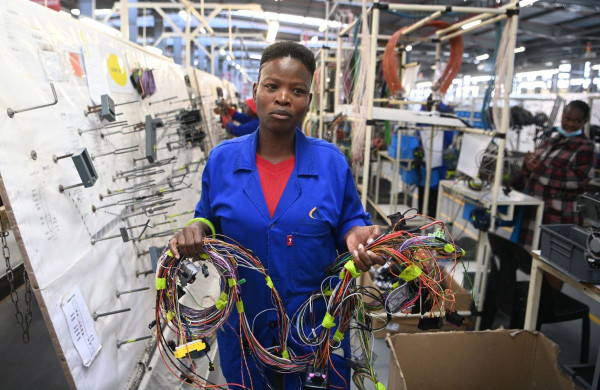
The Botswanan town of Lobatse, some 70 km south of Gaborone, has been transformed into a vibrant manufacturing centre. Across sprawling factory floors, hundreds of skilled hands meticulously assemble intricate wiring harnesses - components that will eventually power Volkswagen and Nissan vehicles across Africa and beyond.

In the automotive industry, wire harnesses are an intricate arrangement of wires, connectors, and components. They serve as vehicles' central nervous systems, enabling the  transmission of electrical signals and power throughout the automobile.

This is Delta Automotive Technologies, where strategic financing from the African Development Bank has catalysed a manufacturing renaissance that extends far beyond the factory wallsThe company makes wiring harnesses primarily for Volkswagen and Nissan.. For decades, Botswana's economic history was written in diamonds. Today, a new chapter is unfolding as the African Development Bank's $80 million credit line to the Botswana Development Corporation (BDC) for businesses in the country fuels Delta Automotive's transformation into a manufacturing powerhouse.

"This funding hasn't just built infrastructure - it's built opportunity," says Darryn Hattingh, Delta's Director of Manufacturing. "We've built a world-class operation that competes globally while creating opportunity locally. The support enables us to industrialise not just today's production lines, but tomorrow's innovations. It will support us to industrialise future businesses obtained through Volkswagen.”

The firm, which is based in Botswana, makes wiring harnesses for  Volkswagen's Polo Vivo and Polo 270, and Nissan's H60 brands.

It currently makes 120 vehicle harness sets for Volkswagen South Africa per day. By 2027, it hopes to create 340 vehicle sets for Volkswagen and 111 for Nissan in South Africa.

Women powering an industrial revolution

As one walks through Delta's expansive manufacturing facility, one fact is immediately apparent: in a traditionally male-dominated industry, women's expertise is driving this operation forward. An impressive 75% of Delta's workforce is female, shattering glass ceilings with every wire harness assembled.

For Clara Kaekane, a product and process engineer at Delta, the significance goes beyond personal achievement: "Every component we make is a challenge to outdated assumptions about gender and engineering work. I'm not just building car parts - I'm building a new perception of what is possible for women in manufacturing across Africa.”

Kaekane feels empowered to work at the management level in the automotive industry, which is normally male-dominated.

“This is a great opportunity for our country and company,” she says.

Connecting communities to global value chains

The hum of activity at Delta's plant represents more than manufacturing - it is the sound of Botswana's integration into sophisticated global supply networks. Currently producing 120 vehicle wiring harnesses daily, with plans to nearly triple output by 2027, Delta is an example of how African manufacturers can excel in precision-demanding global industries.

"What is happening here is the physical manifestation of our High 5 development priorities, particularly  ‘Industrialize Africa' and ‘Integrate Africa'. It also provides skills to the people of Africa," said the African Development Bank's Deputy Director General for Southern Africa, Moono Mupotola. "Each wire harness connects not just vehicle components, but Botswana's workforce to global value chains, rural communities to industrial opportunities, and traditional economies to a diversified future."

 Scaling impact: From hundreds to thousands

The numbers tell a compelling story: There are 327 employees today, expected to grow to 1,000 within four years. Behind those numbers are families supported, skills developed, and communities transformed. With 95% of the workforce Botswana nationals, the company has become a major driver of local economic empowerment.

"We're seeing multiple development dividends from this single investment," says Benedicta Abosi of BDC. "Delta's growth is generating export earnings, creating quality jobs, developing technical skills and, perhaps most importantly, demonstrating what's possible when development finance meets entrepreneurial vision."

She explained that five years ago, the Botswana Development Corporation supported multiple businesses, including Delta Automotive Technologies, through a $80 million line of credit facility from the African Development Bank.

A blueprint for African industrial transformation, Delta's success offers a replicable model for industrial development across the continent. By strategically supporting companies integrated into global supply chains, development finance can simultaneously address unemployment, gender inequality, economic diversification, and regional integration.

As workers at Delta Automotive Technologies continue to assemble the components that will power vehicles across the region; they're also creating a template for how African development finance can catalyse inclusive industrial transformation.

“This has definitely been a good investment for the African Development Bank, and this is how we see development financing working in Africa, Mupotola added.

Distributed by APO Group on behalf of African Development Bank Group (AfDB).

More images: 
https://apo-opa.co/42JGePY
https://apo-opa.co/3GL0NTB

About the African Development Bank Group:
The African Development Bank Group is Africa's premier development finance institution. It comprises three distinct entities: the African Development Bank (AfDB), the African Development Fund (ADF) and the Nigeria Trust Fund (NTF). On the ground in 41 African countries with an external office in Japan, the Bank contributes to the economic development and the social progress of its 54 regional member states. For more information: www.AfDB.org

Media files
African Development Bank Group (AfDB)
Download logo
Read moreWiring Africa’s Industrial Future
6 May 2025

Proteas Women Aim for Turnaround as Mashimbyi Reflects on Lessons From Defeat

Location: Sport

COLOMBO: Head coach Mandla Mashimbyi values the lessons of defeat while looking at the bigger picture as the Proteas Women...

Read moreProteas Women Aim for Turnaround as Mashimbyi Reflects on Lessons From Defeat
6 May 2025

Africa’s Leading Hospitality Investors and Visionaries Come to Cape Town in June

Location: Business
The Bench

Future Hospitality Summit (FHS) Africa 2025 comes to Cape Town from 17–19 June 2025, bringing together the most influential voices in hospitality investment, development, and sustainability from across the globe.

This year's speaker lineup features major investors, visionaries, strategists, and dealmakers who are actively reshaping the landscape of hospitality across Africa.

William E. Heinecke, Founder and Chairman of Minor Hotels, will headline the summit. A self-made entrepreneur who launched his first business at 17, Mr Heinecke has built one of the world's most respected hospitality groups. His keynote will explore the lessons behind that legacy and what's next for hotel expansion in Africa.

Guy Hutchinson, President of Hilton MEA, and Haitham Mattar, Managing Director of IHG for MEA & Southwest Asia, will delve into how global hotel groups adapt their strategies for Africa's evolving markets. Meanwhile, Jerome Briet (Chief Development Officer EMEA, Marriott International), Jean-Baptiste Recher (CDO Luxury Brands, Accor), and Esteban Lozada (MD North, West & South Africa, Hilton) will highlight expansion plans and pipeline insights from the region's top brands.

On the investment side, the programme features heavyweights like Folaseto Akin-Olugbade (Principal, Actis), Olivier Granet and David Damiba (Co-CEOs, Kasada Capital Management), Rahul Chaudhary (MD & CEO, CG Corp Global), Magdaline Osei Baffour (Investment Director, Westmont Hospitality Group), Nyawira Kariuki (CEO, Janus Continental Group), and Jameel Verjee (Founder & CEO, CityBlue Hotels). They'll share unfiltered insights on how they evaluate opportunities, manage risk, and unlock long-term value in different African markets.

Graham Wood (CEO, Sun International), Marcel von Aulock (CEO, Southern Sun), and Tony Romer-Lee (Managing Partner AMEA, Valor Hospitality Partners), David Green (CEO, V&A Waterfront) add further firepower to the operator perspective, joining sessions on operating strategies, sustainability, and navigating development constraints.

Conservation and tourism sustainability will also take centre stage with Dr Morne du Plessis (CEO, WWF South Africa) and Mark Read (former WWF SA Chairman) exploring how hospitality can be a vehicle for positive environmental impact. Brooke Friswold of Bring The Elephant Home and Joe Pietersen of Nkombe Rhino will share field perspectives on ecotourism's potential.

Other voices enriching the dialogue include Gillian Saunders, one of Africa's leading tourism consultants, Kevin Teeroovengadum (Proptech Africa), Thami Nkadimeng, Paul Gardiner (CEO, Terra Nova), Bani Haddad (Aleph Hospitality), Tadiwos G. Belete (Kuriftu Resorts), Euan McGlashan (Valor Hospitality), Wayne Godwin (JLL Africa), and many more.

An Investor Powerhouse

FHS Africa 2025 will once again host the region's most active capital partners, including:
Berkeley Properties, Cameroon Hotels Corporation, CityBlue Hotels, Cresta Marakanelo Limited, DEG, FROS Capital, Fundo Soberano de Angola, IFC, Janus Continental Group, Oak & Satin Properties, Proparco, Rockshieldburg-City, The Midwest Company, and UAG Investments.

Together, these investors represent billions in active projects, acquisitions, and greenfield development across the continent. With over $4 billion in hospitality deals signed at FHS Africa since its inception, the event remains a catalyst for serious deal-making and investment.

Matthew Weihs, Commercial Director of the Bench, which organises FHS Africa, said: “We're incredibly proud to bring FHS Africa to Cape Town for the first time. It's a city that represents innovation, diversity, and growth — the perfect backdrop for an event that connects the brightest minds in hospitality and drives real investment across the continent. The 2025 programme is bold, dynamic, and focused on action."

FHS Africa 2025 promises unparalleled opportunities to build meaningful relationships through various formats tailored for real engagement. From high-energy speed networking sessions and curated closed-door investor councils to exclusive offsite visits showcasing Cape Town's latest hospitality developments, every moment is designed to foster strategic connections. The event also features a community-focused charity Run, offering a lighter way to meet other delegates while supporting a worthy cause. 

Distributed by APO Group on behalf of The Bench.

Further Information:
For further information and high-resolution images, please contact:
David Tarsh
+44 (0) 20 7602 5262
+44 (0) 7770 816 070
email: David@Tarsh.com

About FHS Africa:
For over a decade, the Future Hospitality Summit Africa (FHS Africa) has been the launchpad for hospitality investment in Africa, driving growth, connecting visionaries, and transforming the continent's tourism and hospitality landscape. As a beacon of opportunity, FHS Africa brings together global investors, developers, operators, and industry leaders committed to turning potential into reality.

Strategic Partners: Accor, BWH Hotels, Hilton, Marriott International, IHG Hotels & Resorts, Radisson Hotel Group

Headline Sponsors: ACT, CHIC, Hansgrohe, TUI Hotels & Resorts

Sponsors: Aleph Hospitality, CityBlue Hotels, EQUATE, Knight Frank, JLL, St Helena Island, STR, TIME Hotels, TV5 Monde, Valor Hospitality Partners

Event Ambassadors: Develop Hotels Inc, Hotel Partners Africa, Voltere by Egis, W Hospitality Group

Official Carriers: Discover Airlines, Kenya Airways

Supported By: South Africa Tourism

About The Bench:
The Bench has a legacy of delivering world-leading investment forums and conferences in Europe, Africa, the Middle East, and Latin America. The key principle behind these events has remained "dealmaking'. Transforming the way businesses connect, Bench has developed a reputation for creating innovative and high-impact meetings for the industry.

For over two decades, government leaders, tourism ministries, global travel & tourism associations, the world's most influential hospitality brands, hotel owners & investors, renowned restaurant groups, airlines & aviation authorities, destination developers, asset managers, financial groups, and consultants have been participating in The Bench's events. These include FHS Africa, FHS World, FHS Saudi Arabia and AviaDev, where industry players showcase their brands, position themselves as thought leaders or innovators, and connect with the right individuals, opportunities and knowledge.

Learn more at TheBench.com

Media files
The Bench
Download logo
Read moreAfrica’s Leading Hospitality Investors and Visionaries Come to Cape Town in June
5 May 2025

Africa Energies Summit in London Must Prioritize Hiring Black Africans

Location: Business
African Energy Chamber

In the evolving and competitive energy landscape of Africa, the Frontier and Africa Energies Summit in London holds a critical position, drawing substantial revenue from the continent's thriving markets. However, there is a glaring issue that the organization cannot afford to ignore: the lack of Black Africans in its workforce. This absence raises serious concerns about the company's commitment to diversity and inclusion, and it's time for Africa Energies Summit to address this inequality. The African Energy Chamber (https://EnergyChamber.org) has issued a direct call for action, urging the summit to rectify this imbalance by hiring Black Africans.

It is deeply disappointing that, despite reaping significant benefits from Africa's economic contributions, Frontier and Africa Energies Summit in London has failed to reflect the continent's rich diversity by hiring Black employees. The company continues to prioritize personal networks in its hiring practices, which perpetuates exclusionary systems. As a result, many highly qualified Black Africans, with the necessary skills and experience, are left outside the company's inner circle.

This issue becomes even more perplexing when we consider that Black Africans are not merely passive participants in the success of the Africa Energies Summit; they are active sponsors and contributors to its events and programs. This contradiction calls into question the sincerity of the company's commitment to inclusivity and raises concerns about the integrity of its diversity policies.

NJ Ayuk, Executive Chairman of the African Energy Chamber, has highlighted the remarkable progress of the Oil and Gas industry in promoting Africans, especially women, into leadership positions. He praises the industry for fostering entrepreneurship and providing opportunities for Africans to rise to the top. This success serves as a stark reminder that Africans, especially African women, are not only capable but essential to the success of organizations operating within the continent.

The African Energy Chamber believes firmly that Black Africans possess the expertise, leadership qualities, and vision required for positions at the highest levels within the Africa Energies Summit. Inclusion is not just a matter of social justice—it is a strategic necessity for a company that depends heavily on Africa's energy market for its revenue. It is time for Frontier and Africa Energies Summit in London to move beyond lip service and show real, meaningful commitment to diversity by empowering Africans within its workforce.

The issue at hand goes beyond tokenism; it speaks to the very principles of fairness and equal opportunity. The idea that Africans can contribute to the financial success of the company through large exhibitions, yet are denied equal representation within the organization, is both unacceptable and unsustainable. The time to act is now, and this imbalance must be addressed without delay.

While it may be uncomfortable to raise these concerns, the African Energy Chamber is committed to shining a light on uncomfortable truths within the industry. The progress made in the Oil and Gas sector—particularly in the hiring, training, and promotion of Africans—demonstrates that genuine diversity efforts lead to entrepreneurial success and organizational growth. The African Energy Chamber urges Africa Energies Summit in London to adopt similar practices and take lessons from the success stories in the Oil and Gas industry.

Countries such as South Africa, Nigeria, Angola, Gambia, Sierra Leone, Kenya, Ghana, Namibia, and Tanzania—along with others that actively support the summit and participate in its events—deserve to see their talent represented at the highest levels of the organization. Africa Energies Summit must step up and ensure that the diversity it benefits from in its African markets is reflected in the diversity of its workforce.

"Frontier makes a huge part of its revenue from Africa, yet no Black people are hired within the company. They hire people they know, trust, and like, but we are not part of that circle. I am deeply disappointed. Black Africans are major participants and sponsors of their programs. I believe we are more than capable of doing the job, but there has been no true commitment to hiring or promoting us. We also need to have a serious conversation about why Africa Energies Summit in London isn't hosted in Africa," said NJ Ayuk, Executive Chairman of the African Energy Chamber.

The African Energy Chamber calls on Africa Energies Summit in London to recognize the urgent need to address the underrepresentation of Black Africans in leadership roles within its organization. This is a critical opportunity for the summit to prove its commitment to true diversity and inclusivity by embracing the talents, skills, and potential of Africa's brightest minds.

Distributed by APO Group on behalf of African Energy Chamber.

Media files
African Energy Chamber
Download logo
Read moreAfrica Energies Summit in London Must Prioritize Hiring Black Africans
5 May 2025

African Mining Week to Spotlight Cutting-Edge Mining Tech

Location: Business
Energy Capital & Power

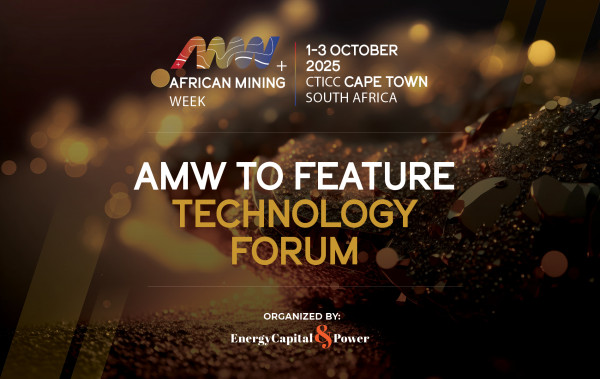
The upcoming African Mining Week (AMW) – Africa's premier gathering for mining stakeholders, scheduled for October 1-3, 2025 in Cape Town – will feature a dedicated Technology Forum. The forum will connect African mining projects with global technology providers and investors, showcasing how digital solutions are transforming resource extraction and redefining the mining value chain.

As African countries scale up mineral production to drive GDP growth, developers are increasingly adopting data analytics and digital tools to boost operational efficiency. U.S.-based startup KoBold Metals, which applies artificial intelligence (AI) to mineral exploration, entered the Democratic Republic of Congo (DRC) in April 2025 to tap into the country's estimated $24 trillion in untapped mineral resources. The DRC – already the world's largest cobalt producer and a key copper supplier – could see its global mining profile rise significantly with KoBold's involvement. In Zambia, the company is advancing the $2 billion Mingomba project, one of the world's most promising untapped copper assets.

https://apo-opa.co/3Z0EMWY

https://apo-opa.co/3EBP2yg

Similarly, in Zimbabwe, Caledonia Mining is investing $1.1 million in IT infrastructure upgrades at the Blanket Mine as part of its $41.8 million capital budget. The upgrades include new mine planning software and a digital clocking system to improve labor efficiency, with a goal to increase gold output from 76,656 ounces in 2024 to up to 77,500 ounces in 2025.

https://apo-opa.co/4k8pMPg

In Botswana, Botswana Diamonds is employing AI-driven exploration to expand beyond diamond mining, recently identifying new prospects for copper, silver, cobalt, gold, nickel, zinc and platinum group metals. “During the initial analysis of the big database, it became clear that the AI technology could be used to identify other unknown minerals opportunities – and so it turned out,” said John Teeling, Chairman of Botswana Diamonds.

https://apo-opa.co/4k6ZDQM

Meanwhile, South African firms such as Kilken Platinum and Rio Tinto are deploying digital tools to unlock greater operational value. A joint report by Accenture and the World Economic Forum projects that digitalization could unlock up to R213 billion in additional value for South Africa's mining sector by 2026. Technologies such as predictive maintenance, autonomous operations and real-time data monitoring are helping firms streamline processes, reduce downtime and improve safety outcomes.

https://apo-opa.co/3EBP2yg

https://apo-opa.co/4jXhBVG

The Technology Forum at AMW 2025 will feature high-level panels examining how digitalization can optimize infrastructure, enhance safety, predict system failures and support sustainable resource management in a data-driven mining environment. The forum will also provide a platform for mining companies to showcase real-world case studies, exchange knowledge with tech innovators, and explore partnerships that drive long-term value creation.

Distributed by APO Group on behalf of Energy Capital & Power.

About African Mining Week:
African Mining Week serves as a premier platform for exploring the full spectrum of mining opportunities across Africa. The event is held alongside the African Energy Week: Invest in African Energies 2025 conference from October 1-3 in Cape Town. Sponsors, exhibitors and delegates can learn more by contacting sales@energycapitalpower.com.

Media files
Energy Capital & Power
Download logo
Read moreAfrican Mining Week to Spotlight Cutting-Edge Mining Tech
5 May 2025

CSA Statement On Kagiso Rabada

Location: Sport

JOHANNESBURG: Cricket South Africa (CSA) can confirm that Proteas Men right arm fast bowler Kagiso Rabada has returned an adverse analytical...

Read moreCSA Statement On Kagiso Rabada
2 May 2025

AMW 2025 to Host Africa-Europe Mining Cooperation Dialogue

Location: Business

Energy Capital & Power
Download logo

As home to 30% of the world's critical minerals – resources essential to Europe's Green Deal and broader energy transition goals – Africa is attracting heightened interest from European investors and institutions.

Taking place from October 1–3, 2025 in Cape Town, African Mining Week – the continent's premier mining event – will host the Europe-Africa Roundtable under the theme, European Partnerships in African Mining: A Mutually Beneficial Future. The roundtable will convene mining stakeholders, policymakers and investors from both continents to explore investment opportunities and foster cross-continental collaboration.

As Africa seeks to mobilize new capital to drive industrial growth through mining, European-based companies are playing a pivotal role. British multinational Anglo American is advancing copper, nickel, coal and diamond projects in South Africa, Botswana, Zambia and Nigeria. Glencore, headquartered in Switzerland, maintains major coal, copper and cobalt operations in South Africa and Botswana, while the UK's Rio Tinto is engaged in a range of mineral ventures across the continent.

Europe's junior and mid-tier mining firms are also gaining ground. Pensana is developing Angola's first rare earths mine at Longonjo, which is expected to meet 5% of global demand for magnet rare earths. Endeavour Mining is leading several gold expansion projects across the continent, including the Lafigué Gold Mine in Ivory Coast, Sabodala-Massawa in Senegal and Kalana in Mali.

Beyond the private sector, the European Commission is also backing strategic infrastructure to unlock mineral corridors. Notably, it is co-financing the Lobito Corridor, which links the DRC, Zambia and Angola to global markets. Through frameworks such as the Global Gateway Africa-Europe Investment Package, the Africa-EU Partnership on Sustainable Raw Materials, and Strategic Partnerships on Critical Raw Materials, Europe is delivering financial backing and technical know-how to Africa's mining sector. These efforts aim to secure reliable, responsible and diversified mineral supply chains while fostering sustainable development and value addition on the African continent.

Within this context, AMW 2025 offers a vital platform to sustain this momentum, deepen cooperation and forge new partnerships that advance mining-led growth. From major investments by European mining giants to infrastructure financing through the Lobito Corridor, Africa is attracting unprecedented levels of capital and collaboration. The Europe-Africa Roundtable will spotlight opportunities across critical minerals, gold, copper and rare earths, while promoting sustainable practices and mutually beneficial engagement.

Distributed by APO Group on behalf of Energy Capital & Power.

About African Mining Week: 
African Mining Week serves as a premier platform for exploring the full spectrum of mining opportunities across Africa. The event is held alongside the African Energy Week: Invest in African Energies 2025 conference from October 1-3 in Cape Town. Sponsors, exhibitors and delegates can learn more by contacting sales@energycapitalpower.com.

Read moreAMW 2025 to Host Africa-Europe Mining Cooperation Dialogue
2 May 2025

Proteas Women Stay Positive Ahead of Sri Lanka Clash in ODI Tri-Series

Location: Sport

COLOMBO: Following a tightly contested defeat against India, the Proteas Women remain optimistic and are focusing on the controllables ahead of...

Read moreProteas Women Stay Positive Ahead of Sri Lanka Clash in ODI Tri-Series
30 April 2025

Justice Committee Chairperson Welcomes Process to Establish a Commission Into Apartheid-Era Crimes

Location: News

Republic of South Africa: The Parliament
Download logo

The Chairperson of the Portfolio Committee on Justice and Constitutional Development, Mr Xola Nqola, today noted and welcomed reports that President Cyril Ramaphosa is establishing a judicial commission of inquiry to establish whether attempts were made to prevent the investigation or prosecution of apartheid-era crimes referred by the Truth and Reconciliation Commission (TRC) to the National Prosecuting Authority.

Announcing this in a statement today, the Presidency said allegations of improper influence in delaying or hindering the investigation and prosecution of apartheid-era crimes have persisted from previous administrations. President Ramaphosa is determined to establish the facts and conclude the matter through this commission. The establishment of the commission of inquiry is the outcome of settlement discussions in a court application brought by families of victims of apartheid-era crimes, the statement reads.

Said Mr Nqola: “The finalisation of all such outstanding matters will be closure for the families who are still unsure of what happened to their loved ones. It is very concerning that families had to turn to the courts for there to be some movement. We will now monitor the process and ensure that the remaining matters are dealt with speedily so the families can get justice.”

Distributed by APO Group on behalf of Republic of South Africa: The Parliament.

Read moreJustice Committee Chairperson Welcomes Process to Establish a Commission Into Apartheid-Era Crimes
30 April 2025

Telcables Nigeria to Host Connect Xperience Event to Discuss the Future Adopation of Local Cloud Services

Location: Business

Angola Cables
Download logo

TelCables Nigeria, a subsidiary of Angola Cables (www.AngolaCables.co.ao), is proud to announce that it will be hosting the Connect Xperience event. This initiative will bring companies and strategic partners together to evaluate how local cloud infrastructure and services can assist in accelerating digital transformation and bring far reaching benefits to multiple sectors across the Nigerian economy. 

At present, Nigeria's cloud computing market is valued at around $1.03 billion and is expected to grow to $3.28 billion by 2030. With the exponential growth in the digitalization of the financial, technological and commercial sectors, dependence on cloud services is becoming increasingly critical. 

The event will highlight the advantages of adopting a local cloud solution, that offers lower latency, greater data sovereignty, enhanced security and improved compliance with local regulations. 

The IT sector currently contributes approximately 20% to Nigeria's real GDP, underscoring the pivotal role that the sector plays in the nation's economy.  

Fernando Fernandes, CEO of TelCables Nigeria said, “we believe that the future of the cloud in Africa lies in innovative and adaptable solutions that have been developed in Africa, for Africa - and the unique requirements and demands of businesses and users across the continent.  With strategic data centers and world-class connectivity, we are ready to support sustainable digital growth in Nigeria.”  

During the Connect Xperience, TelCables experts will present cloud models tailored to the needs of Nigeria companies, from startups to large corporations, as well as opportunities for local resellers and integrators looking to expand their services based on a robust, affordable and available infrastructure in Lagos. 

“Connect Xperience promises to be a meeting point for IT decision-makers, business leaders and industry professionals interested in exploring reliable, scalable and local cloud solutions that can improve business processes and boost the local Nigerian economy,” concluded Fernandes.  

Distributed by APO Group on behalf of Angola Cables.

About Angola Cables:
Angola Cables is an internationally established ICT and digital solutions and network services provider. The company specializes in connectivity solutions for the wholesale market and offers tailored digital services and solutions across multiple industries, including Cloud resources for the corporate enterprise sector. 

Known for its innovation, Angola Cables operates a robust global backbone network, providing access to major IXPs, Tier I operators, and global content providers. With more than 30 PoPs and connections to plus 930 interconnected Data Centres and 6000 peering agreements, traffic over its international network is more than 18 500 Tbps. 

The company has its own submarine cable network spanning over 33,000 kilometres (WACS, SACS, and MONET) and extends its services to over 50,000 kilometres through partner cables, connecting the Americas, Africa, Europe, and Asia. 

Additionally, the company operates two world-class Data Centres, AngoNAP Fortaleza in Brazil and AngoNAP Luanda in Angola. Angola Cables also manages PIX in Brazil and AngonIX in Angola - one of the leading internet traffic exchange points in Africa that directly connects to over 21 IXPs worldwide. 

With a significant international presence, Angola Cables is expanding its operations into strategic markets such as Brazil, South Africa, the United States and Nigeria. The company promotes intercontinental interconnection, driving digital and economic development, and ranks among the top 25 internet service providers in the world today. 

*The Center for Applied Internet Data Analysis (CAIDA) 2023 

For more information, visit the website: www.AngolaCables.co.ao 

About TelCables West Africa:
TelCables West Africa is powered by the Angola Cables network, a multinational telecommunications company operating in the wholesale market. The company operates connectivity, IT solutions and services as well as international data circuit capacity and IP Transit via submarine cables. 

As the most connected network operator in Africa, we provide secure, low-latency direct routes from West Africa to the USA and South America and from West Africa to London. With our presence across a number of Nigerian IP hubs from Lekki, WACS CLS, Medallion DC, Rack Centre and others, and connections across Africa via the Djoliba network, we can connect your business to the world. 

For more information, visit the website: https://TelCables.ng/  

Read moreTelcables Nigeria to Host Connect Xperience Event to Discuss the Future Adopation of Local Cloud Services
30 April 2025

Experts Convene in Washington to Advance Dialogue on an African-Led Credit Rating Ecosystem

Location: News
AfriCatalyst

With more than 30 African countries subject to sovereign credit ratings, the decisions of global rating agencies significantly impact debt sustainability and access to international financial markets. At a high-level dialogue held on the sidelines of the 2025 IMF–World Bank Spring Meetings, African institutions and global credit rating agencies reaffirmed their commitment to developing a fair, transparent, and inclusive credit rating ecosystem for Africa.

Organized by the African Union's African Peer Review Mechanism (APRM), the United Nations Development Programme (UNDP), the United Nations Economic Commission for Africa (UNECA), AfriCatalyst, and the African Center for Economic Transformation (ACET), and hosted at the Open Society Foundations, the dialogue brought together senior representatives from Moody's, S&P, and Bank of America for a candid discussion on financing solutions for African countries.

Against a backdrop of rising market volatility, sovereign defaults and constrained fiscal space, the dialogue aimed to address urgent reforms in Africa's credit rating framework. Speakers identified structural issues such as data gaps, methodological opacity, and under-engagement between African governments and the ‘big three' credit rating agencies (Moody's, S&P, and Fitch), as barriers to accurate ratings.

Amb. Claver Gatete, Executive Secretary of UNECA, acknowledged Africa's financing paradox—a combined GDP of over $3 trillion, yet only two countries rated investment grade—and underscored the urgent need for reform. “Ultimately, a healthy credit rating ecosystem goes beyond evaluating risk – it becomes a platform for mobilizing capital, improving creditworthiness, and supporting Africa's broader development goals,” he added.

“We must rethink how creditworthiness is defined and measured,” said Dr. Raymond Gilpin, Chief Economist, UNDP Africa speaking on behalf of Ms. Ahunna Eziakonwa, UNDP Regional Director for Africa. “At UNDP, we believe a development-centric approach is essential to supporting governments in strengthening institutions, improving data systems, and engaging effectively with credit rating agencies to reshape the narrative around Africa's creditworthiness.”

African economies face mounting credit rating challenges, including perceptions of bias, lack of transparency and inconsistencies in rating methodologies. Dr. Misheck Mutize, Lead Credit Rating Expert at APRM, and Dr. Zuzana Schwidrowski, Director of Macroeconomics, Governance and Finance at UNECA, proposed solutions to addressing the capacity of African governments to respond to inaccurate or unfair credit ratings and steps toward creating an African Credit Rating Agency that complements and expands existing credit ratings coverage globally.

Mr. Roberto Sifon-Arevelo, Managing Director at S&P Global Ratings, Mr. Jorge Valez, Senior Vice President at Moody's Ratings, and Dr. Tatonga Rusike, Chief Economist for Africa at Bank of America, outlined opportunities to remedy longstanding risk perception issues and working together with banks and investors to build capacity  and a better understanding of rating methodologies to address transparency. They further emphasized that while sovereign credit ratings are not the sole determinant of investor decisions, they exert significant influence over borrowing costs, market confidence, and access to capital.

"Given the ongoing stress in African governments related to both cost of capital and access to capital it is critical to ensure that credit ratings reflect the many different African contexts. This initiative is an important step in that regard - particularly engaging the credit rating agencies," shared Ms. Mavis Owusu-Gyamfi, President and CEO of ACET.

“The Africa Credit Rating Agency (AfCRA) is not being established to issue favourable ratings for African entities, but rather to contribute to a diversity of rating opinions that support more accurate assessments of African sovereigns, corporates, and sub-sovereigns,” expressed Dr. Mutize. “Our priority is to build a credible, independent, and sustainable institution that plays a vital role in developing domestic debt markets and rebalancing Africa's position within the evolving global financial architecture.”

In his closing remarks AfriCatalyst's CEO Dr. Daouda Sembene stressed the urgent need for collaboration among African institutions. “AfriCatalyst is proud to be at the heart of this critical dialogue, building on the foundation of our Credit Ratings Initiative with UNDP. We are optimistic that through stronger collaboration between African institutions and global rating agencies, we can foster a more accurate, robust, and representative credit rating ecosystem—one that empowers African nations and promotes sustainable growth.” said Daouda.

Key messages included the need for: transparent and regular engagement between rating agencies, investors, and African governments; stronger institutional narratives that reflect the continent's resilience and reform efforts; and local capacity-building and collaboration, particularly through the proposed African Credit Rating Agency, which aims to provide credible, contextual alternatives to global ratings.

As South Africa chairs the G20 and the African Union assumes permanent membership in 2025, the call for an African-led credit rating solution takes on added urgency. The outcomes of this dialogue will contribute to ongoing efforts to reform the global financial architecture and ensure Africa's capital works better for Africa's development.

Distributed by APO Group on behalf of AfriCatalyst.

Media Contacts:
Bineta Pouye
bpouye@africatalyst.com

Michelle Mendi Muita
michellemendi.muita@undp.org

Ejigayhu Tefera
ejigayhu.tefera@aprm-au.org

Jean-Marc Kilolo
jean-marc.kilolo@un.org

Belinda Ayamgha
bayamgha@acetforafrica.org

Media files
AfriCatalyst
Download logo
Read moreExperts Convene in Washington to Advance Dialogue on an African-Led Credit Rating Ecosystem
29 April 2025

WHO and UNICEF Warn Parents Against Unethical Baby Milk Advertising In South Africa

Location: News

World Health Organization (WHO) - South Africa
Download logo

The World Health Organization (WHO) and the United Nations Children's Fund (UNICEF) are today launching a “Babies Before Bottom Lines” manifesto to warn parents in South Africa against false and unethical baby milk advertising. The manifesto was posted online today to call out “predatory and pervasive practices” and has been backed and shared by prominent parenting influencers around the country. 

WHO and UNICEF are jointly calling the attention of parents and caregivers to the WHO International Code of Marketing of Breastmilk Substitutes and its related information sources. The code provides guidelines on stricter regulation of marketing of breastmilk substitutes, to curb harmful effects on babies' short- and long-term health. 

WHO's Country Representative in South Africa, Shenaaz El-Halabi, says: “False, incomplete, misleading health and nutrition claims by formula companies should stop now. The WHO calls on formula milk companies to stop presenting incomplete scientific evidence and inferring unsupported health outcomes.”

WHO and UNICEF are specifically calling on local regulators to update Regulations Relating to Foodstuffs for Infants and Young Children (aka R991) to include other advertising techniques and digital marketing practices that have become prevalent in the past few years since the International Code of Marketing of Breastmilk Substitutes of 1981 and local Regulation R991 of 2012 were drafted. Some popular social media platforms, whose algorithms can target specific consumers with specific messages at specific times, were still in their infancy or did not yet exist in 2012. Of particular concern is that parents are often targeted with information that blurs the lines between nutritional facts and promotional pseudo-science and emotional manipulation when they are at their most vulnerable.    

The pseudo-scientific health claims made by formula companies discourage mothers from breastfeeding, which should always be a first choice as breastmilk is the most complete and healthiest milk for babies. In addition, widespread evidence exists that women have internalised doubts about the quality and quantity of their breastmilk, mirroring the themes and messaging of formula milk marketing campaigns.     

In line with their multi-country study on the impacts of marketing breastmilk substitutes, WHO and UNICEF warn that “inappropriate promotion of breastmilk substitutes negatively impacts breastfeeding practices, and that advertisers are promoting a false choice between formula feeding and breastfeeding, without offering informed choice to parents about the real differences between breastmilk and various brands of formula”.

UNICEF South Africa Representative, Christine Muhigana, notes that: “Government and civil society partners are to be commended for their efforts to address this concerning issue. It is evident that formula milk companies continue to actively target health professionals to convince them to prescribe formula. This Manifesto is part of a broader effort to address these unfair practices so that mothers and caregivers are fully aware of unethical marketing practices.”

Cross promotion, also known as “brand extension” which is a marketing practice whereby one product is used to advertise another product by using similar branding, packaging and labelling (including but not limited to similar colours, design, font types, mascots and logos) has become a common practice by the bay formula companies.

“All families need to be supported with evidence-based information so that they can make the most appropriate and informed decision for feeding their babies. Those choices, however, should never be exploited for corporate profits. We are finding again and again, all around the world, that unethical corporate influence is imposed on caregivers through false advertising. Companies use digital marketing algorithms that exploit parents when they are most vulnerable. They capitalize on parents' doubts and questions. For instance, we see advertisers directing fake science at caregivers in the middle of the night, when they or their babies are struggling, to falsely convince them that bottle-fed babies sleep better than breastfed babies. This is wrong and needs to stop,” says Dr Laurence Grummer-Strawn, who leads WHO‘s work on infant and young child feeding.

WHO and UNICEF have uncovered systematic and unethical marketing strategies by the US $55 billion infant formula industry, finding it uses the “infant formula industry uses pervasive, personalised and powerful methods to target parents when they are at their most vulnerable in the early days of their new babies life, and manipulate scientific claims to promote their products whilst undermining parents' confidence”.

Aqeelah Harron, an online content creator who owns the popular Fashion Breed social media platform, is supporting the campaign. "I'm a mom to a toddler and my child's health matters to me more than anything. I think it's wrong that powerful formula companies with big platforms are preying on parents to manipulate us into falling for fake science. Babies and new parents are vulnerable and should never be exploited. We need to prioritise comprehensive feeding education for all caregivers, free from the influence of profit-driven marketing." Several other online influencers are also backing the campaign.

WHO and UNICEF invite the public to join them in calling for an end to the aggressive marketing of formula milk, and to share their call to action: “Choose babies before bottom lines.” 

Distributed by APO Group on behalf of World Health Organization (WHO) - South Africa.

Read moreWHO and UNICEF Warn Parents Against Unethical Baby Milk Advertising In South Africa
29 April 2025

Wolvaardt Confident as Proteas Women Begin ODI Tri-Series Challenge Against India

Location: Sport

COLOMBO: Proteas Women captain Laura Wolvaardt is upbeat about her side’s chances ahead of their opening match of the One-Day International...

Read moreWolvaardt Confident as Proteas Women Begin ODI Tri-Series Challenge Against India
28 April 2025

Lesotho’s Human Rights Record to Be Examined by Universal Periodic Review

Location: News

United Nations: Office of the High Commissioner for Human Rights (OHCHR)
Download logo

The human rights record of Lesotho will be examined by the United Nations Human Rights Council's Universal Periodic Review (UPR) Working Group for the fourth time on Wednesday, 30 April 2025, in a meeting in Geneva that will be webcast live.

Lesotho is one of 14 States to be reviewed by the UPR Working Group during its upcoming session from 28 April to 9 May 2025. The first, second and third UPR reviews of Lesotho took place in May 2010, January 2015 and January 2020, respectively.

The UPR Working Group is comprised of the 47 Member States of the Human Rights Council. However, each of the 193 UN Member States can participate in a country review.

The documents on which the reviews are based are: 1) national report - information provided by the State under review; 2) information contained in the reports of independent human rights experts and groups, known as the special procedures, human rights treaty bodies, and other UN entities; 3) information provided by other stakeholders including national human rights institutions, regional organizations, and civil society groups.

The three reports serving as the basis for the review of Lesotho on 30 April can be found here.

Location: Room XX, Palais des Nations, Geneva.

Time and date: 14:30 – 18:00, Wednesday, 30 April 2025 (GMT+2).

The UPR is a peer review of the human rights records of all 193 UN Member States. Since its first meeting was held in April 2008, all 193 UN Member States have been reviewed thrice. During the fourth UPR cycle, States are again expected to spell out steps they have taken to implement recommendations posed during their previous reviews which they committed to follow up on and highlight recent human rights developments in the country.

The delegation of Lesotho will be led by Mr. Richard Ramoeletsi, Minister of Law and Justice.

The three country representatives serving as rapporteurs (“troika”) for the review of Lesotho are Germany, Indonesia, and South Africa.

The webcast of the session will be at: https://webtv.un.org/en/asset/k1y/k1ypkwnawz

The list of speakers and all available statements to be delivered during the review of Lesotho will be posted on the UPR Extranet.

The UPR Working Group is scheduled to adopt the recommendations made to Lesotho on Wednesday, 7 May 2025, between 15:30 and 18:00 (GMT+2). The State under review may wish to express its positions on recommendations posed to it during its review.

Distributed by APO Group on behalf of United Nations: Office of the High Commissioner for Human Rights (OHCHR).

Read moreLesotho’s Human Rights Record to Be Examined by Universal Periodic Review
26 April 2025

Minister Lamola Welcomes Tanzania’s Lifting of Import Ban on South African Agricultural Products

Location: News

Republic of South Africa: Department of International Relations and Cooperation
Download logo

Minister of International Relations and Cooperation, Mr Ronald Lamola, has warmly welcomed Tanzania's decision to lift its import ban on South African agricultural products. This resolution follows constructive diplomatic engagement between Minister Lamola and his counterpart, underscoring the enduring strength of bilateral relations. The Ministers agreed to facilitate the resolution of all outstanding issues.

In applauding the move, Minister Lamola reaffirmed the value of dialogue, stating, “This outcome demonstrates that the diplomatic route remains the most effective path to resolving challenges. Together, we prove that cooperation and mutual understanding can unlock shared opportunities.”

He emphasised the deep-rooted ties between South Africa and Tanzania, anchored in a spirit of African solidarity and a shared vision for mutual prosperity. “Our nations are bound not only by history but by a collective commitment to advancing Pan-Africanism, economic integration, and inclusive growth,” he added.

The announcement coincides with Tanzania's 61st anniversary of unification—a historic milestone marked every 26 April. On this day in 1964, Tanganyika and Zanzibar merged to form the United Republic of Tanzania, transcending divisions to forge a united national identity. Minister Lamola hailed the occasion as a “beacon of Pan-Africanism,” noting that Tanzania's journey continues to inspire the continent.

“As South Africa prepares to commemorate our own National Freedom Day on 27 April, we draw strength from Tanzania's example of unity in diversity. Their story reminds us that progress is born from solidarity, and that our destinies as African nations are intertwined,” he said.

Looking ahead, Minister Lamola expressed optimism for deepened collaboration, urging continued efforts to strengthen trade, people-to-people ties, and regional integration. “Let this decision be a steppingstone toward even greater collaboration, as we work together to realise the aspirations of Agenda 2063: The Africa We Want,” he concluded.

Distributed by APO Group on behalf of Republic of South Africa: Department of International Relations and Cooperation.

Read moreMinister Lamola Welcomes Tanzania’s Lifting of Import Ban on South African Agricultural Products
25 April 2025

COGTA Committee Commends CRL Rights Commission for Efforts to Safeguard Cultural, Religious and Linguistic Rights

Location: News

Republic of South Africa: The Parliament
Download logo

The Portfolio Committee on Cooperative Governance and Traditional Affairs on Friday reaffirmed its support for the Cultural, Religious and Linguistics (CRL) Rights Commission's efforts to safeguard these rights.

The committee received briefings from the CRL Rights Commission and the Municipal Demarcation Board (MDB) on their strategic and annual performance plans. The MDB's mandate includes, among other things, the delimitation of municipal wards after consulting the Independent Electoral Commission.

Committee Chairperson Dr Zweli Mkhize acknowledged the commission's role in addressing harmful practices performed under the guise of religion. He also encouraged the commission in its ongoing efforts to confront psychological, physical and sexual abuse linked to such cases. “While we respect religious freedom in South Africa, these rights must be exercised in line with constitutional protections and human dignity,” he said.

The commission's briefing follows the recent Eastern Cape High Court judgement, which cleared Nigerian pastor Timothy Omotoso of all charges, including sexual assault and human trafficking.

Welcoming the commission's presentation, the Chairperson reaffirmed the importance of the commission's work in protecting the rights of cultural, religious and linguistic communities and the crucial role this plays in nation-building and social cohesion.

The committee noted the challenges impacting the commission's work, particularly budget constraints. It was encouraged by ongoing efforts to recognise and develop historically marginalised languages, such as SePulana (a language spoken by the Mapulana people in Limpopo and Mpumalanga) and isiMpondo (spoken by the AmaMphondo people in the Eastern Cape).

The committee also welcomed the continued focus on customary initiation practices and ensuring they conform to constitutional principles. The Chairperson stressed that there should be zero tolerance for illegal schools, mutilation, or loss of life in exercising this traditional custom. “There can be no acceptable number when it comes to mutilations or fatalities. Our goal must be zero in all respects. There is no acceptable threshold for such harms,” he said, stressing the need for stronger oversight, awareness and community education.

The committee also welcomed the shift in focus of the commission's referral and oversight systems that now ensure matters brought before it are addressed, even when other departments are involved. Previously, the commission would refer matters to relevant departments.

Meanwhile, while welcoming the MDB's presentation, the committee expressed concerns about the practicalities and impact municipal boundary determinations may have on communities. Highlighting that communities are often built on relationships and shared access to services, the Chairperson cautioned the Board against only relying on legal frameworks when making boundary determinations that may split communities and social networks. “The MDB must be sensitive to avoid dividing a settled cohesive community into different wards, municipalities, districts, and sometimes provinces as this practice may disrupt social stability and access to social amenities and centres for service delivery.”

Moreover, the committee sought concrete evidence of public consultation during demarcation. Members also called on the MDB to be more responsive to dissatisfaction in affected communities and asked for evidence that public education initiatives helped build public trust in the demarcation process.

Noting the budget constraints, the committee urged the MDB to build its institutional capacity and not solely rely on municipalities to do its work at the local level.

Distributed by APO Group on behalf of Republic of South Africa: The Parliament.

Read moreCOGTA Committee Commends CRL Rights Commission for Efforts to Safeguard Cultural, Religious and Linguistic Rights
25 April 2025

COGTA Committee Concerned About ‘Invisible Hand’ of Politics Contributing to Poor Municipal Performance

Location: News

Republic of South Africa: The Parliament
Download logo

The Portfolio Committee on Cooperative Governance and Traditional Affairs (COGTA) voiced concerns on Thursday about the disconnect between local government's strategic plans and the reality of service delivery in communities.

The committee received a briefing on the South African Local Government Association's (SALGA) strategic plan (2022-2027) and the 2024/25 second and third-quarter financial and non-financial performance reports. Departments present these plans and reports to parliamentary committees to ensure accountability, transparency and effective resource management. This enables committees to scrutinise departmental performance and spending and hold them accountable to the public.

Members heard that SALGA is 71% on track with its strategic plan. One strategic outcome, for example, is for SALGA to focus on social cohesion through spatial integration, economic justice, and the development of viable communities, providing citizens with reliable and sustainable services to enable inclusive socio-economic growth. The target is an average of 10% improvement in identified municipalities; thus far, SALGA has completed pre-assessments in twenty-three municipalities. Members, however, emphasised that progress with performance indicators on paper rings hollow when communities cannot access basic services.

Moreover, considering the poor consequence management for senior management in underperforming municipalities, the committee sought clarity on the impact of SALGA's interventions and capacity-building efforts. Members asked for examples of success stories, which SALGA will provide in written responses.

The committee also expressed concern over SALGA's financial sustainability. Members highlighted that over 90% of SALGA's funding comes from municipality membership levies, which may compromise the entity's ability to intervene and support municipalities. The committee was assured that SALGA is open to exploring alternative revenue sources, but legal considerations must be ironed out.

The committee heard that part of SALGA's mandate is to build the capacity of municipalities, as well as the leadership and technical capacity of both councillors and municipal officials, and to support and advise its members to help them execute their mandate. Noting SALGA's role, the members interrogated its impact amid continued political instability and interference, the politicisation of municipal administration and skills shortages that paralyse municipal performance and fuel systemic inefficiencies. The committee called for a clearer distinction between political oversight and administrative execution. It urged SALGA to lead in the development of stronger training and performance management systems for councillors and officials.

Acting Chairperson of the committee, Ms Dikeledi Direko, said, “It is cause for serious concern the ‘invisible hand' (politicisation) that is part of local government, and we need to strongly condemn such practices. As political parties, we need to ensure that in elections we put forward councillors that can add value to local government.” She said councillors are often unable to hold officials to account. “We need councillors who can assist in turning around the system.”

The committee also noted poor coordination with and inclusion of traditional leaders in municipal planning and governance issues. “Traditional leaders, as part of our stakeholders, should not be left behind and treated as ‘by the way' stakeholders in local government. They should be included and they should be heard,” the acting chairperson said.

Welcoming SALGA's presentation, she said the committee wants to ensure sustainable solutions to the weaknesses in service delivery and municipal finances, thereby enabling municipalities to provide quality services to the people of South Africa. “We agree that despite many interventions in our municipalities, there is still a lot to be done. All relevant stakeholders should be on board, and proper coordination and support from all three spheres of government also play a critical role in improving our municipalities,” she said.

Distributed by APO Group on behalf of Republic of South Africa: The Parliament.

Read moreCOGTA Committee Concerned About ‘Invisible Hand’ of Politics Contributing to Poor Municipal Performance
25 April 2025

SA20 U19 Women’s National Training Camp Underway in Tshwane

Location: Sport

TSHWANE: Building on the momentum of previous SA20 U19 Women’s Camps, the second instalment of the SA U19 Women’s national...

Read moreSA20 U19 Women’s National Training Camp Underway in Tshwane
24 April 2025

HPV Vaccination in Africa: Urgent Steps Needed to Address Low Uptake Amid Rising Hesitancy

Location: News
MSD

HPV is fuelling high cervical cancer rates in sub-Saharan Africa despite the availability of effective vaccines. Yet uptake remains low, driven largely by vaccine hesitancy. In South Africa alone, most participants (71%) were hesitant to receive at least one of the vacines in the country, according to the Vaccine Confidence Report by MSD (www.MSD.co.za) and Prof. Hannelie Meyer, Head of the South African Vaccination and Immunisation Centre. [1] The report was launched at the European Society of Clinical Microbiology and Infectious Diseases and during the SSA HPV Media Roundtable held during World and Africa Immunisation Week (24–30 April 2025).

Cervical cancer, caused by persistent infection of HPV, is one of the leading causes of cancer-related deaths among women in sub-Saharan Africa. The World Health Organization (WHO) estimates that 94% of global cervical cancer deaths occur in low- and middle-income countries, with sub-Saharan Africa heavily affected. [2]

Studies indicate that, globally, about 12% of women with normal cervical cytology are found to have an HPV infection. This prevalence doubles to around 24% in sub-Saharan Africa. Young women under 25 are particularly vulnerable, with an HPV prevalence rate of 43.9% in Africa compared to the global rate of 19.2%. [3]

A 2023 report indicated that cervical cancer ranks as the 13th most frequent cancer among women in Egypt and the 9th most frequent among women aged 15 to 44 years. [4] In Kigali, Rwanda, before the national HPV vaccination programme, 54% of women aged 19 years and younger were found to have received an HPV-positive result. [5] The high mortality rate in Ghana further demonstrates the burden, with approximately 3,000 women diagnosed with cervical cancer annually, resulting in around 2,000 deaths each year. [6]

Vaccine hesitancy, defined as a delay in acceptance or refusal of vaccines despite their availability, remains a challenge in the fight against preventable diseases such as cervical cancer. Misinformation, cultural beliefs, and accessibility issues further compound the low uptake of HPV vaccines. As global health organisations and local health authorities strive to eliminate preventable diseases, understanding and addressing vaccine hesitancy has never been more urgent. [1]

Understanding vaccine hesitancy

The Vaccine Confidence Report highlights several drivers of HPV vaccine hesitancy, including safety concerns, mistrust in healthcare systems, and misinformation on social media. According to Prof. Meyer, despite clear scientific evidence, many still believe vaccines are harmful. [1] “This reluctance is troubling,” she said, “given the direct link between HPV and cervical cancer. Addressing these fears with credible information is vital to reducing the burden in sub-Saharan Africa.”

An external study titled 'Vaccine Hesitancy and Trust in sub-Saharan Africa' published in Scientific Reports in May 2023 examined vaccination behaviours and attitudes across six sub-Saharan African countries: Ghana, Kenya, Nigeria, South Africa, Tanzania, and Uganda. The study found that only about 10% of respondents reported receiving at least one HPV vaccination. Vaccine hesitancy rates varied across countries, with South Africa exhibiting the highest rate at 17.15% and Kenya the lowest at 8.3%. [7]

Impact of misinformation, funding gaps and immunisation disruption Misinformation remains a major driver of vaccine hesitancy in Africa, especially through online platforms. It has shaped public attitudes and eroded trust in immunisation programmes. At the same time, shifting global priorities and economic pressures have led to reduced funding for vaccination efforts, limiting access in low-income communities. [8] “Routine immunisation has saved millions of lives,” said Dr Alima Essoh, Regional Director of the Preventive Medicine Agency for Africa (AMP Africa). “When misinformation and resource constraints disrupt these efforts, we risk undoing decades of progress.” Expanding HPV vaccination is critical to reducing cervical cancer, but it requires tackling misinformation head-on and improving access across the continent.

Broader implications for public health

While HPV vaccination remains a key focus, vaccine hesitancy extends to other preventable diseases. The World Health Organization (WHO) has set a target to eliminate cervical cancer as a public health concern by 2030, which includes ensuring that 90% of girls are fully vaccinated against HPV by age 15. [9] According to Prof Meyer, vaccine hesitancy threatens to derail this goal and broader efforts to achieve high immunisation rates for other preventable illnesses such as measles, polio, and influenza.

Rethinking the fight against HPV-related cervical cancer: Community action and vaccine confidence

Efforts to eliminate HPV and reduce HPV-related cervical cancer in Africa necessitate innovative, community-driven solutions. Dr Sabrina Kitaka, Senior Lecturer at Makerere University, states that engaging and accessible tools, such as comic books and school-based vaccination, have significantly enhanced vaccine uptake among young people. She adds that reminder systems, such as SMS and automated phone calls, help ensure adolescents complete the HPV vaccine schedule. If implemented on a large scale, these strategies could strengthen vaccine coverage across the region. She further states that, tackling vaccine hesitancy will require a coordinated approach involving governments, healthcare workers, civil society, and the private sector. This means improving health communication, building trust through local partnerships, and tailoring outreach to meet communities where they are.

“There is no time to waste,” says Prof. Meyer. “We must work together to share accurate information, address concerns, and make vaccines truly accessible. Only then can we protect future generations from preventable diseases.”

Disclaimer: The views and opinions expressed by the speakers in this document are their own and do not necessarily reflect the views or positions of MSD.

References

  1. MSD South Africa., Meyer, JC. 2025. Vaccination Hesitancy Study. Accessed 07 April 2025
  2. ‘Human papillomavirus and cancer', World Health Organization, 5 March 2024: http://apo-opa.co/3Glx3fK.
  3. High Burden of Human Papillomavirus (HPV) Infection Among Young Women in KwaZulu-Natal, South Africa' PLOS One, 19 January 2016: https://apo-opa.co/4cTdfNc. Accessed 07 April 2025.
  4. ‘Egypt HPV and Related Cancers, Fact sheet 2023, https://apo-opa.co/3YMStZv? Accessed 2 April 2025.
  5. ‘Human papillomavirus infection in Rwanda at the moment of implementation of a national HPV vaccination programme', National Library of Medicine, National Centre for Biotechnology Information, 24 May 2016: https://apo-opa.co/4jORArD. Accessed 07 April 2025.
  6. ‘Human Papillomavirus and Related Diseases Report', HPV Information Centre, 10 March 2023: https://apo-opa.co/3RzzoGn. Accessed 07 April 2025.
  7. ‘Vaccine hesitancy and trust in sub-Saharan Africa', Scientific Reports (https://apo-opa.co/4jGlMVQ), 13 May 2024: https://apo-opa.co/4cQyUp9. Accessed 10 April 2025.
  8. UNICEF, Global immunization coverage stalled in 2021, leaving millions of children unprotected – WHO and UNICEF, 2022: http://apo-opa.co/3RTv3OB.
  9. WHO. HPV & Cancer. Available at:  Human papillomavirus and cancer (http://apo-opa.co/4cSGTSM). Accessed: 07 April 2025

Distributed by APO Group on behalf of MSD.

REPORT ANY SUSPECTED ADVERSE EVENTS OR PRODUCT QUALITY COMPLAINTS TO DPOC SOUTH AFRICA:
dpoc.zaf@msd.com
Tel: +27 (0)11 655 3000.
www.MSD.co.za

Media files
MSD
Download logo
Read moreHPV Vaccination in Africa: Urgent Steps Needed to Address Low Uptake Amid Rising Hesitancy
24 April 2025

AEC Champions Smart Policy, Strategic Partnerships to Advance Namibia’s Oil & Gas Discoveries

Location: Business
African Energy Chamber

As a strategic partner of the Namibia International Energy Conference (NIEC), the African Energy Chamber (AEC) (www.EnergyChamber.org) is calling for a deliberate and accelerated approach to moving Namibia's recent oil and gas discoveries into production – emphasizing the importance of speed, investor confidence and strategic collaboration.

Speaking during a high-level panel at NIEC 2025, AEC Executive Chairman NJ Ayuk urged Namibia to seize the momentum of its frontier discoveries, while avoiding the pitfalls that have stalled progress in other hydrocarbon-rich African nations. He emphasized that Namibia's path to becoming a regional energy hub hinges on its ability to learn from international case studies and execute deals that ensure long-term national benefit.

“Namibia needs to move fast, produce quickly and negotiate the best deals with its partners to ensure the rapid development of its oil discoveries,” Ayuk stated. He pointed to Guyana as a prime example, noting how the South American country developed a robust strategy focused on national benefit and successfully attracted billions in investments to fast-track its energy projects.

In contrast, Ayuk cautioned against the delays experienced by countries like Mozambique, Tanzania, Uganda and South Africa, where production was significantly postponed, leading to rising project costs and lost opportunities. “There is a growing movement trying to discourage Africa – and Namibia – from producing its oil and gas. We must resist that,” he added.

Reinforcing the need for investor-friendly terms, Justin Cochrane, Africa Upstream Regional Research Director at S&P Global Commodity Insights, highlighted the necessity of contract stability, transparent data-sharing and a balanced approach to fiscal negotiations. “It's natural that Namibia wants to maximize its benefits, but pushing too hard on IOCs can result in getting 100% of nothing… The first milestone must be achieving first oil,” said Cochrane.

Representing Namibia's national oil company, Victoria Sibeya, Interim Managing Director of NAMCOR, stressed that the company is actively engaged in every phase of the industry, from data acquisition and exploration to shaping the downstream and midstream vision. “We are not just bystanders,” said Sibeya. “NAMCOR is deeply involved in data acquisition, exploration and the exchange of knowledge and technology with our partners. We are also preparing to invest in downstream and midstream sectors to ensure that we can add value once production begins.”

Echoing the call for local development, Adriano Bastos, Head of Upstream at Galp, underscored the need for early and continuous skills development – proposing that Namibians be trained abroad in specialized areas like FPSO operations to ensure they are prepared to lead once production begins at home. “Namibia has capabilities that are rare in the region, but more collaboration with international partners is essential to build the local skills base,” he said.

Bastos noted that Namibians make up 25% of Galp's workforce in the country, including its first female offshore base manager. “We are proud of the strides we have made. Our nationalization plans are aggressive, and we work closely with [the Namibian Ports Authority] and other local entities to implement meaningful capacity-building projects.”

As Namibia stands on the cusp of transforming exploration success into production, the message from industry leaders is clear: time, trust and talent will determine the country's trajectory. Through cross-border collaboration, pragmatic deal-making and a strong national vision, Namibia can emerge not just as an oil producer – but as a continental model for inclusive, forward-thinking energy development.

Distributed by APO Group on behalf of African Energy Chamber.

Media files
African Energy Chamber
Download logo
Read moreAEC Champions Smart Policy, Strategic Partnerships to Advance Namibia’s Oil & Gas Discoveries
24 April 2025

Cross Switch Solidifies Market Position With New Payment Licence in South Africa

Location: Business
Cross Switch

Cross Switch (www.Cross-Switch.com), a leading provider of innovative payment solutions, has reached a significant milestone by securing its own Third-Party Payment Processor (TPPP) licence.

The TPPP, issued by the Payments Association of South Africa (PASA) and sponsored by Absa, is a regulatory status that strengthens Cross Switch's position in the payments ecosystem. This achievement complements Cross Switch's recent certification as a Visa Payment Facilitator (PayFac).

Cross Switch brings a highly flexible payment platform (https://apo-opa.co/3GA0r1Q) to South Africa, enabling business scalability and growth. The company can now independently onboard merchants, fintechs and charities, substantially enhancing its service offering and announcing itself as an essential player in the South African payments landscape.

By obtaining an all-important TPPP licence, Cross Switch has reinforced its commitment to delivering quality, compliant and flexible payment solutions tailored specifically for South Africa's private and charitable sectors.

Cross Switch's entry as a licensed provider brings an adaptable API that allows South African merchants to transact seamlessly on the African continent, including in key markets such as South Africa, Kenya, Morocco and Ivory Coast. For merchants looking to expand into Latin America, Cross Switch also offers Argentina, Brazil, Mexico and Chile — with new countries, both in Africa and in other emerging markets, to be announced very soon!

“This is a vital step in expanding our network and strengthening our presence across the continent,” said Mark Chirnside, CEO of Africa, Cross Switch. “By enabling local merchants with multiple payment options, we're empowering African businesses with the tools to reach broader markets and unlock growth opportunities.”

Cross Switch now enables South African businesses to confidently target rapid expansion and deeper market penetration through frictionless access to local and international payment methods via its flexible API (CS+). The single API empowers merchants to accept payments across Africa and LATAM, and accept the local payment methods.

Cross Switch's immediate future in South Africa involves accelerating merchant onboarding. Contracts already signed represent a client base exceeding 1,000 merchants in South Africa. To complement over 1,000 merchants already using CS+ on the Continent.

Securing this licensing is a significant step forward in the Cross Switch journey. The company strives to realise its vision of delivering modern payment solutions that meet the varied needs of merchants and non-profits. The company's highly flexible payment platform drives financial inclusion and business scalability.

The company is also committed to expanding rapidly, enhancing its payment methods, and integrating advanced reconciliation engines — all underpinned by rigorous fraud prevention and risk management systems.

“Investing in South Africa is a strategic priority for Cross Switch,” said Tim Davis, Group CEO of Cross Switch. “We're resourcing up locally to ensure we're ready to meet growing demand, and this licence and certification enable us to deliver world-class payment services that are both agile and scalable.”

Cross Switch invites businesses interested in exploring robust and flexible payment solutions to connect directly at https://apo-opa.co/4jrGOrw to learn how its tailored offerings can support and amplify their operational ambitions.

Distributed by APO Group on behalf of Cross Switch.

Contact
South Africa: (+27) 21 205 5818
Luxembourg: (+352) 2088 1454
https://apo-opa.co/4jrGOrw

About Cross Switch:
Cross Switch is a payments technology company founded in 2022, operating across emerging markets, with active operations in South Africa, Kenya, Morocco, Ivory Coast and across Latin America. It provides flexible, secure and scalable solutions that support both local and cross-border transactions, helping merchants, fintechs and non-profits expand their reach and streamline their operations. Cross Switch is committed to driving financial inclusion and growth through collaboration, robust infrastructure, high service levels and a strong focus on emerging market needs.

Media files
Cross Switch
Download logo
Read moreCross Switch Solidifies Market Position With New Payment Licence in South Africa
  • Previous
  • Page 1
  • Interim pages omitted …
  • Page 81
  • Page 82
  • Page 83
  • Page 84
  • Page 85
  • Page 86
  • Next

Copyright © 2026 · MyZA · All Rights Reserved · Powered by Stratlec Online