• Skip to main content
  • Skip to header right navigation
  • Skip to after header navigation
  • Skip to site footer
MyZA

MyZA

News, Directory, Events and Other Stuff

  • Social Media
  • Sport
  • World News
  • Home
  • Submit News
  • Directory
  • Events
  • Stratlec
  • TFSA
  • News
    • APO
    • Today’s Sport News
    • Todays Social Media and Tech Headlines
    • Today’s World News
    • Today’s SA Financial News
  • Contact
You are here: Home / Archives for Civil Society

Civil Society

27 March 2025

2nd Annual Sub-Saharan Africa Safer Internet Summit in Cape Town
Location: News
TikTok

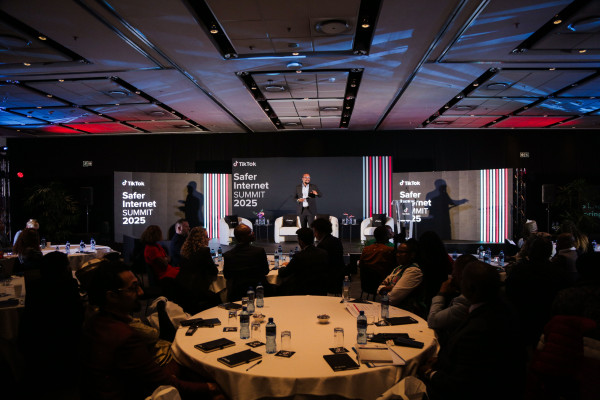
TikTok (www.TikTok.com) hosted its second Annual Africa Safer Internet Summit in Cape Town, South Africa, bringing together government officials, regulators, and industry leaders from across Sub-Saharan Africa. Delegates from South Africa, Nigeria, Ethiopia, Cameroon, Cote d'Ivoire, Kenya, and other countries convened to discuss critical issues on online safety, content moderation, and digital policy development.

The Summit underscores TikTok's ongoing efforts to prioritise user safety in Africa while fostering an open dialogue with policymakers to shape robust frameworks that protect users' rights while encouraging innovation and creativity in the digital space.

Government and Industry Leaders Discuss Digital Safety

The Summit was officially opened by South Africa's Hon. Solly Malatsi, Minister of Communications and Digital Technologies, who highlighted the importance of collaboration among governments, technology platforms, and communities to foster a safer digital ecosystem.

Helena Lersch, TikTok's Vice President for Public Policy, in her remarks, reaffirmed the platform's commitment to user safety and the role of partnerships in creating a secure digital environment.

“Billions of people come to TikTok every day to create, share and connect and we're continually evolving our policies and practices to safeguard our platform so our community can discover and do what they love. This summit underscores the importance of collaboration between industry leaders and regulators in shaping a digital ecosystem that is both innovative and secure," said Lersch.

Fortune Mgwili-Sibanda, Director of Public Policy & Government Relations for Sub-Saharan Africa, further emphasised the significance of collective efforts in digital safety, stating that the Summit serves as a valuable platform for sharing insights, strengthening collaboration, and ensuring that African users, particularly young people, are protected online.

Content Moderation in Africa

During the summit, TikTok reported a significant upward trend in its content removal rate across Sub-Saharan Africa, with data showing a 249.81% increase in content removals from the second quarter of 2023 to the fourth quarter of 2024. This improvement aligns with TikTok's global standards for content moderation and community guidelines enforcement. TikTok's Community Guidelines Enforcement Reports (https://apo-opa.co/3QMZNQH) reflect the platform's continued investment in automated moderation technology, alongside human safety experts that enables the detection and removal of harmful content before it reaches users. Globally, between July and September 2024, TikTok removed more than 147 million videos, of which 118 million were detected and removed automatically using these technologies.

In Sub-Saharan Africa, TikTok removed over 7.5 million videos in Q3 2024, rising to more than 8 million in Q4 2024—an increase of 14.06% quarter-on-quarter. Notably, 99.5% of these videos were removed before any user reports, underscoring TikTok's commitment to proactive moderation and swift action.

A similar trend was observed in North Africa, where TikTok removed over 7 million videos in both Q3 and Q4 of 2024. This represented an 8.70% increase in removals between the quarters, with 99.3% of these takedowns also occurring before user reports.

These figures highlight TikTok's ongoing efforts to provide a safe and positive online environment through robust, technology-enabled content moderation systems.

#SaferTogether - Driving Safer Digital Engagement

As part of its broader commitment to digital safety and education, TikTok is expanding its efforts across Africa through strategic partnerships and training programs that promote digital literacy, safety awareness, and responsible content creation.

At the forefront of these efforts is TikTok's flagship #SaferTogether campaign, which has achieved notable milestones since its launch in 2022.

In Kenya, the initiative, run in partnership with Eveminet (https://apo-opa.co/3Y8mHG7), a youth online protection organisation, has reached over 406,000 participants through in-person workshops across the country. These sessions provided communities with the knowledge and tools needed for responsible online engagement, particularly among students, teachers, and parents.

By working closely with civil society organisations, educators, and government agencies, TikTok continues to integrate proactive safety measures into its platform governance, creating safer digital environments for young users.

In Nigeria, TikTok launched Phase 2 of the #SaferTogether campaign in partnership with the National Information Technology Development Agency (NITDA) (https://apo-opa.co/3FFyx4d) and Data Science Nigeria (DSN) (https://apo-opa.co/3QNqzbJ). Building on the success of Phase 1, which educated parents in major cities such as Abuja, Lagos, and Kano on TikTok's safety features and mental well-being tools, the second phase aims to reach additional states and expand safety awareness among parents, teachers, and guardians.

Since September 2024, TikTok has also partnered with local creators across Sub-Saharan Africa to raise awareness about its safety features and Community Guidelines.

In Egypt, TikTok signed a Memorandum of Understanding (MoU) with the Journalists Syndicate to boost digital awareness, media literacy, and the detection of misinformation and online privacy risks. As part of this partnership, TikTok and the Syndicate hosted a one-day workshop equipping journalists and media professionals with the skills to navigate digital technologies safely and effectively. This collaboration underscores TikTok's ongoing commitment to empowering media professionals and supporting a more informed and digitally literate society.

Shaping the Future of Digital Safety in Africa - Global Youth Council

TikTok is also making a significant step in amplifying youth voices by expanding its Global Youth Council (https://apo-opa.co/4j2OWxZ) for 2025, further strengthening African representation. Originally launched in 2023 to empower young users and shape platform policies, the Global Youth Council has now nearly doubled in size, featuring 28 members from 15 countries. New representatives from Nigeria, Cameroon, Canada, Qatar, and Australia will join returning members from Brazil, Indonesia, Kenya, Mexico, the UK, and the US for a second term. The Youth Council plays an important role in shaping TikTok's safety, well-being, and inclusivity policies, ensuring that young users have a voice in the platform's continued evolution.

The Safer Internet Summit serves as an essential forum for best practice sharing between industry leaders and policymakers. By fostering collaboration, TikTok aims to ensure that digital spaces remain safe, inclusive, and conducive to creativity while balancing the need for effective governance and innovation.

"We value forums such as TikTok's Safer Internet Summit, which bring policymakers into one room for a shared purpose: keeping internet users safe. We are incredibly proud to be a partner of TikTok's #SaferTogether campaign. This collaboration not only underscores our shared commitment to fostering a safer online environment, but also opens new avenues for innovation and collaboration that will enable us to scale our efforts effectively for a safer internet for all.." — Emmanuel Edet - Acting Director, Regulation and Compliance NITDA

For more information on TikTok's safety policies and initiatives, visit our Safety Centre (https://apo-opa.co/4iYko0q), Guardian's Guide (https://apo-opa.co/3QPAKfS) and Youth Safety Center (https://apo-opa.co/4j9JWrB).

Link: https://apo-opa.co/4hZ3JZS

Distributed by APO Group on behalf of TikTok.

Media files
TikTok
Download logo
Read more2nd Annual Sub-Saharan Africa Safer Internet Summit in Cape Town
25 March 2025

R25-Million and Six Years Later, Soweto Centre Still Needs Millions to Be Completed

Location: News

SIU investigates unfinished arts centre backed by music legends Caiphus Semenya and Letta Mbulu

Read moreR25-Million and Six Years Later, Soweto Centre Still Needs Millions to Be Completed
24 March 2025

Deaths, Cover-Ups and Bribes at Zimbabwe’s Lawless Redwing Mine

Location: News

Thousands of artisanal gold miners toil in the dirt in a mine controlled by political elites

Read moreDeaths, Cover-Ups and Bribes at Zimbabwe’s Lawless Redwing Mine
23 March 2025

Home Affairs, SIU to launch anti-corruption forum in border management

Location: News

Home Affairs, SIU to launch anti-corruption forum in border management

The Minister of Home Affairs, Dr Leon Schreiber, and the Head of the Special Investigating Unit (SIU), Advocate Andy Mothibi, will launch the Border Management and Immigration Anti-Corruption Forum (BMIACF) in Pretoria on Tuesday, 25 March 2025.

According to the statement released on Sunday, this initiative forms a key 
part of the intensified and coordinated effort to clamp down on corruption in this sector.

Leaders from the Department of Home Affairs, Border Management Authority (BMA), the National
Prosecuting Authority (NPA) and civil society organisations will attend the launch.

“This significant event will bring together key stakeholders from government, civil society, and law enforcement agencies to discuss strategies for combating corruption in border management and immigration.”

The launch of the BMIACF will take place at the Government Communication and Information System (GCIS) auditorium. – SAnews.gov.za

Gabisile
Sun, 03/23/2025 - 09:54
318 views

Read moreHome Affairs, SIU to launch anti-corruption forum in border management
20 March 2025

Human Rights Festival celebrates liberation heroes

Location: News

Human Rights Festival celebrates liberation heroes

Constitution Hill will this weekend host one of Gauteng’s key events – the 2025 Human Rights Festival from 20 to 23 March 2025.

“Celebrating it’s 7th year, the event invites the public to commemorate South Africa’s Human Rights Day and celebrate the memory of those liberation heroes who took a stand for human rights in the Sharpeville 1960 massacre.

“The festival aims to build greater awareness and knowledge around human rights and to promote the importance of an active citizenry,” said Constitution Hill in a statement.

This as South Africa marks Human Rights Day on 21 March 2025. Deputy President Paul Mashatile will on behalf of President Cyril Ramaphosa, deliver the keynote address at the commemoration event scheduled to take place at the Derrick Ferreira Stadium, in Kariega.

The 2025 Human Rights Festival serves as both a global inspiration and a display of the strength of South Africa’s ubuntu culture in working towards a just and inclusive society. 

Civil society organisations have worked with Constitution Hill to shape a unique programme for the event. 

Hosted on the apron of the Constitutional Court and using venues in the Old Fort and Women’s Jail, the festival will bring together a public audience; community-based organisations; social movements; government and non-governmental organisations, and international organisations. 

The four-day event is free to all and gates open at 10h00 on all three days. 

On Thursday, Gauteng MEC for Economic Development Lebogang Maile will deliver a powerful public lecture at Constitution Hill’s Women’s Jail Museum to honour the life and legacy of Mama Winnie Madikizela-Mandela. 

The opening of Qhakaza: Pain Undefined Curated by Gift Kgosierileng, explores how Mama Winnie Mandela used fashion as a form of resistance and empowerment. 

“Through carefully selected pieces, photographs, and multimedia installations, the exhibition highlights how her iconic style became a tool for reclaiming agency and asserting dignity in the face of systemic oppression,” said the statement.

There will also be non-governmental organisation (NGO) capacity building sessions; learners programs and public dialogue sessions. The day will end with an NGO and film makers networking session. 

On Friday, the official opening ceremony will include the 1000 Drums for Solidarity. Drumming serves as a powerful tool to amplify marginalised voices and foster solidarity within community groups. 

There will be multiple interactive sessions including workshops and dialogues; family fun at the children’s village; a local authors book fair and book readings; film festival showcasing local and global talent; live poetry segments and a curated maker’s market.

A live show will take place from 17h00 – 21h00, headlined by renowned jazz artist Mandisi Dyantyis.

On Sunday, Constitution Hill invites the public to the last day of the event to take a stand and join together for Human Rights in the 8km WeThePeopleWalk Walk through the city with a fun filled program kicking off from 7am.

The walk will return back to the site for various activities and a local makers market. 

The festival takes place at Constitution Hill, formerly a site of prisons, where many great liberation leaders were incarcerated. 

Today Constitution Hill has been transformed into a beacon of light for democracy and social justice. A living museum that executes multiple education, creative development, human rights and constitutional public programs throughout the year. 

For more information visits www.humanrightsfestival.co.za. – SAnews.gov.za


Janine
Thu, 03/20/2025 - 10:23
72 views

Read moreHuman Rights Festival celebrates liberation heroes
20 March 2025

Big Oil Find in Limpopo? Or Just False Hope?

Location: News

Troubling questions for Booi Brothers about their exploration in Vhurivhuri

Read moreBig Oil Find in Limpopo? Or Just False Hope?
20 March 2025

Developer Sues Sedgefield Environmentalist for R5-Million

Location: News

Tessa Joubert, blamed for delaying the development, says the lawsuit is designed to silence her and others

Read moreDeveloper Sues Sedgefield Environmentalist for R5-Million
19 March 2025

SA gears up for Water Investment Summit

Location: News

SA gears up for Water Investment Summit

Water and Sanitation Minister Pemmy Majodina is set to host the preparatory meeting for the African Union-Africa Water Investment Programme (AU-AIP) Water Investment Summit 2025.

The meeting is scheduled to take place on the sidelines of the International Water Association (IWA) Congress, currently underway in Cape Town.

The department said the preparatory meeting, to take place on Thursday, is a critical step towards the AU-AIP Water Investment Summit, scheduled to take place at Cape Town in August.

“The summit aims to mobilise at least USD 30 billion annually for climate-resilient water and sanitation initiatives across Africa, aligning with South Africa’s G20 Presidency priorities on economic growth, climate sustainability, and enhanced financing for development,” the Department of Water and Sanitation (DWS) said on Wednesday.

The preparatory meeting will bring together key stakeholders, including government representatives, international development agencies, private sector investors, and civil society organisations, to refine the objectives, thematic areas, and expected outcomes of the summit scheduled for August.

“The meeting will also serve as a platform to consolidate bilateral partnerships and secure commitments. Additionally, it will ensure that the summit aligns with South Africa’s G20 Presidency goals and effectively contributes to water security and investment mobilisation in Africa,” the department said.

Among the delegates expected to participate at the summit, include:
•    Jakaya Kikwete, former President of the United Republic of Tanzania, chair of the Global Water Partnership Southern Africa (GWPSA), and co-chair of the Africa Water Investment Panel, which includes sitting and former Presidents and eminent leaders (President Cyril Ramaphosa of South Africa is also a member of the AIP Panel).
•   Arif Alkalali, General Supervisor of the General Directorate for Water Resources in the Ministry of Water, Environment, and Agriculture, Kingdom of Saudi Arabia.
•    Anxious Jongwe Masuka, Minister of Lands, Agriculture, Water, and Rural Resettlement, Zimbabwe.
•    Collins Nzovu, Minister of Water Development and Sanitation, Republic of Zambia.
•    Dr Cheikh Tidiane Dièye, Minister of Water and Sanitation, Republic of Senegal, and President of the African Ministers’ Council on Water (AMCOW). – SAnews.gov.za
 

GabiK
Wed, 03/19/2025 - 13:20

14 views

Read moreSA gears up for Water Investment Summit
19 March 2025

Mashatile to lead official World TB Day and National End TB campaign

Location: News

Mashatile to lead official World TB Day and National End TB campaign

The Chairperson of the South African National AIDS Council (SANAC), Deputy President Paul Mashatile, will deliver the keynote address at the national World TB Day commemorative event on Monday, 24 March 2025. 

World TB Day is commemorated annually on the 24th of March to raise public awareness about the global epidemic of tuberculosis (TB) and highlight efforts to eliminate the disease. 

The day is also designated to highlight the devastating health, social and economic impact of TB. 

During the event on Monday, the Deputy President will also launch the National End TB Campaign at the Ugu Sports and Leisure Centre in Gamalakhe Township, Ugu District, KwaZulu-Natal.

According to the Presidency, South Africa is one of the countries most affected by TB and remains the leading cause of death in the country, claiming approximately 56 000 lives each year, with 54% of these deaths among people living with HIV.

This year’s official country theme for World TB Day is “Yes! You and I Can End TB – Commit, Invest, Deliver".

“This is a clarion call for leaders to champion TB efforts in their respective constituencies and encourage individual action from all South Africans to contribute to the national effort against TB.“

The Deputy President’s Office said the significance of this year’s commemoration will be marked by the launch of the National End TB campaign designed to substantially reduce TB incidence and mortality in South Africa by 2035. 

This campaign will be carried out in phases, beginning with a focus on case finding and linking patients to care in the year 2025/26.

The campaign aims to diagnose 250 000 new TB cases by 2025/26 through targeted testing of five million people. 

This will be accomplished by implementing Accelerated Targeted Universal TB Testing (TUTT) to reach individuals living with HIV and household contacts with confirmed TB cases.

The Deputy President will be joined by the Minister of Health Dr Aaron Motsoaledi, Premier of KwaZulu-Natal Thamsanqa Ntuli, SANAC Civil Society Chairperson Solly Nduku, Chairperson of the SANAC Private Sector Forum Mpumi Zikalala, and SANAC CEO Dr Thembi Xulu. 

They will also be joined by representatives from development partners inclusive of the United Nations agencies, United States government agencies, research entities, civil society movements and the private sector. – SAnews.gov.za
 

Gabisile
Wed, 03/19/2025 - 10:13
102 views

Read moreMashatile to lead official World TB Day and National End TB campaign
17 March 2025

Invest in ECD to shape the next generation, says President

Location: News

Invest in ECD to shape the next generation, says President

President Cyril Ramaphosa has advocated for universal access to Early Childhood Development (ECD) to ensure that every child has the opportunity to learn, grow and thrive by the age of five.

The President was delivering remarks at the official opening of the Bana Pele 2030 Roadmap Leadership Summit at Atlas studios, in Johannesburg. 

“Universal childhood development should have started 30 years ago…We are all here today because of our shared belief in the profound importance of Bana Pele – putting children first. 

“It is because of this shared vision that we unite and collaborate today, committed to ensuring that every child has the opportunity to learn, grow and thrive by the age of five,” the President said on Monday.

The President told the summit that government’s immediate focus is to extend access to early childhood development to every child calling it one of the most powerful tools for unlocking the nation's potential.

He emphasised that ECD extends beyond education, it is a key driver of economic growth.

“We recognise today that investing in ECD is not just about education. It is about shaping the next generation of skilled, capable and entrepreneurial citizens who will drive our economy forward. 

“Investing in ECD yields significant economic returns. Studies have shown that every rand spent on early childhood education can save up to seven rands in future costs associated with remedial education, social services and criminal justice,” the President said.

He highlighted that early childhood development provides children with the foundational skills they need to build a successful future. It further helps break the cycle of poverty that is handed down from one generation to the next.  

“Early childhood development is about giving children from all backgrounds the opportunity to grow into confident, capable citizens who contribute positively to society. Children who receive a strong start are more likely to succeed in school and the workforce, reducing societal costs in areas such healthcare, crime prevention and welfare,” the President said. 

A research report published to coincide with Brazil’s G20 Presidency, estimated that in South Africa, an investment of 2.1% of the Gross Domestic Product (GDP) in universal childcare could have supported 10.5 million women to join the workforce over three years. 

Because of the profound effect that ECD can have on social well-being and development, the President said government had decided to put the country’s children first. 
 

Last week, the Minister of Finance announced an additional investment of R10 billion in ECD over the next three years.

The President referred to the statistic that 80% of children in South Africa are unable to read for meaning by the age of 10. He emphasised that early childhood development was critical for developing foundational skills such as language, literacy and numeracy.

President Ramaphosa added that the experiences and interactions children have can significantly influence their future learning potential.

“This is why ECD must be treated as an urgent priority. We therefore welcome this wonderful initiative for business, civil society and government to work together to shape the future of early childhood development.

“This initiative will assist the strategic reorientation of the basic education sector to strengthen foundation learning. The benefits of universal access to ECD extend beyond the education of the child. It helps to empower families to break free from the effects of poverty."

President Ramaphosa called on all ECD programmes to register with the Department of Basic Education so that all children can receive the start in life that they need and deserve.

He noted that the ripple effects of a robust ECD system are felt across generations, fostering a cycle of opportunity and growth.
“We are determined that every child, regardless of their background or location, must have access to quality early education. It is for this reason that the Department of Basic Education launched the Bana Pele Mass Registration Drive last year,” he said.

The President said that the Mass Registration Drive was an example of cross-sectoral collaboration at work. He added that the country has an opportunity to rethink and restructure the entire ECD landscape, making it more effective, more inclusive and more impactful than ever before.

“As South Africans, we have a clear goal for all our children: access to quality learning opportunities for an additional 1.3 million children by 2030. This is why we are here today.

“We need to create a collaborative framework for ECD. One that brings together government, business, donors, ECD workers and all other social partners,” he said.

He said this framework must ensure that all role-players work together at both the provincial and municipal levels to improve access to quality early childhood education.

“As we move forward, we must remember that there is no greater cause than uniting for the benefit of our children. Our future as a nation depends on the children we raise today. We must commit to creating an environment where every child, no matter where they come from, has the opportunity to learn, to grow and to succeed.

“Let us join hands and work together, as a united force, to achieve our shared vision of universal access to quality early childhood development,” the President said. – SAnews.gov.za
 

DikelediM
Mon, 03/17/2025 - 11:35
574 views

Read moreInvest in ECD to shape the next generation, says President
17 March 2025

Here’s How We Can Move to Renewable Energy in a Just Way

Location: News

Mining companies could fulfil their social obligations by investing in these projects

Read moreHere’s How We Can Move to Renewable Energy in a Just Way
16 March 2025

President Ramaphosa to open ECD leadership summit

Location: News

President Ramaphosa to open ECD leadership summit

President Cyril Ramaphosa will on Monday officially open the Bana Pele Early Childhood Development (ECD) Leadership Summit at the Atlas Studios, in Johannesburg.

The summit, convened by the Department of Basic Education (DBE) and Business Leadership South Africa (BLSA), aims to mobilise a public and private coalition behind the DBE’s 2030 ECD Roadmap for quality, universal access to early learning.

In a statement on Saturday, The Presidency noted that in South Africa, more than 1.3 million children are not enrolled in any form of ECD programme, leaving them without the foundational literacy and numeracy skills required to succeed in school.

“This learning gap affects their ability to take on critical subjects, such as Mathematics, Science, Accounting, and Economics in later years, which are the skills that are vital for innovation, economic growth, and job creation,” the Presidency said.

The summit will bring together government, business, civil society and education experts to “construct a roadmap for universal access to quality ECD across the country.

“This initiative is a crucial step toward ensuring that every child, regardless of background, has access to the early learning opportunities they need to thrive in life,” the Presidency said. – SAnews.gov.za

NeoB
Sun, 03/16/2025 - 12:56
448 views

Read morePresident Ramaphosa to open ECD leadership summit
14 March 2025

North West takes steps to tackle unemployment

Location: News

North West takes steps to tackle unemployment

Over 24 000 job opportunities are expected to help tackle the unemployment challenge in the North West province.

This was revealed during a roundtable discussion involving North West Premier Lazarus Kagiso Mokgosi, Deputy Minister of Employment and Labour Judith Nemadzinga-Tshabalala, as well as representatives from organised labour, business, and civil society.

The initiative, which involves collaborative work between the North West Provincial Government and the Department of Employment and Labour, will be implemented through a Labour Activation Plan (LAP). 

The LAP initiative, funded by the Unemployment Insurance Fund (UIF), aims to enhance employability, enable entrepreneurship, and preserve jobs through skills training, enterprise development, and other intervention measures. 

“This initiative has been in the pipeline for some time, and I am happy that it is coming to fruition. This is one of the policy announcements I made during the State of the Province Address [SOPA] to help find solutions to high levels of unemployment in the province,” Mokgosi said on Thursday. 

In the SOPA delivered last month, the Premier reaffirmed the government’s commitment to creating job opportunities through public employment programs, such as expanded public works, community health workers, community works, and labour activation programmes.

These initiatives aim to create over 150 000 job opportunities in the next five years, targeting women, youth, and persons with disabilities.
READ | Over R20 million allocated to boost North West economy 

At the roundtable, Deputy Minister Nemadzinga-Tshabalala said the roll-out of the programme is in full swing in various provinces and that the North West is the latest beneficiary.

“Young people will be trained in various fields such as engineering, agriculture and artisanal work in preparation for the job market and consequently placed in various industries,” Nemadzinga-Tshabalala added. – SAnews.gov.za


Gabisile
Fri, 03/14/2025 - 09:36
290 views

Read moreNorth West takes steps to tackle unemployment
14 March 2025

Roundtable thrashes out job creation measures 

Location: News

Roundtable thrashes out job creation measures 

Strengthening collaboration between government and private sector is crucial for driving economic growth and creating sustainable employment, said the Department of Employment and Labour.

This as the department in collaboration with the North West Provincial Government, organised labour, business, and social partners, convened a round table to address key labour challenges and strategies for economic growth. 

Thursday’s session focused on identifying obstacles hindering economic expansion and job creation, with stakeholders highlighting government red tape as a major impediment to progress. 

Participants emphasised the importance of strengthening advocacy for existing government and private sector programmes to drive sustainable employment. 

In response to concerns raised by some attendees, Deputy Minister of Employment and Labour, Judith Nemadzinga-Tshabalala, stated that to tackle the unemployment crisis, the department through its Public Employment Services (PES) Division has been working to facilitate job creation in collaboration with government, business, labour, and civil society. 

She highlighted Career and Jobs Fairs as a key initiative in addressing unemployment, providing a vital platform for job seekers to connect with potential employers.

“These Jobs Fairs serves as a bridge between job seekers and potential employers, ensuring that unemployed individuals, particularly the youth will gain direct access to job opportunities, training programmes and skills development initiatives.

“The Jobs Fairs play a crucial role in empowering unemployed work seekers by offering a structured and supportive environment where they can explore various career paths, receive guidance on employability, and interact with industry professionals,” Nemadzinga-Tshabalala said. 

North West Premier Lazarus Mokgosi reiterated the province’s commitment to youth empowerment, aligning with the seventh administration’s priority agenda. 

“Youth empowerment remains an apex priority of the 7th administration and in my acceptance speech last year as well as the Province’s 2025 Policy Statement, I highlighted a litany of intervention measures to address this scourge. 

 “However, addressing a problem of this magnitude needs all of us to work together as government, the private sector, labour, business, civil society, Dikgosi and all other stakeholders to respond to this challenge,” the Premier said. 

Thursday’s session is expected to be followed by a handover of the Labour Activation Programme (LAP) contracts by the Minister of Employment and Labour, Nomakhosazana Meth at the Rustenburg Civic Centre on Friday, 14 March 2025.

The handover will run simultaneously with a Jobs/Career Fair where jobseekers and unemployed graduates will receive career counselling and apply for available opportunities on the Employment Services South Africa (ESSA) portal, among other services that will be rendered.

ESSA is an online recruitment service of the Department of Employment and Labour, available to all South African citizens. – SAnews.gov.za


DikelediM
Fri, 03/14/2025 - 10:08
128 views

Read moreRoundtable thrashes out job creation measures 
13 March 2025

Government determined to tackle economic challenges

Location: News

Government determined to tackle economic challenges

Deputy President Paul Mashatile has stressed the urgent need to tackle the nation’s pressing challenges in light of sluggish economic growth and has called for a collective effort to improve the quality of life for all citizens.

“As we embark on this journey, we must have a full appreciation that the first 15 years of democracy were characterised by high economic growth. However, the last decade and a half has been characterised by stagnant growth,” he said on Thursday. 

According to the Deputy President, the stagnant growth of the past decade and a half has led to calls for immediate action to initiate structural reforms that would bolster gross domestic product (GDP) growth and create job opportunities.

“I must state from the onset that the responsibility of guiding South Africa to greater prosperity is not solely on the shoulders of the government. It is a shared responsibility among the business community, NGOs [non-governmental organisations], civil society and all those who aspire to see our country prosper.”

The Deputy President was speaking at the 7th BizNews Conference (BNC#7) at the Hermanus Municipal Auditorium in the Western Cape. 

The BizNews Conference is an annual event focused on investment, business, and political issues.

The country’s second-in-command opened the dialogue with a reflection on South Africa’s democratic journey.

Mashatile underscored the issues plaguing the nation, including poverty, inequality, unemployment and corruption, which he believes threaten the fabric of South Africa’s democracy.  

“They keep us, and if I may say so myself, awake at night because if we do not swiftly overcome these systemic economic issues, we shall experience perpetual unrest.” 

Commitment to cooperation

He said the recent Budget Speech by the Minister of Finance highlights a step toward addressing these dilemmas. 

According to the Deputy President, yesterday’s Budget was the product of a consensus reached within the Government of National Unity (GNU) following last month’s postponement. 

“As I have indicated on several occasions, having a GNU Cabinet does not imply that we will agree on everything. There will be times when we do not view things the same way, but this does not spell the end of the GNU.” 

However, Mashatile stressed GNU’s commitment to prioritising the needs of its citizens.

He also took the time to reinforce the credibility of the GNU amid scepticism about its longevity and effectiveness. 

“Several coalition governments around the world have collapsed as a consequence of misunderstandings about the country’s Budget; this is but a reflection of democracy at work.”

The Deputy President assured attendees that the focus was on inclusive growth, job creation and addressing the high cost of living, while striving to build a capable and ethical State.

“We must do this to find solutions to the challenges that confront our nation,” he said. – SAnews.gov.za

Gabisile
Thu, 03/13/2025 - 13:30
273 views

Read moreGovernment determined to tackle economic challenges
12 March 2025

UN Torture Prevention Body Welcomes Establishment of National Preventive Mechanisms in Benin, Madagascar, Nigeria, and South Africa

Location: News

Office of the UN High Commissioner for Human Rights (OHCHR)
Download logo

The UN Subcommittee on Prevention of Torture (SPT) hails the setting up of the national preventive mechanisms (NPMs) in Benin, Madagascar, Nigeria, and South Africa as a significant step in advancing and fulfilling their obligations under the Optional Protocol to the Convention against Torture (OPCAT).

“The OPCAT's torture prevention architecture is built on the partnership between the SPT, the international body designated by the treaty, and the NPMs, our national counterparts. These national partners play a crucial role in making the system work effectively. Today, we are delighted to welcome the NPMs of Benin, Madagascar, Nigeria, and South Africa to the global family of nearly 80 NPMs,” said María Luisa Romero, the SPT Chair.

“They now have the demanding tasks of ensuring their independence and effectiveness, as outlined in the OPCAT. At the same time, the authorities also have a duty to respect the NPMs' independence, provide financial resources to support their mandate, and implement their recommendations in good faith. The SPT stands ready to assist, advise and support these four new NPMs,” she added.

Under the OPCAT, the SPT monitors treatment and conditions for people deprived of liberty by conducting unannounced visits to police stations, prisons, psychiatric hospitals, immigration detention centres, drug rehabilitation centres and other places of deprivation of liberty. In this task, the SPT works closely with government authorities, the NPMs, other domestic monitoring bodies, as well as human rights institutions, and civil society to strengthen torture preventive measures.

Distributed by APO Group on behalf of Office of the UN High Commissioner for Human Rights (OHCHR).

Read moreUN Torture Prevention Body Welcomes Establishment of National Preventive Mechanisms in Benin, Madagascar, Nigeria, and South Africa
12 March 2025

Budget: Social Grants to Increase and VAT Goes Up

Location: News

Finance minister announces above-inflation grant increases

Read moreBudget: Social Grants to Increase and VAT Goes Up
8 March 2025

Statement by the Special Rapporteur on the Rights of Women in Africa

Location: News

African Commission on Human and People's Rights (ACHPR)
Download logo

On this momentous occasion of International Women's Day 2025, the African Commission on Human and Peoples' Rights (ACHPR), through its Special Rapporteur on the Rights of Women in Africa (SRRWA), stands at a pivotal juncture in the global pursuit of gender equality and the empowerment of women and girls. This year's theme, “For ALL Women and Girls: Rights. Equality. Empowerment,” resonates deeply as we commemorate the 30th  anniversary of the Beijing Declaration and Platform for Action. This landmark framework has shaped the global agenda for women's rights and gender equality.  

The Beijing Declaration, adopted in 1995, was a clarion call to dismantle systemic barriers, challenge discriminatory norms, and ensure the full participation of women in all spheres of life. Three decades later, we celebrate progress, particularly in Africa, where women have broken barriers in politics, education, entrepreneurship, and leadership. Yet, we must also confront the stark realities that persist: gender-based violence, unequal access to education and healthcare, economic disparities, and the underrepresentation of women in decision-making spaces. 

Africa has witnessed remarkable strides in advancing the rights and empowerment of women and girls, demonstrating the continent's resilience and commitment to gender equality. Some of the most notable trends include:  

  • Increased Political Representation: Since adopting the Beijing Declaration in 1995, numerous African States have made remarkable strides in advancing women's political participation. Rwanda leads globally, with women occupying over 60% of parliamentary seats. Countries such as South Africa, Namibia, and Senegal have also achieved significant progress in promoting gender-balanced representation. Additionally, the appointment of female Heads of State across the continent has marked a transformative shift in political leadership. Notable examples include Ellen Johnson Sirleaf of Liberia, Africa's first elected female president; Sahle-Work Zewde of Ethiopia, who serves as the country's first female president; and Samia Suluhu Hassan of Tanzania, who became the nation's first female Head of State. Other inspiring leaders include Catherine Samba-Panza of the Central African Republic, interim president, and Ameenah Gurib-Fakim of Mauritius, the country's first female president. Most recently, Namibia appointed its first female Head of State, Netumbo Nandi-Ndaitwah, further underscoring the growing momentum toward gender equality in African politics.
  • Advancements in Education: The gender gap in primary and secondary education is narrowing across the continent. Countries like Kenya, Ghana, and Botswana have achieved near parity in school enrolment, empowering girls with the tools to build brighter futures.  
  • Women's Economic Empowerment: African women are increasingly breaking barriers in entrepreneurship and leadership. Initiatives such as the African Women's Development Fund and the African Union's Women in Business program have supported women-led businesses, fostering economic growth and innovation.  
  • Legal Reforms: Many African countries have enacted progressive laws to protect women's rights, including laws against gender-based violence, child marriage, and workplace discrimination. Countries like Malawi, Tanzania, Zambia, Gambia, and Mali have raised the legal age of marriage to 18, safeguarding girls from early marriages.  
  • Grassroots Movements: Women-led movements and organizations are driving change at the community level. From the #MeToo movement in Nigeria to the fight against gender-based violence in South Africa, African women are raising their voices and demanding accountability.  

Despite these positive trends, significant challenges remain, hindering the full realization of gender equality and women's empowerment in Africa, including: 

  • Gender-Based Violence (GBV) and Harmful Traditional Practices: Despite the establishment of progressive legal frameworks, gender-based violence, and harmful traditional practices continue to plague societies, driven by deeply entrenched cultural norms, plural legal systems, and a lack of political will to enforce progressive laws. Child marriage remains widespread, perpetuating cycles of inequality and disempowerment. Similarly, GBV persists at alarming rates, manifesting in domestic violence, sexual assault, and harmful practices such as female genital mutilation (FGM). These challenges highlight the urgent need for stronger implementation of existing laws and a transformative shift in societal attitudes to eradicate these violations and protect the rights and dignity of women and girls.
  • Humanitarian crises, such as climate change and conflicts, have further exacerbated these challenges, highlighting the urgent need for stronger protections and support systems.  
  • Economic Inequality: Women continue to face barriers to economic participation, including limited access to land, credit, and technology. The informal sector, where many African women work, often lacks social protections and fair wages.  
  • Health Disparities: Maternal mortality rates remain unacceptably high in some regions, and access to sexual and reproductive health services is often limited. Teenage pregnancy and HIV/AIDS disproportionately affect women and girls.  
  • Underrepresentation in Leadership: While progress has been made, women remain underrepresented in political and corporate leadership roles. Cultural and institutional barriers often prevent women from ascending to decision-making positions.  
  • Conflict and Displacement: Women and girls in conflict-affected regions face heightened risks of violence, exploitation, and displacement. The ongoing crises in parts of the Sahel, the Horn of Africa, and the Great Lakes region underscore the need for gender-sensitive peacebuilding and humanitarian responses.  
  • Intersectional Discrimination: Marginalized groups of women, including those with disabilities, older women, and rural women, face compounded discrimination and exclusion from opportunities.  

To build on the progress and address persistent challenges, the ACHPR urges African governments, civil society, the private sector, and international partners to accelerate the implementation of the Beijing Platform for Action and Agenda 2063. This can be achieved through aligning national policies with these frameworks and ensuring gender equality is mainstreamed across all sectors. The ACHPR calls for the strengthening of legal frameworks, enhanced access to justice for survivors, and increased investment in prevention programs to eradicate gender-based violence in all its forms.

It further emphasizes the need to expand women entrepreneurs' access to finance, land, and technology and ensure equal pay for equal work to close the gender wage gap. Affirmative action measures, such as quotas, should be implemented to increase the representation of women in political and leadership roles at all levels. The ACHPR also urges prioritizing girls' education, particularly in STEM fields, and ensuring universal access to sexual and reproductive health services. Finally, the ACHPR calls for the recognition and addressing of the unique challenges faced by marginalized groups of women, including those with disabilities, rural women, and refugees.

As we celebrate the resilience and achievements of African women and girls, let us remember that the fight for gender equality is far from over. The Beijing Declaration and Platform for Action, alongside Agenda 2063, provide a roadmap to a future where every woman and girl can live with dignity, freedom, and opportunity. On this International Women's Day, let us recommit to the principles of rights, equality, and empowerment—not just for some, but for ALL women and girls. 

Honourable Commissioner Janet Ramatoulie Sallah-Njie
Special Rapporteur on the Rights of Women in Africa of the ACHPR and Vice-Chairperson of the ACHPR

Distributed by APO Group on behalf of African Commission on Human and People's Rights (ACHPR).

Read moreStatement by the Special Rapporteur on the Rights of Women in Africa
8 March 2025

Government will move with urgency to restore City of Gold

Location: News

Government will move with urgency to restore City of Gold

President Cyril Ramaphosa has moved to assure residents of the City of Johannesburg that government is determined to move with urgency to resolve the service delivery challenges facing the city.

The President was addressing residents during a stakeholder engagement at the Johannesburg City Council Chamber on Friday afternoon.

Earlier in the day and on Thursday, the President together with the National Executive conducted an oversight visit to Gauteng.

“As a resident of Johannesburg, I share the concerns that have been expressed here about the deterioration of services and infrastructure. 

“Over the last two days, members of the National Executive have engaged the leadership of Gauteng and the City of Johannesburg on the challenges they face and the work that is being done to address them. 

“We are committed to ensuring cooperation among the three spheres of government to urgently attend to these challenges. We may well have said so in the past, but the enormity of the challenges and the problems compels us to now say we are going to redouble our efforts,” he said.

The President highlighted some of the challenges facing the city, including deteriorating road infrastructure, the closure of public facilities like the Johannesburg Library and delayed or unfinished infrastructure.

“Through the Department of Cooperative Governance, National Treasury and the Provincial Government, we are supporting the City of Johannesburg to stabilise its governance and financial affairs. 

“We need to ensure that we unlock service delivery backlogs and begin to address the backlog in infrastructure provision,” President Ramaphosa said.

Rejuvenating the city

Turning to the establishment of the Presidential Johannesburg Working Group announced earlier in the day, President Ramaphosa explained that the group will be made up of not only government bit also stakeholders.

A similar approach has been applied in KwaZulu-Natal with the establishment in 2024 of the eThekwini Presidential Working Group to turnaround the fortunes of Durban and position it as an investment and tourism hub.

“Our learnings in eThekwini make us confident that this is the correct model to address Johannesburg’s many challenges. 

“Over the last month, the Presidency has engaged the City of Johannesburg, the province of Gauteng and some social partners on establishing a Presidential Johannesburg Working Group. 

“There has been broad support from everyone engaged for an intergovernmental mechanism that will strengthen cooperation and leverage the expertise and resources of all stakeholders in the City of Johannesburg,” he said.

The working group’s first focus will be on governance and financial sustainability.

“We will work to strengthen the internal governance and financial management of the city by restoring institutional capacity. The second focus will be on water and sanitation and the third focus will be on electricity. 

“We will work to stabilise critical infrastructure by improving maintenance, increasing funding and focusing on the whole value chain. 

“The fourth focus will be on public spaces and beautifying the city. Specific interventions will include fixing road infrastructure, restoring street lighting and traffic lights, and enhancing waste collection throughout the city,” President Ramaphosa said.

Focus will also be placed on improving law enforcement and urban security, accelerating housing delivery, launching an inner-city rejuvenation project.

“We have set out a timeframe to achieve all this. It should not be an elongated timeframe. This Working Group will report on a regular basis to the Ministers and myself. 

“We cannot act as if it is business as usual. We must recognise the crisis before us and meet it with the resources, timeframes and accountability measures required,” he said.

The President called on stakeholders to join hands with government to turn the city back to its former glory.

“Government cannot do it alone. The involvement of broader stakeholders in the Working Group will not only hold us collectively accountable to the targets set, but accelerate our efforts. 

“In the coming weeks, my team will be engaging business, labour, civil society and academia regarding their respective roles in the Presidential Johannesburg Working Group. 

“Johannesburg is a city of resilience. It is also a place of innovation and…a place of great hope. Let us move forward with determination, unity and a shared commitment to leaving no one behind,” President Ramaphosa concluded. – SAnews.gov.za

NeoB
Sat, 03/08/2025 - 11:38
61 views

Read moreGovernment will move with urgency to restore City of Gold
7 March 2025

SA to champion women’s leadership on International Women’s Day

Location: News

SA to champion women’s leadership on International Women’s Day

As South Africa continues to make significant strides in women’s representation in government, greater efforts are urgently needed to ensure women’s leadership extends to corporate and economic sectors.

The Department of Women, Youth, and Persons with Disabilities made the remarks ahead of the global commemoration of International Women’s Day (IWD) on Saturday, 8 March 2025.

International Women’s Day is a worldwide celebration of women’s achievements, as well as a powerful call to action for gender equality.

The day serves as a reminder of the invaluable contributions women make to society, while also highlighting the ongoing challenges they continue to face in various spheres of life.

This year’s theme, “Accelerate Action” encourages the global community to intensify efforts to implement strategies, allocate resources, and initiate activities that will positively impact the advancement of women everywhere.

The WID 2025 coincides with the celebration of the 30th anniversary of the Fourth World Conference on Women and the adoption of the Beijing Declaration and Platform for Action (1995) (“Beijing +30”).

The year also marks the final five years of the 2030 United Nations Agenda for Sustainable Development Goals (SDGs), underscoring the urgency of advancing gender equality globally.

The department emphasised that with the right action and support, positive progress can be made for women across the globe.

“South Africa continues to make strides in women’s representation in government, with women making up 46% of Parliament and 43% of the Cabinet. However, greater efforts are needed to ensure women’s leadership in corporate and economic sectors.

“More work should be done to accelerate equal representation, as women remain underrepresented in high-income sectors and continue to face significant wage gaps. To bridge the gap, there is a need to demonstrate actions to stronger policies on financial inclusion, access to credit, and workplace protections for women,” the department said on Friday.

The department highlighted the importance of equipping women with the necessary tools and resources to start and grow businesses, manage household finances, and invest in their futures.

These efforts will strengthen their voices in decisions affecting them, and also help narrow gender gaps in financial access, while endorsing broader social and economic equality.

In alignment with the Government of National Unity's (GNU) priorities for the 7th administration, which has identified rapid, inclusive, and sustainable economic growth for all South Africans, the department emphasised that these priorities align closely with the World Economic Forum's (WEF) agenda for women’s rights.

The WEF focuses on closing gender gaps in economic participation, pay, and leadership.

“The South African Constitution champions the achievement of equality, including gender equality, throughout its provisions, particularly section 9 of the Constitution, which creates a basis for the obligation of the public sector, the private sector and civil society to eliminate and remedy gender, race and social inequalities,” the department said. – SAnews.gov.za

GabiK
Fri, 03/07/2025 - 12:57
171 views

Read moreSA to champion women’s leadership on International Women’s Day
7 March 2025

Multi-stakeholder symposium reaffirms commitment to remove SA from FATF grey list

Location: News

Multi-stakeholder symposium reaffirms commitment to remove SA from FATF grey list

After thorough deliberations, a multi-stakeholder symposium -- hosted by the Department of Social Development -- has reaffirmed its commitment to resolving outstanding action items on Recommendation 8 and ensuring South Africa's removal from the Financial Action Task Force (FATF) grey list. 

The three-day symposium was convened by the Department of Social Development under the theme: "Together Countering the Financing of Terrorism in the NPO Sector-Promoting Cooperation and Compliance with the Global Standards”. 

In a statement on Friday, the department said the symposium was convened to focus specifically on FATF Recommendation 8 and was attended by representatives of government, civil society, Non-Profit Organisations (NPOs), financial and non-financial regulators, and NPO funding lobby groups.

“Since its grey listing by FATF in February 2023, South Africa has already made notable progress in complying with the global standards on the prevention of money laundering, terrorist financing and proliferation financing,” the department said. 

According to National Treasury, which is the lead department in addressing the overall FATF recommendations, South Africa is now left with one reporting cycle to address the remaining six action items.

Three of the outstanding action items relate to demonstrating a sustained increase in the investigation and prosecution of complex money laundering, terror financing and unlicensed cross-border money or value transfer services.

FATF Recommendation 8 focuses on NPOs and the potential use of the sector as a vehicle for money laundering and terror financing. FATF has rated most of the action items under Recommendation 8 as partly addressed. 

“Although FATF has made it clear that not all NPOs are at risk of being used for money laundering and terror financing, the department convened the multi-stakeholder engagement to inform the NPO sector of progress, create broader awareness, share best practice and promote better understanding of FATF global standards for NPOs,” the department said. 

The symposium underscored the critical importance of civil society and NPOs in South Africa, as they complement government and the private sectors in providing essential services to the most vulnerable groups and communities in society. 

Some of the key highlights from the multi-stakeholder engagement symposium are as follows:

· No one size fits all approach. Not all NPOs are vulnerable to money laundering and terror financing, as some only operate within the borders of South Africa. FATF’s risk-based approach should be applied to high-risk NPOs.

· Data sharing across government and with the private sector/funders. The multi-stakeholder engagement symposium highlighted the need for data sharing agreements among government departments, law enforcement agencies and the private sector to assist in early warning and detection of suspicious activities by high- risk NPOs.

· Overregulation of the NPO sector. While the NPO sector welcomed government’s proposed initiative and measures to comply with FATF’s global standards as part of implementing Recommendation 8, they cautioned against overregulating the sector, which has the potential to stifle community activism and active citizenry envisaged in the National Development Plan.

· Expansion of outreach and educational programmes. One of the key issues emerging from the multi-stakeholder engagement symposium is the need for the Department of Social Development to conduct more outreach in collaboration with other regulators such as the Financial Intelligence Centre (FIC), South African Revenue Service (SARS) and the National Lotteries Commission (NLC).

· Establishment of an independent NPO regulator. It was recommended that the Department of Social Development should consider setting up the NPO Directorate in its current form as an independent NPO regulator. There was general consensus that the department cannot play a dual role of being NPO funder and regulator at the same time.

· Continued commitment beyond FATF’s grey listing. All participants agreed to continue collaborating and improving coordination, including harmonisation of funding requirements.

The symposium closed with a declaration signed and adopted by all participants to combat all forms of money laundering and terror financing in South Africa.

Delivering closing remarks, the Acting Deputy Director-General: Community Development, Mpho Mngxitama, expressed gratitude to all participants and commended them for their unwavering commitment to exit South Africa from the grey list, as well as improve transparency and accountability in the NPO sector.

“As FATF’s onsite visit approaches, it is now all hands-on deck to expedite action on all
outstanding items to exit South Africa from the grey list on record time,” the department said.

NPO Online Solution

The department seized the opportunity to demonstrate the NPO Online Solution, a self-service portal that will enable members of the public to register new NPOs, check status of their application, submit annual compliance reports and voluntary deregistration, amongst others.

A key feature of the new innovative and streamlined DSD NPO Online Solution is that it will be linked to the portals of the South African Revenue Service (SARS) and Companies and Intellectual Property Commission (CIPC). 

It was agreed that a webinar will be organised to pilot the online solution before national roll out in the new financial year. – SAnews.gov.za

DikelediM
Fri, 03/07/2025 - 13:59
96 views

Read moreMulti-stakeholder symposium reaffirms commitment to remove SA from FATF grey list
5 March 2025

Stakeholders emphasise importance of regulations to combat financial crimes

Location: News

Stakeholders emphasise importance of regulations to combat financial crimes

The importance of financial accountability and regulatory compliance in protecting non-profit organisations (NPOs) from being exploited for money laundering and terrorist financing came to the fore at the Department of Social Development’s (DSD) stakeholder engagement session.

One of the stakeholders at the session on the Financial Action Task Force’s (FATF) Recommendation 8, was the Chartered Institute for Business Accountants, who underscored this point.

The institute’s Technical Manager, Eszter Rapanos, outlined key interventions and innovations aimed at aligning regulatory frameworks with the FATF’s latest measures.

The FATF is the international standard-setting body that oversees global compliance with anti-money laundering rules.

Recommendation 8 of the Financial Action Task Force aims to protect NPOs from potential terrorist financing and money laundering abuse through effective implementation of risk-based measures.

She highlighted the institute’s role as a professional body in advancing these measures to protect NPOs from financial crime, emphasising its commitment to upholding financial integrity.

Rapanos addressed the unique challenges faced by South African NPOs, including limited access to technology, insufficient funding, and a lack of financial management skills, which make them particularly vulnerable to financial crimes.

“The risk-based approach must be applied throughout the process, ensuring that high-risk areas are targeted while avoiding unnecessary burdens on compliant NPOs,” she stated.

Among the significant regulatory changes, Rapanos pointed to the new requirement for compulsory registration of NPOs that operate across borders.

READ | Social Development issues notices of non-compliance to NPOs 

In addition, organisations must now maintain detailed records of their beneficial ownership and enhance governance structures to prevent individuals with a history of financial crimes from assuming leadership roles.

“The increased governance and transparency requirements will ensure that NPOs maintain credibility, but it also places additional administrative responsibilities on them,” she noted.

Rapanos stressed that the new framework presents opportunities for collaboration.

“By working closely with regulatory bodies such as the Department of Social Development, the Financial Intelligence Centre, the Companies and Intellectual Property Commission, and the South African Revenue Service, we can align compliance processes and reduce duplications,” she explained.

The Chartered Institute for Business Accountants’ recommendations include implementing a tiered risk-based approach to compliance, where low-risk NPOs face fewer administrative burdens, while higher-risk organisations undergo more stringent oversight.

Rapanos also called for increased training and capacity-building efforts to help NPOs navigate the evolving regulatory landscape.

“The goal is to strike a balance between preventing illicit financial activities and allowing NPOs to continue their essential work without being overburdened by red tape,” Rapanos concluded.

On Monday, the Deputy Minister of Social Development, Ganief Hendricks, called on NPOs and the civil society sector to work with government in seeing South Africa exit the FATF’s grey list by year-end.

In his address, Hendricks cautioned government against using legislation to stifle the operations of legitimate NPOs that play a vital role in communities across South Africa.

“Our National Development Plan calls for active citizenry especially from the grassroots level. We must therefore guard overburdening and frustrating grassroots initiatives through the use of legislation.

“The objective of the NPO Act is to create an enabling legislative environment for the NPO sector to thrive and contribute to our national development agenda”, the Deputy Minister said at the time.

READ | Call for NPOs to work with government to address FATF challenges

At Monday’s session in Kempton Park, National Treasury said the FATF was not satisfied with the mere existence of national legislation, but also enforcement of administrative penalties for high-risk NPOs that fail to comply with the provisions of the law.

One of the FATF’s requirements is that Social Development, as the regulator of the NPO sector in terms of the NPO Act (Act No. 71 of 1997, as amended through the General Laws Amendment Act 22 of 2022), has to conduct more outreach and educational programmes with NPOs to promote better understanding of the global anti-money laundering and counter-terrorist financing standards.

The FATF grey listed South Africa at its February 2023 plenary meeting held in Paris. It developed an Action Plan with 22 Action items linked to the eight strategic deficiencies identified in the country’s anti-money laundering and combating of financial terrorism regime. -SAnews.gov.za


DikelediM
Wed, 03/05/2025 - 12:42
343 views

Read moreStakeholders emphasise importance of regulations to combat financial crimes
5 March 2025

Commission opens dialogue on viability of electronic voting in SA

Location: News

Commission opens dialogue on viability of electronic voting in SA

The Electoral Commission is expected to start a public conversation about the prospect of electronic voting, or e-voting, during South African elections. 

To launch the public debate and discussion on the subject, the commission will host a three-day e-voting conference in Cape Town from 10-12 March 2024. 

This conference will serve as a pivotal platform for initiating a public conversation about the possibility of introducing electronic voting sometime in the future. 

The conference is based on research commissioned by the Commission and undertaken by the Human Sciences Research Council (HSRC). 

The research study produced a discussion document which navigates all crucial aspects related to electronic voting and implications for South Africa. The discussion document will be launched at the conference. 

The key components of the discussion documents include the following: 

• A country review of electronic voting including those countries currently using poll-site technologies as well as those who use internet voting. This includes countries that introduced electronic voting but subsequently abandoned it.

• Key insights from the legislative review indicate that in the event electronic voting is adopted then there would a necessity for legislative amendments. 

• Lessons from two roundtables, which were conducted with academics and representatives of blind persons.

• Lessons from key informant interviews that were conducted with civil society organisations and election management bodies.

• Views which were solicited through a public opinion survey.

• An overall outline of the findings of the studies conducted.

IEC CEO Sy Mamabolo said the conference will serve as a significant opportunity for South Africans to shape the future of voting in the digital world. 

“It is part of the statutory purview of the commission to conduct research with a view to improving the quality of elections. We must investigate new approaches to improve the electoral process, voter experience, accessibility and enable cost savings," Mamabolo said.

“Some of the research findings indicate that there is no common understanding of what e-voting entails. This conference aims not only to reflect on possibilities for implementing e-voting but also to drive common understanding and knowledge of the subject among South Africans. 

“We encourage further conversations and lively debates among South Africans from all walks of life as we have seen happening in some social media platforms recently,” he said. 

The conference will bring together political parties, members of the Portfolio Committee on Home Affairs, corporates in the ICT sphere, government officials, research and development institutions. 

Representatives of some countries which have implemented electronic voting are also confirmed for participation in this conference. This includes Estonia, the Democratic Republic of the Congo and Namibia.

Telecommunications and network connectivity service providers will share current and future developments in the digital ecosystem space. 

Furthermore, the conference will include an expo where technology companies will display and demonstrate some of the available e-voting technologies and provide participants with a sense of how these technologies can be intuitively operated. 

After the launch of the discussion document at the conference, it will be posted on the Electoral Commission digital platforms including on the website. – SAnews.gov.za 


Edwin
Wed, 03/05/2025 - 12:34
85 views

Read moreCommission opens dialogue on viability of electronic voting in SA
4 March 2025

Call for NPOs to work with government to address FATF challenges

Location: News

Call for NPOs to work with government to address FATF challenges

As South Africa intensifies efforts to exit the Financial Action Task Force (FATF) grey list by year-end, Deputy Minister of Social Development, Ganief Hendricks, has called on non-profit organisations (NPOs) and the civil society sector to work with government in achieving this goal.

The Deputy Minister made this remark at the start of the three-day multi-stakeholder engagement convened by the Department of Social Development at Premier Hotel OR Tambo, in Kempton Park on Monday.

The engagement is focusing on Recommendation 8 of the Financial Action Task Force, which aims to protect NPOs from potential terrorist financing and money laundering abuse through effective implementation of risk-based measures.

READ | Social Development hosts engagement session on the FATF’s Recommendation 8

The FATF is the international standard-setting body that oversees global compliance with anti-money laundering rules.

In his address, Hendricks cautioned government against using legislation to stifle the operations of legitimate NPOs that play a vital role in communities across South Africa.

“Our National Development Plan (NDP, Vision 2030) calls for active citizenry especially from the grassroots level. We must therefore guard overburdening and frustrating grassroots initiatives through the use of legislation.

“The objective of the NPO Act is to create an enabling legislative environment for the NPO sector to thrive and contribute to our national development agenda”, the Deputy Minister said. 

The Deputy Minister’s sentiments were echoed by representatives from Kagiso Trust, Afrika Tikkun, Thuthuka Foundation, The Grail Centre Trust and Chartered Institute for Business Accountants (CIBA), all of which expressed concerns about “over-regulating the NPO sector”.

Speaking on behalf of the National Treasury, which is the lead government department in addressing all of the FATF’s recommendations, Ismail Momoniat mentioned that while South Africa has made great progress towards exiting the grey list, much more still need to be done with regard to full satisfying FATF’s global anti-money laundering and counter-terrorist financing standards.

“[The] FATF is not satisfied with the mere existence of national legislation, but also enforcement of administrative penalties for high-risk NPOs that fail to comply with the provisions of the law. We need to look beyond FATF’s standards and collectively work towards ensuring a national blueprint on transparency and accountability”, Momoniat said.

The latest report from FATF shows that South Africa has partly met the criteria for Recommendation 8. 

One of the FATF’s requirements is that Social Development, as the regulator of the NPO sector in terms of the NPO Act (Act No. 71 of 1997, as amended through the General Laws Amendment Act 22 of 2022), has to conduct more outreach and educational programmes with NPOs to promote better understanding of the global anti-money laundering and counter-terrorist financing standards.

Survey 

To assess the risks of terror financing in the sector, South Africa conducted a national survey with a sample of 301 registered associations, non-profit companies and public benefit organisations from databases of the Department of Social Development, Companies and Intellectual Property Commission (CIPC) and South African Revenue Service (SARS). 

The survey found that NPOs in South Africa were exposed to medium risks from the operations of known terror organisations such as the Islamic State and its affiliates in Africa, al-Shabab and its affiliates in East Africa Boko Haram, amongst others.

Of the 301 NPOs surveyed, 120 were identified as high-risk. The survey found that the nature of risks associated with NPOs in South Africa include but not limited to, NPOs facilitating foreign travel for terrorist causes, using multiple bank accounts, being used as conduit to channel foreign funds to terrorist groups in Africa, supporting terrorist causes through cash and using the internet and online media for fundraising recruitment and propaganda.

The Acting Director of the Financial Intelligence Centre, Advocate Peter Smit emphasised that since FATF Recommendation 8 does not apply to all NPOs, it is important for South Africa to show that the majority of NPOs are not high-risk and therefore should not be subjected to restrictive legislative and administrative requirements.

FATF is scheduled to conduct an onsite visit on Recommendation 8 in South Africa in September this year as part of the periodic reporting requirement to exit the grey list.

The FATF grey listed South Africa at its February 2023 plenary meeting held in Paris. It developed an Action Plan with 22 Action items linked to the eight strategic deficiencies identified in the country’s anti-money laundering and combating of financial terrorism regime.

The second day of the multi-stakeholder engagement will focus on national and international perspectives and the impact of Recommendation 8 on NPOs, as well as sharing of best practice from Uganda, which has successfully been removed from FATF grey list. – SAnews.gov.za 


DikelediM
Tue, 03/04/2025 - 13:56
76 views

Read moreCall for NPOs to work with government to address FATF challenges
  • Previous
  • Page 1
  • Interim pages omitted …
  • Page 5
  • Page 6
  • Page 7
  • Page 8
  • Page 9
  • Interim pages omitted …
  • Page 15
  • Next

Copyright © 2026 · MyZA · All Rights Reserved · Powered by Stratlec Online