US and Lesotho Strike 5-Year Health Funding Pact
Abrupt US aid cuts earlier this year caused havoc in the nation’s health system

MyZA
News, Directory, Events and Other Stuff
Abrupt US aid cuts earlier this year caused havoc in the nation’s health system
The Freedom Front Plus (VF Plus) has, after thorough consideration, decided to re-enter a coalition with the DA in the interest of improving service delivery to the residents of George. It is widely acknowledged that the George Municipality is currently facing significant governance and service delivery challenges. The Freedom Front Plus could not remain indifferent […]
The post Freedom Front Plus puts service delivery first in coalition with DA in George appeared first on Freedom Front Plus.
The GOOD Party is pleased to announce the appointment of Stacey Otto as the new GOOD councillor for Hopefield, in the Saldanha Bay Municipality, filling the vacancy left by her late husband, Bjorn Witbooi, on 9 October 2025.
The post GOOD WELCOMES STACEY OTTO AS HOPEFIELD COUNCILLOR FOLLOWING THE PASSING OF BJORN WITBOOI appeared first on For Good.
Postbank argues that ending its contract could have “severe consequences” for millions of social grant beneficiaries
Taxi associations annoyed by impounding of vehicles
JOHANNESBURG: Cricket South Africa (CSA) is pleased to announce the 15-player Women’s Emerging Academy squad set to embark on a...
GOOD Statement by Roscoe Palm,GOOD City of Cape Town Councillor 26 June 2025 The GOOD Party is deeply concerned that, as of 1 July, the City of Cape Town may lose oversight of thousands of vehicles and critical infrastructure systems that residents rely on every single day. Under the current fleet and tracking contract, the […]
The post CITY OF CAPE TOWN FLEET TRACKING CRISIS appeared first on For Good.
Since its inception, a private company has been responsible for operating the lottery and selling tickets. That is set to change in 2034
About one in five people in rural Lesotho face food insecurity

The future of African trade is digital, and it's unfolding. From Dakar to Durban, a quiet but steady transformation is taking shape. According to the United Nations Conference on Trade and Development (UNCTAD), global trade hit a record $33 trillion in 2024, with developing economies, including Africa, playing a growing role in that expansion.
The African Free Continental Trade Area offers the largest free market, including 55 countries, a population of 1.3 billion and a combined GDP of $3.4 trillion. The opportunities are vast, yet the strategies required for industrial players to source, move and manage raw materials and finished goods remain a challenge.
“The continent's digital economy is projected to reach $180 billion by 2025, up from $115 billion in 2020, thus contributing significantly to Africa's GDP, creating new job opportunities, and expanding regional trade. Digital trade is transforming the continent's economic landscape, creating new opportunities for real economic growth, productive job creation, and poverty reduction.” H.E. Dr Jumoke Oduwole, Minister, Federal Ministry of Industry, Trade & Investment
“Building on this rapid expansion, our focus must shift from isolated digital initiatives to a fully integrated ecosystem that streamlines every step of trade—sourcing, supplying, logistics and payments. By integrating these functionalities on a single platform, Matta enables manufacturers to navigate sourcing headaches and suppliers to manage cross-border complexities with confidence and unlocks new markets in Africa in real time. This holistic approach is what will transform digital trade's potential into tangible, inclusive economic growth across Africa.” Mudiaga Mowoe, Founder and Chief Executive Officer, Matta.
Launched to enable sustainable African economies, Matta's integrated ecosystem—today powered by the Matta digital marketplace (www.Matta.Trade) and the Flux logistics management tool, with Oxide Finance (Matta's upcoming trade-financing and cross-border payments platform) arriving soon—empowers manufacturers and suppliers across food & beverage, home & personal care, paints & coatings, agro-processing, automotive assembly, textiles, construction, and beyond with truly end-to-end sourcing, movement, and settlement. Rather than supplanting traditional trade networks, this unified platform amplifies human partnerships through real-time visibility, traceability, and seamless transactions.
This evolution in digital trade and industrial growth is one of the key conversations that will take centre stage at the West Africa Industrialisation, Manufacturing & Trade (West Africa IMT) Summit and Exhibition, set to take place from October 21-23, 2025. West Africa IMT is a high-level platform for government leaders, investors, manufacturers, and technology innovators to align practical solutions and policy frameworks for accelerating Africa's industrial transformation.
Matta, Africa's integrated ecosystem for industrial trade, will join other industry stakeholders across the continent at West Africa IMT 2025 to discuss the potential opportunities for industrial growth in the West African sub-region. As manufacturers increasingly seek more innovative, more efficient ways to power production beyond physical infrastructure and policy support, there's an urgent need for systems that simplify sourcing, enhance transparency, and ensure supply chain reliability. Matta addresses these challenges by connecting African manufacturers directly to verified suppliers of raw materials and commodities, ensuring business continuity in an environment where procurement bottlenecks often slow production timelines.
Digital platforms address multiple challenges simultaneously: procurement complexities, logistics coordination, payment processing, and data-based planning. By integrating these capabilities into industrial operations, West African economies can accelerate development timelines and establish competitive manufacturing centres that participate effectively in global markets.
As African nations chart independent economic paths, digital trade platforms like Matta will significantly influence how quickly and effectively new industrial capabilities develop. The transformation in African trade is already underway, with effects that will continue to reshape economic relationships for years to come.
West Africa Industrialisation, Manufacturing & Trade Summit & Exhibition
21-23 October 2025 I Landmark Centre | Lagos | Nigeria
Distributed by APO Group on behalf of dmg Nigeria events.
Contact Details:
Roshan Jan-Mahomed
Head of Marketing – Africa
Email: info@westafricaimt.com
www.WestAfricaIMT.com
About the West Africa Industrialisation, Manufacturing & Trade Summit and Exhibition 2025:
The Pre-eminent Global Gathering Driving West Africa's Industrial Revolution
The West Africa Industrialisation, Manufacturing and Trade (West Africa IMT) Summit and Exhibition will unite the industrialisation ecosystem, including energy, finance, infrastructure, manufacturing, raw materials, logistics/supply chain, technology, trade and security, to accelerate a sustainable industrial revolution for West Africa. As governments across the region have declared industrialisation as a key priority, the Strategic Summit will feature the visions from Heads of government seeking public–private partnerships to drive industrial revolution across the region. Decisive action is at the core of the agenda, providing solutions for sustainable resource valorisation and opening up trade pathways for economic development and prosperity.
Participation is expected from across the global industrialisation value chain including the following industries: Aerospace, Agriculture, Automotive, Chemicals, Construction, Energy & Utilities, FCMG, Heavy Industries, ICT & Electronics, Infrastructure, Logistics & Transportation, Machine & Equipment, Maritime, Medical, Mining, Plastics & Rubber, Pharmaceuticals, Retail, Technology Solution Providers, Textiles, Water & Utilities.
● 15+ African ministers
● 25+ countries represented from around the globe
● 70+ expert industry speakers
● 250+ exhibiting companies
● 500+ conference delegates
● 2,500+ attendees
About dmg Nigeria events:
dmg Nigeria events is a subsidiary of dmg events. dmg events is a wholly owned subsidiary of the Daily Mail and General Trust plc (DMGT), an international portfolio of information, media and events businesses.
DMGT manages a diverse, multinational portfolio of companies, with total revenues of around £1 billion, that provide businesses and consumers with compelling information, analysis, insight, events, news and entertainment. Its venture capital business, dmg ventures, holds minority stakes in early-stage businesses and focuses particularly on disruptive consumer media propositions.
Headquartered in Dubai, UAE since 1989 with offices in Canada, Egypt, Nigeria, Saudi Arabia, Singapore, South Africa, Thailand and the UK. dmg events is an international exhibition, conference and intelligence company, attracting more than 1,000,000 attendees to a portfolio of over 80 events each year.
This global portfolio works closely with key stakeholders across the industry to facilitate pragmatic dialogue, serving as a platform for the latest discussions at the forefront of change.
For more information on dmg events, visit: www.dmgevents.com
Minister leads G20 environment working group
Minister of Forestry, Fisheries and the Environment, Dr Dion George, will this week lead the Group of Twenty (G20) Environment and Climate Sustainability Working Group (ECSWG) as part of South Africa’s Presidency of the G20.
“It is expected that the outcome of this first virtual G20 ECSWG meeting will provide strategic direction and a common understanding amongst G20 Member States on the key environmental and climate change priorities and deliverables,” the Minister said on Sunday.
Taking place under the theme: “Solidarity, Equality, and Sustainability,” the Minister is expected to open the meeting on Tuesday, by setting the scene for South Africa’s Presidency of the G20 ECSWG, provide an opportunity to discuss the five priorities and deliverables, and also present the proposed work plan for the G20 ECSWG for 2025.
The priority focus areas for South Africa’s Presidency of the G20 ECSWG include:
The G20 ECSWG aims to enhance cooperation amongst all G20 members and invitees to address environmental and climate change priorities.
The G20 comprises 19 countries: Argentina, Australia, Brazil, Canada, China, France, Germany, India, Indonesia, Italy, Japan, Republic of Korea, Mexico, Russia, Saudi Arabia, South Africa, Türkiye, United Kingdom and United States, as well as two regional bodies, namely the European Union and the African Union.
The G20 members represent about two-thirds of the world population, approximately 85% of the global GDP and over 75% of the global trade.
This platform is considered as the leading forum for international economic cooperation and plays an important role in shaping and strengthening global architecture and governance on all major international economic issues.
South Africa’s Presidency of the G20 commenced on 01 December 2024 and will continue until 30 November 2025.
The Presidency will build upon on the achievements of India (2023 Presidency) and Brazil (2024 Presidency), to ensure continuity in advancing the developmental agenda within the G20.
“South Africa’s G20 Presidency provides a unique opportunity for the country to champion the aspirations of emerging market economies and lead the developmental agenda of the African Continent within the framework of the G20."
A total of three G20 ECSWG meetings and one ECSWG Ministerial meeting will be held in South Africa, with the first virtual meeting scheduled to take place from 25 – 28 March 2025; followed by the second meeting from 14-18 July 2025 at Kruger National Park, and the final meeting in October 2025 at Cape Town.
The Ministerial meeting will be held back-to-back with the third ECSWG meeting in October 2025.
The department will also roll out outreach and awareness activities in the buildup to the three G20 ECSWG meetings throughout the country to amplify the messaging on the focus areas for the G20 ECSWG.
“The department will leverage South Africa’s Presidency of the G20 to market and showcase the Kruger-Kirstenbosch-iSimangaliso Icon Status Strategy (KISS). Some of the meetings and activities will take place at these iconic world-class sites to showcase them on the global stage,” the Minister said. - SAnews.gov.za
nosihle
Mon, 03/24/2025 - 10:00
179 views
The South African ambassador to the United States, Ebrahim Rasool, is no longer welcome in the US, several news publications reported on Saturday. The Guardian states: “South Africa’s ambassador to the United States is no longer welcome in our great country,” [US Secretary of State Marco] Rubio posted on X on Friday. Rubio accused ambassador …
Health Ombud reveals serious findings at Helen Joseph Hospital
Inadequate infrastructure, doctors not arriving for duty, food shortages, insufficient security and poor corporate management -- these are some of the serious findings contained in reports compiled by the Office of the Health Ombud and the Office of Health Standards Compliance (OHSC).
In September 2024, viral videos emerged featuring former radio host Thomas “London” Holmes, who was admitted at the hospital. In these videos, Holmes highlighted the alleged neglect and discourteous behaviour he experienced from hospital staff, as well as the overall poor conditions of the hospital.
His complaints ranged from alleged poor care, long waiting times, non-functional electrical plugs, a peeling ceiling, a broken water tap, apparent rudeness from some doctors, a stolen cellphone, a dead patient left in the ward for over four hours before being removed, and infrastructure disrepair.
Health Ombud, Professor Taole Resetselemang Mokoena, briefing media on Monday said that while investigators found the clinical care provided to Holmes to be adequate, the 58-year-old hospital faced several challenges.
The investigators, supported by the Executive Manager of Complaints Management and Mokoena, uncovered a shortage of clean linen caused by machine breakdowns at the Johannesburg Laundry, as well as widespread acts of vandalism and theft occurring at the hospital.
“There was no proper control of linen inventory, leading to shrinkages and linen shortages at the hospital.
“There were also food shortages due to invoice non-payment. Patients receive food from their families that may be inappropriate for the patient's medical condition, and surplus food may lead to infestations of flies and other pests,” the Health Ombud said.
The probe also uncovered systemic issues such as poor human resource (HR) management, lack of governance and inadequate infrastructure.
“The investigation established that there was theft of property, such as toilet equipment. While security guards were posted at all entrances, there was laxity regarding searching people and vehicles entering or leaving the hospital premises,” the Health Ombud said.
OHSC CEO, Dr Siphiwe Mndaweni, said her team also found that the infrastructure was outdated, with poor maintenance and inadequate cleanliness.
The hospital, according to Mndaweni, also faced intermittent water supply due to decaying pipes and infestations, untreated waste and ineffective waste management.
The OHSC also found that maintenance plans were not followed, with incidents affecting oxygen supply, vacuum systems, and other critical services.
Cleaning equipment, such as vacuum machines, were not serviced for over a year, and waste management practices were poor, with overflowing waste containers.
Mndaweni said the hospital’s leadership instability, with four Acting CEOs since 2019 and a dysfunctional board, exacerbated these problems.
The inspection team recommended immediate action to address these issues and improve hospital governance and accountability.
“The shortage of staff was reported in almost all the departments. This included nurses, mortuary attendants and cleaning staff.”
The OHSC CEO said it was even difficult to determine the vacancy rate because of poor record keeping.
“Helen Joseph Hospital doesn’t have a system to monitor renumerated work outside the public service and the management team admitted that they’re struggling with doctors that are not at work when they are supposed to be,” Mndaweni said.
Recommendations included refurbishing infrastructure, improving HR practices, and strengthening finance and supply chain management.
The Department of Health was urged to review staffing and leadership.
“All key positions at the hospital must be filled as soon as possible to ensure ongoing quality care and governance,” Mokoena said.
He also called for the prioritisation of key clinical posts in the neurology and dermatology units to ensure continuity of care within the Internal Medicine Department.
The Department of Health was recommended to review the establishment to align with the tertiary hospital function, and prioritise the CEO and senior clinical posts.
According to the Health Ombud, the hospital should prioritise infrastructure refurbishment and appoint ongoing maintenance committees.
Mokoena has also called on the Department of Health to develop and strengthen finance and supply chain management, segregate duties, and hire qualified personnel.
Health Minister, Dr Aaron Motsoaledi, received the reports and promised his department would address the issue. – SAnews.gov.za
Gabisile
Mon, 03/10/2025 - 15:57
268 views
Health Ombud reveals serious findings against Helen Joseph Hospital
Inadequate infrastructure, doctors not arriving for duty, food shortages, insufficient security and poor corporate management -- these are some of the serious findings contained in reports compiled by the Office of the Health Ombud and the Office of Health Standards Compliance (OHSC).
In September 2024, viral videos emerged featuring former radio host Thomas “London” Holmes, who was admitted at the hospital. In these videos, Holmes highlighted the alleged neglect and discourteous behaviour he experienced from hospital staff, as well as the overall poor conditions of the hospital.
His complaints ranged from alleged poor care, long waiting times, non-functional electrical plugs, a peeling ceiling, a broken water tap, apparent rudeness from some doctors, a stolen cellphone, a dead patient left in the ward for over four hours before being removed, and infrastructure disrepair.
Health Ombud, Professor Taole Resetselemang Mokoena, briefing media on Monday said that while investigators found the clinical care provided to Holmes to be adequate, the 58-year-old hospital faced several challenges.
The investigators, supported by the Executive Manager of Complaints Management and Mokoena, uncovered a shortage of clean linen caused by machine breakdowns at the Johannesburg Laundry, as well as widespread acts of vandalism and theft occurring at the hospital.
“There was no proper control of linen inventory, leading to shrinkages and linen shortages at the hospital.
“There were also food shortages due to invoice non-payment. Patients receive food from their families that may be inappropriate for the patient's medical condition, and surplus food may lead to infestations of flies and other pests,” the Health Ombud said.
The probe also uncovered systemic issues such as poor human resource (HR) management, lack of governance and inadequate infrastructure.
“The investigation established that there was theft of property, such as toilet equipment. While security guards were posted at all entrances, there was laxity regarding searching people and vehicles entering or leaving the hospital premises,” the Health Ombud said.
OHSC CEO, Dr Siphiwe Mndaweni, said her team also found that the infrastructure was outdated, with poor maintenance and inadequate cleanliness.
The hospital, according to Mndaweni, also faced intermittent water supply due to decaying pipes and infestations, untreated waste and ineffective waste management.
The OHSC also found that maintenance plans were not followed, with incidents affecting oxygen supply, vacuum systems, and other critical services.
Cleaning equipment, such as vacuum machines, were not serviced for over a year, and waste management practices were poor, with overflowing waste containers.
Mndaweni said the hospital’s leadership instability, with four Acting CEOs since 2019 and a dysfunctional board, exacerbated these problems.
The inspection team recommended immediate action to address these issues and improve hospital governance and accountability.
“The shortage of staff was reported in almost all the departments. This included nurses, mortuary attendants and cleaning staff.”
The OHSC CEO said it was even difficult to determine the vacancy rate because of poor record keeping.
“Helen Joseph Hospital doesn’t have a system to monitor renumerated work outside the public service and the management team admitted that they’re struggling with doctors that are not at work when they are supposed to be,” Mndaweni said.
Recommendations included refurbishing infrastructure, improving HR practices, and strengthening finance and supply chain management.
The Department of Health was urged to review staffing and leadership.
“All key positions at the hospital must be filled as soon as possible to ensure ongoing quality care and governance,” Mokoena said.
He also called for the prioritisation of key clinical posts in the neurology and dermatology units to ensure continuity of care within the Internal Medicine Department.
The Department of Health was recommended to review the establishment to align with the tertiary hospital function, and prioritise the CEO and senior clinical posts.
According to the Health Ombud, the hospital should prioritise infrastructure refurbishment and appoint ongoing maintenance committees.
Mokoena has also called on the Department of Health to develop and strengthen finance and supply chain management, segregate duties, and hire qualified personnel.
Health Minister, Dr Aaron Motsoaledi, received the reports and promised his department would address the issue. – SAnews.gov.za
Gabisile
Mon, 03/10/2025 - 15:57
10 views
Government concerned about impact of pausing aid for HIV, TB programmes
President Cyril Ramaphosa has expressed concern at the potential impact of the decision by the United States government to suspend some of its funding for HIV and Tuberculosis (TB) programmes in African countries for 90 days.
“This funding accounts for about 17% of our country’s HIV spend. We have been able to provide funding from our fiscus for our HIV and TB programmes over the years,” the President said on Thursday, in Cape Town.
Delivering the State of the Nation Address (SONA) on Thursday, the President said government was looking at various interventions to address the immediate needs and ensure the continuity of essential services.
The review of the grant funding programmes affects the US President's Emergency Plan for AIDS Relief (PEPFAR) programme, which is aimed at supporting HIV prevention, care and treatment. The programme supports several countries, including South Africa, to achieve HIV epidemic control.
“We are encouraged by the great progress the country has made towards ending HIV and AIDS as a public health threat.
“By the end of March 2024, 96 percent of people living with HIV knew their status, 79 percent of these were on antiretroviral treatment and 94 percent of those on treatment were virally suppressed.
“To ensure that we reach our target of 95-95-95, we will this year launch a massive campaign to look for an additional 1.1 million people who are not on treatment,” the President said. - SAnews.gov.za
nosihle
Thu, 02/06/2025 - 21:46
Measures in place to ensure jet fuel availability at OR Tambo Airport
The Airports Company of South Africa (ACSA) has indicated that it has the reserves to ensure the continuity of jet fuel availability at OR Tambo International Airport (ORTIA).
“ACSA is happy to indicate that it has reserves to ensure the continuity of jet fuel availability at ORTIA for up to eight days up to 20 January 2025,” it said in a statement on Sunday.
This after the Fuels Industry Association of South Africa (FIASA) informed ACSA that the National Petroleum Refiners of South Africa (NATREF) is implementing risk mitigation measures to prevent the disruption of the supply of jet fuel to ORTIA following a fire that occurred at their refinery on 4 January 2025.
The airports company said it was collaborating with FIASA and the NATREF on risk mitigation measures to ensure continued operations at the airport located in Gauteng.
The fuel industry has been told that the Crude Distillation Unit (CDU) damaged by the fire is expected to be back online by 21 February 2025.
Mitigation measures that are being implemented include scheduled fuel deliveries.
“A jet fuel delivery of 17,000m³ is expected to arrive by Sunday, 12 January 2025 at ORTIA,” said ACSA adding that a planned pipeline injection of 31,000m³ from Durban is set for 14 January 2025, with delivery to ORTIA expected by 27 January 2025.
Other measures include:
• Increased Rail Deliveries: Rail deliveries from Durban and Matola (Mozambique) are being prioritised, with additional capacity available to support increased jet fuel volumes
• Alternative Fuel Sourcing: Sourcing fuel from other airports and direct injections to NATREF.
“Immediate intervention and risk mitigation measures are required to address the anticipated jet fuel shortage at ORTIA between 20 January and the expected delivery date of 27 January 2025.
“The Fuel Industry Association of Southern Africa and NATREF are collaborating with industry partners, including ACSA, to develop solutions by Tuesday, 14 January 2025. The primary focus is to ensure the continuous availability of jet fuel at ORTIA.”
The airports company assured airlines, passengers, and all stakeholders that all necessary steps are being taken to maintain normal airport operations and guarantee a secure and uninterrupted fuel supply.
“ACSA is committed to transparent communication and will continue to closely monitor the situation. An update will be provided on Tuesday, 14 January 2025,” it said. -SAnews.gov.za
Neo
Sun, 01/12/2025 - 14:02
Godongwana welcomes IDC CEO appointment
Finance Minister Enoch Godongwana has expressed confidence in the appointment of Mmakgoshi Lekhethe as Chief Executive Officer (CEO) of the Industrial Development Corporation (IDC).
Lekhethe is currently the Deputy Director-General of Asset and Liability Management at the National Treasury and will become the IDC’s first female CEO.
She first joined National Treasury in 1996.
“Ms Lekhethe is an accomplished public servant and a proven leader. She has a proven track record and is without a doubt a benefit to any organisation. She has served the National Treasury for close to two decades and as sad as we are to see her go, I am glad that she is not lost to government entirely.
“Ms Lekhethe’s considerable local and international experience in financial markets and economic policy puts her in good stead to lead the IDC’s push to reinvigorate South Africa’s industrial policy agenda at time when economy needs it most. I wish her well on this new journey,” Godongwana said.
Chairperson of the IDC’s Board of Directors, Busi Mabuza, welcomed the appointment.
“The Board of the IDC is delighted to welcome Ms. Lekhethe as our new CEO and look forward to leveraging her exceptional leadership skills, strategic insights, and deep industry knowledge. Her experience and appointment is a testament to her suitability to lead the IDC and contribute to its mandate.
“The Board would like to thank the IDC leadership team, especially the Interim CEO Mr. David Jarvis, for leading the organisation during the search process. The continuity and stability of the IDC during this interim period will serve as a strong foundation for Ms. Lekhethe to build upon,” Mabuza concluded. – SAnews.gov.za
NeoB
Sun, 12/08/2024 - 09:41

VistaJet (www.VistaJet.com/), the world's first and only global business aviation company, has reaffirmed its long-standing commitment to connecting the international investor community with markets in East and South Africa. This commitment was highlighted during its VistaJet East and South Africa Static Display Roadshow. Given their status as leading centers for economic development and innovation, Cape Town, Johannesburg, and Nairobi were selected as the host cities for the end-of-year Static Display Roadshow in the region.
After a successful inaugural roadshow in West Africa during the second quarter of 2024, VistaJet continued to expand the company's offering focused on Africa. VistaJet has significantly enhanced its offerings in Africa, achieving a remarkable 103% increase in New Program Hours Sold and a 29% rise in total hours flown across the continent in the first half of 2024.
Commenting on VistaJet's commitment to business in Africa, Phillippe Scalabrini, VistaJet's President of Europe and Africa, said: “Building on VistaJet's substantial growth in the region, the East and South Africa Roadshow is a vital part of our strategy to serve as a logistics and aviation partner that supports the success of the African Continental Free Trade Agreement. VistaJet is dedicated to playing a crucial role in connecting global funding to these regions' economic and entrepreneurial opportunities, as Africa offers significant growth potential for international ventures. We showcased our Global 7500 aircraft to link these regions with the rest of the world and facilitate unlocking this growth potential, to support the region's economic development further.”
VistaJet provided a valuable opportunity to connect with key media representatives and private stakeholders during the roadshow. The company reaffirmed its offerings during these events and showcased the Global 7500 aircraft. This aircraft is designed to provide up to 17 hours of non-stop global connectivity, effectively linking Africa with the rest of the world. VistaJet is dedicated to meet the growing demand for reliable and efficient business aviation in Africa.
Distributed by APO Group on behalf of VistaJet.
More Images: https://apo-opa.co/498qdEI
About VistaJet:
VistaJet (https://VistaJet.com) is part of Vista (https://Vistaglobal.com/) — the world's leading global business aviation company. Innovating the industry for over 20 years, Vista's mission is to provide the most advanced flying services at the very best value, anytime, anywhere around the world.
VistaJet has flown corporations, governments and private clients to over 200 countries and territories on the Vista Members' fleet of iconic silver and red business jets, which includes the largest fleet of Global 7500s. Offering the best aircraft in each cabin class, clients can choose the most efficient option for every trip.
With a dedicated Client Services and Cabin team available 24/7, clients enjoy a fully personalized flight with seamless continuity from the ground to the air. Every VistaJet flight has at least one Cabin Host as well as two pilots in the flight deck to provide optimal safety and comfort on board.
VistaJet Program Members have guaranteed access to the Vista Members' fleet while paying only for the hours they fly — a smart alternative to ownership and fractional flying.
More VistaJet information and news at www.VistaJet.com
VistaJet Limited is a European air carrier that operates 9H registered aircraft under its Maltese Air Operator Certificate No. MT-17. VistaJet US Inc. is an air charter broker that does not operate aircraft. VistaJet-owned and U.S.-registered aircraft are operated by properly licensed U.S. direct air carriers, including XOJET Aviation LLC (DBA Vista America), JetSelect LLC (DBA Vista America), Western Air Charter Inc (DBA Vista America), and Red Wing Aeroplane LLC (DBA Vista America).
TNPA appointed Zutari for implementation plan for the Port of Durban
The Transnet National Ports Authority (TNPA) has appointed Zutari, a leading infrastructure and advisory firm, as the transaction advisor to validate the Island View Precinct Strategy and implementation plan for the Port of Durban.
This appointment is a pivotal move aimed at transforming the liquid bulk sector in South Africa while ensuring security of supply.
“The Island View Strategy, originally approved in 2019, is set to undergo a comprehensive revision to ensure it remains relevant in today’s rapidly evolving landscape.
“Zutari’s role will be to analyse current market trends, review existing strategies and develop a revised comprehensive plan aimed at enhancing the sector's sustainability and operational efficiency. This initiative aligns with TNPA's commitment to implementing global best practices,” it said in a statement.
The Port of Durban’s Island View precinct is a South African national key point, managing approximately 74% of South Africa's liquid bulk imports.
With 12 terminal operators over a 1 545 000 m² area, it handles a variety of products, including petroleum, chemicals and agricultural goods. As part of the country’s transition to sustainable energy, the port will also facilitate the handling of liquefied petroleum gas (LPG) and other cleaner energy sources.
Zutari’s role includes ensuring that the strategy benefits both TNPA and the liquid bulk industry while safeguarding supply chain integrity, especially in this major petrochemical hub.
TNPA is committed to ensuring security of supply, improved terminal operational efficiencies, operational continuity, risk management and job preservation with the precinct supporting nearly 2 000 direct and indirect jobs as of 2022.
Mpumi Dweba-Kwetana, Acting TNPA Managing Executive for the Eastern Region, said the Island View Strategy aims to accelerate transformation, ensure a reliable supply of liquid bulk commodities, and increase throughput efficiency.
“The appointment of Zutari is a significant milestone towards achieving these goals. Our collaborative engagement with stakeholders, including Fuels Industry Association of South Africa (formerly known as SAPIA), the National Energy Regulator of South Africa (NERSA), the Chemical and Allied Industries’ Association (CAIA), and terminal operators, has been crucial in building confidence and identifying areas for cooperation in safeguarding the liquid bulk sector,” said Dweba-Kwetana.
Transnet National Ports Authority is responsible for the safe, effective, and efficient economic functioning of the national port system, which it manages in a landlord capacity. It provides port infrastructure and marine services at the eight commercial seaports in South Africa – Richards Bay, Durban, Saldanha, Cape Town, Port Elizabeth, East London, Mossel Bay and Ngqura.
It operates within a legislative and regulatory environment and is governed by the National Ports Act (Act No. 12 of 2005).
For more information visit www.transnetnationalportsauthority.net – SAnews.gov.za
Edwin
Mon, 11/11/2024 - 10:43
In a powerful demonstration of democratic integrity, Mozambique's President Filipe Nyusi has pledged to step down amid the country's ongoing political crisis, promising a peaceful transfer of power to President-elect Daniel Chapo. This commitment, a rare decision in a region where political transitions are often marked by strife, is a significant move for Mozambique and a message for African leaders facing similar pressures. Nyusi's actions, aimed at reinforcing democracy and stability, echo the sentiment expressed by U.S. Vice President Kamala Harris following a contentious election, emphasizing the critical role of peaceful transitions in sustaining democracy.
Nyusi's decision comes at a crucial time. Mozambique's recent election has been fraught with accusations of voter intimidation, ballot inconsistencies, and alleged interference, which have fueled unrest and raised doubts about the credibility of the electoral process. Opposition protests have erupted in response, with clashes breaking out between demonstrators and security forces. As the situation escalates, Nyusi's decision to step down offers the possibility of restoring public trust in Mozambique's democratic institutions, demonstrating that democratic principles can prevail even under intense political scrutiny.
The gravity of this moment in Mozambique's political journey cannot be understated. Historically, African leaders have often clung to power by altering constitutions or manipulating elections, leading to stagnation and, in some cases, internal conflict. The aftermath of prolonged political battles can be devastating, as seen in Zimbabwe and Côte d'Ivoire, where contested elections led to violence and economic hardship. By pledging to transfer power peacefully, Nyusi breaks from this pattern, underscoring a culture of governance that values institutional integrity, stability, and public trust over personal ambition.
This pledge aligns with Mozambique's recent strides toward democratic reform and economic restructuring. Over the past few years, the country has made notable progress in building a foundation for growth by increasing transparency and establishing frameworks for development. Yet, these gains hinge on political stability, and Nyusi's peaceful transfer of power is critical in sustaining these reforms. By ensuring continuity, he allows President-elect Chapo to inherit a stable environment to address the pressing economic and social issues that face the nation. Economic disparity, insurgency in the north, and internal divisions will require focused attention, which would be difficult to achieve in an atmosphere of continued political conflict.
Nyusi's move is also pivotal for regional stability. Mozambique's role in southern Africa makes its stability critical for neighboring countries. Political instability in Mozambique risks not only stalling its own progress but also destabilizing the broader region. In southern Africa, where democratic challenges are ongoing in countries such as Zimbabwe and South Africa, Nyusi's decision sets a powerful precedent for peaceful power transitions, strengthening democratic norms that benefit the entire region. His choice demonstrates that a leader's commitment to the nation's future can eclipse personal political ambitions, offering an example that other leaders might follow to foster peace and democratic integrity in their own nations.
Yet, Nyusi's commitment to a peaceful transition does not come without its challenges. As opposition groups continue to contest the election outcome, clashes with security forces raise concerns about ongoing unrest. The Southern African Development Community (SADC) has called an emergency meeting to address the post-election turmoil, underscoring the potential risks to national and regional stability. While political accountability is central to democratic engagement, the opposition's continued protests pose the risk of prolonged instability. Precedent across Africa has shown that when political actors resist peaceful power transitions, it often leads to violent and economically devastating consequences. By supporting a calm transition, opposition leaders have an opportunity to contribute to the nation's stability and help Mozambique move forward.
The legacy Nyusi leaves is one rooted in democratic values, with his choice to step aside standing as a testament to his respect for Mozambique's future and for the rule of law. In a world where populism and authoritarianism are on the rise, Nyusi's actions serve as a reminder that leadership should prioritize the health of the nation over the ambitions of the individual. His decision may inspire future Mozambican leaders and those across the continent to uphold democratic values and approach governance as a service to the people. By respecting the limits of power, Nyusi sets an enduring standard for African leadership, reminding both current and future generations of the value of putting the nation's stability and democratic integrity above all else.
As Mozambique navigates this transition, it has a chance to model responsible governance and maintain the trajectory of democratic reform. Nyusi's actions have set Mozambique on a path that, if followed, could allow the nation to emerge from this period of uncertainty stronger, more united, and more stable. For Mozambique, for the region, and for Africa as a whole, Nyusi's decision holds lessons that underscore the power of leadership dedicated to the democratic process and the well-being of the nation over individual gain.
Distributed by APO Group on behalf of The Zimbabwe Advocate.
For Information and Commentary:
Adenike Adeodun,
Senior Editor
The Zimbabwe Advocate
+254781435462
news@zimadvocate.com
Memorial lecture series to honour past and present leaders
The National House of Traditional and Khoisan Leaders (NHTKL), as the custodian of culture and tradition and the anchor of societal moral values, will launch a series of memorial lectures titled ‘Lenaka’.
Lenaka is a Setswana phrase that means "elephant tusk". It is also the name of a ring that symbolises wisdom, strength and protection.
“Historically, the sounding of a horn has been used to summon communities, announce important events and mark moments of transition or unity.
“By invoking the image of the horn, this lecture not only honours the memory of the individual being celebrated but also reinforces the call for collective reflection, wisdom and the continuity of cultural heritage.
“It is a powerful metaphor for gathering people together to share knowledge, uphold traditions and inspire future generations,” the NHTKL explained.
According to the leaders, the Lenaka Memorial Lectures aim to celebrate the heroes and heroines within the traditional leadership landscape, past and present, whose contribution has shaped the course of the institution’s history and the country.
The organisation believes that celebrating the life and legacy of past and present traditional leaders will take the form of a memorial lecture, annually, in the identified community, coupled with the promotion of socio-economic development and service delivery and the social well-being and welfare of communities.
The inaugural Lenaka Memorial Lecture will be dedicated to honouring the life and legacy of Queen Manthatisi of Batlokoa ba Mota, in QwaQwa, Free State, on 14 November 2024.
Queen Manthatisi is revered as a great leader, who ruled the Batlokwa community from 1813 to 1824.
“Although she ascended the throne as a regent for her son after the death of the reigning King, she became a formidable force through her dedication to the community and her bravery in protecting her people from adversaries.”
As a royal child herself, the organisation said she understood the immense responsibility placed on her shoulders when she took over from her husband to lead the Batlokoa people.
“Her father’s community also boasts a history of warriorhood, which shows that bravery and leadership were in her blood. Of course, her ascension to the position of authority was not without contest as she was challenged from within, but she remained resolute in her vision to protect the Batlokoa.”
The NHTKL said it has chosen the month of November aptly because according to the African calendar, this is a month of procreation and giving life.
“This marks the birth of a memorialisation journey, the unearthing of a history untold!”
The Lenaka Memorial Lectures will take place under the ‘Traditional leaders looking back to take the institution forward’ theme.
Building up to the memorial lectures, the NHTKL will work with its partners to promote socioeconomic development in traditional communities.
The objective is to support community initiatives that seek to improve and uplift the social and economic livelihood of community members. – SAnews.gov.za
Gabisile
Thu, 11/07/2024 - 10:37
Retired Judge Margaret Victor has been appointed president of the Tribunal
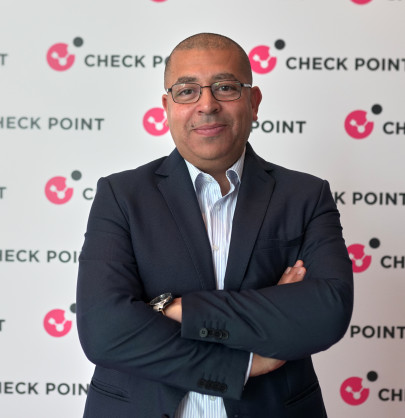
The European Union's NIS2 cyber security directive has significant implications for African businesses trading with the continent. This is according to Check Point Software Technologies (www.CheckPoint.com), a leading AI-powered cloud-delivered cyber security provider, which urges African businesses with strong ties to the EU to take steps to comply with this new, stringent cyber security regulation.
Download document: https://apo-opa.co/3UgCQYj
The European Union's NIS2 Directive, came into effect this month and requires member states to amend their national legislation. The NIS2 Directive imposes strict cyber security requirements, including enhanced management liability, reporting to authorities, risk management, and business continuity planning, placing African companies trading with the EU under increased scrutiny.
The NIS2 Directive builds upon the original NIS1 Directive introduced in 2016, expanding its scope to cover a wider range of sectors including Energy, Banking, Transport, Digital Infrastructure, Healthcare, Food Production, and Research. More than 80% of European enterprises are now within the scope of this legislation, which extends to global supply chain partners—including many businesses in Africa.
Collins Emadau, Check Point Partner and Director at Westcon, explains, “Europe is still Africa's leading trading partner. African businesses, particularly in leading economies such as South Africa, Kenya, and Nigeria, need to understand the far-reaching impact of NIS2. Compliance is not just about meeting EU standards—it's about securing their future in a globalised market. Failure to comply will result in not only heavy fines but also the potential loss of critical trade partnerships with EU member states."
What's at Stake for African Businesses?
The EU remains the largest trading partner for Africa, with over 18 Economic Partnership Agreements and trade worth billions annually. African businesses, especially in sectors like Energy, Banking, Transport, and Manufacturing, are key partners in the EU's supply chains. To continue doing business with EU companies, African organisations must comply with NIS2, which mandates strict cyber security measures to protect critical infrastructure and supply chains.
Issam El Haddioui, Head of Security Sales Engineering: Africa, Check Point Software Technologies, says, "NIS2 sets a new standard for cyber security, and African businesses must act now. Many organisations are unaware of the depth of these requirements, which go beyond local regulations. Compliance is essential not only for maintaining business relationships with the EU but also for enhancing the overall resilience of African economies against cyber threats."
Compliance will exact a cost for African organisations, which according to Interpol's 2021 Africa Cyberthreat Assessment Report, spends an average of only 0.05% of their revenue on cyber security, far below the global average of 0.3-0.5%. The Report also estimated the financial impact of cyber crime in the region at over $4 billion USD, representing about 10 percent of Africa's total GDP.
Tougher Penalties and Personal Responsibility
NIS2 introduces personal liability for business leaders in the event of a cyber attack, meaning that executives themselves can be held financially accountable for breaches. Penalties include fines of up to EUR 7 million or 1.4% of a company's global annual turnover, whichever is higher. This goes beyond the GDPR, placing even more responsibility on corporate leadership to ensure robust cyber security practices are in place.
NIS2 mandates that organisations must report cyber incidents to authorities promptly and inform their stakeholders, suppliers, and customers. Therefore, African businesses must ensure they have a comprehensive incident response plan in place, along with regular cyber security training for both IT and leadership teams.
Steps for African Businesses to Ensure Compliance
To successfully implement NIS2 and avoid devastating penalties, Check Point recommends the following four steps for African businesses:
Long-Term Commitment to Cyber Security
Compliance with NIS2 is not a one-time process; it requires a long-term commitment to cyber security. From 2028, organisations will be required to annually document their NIS2-compliant IT infrastructure and demonstrate that their cyber security measures are aligned with the latest technological advancements.
“African countries, especially economic leaders like South Africa, Kenya, and Nigeria, should also consider using the NIS2 framework as a model for strengthening their own national cyber security regulations. By improving cyber-readiness, African businesses can not only comply with international standards but also protect their data, operations, and reputations from evolving threats,” El Haddioui continues.
El Haddioui, concludes, "The NIS2 Directive marks a significant shift in the cyber security landscape. African business leaders must recognise that cyber security is now a matter of survival, not just compliance. By taking proactive measures, they can safeguard their future, avoid heavy penalties, and ensure their organisations thrive in an increasingly interconnected global economy."
Distributed by APO Group on behalf of Check Point Software Technologies Ltd..
Follow Check Point via:
LinkedIn: https://apo-opa.co/48bWAC1
X: https://apo-opa.co/3Uh9uJo
Facebook: https://apo-opa.co/40cvTLl
Blog: http://apo-opa.co/4e2KjBm
YouTube: https://apo-opa.co/48wjFQd
About Check Point Software Technologies Ltd.:
Check Point Software Technologies Ltd. (www.CheckPoint.com) is a leading AI-powered, cloud-delivered cyber security platform provider protecting over 100,000 organisations worldwide. Check Point leverages the power of AI everywhere to enhance cyber security efficiency and accuracy through its Infinity Platform, with industry-leading catch rates enabling proactive threat anticipation and smarter, faster response times. The comprehensive platform includes cloud-delivered technologies consisting of Check Point Harmony to secure the workspace, Check Point CloudGuard to secure the cloud, Check Point Quantum to secure the network, and Check Point Infinity Core Services for collaborative security operations and services.

HIMOINSA (www.HIMOINSA.com), a leader in power technology solutions and part of the Yanmar Group, is proud to announce the launch of its latest innovation: the HGY Series. This new engine line, with a capacity range from 1250kVA to 3500kVA (with future plans to reach 4000kVA), has the potential to significantly help address Africa's growing energy needs, particularly in key sectors critical to the continent's economic development, such as healthcare, mining, oil and gas, and tech hubs like data centers.
Download document: https://apo-opa.co/3NyfcCw
With the HGY Series, HIMOINSA enters the high-capacity engine segment, providing tailored solutions that meet the needs of Africa's mission-critical sectors where reliable and efficient power generation is vital. The company's focus on Africa reflects its strategic commitment to supporting the continent's rapid industrialization and infrastructure expansion.
Delivering Reliable Power Where It Matters Most
Africa is home to some of the world's fastest-growing economies, yet power generation remains a critical challenge in several key regions. HIMOINSA's HGY Series engines are engineered to deliver robust and sustainable solutions, particularly in areas with unstable national grids, helping to mitigate downtime, load-shedding and other challenges. By offering flexible fuel options, currently capable of operating with a range of diesel types and HVO (hydrotreated vegetable oil), with future plans to support natural gas and hydrogen, the HGY Series ensures that businesses and communities across Africa have access to low-emission, efficient, and reliable power, regardless of local grid conditions.
Guillermo Elum, HIMOINSA's EMEA Region Head, highlighted the company's dedication to the African market: “Africa is a key growth region for HIMOINSA, and our approach goes beyond merely selling products; we are committed to building local capacity. Our training programs in Angola, South Africa, Morocco, Togo and soon, in Tanzania, ensure that African technicians and engineers are fully equipped to manage and maintain our technology, creating skilled jobs and developing expertise across the continent.”
Boosting Africa's Economic Growth
The launch of the HGY Series is part of HIMOINSA's broader investment strategy to support Africa's economic development. The company's Spanish production facilities, including a new factory in Murcia with a capacity of 1,000 units currently under construction, are set to help supply the African market, ensuring fast delivery and minimal logistical challenges, so businesses can rely on timely support and services. Additionally, its focus on training and local partnerships enhances the technical skills of local communities, empowering them to manage critical power infrastructure and stimulating economic growth.
Francisco Gracia, CEO of HIMOINSA, stressed the significance of the HGY Series for Africa: “We see enormous potential in Africa's industrial and digital sectors, and the HGY Series is a powerful tool for realizing that potential. From supporting vital healthcare facilities to powering new data centers that drive digital transformation; to providing continuous power for mining projects, our solutions are designed to make a tangible impact in Africa's growth story. This launch is more than just a product introduction; it is our commitment to being a partner in Africa's progress.”
Dedicated to Sustainability in Africa
The HGY Series engines are not just about power—they are about powering Africa sustainably. Designed to work seamlessly with micro-grids and renewable energy sources, these engines offer a viable solution for rural and urban areas seeking to integrate intermittent solar and wind power into their energy mix. HIMOINSA's generators support Africa's energy transition, aligning with the continent's growing focus on renewable energy and reduced carbon emissions.
The company's presence in Africa through divisions in Angola, South Africa, Morocco, Togo, and Tanzania enables it to deliver localized support in the continent's most widely spoken languages. This commitment to on-the-ground engagement ensures that African clients receive comprehensive training and support, helping businesses reduce operational costs and improve efficiency.
Driving Innovation Across Africa's Most Critical Sectors
HIMOINSA's new HGY Series is ideally suited for sectors that drive Africa's economic growth. Data centers, which are rapidly expanding due to the rise of digital services and AI, can now benefit from high-capacity, low-emission solutions designed to minimize downtime and optimize performance. Healthcare facilities, often located in remote or underserved areas, will gain access to dependable power solutions essential for life-saving equipment. Mining operations and oil and gas fields can also leverage the versatility and efficiency of the HGY engines to operate in demanding environments, ensuring continuity even when the grid fails.
https://HGY-Series.HIMOINSA.com/
Distributed by APO Group on behalf of HIMOINSA.
About HIMOINSA:
Founded in 1982, HIMOINSA is a global leader in the design and manufacture of power generation solutions. With a wide range of products including generator sets, lighting towers, and energy storage systems, the company has a track record of delivering reliable, efficient, and innovative power solutions. As part of the Yanmar Group, HIMOINSA combines decades of expertise with cutting-edge technology to meet the evolving energy needs of customers worldwide.