• Skip to main content
  • Skip to header right navigation
  • Skip to after header navigation
  • Skip to site footer
MyZA

MyZA

News, Directory, Events and Other Stuff

  • Social Media
  • Sport
  • World News
  • Home
  • Submit News
  • Directory
  • Events
  • Stratlec
  • TFSA
  • News
    • APO
    • Today’s Sport News
    • Todays Social Media and Tech Headlines
    • Today’s World News
    • Today’s SA Financial News
  • Contact
You are here: Home / Archives for critical

critical

27 February 2025

Cabinet sends best wishes for injured SANDF troops 

Location: News

Cabinet sends best wishes for injured SANDF troops 

Cabinet has extended its heartfelt wishes for a quick recovery to all soldiers returning from the Democratic Republic of Congo (DRC) who are currently receiving medical treatment in South Africa.

“Cabinet expressed its well wishes for a speedy recovery for all 1returned injured soldiers who are now receiving medical treatment in South Africa, the home soil,” Minister in the Presidency, Khumbudzo Ntshavheni said on Thursday.

This as the South African National Defence Force (SANDF) announced earlier in the week that the remaining wounded troops in need of medical attention had been successfully repatriated from the DRC and would now receive necessary care and support.

READ | Critically injured soldiers in DRC brought back home

The injured soldiers have been categorised into three priority areas for care – critical, non-critical, and those requiring psychological and social interventions.

This is after 14 troop members lost their lives and others sustained injuries at the hands of the M23 as fighting in the Goma region escalated. 

The rebel group fought intensely against the Congolese armed forces, resulting in the deaths of soldiers from 23 to 27 January during M23’s advance on Sake and Goma. 

These soldiers were part of the Southern African Development Community Mission in the Democratic Republic of Congo (SAMIDRC), which aims to help restore peace, security, and stability in Africa’s second-largest country.

At a post-Cabinet briefing in Cape Town, Ntshavheni announced that the Executive supports the resolutions from both the African Union Peace and Security Council (AUPSC) and the United Nations Security Council (UNSC) concerning the eastern DRC.

The AUPSC endorsed decisions from the Joint East African Community (EAC) and SADC meeting, which called for an immediate ceasefire, safe humanitarian routes, the withdrawal of uninvited forces, respect for territorial integrity, and the inclusion of all actors in the joint Luanda-Nairobi political dialogue.

“UNSC resolution urged all parties – State and non-State actors in the eastern DRC to conclude an immediate and unconditional ceasefire, as called for by leaders of the EAC and SADC.” 

According to the Minister, the resolution further demands that M23 rebel groups withdraw from the territories they have seized in the eastern DRC and called on the Rwanda Defence Forces to stop supporting the armed group and immediately withdraw from Congolese territory “without preconditions.” – SAnews.gov.za


Gabisile
Thu, 02/27/2025 - 13:38
62 views
Read moreCabinet sends best wishes for injured SANDF troops 
27 February 2025

Community media plays a vital role in promoting social change

Location: News

Community media plays a vital role in promoting social change

In a world where information is power, community media stands as a vital force in empowering marginalised voices, driving social change and strengthening democracy. 

Deputy Minister in the Presidency, Kenny Morolong, has underscored the significance of this sector, emphasising its role in fostering community engagement and supporting local development.

Speaking during Parliament’s Portfolio Committee on Communication and Digital Technologies oversight visit to the Government Communication and Information System in Pretoria on Wednesday, Morolong urged the GCIS to harness the power of strategic partnerships to inform South Africans about government’s social transformation agenda.

"We have a network of communicators across all three spheres of government to ensure effective coordination," Morolong said, highlighting the need to build professional capacity in government communication. 

He stressed the importance of adapting to the rapid growth of new media to bridge the gap between government and citizens.

According to Morolong, communication is not just a bureaucratic function but a constitutional responsibility. 

"An appreciation of this premise will ensure that we fulfil the prescripts of the Constitution, including upholding political, social and other rights," he said.

GCIS Deputy Director-General: Intergovernmental Coordination and Stakeholder Management, Michael Currin, echoed this sentiment, explaining that effective government communication plays a crucial role in shaping national sentiment, fostering social cohesion and inspiring positive behavioural change.

"Through a coordinated communication system, government proactively responds to the evolving political and socio-economic landscape, fostering a direct relationship with citizens," Currin said.

He emphasised that clear and coherent messaging is essential to building public confidence and national unity.

Portfolio Committee commends GCIS's efforts

Portfolio Committee on Communication chairperson, Khusela Diko, expressed her satisfaction with the GCIS’s performance.

"I was impressed with the presentations [on the GCIS operations and its programmes], especially those involving community print media. These discussions help us, as lawmakers, understand the core issues that affect our citizens," she told SAnews. 

Diko affirmed that lessons learned from these engagements would shape the committee’s oversight efforts. 

"We hope that GCIS and its partnerships will continue to empower people with vital information, enabling them to improve their lives," she said.

Diko further stressed the importance of citizens knowing how to access job opportunities, start businesses, and benefit from government programmes.

 "When South Africans can confidently say: 'I know what my government is doing for me and how I can access services', we will have achieved our goal," she said.

Established in 1998 and operating under the Presidency, the GCIS has a clear mission: to strengthen government communication, ensure transparency, and keep citizens informed about policies, programmes, and achievements. By embracing innovation and leveraging new media, it continues to play a crucial role in fostering a well-informed and engaged society. 

Bringing government closer to the people

The Portfolio Committee is committed to ensuring that government communication is effective and accessible. As part of its mandate, the committee is conducting oversight visits to various entities in Gauteng, engaging with staff members and reviewing government communication strategies.

The committee has also listened to presentations from the Media Development and Diversity Agency (MDDA) and other entities, evaluating their effectiveness in delivering critical information to the public. – SAnews.gov.za

Edwin
Thu, 02/27/2025 - 09:25
300 views

Read moreCommunity media plays a vital role in promoting social change
26 February 2025

Global challenges require G2O countries to work together

Location: News

Global challenges require G2O countries to work together

President Cyril Ramaphosa has emphasised the importance of the Group of 20 (G20) members working together to overcome unprecedented challenges, including slow and uneven growth, rising debt burdens, persistent poverty and inequality, and the existential threat of climate change.

“We are not moving quickly enough or boldly enough to address these global challenges. We must collectively target a step-change in our efforts to improve the lives of all of our people and protect future generation,” the President said on Wednesday.

Addressing the opening of the first meeting of the Group of 20 (G20) Finance Ministers and Central Bank Governors in Cape Town, the President said at this time of global uncertainty and escalating tension, it is now more important than ever that the members of the G20 work together.

“The erosion of multilateralism presents a threat to global growth and stability. We know from the experience of past decades that a fair, transparent and inclusive rules-based international order is an essential requirement for economic stability and for sustained growth.

“At this time of heightened geopolitical contestation, a rules-based order is particularly important as a mechanism for managing disputes and resolving conflict. It is vital to ensuring that the rights and interests of the vulnerable are not trampled beneath the ambitions of the powerful,” he explained.

The first citizen said one of the greatest impediments to growth, development and stability is the persistence of inequality within and between countries.

“The pursuit of the United Nations Sustainable Development Goal on reducing inequality is as much of an economic imperative as a social imperative. As the G20 we need deliberate and coordinated efforts to focus on inclusive growth based on responsive trade and investment to grow the incomes of poor nations and the poorest in society.

“We need to ensure equal access to opportunities, especially for women and young people. For nations to flourish, equality and prosperity must be available to everyone – regardless of gender, race, religious beliefs or economic status.

“The pursuit of equality is an imperative for wealthy and poor countries alike. That is why South Africa has placed solidarity, equality and sustainability at the centre of its G20 Presidency,” the President said.

Priorities 

In line with the original mandate of the G20 to promote strong, sustainable, balanced and inclusive growth, South Africa has identified four priorities for its G20 Presidency.

The first priority is to take action to strengthen disaster resilience and response.

“The increasing rate of climate-induced natural disasters is disproportionately affecting countries that can least afford the costs of recovery and rebuilding.

“When repeated disasters lead to widespread damage of infrastructure, economic activity is disrupted and livelihoods are destroyed,” the President said.

He said innovative financing and insurance mechanisms must be put in place by the global community – including international financial institutions, development banks and the private sector – to scale up funding for disaster prevention and post-disaster reconstruction.

“Our second priority is to ensure debt sustainability for developing economies. In recent years, low- and middle-income countries have seen their levels of sovereign debt and the cost of servicing that debt rise substantially.

“The combined external debt stock of low-income countries more than doubled in the decade to 2022. Debt service costs are increasingly crowding out spending on education, healthcare and other social services, as well as infrastructure needed for economic development,” the President said.

He stressed that the work of the International Financial Architecture Working Group and other working groups will be particularly important in improving the Common Framework for Debt Treatment, accelerating the reform of multilateral development banks, and strengthening capital flows to emerging markets.

“Our G20 Presidency will be addressing the high cost of capital faced by developing economies as one of the main barriers to sustainable growth. The G20 must show leadership in addressing the imbalances that persist in the global economy and filling the significant gap in funding required to achieve the Sustainable Development Goals.

“The third priority of South Africa’s G20 Presidency is to mobilise finance for a just energy transition. Significantly more funding is required to limit global temperature rise in line with the goals of the Paris Agreement, and to do so in a manner that is equitable and just.”

South Africa has pioneered the use of country platforms to coordinate funding through the Just Energy Transition Partnership.

“We continue to advocate for greater concessional and grant funding to support the energy transition in developing economies. G20 member countries should lead the way in demonstrating ambition on climate action in the lead-up to COP30 in Brazil later this year.

“The need to rapidly scale up adaptation funding is particularly important, as those countries which have contributed the least to climate change are now most vulnerable to its effects. We must also scale up the use of innovative financing instruments, improve coordination among funders, and unlock the potential of carbon markets to create new and diverse sources of funding,” the President said.

South Africa’s fourth priority for the G20 Presidency is to harness critical minerals for inclusive growth and sustainable development.

“We need a G20 framework on green industrialisation and investment that promotes value addition to critical minerals close to the source of extraction. We need to promote the development of low-carbon manufacturing value chains which can support decarbonisation while promoting growth.

“As minerals extraction accelerates to match the needs of the energy transition, the countries and local communities endowed with these resources must be the ones to benefit the most,” said President Ramaphosa. - SAnews.gov.za
 

nosihle
Wed, 02/26/2025 - 09:39
175 views

Read moreGlobal challenges require G2O countries to work together
26 February 2025

Ghana’s Mining in Motion Summit Gains Support From Key Leaders

Location: News
Energy Capital & Power

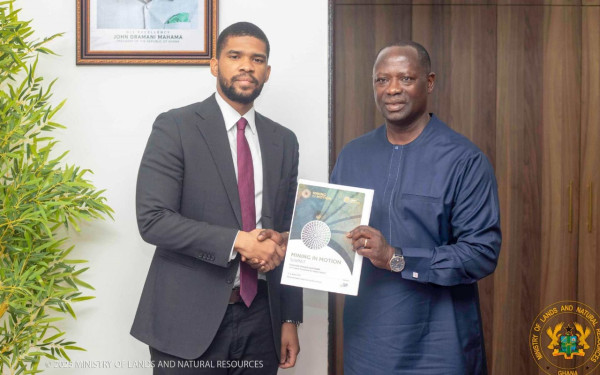
Otumfuo Osei Tutu II, King of the Ashanti Kingdom; Hon. Emmanuel Armah Kofi Buah, Minister of Lands and Natural Resources of Ghana; and Oheneba Kwaku Duah, the son of Otumfuo Osei Tutu II and Managing Director of the Ashanti Green Initiative recently met to discuss the upcoming Mining in Motion Summit in Ghana.

They explored the summit's potential to improve the artisanal and small-scale gold mining (ASGM) sector in Ghana and the role of government, international partners and major mining firms in accelerating the sector's growth. Hon. Kofi Buah endorsed the event, emphasizing its significance in connecting small-scale miners with technology providers, financiers, regulatory bodies and global industry stakeholders to improve their operations and impact.

Organized by the Ashanti Green Initiative along with the World Bank, the World Gold Council and other international partners, Mining in Motion will take place from June 2 - 4 in Accra.

The summit is held under the theme Sustainable Mining & Local Growth – Leveraging Resources for Global Impact, uniting key decision-makers, including H.E. John Dramani Mahama, President of the Republic of Ghana, as well as representatives from public and private sector mining institutions from South Africa, the Republic of Guinea, the African Union, ECOWAS and the United Nations.

The three-day event will highlight the role of traditional authorities in shaping artisanal and small-scale mining practices, emphasizing the sector's contribution to employment and economic growth. In 2024 alone, Ghana's artisanal miners generated $5 billion in foreign exchange earnings through gold exports. Providing direct employment for over one million Ghanaians and accounting for 35% of domestic gold output, the sector has the potential to significantly shape socioeconomic development in the west African country.

As Ghana's mining sector increasingly supports sustainable development, the Mining in Motion Summit will highlight best practices for integrating ASGM into the global financial system. Representatives from prominent international financing organizations will share their insights.

In a significant move to boost earnings for small-scale miners, Ghana has announced plans to establish a Gold Board. This new entity will simplify the process of purchasing gold from small-scale miners, providing them with easier access to global markets. With Samuel Adu Gyamfi, who was appointed Acting Managing Director of Precious Minerals Marketing Company last month and tasked with setting up the Ghana Gold Board, playing a pivotal role in shaping the summit, Mining in Motion is set to have a sizable impact on the growth of Ghana's gold sector.

Through a series of high-level panel discussions, deal signings, project showcases and exclusive networking, Mining in Motion serves as the ideal platform to connect Ghanaian miners with regional counterparts and global investors for forge industry-changing partnerships.

Stay informed about the latest advancements, network with industry leaders and engage in critical discussions on key issues impacting ASGM and medium- to large-scale mining in Ghana. Secure your spot at the Mining in Motion 2025 Summit by visiting https://MiningInMotionSummit.com. For sponsorship opportunities or delegate participation, contact sales@energycapitalpower.com.

Distributed by APO Group on behalf of Energy Capital & Power.

About Ashanti Green Initiative:
The Ashanti Green Initiative is a foundation dedicated to promoting environmental restoration, advocating for climate-related issues, and fostering community development in Ghana and beyond. Guided by a commitment to sustainability, the foundation undertakes projects aimed at rehabilitating degraded lands, restoring water bodies, and promoting responsible natural resource management. The initiative also champions regenerative practices in mining, agriculture, and energy, aligning with global efforts to combat climate change while uplifting local communities through education, capacity-building, and economic empowerment programs. The Ashanti Green Initiative is led by Nana Kwaku Duah, son of His Majesty Otumfuo Osei Tutu II, King of the Ashanti Kingdom. Under his leadership, the foundation applies forward-thinking approaches and innovative solutions, creating impactful partnerships with local and international stakeholders to drive meaningful change.

About Energy Capital & Power:
Energy Capital & Power is an Africa-focused global leading investment platform for the energy and mining sectors. Through a series of events, online content and investment reports, we unite the entire energy and mining value chains – from oil and gas exploration to renewable power – and facilitate global and intra-African investment and collaboration.

Media files
Energy Capital & Power
Download logo
Read moreGhana’s Mining in Motion Summit Gains Support From Key Leaders
25 February 2025

President Ramaphosa to open G20 finance track meeting 

Location: News

President Ramaphosa to open G20 finance track meeting 

President Cyril Ramaphosa will open the first meeting of the Group of 20 (G20) Finance Ministers and Central Bank Governors’ under South Africa’s Presidency.

“The first G20 Finance Meeting and Central Bank Governors Meeting in South Africa will focus on the thematic areas of [the] global economy, debt, infrastructure, joint finance and health task force, international taxation, finance sector issues, and sustainable finance,” the Presidency said on Tuesday.

This engagement will take place at the Cape Town International Convention Centre on Wednesday, 26 February 2025. 

The G20 Finance Ministers and Central Bank Governors’ Meeting is hosted by the Minister of Finance Enoch Godongwana and Governor of the South African Reserve Bank, Lesetja Kganyago under South Africa’s G20 Presidency theme of “Solidarity, Equality and Sustainability.”

The Finance Ministers meeting is preceded by the second meeting of the Finance and Central Bank Deputies which took place on 24 and 25 February 2025. 

“South Africa’s G20 Presidency commenced in December 2024, and the Finance Ministers and Central Bank Governors’ meeting is part of a series of 23 ministerial and approximately 130 working groups meetings that will take place during the course of 2025. The year-long deliberations will culminate in a G20 Leaders’ Summit in November 2025,” the Presidency said.

The G20 was originally established as a meeting of Finance Ministers in response to the Asian financial crisis of 1997-99, with the aim of coordinating policies to promote international financial stability’.

This initiative was elevated to a Heads of State and Government Leaders Meeting in 2008 after the global financial crisis of 2007.

Together, G20 members account for around 85% of global Gross Domestic Product (GDP) and 75% of international trade. 
It comprises 19 countries including: Argentina, Australia, Brazil, Canada, China, France, Germany, India, Indonesia, Italy, Japan, Republic of Korea, Mexico, Russia, Saudi Arabia, South Africa, Türkiye, United Kingdom, and United States and two regional bodies, namely the European Union and the African Union.

The grouping therefore plays a critical role in influencing global policy making and fostering global economic stability. -SAnews.gov.za


nosihle
Tue, 02/25/2025 - 12:00
505 views

Read morePresident Ramaphosa to open G20 finance track meeting 
25 February 2025

Premier to mitigate impact of aid withdrawal on jobs

Location: News

Premier to mitigate impact of aid withdrawal on jobs

Free State Premier Maqueen Letsoha-Mathae has assured that her government, in collaboration with the national Department of Health, will explore innovative solutions to prevent job losses in the province’s health sector. 

This follows the withdrawal of a United States (US) foreign aid grant to South Africa which has supported critical health programs. 

Delivering her State of the Province Address (SOPA) on Friday, Letsoha-Mathae emphasised that efforts are underway to mitigate the impact and ensure continued healthcare service delivery despite the funding shortfall.

“Many of our strategic partners have indicated that funding from USAID [United States Agency for International Development] has been stopped. This poses an immediate threat of job losses to about 725 healthcare workers, social workers, data capturers, cleaners and many others. 

“We will find innovative ways working with national Department of Health to mitigate the impact of this decision,” she said.

The Premier emphasised that no inclusive growth would be realised without quality healthcare and her administration was doing its best to improve healthcare quality in government facilities. 

She added that less professionals mean less provision of services of which the province cannot afford.

“That is the reason why, last year, we employed 1 232 healthcare professionals that include doctors and nurses. More will be employed in the next financial year. 

“The 1 112 contract workers employed to ease the COVID-19 health pressures, whose contracts expired in October 2024, were re-employed in January this year. Their return is a crucial step in increasing the provision of health services,” she said.

The Premier highlighted that the province had procured more Renal Dialysis Machines and installed Renal Water Purification Systems in some of its hospitals. 

At the Mofumahadi Manapo Mopeli Regional Hospital in Qwaqwa, six dialysis machines were commissioned in this financial year. A Reverse Osmosis Water Purification Unit was delivered and will be installed and commissioned upon the completion of construction and prefiltration.

“At Boitumelo Regional Hospital, ten dialysis machines, two mobile Reverse Osmosis, and a Reverse Osmosis Plant are in clinical use. Importantly, availability of medicines in our health facilities is above 90%,” she said. 

Due to increasing population, urbanisation and changing lifestyles, the Premier noted that the health burden is increasing, putting pressure on the available facilities. 

She announced that healthcare facilities that are under construction will be completed in the 2025/26 financial year. These include the Thandanani Clinic in Welkom, Rheederpark Clinic in Welkom, Borwa Clinic in Tweespruit, Clocolan Clinic in Clocolan, Dinaane Clinic in Thaba-Nchu, and Valrok Clinic in Brandfort. 

“We are also upgrading hospitals, laboratories, neonatal facilities, renal units, maternity wards, pharmacies, mortuaries, theatres and heli-stops. We have taken note of particular challenges at the Bloemfontein Government Mortuary and plans are afoot to remedy the situation,” she said.

The Premier further announced that the following health facilities now render a 24-hour service: MUCPP in Mangaung (Maternity and Emergency Services); Heidedal Clinic in Mangaung (Emergency Services); PAX Clinic in Viljoenskroon (Emergency Services); Bolata Clinic in Qwaqwa (Maternity Services) and the Lesedi Clinic in Kroonstad will be operational from April 2025 (Maternity and Emergency Services). - SAnews.gov.za


DikelediM
Tue, 02/25/2025 - 14:29
250 views

Read morePremier to mitigate impact of aid withdrawal on jobs
25 February 2025

African Development Bank and Standard Bank Unite to Support Small, Medium, and Micro Enterprises (SMMEs) and Boost Trade

Location: Business
African Development Bank Group (AfDB)

The African Development Bank Group (www.AfDB.org) and Standard Bank Group (SBG) on Monday signed a landmark financial agreement to enhance funding for small, medium, and micro enterprises (SMMEs) and expand trade across Africa.

The agreement includes a R3.6 billion investment in a social bond and a $200 million Risk Participation Agreement (RPA) for Standard Bank of South Africa Limited (SBSA). This initiative strengthens Standard Bank's lending capacity, ensuring greater access to finance for SMMEs, a critical driver of economic growth and job creation in South Africa.

The social bond investment promotes inclusive economic development, particularly for SMMEs with a turnover below R300 million and loan sizes under R40 million. This financing will support up to 4,000 businesses, helping them scale operations, create jobs, and contribute to economic resilience.

Kenny Fihla, Deputy Chief Executive Officer of Standard Bank Group and Chief Executive Officer of SBSA, welcomed the investment, stating: “This landmark partnership strengthens our ability to support SMMEs, the backbone of South Africa's economy. With approximately 3.2 million SMMEs accounting for 60% of jobs, ensuring access to finance is crucial. This initiative aligns with our Sustainable Finance Framework and our commitment to financial inclusion.”

In addition to the social bond, the $200 million RPA enhances trade finance across Africa, focusing on Low-Income Countries and Transition States. This agreement enables local banks to increase lending by sharing risk, bridging the trade finance gap, and promoting intra-African trade.

Leila Mokaddem, Director General for Southern Africa at the African Development Bank, highlighted the broader impact: “This collaboration marks a significant milestone in our long-standing partnership and is a testament to our shared commitment to supporting SMMEs' growth and enhancing trade finance across Africa. Expanding financial inclusion and trade opportunities empowers businesses to drive economic transformation and regional integration. The Standard Bank Group remains a strategic partner in our shared vision for economic development on the continent.”

This initiative aligns with the African Development Bank's Ten-Year Strategy (2024–2033), which prioritises industrialisation, regional integration, and improving the quality of life in Africa. It also supports Standard Bank's Sustainable Finance Framework, reinforcing both institutions' commitment to fostering green and inclusive growth.

“We are proud of this transaction, demonstrating our shared commitment to sustainable financing. By supporting businesses, we create long-term economic opportunities and financial resilience,” stated Ahmed Attout, Director of the Financial Sector Development Department at the African Development Bank.

Kenny Fihla reaffirmed the significance of the collaboration:

“By providing much-needed capital, we are helping enterprises overcome challenges and thrive. This partnership illustrates the power of collaboration in driving meaningful economic and social change in Africa.”

Distributed by APO Group on behalf of African Development Bank Group (AfDB).

For media inquiries, please contact:
Natalie Naudé

Communication and External Relations Department
Email: media@afdb.org

About the African Development Bank Group:
The African Development Bank Group is Africa's premier development finance institution. It comprises three distinct entities: the African Development Bank (AfDB), the African Development Fund (ADF) and the Nigeria Trust Fund (NTF). On the ground in 41 African countries with an external office in Japan, the Bank contributes to the economic development and the social progress of its 54 regional member states. For more information: www.AfDB.org

Media files
African Development Bank Group (AfDB)
Download logo
Read moreAfrican Development Bank and Standard Bank Unite to Support Small, Medium, and Micro Enterprises (SMMEs) and Boost Trade
25 February 2025

Level 2 heavy rain warning issued for KwaZulu-Natal

Location: News

Level 2 heavy rain warning issued for KwaZulu-Natal

The South African Weather Service (SAWS) has issued a yellow level 2 heavy rain warning for KwaZulu-Natal.

This follows widespread flooding that has claimed the lives of nine people.

In a statement released Monday afternoon, the weather service warned of disruptive rainfall leading to localised flooding in susceptible areas, including formal and informal settlements, roads, bridges, and critical infrastructure in the province’s extreme northeastern regions.

On Tuesday, KwaZulu-Natal Premier Thami Ntuli visited the families of those affected by the recent severe weather conditions in the KwaMakhutha Township, south of Durban.

The floods have claimed the lives of three people, including the families’ graves, which were washed away due to the persistent rainfall in eThekwini and surrounding areas of the province.

The three affected families reside in KwaMakhutha, Mbumbulu, and Folweni.

Premier Ntuli expressed his condolences and reassured the public that the provincial government was taking immediate steps to provide assistance.

Ntuli said the MECs have already visited the area to assess the situation and ensure that those affected are not enduring further hardships.

He said the provincial government was committed to providing the necessary support, including temporary shelter and fixing the stormwater drainage system.

The Premier underscored the importance of allocating people in strategic areas, where they would be less vulnerable to floods.

“We asked the traditional leaders, when they allocate land for building houses, to consider flood-prone areas. Even in informal settlements, people must avoid building on land in floodplains,” Ntuli said.

While the provincial Department of Cooperative Governance and Traditional Affairs (CoGTA) has a comprehensive disaster response plan in place designed to provide immediate assistance during and after such crises, the Premier stressed that prevention remains a top priority.

“We must prioritise early intervention over waiting until lives are lost. It is essential that people in KwaZulu-Natal observe the warnings given by weather service and CoGTA,” Ntuli said. – SAnews.gov.za

GabiK
Tue, 02/25/2025 - 12:11
128 views

Read moreLevel 2 heavy rain warning issued for KwaZulu-Natal
25 February 2025

Energise Mzansi campaign to empower South Africans on energy transition

Location: News

Energise Mzansi campaign to empower South Africans on energy transition

The Energy Council of South Africa has launched a nationwide campaign to empower South Africans to gain a better understanding of and engage in the energy transition.

South Africa has committed to lowering carbon emissions to net-zero by 2050 and usher in a green economy.

In that regard, government has also committed to an energy transition which is just, inclusive and which responds to South Africa’s developmental needs – leaving no one behind.

“Energy literacy is more than just understanding the basics, it’s the foundation for informed decision-making, constructive collaboration, and ultimately driving investment and economic growth through gained public positive sentiment.

“Through this campaign, we aim to connect South Africans with the factual information they need to make sense of the challenges and take advantage of the opportunities presented by the energy transition,” Energy Council CEO James Mackay said.

According to the council, the campaign focuses on six technical energy topics.

 These are:

  • Energy is an integrated system: Shifting from a polarised “supply mix” ideology to a practical, integrated system planning and delivery approach. This aims to balance supply side actions with demand response and changing trends, the increasing importance of infrastructure and digital integration and the critical issue of a competitive marketplace.
  • Vital emissions obligations: South Africa has an intensive carbon footprint and is now exposed to carbon tax and carbon border adjustments from 2026 with its biggest trade partner, Europe.
  • Ongoing coal dependency: Examining coal’s critical role in South Africa’s energy mix, which is still planned to be in operation well beyond 2026. The need for cleaner, reliable and more efficient use, and the pathway to a strategic, balanced transition not compromising energy security and economic stability.
  • Bridging the transition with gas: Exploring how gas could provide crucial support to South Africa’s energy system by meeting fluctuating demand, system variability and bridging the gap as renewable energy grows and large coal stations are decommissioned.
  • Scaling renewables and storage: Evaluating the growing adoption of solar and wind energy as well as battery storage, focusing on the advantages of renewable energy, the barriers to widespread deployment, and the role of technology in making renewables a central part of South Africa's energy future.
  • Reforming the Energy Market: Understanding the critical need and benefits of a competitive wholesale electricity market to unlock investment, drive efficiency and lower prices, as well as anchor South Africa's future power sector eco-system

“The Energy Council estimates that R2 trillion will be required by 2035 for new technology financing and system upgrades. Government policy and commitment is clear. The two key drivers of our energy reform agenda are now anchored in law: The Electricity Regulation Amendment Act, 2004 and the Climate Change Act, 2024. 

“It is critical that informed responses lead the transition, ensuring collaboration across all stakeholders to create sustainable, long-term solutions for South Africa’s energy future,” the Energy Council said. – SAnews.gov.za


NeoB
Tue, 02/25/2025 - 12:19
8 views

Read moreEnergise Mzansi campaign to empower South Africans on energy transition
25 February 2025

SA crafts guidelines for green hydrogen development

Location: News

SA crafts guidelines for green hydrogen development

In a major step towards cementing South Africa’s position as a global leader in green hydrogen, the Minister of Forestry, Fisheries, and the Environment, Dr Dion George, has overseen the launch of two game-changing environmental planning mechanisms. 

The Environmental Impact Assessment (EIA) Guideline for green hydrogen projects and the South African Green Hydrogen Potential Atlas will remove regulatory uncertainty, drive investment, and accelerate South Africa’s transition to a green hydrogen economy.

Developed in partnership with the Deutsche Gesellschaft für Internationale Zusammenarbeit (GIZ), the Council for Scientific and Industrial Research (CSIR), and GFA Consulting Group, these mechanisms will provide critical guidance for responsible and sustainable green hydrogen development.

In a statement of Tuesday, the Minister hailed the mechanisms as a victory for South Africa’s economic and environmental ambitions, reinforcing his commitment to positioning the country as a leader in clean energy innovation. 

“This is a defining moment for South Africa’s green economy. By taking proactive steps to provide regulatory clarity and scientific insights, we are ensuring that green hydrogen becomes a major driver of sustainable economic growth, investment, and job creation. This is about unlocking South Africa’s potential while protecting our environment for future generations,” he said.

Under the Minister’s leadership, the Department of Forestry, Fisheries, and the Environment (DFFE) has strengthened the central role it plays in developing clear, science-based guidelines that provide certainty for investors and developers. 

“The EIA Guideline will ensure that projects are planned responsibly, while the Green Hydrogen Atlas offers a powerful, interactive tool for mapping the country’s most promising locations for green hydrogen production.

“With abundant solar and wind resources, strategic port infrastructure, and a central location on global shipping routes, South Africa is uniquely positioned to become a green hydrogen powerhouse. 

“Green hydrogen, which is produced using renewable energy, has the potential to replace fossil fuels in industries like steel, cement, and heavy transport, reducing emissions while creating new economic opportunities,” the department said.

The department said the launch of these mechanisms sends a clear message to international investors, industry leaders, and policymakers.

“South Africa is ready to lead in green hydrogen innovation and production,” the department said.

The EIA Guideline can be accessed at: https://bit.ly/SAGH2eia. - SAnews.gov.za


nosihle
Tue, 02/25/2025 - 11:09
41 views

Read moreSA crafts guidelines for green hydrogen development
24 February 2025

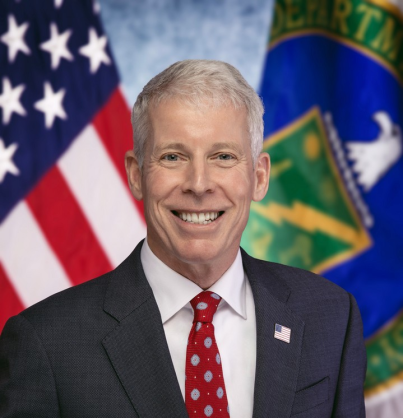
u.s. Secretary of Energy Chris Wright to Deliver Keynote Address at 10th Powering Africa Summit

Location: News
EnergyNet Ltd.

Secretary Chris Wright, U.S. Department of Energy, has been confirmed as a speaker and guest of honour at the 10th Powering Africa Summit (PAS), taking place at JW Marriott Washington, D.C. across March 6-7. This is an important step to provide an answer to the question that all of African energy is now asking: how will the new Administration approach the strategic energy relationship between the U.S. and Africa

Under the Summit theme, The Future of the US & Africa Energy Partnership, U.S. Secretary of Energy Chris Wright will deliver a keynote address at the 10th annual Powering Africa Summit. Wright will be joined by representatives from the U.S. Department of State: Ambassador Troy Fitrell, Senior Bureau Official, Bureau of African Affairs; Kimberly Harrington, Acting Principal Deputy Assistant Secretary, Bureau of Energy Resources; and Stephen Banks, Acting Deputy Assistant Secretary for Energy Diplomacy, Bureau of Energy Resources. All will share their vision for this future relationship between African countries and the US-based investors that are so vital to realizing their energy ambitions.

“As Secretary of Energy, I am committed to unleashing all forms of affordable, reliable and secure energy here at home and advancing that mission of energy security around the world – and nowhere is that more critical than the continent of Africa. I look forward to joining the Summit to reaffirm the strategic energy partnership between the U.S. and Africa and share my vision for advancing innovation and removing barriers to energy access, both at home and around the world,” Secretary Wright said.

Ministers and governments from 19 African countries will arrive in Washington D.C., where the Africa Welcome Address will be given by H.E. Honourable Adebayo Adelabu, Minister of Power, Nigeria. Together with H.E. Honourable Jeremiah Kpan Koung, Vice President, Liberia; H.E. Honourable Dr. Dele Alake, Minister for Solid Minerals Development, Nigeria; H.E. Honourable Mahmoud Mustafa Esmat, Minister of Electricity & Renewable Energy, Egypt; H.E. Honourable Karim Badawi, Minister of Petroleum & Mineral Resources, Egypt; H.E. Honourable Bogolo Joy Kenewendo, Minister of Minerals & Energy, Botswana; H.E. Honourable Alex Wachira, Principal Secretary, Ministry of Energy & Petroleum, Kenya; and Amina Benkhadra, Director General, Office National des Hydrocarbures et des Mines (ONHYM), Morocco, he will meet distinguished Ministers and leaders from South Africa, Senegal, Ethiopia, Zimbabwe, Togo, Sierra Leone and more to drive energy development across the continent.

Flagship ministerial boardrooms and regional energy cooperation sessions will discuss and debate   derisking projects, South Africa's energy future, the need for West African regulatory reforms, and the role of hydrogen in North Africa. New areas of opportunity such as bitcoin mining and data centers will be discussed through an East African lens. The Mission 300 initiative, set to provide electricity access to 300 million people in sub-Saharan Africa by 2030, is also high on the agenda.

The 10th Anniversary Gala Drinks Reception sponsored by Genesis Energy, will celebrate International Women's Day, ahead of March 8.

Critical to the week's discussions will be a host of private players including Alliant Insurance Services, GE Vernova, ARM-Harith Infrastructure Investment, Globeleq, Africa50, Nextracker, Schneider Electric, Newmarket Capital and the summit's general sponsor, Sun Africa, who are looking to a new future for the U.S.-Africa relationship.   

Sun Africa CEO, Adam Cortese said: “We are seeing a sea change in how the U.S. participates in foreign infrastructure development and our unique model of development is an excellent illustration of how U.S. energy companies can thrive in emerging markets on a strictly commercial basis. Sun Africa remains committed to harnessing Africa's immense energy resources through innovative structures, state-of-the-art technology and strong alliances while maintaining our long-standing market-based approach to development.  At Sun Africa, we believe energy development on the continent truly represents an opportunity for win-win partnerships and look forward to sharing our experience.”

Simon Gosling, MD of EnergyNet added: “This summit has always been about bringing together African countries seeking investment with U.S.-based investors who see the vast potential on the continent.  It is more important than ever to establish the crucial energy projects that Africa needs. PAS25 will put the continent center stage and make sure that both sides have a future relationship to be excited about.”

Media Credentials Requited for Powering Africa Summit

The Secretary will open the Summit on 6 March, delivering a Keynote Speech at 09:45, followed by a Fireside Chat with Mission 300 Accelerator CEO, Andrew Herscowitz.

Distributed by APO Group on behalf of EnergyNet Ltd..

For more information, please get in touch with 
Poliana@EnergyNet.co.uk
Senior Marketing Manager

Media files
EnergyNet Ltd.
Download logo
Read moreu.s. Secretary of Energy Chris Wright to Deliver Keynote Address at 10th Powering Africa Summit
24 February 2025

South Africa to focus on development and growth during G20 Presidency

Location: News

South Africa to focus on development and growth during G20 Presidency

South Africa will use its G20 Presidency to review the group’s processes, address financing for development, and tackle barriers to growth in developing countries, including those in Africa.

Addressing the opening of the G20 Finance Ministers' and Central Bank Governors' meeting, National Treasury Director-General, Dr Duncan Pieterse, outlined a range of issues that will be discussed at this week’s finance track meetings, taking place in Cape Town.

This as the Finance and Central Bank Deputies' meeting is taking place at the Cape Town International Convention Centre, on 24 and 25 February 2025. The meeting will be followed by the first meeting of the G20 Finance Ministers and Central Bank Governors on 26 to 27 February 2025. 

“South Africa has signalled a strong and keen intent to review the operational process of the G20. Last month, the G20 began its 26th year of operation, however the operational processes of the G20 have rarely been reviewed.

“In the coming months and following the discussions this week, the South African Presidency working with the G20 membership will for the first time conduct a review of these processes and consider how to improve and strengthen them. We will also discuss various other opportunities for G20 engagement this year,” Pieterse said on Monday.

South Africa’s G20 Presidency commenced on 1 December 2024, and all engagements are being held under the theme: “Solidarity, Equality, Sustainability.” The theme underscores the nation’s focus on inclusive global economic growth, with particular attention to the needs of the world’s most vulnerable nations.

He said one of the issues of importance to the world’s poorest and most vulnerable countries is the issue of financing for development.

“Today we will discuss the Financing for Development Conference that is happening in July this year and how the G20 Finance Track might consider engaging with this process.

“We will also hold a very important meeting on the challenges and the constraints to growth in developing countries, including African countries,” the Director-General said.

Other issues of relevance to the membership to G20 will be discussed as well. 

“We have worked on a very detailed programme and the work continues this week. Over the last few weeks and months, the G20 working groups of the Finance Track have met and have made progress in shaping our agenda for this year, which is going to be taken forward and discussed in detail this week,” he said.

This week, there will be several critical side meetings, including  the meeting of the G20 Troika members, the meeting of the G20 emerging markets and developing economies, which took place this morning, as well as several bilateral meetings with various G20 members and other international organisations.

“This morning, we had an emerging market and developing economies breakfast where we discussed a wide range of challenges affecting emerging markets and economies.

“The participants in our meeting reflected on various issues, including the current state of the global economy, issues relating to debt and how it affects Africa in particular, various perspectives on the reform of the financial architectural were shared and the challenges facing members in affording financing for development and the importance of the Financing for Development Conference that is happening later this year in Spain, which is one of the areas we will discuss,” Pieterse said. 

Some of the side events for this week include domestic resource mobilisation, bridging the tax gap, cross border payments, global financial architecture in transition and a cost of capital roundtable. 

The G20 was established to tackle pressing global economic and financial issues. Together, G20 members account for around 85% of global GDP and 75% of international trade. 

It comprises 19 countries including: Argentina, Australia, Brazil, Canada, China, France, Germany, India, Indonesia, Italy, Japan, Republic of Korea, Mexico, Russia, Saudi Arabia, South Africa, Türkiye, United Kingdom, and United States and two regional bodies, namely the European Union and the African Union.

The grouping therefore plays a critical role in influencing global policy making and fostering global economic stability. -SAnews.gov.za

nosihle
Mon, 02/24/2025 - 11:29
288 views

Read moreSouth Africa to focus on development and growth during G20 Presidency
24 February 2025

Transparent tariff determination needed to address high private healthcare costs

Location: News

Transparent tariff determination needed to address high private healthcare costs

Minister of Trade, Industry and Competition, Parks Tau, has emphasised the importance of regulating private healthcare costs to guarantee that affordable healthcare remains accessible to the majority of South Africans.

“There is a serious concern about access to private healthcare in the country, given the high levels of market concentration and high prices,” he said on Tuesday. 

The Minister was speaking at a joint media briefing with Health Minister Dr Aaron Motsoaledi to share progress on implementing the recommendations from the Health Market Inquiry (HMI) into the private healthcare sector.

The HMI, conducted five years ago by the Competition Commission and chaired by former Chief Justice of South Africa, Justice Sandile Ngcobo, identified numerous factors that impede competition within the private healthcare sector.

Key issues highlighted include an unregulated supply side in service provision, a lack of transparency in pricing, exclusive contracts, and various anticompetitive practices that create barriers for new entrants.

In addition, the HMI noted that the absence of a tariff determination framework, among other factors, contributes significantly to these inefficiencies.

“Importantly, given the lack of a structured price determination framework, the HMI found that there has been abuse in the pricing of Prescribed Minimum Benefits, as well as non-Prescribed Minimum Benefits, in the form of overutilisation of services and co-payments, thus driving up the cost of healthcare.”

On 14 February 2025, Tau published the Draft Interim Block Exemption for Tariffs Determination in the Healthcare Sector after engaging in consultations with both the Competition Commission and the National Department of Health.

This exemption is designed to fill the regulatory gap in tariff determination, aligning with the recommendations put forth in the 2019 HMI.

Its primary objectives are to establish a collaborative multi-stakeholder framework for regulating healthcare tariffs, enhance price transparency, and ultimately drive down costs for consumers.

Currently, Tau said there is no structured and transparent framework for determining tariffs for healthcare services.

“Due to the lack of a formal tariff determination framework, consumers are faced with uncertainty on prices, potential balance billing, and tariffs which are not determined through a transparent process. 

“As a result of this gap in tariff determination, patients, medical schemes, and even smaller healthcare providers are often disadvantaged.” 

The draft block exemption enables healthcare stakeholders to collaborate effectively on tariff-setting and related issues, aiming to enhance affordability and lower costs.

It encompasses agreements for the collective determination of tariffs for healthcare services, the establishment of standardised diagnosis codes, and the implementation of quality measurement criteria.

This multi-stakeholder framework introduces a transparent and structured approach to tariff determination, ensuring that the interests of all parties involved are balanced and represented.

To facilitate this process, the Tariffs Governing Body (TGB) and the Multilateral Negotiating Forum (MNF) have been established to oversee and promote collaborative tariff-setting.

He noted that the framework excludes private hospitals due to their considerable market power, promoting collective bargaining among medical schemes and healthcare providers to ensure that services remain affordable for consumers.

According to the Minister, the exclusion of private hospitals from the block exemption pertains specifically to their dominant market position, which applies only to hospital fees related to admission and does not extend to treatment fees.

“The publication of the draft interim block exemption marks a critical step towards addressing the cost of access to healthcare and promoting transparency in the healthcare market.” 

Meanwhile, Motsoaledi noted the escalating cost of private healthcare in South Africa, with medical price inflation (MPI) at 9.5% compared to a consumer price index of 4.5 to 4.6%. 

According to the Health Minister, the lack of structured tariff setting has led to varying prices and blame towards the State. 

He said the Competition Commission’s 2004 ruling prohibited collective negotiation of prices, leading to a “lacuna” in tariff-setting.

According to Motsoaledi, various attempts to regulate prices, including the National Health Reference Price List and the Health Professions Council of South Africa’s guidelines, faced opposition and legal challenges.

“In our country, it is generally agreed that the cost of private healthcare is now beyond the reach of most South Africans. 

“We would be right to assert that it has become an uncontrollable expenditure. This affects every aspect of South African life.”

The Minister noted the HMI recommended the establishment of an independent Supply-Side Regulator for Healthcare (SSRH) restructuring licensing, creating a single data repository, and negotiating private sector prices through a multilateral forum. 

The inquiry also advocated for eradicating the fee-for-service payment system and implementing a standard benefit package under National Health Insurance (NHI). 

However, Motsoaledi said he noted the National Treasury’s reluctance to form new public entities, which poses a challenge. 

“It is for these reasons that we are implementing some of the recommendations of HMI as a temporary stop-gap measure which will be progressively upgraded to the levels envisaged. 

“We are doing this because naturally the phased-in implementation of NHI is going to take longer and we need the interim to relieve the pressure which people experience when seeking healthcare services,” he added. – SAnews.gov.za


Gabisile
Mon, 02/24/2025 - 12:21
163 views

Read moreTransparent tariff determination needed to address high private healthcare costs
24 February 2025

G20 finance track meeting to tackle global economic issues

Location: News

G20 finance track meeting to tackle global economic issues

Global leaders will this week come together in Cape Town to tackle economic and financial challenges in an effort to promote stability, growth and international cooperation at the Group of Twenty (G20) Finance Track meetings.

South Africa’s Presidency of the G20 continues full steam ahead - with the country's efforts to foster greater collaboration among the G20 members to address pressing global issues and find sustainable solutions that prioritise the well-being of all people.

South Africa’s G20 Presidency commenced on 1 December 2024 and all engagements are being held under the theme: “Solidarity, Equality, Sustainability” as the country endeavours to ensure “no one is left behind.”

The Finance Track deals with strategic macroeconomic and financial stability issues and is led by member countries’ Finance Ministers and central bank heads.

South Africa will host the first meeting of the G20 Finance Ministers and Central Bank Governors on 26 to 27 February 2025 at the Cape Town International Convention Centre. 

This meeting will be preceded by the Finance and Central Bank Deputies meeting on 24 and 25 February 2025. 

The Finance Track has four working groups, which includes the Framework working group, Sustainable Finance working group, International Financial Architecture, and Infrastructure working group.

In addition, there are three technical groups, not classified as working groups, which deal with financial inclusion, financial sector issues and international taxation.

The G20 was established to tackle pressing global economic and financial issues. Together, G20 members account for around 85% of global GDP and 75% of international trade. 

It comprises 19 countries including: Argentina, Australia, Brazil, Canada, China, France, Germany, India, Indonesia, Italy, Japan, Republic of Korea, Mexico, Russia, Saudi Arabia, South Africa, Türkiye, United Kingdom, and United States and two regional bodies, namely the European Union and the African Union.

The grouping therefore plays a critical role in influencing global policy making and fostering global economic stability. -SAnews.gov.za


nosihle
Mon, 02/24/2025 - 06:01
296 views

Read moreG20 finance track meeting to tackle global economic issues
24 February 2025

Hlabisa and traditional leaders discuss safer customary initiation plan

Location: News

Hlabisa and traditional leaders discuss safer customary initiation plan

The Minister of Cooperative Governance and Traditional Affairs (CoGTA), Velenkosini Hlabisa, has reaffirmed government’s commitment to ensuring safer customary initiations.

The Minister led a productive engagement with Eastern Cape traditional leaders at the weekend. The gathering was the fifth since December 2024, showcasing the ongoing collaboration to protect the lives of young initiates while upholding this sacred cultural practice. 

In December last year, Hlabisa conducted an emergency oversight visit to the Eastern Cape, where 28 young initiates tragically lost their lives during the summer initiation season.

According to the Department of CoGTA, a key milestone of the engagement was the collective agreement on a safer customary initiation plan. 

The plan is aimed at eliminating preventable deaths and improving oversight during initiation seasons. 
Hlabisa commended the proactive stance of traditional leaders, emphasising that their leadership is critical to successfully implementing safety measures. 

“As COGTA, we stand firm in our resolve to work alongside traditional leaders to preserve our heritage while safeguarding the lives of initiates. Our shared goal is clear – zero deaths in the upcoming winter initiation season,” said Hlabisa. 

This meeting addressed pressing challenges, particularly the eradication of illegal initiation schools, which remain a major threat to initiate safety. 

Hlabisa called for stronger enforcement measures and urged traditional leaders to take a frontline role in ensuring that only registered and regulated initiation schools operate within their communities. 

With the winter season fast approaching, the Minister called for immediate action to implement the agreed-upon safety plan, stressing that accountability and collective responsibility are key to success. 

The engagement concluded with a unified commitment from all stakeholders to prioritise the safety of initiates and uphold cultural traditions with dignity and responsibility. 

The Minister urged everyone present to commit to their efforts to protect the lives of the initiates. 

“We must all stand together and say no more deaths. Our culture is a source of pride, and we have a duty to pass it on safely from one generation to the next,” he added. – SAnews.gov.za


Gabisile
Mon, 02/24/2025 - 08:49
166 views

Read moreHlabisa and traditional leaders discuss safer customary initiation plan
24 February 2025

Government continues working for the people, despite Budget postponement 

Location: News

Government continues working for the people, despite Budget postponement 

President Cyril Ramaphosa says the events of last week present an opportunity to raise the level of understanding among South Africans around the budget and what it means for them.

This as the annual Budget Speech by the Minister of Finance was postponed last week for the first time in the nation’s democratic history. 

“As GNU [Government of National Unity] partners, we will continue working for the South African people. As we have done in the past to overcome differences, we will once again find one another. 

“The considerable public interest around the Budget Speech, including from young people and on social media platforms, was greatly encouraging. It is our hope that this sparks a necessary national conversation on how we will fund our national priorities and the trade-offs that will need to be made,” the President said in his weekly newsletter on Monday.

Cabinet decided to postpone the presentation of the budget to allow further discussion on areas of disagreement among parties in the GNU. The budget will now be tabled in Parliament on 12 March 2025.

READ | Budget postponed for further deliberations

“The last-minute postponement was unfortunate. It gave rise to concern and uncertainty among South Africans, investors and the financial markets, who look to the Budget for important signals about the state and direction of our economy,” the President said. 

He further highlighted that the budget reflects government’s choices and priorities for the country’s development. 

“Decisions on how to spend public funds have implications for every South African. It is therefore essential that the concerns raised by different parties around the budget are properly addressed, in the interests of accountability, transparency and consensus-building,” he said. 

President Ramaphosa noted that this is the first time that the budget is being presented by the Government of National Unity. He said that it is understandable that this new arrangement would require a different approach in some respects. 
He told the nation that the process of forging agreement among the political parties in the GNU is still work in progress.

“Disagreements, contradictions and policy divergence are inherent in governments made up of several political parties. 

“It has been more than six months since the formation of the GNU. Despite disagreement between parties on a range of matters, the centre holds. It is a sign of a healthy and robust democracy that such differences may emerge from time to time and be ventilated in public. 

“Such differences don’t mean that the GNU is in crisis. It means that democracy is working. A Government of National Unity by definition infers consensus-building. No one party can impose its will. There needs to be thorough deliberation and meaningful engagement,” the President explained.

Public confidence

He added that the decision to postpone the Budget Speech and to continue discussions should engender public confidence in the GNU. It should reassure citizens that despite differences of opinion, government is pulling in the same direction. 

He further added that the reality is that government strives to implement national priorities in a context of slow growth, limited revenue, high unemployment and a large social wage. The state is simply not able to fund every priority and ambition. 

The President emphasised that the critical issue of the public purse must be a subject of discussion and debate not just among political parties, but among all South Africans who aspire to lead lives of dignity. 

“The social contract between government and the citizenry relies heavily on accountability and transparency. These have been features of our budgetary process since the advent of democracy. 

“The formation of the GNU was the result of the desire by the South African people that political parties work together to move the country forward. 

“As we continue to do so, we are adapting and strengthening our existing frameworks for cooperation, partnership and building consensus. We are learning, we are adjusting to new circumstances and we are moving forward,” the President said. – SAnews.gov.za


DikelediM
Mon, 02/24/2025 - 10:16
68 views

Read moreGovernment continues working for the people, despite Budget postponement 
24 February 2025

Solarafrica Secures R1.8 Billion Solar Investment, Advancing Wheeling Adoption in South Africa

Location: Business
Starsight Energy

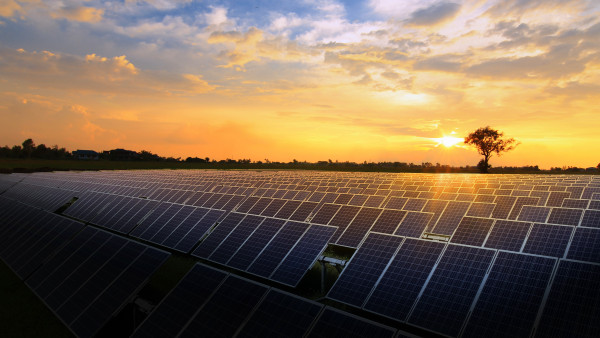
SolarAfrica (https://SolarAfrica.com/) is proud to take another major step forward in the development of its flagship utility-scale solar project, SunCentral, by successfully reaching financial close on the first 114 MW component of the project alongside funding partners Investec and RMB. The R1.8 billion investment into SunCentral marks the start of the project's rollout in South Africa.

SunCentral is a large-scale solar photovoltaic (PV) plant located between Hanover and De Aar in South Africa's Northern Cape province. The project will be developed in three phases.

Phase 1, consisting of 342 MW, will be delivered through a staged roll-out of three 114 MW facilities and will deliver renewable energy to a diverse range of off-takers by wheeling it through South Africa's power grid. Phase 2 and 3 will increase SunCentral's capacity to 1 GW.

Unlike similarly sized projects that offer wheeling on a one-to-one basis (with one generation plant supplying one off-taker), SolarAfrica's project will offer wheeling on a one-to-many basis, making it available to a wider pool of businesses in South Africa.

SolarAfrica's Chief Investment Officer Charl Alheit, who spearheaded the financial close, explains: “Reaching financial close on the first 114 MW of our utility-scale wheeling development and Main Transmission Substation (MTS) investment marks a significant milestone in our commitment to advancing sustainable energy solutions for our customers in the commercial and industrial sectors.”

He adds that the substantial size of SunCentral will unlock access to cheaper, greener power for even more businesses across the country. “We are excited to see this project move forward as we continue contributing to the energy transition while delivering long-term value to our customers."

SolarAfrica is part of the greater Starsight Energy Africa Group. The success of SunCentral will act as a blueprint for similar (and possibly smaller) off-site generation projects in other key African markets in which the Starsight Energy Africa Group companies operate.

“The construction of SolarAfrica's SunCentral is a critical step in our journey to expand clean energy adoption across Sub-Saharan Africa, says Paul van Zijl, Group CEO of Starsight Energy Africa Group. “We are excited to move this project forward and continue delivering long-term value to our customers,” he says.

SolarAfrica is backed by world-class investors African Infrastructure Investment Managers (AIIM) and Helios Investment Partners who both hold decades-long track records of bringing investment to support African innovation.

“Reaching Financial Close on the first 114 MW on SunCentral is a fantastic milestone for SolarAfrica, says Thor Corry, Investment Director at AIIM.

“The modular approach to construct the MTS and plug in subsequent 114 MW modules provides a superb platform for SolarAfrica to scale at pace to meet the needs of the C&I customers in South Africa who want to secure price certainty and cost efficiencies while furthering South Africa's Just Energy Transition. With South Africa requiring up to 30 GW of new capacity by 2030 to meet its climate commitments and energy needs, projects like this are crucial,” Corry concludes.

Distributed by APO Group on behalf of Starsight Energy.

About SolarAfrica:
Founded in 2011, SolarAfrica provides a suite of capex-free green energy solutions to the commercial and industrial sectors in Southern Africa. The holistic suite includes on-site solutions such as solar energy and battery storage together with virtual solutions like wheeling, trading and aggregation.

SolarAfrica partners with businesses in South Africa seeking an energy solution that provides power security, cost savings and carbon reduction – building towards long-term sustainability.

The company has evolved into an ambitious team who are passionate about what they do and the core values they uphold. SolarAfrica has been named the continent's leading solar energy firm twice, scooping the Africa Solar Industry Association's African Solar Company of the Year award in 2021 and 2023.

About Starsight Energy:
Across the continent, Starsight Energy is redefining what it means for businesses to be energy efficient. Starsight Energy provides premier clean on-grid and off-grid energy services to commercial and industrial clients in Africa.

Serving the commercial and industrial, financial, residential, educational and agricultural sectors, Starsight Energy delivers tailored power and cooling solutions to meet client requirements while optimising consumption through energy-efficient appliances and environmentally friendly practices and recommendations.

From load analysis and modelling to demand management and customised solution design, Starsight Energy helps clients optimize energy efficiency and cost savings across the board.

About African Infrastructure Investment Managers (“AIIM”):
AIIM, a member of Old Mutual Alternative Investments* (“OMAI”), has been investing in the African infrastructure sector since 1999 with a track record extending across seven African infrastructure funds. AIIM's team of 40+ investment professionals are based out of five locally staffed offices across the continent in Cape Town, Johannesburg, Nairobi, Lagos and Abidjan providing direct on-the-ground coverage of our key markets.

AIIM is Africa's largest dedicated infrastructure private equity manager and currently manages an aggregate AUM of USD2.9 billion in assets across the power, renewable energy, digital infrastructure, mid-stream energy and transport sectors with operations in 19 African countries.

AIIM is a licensed FSP approved by the Financial Sector Conduct Authority in South Africa.

*Old Mutual Alternative Investments (OMAI) is a private alternative investment manager in Africa, with over USD7.6 billion (ZAR139.4 billion) under management in infrastructure, private equity, hybrid equity and impact funds. It is a member of Old Mutual Investment Group, the investment management arm of Old Mutual.

About Helios Investment Partners:
Established in 2004, Helios Investment Partners is the largest Africa-focused private investment firm, with a record that spans creating start-ups to providing expanding companies with growth capital and expertise. The firm has over $3.0 billion in assets under management and is led and managed by a predominantly African team based in London, Lagos, Nairobi and Paris, with the language skills and cultural affinity to engage with local entrepreneurs, managers, and intermediaries on the continent.

Helios leverages its local and global networks to create attractive proprietary investment opportunities, with an emphasis on building market leaders in core economic sectors and driving performance through a highly engaged approach to portfolio operations. The firm's unique combination of a deep knowledge of the African operating environment, a singular commitment to the region and a proven capability to manage complexity, is reflected in its diverse portfolio of growing, market-leading businesses, and its position as a partner of choice in Africa.

Helios is the second mainstream private equity firm globally, and the largest emerging markets focused private equity firm, to achieve B Corp certification. B Corp status recognizes the firm's longstanding commitment to sustainability and responsible business practices.

Media files
Starsight Energy
Download logo
Read moreSolarafrica Secures R1.8 Billion Solar Investment, Advancing Wheeling Adoption in South Africa
23 February 2025

End of load shedding remains within reach 

Location: News

End of load shedding remains within reach 

The Minister of Electricity and Energy, Dr Kgosientsho Ramokgopa is confident that the end of load shedding in South Africa is within reach. 

Briefing the media on Sunday following an implementation of Stage 6 load shedding, Ramokgopa assured the nation that government and Eskom are making long-term decisions in the best interest of the country's power grid and economy.

“At all material points, we will never make expedient decisions at the cost of the grid, because the consequences will be too ghastly to contemplate. That is why it is important that to the degree that we need to initiate load shedding, understanding fully well that is going to deliver a message of an entity and a ministry that essentially is dropping the ball. 

“But we are making the point that we will not make expedient decisions. We'll make decisions that are in the interest of the of the grid and in the long term, in the interest of the South African economy,” the Minister explained.

The Minister further reassured the public that there is significant progress in stabilising the electricity supply.

“And I give you the assurance, that point I always make consistently, the end of load shedding is within touching distance,” he said. 

New capacity 

The Minister highlighted key developments in Eskom's recovery plan, including the synchronisation of Kusile Unit 6, initially expected by the end of February but now scheduled for 9 March.

Medupi Unit 4 is expected at the end of March or early April. These additions will bring 1,600 megawatts to the grid.
"Of course, the Medupi one is what we lost; we are recovering that. The Kusile unit, however, is entirely new capacity.  I'm confident that we are moving in the right direction.

“I want to say to the rest of the country, you are going through pain, we understand your anger, we feel your pain, we can hear your cries. We will resolve this problem,” Ramokgopa said. 

READ | Load shedding expected to be suspended by the end of the week 

Staying the course

Ramokgopa emphasised that government remains committed to the generation recovery plan, which he said is yielding positive results despite occasional setbacks.

“We're staying the course in relation to the generation recovery plan, because that generation recovery plan is giving us the results that we desire. We have accepted that there are going to be setbacks. 

He explained that the ongoing maintenance work is a critical part of ensuring that when the government ultimately declares load shedding a thing of the past, it does so with confidence.

“But as I’ve said consistently, when I stood before the nation to give an update on the grid’s performance, I made the point [that there will be] short-term pain, [and] long-term gain. We cannot postpone the maintenance of these assets.

“That’s why we are able to allocate the capital received from National Treasury to ensure that we carry out the necessary maintenance so that when we stand before you … that load shedding is behind us I'm able to speak with a degree of confidence. That is why I have not been able to make that absolute statement, because we have accepted that there are inherent risk in relation to the strategy that we have taken,” he explained.

In response to concerns about Eskom’s operational decisions, Ramokgopa dismissed any suggestions of underhanded dealings, reiterating that all efforts are aimed at long-term sustainability.

"We're not going to do shortcuts in relation to our obligations to the environment. We are committed to ensuring that South Africa’s energy supply is both stable and sustainable. As part of this journey to ensure that we eliminate load shedding, we're going to ensure that we keep to our obligations in relation to the environment,” he said. – SAnews.gov.za


DikelediM
Sun, 02/23/2025 - 15:50
629 views

Read moreEnd of load shedding remains within reach 
23 February 2025

Government remains committed to preserving local industries

Location: News

Government remains committed to preserving local industries

Government is committed to preserving local industries and safeguarding employment opportunities, the Department of Trade, Industry and Competition said.

This as government acknowledged the concerns raised by the National Union of Metalworkers of South Africa (NUMSA) on the impact of ArcelorMittal South Africa’s (AMSA) decision to wind down its long steel business.

“We recognise the significance of this matter for workers, the broader steel industry, and the economy,” said the department in a statement on Saturday.

This as NUMSA staged a picket outside the Industrial Development Corporation (IDC) to voice their demands on Friday.

“The Minister is awaiting the memorandum to be presented by the board regarding these demands. Once received, the Minister will consider the issues raised and respond appropriately. 

“The Department of Trade, Industry, and Competition (the dtic) remains committed to engaging all stakeholders, including AMSA, organised labour, and industry partners, to find sustainable solutions. We continue to explore all possible avenues to avert job losses, support affected workers and ensure the resilience of South Africa’s steel sector,” said the department.

The dtic urged all parties to engage constructively “as we work towards interventions that protect industrial capacity while securing long-term economic stability.”

“The government remains steadfast in its commitment to preserving local industries and safeguarding employment opportunities,” said the department.

In January, the dtic said the steel industry is critical in the reconstruction and recovery plan for the South African economy, particularly the manufacturing, mining, construction, engineering, and transportation sectors.

This as AMSA announced that it was winding down its longs steel business at its Newcastle plant.

“The department notes with serious concern the announcement by ArcelorMittal South Africa to wind down its longs steel business at its Newcastle plant. In fulfilment of its mandate to work with the private sector in growing the local economy the dtic remains committed to working with AMSA to find a workable and lasting situation,” the department said in a statement at the time.

During the course of 2024, AMSA had reached out to various government departments and state-owned entities with requests for different concessions for their business. Having taken heed of these requests, the Minister of the dtic took the decision to form a comprehensive and coordinated approach to resolving the issues raised by AMSA.

READ | DTIC notes ArcelorMittal South Africa’s decision

The Minister set up a technical working group made up of the relevant stakeholders including the dtic and AMSA, the Departments of Electricity and Energy, Transport, as well as Eskom, Transnet and private sector stakeholders. -SAnews.gov.za

Neo
Sun, 02/23/2025 - 12:02
168 views

Read moreGovernment remains committed to preserving local industries
23 February 2025

South Africa makes strides towards removal from FATF grey list

Location: News

South Africa makes strides towards removal from FATF grey list

The National Treasury has expressed satisfaction with the progress being made to remove South Africa from the Financial Action Task Force (FATF) grey list. 

This follows an announcement by the FATF on Friday, in which it upgraded four of the six outstanding action items at the conclusion of its latest plenary meetings in Paris, France. 

The FATF is the international standard-setting body that oversees global compliance with anti-money laundering rules.

The FATF grey list refers to the FATF’s practice of publicly identifying countries with strategic AML/CFT deficiencies. 
The FATF maintains two such lists with one being jurisdictions under “increased monitoring” that are actively working with the FATF to address strategic deficiencies in their regimes” and secondly “high-risk jurisdictions subject to a call for action” that are not actively engaging with the FATF to address these deficiencies.

South Africa was grey listed by the FATF in February 2023 for not complying with international standards that relate to money laundering and addressing illicit financial flows.  

According to the National Treasury, South Africa has now addressed or largely addressed 20 out of the 22 action items outlined in its Action Plan. The two remaining items are expected to be addressed in the reporting period from March 2025 to June 2025. 

“This would enable South Africa to be considered for delisting from the FATF grey list in October 2025,” National treasury said in a statement. 

The FATF Plenary adopted the report and recommendations of the Africa Joint Group on 21 February 2025 and noted South Africa’s progress in its public statement: “Jurisdictions under Increased Monitoring – 21 February 2025” (FATF Update on grey-listed countries February 2025).

The National Treasury commended the collaborative efforts of financial and non-financial regulators, beneficial ownership registries, and law enforcement agencies in securing the upgrade of the four action items.

“National Treasury welcomes the efforts of financial and non-financial regulators and beneficial ownership registries and its law enforcement users, in securing upgrades for the four action items they were directly responsible for in the current reporting cycle. 

“Treasury also notes the ongoing efforts by all the law enforcement agencies to demonstrate the significant progress in respect of the two action items not yet upgraded, relating to the investigation and prosecution of serious and complex money laundering and of terrorist financing,” Treasury said. 

The FATF statement issued after its Plenary states the following in relation to South Africa: 

“Since February 2023, when South Africa made a high-level political commitment to work with the FATF and ESAAMLG to strengthen the effectiveness of its AML/CFT regime, South Africa has taken steps towards improving its AML/CFT regime including by demonstrating that all supervisors apply effective, proportionate, and effective sanctions, ensuring competent authorities have timely access to accurate and up to date BO information on legal persons and arrangements and applying sanctions for breaches of violation by legal persons to beneficial ownership obligations. 

“South Africa should continue to work on implementing its action plan to address its remaining strategic deficiency on demonstrating a sustained increase in investigations and prosecutions of serious and complex money laundering and the full range of TF activities in line with its risk profile,” said the FATF.

“The decision by the FATF Plenary to extend the reporting cycle for the two action items on investigations and prosecutions for serious and complex money laundering and terror financing activities reflects the fact that these are the most demanding goals of every country’s systems for combating money laundering and terrorist financing, particularly since they require a country to demonstrate that the improvements made are sustained over successive reporting periods,” Treasury explained.

Treasury emphasised that South Africa continues to address both outstanding action items by June 2025 to enable an exit from grey listing by October 2025. 

“Our investigation and prosecution teams are working closely in terms of a prosecution-guided investigation strategy to ensure that we demonstrate the sustained progress as required by FATF. These improvements are critical not just for getting off the grey list, but, critically, for strengthening the fight against crime and corruption,” Treasury said. – SAnews.gov.za

DikelediM
Sun, 02/23/2025 - 10:57
65 views

Read moreSouth Africa makes strides towards removal from FATF grey list
23 February 2025

Icebreaker Returns From Antarctica With Alarming News

Location: News

Scientists aboard the SA Agulhas II have been tracking ocean health

Read moreIcebreaker Returns From Antarctica With Alarming News
21 February 2025

Crime Stats reveal reduction in some categories of crime

Location: News

Crime Stats reveal reduction in some categories of crime

Police Minister Senzo Mchunu says although there has been some reduction in several categories, more still needs to be done to reduce the country’s crime levels.

“We are positioning ourselves accordingly in terms of policing whilst we continue our work throughout the whole country,” Mchunu said.

The Minister was presenting the Quarterly Crime Statistics, reflecting on crimes that occurred during the third quarter of the current financial year (1 October 2024 – 31 December 2024). 

At Friday’s briefing in Pretoria, the Minister said the police had observed an overall decrease in several categories of crime when compared to the same period in the previous year.

“We have also registered a 4.5% reduction in stock theft, which is a welcome relief for farmers, communities and the agricultural sector as a whole,” Mchunu said, adding that the positive shift highlights the importance of continued collaboration between law enforcement, local leaders and communities to safeguard this vital industry.

“Although the percentage appears to be relatively small, we note the outcry of communities that farm livestock, particularly in the eastern Free State, north western parts of KwaZulu-Natal and in the northern Eastern Cape, hence our plan to combine these three provinces in a meeting to discuss this challenge.

“We must, however, also acknowledge the areas that require urgent attention. We have seen an increase in cases of assault with intent to cause grievous bodily harm and malicious damage to property. These crimes continue to disrupt communities and demand a reinforced response from law enforcement.

“For the third quarter, all provinces recorded a decrease in murder cases, marking a significant milestone in our national crime reduction efforts,” the Minister explained.

Murder
However, he expressed concern over the provinces of Gauteng, KwaZulu-Natal, Eastern Cape and the Western Cape.

This as Gauteng and KwaZulu-Natal remain the highest contributors to overall national murder figures, accounting for 25.0% and 21.4% respectively, while the Eastern and Western Cape account for 18.9% and 17.4%.

“The Western Cape continues to record the highest number of gang-related murders, with 263 counts reported in this quarter alone. 

“This is completely unacceptable, and it must change. A large number of these murders (collectively amounting to a figure of 135) occurred in Bishop Lavis, Mitchells Plain, Kleinvlei, Delft and Elsies River.

A 9.8% decrease in murder cases was recorded in the quarter.

“The issue of gang violence requires a rethink in approach, because this is not only a historic matter but is also repetitive in nature, there is no point in us discussing one and the same thing with no change.”

He further announced that the police are dedicating 27 February to amongst other things, to review policing in high murder zones. The focus, said the Minister, will be on murders and firearms, after which they will decide on the concrete steps to be taken.

“Partnerships with communities and other partners will be a critical element in the rethinking approach. A combination of interventions indicates that there are much more effective methods of fighting crime and criminals.

“Several individuals have been dealt with in a number of areas in the Eastern Cape recently and KwaZulu- Natal, following a series of taxi violence and extortion related murders. I do want to state that no one is classified as “untouchable” – you do wrong, we arrest you,” Mchunu said.

Crimes against women and children

Mchunu said while police have registered an overall reduction in contact crimes against women, the men and women in blue are deeply concerned by the increase in attempted murder cases against children aged 0 to 17 years.

“This is an alarming development that calls for a concerted effort to protect the most vulnerable members of our society,” he said.

Another bugbear was that of extortions, kidnappings and drugs with these matters being added to the meeting on 27 February.

Police have noted that some of the kidnappings are orchestrated from the St Albans prison in the Eastern Cape and that the mastermind of these kidnappings still has access to a number of cellphones.

Meanwhile, the statistics showed a 3.3%  reduction in rape cases; a 3.2% drop in attempted sexual offences and a decline in carjackings and robberies at both residential and non-residential premises.

Police also registered a 4.5% reduction in stock theft, which is a welcome relief for farmers, communities and the agricultural sector as a whole.

Safer Festive Season, new recruits 

Mchunu said the Safer Festive Season initiative, launched in October 2024, has played a significant role in the recorded crime reductions.

“Through heightened police visibility and strategic operations, fewer crimes were reported and recorded during this period.

“A key element in our crime-fighting strategy has been Project 10 000, aimed at bolstering police personnel,” he said.
In addition, to bolster the fight against crime, police welcomed 5500 new recruits at various South African Police Service (SAPS) academies.

“These individuals will undergo rigorous training and, upon completion, will reinforce our crime-fighting efforts as constables. This initiative not only enhances policing capacity but also contributes to job creation, a crucial aspect in addressing social determinants of crime,” the minister said. 

Destroying illegal weapons

Mchunu said that  just yesterday, 16 049 firearms were destroyed in accordance with Section 149 of the Firearms Control Act. 

“We will continue to carry out measures aimed at ensuring that illegal weapons are seized and destroyed so as to ensure the safety of our communities,” he said. 

Mchunu appealed to communities to work hand in hand with law enforcement. 

“Crime thrives in silence, and we urge all South Africans to report criminal activities, cooperate with the police, and participate in community policing forums,” he said. – SAnews.gov.za  


Edwin
Fri, 02/21/2025 - 13:52
208 views

Read moreCrime Stats reveal reduction in some categories of crime
21 February 2025

Foreign Ministers’ Meeting backs SA’s G20 Presidency priorities 

Location: News

Foreign Ministers’ Meeting backs SA’s G20 Presidency priorities 

The Group of 20 (G20) Foreign Ministers have thrown their weight behind South Africa’s Presidency priorities, which focus on sustainable development and debt sustainability for low-income countries among others.

Other priorities of South Africa’s G20 Presidency are strengthening disaster resilience; mobilising finance for a Just Energy Transition; and harnessing critical minerals for inclusive growth and development.

This is according to the International Relations and Cooperation Minister, Ronald Lamola, who addressed the media at the conclusion of the first Foreign Ministers’ Meeting on Friday.

The Minister said the two-day meeting which began on Thursday at the Nasrec Expo Centre in Johannesburg, was productive.

“Let me first express South Africa’s deep appreciation to you all for what has been a very productive First Foreign Ministers’ Meeting under South Africa’s G20 Presidency. I further thank the members of the G20 Troika, Brazil and the United States of America for their support and cooperation during our G20 Presidency,” said the Minister.

The meeting also outlined Task Force One’s focus on inclusive economic growth, industrialisation, employment, and reducing inequality. 

Task Force Two focuses on food security, while Task Force Three addresses artificial intelligence, data, governance, and sustainable development innovation.

“Furthermore, we have proposed the additional initiatives – the review of the work of the G20, a cost of capital review, a broadened compact with Africa 2.0, and an initiative on critical minerals,” said the Minister. 

South Africa also took note of the fruitful discussions and inputs on the various priorities and high-level deliverables which will enrich various streams of work during 2025. 

“We can assure you that all the views expressed will be considered as we progress with our work during this year. We look forward to the active participation and contributions of all your delegations,” the Minister added. 

He said the Ministers reaffirmed G20 as the premier forum for international economic cooperation.

The gathering also stressed the G20’s commitment to the Sustainable Development Goals (SDGs), highlighting the need for urgent action to accelerate efforts to reaffirm the group’s strong commitment to the SDGs in line with South Africa's theme of “Solidarity, Equality and Sustainability”.

The leaders also noted the impact of ongoing conflicts on economic development and the attainment of SDGs, with a focus on sustainable investments in conflict prevention and peacebuilding.

“Concerning the ongoing conflicts and wars in Africa, the Middle East and Europe, the meeting reiterated that all states must act in a manner consistent with the Purposes and Principles of the UN [United Nations] Charter.”

Guided by international law, Lamola announced that there was an agreement to support all efforts towards a just peace in Ukraine, Palestine, Sudan, the Democratic Republic of Congo (DRC) and other major conflicts around the globe.

The leaders also touched on the importance of elevating African voices in the G20 and addressing pressing global challenges.

READ | SA expresses concern over conflict situations
 

The Minister also underscored the need to reform the international system of global governance, inclusive of the international financial architecture, the multilateral trading system, and the multilateral development banks.

The meeting “further stressed the need to reform the United Nations to make it fit for purpose and relevant to the current international reality. This includes the Security Council.” 

Also under discussion was the importance of multilateralism, the need for the reform of the UN and the upcoming Financing for Development Conference in Seville, Spain and the UN Climate Change Conference (COP) in Belém, Brazil. 

“South Africa undertook to present a four-stage roadmap of this proposed G20 review, including a briefing on the proposed approach and survey methodology which will involve the participation of G20 members, guest countries and invited stakeholders.”
According to the Minister, the final report will be presented for adoption at the final G20 Sherpa meeting taking place from 16 to 19 November 2025.

President Cyril Ramaphosa addressed the opening of the meeting on Thursday where he urged global leaders to embrace inclusivity, cooperation and reform as South Africa steers the Presidency of the G20 for the first time. 

READ | Call for global solidarity at G20 Foreign Ministers’ Meeting

– SAnews.gov.za


Gabisile
Fri, 02/21/2025 - 18:22
45 views

Read moreForeign Ministers’ Meeting backs SA’s G20 Presidency priorities 
21 February 2025

SA expresses concern over conflict situations 

Location: News

SA expresses concern over conflict situations 

International Relations and Cooperation Minister Ronald Lamola has emphasised that military solutions are ineffective in resolving conflicts. 

He called on the Group of 20 (G20) nations to persist in advocating for peaceful resolutions through negotiation and dialogue.

In addition, Lamola has expressed South Africa’s growing concern over the deteriorating conflict situations in various regions of Africa, particularly highlighting the challenges in Sudan and the eastern Democratic Republic of Congo (DRC).

South Africa recently lost 14 brave soldiers at the hands of the M23 as fighting in the Goma region escalated. 
The rebel group fought intensely against the Congolese armed forces, resulting in the deaths of soldiers from 23 to 27 January during M23’s advance on Sake and Goma. 

The soldiers are part of the Southern African Development Community Mission in the Democratic Republic of Congo (SAMIDRC), which aims to help restore peace, security, and stability in Africa’s second-largest country.

“We call on the support of the G20 in our quest to silence the guns in Africa for the attainment of inclusive development and prosperity.” 

Lamola addressed the attendees at the G20 Foreign Ministers’ Meeting held in Nasrec, Johannesburg, while President Cyril Ramaphosa officially opened the gathering.

He also took the time to note “satisfaction” with the current efforts being made on various fronts to end the devastating conflicts in Gaza and Ukraine. 

“We should all play our part in ensuring the success of these ongoing initiatives. We should also recommit to advancing the goal of a world free of nuclear weapons.” 

He urged the group to focus on addressing critical debt sustainability weaknesses in the international debt system, including high financing costs and prioritising debt service payments over essential development needs, to mitigate the negative impacts of debt distress.

“Building on G20 initiatives undertaken in recent years, we should advance sustainable solutions to tackle high structural deficits and liquidity challenges and extend debt relief to developing economies.”

He encouraged other Ministers to back South Africa’s approach to geo-political issues, recommending discussions only among Sherpas, Foreign Ministers, and leaders to develop consensus-based strategies for peace and human development.

“We also like to caution against focusing exclusively on one conflict situation, to the exclusion of others, especially on the African continent, as has been the practice in the recent past.” 

He reminded leaders that the United Nations (UN) remains the appropriate forum for maintaining peace and security, supported by other institutions of global governance.

“We hope that this group continues to play a constructive role in supporting relevant regional and international bodies, such as the AU [African Union], which are central to achieving sustainable development and that the core mandate of the G20 should remain that of promoting economic growth and development.” 

Lamola believes that widening geopolitical divisions are at the centre of the crisis. 

These divisions, he stressed, have contributed to fostering a climate of distrust, which threatens to unravel the progress made in addressing pressing global challenges such as deepening poverty, resolving armed conflict, climate change, pandemics, and nuclear proliferation. 

He said South Africa is committed to collaborating with all G20 members to advance the forum’s work and to play a bridge-building role while preserving the group’s unity during its Presidency.

“It is our firm view that the unity of the group will be key to reaching consensus on this Presidency’s priorities and deliverables,” Lamola added. – SAnews.gov.za

Gabisile
Fri, 02/21/2025 - 10:35
42 views

Read moreSA expresses concern over conflict situations 
  • Previous
  • Page 1
  • Interim pages omitted …
  • Page 23
  • Page 24
  • Page 25
  • Page 26
  • Page 27
  • Interim pages omitted …
  • Page 87
  • Next

Copyright © 2026 · MyZA · All Rights Reserved · Powered by Stratlec Online