• Skip to main content
  • Skip to header right navigation
  • Skip to after header navigation
  • Skip to site footer
MyZA

MyZA

News, Directory, Events and Other Stuff

  • Social Media
  • Sport
  • World News
  • Home
  • Submit News
  • Directory
  • Events
  • Stratlec
  • TFSA
  • News
    • APO
    • Today’s Sport News
    • Todays Social Media and Tech Headlines
    • Today’s World News
    • Today’s SA Financial News
  • Contact
You are here: Home / Archives for critical

critical

28 November 2024

President: 1000 spaza shops, supermarkets and warehouses closed down

Location: News

President: 1000 spaza shops, supermarkets and warehouses closed down

President Cyril Ramaphosa says more than 1 000 spaza shops, supermarkets and warehouses have been closed since he announced a range of measures to prevent further incidents foodborne illnesses two weeks ago. 

Delivering his annual address to the National Council of Provinces (NCOP) in Parliament on Thursday, the President said that nearly 200 000 spaza shops have been visited.  

“Since we announced a range of measures two weeks ago, multi-disciplinary teams have been conducting inspections of spaza shops across the country.

“Nearly 200 000 spaza shops have been visited. More than 1 000 spaza shops, supermarkets and warehouses have been closed down. Large quantities of goods have been confiscated and numerous fines have been issued for violations of by-laws,” the President said. 

The President acknowledged the critical role spaza shops and informal traders play in the economy, particularly in townships and rural areas. 

These outlets provide food, convenience, and value to millions of South Africans, forming an essential link in the local food supply chain.

However, he said the recent spate of foodborne illnesses had highlighted several risks associated with these enterprises.

“The tragic deaths of a number of children after eating food from some of these outlets has required urgent and decisive action to prevent the contamination of food by harmful substances, particularly pesticides that are being sold unlawfully,” he said.

Two weeks ago, President Ramaphosa addressed the nation where he announced measures to address the recurring foodborne illnesses that have claimed the lives of more than 22 people and children across the country.  

The measures, the President had explained, included getting hazardous pesticides off the street, protection of children from exposure to these substances, and the prevention of future outbreaks. 

President Ramaphosa had announced the immediate closure of spaza shops implicated in the deaths and stricter regulations to protect communities. 

To ensure compliance, the President ordered that all spaza shops and food-handling facilities must register with their respective municipalities within 21 days. – SAnews.gov.za

DikelediM
Thu, 11/28/2024 - 15:16
0 views
Read morePresident: 1000 spaza shops, supermarkets and warehouses closed down
27 November 2024

Investigation Into Social Grant Fraud Is a Flop

Location: News

SASSA investigation into SRD grant application system fails to answer crucial questions

Read moreInvestigation Into Social Grant Fraud Is a Flop
26 November 2024

African Sub-Sovereign Government Leaders and Businesses Meet in Kisumu City, Kenya to Discuss Inclusive Growth, Trade Decentralization and Investment Opportunities

Location: News
Afreximbank

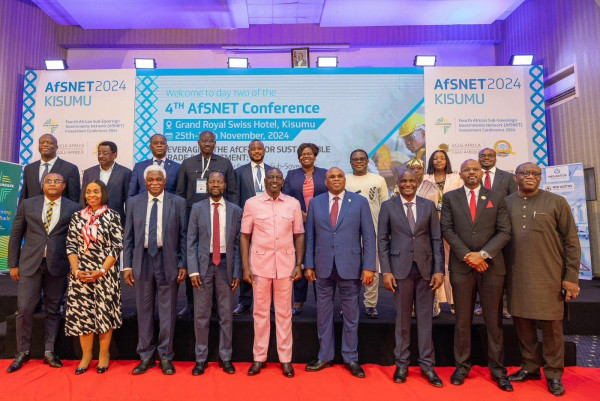
Over 250 Sub-Sovereign government leaders from across Africa are today meeting in Kisumu, Kenya, for the the fourth edition of the African Sub-Sovereign Governments Network (AfSNET) Conference. Taking place between the 25th and 27th of November, the event provides a platform for Sub-Sovereign leaders and businesses to discuss how their local governments can attract investments in the region in order foster and accelerate inclusive growth and development.

Organised by African Export-Import Bank (Afreximbank), in collaboration with the County Government of Kisumu and the United Cities and Local Governments of Africa (UCLG Africa), the conference's overarching theme is ‘Leveraging the AfCFTA for Sustainable Trade and Investment: A Development Pathway for African Sub-Sovereigns'. The event's main objectives include strengthening the role of Africa's Sub-Sovereign governments in driving intra-African trade and investment, and the successful implementation of the African Continental Free Trade Area (AfCFTA).

Africa's Sub-Sovereign governments, comprising states, counties, provinces, municipalities and regional authorities, play a critical role in economic development of African countries. According to the African Union, Africa's economic outlook is projected at 3.7% GDP growth in 2024, slightly higher than the global average of 3.2%. This growth elevates the integral role of Sub Sovereign governments for African economies and its people.

Understanding this, Afreximbank has committed USD $2 billion for these critical actors, to support these governments and businesses in African countries.

While delivering his keynote address at the AfSNET conference in Kisumu, Kenya, H. E. Dr. William Ruto, President of the Republic of Kenya acknowledged the Bank's support for African governments including Kenya:

“I want to thank Professor Benedict Oramah for making time to join us for this conference. Your presence here is yet another example of the unique approaches that the Bank, under your leadership, employs in order to deepen its footprint by engaging with shareholders throughout the continent, including sub-national entities like Africities, and devolved governments like Kisumu. Afreximbank has consistently demonstrated innovative approaches in advancing credit to African governments and the public sector while facilitating deeper collaboration among sub-Saharan nations and Kenya is an example. This spirit of innovation aligns seamlessly with the aspirations of the African Continental Free Trade Area, creating a dynamic network of ambitious, future ready institutions and governments. Such collaborations will drive transformative engagements at the grassroots level, enabling Africa to achieve an unparalleled position in the global value chains and make substantial contributions to their bottom-up transformation.”

Speaking on the importance of the conference, President Ruto noted: “By promoting peer to peer learning, this forum strengthens cooperation among Sub-Sovereign governments. And devolution, a tremendous innovation established under Kenya's 2010 constitution, has evolved into an exemplary success story that Kenyans are very proud of, as it has brought services closer to the people, empowered grassroot participation in government, safeguarded minority rights and enhanced equity in resource mobilization and allocation.”

Professor Benedict Oramah, President and Chairman of the Board of Directors of Afreximbank, commented:

“The African Sub-Sovereign Governments Network (AfSNET) initiative thrives due to the concerted efforts and unwavering commitment of partners who recognise the tremendous potential of sub-sovereign governments as the engines for broad-based economic development that extends to the grassroots of our societies. At Afreximbank, we strongly believe that for developmental initiatives to succeed in our economies, they must, of necessity, be decentralized; development needs must originate and flow from the periphery towards the centre. In alignment with the African Continental Free Trade Agreement (AfCFTA), we are passionately implementing the AfSNET initiative to promote intra-regional trade and investment. We collectively recognize that cities, states, and provinces within a nation exhibit remarkable diversity—differing in population sizes, resource endowments, skill sets, and sectoral specializations.”

Professor Oramah continued that this conference is a key prelude to the upcoming Intra Africa Trade Fair (IATF2025) scheduled to take place from 4 to 10 September 2025 in Algiers, Algeria, and delegates are welcomed to contribute to the discourse that can be elevated at the IATF2025.

AfSNET was established by Afreximbank as a platform for promoting intra-African trade and investment, educational and cultural exchanges and the fostering of effective engagement among sub-sovereigns in Africa's development and prosperity in the context of the AfCFTA.

Distributed by APO Group on behalf of Afreximbank.

Media Contact:
Vincent Musumba
Communications and Events Manager (Media Relations)
Email: press@afreximbank.com

Follow us on:
Twitter: http://apo-opa.co/3Z521i8
Facebook: http://apo-opa.co/4eNjNMs
LinkedIn: http://apo-opa.co/4eJyWyh
Instagram: http://apo-opa.co/4eNjO2Y

About Afreximbank:
African Export-Import Bank (Afreximbank) is a Pan-African multilateral financial institution mandated to finance and promote intra-and extra-African trade. For 30 years, the Bank has been deploying innovative structures to deliver financing solutions that support the transformation of the structure of Africa's trade, accelerating industrialization and intra-regional trade, thereby boosting economic expansion in Africa. A stalwart supporter of the African Continental Free Trade Agreement (AfCFTA), Afreximbank has launched a Pan-African Payment and Settlement System (PAPSS) that was adopted by the African Union (AU) as the payment and settlement platform to underpin the implementation of the AfCFTA. Working with the AfCFTA Secretariat and the AU, the Bank is setting up a US$10 billion Adjustment Fund to support countries effectively participating in the AfCFTA. At the end of December 2023, Afreximbank's total assets and guarantees stood at over US$37.3 billion, and its shareholder funds amounted to US$6.1 billion. Afreximbank has investment grade ratings assigned by GCR (international scale) (A), Moody's (Baa1), Japan Credit Rating Agency (JCR) (A-) and Fitch (BBB). Afreximbank has evolved into a group entity comprising the Bank, its impact fund subsidiary called the Fund for Export Development Africa (FEDA), and its insurance management subsidiary, AfrexInsure (together, "the Group"). The Bank is headquartered in Cairo, Egypt.

For more information, visit: www.Afreximbank.com

About UCLG Africa (UCLG Africa (United Cities and Local Governments of Africa):
The umbrella organization for African local governments, was founded in 2005 in the City of Tshwane, South Africa as a result of the unification of three continental groups of local governments, namely the African Union of Local Authorities (AULA); the Union des Villes Africaines (UVA); and the Africa Chapter of the União das Ciudades e Capitães Lusófonas Africanas, (UCCL AFRICA). The founding congress of the organization was held in May 2005 in the city of Tshwane, South Africa. UCLG Africa brings together 51 national associations of local and regional governments from all regions of Africa, as well as 2,000 cities with more than 100,000 inhabitants. UCLG Africa represents over 350 million African citizens. A founding member of the world organization UCLG, UCLG Africa is the regional representative for Africa with its headquarters based in Rabat, capital of the Kingdom of Morocco, where it enjoys diplomatic status as a Pan-African International Organization. It also has regional offices on the continent.

Media files
Afreximbank
Download logo
Read moreAfrican Sub-Sovereign Government Leaders and Businesses Meet in Kisumu City, Kenya to Discuss Inclusive Growth, Trade Decentralization and Investment Opportunities
26 November 2024

National Treasury committed to improving procurement systems

Location: News

National Treasury committed to improving procurement systems

National Treasury has asserted that it will take proactive steps to address the areas that need improvement in the country’s procurement systems.

An assessment based on the internationally recognised Methodology for Assessing Procurement Systems (MAPS) has revealed important strengths, as well as areas that need improvement within the country’s procurement framework.

“While the report identifies several areas that need additional attention, we view these findings as opportunities for continuous growth and improvement.

“National Treasury is deeply committed to the ongoing improvement of procurement systems. The MAPS report will serve as a roadmap, as we strive to uphold the highest standards of efficiency, accountability, and value for all stakeholders,” National Treasury said on Monday.

In 2023, National Treasury took the initiative to engage the Organisation for Economic Co-operation and Development (OECD) to assess the South African public procurement system. 

The assessment was carried out collaboratively by the OECD, the World Bank, the African Development Bank, National Treasury, and various public, private and civil society organisations.

The report acknowledges the significant advancement in areas such as the recent Public Procurement Act (Act 28 of 2024), which was signed into law by President Cyril Ramaphosa on 23 July 2024. 

This Act addresses many of the gaps identified in the report, including consolidating procurement provisions from multiple legislative instruments into a single framework, thereby reducing complexity and promoting a more coherent system.

Areas that were identified for improvement include an extensive, complex and fragmented legal and regulatory framework; the lack of comprehensive procurement planning; insufficient use of e-procurement systems as well as challenges in maintaining confidentiality and transparency.

In addition, the report highlights inadequate professionalisation and capacity-building initiatives; the substantial lack of information and visibility during the execution phase of contracts; delays in payments and limited access to procurement statistics as areas that need to be addressed.

Further areas of improvement include minimal involvement of civil society organisations in the procurement process; internal control and audit weaknesses; an ineffective multi-agency approach to combatting corruption characterised by limited capacity to investigate and prosecute corruption; and inadequate protection for whistleblowers.

“These findings underscore the need for improvements in these critical areas. In response, we are taking proactive steps to address the highlighted issues by introducing the Public Procurement Act and regulations; developing a sustainable public procurement strategy; strengthening the adherence to the publication of procurement information; improving the transparency of procurement data; enhancing the control and audit framework; overhauling the digital environment of the procurement system; increasing the use of open contracting data standards. 

“Additionally, we will implement a professionalisation roadmap for Supply Chain Management; contribute to a strong anti-corruption strategy; assist in strengthening whistleblower protection; and develop a framework to monitor and evaluate the implementation of the action plan. These reforms aim to enhance compliance, streamline our processes, and strengthen oversight in procurement,” National Treasury said.

National Treasury said it welcomes the opportunity to collaborate with partners and stakeholders as it implements these recommendations as part of the department’s broader Public Procurement Improvement Programme. - SAnews.gov.za


nosihle
Tue, 11/26/2024 - 08:00

96 views
Read moreNational Treasury committed to improving procurement systems
26 November 2024

Summit aims to develop actionable plans for road safety

Location: News

Summit aims to develop actionable plans for road safety

The Road Traffic Management Corporation (RTMC) in partnership with Uber will on Tuesday host the 2024 Road Safety Summit, bringing together experts from across all sectors to find urgent solutions to the number of vehicle crashes and fatalities. 

The summit comes at a critical time - just two weeks before the start of the holiday season - which often sees heightened traffic volumes as holiday makers travel to various destinations. 

“With the goal of halving serious injuries and fatalities by 2030, this gathering will be a continuation of 2023 discussions and will serve as a platform to reflect on our progress, identify gaps, and chart a path forward to a safer road environment for all South Africans,” said the RTMC in a statement.

The corporation said South Africa has made significant strides in road safety. 

South Africa has set itself a target of reducing road fatalities by 50% from 13 967 fatalities recorded in 2010, according to the National Road Safety Strategy 2016 to 2030. 

According to this target South Africa was supposed to have 11 500 (18% reduction) by the end of 2023, however, it managed to reduce fatalities to 11 883 (15% reduction).

Globally only ten countries achieved a 50% reduction in road fatalities, reductions of 40–49% were observed in 15 countries, 30–39% in 20 countries, 20–29% in 33 countries, and 10–19% in 19 countries, according to the World Health Organisation. During this period, reductions larger than 2% were observed in 108 countries.

“With only six years remaining until 2030, there is still much work to be done. The Department of Transport has initiated a comprehensive, multi-stakeholder evaluation of the NRSS to assess our achievements and identify areas for improvement,” it said.

Key challenges persist in the following areas:

• Strengthening collaboration across public, private and civil society sectors.

• Improving enforcement of road traffic regulations, particularly regarding seatbelt use and drink driving.

• Expanding the availability of provincial road traffic law enforcement at night and over weekends.

• Reducing speed in high-risk areas, especially where vehicle and pedestrian conflicts occur.

• Addressing infrastructure maintenance and prioritising roads with 3-star safety ratings.

•  Advancing vehicle safety standards and regulations.

The summit takes place from 26 to 27 November in Brixton, Johannesburg.  

It aims to develop actionable plans that can be implemented within the next 12 months to further enhance the NRSS. 

The RTMC said it would further foster greater collaboration between civil society, business and the public sector to ensure sustained efforts toward road safety. – SAnews.gov.za

Janine
Tue, 11/26/2024 - 09:48

22 views
Read moreSummit aims to develop actionable plans for road safety
25 November 2024

Ekurhuleni Investment Conference to be held this week

Location: News

Ekurhuleni Investment Conference to be held this week

The City of Ekurhuleni is expected to hold the Ekurhuleni Investment Conference 2024 from Tuesday.

The conference will be held under the theme: Ekurhuleni Economic Partnerships: Unlocking Opportunities, Building a Sustainable Future.

Keynote addresses at the conference are expected to be delivered by Minister of Trade, Industry and Competition, Parks Tau, and Gauteng Premier, Panyaza Lesufi.

In a statement, the city said it expected the conference to serve as a “catalyst for renewed investor confidence, economic growth, and sustainable development in the region”.

“This year’s conference will showcase the city’s industrial strengths and vast investment opportunities across key sectors such as manufacturing, infrastructure, and township economies. 

“With a clear focus on public-private partnerships, the event will facilitate strategic collaborations, advance our 10-Point Economic Plan, and drive job creation and economic revitalisation,” the statement read.

Key focus areas during the conference include:

  • Aerotropolis and airport city development: The city aims to strengthen partnerships and advance the Aerotropolis Master Plan, leveraging its strategic airport infrastructure to attract significant investment.
  • Industrial estate development: The conference will support local manufacturing growth, investor retention, and the promotion of industrial parks.
  • Critical infrastructure development: The city will engage the private sector in investing in data centers, energy solutions, and critical infrastructure to enhance service delivery.
  • Township economic development: Empowering township economies through entrepreneurship and inclusive growth initiatives remains a priority.
  • CBD and industrial estate revitalisation: The focus will be on urban renewal, fiscal incentives, and infrastructure improvements.

“Ekurhuleni, known as South Africa’s industrial powerhouse and home to the busiest airport in Africa, OR Tambo International Airport, has faced substantial challenges in recent years, including global economic shocks, energy instability, and infrastructure strains. However, our city remains a prime destination for investment, strategically poised to lead the continent in industrial and economic development.

“Ekurhuleni is committed to creating a vibrant, investment-friendly environment. By collaborating with key stakeholders, including InvestSA Gauteng, Airports Company South Africa (ACSA), and the Gauteng Industrial Development Zone (GIDZ), we are set to drive economic transformation and attract both domestic and international investors.

“As we move forward, this conference represents a crucial moment to transform challenges into opportunities, ensuring that the City of Ekurhuleni continues to be a place where people and businesses can grow and thrive,” the city said. – SAnews.gov.za

NeoB
Mon, 11/25/2024 - 10:53

206 views
Read moreEkurhuleni Investment Conference to be held this week
25 November 2024

Amplifychange Marks 10 Years of Advancing Sexual and Reproductive Health and Rights

Location: News

Today marks 10 years of a pioneering effort to promote sexual health and rights in Africa and South Asia. Because of AmplifyChange (www.AmplifyChange.org) -funded support for local activists in key African countries, millions now have better access to comprehensive sexual and reproductive healthcare and information and can make decisions about their bodies and their relationships. Over the past decade, AmplifyChange has invested significantly in grassroots organisations dedicated to eliminating gender-based violence, including sexual violence, female genital mutilation, and child marriage. In Kenya, more than £20.5 million has funded over 35 projects, with £5.7 million specifically targeting these critical issues. South Africa has received over £15.4 million, including £5.1 million for nearly 20 initiatives. In Nigeria, £6.8 million has been granted, with almost £2 million funding around 25 projects, while in Senegal, over £2.1 million has been allocated, including £1.8 million for nine targeted initiatives.AmplifyChange has been the transformational vehicle supported by governmental, foundation, and private-sector donors. In partnership with the Ministry of Foreign Affairs Denmark, it today celebrates its tenth-anniversary event at Eigtveds Pakhus in Copenhagen. 

“The Government of Denmark was one of the founding donors that set up AmplifyChange to support locally-led groups to lead the work on Sexual and Reproductive Health and Rights in their communities. Denmark has been a proud supporter ever since. AmplifyChange has lived up to its ambitious name and brought empowerment and life-altering changes to millions of women, girls, and local communities over the last 10 years. We look forward to continuing the cooperation,” said Denmark's State Secretary for Development Cooperation Lotte Machon. 

AmplifyChange has funded 775 civil society organisations in the last ten years, distributing over GBP 125 million in grants across 67 sub-Saharan Africa and South Asia countries. The organisation's unique approach focuses on delivering funds directly to grassroots organisations, allowing for rapid response to community needs and efficient use of resources. Cameroon is one notable example where AmplifyChange has supported local groups like Reach Out Cameroon to address urgent SRHR issues worsened by ongoing conflict within the country, especially for women and girls. By involving men and boys in shifting social norms, challenging toxic masculinity, and reducing gender-based violence, these initiatives create a community-driven approach that supports immediate SRHR needs and builds lasting change in attitudes toward gender equality. In addition, AmplifyChange uses comprehensive impact assessment methods to track the effectiveness of its initiatives to ensure that each grant contributes to meaningful and sustainable progress in the key countries. 

Local community support has been essential for initiatives like Dance Into Space (DIS), a performing arts group in Siaya, Kenya, where Artistic Director Onyango Ondiege uses “artivism” to promote sexual and reproductive health and rights (SRHR) for people with disabilities. One member, Pamela Jura, a single mother of three, advocates for women with disabilities through dance, tackling stigma and human rights violations. DIS's “Breaking Barriers” initiative equips individuals with contemporary dance skills to raise awareness of the challenges faced by people with disabilities while encouraging understanding and empathy to drive social change. 

“In the past decade, AmplifyChange has proven the power of local action in addressing some of the most pressing SRHR issues worldwide,” said Dr. Narmeen Hamid, Board Chair of AmplifyChange. “Our partnerships with community organisations are at the heart of what we do, enabling local leaders to drive sustainable change and confront critical challenges that affect health and rights in their communities.” 

AmplifyChange was launched in 2014 by Her Majesty The Queen of Denmark during a United Nations General Assembly session, marking the beginning of a movement dedicated to improving SRHR for underserved populations in sub-Saharan Africa and South Asia. Through targeted funding and organisational strengthening, AmplifyChange has supported local organisations to tackle urgent issues, including gender-based violence, stigma, abortion access, youth rights, and healthcare availability for all. 

“AmplifyChange's support has allowed us to champion rights and health for LGBTIQ communities in ways that were once unimaginable,” said Anne-Marie Manga, AmplifyChange Strategic Adviser for Cameroon. “Our work brings visibility and resilience to people who are often marginalised, and it emphasises that SRHR advocacy is about dignity, health, and inclusivity for all.” 

“With AmplifyChange's partnership, we have been able to expand our reach and deepen our impact, particularly in underserved West African communities,” said Sory Ibrahima Monekata, Ph.D., Grant Director of Dambe Funds Sahel in Mali. “Their support has enabled us to implement essential programs and to build local capacity, ensuring that our advocacy and services are sustainable and rooted in the communities we serve.” 

AmplifyChange's 10th-anniversary celebration coincides with the first day of the global “16 Days of Activism Against Gender-Based Violence,” a fitting occasion to reflect on the progress made and the work still to be done. The organisation's impact in advancing SRHR highlights shared values of health equity, dignity, and justice that resonate globally and especially with communities throughout Europe. AmplifyChange remains committed to broadening its support and forging new partnerships to address critical SRHR needs, building healthier and more resilient communities in the process. 

Distributed by APO Group on behalf of AmplifyChange.

Contacts:
For more information, please contact:
communications@amplifychange.org  

West Africa Media: 
Anne Mireille
anne-mireille.nzouankeu@finnpartners.com 
+237 657 816 993 

East Africa Media: 
Sharon Quntai
sharon.quntai@finnpartners.com 
+254 728 224 952  

About AmplifyChange: 
AmplifyChange is a multi-donor challenge fund dedicated to advancing sexual and reproductive health and rights (SRHR) by empowering local organisations across sub-Saharan Africa and South Asia. AmplifyChange supports civil society advocacy and activist groups working on the most neglected and challenging SRHR issues globally today. By focusing on critical issues such as gender-based violence, stigma against sexual and gender minorities, abortion access, youth rights, and healthcare access for marginalised communities, AmplifyChange supports grassroots initiatives to ensure that resources reach communities most in need, promoting a just and inclusive world where every individual's health and rights are respected and protected. AmplifyChange collaborates with FINN Partners to amplify its mission and effectively communicate its global impact. 

Media files
AmplifyChange
Download logo
Read moreAmplifychange Marks 10 Years of Advancing Sexual and Reproductive Health and Rights
25 November 2024

Root causes of gender based violence must be looked at

Location: News

Root causes of gender based violence must be looked at

Minister in the Presidency responsible for Women, Youth and Persons with Disabilities, Sindisiwe Chikunga, has highlighted the need for a multifaceted approach that addresses the root causes of gender-based violence and femicide (GBVF), while providing support services for survivors and holding perpetrators accountable.

Chikunga was speaking at the National Launch of the16 Days of Activism for no Violence Against Women and Children campaign, held at the Rustenburg Civic Centre, in the North West, on Monday.

This year's 16-days campaign is being held under the theme: “30 Years of Advancing Collective Action to End Violence Against Women and Children", which builds on previous efforts to tackle the root causes of GBVF, fostering a culture of positive masculinity, gender equity, and economic empowerment for women and children.

The sub-theme for the campaign is “Harnessing technology and innovation to combat Gender-Based Violence and accelerate a gender inclusive digital economy”.

This year marks 70 years since the adoption of the historic Women’s Charter in 1954 - 68 years since the historic Women’s March, and almost half a century since the United Nations’ first World Conference on Women held in 1975, in Mexico City.

The country also marked 30 years since the Beijing Declaration and Platform for Action towards, amongst others, the elimination of all forms of violence against women and girls.

Chikunga said the multifaceted approach includes legal reforms, education programs, economic empowerment initiatives, and community-based interventions.

She said through the 16 Days of Activism campaign, government aimed to rally all of society to reflect, prevent and put an end to the historic and ongoing channels through which violence against women is being reproduced at a systemic, structural, household and individual level.

“We are, therefore, deeply honoured to be among dedicated thought leaders, activists, researchers, and communities of practice who are tirelessly working to address these pressing and pervasive injustices facing women from all walks of life,” Chikunga said.

The Minister commended the commitment of traditional leaders to the fight against GBVF, particularly in rural communities. This follows a recent meeting held by the department and the House of Traditional and Khoisan leaders.

“We have also held very fruitful consultations with the South African Council of Churches, as part of our efforts to rally the religious community against the scourge of gender-based violence.

Chikunga said the study on the prevalence of GBVF offered critical insights into the pervasive nature of the scourge in the society.

The recently released South African National Gender-Based Violence Prevalence Study: A Baseline Survey on Victimisation and Perpetration, conducted by the Human Sciences Research Council, revealed the grim reality that about 7 310 389 million women, aged 18 years and older, have experienced physical violence in their lifetime.

As government recalibrates policies and preventative strategies, Chikunga said the country was reminded to place GBVF within the historical struggle of women to be recognised, first and foremost, as human.

“Only when our dignity is restored can we hope to end this system of domination and subordination that thrives on exploiting, undervaluing, and violating women as a way of life. Afterall, GBVF is hardly a random occurrence—it happens within the context of uneven power relations, the privileging of certain voices over others, toxic masculinity, and oppressive cultural practices,” Chikunga said.

The Minister noted that the rise in substance abuse, including alcohol and drugs had significantly exacerbated GBVF.

She announced that over the next five years, the department would prioritise the transfer of land to women, reiterating that land is a productive asset and “basis of all wealth”.

“Our campaign demands all hands-on deck. It requires political will, adequate resources, and sustained commitment to bring about meaningful change, with increased investment directed toward this critical intervention,” Chikunga said. – SAnews.gov.za

GabiK
Mon, 11/25/2024 - 14:09

205 views
Read moreRoot causes of gender based violence must be looked at
25 November 2024

South Africa remains committed to ozone protection and climate action

Location: News

South Africa remains committed to ozone protection and climate action

By Bernice Swarts
 

South Africa recently participated in the 36th Meeting of the Parties to the Montreal Protocol on Substances that Deplete the Ozone Layer (MOP 36) in Bangkok, Thailand.
 

The Montreal Protocol, established in 1987, is a landmark global treaty aimed at protecting the ozone layer by phasing out ozone-depleting substances (ODS). Despite the Protocol’s successes, some ODS replacements, specifically hydrofluorocarbons (HFCs), have emerged as potent greenhouse gases, some over a thousand times more powerful than carbon dioxide in driving climate change.
 

At MOP 36, South Africa reaffirmed its commitment to eliminating ozone-depleting substances. Central to our approach is our belief in the Montreal Protocol as a highly effective framework for reducing ODS while offering significant co-benefits for global climate health. We celebrated the recent decision to allocate $1 billion to the Multilateral Fund to help developing nations meet their Protocol obligations, showcasing the international community’s dedication to this critical cause.
 

As one of Africa’s most industrialised nations, South Africa recognizes its role as a leader in climate action. Our national action plan emphasizes transitioning the Refrigeration and Air Conditioning (RAC) sector towards greener refrigerants and energy-efficient systems. This shift is directly aligned with global climate goals, creating jobs and enhancing sustainability within South Africa’s industrial landscape. By managing refrigerants effectively, we can contribute to reducing global warming by 0.5°C, proving that industry-specific actions can have impactful climate outcomes.
 

South Africa is also committed to the full life-cycle management of refrigerants, ensuring that substances are properly controlled, recovered, recycled, or reclaimed.
 

During MOP 36, we showcased South Africa’s commitment to sustainable practices by training hundreds of technicians, particularly young people, in energy-efficient refrigeration and air-conditioning technologies. Our government – through the Department of Forestry, Fisheries and the Environment (DFFE) – and various stakeholders aim to train1 600 more young people in energy-efficient refrigeration and air-conditioning technologies in the near future. This investment in local capacity reflects our dedication to minimising environmental impact over the long term.
 

South Africa also used its participation at the MOP 36 to raise an issue of continental significance: the lack of sufficient monitoring facilities across Africa. Our country operates three monitoring stations through its Weather Services, but there is an urgent need for additional resources to expand this capability. We called for financial assistance to establish more state-of-the-art monitoring stations across Africa, enhancing the global repository of scientific data for tracking and managing emissions. This call for support underscores Africa’s crucial role in contributing to a global climate response.
 

South Africa has also made significant progress in phasing out methyl bromide, a highly ozone-depleting substance, showcasing our commitment to long-term environmental sustainability.
 

Another critical issue addressed at MOP 36 was the healthcare sector’s reliance on ozone-depleting substances, particularly in metered-dose inhalers. We urged a shift to greener alternatives, emphasizing the dual importance of public health and environmental protection.
 

South Africa’s experience also demonstrates the value of strict regulatory enforcement to prevent illegal trade in controlled substances and low-efficiency products. By investing in customs training to detect illegal trade, South Africa is addressing an often-overlooked aspect of environmental governance: the importance of preventing leakage through illicit imports and exports that could undermine international agreements. Our proposal included a two-pronged approach—strict regulations and penalties for non-compliance—aimed at helping all nations meet their environmental goals.
 

During my remarks at MOP 36, I called for the ratification of the Kigali Amendment to the Montreal Protocol, urging all nations to take action against climate-warming HFCs. This appeal highlights the interconnected nature of environmental challenges and the importance of collective global action. The Montreal Protocol stands as a model for effective international cooperation, and South Africa’s call for universal ratification underscores our commitment to preserving and extending its benefits.
 

I do want to stress that South Africa’s presence at MOP 36 was a powerful reminder of the urgency of climate action. Through robust national initiatives and a vision for global cooperation, we called on the world to strengthen efforts in environmental protection, ozone layer preservation, and climate change mitigation for future generations. Our actions and commitments reflect a roadmap for immediate impact and a testament to the resilience needed to secure a sustainable future for all and for future generations. 

*Bernice Swarts is the Deputy Minister of Forestry, Fisheries and the Environment*

Matona
Mon, 11/25/2024 - 14:34

174 views
Read moreSouth Africa remains committed to ozone protection and climate action
25 November 2024

Cutting red tape can accelerate renewable energy development

Location: News

Cutting red tape can accelerate renewable energy development

Deputy Minister of Electricity and Energy, Samantha Graham-Maré, says reforms aimed at cutting red tape in the renewable energy sector are critical for accelerating projects and the development of critical energy infrastructure.

“In recent discussions with key stakeholders across the renewable energy sector, it has become clear that while South Africa has made significant strides in renewable energy, there are still bureaucratic hurdles slowing down progress. 

“We must act now to remove these obstacles and unlock the full potential of our renewable energy future,” Graham-Maré said.

Projects in that sector are facing challenges, including obtaining Section 53 approvals under the Mineral and Petroleum Resources Development Act, zoning and land-use approvals, lengthy procurement processes, and the slow pace of grid access, including distribution and transmission bottlenecks.

“Together with quick application and permitting processes, these reforms will empower developers to calculate tariffs more efficiently, secure better financing, and break ground sooner. This approach will drive rapid job creation, enable predictable demand for local SMMEs supporting these projects, and accelerate energy security," the Deputy Minister said.

Graham-Maré said that with less hurdles, investment in renewable energy can flourish.

“With decisive action, we can build on the positive momentum already created and position South Africa as a leader in renewable energy investment. By creating a clear, predictable policy environment, we not only encourage investment but also accelerate the delivery of renewable energy solutions.

“Our focus is on creating an enabling environment, where local and international investors feel confident in supporting South Africa's renewable energy journey,” Graham-Maré said. – SAnews.gov.za

NeoB
Mon, 11/25/2024 - 10:40

101 views
Read moreCutting red tape can accelerate renewable energy development
24 November 2024

Gangsterism, substance abuse a thorn in Ekurhuleni schools

Location: News

Gangsterism, substance abuse a thorn in Ekurhuleni schools

While the Gauteng Department of Education’s focus in on teaching and learning, the department says these plans continue to be interrupted by incidents of crime, bullying, gangsterism, vandalism, drug and alcohol abuse.

Speaking during the Ekurhuleni school safety imbizo in Tsakane on Saturday, Gauteng Education MEC Matome Chiloane said these incidents have a negative impact on teaching and learning. 

The community-driven conversations during izimbizo aim to address critical safety concerns, while strengthening collaboration between local stakeholders, educators and students.

The first imbizo was held earlier in November in Kliptown, Soweto, where the department discussed several safety issues, calling for strong partnerships between schools and parents

“In order to curb these incidents, the department has put in place various measures. These include securing access into schools, search and seizures, deployment of security guards, recruitment and deployment of patrollers, as well as partnering with community structures and law enforcement agencies. 

“However, despite these interventions, I continue to receive reports – in fact – disturbing reports of violence, bullying, arson, vandalism, and several other reports,” Chiloane said. 

Talking to parents, pupils and community members in Tsakane, Chiloane said they have identified about 55 high risk schools in the region, where some of these incidents take place.

He said there are gang groups within the schools, with names such as Boofs, Gailos, Nkabination and Amabutho, among others. 

Chiloane said they have also identified issues of ongoing conflicts between School Governing Bodies and local communities over self-built projects; and increasing fights reported among learners, requiring immediate attention, and substance abuse challenges.

The MEC emphasised that it is important to recognise that schools are reflections of the communities surrounding them, and what occurs in these communities inevitably influences what happens within schools. 

He said peaceful communities tend to foster safe schools, while those marked by violence often see similar behaviours manifest in their educational environments. In such cases, he said, learners may bring dangerous items like knives, machetes and even firearms to school. 

“It is against this background that we must develop strategies to protect our schools from the social challenges impacting our communities. We must acknowledge that issues like violence and substance abuse cannot coexist with a healthy, conducive environment for learning and teaching.

“Today as we gather here to identify the challenges, we must with the same vigour think creatively to come up with permanent and lasting solutions to these challenges,” Chiloane said. 

The MEC told the gathering that there are intervention strategies in place, which include parental and community engagement, safety and security training, and educational and awareness programmes.

Food poisoning incidents

Over the past weeks, the department and the schooling community have been deeply impacted by tragic food poisoning incidents, which have left several children dead. 

The MEC said at the time of preparing his report, a learner from Dumezweni Primary School passed away, with two others in the ICU. 

As a result, he said the department had to act in the best interest of the learners by temporarily suspending the sale of food. However, they were also mindful of the potential adverse effect on informal traders and small businesses.  The department has now lifted the ban. 

The MEC emphasised that all traders and businesses must ensure that the food they sell is safe for consumption, and also secure the necessary permits from municipal offices.

READ | Guide to register spaza shops

Chiloane also urged traders to avoid selling repackaged or expired food - both perishable and non-perishable items.

“The department has issued a memo as well as regulations, guidelines and standard operating procedures that must be adhered to. These documents are critical in ensuring the safety and well-being of our learners, and should be consulted regularly.  This issue is about learner safety,” he said. – SAnews.gov.za

DikelediM
Sun, 11/24/2024 - 10:46

58 views
Read moreGangsterism, substance abuse a thorn in Ekurhuleni schools
24 November 2024

SA’s MSME celebrated for their resilience and job-creation efforts

Location: News

SA’s MSME celebrated for their resilience and job-creation efforts

In a room alive with entrepreneurial energy and determination, South Africa's Micro, Small, and Medium Enterprises (MSMEs) were celebrated for their resilience and job-creation efforts at the Presidential MSMEs and Cooperatives Awards. 

Hosted by the Department of Small Business Development, the awards aim to spotlight and reward South Africa’s top-performing MSMEs, cooperatives, and ecosystem enablers driving growth and transformation. 

The Minister of Small Business Development, Stella Ndabeni-Abrahams, led the event at the Gallagher Convention Centre in Midrand, with President Cyril Ramaphosa delivering the keynote address. 

The ceremony honoured businesses that embody innovation, commitment to local development, and entrepreneurial spirit. 

Two Lifetime Achievement Awards were presented to business icons Dr. Mike Nkuna, the founder and Executive Chairman of the Masingita Group of Companies, and Dr. Gloria Serobe, the co-founder of Women Investment Portfolio Holdings (Wiphold) and Chancellor of the Tshwane University of Technology. 

Arion Power, a start-up founded by three young entrepreneurs, Brian Gadisi, Alan Gie, and Themba Hadebe, emerged as a major winner. 

Their product, WiBox, a mini-UPS that powers routers during outages, has earned them two prestigious awards -- Youth-led MSME of the Year and MSME of the Year. 

Speaking to SAnews, Gadisi expressed pride in their achievement. 

“This award reassures the hard work we've put into research and development, the sleepless nights, and our efforts to crack technology often dominated by the East and West. It shows that Africa has the capability to innovate on par with global leaders,” he said. 

Another standout was Kedibone Segole, the 30-year-old founder of Moipone Aesthetics, a black-owned township start-up based in Mabopane, Pretoria. Her company, which manufactures high-quality natural personal care products, won the Township MSME of the Year award and a cash prize of R200 000. 

Speaking to SAnews, Segole encouraged aspiring entrepreneurs to start small and stay persistent. 

“What I would like to say to young and upcoming entrepreneurs, along with unemployed graduates and youth, start something, work on it and believe in it. Push. Your breakthrough will come. Whatever you have, the little you have, use it. It can make you reach boundaries that you have never even imagined. 

Segole said winning the award means that they are recognised, acknowledged and important. 

“The President acknowledges our efforts, and he believes in the strides that we are making in an effort to come out of poverty, unemployment and the social ills we are affected by in the townships. It's in our hands. Vuk' uzenzele (get up and do it for yourself)!” she said. 

Segole revealed her business journey began with just R600 from a UIF payout after losing her job in 2016. With support from stakeholders like the National Youth Development Agency (NYDA) and Innovation Hub, her perseverance has transformed her business into a success story. 

“I was fortunate enough that along the way there has been government assistance from the NYDA, as well and the Innovation Hub, among other stakeholders. As a started, I used the little that I had and look where it has gotten me today,” she said. 

Another inspiring recipient was Dimakatso Kanyane, the 32-year-old founder of Dillets Sanitary Towels. Her innovative product, designed for African women, won the Start-up Business of the Year Award. 

Motivated by her own experience with her cycle, Kanyane developed a product that addresses a critical need. 

Kanyane told SAnews that the award was a full circle moment for her. 

“This award affirms a lot of things, that no matter how hard the journey is, with authenticity and perseverance, you can overcome any obstacle. To those who are aspiring to be on this journey -- stay ambitious, trust and believe that perseverance will lead you to the fulfilment of your dreams. 

“I used to have heavy flows and severe period pains and there wasn’t a sanitary towel that catered to my specific needs. It was this search that eventually led me to the development of Dillets Sanitary Towels, a sanitary towel designed for African women by an African woman,” she said. 

The Presidential MSMEs and Cooperatives Awards underscore the vital role of small businesses in driving economic growth, fostering innovation, and creating sustainable opportunities across South Africa. – SAnews.gov.za

DikelediM
Sat, 11/23/2024 - 00:26

71 views
Read moreSA’s MSME celebrated for their resilience and job-creation efforts
24 November 2024

President Ramaphosa calls on financial institutions to make money available for businesses

Location: News

President Ramaphosa calls on financial institutions to make money available for businesses

President Cyril Ramaphosa has used his address at the Presidential Micro, Small and Medium Enterprises and Cooperatives Awards to call on banks to make money available for businesses. 

Speaking at the awards held at the Gallagher Convention Centre in Gauteng on Friday, the President emphasised that with interest rates declining, this is an opportune time to make funding more accessible to drive economic growth. 

“As interest rates are coming down and are bound to come down even further, this is the time to make finance available within obviously the various consideration that you have to take into account. 

“This is the time to make finance available and pump energy and life into our economy because when small and medium enterprises are given enabling energy by our financial institutions... they will be able to run businesses to be creative, to create jobs and our economy can grow.

“I call on the banks and financial institutes to make money available so that our businesses can grow,” the President said. 

Hosted by the Department of Small Business Development, the Presidential Micro, Small and Medium Enterprises (MSMEs) and Cooperatives Awards are aimed at highlighting and rewarding the achievements of South Africa’s top-performing MSMEs, cooperatives, and ecosystem enablers who drive growth and transformation across the nation.

The ceremony honoured businesses that embody innovation, commitment to local development and entrepreneurial spirit. 

The President also took a moment to address the recent spate of foodborne illnesses that have been linked to spaza shops and informal traders in townships. He said this has thrown into sharp focus the issues of regulation, health and safety. 

At the same time, he said the issue has highlighted the critical role small businesses play in communities, providing much-needed services and supporting local economies. 

“That is why it is so important to bring small businesses into the mainstream of the economy, and that we provide the necessary support for them to do this. 

“International experience shows that MSMEs are drivers of sustainable growth. Countries with more MSMEs tend to have lower levels of inequality. Entrepreneurs are the drivers of innovation,” he said. 

However, the President acknowledged that rates of entrepreneurship in South Africa are low by continental standards. 

He told entrepreneurs and delegates at the awards that it is essential that they encourage entrepreneurship. 

“It is vital that we enable the emergence and growth of MSMEs and cooperatives. We must focus on targeted interventions to address financial exclusion and onerous regulatory requirements.

“We must provide access to funding, capacity building and other support. The success of the finalists here this evening shows that with the right support, small businesses can succeed, expand and be sustainable,” the President said. 

The President said that the Government of National unity has made inclusive growth and job creation its apex priority, and supporting small enterprises is an integral part of these efforts.

President Ramaphosa said the National Planning Commission estimates that the country needs 5.8 million MSMEs to meet job creation targets. 

The President said that this means there is a need to double the number of MSMEs in the country. 

“We are encouraged by the efforts underway to capacitate the sector. One of these is the merging of SEFA [Small Enterprise Finance Agency], SEDA [Small Enterprise Development Agency] and the Cooperatives Bank Development Agency into the newly-formed Small Enterprise Development Finance Agency.

“Of the R730 million disbursed by the new agency to date, R101 million has gone to township enterprises and R261 million to rural enterprises,” he said. 

The Small Enterprise Development Finance Agency has also provided non-financial business support to more than 15 000 township and rural enterprises. 

The President said that legislation is in the pipeline to streamline business licensing. 

An e-registration system that integrates the work of the South African Revenue Service and the Companies and Intellectual Property Commission (CIPC) is under development. 

“If we are to fully unlock entrepreneurial potential, there must be a razor-sharp focus on start-up growth, especially in the burgeoning tech sector. We must ensure that we are not left behind in the global transition to knowledge and innovation-based economies. 

“As part of this, we must scale up the adoption of advances like mobile payments and digitised record-keeping by small businesses,” he said. 

President Ramaphosa said he was encouraged by the work of the Department of Small Business Development and the Department of Science and Innovation around a national start-up policy.

Among other things, this policy will deal with issues such as intellectual property registration and foreign exchange controls.

“Even as this is all work in progress, we recognise the urgency with which we must scale up support for small businesses in South Africa. They are the driving force of our economy.

“The finalists and recipients of this year’s awards are a shining example of what can be achieved. Allow me to congratulate all the winners and runners-up. You have done well. You are a fine example to other South Africans who want to follow their entrepreneurial dreams,” the President said. 

The President also took a moment to thank the organisers of the awards, the generous sponsors and the millions of entrepreneurs who make the country work and the economy grow. 

“These are the micro, small and medium enterprises and cooperatives that create livelihoods and jobs. They provide communities with vital services. They create value that goes far beyond turnover or profit.

“They contribute in a million different ways to building a more equal, more prosperous and more productive society. These awards are a celebration of all the entrepreneurs in a country. It is a token of our gratitude and admiration,” the President said. – SAnews.gov.za

DikelediM
Fri, 11/22/2024 - 23:01

56 views
Read morePresident Ramaphosa calls on financial institutions to make money available for businesses
22 November 2024

Security Guards Shot While Escorting Garbage Collectors in Cape Town

Location: News

One is in critical condition

Read moreSecurity Guards Shot While Escorting Garbage Collectors in Cape Town
22 November 2024

Justice Minister welcomes ICC warrants of arrest for Israel, Hamas leaders

Location: News

Justice Minister welcomes ICC warrants of arrest for Israel, Hamas leaders

Justice and Constitutional Development Minister, Thembi Simelane, has welcomed the International Criminal Court’s (ICC) issuance of arrest warrants against Israeli Prime Minister Benjamin Netanyahu, former Defence Minister Yoav Gallant, and three Hamas leaders.

The ICC’s pretrial chamber issued the warrants on Thursday afternoon.

“This step by the ICC is a vindication of South Africa’s position, which has been canvassed extensively before the International Court of Justice. The international community can no longer ignore the glaring evidence of genocide and systemic violations of international law in Gaza.

“No individual, government official, or even a nation-state is considered to be above the rules established by international laws and conventions. The ICC’s action sends a powerful message that accountability is not optional but a cornerstone of a just and equitable global order,” Simelane said.

The department described the issuance as a “critical moment in addressing decades of impunity surrounding serious violations in Palestine”.

“[The] ICC’s findings provide compelling evidence that both Mr Netanyahu and Mr Gallant intentionally deprived the civilian population of Gaza of essential resources, including food, water, fuel, and medical supplies. Their actions, which obstructed humanitarian aid and exacerbated an already dire humanitarian crisis, constitute serious breaches of international humanitarian law. 

“South Africa, alongside other nations, has consistently called for accountability to address the atrocities committed against Palestinians. 

“The Minister emphasised that South Africa’s submissions to the ICJ have strengthened the case that the Israeli state’s actions meet the definition of genocide under the Convention on the Prevention and Punishment of the Crime of Genocide. 

“This advocacy reflects South Africa’s unwavering commitment to justice, human rights, and the rule of law,” the department said.

It called on the international community to speak out against the suffering of the Palestinian people.

“As the humanitarian crisis in Gaza continues to worsen, South Africa reiterates its call for an immediate ceasefire, the unimpeded delivery of humanitarian aid, and the commencement of a political process to secure a just and lasting peace in the region.

“The international community cannot turn a blind eye to the ongoing suffering of innocent civilians, including women, children, and humanitarian workers.

“South Africa will continue to advocate for justice for the people of Palestine in all international forums, ensuring that the voices of the oppressed are heard and their rights protected,” the department said. – SAnews.gov.za

NeoB
Fri, 11/22/2024 - 09:14

404 views
Read moreJustice Minister welcomes ICC warrants of arrest for Israel, Hamas leaders
22 November 2024

Africa Celebrates Ranger Heroes at the 2024 African Conservation Awards

Location: News
Game Rangers Association of Africa

The 2024 African Conservation Awards, hosted by the Game Rangers' Association of Africa (GRAA) (www.GameRanger.org) is an opportunity to celebrate just some of the outstanding work by African conservationists. It is the GRAA's privilege to be able to showcase the exceptional contributions to protecting Africa's natural heritage. In 2024, the GRAA modified categories in this prestigious event to ensure Marine Rangers are also recognised and celebrated.

These awards continue to remind us of our responsibility to rangers working across Africa, many of whom are working in challenging environments with a lack of resources. Every organisation and individual nominated for these awards has displayed remarkable resilience and determination, despite their overwhelming odds and have remained steadfast in their dedication to achieving their conservation goals, inspiring us all with their unwavering commitment. Rangers should be acknowledged and celebrated.

The Winners for the 2024 African Conservation Awards are:

Best Field Ranger

Winner: Modiki Claver, Ranger Team Leader, Dzanga Sangha Protected Areas, Central African Republic (CAR)

Modiki Claver, the Team Leader of Dzanga Sangha Protected Area's law enforcement section in CAR, has risen from starting as a porter in 2010 to becoming the top team leader in the landscape. Leading a team of seven rangers across the Congo Basin, including parts of Noubale-Ndoki National Park and Lobeke National Park, Claver exemplifies leadership by dismantling snares, seizing weapons, and making arrests. He has significantly contributed to scientific research, including tracking elephant populations, assessing the impact of logging, and monitoring illegal hunting activities. Beyond his law enforcement duties, Claver has fostered strong relationships with local communities and youth, guiding them toward conservation careers. During the 2013 military-political unrest, he demonstrated exceptional courage by covertly tracking rebel movements and providing critical information to protect wildlife. Known for his field skills, ethical leadership, and commitment to the rights of indigenous people, Claver is an inspiring role model in conservation.

1st Runner Up: Sekibibi Bareke Désiré, Central Sector Manager, Virunga National Park, Democratic Republic of Congo (DRC)

2nd Runner Up: Jean Claude Kyungu, Former Head Ranger Maiko National Park, DRC

Best Marine Ranger

Winner: Chanel Hauvette, Senior Marine Field Ranger, Robberg Nature Reserve and Marine Protected Area and Keurbooms River Nature Reserve, South Africa

Chanel Hauvette is a Senior Marine Field Ranger who demonstrates extraordinary dedication to marine conservation, leading stranding responses, law enforcement, biodiversity monitoring, and community engagement across Robberg Nature Reserve and Marine Protected Area. As coordinator of the Plett Stranding Network, she manages hundreds of annual strandings, from seals and birds to endangered turtles, often stabilizing animals at her own home. Despite challenges like limited resources and transportation, Chanel forges strong partnerships with local businesses, NGOs, and residents to secure support. Her leadership, innovative protocols, and passion for conservation inspire her team, educate communities, and ensure the protection of marine biodiversity.

1st Runner Up: Emily Nyevu Simba, Ranger Corporal, Watamu Marine Protected Area, Kenya

2nd Runner Up: Clive Hendricks, Section Ranger, Addo Elephant National Park - Marine Section, South Africa

Best Ranger Team

Winner: South Luangwa Rapid Response Unit for Human-Wildlife Conflict, South Luangwa National Park, Zambia

The South Luangwa Rapid Response Unit for Human-Wildlife Conflict (RRU-HWC) is a joint initiative between Conservation South Luangwa and the Department of National Parks and Wildlife. It has significantly improved coexistence between communities and wildlife through proactive education, innovative solutions, and swift conflict resolution. Reaching over 4,000 people, their educational outreach fostered awareness and led to a 44% improvement in predator-proof livestock enclosures, reducing livestock predation. The team also tackled challenges like elephant crop raids and predator attacks with rapid responses and non-lethal deterrents, earning trust within the community. Despite resource limitations, the RRU-HWC has empowered local wildlife committees, inspired community-led initiatives, and strengthened partnerships with government and NGOs. Their dedication has not only mitigated conflicts but also fostered a culture of conservation, ensuring long-term benefits for both people and wildlife.

1st Runner Up: Tango 1 Mobile APU Team, Tana Delta, Kenya

2nd Runner Up: South Luangwa K9 Unit, South Luangwa National Park, Zambia

Best Ranger Supporter

Winner: Munene Kamundi, Strong Ranger Initiative, Kenya

Munene Kamundi is a dedicated advocate for wildlife ranger wellbeing, leveraging his expertise in occupational health and safety to address critical challenges faced by rangers in conservation. Despite financial hardships and resource limitations, he has reached over 400 rangers this year, aiming to support 5,000 annually. Through his innovative wellness ambassadors program, Kamundi promotes mental health, safety practices, and emergency response training, aligning with global biodiversity frameworks like the Kunming-Montreal agreement. His tireless commitment, even in the face of adversity, highlights his transformative leadership and vision to integrate ranger wellbeing into sustainable conservation efforts across Africa.

1st Runner Up: Amon Koutoua Benoît, Technical Director, Office Ivoirien des Parcs et Réserves, Côte d'Ivoire

2nd Runner Up: WCS Congo Counter-Wildlife Trafficking Teams (North and South), DRC and Republic of Congo

In a poignant video message, His Serene Highness Prince Albert II of Monaco, esteemed Patron of the African Conservation Awards, paid homage to the brave conservation heroes who have made the ultimate sacrifice. He solemnly honored the memory of the 64 rangers who tragically lost their lives in the line of duty over the past year, safeguarding our planet's invaluable natural heritage. Prince Albert expressed profound gratitude to these fallen heroes and to all of Africa's rangers, who selflessly dedicate their lives to protecting our natural spaces. He urged collective action to support the 30x30 global initiative, emphasizing that achieving these ambitious goals requires providing rangers with the resources, infrastructure, and tools they urgently need. His message carried a deep reverence for the thousands of rangers who face immense risks daily, serving as steadfast guardians of our planet's biodiversity and natural wonders.

"Every year we are reminded of the dedication, commitment and resilience required to be a ranger in Africa. This year is no different and those recognised today are some of Africa's best working in seven different countries across our continent. We are humbled to call them our colleagues and to be able to bring their work out into the light for all to see. It is particularly exciting to be recognising Marine Rangers this year who do such inspiring work on our oceans and coastlines to conserve our marine resources. Well done to the winners, runner ups and nominees of the African Conservation Awards 2024! Thank you for what you do for our planet and its people!" - Andrew Campbell, CEO, Game Rangers Association of Africa

The African Conservation Awards are hosted annually by the Game Rangers' Association of Africa (GRAA) and are endorsed by the Department of Forestry, Fisheries and Environment. His Serene Highness Prince Albert II of Monaco, who is committed to the protection of endangered species through the support of his Foundation, is the Patron of the African Conservation Awards.

For more information about the African Conservation Awards, please visit https://apo-opa.co/4eD5JFr.

Distributed by APO Group on behalf of Game Rangers Association of Africa.

Media Contact:
Game Rangers Association of Africa
Louise de Bruin
Email: info@gameranger.org

GRAA background:
The Game Rangers' Association of Africa (GRAA) is a non-profit organisation, founded in 1970 which provides support, networks and representation for rangers across Africa. The GRAA is a proud member of the International Ranger Federation (IRF) and the International Union for Conservation of Nature (IUCN) where it serves as the voice of the African ranger.

Information:
African Conservation Awards: https://www.ConservationAwards.africa
Game Rangers Association of Africa: https://www.GameRanger.org/

Media files
Game Rangers Association of Africa
Download logo
Read moreAfrica Celebrates Ranger Heroes at the 2024 African Conservation Awards
22 November 2024

President Ramaphosa concludes inaugural PICC under 7th administration

Location: News

President Ramaphosa concludes inaugural PICC under 7th administration

President Cyril Ramaphosa says the seventh administration has prioritised its commitment to scale up investment in infrastructure, as government seeks to boost the economy, create jobs, improve access to basic services, and the quality of life for citizens. 

President Ramaphosa said this at the conclusion of the inaugural Presidential Infrastructure Commission Council (PICC) under the seventh administration. 

The council convened to discuss, amongst others, a plan on dealing with crime and extortion at construction sites, the level of implementation of priority infrastructure projects and programmes, as well as strategic initiatives that are being developed to accelerate the pace and quality of infrastructure investments in the country.

“This administration has prioritised scaling up investment in infrastructure, as we seek to grow the economy, create more jobs, improve access to basic services, and improve the quality of life of our citizens. 

“Continuing the work of the sixth administration, we are working to involve the private sector in achieving our infrastructure development goals. It is encouraging that after a period of declining infrastructure spend, public sector capital expenditure is on the rise for the second straight year. 

“According to Statistics South Africa, last year, public sector institutions had a combined capital expenditure of R233 billion. This is an 11% increase on the previous year,” President Ramaphosa said. 

The council is constituted by the President, Deputy President, Ministers designated by the President, Premiers of provinces, Executive Mayors of metropolitan councils and the chairperson of the South African Local Government Association. 

Per the Infrastructure Development Act, the Council is tasked with, inter alia:

  • Coordinating the development, maintenance, implementation and monitoring of the national infrastructure plan; 
  • Coordinating the determination of priorities for infrastructure development;
  • Ensuring that infrastructure development in respect of any strategic integrated project is given priority in planning, approval and implementation;
  • Ensuring co-operation between organs of state affected by projects undertaken, and
  • Promoting investment and identifying and develop strategies to cause the removal of impediments to investment.

Implementation of Strategic Integrated Projects

The council noted that there are 19 completed Strategic Integrated Projects (SIPs) valued at R26 billion.

Of these projects, six are in transport, three in water and sanitation, one in energy, four in human settlements and five in student accommodation. 

Currently, 82 projects, valued at R437 billion, are in construction.

In addition to providing technical assistance and resources to help project sponsors prepare comprehensive business cases, ensuring they are economically viable and socially beneficial, Infrastructure South Africa (ISA) has played a pivotal role in supporting project sponsors to expedite approvals, authorisations, licences, permissions and exemptions with the relevant authorities. 

Over 654 requests for regulatory unblocking were lodged with ISA between 2020 and 2024. To date, 497 approvals have been granted and 157 are currently in progress.

The total project value of SIP projects gazetted between 2020 and 2024 has grown to R3 trillion, with the key drivers being the Eskom Programme (SIP 8, 9 and 10), the Embedded Generation National Programme and the Green Hydrogen National Programme (SIP 20E).

Aiding municipalities

The council agreed that there is a need to enhance the Municipal Infrastructure Service Delivery Model using ISA’s methodology, which emphasises project preparation using the Five-Case Model, which is planning and prioritisation, development of business cases, mobilisation of funds from private and public sectors, implementation of innovative solutions and effective monitoring.

This model will be piloted in four local municipalities and leverage external resources and technical capacity stemming from local and international partners. 

The following four municipalities will benefit from the “Adopt a Municipality” pilot initiative: Govan Mbeki Local Municipality in Mpumalanga, Kagisano-Molopo Local Municiapity in the North West, Umngeni Municipality in KwaZulu-Natal and Metsemaholo Local Municipality in the Free State.

This initiative, spearheaded by ISA, will address critical service delivery challenges, including persistent incomplete projects and infrastructure issues. ISA aims to drive urgent improvements over the next 24 months, with some projects being completed during this timeframe. ISA will hold further consultations on the next cohort of municipalities to be added to the initiative.

Crime and Extortion on Construction Sites

The council has lauded the contribution of the construction industry to job growth in the second and third quarters. 

According to the Quarterly Labour Force Survey released by Statistics South Africa earlier this month, the construction sector added 176 000 jobs, playing a pivotal role in reducing the national unemployment rate by 1.4% in the third quarter.

The council said the construction industry is vital for socio-economic development, employment and infrastructure improvement.

"Crime and extortion on construction sites must be condemned in the strongest possible terms," the council said, while welcoming efforts by the police in addressing criminal and extortion cases.

The council further noted that there is an indication of increasing trends in criminal activities on construction sites, despite government's efforts to embed social facilitation and involve law enforcement. Effective mitigation will require coordinated efforts from all stakeholders.

The council has made the following recommendations on the matter:

  • Law enforcement must be allocated more resources to deal with criminal activity and violence on construction sites.
  • Policy reforms in the construction sector must be prioritised.
  • Industry must adopt best practices in social facilitation and invest in security measures.
  • Infrastructure project leads must enhance community engagement and encourage communities to actively participate in project planning.

Programme of Action for the PICC Council in the 7th administration 

The PICC Council has identified eight pathways to driving infrastructure investment and growth in the next five years. 

These pathways will underpin the infrastructure investment plan of the 7th administration.

The eight pathways include:

Pathway 1: Institutional Coordination

Affirming Infrastructure South Africa as a single point of entry for priority infrastructure projects.

Pathway 2: Centralised Planning and Prioritisation

Establish a gateway mechanism for projects and programme that are deemed strategic/catalytic.

Pathway 3: Budget Reforms

Accelerate the implementation of broader reforms to enable infrastructure investment.

Pathway 4: Address Regulatory Bottlenecks

Streamline regulatory and approval processes to fast-track implementation of infrastructure projects.

Pathway 5: Municipal Bulk Infrastructure

Address funding and financing of municipal bulk infrastructure.

Pathway 6: Unlocking other sources of funding

Increase and diversify sources of funding for both project preparation and infrastructure funding & financing.

Pathway 7: Economic Regulation in Construction

Strengthen regulatory framework governing construction industry.

Pathway 8: Cancellation of Tenders, Social Unrest, Damage to Infrastructure and Crime

Improving governance of infrastructure projects and ensure close collaboration with law enforcement agencies. - SAnews.gov.za

DikelediM
Fri, 11/22/2024 - 11:01

76 views
Read morePresident Ramaphosa concludes inaugural PICC under 7th administration
22 November 2024

Homeless Conference Hears Harrowing Stories of Street Life

Location: News

The 8th National Homeless Conversation was held in Durban this week

Read moreHomeless Conference Hears Harrowing Stories of Street Life
21 November 2024

Health Minister details processes to tackle foodborne illnesses

Location: News

Health Minister details processes to tackle foodborne illnesses

Health Minister, Dr Aaron Motsoaledi, has acknowledged the challenges in addressing ongoing deaths and infections linked to foodborne illnesses. 

This as Gauteng police have opened an inquest docket after a five-year-old boy died on Wednesday in Diepkloof from suspected food poisoning.

Responding to questions about government’s efforts to deal with the surge in such cases, the Minister emphasised that tackling this issue is still in its early stages and requires time. 

“We are still at the beginning. It is not envisaged that we would have been able to solve this problem in a short space of time,” said Motsoaledi.

He explained that President Ramaphosa recently announced a critical step to combat these deaths, making the death of any child aged 12 or younger a notifiable condition. 

Previously, such deaths were not categorised as notifiable. However, implementing this measure requires amending regulations, which is still in progress.

“We have not even started making it notifiable because we need to follow certain rules... We still have other diseases that are being [made notifiable] but not this one because the President has just announced it last week, and it has to go through processes of amendments and regulations, and we are very sorry that this still continues (sic),” Motsoaledi said. 

The Minister expressed regret over the continued loss of life but stressed the importance of a thorough approach.

Why not close all spaza shops? 

Motsoaledi addressed calls to shut down spaza shops until the issue is resolved, stating that the problem extends beyond these establishments.

“This organophosphate is widespread in our communities. It’s not only spaza shops. It’s sold at taxi ranks, old-age pension payout points, by hawkers in the streets and even on trains, so it's all over and I don't think [we should] target [just] one area,” he explained.

The Minister further explained that investigations into the source of the contamination include a look into the five manufacturers of Terbufos, an organophosphate pesticide intended strictly for agricultural use. 

“The Department of Agriculture is going to follow up on the five manufacturers of Terbufos to see through their processes where a leak could have happened such that Terbufos gets into a community, whereas it was supposed to stay only in agriculture, in the fields. So that's one of the things that's still going to happen,” Motsoaledi said.

Challenges in linking shops to deaths

While some spaza shops have been found to store Terbufos, the Minister explained that legal action requires definitive evidence linking these shops to specific deaths.

“When 84 spaza shops in Naledi were inspected, Terbufos was detected in three. Swabs from counters and food storage areas tested positive. However, without proof that food linked to a child’s death was purchased there, prosecution may not hold in court,” he said.

Motsoaledi said that detectives are continuing investigations to establish these links, but in the meantime, authorities may close shops found with Terbufos as a precautionary measure. 

He said government remains committed to addressing the crisis and ensuring accountability, but the process demands both thorough investigation and adherence to legal frameworks. – SAnews.gov.za 

DikelediM
Thu, 11/21/2024 - 12:49

273 views
Read moreHealth Minister details processes to tackle foodborne illnesses
21 November 2024

Enhanced Control Measures Helping to Control Mpox Outbreak in Africa

Location: News

WHO Regional Office for Africa
Download logo

More than 13 000 laboratory-confirmed mpox cases have been reported in the African region since the start of 2024, as of 17 November. Three countries – Burundi, the Democratic Republic of Congo and Uganda - account for approximately 97% of all reported cases so far this year.

From reinforcing outbreak control measures including health worker training, to the delivery of medical supplies and equipment, and to the development of vaccine deployment plans, World Health Organization (WHO) is providing critical technical and financial support to countries to effectively respond to and end the mpox outbreaks in the region.

While much of the focus has been on those countries whose populations are at higher risk of exposure to mpox due to larger outbreaks, WHO is also supporting countries experiencing sporadic cases. With WHO support most countries in the region that have been affected by mpox this year have successfully prevented a small number of isolated cases from spreading more widely among their populations and taking on epidemic proportions. 

By the time Ghana reported its first mpox case of the year on 1 October 2024 – a junior high school student in the Western North region - public awareness of the virus was already elevated due to weeks of risk communication and community engagement through WHO-sponsored social media campaigns. 

Recognition of the symptoms meant that both the student and his mother, who was subsequently infected, were promptly taken to medical facilities for treatment and made full recoveries without infecting other members of the community. Rapid contact tracing and testing were conducted to ensure that the virus had not spread beyond the household, early actions that helped contain the disease. 

To strengthen the response, WHO is working closely with the Ghana Health Service to increase public awareness even further. Police and immigration officials at key points of entry have also received training on how to recognize the signs of mpox to prevent the virus being imported into the country. 

“Mobilizing resources to support risk communication and community engagement is just one pillar of our mpox response, but it has so far proven critical; Ghana has registered just two cases in 2024. Without informed populations there is a risk that infected people will carry on as normal, passing the virus on to those around them,” said Dr Frank Lule, Acting WHO Representative in Ghana. 

Gabon—which alongside South Africa, Guinea, Cameroon and Congo is assessed to no longer be experiencing active community transmission of mpox—provides another example of how early interventions can yield significant benefits. The country reported its first laboratory-confirmed mpox case on 22 August. A 30-year-old man who had travelled to Uganda and returned with fever, fatigue and a skin rash. After seeking medical attention, he was isolated until full recovery and an extensive contact tracing operation was launched by WHO-trained health workers. One of the contacts identified was a 25-year-old IT worker living to the north of Libreville.

“As a contact, rigorous protocol was put in place to ensure my safety and the safety of those around me. I was told to watch out for symptoms like fever, fatigue or lesions and to immediately contact the surveillance teams should these symptoms develop. They also asked me to limit social interactions and close physical contact,” explained Axel Mouketou. 

“The surveillance teams remained in close contact with me, conducting visits and calling me on the phone to evaluate my health. This regular contact helped me feel supported and gave me the chance to ask any questions to better understand what actions I should take,” he said. 

WHO has also provided personal protective equipment and other medical supplies to the Ministry of Health; installed thermal cameras at multiple points of entry to Gabon; trained 72 officials at points of entry—including police officers, customs workers and health workers—to recognise mpox symptoms and isolate patients; and provided technical guidance to key ministerial officials. These measures have helped limit the number of lab-confirmed mpox cases in 2024 to just two.

“Our main focus is to maintain surveillance, health training and community engagement once this epidemic is over,” said Dr Narcisse Tounaikok, WHO's interim mpox Incident Manager in Gabon. 

Similar contact tracing efforts were initiated in Guinea, after a seven-year-old child was confirmed to have been infected with the clade 2b subvariant of mpox on 2 September. Almost all the 91 identified contacts were fully followed up, with diagnostic tests revealing no further transmission of the virus.

Within days of the first mpox case being declared, Guinea's national health authorities published a response plan with technical input from WHO. In Macenta, where the case was discovered, WHO provided training to staff in 18 health centres and two hospitals, to emphasize appropriate infection prevention and control measures that can be used to limit the spread of infection within health facilities. WHO is also continuously supporting laboratories across the country with training and equipment necessary to monitor mpox and a host of other diseases. 

The successful containment of mpox has not been limited to Cameroon, Congo, Gabon, Ghana, Guinea and South Africa. With WHO support, in 2024, Angola Mauritius, Morocco, Zambia and Zimbabwe have so far all prevented one or two identified cases from spreading further. 

“These countries are evidence of the value, both human and financial, of rapid detection, response and containment. With a timely push of reactive funds and technical assistance from WHO, they were able to stop the virus from spreading on a scale that would ultimately be much more challenging to manage, said Dr Samuel Boland, Mpox Incident Manager at WHO Regional Office for Africa. 

Across the African region, 14 countries—the Democratic Republic of the Congo, Burundi, Uganda, Nigeria, Côte d'Ivoire, Central African Republic, Ghana, Liberia, Rwanda, Kenya, Zimbabwe, Mauritius, Zambia, and Angola—are still assessed to have active transmission of mpox, a viral disease endemic to Central and West Africa. All require further enhancement of disease surveillance measures. High levels of mobility on the continent, the emergence of the particularly infectious clade 1b subvariant in 2023 and the persistent risk of zoonotic transmission are all causes for continued vigilance, even in countries where cases have been successfully contained.

Distributed by APO Group on behalf of WHO Regional Office for Africa.

Read moreEnhanced Control Measures Helping to Control Mpox Outbreak in Africa
21 November 2024

Drop in CPI welcomed

Location: News

Drop in CPI welcomed

Government has welcomed the decline in consumer price inflation (CPI) from some 3.8% in September to 2.8% in October.

The 2.8% CPI – which marks the lowest inflation rate in at least four years – was announced by Statistics South Africa (Stats SA) this week.

“According to Stats SA, October's CPI decline was primarily driven by falling fuel prices. Petrol and diesel prices decreased by 5.3% between September and October, resulting in an annual fuel inflation rate of -19.1%. 

“Notably, the inland price of 95-octane petrol in October stood at R21.05 per litre, the lowest since February 2022, when the price was R20.14 per litre. 

“The significant easing of inflation provides relief for households and businesses by lowering transport and input costs, helping to support overall economic activity,” Acting Director-General of Government Communication and Information System (GCIS), Nomonde Mnukwa said.

Mnukwa said government was hard at work to resolve challenges faced by industries.

“Government acknowledges the challenges that some sectors still face and calls on stakeholders to continue to collaborate in efforts to build a resilient economy that benefits all citizens. 

“Government continues to work on interventions to reduce costs not only in fuel but also in other critical areas to ease the financial burden on citizens and improve the quality of life,” she said. – SAnews.gov.za


NeoB
Thu, 11/21/2024 - 14:11

62 views
Read moreDrop in CPI welcomed
21 November 2024

Foodborne illnesses declared a National Disaster

Location: News

Foodborne illnesses declared a National Disaster

South Africa’s National Disaster Management Centre has, in terms Section 23 of the Disaster Management Act 57 of 2002, classified the recent uptick in foodborne illnesses across the country as a national disaster.

This was announced by Minister of Justice and Constitutional Development, Thembi Simelane, during a media briefing held in Pretoria on Thursday.

This after a spate of foodborne illnesses as a result of several factors have claimed the lives of some 22 people including children this year and left others hospitalised.

Since September this year, at least 890 incidents of foodborne illnesses have been reported.

The President addressed the nation on government’s response to the recurring instances of foodborne illnesses.

On Thursday, Simelane said measures to standardise municipal by-laws regulating businesses will be expedited to clamp down on the problem.

“The implementation of the standard by-laws for rural and township economies, which among others, advocate for mandatory proper waste disposal and recycling practices to ensure that business areas are free from obstructions and pollutants will be expedited. 

“This will also go a long way in dealing with the issue of rat infestations in our communities, which gives rise to the harmful use of dangerous and banned chemicals like pesticides. 

“Several Municipal Councils around the country have already adopted standard by-laws. We urge other municipalities who are yet to adopt the by-laws to urgently do so, to assist the compliance process and save lives,” she said.

Health interventions

Simelane told the media briefing that a team of health experts who will serve in the Ministerial Advisory Committee is being appointed with an announcement in this regard due in the next few days.

She explained that the committee is expected to, among other things, develop medium-to-long-term prevention measures to curb the incidents of foodborne illnesses in the country.

“The directive to notify the deaths of patients 12 years and below is a critical one and will be implemented as a matter of urgency. This will help us to understand the burden of disease and the population at risk in real time instead of waiting for a long period of time.

“The Department of Health is currently amending the Notifiable Medical Conditions Regulations such that the death of anybody 12 years and younger becomes notifiable. The Regulations may be published based on the State of Disaster being declared by the Minister of COGTA,” she said.

On the shortage of environmental health inspectors, Simelane assured that the issue is receiving urgent attention to capacitate all districts and metropolitan municipalities to effectively enforce inspections across the country. – SAnews.gov.za

NeoB
Thu, 11/21/2024 - 10:34

273 views
Read moreFoodborne illnesses declared a National Disaster
20 November 2024

VFS Global Expands UK Visa Services in Sub-Saharan Africa in Second Phase of Rollouts

Location: News

VFS Global
Download logo

VFS Global (www.VFSGlobal.com) is proud to announce that residents of Angola, Botswana, Cameroon, Ethiopia, Malawi, Mozambique, Namibia, Rwanda, Senegal, Sierra Leone, Tanzania, Uganda, Zambia, and Zimbabwe, travelling to the UK can now book appointments to submit their visa applications through VFS Global's new state-of-the-art Visa Application Centres (VAC).

From 19 November 2024 customers applying for a UK visa will be directed to VFS Global to book an appointment to complete their visa application. Customers will also have the option to choose additional services designed to make the application process easier.

VFS Global has been contracted by UK Visas and Immigration since 2003, offering visa services in 58 countries prior to the new contract. In 2023, VFS Global was awarded the new contract to provide UK visa services in 142 countries worldwide.

Mr. Alok Singhal, Head- Sub-Saharan Africa, VFS Global, said, “We are excited to embark on this new journey with UK Visas and Immigration here across Sub-Saharan Africa. We have enjoyed a long-standing partnership with UKVI since 2003 and look forward to now bringing travellers from Angola, Botswana, Cameroon, Ethiopia, Malawi, Mozambique, Namibia, Rwanda, Senegal, Sierra Leone, Tanzania, Uganda, Zambia, and Zimbabwe, our best-in-class services.”

UK visa customers can now choose from a range of optional services, depending on their location, offered by VFS Global to provide enhanced comfort and convenience. These include document upload assistance, Prime Time for application submission outside of business hours, SMS notifications, document checking service, and courier return of the passport once a decision has been made. VFS Global's Keep My Passport While Applying service allows customers in all these locations to keep their passport once their application is submitted and biometrics have been enrolled. Customers will only need to re-submit their passport if a visa is issued.

Customers in Cameroon, Tanzania, and Uganda can also submit their UK visa applications from the comfort and safety of their home, office, or any other preferred location with our On Demand Mobile Visa service. In addition, our Premium Lounge service offers a personalised submission experience with dedicated staff members, which is available in Ethiopia, Senegal, Sierra Leone, Tanzania, Uganda, and Zimbabwe. The services can be booked in advance on www.VFSGlobal.com or at the Visa Application Centre at the time of the appointment. These services are completely optional and have no bearing on the processing timeline and outcomes of visa applications.

In the African region, VFS Global will provide Visa Application Centres for the UK in 31 countries. Under the new contract, VFS Global is already operating UK Visa Application Centres in nine other countries across Sub Saharan Africa since October 2024, including South Africa, Kenya, and Ghana.

UK Visa Application Centres

Angola: Rua 28 de Maio, Edificio Kende nº15 /17 , 1st floor F, Maianga, Luanda
Botswana: Game City Mall, 1st floor, Unit U101, A1 Lobatse Road, Kgale Hill, Gaborone
Cameroon: 4th Floor, Immeuble Ekang, Opp Palais Des Sports, Warda, Yaounde, 
Ethiopia: 6th Floor, NIB International Bank HQ, Ras Abebe Aragay Street, City Centre, Addis Ababa
Malawi: La Piazza Mall, Shop 7,  Plot Number 4/068-069 in Lilongwe
Mozambique: Maputo Shopping Centre, 6th Floor, 604 Maputo
Namibia: Hilltop Village, Section 27, corners of Grove and Ombika Street, Kleine Kuppe, Windhoek 
Rwanda:
5th Floor -KN 4Avenue, 63 street, Cogebanque Building, Kigali 
Senegal:
Immeuble Atryum-Center, 1st Floor, KM 8  Route de Ouakam, Dakar
Sierra Leone: Flat 7, floor 3 Aberdeen complex Building,58, Sir Samuel Lewis Road
Tanzania: 1st Floor, Right wing, Nature Building, Toure Drive, Masaki, Dar Es Salaam
Uganda: Plot No. 42, Wing C,2nd Floor, Lugogo House, Lugogo Bypass, Kampala
Zambia: Zep-Re Building, Alick Nkhata Rd No. 54, Plot No. 356184, Lusaka
Zimbabwe: Sam's Levy Village, Suites S And T, Sam Levy's Village, Borrowdale

Angola                                                                                                                                                      Website: https://apo-opa.co/4fx7MMr Business hours: 8 AM to 5 PM (Mon, Tue, Wed & Fri)

Botswana                                                                                                                                                      Website: https://apo-opa.co/3YW6Bis   Business hours: 8 AM to 5 PM (Mon to Fri)

Cameroon                                                                                                                                              Website: https://apo-opa.co/4i0MfgT Business hours: 8 AM to 5 PM (Mon to Fri)

Ethiopia
Website:
https://apo-opa.co/3YXsQVd Business hours: 8 AM to 5 PM (Mon to Fri)

Malawi
Website:
https://apo-opa.co/3AYcd3G Business hours: 8 AM to 5 PM (Mon to Fri)

Mozambique
Website:
https://apo-opa.co/4hPTckR Business hours: 8 AM to 5 PM (Mon to Fri)

Namibia
Website:
https://apo-opa.co/4hYqZZ6 Business hours: 8 AM to 5 PM (Mon to Fri)

Rwanda
Website:
https://apo-opa.co/3ZgdLzq Business hours: 8 AM to 5 PM (Tue to Thur)

Senegal
Website:
https://apo-opa.co/4fDAyLw Business hours: 8 AM to 5 PM (Mon, Wed & Fri)

Sierra Leone
Website:
https://apo-opa.co/40Wt55M Business hours: 8 AM to 5 PM (Mon, Wed & Fri)

Tanzania
Website:
https://apo-opa.co/3UYrsR7 Business hours: 8 AM to 5 PM (Mon to Fri)

Uganda
Website:
https://apo-opa.co/4fB7K63 Business hours: 8 AM to 5 PM (Mon to Fri)

Zambia
Website:
https://apo-opa.co/4hUbqBD Business hours: 8 AM to 5 PM (Mon to Fri)

Zimbabwe
Website:
https://apo-opa.co/40Wt5Tk Business hours: 8 AM to 5 PM (Mon to Fri)

*Except public holidays

Distributed by APO Group on behalf of VFS Global.

Media Contact:
George Cherian
georgec@vfsglobal.com
communications@vfsglobal.com

About VFS Global:
As the world's leading outsourcing and technology service specialist, VFS Global embraces technological innovation including Generative AI to support governments and diplomatic missions worldwide. The company manages non-judgmental and administrative tasks related to applications for visa, passport, and consular services for its client governments, increasing productivity and enabling them to focus entirely on the critical task of assessment.

With a responsible approach to technology development, adoption and integration, the company prioritizes ethical practices and sustainability while serving as the trusted partner to 69 client governments.  Operating over 3,400 Application Centres in 153 countries, VFS Global has efficiently processed more than 299 million applications since 2001.

Headquartered in Zurich and majority owned through investment funds managed by Blackstone Inc, along with the Swiss-based Kuoni and Hugentobler Foundation and EQT, VFS Global is committed to creating value for all stakeholders and leading in responsible, innovative solutions making government services more effective and efficient.

Read moreVFS Global Expands UK Visa Services in Sub-Saharan Africa in Second Phase of Rollouts
20 November 2024

Call for Entries: The Earthshot Prize 2025 – Seeking Groundbreaking Solutions to Restore Our Planet

Location: News

MultiChoice Group
Download logo

Following a record-breaking year for nominations, and a historic first awards ceremony on the African continent, The Earthshot Prize (TEP) is officially open for entries for its 2025 cohort and MultiChoice (www.Multichoice.com) is proud to once again be an official Africa nominator for TEP. 

TEP seeks innovative solutions across five critical Earthshots: Protect and Restore Nature; Clean Our Air; Revive Our Oceans; Build a Waste-Free World; and Fix Our Climate. 
This year's cycle saw an unprecedented surge in nominations, with over 2,000 entries received from 139 countries, demonstrating a growing global momentum for environmental innovation.  

The star-studded awards ceremony, held in Cape Town, South Africa was broadcast live to millions of people across the continent by MultiChoice, the official African broadcast partner of TEP.  The ceremony celebrated several African-led initiatives, including: 

  • Green Africa Youth Organisation (GAYO) (Ghana): Winner of the Clean Our Air Earthshot, GAYO is tackling air pollution with its innovative “Zero Waste Model”. 
  • Keep IT Cool (Kenya): Winner of the Build a Waste-Free World Earthshot, Keep IT Cool is revolutionising food preservation for small-scale farmers and fishers with its sustainable refrigeration systems. 

These winners, along with all other TEP recipients, exemplify the power of local solutions to address global challenges and contribute to the 2030 Agenda for Sustainable Development. Each winner receives £1 million in prize money to scale their impactful solutions. 
 
TEP invites individuals, communities, businesses, and organisations across Africa and beyond to submit their groundbreaking ideas and technologies that can accelerate the transition to a sustainable future. The Prize seeks solutions that are:

  • Impactful: Demonstrating tangible positive effects on the environment. 
  • Inspiring: Motivating others to act and join the global movement for change. 
  • Inclusive: Benefitting communities and promoting equitable access to resources. 

TEP is a beacon of hope in the face of the climate crisis, searching for the next generation of environmental pioneers who are developing innovative solutions to repair the planet. Anyone with a bold idea is encouraged to apply here (https://apo-opa.co/3ZfDXdG).   

At the heart of TEP's mission is a determination to bring environmental solutions to scale as fast as possible, to reach the goal of protecting and restoring the planet by 2030.  
The deadline for entries is 4 December 2024. 

Distributed by APO Group on behalf of MultiChoice Group.

For media queries contact:
Moipone Tsotetsi
Moipone.Tsotetsi@multichoice.co.za 

For entry queries email:
Info@multichoiceafrica.com  

About The Earthshot Prize: 
Founded by Prince William and The Royal Foundation in 2020, The Earthshot Prize is a global environmental prize designed to discover, accelerate, and scale groundbreaking solutions to repair and regenerate the planet. Inspired by President John F. Kennedy's Moonshot, the Prize aims to catalyse an Earthshot challenge to encourage and scale innovative solutions that can help put the world on a trajectory towards a stable climate where communities, oceans, and biodiversity thrive in harmony by 2030. 

For more information, please visit: https://apo-opa.co/3CAsjRP

Read moreCall for Entries: The Earthshot Prize 2025 – Seeking Groundbreaking Solutions to Restore Our Planet
  • Previous
  • Page 1
  • Interim pages omitted …
  • Page 32
  • Page 33
  • Page 34
  • Page 35
  • Page 36
  • Interim pages omitted …
  • Page 87
  • Next

Copyright © 2026 · MyZA · All Rights Reserved · Powered by Stratlec Online