• Skip to main content
  • Skip to header right navigation
  • Skip to after header navigation
  • Skip to site footer
MyZA

MyZA

News, Directory, Events and Other Stuff

  • Social Media
  • Sport
  • World News
  • Home
  • Submit News
  • Directory
  • Events
  • Stratlec
  • TFSA
  • News
    • APO
    • Today’s Sport News
    • Todays Social Media and Tech Headlines
    • Today’s World News
    • Today’s SA Financial News
  • Contact
You are here: Home / Archives for critical

critical

4 December 2024

Law enforcement commended for R80m cocaine bust

Location: News

Law enforcement commended for R80m cocaine bust

KwaZulu-Natal Premier Thamsanqa Ntuli has commended members of various law enforcement agencies in the province for intercepting pure cocaine worth R80 million, packed inside a shipping container at the Durban Harbour.

According to a police report, information was received by the police about a vessel which left Brazil at the beginning of November carrying pure cocaine that was disguised as kidney beans.

The vessel, which came to South Africa via another country, was monitored until Saturday when it docked at the Durban Harbour. The identified container was taken to a warehouse on South Coast Road in the Bluff area for a proper search.

During the search, eight bags of crushed pure cocaine were found and according to the documentation, the shipment was destined for Johannesburg.

Ntuli said increased police surveillance at targeted crime hot spot areas is yielding positive results, as law enforcement intelligence operations continue to thwart criminal activity in all the corners of the province.

“We commend the excellent work being done by members of various law enforcement agencies to ensure that we close ranks. We are sending a strong message to all criminal syndicates that we are on high alert, we have adopted a zero-tolerance stance against all criminal activity,” Ntuli said.

Ntuli also acknowledged the Border Management Authority (BMA) effort, who are working around the clock to tighten security measures at all ports of entry and borders of the province.

He said the provincial government and law enforcement agencies under the banner of the Justice Crime Prevention and Security (JCPS) cluster has developed an integrated multi-disciplinary crime prevention plan during the festive season to ensure that the province remains the destination of choice for holiday makers and tourists to create a safe environment conducive for the growth of business, and to boost investor confidence.

The Premier has reassured the people of KwaZulu-Natal that targeted intelligence driven operations will be affected throughout the festive season and beyond.

“Our provincial government has called for augmented numbers of police deployed during this period especially at identified crime hot spots like the Durban harbour. We are going to clamp down on all crime elements in our province,” the Premier said.

Ntuli encouraged the community members to continue coming forward with critical information to assist law enforcement to crack down on criminal activity in our province. – SAnews.gov.za
 

GabiK
Wed, 12/04/2024 - 13:04
159 views
Read moreLaw enforcement commended for R80m cocaine bust
4 December 2024

Kaspersky Predicts AI and Privacy to Shape Consumer Cybersecurity Landscape in 2025

Location: Business
Kaspersky

According to Kaspersky's (www.Kaspersky.co.za) latest report, artificial intelligence (AI) will become an integral part of daily life, while privacy concerns around biometric data and advanced technologies will take center stage in 2025. These forecasts are part of the annual Kaspersky Security Bulletin series, which provides an outlook on the cybersecurity trends and threats expected to impact consumers in the coming year.

AI becomes an everyday reality

AI is predicted to fully integrate into daily life in 2025, becoming a standard tool rather than a novel technology. With prominent operating systems like iOS and Android rolling out AI-enhanced features, people will increasingly rely on AI for communication, workflows, and creative tasks. However, this normalisation also brings challenges, particularly as personalised deepfakes become increasingly sophisticated in the absence of reliable detection tools.

Privacy regulations will expand user data ownership

The growing emphasis on privacy is expected to lead to new regulations that strengthen user control over personal data. By 2025, individuals may gain the right to monetise their data, transfer it easily across platforms, and benefit from simplified consent processes. Global frameworks, such as the EU's GDPR, California's CPRA and South Africa's POPIA, continue to inspire reforms worldwide, while decentralised storage technologies could further strengthen user autonomy over their information.

Fraudsters will continue to exploit premieres and releases

Cybercriminals are expected to target prominent gaming, console, and film launches in 2025. Titles like Mafia: The Old Country, Civilization VII, and Death Stranding 2, as well as the anticipated Nintendo Switch 2, are likely to attract scams involving fake pre-orders, counterfeit rootkits, and malicious downloads. Similarly, blockbuster films like Superman and Jurassic World Rebirth may trigger phishing campaigns and counterfeit merchandise fraud aimed at enthusiastic fanbases.

Political polarisation will fuel cyberbullying

Increasing political polarisation is expected to exacerbate cyberbullying in 2025. Social media algorithms that amplify divisive content, combined with the widespread availability of AI tools for creating deepfakes and doctored posts, are likely to intensify online harassment. Cross-border cyberbullying could also escalate as global platforms facilitate the targeting of individuals based on their political beliefs.

Rising number of subscription services will fuel fraud risks

As the global economy shifts further towards subscription-based models, a rise in fraud related to fake subscription promotions is expected. Cybercriminals are expected to create counterfeit services that mimic legitimate platforms, aiming to deceive users into providing personal and financial information, resulting in identity theft and financial losses. Additionally, the growth of unofficial resources that provide discounted or free access to subscription services is expected to become a significant threat vector, exposing users to phishing attacks, malware, and data breaches.

Prohibition of social media for children may lead to broader user restrictions

Australia's proposed legislation to ban social media access for children under 16 could set a global precedent. If implemented successfully, the restriction could pave the way for broader limitations on access for other demographics. Platforms like Instagram have already begun adopting AI-powered age-verification systems, signaling a shift toward stricter governance of online spaces.

“As we look to 2025, the most significant impact on consumers is expected to arise from the intersection of innovation and regulation. Advances in AI, privacy protection, and data ownership frameworks will reshape the way people interact with technology and manage their digital lives. These developments hold immense potential but also demand careful oversight to ensure they serve consumer interests,” said Anna Larkina, Kaspersky privacy expert.

To learn more, visit Securelist.com.

To stay safe, Kaspersky experts also recommend:

  • Enable a safe browsing feature, such as the one in Kaspersky Premium (https://apo-opa.co/3BdtgPp), to help avoid Internet tracking. This feature also protects users from dangerous sites (like phishing ones), malware, and other maliciously installed files and extensions. 
  • Configure your social networks for enhanced privacy to make a difference. Services such as Privacy Checker (https://Privacy.Kaspersky.com) can help users adjust privacy settings and strengthen the protection of their personal accounts. In addition, modern security solutions often include features that enhance privacy levels across various social networks.
  • Opt for secure and private connections. Avoid using public Wi-Fi networks for sensitive activities. Consider using a reliable VPN (https://apo-opa.co/3Bcqz0y) to encrypt your Internet connection and protect your online activities from being monitored.
  • Install apps only from official stores like the Apple App Store, Google Play or the Amazon Appstore. Although apps from these markets are not 100 percent failsafe, at least they are checked by store representatives, and a filtration system is in place - not every app is authorised for listing on these platforms.
  • Download a reliable security solution (https://apo-opa.co/3BdtgPp) to help you detect malicious apps and adware before they can harm your device.
  • Don't share serial numbers, IP addresses and other sensitive information regarding your smart devices on social networks.
  • Avoid using unreliable passwords. Weak combinations, such as those consisting of letters only, do not offer sufficient protection. For added convenience and security, consider using a special app, such as the Kaspersky Password Manager (https://apo-opa.co/3OGpYHu).

Distributed by APO Group on behalf of Kaspersky.

For further information please contact:
Nicole Allman
INK&Co. (https://INKandCo.co.za)
nicole@inkandco.co.za

Social Media:
Facebook: https://apo-opa.co/4inHIFt
X: https://apo-opa.co/4fXAiHl
YouTube: https://apo-opa.co/4fVaknS
Instagram: https://apo-opa.co/4fXt31Q
Blog: https://apo-opa.co/4fWEWW0

About Kaspersky:
Kaspersky is a global cybersecurity and digital privacy company founded in 1997. With over a billion devices protected to date from emerging cyberthreats and targeted attacks, Kaspersky's deep threat intelligence and security expertise is constantly transforming into innovative solutions and services to protect businesses, critical infrastructure, governments and consumers around the globe. The company's comprehensive security portfolio includes leading endpoint protection, specialized security products and services, as well as Cyber Immune solutions to fight sophisticated and evolving digital threats. We help over 200,000 corporate clients protect what matters most to them. Learn more at www.Kaspersky.co.za. 

Media files
Kaspersky
Download logo
Read moreKaspersky Predicts AI and Privacy to Shape Consumer Cybersecurity Landscape in 2025
4 December 2024

Relief and hope as Social Development brings critical services to East London

Location: News

Relief and hope as Social Development brings critical services to East London

The Department of Social Development (DSD) has brought vital services to citizens in the Buffalo City Metropolitan Municipality by setting up a temporary service point during the Berlin November horse racing festival, which was recently held in the Eastern Cape.

Mother of four, Pamoria Mayengane, 48, is one of the residents who could not contain her joy after receiving the help she urgently needed from the DSD. Mayengane had been struggling for months with the suspension of her Social Relief of Distress (SRD) grant due to fraud activity, which impacted her. 

The weight of uncertainty had taken a toll on Mayengane, but that changed when she heard on the radio that the DSD would be bringing its services to Berlin, a small, yet vibrant town in East London, in the Buffalo City Metropolitan Municipality.

The annual Berlin November event draws thousands of visitors from across South Africa, providing a unique platform for government departments and corporate organisations to showcase their services and promote social cohesion.

Mayengane, who lives within walking distance of the Berlin racecourse, seized the opportunity to reach out to the DSD.

“I was so happy when I heard the announcement [on the radio]. I did not even have to pay for transport. I walked from my house to the venue. It was such a relief to finally be assisted,” she said. 

The SRD grant, coupled with child support grants for her two younger children, is the lifeline for her family. The fraudulent attempt to access her SRD grant had left her unable to receive payments, plunging her into financial stress. 

With the South African Social Security Agency's new face verification system in place, the fraudulent individual was blocked, and the payment was stopped. 

At the Berlin temporary service point, officials helped Mayengane to resolve the issue, ensuring that her grant would be reinstated for the next payment cycle.

“This grant means everything to me. It helps me buy groceries and cover my children’s basic needs. Now I can look forward to buying them Christmas groceries, just like other families,” she said. 

Berlin, nestled between East London and King William’s Town, is a historical town that has maintained its charm, while growing into a hub of cultural activity. The Berlin November horse racing function, in particular, has become a major drawcard, blending tradition with entertainment. 

This year, the DSD used the function as a platform to bring its services closer to the people, addressing pressing social challenges and fostering community engagement during the 16 Days of Activism for No Violence against Women and Children campaign.

In addition to assisting residents like Mayengane, the DSD and other participating stakeholders provided information and support on various issues, including social grants, child protection, substance abuse, non-profit organisations and community development. 

This initiative exemplified the department’s commitment to addressing social issues in a holistic and accessible way. – SAnews.gov.za

DikelediM
Wed, 12/04/2024 - 11:14

121 views
Read moreRelief and hope as Social Development brings critical services to East London
4 December 2024

SA, Nigeria talk trade

Location: News

SA, Nigeria talk trade

President Cyril Ramaphosa says South Africa and Nigeria enjoy strong diplomatic ties and expanding trade and investment flows.

“The strategic positioning of both countries in their respective regions presents enormous opportunities for collaboration,” President Ramaphosa said.

South Africa and Nigeria are this year marking 30 years of diplomatic relations, established in February 1994. 

Speaking during a roundtable discussion between South Africa and Nigeria held in Cape Town on Tuesday, President Ramaphosa said in West Africa, Nigeria is the main destination for South African exports and investments.

“But more needs to be done to improve trade and commercial relations between the two countries,” he said.

President Ramaphosa said South Africa runs a large trade deficit with Nigeria, mainly due to its import of Nigerian oil and gas.

“There is a need to diversify our trade to ensure a mutually-beneficial partnership. We are greatly encouraged by the presence of South African companies in Nigeria, just as we welcome Nigerian companies in South Africa. 

“We do recognise that challenges still exist within our respective operating environments that limit the expansion of investment and sometimes impact on the operations of companies,” he said.

The President visited Nigeria during a State Visit in 2021 and the Ministers of Trade launched the Joint Ministerial Advisory Council on Industry, Trade and Investment.

He added that South Africa and Nigeria have agreed on the full operationalisation of the Council.

“This will support a conducive environment for improved trade and investment. Through the Council, we hope to ensure the efficient resolution of trade- and investment-related challenges.

“As governments, we have committed in our Bi-National Commission to create an enabling environment for doing business in our respective countries. We have an opportunity to drive industrialization.”

READ | SA-Nigeria conclude successful Bi-National Commission

The first citizen said in the automotive sector for example, the two countries can create value chains in the manufacture of components and electric motorcycles.

“In critical minerals, we can use lithium to manufacture electric batteries. There is also much opportunity for cooperation on pharmaceuticals. Our two countries are in a strategic position to benefit from the rapid growth of clean energy manufacturing industries.

“South Africa has developed a Just Transition Framework and an Investment Plan that anticipates massive investments in renewable energy and the green economy over the next few years,” he said.

In addition, as part of the broader global transition to a low-carbon economy,  the two countries must leverage the abundant natural resources that exist to promote green industrialisation. 

“We should leverage each other’s capabilities in minerals processing. We must work together to ensure critical minerals are beneficiated at source. We call on business to support and involve themselves in these initiatives. 

“Our development finance institutions can work together to support infrastructure development.”

The President said South Africa has embarked on a massive infrastructure investment drive that encompasses projects in electricity generation and transmission, bulk water supply, roads, railways, bridges and ports.

“We need to explore how we can mobilise our respective capabilities and resources to develop social and economic infrastructure in our countries.

“The African Continental Free Trade Area, once fully implemented, will enable a massive growth in intra-African trade and investment. We must identify what products can be traded among ourselves that we are now importing from elsewhere,” he said. -SAnews.gov.za 


Edwin
Wed, 12/04/2024 - 11:16

108 views
Read moreSA, Nigeria talk trade
4 December 2024

Dr Bongi Owusu calls for unity and action in dealing with GBVF

Location: News

Dr Bongi Owusu calls for unity and action in dealing with GBVF

As the country observes the 16 Days of Activism for No Violence against Women and Children campaign, the Director of the Department of Social Development, Dr Bongi Owusu, has called for unity and action in dealing with this scourge. 

South Africa faces a dire gender-based violence and femicide (GBVF) crisis, with alarming statistics highlighting the urgent need for collective action to address this “second pandemic.”

Owusu, the Director of Gender and Women Empowerment at the department, said when President Cyril Ramaphosa described GBV as South Africa’s “second pandemic" at the time of the COVID-19 outbreak, he emphasised the severity of this national crisis.

“He called on everyone to unite in eradicating the scourge of GBV, a plague that transcends gender, sexual orientation and social status, demanding a concerted response from all sectors of society,” Owusu said. 

She highlighted the importance of reflecting on what solidarity truly means in this struggle.

“True solidarity involves everyone -- men, women, children and marginalised communities, standing together against GBV,” she asserted.

Owusu further stressed the need to dismantle harmful gender stereotypes that perpetuate violence and marginalisation. In many communities, she said, women are still treated as minors, with their voices dismissed solely because of their gender.

While women remain the primary victims of GBV, Owusu advocated for an inclusive approach to tackling GBVF. In the same breath, she underscored the importance of recognising that violence is not confined to one gender. 

“We must acknowledge that there are women who perpetrate violence and men who are survivors. Comprehensive interventions must reflect this reality, recognising the diverse forms and experiences of GBV,” she said. 

A critical step in combating GBV lies in dismantling toxic masculinity. Owusu noted that society often reinforces harmful ideals by discouraging men from expressing vulnerability.

“When boys are told, ‘men don’t cry’, it fosters emotional repression and disconnection, which can manifest in harmful behaviours. Women - whether as mothers, sisters or partners - can help by affirming that it is okay for men to express their emotions. This simple shift can break cycles of violence and foster healthier, more empathetic relationships,” she emphasised.

South Africa’s GBV statistics remain deeply troubling. According to the South African Police Service (SAPS), over 120 women were raped daily between April and June 2023, and a woman is murdered every three hours in the country. These figures are grim reminders that the majority of GBV victims are still women and children.

Owusu highlighted the importance of engaging men as allies in the fight against GBV. 

“It is crucial to involve men as positive partners in this battle. This approach not only challenges the narrative that all men are perpetrators but also encourages men to take a stand and say, ‘Not in my name’. Engaging men as active participants can inspire a new generation of boys to value respect, empathy and non-violence,” she said. 

Owusu emphasised the role of the community and its leaders, including religious and traditional figures, as gatekeepers of societal norms. However, she lamented that some perpetuate harmful ideologies. 

“Faith-based organisations must challenge practices that victimise women and condone abuse. Traditional leaders and their spouses... have a unique role in shaping young minds. For example, boys can learn respectful masculinity, while girls are guided towards self-empowerment,” Owusu explained.

The fight against GBV demands courage, collaboration and a commitment to challenging harmful norms. It calls for a society that rejects stereotypes, promotes inclusivity, and holds perpetrators accountable. 

Owusu’s plea is straightforward: a collective commitment to eradicating GBV must begin in homes, workplaces and communities.

“Ending GBV is not the responsibility of a few but the duty of all. By fostering partnerships across gender, faith, and cultural lines, South Africa can become a beacon of hope -- a society where no one suffers in silence, and everyone is empowered to thrive,” Owusu said as the 16 Days of Activism campaign continues. – SAnews.gov.za

DikelediM
Wed, 12/04/2024 - 11:05

30 views
Read moreDr Bongi Owusu calls for unity and action in dealing with GBVF
4 December 2024

Key Disability Bill Should Not Be Rushed

Location: News

We need more time to comment on this bill, which could transform the lives of millions

Read moreKey Disability Bill Should Not Be Rushed
3 December 2024

G20 Presidency to establish three dedicated task forces

Location: News

G20 Presidency to establish three dedicated task forces

President Cyril Ramaphosa has announced that South Africa’s G20 Presidency will pursue progress on cross-cutting issues through the establishment of three dedicated task forces.

Speaking during the launch of the G20 Presidency on Tuesday, President Ramaphosa said the first task force is on Inclusive Economic Growth, Industrialisation, Employment and Reduced Inequality. 

The second task force is on Food Security, while the third task force is on Artificial Intelligence, Data Governance and Innovation for Sustainable Development.

WATCH | 


“It is critical for South Africa that the G20 remains focused on its core responsibilities to address global economic and financial challenges. It should not replace existing international institutions and platforms, such as the United Nations and associated bodies.

“At the same time, G20 initiatives should support, not diminish, the responsibilities that countries have to deliver on the Sustainable Development Goals, climate action and other commitments,” the President said. 

To ensure that the G20 remains focused, the President said that South Africa will not create any new working groups or permanent structures.

“We will build on previous presidencies and provide momentum to existing structures and processes. We will reflect on the impact of the G20 over the last 20 years and positioning it to enhance its impact over the next 20-year cycle,” he said. 

The President emphasised that it is important for South Africa that its G20 Presidency is inclusive.

“Dialogue with civil society and other non-government institutions will be conducted through various engagement groups. These engagement groups are organised according to sectors, such as business, labour, civil society, parliamentary bodies and the judiciary. 
 
“These engagement groups also include science bodies, think tanks, and audit institutions, as well as institutions of higher learning, specific groups for women and youth including vulnerable groups,” he said. 

President Ramaphosa said the nation also intends to support the creation of a new engagement group, Township20 (TS20), to spotlight the potential of South Africa’s township economies.

“This will highlight the creative, cultural, financial and innovative capacities that our own country has to give when it comes to small and medium enterprises as well as cooperatives and how these operate in rural areas as well as townships where our people live,” he said. 

Following Brazil’s example, South Africa will host a G20 Social Forum, amplifying the voices of civil society, women, youth and vulnerable groups. 

“South Africa firmly believes that civil society serves as a bridge between the G20 leaders and the people who have the greatest interest in their deliberations,” the President affirmed.

Looking ahead to the Leaders’ Summit

The G20 Presidency will culminate in the Leaders’ Summit in Johannesburg in November 2025, where world leaders will adopt a declaration outlining collective actions to address critical global challenges.

With over 130 meetings planned across all provinces, and thousands of delegates expected, the G20 Presidency presents an opportunity to showcase South Africa’s potential and hospitality.

“The G20 Presidency is an opportunity to present to the world the great opportunities and experiences that South Africa has to offer. We look forward to welcoming our friends and partners to our beautiful country,” the President said.

South Africa assumed the Presidency of the G20 on 1 December 2024, marking a historic milestone as the first African country to lead this influential group of the world’s largest economies.

This Presidency is not only a significant moment for South Africa but also for the African continent and the Global South, amplifying their voices on the global stage, while advancing shared goals of economic growth, sustainability and equality. – SAnews.gov.za

DikelediM
Tue, 12/03/2024 - 13:02

399 views
Read moreG20 Presidency to establish three dedicated task forces
3 December 2024

Lesotho Highlands Water Project Tunnel maintenance on schedule

Location: News

Lesotho Highlands Water Project Tunnel maintenance on schedule

The Department of Water and Sanitation has reassured that the ongoing maintenance, repair and refurbishment of the Lesotho Highlands Water Project (LHWP) Tunnel is on schedule.

Maintenance operations started on 1 October 2024 and are scheduled to be completed within six months.

READ | Government commends progress made in Lesotho Highlands Water Project maintenance

The Trans Caledon Tunnel Authority (TCTA) is responsible for the maintenance work in South Africa, while Lesotho Highlands Development Agency (LHDA) is focusing on the transfer tunnels at the Muela hydro power station in Lesotho.

The department said it is monitoring the progress of the maintenance repair work and is satisfied that the project will be completed within the scheduled time.

“The department is also monitoring water supply to communities under the local municipalities of Dihlabeng, Nketoane and Mafube, which are along the Liebenbergsvlei River and Wilge River. These municipalities benefit directly from the Lesotho Highlands Water Project and have adversely been affected since the tunnel closure.

“Some towns in Setsoto and Mantsopa municipalities in the Free State normally abstract water from the Caledon River, while others abstract from the Vaal and Rhenoster rivers. These municipalities benefit indirectly from the LHWP, and the department is also monitoring water supply to communities within these municipalities,” the department said.

The department has embarked on relief intervention programmes for the municipalities. It is also upgrading water treatment works, raw water pumps and abstraction works. The department is constructing new reservoirs, as well as developing groundwater resources by drilling and equipping boreholes.

“All of these projects are underway and are critical in ensuring sustainable water supply to communities during the tunnel system shutdown. 

"Municipalities had to implement water restrictions, especially to regulate irrigation in their area of operation for the duration of the closure,” the department said.

The department has also gazetted water usage by farmers in the area from 1 October 2024 until 31 March 2025, which stipulates that water users on the left bank of the Ash and Liebenbergsvlei rivers may abstract water for agricultural purposes from 6am to 6am on Mondays, Tuesdays and Wednesdays.

On the right bank of the Ash and Liebenbergsvlei rivers, abstraction of water may be from 6am to 6am on Wednesdays, Thursdays and Fridays.

The left bank of the river is defined as the left side of a person, when the person looks at the direction that the water is flowing in.

The department said the restrictions are necessary to ensure that there is enough water during the closure of the tunnel.

“The department, together with the affected municipalities continues to engage with the communities through public education programmes, with the aim of encouraging responsible water usage and water conservation, particularly during the time of a tunnel closure,” the department said. – SAnews.gov.za
 

GabiK
Tue, 12/03/2024 - 14:03

148 views
Read moreLesotho Highlands Water Project Tunnel maintenance on schedule
3 December 2024

G20 South Africa website goes live

Location: News

G20 South Africa website goes live

South Africa’s Group of Twenty (G20) Presidency website is officially live with the national flower- the King Protea – as the logo which reflects the country's identity, landscape, and cultural significance. 

This as South Africans are invited to visit www.G20.org for everything they need to know about the country’s G20 Presidency, media events and calendar meetings.

The G20 Presidency website, fully responsive and linking to social media, showcases South Africa's provinces and serves as a resource for G20 information. The website is legally protected under international agreements.

Speaking at the G20 Presidency launch and the chosen logo, the President shared his delight at the fact that the country gets to showcase not only the nation but also one of its most cherished symbols, the Protea cynaroides.

“It is a real joy and pleasure for us as South Africa to launch the work we will undertake as the President of the G20, particularly as we will be showcasing not only our country but also one of the key symbols of our country the Protea cynaroides, which is a scientific name of the Protea which is also called the King Protea. 

“It’s a distinctive member of the protea and it is the largest, as it is also known as the giant protea, the honey pot the part I like most and also the King sugar bush and it is widely distributed in our country generally,” the President said on Tuesday.

The President launched South Africa’s G20 Presidency two days after the country assumed the Presidency, marking a historic milestone as the first African country to lead this influential group of the world’s largest economies.

Acting Chief of State Protocol at the Department of International Relations and Cooperation (DIRCO), Clayson Monyela, detailed the development of the South African G20 logo with the King Protea, symbolising resilience and hope, as a central element.
The logo incorporates the South African flag's colours and a semi-circular design to represent unity and global collaboration.
Monyela explained that they went through a process to look at what would inform the logo. 

He stated that the requirements for developing the logo included ensuring it reflected the country's identity. Additionally, the logo needed to highlight the nation's scenic beauty and its potential as a preferred destination for tourism and investment. 
He further emphasised that the logo should represent the country as a thriving democracy and a multicultural, diverse nation. 

Pride and identity 

It was also essential for the logo to align with the G20 South Africa Presidency theme of “solidarity, equality, and sustainability.” 
“Some of the key elements of the South Africa G20 logo include the national flower, the King Protea. The cultural significance of the King Protea, which is the national flower, is that one, it is intertwined with South African culture. Secondly, it's crown like petals evoke pride and identity. It also represents hope and regeneration. 

“You would know this that it regenerates after fires, symbolising renewing and hope. It also reflects our country's resilience in overcoming hardships. It is a reminder of growth and new beginnings, even during adversity. Of course, it's a flower, so it's naturally beautiful. It is striking and captures attention and represents the breathtaking South African landscape,” Monyela said. 

He added that the logo symbolises South Africa's intention to deliver a positive and solution driven G20 Presidency. 

“The other thing you'll notice is that it's semi-circular; the same secular design of our logo symbolises unity, inclusion and global collaboration,” he said. 

The G20 Presidency will culminate in the Leaders’ Summit in Johannesburg in November 2025, where world leaders will adopt a declaration outlining collective actions to address critical global challenges.

READ | SA’s G20 Presidency to focus on inclusivity 

With over 130 meetings planned across all provinces and tens of thousands of delegates expected, the Presidency presents an opportunity to showcase South Africa’s potential and hospitality. – SAnews.gov.za


DikelediM
Tue, 12/03/2024 - 14:08

19 views
Read moreG20 South Africa website goes live
3 December 2024

Tshwane signs payment agreement with Eskom to settle R6.6bn debt

Location: News

Tshwane signs payment agreement with Eskom to settle R6.6bn debt

The City of Tshwane has signed a payment arrangement plan to settle its R6.6 billion debt owed to the power utility.

This comes after the utility took the City to court for bulk electricity supply arrear debt and the matter was set down for hearing on 26 and 27 November 2024. 

However, Eskom said the parties have since met and agreed on a five-year payment arrangement plan, which was formalised as a court order on 26 November 2024. 

“In terms of the payment arrangement plan, the City of Tshwane has committed to make the initial payment of R400 million in December 2024, with the last payment scheduled for March 2029,” Eskom explained in a statement on Monday. 

The payment arrangement plan is subject to two conditions: 

  • All current accounts must be paid in full on or before their due dates. 
  • If the City defaults on the payment arrangement and the current accounts, the payment arrangement shall be terminated, and the full amount owing will become due and payable to Eskom immediately.

“We are pleased to have worked collaboratively with the City of Tshwane to reach this outcome.

“This agreement plays a part in maintaining the sustainability of Eskom to drive the economic growth of South Africa and reduce our burden on the taxpayer,” Eskom Distribution Group Executive, Monde Bala, said. 

Tshwane Mayor, Dr Nasiphi Moya, has described this arrangement as a “landmark agreement”. 

“This agreement is a significant milestone in our journey to financial recovery and stability,” Moya said.

According to the Mayor, the City has already paid R425 million in arrears for October 2024. 

“A critical condition of this agreement is the timely payment of current accounts within 30 days of billing.” 

Moya believes that this settlement signals a turning point, ending years of costly litigation and redirecting focus toward improving service delivery and enhancing revenue collection systems. 

“My administration is fully committed to honouring this arrangement in full. We will adopt stronger financial governance practices to ensure this never happens again, safeguarding the City’s resources and financial health,” the Mayor said. – SAnews.gov.za

Gabisile
Tue, 12/03/2024 - 10:20

164 views
Read moreTshwane signs payment agreement with Eskom to settle R6.6bn debt
3 December 2024

Spotlight on gender-based violence at institutions of higher learning

Location: News

Spotlight on gender-based violence at institutions of higher learning

Universities in the Eastern Cape, in collaboration with the Commission for Gender Equality (CGE), are hosting a conference on gender-based violence and femicide (GBVF) at institutions of higher learning.

The General Practitioners Community of Practice Conference, being held from 3 - 5 December 2024, is being hosted by the University of Fort Hare, Walter Sisulu University, Rhodes University, Nelson Mandela University and Higher Health, in collaboration with the CGE.

Held under the theme: “From Policy to Practice: Enhancing Accountability in GBV Responses and Gender Transformation in Higher Education Institutions”, the conference is held against the backdrop of the Gender Practitioners’ Community of Practice (CoP), which was established by the University of the Witwatersrand in 2021 to foster collaboration among gender practitioners across South African universities.

The CoP believes that universities are microcosms of various communities and as such, they are not immune to issues of gender-based violence and femicide.

“The CGE has over the years conducted legal investigations into universities' systems to stop GBVF and promote gender equity and transformation on their campuses. The findings revealed that most institutions fell short in their policies and procedures in addressing this critical issue.

“At the centre of this conference is the Department of Higher Education and Training’s policy framework on gender-based violence, which mandates institutions of higher learning to develop comprehensive strategies for GBV prevention. 

"This includes developing and implementing clear policies, effective reporting mechanisms, and integrating GBVF awareness into the academic curriculum,” the CGE said.

The key objectives of the conference are:

•    To enhance the capacity of higher education institutions to implement and enforce existing GBVF policies, while ensuring transparency, consistent reporting and accountability.

•    To facilitate discussions on bridging the gap between policy commitments and practical, measurable action on campuses.

•    To provide a platform for institutions to share best practices and innovative approaches to GBV prevention, support and policy implementation. – SAnews.gov.za

GabiK
Tue, 12/03/2024 - 12:23

64 views
Read moreSpotlight on gender-based violence at institutions of higher learning
3 December 2024

Is Decarbonisation Possible for Africa?

Location: News

Starsight Energy
Download logo

Paul van Zijl, Group CEO at Starsight Energy (www.StarsightEnergy.com), believes it is. He maintains that we must apply a contextual lens and move away from all-or-nothing thinking, employing a holistic, phased and sustainable approach to the continent's energy mix.

It's fair to say that the global imperative to ‘decarbonise' – the shift from fossil fuels such as coal, natural gas or oil to carbon-free and renewable energy sources – has been more of a stumble than a sprint in Africa.

But as always, context is important. In Africa, other pressing socio-economic often – understandably – take priority, which then limits available funding; a lack of infrastructure hampers development; and, of course, vested interests slow progress. All of these factors have contributed to Africa's sluggish transition, for which it has been (often unfairly) criticised.

The cruel irony is that – even though Africa is far from the leading perpetrator behind the world's current carbon status (the continent is estimated to contribute less than 4% to global greenhouse gas emissions, making it one of the lowest emitters in the world) – it is one of the regions most vulnerable to the effects of climate change.

Africa's temperature increases surpass the global average, while multi-year droughts in some regions juxtaposed by extreme flooding in others have become the norm. Without targeted intervention, an estimated 118 million Africans living in extreme poverty will face increased exposure to droughts, floods, and extreme heat in the coming years, further straining poverty alleviation efforts and economic growth.

African countries are estimated to lose 2–5% of their gross domestic product (GDP) annually and allocate up to 9% of their budgets to respond to climate extremes, according to the World Meteorological Organization's (WMO) State of the Climate in Africa 2023 report. In Sub-Sahara Africa, adaptation costs are projected to reach USD 30–50 billion by 2030, or 2–3% of the region's GDP. Yet, Africa is estimated to only receive around 3% of global climate finance.

Africa is not the biggest culprit of carbonisation – but it is one of its biggest victims.

African countries, in general, do not have the same funding capabilities as the developed world, and priorities also differ. Poverty alleviation and economic participation/upliftment are understandably at the top of the list for most African governments and this means that limited funding needs to be allocated accordingly. In addition, recent conversations have highlighted the higher cost of debt for African nations, when compared to other sovereign issuances in emerging markets.

Despite these significant challenges, Africa has a lot going for it: we're unburdened by the need to decarbonise an “old economy”, as is the case with our Western counterparts, and the continent is blessed with immense renewable energy potential. Strategically harnessing these assets could not only fast-track climate action but also unlock significant economic opportunities for the continent.

To get there, however, we need to change our perspective from believing that fossil fuels are the only road to job creation, political power and economic growth. It shouldn't be “either/or” but rather, “and”. We must aim for more choice, less reliance on one energy type, and greater sustainability.

Eradicating fossil fuels will not happen overnight; the losses from flipping the switch prematurely would be too great.

Rather, our focus should be on what can be added to the energy mix, and the steps we can take to reduce our carbon footprint. Take natural gas, for example, generally viewed as the “lesser” of the fossil fuel evils. Natural gas and renewable energy can be quite complementary as part of a balanced energy strategy, especially during the transition to a low-carbon future.

We've seen, in real-time, major oil and gas companies drilling more and backtracking on their renewable energy targets and efforts. Yet, when natural gas, a by-product of oil drilling, is captured and used as fuel it is combusted more efficiently, producing lower carbon dioxide (CO₂) emissions compared to coal or oil. However, must ensure it is properly handled, as gas flaring or venting has a massive negative environmental impact.

What has changed, however, is that the typical excuse that renewable energy is “too expensive” has lost all weight. The build cost of renewable energy has reduced substantially over recent years while the trend for electricity grid prices in most countries has done the opposite. Globally, fuel prices have been highly volatile, with prices escalating in most countries on the back of political upheaval in the Middle East and Ukraine / Russia. And when compared to traditional power tariffs in countries like South Africa, annual renewable energy escalations are negligible.

The battle is no longer between clean energy and cheap energy; it is now significantly more affordable to go the renewable route.

Renewable energy is the continent's real sunrise sector.

The South African renewables industry has proven a case study for the rest of the continent. It has seen substantial involvement from the private sector, which has led to significant capital investment to maintain and improve infrastructure. It's creating jobs in both metros and rural areas, with a prime example being our SunCentral solar farm development in De Aar, Northern Cape where our operations will create more than 460 permanent and contract jobs. And innovations in renewable energy are saving SA businesses vast amounts of money, with solutions such as on-site solar, electricity wheeling, energy trading and aggregation helping make the switch to green energy not only possible but also profitable in the commercial and industrial sectors.

With the rise of the Independent Power Producer (IPP), African governments don't have to drive this transition on their own anymore. Each sector has a critical role to play, with success breeding more success.

Africa stands at a critical juncture, where the challenges of climate change intersect with the opportunity to redefine its energy future. The path to decarbonisation should neither be a sprint nor a stumble – it must be a deliberate, phased journey involving the collective effort of all stakeholders.

By embracing a balanced energy mix, encouraging innovation, and leveraging deregulation, Africa can transition to a low-carbon future without compromising its socio-economic priorities. Renewable energy isn't just an environmental imperative – it's an economic opportunity, a job creator, and a cornerstone for sustainable development.

It's time to flip the switch.

Distributed by APO Group on behalf of Starsight Energy.

Read moreIs Decarbonisation Possible for Africa?
3 December 2024

The Two Oceans Aquarium Foundation Is Bringing the Sea to the Classroom

Location: News

New Ocean Campus is on track to reach 100,000 children this year

Read moreThe Two Oceans Aquarium Foundation Is Bringing the Sea to the Classroom
2 December 2024

The Fierce Urgency of African Energy Banks

Location: News
African Energy Chamber

By NJ Ayuk, Executive Chairman, African Energy Chamber (https://EnergyChamber.org).

For more than a year, the African Energy Chamber (AEC) has been pushing back against steadily building pressure to halt new foreign investments in Africa's oil and gas industry.

To prevent catastrophic climate change, environmental organizations, financial organizations, and governments across Europe and North America have insisted that developing nations, including those in Africa, must immediately transition from fossil fuel production and usage to renewable energy sources like solar, wind, and hydrogen. Mind you, the majority of those making these demands are based in industrialized nations that were built on fossil fuels — oil and gas fueled their economic engines — yet they are unwilling to allow less developed nations to use fossil fuels to the same end. Even more troubling, the countries these groups are taking aim at have a wealth of natural resources under their feet, resources that can be monetized and used to build a better future.

We have explained, over and over, why African countries, businesses, and communities still need support from international oil companies (IOCs), foreign governments, and investment institutions for oil and gas projects. IOCs, for example, play an important role in knowledge sharing and helping Africans build valuable job skills. What's more, foreign oil and gas investments create opportunities for revenue that can be used to build and improve energy infrastructure — for both fossil fuels and renewables. And, by supporting natural gas projects, investors create a path for gas-to-power projects that help minimize the continent's widespread energy poverty.

In July 2021, when it became apparent that reasoning was not yielding results, the chamber went so far as to employ the same tactics the international community used against our members. We called for boycotts against financial institutions that discriminated against the African oil and gas industry.

But the calls to stop financing African oil and gas have only grown louder and more insistent. Most recently, during the 2021 United Nations Climate Change Conference (COP26) in Glasgow, more than 20 countries and financial institutions pledged to stop public financing for overseas fossil fuel projects. Europe then decided that gas was clean for Europe so it will be financed but for Africa, gas is dirty and will receive no funding. The United Kingdom and the European Union have also reportedly joined in the chorus of voices demanding a ban against developed nations providing subsidies for fossil fuels.

Other expectations for this year's conference include calls for member states to formally commit to triple their renewable energy capacity and double their energy efficiency across the board by 2030.

The thread tying all these pledges together, with respect to our work at the AEC, is that none of them bode very well for any future success stories from the African energy economy.

For those of us who care about Africa's oil and gas industry, it's time to face facts: We need to find a way to save it ourselves. The AEC is calling upon African states and the private sector to fund the African Energy Bank, an institution which is focused on funding African energy projects. The African Petroleum Producers Organization (APPO) and the African Export-Import Bank (Afreximbank) have paved the way. The idea is to create funding sources for all types of African energy — from oil and gas exploration to solar and hydrogen operations — so that projects will not be dependent on foreign support.

We can do this, and we must. Too much is at stake. We can't afford not to capitalize on recent discoveries such as the light oil found offshore Angola, the oil in Namibia's Orange Basin, the shale gas in South Africa's Karoo Basin, or the oil and natural gas off the coast of Côte d'Ivoire. Those are only a few of the important discoveries that occurred recently, and each represents critical opportunities for everyday Africans.

You may be wondering if African energy banks are a realistic goal. How can a continent that is struggling to bring many of its people out of poverty raise capital for energy projects? I believe it can be done. To begin with, African governments can set aside a percentage of their oil and gas revenues for new project funding. In its report, Africa Energy Outlook 2021, Rystad Energy projected that African governments' earnings from royalties, profit oil, and other taxes in 2021 would reach USD 100 billion. Even 1% of that amount would produce USD 1 billion dollars.

We can also raise capital by investing African pension funds in African energy projects. According to Cape Town-based investment firm, RisCura, local pension funds collectively manage around USD 450 billion of assets in sub-Saharan Africa, and they are actively looking for new places to invest. Why not encourage them to add oil, gas, and renewables projects to their list? Investing pensions in the energy sector is hardly a new practice. Some of America's largest pension funds are invested in fossil fuel producers, and an increasing amount of pension funds around the globe are investing in green energy projects.

Our options for raising capital don't end there. We should also seek the support of wealthy Africans who want to invest in a better African future. As of December 2023, total private wealth in Africa totaled approximately USD 2.3 trillion. That's not even including the African diaspora.

In May 2022, Afreximbank signed an agreement with APPO on the joint establishment of a special multi-lateral financial institution (MFI) – the African Energy Bank – to provide support for the shift away from fossil fuels. The agreement calls for APPO's member states to provide equity for the new institution and serve as its founding members, with Afreximbank acting as co-investor and providing organizational support.

The new bank will be able to reach more countries than either APPO or Afreximbank could do on their own, as their rosters are not identical: APPO has 15 member states, while Afreximbank has 51 and there is a significant amount of overlap, as Algeria and Libya are the only APPO members that are not also Afreximbank members. But the point remains that if the two institutions join forces, their combined efforts will go further.

Professor Benedict Oramah, the President of Afreximbank, explained it as follows in May 2022: “For us at Afreximbank, supporting the emergence of [the Africa Energy Bank] will enable a more efficient and predictable capital allocation between fossil fuels and renewables. It will also free human and other resources at Afreximbank that will make it possible to support its member countries more effectively in the transition to cleaner fuels.”

Not only do we have pathways for raising capital, we also have an example of the kind of banks Africa needs to finance its own energy projects, one that goes back decades.  I'm talking about Afreximbank. In 1993, African governments worked with public and private investors to create a bank that would finance, promote, and expand intra- and inter-African trade. They succeeded. In 2020, Afreximbank received the Africa-America Institute's (AAI's) Institutional Institution of Excellence Award for its commitment to the creation and implementation of the African Continental Free Trade Agreement and its ongoing dedication to investing in education. AAI noted that between 2015 and 2019 alone, Afrieximbank disbursed more than $30 billion in support of African trade, including more than $15 billion for the financing and promotion of intra-Africa trade.

I say, let's build on Afreximbank's model. And not only that, let's cultivate a pool of investors who recognize and appreciate the importance of oil and gas to Africa. Capital from foreign countries and companies will always be welcome — as long as it isn't predicated on phasing out fossil fuels on their timeline. If they're pushing a rush to renewables, they're not going to be part of our solution.

With the support of one or more African energy banks, local oil and gas companies will have the financing necessary to acquire assets. They'll have the financing to build crude and gas pipelines across Africa and to facilitate the use of natural gas (including LNG) to power Africa, minimizing energy poverty and driving industrialization.

And African states and entrepreneurs will be able to finance the development of renewable energy operations, particularly blue, green, and grey hydrogen operations that create additional opportunities for Africans. Africa already has emerging green hydrogen operations in Mali, Namibia, Niger, and South Africa, and with the proper funding, could become a major green hydrogen exporter.

The AEC will support the energy bank initiative and work to bring potential participants together. Creating our own institutions to finance energy projects will send a clear signal to the marketplace that Africans are seeking to become leaders in scaling up private capital. It will show that we are advancing natural gas development and infrastructure while supporting low-carbon investments.

With the financing in place, not only will African companies be able to produce oil and gas, but they will also support local community development, develop green energy markets, and create jobs.

For many African countries, the oil and gas industry represents our best shot at giving millions of Africans the kind of jobs, living standards, and stability that developed countries have enjoyed for well over a century. We must hold fast to these goals and do what it takes to achieve them.

Distributed by APO Group on behalf of African Energy Chamber.

Media files
African Energy Chamber
Download logo
Read moreThe Fierce Urgency of African Energy Banks
2 December 2024

KZN announces bold interventions to tackle food poisoning, spaza shop safety

Location: News

KZN announces bold interventions to tackle food poisoning, spaza shop safety

KwaZulu-Natal Premier Thamsanqa Ntuli has outlined a series of government interventions in a bid to curb food safety challenges affecting vulnerable communities across the province.

This follows weeks of heightened reports of food poisoning incidents, particularly impacting children.

Outlining a series of government interventions during a media briefing recently, Ntuli said the provincial government commits to tackle the root causes of the problem, which include poor regulation of the informal food sector, inadequate hygiene standards and insufficient waste removal systems.

“The safety and health of our communities, especially our children, are priorities we cannot compromise on. We are moving swiftly to implement measures that will restore public confidence in the safety of our food supply,” Ntuli said.

Steps to improve community safety

Ntuli said the provincial government is rolling out a multi-pronged approach to address the issue, through interventions, including enhanced monitoring and inspections; trader education and awareness campaigns, strengthened municipal oversight; community collaboration, and coordination with national efforts.

Through enhanced monitoring and inspections, a provincial task team, in collaboration with local municipalities, will conduct routine inspections and surprise spot checks at spaza shops and informal food outlets to enforce compliance with hygiene and safety standards.

The provincial government will also launch a campaign to educate informal traders about food safety practices, waste management, and the importance of adhering to licensing requirements.

To strengthen municipal oversight, Ntuli said the municipalities will play a significant role in enforcing the newly gazetted by-law, ensuring that all food outlets meet safety and hygiene benchmarks.

“Communities are encouraged to report unsafe practices and suspicious food products to local authorities. This feedback will help officials take swift action against non-compliant vendors. The province will align its strategy with the national government’s initiatives, ensuring that local interventions complement broader regulatory efforts,” Ntuli said.

The Premier’s briefing follows the national government’s gazetting of a draft municipal by-law aimed at standardising food safety regulations across municipalities. The by-law seeks to address critical gaps in oversight and provide a consistent framework for monitoring spaza shops and informal food outlets.

Recent food poisoning incidents have highlighted systemic challenges in the informal food sector, where regulation and enforcement have been uneven. Children, particularly those relying on meals purchased at or near schools, have been disproportionately affected.

While acknowledging the severity of the crisis, Ntuli expressed optimism about the steps being taken.

“These interventions are not just reactive but designed to create a lasting solution that prioritises public health,” the Premier said.

He also called on all stakeholders, including informal traders, law enforcement agencies, and municipal officials, to work together to ensure food safety standards are upheld.

“Protecting the health of our people is a shared responsibility. Together, we can safeguard the lives of our children and restore trust in the food sector,” Ntuli said.

The provincial government has vowed to closely monitor the implementation of the measures, with plans to evaluate progress and address shortcomings.

Ntuli said public feedback will be central to refining the province’s approach and ensuring its effectiveness.

“KwaZulu-Natal’s efforts to tackle food poisoning and spaza shop safety represent a broader commitment to improving the living conditions and well-being of its citizens. The measures announced signal a proactive stance in addressing challenges that have long plagued the informal food sector, with a firm focus on public safety and health,” Ntuli said. – SAnews.gov.za

GabiK
Mon, 12/02/2024 - 12:12

261 views
Read moreKZN announces bold interventions to tackle food poisoning, spaza shop safety
2 December 2024

Government pledges to complete Vredefort Dome Visitor Interpretation Centre project

Location: News

Government pledges to complete Vredefort Dome Visitor Interpretation Centre project

The Department of Tourism will endeavour to facilitate an amicable resolution that will lead to the completion of the Vredefort Dome Visitor Interpretation Centre.

The Vredefort Dome Visitor Interpretation Centre in the Free State is an initiative of the department under its Working for Tourism programme that supports greater destination competitiveness, transformation, and accelerated tourism and enterprise growth. 

Over the years, the construction of the Vredefort Dome Visitor Interpretation Centre has encountered a myriad of challenges that have impacted on the completion of the facility.

“The Vredefort Dome Visitor Interpretation Centre is a critical educational and geological facility that will bring socio-economic benefits for the country and more importantly, to the community members of the Nqwathe Local Municipality and the Fezile Dabi District Municipality,” Deputy Minister of Tourism Maggie Sotyu said on Friday.

Sotyu conducted an oversight visit at the Vredefort Dome UNESCO World Heritage Site in the Free State to assess the progress of the infrastructure developments at the Vredefort Dome Visitor Interpretation Centre.

In January 2024, the department, through the Development Bank of Southern Africa (DBSA), appointed a contractor to refurbish and complete the exhibition centre; kiosk and ablutions facilities; the craft market; amphitheater; guard house; parking area; perimeter fence; ramps and walkways; landscaping, and the installation of signage. The refurbishments are 55% complete. 

“I have listened to the concerns raised by the community that relate to the construction of the Visitor Interpretation Centre. The challenges surrounding this facility have, over the years, robbed the sector and the community of an opportunity to boost the tourism and revive the local economy.

“As a department, we will endeavour to facilitate an amicable resolution that will lead to the completion of the Vredefort Dome Visitor Interpretation Centre. However, this resolution can be made possible if we all work together, realising the long-term future benefits of the successful completion of the Visitor Interpretation Centre,” Sotyu said.

The tourism community engagement was supported by the executives of the Free State Department of Economic Small Business Development, Tourism and Environmental Affairs.

The event included discussions with the local community, information sharing on various programmes of the department, and exhibitions by the various spheres of government and sector stakeholders. -SAnews.gov.za

nosihle
Mon, 12/02/2024 - 09:42

135 views
Read moreGovernment pledges to complete Vredefort Dome Visitor Interpretation Centre project
2 December 2024

Afrobarometer Connects Early-Career Researchers With Established Scholars to Build Analytical Capacity in Africa

Location: News
Afrobarometer

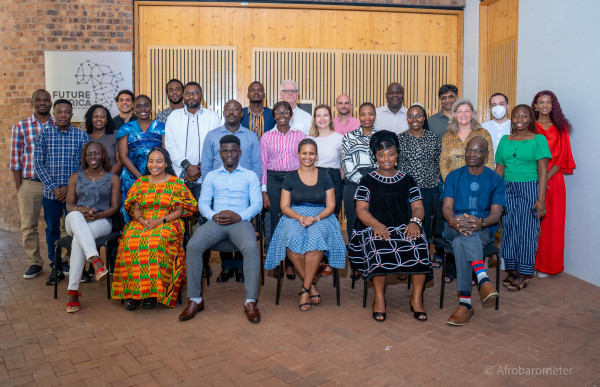
Afrobarometer (www.Afrobarometer.org) held its inaugural Emerging Scholars Workshop in November, bringing together early-career researchers and established scholars to enhance analytical skills and support the next generation of African researchers. This initiative aligns with Afrobarometer's objective of strengthening the continent's research ecosystem.

The workshop, held at the University of Pretoria's Future Africa campus, brought together 12 emerging scholars – half of them women – representing nine countries: Botswana, Benin, Cameroon, Ghana, Kenya, Malawi, Nigeria, South Africa, and Uganda.

Participants presented research papers covering diverse topics, received feedback from their mentors and peers, and engaged in professional development sessions designed to propel their academic and professional growth.

According to Jason Owen, Afrobarometer capacity building manager (advanced track), the workshop is in line with Afrobarometer's commitment to providing professional development opportunities for young African researchers.

“The emerging scholars that attended the workshop received detailed comments on their research from a panel of experienced academic mentors and peers,” he said. “The aim was to sharpen their analytical skills and to enable them to publish high-quality research using Afrobarometer data. We hope this type of workshop will foster a growing research and mentoring network that helps to build analytical capacity across Africa.”

The workshop also facilitated networking and collaboration. Nicole Beardsworth, a lecturer at the University of the Witwatersrand, highlighted the value of such gatherings. “PhD journeys can be isolating and lonely, but opportunities like the Afrobarometer Emerging Scholars Workshop provide a window for young scholars from around the continent to meet each other, find commonalities, forge collaborations, and create community,” she said.

A section of participants also noted that the workshop provided them with a transformative platform to engage with established academics, gain constructive feedback, enhance research skills, and build professional networks critical for advancing their academic and career aspirations.

“I was attracted to this workshop because it provides a unique opportunity to engage with seasoned scholars, participate in sophisticated research discussions, and develop essential skills for my professional growth,” said Mbiydzenyuy Courage Sevidzem from the University of Bamenda in Cameroon.

Over the past two and half decades, Afrobarometer has trained hundreds of young researchers, civil society activists, journalists, and parliamentarians through several capacity- building initiatives, including French- and English-language summer schools, thematic workshops, mentorships, university outreach initiatives, and staff development fellowships.

Distributed by APO Group on behalf of Afrobarometer.

For more information, please contact:
Daniel Iberi
Communications coordinator for East Africa
Email: diberi@afrobarometer.org
Telephone: +254 725 6744 57
Visit us online at www.Afrobarometer.org.

Follow us:
Facebook: Afrobarometer
Twitter: @ Afrobarometer
YouTube: @ Afrobarometer
Follow our releases on #VoicesAfrica. 

About Afrobarometer:
Afrobarometer (AB) is a trusted source of high-quality data and analysis on what Africans are thinking. With an unmatched track record of 388,000+ interviews in 42 countries, representing the views of 80% of the African population, AB is leading the charge to bridge the continent's data gap. AB data inform many global indices, such as the Ibrahim Index of African Governance, Transparency International's Global Corruption Barometer, and the World Bank's Worldwide Governance Indicators. The data are also used for country risk analyses and by credit rating and forecasting agencies such as the Economist Intelligence Unit. All AB data sets are publicly available on the website (www.Afrobarometer.org) and may be analysed free of charge using AB's online data analysis tool (https://apo-opa.co/3Vf0pB6).

Media files
Afrobarometer
Download logo
Read moreAfrobarometer Connects Early-Career Researchers With Established Scholars to Build Analytical Capacity in Africa
1 December 2024

Free hotline to report the sale of fake or expired food

Location: News

Free hotline to report the sale of fake or expired food

The National Consumer Commission (NCC) has announced that members of the public can contact the commission free of charge and facilitate the seamless registration of complaints and tip-offs related to the sale of fake or expired foodstuffs.

For a period of three months, starting on 1 December 2024, members of the public can contact the hotline with the support of the Association of Comms and Technology (ACT). 

“The NCC welcomes the support of ACT and individual member mobile operators for agreeing to zero-rate calls to the NCC’s contact centre. Some stakeholders had raised concerns that since the contact centre number is paid for, this may limit the ability of those with limited means to reach the contact centre. 

“This intervention will therefore ensure that consumers can report incidents on the sale of fake or expired food as soon as such is identified,” the NCC’s Acting Commissioner Hardin Ratshisusu said.

This comes amid rising concerns about contaminated food linked to the deaths of several schoolchildren in some communities across South Africa.

The collaborative effort by the NCC and ACT members follows President Cyril Ramaphosa’s public announcement on 15 November 2024, where he called for the need to educate consumers about food safety and labelling and for suspicions of fake or expired foodstuffs being sold to be reported to the NCC.

“The NCC is expected to play a leading role in investigating the sale of fake and expired foodstuffs throughout the country. 

“Therefore, it is crucial to ensure that the NCC’s contact centre is available to a wide spectrum of society and that incidents of food contamination or the sale of expired foods are reported timeously to enable an effective response,” said the commission in a statement.

ACT CEO, Nomvuyiso Batyi, commended the NCC for its proactive efforts to address food safety fears and reaching out to join hands with the telecommunications industry in the national effort to curb the crisis.

“We are pleased to confirm that members of ACT that offer voice calls have agreed individually to accede to NCC's request for its contact centre number for three months effective 1 December 2024. We trust that this measure will provide critical assistance to the NCC during this period and we encourage the NCC to engage directly with the respective network operators if challenges arise,” Batyi said.

Consumers can lodge complaints through the NCC’s e-Service portal at https://eservice.thencc.org.za/ or provide tip-offs through the contact centre hotline at 012 065 1940. - SAnews.gov.za


nosihle
Sun, 12/01/2024 - 10:50

414 views
Read moreFree hotline to report the sale of fake or expired food
1 December 2024

Check your HIV status, urges Dr Nobatyi

Location: News

Check your HIV status, urges Dr Nobatyi

“People must be encouraged to test for and know their HIV status as this will save lives,” says Senior Clinical Manager, Dr Pidhumza Nobatyi.

Dr Nobatyi was speaking to SAnews on the sidelines of the World Aids Day commemoration at the Sisa Dukashe stadium in Mdantsane, in the Eastern Cape on Sunday.

She said living with HIV was no longer like in the past when people were dying because there was no treatment available.

Today, patients with HIV are living healthy and normal lives. “It’s not a death sentence, it can be treated,” she said.

Dr Nobatyi is a Senior Clinical Manager at the Buffalo City Metropolitan Municipality Health District overseeing 85 health institutions.

She said it was critical for everyone to know their status.

South Africa is on Sunday joining the global community in anchoring the World Aids Day 2024 commemorations on the protection of everyone’s right to receive universal access to quality health care for all its citizens. 

World Aids Day is commemorated annually across the globe in solidarity with the millions of people living with HIV as well as to raise awareness about the status of the epidemic, with a view to encourage HIV prevention, treatment, and care.

The 2024 theme: “Equal Rights, Equal Care” is a call for equal, equitable and dignified access to healthcare for all South Africans regardless of their economic status, gender, race or sexuality.

Community member, Nobantu Ntsaluba, told SAnews that government should do more to encourage people to practice safer sex and to have their status checked.

“It’s better to know your status, than to live not knowing your status. Today, there is help for those living with HIV, there is treatment,” Ntsaluba.

Ntsaluba called on young people to always practice safer sex and stick to one partner.

“People may contract the virus because they have multiple partners or they are not faithful to their partners,” she said.

First observed in 1988, World Aids Day, is marked annually to raise awareness about HIV and Aids while also recognising and honouring the lives lost.

Deputy President Paul Mashatile is leading today’s commemoration alongside the SANAC Civil Society Chairperson Solly Nduku, SANAC Private Sector Chairperson Nompumelelo Zikalala, Minister of Health Aaron Motsoaledi, Eastern Cape Premier Oscar Mabuyane, as well as representatives from development partners such as the UN Agencies UNAIDS, UNICEF, WHO, US government agencies the CDC, PEPFAR, USAID, research entities, civil society movements, the private sector and community members.

Community members from various areas in the Eastern Cape are also attending. – SAnews.gov.za

Edwin
Sun, 12/01/2024 - 12:13

79 views
Read moreCheck your HIV status, urges Dr Nobatyi
1 December 2024

Minister Simelane to attend annual gathering of States Parties of ICC

Location: News

Minister Simelane to attend annual gathering of States Parties of ICC

Minister of Justice and Constitutional Development Thembi Simelane will represent South Africa at the 23rd Session of the Assembly of States Parties (ASP) of the International Criminal Court (ICC) at the World Forum Convention Centre in The Hague this week.

The ASP is the ICC’s principal management and legislative body, comprising all States Parties that have ratified or acceded to the Rome Statute.

“The session will bring together Heads of State, government Ministers, Deputy Ministers, and Ambassadors from ICC States Parties. The ASP convenes annually to discuss and decide on critical matters concerning the future functioning of the court, including the election of officials, resource allocation, the court’s work, strengthening cooperation and policy development,” the Department of Justice and Constitutional Development said.

The ASP is scheduled to take place from 2 to 7 December 2024.

While the outcomes of each assembly session vary depending on the specific issues addressed, the session consistently tackles recurring themes. 

Since 2003, the assembly has adopted a resolution on “Strengthening the International Criminal Court and the Assembly of States Parties”.

“Importantly, the annual gathering of States Parties serves as a powerful symbol of unwavering support for the court and provides a platform for states to renew and strengthen their cooperation with the ICC and its various organs.

“In light of recent developments, particularly the ongoing humanitarian crisis in Palestine, fostering a collective approach to international law and upholding globally agreed norms and standards on international law and human rights is more crucial than ever,” the department said.

The deliberations at this year’s assembly will address pressing challenges, including political pressures, state cooperation and the need for reform and enhanced effectiveness of the ICC.

“Minister Simelane’s participation provides a vital opportunity to advocate for greater accountability for international crimes and further South Africa’s position on human rights, justice, and reform within the global justice system,” the department said. - SAnews.gov.za


nosihle
Sun, 12/01/2024 - 11:28

57 views
Read moreMinister Simelane to attend annual gathering of States Parties of ICC
29 November 2024

How Mukuru Is Reshaping Aid Disbursements, Payroll and Bulk Commercial Payments in Malawi and Zimbabwe

Location: News
Mukuru

Mukuru (www.Mukuru.com) is a leading next-generation financial services platform that offers affordable and reliable financial services to a customer base of over 16-million people across Africa, Asia and Europe. The company, dedicated to continuously building a strong, reliable and resilient financial payments infrastructure to allow its customers to access new physical and digital services that add value, is also transforming the landscape of commercial and aid payments through its Enterprise Payments Platform (EPP). 

EPP is a secure, efficient, safe and cost-effective solution for collections and bulk payments and is built off the successful use case of Mukuru's widely known remittance services. 

This case study explores how Mukuru's EPP is addressing the challenges associated with aid disbursements, payroll, and commercial transactions in underserved communities, including limited financial infrastructure, high transaction costs and issues regarding security, speed and regulations. 

It examines how EPP is revolutionising bulk payments in these critical sectors, with a focus on Malawi and Zimbabwe, by tackling the difficulties businesses and aid organisations encounter when serving remote areas. 

The challenge 

Tererai Mare, Enterprise Market Development Manager at Mukuru, explains that before EPP, businesses and nonprofits had to rely on traditional methods such as mobile money and banks to facilitate bulk payments. “These methods presented limitations — high transaction and encashment fees, delays, and limited reach in rural areas,” Mare says. “These issues hindered the efficient distribution of aid and management of payroll, especially in vulnerable communities.” 

Aid organisations faced significant hurdles in making bulk payments, while remote communities had limited access to affordable and convenient financial services. This created delays in aid reaching those in need and added financial pressure on businesses. 

The solution 

EPP was built on Mukuru's extensive person-to-person physical and digital payment infrastructure across Africa. The platform, known for its reach and liquidity, has many benefits, explains Mare. 

These include: 

  • Instant payouts: Funds reach beneficiaries instantly through cash collection points or digital wallets. 
  • Traceability: The platform offers full transaction tracking, which enhances transparency. This is vital for aid agencies for financial reporting to secure ongoing funding. 
  • Competitive fees: Lower costs benefit both businesses and nonprofits. 
  • Extensive network: Mukuru's branches, booths and mobile disbursement teams, alongside a rich network of partner locations, provide exceptional reach across southern and eastern Africa. 
  • Security: The best technology and processes ensure secure transactions. 
  • Flexibility: EPP caters to aid, commercial, and social grant distribution needs. 

Aid Agency Applications: 

Malawi 

Chiyembekezo Ken Ndala, Enterprise Sales Manager for Malawi at Mukuru, shares that the company partnered with CADECOM National Office for emergency flood relief in the aftermath of a recent cyclone. “CADECOM used the Mukuru platform to reach 4,520 households across several underserved areas.,” Ndala says. The timely distribution of funds allowed families to recover quickly and have their basic needs met. 

Mukuru also partners with Yamba Malawi, which provides monthly stipends to teenage mothers. “Yamba Malawi supports teen mothers, each receiving $20 per month for 12 months, with an additional $100 as seed capital after six months. This funding helps them care for their children and start small businesses to break the cycle of poverty,” Ndala explains. As an ongoing project, Mukuru has disbursed over $100,000 (MK183,600,000) to these beneficiaries. 

Zimbabwe 

Michael Scott, Group Head of Commercial at Mukuru, says that Mukuru has built extensive partnerships with United Nations agencies, including UNICEF, the International Organisation for Migration (IOM), and the World Food Programme (WFP). 

“Mukuru was awarded a contract by WFP to distribute monthly cash grants to refugees at the Tongogara Refugee Camp. The EPP platform enables efficient delivery and end-to-end traceability of essential emergency funds to this vulnerable community” Scott explains. 

Scott explains that Mukuru has been awarded prestigious Long-Term Agreements by both UNICEF and the International Organisation for Migration (IOM), underscoring its capability and reliability in delivering essential financial services across Africa. Under these agreements, Mukuru has facilitated payments to beneficiaries under emergency social cash transfer programming in Zimbabwe, alongside the provision of payroll services and payments to vendors and workshop participants. 

International NGOs, like Action Contre la Faim, have partnered with Mukuru to deliver cash transfers to remote households via Mukuru's mobile disbursement service. Mukuru's mobile teams schedule trips to these hard-to-reach areas and provide regular access to financial services, supporting a base level of financial inclusion and social upliftment otherwise not possible. 

Payroll and Commercial Applications: 

Mare explains that Mukuru also serves the varying needs of businesses needing to make payments to their employees, customers or smaller suppliers, who may not have bank accounts. “Many workers earn low salaries, making bank accounts unaffordable due to high transaction and maintenance fees. The EPP platform helps these workers receive payments efficiently, without encashment or ongoing account fee, addressing a major financial inclusion gap.” 

On the commercial side, Mukuru partners with the likes of Cottco and Premier Tobacco Auction Floors, heavyweights in Zimbabwe's cotton and tobacco industries, to facilitate payments to small-scale farmers. “These farmers often don't have bank accounts and come from far and wide to sell or auction their goods. Mukuru's EPP ensures they receive payments securely and swiftly. A Mukuru cash voucher is as trusted as the USD cash for which it can be exchanged, but safer to travel with on long journeys to and from the auction floors,” Mare adds. 

Conclusion 

Mukuru's EPP platform has redefined bulk payments and aid distribution for organisations struggling with traditional methods. Whether payroll or commercial settlement for businesses, or emergency aid for vulnerable communities, Mukuru offers efficiency, transparency, and security. 

With its vast network and proven ability to reach even the most remote areas, Mukuru continues to drive financial inclusion while streamlining bulk payments, reducing transaction costs, improving traceability and accountability, and minimising delays — critical when delivering aid. 

Distributed by APO Group on behalf of Mukuru.

Notes to Editor: 
Mukuru is a leading next generation financial services platform in Southern Africa that offers affordable and reliable financial services to a customer base of over 16 million across Africa, Asia and Europe. 

With over 100 million transactions to date, our core was built providing international money transfers and from this base, we've developed a set of services to address the broader financial needs of our customers. We now operate in over 60 countries and across over 500 remittance corridors. 

We are a business that puts the customer at the centre of everything we do, and for that reason, we serve clients across physical and digital channels, by various payment methods (cash, card, wallet) as well as a range of engagement platforms including WhatsApp, USSD, contact centre, App, website, agents and a branch and booth network. 

Mukuru has, for the fifth consecutive year, been listed as one of the top 100 Cross Border Payments businesses in the world in the 2024 FXC Intelligence Top 100 Cross-Border Payment Companies (https://apo-opa.co/41825jC), one of only six African companies to receive this accolade. 

In 2023, Mukuru officially ranked sixth on the LinkedIn Top Companies List in South Africa. 

Mukuru was celebrated for innovation and excellence at the 2023 Africa Tech Festival Awards, receiving the Fintech Innovation of the Year Award - an acknowledgment of the transformative power of financial technology in driving economic growth, financial inclusion, and digital transformation. 

In 2024, Mukuru won the IAMTN Payments Network Customers Experience Excellence Award for setting a high bar in exceptional customer satisfaction in cross-border payment services. Additionally, Mukuru was officially accredited as a 2024 Top Employer in South Africa by the Top Employers Institute. 

Further information can be found at https://www.Mukuru.com. 

Media Enquiries: 
Ammaarah Kootbodien: 
ammaarah@duomarketing.co.za 
(+27) 71 529 6449 

Kgomotso Hlakudi: 
kgomotso.hlakudi@mukuru.com 
(+27) 73 333 1672 

Mthokozisi Dube: 
mthokodube09@gmail.com 

Media files
Mukuru
Download logo
Read moreHow Mukuru Is Reshaping Aid Disbursements, Payroll and Bulk Commercial Payments in Malawi and Zimbabwe
29 November 2024

President Ramaphosa honours SA Athletes for Olympic and Paralympic excellence

Location: News

President Ramaphosa honours SA Athletes for Olympic and Paralympic excellence

President Cyril Ramaphosa has hailed the triumphs of South African athletes at the 2024 Paris Olympic and Paralympic Games at a celebratory ceremony held at the Union Buildings, in Tshwane. 

The event honoured the medalists and highlighted the transformative power of sport in uniting the nation.

“This is a moment of great pride for our nation. It is a moment to express our gratitude to those who have represented our nation with such distinction on the world’s greatest stage. Today, we are not just celebrating medals and the star athletes who won them,” the President said on Friday. 

The President emphasised that this is also a celebration of South Africa's spirit, the unifying power of sport, its ability to inspire, and its reminder of the strength when united as a nation. 

“We are celebrating the extraordinary resilience of our athletes, their unwavering determination and their incredible talent. We are celebrating the profound symbolism that sport holds in our society,” the President said. 

The President reflected on South Africa’s journey in international sport, from years of exclusion under apartheid, to reclaiming its place on the world stage during the 1992 Olympics. He noted that the country’s participation in the Games symbolises the pursuit of equality, justice, and national unity.

South Africa’s athletes returned from Paris with an impressive haul: six Olympic medals (one gold, three silver and two bronze), and six Paralympic medals (two gold and four bronze).

Key highlights of the ceremony today included the presentation of recognition awards to all medalists and the prestigious Shield of Jove to swimmer Tatjana Smith and Paralympic athlete Mpumelelo Mhlongo for their outstanding performances. 

This prestigious award was donated to the South African government in 1948 by Frederick Mitchell-Hedges, a British archaeologist involved in mining in South Africa.

It is a symbol of excellence, perseverance and dedication to the pursuit of sporting greatness.

“We are also honouring the athletes that achieved the most outstanding performances at the Olympic and Paralympic Games with the presentation of the Shield of Jove. 

“This year, we are proud to award the Shield of Jove to Tatjana Smith and Mpumelelo Mhlongo, in recognition of their exceptional achievements at the 2024 Paris Olympic and Paralympic Games,” the President said. 

He said these achievements are a testament to the investments the country has made in sports infrastructure and grassroots development. 

“However, we must do more to ensure that the next generation of South African athletes has even greater opportunities to succeed,” he said. 

The President emphasised the need for expanded youth development programmes, particularly in rural and underserved communities, and strengthened partnerships with schools and community centres.

“We must continue to invest in youth development, ensuring that children in every part of our country – whether urban or rural – have access to sports programmes. This means strengthening our partnerships with local schools, community centres and clubs.

“We must make sure that our youth are equipped with the skills, coaching and facilities they need to reach their full potential,” the President said. 

In addition to athletes, the President acknowledged the critical role of coaches, trainers, families and sponsors, including the National Lotteries Commission and corporate partners, in supporting Team SA’s success.

“We are a nation forged in struggle, in adversity and in hope. To the Olympic and Paralympic champions with us here today, we say thank you.

“We are a nation that stands united, proud and ready for the challenges of the future. Together, we will continue to build a legacy of sporting excellence. A legacy that will inspire many generations to come,” the President said. 

The event celebrated not only the athletes’ remarkable accomplishments but also the broader role of sport in fostering unity and national pride in South Africa. – SAnews.gov.za

DikelediM
Fri, 11/29/2024 - 13:49

135 views
Read morePresident Ramaphosa honours SA Athletes for Olympic and Paralympic excellence
28 November 2024

Committee on Social Services Concerned With Lack of Progress in Department of Social Development

Location: News

Republic of South Africa: The Parliament
Download logo

The Select Committee on Social Services received a briefing yesterday from the Auditor-General of South Africa (AGSA) on audit outcomes for the Department of Social Development (DSD) and its entities for the 2023/24 financial year.

The committee expressed concern with the lack of progress in addressing long-standing issues. Key concerns raised by members of the committee with points in the AGSA's presentation include the regression in audit outcomes, with the DSD and the National Development Agency (NDA) moving from clean audits to audits with findings.

There are also persistent challenges in performance reporting, with material misstatements identified in the annual performance information of the DSD, SASSA and the NDA. The committee also noted with concern the continued non-compliance with legislation highlighted in the AGSA's presentation, particularly around irregular, fruitless and wasteful expenditure. Ineffective consequence management was noted, with officials not being held accountable for transgressions.

Weaknesses in systems and controls were also identified, hampering the effective administration of social grants and the processing of public queries and disputes.

Delays in filling critical vacancies at the DSD and NDA, as well as material irregularities identified at SASSA and the DSD resulting in financial losses, were also areas of concern.

The committee expressed great concern over the negative impact these persistent challenges have on service delivery and the lived experiences of vulnerable South Africans who rely on the social welfare system.

Members of the committee emphasised the urgency of addressing the root causes and holding leadership accountable. The committee has resolved to call the executive authority, the Minister of Social Development, to appear before it to account for the poor performance and provide a detailed turnaround plan to remedy the situation. The committee urged AGSA to continue exercising its expanded mandate to drive accountability and consequence management where necessary.

The Chairperson of the committee, Ms Desery Fienies said: “The findings presented by the Auditor-General are extremely concerning and unacceptable. As a committee, we will not tolerate the continued failure to deliver quality services to our most vulnerable citizens."

The committee indicated that it will closely monitor the implementation of the AGSA's recommendations and the DSD's remedial actions to ensure tangible improvements in the next financial year.

Distributed by APO Group on behalf of Republic of South Africa: The Parliament.

Read moreCommittee on Social Services Concerned With Lack of Progress in Department of Social Development
28 November 2024

Government welcomes improvement in audit outcomes by AG

Location: News

Government welcomes improvement in audit outcomes by AG

Government has welcomed the latest national and provincial audit outcomes from the Auditor-General (AG) of South Africa which reveal a remarkable leap in the number of clean audits across national and provincial government departments. 

“These results show progress that has been made in strengthening financial and performance management in these two spheres of government,” the Government Communication and Information System (GCIS) said on Thursday.

GCIS said the notable improvements highlight the commitment of government entities to accountability, transparency, and efficient use of public resources. 

“Clean audits reflect adherence to sound governance principles, which are essential for fostering trust and delivering quality services to citizens.

“While there has been notable progress, Government acknowledges the concerns raised by the AG regarding instances of fruitless and wasteful expenditure. These findings serve as a critical reminder of the ongoing need to strengthen oversight, accountability, and compliance mechanisms to prevent the recurrence of such issues,” GCIS said.

Government said it will continue its efforts to build a capable and developmental state that prioritises people and focuses on improved implementation capability. 

This includes initiatives to enhance financial controls, upskill personnel, and cultivate a culture of ethical leadership across all spheres of government. 

“Stakeholders, including public servants and communities, are urged to continue working together towards sustaining the gains that have been made and to address the challenges that remain. Together, we can ensure that public resources are used effectively and equitably to meet the needs of all citizens,” GCIS said.  - SAnews.gov.za


nosihle
Thu, 11/28/2024 - 12:40

251 views
Read moreGovernment welcomes improvement in audit outcomes by AG
  • Previous
  • Page 1
  • Interim pages omitted …
  • Page 31
  • Page 32
  • Page 33
  • Page 34
  • Page 35
  • Interim pages omitted …
  • Page 87
  • Next

Copyright © 2026 · MyZA · All Rights Reserved · Powered by Stratlec Online