• Skip to main content
  • Skip to header right navigation
  • Skip to after header navigation
  • Skip to site footer
MyZA

MyZA

News, Directory, Events and Other Stuff

  • Social Media
  • Sport
  • World News
  • Home
  • Submit News
  • Directory
  • Events
  • Stratlec
  • TFSA
  • News
    • APO
    • Today’s Sport News
    • Todays Social Media and Tech Headlines
    • Today’s World News
    • Today’s SA Financial News
  • Contact
You are here: Home / Archives for critical

critical

19 November 2024

Construction mafia disrupts projects worth R63bn

Location: News

Construction mafia disrupts projects worth R63bn

Since 2019, construction site disruptions by criminal syndicates have disrupted over 180 projects worth R63 billion, using tactics such as extortion, intimidation, violence and sabotage.

“Their demands for up to 30% of contract value undermine the integrity of our procurement systems and delay critical infrastructure delivery,” the Deputy Minister of Finance, Ashor Sarupen, said on Tuesday in Durban.

Addressing the National Construction Summit on site disruption, the Deputy Minister said while the construction industry faces numerous challenges, none is more urgent than the persistent site disruptions by criminal syndicates and community protests.

South Africa’s construction industry is a vital cog in the economy as it contributes around 3% to gross domestic product (GDP), employs over 1.3 million South Africans, with 176 000 jobs added just in the third quarter of 2024. 

This sector is a lifeline for low-skilled workers, who often struggle to find opportunities elsewhere, however the disruptions undermine the sector’s potential.

“Construction projects also have an unmatched multiplier effect. For every R1 million invested in construction, more than three jobs are created. This is the highest multiplier across all sectors in our economy.

“It is no surprise that the government has identified infrastructure development as a cornerstone of our economic recovery. The 2024 Medium-Term Budget Policy Statement (MTBPS) reaffirmed our commitment to shifting government spending from consumption to investment. 

“This aligns with the President’s call to transform South Africa into a “construction site” to drive inclusive growth and job creation,” the Deputy Minister said.

Over the next three years, government plans to invest over R900 billion in the construction sector.

“Our reforms in procurement, infrastructure investment, and structural economic transformation are concrete commitments to changing the lived realities of millions of South Africans.

“However, to fulfill these ambitions, we must recognize that the construction mafia and site disruptions reveal deeper socio-economic fractures within our country.

“These disruptions are not merely an operational challenge. It is not only businesses that are being disrupted but the lives and livelihoods of our people,” the Deputy Minister said.

They also represent a critical stress test for the broader economic governance architecture, revealing the fragile interdependencies between formal institutional frameworks and reality on the ground.
 
“For now, these disruptions show how easily our carefully planned economic rules break down when they meet real-world challenges.

“They show just how difficult it is to conduct honest business in an environment of deepening unemployment, poverty, and the desperation it often leads to.

“To address this crisis, we need a holistic response—one that combines stricter law enforcement, improved governance, and community engagement to address the root causes of these disruptions,” Sarupen said. 

Government’s intervention
To address these challenges, the government is pursuing a three-pronged strategy, which includes Reforming Public Procurement; Expanding Public-Private Partnerships (PPPs) and Increasing Infrastructure Investment.

“The Public Procurement Act, signed into law earlier this year, lays the foundation for a more transparent, efficient, and inclusive procurement system.

“Under the new regulations, subcontracting will be allowed only where feasible and must follow due process to prevent abuse.

“Government entities will have the option to pay subcontractors directly, eliminating the delays and exploitation often experienced under the current system,” the Deputy Minister said.

He said these reforms are designed to empower small and emerging contractors while safeguarding the integrity of our procurement processes.

Government’s R900 billion in planned investments is supported by capital budgeting reforms to ensure that projects are well-planned and implemented on time, mobilising private sector funding to augment limited public resources and prioritising integrated urban development to create dynamic cities that enable economic activity.

“This is not just about bricks and mortar; it is about transforming lives by providing the infrastructure needed for housing, education, healthcare and transport.

“Our efforts to revitalize the construction sector are part of the broader reform agenda under Operation Vulindlela, a joint initiative between the National Treasury and the Presidency,” Sarupen said. 

Since its launch in 2020, Operation Vulindlela has delivered significant progress in:

1. Stabilising the electricity supply.
2. Reducing the cost and improving the quality of digital communications.
3. Securing sustainable water supply.
4. Enhancing the efficiency of freight transport.
5. Reforming the visa regime to attract skills and grow tourism.

“Phase 2 of Operation Vulindlela focuses on creating dynamic and integrated cities to support urbanization and economic growth. This will require substantial contributions from the construction sector to build the housing, schools, and transport infrastructure needed for our rapidly growing urban population,” the Deputy Minister said. - SAnews.gov.za

nosihle
Tue, 11/19/2024 - 11:08
6 views
Read moreConstruction mafia disrupts projects worth R63bn
19 November 2024

Prepaid electricity customers reminded to recode meters before Sunday deadline

Location: News

Prepaid electricity customers reminded to recode meters before Sunday deadline

Eskom is urging all prepaid electricity customers to update their meters immediately to avoid an unexpected loss of electricity.

This as the November 24 deadline for upgrading of meters is now less than a week away.

The power utility explained that after Sunday, 24 November, meters still using Key Revision Number 1 will no longer accept electricity tokens, rendering the meter inoperable.

This could necessitate a meter replacement that could cost up to R12 000, at the customer’s cost.

Group Executive for Distribution at the power utility, Monde Bala, explained how and why the updating of the meter is required.

“Customers with meters still on KRN1 have likely not purchased electricity for more than six months or might be using unauthorised tokens bought from criminal syndicates. 

“To prevent the meter from becoming inoperable, losing power, and incurring replacement costs, it is critical that all customers, including those who have not purchased electricity in the last six months or more, to buy electricity tokens from authorised vendors by 24 November 2024. 

“This will provide them with two sets of 20-digit codes needed to recode and update their meters. We started our public awareness campaigns back in August 2023 and we continue to ask users to come forward so we can offer all the help we have available,” Bala said.

How to check and recode your meter

To verify if your meter is ready, use the following steps:

  • Enter 1844 6744 0738 4377 2416 on your meter keypad.
  • If it shows 1 or 1.2, your meter still needs to be recoded.
  • If it shows 2 or 2.2, your meter is already updated and requires no further action.

To complete the recoding:

  • Enter the first 20 digits of your recode token.
  • Enter the second 20 digits of your recode token.
  • Finally, enter the 20-digit token from your latest electricity purchase to recharge your meter. – SAnews.gov.za

NeoB
Tue, 11/19/2024 - 10:32

209 views
Read morePrepaid electricity customers reminded to recode meters before Sunday deadline
19 November 2024

Agreements signed with battery energy storage projects

Location: News

Agreements signed with battery energy storage projects

Minister of Electricity and Energy, Dr Kgosientsho Ramokgopa, has signed two project agreements and the commercial close of two projects appointed as preferred bidders under the first Battery Energy Storage Independent Power Producer Procurement Programme (BESIPPPP) Bid Window 1.

According to the Department of Electricity and Energy, the two projects secure “a total of 360 MW/1440 MWh storage capacity under the country’s first grid-scale bid window”.

“Both projects, developed by EDF International and their project partners, Mulilo, Gibb-Crede, Pele Green Energy, and a community trust, will be located in the Northern Cape Province and will contribute a total of 180 MW/720 MWh storage capacity on the national grid. 

“Oasis Aggeneis, with a total capacity of 77MW/308MWh will be located at Aggeneis Sub Station close to the town of Aggenys. Oasis Nieuwehoop, with a capacity of 103MW/412MWh, will be located at Nieuwehoop Sub Station close to Kenhardt. Project construction is expected to take no more than 24 months and the storage capacity is expected to come online no later than November 2026,” the department said in a statement on Monday.

The two projects are expected to attract investment of some R4.7 billion with local entity participation of around 42.23% and Black Economic Empowerment (BEE) ownership of 40% achieved across both projects. 

“In support of the current economic challenges that South Africa is facing, the two projects have committed a total of 487 job opportunities (measured in job years) for South Africans, which includes 301 jobs during construction and 186 jobs during operations. 

“The projects have committed to spending 20% of total project costs on local content during construction, and 20% on local content during operations. 

“The projects have also made commitments of over R43 million over their 15-year lifetime, to be spent in areas such as Skills Development, Supplier Development, Bursaries for Black Students, Enterprise Development, and Socio-Economic Development initiatives,” the department explained.

Battery Energy Storage Systems (BESS)

The department explained that BESS technology has a critical role to play in “grid operation by storing energy during periods of less demand for electricity and releasing that energy when needed” – like during peak time.

“In addition, BESS provides grid stability through Ancillary Services for the System Operator. BESS further allows for more integration of renewable energy onto the grid,” it said.

To take advantage of this technology, at least four preferred bidders were announced in November last year with all four reaching commercial close.

“A further fifth project was appointed later [on] 28 March 2024, following value for money negotiations. This last project is finalising preparations and final conditions to reach commercial close in early 2025.

“A further two Battery Energy Storage bid windows [are] currently underway. Bid Window 2 is currently in evaluation phase with [a] bid announcement expected within the next few weeks. Bid submission for Bid Window 3 is planned,” the department concluded. – SAnews.gov.za

NeoB
Tue, 11/19/2024 - 10:51

75 views
Read moreAgreements signed with battery energy storage projects
19 November 2024

Africa calls for funding of just transition

Location: News

Africa calls for funding of just transition

The Minister of Forestry, Fisheries and the Environment, Dr Dion George, has called for urgent action to reduce the cost of capital to fund pathways towards a just transition.

Addressing the second annual High-level Ministerial Roundtable on the Just Transition at the Conference of the Parties (COP29) in Baku, Azerbaijan, the Minister said the high cost of capital in Africa is inhibiting the continent’s ability to access the transition's socio-economic opportunities. 

“In 2021, the average cost of capital for energy projects was about seven times higher in Africa than in Europe and North America. Reducing the cost requires coordinated efforts from governments, financial institutions and businesses to remove frictions, which add costs.

“The current global financial system is not designed to respond appropriately and developing economy countries cannot access the scale and quality of finance required to support their Just Transition Pathways and meet their Nationally Determined Commitments.

“As developing economy countries, we have shared realities that constrain our abilities to transition. We face a lack of means of implementation, limited fiscal space, high costs of capital, debt burdens, limited access to technologies and other factors. Critical within this is the lack of access to the transition's economic opportunities,” George said.

He said South Africa stands at the beginning of its transition journey, with much work ahead in shaping and implementing the necessary policies and actions. 

“At the heart of all our climate actions is a steadfast commitment to ensuring a just and equitable transition, one that empowers our workers, communities, and all of society to define and drive the journey toward low-emissions and climate-resilient development.

“Our National Framework on Just Transition is designed to embed fairness and equity into our mitigation and adaptation strategies. This is reflected in the formulation of our new Nationally Determined Contribution (NDC) trajectory range, which aligns with the 1.5 degrees Celsius goal while ensuring that equity and fairness remain at the forefront,” the Minister said.

George said for South Africa, transition pathways must create sustainable jobs, enhance livelihoods, and generate opportunities for localised industrialisation, moving towards a genuine transformative process that supports an inclusive and competitive economy.

“In our collective commitment to achieve low carbon and climate resilient development, international cooperation and unlocking access to transition opportunities remains at the core,” George said.

COP29 is currently underway until 22 November 2024 in Baku, Azerbaijan. - SAnews.gov.za
 

nosihle
Tue, 11/19/2024 - 09:47

68 views
Read moreAfrica calls for funding of just transition
19 November 2024

AEW to Return to Cape Town in 2025

Location: News
African Energy Chamber

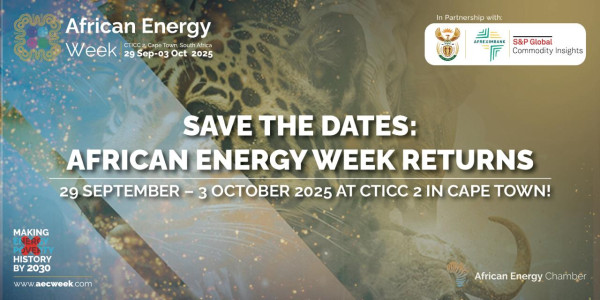
Serving as the leading platform for deal-making, energy partnerships and capital investment in Africa's energy sector, African Energy Week (AEW): Invest in African Energies will return to Cape Town, South Africa in 2025, in partnership with the Government of South Africa, S&P Global Commodity Insights and Afreximbank.

Featuring a strong lineup of industry leaders dedicated to securing a sustainable energy future for the continent, Africa's largest energy sector gathering will take place from September 29 to October 3 at the Cape Town International Convention Center 2. Building on the success of previous editions, the event continues to solidify its status as the premier gathering for the African energy industry.

With over 125 million barrels of proven oil reserves, 620 trillion cubic feet of natural gas and abundant renewable resources, Africa holds the potential to become a global energy leader. With African energy demand expected to more than double by 2050 and fossil fuels projected to comprise up to 60% of the energy mix by 2040, AEW: Invest in African Energies 2025 aims to eradicate energy poverty by 2030 through an influx of investment and innovation across the continent.

With a tailored program addressing key challenges and opportunities within Africa's energy sector, AEW: Invest in African Energies 2025 promises impactful sessions, innovative showcases and unparalleled networking opportunities. This premier gathering will bring together industry visionaries, African governments, national oil companies and key stakeholders across the energy value chain to tackle the complexities and seize the opportunities within Africa's thriving energy landscape.

AEW: Invest in African Energies 2025 will feature workshops, discussions and presentations covering critical topics such as investment in upstream development, legislative and regulatory policies, infrastructure growth strategies, the downstream sector and Africa's role in the global energy transition.

With just one year to go, AEW: Invest in African Energies 2025 aims to build on the momentum of the 2024 edition. The impressive five-day agenda featured seven premium stages, five content stages, two technical hubs and a pre-event workshop day. Delegates in 2025 can look forward to new project updates, industry highlights, investment opportunities and strategies that align with Africa's energy and sustainability goals.

“AEW was established with the mission to make energy poverty history by 2030. As a central pillar of Africa's energy sector, the conference offers an unparalleled platform to forge partnerships, share knowledge and drive progress,” said NJ Ayuk, Executive Chairman of the African Energy Chamber. “Having grown into one of the continent's largest energy events, we look forward to welcoming everyone back in 2025, with next year's edition promising to surpass all prior events. We are thrilled to bring together delegates from around the world to address Africa's pressing energy needs.”

Entering its fifth year, AEW: Invest in African Energies 2025 reaffirms its position as the preferred platform for project operators, financiers, technology providers and government leaders.

Distributed by APO Group on behalf of African Energy Chamber.

Media files
African Energy Chamber
Download logo
Read moreAEW to Return to Cape Town in 2025
18 November 2024

Committee Chairperson welcomes pronouncement by President on registration of spaza shops

Location: News

Committee Chairperson welcomes pronouncement by President on registration of spaza shops

The Chairperson of the Select Committee on Education, Sciences and Creative Industries, Makhi Feni, has welcomed the pronouncement by President Cyril Ramaphosa that spaza shop owners have 21 days to register their businesses. 

In a statement issued by the Parliamentary Communication Service, Feni said it was reassuring that those found to have sold poisonous foods that led to the deaths of children will be closed. 

“This is not punishment for foreign nationals; this is getting officials to do what they are paid daily to do. The crisis did not have to get to the proportions it had reached. All that was needed was enforcement of the law,” he said. 

President Ramaphosa addressed the nation on Friday, where he announced decisive measures to address the recurring foodborne illnesses that have claimed the lives of at least 22 children across the country.  

These include the immediate closure of spaza shops implicated in the deaths and stricter regulations to protect communities.

The President outlined three critical interventions to be implemented with immediate effect, which are to get hazardous pesticides off the street, protect children from exposure to these substances, and prevent future outbreaks.

To ensure compliance, the President issued a directive that all spaza shops and food-handling facilities must register with their respective municipalities within 21 days. 

READ | Spaza shops implicated in child deaths to be shut down

He emphasised that any shop that is not registered within 21 days and does not meet all health standards and requirements will be closed. 

The President further said the investigations that have taken place do not suggest any deliberate campaign to poison children in the country. 

Feni said the potential this crisis had to turn South Africans against foreign nationals was real and concerning. 

“In some instances, shops were looted, and genuine community protests were hijacked by criminal elements. We are, however, concerned about seeing spaza shop owners dumping what looks like expired food,” Feni said.

He urged municipal officials to act on this presidential directive with integrity, avoiding bribes or any form of corruption.

Feni stressed that the aim is to permanently prevent the deaths of children caused by consuming unsafe snacks. – SAnews.gov.za

DikelediM
Mon, 11/18/2024 - 10:36

392 views
Read moreCommittee Chairperson welcomes pronouncement by President on registration of spaza shops
18 November 2024

Two-day G20 Summit kicks off in Brazil

Location: News

Two-day G20 Summit kicks off in Brazil

By Gabisile Ngcobo

Rio de Janeiro - The long-awaited Group of 20 (G20) Leaders’ Summit has kicked off with Heads of State and their delegates being welcomed at the Museum of Modern Art in Rio de Janeiro, in Brazil on Monday. 

The venue, located in the heart of the city and showcasing a collection of Brazilian and international masterpieces, is hosting Heads of State from the 20 largest economies, along with representatives from the European Union and the African Union, over the next two days. 

Located within the iconic Flamengo Park, the museum boasts tranquil, lush green surroundings. 

This prominent gathering of world leaders has been convened to discuss critical issues affecting the globe, with a specific focus on climate change. 

Several roads will be closed to the public for the duration of the summit, which will conclude on Tuesday, 19 November 2024, as many visitors return home. 

Visitors are welcomed by clean streets adorned with billboards and posters featuring the G20 Summit logo. 

Security personnel, including local police and army members, are ensuring the venue is secure as they line the streets on a warm spring day, leading to the main venue and the media centre. 

Law enforcement personnel, many of whom are armed, are conducting security patrols and bag checks. 

The city has deployed 130 traffic operators along with 55 motorcycles and 22 operational vehicles in areas directly related to the event and along the city’s main traffic routes. 

President Cyril Ramaphosa, Indian Prime Minister Narendra Modi, United States President Joe Biden, and Chinese President Xi Jinping are among the leaders in attendance. 

Brazilian President Luiz Inácio Lula da Silva welcomed the leaders of the G20 guest countries, while his wife, Janja Lula da Silva, greeted spouses of guest nations and G20 members. 

Da Silva delivered welcoming remarks before the first session, which will discuss social inclusion and the fight against hunger and poverty. 

United Nations (UN) Secretary-General António Guterres is also attending the gathering and expressed gratitude to President da Silva for hosting him in his country for this year’s G20 Leaders’ Summit. 

“Our times are tumultuous, and we need to race much faster to tackle fundamental common challenges. The climate crisis has burned through another record, with 2024 likely to be the hottest year in history.

“We see the impacts everywhere. Look no further than the drought in the Amazon and horrible floods in southern Brazil,” he told the media. 

Meanwhile, he said conflicts are raging and impunity spreading, with repeated violations of international law and the UN Charter. 

“Inequality is growing, and progress on poverty and hunger has stalled. The Sustainable Development Goals are off-track.” 

He challenged the G20 leaders to lead and tackle key global problems including peace. 

He advocated for the strengthening of the global financial safety net to ensure that all countries are protected when shocks occur. In addition, he urged nations to agree on an ambitious climate finance goal that addresses the significant challenges faced by developing countries. 

“Many challenges, but also many possible solutions. The G20 must lead by example. 

“This is fundamental to restoring trust, credibility, and legitimacy of every government and our global system in these turbulent times. We need to seize every opportunity to lead transformative action for a safer, more peaceful and sustainable world,” the General Secretary added. – SAnews.gov.za


Gabisile
Mon, 11/18/2024 - 17:00

59 views
Read moreTwo-day G20 Summit kicks off in Brazil
18 November 2024

Report highlights SA’s challenge with pollution

Location: News

Report highlights SA’s challenge with pollution

While government has made strides in environmental compliance, significant work is needed to address pervasive issues like untreated sewage discharge to land, freshwater, and coastal areas.

This is according to the 2023/24 National Environmental Compliance and Enforcement Report (NECER), which was launched on Monday by Deputy Minister of Forestry, Fisheries and the Environment, Narend Singh.

The report was launched at the Environmental Compliance and Enforcement Lekgotla (ECEL), in Drakensburg, KwaZulu-Natal.
“The report shows the Green Scorpions’ (environmental compliance authorities) progress, yet challenges remain, particularly when it comes to attending to pollution, which impacts air quality, illegal waste disposal, and land degradation resulting from the proliferation of invasive plant species. 

“In light of financial constraints, environmental compliance authorities must be innovative, focusing resources on the country’s most urgent environmental threats,” the Department of Forestry, Fisheries and the Environment said.

The NECER outlined the achievements, challenges, and key findings in environmental compliance, showcasing areas where improvements have led to a decrease in enforcement actions due to increased compliance with the Environmental Management Inspectorate (EMI) commonly known as the Green Scorpions.

“With 5 643 facilities inspected across various sectors in 2023/24, the report reflects a 30% increase in inspections over the previous year, particularly for reactive inspections when responding to complaints. 

“This intensified monitoring underscores a stronger culture of accountability and environmental stewardship and indicates focused attention on reported non-compliance incidents,” the department said.

The report shows a decrease in criminal enforcement actions, with registered criminal dockets dropping from 885 to 634, and the total value of admission of guilt fines declining by 15% compared to the previous year. 

However, higher sentences for criminal convictions demonstrate a shift towards impactful enforcement. Noteworthy cases include:
•    State v Shadrack Matambo; Thabani Lusiko Sibanda; and Sibusiso Leonard Khumalo: Sentences of 10, 12 and eight years direct imprisonment for cycad-related theft and illegal activities.
•    State v Lekwa Local Municipality: A criminal conviction and fine of R70 million to address sewage pollution and repair infrastructure over three years.
•    State v R Ngulube: A 10-year direct imprisonment sentence for illegal possession, export of abalone, and facilitating money laundering.

“While the country celebrates 30 years of freedom this year, the efforts by the Environmental Management Inspectorate demonstrates its unwavering dedication to uphold the principles codified in the Constitution, despite the wide-ranging challenges which they are confronted with daily," the department said.

The Lekgotla provides an invaluable platform to map out strategies and sets a course for future enforcement efforts.

The ECEL was held under the theme: "The Science of Environmental Compliance," with discussions centred on leveraging technology and innovation to enhance the inspectorate’s work, direct limited resources effectively, and address the country’s most pressing environmental risks.

The multi-stakeholder event brings together the Green Scorpions, which comprises of national, provincial, and local authorities and other critical role players. 

The NECER report can be accessed on: https://www.dffe.gov.za/sites/default/files/reports/necer2024report.pdf
-SAnews.gov.za


nosihle
Mon, 11/18/2024 - 11:49

121 views
Read moreReport highlights SA’s challenge with pollution
18 November 2024

Africa Tech Festival 2024 showcases innovation across Africa’s technology ecosystem

Location: News

Africa Tech Festival
Download logo

Over 15,000 attendees were welcomed to the 27th annual Africa Tech Festival (www.AfricaTechFestival.com) by South African Minister of Communications and Digital Technologies, Hon. Solly Malatsi. The Department is an official partner of this year's event, which features more than 300 exhibitors and 400 speakers representing all facets of the tech ecosystem.

Emphasising a shared vision of a digitally connected, inclusive, and prosperous Africa, leveraging technology to drive economic and social progress, the Minister reaffirmed host country South Africa's commitment to bridging the digital divide through policy, partnerships, and investments in universal connectivity and affordability. “While technology holds enormous promise, it is essential that we harness this potential in a way that can benefit all the people on the continent and the rest of the world. South Africa is honoured to play its role on this journey, both as a leader and a partner to our fellow African countries,” he said.

Organised by Informa Tech (https://www.InformaTech.com/), the Africa Tech Festival's anchor events –AfricaCom, AfricaTech, and AfricaIgnite – along with the AI Summit Cape Town, provided delegates with the opportunity to explore enterprise tech innovation and disruption across key sectors such as cybersecurity, cloud, data centres, and green ICT.

Highlights of the first two days of the event, which ran from 12 to 14 November at the Cape Town International Convention Centre, included:

AI Summit Cape Town

Hon. Mondli Gungubele, Deputy Minister of Communications and Digital Technologies, opened the inaugural AI Summit Cape Town. Along with introducing the newly-formed AI Institute of South Africa, he called for collaboration among government, industry, academia, and civil society to maximise AI's benefits while addressing challenges like job displacement and ethical considerations, saying, “Let's seize this opportunity to shape a future where AI helps us uplift our citizens, drive economic growth, transform our society for the better and leave no one behind.”

The AI Summit features the biggest names and brightest minds in AI, all exploring how this transformative technology can create a brighter future for Africa. For instance, the panel session Navigating AI Policy Challenges: Collaborative Approaches to Strengthen Governance in Africa focused on fostering global cooperation in AI governance, emphasising cross-border collaboration, universal safety standards, and ethical innovation. The discussion also highlighted the role of public-private partnerships in implementing equitable AI policies.

AfricaIgnite

AfricaIgnite is the flagship event for founders, investors, and key players in the tech ecosystem. It supports market access and investment opportunities.

The panel Overcoming the Funding Winter: Strategies for Early-Stage Start-Ups highlighted resilience in the early-stage start-up ecosystem, exploring strategies employed by successful start-ups to attract investors and secure funding in a competitive market. It also examined the role of accelerators and incubators in fostering growth and supporting the development of African tech start-ups.

A dynamic fireside chat on The Rise of Debt Financing as an Alternative Funding Model explored the growing appeal of debt financing for late-stage start-ups, delving into the key drivers behind this trend. The benefits of debt financing and insights into the strategic considerations start-ups should evaluate when transitioning to this alternative funding model were also discussed.

Another high-level panel, titled The Search for Liquidity: Navigating African Startup Exits, explored the growing dominance of mergers and acquisitions (M&A) as the main exit strategy for African start-ups, especially in fintech, with IPOs remaining scarce. It also examined the factors driving this trend and its impact on the African startup ecosystem.

AfricaCom

AfricaCom brings together Africa-focused connectivity leaders and the brightest minds in the telecoms space. Within the Connectivity & Digital Infrastructure stream, an insightful panel discussion on Connecting Africa's Next Billion: Scaling Africa's Digital Infrastructure explored the economic and social benefits and challenges of expanding internet connectivity. Industry experts and stakeholders discussed the critical role of governments, telcos, and tech innovators in building sustainable infrastructure to expand internet access, particularly in remote and underserved areas, to advance digital inclusion across the continent.

In the Telcos of Tomorrow stream, panellists explored AI's transformative potential in the telecoms sector in a session titled Integrated AI: Telco Blueprints for Business Model and Service Delivery Transformation. Emphasising how AI optimises complex organisational systems, the panel discussed the challenges of implementing these systems.

AfricaTech

Driving funding for female-led start-ups was the theme of the Empowering Female Founders: Narrowing the Gender Gap in Venture Capital panel discussion, which addressed the persistent challenge of gender disparity in African venture capital. Networks, mentorship, technical support, celebrating successful female founders as role models, and challenging stereotypes were some of the topics.

“2024 is a standout year for Africa Tech Festival, being the largest event in almost three decades. We have more attendees and exhibitors, more features, more content, and more opportunities to position Africa as a tech powerhouse. The opening days have been overwhelmingly positive, with delegates engaging, networking, and sharing insights that have the potential to reshape Africa's tech ecosystem. We are seeing innovative solutions to the continent's tech challenges and a commitment to contribute positively to growing Africa's economic potential. I'm confident that this will continue not only for the remainder of the event but into the future as well,” concluded James Williams, Event Director of Africa Tech Festival.

Visit the AfricaTech Festival website (http://apo-opa.co/3ANhFGy) for more details.

Distributed by APO Group on behalf of Africa Tech Festival.

About Africa Tech Festival:  
Africa Tech Festival, including anchor events AfricaCom, AfricaTech, AfricaIgnite & AI Summit Cape Town is part of the Informa Tech Connecting Africa event series. A vibrant celebration of Africa's diverse community of tech champions, Africa Tech Festival is the largest tech and digital connectivity conference and exhibition in Africa, attracting hundreds of exhibitors, more than 450 speakers and more than 15000 delegates.  

Read moreAfrica Tech Festival 2024 showcases innovation across Africa’s technology ecosystem
17 November 2024

Remembering fallen heroes

Location: News

Remembering fallen heroes

Transport Deputy Minister Mkhuleko Hlengwa has called on South Africans to honour the sacrifices of road traffic enforcement officers and recommit to making roads safer for all. 

The Deputy Minister was delivering remarks at the World Remembrance Day of Road Accident Victims at a wreath-laying ceremony for fallen traffic officers in Pretoria on Sunday. 

Hlengwa highlighted the dual tragedy of lives lost to road accidents and those sacrificed by officers safeguarding others.

“Today, we gather to observe a day to reflect, honour, and remember those whose lives have been tragically cut short or forever changed by collisions on the roads globally. We also solemnly remember the fallen traffic law enforcement officers who have died in the line of duty, trying to prevent road collisions and save lives. 

“As we remember the 69 traffic officers who died in the line duty since 2019, we reflect on the significance of their sacrifice. These officers gave their lives in the pursuit of justice and the protection of others,” he said. 

The majority of these officers, 28 in total, were from Gauteng, followed by 13 from KwaZulu-Natal, nine from Mpumalanga, seven each from the Eastern Cape and Limpopo, two from the National Traffic Police, and one each from the Free State, Northern Cape, and Western Cape.

The Deputy Minister said the officers did not shy away from danger but faced it with courage and resolve. In doing so, he said they showed the nation what true heroism looks like - a commitment to service that goes beyond duty and extends into the realm of sacrifice. 

The Deputy Minister reflected on the alarming road fatality statistics. South Africa recorded 11 883 road deaths last year, a 4.4% decrease from 2022. However, the figure still reflects thousands of shattered lives. 

“These tragedies are not just statistics; they are real people — mothers and fathers, sons and daughters, brothers and sisters, friends and colleagues. Behind every number is a person with dreams, aspirations, and loved ones, whose world is forever altered,” he said. 

Progress and Renewed Commitments

South Africa has made strides since the launch of the National Road Safety Strategy in 2016, with a 15% reduction in fatalities from the baseline of 13 967 deaths in 2010. Despite this, Hlengwa stressed that progress must accelerate to meet the 2030 goal of halving road fatalities.

In response, the government plans to revise the strategy, setting a target to reduce road deaths by 5% for the 2024/25 financial year. 

“Based on this it is self-evident that South Africa has made progress, achieving 15 percent reduction compared to 2010. Today is not just about grief, however — it is about action. Every life lost is a call to action for all of us to take road safety seriously. 

“As a country we have decided to review our National Road Safety Strategy to accelerate the rate of reduction in fatalities so that we may achieve the set target sooner rather than later. 

“Over the medium-term greater focus will be put on road safety education, engineering and law enforcement. Effective evaluation mechanisms will also be put in place to ensure the effectiveness, efficiency and impact of our programmes. The revised target set is to reduce road fatalities by five (5) percent for the 2024/25 financial year,” Hlengwa said.

A Day of Remembrance and Resolve

Hlengwa paid tribute to road accident victims and their families, urging the nation to remember the human cost behind the statistics. 

“Today, we stand together in the hope that our collective efforts can help prevent future tragedies. We remember that every life is precious, and every loss is felt deeply within families, communities, and nations.

“As we light a candle in remembrance, let us also light a flame of hope — hope for safer roads, for a future where fewer families have to experience the heartache of losing a loved one to a road accident,” he said.

The Deputy Minister outlined critical actions to prevent road accidents, including driver education, improving road infrastructure, and supporting survivors. 

“Road accidents are often preventable. Whether through better infrastructure, safer vehicles, responsible driving, or stricter enforcement of laws, there is much we can do to reduce the number of lives lost on our roads,” he urged.

Globally, South Africa lags behind some nations that have achieved remarkable reductions in road fatalities. Hlengwa pointed out that ten countries reduced fatalities by over 50% last year, providing a benchmark for South Africa to aspire to. – SAnews.gov.za


DikelediM
Sun, 11/17/2024 - 15:30

219 views
Read moreRemembering fallen heroes
17 November 2024

SA makes progress with HPV vaccination to prevent cervical cancer

Location: News

SA makes progress with HPV vaccination to prevent cervical cancer

As the country joins the global community in marking four years of the global movement known as the Cervical Cancer Elimination Day of Action, the Department of Health has expressed confidence in the nation’s progress in combating cervical cancer. 

Through expanded screening and testing initiatives, the country is making strides toward preventing cervical cancer as a public health challenge.

According to the department, the country has one of the highest rates of cervical cancer among women and faces a significant burden, with an estimated 13 800 new cases annually. 

According to the World Health Organisation, cervical cancer is the fourth most common cancer in women globally with around 660 000 new cases and around 350 000 deaths in 2022. 

“In South Africa, cervical cancer is the second most common cause of cancer in women. Though, cervical cancer can be cured if diagnosed at an early stage and treated promptly,” the department said. 

Cervical Cancer Elimination Day of Action, observed annually on 17 November each year, marks a historic commitment made in 2020 by 194 countries, including South Africa, to eliminate cervical cancer. The campaign aligns with the launch of the World Health Organization's Global Strategy to achieve this groundbreaking goal.

“The government has introduced a number of interventions to prevent cervical cancer amongst women, and these include the launch of Human Papillomavirus (HPV) vaccination campaign in 2014 to reduce the incidence of cancer of the cervix mainly targeting all girls in grade 5, aged 9 years and older in all public and special schools. 

“So far, between 85% and 89% of targeted girls received one or more doses. Studies have shown that vaccination in late childhood/early adolescents is effective as strong immunity develops (before onset of sexual activity),” the department said. 

The department highlighted that over this period more than 7.1 million doses have been administered, and more than 4 million girl learners protected. 

“It is estimated that approximately 85% of girls 9 – 15 years in public schools and approximately 75% of all girls 9 – 15 years in South Africa have been vaccinated and are protected from developing cervical cancer. The programme has since been extended to private schools effective from this year in order to ensure no girls child is left behind, with or without medical aid,” the department said. 

The success of the HPV vaccination programme in South Africa has been attributed to high level political commitment by the Ministries of Health and Basic Education including civil society, parents and school governing bodies, dedicated funding from the National Treasury. 

This year’s commemoration focuses on healthcare workers for their commitment in the fight against cervical cancer which is encapsulated in the theme: “Elevating Frontline Health Workers: Transforming Global Commitments into Lifesaving Actions”. 

It underscores the critical role that healthcare professionals play in enhancing awareness, screening, and treatment of cervical cancer. 

“Healthcare workers (HCWs) are pivotal in implementing cervical cancer screening programs and educating communities about prevention. Their knowledge and attitudes significantly influence screening uptake among women. Studies have shown that inadequate knowledge and misconceptions among HCWs can lead to suboptimal care for cervical cancer patients, highlighting the necessity for continuous education and training,” the department said. 

It is for this reason that the Department of Health, in collaboration with World Health Organisation, is rolling out capacity training for clinicians in provinces to improve their confidence in performing cervical cancer screening, diagnosis and treatment procedures. 

“A total number of 405 299 girl learners (88.6% of the target population) received HPV vaccination during February/March 2024 round of HPV vaccination against cervical cancer. To date, 17 of the country's 52 health districts have begun using HPV testing with more districts expected to start during the current financial year,” the department said. 

While the country is making progress with HPV vaccination, the department noted that cervical screening and treatment are lagging behind. 

Thus, the department has reminded parents and care givers to ensure that all eligible girls who missed HPV dose, should get catch-up doses offered in primary health facilities free of charge. – SAnews.gov.za


DikelediM
Sun, 11/17/2024 - 16:30

58 views
Read moreSA makes progress with HPV vaccination to prevent cervical cancer
17 November 2024

Government welcomes S&P’s decision to revise SA’s outlook to positive

Location: News

Government welcomes S&P’s decision to revise SA’s outlook to positive

Government has noted and welcomed S&P Global Rating’s decision to revise South Africa’s outlook to positive from stable and affirm the sovereign’s long-term foreign and local currency debt ratings at ‘BB-’ and ‘BB’, respectively. 

According to S&P, the positive outlook reflects the agency’s view that increased political stability following the May 2024 general elections and impetus for reform could boost private investment and Gross Domestic Product (GDP) growth.

“S&P further states that since the formation of the new broad coalition of 11 political parties under the Government of National Unity (GNU), debt yields and portfolio inflows have improved, leading to easing financing conditions and currency strengthening,” the National Treasury said in a statement.

According to S&P, despite the government publishing weaker fiscal projections in the most recent Medium Term Budget Policy Statement (MTBPS) compared with those it published in the February 2024 Budget Review, the agency sees higher fiscal policy predictability regarding efforts towards achieving primary surpluses and fiscal consolidation. 

The National Treasury highlighted that government’s strategy focuses on achieving fiscal sustainability, supporting economic growth and critical social services, and addressing significant fiscal and economic risks.

The four pillars of the economic growth strategy are maintaining macroeconomic stability; implementing structural reforms; building state capability and supporting growth-enhancing public infrastructure investment. – SAnews.gov.za


DikelediM
Sun, 11/17/2024 - 11:14

110 views
Read moreGovernment welcomes S&P’s decision to revise SA’s outlook to positive
17 November 2024

Regional Call-For-Action From the Children of Botswana, Malawi, Mozambique, Namibia, South Africa, Zambia and Zimbabwe

Location: News

United Nations Children’s Fund (UNICEF)
Download logo

All children have the right to a quality education, to grow up in a safe and secure environment and to be protected from harm. Children's rights are human rights, enshrined in the Convention on the Rights of the Child.  Yet too many children cannot realize these rights and face exclusion, discrimination, violence, and exploitation. Children have the right to grow up in a world where every child is valued, included, empowered and protected.

As children of Botswana, Namibia, Malawi, Mozambique, South Africa Zambia and Zimbabwe, we recognize all the work done our respective Governments to promote the rights of children. But there is still much work to do to ensure that the rights of all children to a quality education are protected, promoted and fulfilled - without discrimination.

Our unified Call-for-Action on World Children's Day, aligned with the specific theme of the 2024 Regional World Children's Day commemorations "Educate and Skill the African Child for Posterity" is to drive progress in the following areas. Our Call-for-Action is informed by broad national consultations involving more than 5000 children across our seven countries, organized among our peers with the support of our Governments and civil society partners.

We, the children from Botswana, Namibia, Malawi, Mozambique, South Africa, Zambia and Zimbabwe, call on our leaders to listen to our voices, include us in decisions which affect us, adopt and implement our solutions and invest in our present and future.

We call on our Governments to take concerted action on the following issues:

To ensure access to Education:

  • Ensure all children – including children from disadvantaged backgrounds - have access to quality education, providing financial support for those in need and addressing the specific needs of girls and boys to access education.
  • Strengthen and enrich curricula to ensure inclusion of practical life skills that enhance daily living and learning to earning. Curriculum content should be designed to ensure relevance and meet the current demands of children.
  • Quality education needs to be innovative, allowing critical thinking and creativity, ensuring appropriate learning materials and a supportive learning environment, and facilitating engagement and practical skills development. Governments should provide this in consultation with children.
  • Educators should be equipped to deliver quality education, making learning fresh, and impactful, and delivered in pleasant environments and infrastructure, conducive to learning, including well-equipped labs and libraries.

For an inclusive and quality education system:

  • Provide children with equal opportunities for education, including children with disabilities and those in hard-to-reach areas.
  • Ensure integrated learning environments, allowing students to interact and collaborate with peers with special education needs from a young age instead of being separated.
  • Employ well-trained and qualified teachers for better learning outcomes; increase teacher salaries and benefits to improve retention.
  • Construct child- and disability-friendly infrastructure and provide sufficient teaching resources, including solar power for uninterrupted learning, build schools closer to communities or provide transportation for students.
  • Involve parents, guardians and community leaders in creating an inclusive education system – including adolescent girls at risk of drop out of school, children involved in child labour, minority groups and children with disabilities – to ensure no child is left behind.

To ensure relevant education, including emerging issues:  

  • Ensure an education that is impactful and useful to us in the current modern and developing world; an education with a positive impact in our lives, be it present or in future as we transition to the world of work; the curriculum should equip us with relevant skills to navigate life from a very young age.
  • We want a curriculum that is aligned with the rest of the world and puts emphasis on digital literacy. This will be achieved by improving ICT infrastructure in all schools.
  • Expand and enhance climate change education programmes and teach us about climate change, the environment, responsible and sustainable consumption and production as core subjects in class and/or school clubs focusing on climate.
  • Ensure we have access to education in a safe learning environment, also during emergencies.

***

Children's Pledge of Commitment

As children from Botswana, Malawi, Mozambique, Namibia, South Africa, Zambia, and Zimbabwe, we stand united in our belief that our voices and actions matter. We are committed to being responsible citizens, ready to support and work alongside our Governments, leaders, parents and organisations to create a better future for all children in our region.

We the children the children from Botswana, Namibia, Malawi, Mozambique, South Africa, Zambia and Zimbabwe commit to:

  • Actively participate in child parliaments, school councils, junior councils as well as other student forums, and take full advantage of opportunities to voice our ideas about curriculum and school programmes. By sharing our perspectives, we will help create an education system that meets our needs.
  • Advocate for the development of public libraries and recreational facilities, using these spaces for personal growth and encouraging others to engage in learning, sports, and creative activities that benefit our well-being.
  • Make our schools and communities more inclusive by embracing diversity, offering support, and advocating for accessibility in all areas. Together, we can create an environment where everyone can thrive, belong and feel safe.
  • Use technology responsibly and enhance our digital skills. We will engage in ICT programmes, share our knowledge with peers, and encourage others to join us in developing the skills needed to succeed in a digital world.
  • Learn and educate ourselves and others on climate change and commit to sustainable practices in our daily lives. Through small acts like reducing waste and participating in community clean-up efforts, we can help protect our planet for generations to come.
  • Make our classrooms more collaborative, helping our teachers, and supporting our peers, in a quest to foster a culture of mutual respect and encouragement, to overcome challenges together.

Distributed by APO Group on behalf of United Nations Children’s Fund (UNICEF).

Read moreRegional Call-For-Action From the Children of Botswana, Malawi, Mozambique, Namibia, South Africa, Zambia and Zimbabwe
15 November 2024

Spaza shops implicated in child deaths to be shut down

Location: News

Spaza shops implicated in child deaths to be shut down

President Cyril Ramaphosa has announced decisive measures to address the recurring food-borne illnesses that have claimed the lives of at least 22 children across the country.  

These include the immediate closure of spaza shops implicated in the deaths and stricter regulations to protect communities.

Addressing the nation from the Union Buildings in Pretoria on Friday, President Ramaphosa outlined three critical interventions to be implemented with immediate effect.

“Following the special meeting of Cabinet, we have decided to make the following interventions: The first intervention is to get hazardous pesticides off the street, the second critical intervention is to protect children from exposure to these substances, the third critical intervention is to prevent future outbreaks. The following measures will be implemented with immediate effect.

“The spaza shops which have been implicated in the deaths of children will be closed with immediate effect. Non-compliant businesses and shops linked to any poisoning incidents or found to unlawfully stock hazardous chemicals will be shut down,” the President said. 

To ensure compliance, all spaza shops and food-handling facilities must register with their respective municipalities within 21 days. 

“Any shop that is not registered within 21 days and does not meet all health standards and requirements will be closed,” President Ramaphosa said. 

The President’s address comes in response to 890 reported cases of food-borne illnesses across the country, with Gauteng, KwaZulu-Natal, Limpopo, Free State, and Mpumalanga the hardest hit. 

In recent weeks, food-borne illnesses have claimed the lives of at least 22 children. Last month there was a major food-borne incident in Naledi, in Soweto in which six children died, the youngest of them being six years old. 

Multidisciplinary Response teams activated

Soon after the deaths, a multidisciplinary team in government was activated to address the incidents, with Cabinet having met on three occasions to receive reports on them.

These teams included detectives from the South African Police Service, health officials, environmental inspectors, Department of Agriculture officials and officials from the National Consumer Commission. 

The National Institute for Communicable Diseases was requested to conduct scientific tests and has established that the deaths of the six children in Naledi can be directly attributed to a highly hazardous chemical used as a pesticide known as Terbufos.

The President said few words can adequately convey the sadness and pain of the nation.

“Our thoughts and prayers are with their families as they go through the pain and the anguish of losing their children. Losing a child is something no parent should ever have to endure,” he said. 

Nationwide Inspections and Crackdowns

President Ramaphosa said that the South African Police Service and other law enforcement agencies will be required to investigate, arrest and prosecute offenders. This will involve close cooperation with all registered manufacturers and suppliers. 

“Integrated multidisciplinary inspection teams will undertake compliance inspections of food handling facilities, manufacturers, distributors, wholesalers and retailers. This will include spaza shops and general dealers.

“A massive campaign of door-to-door inspections of all spaza shops, tuck shops and other informal traders will be undertaken, starting with Gauteng and KwaZulu-Natal,” he said. 

This will be undertaken by inter-disciplinary inspections teams consisting of the South African Military Health Services, environmental health practitioners, the South African Police Service, the National Consumer Council, labour inspectors and others.

The President emphasised that the initial phase of inspections will need be completed within a month.

Registered manufacturers and distributors of Terbufos will also be scrutinised to ensure compliance and prevent misuse. The supply chain for hazardous chemicals will face tighter regulations, including strengthened protocols for traceability, repackaging, and disposal.

“All registered manufacturers of Terbufos will be inspected to ensure that no products are diverted into the non-agricultural market. The supply chain process for distribution and sale of Terbufos will be investigated to ensure that controls are being adhered to and that there is accountability for who they sell to,” the President said.

President Ramaphosa emphasised that regulations and protocols on the traceability, repackaging, destruction and sale of pesticides, insecticides and foodstuffs will be strengthened. 

Turning to the second intervention on the protection of children from exposure to harmful substances, the President announced that the Department of Basic Education will immediately issue a circular to Provincial Education Departments and all schools on best practice protocols for preventing and managing food-borne illnesses within schools.

The third intervention, which is aimed at preventing future outbreaks, is that the President has directed that joint operational and intelligence structures be established at a national and provincial level to deal with the crisis.

“Our local municipalities will be required to take urgent action to address the problem of rat infestations by cleaning cities and towns and removing waste. All municipal landfill sites will be required to comply with the National Environmental Management Waste Act. Failure to comply will result in strict sanctions that include directives, compliance notices and criminal enforcement,” he said. 

The President said a Ministerial Health Advisory Committee was being established to develop medium- and long-term prevention measures. This committee will consist of experts such as toxicologists, paediatricians, chemical pathologists, epidemiologists, forensic pathologists and others.

“All deaths of patients 12 years and below will be made notifiable in the Notifiable Medical Condition Surveillance System. An electronic medical certification of death system will be established to allow the National Department of Health to access cause of death information immediately after a death is certified,” he said. 

President Ramaphosa said the work of the Biosecurity Hub will be strengthened to better control the entry of products, organisms and harmful biological products at ports of entry.

The Department of Agriculture is in the process of reviewing and updating all relevant legislation with respect to the regulation and authorisation of agricultural pesticides for use in South Africa.

WATCH I President Cyril Ramaphosa addresses nation on food safety actions

The President announced a joint fund of R500 million to support small businesses, particularly township and rural convenience shops. The funding will cover refurbishment, technical training, and compliance support.

“A joint fund of R500 million will be established by the Departments of Trade, Industry and Competition and Small Business Development to support township and rural businesses, including community convenience shops.

“The funding will be for the refurbishment of businesses and non-financial support in terms of technical skills, regulatory compliance and capacity building,” he said. 

The President said that as government undertakes these interventions and measures there is a lot that parents can do to protect their children. – SAnews.gov.za


DikelediM
Fri, 11/15/2024 - 21:41

195 views
Read moreSpaza shops implicated in child deaths to be shut down
15 November 2024

Call for comments on prohibition activities for African lion

Location: News

Call for comments on prohibition activities for African lion

Minister of Forestry, Fisheries and the Environment Dr Dion George has called for public comments on the draft notice prohibiting certain activities involving the African lion.

“With the world's largest captive lion population of around 8000, South Africa faces numerous issues such as misalignment with global conservation trends, questionable tourism practices, inadequate regulation, and persistent animal welfare and other issues,” the Minister said on Friday. 

The industry's deficiency in social license and departure from international norms present massive problems to its sustainability.

“To understand these issues better with the view to find a solution, the Parliamentary Portfolio Committee for Environmental Affairs convened a Colloquium on Captive Lion Breeding for Hunting in South Africa: Harming or Promoting the Conservation Image of the Country in 2018. 

“One of the recommendations of the Portfolio Committee was that a policy and legislative review of captive breeding of lions for hunting and lion bone trade should be initiated as a matter of urgency, with a view to putting an end to this practice,” George said.

The Department of Forestry, Fisheries and the Environment has given notice of its intention to prohibit certain activities involving African lion (Panthera leo), in terms of section 9A, read with sections 99 and 100 of the National Environmental Management: Biodiversity Act, 2004 (Act No. 10 of 2004) in the Government Gazette No. 51581 Notice No. 5555.

On 24 April 2024 the Policy Position on the Conservation and Sustainable Use of Elephant, Lion, Leopard and Rhinoceros was published in the Government Gazette for implementation. 

The Policy Objective with regards to captive lions is: “To end the captive keeping of lions for commercial purposes and close captive lion facilities, put a halt to the intensive breeding of lion in controlled environments, and end the commercial exploitation of captive and captive-bred lions."

The Minister said lions have a highly developed social organisation. 

“Lions are gregarious and territorial, comprise a matriarchal society, with male coalitions, and exhibit communal care. Their complex social structure is manifested in their innate behavioural ecology. 

“Providing opportunity for complex social interactions, such as the ability to interact naturally with other lions, for example, as groups of males, with groups of females or with their offspring, is critical,” he said.

This requires sufficient space for groups of lions to choose to be together in a group, or to move separately at sufficient distance to provide for a refuge from the group. 

Artificial behavioural enhancement may not be sufficient to substitute for these highly evolved needs.

ions are a highly territorial and competitive species, especially in respect of competition for access to mates and promoting the production and survival of their own progeny. The ability to escape when dominated as a result of intra-specific competition is a critical consideration.

As apex predators, hunting and killing, as well as the diverse diet associated with a generalist apex predator and access to prey, are central to the physiology and behaviour of lions.

“It has become critical to implement appropriate measures to prevent the establishment of new captive facilities and other controlled environments for lion whilst a process to facilitate the voluntary exit of captive lion facilities is currently underway,” the Minister said.

A draft Notice Prohibiting Certain Activities Involving African Lion (Panthera leo) was published in the Government Gazette on 29 September 2023 for public comment.

Due to substantial amendments to the afore-mentioned draft notice subsequent to the public consultation process, an amended draft prohibition notice has now been published in terms of section 9A of NEM: BA for public comment.

The proposed prohibition relates only to the establishment and registration of new captive breeding facilities, commercial exhibition facilities or rehabilitation facilities, or any other new controlled environments in respect of live specimens of African lion (Panthera leo).

The establishment and registration of new sanctuaries are excluded from the proposed prohibition in the circumstance specified in paragraph 3. 

Persons who operate under existing permits are not affected by the proposed prohibition.

Members of the public are invited to submit, within 30 days from the date of publication of this Notice in the Government Gazette or newspapers, whichever date is the later date of publication, written comments to any of the following addresses: 

By post to:  The Director-General: Department of Forestry, Fisheries and the Environment
                       Attention: Ms Magdel Boshoff
                       Private Bag X447
                       PRETORIA
                       0001

By hand at: Reception, Environment House, 473 Steve Biko Road, Arcadia, Pretoria, 0083

By e-mail: revisedlionprohibition@dffe.gov.za  

The Government Notice and the Socio-Economic Impact Assessment can be accessed at these following links: 
https://www.dffe.gov.za/sites/default/files/legislations/nema_lionactivitiesprohibition_g51581gon5555.pdf.

https://www.dffe.gov.za/sites/default/files/legislations/nema_lionactivitiesprohibition_draftseias_g51581gon5555.pdf

Any inquiries in connection with this Notice can be directed to Ms Magdel Boshoff on +27 83 952 2334 or revisedlionprohibition@dffe.gov.za. - SAnews.gov.za


nosihle
Fri, 11/15/2024 - 14:52

139 views
Read moreCall for comments on prohibition activities for African lion
15 November 2024

Municipalities warned against water tanker mafias

Location: News

Municipalities warned against water tanker mafias

With maintenance of the Lesotho Highlands Water Project (LHWP) underway, the Department of Water and Sanitation has warned municipalities to be aware of the so-called “water tanker mafias” who deliberately sabotage water systems to attract business from municipalities.

The warning came during an inspection of the maintenance operation of the Lesotho Highlands Water Project tunnel in Clarens, in the Free State.

Water and Sanitation Deputy Minister, Sello Seitlholo, said in any crisis, particularly when it relates to water, there are opportunists.

“I want to warn mayors very strongly ….  I want us to guard against that. In situations like this, the water tanker mafia is going to come in steam rolling, because to them this is pay day,” Seitlholo warned. 

Seitlholo led the led an inspection of the maintenance operation along with Deputy Minister, David Mahlobo, on Friday.

The joint maintenance operation by Trans Caledon Tunnel Authority (TCTA) and the Lesotho Highlands Development Agency (LHDA) is currently underway, following the tunnel system closure on 1 October 2024.

The TCTA is undertaking the maintenance operation on Delivery Tunnel North within South Africa, and LHDA will focus on the transfer tunnels at the Muela hydro power station in Lesotho.

Seitlholo urged the municipalities to undertake the necessary community education on what was happening.

“We must constantly communicate with our communities, using social media so that people are aware of what is happening, particularly in around consumption of water,” the Deputy Minister said.

READ I Government commends progress made in Lesotho Highlands Water Project maintenance

Mahlobo reminded those who are providing water to communities with water tankers that the situation was temporary.

“It is not a permanent thing…. let them give water to our citizens [but] do not let them exploit our people. If they break the law and try to interfere with the municipal systems, by vandalising the valves, the long arm of the law will reach them,” Mahlobo warned.

Acting Free State Premier, Jabu Mbalula, said the province was happy with the progress of the project, saying it will go a long way towards assisting the people of the province.

Mbalula assured citizens that the provincial government, working together with national government, was attending to the challenge of water.

He said water leaks were one of the most critical issues facing the province. – SAnews.gov.za

GabiK
Fri, 11/15/2024 - 17:00

110 views
Read moreMunicipalities warned against water tanker mafias
15 November 2024

Government to host Construction Summit

Location: News

Government to host Construction Summit

Concerns around the so-called construction mafia, security and other criminal activity at construction sites, as well as the promotion of practical solutions for building crime-free environments within the construction industry, will come under the spotlight at the Construction Summit on Crime-Free Construction Sites next week.

The Department of Public Works and Infrastructure (DPWI), in collaboration with the South African Police Service (SAPS) and the Construction Industry Development Board (cidb), will host the summit at the Durban International Convention Centre in KwaZulu-Natal.

Public Works and Infrastructure Minister, Dean Macpherson, has expressed his strong commitment to addressing crime at construction sites across the country. 

“This is a fulfilment of a promise I made shortly after taking office to host a summit to deal with construction site stoppages nationwide.

“Construction sites should be places where workers build not just structures, but also a sense of safety, respect and trust. Unfortunately, crime has been a persistent challenge in the sector, undermining productivity, escalating costs and putting lives at risk,” Macpherson said.

The Minister committed to working with industry stakeholders to find solutions for safer work environments and underscored the government's dedication to eliminating crime, ensuring that workers return home safely each day.

The SAPS will also play a key part in the stakeholder engagement as law enforcement plays a critical role in maintaining security. Accordingly, Police Minister, Senzo Mchunu, is expected to address the summit to reinforce the role of the police in combatting crime in the sector.

Finance Minister Enoch Godongwana is also expected to speak at Tuesday’s summit.Other Speakers will include the Premier of KwaZulu-Natal and the Mayor of eThekwini.

The cidb, a key partner in ensuring the professionalism and development of the construction industry, is equally dedicated to creating a conducive environment for effective delivery of infrastructure. 

Bongani Dladla, CEO of the cidb, highlighted the importance of industry-wide collaboration in promoting security and efficiency in construction. 

"We’re looking forward to playing an active role in this summit as we strongly believe that the construction industry is vital to our nation's growth, and addressing crime is essential to protecting both assets and the lives of those who build our future. The cidb is committed to supporting initiatives like the National Construction Summit to set new safety standards and collaborate with the DPWI, law enforcement, and industry partners to make construction sites safer and more efficient,” said Dladla.

The summit will feature a series of expert-led discussions on legislation and policy, security and law enforcement, community engagement, empowerment, skills development and other strategic topics to equip stakeholders with the tools needed to combat crime on construction sites. 

It will also provide an opportunity for networking and forging partnerships aimed at improving site security and promoting the safety of workers. - SAnews.gov.za

Edwin
Fri, 11/15/2024 - 09:00

124 views
Read moreGovernment to host Construction Summit
14 November 2024

R7.6 billion loan to implement Just Energy Transition concluded  

Location: News

R7.6 billion loan to implement Just Energy Transition concluded  

South Africa’s efforts to shift towards a low emissions economy have been strengthened by the conclusion of the negotiations for a R7.6 billion loan for the implementation of the country’s Just Energy Transition Plan (JETP) by the Agence Française de Développement (AFD).

This innovative policy-based financing, the largest ever on AFD's balance sheet, was developed in close collaboration with the JET Programme Management Unit (JET-PMU) in the Presidency and National Treasury to support the just dimensions of the Just Energy Transition (JET), maximising the social outcomes of the energy transition for local communities.

This loan builds on the €300 million public policy loan provided in 2022, bringing France’s total contribution to the JETP to €700 million out of the €1 billion pledged at COP26 ( United Nations Climate Change Conference) in Glasgow.

“The partnership with the AFD presents an opportunity for South Africa to make progress in addressing practical issues of jobs, skills, social support, and governance.

“National Treasury will continue working through the intergovernmental system to integrate JET into our fiscal policy choices. To succeed, coordination across all spheres of government is therefore critical,” National Treasury’s Head of Asset and Liability Management Mmakgoshi Lekhethe said on Thursday.

South Africa’s Just Energy Transition programme is designed to ensure that the livelihoods of communities that are tied to carbon-intensive energy sources, such as coal, are not left behind in the transition to a low-emission economy, and that the energy transition is fair.

A well-managed JET can be a strong driver for new jobs, social justice and poverty reduction as it emphasises the importance of embedding just transition outcomes in policy conditions.

“AFD’s JET public policy loan focuses on social equity and specifically targets support for the social dimensions of the transition, which includes job creation, poverty reduction, social justice and equitable access to electricity supply.

“In addition, the AFD Group is instrumental in providing technical cooperation and capacity building to South African institutions related to JET.

“The loan is linked to a set of policy reforms aimed at ensuring a just transition and AFD is putting a robust monitoring and evaluation framework in place to track the progress of these reforms,” a joint statement by the National Treasury and AFD Groupe said.

South Africa’s JET is supported by a strong governance and institutional framework that includes the Presidential Climate Commission (PCC), a dedicated JET-PMU, a comprehensive investment plan, underpinned by support from international partnerships with France and several other countries.

AFD’s Regional Director for Southern Africa and Country Director for South Africa Audrey Rojkoff said the AFD is working together with JET partners to strike a balance between South Africa’s energy needs and its climate commitments.

“Importantly, we are engaged in addressing the complexity around ensuring that the transition benefits all segments of society with careful planning and implementation. With high levels of commitment, we anticipate positive outcomes throughout the transitioning process,” the statement said. -SAnews.gov.za
 

nosihle
Thu, 11/14/2024 - 15:21

47 views
Read moreR7.6 billion loan to implement Just Energy Transition concluded  
14 November 2024

Liquid C2 Builds on Strategic Partnership With Cloudflare to Introduce Enhanced Cyber Security Solutions

Location: News
Liquid Intelligent Technologies

Liquid C2, a business unit of Cassava Technologies has further solidified its strategic partnership with Cloudflare. The latter has appointed Liquid C2 as the first distributor of their new range of cyber security products in South Africa, a testament to Liquid C2 expertise and trustworthiness in the industry. In addition to South Africa, the company will make the solutions available to its partners in Namibia, Zimbabwe and Zambia. 

With the new offering, Liquid C2 is set to deliver application services that provide security and performance solutions for web applications, network services that secure enterprise networking and zero trust services. The 2023 Cyber Security report from Interpol revealed a 23% year-on-year increase in the average number of weekly cyberattacks per organisation in Africa, underscoring the pressing need for cost-effective integrated cybersecurity services for businesses in the mid-market segment.

Oswald Jumira, CEO of Liquid C2, reassures, “Through this partnership, we will enable our channel partner ecosystem through Cloudmania to expand their cyber security solution offering to their customers. Modern businesses need robust, scalable, and secure solutions to support hybrid work environments, protect against network and application-level threats, and ensure reliable connectivity. This offering, which combines the reach of Liquid C2 and Cloudmania and Cloudflare's expertise, is a testament to our commitment to enabling businesses to thrive in the growing African digital economy”.

Graham Turnbull, Cloudflare said, “Cloudflare is excited to announce an expanded partnership with Liquid C2 to launch a Managed Services Programme aimed at delivering advanced security and performance solutions to businesses of all sizes across Africa. As long-standing partners, Cloudflare and Liquid C2 are committed to empowering organisations with scalable, resilient digital infrastructure. This collaboration brings together Cloudflare's world-class technology with Liquid C2's extensive network, supporting the continent's digital growth and security needs”.

Additionally, Cloudflare's zero trust services provide a security model that requires strict identity verification for every individual and device trying to access resources on a private network. This solution is critical for any organisation that has moved to a hybrid and remote work model. In today's ever-evolving cyber threat landscape, businesses need to secure access to applications and data from any location, ensuring that only authorised users and devices can connect. This milestone enables African companies to level the playing field against their international counterparts, making Africa an attractive investment destination.

Distributed by APO Group on behalf of Liquid Intelligent Technologies.

About Liquid C2:
Liquid C2, a business of Cassava Technologies, delivers cutting-edge cloud and cybersecurity services and solutions. Committed to facilitating digital transformation, Liquid C2 is positioned to provide comprehensive solutions tailored to meet the evolving demands of the digital era by empowering businesses to navigate the complexities of the modern digital landscape securely. The company's offerings span cloud solutions that enhance accessibility and scalability, and robust cybersecurity services to safeguard sensitive data and elevate security and compliance posture to ensure businesses remain seamlessly connected and protected. https://LiquidC2.com/

About Cloudflare:
Cloudflare, Inc. (www.Cloudflare.com / @ cloudflare: https://apo-opa.co/3YPYmnV) is on a mission to help build a better Internet. Cloudflare's suite of products protect and accelerate any Internet application online without adding hardware, installing software, or changing a line of code. Internet properties powered by Cloudflare have all web traffic routed through its intelligent global network, which gets smarter with every request. As a result, they see significant improvement in performance and a decrease in spam and other attacks. 

Media files
Liquid Intelligent Technologies
Download logo
Read moreLiquid C2 Builds on Strategic Partnership With Cloudflare to Introduce Enhanced Cyber Security Solutions
14 November 2024

Mashatile to address Knysna Regional 2024 Investment Conference

Location: News

Mashatile to address Knysna Regional 2024 Investment Conference

Deputy President Paul Mashatile is expected to attend and deliver the keynote address at the Knysna Regional 2024 Investment Conference in the Western Cape on Friday.

The Knysna Regional 2024 Investment Conference is organised through a partnership between government, the private sector as well as civil society. 

The theme of this year’s gathering is “Investments through Skills and Capacity building in the broader region”.

The initiative, led by partners that include the Greater Knysna Business Chamber, the Garden Route District Municipality, the Yona Yethu initiative, and the Knysna Local Municipality, is aimed at promoting Knysna as an attractive investment destination in the Western Cape and South Africa.

According to the Presidency, the conference will be attended by delegates from various industries in tourism, telecommunication, logistics, finance, and the food and beverage sectors. 

The gathering will zoom into the Economic Development and Opportunities for Small, Medium and Micro Enterprises (SMMEs), which the Presidency said is a critical force in addressing economic challenges such as poverty and unemployment. 
The attendees will talk about investment promotion aimed at attracting both domestic and foreign direct investment vital for stimulating the local economy, and skills development and training.

They will also touch on meaningful networking and collaboration opportunities to support SMME growth and investment initiatives. The gathering will also highlight investment in key economic sectors promoting sustainable development and addressing critical economic drivers.

“Government continues to champion partnership with the private sector, labour and civil society in tackling some of the most immediate challenges facing the South African economy,” the statement read. 

Deputy President Mashatile will, amongst other government-led investment drives, update the conference on Operation Vulindlela, a joint initiative led by the Presidency and National Treasury to accelerate the implementation of structural reforms and support for economic recovery.

Through this initiative, the Presidency stated that government aims to modernise and transform network and infrastructure industries, including electricity, water, transport and digital communications to improve the living conditions of the people.

Deputy President Mashatile will be accompanied by the Deputy Minister of Higher Education, Dr Mimmy Gondwe, Deputy Minister of Finance Ashor Sarupen and the Deputy Minister of Forestry, Fisheries and the Environment Narend Singh. 

In attendance will also be the Garden Route District Municipality Executive Mayor Andrew Stroebel and Knysna Local Municipality Executive Mayor Aubrey Ndoda Tsengwa. – SAnews.gov.za


Gabisile
Thu, 11/14/2024 - 13:07

19 views
Read moreMashatile to address Knysna Regional 2024 Investment Conference
14 November 2024

Former Apartheid police officer convicted for the murder of Caiphus Nyoka

Location: News

Former Apartheid police officer convicted for the murder of Caiphus Nyoka

The National Prosecuting Authority (NPA) has secured a conviction related to a matter of the Truth and Reconciliation Commission (TRC).

This after the Pretoria High Court found former Apartheid police officer Johan Marais guilty of the murder of student activist Caiphus Nyoka.

Marais had pleaded guilty to the murder.

“After the guilty plea was read into the record, Marais was released on R5000 bail, with conditions that he should not interfere with state witnesses and that he should not communicate with the other three co-accused. 

“He was also ordered not to leave the jurisdiction of Springs without informing the investigating officer, and he should hand in his passport to the investigating officer and not apply for a new one.

“The matter was postponed to 27 January 2025 for a psychological report. The trial against the three other accused in the matter will start at the Pretoria High Court sitting in Benoni on 18 November until 06 December 2024,” the NPA said in a statement.

Nyoka was killed for his activism against Apartheid policies in 1987.

At the time, the student activist was a member of the Congress of South African Students, the South African Youth Congress Organiser (SAYCO) of the Transvaal Student Congress in the East Rand, as well as the President of the Student Representative Council (SRC), at Mabuya High School. 

“In the evening of 23 August 1987, Marais and some of the members of the security branch and other units within the South African Police met to discuss a plan to kill Nyoka. A plan to raid his home was devised, under the then commanding officer Major Leon Louis van den Berg, who is also charged separately. 

“In the early hours of 24 August 1987, at about 02h30, Marais, together with Sergeant Pieter Stander, Sergeant Abram Hercules Engelbrecht and other members of the Reaction Unit who are also charged separately, arrived at Nyoka’s homestead and stormed Nyoka's room. 

“They found him with three of his friends sleeping. After identifying him, they removed the friends from the room and thereafter proceeded to shoot him nine times. He died on the scene as a result of multiple gunshot wounds,” the NPA explained.

The prosecutorial body described Marais’ conviction as impactful.

“The National Prosecuting Authority (NPA) welcomes this conviction, which reflects the commitment to ensuring accountability for atrocious crimes that were referred to the NPA by the TRC.

“TRC matters, in their nature and due to the very long lapse of time, disintegration of evidence and lack of availability of critical witnesses, are very difficult to investigate and prosecute. The joint TRC team, made up of dedicated investigators from the DPCI and prosecutors will continue to fight the deserving fight against the apartheid- related atrocities and bring justice to society.

“This conviction is therefore a significant and impactful outcome, not only for the state and society, but most importantly for the victim's families. It brings an important sense of justice and closure, which is priceless,” the NPA said. - SAnews.gov.za


NeoB
Thu, 11/14/2024 - 09:54

39 views
Read moreFormer Apartheid police officer convicted for the murder of Caiphus Nyoka
13 November 2024

Dismissed and Ignored: Keys to an African Lobby Group’s Success Being Overlooked by Climate Activists and Africa Oil Week

Location: News
African Energy Chamber

By Ajong Mbapndah L.

In 2021, the citizen-driven African Energy Chamber-AEC (www.EnergyChamber.org), and its unapologetic position in support of the right of African countries to produce oil and gas spread like wildfire. They adopted a narrative of Drill Baby Drill shocking most western political establishment, African elites and pundits.

Within a short time, well funded backers were leaping at the chance to harness this new display of African public power backing the oil and gas industry led by a charismatic and well-connected US trained lawyer NJ Ayuk. He talks like a southern Baptist preacher and trial lawyer and religiously wears only cowboy boots. Ayuk had been mentored at the University of Maryland by Dr. Ron Walters, who was Jesse Jackson's campaign Manager and at William Mitchell College of Law by John Radsan who was Assistant general counsel of the C.I.A under George W Bush. In 2013, he became part of Global Shapers, a non-profit foundation created by the World Economic Forum to unite a community of young leaders. In 2015, he was named among the 10 most influential men in Africa by Forbes magazine.

Eventually, hundreds of energy groups across Africa translated their collective strength into substantial results, putting a message engineered by the African Energy Chamber to influence African political establishment to back the oil and gas industry during COP and also provide incentives for oil drillers. Oil and natural gas is not a dirty word in Africa thanks in large part to the crusade of the African Energy Chamber.  

It's true that the AEC's anger at western wokeness and transition plans sometimes came across as extreme. While they showed that African voices can impact energy policy and international discourse, they may have also set the stage for increased divisiveness in a polarised energy discussion across the world. In some instances, observers believe the AEC pressured African leaders into backing a capitalist driven oil and gas industry at the expense of green energy. They gave home to Trump loyalist who wanted to deal with Africa. 

Given even sharper language in 2021 and 2022, it's perhaps more important than ever to understand that the AEC's success wasn't dependent solely on hostility. Behind the scenes, the story is a bit more complex. And love them or hate them, the AEC showed that African voices really can add up to something big.

So, how did the AEC turn regular, even highly cynical, Africans into an army of engaged people defending the interest of Africa and oil and gas investors in Namibia, Nigeria, Angola, South Africa, Equatorial Guinea, Libya, Senegal, Algeria, Mauritania, Ghana, Mozambique, Uganda and many more countries? Here are some strategies that set the AEC apart, gained it instant attention, and built—in short order—real power.

These strategies aren't really secret, of course, or even necessarily new, but the AEC offers lessons that any grassroots group would be wise to review even when it is a capitalist organisation. After attending African Energy Week in Cape Town and talking to observers you understand a few things.

The AEC Gave Good Content And Sweets To The Media

The AEC content and position or energy transition and oil and gas were irresistible political theater for news media. Some of the early success was about novelty. An unusual African protest movement, featuring not only Africans but older, whiter, more conservative Europeans and Americans who weren't used to taking their views in public (that kind of action was considered by many whites, the domain of hippies and Lefties).

But beyond that, members' intensity and authenticity were key factors: their heart and soul, their true colors were on display and the media couldn't get enough. The AEC got massive coverage. Their members loudly embraced slogans and symbols, and most were extremely passionate and vocal. They demonstrated their commitment in authentic, home-spun ways that made great TV footage—that is, by brandishing provocative Drill Baby Drill signs. The attention they earned was tremendously exciting for participants, and when events garnered headlines, they encouraged others to join in and start AEC groups of their own in Nigeria, Namibia, Ghana, Equatorial Guinea, Angola, Senegal and Algeria.

The AEC Gave Africans A Safe Haven To Oppose A Western Driven Anti Oil And Gas Agenda

Many Africans were anxious about longstanding cultural shifts they felt were occurring in the climate change culture and strong calls to abandon oil and gas. Africans still have to deal with energy poverty issues and also industralisation that is lagging behind in the continent.

According to the International Energy Agency (IEA), more than 600 million Africans lack access to energy, around 900 million are without clean cooking. To solve this the African Energy Chamber has aggressively lobbied and pushed African nations to embrace an “All of the Above” energy strategy—which supports greater domestic production of oil and natural gas, renewable and nuclear energy, and critical mineral mining—would help to provide energy access and encourage development  and job creation.

For many Africans, speaking their minds in public was daunting and unfamiliar. The AEC events prompted many people to speak out in public for the first time. People who had felt shut out, misunderstood, and alienated were encouraged to vent their frustrations and talk about themselves, their families, and what they wanted—and into a microphone, no less! Great early set up and as crazy as it sounds it worked.

Africans and oil industry for once felt safe. The western oil companies had found “their people.” Their voices finally mattered. Western oil companies felt for once that an African organisation spoke to their issues. The AEC spoke from the heart through their press releases.

Most importantly, speaking out made them feel like proper, boisterous Africans having their say. 

The AEC Kept It Simple And Never Strayed Away From Its Core Purpose

The AEC has been laser focused on its core message around free markets, Drill Baby Drill, individual liberty, fiscal responsibility, and limited government intervention in the energy markets. They have been virtually lock stepped in agreement that these issues—and only these—were their primary focus.

Motivated largely by opposition to a radical energy transition that does not consider Africa's energy poverty needs and development, they built a solid and well-structured case against what they saw as a radical overreach by western governments. These values resonated powerfully with conservative whites and corporations in America and Europe who rallied support for the AEC, help sharpened their message and represent an agenda that any group could buy into. By sticking to these values, they avoided getting bogged down in arguments over more contentious issues that could divide, delay, or sidetrack their core base.

You need to watch how NJ Ayuk the Executive Chairman Keeps a clear and narrow focus and invites more people in and avoids alienating others over inevitable differences. By experimenting with this stripped-down approach, they have been able to avoid quibbles about top priorities and fast-forward to high-impact activities across Africa.

The AEC Built Its Muscle By Picking Fights It Could Win

While the rhetoric of the AEC favored sweeping Pan African change on how oil and gas industry is viewed and a rejection of western climate action, their actual achievements were huge, and they basically got the IEA and western governments to start listening to Africans. They got African Presidents and Ministers to be bold in their defence for oil and gas sector. They became the premier lobbying house for the oil and gas sector in Africa. They figured out where they could have an immediate impact and put their energies into small wins. Case in point, in 2021, Hyve group made a brutal and arrogant move of taking Africa Oil Week (AOW) to Dubai. The AEC saw an opportunity and produced a textbook rebuke of this British group. It recruited Blackwater's Erik Prinz, Robert Stryk Ryan Zinke (Trump's interior secretary) various American congressmen and former US Ambassadors to speak at its rival African Energy Week in Cape Town. They quietly built a relationship with the American Petroleum Institute and other US oil and gas groups and support came strong from the oil and gas companies like ExxonMobil, Total Energies, Chevron and many others. Since then, the Africa Oil Week brand by Hyve group has seen a gradual death with most of its staff defecting to the AEC or other companies. In 2023, sensing change the Biden administration deployed Joshua Volz, Deputy Assistant Secretary for Africa to attend the African Energy Week and meet with the African energy sector. American official Joseph McMonigle, Secretary General, International Energy Forum also gave a keynote speech at the event.

Small wins like African Energy Week or getting governments to approve projects for oil companies in a speedy format, gave the AEC the taste of victory and built momentum. And all the little victories tallied around Africa added up to a greater voice for the AEC. The AEC also scored strong victories across Africa for incentives to oil companies, getting them permits, license extensions, reduction in taxes, and passion oil friendly reforms.

Most organizations have broad, high-level goals, but it's worth remembering that every small victory can help pave the way in the direction you're going. In fact, you may want to purposefully pick a small, winnable fight, especially as you're getting started.

Climate Group Reaction

Climate activist have been stunned because they dismissed and overlooked the AEC. Climate activist and their allies ignore the AEC as it built a 4 million membership base something of a dream for any group. They decided to pummel the AEC and its leadership with a volley of attacks on the media then demonstrations at the AEC office and also in Cape Town. And yet from the blowback that erupted once the attacks started Africans rallied around the AEC and supported the AEC.  Climate activists were surprised that an oil lobby group in Africa was being seen as innocent civilian under assault by a drone western activist. Green groups and their negativity were self-destructive and made it difficult for them to push a green energy message in Africa which a continent that has great potential for renewables.

Only at the African Energy Week will you have a closing panel with Oil and Gas stalwarts like Bruno Jean-Richard Itoua, Minister of Hydrocarbons of the Republic of Congo, Heineken Lokpobiri, Minister of State for Petroleum Resources (Oil) of Nigeria, NJ Ayuk of the AEC, Florival Mucave, Executive Chairman of the Mozambique Oil & Gas Chamber, Eric Williams, Principal Consultant and President at Royal Triangle Energy Solutions inviting climate change zealots like David Le Page, Director-Coordinator at Fossil Free South Africa.

When I come to your events, I am booed and vilified, but here at the African Week, we welcome debates and diverse opinions and people even cheer for you when you make points, NJ Ayuk reminded David Le Page who looked flummoxed at the buoyant atmosphere and civility that greeted his presence.

“There is an amazing opportunity to transition as quickly as possible to renewable energy – if we can find the finance, and any new developments of oil and gas, no matter where they are developed in the world, risk the chance of pushing us past the point of stability, Le Page said.

Africa only accounts for 3% of global greenhouse gas emissions, NJ Ayuk schooled Le Page. “We need oil. We are not saying that we do not welcome solar, wind and renewable energy, but we understand the intermittent nature of these technologies. With oil and gas, you create a market where people do things for themselves rather than relying on others,” Ayuk said.

The Bottom Line: Restore Africans' Trust In Their Own Energy Sector.

So many people in the Africa and its energy sector feel isolated, frustrated, and powerless. Despite this, no matter how cynical or checked out they get, and no matter how divisive things seem, the vast majority of Africans still have faith in a foundational part of the oil and gas industry thanks to the AEC. Africa Oil Week has been sold to Paul Sinclair and he exited quietly to Ghana as the brand faces a natural death. Many observers wait to see what the AEC opinion on Hyve Group and Mining Indaba is. Will the AEC make a move?

Whatever you think of the AEC, one thing it did was restore trust in Africa's oil industry, showing that the grassroots—the public—can make a difference. Regular people who had long felt shut out of the process flexed their civic muscle in the AEC, and they saw quick and enormously satisfying results.

Distributed by APO Group on behalf of African Energy Chamber.

Media files
African Energy Chamber
Download logo
Read moreDismissed and Ignored: Keys to an African Lobby Group’s Success Being Overlooked by Climate Activists and Africa Oil Week
13 November 2024

Patients Lie on the Floor at Uitenhage Provincial Hospital

Location: News

The health department has acknowledged there is pressure on available beds

Read morePatients Lie on the Floor at Uitenhage Provincial Hospital
12 November 2024

Basic Education urges ECD operators to participate in the mass registration drive

Location: News

Basic Education urges ECD operators to participate in the mass registration drive

The Department of Basic Education (DBE) has urged Early Childhood Development (ECD) operators to participate in its mass registration drive - as it commences the registration process of ECD programmes that are operating outside the regulated system.

Nationally, the department said at least half of all ECD programmes are currently unregistered and are attended by tens of thousands of children. 

“This means that more than 20 000 ECD programmes operate outside the regulatory framework and are not part of any formal oversight process, which disproportionately affects ECDs in low-income areas - meaning the poorest children are most likely to miss out on oversight and funding,” the department said. 

The DBE’s Bana Pele ECD Mass Registration Drive puts “children first” and is an important initiative to register ECD programmes at scale to ensure every child is receiving quality early learning, development opportunities and a safe and nurturing environment.

The department emphasised that ECD is a critical period in a child’s life that lays the foundation for future learning, behaviour and health.

The goals of the drive are as follows:

• To enable government to have oversight of out-of-home settings where children are cared for.
• To support ECD programmes to comply with legal requirements.
• To ensure that more ECDs can apply for the subsidy for children from low-income households.
• To make registration administration processes quicker and less resource intensive for officials, ECD practitioners and social service professionals.

The threshold for system-entry is more realistic and attainable to reflect and accommodate the complex, varying and real-life contexts in which ECDs operate in South Africa. 

Practitioners receive live support from a contact center agent to complete their applications on the new and robust Early Childhood Administrative and Reporting System (eCares). 

The department said that the team has been working closely with the provinces to align on the new Registration Framework, processes and goals. 

“We are also partnering with other ecosystem stakeholders and NGOs who are supporting the registration drive. We are currently live in Gauteng and Free State, and will soon rollout into the rest of the provinces. 

“Through joint effort, active engagement and co-creation across the sector, we have, as a result of the drive, received over 3 000 applications and registered 800 new ECDs in the five months since applications opened in June of this year in Gauteng, and we currently have 1 479 applications in review,” the department said. 

This impacts 27 114 children and 3 116 staff members.

"To put this in context, since the ECD function shifted from the DSD [Department of Social Development] to the DBE, Gauteng has had a total of 2 380 registered centres, and through the campaign, we have added 30% more registered ECDs to this number," the DBE said.

Nationally, the department said it currently has approximately 18 000 centres registered, as the drive rolls out across the country, and its target is to have registered 10 000 more ECDs by the end of 2025. 

“We will continue to work hard and collaborate with all government, private and NGO stakeholders to ensure we do it right, so our children shine bright,” the department said. – SAnews.gov.za

DikelediM
Tue, 11/12/2024 - 13:35

69 views
Read moreBasic Education urges ECD operators to participate in the mass registration drive
  • Previous
  • Page 1
  • Interim pages omitted …
  • Page 33
  • Page 34
  • Page 35
  • Page 36
  • Page 37
  • Interim pages omitted …
  • Page 87
  • Next

Copyright © 2026 · MyZA · All Rights Reserved · Powered by Stratlec Online