• Skip to main content
  • Skip to header right navigation
  • Skip to after header navigation
  • Skip to site footer
MyZA

MyZA

News, Directory, Events and Other Stuff

  • Social Media
  • Sport
  • World News
  • Home
  • Submit News
  • Directory
  • Events
  • Stratlec
  • TFSA
  • News
    • APO
    • Today’s Sport News
    • Todays Social Media and Tech Headlines
    • Today’s World News
    • Today’s SA Financial News
  • Contact
You are here: Home / Archives for critical

critical

2 October 2024

SMEs critical to economic growth

Location: News

SMEs critical to economic growth

The role of Small and Medium Enterprises (SMEs) in driving economic diversity and fostering innovation to boost competitiveness is critical. 

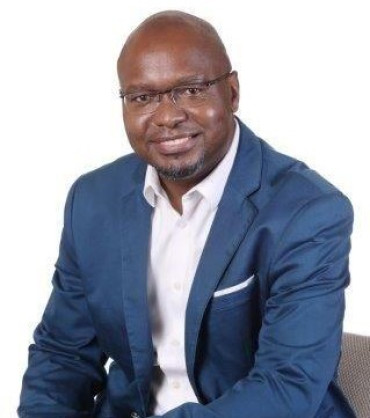
This is according to Deputy Minister of Trade, Industry, and Competition, Andrew Whitfield, who was speaking during a panel discussion at the London Stock Exchange on the role of small businesses in the economy.

Whitfield is currently in the United Kingdom, accompanying Deputy President Paul Mashatile on a mission to promote South Africa as a leading investment destination. 

This high-level delegation aims to strengthen bilateral relations between South Africa and the United Kingdom, showcasing South Africa's vast investment potential while identifying new trade opportunities for local businesses.

In his address, Whitfield highlighted the broad range of support mechanisms available to South African SMEs through the Department of Trade, Industry, and Competition (the dtic).

"At the dtic, we have developed several industrial levers, including competition policy and export marketing assistance, to ensure that SMEs have the tools to expand and trade globally.

“We are also deeply engaged in conversations around digital transformation, enabling marginalised SMEs, particularly in sectors like agro-processing to access global value chains and participate on digital platforms,” he said.

Whitfield emphasised that supporting SMEs through digital platforms was crucial for ensuring that they can compete not only regionally but also globally. 

He stressed the importance of reducing market access barriers for sectors like agriculture, which remains a vital area of growth for SMEs and enhancing collaboration between the private and public sectors to create a conducive trading environment.

He addressed the broader role of SMEs in South Africa’s industrial policy, highlighting the need for targeted interventions that enable them to participate in high-growth sectors such as manufacturing, technology and agro-processing.

"The export potential for South African SMEs is enormous, and we are committed to scaling them up to ensure they are integrated into both regional and global value chains. Through our policies, we aim to create an ecosystem that supports rapid and inclusive growth.

“This is essential for job creation and for ensuring that SMEs can contribute meaningfully to the industrialisation of our economy," he added.

Furthermore, Whitfield touched on the need for removing red tape and bureaucratic barriers that hinder SME growth, stressing the importance of regulatory reform as part of South Africa’s economic recovery strategy.

As the delegation continues its engagements in the UK, Whitfield emphasised that partnerships between government and private sector entities, particularly in sectors like agriculture and technology, would be pivotal in unlocking future opportunities.

"We have had promising discussions around agricultural products and solutions for SME growth, and we’re committed to ensuring that companies investing in South Africa make deliberate efforts to partner with small and medium-sized enterprises. 

“We believe that such partnerships, coupled with digital transformation, will play a major role in positioning SMEs to thrive in global markets," he said.

Whitfield reaffirmed South Africa’s commitment to creating an enabling environment that will attract investments and spur growth across various sectors of the economy. – SAnews.gov.za

Edwin
Wed, 10/02/2024 - 14:45
297 views
Read moreSMEs critical to economic growth
1 October 2024

Citizens encouraged to participate in National Science Week

Location: News

Citizens encouraged to participate in National Science Week

The Minister of Science, Technology and Innovation, Professor Blade Nzimande, has urged South Africans to participate in National Science Week (NSW) activities. 

This year’s theme is “Living in a high-tech world: Should we be concerned?” and it aims to inspire young people and involve the public in understanding the importance of science in addressing societal concerns. 

The National Science Week activities across South Africa kickstarted on Monday, 30 September, and will wrap up on Saturday, 5 October 2024. 

A flagship initiative of the Department of Science and Innovation (DSI), National Science Week is a platform for schools, universities, research institutions and community organisations to participate in a range of interactive events, exhibitions and seminars countrywide. 

The Minister officially opened the annual science engagement initiative in Bloemfontein on Saturday. Almost 1 500 learners attended the launch event at the Central University of Technology, which included a science, technology and innovation (STI) exhibition.

In his opening address at the launch, Nzimande said South Africa needs to foster a culture of using STI in the country to drive economic growth and respond to issues such as sustainable development and social inequality. 

He said this year’s theme responds to the highly technology-driven world in which the country finds itself. 

Through this theme, he said, “We seek to encourage a culture of critical conversations among ordinary people and especially our youth about the value of science to society”. 

According to Nzimande, the country has made commendable progress since 1994 in increasing the numbers of black and women scientists.

“There is, of course, still more work that needs to be done in this regard, but we cannot deny the progress that has been made over the past 30 years.” 

The Minister reminded the learners in the audience that they have more opportunities today than their grandparents who grew up during the dark days of apartheid when Black people were told they did not need mathematics and science. 

“My message to all the learners here today is that you were born into a democratic order, for which your grandparents fought. Unlike your grandparents, you have available to you many opportunities to develop yourselves.”

The Minister urged the young people to make use of the opportunities that are available to them. 

“Most importantly, we expect you to take up the various careers in science, technology, engineering, mathematics, and innovation (STEMI) so that we can produce the critical skills we need to deal with such things as poverty, inequality, pandemics and the impact of climate change.”

The Minister highlighted the stellar achievement of a Grade 10 learner, Munei Netsharotha, from Tshivhase Secondary School in Limpopo, who constructed a hydrogen-fuelled vehicle. 

The Minister said Netsharotha’s invention is well aligned with the hydrogen economy, which is one of the department’s priorities. 

Other brilliant innovators included mechatronics apprentice, Hlompho Malehodi, who spoke about her career. 
Malehodi studied electrical engineering at a technical vocational education and training college and recently won a gold medal in the South African leg of the WorldSkills Competition. 

She became the first Black woman in mechatronics to represent South Africa in the international WorldSkills Competition in Lyon, France. 

The public is encouraged to participate in the activities in their communities and to follow the event on social media using the hashtag #NSW2024 for live updates and information and visit https://www.saasta.ac.za/programmes/focus-weeks/national-science-week/. – SAnews.gov.za

Gabisile
Tue, 10/01/2024 - 12:15

394 views
Read moreCitizens encouraged to participate in National Science Week
1 October 2024

BMA confirms the arrest of one of their own

Location: News

BMA confirms the arrest of one of their own

The Commissioner of the Border Management Authority (BMA), Dr Michael Masiapato, has confirmed the immediate suspension of one of its officials following her arrest for being in possession of cash and six passports belonging to foreign nationals. 

The incident occurred at the Beitbridge port of entry, where the official was on duty.

The 52-year-old female Immigration Officer was arrested with six suspected illegal immigrants by the South African Police Service (SAPS) members during a sting operation on Sunday morning. 

She was in possession of R3 700.00, which she could not account for and six passports belonging to travellers, who were in a bus arriving from Malawi. 

The travellers were waiting to be processed at the Beitbridge port of entry. The suspects are in custody and the matter has been referred for further investigation.

“As the Border Management Authority, we have a zero-tolerance policy towards any form of corruption or unethical conduct. Our mandate is to ensure that the country’s ports of entry are managed with the highest levels of integrity and professionalism.

“The actions of one individual will not be allowed to compromise the credibility and reputation of the BMA brand and we hope for more arrests on this matter,” Masiapato said.

The official in question is placed on precautionary suspension to allow for a thorough investigation into the matter. 

The BMA said it takes these allegations very seriously and will work closely with SAPS to ensure that justice is served.

“The BMA remains committed to promoting good governance, transparency, and accountability within our ranks. Any behaviour that undermines these principles will be dealt with swiftly and in accordance with the law. 

“We assure the public that this matter is being treated with the utmost urgency, and appropriate action will be taken once the investigation is concluded. 

“We are committed to upholding the integrity of our operations and maintaining public trust in our mandate of securing our borders for development. 

“The Border Management Authority commends the outstanding efforts of law enforcement operations at the ports of entry, whose vigilance and dedication play a critical role in safeguarding our nation's borders. 

“Their contributions are vital to the success of our mission, and we continue to support their invaluable service to the nation. The BMA continues to deliver on its mission of safeguarding the 71 ports of entry, and ensuring the smooth and legitimate movement of people and goods,” said Masiapato. – SAnews.gov.za 

Edwin
Tue, 10/01/2024 - 12:41

343 views
Read moreBMA confirms the arrest of one of their own
1 October 2024

Business urged to adopt sustainable practices

Location: News

Business urged to adopt sustainable practices

Deputy Minister of Forestry, Fisheries and the Environment Bernice Swarts has encouraged business leaders to play a role in ensuring their organisations take measures to lower pollution and carbon dioxide (CO2) output as well as reduce waste.

“We encourage business leaders to play a significant role in ensuring their organisations better integrate environmental, social, and governance (ESG) principles into their value system and overall organisational strategy to fully benefit and harness the investment opportunities that lie ahead for the country,” Swarts said on Tuesday in Johannesburg. 

Addressing the Annual ESG Africa Conference, the Deputy Minister said the discipline of ESG investing has become increasingly popular worldwide due to investors' growing emphasis on sustainable and responsible investment methods.

“Whilst it is essential that businesses understand the impact of their activities on the environment and society, it is no longer sufficient to focus solely on financial performance; investors and stakeholders now demand that companies adopt sustainable practices that consider the long-term impact of their operations.

“With its varied economy and abundance of natural resources, South Africa has become a major force in the ESG investment market. Good corporate governance requires an acknowledgement that an organisation doesn’t operate in a vacuum but is an integral part of society and therefore has accountability towards current and future generations,” Swarts said.

She acknowledged that long-term orientated investors need better information, including on environmental, social, and governance factors of businesses.

“South Africa needs to accelerate its pathway towards a more equitable, environmentally sustainable and low-carbon developmental trajectory; with an inclusive social protection system that can withstand the impacts of climate change and support a just transition to a sustainable future,” the Deputy Minister said.

She said South Africa is setting itself up to be a leader in green hydrogen, renewable energy, and sustainable industrialisation, due to its substantial stocks of critical minerals, plentiful solar and wind energy, and other resources.

“A just transition to a low-carbon economy will make South Africa’s economy more resilient and strengthen the country’s global competitiveness, which will create opportunities to reduce poverty, inequality, and unemployment.

“We must therefore address, how do we then effectively shift towards realising South African’s vision for long-term, just transition to a climate-resilient and lower-carbon economy and society. South Africa remains firmly committed to contributing its fair share to addressing the global climate crisis,” the Deputy Minister said.

She said South Africa is setting itself up to be a leader in green hydrogen, renewable energy, and sustainable industrialisation due to its substantial stocks of critical minerals, plentiful solar and wind energy, and other resources.  

“In South Africa, where climate change, resource scarcity, and socio-economic disparities are pressing concerns, adopting sustainable practices becomes crucial. These practices can help reduce carbon footprints, conserve natural resources, and create healthier, more resilient communities,” Swarts said. 

Numerous studies have highlighted the tremendous demands developing nations have in relation to climate change and the inadequacies and poor quality of current public climate finance flows. 

Despite their extremely limited fiscal space and constricted economies, poor countries have continued to bear the costs associated with it, while they have contributed the least to the climate problem.

“Like the rest of the African continent, South Africa is vulnerable to water and food security, health, livelihood and infrastructural challenges due to climate change. 

“In South Africa, where climate change, resource scarcity, and socio-economic disparities are pressing concerns, adopting sustainable practices becomes crucial. These practices can help reduce carbon footprints, conserve natural resources, and create healthier, more resilient communities,” the Deputy Minister said.

She said the pathways towards achieving the 2030 Agenda for Sustainable Development have been considerably altered by multiple crises. 

The critical objective of "leaving no one behind" remains at risk due to the mounting inequalities, worldwide economic challenges, and financial shocks associated with COVID-19, which have made financing for sustainability even more challenging.

“Africa, which hosts most of the world’s poor, is on track to meet just 6% of the Sustainable Development Goals (SDGs) and has gone backwards on 17% of the SDG targets.

“If SDG investment needs are to be met by 2030, 24 trillion US Dollars of additional investment must be found for developing countries, including 8 trillion US Dollars only for Africa. Instead, developing countries today face the worst economic outlook and the most unfavourable financing conditions in decades,” the Deputy Minister said. - SAnews.gov.za

nosihle
Tue, 10/01/2024 - 14:50

151 views
Read moreBusiness urged to adopt sustainable practices
30 September 2024

Creecy Under Fire From Penguin Conservation Groups

Location: News

And new environment minister George has also been criticised

Read moreCreecy Under Fire From Penguin Conservation Groups
30 September 2024

Reflections on SA’s 12th official language

Location: News

Reflections on SA’s 12th official language

There’s an old adage that states that the pen is mightier than the sword and the passage of time is proving this to be true.

President Cyril Ramaphosa enacted the South African Sign Language as the country’s 12th official language at a ceremony held at the Union Buildings in July 2023.

And yes, while there’s still a long way to travel to ensure all out inclusivity for South Africa’s deaf community, the signing of the South African Sign Language Bill into law was a key step taken.

Ahead of the 19 July ceremony, the Presidency said the recognition of South African Sign Language (SASL) was “an important step towards the realisation of the rights of persons who are deaf or hard of hearing.”

Prior to the President inking the bill into law, the National Assembly of the sixth administration in May 2023 approved the amending of Section 6 of the Constitution to include SASL as an official language.

Fast forward to August 2024 and South Africa crowned its first Miss South Africa with a hearing impairment.
There has been change.

“Recently we had Mia le Roux, a deaf model, win the Miss South Africa pageant. The significance of me mentioning this is that finally, ever since the establishment of the pageant, the deaf community had access to it because there was interpretation services provided,” says Nhlanhla Simelane, a Language Practice student at the University of the Free State (UFS).

Le Roux, who is deaf, became the first Miss South Africa and differently abled finalist in the history of the pageant. Held in August, the competition also featured a sign language interpreter for the first time.

“And now that she won, it means an even greater feat for not just the deaf community but also for the country as well. 

“For the deaf community, it means that we have someone who will actively represent us and help in achieving inclusion for the deaf in society. With that, there will be unity amongst the deaf and non-deaf. This also puts South Africa on the map, and with that [comes] more recognition for deaf people internationally and it definitely opens up a bigger world of opportunities,” added Simelane.

The student assistant for South African Sign Language and Deaf Studies at the UFS was born to deaf parents.

He added that there have been other changes since the President’s proclamation.

“Besides that [Le Roux’s win], there have been developments all around the country. More and more people are learning SASL, and more companies, organisations and institutions are even looking at having their employees and members educated in basic SASL. So yes, there is an improved involvement and active interest from more people, and it is really lovely to see,” he told SAnews.

Asked about whether the deaf community feels seen and heard, Simelane said that this is true to a certain extent.

“So yes, we do get seen – sometimes even stared at, which is quite rude so I would kindly advise against doing so. But the latter then falls on deaf ears, figuratively speaking, as access for deaf individuals still remains a huge problem despite being seen and it being common knowledge.

“For deaf people to be able to use services, let alone public services, either the service providers need to know how to sign or there needs to be the provision of an interpreter. I know for sure that it is only a lucky few deaf individuals that may encounter service providers that at least know basic sign to be able to assist the deaf person,” he explained.

In an opinion article he wrote for the university earlier, Simelane pointed out that with the one-year anniversary since the signing of the law, one “must not overlook the fact that despite being a minority language, SASL already enjoyed significant language rights.”

“For example, the South African Schools Act recognised it as an official language in 1996. The Use of Official Languages Act of 2012 provided another benefit that was not even enjoyed by the other 11 official languages; with this act, state entities had to establish a language policy outlining the use of official languages for public communication, specifically if a member of the public chose SASL as their preferred language,” he said in the article.

In September, the country joined the global community in commemorating International Month of Deaf People with government having encouraged South Africans to learn SASL.

In celebrating Deaf Awareness Month, the Minister of Women, Youth and Persons with Disabilities, Sindisiwe Chikunga, called on South Africans to learn Sign Language, as “it is the most effective way to communicate with and connect with deaf individuals”.

“The year 2024 stands out as a significant year in South Africa, as Mia Le Roux made history by becoming the first individual with a hearing impairment to be crowned Miss South Africa. This month-long celebration aims to encourage inclusivity, advance Sign Language education, and cultivate a deeper understanding of deaf culture,” the Minister said.

Observed annually in September, International Month for Deaf People is observed to promote awareness of the rights of deaf people around the world. It also brings to the fore challenges that are faced by deaf people.

Improving lives

Simelane is of the opinion that government departments could do better in improving how they engage members of the deaf community.

“At government institutions, SASL interpreters are supposed to readily be available to assist deaf people when they go to these places. However, throughout my life I have always had to accompany my parents whenever they go to the police station, or the hospital and even to court. And this is the case even now post the officialisation of SASL. So, the government needs to put what they say into action and make these provisions,” he said.

According to the Pan South African Language Board (PanSALB), an estimated 600,000 people in the country are deaf.

“The number of people who use South African Sign Language is currently uncertain and requires extensive research to accurately depict the demographics. It is estimated that there are 600,000 deaf and 1.4 million people with hearing loss in South Africa. However, not all deaf people use South African Sign Language,” said PanSALB Chief Executive Officer Lance Schultz. 

Schultz adds that academic researchers estimate the number of people who communicate in SASL ranges from 700,000 to two million users. 

“However, according to Stats SA [Statistics South Africa], the officially reported number of South African Sign Language users is only 12,400 whereas the 2011 statistics indicated around 255,000 SASL users,” he explained.
Promoting inclusion and awareness

The PanSALB said the officialising of SASL is a progressive step towards promoting inclusion and quality access to information.

“The officialisation of SASL has certainly played a crucial part in providing recognition and validating that SASL is a language in its own right and has helped raise awareness regarding deaf culture and embracing linguistic diversity. Because our languages are so intrinsically linked to who we are, the move to officialise the language actively promotes social cohesion and has created a sense of belonging for the deaf community,” said the CEO.

However, a lot more work still needs to be done with the country needing “cross-sectoral policies that must be developed and implemented to address the myriad of challenges that affect deaf people.”

“All government departments in various portfolios have a critical role to play in making information and services accessible to the deaf community,” he explained.

In an earlier article, Simelane points to many deaf people having to rely on untrained or unqualified individuals and family members to act as interpreters.

“This was mostly the case in my life, being a CODA (Child of a Deaf Adult) and having to interpret for my parents. Besides my proficiency in SASL, there was still the matter of a breach of confidentiality. This is a common problem for many people. Therefore, more SASL interpreters (SASLi) are needed,” he said in that article.

Meanwhile, the language board said that deaf people face various challenges with the main ones being access to education and quality information and services. 

“In South Africa, there are only 44 deaf schools, creating a challenge of access, especially for poor families who have to travel great distances and incur significant costs for their children to receive an education. The major issue within our education system is that most teachers in deaf schools are hearing and many struggle to communicate in SASL, which creates a barrier to learning. Currently, there is no requirement for teachers to know SASL to be placed at a deaf school. Although some do pick up the language from the learners, this is not an ideal situation and places undue pressure on students, ultimately hindering their learning potential. Many deaf learners leave school with much lower comprehension compared to their hearing counterparts due to these barriers,” said Schultz.

Additionally, the language board found that during the COVID-19 pandemic lockdown, many deaf learners felt out of place as they had to spend a lot of time at home with people who cannot communicate in SASL. 

“Given that 95% of deaf children are born to hearing parents who are not familiar with South African Sign Language or deaf culture, it's crucial to provide support to these families to enable effective communication with their deaf children or siblings. Many deaf learners expressed the desire to go to school purely for the opportunity to communicate with their peers. This highlights the urgent need to provide support to families of deaf children.”

Representation matters 

Schultz said that while there are challenges, Le Roux’s win is a positive step for raising awareness of the diverse and complex nature of South Africa.

“The win by Ms Mia Le Roux represents an often-marginalised group in our society. This is a positive step in raising awareness of the diverse and complex nature that makes up the beautiful tapestry of our nation. 

“Representation matters, and the positive response from the disability sector on the crowning of the new Miss SA shows just how impactful that can be. We hope that she will be a beacon of hope to the many little deaf girls who undoubtedly can see themselves in her. We're excited that she has chosen to use her platform to promote the values of inclusivity, which form the cornerstone of our constitutional democracy. This is certainly a historic moment for the country, and we should all be proud of as a society and recognise the importance of building a society that is inclusive, just, and fair,” said Schultz.

Simelane who is also a former chairperson of Signals, a student association that is aimed at promoting SASL and deaf awareness, is often asked what life is like as a child of deaf parents.

“I actually get asked this a lot. I learned SASL much like most children learn how to speak their parents’ languages. It’s an odd response, but I get away with it most of the time. Really, it makes more sense on a psychological level. Both my parents are deaf, and I learn’t SASL from them. Also, I view this as a gift from my parents as I have really grown to love SASL and being part of the deaf community. It is truly a beautiful honour,” he explained.

Looking to the future

Simelane is of the view that there has been more interest from locals in learning SASL. 

“It is commendable. I would just like to warn people not to assume that sign language is universal, most especially because it’s what I note a lot. There is South African Sign Language, which is used by most signers here in South Africa. Zimbabwe has its own sign language. America has its own sign language, so does Britain, Australia and so forth. 

“Therefore, it is important to notify locals to learn the right sign language. Unfortunately, some people learn a random sign language, then communicate, or try to, with a deaf person from South Africa and that deaf person may not even understand the particular sign language. The conversation then becomes awkward,” he remarks.

Simelane who initially planned to become a South African Sign Language Interpreter once he finished his studies, now aims to become an academic.

“However, coming to university has opened up a bigger world of possibilities. I am looking at a career as an academic, with the hope of conducting research for SASL as there is definitely a lack in this field. I hope to also keep interpreting on the side,” he said.

In the year that South Africa commemorates 30 years of freedom and democracy, there are ways to advance the language rights of the deaf community.

“There are several ways to make life easier for the deaf community. It is important to include SASL in any campaigns or events, and to conduct SASL awareness workshops for internal staff members, especially front-line workers who provide access to government services and information for deaf individuals. 

“PanSALB is available to provide support in this regard. It's crucial to understand that SASL is a visual language that is distinct from any other official language, as it is not written or spoken. Therefore, subtitles and texts in English or any other language do not constitute SASL. Announcements and information displayed on screens in service offices should be in SASL. Additionally, it's important to make socio-economic opportunities accessible to the deaf community,” explained Schultz.

While some will say that the stroke of the President’s pen was a ceremonial gesture, what it has done is place the spotlight on issues faced by parts of the South African population that requires all of society to work together to enhance our shared fabric of society. - SAnews.gov.za

Janine
Mon, 09/30/2024 - 15:52

169 views
Read moreReflections on SA’s 12th official language
27 September 2024

The Role of Agile Leaders in Fostering Collaboration

Location: MyPR

By Dr Rowen Govender (Academic Head – School of Healthcare Management at Regent Business School) Change and disruption are constants rendering the ability to lead with agility while thinking out of the box a critical asset for organisations striving to stay ahead in a competitive marketplace. Agile leadership, characterised by its flexibility, responsiveness, and focus …

Read moreThe Role of Agile Leaders in Fostering Collaboration
26 September 2024

SA’s G20 Presidency to focus more on Global South and African issues, says Lamola

Location: News

SA's G20 Presidency to focus more on Global South and African issues, says Lamola

South Africa’s G20 Presidency will be centred more on the interests of the Global South agenda, especially Africa, says International Relations and Cooperation Minister, Ronald Lamola. 

Preparations are underway for South Africa’s G20 Presidency and hosting the G20 Summit in 2025. South Africa is expected to take over Chair of the G20 from December 1 this year, from Brazil. 

Lamola announced that South Africa’s theme will focus on solidarity, equality and sustainable development. 

“This theme speaks to the developmental priorities of the Global South, particularly, the African continent, which is now fully represented with the admission of the African Union (AU) in the G20,” he told delegates during the Troika high-level address at the United Nations (UN). 

The G20 (or the Group 20) comprises 19 States, plus the European Union and the AU as of this year – bringing together the world’s major and systemically important economies. 

The G20 operates a Troika system of hosting, where the Troika consists of the past, present, and next Presidencies. 

Brazil’s Presidency is also in a Global South Troika - India-Brazil-South Africa. 

Lamola stressed that South Africa will ensure that the G20 provides strategic direction towards establishing a “more equitable, representative and fit-for-purpose international order”.

According to the Minister, the theme will also confirm South Africa’s intention to build on the efforts and successes of the G20 Presidencies of Indonesia, India and Brazil. 

He believes this will ensure that the needs, interests and aspirations of the developing economies of the Global South, and Africa especially, drive the overall G20 agenda going forward.

According to the Minister, South Africa’s overarching theme will also zoom in on the country’s priorities. These include accelerating efforts to achieve Sustainable Development Goals (SDGs) and the objectives of Agenda 2063 of the AU and addressing the critical issue of debt vulnerability of many countries of the global South. 

The country will also focus on creating consensus around reform of the International Financial Architecture (IFA) and the Multilateral Development Banks (MDBs). 

“This is critical to ensure that they become fit for purpose to adequately address sustainable development and transboundary challenges,” Lamola explained. 

In addition, the emphasis will also be on combating climate change, which has devastating consequences for food security in developing countries.

South Africa also hopes to address issues of predatory mining by some countries and corporations, in the quest for Africa’s raw materials and critical minerals. 

“South Africa will take forward the outcomes of the report of the UN Secretary’s Panel on Critical Energy Transition Minerals,” Lamola said, adding that strengthening the Multilateral Trading System was also key.

The other key issues the nation will advance include industrialisation, employment and inequality, food security, the blue economy and artificial intelligence. 

Lamola took the time to commend Brazil President Luiz Inácio Lula da Silva’s call, as the G20 President, for the reinvigoration of multilateralism, and the reform of global governance institutions to make it more representative and inclusive.

“We further thank Brazil for its innovative leadership in calling for this G20 meeting and inviting all UN Members.

“This meeting today and its call to action further demonstrates the collective global solidarity in addressing current and future global challenges. South Africa will carry forward the momentum laid by Brazil on the reform of the multilateral institutions,” Lamola said. 

Meanwhile, he said that South Africa’s G20 Presidency will mark the end of the first cycle of G20 Presidencies. 

“We intend to undertake a review of the first cycle of G20 Presidencies. This is critical to ensure implementation. Brazil can count on us to maintain the momentum they’ve started I thank you for your attention,” he added. 

President Cyril Ramaphosa expressed his appreciation to Brazil as the current President of the G20 for convening this meeting.

The President also commended the excellent way Brazil has been steering the work of the G20 during its Presidency.  – SAnews.gov.za

Gabisile
Thu, 09/26/2024 - 10:50

504 views
Read moreSA’s G20 Presidency to focus more on Global South and African issues, says Lamola
26 September 2024

Eureka DIY Solutions Joins SAVA as a Packaging Producer

Location: MyPR

Eureka DIY Solutions, a trusted household name in the fastener industry since 1985, has taken a significant step in aligning its packaging practices with South Africa’s sustainability goals by joining the Southern African Vinyls Association (SAVA) as a packaging producer. Eureka, known for its extensive range of fasteners supplied to hardware retailers across the country, …

Read moreEureka DIY Solutions Joins SAVA as a Packaging Producer
26 September 2024

Ramokgopa attends BRICS Energy Ministers Meeting

Location: News

Ramokgopa attends BRICS Energy Ministers Meeting

The Minister of Electricity and Energy, Dr Kgosientsho Ramokgopa, has called on the BRICS Plus bloc of countries to work together to assist and support member countries to tackle energy challenges.

The Minister was delivering his opening remarks at the 9th Annual BRICS [Brazil, Russia, India, China and South Africa] Energy Ministers' Meeting in Moscow, Russia.

“We believe that this BRICS group of like-minded country members has a huge potential, and working together will strengthen this resolve through cooperation on energy security.

“[It will] also provide an opportunity to join efforts to annihilate the challenges diagnosed during the BRICS 2023 Summit held in South Africa, such as addressing the lack or absence of integrated energy policy framework, diversification and beneficiation at source of critical minerals, infrastructure development, manufacturing, technology transfer and intellectual property, scaling up energy efficiency, mobilisation of finance and investment, as well as skills and capacity building, amongst others,” Ramokgopa said.

He called on the member countries to “tap and dig deeper into various capabilities and strengths" to ensure mutual support in harnessing the individual potential each country has at its disposal.

“To mention a few opportunities, it is mining and beneficiation of critical minerals, and rare-earth elements required to power the green economy, [expand] hydro power potential, promising hydrogen solutions and its derivatives, gas, nuclear - including small modular reactors, renewables, storage, biofuels, as well as clean coal, and carbon capture utilisation and storage,” the Minister said.

Ramokgopa highlighted that the meeting of BRICS Energy Ministers comes at a critical time, as countries ponder ways to transition towards low carbon economies.

“This meeting comes at a critical phase where our countries are grappling with the challenge of balancing developmental goals with energy transition pathways. 

“We must ensure that these transitions safeguard energy sovereignty and security, promote sustainable economic development, facilitate universal access and respond effectively to environmental imperatives, all the while ensuring no one is left behind,” he said.

He told the meeting that the expansion of the BRICS bloc of countries is a “clear affirmation of the group's growing significance and influence in the global energy agenda”. 

“This is a pivotal moment, positioning BRICS to reshape, refocus, and reset the global energy architecture to ensure energy access, security, affordability, and eradicate energy poverty and promote a just energy transition.

“For us as South Africa, we see this as an opportune moment to clearly articulate our collective position as the developing nations that will enable us to continue to use our energy resources through innovative technologies that allow us to move from high emitting to low emitting energy systems, and thus achieve carbon-neutrality or net-zero at a pace and scale that is in line with our different national circumstances and capabilities.

“In this regard, we want to reiterate that our approach to an inclusive and people centred energy transition is informed by the need to maintain energy security in support of socio-economic objectives,” Ramokgopa said. – SAnews.gov.za

NeoB
Thu, 09/26/2024 - 14:42

231 views
Read moreRamokgopa attends BRICS Energy Ministers Meeting
26 September 2024

Waste to wealth: solutions for a sustainable future

Location: News

Waste to wealth: solutions for a sustainable future

By Deputy Minister Bernice Swarts

For decades, the rapid urbanisation and industrial growth experienced by many nations, had come at a high environmental cost. Landfills overflowed, plastic waste contaminated rivers and oceans, and emissions from improper waste disposal intensified the climate crisis.

The International Solid Waste Association (ISWA) Congress 2024, themed "Waste to Wealth: Solutions for a Sustainable Future," signalled a turning point, with the idea that waste could be transformed into wealth resonating deeply. 

The congress brought together global experts, policymakers, and business leaders to share cutting-edge practices in waste management and the circular economy. But more importantly, it showcased South Africa's commitment to turning its waste challenges into economic opportunities.

The government’s introduction of the Extended Producer Responsibility (EPR) Regulations and the accent of the Climate Change Bill into an Act marked a significant shift in how the nation approached waste. The EPR Regulations require manufacturers to take responsibility for the lifecycle of their products, from production to post-consumer waste. This policy forces businesses to rethink how they design, produce, and manage products, pushing them toward more sustainable practices.

The Climate Change Act further aligns the nation’s policies with its environmental goals. It ensures that South Africa’s response to climate change, particularly in transitioning to a low-carbon, climate-resilient economy is supported by robust legislation. This act not only aims to reduce greenhouse gas emissions but also promotes the creation of green jobs and investments in the emerging circular economy.

However, one of the most remarkable aspects of South Africa’s waste management evolution is the active role the private sector plays. While government policies set the framework, it is private companies that help drive real change. Faced with regulatory requirements, businesses are beginning to take ownership of their waste, investing in recycling technologies, sustainable product designs, and waste-to-energy initiatives.

The idea that waste could be a resource, rather than a burden, has begun to reshape industries. For instance, South Africa’s plastic manufacturing sector was forced to adapt to new requirements mandating the inclusion of recycled content in products. This sparked a wave of innovation, as companies began developing new methods to incorporate recyclates into their production processes. Similarly, the construction industry began embracing the reuse of demolition waste, reducing its dependence on raw materials and lowering its environmental footprint.

While these changes are promising, the waste crisis is still far from being resolved. This is due to municipalities across South Africa being overwhelmed and lacking the necessary infrastructure to handle the growing volume of waste. Many cities and towns have inadequate waste collection services, let alone the advanced recycling and waste-to-energy facilities needed to close the loop in a circular economy. Additionally, the waste management sector is in dire need of investment, and the ISWA Congress offered a unique platform for South Africa to engage with international experts and potential investors.

What made the congress particularly significant was its global scope. Waste management has long since ceased being a local problem; it is a global one, particularly in the fight against plastic pollution.
South Africa found itself in the unique position of contributing to international discussions on the issue, especially through its involvement in the development of a legally binding instrument on plastic pollution. The country is increasing its recycling capacity for plastic waste, and it supports global efforts to eliminate plastic pollution by regulating product design and prioritizing recyclates.

As South Africa prepares for its G20 presidency in 2025, the outcomes of the ISWA Congress took on even greater importance. The country has an opportunity to set the agenda on sustainability for some of the world’s most powerful economies. The government-to-government (G2G) session held during the congress provided a critical forum for sharing best practices with other nations, many of which were facing similar challenges. These exchanges were crucial, as they not only helped shape South Africa’s preparations for the G20 but also fostered greater international cooperation in addressing global waste and sustainability issues.

One of the most pressing priorities for the South African government remained job creation. The waste management sector, particularly through the circular economy, offers a promising avenue for addressing the nation’s high unemployment rate. Small, Medium, and Micro Enterprises (SMMEs) are already benefitting from government and private sector support to enter the waste management space.

Bernice Swarts is the Deputy Minister of Forestry, Fisheries and the Environment
 

Neo
Thu, 09/26/2024 - 10:09

331 views
Read moreWaste to wealth: solutions for a sustainable future
26 September 2024

Eye Wash Stations for Emergency Preparedness

Location: MyPR

Accidental exposure to harmful chemicals is always a risk, particularly in industries that involve the handling of hazardous substances. For this reason, having access to eye wash stations is crucial for ensuring quick first-aid responses in emergencies. What are Eye Wash Stations? An eye wash station is a piece of safety equipment that allows workers …

Read moreEye Wash Stations for Emergency Preparedness
25 September 2024

Strand Residents Worried About ‘Out of Hand’ Illegal Dumping

Location: News

City says it currently manages about 2.1-million tonnes of waste annually across the metro

Read moreStrand Residents Worried About ‘Out of Hand’ Illegal Dumping
25 September 2024

TNPA invites service providers for Liquefied Natural Gas at Ngqura

Location: News

TNPA invites service providers for Liquefied Natural Gas at Ngqura

The Transnet National Ports Authority (TNPA), in collaboration with Infrastructure South Africa (ISA) and the Industrial Development Corporation (IDC), has approached the market for an Environmental Impact Assessment (EIA).

This is to encourage interested parties to submit proposals for the envisaged Liquefied Natural Gas (LNG) terminal at the Port of Ngqura.

READ | Port investments to contribute towards SA economy

The Request For Proposals (RFP) process will see the appointment of a service provider contracted to assess the environmental compliance and sustainability of the proposed LNG terminal. 

This involves conducting a detailed analysis of ecological and local regulations to determine critical environmental authorisations. These include a seismic survey, marine ecology, climate change impact assessment and socio-economic assessment to support the project.

The EIA process is carried out in tandem with negotiations of the Terminal Operator Agreement (TOA) between TNPA and the Strategic Fuel Fund (SFF) to build and operate an onshore LNG regasification facility at the Port of Ngqura for 30 years. 

The appointment of SFF is the outcome of a Section 79 process and directive issued by the former Minister of Transport, in accordance with the National Ports Act of 2005.

“This milestone is a critical step towards the development of the LNG terminal at the Port of Ngqura. Through its commercial seaports, TNPA is at the forefront of enabling the gas-to-power project pipeline whilst ensuring the security of supply and unlocking global opportunities for sustainable impact,” said Acting TNPA Chief Executive, Phyllis Difeto.

The Port of Ngqura LNG Terminal is one of 12 priority infrastructure projects announced in March 2024 that hold a Strategic Integrated Project (SIP) status. 

The triad strategic partnership is fast-tracking the conclusion of the EAI, with the RFP closing on 30 October 2024. This partnership will also see the issuing of the RFP for Prefeasibility Studies by end September 2024.

“ISA is established to provide strategic, technical and financial advisory support to project sponsors for the planning, preparation, development and implementation of national pipeline projects and strategic integrated projects,” said Mameetse Masemola, the Acting Head of Infrastructure South Africa. 

“This project is one of the flagship projects which we are proud to support and excited that progress is moving at a good pace,” he said.

Tender documents can be accessed on: https://www.idc.co.za/tenders/ and https://www.etenders.gov.za/ - SAnews.gov.za

Edwin
Wed, 09/25/2024 - 11:28

373 views
Read moreTNPA invites service providers for Liquefied Natural Gas at Ngqura
25 September 2024

Your Trusted Partner in the Mining Industry

Location: Business
RS South Africa

By Erick Wessels, Sales Director, RS South Africa (www.Africa.RSdelivers.com).

The mining industry is facing significant challenges, from financial pressures leading to reduced margins and demanding stakeholders adding to procurement costs. Success in such an environment requires partnering with a supplier that is collaborative, flexible, and forward-thinking. RS stands as the ideal partner to help businesses in the mining sector achieve their goals while saving time and money.

Optimising supply management

At RS, we are committed to enhancing your supply management performance to drive commercial success. Our suite of next-generation inventory, procurement, and maintenance solutions is designed to reduce costs and optimise productivity. Leveraging advanced data insights, we help you streamline your supply chain, refine your processes, and identify cost-saving strategies that reduce the total cost of ownership and boost operational efficiency.

Ensuring safety in hazardous environments

Whether open cut or underground, all mining operations present extreme dangers. With stringent Health and Safety regulations in place, the risks associated with dust and other hazards must be meticulously managed. Compliance with IECEx legislation is crucial, necessitating the use of intrinsically safe products. Given the hazardous and arduous nature of the mining industry, safety is of paramount concern. Therefore, reliable PPE and safety equipment specification are critical.

RS offers a rapidly expanding range of PPE and workwear from trusted local and global suppliers, designed specifically for the harsh environments of the mining industry. Our products ensure site safety and security with advanced locks, security alarms and sensors, CCTV, and surveillance systems. In addition, we provide innovative automation and control technology to safely manage and automate processes, including signalling, sensors, and industrial robots.

Advanced energy management

Economic and environmental challenges drive the need for maximum energy efficiency in the mining industry. With carbon net zero on the horizon, energy efficiency has become a crucial topic. Our products, services, and solutions are tailored to help mining clients reduce CO2 emissions and energy consumption, thereby lowering overall costs.

We collaborate with you to understand your specific needs and apply a suite of energy-efficient products and services expertly designed to simplify energy management. Our solutions, backed by digital expertise, leverage the latest in energy efficiency technology to minimise energy waste, reduce carbon footprints, and assist you to meet your energy efficiency targets. From LED lighting to energy meters, we provide the right products to achieve your energy efficiency, health and safety, and productivity goals.

Committed to environmental management

Mining, by its very nature, has a significant impact on the environment. The industry is making great strides to mitigate these effects and ensure healthy air, land, and water in the areas where they operate. RS offers a range of products and solutions to help you manage and minimise the environmental impact of your mining operations.

Partnering with RS gives you access to our comprehensive range of solutions designed to support your mission, enhance safety, optimise energy use, and reduce environmental impact. Together, we can navigate the challenges of the mining industry and achieve sustained success.

For more information about RS South Africa's initiatives and product range, visit their website (http://apo-opa.co/3ZE7ZYV) and follow them on LinkedIn (http://apo-opa.co/3Brll0x) for regular updates on their impactful work.

Mining brochure: https://apo-opa.co/3ZFt6ds
Mining Campaign: https://apo-opa.co/3ZE7ZYV

Distributed by APO Group on behalf of RS South Africa.

PR Contact Person - RS South Africa:
Princess Tlou
Communications & Content Specialist
RS South Africa
Princess.Tlou@rsgroup.com
+27 11 691 9366

Media Contact Person – NGAGE:
Thobile Ndlovu
PR Account Executive
thobile@ngage.co.za
+27 11 867 7763

Further information is available via these links:
LinkedIn: https://apo-opa.co/3XVkzSl
Facebook: https://apo-opa.co/3zvhhvU
Twitter: https://apo-opa.co/4dne5QT
RS Africa Exports: http://apo-opa.co/3XUE7q5
RS South Africa: http://apo-opa.co/3XVZ8k3
DesignSpark: http://apo-opa.co/4dsAjkA
RS Group plc: http://apo-opa.co/3ZDW6SX 

RS Group:
RS Group plc is a leading global omni-channel industrial product and service solutions provider to customers who are involved in designing, building and maintaining industrial equipment and operations, safely and sustainably. We stock more than 700,000 industrial and electronic products, sourced from over 2,500 leading suppliers, and provide a wide range of product and service solutions to over 1.2 million customers. With operations in 31 countries, we trade through multiple channels and ship over 60,000 parcels a day.

We support customers across the product life cycle, whether via innovation and technical support at the design phase, improving time to market and productivity at the build phase, or reducing purchasing costs and optimising inventory in the maintenance phase. We offer our customers tailored product and service propositions that are essential for the successful operation of their businesses and help them save time and money.

RS Group plc is listed on the London Stock Exchange with stock ticker RS1 and in the year ended 31 March 2022 reported revenue of £2,554 million.

Media files
RS South Africa
Download logo
Read moreYour Trusted Partner in the Mining Industry
25 September 2024

Minister Gwarube commits to stabilising the education system

Location: News

Minister Gwarube commits to stabilising the education system

Minister of Basic Education Siviwe Gwarube and her deputy, Dr Reginah Mhaule, have committed to take all necessary steps to stabilise the education system given the budgetary constraints affecting provinces.

The Minister said this while addressing the media on developments regarding budget cuts in the education sector, in Pretoria, on Wednesday. 

“The Deputy Minister and I have been in constant engagement with provinces to support them during this challenging fiscal environment. We have committed ourselves to doing everything we can to stabilise the system and have appealed to provinces to retain the basket of posts, in order to not compromise education outcomes,” the Minister said. 

She also moved to appreciate the work that the provinces have been doing around the clock to help the sector get to grips with these challenges. 

“I have witnessed MECs work tirelessly with their provincial departments to protect teaching and learning in our schools.”

Challenges

The briefing comes weeks after several provincial Departments of Education have been vocal about the budgetary pressures they face. 

These, said the Minister, have been years in the making due to the aggressive budget cuts, economic stagnation and fiscal mismanagement which is now set to impact schools.

“These budget pressures are not just numbers on a spreadsheet - they translate into fewer teachers, reduced textbooks, and fewer admin support staff, which means teachers spend more time on admin work, thereby reducing learning and teaching time. In essence, the very fabric of our children’s future is under threat.”

She explained that provinces like the Western Cape have seen the painful decision to reduce the basket of teaching posts for 2025, a move that may result in fewer educators in classrooms. 

“This may mean larger class sizes, reduced individual attention for learners, and ultimately, a risk to the achievement of quality education outcomes.”

She added that unfortunately, other provinces throughout the country are in a similar position with many desperately working to find ways of avoiding having to top slice budgets for key services like textbooks, admin support and scholar transport programmes. 

“We are faced with a pending national crisis, one that affects not just our learners but our teachers, principals, and broader communities.

“It is crucial to understand that this crisis is not confined to one province or one aspect of the education sector. Every province is grappling with these painful choices.”

Provincial education departments will in the next two to three years, find it increasingly difficult to fund their existing basket of posts and existing programmes within the available budget, unless measures are taken proactively to mitigate this risk.

For instance, she said in the 2025/26 financial year, four provincial departments will battle to cover their budgets; in the 2026/27 financial year, five provinces will battle to cover their budgets. In the 2027/28 financial year, seven provinces will not be able to afford their budgets. 

“Several provinces have preserved the same post basket for the past three academic years, despite learner numbers increasing, while other provinces have decreased their posts in the past three years. It is important to note that these have been cuts in posts but not warm bodies. 

“Meaning that no person gets retrenched but rather vacancies are not filled,” she said. 

Increase in learner numbers

Nationally, the Minister highlighted that the number of learners within the education system has increased by approximately 292,820 over the last five years.

Learner/Educator Ratios have also steadily increased across most provinces. 
She explained that an increase in learners' numbers without increasing the post basket, may affect the quality of teaching which may soon be reflected in the performance of the system.

Largely, she added that the financial constraints have had the largest impact on educator provisioning, leading to a steady increase in Learner/Educator Ratios in most provincial education departments.

“Most provincial Education Departments require between R350 million and R3.8 billion [over the Medium-Term Expenditure Framework to fully fund their respective basket of posts].

“The numbers are staggering. If we continue down this path, projections indicate that most provincial education departments will not be able to maintain their respective basket of posts,” she said. 

Interventions

In response to this potential crisis, Minister Gwarube said she convened two special meetings of the Council of Education Ministers (CEM). These meetings brought together education MECs from across the country and they conducted a thorough analysis of the budget challenges in each province. 

MECs from each province have compiled provisional provincial reports with sobering results.

“For the first time in a decade, we now have a clearer picture of where the most significant budget pressures lie and how we need to engage treasury in a bid to address the challenges we see.

“As a result, I have requested an urgent meeting with the Minister of Finance to discuss the matter further. I am grateful to Minister [Enoch] Godongwana for his cooperation and support on this important matter.

“We are also appreciative of Treasury’s willingness to engage with the Education sector. Ultimately a solution must be found in order for us to protect front line services,” the Minister said. 

Gwarube has also requested a convening of a political 10X10 meeting between the Minister of Finance and the provincial MECs for Finance, as well as herself and the nine MECs of Education. 

“We must work together with all 10 treasuries to unlock additional funds to alleviate the pressures facing the education sector, even if it is for the short term, and to prevent further cuts to teaching posts and critical support services like school nutrition and transport.

“We also need to look at cross-departmental reprioritisation of budgets from departments that have under-performing programmes – ensuring that funding across government is directed to appropriate national priorities,” she said. 

The Minister concluded that while the sector faces significant challenges, “these are not insurmountable. But they require decisive action and an unwavering commitment to putting education first.”

Earlier this month, the Department of Basic Education said that the Minister had held meetings with various international partners to reinforce South Africa's commitment to enhancing the education sector through global collaboration. 

READ | Minister Gwarube in talks to enhance education sector

– SAnews.gov.za


DikelediM
Wed, 09/25/2024 - 11:51

260 views
Read moreMinister Gwarube commits to stabilising the education system
25 September 2024

Nersa publishes Eskom’s revenue application for the next three financial years

Location: News

Nersa publishes Eskom’s revenue application for the next three financial years

The National Energy Regulator of South Africa (Nersa) on Monday published Eskom’s multi-year price determination (MYPD) revenue application up until 2028. 

According to Eskom, the application covers the power utility’s financial period beginning on 1 April 2025 to 31 March 2028. 

Eskom explained that it follows the MYPD methodology as prescribed by the regulatory authority.

“This methodology is now in its sixth application; hence the process is referred to as MYPD 6,” the statement read. 

Nersa will decide on the revenue Eskom can receive following its analysis and the regulator conducting a series of public consultations. 

Eskom believes that this application allows for an improvement in the financial sustainability of Eskom through the migration to cost-reflective prices and the successful operation of Generation, Transmission and Distribution in Eskom. 

“Further migration towards cost reflectivity to cover the full cost of capital would be considered in subsequent applications. This would minimise the impact on the taxpayers.”

In accordance with its revenue decision, Eskom said Nersa will then make tariff decisions for implementation from 1 April 2025. 

As per Eskom, it can only implement tariff decisions made by Nersa.

“We are entering the next phase of the regulatory process where Nersa will conduct an extensive public consultation about Eskom’s revenue application and we urge as many stakeholders as possible to become involved so Nersa can determine a key component in the funding of a constant electricity supply that drives economic growth and our quality of life for years to come,” said Chief Financial Officer of Eskom, Calib Cassim. 

Cassim stated that as Nersa makes its decision, it will consider affordability for identified vulnerable sectors including indigent customers and certain industrial sectors. 

“Eskom has made its revenue application based on the costs it will incur to efficiently provide electricity to the customer and it is a critical component in ensuring Eskom continues to provide reliable electricity services while improving its financial sustainability, through a migration to cost-reflective prices,” he added. 

The utility said it was applying for total revenues of R446 billion for the 2026 financial year, R495 billion for 2027 and R537 billion for 2028.

This translates to the proposed average price increases for Eskom direct customers are 36.15% (1 April 2025 to 31 March 2026), 11.81% (1 April 2026 to 31 March 2027) and 9.10% (1 April 2027 to 31 March 2028).

In addition to the MYPD 6 application, Eskom submitted a retail tariff plan (RTP) to Nersa outlining proposed structural changes, which are expected to be implemented from 1 April 2025 once all Nersa approval and governance processes are concluded.

“The RTP aims to introduce cost-representative pricing that supports the long-term sustainability of all participants in the electricity supply industry.” 

Nersa will consult with stakeholders on Eskom’s revenue application, as part of its decision-making process. 

Eskom is required to submit to the regulator the revenue it requires for Nersa to make its determination. – SAnews.gov.za
 

Gabisile
Wed, 09/25/2024 - 11:57

126 views
Read moreNersa publishes Eskom’s revenue application for the next three financial years
25 September 2024

‘We will not remain silent as apartheid is perpetrated against others’ – President Ramaphosa

Location: News

'We will not remain silent as apartheid is perpetrated against others' – President Ramaphosa

President Cyril Ramaphosa has told the United Nations General Assembly (UNGA) that South Africa will not remain silent and watch as apartheid is perpetrated against others.

In his address to the Assembly's annual high-level debate on Tuesday, President Ramaphosa said the South African story bears witness to the enduring role of the United Nations in global affairs. 

In supporting South Africa’s struggle for liberation, the President highlighted that the UN affirmed the principles of the UN Charter – fundamental human rights, the dignity and worth of every person, and the equal rights of nations large and small. 

“It affirmed the aspiration contained in the Universal Declaration of Human Rights that we should strive for a world free of barbarous acts that outrage the conscience of mankind.

“We South Africans know what apartheid looks like. We lived through it. We suffered and died under it. We will not remain silent and watch as apartheid is perpetrated against others. Through the United Nations and the instruments it wields, we must end this suffering,” the President said. 

He further reiterated South Africa’s call for an immediate cease fire, and for the release of all hostages.

He highlighted that the violence the Palestinian people are being subjected to is a grim continuation of more than half a century of apartheid. 

“The only lasting solution is the establishment of a Palestinian State, existing side by side with Israel with East Jerusalem as its capital,” he said. 

Earlier this month, The Presidency announced that South Africa is set to submit its Memorial to the International Court of Justice (ICJ) in October 2024, presenting evidence to support its claim that Israel is committing genocide in Palestine.

The Memorial will outline facts and arguments as part of a broader legal effort to hold Israel accountable under international law.

READ | SA to file Memorial to the ICJ on Israel matter

Addressing the conflicts in the Democratic Republic of Congo (DRC), Sudan, Yemen, Ukraine, and the Sahel region, the President highlighted the country's role in supporting international efforts for conflict resolution. 
“Our moral conscience further demands that we exert every effort to bring peace to the Democratic Republic of Congo, to Sudan, to Yemen, to Ukraine and to the troubled Sahel region. We must realise the aspirations of the people of Western Sahara to self-determination.”

He emphasised that achieving and maintaining peace and security requires the collective will of the community of nations.

Reform of the UN Security Council 

“It requires that the UN Security Council is representative and inclusive. Seventy-eight years since its formation, the structure of the UN Security Council remains largely unchanged. 

“Africa and its 1,4 billion people remain excluded from its key decision-making structures.  The Security Council has not fulfilled its mandate to maintain international peace and security,” he said. 

The President called for the UN Security Council to be reformed as a matter of urgency and become more inclusive so that the voices of all nations are heard and considered.

“Africa stands ready to play its part in building a safer global order. The African Union and its member states are engaged in mediation, dialogue, and diplomacy across the continent, to create conditions under which peace and development can take hold. 

“There must be greater collaboration between the AU [African Union] and the UN towards resolving these conflicts, and also in addressing their root causes,” he said. 

President Ramaphosa is leading South Africa’s delegation to the High-Level General Debate of the 79th Session of the General Assembly (UNGA79) in the United States of America.

The High-Level General Debate of the UNGA79 is taking place at the United Nations headquarters in New York, from 24 to 30 September 2024. 

Speaking at the African Minerals Forum hosted by the Business Council for International Understanding (BCIU) and Prosper Africa on Monday, the President emphasised the importance of the critical minerals sector in driving global economic growth and sustainability. 

By leveraging key sectors such as mining, energy, and manufacturing, the President said South Africa is set to improve its business environment and attract much-needed investment.
The President addressed the session on the sidelines of the UNGA.

READ | Critical minerals sector key to driving global economic growth

-SAnews.gov.za


DikelediM
Wed, 09/25/2024 - 09:55

376 views
Read more‘We will not remain silent as apartheid is perpetrated against others’ – President Ramaphosa
25 September 2024

SA Department of Communications and Digital Technologies Partners With Africa Tech Festival 2024, Hosts Exclusive Ministerial Summit

Location: News

Africa Tech Festival
Download logo

Informa Tech, organisers of the 27th annual Africa Tech Festival (www.AfricaTechFestival.com)  2024, are pleased to announce that the South African Department of Communications and Digital Technologies (DCDT) will be an official partner of this year's event, taking place from 12 to 14 November in Cape Town. 

Incorporating AfricaCom, AfricaTech, AfricaIgnite, and The AI Summit Cape Town, Africa Tech Festival 2024 will welcome 15,000 visitors, over 400 speakers, and more than 300 exhibitors. Topics include enterprise tech innovation and disruption across key sectors such as artificial intelligence, cybersecurity, cloud and data centres, and green ICT.  

“Africa Tech Festival is the largest and most influential telecoms and technology event in Africa, with an audience that spans the entire ICT ecosystem, including trade and other ministries. The partnership with the DCDT is a clear indication of the South African government's commitment to engaging with these key stakeholders from across the continent, opening dialogue, sharing insights, and working together to advance Africa's digital transformation journey,” said Informa's James Williams, Event Director of Africa Tech Festival.   

One of the highlights of the partnership is the AfricaCom 2024 Ministerial Summit, a closed-door VIP event bringing together close to a dozen African and international ministers from across critical sectors such as ICT, innovation, trade, finance, education, and enterprise. The Ministerial Summit will provide government leaders with a platform that facilitates discussion, collaboration, and sharing of learnings on how progressive policy is nurturing tech ecosystems, building efficient workforces, unlocking technological innovation across public and enterprise sectors, and driving Africa's socioeconomic development.  

Another initiative that forms part of the partnership is an exclusive government pavilion at which a small group of top South African businesses, SMEs, and startups will be hosted, again reflecting top-tier support for businesses that are contributing to the country's technology-driven agenda.  

“The importance of collaborative efforts and partnerships in realising our goal of a connected and digitally transformed society cannot be overemphasised. The Africa Tech Festival presents such platform for different innovative minds to come together to explore and exchange tech solutions for Africa and the rest of the world. This global platform will not only afford us an opportunity to learn best practices but also afford our SMEs to market their innovative solutions to the more than 15 000 visitors from across the globe. We are committed to ensuring that Africa does not become a mere consumer of digital solutions developed elsewhere but a meaningful participant in the digital economy by being a supplier of solutions and infrastructure that are tried and tested in our shores. We are looking forward to welcoming the world to our shores.” said Ms Nonkqubela Jordan-Dyani, Director-General of the Department of Communications and Digital Technologies. 

The introduction of the Ministerial Summit, along with the official endorsement of the event by the DCDT, add significantly to the depth of Africa Tech Festival. In addition to showcasing the immensely innovative nature of the industry, the event is also a targeted networking platform for tech leaders, role-players, and investors to make a positive contribution to Africa's successful navigation of a tech-driven future. 

Confirmed Africa Tech Festival 2024 speakers include: 

  • Faith Burn, Chief Information Officer, Eskom Holdings SOC  
  • Funke Opeke, CEO, MainOne  
  • Kerissa Varma, CISO, Vodacom Group  
  • Leo Skarlatos, CEO, AT (formerly Airtel Tigo)  
  • Mary Mahuma, CIO, Southern Africa, Philip Morris  
  • Motunrayo Opayinka, Founder and CEO, Womenovate  
  • Nollie Maoto, Chief Data and Analytics Officer – Merchant Services, FNB South Africa  
  • Norbert Prihoda, Deputy CEO, Tunisie Telecom 
  • Prasanna Kumar Burri, Group Chief Information Officer, Dangote Group  
  • Samwel Magesa, Chief Data Officer, NBC Bank  
  • Simbah Mutasa, Managing Director, Bank of America  
  • Sithembile Songo, CISO, Eskom Holdings SOC  
  • Hon. Solly Malatsi, Minister, Ministry of Communications and Digital Technologies, The Republic of South Africa 
  • Hon. Rose Pola Pricemou, Minister, Ministry of Posts, Telecommunications and Digital Economy, Republic of Guinea 
  • Sitoyo Lopokoiyit, CEO, M-Pesa 
  • Brelotte Ba, Deputy CEO of Orange Middle East and Africa, Orange 
  • Hazem Metwally, CEO, e& Egypt (etisalat) 
  • Christian Bombrun, Group CEO: Digital Platforms, MTN Group 
  • Faith Burn, Chief Information Officer, Eskom Holdings SOC 
  • Funke Opeke, CEO, MainOne  
  • Thomas Dohmke, CEO, GitHub 
  • Alex Okosi, Managing Director, Africa, Google 
  • Hardy Pemhiwa, President & Group CEO, Cassava Technologies 
  • Morgane Imbert, CEO (South Africa), Jumia 

Register now to secure your spot and join us in shaping the future of technology in Africa: https://AfricaTechFestival.com/ 

Distributed by APO Group on behalf of Africa Tech Festival.

About Africa Tech Festival:  
Africa Tech Festival, including anchor events AfricaCom, AfricaTech, AfricaIgnite, and The AI Summit Cape Town is part of the Informa Tech Connecting Africa event series.  

A vibrant celebration of Africa's diverse community of tech champions, Africa Tech Festival is the largest tech and digital connectivity conference and exhibition in Africa, attracting hundreds of exhibitors, more than 400 speakers and more than 15,000 delegates.  

Read moreSA Department of Communications and Digital Technologies Partners With Africa Tech Festival 2024, Hosts Exclusive Ministerial Summit
25 September 2024

Department of Health commemorates World Environmental Health Day

Location: News

Department of Health commemorates World Environmental Health Day

The Department of Health is joining the global community in commemorating World Environmental Health Day (WEHD). 

The 26th of September 2024 marks the 13th WEHD to raise awareness about environmental health issues and promote actions to improve and protect the environment for the wellbeing of all living creatures, including humans. 

South Africa’s WEHD kicked off today, 25 September, and will continue until tomorrow at the Wild Coast Sun International, in Port Edward, Eastern Cape. 

According to the department, environmental health is critical in addressing climate change mitigation and adaptation, and disaster risk reduction to create resilient and sustainable communities. 

“Climate change and disaster risks are fundamental threats to sustainable development, the living and health conditions for all humans on the globe and the reduction of poverty,” the department said. 

The department believes the negative impacts of environmental health issues threaten to roll back decades of development gains. 

“Building resilient and sustainable communities means addressing both climate change and disaster risks, and integrating these risks and potential opportunities into development planning and budgeting.”

This year’s WEHD commemoration will focus on creating resilient communities through disaster risk reduction and climate change mitigation and adaptation, which has been adopted in alignment with all the environmental health functions.

The event will be attended by political principals and environmental health experts. – SAnews.gov.za
 

Gabisile
Wed, 09/25/2024 - 10:22

97 views
Read moreDepartment of Health commemorates World Environmental Health Day
24 September 2024

Why it is Important to Find the Right Rehab Centre

Location: MyPR

When addiction strikes, finding the best rehab near me becomes a crucial first step on the path to recovery. Whether you’re dealing with substance abuse or alcohol dependency, getting quality treatment is key to your well-being. The process of choosing between various rehabilitation centres near me can feel overwhelming, but making the right choice can …

Read moreWhy it is Important to Find the Right Rehab Centre
24 September 2024

Outsourced CFO Empower Businesses with Financial Gap Analysis Service

Location: MyPR

Outsourced CFO launches Financial Gap Analysis service, empowering businesses to identify financial discrepancies and develop solutions for long-term success. Outsourced CFO, a Cape Town based financial consulting and accounting firm, is introducing its Financial Gap Analysis service, designed to assist companies in identifying critical financial discrepancies and formulating strategic solutions to achieve long-term business success. …

Read moreOutsourced CFO Empower Businesses with Financial Gap Analysis Service
24 September 2024

The Role of Drip Trays in Spill Containment

Location: MyPR

In addition to spill kits, businesses should also consider the role of drip trays in maintaining a safe work environment. Drip trays are designed to capture and contain small leaks and drips that may occur during the handling or storage of liquids. These trays serve as an essential component of a company’s spill prevention plan, …

Read moreThe Role of Drip Trays in Spill Containment
24 September 2024

Critical minerals sector key to driving global economic growth

Location: News

Critical minerals sector key to driving global economic growth

President Cyril Ramaphosa has emphasised the importance of the critical minerals sector in driving global economic growth and sustainability. 

By leveraging key sectors such as mining, energy, and manufacturing, the President said South Africa is set to improve its business environment and attract much-needed investment.

He was addressing the African Minerals Forum hosted by the Business Council for International Understanding (BCIU) and Prosper Africa on the sidelines of the United Nations General Assembly (UNGA 79), in New York, USA, on Monday. 

He highlighted that four months ago, South Africa held national general elections, which ushered in a Government of National Unity, where 10 political parties have come together to coalesce around a common agenda for economic growth and sustainable development.

President Ramaphosa underlined South Africa's commitment to reducing greenhouse gas emissions and mitigating climate change through the country's Just Energy Transition Plan. This plan aims to guide the shift from coal to renewable energy, while also ensuring equitable economic opportunities for affected communities. 

“South Africa's and Africa’s critical minerals sector has a crucial role to play in this regard, and we recognise the importance of collaboration with other countries to develop the potential of our critical minerals sector. 

“The US in particular has established expertise in advanced mining technologies, automation and sustainability practices. 

“We want to strengthen our ties with US companies and institutions to foster technological advancements, enhance supply chain efficiencies and attract investment into our mining sector,” the President said. 

The President also emphasised that South Africa strongly endorses the United Nations Secretary-General’s position paper on Critical Energy Transition Minerals, where he highlights the importance of beneficiation, benefit sharing, local value addition and economic diversification.

“It would not be an understatement to say that the minerals that lie beneath the soil of Africa are powering the green energy revolution. Thirty percent of the world’s proven critical mineral reserves are found in Sub-Saharan Africa.

“South Africa has substantial reserves of platinum group metals, manganese, vanadium as well as chromium. 

“These resources are fundamental to the development of cutting-edge technologies that drive progress in various sectors. What will be critical is to ensure that this progress does not leave Africa behind,” he said.

The President stressed the need to avoid perpetuating colonial-era exploitation, where African countries primarily export raw minerals. He said that by focusing on beneficiation and domestic processing, African nations could see significant economic growth. 

President Ramaphosa highlighted that beneficiation and local processing of critical minerals could increase the continent’s GDP by 12% or more by 2050. 

He cited estimates suggesting that African countries could generate USD 24 billion annually in GDP and create 2.3 million jobs by investing in mining beneficiation and domestic processing.

President Ramaphosa highlighted the strides made by SASOL, South Africa’s flagship petrochemical company, in leading green hydrogen technologies research and development. 

“As the global automotive industry moves towards Electric Vehicles and New Energy Vehicles, we are leveraging our rich experience with automotive production to get some of the world’s leading automotive manufactures with a footprint in South Africa to produce more their green vehicles in our country,” he said. 

Despite improvements in the beneficiation of South Africa’s mineral exports, President Ramaphosa admitted that more needs to be done. 

He underscored the country’s commitment to creating a supportive policy framework for the critical minerals sector, focused on streamlining regulations, fostering innovation in mining technologies, building workforce skills, improving transport and logistics infrastructure, and incentivising investment.

South Africa's five-point policy approach aims to create a supportive environment for the critical minerals sector. This includes simplifying regulations, supporting research and development in mining technologies, investing in workforce skills, improving logistics infrastructure, and incentivising domestic and international investment. 

“South Africa also has a beneficiation strategy that seeks to translate the benefits of our country’s mineral endowments into a national competitive advantage. 

“As the UN Secretary-General’s paper has noted, Critical Energy Transition Minerals can transform economies, create green jobs and foster sustainable local, regional and global development,” he said. 

President Ramaphosa further stressed that for the potential of critical minerals to be fully realised, both mineral-producing nations and their end-user countries must embrace inclusivity. 

He emphasised the importance of creating decent work opportunities, eradicating exploitative practices such as child and forced labour, and ensuring human rights protections. 

Local beneficiation and industrialisation were highlighted as priorities, alongside environmental safeguards to ensure sustainable extraction practices. 

The President urged for a long-term focus on inter-generational equity, recognising that critical minerals are vital for solving global challenges like climate change, energy, and food insecurity. 

He called on US companies to collaborate in fostering sustainable development.

“By leveraging our respective strengths, pursuing strategic collaborations, and implementing supportive policies, we stand ready to meet the demands of the global market and drive sustainable development. 

“I call on US companies and investors to join us on our journey,” he said. – SAnews.gov.za

DikelediM
Tue, 09/24/2024 - 10:07

396 views
Read moreCritical minerals sector key to driving global economic growth
  • Previous
  • Page 1
  • Interim pages omitted …
  • Page 39
  • Page 40
  • Page 41
  • Page 42
  • Page 43
  • Interim pages omitted …
  • Page 87
  • Next

Copyright © 2026 · MyZA · All Rights Reserved · Powered by Stratlec Online