• Skip to main content
  • Skip to header right navigation
  • Skip to after header navigation
  • Skip to site footer
MyZA

MyZA

News, Directory, Events and Other Stuff

  • Social Media
  • Sport
  • World News
  • Home
  • Submit News
  • Directory
  • Events
  • Stratlec
  • TFSA
  • News
    • APO
    • Today’s Sport News
    • Todays Social Media and Tech Headlines
    • Today’s World News
    • Today’s SA Financial News
  • Contact
You are here: Home / Archives for critical

critical

21 October 2024

Europe’s Network and Information Security (NIS2) directive raises the stakes for African businesses to comply with European Union’s (EU) cyber security standards
Location: News
Check Point Software Technologies Ltd.

The European Union's NIS2 cyber security  directive has significant implications for African businesses trading with the continent.  This is according to Check Point Software Technologies (www.CheckPoint.com), a leading AI-powered cloud-delivered cyber security provider, which urges African businesses with strong ties to the EU to take steps to comply with this new, stringent cyber security regulation.

Download document: https://apo-opa.co/3UgCQYj

The European Union's NIS2 Directive, came into effect this month and requires member states to amend their national legislation. The NIS2 Directive imposes strict cyber security requirements, including enhanced management liability, reporting to authorities, risk management, and business continuity planning, placing African companies trading with the EU under increased scrutiny.

The NIS2 Directive builds upon the original NIS1 Directive introduced in 2016, expanding its scope to cover a wider range of sectors including Energy, Banking, Transport, Digital Infrastructure, Healthcare, Food Production, and Research. More than 80% of European enterprises are now within the scope of this legislation, which extends to global supply chain partners—including many businesses in Africa.

Collins Emadau, Check Point Partner and Director at Westcon, explains, “Europe is still Africa's leading trading partner. African businesses, particularly in leading economies such as South Africa, Kenya, and Nigeria, need to understand the far-reaching impact of NIS2. Compliance is not just about meeting EU standards—it's about securing their future in a globalised market. Failure to comply will result in not only heavy fines but also the potential loss of critical trade partnerships with EU member states."

What's at Stake for African Businesses?

The EU remains the largest trading partner for Africa, with over 18 Economic Partnership Agreements and trade worth billions annually. African businesses, especially in sectors like Energy, Banking, Transport, and Manufacturing, are key partners in the EU's supply chains. To continue doing business with EU companies, African organisations must comply with NIS2, which mandates strict cyber security measures to protect critical infrastructure and supply chains.

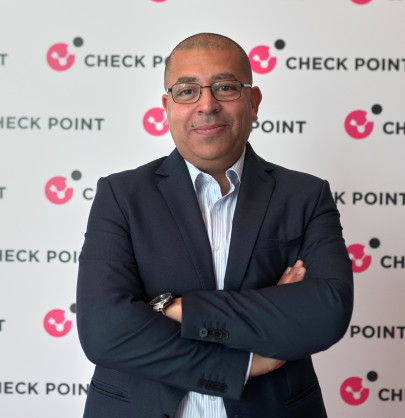
Issam El Haddioui, Head of Security Sales Engineering:  Africa, Check Point Software Technologies, says, "NIS2 sets a new standard for cyber security, and African businesses must act now. Many organisations are unaware of the depth of these requirements, which go beyond local regulations. Compliance is essential not only for maintaining business relationships with the EU but also for enhancing the overall resilience of African economies against cyber threats."

Compliance will exact a cost for African organisations, which according to Interpol's 2021 Africa Cyberthreat Assessment Report, spends an average of only 0.05% of their revenue on cyber security, far below the global average of 0.3-0.5%.  The Report also estimated the financial impact of cyber crime in the region at over $4 billion USD, representing about 10 percent of Africa's total GDP.

Tougher Penalties and Personal Responsibility

NIS2 introduces personal liability for business leaders in the event of a cyber attack, meaning that executives themselves can be held financially accountable for breaches. Penalties include fines of up to EUR 7 million or 1.4% of a company's global annual turnover, whichever is higher. This goes beyond the GDPR, placing even more responsibility on corporate leadership to ensure robust cyber security practices are in place.

NIS2 mandates that organisations must report cyber incidents to authorities promptly and inform their stakeholders, suppliers, and customers. Therefore, African businesses must ensure they have a comprehensive incident response plan in place, along with regular cyber security training for both IT and leadership teams.

Steps for African Businesses to Ensure Compliance

To successfully implement NIS2 and avoid devastating penalties, Check Point recommends the following four steps for African businesses:

  1. Knowledge: Business leaders must gain a basic understanding of cyber security to effectively communicate with their IT teams and ensure sound decision-making.
  2. People: Establish an agile IT security department, including key roles such as a Data Protection Officer (DPO) and a Chief Information Security Officer (CISO), to manage and distribute responsibilities efficiently.
  3. Audit: Conduct regular risk assessments and audits to identify and mitigate vulnerabilities. Continuous monitoring is essential to stay compliant with evolving threats.
  4. Incident Management: Develop clear procedures for responding to cyber incidents, including swift reporting to national authorities, suppliers, and stakeholders.

Long-Term Commitment to Cyber Security

Compliance with NIS2 is not a one-time process; it requires a long-term commitment to cyber security. From 2028, organisations will be required to annually document their NIS2-compliant IT infrastructure and demonstrate that their cyber security measures are aligned with the latest technological advancements.

“African countries, especially economic leaders like South Africa, Kenya, and Nigeria, should also consider using the NIS2 framework as a model for strengthening their own national cyber security regulations. By improving cyber-readiness, African businesses can not only comply with international standards but also protect their data, operations, and reputations from evolving threats,” El Haddioui continues.

El Haddioui, concludes, "The NIS2 Directive marks a significant shift in the cyber security landscape. African business leaders must recognise that cyber security is now a matter of survival, not just compliance. By taking proactive measures, they can safeguard their future, avoid heavy penalties, and ensure their organisations thrive in an increasingly interconnected global economy."

Distributed by APO Group on behalf of Check Point Software Technologies Ltd..

Follow Check Point via:
LinkedIn: https://apo-opa.co/48bWAC1
X: https://apo-opa.co/3Uh9uJo
Facebook: https://apo-opa.co/40cvTLl
Blog: http://apo-opa.co/4e2KjBm
YouTube: https://apo-opa.co/48wjFQd

About Check Point Software Technologies Ltd.:
Check Point Software Technologies Ltd. (www.CheckPoint.com) is a leading AI-powered, cloud-delivered cyber security platform provider protecting over 100,000 organisations worldwide. Check Point leverages the power of AI everywhere to enhance cyber security efficiency and accuracy through its Infinity Platform, with industry-leading catch rates enabling proactive threat anticipation and smarter, faster response times. The comprehensive platform includes cloud-delivered technologies consisting of Check Point Harmony to secure the workspace, Check Point CloudGuard to secure the cloud, Check Point Quantum to secure the network, and Check Point Infinity Core Services for collaborative security operations and services.

Media files
Check Point Software Technologies Ltd.
Download logo
Read moreEurope’s Network and Information Security (NIS2) directive raises the stakes for African businesses to comply with European Union’s (EU) cyber security standards
21 October 2024

SA participates in UN biodiversity conference

Location: News

SA participates in UN biodiversity conference

Deputy Minister of Forestry, Fisheries and the Environment, Narend Singh, will lead the South African delegation to the 16th Meeting of the Conference of the Parties to the United Nations Convention on Biological Diversity (UNCBD COP 16) in Cali, Colombia.

The delegation will actively engage in negotiations to promote global biodiversity conservation priorities, enhance sustainable use, and advocate for fair and equitable benefit-sharing from the utilisation of genetic resources and digital sequence information on genetic resources.

"We approach COP16 with a clear focus on aligning biodiversity conservation with social and economic development, ensuring that the use of our biological resources benefits all South Africans. 

“South Africa will demonstrate how it is making its fair share contribution to halting and reversing the loss of biodiversity within its national capabilities, and further call for the provision of adequate, predictable and timely financial resources, for the protection of our natural heritage.

“Further, we will reiterate President Cyril Ramaphosa’s call at UNGA 75 that the financial architecture needs to be reformed to meet the needs of developing economies for sustainable development,” Singh said on Monday.

South Africa will negotiate as part of the Africa Group of Negotiators (AGN) on Biodiversity; focusing on key issues such as resource mobilisation; mechanism for planning; reporting and review; scientific and technical cooperation, and how developing countries like South Africa can benefit from the use of digital sequence information (DSI) on genetic resources.

“South Africa will advocate for the operationalisation of a dedicated Global Biodiversity Fund, under the authority of the COP, to ensure sustained financial support for the implementation of the Global Biodiversity Framework (GBF). 

“This fund is critical to closing the $200 billion annual financing gap needed to halt and reverse biodiversity loss. The country will call for clear financial commitments from developed nations to support developing countries to honour their obligations to developing countries in line with Article 20 of the Convention,” the Department of Forestry, Fisheries, and the Environment said. 

As a mega-diverse country, South Africa will strongly support the adoption of a pragmatic decision on the modality for the operationalisation of multilateral mechanism for fair and equitable sharing of benefits, both monetary and non-monetary, from the use of DSI for conservation and sustainable use of biodiversity including livelihoods improvements for indigenous people and local communities. 

South Africa’s priorities for consideration at this COP includes triggers for benefit sharing, collection and distribution of funds, fund host and data governance.

The convention starts on 21 October and runs until 1 November 2024.

Deputy Minister Singh will participate in the High-Level Segment on 29 - 30 October 2024, where for the first time in CBD history, Heads of States and Finance Ministers have been invited to participate in order to provide political momentum to finalise key negotiations in the acceleration of the implementation of the GBF. - SAnews.gov.za


nosihle
Mon, 10/21/2024 - 10:49

41 views
Read moreSA participates in UN biodiversity conference
18 October 2024

Forum on Impactful Investment for Inclusive Growth in South Africa

Location: News

Invest Africa
Download logo

Invest Africa (www.InvestAfrica.com), in partnership with British International Investment (BII), the UK's development finance institution and impact investor, is excited to announce the upcoming forum, Impactful Investing for Inclusive Growth, taking place on 23 October 2024 in Johannesburg. This half-day event will focus on driving inclusive development in South Africa, addressing the critical challenges of digital, financial, and spatial inclusion. 

Bringing together key stakeholders, the forum will feature prominent speakers including Andile Ngcaba, Founder and Chairman of Convergence Partners, Hardy Pemhiwa, Group President and CEO of Cassava Technologies, and Carel Kleynhans, CEO of Divercity Urban Property Group. These thought leaders will share insights into how strategic investments can unlock untapped potential within South Africa's economy. 

BII, a pioneer in impact investing, has been a long-term partner to South Africa, with its first investment dating back to 1995. As the economic landscape evolves, BII remains committed to promoting sustainable development through impactful and inclusive investment. The forum will spotlight key areas such as digital infrastructure and affordable housing, while exploring how innovative financial solutions can drive inclusive growth and help South Africa meet its sustainable development goals. 

Chantelé Carrington, Chief Executive Officer of Invest Africa, commented: "Our partnership with British International Investment is a significant step in driving inclusive growth in South Africa. Together, we aim to empower communities, bridge gaps in access, and drive sustainable development across the country. We look forward to working collaboratively with BII to bring transformative investment to the region at the Impactful Investing for Inclusive Growth event." 

Chris Chijiutomi, Managing Director and Head of Africa, British International Investment, added:  

"We are committed to investing our capital to support inclusive and sustainable economic growth, particularly when it comes to offering vital climate finance. I am delighted to join forces with Invest Africa to bring together businesses and investors to unlock South Africa's economic potential. This will be the first in a series of forums that we will be convening to bring together entrepreneurs and industry leaders to support the government's agenda to bring about sustainable economic growth and increase innovation.” 

The forum will host two key sessions:  

  • Session 1: Digital and financial Inclusion (08:15 – 09:15) – Exploring the challenges and opportunities for expanding Africa's digital infrastructure, with a focus on how development finance can support affordable, wide-reaching connectivity across the continent. The panel will also explore innovative solutions to enhance financial inclusion and poverty reduction in underserved communities. 
  • Session 2: Spatial Inclusion (09:30 – 10:30) – Addressing the critical need for investment in affordable housing and township retail. 

The event will gather business leaders, investors, and policymakers for insightful discussions on how impactful investments can drive sustainable and inclusive growth in South Africa.  

For registration or inquiries, please contact George Meadows, Marketing and Events at Invest Africa, at george.meadows@investafrica.com. 

Distributed by APO Group on behalf of Invest Africa.

For media inquiries, please contact:  
George Meadows  
Marketing and Events, Invest Africa  
T: +44 20 3730 5035  
E: george.meadows@investafrica.com 

About Invest Africa:
Invest Africa is a leading pan-African business platform that promotes trade and investment across the continent. With over 60 years of experience, our network includes more than 400 multinational corporations, private investors, fund managers, family offices, policymakers, and entrepreneurs, all committed to building opportunity across Africa. We facilitate business and investment through events, conferences, bespoke missions, and consultancy. For more information, visit: www.InvestAfrica.com  

About British International Investment (BII):
British International Investment is the UK's development finance institution and impact investor. As a trusted investment partner to businesses in Africa, Asia and the Caribbean, BII invests to create productive, sustainable and inclusive economies in our markets. Between 2022-2026, at least 30 per cent of BII's total new commitments by value will be in climate finance. BII is also a founding member of the 2X Challenge (https://apo-opa.co/409BUbF) which has raised over $33.6 billion to empower women's economic development. The company has investments in over 1,580 businesses across 65 countries and total net assets of £8.5 billion. For more information, visit: www.BII.co.uk | watch here (https://apo-opa.co/48k4sl6). Follow British International Investment on LinkedIn (https://apo-opa.co/4hdcnVa) and X (https://apo-opa.co/3UfiWgb). 

Read moreForum on Impactful Investment for Inclusive Growth in South Africa
18 October 2024

Deputy Minister prioritises transformation in sport

Location: News

Deputy Minister prioritises transformation in sport

The Deputy Minister of Sport, Arts and Culture, Peace Mabe, is using her time in office to drive transformation and gender inequality in sport.

“A key focus for the Deputy Minister has been addressing gender inequality in sport, particularly ensuring equal pay and resource allocation for female athletes,” the Ministry of Sport, Arts and Culture said on Thursday.

Mabe revealed her plans during a media briefing held in Johannesburg with Sport, Arts and Culture Minister Gayton McKenzie to provide a report to the nation on their first 100 days in office following their swearing into office in the Government of National Unity (GNU) on 3 July 2024.

Mabe spoke extensively on her engagements and plans in the ministry, which include driving further transformation within the sporting community; her contributions to the Cricket South Africa Diversity, Equity and Inclusion Indaba; her attendance at the 2024 Paris Olympics and Paralympics, as well as her engagements with global ministers at the International Film Week in Moscow.

“The department is in the final stages of developing a comprehensive Women in Sport Policy Framework, which addresses multiple areas of gender disparity, including participation, leadership, governance and visibility.

"The Deputy Minister has also taken a hands-on approach to supporting women in boxing,” the Ministry said on Thursday.

The Department of Sport, Arts and Culture (DSAC) will soon launch numerous renovation projects for community sporting facilities across the country.  

These efforts aim to provide equal access to quality sports infrastructure, beginning with Limpopo province, where the Deputy Minister will be overseeing the handover of upgraded facilities in Moletji and Lephalale in late October 2024.

In the arts sector, Mabe is leading efforts to create an enabling environment for artists, particularly those in underserved communities.

“One of the key outcomes of her discussions was the recognition that civic and multipurpose community centres can be transformed into hubs for artistic expression and economic activity.

“By providing artists with these spaces, the department aims to directly contribute to job creation and economic opportunities within the creative sector.

“The Deputy Minister further touched on the department’s strategic realignment to now embrace public-private partnerships to revitalise critical programmes within the Department and create opportunities for greater participation in sport, arts and culture,” the Ministry said.

A prime example of this was her visit to the Enos Mafokate Equestrian Sport Centre in Soweto, where the Ministry has explored possible upgrades and partnerships to improve the facility.

Mabe has further supported several important initiatives that honour South Africa’s living legends and promote its rich cultural heritage. - SAnews.gov.za

nosihle
Fri, 10/18/2024 - 11:13

146 views
Read moreDeputy Minister prioritises transformation in sport
18 October 2024

Healthcare Indaba 2024: Advancing Global Health Through Innovation and Digital Solutions

Location: News

Africa Health
Download logo

Delegates will gather in the Mother City in South Africa this month, when the second annual Healthcare Indaba takes place at Cape Town's CTICC. The two-day event forms part of the 2024 edition of Africa Health Congress (www.AfricaHealthExhibition.com), the premier healthcare gathering on the African continent.

Building on the success of its inaugural edition last year, the Healthcare Indaba 2024 expands to a two-day format. It dives into the realms of Global Health on day one and exploring AI & Digital Health on day two of the Congress (running from 22 to 24 October 2024).

Another new element to the Congress and the Indaba deliberations, is the dedicated forum within the Africa Health Congress 2024 entitled, “EmpowHER: Women in Healthcare”.

“Our goal is to create a lasting brand that celebrates female leadership and fosters a supportive community.  Our audience is eager to gain insights into the realities of leadership in healthcare and understand the journey it takes to reach the top. The mandate for our speakers will be candidness and honesty,  they will share their personal experiences, challenges, and successes in the hopes of inspiring the audience. Their stories and insights will help ensure the long-term sustainability of our industry through supporting women and celebrating their successes,” says Cynthia Makarutse, spokesperson for the organisers of Africa Health.

“Much like the Mining and Tourism Indabas which inspired it, the Healthcare Indaba has emerged as a crucial platform for shaping the future of our industry on the continent. This year's focus aligns with our commitment to position Africa at the forefront of medical innovation with worldwide impact,” says Makarutse.

The Indaba will feature discussions led by some of the most influential voices in African healthcare and technology.

“Global Health” – Africa claiming its right place on global stage.

Head of the Global Surgery Division at the University of Cape Town, Professor Salome Maswime, will chair the Global Health deliberations of the Indaba on day one. She explains that she is excited about hosting a dynamic programme that brings leaders together from all over the world and from all sectors.

“We hope to have thought provoking sessions about the role of Africa on the Global Health Stage. This will be a first for Africa Health, with the Vice President of the United Nations Foundation delivering the keynote on Global Health strategies for a resilient future,” she adds.

“I think most importantly it gives us an opportunity to discuss and find consensus on the strategies for Global Health and to align on international programmes, and to collaborate on new and strategic programmes. Many of us are involved on international Global Health platforms, yet the global health agenda is still mainly driven and owned by high income countries. We have an opportunity to re-imagine the future of Global Health for Africa.

“It is time for Africa to get involved on all matters related to Global Health. We cannot afford to be left behind. We have an obligation to provide universal health coverage and to improve healthcare in Africa,” says Maswime.

“AI & Digital Health” – building sustainable solutions.

The second day of Indaba 2024 (on Wednesday 23 October) shines the spotlight on AI & Digital Health.

“The significance of this event lies in its ability to convene leading industry experts, innovators and key stakeholders from across the continent to address pressing healthcare challenges and explore transformative solutions,” says Dr Mories Atoki, CEO of ABCHealth and a speaker on the day.

“The ABCHealth side forum on Digital Health will serve as a platform to discuss how AI and digital health can revolutionize healthcare delivery, making it more accessible and efficient. It is a critical moment for both the private and public sectors to explore more and collaborate on building sustainable systems that address Africa's unique healthcare needs through AI.”

For the people of Africa, Dr Atoki believes this congress provides hope.

“The conversations and outcomes from these sessions will not only influence policy but also drive tangible improvements in healthcare services, enhancing quality of life and reducing healthcare inequalities across the continent.

“For the medical sector, it presents a unique opportunity to explore new opportunities,  strengthen partnerships, share groundbreaking innovations, and leverage digital health means to drive healthcare accessibility and efficiency. This signifies progress toward better healthcare outcomes through improved access, affordability, and quality of care. By highlighting the potential of AI and digital health, we can pave the way for more inclusive, patient-centric care which can also bridge gaps in underserved areas,” she says.

“Africa's healthcare future relies largely on embracing digital interventions.  AI and digital health are not just trends—they are an essential part of a globally advancing economy that can help solve some of the continent's most pressing healthcare challenges, from limited access, specialized care to overburdened systems.

“Achieving this on a large scale requires robust ecosystems, supported by both regulatory frameworks and financial investments. Policy reforms and investments are essential to creating a thriving digital health ecosystem. It will also require multi-sector partnerships that prioritize patient safety, data protection, and equitable access and inclusivity,” says Dr Atoki.

“AI & Digital Health: The need to first address health data accessibility.”

“We cannot hope to effectively use the rapidly increasing AI  set of commodities that are becoming available globally in Africa, before we first address health data accessibility and governance locally” says Dr Chris Fourie, a medical doctor, machine learning operations (MLOps) engineer, researcher and online grassroots community organiser.

As another speaker on day two, he says: “My presentation is related to the foundation that we need (i.e. health data accessibility) in order to do any kind of quantitative analysis, data science, machine learning, or AI for health in Africa. When considering the potential impact and significance of these in Africa, a good place to start is with understanding the burden of disease in Africa.”

“Regularly published Global Burden of Disease data shows us that infectious disease and maternal child health are consistently top of the list for Africa. These should be considered when deciding where data science and AI interventions could target. As an example, Africa would stand to benefit a great amount from interventions that can drop the cost and increase the efficacy of primary health interventions,” says Fourie.

“While the scope for what AI can do is really broad, for Africa the capacity to help collect and utilise data for primary and pre-primary care could generate immense impact.”

Fourie says this could be realised as:

  • Broader and interactive patient health education (especially if in one's their own language) making existing health information more accessible.
  • Better health service accessibility e.g.
    • Encrypted / safe remote conversational / natural language health data collection.
    • Cost-effective, early and automated diagnosis and triage using multimodal data from existing patient records and new data from e.g. mobile personal devices.
  • Rapid and higher quality patient data linkage / aggregation and government action related to this data - e.g. the growth of national health data centres in the global south – this is very useful for toward data driven public health policy development.
  • Lower cost and quicker drug development e.g. to address rising resistance.
  • Personalised healthcare and clinical decision support tools, with data driven patient follow up, treatment tracking and dynamic treatment adjustment.

“I would like to see the initiation and ongoing development of multidisciplinary, multi-stakeholder, participatory collectives to help provide effective channels of communication and cooperation between patients, healthcare service providers, researcher, funders and policy makers toward a future culture of open science and sustainable health equity.”

EmpowHER: Women in Healthcare: The power of she – A new class of women leaders.

Day three of the Africa Health Congress will see a long list of leading female voices in the healthcare space sharing their stories at a dedicated forum that celebrates female leadership and fosters a supportive community.

“Everything we are doing at Congress this year is about tackling the challenges wherever they may be located in the healthcare space and finding solutions. This is the same motivation also for EmpowHER as we invite trailblazing women from across Africa's healthcare scene to unite!

“This summit will ignite community, growth, and empowerment for established and emerging leaders. Through dynamic panels and keynotes, shatter personal and professional boundaries and emerge ready to champion change for women in leadership” says Cynthia Makarutse, spokesperson for the organisers of Africa Health.

Speakers on the day include the Chief Scientific Officer at the SA Medical Research Council Professor Glenda Gray, Microsoft's Kenya Country General Manager Phyllis Migwi, the World Bank's Lead: AI for Human Development Marelize Prestidge, and Wesgro's HealthTech Ecosystem Manager Mandi Swanepoel.

Indaba – an ecosystem of innovation.

"The Healthcare Indaba has become the intellectual core of Africa Health; it's a catalyst for change on a global scale,” says Makarutse.

“By bringing together diverse stakeholders at the highest echelons of their various fields in healthcare – including policymakers, facility directors, entrepreneurs, and academics – we are establishing an ecosystem of innovation that can truly transform healthcare delivery across Africa and inspire solutions worldwide.”

Distributed by APO Group on behalf of Africa Health .

About Africa Health Congress:

  • Africa Health is organised by the Informa Markets' Global Healthcare Group. It takes place at Cape Town International Convention Centre in South Africa between 22 and 24 October 2024.
  • A summary report from the Africa Health Congress 2023 can be downloaded from https://apo-opa.co/3YvA7Nb
  • The Exhibition will host CPD-accredited conferences that are aimed at bridging the gap in medical knowledge by providing the very latest insights into cutting-edge procedures, techniques, and skills.
  • For more information, visit www.AfricaHealthExhibition.com 
  • Media queries and requests for accreditation can be addressed to Martin Slabbert at 079 500 1503 or martin@alkemi.global

Issued by Alkemi Collective on behalf of Africa Health.

Read moreHealthcare Indaba 2024: Advancing Global Health Through Innovation and Digital Solutions
18 October 2024

4th National Shelter Indaba pioneers solutions for GBV survivors

Location: News

4th National Shelter Indaba pioneers solutions for GBV survivors

The 4th National Shelter Indaba has highlighted the urgent need for effective shelter solutions for survivors of gender-based violence (GBV).  

The Department of Social Development, in partnership with the National Shelter Movement of South Africa (NSMSA), initiated the 4th National Shelter Indaba, currently underway in Sandton, Johannesburg. 

This significant initiative coincides with the department’s month-long campaign, Social Development Month, which reflects on and showcases the department's programmes and services. 

Director of Victim Empowerment and Prevention of Gender-Based Violence within the Department of Social Development, Sibusiso Malope, delivered a compelling opening speech, emphasising the critical need for effective shelter solutions for GBV survivors. 

“Addressing gender-based violence is not just a moral imperative; it is a critical human rights issue that affects the well-being of individuals and the stability of our communities,” Malope said.  

Under the theme: “Progressive Sheltering: Strengthening Shelters in South Africa”, this year’s indaba seeks to drive meaningful change in the fight against GBV by focusing on key pillars of the National Strategic Plan (NSP).

According to the World Health Organisation (WHO), globally, about one in three women (30%) have experienced physical or sexual violence in their lifetime, predominantly from intimate partners. 

The statistics underscore the severity of the issue. 

In Eastern and Southern Africa, this figure rises to 42%, which not only impacts individual survivors but also hinders family and community development, costing economies up to 4% of gross domestic product (GDP), as reported by the United Nations Economic Commission for Africa (UNECA). 

“This crisis represents a fundamental violation of human rights and poses significant barriers to women’s participation in education and the labour market,” Malope emphasised.

He outlined the pivotal role of shelters in providing immediate safety and comprehensive support services. 

“Shelters offer more than just a safe haven. They are essential in delivering trauma-informed counselling, legal assistance, and life skills training, which empower survivors to rebuild their lives,” he explained.

Malope said effective shelter programmes must include features such as secure locations, community integration, and cultural competence. He underscored the need for inclusive policies that ensure accessibility for marginalised populations, including LGBTQI [lesbian, gay, bisexual, transgender, queer/questioning (one's sexual or gender identity, and intersex individuals]. 

“We must ensure that our services are sensitive to the diverse backgrounds and needs of all survivors,” Malope said.

Staff training, including personnel being trained on trauma-informed practices to meet the unique needs of survivors, is also key. 

“Well-trained staff are crucial for providing high-quality care and support,” Malope said.

Malope discussed the significance of data-driven practices, stating that regular monitoring and evaluation of shelter programmes is essential for improving services and ensuring accountability. 

“By collecting and analysing data, we can better understand the effectiveness of our interventions and adapt to the needs of survivors,” he said.

Improving policies

Recent developments in policies and community responses to GBV in South Africa reflect government’s commitment to addressing this pressing issue through a multifaceted approach. 

The Trafficking in Persons Act (TiP) aims to combat human trafficking, which often intersects with GBV, providing a legal framework to protect vulnerable individuals. 

Additionally, the Domestic Violence Act (DVA) has been strengthened to enhance protections for survivors, ensuring they can access immediate support and legal recourse. 

The Sexual Offences Act (SORMA) and the Criminal Law (Sexual Offences and Related Matters) Amendment Act have also been revised to impose stricter penalties on perpetrators, reinforcing the message that GBV will not be tolerated.

Malope emphasised the importance of these legislative frameworks.

“Robust laws are essential, but they must be accompanied by community-driven responses to be truly effective. 

“Programmes like the Victim Support Services (VSS) and the National Gender-Based Violence Strategy (NGBV) are critical for ensuring that survivors receive holistic support.” 

He further highlighted that community initiatives, including awareness campaigns and local support networks, play a vital role in shifting societal attitudes toward GBV.

“Engaging communities is key to prevention, as it fosters a culture of respect and accountability, ultimately contributing to the safety and empowerment of all individuals,” Malope said.

The two-day Indaba features keynote addresses, panel discussions, and opportunities for collaboration among government departments, Chapter 9 institutions, and civil society organisations, policymakers and advocates. 

Topics include innovations in shelter services, mental health support for survivors and community engagement strategies. 

“This conference is a call to action for all of us to work collaboratively in creating safer communities,” Malope said.

As participants engage in discussions and share best practices over the two-day initiative, the NSMSA aims to develop actionable strategies to enhance shelter services for survivors of GBV, reinforcing the importance of a survivor-centred approach in responding to this pervasive issue.

The National Shelter Movement of South Africa plays a pivotal role in the implementation of Pillar 4 of the NSP on GBVF, and is an umbrella body for 99 shelters across the country. 

These shelters provide essential care and support services for individuals affected by GBV, offering safety, counselling, healing, empowerment for survivors as they rebuild their lives, and interrupting and breaking the cycle of violence. – SAnews.gov.za

DikelediM
Thu, 10/17/2024 - 11:04

380 views
Read more4th National Shelter Indaba pioneers solutions for GBV survivors
17 October 2024

Shelter Indaba addresses needs of trafficking survivors

Location: News

Shelter Indaba addresses needs of trafficking survivors

Participants at the 4th National Shelter Indaba have stressed the urgent need for enhanced training for non-profit organisations (NPOs) working with victims of trafficking.

The Department of Social Development, in partnership with the National Shelter Movement of South Africa (NSMSA), is hosting the 4th National Shelter Indaba, which is currently underway in Sandton, in Johannesburg. 

During discussions at the two-day event, the conversation centred on addressing cultural and language barriers to better support survivors.

Stories of survivors from South Africa and the USA underscored the emotional and psychological challenges victims face, with many forming complex emotional bonds with their traffickers due to traumatic childhood experiences.

A participant from Mpumalanga province, in a region near the border that often receives victims from neighbouring countries, underscored the importance of addressing the specific needs of these individuals. 

Citing insights from a presentation made by an official at the Department of Social Development on the plight of trafficking victims, the participant highlighted that capacity building is crucial for training NPOs working with survivors. 

She said many victims come from different countries, and cultural differences can create barriers, particularly in relation to language and dietary preferences. As a result, victims may feel unwelcome and could potentially return to their traffickers.

The participant said addressing these barriers is essential to fostering a supportive environment that encourages healing and recovery.

“Individuals arrive traumatised and lack essential resources. Furthermore, the lack of documentation often leads to additional trauma when law enforcement intervenes, as undocumented victims can be arrested rather than helped. 

“We must advocate for a system that prioritises healing and support over punitive measures,” she urged, calling for a more compassionate approach that recognises the vulnerabilities of trafficking survivors.

The Social Work Policy Manager for Victim Empowerment and Gender-Based Violence at the Department of Social Development, Buti Kulwane, presented a compelling discourse on the pressing issue of sex trafficking. 

His insights were framed by two poignant stories, one from South Africa and another from the United States, illustrating the complex realities faced by victims of this crime.

In South Africa, Kulwane recounted the harrowing story of a young girl sold into exploitation by a family member. 

Over time, she found herself trapped in a cycle of trafficking and abuse. Alarmingly, her pleas for help went unheard during interventions, and she was repeatedly returned to her exploiters. Her rescue finally came through a community organisation that provided persistent support and advocacy.

Across the Atlantic, the story of a young woman in Mechanicsburg, USA, showcased the importance of community support in recovery. Volunteers from a local NGO formed trusting relationships with exploited individuals, becoming crucial sources of emotional support. With encouragement from these volunteers, the young woman began to envision a life beyond her situation, seeking freedom from the trauma that had defined her daily existence.

Commonalities between these two victims were noted, highlighting their vulnerabilities rooted in adverse childhood experiences. 

“For many, love and connection were distorted by negative experiences, creating powerful emotional bonds that are difficult to break,” Kulwane explained. 

He said the psychological barriers formed in their early years made rescue feel like a miraculous turning point.

The lasting effects of trauma on cognitive function and emotional regulation were also discussed. Survivors often struggle with concentration and emotional management, complicating their recovery journey. 

“These changes in brain function mean that survivors may react impulsively and find it hard to engage in supportive environments,” Kulwane stated, adding that the path to recovery is fraught with challenges. 

Both women had to be relocated for their safety, as their former traffickers posed ongoing threats. 

He said the first year of freedom was particularly tough, with the urge to return to familiar situations looming large. 

Kulwane emphasised the critical role of caregivers who, through patience and understanding, helped these survivors rebuild trust and learn to manage their emotions.

He also highlighted the importance of addressing feelings of guilt and shame that survivors often carry. 

“It is vital for them to understand that they were victims of exploitation, not inherently to blame,” he noted. 

He urged that caregivers should focus on the strengths and resilience of survivors, empowering them on their path to healing. 

He shed light on the control tactics employed by traffickers, which include manipulation and isolation.

“Traffickers exploit vulnerabilities such as economic hardship and low maturity levels, tailoring their methods to the individual victim and circumstances,” he explained. – SAnews.gov.za


DikelediM
Thu, 10/17/2024 - 11:27

263 views
Read moreShelter Indaba addresses needs of trafficking survivors
17 October 2024

Move towards electronic vehicles a ‘major industrialisation opportunity’

Location: News

Move towards electronic vehicles a 'major industrialisation opportunity'

President Cyril Ramaphosa says the global move from Internal Combustion Engines towards Electronic Vehicles (EVs) presents a major opportunity for South African industrialisation.

The President was speaking during the South African Auto Week held at the Cape Town International Convention Centre in the Western Cape on Thursday.

“As many of our major trading partners rapidly shift towards EVs, it is imperative that we remain part of this global supply chain. This is a major industrialisation opportunity for South Africa and the region, particularly within the context of the African Continental Free Trade Area.

“This will position South Africa as a forward-thinking, green economy. It will advance our aspirations to be a global automotive hub,” President Ramaphosa said.

He acknowledged that decarbonisation presents a challenge to the automotive sector, but assured that government is committed to working closely with the sector.

“The transition towards cleaner and more sustainable fuels – together with stringent regulations in key markets – puts a number of automotive firms and sub-industries in a vulnerable position. Even as the journey to net zero poses a challenge for the auto industry, there is at the same time immense opportunity. 

“The local automotive sector needs to position itself to take advantage of the demand for electric vehicles, new energy vehicles and sustainable fuels. The transition to cleaner, more sustainable practices in the automotive industry is a priority for our government. The automotive industry has a critical role to play in achieving South Africa’s climate targets.

“We are committed to working hand-in-hand with the private sector to promote the production of New Energy Vehicles [NEV] and the development of the necessary infrastructure to support them,” he said.

READ | President Ramaphosa to address SA Automotive Week

Furthermore, President Ramaphosa revealed that the Department of Trade, Industry and Competition, National Treasury and the Department of Mineral and Petroleum Resources are in discussion on the implementation of the Electric Vehicle White Paper.

“This work includes the beneficiation of our critical minerals for the production of new energy vehicles and their associated value chains. It also includes the production of batteries for battery electric vehicles and the development of value chains in the green hydrogen fuel cell market.

“We are working to finalise comprehensive NEV policy guidelines that do not exclude alternative technologies such as hybrids and plug-in hybrids. Consideration must be given to incentives for manufacturers as well as tax rebates or subsidies for consumers to accelerate the uptake of electric vehicles.

“This is not just about creating a greener future but also about ensuring South Africa remains competitive in the global market.”

Removing barriers

The President emphasised that government, through reforms in energy, logistics and other sectors, is working to remove the barriers that affect the sector.

“As government, we remain firmly committed to the work already underway to improve the operational performance of our energy, freight and logistics sectors – all of which directly impacts the automotive industry.

“Transnet continues with its work to revitalise the Port of Durban. It is also proceeding with the upgrade of the Gauteng-Eastern Cape railway line as part of Project Ukuvuselela,” he said.

The President told the delegates that the Government of National Unity looks forward to “deepening our collaboration as government, industry and labour” to achieve the objectives of inclusive growth and job creation.

“There may be headwinds. But in challenges lie opportunities. It is up to us to harness these opportunities to grow, to expand and to transform,” President Ramaphosa said. – SAnews.gov.za


NeoB
Thu, 10/17/2024 - 11:30

332 views
Read moreMove towards electronic vehicles a ‘major industrialisation opportunity’
17 October 2024

Call for proactive regulations in the media sector

Location: News

Call for proactive regulations in the media sector

The Media Development and Diversity Agency (MDDA) has called for proactive regulations to deal with matters of platform accountability, competition and cases of acquisitions in the media sector.

Citing the Multichoice and Canal+ acquisition, MDDA Acting Executive Manager, Lethabo Dibetso, said the acquisition poses a threat to the sustainability of the community media sector due to the Universal Service Fund (USAF) levy paid by Multichoice. 

According to media reports, the French media giant has bought shares at the JSE [Johannesburg Stock Exchange]-listed broadcaster. 

The MDDA currently receives a majority of its funds from broadcast funders through USAF levies, government grants and interest on investments.

Dibetso explained that Multichoice is one of the biggest contributors to the USAF levy. 

“Should the levy fall through, it will be interesting to see if Multichoice will still be a contributor to the USAF levy and what that means for the sustainability of the community media sector,” Dibetso said on Thursday during a panel discussion on media freedom.

The discussion was hosted by Media Monitoring Africa (MMA) and Government Communication and Information System (GCIS) during the 2024 Media Freedom Festival under the theme: “Media for Democracy: Ensuring Access, Accountability and Integrity in Journalism".

USAF was established under the Electronic Communications Act (ECA) to fund projects and programmes that strive to achieve universal service and access to information and Communication Technologies (ICTs) by all South African citizens.

With the MDDA being in business for about 20 years, Dibetso recognised the continuous support the agency has received from commercial broadcasters through the use of the USAF levy. 

“If it wasn’t for that continuous support, the community sector would be non-existent. In the past 20 years, we have supported the community media sector with non-financial support of more than R20 million; with financial support [of] R600 million, and we have created direct and indirect jobs through supporting the community media sector. 

“We have also assisted with governance training. Governance is critical for the community media sector, and it enables communities to have alternative media platforms,” he said.

Dibetso said there are a lot of community media organisations that have come up with innovative ways to sustain themselves outside of the government grant.

“The economic challenges that the media sector is facing, particularly the print sector, has direct implications for the sustainability of the MDDA and community media.

“The shrinking advertising spend means that a majority of community organisations do not have access to advertising funding.

“The competition by the digital platforms is also taking away from the community media sector, which means that as an organisation we need to knock on different doors to sustain the sector,” Dibetso said.

Ensuring media freedom

He expressed concerns about the lack of mechanisms to protect women working in the media sector.

“We have seen an increase in cyber misogyny in the media. There is an increased attack on women journalists, which poses a challenge for us,” Dibetso said.

Head of Programmes at the MMA, Thandi Smith, echoed Dibetso's sentiments that there ought to be reforms aimed at protecting journalists and media freedom.

“Over the last few years, we have seen an increase in cases against public participation. We have seen prominent cases where these mechanisms are used to silence journalists and clamp down on media freedom,” Smith said.

She said over the last 30 years, the media sector has scored big wins with upholding media principles in policy and litigation areas.

“We have seen how the judiciary has played their part in promoting and upholding media freedom. We saw changes with how media had to apply for permission to cover criminal cases from the presiding judge. That has now changed. The default now is to have open access, unless otherwise stated that it needs to be closed,” she said. - SAnews.gov.za

nosihle
Thu, 10/17/2024 - 12:50

207 views
Read moreCall for proactive regulations in the media sector
17 October 2024

Empowering Africa’s Energy Future With Advanced Power Solutions

Location: Business
HIMOINSA

HIMOINSA (www.HIMOINSA.com), a leader in power technology solutions and part of the Yanmar Group, is proud to announce the launch of its latest innovation: the HGY Series. This new engine line, with a capacity range from 1250kVA to 3500kVA (with future plans to reach 4000kVA), has the potential to significantly help address Africa's growing energy needs, particularly in key sectors critical to the continent's economic development, such as healthcare, mining, oil and gas, and tech hubs like data centers.

Download document: https://apo-opa.co/3NyfcCw

With the HGY Series, HIMOINSA enters the high-capacity engine segment, providing tailored solutions that meet the needs of Africa's mission-critical sectors where reliable and efficient power generation is vital. The company's focus on Africa reflects its strategic commitment to supporting the continent's rapid industrialization and infrastructure expansion.

Delivering Reliable Power Where It Matters Most

Africa is home to some of the world's fastest-growing economies, yet power generation remains a critical challenge in several key regions. HIMOINSA's HGY Series engines are engineered to deliver robust and sustainable solutions, particularly in areas with unstable national grids, helping to mitigate downtime, load-shedding and other challenges. By offering flexible fuel options, currently capable of operating with a range of diesel types and HVO (hydrotreated vegetable oil), with future plans to support natural gas and hydrogen, the HGY Series ensures that businesses and communities across Africa have access to low-emission, efficient, and reliable power, regardless of local grid conditions.

Guillermo Elum, HIMOINSA's EMEA Region Head, highlighted the company's dedication to the African market: “Africa is a key growth region for HIMOINSA, and our approach goes beyond merely selling products; we are committed to building local capacity. Our training programs in Angola, South Africa, Morocco, Togo and soon, in Tanzania, ensure that African technicians and engineers are fully equipped to manage and maintain our technology, creating skilled jobs and developing expertise across the continent.”

Boosting Africa's Economic Growth

The launch of the HGY Series is part of HIMOINSA's broader investment strategy to support Africa's economic development. The company's Spanish production facilities, including a new factory in Murcia with a capacity of 1,000 units currently under construction, are set to help supply the African market, ensuring fast delivery and minimal logistical challenges, so businesses can rely on timely support and services. Additionally, its focus on training and local partnerships enhances the technical skills of local communities, empowering them to manage critical power infrastructure and stimulating economic growth.

Francisco Gracia, CEO of HIMOINSA, stressed the significance of the HGY Series for Africa: “We see enormous potential in Africa's industrial and digital sectors, and the HGY Series is a powerful tool for realizing that potential. From supporting vital healthcare facilities to powering new data centers that drive digital transformation; to providing continuous power for mining projects, our solutions are designed to make a tangible impact in Africa's growth story. This launch is more than just a product introduction; it is our commitment to being a partner in Africa's progress.”

Dedicated to Sustainability in Africa

The HGY Series engines are not just about power—they are about powering Africa sustainably. Designed to work seamlessly with micro-grids and renewable energy sources, these engines offer a viable solution for rural and urban areas seeking to integrate intermittent solar and wind power into their energy mix. HIMOINSA's generators support Africa's energy transition, aligning with the continent's growing focus on renewable energy and reduced carbon emissions.

The company's presence in Africa through divisions in Angola, South Africa, Morocco, Togo, and Tanzania enables it to deliver localized support in the continent's most widely spoken languages. This commitment to on-the-ground engagement ensures that African clients receive comprehensive training and support, helping businesses reduce operational costs and improve efficiency.

Driving Innovation Across Africa's Most Critical Sectors

HIMOINSA's new HGY Series is ideally suited for sectors that drive Africa's economic growth. Data centers, which are rapidly expanding due to the rise of digital services and AI, can now benefit from high-capacity, low-emission solutions designed to minimize downtime and optimize performance. Healthcare facilities, often located in remote or underserved areas, will gain access to dependable power solutions essential for life-saving equipment. Mining operations and oil and gas fields can also leverage the versatility and efficiency of the HGY engines to operate in demanding environments, ensuring continuity even when the grid fails.

https://HGY-Series.HIMOINSA.com/

Distributed by APO Group on behalf of HIMOINSA.

About HIMOINSA: 
Founded in 1982, HIMOINSA is a global leader in the design and manufacture of power generation solutions. With a wide range of products including generator sets, lighting towers, and energy storage systems, the company has a track record of delivering reliable, efficient, and innovative power solutions. As part of the Yanmar Group, HIMOINSA combines decades of expertise with cutting-edge technology to meet the evolving energy needs of customers worldwide.

Media files
HIMOINSA
Download logo
Read moreEmpowering Africa’s Energy Future With Advanced Power Solutions
17 October 2024

Deputy President to convene first GNU clearing house mechanism meeting

Location: News

Deputy President to convene first GNU clearing house mechanism meeting

Deputy President Paul Mashatile will chair the first meeting of the Government of National Unity (GNU) clearing house mechanism as South Africa celebrates the milestone of 100 days in office of this administration.

According to the Presidency, the GNU clearing house mechanism was established by President Cyril Ramaphosa last month to resolve policy disagreements within the 10-member GNU.

The Deputy President will assemble the 10-member GNU in his capacity as Leader of Government Business in Parliament.
The political parties that are signatories to the GNU include the African National Congress (ANC), Democratic Alliance (DA), Patriotic Alliance (PA), Inkatha Freedom Party (IFP), Good Party, Pan Africanist Congress of Azania (PAC), Freedom Front Plus (FF+), United Democratic Movement (UDM), Al Jama-ah, and Rise Mzansi.

All parties in the GNU agreed on the three key strategic priorities of the GNU, which constituted the Minimum Programme of Action of the seventh administration of government.

These include driving inclusive growth and job creation; reducing poverty and tackling the high cost of living; and building a capable, ethical, and developmental State.

“However, acknowledging the diversity of parties in the GNU, it is anticipated that from time to time, there will be disagreements in some policy areas, and in the implementation of the Minimum Programme of Action that will need to be resolved. 

“To this effect, President Ramaphosa established the GNU clearing house mechanism, under the leadership of Deputy President Mashatile, to deal with these policy agreements and other disputes,” the statement read.

Meanwhile, the Presidency said the clearing house mechanism will not override Cabinet decisions, as the Cabinet remains the final decision-making body in government. 

However, it will ensure that all GNU signatories develop a common understanding of critical policy matters.

In addition to the mechanism, the Presidency said it was resolved that a Technical Committee be further established. It will serve as a processing channel for matters of divergence within the GNU.

This means that this mechanism will establish the Political Leaders’ Forum of parties who signed the statement of intent.

In its statement on Wednesday, the Presidency said it was envisioned that the virtual first meeting of the GNU clearing house that parties will discuss and agree on the terms of reference for the clearing house mechanism.

Ahead of the meeting, Deputy President Mashatile said: “I am certain that with the first meeting of the clearing house, parties will find each other and that our collective commitment to serving all the people of South Africa will lead to greater accountability and will foster trust between the electorate and the political parties that form part of the GNU”. – SAnews.gov.za
 

Gabisile
Wed, 10/16/2024 - 15:30

112 views
Read moreDeputy President to convene first GNU clearing house mechanism meeting
17 October 2024

Internet Society Events Highlight the Importance of Encryption for Online Safety and Security

Location: News

Internet Society
Download logo

In support of Global Encryption Day on 21 October 2024, events are being organized across Africa by Internet Society (www.InternetSociety.org) chapters in Côte d'Ivoire, Nigeria, Rwanda, South Africa, Zimbabwe, Kenya, and Benin to educate and train individuals on the importance of encryption in protecting data and privacy.  

End-to-end encryption is the process of transforming or encoding information so that only the sender and intended recipient can see it. It safeguards the personal security of billions of people around the world and is essential for security on the Internet.  

By promoting awareness and providing training on encryption, grassroots organizers are empowering communities to take control of their digital security. Under the umbrella of Global Encryption Day, the events planned are a testament to the growing importance of encryption as a means to security in the digital age and signal a growing consensus that people must be protected online. From workshops to informational sessions, participants will have the opportunity to learn about encryption and how it can be used to keep people safe. 

Event 1: Encryption to secure our daily life and future

Where: Maison des Jeunes, Yopougon, Abidjan, Côte d'Ivoire

When: 20-21 October 2024, 09:00 to 14:30 UTC 

What: A 2-day training course will promote encryption for civil society actors, local authorities, and activists in Côte d'Ivoire and the necessity to protect it. Register at Encryption to secure our daily life and future (https://apo-opa.co/4eR5CXO)

Event 2: Kwara Global Encryption Day 2024 Summit 

Where: Ilorin. Kwara State., Nigeria 

When: 24 October 2024, 08:00 to 16:00 UTC 

What: The “Kwara Global Encryption Day 2024 Summit” is an initiative by the Webfala Digital Skills for all Initiative. The event is designed to raise awareness about the critical importance of end-to-end encryption in protecting digital privacy and security. The summit aims to provide a comprehensive understanding of encryption technologies, their applications, and the current legislative landscape in Nigeria and beyond. Register at Kwara Global Encryption Day 2024 Summit (https://apo-opa.co/3YbFeAw).

Event 3: Global Encryption Day 2024 

Where: Bugesera - Rwanda, Rwanda 

When: 16 October 2024, 13:00 to 15:00 UTC 

What: Internet Society Rwanda members will learn more about encryption tools that will protect your privacy and the importance of safeguarding this important resource.  

Event 4:  Activating Voices of Underserved Communities Through Encryption and Digital Inclusion  

Where: Ugunja, Kenya 

When: 19 October 2024, 10:00 to 15:00 UTC 

What: Kijiji Yeetu, the Ugunja Youth Parliament, and Ugunja Net Wardens, in collaboration with the Internet Society Kenya Chapter, Jaramogi Oginga University, and United States International University Africa, are organizing an event that will focus on enhancing encryption, digital literacy, and security for teachers, net wardens, and underserved communities in Ugunja. The initiative aims to spark a nationwide impact by empowering participants to harness technology creatively and securely.  

Event 5: Campaign For Youth Participation On Online Security 

Where: American Corner, Jigawa State., Nigeria 

When: 21 October 2024, 09:00 to 16:00 UTC 

What: The program will look at how best to engage youth and bring them on board to contribute to online security and protection of encryption. Register at Campaign For Youth Participation In Online Security (https://apo-opa.co/3BJ2w9A).

Event 6:  Encryption Advocacy Training for Academic Institutions in Africa  

Where:  Solusi University, Zimbabwe 

When:  21 October 2024, 08:30 to 13:00 UTC 

What:  This event will focus on developing encryption advocates in institutions of higher learning. The purpose of the conference is to capacitate Faculty Deans and Lecturers from institutions of higher learning so that they may infuse these principles to their classroom teaching.   

Event 7:  Global Encryption Day 2024 – Encryption For Data Privacy & Online Safety 

Where:  Durban, KwaZulu-Natal, South Africa 

When:  21 October 2024, 09:00-15:00 UTC 

What: The Internet Society South Africa Chapter and its partners will organize a program that includes training, interactive sessions, and online discussions on encryption, cybersecurity, privacy, human rights, and more. With one main venue and two remote participation hubs based in Cape Town and Johannesburg, this is set to be the largest Global Encryption Day celebration yet. Register at Internet Society 

Event 8:  Protecting End-to-End Encryption: Our Security at Stake 

Where:  University of Abomey-Calavi / IFRI, Benin 

When:  21 October 2024, 09:00 to 12:30 UTC 

What: Encryption is the cornerstone of modern digital security, safeguarding our data and communications from cyber threats. Through discussions, interactive workshops, and expert talks from leading cybersecurity professionals, you'll gain valuable insights into how encryption shields your personal data, online communications, and privacy. In today's evolving digital landscape, understanding these tools is vital for staying safe. As a student, this event will empower you to contribute to a more secure Internet and equip you with practical steps to protect your own data. https://apo-opa.co/4eJID0J

For more information visit: https://apo-opa.co/3Yciv7s to learn more about Global Encryption Day events around the world. 

Distributed by APO Group on behalf of Internet Society.

Media contact: 
Allesandra deSantillana 
Internet Society  
desantillana@isocfoundation.org 

Read moreInternet Society Events Highlight the Importance of Encryption for Online Safety and Security
16 October 2024

PRASA Dealt With the Foreshore Evictees in Bad Faith, Says Ndifuna Ukwazi Attorney

Location: News

The rail agency has finally returned the group’s belongings, but in poor condition, say the evictees

Read morePRASA Dealt With the Foreshore Evictees in Bad Faith, Says Ndifuna Ukwazi Attorney
16 October 2024

VFS Global appointed to roll out Australian biometric collection centres in Sub-Saharan Africa

Location: News

VFS Global
Download logo

  • Services to be rolled out at 12 locations in seven countries in Sub-Saharan Africa by February 2025 
  • VFS Global becomes the exclusive biometric collection service provider for Australian applicants in all the nine regions globally – ​Americas, Europe, Mekong, Middle East and North Africa, Pacific, South Asia, South East Asia, North Asia, Sub-Saharan Africa 
  • Core services include Biometric Collection and Identity Verification, Digital Assistance with online visa applications submission and Online Payment Assistance. 
  • Additional (as required services) include remote interview hosting, document and claim checking, paper digitisation and local addressing and document delivery. 

The Department of Home Affairs, Australia has appointed VFS Global to provide biometric collection services for Sub-Saharan Africa. VFS Global is the world's leading outsourcing and technology service specialist for governments and diplomatic missions. This is in addition to the seven regions awarded in August 2023 to provide biometric collection services –the Americas, Mekong, Middle East and North Africa, North Asia, Pacific, South Asia and Southeast Asia. With the recent addition of Sub-Saharan Africa and Europe, VFS Global has become the exclusive biometrics collection service provider to Australian visa applicants across all nine regions globally. 

The Sub-Saharan Africa region includes seven countries in total with Australian Biometric Collection Centre services to be rolled out at 12 locations in 13 countries by February 2025. This includes setting up Centres in Ethiopia, Ghana, Kenya, Nigeria, South Africa, Uganda and Zimbabwe. 

According to the agreement, VFS Global's core services include Biometric Collection and Identity Verification, Digital Assistance with online visa applications submission and Online Payment Assistance on the Department's ImmiAccount portal. The company would also provide additional (as required services) such as remote interview hosting, document and claim checking, paper digitisation and local addressing and document delivery.  

“We are pleased to extend our Agreement with VFS Global to include Europe and Sub-Saharan Africa. We will continue to work closely with VFS Global to ensure the delivery of high-quality biometric collection and visa support services for our visa applicants worldwide.” said Anthony Phillips, Director Offshore Service Delivery Partners Section, Department of Home Affairs.

“Securing these two regions is a testament to our dedication, expertise, commitment to excellence, and trusted partnership with the Department of Home Affairs, Australia. This decision not only reflects our ability to meet highest standards but also reinforces our resolve to deliver innovative solutions. Under the Department's guidance, we will continue to elevate the experience of Australian applicants across the world,” said Jiten Vyas, Chief Commercial Officer and Head of Business Development, VFS Global. 

Distributed by APO Group on behalf of VFS Global.

Media Contact:  
George Cherian 
Corporate Communications  
georgec@vfsglobal.com 

About VFS Global: 
As the world's leading outsourcing and technology service specialist, VFS Global embraces technological innovation including Generative AI to support governments and diplomatic missions worldwide. The company manages non-judgmental and administrative tasks related to applications for visa, passport, and consular services for its client governments, increasing productivity and enabling them to focus entirely on the critical task of assessment.  

With a responsible approach to technology development, adoption and integration, the company prioritizes ethical practices and sustainability while serving as the trusted partner to 69 client governments.  Operating over 3,400 Application Centres in 153 countries, VFS Global has efficiently processed more than 297 million applications since 2001. 

Headquartered in Zurich and majority owned through investment funds managed by Blackstone Inc, along with the Swiss-based Kuoni and Hugentobler Foundation and EQT, VFS Global is committed to creating value for all stakeholders and leading in responsible, innovative solutions making government services more effective and efficient. 

Read moreVFS Global appointed to roll out Australian biometric collection centres in Sub-Saharan Africa
16 October 2024

Milken-Motsepe Prize in Fintech Announces 10 Semifinalists

Location: Business

The Milken-Motsepe Innovation Prize Program
Download logo

The Milken Institute and the Motsepe Foundation announced the 10 teams advancing to the Semifinalist Round of the Milken-Motsepe Prize in FinTech (https://apo-opa.co/3Y0GSEY), with each team receiving $100,000 in funding.

Responding to a global call for applications, this prize supports innovative solutions to expand access to tools necessary for financial inclusion across emerging and frontier markets.

The Semifinalists will participate in an Innovation Showcase at the Milken Institute's Middle East and Africa Summit December 5-6, 2024, in Abu Dhabi, UAE. During this event, the 10 teams will pitch their innovations to a panel of expert judges and investors, and three teams will be selected to move on to the final round of the prize. The judges will evaluate the pitches based on the teams' ability to deliver solutions that improve financial inclusion for under-resourced groups in emerging and frontier markets.

The prize will ultimately award $2 million in total prizes, including a $1 million Grand Prize. Following the December showcase, the Grand Prize will be awarded at the Milken Institute's Global Conference in Los Angeles, in May.

“By supporting these pioneering teams, we aim to foster financial inclusion and empower entrepreneurs who drive economic growth and opportunities in their communities,” said Emily Musil, senior director, Milken Institute. “Our prizes help identify, support, and celebrate talent to ignite the entrepreneurial spirit and empower visionaries to turn their ideas for a better future into reality.”

These teams operate in nearly 30 countries across three continents, and their innovations hold the potential for significant breakthroughs in financial inclusion for underserved communities on a global scale. Over the next four months, the Semifinalist teams will test and scale their solutions, which will be evaluated for impact, scalability, and sustainability.

The 10 Semifinalists:

AZA Finance (https://AZAFinance.com), Kenya

Team lead: Caroline Shiku Njathi

AZA Finance is a B2B FinTech company offering businesses low-cost, efficient, and secure financial services, including payments, currency exchange, and treasury, across all major currencies.

Chapa (https://Chapa.co), Ethiopia

Team lead: Nael Teklehaimanot

Chapa is an online payment gateway company with a developer-friendly API that simplifies integrating payment processing into websites and applications for Ethiopian businesses.

Chumz (https://Chumz.io) Kenya

Team lead: Sam Njuguna

Chumz is a gamified savings product that leverages behavioral psychology to help individuals save at low cost.

Farmpawa (www.Farmpawa.com), Uganda

Team lead: Moses Eteku

Farmpawa is a crowd farming platform that connects investors with real farming assets, empowering farmers and driving sustainable agricultural growth.

Flow Global (www.FlowGlobal.net), United Kingdom

Team lead: Michael Rothe

Flow Global is a liquidity engine that helps retail merchants grow in the digital economy by addressing all of their working capital needs.

Paycloud by Lipa Later (https://LipaLater.com/), Kenya

Team lead: Eric Muli

Paycloud is a digital banking platform that addresses late payments in Africa by offering seamless payment processing, payment splitting, automated invoicing, and financial tools.

Nyla Bank (www.NylaBank.com), Ghana

Team lead: Mubarak Sumaila

Nyla Bank is building Africa's first digital Islamic bank with a goal of empowering 1 billion people with innovative, Shariah-compliant products and services that align with ethical principles.

Oze (https://GetOze.com), Ghana

Team lead: Meghan McCormick

Oze is a digital lending platform that bridges Africa's credit gap by providing banks with a small and medium-sized enterprise- (SME) focused app that digitizes financial data, enabling risk assessment and lending to small businesses.

Trade Lenda (https://TradeLenda.com), Nigeria

Team lead: Adeshina Adewumi

Trade Lenda is a banking platform tailored to SMEs, where loans can be accessed within one to six hours, and micro-savings can be achieved for business goals.

Verto (www.VertoFX.com), United Kingdom

Team lead: Rachel Coombs

Verto is a business-to-business cross-border payments platform for businesses in emerging markets, powered by a unified network that eliminates intermediary fees, handles 49 currencies, and settles transactions faster.

Learn more about the Milken-Motsepe Prize by navigating to https://MilkenMotsepePrize.org/. Contact Mala Persaud at mpersaud@milkeninstitute.org for more information.

https://apo-opa.co/3Y0GSEY

Distributed by APO Group on behalf of The Milken-Motsepe Innovation Prize Program.

Notes to Editors:
For further information or to request interviews with the semi-finalists, please send requests or queries to the media contact below.

Media Contact:
Ima Peter 
+27 11 268 6388
ima.peter@razorpr.co.za

About the Milken Institute:
The Milken Institute is a nonprofit, nonpartisan think tank focused on accelerating measurable progress on the path to a meaningful life. With a focus on financial, physical, mental, and environmental health, we bring together the best ideas and innovative resourcing to develop blueprints for tackling some of our most critical global issues through the lens of what's pressing now and what's coming next. For more information visit https://MilkenInstitute.org.

About the Motsepe Foundation:
The Motsepe Foundation was founded in 1999 by Dr. Patrice Motsepe and his wife, Dr. Precious Moloi-Motsepe. The goal of the Motsepe Foundation is to contribute towards eradicating poverty and to sustainably improve the living conditions and standards of living of poor, unemployed, and marginalized people in South Africa, Africa, and the world. In January 2013, Dr. Patrice Motsepe and Dr. Precious Moloi-Motsepe joined the Giving Pledge, which was started by Warren Buffet and Bill and Melinda Gates. Dr. Patrice Motsepe and his wife committed to give half of their wealth to the poor and for philanthropic purposes during their lifetime and beyond.

Read moreMilken-Motsepe Prize in Fintech Announces 10 Semifinalists
16 October 2024

DMPR Deputy Minister calls for “zero harm” in mining sector

Location: News

DMPR Deputy Minister calls for "zero harm" in mining sector

The Deputy Minister of Mineral and Petroleum Resources, Judith Nemadzinga-Tshabalala, has called on the mining industry to adopt a strong health and safety culture to eradicate harm and death in the sector.

She was speaking at the 2024 Mine Health and Safety Summit.

As of Monday, the industry recorded a year-on-year decrease of some 11% in fatalities – coming down from 38 fatalities this time last year to 34 deaths.

“It is to be noted that the implementation of technology alone is not enough. To achieve zero harm, we must also cultivate and sustain a strong health and safety culture throughout the mining sector. 

“The Health and Safety Culture Transformation Framework developed by the MHSC [Mine Health and Safety Council] provides a solid foundation for this. 

“However, the implementation of the framework across the industry remains uneven, and more work is needed to ensure that health and safety is elevated and recognised as a top priority and core value by all stakeholders and every mining operation, from the largest corporations to the smallest operators,” Nemadzinga-Tshabalala said.

She said this would require more than merely “following protocols and checking boxes".

"It is about leadership, accountability and a deep, shared commitment to the well-being of every worker.

“It requires a shift in mindset, where the health and safety of mineworkers is not seen as an obstacle to productivity, but as a critical component of operational success,” she emphasised. 

The Deputy Minister added that any injury or death remained “one too many”. and urged the sector to continue striving for zero harm.

“Many of these incidents are repeats and they can be prevented. Fall of ground accidents remain one of the largest accident categories, and the predominant cause of fatalities followed by general accident and transportation categories, respectively. 

“This is regrettable, as it is expected that all mines should have appropriate measures and expertise to enhance the health and safety of mineworkers. So, we urge you to go back to the drawing board and constantly focus on safety performance,” Nemadzinga-Tshabalala said.

On the side of government, the Deputy Minister highlighted that Cabinet has approved the submission of the draft Mine Health and Safety Amendment Bill (MHSA Bill) to Parliament for its deliberation and adoption. 

She said the following interventions are also continuing:
•    Engaging union leadership, CEOs and Boards of Directors of different mining houses to enhance the concerted efforts in the eradication of mine deaths.
•    Stoppage of unsafe mines to ensure that employers take appropriate measures that will prevent harm to the mine employees.
•    Enforcing and monitoring of health and safety at mines through focused inspections and audits to be escalated during the remaining period of 2024 and beyond.
•    Ensuring that safe mining practices are adopted, given that a significant number of accidents occurred whilst opening or mining old areas.
•    Ensuring that all mines collaborate with inspectors and organised labour to have health and safety days and campaigns to raise awareness about the importance of adhering to health and safety protocols.

“South Africa’s mining industry is globally recognised, and our safety record is comparable to some of the leading mining nations.

"However, as demonstrated by countries like Australia and Canada, there are higher benchmarks we can aspire to. 

“We must, therefore, not allow ourselves to become complacent and accept that while the progress we have made is commendable, there remains an opportunity for improvement,” Nemadzinga-Tshabalala said. – SAnews.gov.za

NeoB
Wed, 10/16/2024 - 14:31

2 views
Read moreDMPR Deputy Minister calls for “zero harm” in mining sector
16 October 2024

Confirmed Speakers for the 3rd International African Energy, Oil, and Gas Summit 2024

Location: News
African Peace Magazine

African Peace Magazine UK (https://AfricanPeace.org/) is honoured to announce the distinguished line-up of speakers for the 3rd International African Energy, Oil, and Gas Summit, set to take place from October 23rd to 25th, 2024, at Hilton, Windhoek, Rev. Michael Scott Street, Windhoek, Namibia. This summit brings together some of the most influential leaders, industry experts, and change-makers in the energy sector across Africa. These individuals have significantly shaped their respective industries and will contribute profound insights into Africa's energy future. The Charity Golf Tournament and other Tour activities would commence from the 26th to the 30th of October 2024. The Speakers are;

  • Hon. Justice Suleiman Galadima (JSC, OFR, CFR, Rtd) – Chairman of the Board, African Peace Magazine UK

Hon. Justice Galadima is a revered figure in Nigeria's legal community, having served as a Justice of the Supreme Court of Nigeria. He is known for his unwavering commitment to justice and governance in Africa. As Chairman of African Peace Magazine, Justice Galadima plays a critical role in fostering dialogue around peace, security, and development across the continent.

  • HRH Sir David Serena-Dokubo Spiff – Ada IX, Paramount Ruler of Spiff Town, Bayelsa State

HRH Sir David Serena-Dokubo Spiff is a prominent traditional leader from Bayelsa State, Nigeria. His deep commitment to the socio-economic advancement of his people and his influence on the region's energy and resource management make him a vital voice at the summit. He actively advocates for responsible management of natural resources in his community.

  • Dr. Martha Namundjebo-Tilahun – Chairperson, United Africa Group, Namibia

Dr. Martha Namundjebo-Tilahun is a powerful figure in Namibia's business sector and beyond. As the Chairperson of United Africa Group, she has been a driving force behind several large-scale projects in hospitality, real estate, and renewable energy. Her leadership in advancing Africa's energy landscape and sustainable development strategies is exemplary.

  • Abiola Metilelu – CEO, PressPayNG

Abiola Metilelu leads PressPayNG, a groundbreaking fintech company that offers education financing solutions. Under his leadership, PressPayNG is bridging the financial gap for students across Nigeria, directly impacting the education and energy sectors by creating a more skilled workforce for the future.

  • Dr. Udochu Ogbonnaya – Executive Director, Green Energy International Ltd (GEIL)

A visionary in Nigeria's oil and gas industry, Dr. Udochu Ogbonnaya is shaping the future of sustainable energy in Africa. As the Executive Director of GEIL, he drives innovation in the extraction and development of energy resources while maintaining a focus on environmental responsibility.

  • Mrs. Frieda Tunyoleni Amuela – Extractive Industry Law Expert

Mrs Amuela is a respected expert in the legal frameworks governing Africa's extractive industries. Her insights into compliance and legal challenges in oil and gas operations have made her a sought-after voice in regulatory discussions. Her work ensures that Africa's natural resources are managed with accountability and transparency.

  • Mr. Immanuel Mulunga – Former MD, National Petroleum Corporation of Namibia (NAMCOR)

Mr. Mulunga is a seasoned expert in Namibia's oil and gas industry, having held key leadership roles, including serving as Managing Director of NAMCOR. His deep understanding of petroleum resource management in Namibia and his strategic leadership have had lasting impacts on the country's energy landscape.

  • Engr. Chukwuemeka Woke – Director-General/CEO, National Oil Spill Detection and Response Agency (NOSDRA)

Engr. Woke leads NOSDRA, Nigeria's primary agency responsible for monitoring and responding to oil spills. His efforts in promoting environmental sustainability in the face of oil extraction activities have been instrumental in safeguarding Nigeria's ecological future.

  • Professor Geoffrey Shakwa – Founder & MD, Anti-Corruption Education Consultancy

Professor Shakwa is a staunch advocate for anti-corruption measures in Africa, having founded the Anti-Corruption Education Consultancy. His work aims to educate and promote transparency, which is critical for sustainable development in Africa's energy sectors.

  • Mr Tassius Chigariro – Chief Executive Officer, Old Mutual Namibia

Tassius Chigariro heads Old Mutual Namibia, a leading financial services company. His strategic expertise in investments and financial management has made Old Mutual a key player in supporting economic growth in Namibia and throughout Africa's energy sectors.

  • Dr. Joseph Tolorunse – Authority Secretary and Legal Adviser, Nigerian Midstream and Downstream Petroleum Regulatory Authority (NMDPRA)

Dr. Tolorunse brings a wealth of knowledge in regulatory frameworks, ensuring Nigeria's midstream and downstream petroleum sectors operate within best practices and international standards. His work strengthens Nigeria's position as a key player in the global energy market.

  • Olusegun Ilori (Esq) – Executive Director, Green Energy International Ltd (GEIL)

A legal expert in energy law, Olusegun Ilori has been instrumental in shaping GEIL's business strategy, ensuring compliance with global energy regulations while advocating for sustainable practices.

  • Engr. Sunday Babalola – Executive Director, Green Energy International Ltd (GEIL)

Engr. Babalola's expertise in engineering and operations has been pivotal to GEIL's success in executing oil and gas projects with a focus on innovation and sustainability.

  • Alh. Auwalu Abdullahi Rano (OON) – Founder & CEO, A.A. Rano Nigeria

Alh. Rano is a prominent entrepreneur in Nigeria's oil and gas sector, with his company, A.A. Rano, being a leading player in petroleum marketing and distribution. His business acumen has significantly contributed to Nigeria's energy supply chain.

  • Prof. Anthony Adegbulugbe – CEO, Green Energy International Ltd (GEIL) & Former SA to the President of Energy

Prof. Adegbulugbe is a renowned energy expert with a wealth of experience in energy policy and management. As CEO of GEIL, he is at the forefront of pushing Africa towards a greener energy future.

  • Dr. Martin Harris – Senior Geosciences Researcher, University of Namibia

Martin Harris is a leading geoscientist in Namibia, focusing on energy resource exploration and development. His research and contributions have enhanced the understanding of Namibia's geological wealth.

  • HRM Makitu III – Kingdom of Kongo, Angola

As the traditional ruler of the Kingdom of Kongo, HRM Makitu III is a respected leader who advocates for the preservation and responsible use of natural resources within his kingdom, including energy resources that are key to Angola's economic development.

  • Engr. Wole Ogunsanya (FNSE) – Chairman/CEO, Geoplex Drillteq Limited

Engr. Ogunsanya leads Geoplex Drillteq, a company offering cutting-edge drilling solutions for Africa's oil and gas industry. His leadership in innovation has made Geoplex a leader in the sector, offering technological solutions that enhance efficiency. Engr. Wole Ogunsanya is the current Chairman of the Petroleum Technology Association of Nigeria. PETAN is an association of Nigerian Indigenous Technical Oilfield service companies in the upstream and downstream. PETAN is the primary trade and advocacy association of the oil and natural gas industry in Nigeria, representing nearly 100 members involved in various aspects of petroleum.

  • Mr. Tarah N. Shaanika – CEO, Namibia Asset Management

Tarah Shaanika oversees Namibia Asset Management, a leading investment company in Namibia. His experience in financial management and investment has propelled the company into playing a crucial role in funding energy and infrastructure projects in Namibia.

  • Aggrey Ashaba – General Manager, Alliad, Uganda

Aggrey Ashaba is a business leader with deep expertise in the oil, gas, mining, and energy sectors. As General Manager of Alliad in Uganda, he plays a key role in driving the country's energy strategy, focusing on sustainable development.

  • Daniel Tuyoleni Williams – CEO, Mind Space Consults

Williams is a respected business consultant whose firm, Mind Space Consults, provides strategic insights and advisory services in energy and business development across Africa, helping companies navigate complex markets and regulatory environments.

  • Alh. Saleh Baba Rano

A key player in Nigeria's oil and gas sector, Alh. Saleh Baba Rano has been instrumental in the growth and development of the sector, bringing strategic insights and leadership to discussions around energy in Africa.

  • Abimbola Okoya – Founder, Basic Education Africa

Abimbola Okoya is a passionate advocate for education in Africa, founding Basic Education Africa to provide accessible learning opportunities to underserved communities. Her work directly impacts the future of Africa's workforce, particularly in the energy and technology sectors.

  • Professor Jude Osakwe – Faculty of Computing and Informatics, Namibia University of Science and Technology

Professor Jude Osakwe is a prominent academic and researcher with a focus on Data Governance, Data Analytics, ICT in Education, and ICT for Development (ICT4D). He holds various professional certifications in project management, big data analytics, business intelligence, and digital marketing. His extensive research work and involvement in international conferences make him a vital contributor to discussions on the integration of ICT into development strategies across Africa. Professor Osakwe's dedication to bridging the gap between theory and practical implementation of ICT solutions has positioned him as a respected figure in the academic and business sectors.

  • M. Jinot Razafimamonjy – Director of Hydrocarbons, Ministry of Energy and Hydrocarbons, Madagascar

M. Jinot Razafimamonjy serves as the Director of Hydrocarbons in Madagascar's Ministry of Energy and Hydrocarbons. His leadership in managing the country's hydrocarbon resources has been instrumental in driving economic growth and ensuring sustainable development in the energy sector. His participation at the summit will provide critical insights into Madagascar's approach to energy management and its vision for the future of its oil and gas industry.

  • S P Jika Ogbeche – Assistant Comptroller General (ACG), Air Nigeria Immigration Service (NIS)**

S P Jika Ogbeche holds a senior leadership role within the Nigeria Immigration Service, overseeing the Air Border Division. His extensive experience in managing Nigeria's air borders and contributing to national security efforts will bring a unique perspective to discussions on energy security and the role of governance in the sector.

  • Engr. Farouk Ahmed – Authority Chief Executive Officer, Nigerian Midstream and Downstream Petroleum Regulatory Authority (NMDPRA)

Engr. Farouk Ahmed is at the helm of Nigeria's NMDPRA, playing a critical role in regulating and ensuring the sustainable development of Nigeria's midstream and downstream petroleum sectors. His leadership has been instrumental in modernizing the regulatory framework, promoting investment, and ensuring energy security in one of Africa's most important energy markets.

  • Dr. Lloyd C. Williams – United States of America

Dr. Lloyd C. Williams is an esteemed expert in the fields of energy and sustainability, hailing from the United States. With a distinguished career marked by contributions to both the public and private sectors, Dr. Williams is dedicated to advancing clean energy initiatives and fostering innovation in oil and gas. His global perspective will add invaluable insights into the discussions at the summit.

  • Mr. Tassius Chigariro – Chief Executive Officer, Old Mutual Namibia

As the CEO of Old Mutual Namibia, Mr. Tassius Chigariro is a key figure in the financial services sector, driving initiatives that support sustainable investments in energy and infrastructure. His experience in leading one of Africa's most reputable financial institutions positions him as an influential voice in the intersection of energy finance and economic development.

  • Cydolian Raveloson – Acting Director General, Madagascar Hydrocarbons Office

Cydolian Raveloson is the Acting Director General of Madagascar's Hydrocarbons Office, where he plays a pivotal role in managing the country's energy resources. His efforts are focused on ensuring the efficient exploitation and management of Madagascar's oil and gas reserves, contributing to both the nation's economic growth and energy security.

These esteemed speakers join an already impressive lineup, including leading figures from government, academia, and the private sector, all dedicated to advancing Africa's energy future. Their participation is set to elevate the summit's discussions, fostering meaningful collaborations and forward-thinking strategies.

"The diverse group of speakers at the upcoming IAEOG Summit 2024 reflects our heartfelt commitment to inspiring discussions that lead to tangible outcomes. These industry leaders are passionate about finding ways to alleviate poverty, create job opportunities, and enhance our GDP. Together, we envision a transformative event that enlightens the public and fosters collaborative efforts, ultimately driving meaningful change for the betterment of our communities."- Chairman Hon. Justice Suleiman Galadima JSC, CFR, OFR (Rtd.)

Distributed by APO Group on behalf of African Peace Magazine.

For more details on the full list of speakers, agenda and for sponsorship, participation, partnership, Exhibition and speaking opportunities and all other enquiries please contact:
Florek or Liana
Phone +264817617590
Phone: +264818331921
email: florekharris@africanoilandgassummit.com
event@africanoilandgassummit.com
africanpeacemag@gmail.com

Uduak Okon
International Affairs
+2348033975746
+447407399766

Nigeria Abuja Office:
Suite FT 12B Alibro Atrium Plaza Utako Abuja
+2348033975746

South African Office:
16 Ridge Road Vorna Valley Midland 1686 South Africa
+27662449117

Angola:
Call +244928690892
+244993656970
+244927589884

London Office:
Call +4477771217805
WhatsApp +447407399766

African Peace Magazine:
Website: https://AfricanPeace.org/
https://www.AfricanPeaceAwards.com/
https://AfricanOilandGasSummit.com/
Email: africanpeacemag@gmail.com

Social Media:
Twitter: https://apo-opa.co/4eM9eKk 
Facebook: https://apo-opa.co/4f38u3m
I.G: http://apo-opa.co/4eHvpBF 
LinkedIn: http://apo-opa.co/4eJVYGh

Media files
African Peace Magazine
Download logo
Read moreConfirmed Speakers for the 3rd International African Energy, Oil, and Gas Summit 2024
16 October 2024

Former Minister Mboweni honoured with Special Official Funeral Category 2

Location: News

Former Minister Mboweni honoured with Special Official Funeral Category 2

President Cyril Ramaphosa has announced that former Minister of Finance and prominent figure in South Africa's democratic transition, Dr Tito Mboweni, will be honoured with a Special Official Funeral Category 2 following his passing on Saturday at the age of 65.

Mboweni has been accorded a Special Official Funeral Category 2, which will take place at Nkowankowa Stadium in Tzaneen, Limpopo, at 10h00 on Saturday, 19 October 2024.

“The funeral will feature ceremonial elements provided by the South African Police Service,” the Presidency said in statement. 

In further commemoration, President Ramaphosa has ordered that the National Flag be flown at half-mast at all official flag stations from Wednesday until the evening of the funeral. 

Mboweni's distinguished career began with his appointment as South Africa’s first Minister of Labour in the Cabinet of President Nelson Mandela from 1994 to 1999. 

He then served as Governor of the South African Reserve Bank from 1999 to 2009, overseeing a decade of critical financial policy development and stability. In 2018, he returned to government as Minister of Finance under President Ramaphosa, a position he held until 2021.

In his tribute, President Ramaphosa extended his condolences to Dr Mboweni's family and friends, praising him as "an activist, economic policy innovator, and champion of labour rights", who played a key role in South Africa’s economic transformation, particularly in promoting fiscal discipline. – SAnews.gov.za

DikelediM
Wed, 10/16/2024 - 10:15

49 views
Read moreFormer Minister Mboweni honoured with Special Official Funeral Category 2
14 October 2024

Deadline looms to upgrade Nelson Mandela Bay prepaid electricity meters

Location: News

Deadline looms to upgrade Nelson Mandela Bay prepaid electricity meters

Nelson Mandela Bay Municipality has urged prepaid electricity customers to update their meters before the November 2024 deadline.

This, as the municipality started the process of updating prepared electricity meters in April 2022.

The programme is being implemented in phases to replace the old KNR1 meters with the new KNR2 system.

The municipality’s Electricity and Energy Portfolio Head, Zanele Sikawuti, commended customers for updating more than 146 921 meters to date.

She urged the remaining customers to join the programme, as the current devices will expire on 24 November 2024.

The directorate is employing various strategies, including door-to door visits, call centre assistance, and an enhanced communication drive to reach the thousands of residents who have not yet updated their meters.

A total of 1 263 meters were updated between 9 September and 4 October 2024.

“However, we still have 169 868 meters that need to be updated, including those that have been tampered with, damaged, or are faulty. We continue to urge all residents and business owners with prepaid electricity meters to update their meters before the current devices expire in November 2024,” Sikawuti said.

Sikawuti reiterated the municipality’s commitment to delivering an uninterrupted power supply to customers and ensured that the 24 November 2024 deadline would cause minimal disruption to electricity provision for all customers who purchase electricity.

She urged residents to cooperate with the municipal teams and be at home when they visit.

“Ward councillors have the information on when our teams will visit wards and residents must allow us access to their homes. The refusal of access has been a challenge and, while we understand there are various reasons for this, our teams are clearly identified as municipal workers.

“It is critical for customers to update their meters. After the deadline, they might be able to buy electricity, but tokens will not be accepted by the outdated meter,” Sikawuti said. – SAnews.gov.za

GabiK
Mon, 10/14/2024 - 10:44

1726 views
Read moreDeadline looms to upgrade Nelson Mandela Bay prepaid electricity meters
14 October 2024

Call for the strengthening of family structures

Location: News

Call for the strengthening of family structures

Minister in the Presidency for Women, Youth, and Persons with Disabilities, Sindisiwe Chikunga, has reiterated the call for the reconstruction and strengthening of the family structure to end gender-based violence and femicide (GBVF).

Chikunga’s call follows the tragic death of five Khoza family members from Bethany, Bergville in KwaZulu-Natal on Saturday night.

According to police, reports indicate that the suspect and his uncle went to visit the neighbours and, on their return, the suspect found his mother sitting in the lounge with others. Information further suggests that the suspect took a knife and stabbed his mother, who managed to run outside of the house. 

The 33-year-old then turned his attention to his uncle, who died in the passage as he tried to flee to the neighbours. The suspect went on to stab and kill two girl children, aged two and six years. The suspect also stabbed and killed a woman who was living with disability, as well as another elderly woman who was visiting the house. The suspect's mother and another four-year-old girl survived, with multiple stab wounds. 

Reacting to the incident, Chikunga said it is deeply saddening that five family members lost their lives.

READ | Police arrest KZN man accused of killing five family members

“We commend law enforcement agencies for their immediate response and arrest of a 33-year-old man in KZN. We must not only seek justice for the victims but also prioritise the healing and reconciliation of the entire Bergville and Orange Farm communities in the wake of this violence,” Chikunga said.

Echoing the Minister’s sentiments, KwaZulu-Natal Premier Thamsanqa Ntuli said such atrocities reflect a deep moral decay in society that demands urgent intervention from government.

"We strongly condemn this brutal act of criminality. We face the enormous task of restoring family values in our communities," said Ntuli.

The Premier also commended the swift and effective response of law enforcement officers, including local community crime-fighting structures, and the Bethany community for their role in apprehending the suspect.

"This is proof that by joining hands, we can wage a united and intensified war against crime. We must reclaim our communities from criminal elements," Ntuli said.

The suspect was swiftly apprehended following an intense manhunt. He is expected to appear in the Bergville Magistrates Court on Tuesday, facing five counts of murder and two counts of attempted murder.

Orange Farm killings

Chikunga’s call also comes after a recent shooting incident that took place in Orange Farm on Sunday.

Police responded to the shooting in Mokokotlong informal settlement in Orange Farm, Gauteng.

“It is reported that one of the victims went to the local tavern to buy alcohol, but he found that it was already closed. He had an altercation with the tavern owner and went back home. It is alleged that the tavern owner followed him home, where family members were still celebrating after lobola negotiations. 

“The tavern owner entered the house and opened fire at the family members. He shot and killed seven people, including a three-year-old boy (five family members, a neighbour and a friend). 

"Four people survived the shooting, two of them, a 31-year-old and a one-year-old boy, were taken to hospital with injuries, while a 24-year-old woman and a four-year-old did not have injuries,” the police said.

According to the police, the suspect then drove back home in Evaton, where he allegedly shot himself. He was rushed to hospital, but he died on arrival.

Meanwhile, the Provincial Serious and Violent Crimes Unit has registered seven counts of murder, three counts of attempted murder and an inquest. 

Foundation of communities

Chikunga highlighted the critical role played by families in the foundation of communities.

“Strong families form the core of stable societies. When these structures falter, the ripple effect extends to the community.”

The Minister also called on faith-based organisations, including community leaders and civil society, to support efforts to strengthen family bonds, particularly in addressing domestic violence, mental health, and conflict resolution. - SAnews.gov.za

GabiK
Mon, 10/14/2024 - 13:56

152 views
Read moreCall for the strengthening of family structures
14 October 2024

Ex-Eskom official convicted of fraud and corruption

Location: News

Ex-Eskom official convicted of fraud and corruption

Former Eskom Safety Risk Officer Thandi Ruth Magagula has been convicted of fraud and corruption in relation to the fraudulent awarding of contracts at the power utility.

According to the National Prosecuting Authority, Magagula pleaded guilty to seven counts of corruption and two of fraud.

She was subsequently convicted in the Middelburg Specialised Commercial Crimes Court under Section 17(1) of the Prevention and Combating of Corrupt Activities Act 12 of 2004.

“The offences stem from contracts valued at over R58 000 awarded to a company named Mantoza Engineering Projects CC during the period between April 2015, while Eskom employed Magagula and simultaneously served as a director of Mantoza Engineering Projects. 

“Magagula failed to disclose her financial interest in the company to Eskom's management and continued to conduct business with the public entity while holding a directorship position,” the NPA said in a statement on Monday.

The matter has been postponed to 24 October for sentencing. 

“This behaviour violated laws governing public officials and Eskom's conflict of interest policies During plea proceedings, Magagula was convicted in line with her admissions of guilt confirming her role in the corrupt activities.

“The NPA views this conviction as a significant step in the fight against corruption, particularly within critical public entities like Eskom. The NPA remains committed to holding individuals accountable for corrupt practices, reinforcing public service integrity,” the prosecutorial body concluded.

Last week Cabinet welcomed the arrest of six engineering firm directors accused of Black Economic Empowerment fronting and tender fraud of R400 million at Eskom and Sasol.

READ | Cabinet welcomes crime fighting efforts 

– SAnews.gov.za


NeoB
Mon, 10/14/2024 - 13:05

132 views
Read moreEx-Eskom official convicted of fraud and corruption
14 October 2024

Minister attributes Eskom performance to hard work

Location: News

Minister attributes Eskom performance to hard work

Minister of Energy and Electricity, Dr Kgosientsho Ramokgopa, has lauded the performance of Eskom and its fleet over the past two months, as not a "miraculous” act but a testament to science, leadership and the workforce of the State-owned company.

Ramokgopa was speaking during a media briefing on the implementation of the Energy Action Plan, held at the Lethabo Power Station in the Free State on Monday.

On Sunday, the power utility marked 200 consecutive days of not implementing load shedding.

READ | Eskom records 200 consecutive days of no load shedding

“There was an effort to ensure that at a station level, we get people with the right skills, credentials, people with the opposite experience to be able to help us to resolve that challenge. 

“[The team] identified about six stations that are responsible for about 70% of the losses. There’s a great deal of science that the board and the executive team applied in the resolution of this question. So, this is not an act of miracle (sic)…. It’s steeped in science and the team was able to fashion a cogent response,” he said.

He praised the leadership and ongoing efforts shown in all spheres to turn around the power utility.

“When we dissect these 200 consecutive days of no load shedding, there’s an appreciation that there are multiple elements – some not in your face – that contributed to this. [What] I want to put first and foremost is the issue around leadership.

“Someone had to be in the leadership of executing that. Leadership is key…[and] sacrosanct to the resolution of any problem. 

Eskom is an exceptional template and illustration of what can be achieved if we were to invest in leadership,” Ramokgopa said, adding that tackling the load shedding question also required finding the right people with the right skills.

“What the team did was to ensure that all the critical vacancies are filled. The team could do that on the back of an Eskom that is performing but also on the back of the fiscal support that was received from National Treasury. 

“Leadership stability and not just stability but appointing the right people with the right credentials and not only that, but ensure there’s alignment in relation to their credentials and where you assign to discharge their responsibilities,” he said.

Energy Availability Factor 

Although the Minister praised the Eskom team, he warned that there is more work to be done to completely eradicate load shedding.

“When we come to a period in our life here in South Africa, and I suspect it will be very soon, where we stop celebrating and counting the number of 'no load shedding' days, then that will represent a major victory for us. The fact that we are celebrating this, it means that we [are] still in an awkward place. We are not necessarily out of the woods yet, so we will not tell any lies or claim easy victories.

“This generation recovery has not necessarily reached its full potential. We are on the right path and all matrices are pointing to a positive performance. In fact, we are far exceeding where we expected to be at this time. We still have an ambition of achieving that 70% [Energy Availability Factor] by 2025 and the team is on course to do exactly that,” Ramokgopa said. – SAnews.gov.za

NeoB
Mon, 10/14/2024 - 10:42

9 views
Read moreMinister attributes Eskom performance to hard work
12 October 2024

How Business Can Help End Homelessness

Location: News

Homelessness is a shared, fixable problem

Read moreHow Business Can Help End Homelessness
11 October 2024

African Energy Chamber Reaffirms Commitment to Host AEW in Cape Town Through 2030

Location: Business
African Energy Chamber

The African Energy Chamber (AEC) (www.EnergyChamber.org) – the voice of the African energy sector – is proud to announce that the African Energy Week (AEW): Invest in African Energy conference remains committed to hosting the African continent's most successful energy event in Cape Town. AEW was established in 2021 under the premise to make energy poverty history by 2030 and, now in its fourth immensely successfully edition, we remain devoted to keeping the event at Cape Town's International Conference Center (CTICC) until 2030. 

Africa Oil Week (AOW) recently confirmed it will hold its 2025 edition in Accra, Ghana, and while we wish them the best in their endeavors, the Chamber is steadfast in its commitment to hosting AEW – the continent's premier energy event – in Cape Town. In 2021, AOW made the decision to take its conference to Dubai, citing the fact that Africa was not equipped to host a large-scale conference in a safe manner due to the COVID-19 pandemic. AOW claimed that the event is focused on supporting Africa's needs, and yet the decisions to leave Cape Town for Dubai contradicted this very ambition. 

AEW: Invest in African Energy is the platform of choice for project operators, financiers, technology providers and government, and has emerged as the official place to sign deals in African energy. Visit www.AECWeek.com for more information about this exciting event. 

What AEW sought to prove, and was successful in doing, is that Africa has always been capable of hosting large-scale events. Under very strict COVID-19 safety measures, AEW 2021 hosted delegations from both the African and global energy sector. In 2022, the conference attracted thousands of delegates, while in 2023, the conference supported an even bigger and better event. When Africa needed investment, AEW was quick to respond, providing a platform where stakeholders could meet, and deals be made. 

Now, in 2024, AEW: Invest in African Energy continues our mandate to eradicate energy poverty by 2030 and serves as the official meeting place for Africa's energy elite. At the forefront of the African energy industry, the conference promotes the role Africa plays in global energy matters, centered around Africa-led dialogue and decision making. That's why we remain committed to Cape Town, a city that represents an industrial, business and socioeconomic hub for the entire African continent. Furthermore, AEW's focus transcends South Africa, with the event recognizing and supporting the development of various oil and gas projects across the continent.  

South Africa, and notably Minister Gwede Mantashe and the Department of Mineral Resources and Energy have been steadfast supporters of AEW since its inception in 2021. Through our partnership with the City of Cape Town and the government, we have created numerous job opportunities in Cape Town, contributing significantly to the local tourism industry and Cape Town-based vendors alike. We remain committed to our promise to position Cape Town as the hub for oil, gas and energy discussions in Africa. 

We reaffirm our pledge to maintain AEW's presence in Cape Town, rather than relocating to Dubai or other destinations outside of Africa. Our focus is on addressing key issues surrounding the African energy sector, ensuring that South African service providers, small business, local enterprises and stakeholders continue to benefit from our efforts. AEW not only generates jobs, but also stimulates economic growth. 

As the largest energy conference in Africa, we acknowledge the challenges faced by Cape Town and are dedicated to making a positive impact on the community. 

Meanwhile, outside of South Africa, the continent is seeing monumental growth. In Senegal and Mauritania, first production is soon expected for the Greater Tortue Ahmeyim conventional gas development while Senegal, just this year, achieved first oil production, thus showcasing the potential for offshore exploration and production investment. In Uganda, progress continues to be made on the Lake Albert Development, a multi-faceted project that promises new opportunities for energy security and industrialization in East Africa. In the Republic of the Congo, marginal projects are making headway as the government prioritizes gas investment and development while Libya recently announced that oil production has reached 1.217 million barrels per day. 

Meanwhile, South Africa's neighbor, Namibia, has made a litany of major oil and gas discoveries since 2022 and is making significant strides to develop these major finds. Mozambique is gradually making progress with its three major gas projects, opening new opportunities for regional trade. All of these projects and many more are showcased at AEW: Invest in African Energy, with investment opportunities made clear to existing and potential investors. AEW promotes the African position on the future of Africa's energy sector. By advocating personal responsibility, free markets, individual liberty and an enabling environment for investors, AEW ensure that Africa's oil and natural gas industry benefits Africans, rather than continuing a reliance on foreign aid and assistance.  

Therefore, we stand wholly committed to leveraging all Cape Town has to offer, a city that has been good to every edition of our conference since 2021. At the CTICC, we will continue to host panel discussions, investor forums, industry summits and one-one-one meeting opportunities and driving the discussions that will reshape the trajectory of the continent's energy development. 

“The Chamber is unwavering in our commitment to hosting AEW in Cape Town, a city that embodies the spirit of opportunity and innovation. The city is a hub for Africa's energy dialogue and, by staying here, we reinforce our mission to make energy poverty history by 2030. Cape Town has proven to be a premier venue for fostering critical dialogue and investment in Africa's energy sector and we believe that this vibrant city is the perfect backdrop for our mandate. Together, we will continue to drive progress and empower local stakeholders for sustainable growth,” states AEC Executive Chairman NJ Ayuk. 

Distributed by APO Group on behalf of African Energy Chamber.

Media files
African Energy Chamber
Download logo
Read moreAfrican Energy Chamber Reaffirms Commitment to Host AEW in Cape Town Through 2030
  • Previous
  • Page 1
  • Interim pages omitted …
  • Page 37
  • Page 38
  • Page 39
  • Page 40
  • Page 41
  • Interim pages omitted …
  • Page 87
  • Next

Copyright © 2026 · MyZA · All Rights Reserved · Powered by Stratlec Online