• Skip to main content
  • Skip to header right navigation
  • Skip to after header navigation
  • Skip to site footer
MyZA

MyZA

News, Directory, Events and Other Stuff

  • Social Media
  • Sport
  • World News
  • Home
  • Submit News
  • Directory
  • Events
  • Stratlec
  • TFSA
  • News
    • APO
    • Today’s Sport News
    • Todays Social Media and Tech Headlines
    • Today’s World News
    • Today’s SA Financial News
  • Contact
You are here: Home / Archives for critical

critical

13 August 2024

African Energy Chamber (AEC) Condemns Dialogue Earth’s Brash Attempt to Use an African Voice to Demonize African Oil and Gas
Location: News
African Energy Chamber

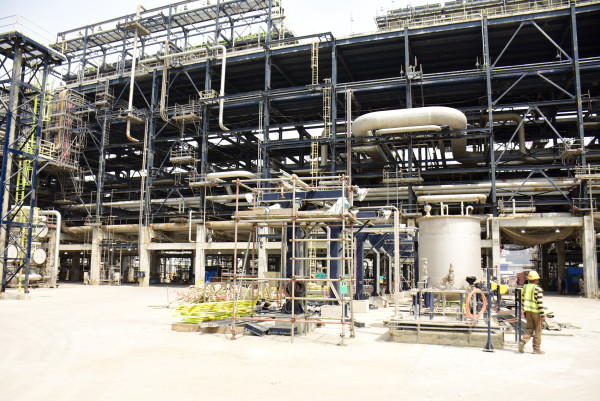
Independent non-profit organization Dialogue Earth has been accused of attempting to mobilize a smear campaign against Africa's largest refinery - the 650,000 barrels per day Dangote Refinery. The NGO allegedly contacted Nigerian journalist David Hundeyin to produce an article stating that the refinery raises questions about the country's climate ambitions while assessing the implications of increased fossil fuel utilization in Nigeria. In a statement released on X, Hundeyin highlights the article for what it is: an attempt by a western NGO to use an African voice to endorse energy poverty in Africa.

Representing the voice of the African energy sector and a strong advocate for African voices, the African Energy Chamber (AEC) strongly condemns the dirty tactics employed by Dialogue Earth to hire Africans and use them to destroy their own oil and gas industry. The AEC has long-promoted the critical role oil and gas plays in driving economic development and advancing clean-fuel utilization in Africa. Projects such as Dangote – Nigeria's first large-scale refinery – stand to transform West Africa by reducing the reliance on imported fuel, increasing the availability of clean and locally-sourced petroleum while creating jobs and business opportunities. The Dialogue Earth campaign is a clear demonstration of how the west is demonizing the industry and preventing any meaningful progress to alleviate energy poverty in Africa.

Dialogue Earth allegedly offered Hundeyin USD $500 to write the article, with the brief highlighting several contradictions and areas of concern. Firstly, Dialogue Earth allegedly shared that the purpose of the article was to identify the environmental implications of the Dangote Refinery on Nigeria, particularly within the context of the country's energy transition. However, Nigeria has strongly advocated for the role oil and gas plays in its transition, advocating for a just transition whereby the country can reduce emissions in a way that protects the economy and reduces energy poverty. As one of the biggest oil producers in Africa, Nigeria considers oil and gas to be central to creating the conditions by which the country can transition. As the industry grows, it will generate revenue, strengthen economic activities while promoting low-carbon fuel production.  As such, the refinery plays an intrinsic part in the Nigerian energy transition, despite what Dialogue Earth is attempting to state.

Secondly, the brief allegedly includes objectives such as investigating the environmental consequences of the refinery within the context of its adherence to emission standards. As Hundeyin so aptly writes in his statement, Nigeria has long-faced that challenge of relying on imported petroleum, owing largely to the lack of facilities such as Dangote. This has led to West African fuel cargoes – refined internationally ­– featuring toxic waste and sulfur content that is 200 times the European legal limit. Through the Dangote Refinery, Nigeria will not only be able to reduce its reliance on imported petroleum but put in place clear restrictions regarding sulfur content, thereby promoting environmental protection. Yet Dialogue Earth doesn't seem to care about toxic fuel, only that a refinery that will transform West Africa is put to rest.

The story also aims to explore the geopolitical implications of Nigeria's growing oil industry and the motivations of the refinery. This is ironic given the lack of recognition by Dialogue Earth to the critical role the refinery plays in developing the economy, contributing to global fuel stability while strengthening the energy industry in Nigeria. This attempted smear campaign shows that NGOs such as Dialogue Earth are only advocating for climate change when it suites them and that they have no problem keeping Africa in the dark, using African voices to do so.

“The AEC fully supports Hundeyin and commends him for standing up against Dialogue Earth. We are wholly against a western NGO trying to use African voices to advance their own biased agenda. The attempt to get a well-known Nigerian journalist to effectively endorse such a smear campaign shows a cowardly approach by the western NGO to try and destroy the African oil and gas industry, all because they can't do it with their own names or organizations,” stated NJ Ayuk, Executive Chairman of the AEC. 

The recent attempt by Dialogue Earth is just one of the many attempts by western-based and funded NGOs to stop oil and gas projects in Africa. From the East African Crude Oil Pipeline in Uganda to offshore exploration in South Africa to LNG projects in Mozambique, such organizations appear committed to restricting access to energy in Africa.

“We have seen how African crude oil has been treated, how funding for Mozambique LNG has been treated, how the west has constantly attacked South Africa as it tries to develop it its natural gas and how they have constantly attacked other gas projects and cut off financing. These tactics are hurtful to African development, our fight against energy poverty and to young people that want to build strong democracies,” added Ayuk.

Distributed by APO Group on behalf of African Energy Chamber.
Media files
African Energy Chamber
Download logo
Read moreAfrican Energy Chamber (AEC) Condemns Dialogue Earth’s Brash Attempt to Use an African Voice to Demonize African Oil and Gas
13 August 2024

Absa’s Webber to Highlight Environmental Social Governance (ESG) and Investment Trends in African Critical Minerals at Critical Minerals Africa (CMA) 2024

Location: News
Energy Capital & Power

Mining company African Rainbow Minerals (https://apo-opa.co/46M4tND) reached an agreement last September with financial services company Absa – along with finance institutions Standard Bank, the Development Bank of South Africa and Nedbank – to provide finance for the construction of a 132 MW solar project. The move is set to provide renewable energy to platinum mining projects in South Africa through power purchase agreements (PPAs). 

To support the growth of South Africa and Africa's critical mineral industry, Absa is participating in this year's Critical Minerals Africa (CMA) 2024 summit. Shirley Webber, Coverage Head of Resources & Energy at Absa Corporate and Investment Banking – an Absa subsidiary –, will discuss the firm's contributions and investment strategy in the African critical mineral sector. 

The Critical Minerals Africa 2024 summit on November 6-7 serves to position Africa as the primary investment destination for critical minerals. The event is held alongside the African Energy Week: Invest in African Energy 2024 conference on November 4-8, offering delegates access to the full scope of energy, mining and finance leaders in Cape Town. Sponsors, exhibitors and delegates can learn more by contacting sales@energycapitalpower.com. 

Absa is a major player in Africa's critical mineral industry, providing direct financing to project developers, while supporting critical mineral mining projects through long-term PPAs. The institution is arranging a $120 million debt facility to support platinum group metal (PGM) mining firm Pensana's (https://apo-opa.co/4fTeBZo) strategy to achieve first PGM production in South Africa by 2025. Absa also partnered with French financial services firm Société Générale in March 2023 to raise $130 million in funding to support PGM and chrome-producer Tharisa (https://apo-opa.co/46HEd76) with its mining operations in South Africa. 

Absa has positioned itself as a key driver of environmental social governance (ESG) and skills and capacity building within Africa's critical mineral sector as the global mining industry prioritizes environmental sustainability and local content development. In May 2023, Absa closed a $562.4 million sustainability-linked green bond for mining firm Harmony Gold, enabling the company to expand production and reduce its carbon footprint at its gold and copper projects across Africa. As such, Webber is expected to use the CMA 2024 platform to highlight how Absa is driving ESG projects across Africa's critical mineral sector. 

“Companies like Absa have positioned themselves as key enablers of Africa's critical mineral industry growth by simplifying access to capital for project developers. As demand for Africa's energy transition metals grows and global markets prioritize environmental sustainability, the capital and ESG expertise provided by Absa will be crucial,” stated Rachelle Kasongo, Project Director at CMA 2024 organizer Energy Capital & Power. 

Distributed by APO Group on behalf of Energy Capital & Power.

Media files
Energy Capital & Power
Download logo
Read moreAbsa’s Webber to Highlight Environmental Social Governance (ESG) and Investment Trends in African Critical Minerals at Critical Minerals Africa (CMA) 2024
12 August 2024

Entrepreneurship can be used to lift more women out of poverty, says President

Location: News

Entrepreneurship can be used to lift more women out of poverty, says President

President Cyril Ramaphosa has emphasised that through stronger collaboration between government and business, along with the backing of labor and civil society, entrepreneurship can be a powerful tool to lift more women out of poverty.

The President said this in his weekly newsletter to the nation on Monday.

“With greater collaboration between government and business, together with the support of labour and civil society, we can use entrepreneurship to lift more women out of poverty. We can create more jobs for women and help more women secure their financial freedom,” the President said.

President Ramaphosa said the private sector is playing an important role in guiding these entrepreneurship journeys through start-up incubators, women entrepreneurship awards and programmes such as the Youth Employment Service.

With the help of the Social Employment Fund and others, government is enabling women entrepreneurs to employ workers and provide mentorship to trainees.

“There is much more that the private sector can do. Access to financial resources, including credit lines, is vital to the viability of women-owned businesses.

“Another important area is access to tools of financial inclusion like bank accounts and mobile money and payment technologies. It will be critical to broaden the reach of financial services to include women in the informal sector and in rural areas.

“Empowering women contributes to thriving economies, spurs productivity and boosts economic growth,” President Ramaphosa said.

Last week, the country commemorated the Women’s March to the Union Buildings on 9 August 1956. This historic protest by more than 20 000 South African women was a response to the cruel and dehumanising practices of the apartheid regime.

READ | Parliament committed to advancing gender equality

Thirty years into democracy, the President highlighted that government has made impressive strides in advancing gender equality across society, however we still have a long way to go in broadening women’s economic participation.

This is borne out by a recently published Gallup study titled ‘Gender Power in Africa’. The report analyses the disparities and imbalances that shape the lives of women in five African countries, including South Africa.

South Africa ranks the highest of the countries surveyed with respect to the rate of female participation in political decision-making, low rates of child marriage, and the participation and completion rates of girls in primary and secondary education.

However, of the countries surveyed, South Africa has the highest rate of unemployed women and women not in the workforce. The percentage of South African women considered to be self-employed or entrepreneurs is the lowest, at 5%.

“In this respect, we lag behind the rest of the continent. According to the World Economic Forum, women constitute 58% of self-employed people across Africa.  

“In a country such as ours, with a high unemployment rate, entrepreneurship is an important tool to empower more women and broaden their participation in the economy. This includes in the informal sector, which accounts for 18% of total employment in the country,” the President said.

WATCH | 

Through its various departments and entities, the President highlighted that the State provides financial support to women to enable them to start their own businesses and to sustain existing businesses.

Women-owned businesses are also able to access training in business and project management, IT and other skills.

“We have set a target to allocate at least 40% of public procurement spend to women-owned businesses. In 2021, we launched a Women’s Economic Assembly to enable women-owned enterprises to participate in local industry value chains. Since its inception this programme has yielded promising results in a number of key economic sectors, notably the automotive sector,” he said.

He further highlighted that government is striving to expand women’s access to economic activity through land ownership, enabling female farmers to own land through the state’s land redistribution programme and supporting them with equipment and other agricultural inputs.  

“From citrus farmers in the North West, cooperatives making affordable school furniture in KwaZulu-Natal, to cosmetics companies and tech start-ups in the Western Cape, women-owned enterprises all across the country are benefiting from an integrated approach to supporting small businesses,” the President said. – SAnews.gov.za 
 

DikelediM
Mon, 08/12/2024 - 10:15

344 views
Read moreEntrepreneurship can be used to lift more women out of poverty, says President
12 August 2024

Real Success South Africa set to stun audiences

Location: MyPR

The Real Success Network is thrilled to bring Real Success South Africa to Johannesburg; an event which is guaranteed to inspire and ignite. Brian Walsh, Founder and Chief Visionary of The Real Success Network, explains that the event brings together the cream of international speakers, along with leaders from the local speaking circuit. Each has …

Read moreReal Success South Africa set to stun audiences
11 August 2024

Caring Solutions: Accessible Support for South Africa’s Women

Location: MyPR

Understanding the Need for Accessible Abortion Clinics The journey of reproductive health is a deeply personal one, and access to safe and legal abortion services is a crucial part of this journey. In South Africa, abortion clinics provide essential services, ensuring women have the support and care they need.   Why Accessibility Matters Accessibility to …

Read moreCaring Solutions: Accessible Support for South Africa’s Women
11 August 2024

Keep Your Home Stylish and Safe with Modern Electrical Systems

Location: MyPR

Ensuring the safety and style of your home involves more than just choosing the right furniture or colour scheme. It also includes the critical, yet often overlooked, aspect of your home’s electrical system. A well-designed and maintained electrical distribution board can enhance both the safety and aesthetics of your living space.   What is a …

Read moreKeep Your Home Stylish and Safe with Modern Electrical Systems
11 August 2024

Progress made in management of foot and mouth disease

Location: News

Progress made in management of foot and mouth disease

Three working groups have been established to improve cooperation between the Department of Agriculture, provincial authorities and industry stakeholders on the recent outbreaks of foot and mouth disease (FMD) in the Kouga and Kou-Kamma Municipalities in the Eastern Cape.

The department said the situation appears to be improving, as the rate of new FMD cases has begun to decline, with the last clinical case reported in mid-July. 

“At present, cattle on 30 farms have tested positive for the disease. These farms have been placed under quarantine, and vaccination efforts are underway to control the spread of infection and reduce the severity of clinical symptoms.

“Additionally, pre-emptive vaccination has been carried out on a further 37 farms identified as high risk due to their proximity to infected areas. This measure aims to create a buffer zone around the affected farms to further limit the spread of the disease,” the department said.

In total, over 92 000 cattle and nearly 600 sheep across 67 farms have been vaccinated. 

These efforts are a critical part of the department’s strategy to manage and eventually eradicate the disease.

To prevent the further spread of FMD, the Department of Agriculture declared a Disease Management Area (DMA) on 19 July 2024. 

“This DMA encompasses parts of the Kouga and Kou-Kamma Municipalities and will facilitate the regulation of animal movements into, out of, and within the affected regions. The primary objectives of the DMA are to prevent the spread of the disease to unaffected areas and to reduce viral load and infection pressure within the current outbreak zone.

“The Director of Animal Health has signed and published the movement protocol for the DMA. The protocol is available on the Department of Agriculture, Land Reform, and Rural Development (DALRRD) and the Department of Rural Development and Agrarian Reform (DRDAR) websites. Copies can also be requested from AgriEC,” the department said.

Biosecurity and Disease Transmission

The department has noted misleading claims suggesting that FMD is transmitted by birds and rodents, which undermines the importance of biosecurity measures. 

“While theoretical transmission via such vectors exists, it is highly unlikely to contribute significantly to the current outbreak. Effective biosecurity -- focused on preventing direct and indirect contact of susceptible animals and rigorous cleaning and disinfection practices -- remains the most reliable method for preventing the introduction and spread of FMD on farms,” the departments said.

The department has reminded livestock owners that health declarations are required for the movement of susceptible animals, regardless of the purpose. 

“New arrivals of cattle, sheep, and goats must be isolated from resident herds for at least 28 days. This is in addition to urging livestock owners to only source animals from herds with a known health status. This practice, mandated by law since October 2022, is crucial for maintaining herd health and preventing disease spread,” the department said.

Section 11 of the Animal Diseases Act requires animal owners and managers to take all reasonable steps to prevent disease infection and its spread. 

FMD is classified as a controlled animal disease under the Animal Diseases Act, 1984 (Act No. 35 of 1984), and specific control measures, such as isolation and movement restrictions, are being enforced by Veterinary Services.

“Farmers are reminded that it is a legal obligation to report any suspicious clinical symptoms, such as salivation, blisters in the mouth, limping, or hoof lesions, to the local State Veterinarian immediately. Affected animals must not be moved.

“The department strongly advises livestock farmers nationwide to limit animal movements to the greatest extent possible. Movement of cloven-hoofed animals should be restricted to essential cases only, allowing time to identify and quarantine potentially affected properties,” the department said. - SAnews.gov.za
 

nosihle
Sun, 08/11/2024 - 10:53

443 views
Read moreProgress made in management of foot and mouth disease
10 August 2024

How 24/7 Telephone Answering Services Enhance Business Communication and Customer Satisfaction

Location: MyPR

Introduction In today’s fast-paced world, where customer expectations are higher than ever, businesses are constantly challenged to remain accessible and responsive. A 24/7 telephone answering service represents a pivotal solution in maintaining this vital connection. This comprehensive guide explores the benefits of implementing a 24/7 answering service, enhancing customer interactions, and ultimately driving business growth. …

Read moreHow 24/7 Telephone Answering Services Enhance Business Communication and Customer Satisfaction
10 August 2024

Local Car Service Centres and Specialist Repairs

Location: MyPR

Introduction Maintaining your vehicle in top condition is crucial for ensuring safety, efficiency, and longevity. Whether it’s routine maintenance, air conditioning repairs, or model-specific servicing, finding the right service centre is key. This comprehensive guide delves into everything you need to know about local car service centres, focusing on specialised services such as air conditioning …

Read moreLocal Car Service Centres and Specialist Repairs
8 August 2024

Africa’s Energy Sector to Litigate Banks and Financiers for Financial Apartheid in Oil and Gas Sector

Location: News
African Energy Chamber

In recent years, several Western banks and financial institutions have implemented policies aimed at reducing support for fossil fuel projects, especially in Africa. This has led to a sharp decline in investment in the continent's oil and gas industry, a sector that is crucial for its economic future and energy needs. The African Energy Chamber (AEC) (https://EnergyChamber.org) argues that these institutions are practicing “financial apartheid,” arguing that while similar projects receive support in Europe, Africa's high-cost energy projects are being neglected.

The decline in investment is already having a noticeable impact, exacerbated by global shifts towards cleaner energy and prioritizing of ESG practices. Major international oil companies are reducing their presence in Africa. For instance, Equinor has withdrawn from offshore exploration in South Africa and ExxonMobil has exited a deep-water oil prospect in Ghana. This decline is contributing to a bleak outlook for Africa's energy sector.

“As the international community moves to boycott investments in the African energy sector, African people and African development stand to suffer,” says NJ Ayuk, Executive Chairman of the AEC. “The role of oil in Africa's energy and economic future is apparent, and consequently, should be defended as Western elites move to disrupt African progress.”

The broader implications of financial divestment are profound. Many African governments rely on fossil fuels as a cost-effective means to alleviate energy poverty and boost state revenues. However, the increasing pressure on financial institutions to cut funding for high-carbon projects creates uncertainty about the future of Africa's energy sector.

The International Energy Agency (IEA) has added to these challenges with its calls to cease funding for oil and gas projects, highlighting a disparity: while natural gas is considered a ‘green' energy source for Europe, it does not receive the same treatment in Africa. According to Ayuk, “The IEA has lost its relevance and its authority.” Originally focused on managing oil supply disruptions, the IEA now prioritizes policies aimed at achieving net-zero emissions by 2050. Its 2019 projection that no new investments in oil, gas, or coal are needed if the world continues on this path has been particularly controversial.

Several key African projects are at risk due to the withdrawal of financial support. Significant initiatives like TotalEnergies' Mozambique LNG project, ExxonMobil's Rovuma LNG project, Nigeria's Train 7 LNG expansion, Senegal's Sangomar oil field, Uganda's Tilenga project and the East African Crude Oil Pipeline (EACOP) require substantial financing to advance.

Despite these setbacks, some projects are progressing. TotalEnergies is advancing its $20 billion Mozambique LNG project, aiming to develop the Golfinho and Atum fields with a production capacity of 12.88 million tonnes per year. Eni's Coral South FLNG project in Mozambique has achieved a production capacity of 3.4 million tonnes per year. Additionally, the Greater Tortue Ahmeyim (GTA) LNG project, which started gas production in November 2022, is being developed by bp, Kosmos Energy and the national oil companies of Senegal and Mauritania. This project includes an FLNG facility with an initial capacity of 2.5 million tonnes per year.

Meanwhile Nigeria's Train 7 project, an expansion of the existing NLNG facility on Bonny Island, aims to boost production by 8 million tonnes per year, bringing the total to about 30 million tonnes per year. This development is crucial for Nigeria's growing population and its ability to meet its energy needs.

However, delays persist. The Tanzania LNG project, involving Equinor and Shell, is stalled due to proposed government changes. UTM Offshore's FLNG project in Nigeria, initially planned for 2023, has been postponed. Additionally, the EACOP faces significant criticism from financiers and environmental groups, complicating its development and financing.

Namibia, experiencing heightened interest from recent oil discoveries, is facing delays with the Kudu Conventional Gas Development. The Kudu Gas Project, an offshore initiative, has faced setbacks related to financing and project development challenges. As a result, the project is still pending FID and anticipated to commence production by 2026.

“Today, African Energy Poverty numbers are skyrocketing. Nine hundred million Africans lack access to clean cooking technologies, while 600 million lack access to electricity, most of them women. African families are facing high energy cost and inflation is going up,” Ayuk emphasizes. “It is shocking that financial institutions that do business in Africa continue to practice financial apartheid by cutting off capital and financing to oil and gas companies operating in Africa because of climate concerns. These same institutions fund gas development in Europe, where natural gas is deemed green and a fossil fuel for Africans.”

The disparity in financing not only undermines Africa's ability to harness its natural resources for its development but also perpetuates a cycle of energy deprivation. The AEC urges a re-evaluation of this approach and calls on global financiers to support Africa's energy projects, recognizing their critical role in advancing economic development, enhancing energy security, and improving living standards across the continent.

Distributed by APO Group on behalf of African Energy Chamber.

Media files
African Energy Chamber
Download logo
Read moreAfrica’s Energy Sector to Litigate Banks and Financiers for Financial Apartheid in Oil and Gas Sector
8 August 2024

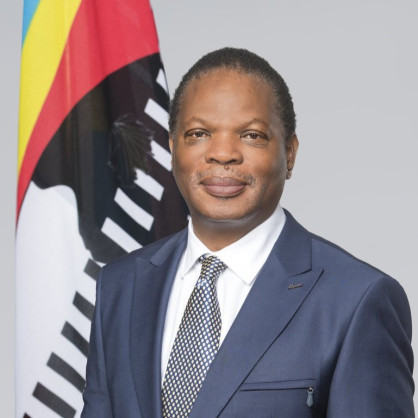
Eswatini Joins Critical Minerals Africa (CMA) 2024, Following Launch of Critical Mineral Mapping Program

Location: News
Energy Capital & Power

Following the launch of the second phase of its critical mineral mapping program, Eswatini is seeking foreign partners to support mineral exploration and extraction activities. To showcase opportunities across the sector, HRH Prince Lonkhokhela, Eswatini's Minister of Natural Resources and Energy, will speak at the upcoming Critical Minerals Africa (CMA) (www.CriticalMineralsAfrica.com) 2024 summit in Cape Town, joining African ministers including Martin Gama Abucha, Minister of Mining of South Sudan; Monica Chang'anamuno, Minister of Mining of Malawi; and Louis Kabamba Watum, Minister of Industry and the Development of SMEs of the Democratic Republic of the Congo.

As a frontier mining market, Eswatini is currently engaged in various programs to accelerate the exploration of its critical minerals (https://apo-opa.co/3yzeZvd). In December 2023, the Geological Survey of Eswatini, in partnership with South Africa's Council for Geoscience, launched the second phase of a joint geoscience mapping program. The initiative, which leverages AI-based techniques, aims to locate and map the country's critical mineral resources, marking a significant milestone in regional collaboration to advance sector growth. To date, the country produces minor quantities of aggregate, coal, gold and iron ore.

The Critical Minerals Africa 2024 summit on November 6 - 7 serves to position Africa as the primary investment destination for critical minerals. The event is held alongside the African Energy Week: Invest in African Energy 2024 conference (www.AECWeek.com) on November 4 - 8, offering delegates access to the full scope of energy, mining and finance leaders in Cape Town. Sponsors, exhibitors and delegates can learn more by contacting sales@energycapitalpower.com.

“Eswatini represents a promising yet untapped critical minerals market. Recent mapping programs have identified mineralization in several basins across the Kingdom. As a result, increased cooperation with global stakeholders is key to injecting capital and technology into new projects,” stated Rachelle Kasongo, Event & Project Director at CMA 2024 organizers, Energy Capital & Power.

Eswatini is also working with industry stakeholders on best practices to attract foreign investments to bolster its critical mineral industry. Last January, Minister Lonkhokhela met (https://apo-opa.co/3AdjVq1) with the country's Minerals and Mines Management Board to work toward creating an enabling environment for enhanced private sector participation in exploration, production and job creation within the mining sector. At CMA 2024, Minister Lonkhokhela will connect with global investors and industry service providers to discuss and explore Eswatini's mining prospects.

Distributed by APO Group on behalf of Energy Capital & Power.

Media files
Energy Capital & Power
Download logo
Read moreEswatini Joins Critical Minerals Africa (CMA) 2024, Following Launch of Critical Mineral Mapping Program
7 August 2024

Roadshows to address outstanding student accommodation payments

Location: News

Roadshows to address outstanding student accommodation payments

The National Student Financial Aid Scheme (NSFAS) will be hosting roadshows across the country to engage directly with the landlords affected by outstanding payments of student accommodation allowances.

NSFAS Administrator, Freeman Nomvalo, said that in response to accommodation providers’ concerns, NSFAS has in the past two months processed bulk catch up payments of accommodation allowances for all legitimate claims.

Nomvalo said that as at 31 July 2024, NSFAS disbursements for private student accommodation had reached R1 billion.

However, Nomvalo acknowledged that there are some landlords who still remain aggrieved.

The important issue to be addressed now is to ensure that all payments are done on time as this is the main remaining “pain point for accommodation providers.”

The Administrator announced that the roadshows will kick off in KwaZulu-Natal on Wednesday, 07 August 2024. 

“I will be taking all critical functions responsible for student data and private student accommodation. I have also extended invitations to our colleagues at universities and Technical Vocational Education and Training (TVET) sector, to ensure we all work together in resolving these challenges experienced by our beneficiaries and the landlords,” Nomvalo said.

In response to the challenges and stabilising the organisation, Nomvalo highlighted some of the projects that have been launched, including the Organisational Re-engineering and Re-alignment Project; ICT and Business Processing Review Project; making NSFAS accessible to students and stakeholders; and planning for 2025 and beyond.

“The conclusion of Organisational Re-engineering and Re-alignment Project will result into a new resource allocation model fit for the purpose and function of the size and shape of NSFAS. It will also provide a greater alignment of functions to improve the efficiency of NSFAS.

“The conclusion of the ICT and Business Processing Review Project will deliver a more efficient ICT system that provides for a seamless interface and data sharing between NSFAS and its key stakeholders including universities and TVET’s. The newly envisaged system is also intended to improve the management of applications for bursaries, loans, and appeals,” Nomvalo said.

He said a feasibility study is intended to consider various regionalisation models and cost implications looking at the location of beneficiaries. 

“The appointed team will also be engaging with the PSET (Post School Education and Training) stakeholders to determine the most feasible model. The intention is to make NSFAS more accessible and responsive to its stakeholders,” Nomvalo said.

Alleged procurement irregularities

The Administrator announced that NSFAS is following up on various alleged procurement irregularities, including the direct payment mechanism.

Nomvalo acknowledged the support provided by the Special Investigating Unit (SIU) regarding this issue.

“To address capacity challenges in the Procurement Unit, I am currently engaged with the National Treasury with the intention of drawing in a secondment from Treasury for the period of six months to also help us with the review of SCM (Supply chain management) policies, as well as procurement processes at NSFAS,” Nomvalo said.

Fruitless and wasteful expenditure registers

The Administrator further announced that the scheme has put measures in place for the 2024/25 financial year, to implement the irregular expenditure and fruitless and wasteful expenditure registers. 

“We will also implement the non-compliance register. These registers will not only ensure compliance with the PFMA (Public Finance Management Act) but will also enhance transparency on the use of public resources by NSFAS,” Nomvalo said. – SAnews.gov.za

GabiK
Wed, 08/07/2024 - 11:20

235 views
Read moreRoadshows to address outstanding student accommodation payments
7 August 2024

Finding the Perfect Television for Sale

Location: MyPR

Introduction Finding the perfect television for sale can be overwhelming with so many options available in the market. This guide will help you navigate the key factors to consider when purchasing a new TV, ensuring you make an informed decision.   Screen Size and Viewing Distance   When searching for a television or television accessories …

Read moreFinding the Perfect Television for Sale
6 August 2024

Strategic Partnership Helps Tackle Early Childhood Development Crisis in South Africa

Location: MyPR

Johannesburg, South Africa – Internationally acclaimed non-profit organisation, The Unlimited Child are proud to announce their newly established partnership with National Treasury’s Jobs Fund. The two have joined forces to address the challenges in Early Childhood Development (ECD), focusing on marginalised rural and peri-urban communities while creating sustainable jobs. Recognising the importance of investing in …

Read moreStrategic Partnership Helps Tackle Early Childhood Development Crisis in South Africa
6 August 2024

The RMB Where to Invest in Africa 2024 report highlights Africa’s top investment economies

Location: Business
Rand Merchant Bank

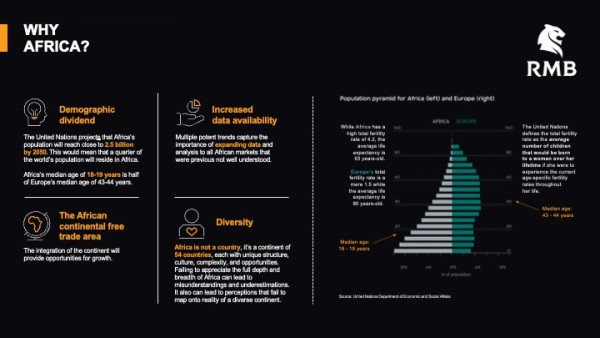
RMB (www.RMB.com) has released the highly anticipated 2024 edition of its Where to Invest in Africa report, a comprehensive analysis of the top investment destinations on the continent. The report, which has been developed in collaboration with the Gordon Institute of Business Science (GIBS), leverages a robust methodology that has been updated to reflect new data sources, taking into account a variety of factors that have been proven to determine a country's progress and therefore its investment potential. 

“Africa is not a country, but a vast, diverse and complex continent with different cultures, economies and investment potential. Our report therefore is not a definitive guide, but rather it is designed to provide insight to uncover the underlying drivers of a country's performance that inform its ranking. This offers invaluable insights for investors, policymakers, and business leaders looking to navigate Africa's dynamic economic landscape,” says Isaah Mhlanga, Chief Economist at RMB.  

Expanded data, extended granularity 

Investment decisions need to be viewed through both an economic performance lens and an operating environment lens. As a result, the methodology used for this edition of the Where to Invest in Africa report builds and expands on previous editions, taking into account new data sets as well as changing geopolitical and macroeconomic climates.  

The scorecard for the 2024 issue highlights 31 countries that collectively represent 92% of the continent's economic activity (measured by GDP), and more than one billion people (three quarters of the continent's population). It draws on publicly available data sets from global institutions, including the World Bank, the IMF, the African Development Bank, the United Nations, and the International Labour Organisation.  

The model is constructed from 20 metrics across four measurement pillars: economic performance and potential; market accessibility and innovation; economic stability and investment climate; and social and human development. Each metric is weighted, which translates into a weight for each pillar, and based on these metrics a standardised scorecard is produced, with rankings that enable effective comparison across Africa's complex and heterogeneous environment.  

Africa's top five investment destinations 

Combining these elements results in a ranking across the 31 countries measured. The results of the report show that the two small island economies of Seychelles and Mauritius rank first and second as the most attractive investment destinations on the continent, while the significantly larger economies of Egypt, South Africa, and Morocco rank in third, fourth and fifth places respectively. 

Seychelles leads the rankings thanks to high levels of personal freedom, human development, and a stable economic environment. Seychelles offers a unique and attractive investment climate. Despite scoring lower on economic size and potential, Mauritius is known for innovation, economic freedom, and high GDP per capita. It continues to be a top destination for investors seeking stability and growth opportunities in a well-regulated environment.  

Egypt represents Africa's largest economy by GDP (2023), offering a substantial market with diverse opportunities in sectors like technology, manufacturing, and services. Its strategic location and economic complexity further enhance its attractiveness. Despite facing significant challenges, South Africa remains a crucial hub for investment in Africa. Its robust financial sector, diverse economy, and potential for infrastructure development make it a key player. Finally, Morocco's strong performance in connectedness, innovation, and economic stability positions it as a top investment destination. Its strategic proximity to European markets adds to its appeal. 

Distilling diversity – investment archetypes explained 

Africa is an incredibly diverse continent, and no two markets are the same, which means there is no such thing as a universal success story. However, when we zoom out and view nations through the lenses of size and the relevant investability score, it becomes apparent that they fall into distinct groupings with shared traits. The 2024 edition of Where to Invest in Africa suggests five potential investment archetypes based on shared characteristics revealed through the four measurement pillars.  

‘Highflyers' represent the large, well-established economies that offer stability and a range of investment opportunities, such as Nigeria, South Africa, Egypt and Ethiopia. Those ‘Cleared for Take-off' are countries with high economic growth and innovation potential thanks to factors like a young population and abundant resources, including Senegal and Côte d'Ivoire. ‘People Potential' are markets with a young and growing demographic, creating a sizeable consumer base and a future workforce, such as Kenya, DRC and Uganda. ‘Global Connectors' are more advanced economies with a strong international presence, such as Morocco, Mauritius, Tunisia and Seychelles. ‘Low-Base Boomers' are smaller markets with high potential for explosive growth but a corresponding higher degree of risk, including Rwanda, Mozambique, and Benin. 

Additional insights unpacked

The report also highlights a number of trends across the various markets, and the role of innovation and economic complexity in driving growth is a central theme. Countries such as South Africa, Kenya, and Ghana are noted for their strides in technological innovation and diversification of their economic bases, making them attractive destinations for investment. 

The African Continental Free Trade Agreement (AfCFTA) holds significant potential for boosting intra-African trade, enhancing economic integration, and creating a more competitive continental market. Effective implementation of the AfCFTA is expected to drive economic growth and development across the continent. Africa's young and rapidly growing population also presents a unique opportunity for economic growth, with countries like Ethiopia, Tanzania, and Uganda poised to benefit from this demographic dividend, provided they can create sufficient employment opportunities and foster a conducive environment for economic participation.  

In addition, there are a number of emerging markets with significant growth potential, including Nigeria, Ghana, and Kenya. Despite facing challenges such as political instability and infrastructural deficits, these countries offer substantial opportunities due to their large and youthful populations, improving business climates, and diversification efforts. Africa's vast natural resources, including minerals and arable land, are pivotal for sustainable economic growth. However, the report cautions against the "resource curse" and underscores the importance of good governance and strategic management. Angola, Mozambique, and the Democratic Republic of Congo are highlighted for their rich resources and potential for sustainable development. 

One area that requires critical attention across the continent is the need for infrastructure investment. Improved transportation, energy, and digital infrastructure are essential for unlocking Africa's economic potential, and South Africa, Kenya, and Nigeria are identified as key markets where infrastructure development could yield significant returns. 

Beyond the rankings – a deeper look at African investment 

Looking beyond metrics and scorecards, Africa holds massive potential but equally faces numerous challenges. The continent is rich in natural resources, which can be a major driver of economic growth, but they also present challenges in the form of corruption and environmental degradation. Increased activity around trade agreements can open new markets for foreign investors and boost economic activity, but lack of adequate infrastructure is a major hurdle for many African economies. Investment in this space will improve connectivity and create new opportunities, while rapid and increasing urbanisation will prove attractive to investors in consumer goods, retail, and financial services. Finally, countries in Africa are embracing new technologies, leapfrogging traditional development stages and creating new investment opportunities in the tech sector. 

“The richness of Africa's diversity makes fully analysing its nuance and contrast a challenging task, but an important one when it comes to understanding the varied markets that make up this vast regional economy. The 2024 RMB Where to Invest in Africa report aims to develop a balanced, robust and actionable view of the drivers, challenges and opportunities that characterise each of the 31 African markets included in the analysis,” Mhlanga concludes.  

Download the full report here to uncover the insights and drive more informed investment decisions. 

  • https://apo-opa.co/4dyoUQm
  • https://apo-opa.co/46CBs7c

Distributed by APO Group on behalf of Rand Merchant Bank.

Media files
Rand Merchant Bank
Download logo
Read moreThe RMB Where to Invest in Africa 2024 report highlights Africa’s top investment economies
6 August 2024

Essential Spill Containment Practices for a Safer Environment

Location: MyPR

Introduction Spill containment is a critical aspect of environmental management, especially in industries that handle hazardous substances. Proper spill containment practices help prevent environmental contamination and protect public health. In this blog, we will discuss essential spill containment practices and their importance.   Understanding Spill Containment   Spill containment involves the use of barriers, absorbents, …

Read moreEssential Spill Containment Practices for a Safer Environment
6 August 2024

CNN’s Inside Africa meets the urban farmers leading the way in food sustainability

Location: MyPR

In a new episode of Inside Africa, CNN meets the urban farmers and social entrepreneurs leading the way in food sustainability and economic empowerment from community farms to organic online grocery stores. In Cape Town, Bukho Dem, founder of BSomebodySA has single-handedly opened up a new market for the area’s township based urban farmers, supplying …

Read moreCNN’s Inside Africa meets the urban farmers leading the way in food sustainability
6 August 2024

Under One Roof rolls out its residential property listing service in South Africa

Location: Business
Under One Roof

Under One Roof (www.UnderOneRoof.co.za), is an entirely new concept set to solve some of the most frustrating problems encountered with other property listing websites. It introduces a homeownership resource-concentrated hub that not only presents properties for rent or sale - which uniquely also assists its clients to complete a transfer to a new owner - but also incorporates offerings that empower homeowners to make well-informed decisions about their lifestyle.

Simultaneously, Under One Roof heralds the entry of a new female real estate CEO, Lynne Krawchuk, who is set to change the traditionally heavily-male dominated property executive clique. Her decades of experience as a marketing professional give Under One Roof the edge when it comes to converting website visitors to loyal clients, putting their needs and wants ahead of merely presenting a search engine of listings.

“We are going to completely change the way properties are showcased,” says Krawchuk. “We will reveal the power of delivering an innovative property ecosystem that will optimise anyone's property journey, be that the property practitioner or agency, the buyer, seller, or renter.”

Under One Roof is something not yet seen before on existing South African property platforms, where listings and advice remain unsupported by other digital marketing strategies, and which are not catering to the different demographic markets.

“This is likely due to complacency by the dominant few property-listing players who have amassed a following due to their monopoly. As such they have created an uneven playing field that restricts the marketing efforts of, particularly, the small-, micro-, and medium-sized property players who are further compromised by the prevailing challenge of diminishing property prices and weakened purchasing power of consumers,” says Krawchuk.

The key differentiator with Under One Roof is its functionality and pricing plan. Krawchuk explains that all users, be those buyers, sellers, renters, landlords, developers, or property practitioners, are provided with a unique login aligned to their own customised backend dashboard.

“Here they can access in-depth data relevant to individual listed properties, be that municipal charges or alternative power and water solutions. Buyers and renters will be able to download walk-through video's and monitor listings they are interested in for an easy revisit or comparison.”

Estate agents and private listers will be able to monitor the number of visitors to their listings, update, and edit details, and can avail of either a three- or six-month subscription per listing with a unique twist. “If the property is sold before the subscription expires, the outstanding months of the package can be transferred to another property listing, provided the first property sale is proven. We can even upload listings if that is preferred, at no charge,” explains Krawchuk.

For buyers, especially those who either do not fully comprehend the property purchase journey or are frustrated by the number of steps in the process, Under One Roof offers to source bond origination, bridging finance, rate clearance certificates and assistance with the transfer. “This feature alone responds to an undeniably underserved market, more specifically first-time home buyers and millennials who prefer to engage a full-range service.”

The Under One Roof customer-centric approach is also going to present as a novelty, for while technology may be driving the platform, AI chatbots are not a feature. “Our research indicates that customers prefer having a human respond to online or email queries. We acknowledge that while today's customers are considered as ‘smart consumers' who may be familiar with the digital realm, chatbots have no empathy, are unable to solve critical problems, and tend to aggravate users who may have a unique request.” 

As Under One Roof grows, so too will the breadth of the platform. “Beyond the necessary features, we are concentrating on targeted demographics, where demands differ in terms of cultural and locality preferences,” says Krawchuk. “For example, in the future we will be presenting neighbourhood video visits hosted by a typical resident, and guidance manuals and features that highlight lifestyle choices. Commercial and retail properties will also be introduced.

“We believe that Under One Roof is the most intelligent, powerful, transparent, and streamlined real estate game-changer since property listings went online in the late 90s,” emphasises Krawchuk. “The team at Under One Roof is intentional about manifesting change in the market by filling the gaps that have been prevalent for too long. And, while others may think we are a disruptor, we disagree! We prefer to think of ourselves as renegades by challenging the existing, staid, and unadventurous status quo.”

Distributed by APO Group on behalf of Under One Roof.

About Under One Roof:
Under One Roof (www.UnderOneRoof.co.za) is reinventing the property listing experience by delivering a one-to-one personalisation online platform for agents, buyers, sellers, and renters. It has developed a unique South African approach to all thing's property-focused, including lifestyle, with its presentation of a combination of digital and human interactions. Under One Roof is a compelling property hub that speaks to, and inspires, a new generation of property stakeholders.

Headquarters: Pretoria, South Africa

For more information, please visit our website: www.UnderOneRoof.co.za

Media files
Under One Roof
Download logo
Read moreUnder One Roof rolls out its residential property listing service in South Africa
6 August 2024

Mental Illness awareness Month: Understanding the Distinctions and Trends in Mental Health and Mental Illness By Dr Litha Fatsha Advanced Specialist Healthcare Facilities Strategy Unit

Location: MyPR

Mental health and mental illness are often used interchangeably, yet they are distinct concepts. Mental health refers to our overall psychological well-being, encompassing our emotions, thoughts, and feelings, and it affects how we handle stress, relate to others, and make choices. In contrast, mental illness involves diagnosable conditions that impact a person’s thinking, emotional state, …

Read moreMental Illness awareness Month: Understanding the Distinctions and Trends in Mental Health and Mental Illness By Dr Litha Fatsha Advanced Specialist Healthcare Facilities Strategy Unit
5 August 2024

Power restored to Diepsloot welfare organisations at last

Location: News

Lawyers against Abuse director says they are now able to provide counselling sessions without the constant noise of the generator

Read morePower restored to Diepsloot welfare organisations at last
5 August 2024

Public servants urged to enrol for gender awareness courses

Location: News

Public servants urged to enrol for gender awareness courses

Public Service and Administration Minister, Inkosi Mzamo Buthelezi, has invited public servants to enrol for gender awareness courses at the National School of Government (NSG) to advance women’s socio-economic rights while promoting their safety and security.

This, according to the department, is part of marking National Women’s Month which South Africa commemorates annually in August.

This year the country marks National Women’s Month under the theme: Celebrating 30 Years of Freedom Towards Women’s Development. 

READ | SA commemorates Women's Month 

Buthelezi has urged public servants at national, provincial and local government to enrol for courses at the NSG as one of the institutions that plays critical role in promoting women’s development and well-being in the public sector and society in general. 

The NSG offers a suite of courses promoting gender awareness and gendered policy making. 

Some of the courses offered are:

  • The Gender-Based Violence Course aims to improve capacity to identify and address the root causes of and eradicate gender-based violence in society and the workplace. 

  • The Mainstreaming Gender in the Public Service Course capacitates public servants to integrate gender considerations into daily planning and programme activities across all levels of the public sector. 

  • The Gender Responsive Planning and Budgeting Course builds the capacity of public servants to understand the importance of and acquire the necessary tools and skills for gender responsive planning and budgeting.

The Minister added that government needs to work harder to raise consciousness within the public sector and urged both men and women to enrol for the courses.

“We need to promote a positive attitude and awareness amongst those delivering services at the coalface.

“Staff in government facilities such as small business development centres, social security offices, police stations, courts, hospitals and municipal offices need to ensure that women are treated with respect and dignity. 

“They need to understand that women’s rights are human rights, and that equality is a constitutional right for all. The NSG training equips public servants to gain consciousness that will enable them to deliver services in a more informed and gender-sensitive manner.”

Minister Buthelezi encouraged public servants to also take advantage of the courses to empower themselves with the knowledge and skills to fight the scourge through policy making, implementation and the day-to-day work of providing government services. 

“Our country sadly faces the scourge of gender-based violence and women are at the receiving end. Many women have lost their lives while many face abuse, harassment and attacks. Survivors and their families need to find responsive and caring public servants in hospitals, police stations and welfare services.”

For enrolment, departments should contact the NSG on contactcentre@thensg.gov.za. – SAnews.gov.za

Edwin
Mon, 08/05/2024 - 14:02

242 views
Read morePublic servants urged to enrol for gender awareness courses
5 August 2024

KFC Mini-Cricket Provincial Seminars Kick-Off With A Vision For The Future

Location: Sport

JOHANNESBURG: Cricket South Africa (CSA) is thrilled to announce the commencement of the KFC Mini-Cricket Provincial Seminars, starting with Mpumalanga on...

Read moreKFC Mini-Cricket Provincial Seminars Kick-Off With A Vision For The Future
2 August 2024

3rd Annual B Lab Africa Summit 2024 to be hosted in South Africa

Location: MyPR

PRETORIA, South Africa – Themed Resilience and Growth in Africa: Leading Sustainable Businesses, Driving Change, and International Opportunities, the summit is gearing up for its 3rd annual edition, its first in South Africa, addressing the continent’s critical challenges by bringing together industry, academia, and government stakeholders to discuss innovative solutions and strategies for building a …

Read more3rd Annual B Lab Africa Summit 2024 to be hosted in South Africa
2 August 2024

Chikunga reflects on 30 Years of Democracy as Women’s Month gets underway

Location: News

Chikunga reflects on 30 Years of Democracy as Women's Month gets underway

By Khanyisile Rasmeni

Minister in the Presidency for Women, Youth and Persons with Disabilities, Sindisiwe Chikunga, has delivered a compelling address to mark the launch of National Women’s Month, which is being observed under the theme: “Celebrating 30 Years of Democracy towards women’s development”.

The launch took place at Tshedimosetso House in Pretoria on Thursday.

Chikunga said this year’s observance is not only a tribute to the strides made over the past three decades but also a moment for introspection and continued commitment to gender equality.

“August has long been a month of reflection and tribute to the invaluable roles women have played in the fight against discrimination and exploitation.”

The commemoration of Women’s Month serves as a platform to pay tribute to the role played by women in the decades of struggle against all forms of discrimination, subordination and exploitation.

The 30-Year Review Report underscores the progress achieved in women empowerment. Notably, women’s representation in Parliament increased from 28% in 1994 to 45% in 2019.

“Similarly, their presence in senior management roles rose from 20% in 2001 to 36% in 2021. Furthermore, as of 2017, women accounted for approximately 61.5% of university graduates, surpassing their male counterparts,” said the Minister.

READ | Cabinet approves 30-Year Review Report for publication

Despite these advancements, Chikunga emphasised that “while these are significant strides, a lot more still needs to be done”.

The year 2024 marks the 101st anniversary of women entering the legal profession in South Africa. Reflecting on this milestone, the International Association of Women Judges noted a dramatic shift from 1994, when the judiciary was overwhelmingly male and predominantly white.

“As of February 2023, 45% of judges are women, and the composition has diversified significantly. This transformation was further celebrated with the appointment of Chief Justice Mandisa Maya, the first South African woman to lead the Constitutional Court. Chief Justice Maya stands tall as an inspiration to all South Africans, especially women from all walks of life,” Chikunga remarked.

READ | President Ramaphosa appoints Justice Maya as next Chief Justice

In addition to these judicial achievements, Chikunga praised Tatjana Smith for winning South Africa’s first gold medal at the 2024 Paris Olympics, showcasing the nation's growing prominence in global sports.

Gender-based violence and femicide

The Minister said the fight against gender-based violence and femicide (GBVF) remains a critical focus. The National Strategic Plan on GBVF aims to rally societal support and intensify efforts against persistent violence. 

Chikunga underlined the importance of a “whole-of-society and whole-of-government response”.

She used the occasion to ring the alarm on the rising trend of extortion and fraud targeting employed women. 

“We alert South African women not to be victims of such extortion and fraud,” she advised.

The year 2024 also marks 70 years since the adoption of the Women’s Charter, a pivotal document in the struggle for women’s rights in South Africa. The Minister invoked the Charter’s call for the removal of discriminatory laws.

“We, the women of South Africa, hereby declare our aim of striving for the removal of all laws, regulations, conventions, and customs that discriminate against us as women.”

She said the voices of the women who gathered at the First World Conference on Women in 1975 must be echoed throughout the month of August.

“In the world outside, we are ignored. We are invisible, we are not important... We've got to change these attitudes toward us — smilingly, if necessary, angrily if necessary, and aggressively if necessary. Otherwise, there will be no such thing as true equality.” - SAnews.gov.za

Matona
Fri, 08/02/2024 - 12:41

202 views
Read moreChikunga reflects on 30 Years of Democracy as Women’s Month gets underway
  • Previous
  • Page 1
  • Interim pages omitted …
  • Page 47
  • Page 48
  • Page 49
  • Page 50
  • Page 51
  • Interim pages omitted …
  • Page 87
  • Next

Copyright © 2026 · MyZA · All Rights Reserved · Powered by Stratlec Online