• Skip to main content
  • Skip to header right navigation
  • Skip to after header navigation
  • Skip to site footer
MyZA

MyZA

News, Directory, Events and Other Stuff

  • Social Media
  • Sport
  • World News
  • Home
  • Submit News
  • Directory
  • Events
  • Stratlec
  • TFSA
  • News
    • APO
    • Today’s Sport News
    • Todays Social Media and Tech Headlines
    • Today’s World News
    • Today’s SA Financial News
  • Contact
You are here: Home / Archives for critical

critical

28 September 2023

Decisive actions needed for prosperous, sustainable economies

Location: News

Decisive actions needed for prosperous, sustainable economies

Governments must take “decisive and intentional actions” to steer their countries to economic prosperity as the world enters a period of low growth.

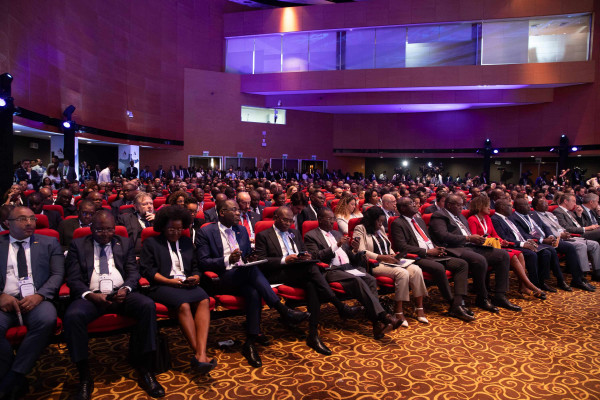
This is the word from Finance Minister Enoch Godongwana who was delivering the opening address at the BRICS Infrastructure Investment Symposium on Thursday.

“At a time when the global economy is gradually recovering from multiple adverse shocks, the International Monetary Fund in its April 2023 World Economic Outlook warns that the world is entering a perilous phase during which economic growth is expected to remain low by historical standards and the downside risks dominate.

“The warning by the Fund and the elevated risks calls for decisive and intentional actions if we are to steer economies towards a prosperous, sustainable and inclusive economy. For our part as BRICS countries, we are committed to leveraging infrastructure investments to do this. And as important contributors to the faster growth projected in emerging market and development economies, we remain open for investment,” Godongwana said.

The Minister said in this regard, infrastructure investments form a key part of how economic recovery can be realised.

“It is when investments are made that a partnership towards an equitable just transition, strengthening of the post-pandemic growth, support to socio-economic development and the attainment of the SDG 2030 Agenda priorities will be realised.

“Infrastructure investments benefit everyone – for the economy, it is about growth and development, for citizens about access to social services, for investors a return on investment, for industry the ability to operate and compete, for job seekers employment opportunities, and for the marginalised, inclusivity. This is the reason why we are focused on stimulating investment,” he said.

Godongwana highlighted that although investment in infrastructure development is also a key factor, the “constrained fiscal position of many emerging market and developing economies mean that their abilities to fund much of their infrastructure investments is limited”.

“However, the development and delivery of infrastructure ought not to depend on the availability of public resources, both financial and non-financial. The OECD [Organisation for Economic Cooperation and Development] estimates that US$80 trillion of long-term investor asset base can be unlocked for infrastructure development.

“We know that infrastructure investments offer stable, attractive and long term returns and cashflows for investors. For this reason, while the financing gap is seemingly large, through greater collaboration and effective partnerships, the gap can be closed. The question is how?

“It is well known that despite increased efforts to mobilise private investment for infrastructure in emerging markets, the uptake has been relatively slow. Thus, the Symposium is focused on measures needed to promote the uptake of private capital in achieving the infrastructure agendas and plans of the BRICS countries,” he said.

The Minister called on the symposium to not only collectively find solutions to economic challenges but to also “go fast because there are significant opportunity costs associated with the status quo”.

“We must also think strategically, laterally and pragmatically because the BRICS countries' infrastructure agendas are ambitious. And to advance these, scale, innovation and sustainability must be at the centre.

“As for governments and officials, we undertake to keep an open mind in these engagements. We will review and strengthen our regulatory systems and processes, earnestly consider alternative approaches proposed to increase the pace of infrastructure development and delivery, and build our capacity and capability.

“We know that without these critical enablers, our quest to create opportunities for mutually accelerated growth and sustainable development is unachievable,” Godongwana said. – SAnews.gov.za

NeoB
Thu, 09/28/2023 - 15:17
354 views
Read moreDecisive actions needed for prosperous, sustainable economies
28 September 2023

Protesters block Bantom Road, Kariega amid five-day power outage

Location: News

Nelson Mandela Bay councillor says many homes were plunged into dark after an explosion at the Mabandla substation

Read moreProtesters block Bantom Road, Kariega amid five-day power outage
28 September 2023

Work continues between government and business to tackle SA’s immediate challenges

Location: News

Work continues between government and business to tackle SA’s immediate challenges

President Cyril Ramaphosa has met with members of Cabinet and senior business leaders to receive an update on progress made in the collaboration between government and business. 

This collaboration was initiated in June 2023, with the aim of significantly growing South Africa’s economy, and restoring public and investor confidence through critical interventions to address the key challenges of energy, logistics, and crime and corruption. 

Highlighting the meaningful progress made since the start of the initiative in a joint statement, President Ramaphosa said they have established an effective working relationship between government and business to tackle the most immediate challenges facing the economy. 

“While we have identified key milestones and set out the processes to achieve these, the real test of our success will be in the results felt by ordinary citizens. 

“We are confident that by working together and marshalling the significant resources and expertise that exist in our country, we will end load shedding, fix our logistics system, and tackle crime and corruption,” the President said. 

Adrian Gore, co-convenor of the business delegation, said while it’s early in the partnership, the collective work rate has been excellent and "there are clear areas of progress", which he believes they can build upon to achieve real change.

 
“Putting in place a viable, critical path per focal area, with clear short-term deliverables against which we collectively measure our progress, is crucial for building confidence in our ability to deliver,” Gore said. 

The joint statement sated that good traction has been achieved within the energy focal area, through the National Energy Crisis Committee (NECOM), which has been established to ensure delivery of the Energy Action Plan (EAP).

Business and government reaffirmed the importance of the EAP as the country’s blueprint for reducing the severity and frequency of load shedding in the short term and ending it altogether in the long term. 

“Full implementation of the plan across three core priorities – improving the performance of Eskom’s existing power stations; adding new generation capacity, and reforming the energy sector – will result in over 12GW of generation capacity being recovered or added to the system from Eskom and the private sector by the end of 2024,” the statement read. 

As part of this collaboration, CEO of Business Unity South Africa (BUSA), Cas Coovadia, and chair of the Steering Committee of Business for South Africa (B4SA), Martin Kingston noted that business is mobilising additional capacity and skills to support the implementation of the EAP. 

This includes nearly 130 volunteers from the private sector who are being coordinated through the Energy Council of South Africa to work in partnership with Eskom and government. The deployment of technical support teams to five power stations – Kendal, Kriel, Majuba, Matla, and Tutuka – is on track, in addition to ongoing support for the return of Kusile Units 1 to 3. 

Energy stabilty

The joint statement highlighted that the Electricity Regulation Amendment Bill has been tabled in Parliament, and the public comment period is underway. Government is engaging closely with Parliament to prioritise the passage of this Bill, given its crucial importance for the reform of the energy sector. 

Encouraging progress has been made in the establishment of the National Transmission Company of South Africa (NTCSA), with all three licenses approved by the National Energy Regulator of SA (NERSA), and the appointment of an independent board is in process. 

The One Stop Shop for energy projects has been established, and a Memorandum of Understanding (MOU) has been signed with the Energy Council to support enhancement of its capacity and systems to further streamline regulatory processes and facilitate private investment in energy generation.

In the logistics focal area, the collaboration is centered on ensuring implementation of immediate operational interventions, which have already been defined, alongside the development of the Freight Logistics Roadmap. 

Government has committed to finalise the roadmap, which will outline a sequenced set of actions to fundamentally reform the logistics system, by the end of October 2023. Business emphasized the urgency of this roadmap in the context of the ongoing challenges in the logistics system.

 
“Six of the eight work streams of the National Logistics Crisis Committee (NLCC) are now fully operational, while the remaining two will transition from Operation Vulindlela. Interventions to improve the operational performance of the multimodal bulk freight rail network and port system are well underway through the NLCC”. 

Corridor Recovery Teams have been established for five strategic corridors, comprising Transnet managing executives, industry representatives and independent experts, and a delivery plan has been developed with specific actions and timeframes to achieve the targeted increase in freight volumes. 

Business and government further emphasized the need to support the Board of Transnet in its turnaround plan in order to drive operational improvement and sustainability. 

“A multi-disciplinary team has been formed to address congestion challenges at the Lebombo border crossing, resulting in a reduction in the border processing time, while a dedicated work stream has been established to expedite the restoration of passenger rail services. Law enforcement agencies are working to protect rail infrastructure through a range of interventions, including aerial surveillance on the North and Central Corridors as well as the Majuba rail line,” government and business said. 

In the crime and corruption focal area, current engagements centre on building capacity within the National Prosecuting Authority (NPA) and Directorate for Priority Crime Investigation (DPCI), along with the modernisation of the 10111 emergency response centre and collaboration between industry and the SAPS to address crimes targeting infrastructure. 

The NPA Amendment Bill has been tabled to establish the Investigating Directorate as a permanent entity with investigative powers. 

This Bill responds to a key recommendation of the State Capture Commission of Inquiry, and will strengthen the capacity and independence of the NPA to tackle corruption-related crimes. A further meeting will be held in six weeks’ time to assess progress on these commitments. 

“During this period, the immediate focus will be on ensuring the passage of critical reform legislation such as the ERA Bill and the NPA Amendment Bill; scaling up technical support for power station performance recovery; finalizing and adopting the Freight Logistics Roadmap; and establishing a joint delivery mechanism to coordinate agreed interventions to tackle crime and corruption,” the joint statement said. 

Both government and business continue to engage with other social partners in parallel, as part of their respective commitments to advance collaboration on shared national objectives. – SAnews.gov.za 

DikelediM
Wed, 09/27/2023 - 13:42

481 views
Read moreWork continues between government and business to tackle SA’s immediate challenges
27 September 2023

Decoding SEO Pricing: Is SEO a Monthly Fee

Location: MyPR

In the realm of digital marketing, Search Engine Optimization (SEO) stands as a cornerstone. As businesses strive to enhance their online footprint, understanding the financial commitment involved becomes paramount. A frequently posed question is the nature of SEO pricing, particularly if it’s a recurring monthly expense. So, when considering collaboration with seo services south africa, …

Read moreDecoding SEO Pricing: Is SEO a Monthly Fee
27 September 2023

Thought-Leaders to Deliver Technical Presentations at Critical Minerals Africa (CMA) Summit

Location: News
Energy Capital & Power

With the aim of advancing dialogue around Africa's critical mineral opportunities and fostering new deals, the upcoming Critical Minerals Africa (CMA) summit (www.CriticalMineralsAfrica.com) will feature a strong slate of technical presentations delivered by thought-leaders and industry experts.

The technical presentations will address the most prominent challenges impacting industry growth, with speakers providing insight into sustainable solutions, capital and technology prospects and how the continent can create the mineral value chains of the future. The event takes place from 17 to 19 October 2023 at the Cape Town International Convention Center and runs concurrently with Africa's largest energy event, African Energy Week (AEW).

During the conference, presentations will be delivered under the theme Promoting Sustainable Partnerships, Policies and Projects in Raw Materials and Strengthening Global Critical Mineral Supply Chains.

Presentations include:

  • Futures of SADC Critical Minerals: Building Anticipatory Governance, presented by Dr. Deon Cloete, Head: South Africa Institute of International Affairs (SAIIA) Futures Program at SAIIA
  • Low Carbon Supply Chains: China has Plenty of Capacity, Others Lag, presented by Per Magnus Nysveen, Senior Partner & Head of Analysis at Rystad Energy
  • Critical Minerals Global Supply and Demand Update, presented by the International Energy Agency
  • AfricaMaVal Project Update, presented by Sodhie Naicker, Director at AfricaMaVal
  • Steenkampskraal: World's Rare Earth and Thorium Hotspot, presented by Graham Soden, Director, CEO and Mine Manager at Steenkampskraal
  • Building Local Battery Industries in South Africa: Exploring Opportunities for Localization, presented by Lesego Moshikaro, Senior Economist, Trade & Industrial Policy Strategies

As global interest in Africa's critical minerals grows, the CMA 2023 technical presentations will support decision-making by providing stakeholders with the insight they need to make informed investments. Under the broader event theme of Establishing the Critical Mineral Value Chains of the Future, the presentations delve into the complexities of the industry and the strategic role Africa plays in supplying the global market.  

CMA and AEW (October 16-20) are poised to host over 5,000 combined delegates, who will have the opportunity to participate in country spotlights, investor roundtables and in-focus sessions on the energy transition, energy security, resource supply chains and new technologies.

Organized by Energy Capital & Power, Africa's premier investment platform for the energy sector, the much-anticipated global summit for African critical minerals will bring together a diverse group of global investors, energy and mining professionals, project operators and government leaders during a pivotal moment for the continent's energy and mining industries.

CMA 2023 represents the official dealmaking space for the industry and stands at the intersection of the energy and mining sectors in Africa. Since the launch, CMA has seen significant interest by global investors and buyers, all of which are looking at signing deals in Africa's mineral space. The program is filling up fast, and mineral, energy, technology and finance leaders are encouraged to secure their pass before the summit fills up.

Get involved at the CMA 2023 summit as a speaker, panelist, presenter, sponsor or exhibitor. For more information, visit www.CriticalMineralsAfrica.com or contact james@energycapitalpower.com

Distributed by APO Group on behalf of Energy Capital & Power.

Media files
Energy Capital & Power
Download logo
Read moreThought-Leaders to Deliver Technical Presentations at Critical Minerals Africa (CMA) Summit
27 September 2023

SA should accelerate mass youth employment, entrepreneurship – Mashatile

Location: News

SA should accelerate mass youth employment, entrepreneurship - Mashatile

South Africa should prioritise the creation of mass youth employment and business opportunities, said Deputy President Paul Mashatile.

The Deputy President believes that this should be done by implementing policies that foster entrepreneurship, enhance vocational training, improve access to finance, and encourage private-sector investment. 

“We can empower our youth and pave the way for a prosperous future,” he stressed. 

The country’s second-in-command was delivering the keynote address at the South African Youth Economic Council (SAYEC) Gala Dinner at the Marriot Hotel in Johannesburg, on Tuesday.

The platform focused on “assessing government and private sector policies necessary for mass youth employment and business opportunities in South Africa”. 

“This theme serves as a compelling call for both the government and private sector to collaborate to evaluate and deliberate on strategies that can expedite the involvement of young individuals in the critical sectors of the economy.”

As government, he told the delegates that the government values the role that youth and youth bodies, including SAYEC, play in moulding the nation's future and propelling its development. 

“Your energy, creativity, and determination possess the potential to unlock untapped opportunities within our economy.”

He acknowledged that like other countries globally, South Africa is grabbling with challenges of unemployment.

“Furthermore, some challenges are associated with effectively integrating young people into the economy.”

He also stressed a need for further development of the skills necessary to secure formal employment or establish successful business opportunities specifically tailored for youth.

Deputy President Mashatile encouraged youngsters with an aptitude for business to grab entrepreneurial opportunities and start enterprises relevant to their skills.

“South Africa has a diverse economy with several promising sectors that entrepreneurs can take advantage of.” 

He said sectors currently driving the economy include manufacturing, retail, financial services, mining, agriculture, tourism, and the green industry.

“The green sector offers a range of possibilities for entrepreneurs interested in sustainable and environmentally friendly technologies and practices.” 

Renewable energy, he said, particularly solar, waste management, including recycling, and sustainable packaging is currently crucial. 

“There are also opportunities to meet the growing demand for sustainable and energy-efficient building practices in South Africa.”

He went on to touch on investing in the mining sector. 

“We agree with you that this is an important sector that we must teach our young people how to run and manage these industries, as they are the future and next generation of industry leaders.

“The current state of the mining industry is not very impressive. We presently export raw materials, and we must create opportunities for youth-led manufacturing and industrial endeavours,” he admitted.  

He said mining is a costly endeavour, requiring the creation of more funding opportunities for youth. 

“I urged the youth to interact with a variety of investors to provide more capital so that the youth can transform their ideas into reality and become producers and not just consumers.”

“We must create an enabling policy framework encouraging private sector investment in youth-focused industries,” he added. – SAnews.gov.za
 

Gabisile
Wed, 09/27/2023 - 11:49

163 views
Read moreSA should accelerate mass youth employment, entrepreneurship – Mashatile
26 September 2023

Leading African law firm Bowmans celebrates a decade of focussed pro bono contributions

Location: MyPR

By Bowmans. On Thursday 21 September, ahead of Heritage Day in South Africa, leading African law firm Bowmans, held an event to celebrate a decade of focussed pro bono efforts. Bowmans managing partner, Alan Keep, highlighted that Bowmans has always been a responsible corporate citizen, and its people have been contributing their time and expertise …

Read moreLeading African law firm Bowmans celebrates a decade of focussed pro bono contributions
26 September 2023

Navigating the World of Forklifts: Buying, Renting, and Everything in Between

Location: MyPR

Introduction In the bustling world of logistics and material handling, forklifts are the unsung heroes that keep warehouses and construction sites running smoothly. Whether you’re managing a growing business or embarking on a new project, the decision to invest in forklifts, explore forklifts for sale, or opt for forklift hire and rentals is a critical …

Read moreNavigating the World of Forklifts: Buying, Renting, and Everything in Between
26 September 2023

Womenpreneur Her Perfect Pitch Competition Top 30 Announced from a Record-breaking Pool

Location: MyPR

Johannesburg, September 2023: “After a process that involved reviewing over 500 applications and selecting the top 30 Womenpreneurs in South Africa for a panel review, we are thrilled to announce the Top 30 exceptional women from which one winner, two runners up, and the Top 10 will be chosen.” So says Sugendhree Reddy, Chief Executive …

Read moreWomenpreneur Her Perfect Pitch Competition Top 30 Announced from a Record-breaking Pool
26 September 2023

MEC Nomantu Nkomo-Ralehoko on observing World Pharmacist Day

Location: News

Gauteng Department of Health (GDoH), South Africa
Download logo

As the country observers World Pharmacist Day, the Gauteng MEC for Health and Wellness, Nomantu Nkomo-Ralehoko has paid tribute to pharmacy professionals saying that they play a critical role in patient care and in improving health outcomes.

September is Pharmacy Month in South Africa and culminates in the annual World Pharmacist Day on 25 September. This year's theme is: "Pharmacy strengthening health systems”.

The focus of the month has been on promoting health education, providing access to primary healthcare and vaccines and empowering patients on antimicrobial stewardship and encouraging them to approach their pharmacist for their medication queries.

“Pharmacists contribute significantly to the achievement of the sustainable development goal number 3, by ensuring medicine availability for non- communicable and communicable diseases. They are part of a multidisciplinary approach to achieve better health outcomes. They ensure that the right medicine is given to the right patient, at the right time, for the right condition, and at the most cost-effective price,” explains MEC Nkomo- Ralehoko.

Pharmacists play a leading role in ensuring that the Gauteng Department of Health (GDoH) maintains 96% medicine availability within public health facilities, and they remain a resource that should be utilised optimally to promote healthcare for patients and to also strengthen the health system.

World Pharmacist Day continue to be celebrated annually since its inception at the 2009 International Pharmaceutical Federation Congress held in

Istanbul, Turkey and has allowed pharmacist through practice and emerging innovation to support the futuristic health care needs of the health system.

During October 2023, the GDoH will host its Annual Pharmacy Managers Conference, under the theme: “Pharmacy Resilience in an era of disruption: What can we do differently”. This is aimed at addressing the role of pharmacy in strengthening health outcomes, in the rollout of the National Health Insurance and pharmacy technology in advancing the pharmacy profession and the risk of not preparing today for tomorrow.

Distributed by APO Group on behalf of Gauteng Department of Health (GDoH), South Africa.

Read moreMEC Nomantu Nkomo-Ralehoko on observing World Pharmacist Day
24 September 2023

Work underway to resolve KZN water woes

Location: News

Work underway to resolve KZN water woes

The Department of Water and Sanitation (DWS) says it is working tirelessly to assist municipalities in KwaZulu-Natal that are facing water challenges.

This after the South African Human Rights Commission (SAHRC) released its final report and recommendations following an investigation into water challenges in that province.

“The challenges are known to the department, and the Ministry of Water and Sanitation is working tirelessly to assist the municipalities in the province, which are Water Services Authorities (WSAs), to meet their constitutional obligation for water and sanitation services provision to citizens.

“The Blue, Green and No-Drop reports, released in June 2023, are regulatory and support mechanisms of the department for municipal drinking water quality, wastewater management and water conservation and demand management. [The reports] also provided evidence of the deteriorating state of water and sanitation situation in most of these municipalities.

“The department… welcomes the report and its recommendations, which align to the findings of the department. The department further acknowledges the critical task of improving the management of waste water and restoration of water quality and reliability of supply, and that this will require increasing investments, ensuring revenue sufficiency ,as well as professional and capable technical and managerial skills,” the department said in a statement on Friday.

The DWS explained the steps it is taking to address these challenges, including funding of some R7.8 billion for several water infrastructure projects.

“Through its water entity, uMngeni-uThukela Water Board, the department has also allocated nearly R2.3 billion for the following projects: Greater Mpofana Bulk Water Supply Project in uMgungundlovu District; the Maphumulo Bulk Water Supply Project in iLembe District; UMshwathi Bulk Water Supply Project servicing both uMgungundlovu and iLembe Districts, and Lower uMkhomazi Bulk Water Supply Project in eThekwini. 

“uMngeni-uThukela Water Board is also implementing a Bulk Regional Water Scheme for Alfred Duma Local Municipality in uThukela District Municipality, at an estimated cost of R5 billion.

“Earlier this year, Minister Mchunu commissioned the completed Spring Grove Water Treatment Plant in Rosetta and Bruntville Reservoir in Mooi River, in the uMgungundlovu District, KwaZulu-Natal. It is one of the largest rural-based projects to be implemented in recent years and is aimed at providing access to safe drinking water to Mpofana and uMngeni Local Municipalities,” the department said.

According to the statement, the Minister has also invoked Section 63 of the Water Services Act in uMkhanyakude District Municipality.

“This involved providing strong support and direction to the municipality regarding the management, operation and maintenance of its water and sanitation infrastructure in order to restore services within the district.

“The uMkhanyakude District’s multibillion rand water projects include the Greater Ingwavuma Bulk Water Supply Scheme in Jozini Local Municipality, which will supply Jozin, Big Five Hlabisa and Mtubatuba municipalities, and the Mtikini Water Supply Scheme in Umhlabuyalingana Local Municipality, which will supply safe drinking water to the communities of Skhemelele, Mtikini and eScabazini.

“Ugu District Municipality has also been experiencing difficulties with water and sanitation service delivery, due to old and strained infrastructure and growing demand, exacerbated by illegal connections and vandalism. To address this, the department has allocated R150 million from the WSIG to the district in order to address immediate challenges,” the statement read.

Other steps taken by the department include:

  • Establishing a water partnerships office within the Development Bank of Southern Africa  “to encourage and stimulate strategic partnerships with the private sector to invest in water infrastructure”.
  • Reconfiguring water boards “to enable them to give more support to the under-capacitated WSAs”.
  • Establishing the uPongola-Mzimkulu Catchment Management Agency (CMA), which will be tasked with decentralised water resource management and the protection of all rivers in KwaZulu-Natal.
  • A notice has been gazetted to transform the existing Irrigation Boards to Water User Associations, in terms of Section 98 of the National Water Act.

“While all the support provided above is necessary, it is not sufficient to reverse the decline in water services. There is also a need for legislative reform, and the department will shortly be gazetting an amended Water Services Act, which will strengthen and clarify the role of municipalities as Water Services Authorities to ensure that Water Service Providers provide water services in accordance with minimum norms and standards.

“The amendments will also enable the national department to intervene more decisively a last resort when municipalities fail to respond to directives to address deficiencies in the provision of water and sanitation services,” the department said. – SAnews.gov.za

NeoB
Sun, 09/24/2023 - 14:42

323 views
Read moreWork underway to resolve KZN water woes
24 September 2023

Heritage Day celebrates SA’s rich tapestry of cultures

Location: News

Heritage Day celebrates SA's rich tapestry of cultures

Heritage Month is an opportunity for all South Africans to reconnect with their roots and celebrate cultural diversity.

This is according to Deputy President Paul Mashatile, who was delivering the keynote address at this year’s Heritage Day celebrations at Princess Magogo Stadium in KwaZulu-Natal.

“Today’s celebrations take place under the theme, ‘Celebrating our cultural diversity in a democratic South Africa’, an important theme that tasks us to reflect on our democratic journey, and also embrace the complexities that come with nation building and social cohesion in the context of our past, present and future.

“[Our] theme shines the spotlight on South Africa’s rich and diverse cultural heritage incorporating African, Asian and European cultures and traditions. The preamble of the 1996 Constitution reminds us that South Africa belongs to all who live in it, united in our diversity, and calls upon us to heal past divisions and establish a society based on democratic values, social justice and fundamental human rights,” he said.

The Deputy President reflected on South Africa’s painful past, in which some cultural heritage and practices were “marginalised and demonised by colonisers”.

“We all know that many tribulations underscore our history because of both colonialism and apartheid, but also the triumph of the people against these oppressive regimes is noteworthy. Ours is a unique history that has inspired many nations towards embracing unity and diversity, and showing that difference can be a platform for development and not destruction and divisions.

“People of South Africa, our democratic country, as we know it, emerged from centuries of colonialism and apartheid that ensured that social groups were hierarchically graded, and that some had a heritage that was not freely appreciated and promoted.

“The cultural heritage of people indigenous to South Africa was in the past marginalised and demonised by colonisers, with this also affecting critical aspects of our traditions and heritage linked to land ownership, language use, livelihoods and social structures,” he said.

Mashatile said that despite this past, South Africa’s young democracy has seen significant gains.

“In democratising the heritage landscape after 1994, it has thus been very important to recognise, rehumanise and celebrate the significance of our diverse living heritage, safeguard it for future generations and harness it as the basis for social cohesion and nation building.

“We are here to acknowledge and celebrate South Africa’s diverse heritage, which is being showcased and highlighted throughout September. Heritage Month holds immense cultural significance in South Africa, as it provides a platform for communities to celebrate and display their unique traditions, customs and languages.

“This celebration of cultural diversity not only strengthens the identities of various communities but also helps preserve and promote their heritage for future generations. It provides an opportunity for our people to reconnect with their roots, honour their ancestors, and pass on important cultural practices and values,” Mashatile said. – SAnews.gov.za

NeoB
Sun, 09/24/2023 - 12:57

100 views
Read moreHeritage Day celebrates SA’s rich tapestry of cultures
24 September 2023

Mashatile to address Youth Economic Council gala dinner

Location: News

Mashatile to address Youth Economic Council gala dinner

Deputy President Paul Mashatile is expected to deliver the keynote address at the South African Youth Economic Council’s second annual business gala dinner to be held on Tuesday.

The Presidency said the focus of the gala dinner will be the mining and energy, agriculture, finance as well as the information and communication technology sectors.

“The South African Youth Economic Council (SAYEC) is an economic and legal policy advocacy group that promotes youth participation and integration in the economy. The council aims to promote a transformed economy where the youth become actively involved in economic growth and job creation in South Africa.

“Held under the theme, 'Accelerating Economic Growth & Growing Investments for Youth Job Creation', the gala dinner will focus on the need for labour intensive industries and businesses to stimulate job creation, particularly among young people. It is also envisaged that insights will be gained from the participants as to what policy measures can be put in place to facilitate investment into the economy in a number of critical areas.

“Both SAYEC and government are concerned that South African youth unemployment for people between the ages of 15 and 34 currently stands at around 4.9 million, at 46.5%, well above the national average of 32.9%. The largest proportion of the young people who make up this percentage, are low to semi- skilled labour,” the Presidency said. – SAnews.gov.za

NeoB
Sun, 09/24/2023 - 09:08

99 views
Read moreMashatile to address Youth Economic Council gala dinner
24 September 2023

Futurelife® Celebrates The Launch Of Innovative Mothers Food™ That Offers Optimal Nutrition To Expectant And Lactating Mothers

Location: MyPR

FUTURELIFE®, South Africa’s fastest-growing cereal brand, has taken a giant leap in supporting the nutritional needs of expectant and lactating mothers with the launch of FUTURELIFE® MOTHERS FOOD™. This revolutionary range, designed to cater to the unique needs of mothers during the critical first 1000 days of a child’s life, is set to redefine maternal …

Read moreFuturelife® Celebrates The Launch Of Innovative Mothers Food™ That Offers Optimal Nutrition To Expectant And Lactating Mothers
23 September 2023

Resilient Entrepreneur Seeks Support to Rebuild and Empower SMEs

Location: MyPR

Johannesburg, 22 September 2023 — I am Linkford Mathambo, a self-taught entrepreneur and the visionary behind an innovative accounting software. Today, I’m reaching out to our community for support as I embark on a journey of recovery and empowerment. For the past few years, I’ve dedicated my life to helping small and medium-sized enterprises (SMEs) …

Read moreResilient Entrepreneur Seeks Support to Rebuild and Empower SMEs
22 September 2023

On World Rhino Day, The United States (U.S.) Celebrates its Propitious Conservation Partnership with the World Wildlife Fund (WWF) and the Government of Namibia

Location: News

U.S. Embassy in Namibia
Download logo

The population of black rhinos declined dramatically in the 20th century at the hands of European hunters and settlers. Between 1960 and 1995, black rhino numbers dropped by a sobering 98%, to less than 2,500 individuals. Since then, the species has made a tremendous comeback from the brink of extinction. Thanks to persistent conservation efforts across Africa, black rhino numbers have doubled from their historic low 20 years ago to more than 6,000 today. However, the black rhino is still considered critically endangered, and a lot of work remains to bring their population up to even a fraction of what it once was—and to ensure that it stays there. Wildlife crime—in this case, poaching of rhinos for the illegal international market for their horns—continues to plague the species and threaten its recovery.

The Namibian government and its partners in conservation, including communal conservancies have been at the cutting edge of efforts to relocate, protect and expand the range of rhinos in the country. While the threat of poaching persists, the impact of these efforts is dramatic. Namibia is now home to the largest population of black rhino left on earth.

TACKLING WILDLIFE CRIME

Poaching remains the deadliest and most urgent threat to black rhinos. WWF is working with government agencies, local communities and other partners in Namibia, Kenya, and South Africa to support law enforcement agencies, develop and build on innovative tech solutions, and equip and train rangers to stop poachers.

In Namibia, WWF, with support from the USAID funded Combatting Wildlife Crime Project and INL projects, is working across sectors, agencies, and borders to help implement the country's ambitious law enforcement strategy to combat wildlife trafficking. WWF also supports the Namibian government in the implementation of its national black rhino strategy, in part by moving rhinos from parks with significant populations to other areas that historically held rhinos but currently do not—a process known as translocation. WWF is also working with the Ministry of Environment, Forestry and Tourism and other conservation partners to protect both black and white rhinos, including the maintenance of a comprehensive DNA databank used for forensic investigations and research, and the use of sniffer dogs.

PROTECTING AND MANAGING KEY POPULATIONS

WWF supports aerial population surveys at key sites such as Etosha National Park in Namibia. The surveys are critical for evaluating breeding success, deterring poachers, and monitoring rhino mortality. WWF is also working with partners to develop and implement cutting-edge technologies in range states to closely monitor key populations. When paired with boots-on-the-ground, innovative solutions like electronic identification and tracking tags, radio and satellite collars, night vision cameras, and camera traps provide critical data that is used to make important decisions for black rhino populations going forward.

COMMUNITY-BASED CONSERVATION

Namibia was the first African country to incorporate protection of the environment into its constitution. In 1996, the new Namibian government granted communities the right to create conservancies — areas with defined borders and governance and management structures outside of parks — where communities have the right to manage and benefit from their natural resources. With long-term support from IRDNC, NNF, SRT, WWF and other NACSO partners, robust conservation efforts including community game guards, monitoring, community engagement campaigns, partnerships between the communities and private sector tourism, and translocation projects, which relocate species into new habitats so that they have more space to breed, have made enriched landscapes and lives in rural Namibia.

On World Rhino Day, we join our Namibian partners in recognizing their efforts to protect black rhinos – against tremendous odds. Not only does Namibia have the largest population of black rhinos in the world, but communal conservancies have allowed rhinos to roam free, outside of national parks. These communal conservancies—working with the government, nonprofit organizations and others—have restored populations of black rhinos, creating a rhino-based economy that benefits both people and wildlife!

For more information on WWF Programs in Namibia, visit https://www.wwfnamibia.org.

For more information on U.S. global climate and environmental priorities, visit Climate and Environment – United States Department of State.

Distributed by APO Group on behalf of U.S. Embassy in Namibia.

Read moreOn World Rhino Day, The United States (U.S.) Celebrates its Propitious Conservation Partnership with the World Wildlife Fund (WWF) and the Government of Namibia
22 September 2023

Tourism Committee Expresses Concern over Appointments of Acting Chief Financial Officer and Chief Executive Officer

Location: News

Republic of South Africa: The Parliament
Download logo

The Portfolio Committee on Tourism received a briefing from the Department of Tourism and South African Tourism on Tuesday on the implementation of the Budget Review and Recommendation Report (BRRR) recommendations for the 2021/2022 financial year and implementation of the recommendations made in the Limpopo and North West oversight visits reports.

Responding to the presentations delivered by the department and the South African Tourism (SAT), the committee expressed its dissatisfaction with how the recommendations have been implemented. The committee was of the view that the department did not respond to the recommendations as it provided general responses to specific recommendations.

In some instances, the department just indicated that the recommendation was noted without tangible explanation of its translation into action. The committee said the responses were incomplete and lacked detail. The committee called on the department to furnish it with a comprehensive report that addresses matters raised in the BRRR and given it until Friday, 22 September 2023 to submit adequate responses to the committee.

The committee will also afford the department an opportunity, in a closed meeting session, to provide an update on the outcomes of its forensic audits and consequence management taken against companies and officials who have been found to have committed financial malfeasance in the implementation of tourism infrastructure projects and other departmental programmes. This decision was taken after relentless, but futile efforts by the committee to get an update on the forensic audit report commissioned by the department.

The committee expressed its concern and shock when it was informed that the moratorium has not been fully lifted on the appointment of staff at SAT. The committee was assured by the Minister of the department that the moratorium had been lifted and that the entity will be able to start the recruitment process. However, on Tuesday 19 September 2023, it emerged that the moratorium has only been lifted on critical posts only.

The committee learned that the former Acting CEO was removed by the board based on the whistle-blower alert that led to an investigation. The committee acknowledged that the whistle-blower information was about an alleged bribe taken by the former Acting CEO. The committee accepted the decision of the board in bringing somebody without a cloud hanging above to allow a full investigation. However, the concern is not about the replacement of the former CEO, but rather about appointing the CFO as an Acting CEO of the organisation.

The Chairperson of the committee, Ms Tandi Mahambehlala, voiced her concern after the committee learnt that the Acting CFO at SAT, Ms Nombulelo Guliwe, has been appointed as Acting CEO at the entity. She said: “There is something problematic about this appointment and arrangement.” The committee raised an issue with financial delegations of the CFO as an Acting CEO in that there will be no clear demarcation if the Acting CEO who is the CFO takes financial decisions with organisational implications.

Ms Mahambehlala said the appointments of the CFO and the CEO should be corrected. She said good governance does not allow the CFO to act as CEO. “It is a wrong practice and as a committee we will stand by our conviction. This is an unfortunate situation where governance has been compromised at SAT, where someone is a referee and a player something which compromises the entity. We are a committee vested on knowledge and education, hence today we can refer to King IV report on the principles of governance.”

The King IV code of governance and principles assist the country and everyone in public administration for effective governance. National Treasury subscribes to these codes and implements them accordingly. “We now have an entity that disregards such important aspects as if it has no capacity. We take this matter seriously,”  said Ms Mahambehlala.

On continued underperformance by SAT, the committee was concerned that although the entity has developed an audit action plan and a monthly dashboard to track performance, it was still underperforming whilst incurring over expenditure.

Regarding the first presentation that was delivered by the National Heritage Project Company, which has a monumental procession of 100 life size bronze statues located at Century Cit, Ms Mahambehlala said: “We note what the Director-General of the department suggested, in saying the government cannot fund establishments if the land of the tourist attraction or business is being run and operated privately.”

She added: “For the state to be able to assist, the Heritage Monument Project needs to have land that is leased by government. The committee will advise the National Heritage Project Company to approach the Department of Public Works and Infrastructure to identify and provide a suitable land to support the project."

Distributed by APO Group on behalf of Republic of South Africa: The Parliament.

Read moreTourism Committee Expresses Concern over Appointments of Acting Chief Financial Officer and Chief Executive Officer
22 September 2023

Msukaligwa Municipality found guilty of polluting water resources

Location: News

Msukaligwa Municipality found guilty of polluting water resources

The Middleburg High Court in Mpumalanga has reaffirmed the regulatory role played by the Department of Water and Sanitation when it found Msukaligwa Local Municipality guilty of eight counts relating to water pollution.

The case, which was brought before the court on Wednesday, relates to non-compliance by the municipality with several directives issued by the department, in terms of sections 19 (3) and 53 (1) of the National Water Act, 1998 (Act no. 38 of 1998).

The municipality failed to take reasonable measures to prevent the pollution of water resources and engaging in water use without authorisation at the Ermelo Waste Water Treatment Works.

This comes after the department’s Compliance, Monitoring and Enforcement Unit undertook numerous investigations since 2016, and subsequently issued notices and directives to the municipality. 

“The outcomes of the investigations revealed that the Ermelo Waste Water Treatment Works was not authorised to engage in water uses, not functioning adequately, and the sewage was bypassing the process units and discharged straight into water resources, and there were poor operations and maintenance of the plant,” the department said.

Judge Bruce Langa ordered Msukaligwa Local Municipality to:
•    Immediately cease unlawful water use at the Ermelo Waste Water Treatment Plant.
•    Apply for registration of water use, as set out in section 21 (f and g) of the National Water Act.
•    Immediately take corrective measures to stop the discharge of poor quality effluent to prevent further pollution of water resources.
•    Appoint a suitably qualified environmental consultant to compile a rehabilitation plan, which must include the nature and impact that pollution has had or may have on water resources, and the measures that will be implemented to remediate the impact (with clear timeframes).

The rehabilitation plan must be compiled within 30 days from the date of the order of the court and submitted to the department for approval.

The municipality must implement all remedial action contained in the rehabilitation plan within 30 days from the approval of the plan by the department.
•    The municipality must compile a closeout report after the completion of the rehabilitation, to be submitted to the department within 14 days of completion of the rehabilitation activities.

The costs of the application by the department are to be paid by the municipality.

Judge Langa said the Department of Water and Sanitation acted in good faith and made many reasonable efforts to make the municipality account for its actions or non-actions, including the issuing of notices and directives. 

“The applicant, in my judgement, was entitled to approach the court for relief once it became clear that the respondent was not responding to the various notices, in terms of which it was directed to take certain measures to correct the issues identified repeatedly in various reports dating as far back as 2016.

"In this case, the respondent clearly remained supine, despite the critical problem that was raised many times by the applicant,” Langa said.

The department said it will issue a letter of intent to open a criminal case against Msukaligwa Local Municipality, should they fail to submit an action plan with clear timeframes and budget.

“The department is pleased by this court order and hopes that it will send a strong message to other institutions and serve as a deterrent to transgress provisions of the National Water Act,” the department said. – SAnews.gov.za 

GabiK
Fri, 09/22/2023 - 09:04

9 views
Read moreMsukaligwa Municipality found guilty of polluting water resources
21 September 2023

Urgent need to address Eskom transmission to deal with load shedding

Location: News

Urgent need to address Eskom transmission to deal with load shedding

Electricity Minister, Dr Kgosientsho Ramokgopa, has described load shedding as an economic problem that government is urgently addressing, as his department relentlessly tackles generation and transmission challenges. 

“It's a structural constraint to the economy of the country and therefore it's indispensable to the resolution of the economic question in the country,” he said on Thursday. 

The Minister is hosting a Transmission Financing Seminar with the Johannesburg Stock Exchange (JSE).  

The gathering will discuss the financing of South Africa’s Transmission Development Plan, which seeks to expand, support and secure the sustainability of South Africa’s energy mix and electricity supply.

The seminar brings together government, energy industry veterans and potential private sector investors to engage in a critical conversation on South Africa’s energy crisis. 

Ramokgopa touched on the country’s Energy Action Plan (EAP), a comprehensive response by government to address the challenge of power cuts. 

“In 1997, we were told that at the rate at which you are connecting households to the grid and the economy is growing, you're going to run into a generation problem, a capacity problem 10 years later, and we know that we ran into that problem.” 

This is the reason he believes the country needs to speedily attend to transmission with the same vigour it is handling generation capacity. 

“We are saying also now if you don't resolve the issues on the transmission side, having that problem today might not be as pronounced and I want to argue that it will be pronounced in the next six to 12 months. 

“The similar amount of effort and exertion you’re placing on the generation side requires that they be placed also on the transmission side.” 

Eskom's transmission has the mandate to reliably control, maintain, plan, expand and provide access to an interconnected transmission system.

Ramokgopa told the summit that part of the problem that is confronting Eskom is structural constraint primarily presented by two issues – energy deficit and issues of logistics. 

The Minister spoke frankly about the impact of load shedding. 

He highlighted agriculture and manufacturing as sectors that are heavily impacted by severe shortages in power generation capacity.  

“And what this does really borrows from the modelling that has been done by the South African Reserve Bank, which begins to illustrate the kind of injury that is inflicted by load shedding on the South African economy, potentially contracting the economy.”

The Minister has since called for all hands on deck to contribute towards the resolution of this “bleak picture”.  

Ramokgopa, who has visited all power plants to better understand the challenges, said there are communities and businesses that have not had electricity for about six years. 

“This is not an exaggeration. And so as a result of the failure of the distribution infrastructure, I'm talking about transformers and substations, and this comes about as a result of municipalities being financially unviable.”

The Minister said he will introduce regular updates on the transmission side. 

“[This] is after we've gone to Cabinet [to present] the options that are available to us. Once that is adopted, then we will give feedback and then we're doing a significant amount of work on the distribution side (sic).”

These interventions will see the country significantly strengthen and increase South Africa’s electricity supply and capacitate the energy sector in meeting global decarbonisation targets, thereby ensuring South Africa’s long-term energy security and energy sovereignty. – SAnews.gov.za

Gabisile
Thu, 09/21/2023 - 11:17

441 views
Read moreUrgent need to address Eskom transmission to deal with load shedding
21 September 2023

Developed economies urged to accelerate climate action

Location: News

Developed economies urged to accelerate climate action

President Cyril Ramaphosa says developed economy countries, in particular, must act with urgency to accelerate the reduction of emissions, fulfil their obligations and honour past promises.

The President was speaking at the Climate Ambition Summit on the margins of the United Nations General Assembly in New York, USA.

The President told world leaders that Africa has witnessed with increasing alarm the effects of climate change, environmental degradation, unsustainable production and resource scarcity on human health and well-being. 

“As countries across the globe seek practical ways to build back better from the COVID-19 pandemic and multiple crises, we are presented with an unprecedented opportunity to set the global economy on a more equitable, environmentally sustainable and low-carbon developmental trajectory.

“Despite having little responsibility for causing global warming, Africa is warming faster than the rest of the world. Like other parts of the Global South, the continent is significantly affected by climate change. As such, climate actions cannot be separated from the drive for sustainable and inclusive development,” President Ramaphosa said. 

The President science sends a clear message that the world is not on track to meet the goals contained in the Paris Agreement. He emphasised that this Climate Ambition Summit must instil the necessary urgency and propel the actions that are needed now to prevent the destruction of the planet and the devastation of societies. 

Earlier this month, African leaders adopted the Nairobi Declaration on Climate Change and Call to Action, which recognises that decarbonising the global economy is an opportunity to contribute to equality and shared prosperity.

To achieve this vision of economic transformation, African leaders have called on the international community to support efforts to massively increase Africa’s renewable energy capacity by 2030.

“They are seeking investment in smart, digital and efficient green technologies to decarbonise the transport, industrial and electricity sectors in African countries.

“They have called for support to strengthen actions to halt and reverse biodiversity loss, deforestation and desertification. And to boost agricultural yields through sustainable agricultural practices,” the President highlighted. 

Structural reform to promote just and inclusive transitions 

President Ramaphosa said structural reform is needed to promote transitions that are just and inclusive.

He said global and regional trade mechanisms must enable products from Africa to compete on fair and equitable terms. 

“Trade related environmental tariffs and non-tariff barriers must be the product of multilateral agreements. They must not be unilateral, arbitrary or discriminatory.

“The multilateral financial system must build resilience to climate shocks and better leverage the balance sheets of multilateral development banks to scale up concessional finance. Developing economy countries also require new, predictable public finance to support climate adaptation and build resilience to loss and damage.”

The system, President Ramaphosa said, needs to provide interventions for debt management and relief to prevent debt default.

“The actions necessary now must not place an undue burden on the citizens of tomorrow.”

The President emphasised that financing for climate action should respect the right of all countries to pursue their own development pathways, while taking into account their specific national circumstances.

“As South Africa implements its ambitious Nationally Determined Contribution, which is aligned to the Paris Agreement temperature goals, we see new opportunities for green growth and development.

“With abundant solar and wind resources, with significant reserves of critical minerals, South Africa is positioning itself to be a leader in renewable energy, green hydrogen and sustainable industrialisation,” he said. 

Due to regulatory changes and a surge of investment, South Africa has a confirmed pipeline of renewable energy projects in development that are expected to produce in excess of 10 gigawatts of electricity.

South Africa has also established a Just Transition Framework to ensure that climate actions adhere to principles of procedural, restorative and distributive justice.

“We are committed to building resilience to the impact of climate change and reducing our emissions in ways that are appropriate to our national circumstances and development pathways.

“As South Africa, and as the African continent, we are working to give substance to our assertion that no country should ever have to choose between development aspirations and climate action,” he said. 

President Ramaphosa called on the summit to demonstrate that the leaders of the world are committed to ambitious climate actions that are inclusive, comprehensive and leave no one behind. – SAnews.gov.za

DikelediM
Thu, 09/21/2023 - 11:24

462 views
Read moreDeveloped economies urged to accelerate climate action
21 September 2023

Reform the international financial architecture – President Ramaphosa

Location: News

Reform the international financial architecture – President Ramaphosa

President Cyril Ramaphosa has called for the reform and strengthening of financial architecture where developing countries participate equally in the decision making process of the international economic order.

The President said he welcomes the numerous initiatives to assist the most pressing needs of countries in dire stress. These include the Food Shock Window, Resilience and Sustainability Trust and the G20 Common Framework for Debt Treatment.

“However, sustainable and inclusive growth requires that more be done. We must strengthen and reform the international financial architecture. Developing economy countries must participate equally and meaningfully in the decision-making process of the international economic order,” he said. 

President Ramaphosa was delivering remarks at the High-Level Dialogue on Financing for Development Summit on the margins of the United Nations General Assembly in New York, USA.

The statesman told world leaders that humanity is confronted with the convergence of a climate crisis, recession, increasing conflict, environmental degradation, rising food insecurity, deepening poverty and unacceptable levels of hunger.

He highlighted that when the 2030 Agenda for Sustainable Development was agreed upon, the overarching principle was that the most vulnerable would receive the support they needed.

“Yet, at a time when solidarity was needed most, agreed international commitments were not honoured. Principles such as common but differentiated responsibilities are not being respected.

“Four decades since the right to development was established by the United Nations as a human right, the failure to act on commitments to support development is deepening the divide between the global north and south. 

“The Addis Ababa Action Agenda provides concrete plans for supporting development and we again call on our partners to support these plans,” the President said. 

President Ramaphosa further called for the mandates of multilateral development banks to be reframed to respond to the needs of developing economies. 

He emphasised that “we must assert the principle of country ownership”.

“Multilateral development banks should support projects and programmes that are aligned to the development priorities and climate commitments of these countries.

“The international tax system must reflect the diverse needs and capacities of both developed and developing economies,” he said. 

The President added that more innovation is required to enable the private sector to play a greater role in addressing the finance gap. He said this includes a new approach to blended finance with a focus on the developmental impact of investments. 

He underscored that credit ratings of developing economies, and African economies in particular, need to be based on economic fundamentals and not on subjective assessments. 

Public finance is critical for development

President Ramaphosa said developed economy countries need to fulfil their commitment to contribute at least 0.7 percent of their gross national income towards official development assistance. 

They also need to fulfil their commitment to mobilise $100 billion a year to tackle climate change. 

“As South Africa, we therefore welcome the recommended actions contained in Secretary-General’s Report on ‘Our Common Agenda’. In the interests of our common progress and the survival and prosperity of future generations, we must act now.

“South Africa encourages all world leaders, global institutions and private sector partners to work together to address the current crises, close the finance divide, reduce inequality, eradicate poverty and make sure that no-one is left behind,” he said. – SAnews.gov.za


DikelediM
Thu, 09/21/2023 - 11:26

443 views
Read moreReform the international financial architecture – President Ramaphosa
21 September 2023

Names of officials who died in SA Navy submarine disaster released

Location: News

Names of officials who died in SA Navy submarine disaster released

The South African National Defence Force (SANDF) has named the officials who lost their lives on Wednesday in a navy vessel incident off Kommetjie, near Cape Town. 

The SANDF identified the submariners as Lieutenant Commander Gillian Elizabeth Hector, Master Warrant Officer William Masela Mathipa and Warrant Officer Mmokwapa Lucas Mojela.

The three submariners died when a high wave swept seven crew members out of the sea. 

According to the SANDF, the SA Navy submarine was en route to Cape Town while conducting a vertical replenishment submarine by means of a SA Air Force Maritime Lynx helicopter when the incident occurred.

“A distress call was made to Cape Town Radio ,who were then dispatched to the National Sea Rescue Institute (NSRI) from Kommetjie. 

“All seven members were recovered but sadly there were three fatalities, with one senior official in critical condition,” the SANDF said.

The remaining members, including the surface swimmer, are currently being treated in hospital. 

According to the NSRI, the SANDF, SA Air Force, SA Navy, military medical personnel and military police responded, while SA Navy vessels in the area replied to the call as well.

“Two NSRI Kommetjie rescue craft arrived on the scene, one nautical mile off-shore of Slangkop Lighthouse, where three male casualties were rescued onto one NSRI rescue craft and four male casualties were rescued onto one NSRI rescue craft.

“CPR [cardiopulmonary resuscitation] efforts were initiated on two of the men and once ashore at the Kommetjie slipway, CPR was continued on both men by paramedics who, after all CPR efforts were exhausted, sadly they were both declared deceased.” 

The NSRI said one SA Navy officer remained on board the naval vessel and in a coordinated operation, where the adult female was extricated from the vessel and CPR efforts were commenced.

“NSRI Hout Bay dispatched a NSRI rescue craft and crew to assist at the Navy vessel. 
Sadly, despite extensive CPR efforts, the female officer was declared deceased.” 

An inquiry into the circumstances surrounding the incident will be convened in due.

Meanwhile, the Minister of Defence and Military Veterans and her Deputy, Chief of the SANDF, Chief of the SA Navy and Flag Officer Fleet have since extended their sincere condolences to the family members of the deceased. 

“The SANDF further extends its sincere thanks and appreciation to the emergency services who assisted in the recovery of the stricken submarines.” 

According to the SA Navy, the bereaved families have requested privacy during this difficult time and have asked media and the public to respect their wishes. – SAnews.gov.za
 

Gabisile
Thu, 09/21/2023 - 15:06

542 views
Read moreNames of officials who died in SA Navy submarine disaster released
21 September 2023

The Power of High-Quality Distribution Boards: A Comprehensive Guide

Location: MyPR

Introduction: In the world of electrical systems and power distribution, the backbone of safety and efficiency lies in the quality and design of distribution boards (DBs). Whether you’re working on residential or industrial projects, the choice of distribution boards can make a significant difference. In this comprehensive guide, we’ll explore the importance of high-quality distribution …

Read moreThe Power of High-Quality Distribution Boards: A Comprehensive Guide
21 September 2023

President mourns passing of South African Navy submariners

Location: News

The Presidency: Republic of South Africa
Download logo

As Commander-in-Chief of South Africa's Armed Forces, President Cyril Ramaphosa is deeply saddened by the loss of three crew members of the South African Navy submarine SAS Manthatisi who perished at sea off Kommetjie near Cape Town on Wednesday, 20 September 2023.

The SAS Manthatisi was en route to Cape Town while conducting a vertical transfer (VERTREP) by means of a SA Air Force Maritime Lynx helicopter, when high waves swept seven crew members out to sea.

Rough seas affected the rescue and recovery operation in which the National Sea Rescue Institute assisted.

While all crew members were recovered, three fatalities were recorded. Other crew members, including a senior officer in a critical condition, are being treated in hospital.

President Ramaphosa said: “This is a sad loss for our nation and for our brave armed forces in particular who routinely face danger in order so that all of us can be safe and secure.

“My thoughts and prayers go out to the families, friends, commanders and colleagues of the crew members we have lost.

“We wish the injured personnel a full recovery from the physical and psychological trauma they experienced during this tragedy.

“We also appreciate the efforts of all role players who, at great risk to themselves, undertook the rescue and recovery operation.”

Distributed by APO Group on behalf of The Presidency: Republic of South Africa.

Read morePresident mourns passing of South African Navy submariners
  • Previous
  • Page 1
  • Interim pages omitted …
  • Page 82
  • Page 83
  • Page 84
  • Page 85
  • Page 86
  • Page 87
  • Next

Copyright © 2026 · MyZA · All Rights Reserved · Powered by Stratlec Online