• Skip to main content
  • Skip to header right navigation
  • Skip to after header navigation
  • Skip to site footer
MyZA

MyZA

News, Directory, Events and Other Stuff

  • Social Media
  • Sport
  • World News
  • Home
  • Submit News
  • Directory
  • Events
  • Stratlec
  • TFSA
  • News
    • APO
    • Today’s Sport News
    • Todays Social Media and Tech Headlines
    • Today’s World News
    • Today’s SA Financial News
  • Contact
You are here: Home / Archives for distribution

distribution

4 April 2025

IAE 2025 to Highlight Growth Opportunities in Africa’s Downstream Supply Chain

Location: Business
Energy Capital & Power

The upcoming Invest in African Energy (IAE) 2025 Forum will host a high-level panel – Downstream Beneficiation: Supply Chain Development for Optimal Performance – as the continent aims to enhance energy security, reduce import dependence and maximize the value of its natural resources. The session will explore how the expansion of Africa's downstream sector can strengthen supply chains, enhance refining capacity and drive sustainable economic growth through infrastructure investment and strategic partnerships.

As Africa's energy landscape evolves, optimizing downstream operations is critical to unlocking the full potential of the continent's natural resources. This session will focus on closing the infrastructure finance gap by addressing key challenges such as upgrading refineries, expanding storage and distribution networks, and developing service stations, bottling plants and transport fleets. Panelists will also examine the role of strategic hubs – such as Egypt's petrochemical industry, Equatorial Guinea's Gas Mega Hub and Algeria's emerging green hydrogen sector – in bolstering Africa's supply chain efficiency, along with key regional projects like the Central African Pipeline System and the Lobito Corridor linking Angola, Zambia and the Democratic Republic of Congo.

IAE 2025 (https://apo-opa.co/43FPXaT) is an exclusive forum designed to facilitate investment between African energy markets and global investors. Taking place May 13-14, 2025 in Paris, the event offers delegates two days of intensive engagement with industry experts, project developers, investors and policymakers. For more information, please visit www.Invest-Africa-Energy.com. To sponsor or participate as a delegate, please contact sales@energycapitalpower.com.

Moderated by James Gooder, VP Crude, Argus Media, the panel will feature industry leaders offering key insights into Africa's downstream sector. Speakers include Anibor Kragha, Executive Secretary, African Refiners & Distributors Association; Tarik Berair, Commercial Development Manager, Technip Energies; Fernando Covas, Executive Director, S&P Global Commodity Insights; James Bullen, Head of Downstream, Petredec and Michael Kelly, Chief Advocacy Officer, World Liquid Gas Association. 

Africa's downstream investment climate is undergoing significant transformation, with several major projects driving the sector's growth including Nigeria's 650,000-bpd Dangote Refinery, Angola's 200,000-bpd Lobito and 100,000-bpd Soyo refineries, and Algeria's 100,000-bpd Hassi Messaoud Refinery. Despite recent refinery closures, South Africa also maintains a well-developed fuel distribution network, retail stations and petrochemical production, while Mozambique is emerging as a key LNG hub, with the Coral South FLNG project already operational and the Rovuma LNG and Mozambique LNG projects currently under development.

Despite these advancements, challenges remain in securing adequate financing for infrastructure upgrades and supply chain expansion. Addressing these gaps will require coordinated efforts from governments, private investors and industry stakeholders to develop resilient and efficient downstream operations. The IAE 2025 downstream panel will provide a platform for stakeholders to discuss actionable strategies that ensure Africa's energy sector remains competitive, sustainable and responsive to global demand.

Distributed by APO Group on behalf of Energy Capital & Power.
Media files
Energy Capital & Power
Download logo
Read moreIAE 2025 to Highlight Growth Opportunities in Africa’s Downstream Supply Chain
2 April 2025

Treatment plant to alleviate KwaXimba water supply challenges

Location: News

Treatment plant to alleviate KwaXimba water supply challenges

Water and Sanitation Minister Pemmy Majodina says the completed two phases of the KwaXimba Water Treatment Package Plant will bring relief to the longstanding water supply challenges facing villages in KwaXimba.

Majodina and Deputy Ministers David Mahlobo and Sello Seitlholo visited KwaXimba on Monday, to assess the progress of the plant. The visit also marked the conclusion of National Water Month.

The Ministers were accompanied on the visit to KwaXimba which is located within the eThekwini Municipality in KwaZulu-Natal, by Chairperson of the Board of uMngeni-uThukela Water, Advocate Vusi Khuzwayo.

The plant which is managed and implemented by uMngeni-uThukela Water, consists of two phases, including a two-megalitre-per-day (ml/d) (completed Phase 1) and a seven-megalitre-per-day (Phase 2) water treatment portable plants.

Located in Ward 1 of KwaXimba, the plant represents a major investment of over R378 million and is designed to supply potable water to 18 villages in and around KwaXimba.

The plant already had a two megalitres package plant, which was handed over last year and has now been upgraded with another potable plant that will supply five megalitres per day, addressing water challenges in KwaXimba and the surrounding areas within the eThekwini Metro.

The upgraded plant will supply potable water to two of eThekwini’s key reservoirs, D1821 and D1818, which, in turn, will distribute water to villages including Mvini, Bhobhonono, Nkandla, Nonoti, Msunduze, Mhali, Esiweni, Livapo, Nconcosi, Ntukusweni, Zwelisha, Kajabula, Othweba, Kwanyoni, Skhoxe, Kwadenge, and Emngacwini.

Previously, KwaXimba and its surrounding areas relied on a reservoir in Cato Ridge, which received treated water from the Midmar Water Treatment Works through the Western Aqueduct.

However, due to population growth and increased demand, the Cato Ridge reservoir no longer provide reliable water supply to all the communities, including the villages.

Majodina said the two package plants will be able to improve water supply to these communities and bring a relief to water supply challenges.

“The plant was commissioned last year and is operating well and will remain under the custodianship of uMngeni-uThukela Water which will ensure that it is protected and properly maintained. We are confident that this project will bring a relief of water supply challenges and will guarantee uninterrupted water supply to the whole of KwaXimba's ward 1 and the surrounding areas.”

The Minister also highlighted an ongoing infrastructure project of the plant designed to upgrade a four-kilometre bulk water supply pipeline, which is currently 47% complete. The project, which will further enhance the reliability of water distribution, is expected to be completed by December 2025. – SAnews.gov.za


GabiK
Wed, 04/02/2025 - 09:57
57 views

Read moreTreatment plant to alleviate KwaXimba water supply challenges
31 March 2025

Stakeholders commit to improved water services for all 

Location: News

Stakeholders commit to improved water services for all 

Stakeholders in the water sector have committed to collaborative efforts to implement tangible plans and reforms outlined at the recent Water and Sanitation Indaba aimed at improving water security and services for all citizens.

This pledge was made on the final day of the two-day Water and Sanitation Indaba, held at the Gallagher Convention Centre in Midrand, Johannesburg, from 27-28 March 2025.

At the Indaba, stakeholders including government representatives, agreed to work together and hold each other accountable for their actions and commitments. Stakeholders also agreed to increase investment in water research and development as well as technological transfer.

They also agreed to recognise the existing body of knowledge including indigenous systems as well as promote the inclusion of women, youth, and people with disabilities in the water and sanitation sector.

Several key resolutions were also made during the event, including a commitment by the Department of Water and Sanitation (DWS) to finalise the establishment of the National Water Resource Infrastructure Agency by mid-2026, and the creation of Catchment Management Agencies, set to be completed by July 2025.

The Water Service Authorities (WSAs) pledged to adopt a utility model for water and sanitation to ensure operational efficiency while maintaining municipal ownership, to be implemented within three years.

A utility can be a ring-fenced internal department, municipal entity, water board, special purpose vehicle, or concession, amongst other options.

Additionally, the South African Local Government Association (SALGA), in collaboration with the Departments of Co-operative Governance and Traditional Affairs (CoGTA) and DWS, committed to implement a coordinated Municipal Systems Act Section 78 consultative process, according to the timeframes in the plan. This process will facilitate the appointment of capable Water Service Providers (WSPs). This should lead to the appointment of capable Water Service Providers (WSPs).

In line with good governance and legal compliance, it was resolved that all WSAs must separate their WSA and WSP functions, accounting for them independently within one year. Resolutions on this matter should be presented to Council within three months.

The metropolitan municipalities were also tasked to implement the Reform of Metropolitan Trading Services Programme. This includes establishing or appointing ring-fenced, professionally managed utilities, either internal or external, for water and sanitation services within two years, with support from National Treasury and relevant departments.

Stakeholders also agreed that COGTA should review the current local government structure including the appropriateness of the two-tier system, followed by the review of the allocation of WSA status to municipalities.

Furthermore, the DWS committed to finalise the amendments to the Water Services Act for tabling to Parliament by May 2025.

“Following this, [the] DWS [is] to put in place an operating licensing system for Water Services Providers by June 2026. DWS to provide guidance to WSAs on the different options for external WSPs, on request from April 2025, and to issue guidelines on the roles and functions of WSAs versus WSPs by April 2025.

“[The] DWS and AWSISA [Association of Water and Sanitation Institutions of South Africa] to develop a plan for building Water Boards’ capacity and readiness to provide a retail WSP function to WSAs if requested, informed by a capacity assessment of the Water Boards, by end July 2025,” the declaration read.

Non-revenue water programmes 

Meanwhile, all WSAs and WSPs that have not yet established non-revenue water programmes, will be required to have these in place by May 2025.

These programmes should cover:

•    Budgets for maintenance and for reducing leaks in water distribution systems;
•    Ensuring that all reported leaks are fixed quickly;
•    Closing illegal water connections; 
•    Replacing old leaking pipes, including asbestos pipes (which are a danger to health);
•    Improving management of water systems (through pressure management for example); and
•    Strengthening metering, billing, and revenue collection, including ensuring that billing systems are accurate.

All WSAs that have not yet ring-fenced revenues from the sale of water for the water function, will be required to bring resolutions to their Councils within six months.  The DWS will facilitate provincial workshops with all WSAs in each province to develop a common understanding of "ring-fencing."

“All WSAs to review their indigent registers and ensure the provision of free basic water to the indigent within two years. All other water users to be billed and revenue to be collected from all other users. DWS and the Water Partnerships Office to develop Green and Blue Bond financing mechanisms with the private sector, for implementation by Catchment Management Agencies and WSAs, starting immediately.”

In his weekly newsletter on Monday, President Cyril Ramaphosa said a well-functioning water and sanitation sector is not only a constitutional right and a pillar of development, but also a crucial factor in driving economic growth and job creation.

READ | Water and sanitation sector is a key cog in economic growth 

President Ramaphosa underscored the importance of efficient water management in boosting investor confidence and ensuring sustainable development. – SAnews.gov.za
 

GabiK
Mon, 03/31/2025 - 14:41
313 views

Read moreStakeholders commit to improved water services for all 
27 March 2025

Govt Revises UMEME Buyout to US$118 Million

Location: News

Parliament of the Republic of Uganda
Download logo

Government has revised the loan request to buy out electricity distribution company, UMEME, from over US$190 million, to over US$118 million.

This was contained in the Special Audit Report for the end of lease and assignment between UMEME Limited and Uganda Electricity Distribution Company Limited (UEDCL) that was adopted during plenary sitting on Thursday, 27 March 2025.

The report was tabled by the Minister of State for Finance, Planning and Economic Development (General Duties), Hon. Henry Musasizi.

On 20 March 2025, Parliament adopted the proposal for Government to borrow over US$190 million from Stanbic Bank, on condition of confirmation of actual monetary amount of UMEME's investment by the Auditor General.

Before the revised figure was passed, during plenary sitting on Thursday, 27 March 2025, Deputy Speaker, Thomas Tayebwa urged government to put into consideration the special audit report when finalising with UMEME.

“This morning, the Auditor General submitted a special audit report, verifying and confirming the buyout amount of US$118 million against the approved US$190,” he said.

This however sparked opposition from Kira Municipality Member of Parliament, Hon. Ibrahim Ssemujju, who called for scrutiny of the report before it is adopted.

“We have never passed a report of the Auditor General without the MPs reading it. We have accountability committees that deal with these reports. Have you waived those particular rules that [now] reports can be passed without MPs processing them,” Ssemujju asked.

Leader of the Opposition, Joel Ssenyonyi, questioned the move to adopt the report, saying that by so doing, Parliament would be handing over its appropriation mandate to the Executive.

“The Auditor General's report should be verified and studied, before we pass. It would be good to know what is in the report,” he said.  

But the Deputy Speaker guided that the special audit report, unlike annual reports does not require to be referred to a committee.

“This is a time bound report, we must sort out UMEME by 31 March [2025].  It is a matter of beating deadlines, which is in the contract. If we do not settle, UMEME will have a blank cheque to determine penalties and interests,” Tayebwa said.

Hon. Ekanya Geofrey (FDC, Tororo North County) agreed with the Deputy Speaker, citing practices from neighboring countries like Tanzania, Kenya and South Africa where, he said, governments there do not wait for Parliament approval before implementing such reports.

“Special audit reports have issues of criminal in nature, but also this report is time bound. We request that Speaker invokes the necessary rules so that when Parliament takes a decision, it is within our Rules,” Ekanya said. 

Distributed by APO Group on behalf of Parliament of the Republic of Uganda.

Read moreGovt Revises UMEME Buyout to US$118 Million
25 March 2025

African Development Bank Group to Expand Investment in Lesotho to $331 Million

Location: Business
African Development Bank Group (AfDB)

The African Development Bank Group (www.AfDB.org) plans to invest $331 million in key strategic sectors in Lesotho as part of its proposed Country Strategy Paper for 2025-2030 to boost economic growth and industrial competitiveness. 

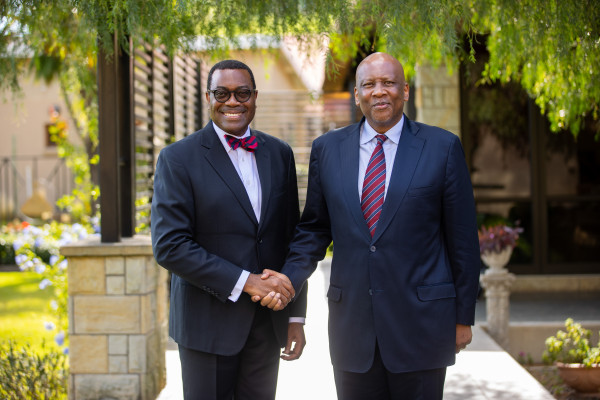
During an official visit to Lesotho -- the first by an African Development Bank President -- Dr. Akinwumi Adesina met with His Majesty King Letsie III to discuss strengthening development partnerships and expanding the Bank's investments in the country. 

His Majesty expressed delight at the Bank President's visit, viewing the mission as a reflection of the Bank and Adesina's appreciation for Lesotho's progress in improving people's lives. 

“With haste, we will ensure that the policies and incentives to accommodate the needs of and attract the private sector are in place, especially in healthcare, agriculture, and manufacturing,” the King remarked. 

King Letsie said he was confident that Adesina, whom he described as a 'man of action,' would help catalyze progress on the Bank's strategic projects in Lesotho. 

Adesina thanked King Letsie for his strong leadership role as the African Union Nutrition Champion since 2014, his advocacy for improved nutrition and food security on the continent -- especially for women, adolescents, and children -- and his passion for youth development. 

The African Development Bank president commended His Majesty for his leadership on the  King Letsie III Just Energy Transition Fund, which aims to generate approximately 200 megawatts of power through private sector investments. 

He also briefed King Letsie about the Bank's new 2025-2030 Country strategy paper and planned investments of $331 million to support quality infrastructure, capacity building, energy, integration and interconnectivity, debt management and standards, and strengthening the office of the Prime Minister.  

Referencing dwindling donor commitments globally, Dr. Adesina said, "Africa must prepare to engage more proactively with the private sector. Every challenge is an investor's dream. Ultimately, capital, like water, will always find a receptive place to go." 

According to Adesina, the Bank has implemented 87 projects totaling $429 million since Lesotho joined the Bank in 1973.  

"We have eight ongoing projects worth $60 million, and we look forward to significantly expanding our commitments," Adesina said. 

The Bank's investment strategy for Lesotho will focus on several priority areas: 

  • Energy infrastructure, including electricity transmission lines connecting Lesotho to South Africa 
  • Agricultural development to enhance food security and rural livelihoods 
  • Climate resilience initiatives to address environmental challenges 
  • Digital transformation, including broadband expansion for digital financial inclusion and government service digitalization 
  • Water resource management, building on the success of the Lesotho Lowland Rural Water Supply Project 
  • Public financial management and debt management support 
  • Trade competitiveness enhancements through improved grades and standards for exports 

The African Development Bank-led Lesotho Rural Water Supply and Sanitation Project has delivered remarkable results: 190 kilometers of pipeline to distribution networks, water storage tanks with a total capacity of 3.48 million liters, and 166 public water points serving approximately 28,266 people across eight zones in Maseru and Berea districts. 

Responding to King Letsie's request, Dr. Adesina said the Bank will prioritize investments in primary healthcare centers across Lesotho.  

“We will work on an integrated project that includes components of energy, a potential multi-partner $2.3 billion water transfer project from Lesotho through South Africa to Botswana, agro-value chains, and trade facilitation in Lesotho,” Adesina said after the meeting with King Letsie III. 

The Bank is expected to support Lesotho in mobilizing approximately $260 million for the integrated water transfer project, which will supply 308 million cubic meters of water for domestic, agricultural, and industrial use through a 700 km pipe system. The project has the potential to generate up to 22 MW of hydropower. 

Speaking earlier, Minister of Finance and Development Planning Retselisitsoe Matlanyane indicated that as Lesotho's energy supply will exceed domestic demand by the end of 2026, the country intends to build a substation to export excess power production to South Africa. She reiterated Lesotho's commitment to private sector-friendly policies and engagement. 

The minister highlighted the importance of primary healthcare and nutrition investments to help combat extreme stunting in several parts of the country.  

King Letsie is the African Union-appointed African Leaders for Nutrition champion.  The initiative, spearheaded by the African Development Bank and championed by African leaders, works to galvanize political will and significant investments to end malnutrition on the continent. 

Dr. Adesina also met with Prime Minister Samuel Ntsokoane Matekane; and the ministers of Foreign Affairs; Agriculture, Food Security & Nutrition; Natural Resources; Health; Communication, Science & Technology; and Education & Training. 

The Bank's delegation to Lesotho included its Executive Director for Lesotho, Dr. Nomfundo X. Ngwenya; Deputy Director General for Southern Africa, Moono Mupotola; and Senior Advisor to the President for Communication and Stakeholder Engagement, Dr. Victor Oladokun. 

Distributed by APO Group on behalf of African Development Bank Group (AfDB).

Media Contact:  
Emeka Anuforo
Principal Regional Communication Officer 
media@afdb.org

About the African Development Bank Group: 
The African Development Bank Group is Africa's premier development finance institution. It comprises three distinct entities: the African Development Bank (AfDB), the African Development Fund (ADF) and the Nigeria Trust Fund (NTF). On the ground in 41 African countries with an external office in Japan, the Bank contributes to the economic development and the social progress of its 54 regional member states. For more information: www.AfDB.org

Media files
African Development Bank Group (AfDB)
Download logo
Read moreAfrican Development Bank Group to Expand Investment in Lesotho to $331 Million
19 March 2025

AEW 2025 Program Launches, Highlighting African Energy Security and Global Investment Opportunities

Location: Business
African Energy Chamber

The African Energy Week (AEW): Invest in African Energies conference has officially launched its 2025 program, covering strategic topics from upstream oil and gas to downstream infrastructure and distribution to the energy transition, power industry, energy finance and more. The program offers insight into what this year's edition will offer, as industry leaders, global investors, major operators and think-tanks convene in Cape Town to discuss Positioning Africa as the Next Global Energy Champion.  

As the largest event of its kind in Africa, AEW: Invest in African Energies serves as a vital platform to sign deals and drive energy projects forward. This year's event offers an expanded program, featuring a variety of stages covering the entire energy value chain. Additional features include pre-conference workshops, a deal room, the return of the African Farmout Forum, technical hubs, fireside chats and more. The Just Energy Transition concert returns to kick off the week while the African Energy Awards & Gala Dinner celebrates movers and shakers in African energy. 

One of the highlights of this year's conference is the G20 Energy Leaders Roundtable, which comes as South Africa hosts the 20th meeting of the G20 group this year. A series of country spotlights will also take place during the course of the week, covering markets such as South Africa, Senegal, Equatorial Guinea, Namibia and the Republic of Congo, as well as an OPEC roundtable featuring major OPEC-producers. A BRICS roundtable will examine the impact the group has on Africa's energy future while a COP 30 roundtable will discuss Africa's position ahead of the conference this year.  

Africa's energy sector is more attractive than ever, as regulatory reforms, ambitious policies and long-term development strategies continue to entice spending. Total capital expenditure for the oil and gas industry alone is estimated to reach $43 billion in 2025, with spending set to reach $54 billion by 2030. AEW: Invest in African Energies 2025 features an energy finance stage, with discussions covering the African Energy Bank; investment trends in Africa and reducing barriers to entry. The stage will unpack Mergers & Acquisitions; financing cross-border projects; energy access and equity, among other topics.   

As one of the final frontiers for oil and gas exploration, Africa is seeing a plethora of projects advance. West Africa is projected to lead oil and gas spending in 2025, accounting for over 50% of the continent's total expenditure. While established producers such as Nigeria remain dominant, emerging producers such as Senegal and Mauritania are attracting high levels of investment. In Southern Africa, Namibia targets first oil by 2029 while South Africa seeks to unlock discoveries in both its offshore basins and onshore shale prospects. Zimbabwe targets onshore gas production while Mozambique advances its pipeline of large-scale LNG projects. AEW: Invest in African Energies Upstream E&P Forum will examine the continent's exploration hotspots. Panels include onshore and shallow water potential; the resurgence of Libya; onshore basins to watch; the outlook for LNG; and deepwater plays.  

Amid the continent's oil and gas drive, Africa also seeks to advance a just energy transition, Countries such as Mauritania, Namibia and South Africa are spearheading large-scale green hydrogen developments while solar and wind developments offer increased accessibility for remote communities. Gas-to-power is a central feature of the continents just energy transition, with Algeria, Nigeria and Egypt leading the charge. The AEW: Invest in African Energies Energy Transition stage will unpack strategies for decarbonizing while boosting industrialization. Topics include addressing energy security and climate commitments; clean cooking opportunities; local content; integrated ESG, and more.  

As Africa seeks to make energy poverty history by 2030, a fundamental industry is the power sector. Efforts are underway across the continent to revitalize power infrastructure, with both grid-connected and off-grid projects advancing. International partners have a role to play in supporting power projects and the AEW: Invest in African Energies Powering Africa stage will address this. Topics include energy leaders dialogue; energy efficiency; bridging the electricity gap; energy diversification; and integrating renewables into the energy mix.  

“Africa is on the cusp of an energy revolution, and AEW: Invest in African Energies is where the deals that will define our continent's future are made. We remain committed to making energy poverty history by 2030, and through this event, we are accelerating the partnerships and policies that will make that vision a reality,” states NJ Ayuk, Executive Chairman of the African Energy Chamber.  

Visit www.AECWeek.com to download your copy today.  

AEW: Invest in African Energies is the platform of choice for project operators, financiers, technology providers and government, and has emerged as the official place to sign deals in African energy. Visit http://www.AECWeek.com for more information about this exciting event.  

Distributed by APO Group on behalf of African Energy Chamber.

Media files
African Energy Chamber
Download logo
Read moreAEW 2025 Program Launches, Highlighting African Energy Security and Global Investment Opportunities
17 March 2025

Here’s How We Can Move to Renewable Energy in a Just Way

Location: News

Mining companies could fulfil their social obligations by investing in these projects

Read moreHere’s How We Can Move to Renewable Energy in a Just Way
17 March 2025

South Africa’s Penguins Are Worth Billions, Experts Say

Location: News

Island closures are painted as an economic cost to the fishing industry, but losing African Penguins will cost us dearly

Read moreSouth Africa’s Penguins Are Worth Billions, Experts Say
14 March 2025

Long-Suffering Durban Residents Could Wait Years for End to Water Crisis

Location: News

Finance Minister on Wednesday said construction of Mkhomazi Water Project, which includes a new dam, will only start in November 2027

Read moreLong-Suffering Durban Residents Could Wait Years for End to Water Crisis
14 March 2025

Former Lottery Exec Fights Back Over r4.7-Million Farm

Location: News

SIU says the farm was bought with stolen Lottery money

Read moreFormer Lottery Exec Fights Back Over r4.7-Million Farm
12 March 2025

Government allocates R19.1 billion for teachers over the medium term 

Location: News

Government allocates R19.1 billion for teachers over the medium term 

The government has added R19.1 billion over the medium term to keep approximately 11 000 teachers in classrooms.

“Our learner-teacher ratios remain higher than we would like, meaning that we still need more teachers in classrooms,” Minister of Finance Enoch Godongwana said on Wednesday in Parliament.

According to the Minister, paying salaries constitute 76% of provincial education budgets. 

“This means that only R24 out of every R100 of their budget is left for funding school infrastructure, meals for learners from poor backgrounds, and stationery and textbooks, amongst others.

“To prevent compensation of employees from crowding out other equally important areas of spending, R19.1 billion is added over the medium term to keep approximately 11 000 teachers in classrooms,” the Minister said during the Budget Speech.

He said the foundation to building the next generation of citizens who contribute economically and socially to the nation is in early childhood development (ECD).

“Despite this, the subsidy for ECD has not increased from the 2019 level of R17 per day, per child. To remedy this, an additional R10 billion over the medium term is allocated to increase the subsidy to R24 per day per child. The extra funding will also support increased access to ECD for approximately 700 000 more children, up to the age of four years old.”

Meanwhile, the Department of Higher Education is implementing a pilot student funding model for the “missing middle”, which refers to students from families with annual incomes ranging from R350 000 to R600 000. 

The National Student Financial Aid Scheme will manage these loans using funds provided by the National Skills Fund, amounting to R1.5 billion in 2024/25 and R3 billion over the Medium-Term Expenditure Framework (MTEF) period.

“The apprenticeship and skills development levy systems will be reviewed. The goal, in collaboration with the private sector, is to double the number of artisans completing trade tests in the next three years through increased work-based learning opportunities.

“The arts, culture, sport and recreation sector is allocated R38.4 billion over the medium term to support school sports, national recreation events and selected sporting codes, as well as to preserve and promote the cultural, heritage and linguistic diversity of South Africa,” Treasury’s  2025 Budget Review document noted.

Health

Health spending will grow from R277 billion in 2024/25 to R329 billion in 2027/28 to support the equitable provision of public health services, including free primary healthcare.

“Like in provincial education, a significant portion of the provincial health budget is spent on the salaries and wages. R28.9 billion is added to the health budget, mainly to keep about 9 300 healthcare workers in our hospitals and clinics.

“It will also be used to employ 800 post-community service doctors, and to ensure that our pharmacies do not run out of medicines,” the Minister said.

National Health Insurance (NHI) policy

As part of strengthening the health system and preparing for the National Health Insurance (NHI) policy, the Department of Health will fund the development of a patient information system, a centralised chronic medicine dispensing and distribution system, and a facility medicine stock surveillance system. 

Over the MTEF period, the indirect and direct conditional grants for NHI are allocated R8.5 billion and R1.4 billion respectively.
“Sustained allocations for direct and indirect infrastructure grants, including potential additional funding through the Budget Facility for Infrastructure (BFI), as outlined in the 2024 MTBPS, will focus on new or replacement buildings, upgrades, rehabilitation and maintenance. 

“The total infrastructure allocation is R37.4 billion over the MTEF period, including provisional allocations from the BFI and new allocations for Siloam District Hospital and Tygerberg Hospital equipment through a public-private partnership in 2027/28,” National Treasury said. -SAnews.gov.za


nosihle
Wed, 03/12/2025 - 14:23
403 views

Read moreGovernment allocates R19.1 billion for teachers over the medium term 
12 March 2025

Senegalese Papa Chimere Diop – New APO Director of Strategic Growth & Market Development

Location: Business
APO Group

APO Group (www.APO-opa.com), the leading pan-African media relations and communications consultancy, is pleased to announce the promotion of Papa Chimere Diop to Director of Strategic Growth & Market Development at Group level. This appointment, effective from 1 March 2025, highlights APO Group's commitment to strengthening its commercial leadership and driving expansion across Africa. 

Chimere, who previously served as Senior Sales Director and later Senior Growth Director, has been instrumental in shaping APO Group's business development strategies. His transition into this role reflects the company's dedication to empowering its top talent while reinforcing its leadership in the African communications industry. 

Bas Wijne, CEO of APO Group, said, “As a key driver of APO Group's commercial success, Chimere has consistently secured high-impact opportunities and built strong client relationships across the continent. His promotion to a Group-level role is a natural progression in our strategy to deepen partnerships, enhance market intelligence, and accelerate sustainable growth in key regions. His leadership will be vital as we continue to expand our footprint across Africa.” 

In his new role, Chimere will focus on identifying strategic opportunities, strengthening client engagement with senior decision-makers, and driving sustainable revenue growth. He will also lead initiatives to expand APO Group's presence in high-growth industries and regions, deepen relationships with senior executives to unlock new opportunities, and utilise market intelligence to reinforce the company's leadership in Francophone and Lusophone Africa. Additionally, he will represent APO Group at major industry events, enhancing the company's thought leadership and brand visibility across the African communications landscape. 

“I am honoured to take on this expanded role at APO Group, building on the momentum we have created over the years,” said Chimere. “Our team is a reflection of Africa itself—rich in cultural and geographic diversity, with deep expertise and an extensive understanding of the continent's media and business landscape. As we continue to be the trusted communications partner for leading organisations across Africa, we also welcome fresh perspectives and creative contributions that can help drive meaningful growth and reinforce our presence in all African markets.” 

With this strategic appointment, APO Group continues to solidify its leadership in the African communications industry. Clients, partners, and industry stakeholders are encouraged to engage with APO Group to explore new collaboration opportunities. 

Distributed by APO Group on behalf of APO Group.

About APO Group:  
Founded in 2007, APO Group (www.APO-opa.com) is the leading award-winning pan-African communications consultancy and press release distribution service. Renowned for our deep-rooted African expertise and expansive global perspective, we specialise in elevating the reputation and brand equity of private and public organisations across Africa. As a trusted partner, our mission is to harness the power of media, crafting bespoke strategies that drive tangible, measurable impact both on the continent and globally. 

Our commitment to excellence and innovation has been recognised with multiple prestigious awards, including the PRovoke Media Global SABRE Award and multiple PRovoke Media Africa SABRE Awards. In 2023, we were named the Leading Public Relations Firm Africa and the Leading Pan-African Communications Consultancy Africa in the World Business Outlook Awards, and the Best Public Relations and Media Consultancy of the Year South Africa in 2024 in the same awards. In 2025, Brands Review Magazine acknowledged us as the Leading Communications Consultancy in Africa for the second consecutive year. They also named us the Best PR Agency and the Leading Press Release Distribution Platform in Africa in 2024.  

APO Group's esteemed clientele, which includes global giants such as Canon, Nestlé, Western Union, the UNDP, Network International, African Energy Chamber, Mercy Ships, Marriott, Africa's Business Heroes, and Liquid Intelligent Technologies, reflects our unparalleled ability to navigate the complex African media landscape. With teams on the ground in numerous African countries, we offer unmatched insights and reach across the continent. APO Group is dedicated to reshaping narratives about Africa, challenging stereotypes, and bringing inspiring African stories to global audiences, with our expertise in developing and supporting public relations campaigns worldwide uniquely positioning us to amplify brand messaging, enhance reputations, and connect effectively with target audiences. 

Media files
APO Group
Download logo
Read moreSenegalese Papa Chimere Diop – New APO Director of Strategic Growth & Market Development
11 March 2025

Call for collaboration to boost infrastructure investment

Location: News

Call for collaboration to boost infrastructure investment

President Cyril Ramaphosa has emphasised the need for strong collaboration between government and business to scale up infrastructure investment and drive South Africa’s economic growth.

Speaking during a Questions for Oral Reply session in the National Assembly on Tuesday, the President highlighted the importance of structural reforms to address key constraints, such as energy supply and inefficiencies in freight and logistics.

“For South Africa to achieve the levels of economic growth it needs, it is essential that government and business work together to scale up investment in infrastructure.

“Government has committed to an ambitious infrastructure build programme. Infrastructure spend by government will encourage and enable greater private sector investment in sectors such as electricity generation, electricity distribution, rail rolling-stock, and water distribution,” the President said. 

However, he stressed the distinction between public and private financial resources, particularly pension funds held by financial institutions. These funds, he noted, belong to workers and are intended for their retirement, making them private assets rather than State resources.

To facilitate infrastructure investment, the President said that government needs to provide these savers with a reasonable return and ensure that these funds are safeguarded.   

In 2022, National Treasury amended Regulation 28 of the Pension Funds Act to allow for longer-term infrastructure investments by retirement funds. The changes introduced a definition of infrastructure and set a 45% upper limit for pension fund investments in infrastructure projects.

Further regulatory adjustments have been made to facilitate economic development, including separating the investment limits for hedge funds and private equity. The allocation for private equity assets has been increased from 10% to 15%, allowing for greater infrastructure investments.

In the Medium-Term Budget Policy Statement of October 2024, the Minister of Finance announced work underway on mechanisms to complement the changes to Regulation 28 through the development of specific investment vehicles to simplify and incentivise institutional investors. 

The President said details on these mechanisms will be published in the upcoming Budget, which is expected to be delivered on Wednesday, 12 March 2025. – SAnews.gov.za

DikelediM
Tue, 03/11/2025 - 15:53
271 views

Read moreCall for collaboration to boost infrastructure investment
9 March 2025

Minister Ramokgopa to engage North West on electricity challenges

Location: News

Minister Ramokgopa to engage North West on electricity challenges

Minister of Electricity and Energy, Dr Kgosientsho Ramokgopa, will lead an intergovernmental engagement with all municipalities in the North West province do discuss electricity challenges and introduce effective interventions.

He will be joined by Premier of the North West, Lazarus Kagiso Mokgosi, during Monday’s meeting.

This initiative follows the Minister’s recent engagements with municipalities in Limpopo and the Free State, where similar discussions were held to address municipal electricity issues. 

“This effort is in line with the seventh administration’s commitment to fostering a functional local government capable of fulfilling its obligations through a coordinated effort involving all three spheres of government.

“Several municipalities are currently under Section 139 intervention, necessitating oversight from the Provincial Executive. This situation stems from longstanding municipal debts, including both arrears and current accounts owed to Eskom for electricity distribution.

“An integrated approach is essential for developing a sustainable intervention plan that focuses on medium to long-term solutions. Some strategies may require financial reconfiguration, particularly in light of the country’s ongoing fiscal consolidation efforts,” a joint statement by the Ministry of Electricity and Energy and the North West provincial government said.

The outcomes of the meeting aim to formulate collaboration, which will ensure that municipalities can meet their financial obligations to Eskom and ensure reliable electricity access to all. - SAnews.gov.za


nosihle
Sun, 03/09/2025 - 15:10
18 views

Read moreMinister Ramokgopa to engage North West on electricity challenges
5 March 2025

JETA Holding Expands its Vision for FinTech in Africa Following the Inclusive FinTech Forum 2025

Location: Business

JETA Africa Holding
Download logo

During the Inclusive FinTech Forum 2025, JETA Holding (www.JETAHolding.com) reinforced its commitment to FinTech and trade expansion in Africa, leveraging its expertise in other industries, including healthcare and technology-driven solutions to position itself as a key player in the region's digital transformation.

At the event, JETA engaged with leading industry stakeholders, established connections with potential partners, and explored investment opportunities to accelerate FinTech adoption and financial inclusion across Africa.

Haim Taib, Founder & President of Mitrelli Group and JETA Holding, emphasized on stage:
"FinTech is not just about technology—it's about unlocking opportunity, fostering inclusion, and driving economic transformation. Across Africa, a new generation of creative entrepreneurs is emerging, bringing bold ideas and innovations that have the potential to redefine industries. However, true progress requires more than innovation; it demands the collective commitment of governments, private capital, and human talent working together to turn potential into impact. This is why JETA is making strategic investments in FinTech—not just to connect people, businesses, and communities with financial tools, but to lay the foundation for long-term, sustainable growth."

With a strong foundation in healthcare, cybersecurity, and ICT, JETA is expanding into FinTech and trade, leveraging its experience in complex regulatory environments and established relationships with governments, banks, and regulators.

JETA operates through three core subsidiaries:

  • Luanda Medical Center (LMC) – A leading hospital and clinic in Luanda, Angola, delivering high-quality healthcare services.
  • Yapama – A medical equipment and consumables distribution company with operations in Angola, Senegal, and Côte d'Ivoire.
  • New Cognito – A cybersecurity and ICT services company, well established in Angola. 

As JETA enters FinTech and trade, the company is looking to bridge financial technology with real-sector applications, including digital payments, lending, trade finance, and financial inclusion solutions.

JETA is actively seeking partnerships with investors, FinTech startups, and financial institutions to drive innovation and scale financial solutions across key African markets.

Doron Ben Sira, CEO of JETA Holding, added:
"FinTech is one of the most dynamic and transformative sectors in Africa, with enormous potential to accelerate financial inclusion and unlock new trade opportunities. At JETA, we don't just invest in technology—we invest in building strong ecosystems. We connect capital, expertise, and markets to ensure that financial innovation doesn't just grow but establishes itself as a sustainable engine for development. We are actively seeking the best companies and partnerships to build a more integrated and accessible digital future in Africa."

Expanding Across Africa

JETA is more than an investor—it is a business accelerator and growth enabler. Through its subsidiaries and strategic investments, JETA is building an ecosystem that connects technology, capital, and local expertise.

As part of its FinTech and trade expansion, JETA is focusing on high-growth markets, including Nigeria, South Africa, Kenya, Ghana, Côte d'Ivoire, Ethiopia, Rwanda, Tanzania, Senegal, Mauritius, and Uganda.

With a proven track record in market expansion, JETA is committed to leveraging its regional presence and deep industry networks to build scalable and impactful financial solutions across the continent.

Distributed by APO Group on behalf of JETA Africa Holding.

For more information or to schedule interviews with JETA Holding's spokespersons, please contact:
Doron Ben Sira
+357 9974 3916
info@jetaholding.com

Read moreJETA Holding Expands its Vision for FinTech in Africa Following the Inclusive FinTech Forum 2025
5 March 2025

Committee Concludes Scoring of Candidates for the National Youth Development Agency (NYDA) Board

Location: News

Republic of South Africa: The Parliament
Download logo

The Portfolio Committee on Women, Youth and Persons with Disabilities met yesterday to score the candidates interviewed last week for positions to fill vacancies on the National Youth Development Agency (NYDA) Board.

Committee chairperson Ms Liezl van der Merwe said, “We appreciate the involvement of all committee members in the interview process, where we engaged with 19 candidates from diverse backgrounds, each bringing unique skills and experiences. Among them, we had candidates with advanced degrees, entrepreneurs, social scientists and individuals with practical experience in youth and social development. Their participation highlights the wealth of talent present in our youth.”

The committee agreed to reconvene next week, on Tuesday 11 March, to announce the top 10 candidates based on the collated scores. Ms van der Merwe said when the announcement is made the committee will provide details regarding the demographic representation of the candidates, including race, gender, disability status and geographical distribution.

Distributed by APO Group on behalf of Republic of South Africa: The Parliament.

Read moreCommittee Concludes Scoring of Candidates for the National Youth Development Agency (NYDA) Board
27 February 2025

More than 716 900 SASSA beneficiaries transition to Black Cards

Location: News

More than 716 900 SASSA beneficiaries transition to Black Cards

Over 716 900 South African Social Security Agency (SASSA) beneficiaries have transitioned to the Postbank Black Cards from the previous SASSA Gold Cards, Cabinet said on Thursday.

Minister in the Presidency Khumbudzo Ntshavheni said card distribution sites have been increased around the country to ensure that beneficiaries are assisted before the 20 March 2025 deadline. 

“More than 716 900 beneficiaries have transitioned to the Postbank black cards and card distribution sites have been increased around the country to mitigate the queues so that every beneficiary receives the new card near where they live. 

“Postbank has also increased the number of tellers in the card replacement sites from 2 tellers to up to 5 tellers depending on the business of the site,” the Minister said at a post-Cabinet briefing in Cape Town.

Cabinet also encouraged beneficiaries to visit their nearest Checkers, Shoprite, Pick ‘n Pay, Usave, or Boxer stores to collect their new Postbank Black Card. 

READ | Grant beneficiaries urged to replace expiring SASSA Gold Cards

Steps to take

A valid South African identity document (ID) or temporary ID is required. Mobile offices will also be available in rural areas to assist beneficiaries. 

Additionally, Postbank has partnered with the Spar Group, which will designate 200 of its stores as service sites across the country.

“Cabinet reminds beneficiaries that the old SASSA Gold Card will stop working on 20 March 2025 and beneficiaries who have not exchanged their cards by then will need to visit their nearest Post Office branch to access their funds,” the Minister said.

SASSA had previously said that Postbank has also made it easy for beneficiaries to locate the nearest place in every province where they can collect their Postbank Black Cards. 

All they need to do from the comfort of their homes is to use their cellphone and: 
•    Dial: *120*218*3#
•    To continue, reply by pressing number: 1; and
•    reply with the number representing the province they live in.

To get the new Postbank Black Cards, beneficiaries are required to have a valid South African ID, or a temporary ID. Beneficiaries are urged to be aware that no card will be issued without these documents. 

Ensuring that minimum documentation is required to get the new Postbank Black Cards is in line with SASSA and Postbank's ongoing commitment to continuously improve the customer experience of all social grant beneficiaries.

The Postbank Black Cards will be issued free of charge. For further enquiries, beneficiaries can contact Postbank on 0800 53 54 55 or SASSA on 0800 60 10 11. 

Government previously moved the initial deadline from 28 February deadline to 20 March 2025. – SAnews.gov.za


DikelediM
Thu, 02/27/2025 - 13:14
838 views

Read moreMore than 716 900 SASSA beneficiaries transition to Black Cards
26 February 2025

Government welcomes provisional outcomes of the media market inquiry

Location: News

Government welcomes provisional outcomes of the media market inquiry

Government says it acknowledges and welcomes the provisional outcomes of the Media and Digital Platforms Market Inquiry (MDPMI), led by the Competition Commission of South Africa. 

This week, the preliminary report from the commission regarding the MDPMI) garnered attention for its strong recommendation that Google should pay as much as R500 million yearly to compensate South Africa’s news industry. 

The commission believes that South Africa should impose a digital tariff of 5% to 10% on major tech companies such as Google, Meta and Microsoft if they fail to fairly compensate media organisations for the content they distribute on their platforms.

The MDPMI began on 17 October 2023 and aims to investigate the characteristics of digital platforms that distribute news media content. 

The focus is on identifying features that may hinder, distort, or restrict competition, or that undermine the objectives of the Competition Act. 

The Government Communication and Information System (GCIS) has since described the inquiry as a crucial step in ensuring a fair and competitive digital media environment that supports the sustainability of local journalism and promotes media diversity.

“The South African media landscape is evolving rapidly, with digital platforms playing an increasingly dominant role in content distribution and advertising revenue,” a statement from the GCIS on Wednesday read. 

Adjunct Faculty Member and Head of the GIBS Media Leadership Think Tank, Michael Markovitz, stated that the report aims to address the root causes of anti-competitive behaviour among big tech companies, and seeks to fundamentally reshape the digital market to foster fairer competitive dynamics.

The inquiry assessed the impact of global digital giants on local media businesses, ensuring that South African publishers, broadcasters and digital content creators can compete on a level playing field.

Government - through the GCIS, in partnership with members of the Print and Digital Media Transformation Steering Committee - said it remains committed to supporting an independent, pluralistic and sustainable media sector, recognising its fundamental role in strengthening democracy and ensuring access to diverse sources of information.

Deputy Minister in the Presidency, Kenny Morolong, said the GCIS will work with all stakeholders, including media houses, digital platforms, advertisers, and the public on the implementation of the final outcomes of the MDPMI. 

“We will also contribute to the solutions proposed for addressing the challenges facing the media sector while unlocking opportunities for innovation and growth,” Morolong said.

The GCIS said the inquiry’s provisional outcome supports efforts for media transformation and sustainability, promoting economic participation and safeguarding public interest journalism, which is vital for a fair and diverse media landscape in South Africa.

White paper

Meanwhile, the Chairperson of the Portfolio Committee on Communication and Digital Technologies, Khusela Diko, has welcomed the recommendations of the provisional report. 

Diko believes that the recommendations strengthen the committee’s call for an urgent publication of a White Paper on Audio and Audiovisual Media Services and Online Content Safety by the Department of Communication and Digital Technologies (DCDT).

“For a very long time, over-the-top (OTT) digital platforms exploited the regulatory gap in the sector to the detriment of the public broadcaster, the South African Broadcasting Corporation, which operates under stringent regulations. We further welcome the recommendation that media houses be remunerated for the content they produce that gets to be exploited by OTT and digital platforms,” Diko explained.

She further said that the recommendations on Google and YouTube, amongst others, will hopefully serve as a deterrent to everyone that the lack of direct regulation in the sector is not "licencee for unscrupulous business practices". – SAnews.gov.za
 

Gabisile
Wed, 02/26/2025 - 15:45
81 views

Read moreGovernment welcomes provisional outcomes of the media market inquiry
23 February 2025

Call to use water sparingly 

Location: News

Call to use water sparingly 

The Department of Water and Sanitation (DWS), uMngeni-uThukela Water and eThekwini Metro have urged the public to use water sparingly as eThekwini battle water supply disruptions.

In light of ongoing water supply disruptions in eThekwini, the Minister of Water and Sanitation, Pemmy Majodina, and Deputy Minister David Mahlobo convened an urgent meeting on Sunday with key stakeholders to address the matter. 

The meeting included eThekwini Mayor Cyril Xaba, Trading Services Committee Chairperson Mdu Nkosi, uMngeni-uThukela Water Board (UUW) Chairperson Advocate Vusi Khuzwayo, and senior management from the involved institutions.

“The public is encouraged to play their part in reducing the risk of water supply disruptions. All water users in the municipality are encouraged to use water sparingly to reduce the average consumption of water per capita per day. 

“The 2023 DWS No Drop audit (which was released by DWS in December 2023) found this to be 298 liters/capita/day, compared to the international average of 173 l/c/d,” the joint statement read. 

According to the statement, the root cause of the water shortages is that demand for treated water in eThekwini has outstripped supply. 
This is due to rapid population growth and significant leaks within the municipality’s water distribution system. 
This has resulted in a situation where the City’s reservoirs become depleted, because water is being drawn out of them faster than the reservoirs can be filled. 

This particularly affects water supply to high-lying areas and areas far from the reservoirs, because the water levels in the reservoirs drop to a level where they are insufficient to provide the pressure required to get water to the high-lying and far-away areas. 
This has been the main cause of water supply disruptions in Chatsworth, Umlazi and surrounding areas in the South, as well as Verulam, Tongaat and Ntuzuma in the North. 

Further exacerbating the situation, a key UUW pipeline was shut down last month to allow the South African National Roads Agency (SANRAL) to upgrade the N3 highway, affecting water supply to Hillcrest and surrounding areas.

The pipeline is expected to resume operations on 27 February. Additionally, restrictions imposed by the DWS on raw water abstraction from the uMngeni Water Supply System (uMWS) have also contributed to supply challenges.

“To ensure a continuous supply of water to users even in times of drought,  the DWS sets a limit on the amount of raw water that uMngeni-uThukela Water can abstract from the uMngeni Water Supply System (uMWS) for eThekwini to its consumers. Dam storage levels can fall rapidly when there is a drought, and it would therefore be irresponsible to raise the abstraction limit when the dams are full.”

UUW has been exceeding the abstraction limit imposed by DWS, and consequently the department instructed UUW to curtail its abstraction in October 2024. 

During the December holidays, when demand for water peaked in eThekwini, DWS temporarily lifted this curtailment directive, but it was reinstated again in mid-January 2025.

“Various projects are underway to augment the amount of water in the uMWS. The raising of the Hazelmere Dam wall was completed in 2023 at a cost of R820 million and has doubled the amount of water that can be stored in the Dam. 

“uMngeni-uThukela Water has completed a project to increase the capacity of the Hazelmere Water Treatment Works from 55 to 75 megalitres per day (75 million litres per day), at a cost of R135 million. The capacity of the treatment work will be further increased to 90 megalitres per day within the next three years, at a cost of R25 million,” the statement read. 

Work underway

In addition, UUW is currently constructing a dam and a 100 million megalitres treatment plant on the Lower uMkhomazi River.

The Trans Caledon Tunnel Authority (TCTA) is at an advanced stage of raising R28 billion for the construction of a large new dam and transfer tunnel on the upper uMkhomazi River which is part of the uMkhomazi Water Project. 
UWW is in the process of procuring additional treatment capacity so that it will be able to treat and supply more water to eThekwini once the uMkhomazi Water Project is completed.

“eThekwini Municipality is also working on its own measures to increase the supply of water. In addition to the existing water re-use plant currently being used by industries, which the City is implementing as a public private partnership, the City is in the process of procuring two additional water re-use plants that will treat secondary effluent to produce potable water that meets the required water quality standards.

“It is also planning to implement two seawater desalination projects. All these projects will also be implemented through public private partnerships.”

The City is also implementing several major projects to increase the resilience of its water distribution system to breakdowns and to enable it to manage peaks in demand better with fewer water supply disruptions. 

Examples of these include the R1.2 billion Southern Aqueduct upgrade which is approximately 30% complete; the commissioning of the new Northern Aqueduct which is approximately 70% complete; and the R60 million upgrade of the Tongaat Water Treatment Works, which will be commencing this year. 

Turnaround

The City Council approved a water and sanitation turnaround strategy in April 2023, which is now under implementation. The strategy includes ringfencing revenue from the sale of water for the water function, reduction of non-revenue water (NRW), improving leak repair, and disconnection of illegal connections. 

“The backlog of water leaks requiring repair has been significantly reduced. The City is in the procurement stage of a public private partnership to mobilise private sector funding and expertise to reduce non-revenue water. The City is also in the process of issuing several City-funded contracts for non-revenue water reduction,” the statement said.

The City is also installing pressure management valves to reduce the water pressure in the water distribution system, which reduces the frequency of pipe bursts and extends the useful life of the infrastructure. It also reduces the amount of water lost through leaks in the system.

A programme to replace old leaking water distribution pipes is also being implemented. 

The meeting agreed on the following measures that will be implemented :

•    The City Council will consider implementing formal water-use restrictions through by-laws
•    Given the recent rainfall and improvement in dam levels in the uMWS, DWS will again temporarily lift the curtailment, with effect from today, until 23 April 2025
•    Weekly technical coordination meetings between the city, UUW and DWS will continue and there will be weekly meetings between the Mayor, the Minister and the Chairperson of UUW to review progress
•    This work will be coordinated with the fortnightly meetings of the water and sanitation workstream meetings of the Presidential eThekwini Working Group
•    The City and UUW will improve their communications regarding water supply disruptions to residents, including the causes of the disruptions and what is being done about them. 

-SAnews.gov.za


DikelediM
Sun, 02/23/2025 - 16:26
99 views

Read moreCall to use water sparingly 
23 February 2025

Sustainability of black farmers is crucial for SA’s sugar industry

Location: News

Sustainability of black farmers is crucial for SA’s sugar industry

Government is committed to ensuring that the more than 24 000 black small-scale sugarcane farmers remain an integral part of the multi-billion-rand sugar industry, Agriculture Minister John Steenhuisen said.

The industry is the bedrock of rural economies in KwaZulu-Natal and Mpumalanga.

Steenhuisen met with a number of small-scale growers and the sugar industry leadership at KwaShukela in Mount Edgecombe, Durban.

“The sustainability of the small-scale sugarcane farmers must remain one of the main priorities for both government and the industry. I am passionate about the cause of small-scale farmers to ensure their growth and success. You are part of the agriculture family, and we regard you as very important stakeholders in agriculture," said the Minister on Friday.

The leadership of the sugar industry at the meeting was led by the South African Sugar Association (SASA), the South African Farmers Development Association, SA Canegrowers and South African Sugar Millers’ Association.

SASA has been at the forefront of the efforts aimed at securing the sustainability of the small-scale sugarcane farmers (SSGs).

“The dire situation of SSGs necessitated a decisive intervention by SASA and industry leaders, hence the installation of the billion-rand empowerment plan. An average of 13 349 SSGs per season have benefited from the Transformation Intervention Fund since the 2019/2020 season,” the Ministry of Agriculture said.

It added that SASA has spent R1.09 billion on empowerment interventions/initiatives, especially for the benefit of black small-scale growers.

Of the R1.09 billion, SSGs received R700.55 million (64.27%), black large-scale growers (LSGs) received R254.47 million (25.22%) and the value of other interventions for black beneficiaries amounted to R137.88 million (12.64%).

Furthermore, the extension of empowerment funding (R238.9 million for the current season) will continue to have a positive impact on SSGs and black growers in general. Two major categories of interventions exist – cane delivery-based and non-delivery-based interventions.

“The condition for receiving this cane delivery-based grant funding is for growers to be active farmers who deliver sugarcane.

“Besides the cane delivery-based grant funding to black growers, further funding examples include the R46.5 million infrastructure rehabilitation project in the Nkomazi region, Mpumalanga (which has greatly benefited SSGs and led to 300 hectares of cane being established), the R3.3 million SSG-driven rail siding initiative in Mkhuze, KwaZulu-Natal (making it possible for 70 000 tons of SSG cane to be transported to the Felixton Mill for the Makhathini-based growers  at a significantly lower transport cost) and the installation of a dummy spiller (R7.6 million) at the Gledhow Sugar Mill for cane delivery by SSGs, which reduced SSG hauler turnaround times and transport costs.”

Sugarcane Value Chain Master Plan

Phase One of the Sugarcane Value Chain Master Plan to 2030 has cemented the foundational role of SSGs.

A minimum of R60 million of the Premium Price Payment (PPP) to SSGs as part of the Master Plan, for a period of three seasons (2021/2022 to 2023/2024), was allocated, escalating annually to R68 051 340 in the 2023/2024 season.

The 2023/2024 season was the last year of the PPP. However, on 20 March 2024, SASA Council approved the extension of PPP to 2024/2025 with an inflationary adjustment, meaning the allocation for this season is R71.08 million.

Through the Master Plan processes, the industry has been able to pinpoint challenges or factors which impede the envisaged growth of SSGs through surveys that engaged more than 2 500 growers. Some of these factors include access to land and capital.

“There are limited opportunities for individual small-scale growers to expand their area under cane due to the lack of access to land and the dispersed distribution of cane farms in the deep rural areas of KZN and Mpumalanga. SASA is focused on ensuring that the lack of economies of scale, long transport distances and high contractor costs, are mitigated by the grants and other support to small-scale growers.”

The Ministry said that the long-term strategy is to ensure that small-scale growers remain in cane farming and are sustainable with improved productivity in the short-term while medium to long-term interventions are being developed.

“The industry is now working on putting together an intervention plan for the improving the livelihoods of SSGs across the industry. This forms part of Phase Two of the Master Plan, which is yet to be signed and implemented, with Phase One having expired on 31 March 2023,” it said. -SAnews.gov.za

Neo
Sun, 02/23/2025 - 12:53
31 views

Read moreSustainability of black farmers is crucial for SA’s sugar industry
18 February 2025

Opportunities for Growth and Investment in Africa’s Energy Sector

Location: News
African Energy Chamber

Africa's energy sector presents significant opportunities for investment and growth through targeted infrastructure development. Despite the continent's abundant hydrocarbon resources, inadequate infrastructure has historically impeded efficient extraction, processing and distribution. Addressing these gaps can unlock substantial economic potential and meet the rising energy demands both within Africa and globally.

As Africa continues to prioritize energy infrastructure development, this year's Africa Energy Week (AEW): Invest in African Energies conference – taking place September 29 to October 3 in Cape Town - will serve as a critical platform for investors, policymakers and industry leaders to explore opportunities in oil and gas pipelines, storage facilities and gas-to-power projects. Discussions at AEW 2025 will highlight successful infrastructure projects, showcase emerging investment prospects and address challenges in financing and implementation.

Pipeline Infrastructure

One critical area for investment is the development of extensive pipeline networks. These pipelines are essential for transporting crude oil and natural gas from production sites to refineries and export terminals. The proposed Nigeria-Morocco Gas Pipeline aims to transport approximately 30 billion cubic meters of natural gas annually from Nigeria through to Morocco and onto Europe, traversing 13 African countries. The $25 billion, 5,600-km project is poised to enhance energy security and foster economic integration across the region, with the potential to create jobs, boost industrialization and provide a stable gas supply for domestic consumption and export, strengthening Africa's role in the global energy market.

Liquefied Natural Gas Facilities

Investing in Liquefied Natural Gas (LNG) facilities is another promising avenue. These facilities enable the processing and export of natural gas, catering to global markets with high energy demands. Countries like Mozambique, the Republic of Congo, Nigeria and Tanzania are advancing large-scale LNG projects to capitalize on their substantial gas reserves. For example, Tanzania's LNG Liquefaction Plant, estimated at $30 billion, is set to position the country as a key player in the global LNG market.

Refining Capacity Enhancement

Africa's limited refining capacity often necessitates the import of refined petroleum products, leading to economic inefficiencies. Investments in modernizing and expanding existing refineries, as well as constructing new ones, are crucial. Such developments would not only meet domestic demand, but also create export opportunities. Angola is in the process of developing three new oil refineries, which will collectively increase domestic refining capacity to 400,000 barrels per day and reduce dependence on imported fuels.

Storage and Distribution Networks

Robust storage facilities and distribution networks are vital for maintaining energy supply stability. Investing in these areas ensures that oil and gas products are efficiently stored and transported to end-users, minimizing losses and meeting market demands. Enhanced storage capacity also provides a buffer against market fluctuations, contributing to energy security. South Africa's Richards Bay III project – a $6 million initiative involving the construction of an oil storage facility – aims to enhance South Africa's energy storage capacity and improve supply stability. Additionally, South Africa is experiencing significant growth in its LPG industry, driven by new distribution hubs and rising electricity prices. Companies like Petredec have announced the establishment of the country's first rail-supplied LPG project, aiming to make LPG a more accessible and cost-effective energy alternative.

Power Generation and Electrification

Leveraging natural gas for power generation offers a dual benefit: monetizing gas resources and addressing electricity deficits. Investments in gas-fired power plants and associated transmission infrastructure can significantly improve electrification rates across the continent. Mozambique's Temane gas-to-power project is set to commence operations in 2025, leveraging gas from the Pande and Temane fields to produce 450 MW of affordable power for the state utility.

AEW: Invest in African Energies is the platform of choice for project operators, financiers, technology providers and government, and has emerged as the official place to sign deals in African energy. Visit www.AECWeek.com for more information about this exciting event.

Distributed by APO Group on behalf of African Energy Chamber.

Media files
African Energy Chamber
Download logo
Read moreOpportunities for Growth and Investment in Africa’s Energy Sector
18 February 2025

NBA Africa and Safaricom’s M-Pesa Launch League’s Most Expansive Youth Development Program in East Africa to Date

Location: Sport
Basketball Africa League (BAL)

NBA Africa and Safaricom (NSE: SCOM- https://apo-opa.co/4gKHaas), the region's leading technology company, on Saturday launched the M-PESA Jr. NBA program that will provide basketball development and financial literacy programming to more than 10,000 boys and girls in Nairobi, Mombasa, Eldoret, and Kisumu, marking the league's most expansive youth development program in East Africa to date.   

The first year of the M-PESA Jr. NBA program, which tipped off with a clinic for more than 100 local coaches at SABIS International School in Nairobi, will consist of four regional tournaments for youth ages 13-16 in Nairobi (Feb. 22-23), Mombasa (March 8-9), Eldoret (March 15-16) and Kisumu (March 22-23). 

In each city, 20 boys' and 20 girls' teams will participate in skills development sessions and competitive games. The top 80 players will then be grouped into four boys' teams and four girls' teams that will play games in a round-robin format. The top 16 boys and girls from each city will be selected to attend an elite top 100 camp at Aga Khan Academy in Mombasa in April.

In addition to the basketball development programming, M-PESA, Safaricom's innovative mobile payment platform, will host financial literacy workshops for the participating youth, empowering them to develop healthy financial habits.

“Tipping off our multiyear collaboration with Safaricom is an important milestone in our ongoing efforts to make basketball more accessible to Kenyan boys and girls,” said NBA Africa CEO Clare Akamanzi. “We look forward to positively impacting youth and coaches across the country through basketball development and life-skills programming.”

“Our collaboration with NBA Africa could not have come at a more opportune moment, as Safaricom's M-PESA will celebrate its 18th anniversary this March, marking a significant milestone in our journey,” said Safaricom CEO Dr. Peter Ndegwa. “Through M-PESA Go, this collaboration transcends beyond basketball. It is driven by a shared vision to create a lasting impact, not only in sports but also in the broader context of youth empowerment. We are committed to nurturing potential, building character, and equipping the next generation with the tools necessary for success. We firmly believe that the association between M-PESA Go and the Jr. NBA program can pave the way for growth and financial health, enabling young athletes to develop their skills and seize opportunities at the next level.”

Distributed by APO Group on behalf of Basketball Africa League (BAL).

About NBA Africa:
NBA Africa is an affiliate of the National Basketball Association (NBA), a global sports and media organization with the mission to inspire and connect people everywhere through the power of basketball.  NBA Africa conducts the league's business in Africa, including the Basketball Africa League (BAL), and has opened subsidiary offices in Cairo, Egypt; Dakar, Senegal; Johannesburg, South Africa; Lagos, Nigeria; and Nairobi, Kenya.  The league's efforts on the continent have focused on increasing access to basketball and the NBA through youth and elite development, social responsibility, media distribution, corporate partnerships, NBA Africa Games, NBA Stores, the BAL, and more.

NBA games and programming are available in all 54 African countries, and the NBA has hosted three sold-out exhibition games on the continent since 2015. The BAL, a partnership between the International Basketball Federation (FIBA) and NBA Africa, is a professional league featuring 12 club teams from across Africa that will tip off its fifth season in April 2025. Fans can follow @ NBA_Africa (https://apo-opa.co/3ELjWny) and @ theBAL (https://apo-opa.co/3ELjWE4) on Facebook, Instagram, X and YouTube.

About Safaricom:
Safaricom is the leading telecommunication company in East Africa. Our purpose is to transform lives by connecting people to people, people to opportunities, and people to information. We keep over 45.9 million customers connected and play a critical role in the society, supporting over one million jobs both directly and indirectly while our total economic value was estimated at KES 393 billion ($3.1 billion) for the 12 months through March 2022.

Listed on the Nairobi Securities Exchange and with annual revenues of close to KES 335.4 billion as of March 2024, Safaricom provides connectivity through wide range of technology, 2G, 3G, 4G and 5G in aggregate covering over 99% of Kenya's population.

Safaricom is an equal opportunity employer, actively recruiting staff from different backgrounds reflecting the communities that we serve. We are committed to equal gender representation at all levels. Our target is to achieve 50:50 senior management gender parity by 2025.

As part of our ongoing commitment to the Sustainable Development Goals (SDGs), we continue to work towards improving energy and resource efficiency in our network and facilities to reduce carbon emissions and our fuel consumption. We remain committed to becoming a Net Zero carbon-emitting company by 2050.

Media files
Basketball Africa League (BAL)
Download logo
Read moreNBA Africa and Safaricom’s M-Pesa Launch League’s Most Expansive Youth Development Program in East Africa to Date
17 February 2025

Hammaskraal water declared safe for consumption

Location: News

Hammaskraal water declared safe for consumption

Drinking water in Hammanskraal has been declared safe for consumption, following concerns over water quality in the area.

In response to the concerns raised in media reports, an urgent meeting was convened by Water and Sanitation Deputy Minister David Mahlobo, City of Tshwane Mayor Nasiphi Moya, and Magalies Water. The meeting, held last Friday, addressed a temporary water supply disruption that caused brief turbidity in the drinking water.

“The meeting confirmed that the water is now safe to drink. It was agreed that officials from the City and Magalies Water would meet weekly to ensure proper coordination and timeous, and clear communication to the public regarding any water supply disruptions,” the Department of Water and Sanitation (DWS) said in a statement on Saturday.

The department confirmed that Magalies Water experienced a power failure at its Klipdrift Water Treatment Works on Tuesday, 4 February 2025, following a severe storm that damaged the mini-substation supplying electricity to the facility.

The storm caused severe damage to the substation, necessitating the procurement, installation, and commissioning of a new mini-substation.

Magalies Water successfully completed the installation and commissioning process by Saturday, 8 February 2025. 

After the electricity supply was restored, the plant was promptly restarted, ensuring the resumption of normal water treatment operations.

Due to downtime of the water treatment plant caused by the damage to the electricity substation, the department noted that the reservoirs and reticulation system were empty and dry for a considerable amount of time.

The downtown affected a number of areas, including Mandela Village, Marokolong, Ramotse, Kekana Gardens (Steve Bikoville), Kudube Unit 9, Babelegi Industrial and Bridgeview informal settlement.

The department added that when the system was restarted on 8 February 2025, it took time to recover, and the City of Tshwane and Magalies Water had to conduct testing and flushing of the system to get air out of the supply pipelines.
Water quality in the system is monitored continuously.

However, on 11 February 2025, it was discovered that there was some turbidity in the water, which could have been caused by settled sediments due to the system been dry for a period of time.

The department said all other parameters, apart from turbidity, complied with the South African National Standards (SANS) 241:2015 drinking water quality standard.

“Subsequent tests and further flushing of the distribution system were conducted on 13 February, and the results indicated that there was no non-compliance on any water quality parameters. The water in the system continues to be compliant to SANS 241:2015 and safe for human consumption.

“Magalies Water’s highly advanced ISO/IEC [International Organisation for Standardisation and the International Electrotechnical Commission] 17025:2017 accredited Scientific Services Laboratory and its staff continuously monitor water quality in the system. Rigorous monitoring protocols are implemented and informed by a risk-based approach that adheres to regulatory frameworks,” the department explained.

The City of Tshwane and Magalies Water, supported by Water and Sanitation, will continue to take samples and assess water quality in Hammanskraal, and the City of Tshwane will also continue to provide updates to residents accordingly.

“Residents are advised to avoid relying on misinformation from social media, which is often unverified and to make use of official notifications published by the City of Tshwane,” the department said. -SAnews.gov.za
 

GabiK
Mon, 02/17/2025 - 10:01
43 views

Read moreHammaskraal water declared safe for consumption
17 February 2025

Minister Ramokgopa engages Free State on electricity challenges 

Location: News

Minister Ramokgopa engages Free State on electricity challenges 

Electricity challenges the development of interventions on municipal management will come to the fore at Minister of Electricity and Energy, Dr Kgosientsho Ramokgopa’s engagement with the Free State provincial government and local municipalities today.

Monday’s meeting outcomes amongst others will develop strategies that will ensure that municipalities are able to meet their obligations to Eskom, thereby ensuring reliable electricity supply for their respective municipalities. 

Free State Premier Maqueen Letsoha-Mathae and the Minister will lead an intergovernmental intervention team with all Municipalities in the province. 

“The seventh administration’s commitment towards a functional local government that’s able to meet its obligation is displayed by the approach taken by the three spheres of government.

“Majority of our municipalities have been put under section 139 intervention of the Constitution in the stead of the Provincial Executive. This stems from historical municipalities debts of both arrears and current accounts to pay Eskom for electricity distribution,” the provincial government said.

The municipalities inability to collect revenue from debtors and maintain sustainable credit control has been influenced by a myriad of reasons which the intergovernmental dialogue will be vested with among many other areas of concern.

“Over the years the situation has worsened and had adverse effect on service delivery within the communities, impacting on operations of corporates, small businesses within those municipalities.

“The situation needs an integrated approach which will ensure a sustainable intervention plan looking at medium to long term solutions, some of these plans might require financial reconfiguration, particularly given the country’s ongoing fiscal consolidation efforts,” the provincial government said. -SAnews.gov.za


nosihle
Mon, 02/17/2025 - 09:26
79 views

Read moreMinister Ramokgopa engages Free State on electricity challenges 
  • Previous
  • Page 1
  • Interim pages omitted …
  • Page 3
  • Page 4
  • Page 5
  • Page 6
  • Page 7
  • Interim pages omitted …
  • Page 19
  • Next

Copyright © 2026 · MyZA · All Rights Reserved · Powered by Stratlec Online