DRC’s Cobalt Exports Contain Unreported Uranium – Our Study Estimates the Global Nuclear Risk
The amount of undeclared uranium from the DRC’s cobalt mines could – if processed – produce enough material for 600-1,500 nuclear weapons.

MyZA
News, Directory, Events and Other Stuff
The amount of undeclared uranium from the DRC’s cobalt mines could – if processed – produce enough material for 600-1,500 nuclear weapons.
Drawing lessons from Sierra Leone and having watched the mid-2026 outbreak in the DRC, I conclude that it risks become a global epidemic.
The next phase of the response must not be about deploying more people into communities simply to deliver interventions.
The scientist who discovered Likweli describes years of searching for the species, new to science.
Africa is rapidly expanding electricity generation, but new research shows energy planning must also account for water scarcity and carbon dioxide emissions.
Africa needs to navigate the tension between interdependence, economic security, and economic diversification.
People driven from their neighbourhoods by anti-immigrant groups have spent five days moving between a police station, a church centre and Home Affairs
Scalabrinian Missionary Sisters shelter accommodates up to 60 women at a time, providing housing, meals and skills training
Strong institutions ensure that foreign investment supports sustainable growth rather than environmental decay.
Millions of people in west Africa and the Sahel region face starvation.
The Lobito Corridor has become strategically important in the global scramble for critical resources.
People from the diaspora call this old part of Cape Town home
A refugee group, left homeless after their tent burnt down, still intend to oppose their eviction that will be heard in court next year
Some countries are making progress but others still face the challenge of weak coordination.
The competition for Africa’s critical minerals between China and the West presents an opportunity.
“The Herds” has travelled across the globe to raise awareness about migration and climate change
The last-mile delivery sector has exploded and may be the environmentally friendly way to shop
Accusations of treason against former DRC president Joseph Kabila are evidence of the fallout between him and his successor.
There are about 40 occult-related gangs operating in one province. Understanding what draws young people to them is key to combating them.
GOOD Statement by Brett Herron,GOOD Secretary-General 13 June 2025 The GOOD Party welcomes home the over 250 members of the South African National Defence Force (SANDF) returning from deployment in the Democratic Republic of Congo (DRC) as part of the Southern African Development Community (SADC) Mission in the DRC (SAMIDRC). We honour their courage and […]
The post SANDF RETURNS FROM DRC: A MOMENT TO HONOUR, REFLECT, AND RECOMMIT appeared first on For Good.
As global demand for critical minerals accelerates, Africa's mineral-rich economies are stepping into a more prominent role – not only as exporters of raw materials, but as strategic partners in global supply chains. African Mining Week (AMW) 2025, taking place in Cape Town on October 1-3, is emerging as a key platform for policymakers, mining companies, financiers and service providers to connect, negotiate and shape the future of the continent's mining sector.
AMW 2025's will prioritize high-level networking, dealmaking and investor matchmaking. At a time when governments are under pressure to present investable projects, this approach ensures that time on the ground translates into meaningful engagement and tangible progress.
Targeted Engagement Drives Attendance
AMW's agenda is designed to support strategic engagement through exclusive country briefings, curated investor meetings and deal rooms that connect government and private sector actors directly. Its co-location with African Energy Week 2025: Invest in African Energies further enhances the event's appeal, creating opportunities for cross-sector dialogue on infrastructure, energy access and mineral beneficiation.
This targeted approach is attracting a wide range of public and private sector delegations. Among confirmed participants is the South Africa–DRC Chamber of Commerce, which will be supporting the participation of companies operating across two of Africa's largest and most influential mining jurisdictions. South Africa's mining industry continues to play a central role in global platinum group metals production and is seeing new interest in battery minerals and green hydrogen, with institutions like the Industrial Development Corporation set to participate in sessions on financing mining and industrialization projects across the continent. The DRC, meanwhile, remains critical to global cobalt and copper supply chains, with significant interest in expanding downstream processing.
Government Participation Signals Project Pipelines
Several African governments are attending with the express purpose of promoting new investment opportunities. Chad's Ministry of Petroleum and Energy is expected to highlight emerging opportunities in mining and infrastructure development as part of ongoing efforts to attract investment in its extractive sector. From Angola, national oil company Sonangol is participating as part of a broader push to diversify its portfolio beyond oil and gas. The Angolan government is prioritizing the development of its diamond, iron ore and battery mineral resources, and Sonangol's involvement reflects the country's intention to drive resource-linked industrial development.
International participation is also strong. Organizations such as World Mining Investment and delegations from the Gulf, Europe and Asia are attending to assess African markets amid growing interest in diversifying supply chains and securing long-term access to key minerals.
Aligning Investment with Industrial Development
With global exploration spending in Africa projected to rise – particularly in copper, lithium and rare earth elements – many countries are not only positioning themselves as resource suppliers, but as hosts for beneficiation and value-added processing. Discussions at AMW will explore policy incentives, infrastructure corridors and cross-border industrial zones that can help support this ambition.
As African governments seek to coordinate on regional value chains, improve regulatory coherence and share infrastructure, platforms like AMW play an important role in facilitating dialogue and action. By convening stakeholders across government, industry and finance, the event is helping to reshape how mining investment is pursued on the continent – shifting from transactional approaches to more strategic, collaborative models that align with Africa's broader development goals.
Distributed by APO Group on behalf of Energy Capital & Power.
About African Mining Week:
African Mining Week serves as a premier platform for exploring the full spectrum of mining opportunities across Africa. The event is held alongside the African Energy Week: Invest in African Energies 2025 conference from October 1-3 in Cape Town. Sponsors, exhibitors and delegates can learn more by contacting sales@energycapitalpower.com.
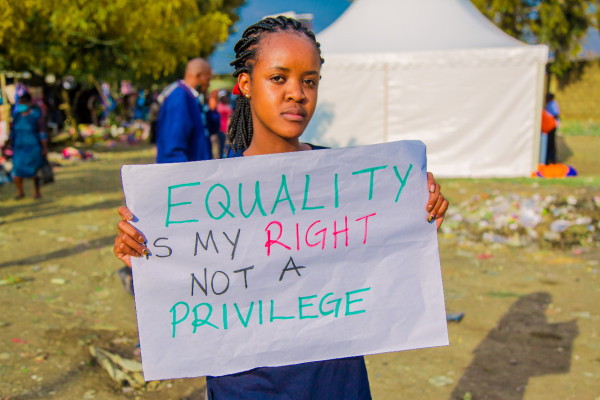
Equality Now (www.EqualityNow.org) is urging the African Commission on Human and Peoples' Rights to call upon African Union (AU) member states to urgently address rising sexual violence and exploitation of women and girls across the continent.
In its statement to the 83rd Ordinary Session of the Commission this month, the human rights organisation called on the Commission to use its mandate to underscore the importance to governments about the need to provide reparations for survivors of sexual violence, criminalise femicide, boost efforts to end child marriage, and strengthen laws to stop digital violence.
Equality Now wants the Commission to remind States of their obligations under the Maputo Protocol on Women's Rights (http://apo-opa.co/4mnt56T). Of the 55 member States, 45 have ratified or signed the protocol.
Deborah Nyokabi, a legal equality and gender policy expert at Equality Now, explains, “Women and girls across Africa are enduring violence in all its forms - including rape, child marriage, femicide, trafficking, and digital abuse - while legal systems too often fail to protect or deliver justice. These are not isolated issues but symptoms of a broader failure to uphold the rights enshrined in the Maputo Protocol.”
“African governments must prioritise legal reform, provide reparations to survivors, and close the protection gaps that leave so many women and girls vulnerable and without access to assistance when their rights have been violated, especially in conflict zones where the breakdown of services intensifies harm.”
Sexual violence reparations
According to figures (http://apo-opa.co/4jctrKY) released by UNICEF last year, more than 79 million girls and women in sub-Saharan Africa have been subjected to rape or sexual assault as children. The region has the highest number of child sexual violence victims in the world.
Yet research by Equality Now found that survivors of sexual violence are being denied justice. In its report, “Barriers to Justice: Rape in Africa, Law, Practice and Access to Justice” (http://apo-opa.co/4moIxj6), the NGO exposed key gaps in rape laws in 45 African countries, which included allowing rape in marriage, perpetrators to walk free from court if they agree to marry their victims, and judges to define evidence based on the complainant's behaviour.
In its statement, Equality Now called on the Commission to urge member States to urgently integrate the Niamey Guidelines (http://apo-opa.co/4jeCsTE) on combatting sexual violence, adopted by the Commission in 2017, emphasising governments' obligation to provide reparations to survivors.
Criminalising femicide
The NGO called on the Commission to implore governments to criminalise femicide - the most extreme and brutal manifestation of violence against women.
Equality Now's report “Gender Inequality in Family Laws in Africa: An Overview of Key Trends in Select Countries” (http://apo-opa.co/3SJVkPy) revealed that the most devastating facet of inequality within the family is sexual and gender-based violence, including domestic violence, marital rape, economic violence and femicide, which is the intentional murder of a woman or girl because of their gender.
In 2023, an average of 140 women and girls were killed (http://apo-opa.co/3FfMOEV) by a partner or family member every day. Current and former intimate partners were the most likely perpetrators. Yet not enough is being done to end the crisis or hold offenders to account.
In South Africa, a national femicide study (http://apo-opa.co/3HhFEAv) found that three women a day were killed by an intimate partner in 2020/21, but in 44% of cases, police had failed to identify a perpetrator. In Kenya, 170 cases of femicide (http://apo-opa.co/4kuOVUs) were reported in 2024. A petition (http://apo-opa.co/4kuOVUs) calling on the government to make femicide a distinct crime has received more than 78,000 signatures.
In Cameroon last month, Bekobe Eric, accused of murdering his wife Diane Yangwo, received (http://apo-opa.co/4mfd9n8) a five-year suspended sentence and a fine of 52,000 CFA (approximately $90). The sentence was immediately denounced by women's rights advocates.
Earlier this year, the African Union took a significant step to address the crisis by adopting the African Union Convention on Ending Violence Against Women and Girls (http://apo-opa.co/4kuPjCk), which included an explicit definition of femicide. Equality Now wants the Commission to seize the momentum to encourage governments to recognise and criminalise femicide as a distinct crime, and outlaw marital rape and domestic violence.
Safeguarding rights in Sudan and the DRC
Equality Now urges the Commission to encourage Sudan to ratify the Maputo Protocol to provide essential legal protections for women and girls. Sudan is now in its third year of conflict, facing widespread destruction, significant civilian casualties and an unparalleled humanitarian crisis.
Women and girls are bearing the brunt of Sudan's war (http://apo-opa.co/434bmd9), with sexual violence being weaponised by both sides. The destruction of healthcare infrastructure, however, means there are inadequate medical and reproductive health services to support survivors of violence, which has led to more unintended pregnancies, miscarriages and maternal deaths.
Increasing rates of maternal mortality are also being recorded in the Democratic Republic of the Congo, where decades of conflict have severely damaged healthcare services.
The Commission should encourage both countries to integrate sexual and reproductive health rights into their humanitarian response.
End child marriage
In its statement to the Commission, Equality Now expressed deep concern at the continued high rates of child marriage across the continent. Fourteen of the 20 countries with the highest prevalence rates are in Africa. Child marriage is a serious human rights violation (http://apo-opa.co/3SLkD3G). Girls are often forced to drop out of school, restricting their life chances, and are likely to give birth at a young age, which poses severe health risks.
One of the reasons child marriage is continuing unchecked is because of weak legal protections, which must be addressed, said Equality Now. All AU member States should raise the minimum age of marriage to 18, without exceptions, and implement measures and programmes to end child marriage in line with recommendations (http://apo-opa.co/4mpDrDo) made in 2017 by the Commission and the African Committee of Experts on the Rights and Welfare of the Child.
End sexual exploitation
The Commission was also asked to encourage member States to address the surge in trafficking of women and girls across the continent.
UNODC's 2024 global report on trafficking (http://apo-opa.co/4kMq3Yv) found that a third of all cross-border trafficking flows involved Africans. In sub-Saharan Africa, 98% of victims were trafficked within the region, 21% for sexual exploitation. About 42% of trafficked victims in sub-Saharan Africa were girls.
Member States have enacted anti-trafficking laws and policies, but they are not being adequately enforced. Meanwhile, the systemic factors that make women and girls vulnerable to sexual exploitation have not been meaningfully addressed.
Digital spaces are also becoming more dangerous for women and girls. Online abuse, including sexual harassment and the non-consensual sharing of intimate images, is rising in tandem with increased internet penetration. Technology is increasingly being weaponised to attack women and girls, including women politicians, journalists and human rights defenders.
Digital violence is being exacerbated by weak legal protections, underreporting and the limited capacity for law enforcement to investigate tech-related crimes. Governments need to enforce and tighten existing laws on online sexual exploitation and invest in digital safety initiatives, in line with the recently adopted UN Global Digital Compact (http://apo-opa.co/4kxzb33), said Equality Now.
Distributed by APO Group on behalf of Equality Now.
Notes to editors:
For media enquiries, contact:
Tara Carey
Global Head of Media
Equality Now
Tcarey@equalitynow.org
T. +44 (0)7971556340 (available on WhatsApp and Signal)
About Equality Now:
Equality Now (https://EqualityNow.org) is an international human rights organisation dedicated to protecting and promoting the rights of all women and girls worldwide. Its work is organised around four main program areas: Achieving Legal Equality, Ending Sexual Violence, Ending Harmful Practices, and Ending Sexual Exploitation, with a cross-cutting focus on the unique challenges facing adolescent girls.
Equality Now combines grassroots activism with legal advocacy at the international, regional, and national levels to achieve systemic change, and collaborates with local partners to ensure governments enact and enforce laws and policies that uphold women's and girls' rights.
For more information about Equality Now, visit www.EqualityNow.org, and find us on Bluesky @ equalitynow.bsky.social (https://apo-opa.co/3H4U6fb), on Instagram @ equalitynoworg (http://apo-opa.co/3S9vxAb), Linkedin at Equality Now (https://EqualityNow.org).
On bilateral matters:
On regional and international matters:
Done in La Celle Saint-Cloud, France, on 16 May 2025
| For the French Republic | For the Republic of South Africa |
| H.E. Jean-Noël BARROT
Minister for Europe and Foreign Affairs |
H.E. Ronald Ozzy LAMOLA
Minister of International Relations and Cooperation |
Distributed by APO Group on behalf of Republic of South Africa: Department of International Relations and Cooperation.
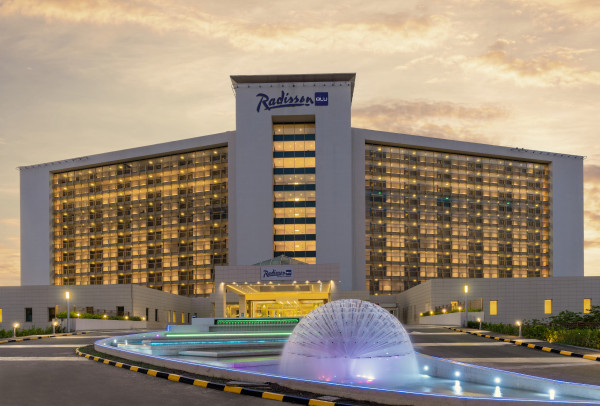
Radisson Hotel Group (www.RadissonHotels.com) continues to solidify its leadership in Africa's hospitality landscape, with its top ranking in W Hospitality Group's (https://W-HospitalityGroup.com) 2024 “From Pipeline to Reality” report for achieving the most hotel openings across the continent within the year. Building on this momentum during the first quarter of 2025, Radisson Hotel Group announces its market entry into the Democratic Republic of Congo with two landmark signings, while further strengthening its presence in Central Africa with the signing of Radisson Blu Hotel & Apartments, Yaoundé in Cameroon.
With 11 hotel signings and 7 openings over the last 15 months totaling over 2,000 signed and 1,500 opened rooms, 1,000 through conversions, the Group has strengthened its position as the leading hotel company in Africa, with a diverse portfolio of 100 hotels across more than 30 countries. This growth reflects the Group's focused expansion strategy, strong local partnerships, and continued success in delivering high-impact conversions.
“In line with our global achievements, over the last 15 months, we have achieved remarkable growth across Africa. We expanded into new markets like Tanzania, Conakry, and the Democratic Republic of Congo, further cementing our position as the most diverse hotel company across the continent in terms of country presence,” said Ramsay Rankoussi, Vice President, Development, Africa and Turkiye, Radisson Hotel Group. “Our pipeline remained the most active in the industry, driving sustained momentum and once again highlighting the quality of our partners and a clear strategy. Once again, we are proud to see our group leading the rankings in Africa. We celebrate these successes and look forward to unlocking continued economic value across the continent.”
Expanding the Footprint: New Market Entries and Key Openings
Radisson Hotel Group proudly announces its entry into the Democratic Republic of Congo with the signing of two landmark properties: Radisson Blu Hotel, Kinshasa and Radisson Hotel Lubumbashi, further strengthening the Group's presence in Central Africa.
Radisson Blu Hotel, Kinshasa – Opening late 2026
Strategically located on Boulevard Colonel Tshatshi in the Gombe district, Kinshasa's prime residential and business area, this upper-upscale hotel will feature 110 elegantly designed rooms, including standard rooms, suites, and a Presidential Suite. Guests can enjoy a variety of dining options, including a Lobby Bar, All-Day Dining Restaurant, and Pool Bar. The hotel's wellness facilities will include a gym, massage rooms, and an outdoor swimming pool with a pool terrace. Its modern meeting and event spaces will feature an event hall and pre-function area, ideal for both corporate and social gatherings. The hotel is conveniently situated 32 km from N'djili International Airport, 10 km from N'Dolo Airport, and 6 km from the Gare Centrale train station.
Radisson Hotel Lubumbashi – Opening mid-2027
Located on Revolution Road Avenue in Lubumbashi, the second-largest city in the DRC, this upscale hotel will offer 97 stylish guest rooms, including standard rooms, junior suites, and a Presidential Suite. Culinary offerings will include a Lobby Bar, All-Day Dining Restaurant, and a Rooftop Bar & Grill with panoramic city views. The hotel's meetings and events facilities will comprise three flexible meeting rooms and a dedicated pre-function area. Guests will also have access to a well-equipped gym and a swimming pool. The hotel enjoys a prime location near Kipopo Lake, surrounded by luxury residences and notable landmarks such as Lubumbashi Golf Club and La Plage, and is just 12 km from Luano International Airport.
In Guinea, the Group marked a significant milestone with the opening of the Radisson Blu Hotel, Conakry (apo-opa.co/3S5KC5S), just three months after signing. This contemporary beachfront property, located in the city's vibrant Kipé neighborhood, features 282 stylish rooms, suites, and apartments with sweeping ocean views and convenient access to the city's key business and leisure hubs.
Further strengthening its Indian Ocean portfolio, Radisson Hotel Group signed and opened Crystals Beach Resort Belle Mare, a member of Radisson Individuals (apo-opa.co/4dlCM1x). Located on the east coast of Mauritius, the resort features 234 spacious accommodations, family-friendly amenities, and breathtaking lagoon views, making it a sought-after destination for travelers of all types.
“We've had a successful track record over the past 15 months with our focus on conversions, including Crystals Beach Resort Belle Mare, Radisson Blu Hotel, Conakry, and Radisson Blu Hotel & Convention Center, Tunis (apo-opa.co/4koQYJF)—all fantastic hotels that have further elevated our portfolio in Africa,” added Rankoussi.
Strengthening Strategic Markets and Future Pipeline
In Cameroon, Radisson Hotel Group continues to strengthen its presence with the signing of Radisson Blu Hotel & Apartments, Yaoundé. Scheduled to open by the end of 2026, this 150-room property will be ideally located in the heart of the capital's central business district, just a 30-minute drive from Yaoundé Nsimalen International Airport.
The hotel will feature a vibrant selection of dining venues, including a Lobby Bar, All-Day Dining Restaurant, and a Specialty Restaurant. With 1,350 m² of flexible meetings and events space, as well as premium wellness facilities, including a spa, gym, and a rooftop pool with an expansive pool deck, the hotel is set to become a landmark destination in the city. This signing also reinforces the Group's continued pursuit of growth opportunities across Cameroon, including in the key market of Douala.
Meanwhile, Radisson Hotel Group is also deepening its commitment to key markets across the continent:
“While geographical diversification remains a priority for us, we also see a clear opportunity to consolidate our presence across key markets such as Morocco, Nigeria, and South Africa, each with at least one opening scheduled in 2025. Our results reinforce our brand strength and ability to adapt and grow across diverse markets. We remain committed to expanding our footprint while delivering world-class hospitality experiences across Africa,” concluded Rankoussi.
Distributed by APO Group on behalf of Radisson Hotel Group.
Media Contacts:
Saadiyah Hendricks
Area Director PR & Social Media, MEA & MED
saadiyah.hendricks@radissonhotels.com
Business Development Contacts:
Ramsay Rankoussi
Vice President, Development, Africa & Turkey
ramsay.rankoussi@radissonhotels.com
Connect with Radisson Hotels on:
LinkedIn: apo-opa.co/4j9Oz4v
Instagram: apo-opa.co/44E3lwF
X: apo-opa.co/4jX8XHi
Facebook: apo-opa.co/43hBQ9M
YouTube: apo-opa.co/3Fbzql4
TikTok: apo-opa.co/3HbuMnG
Radisson Hotel Group:
Radisson Hotel Group is a rapidly expanding international hotel group, operating in EMEA and APAC with over 1,520 hotels in operation and under development in +100 countries. The Group's overarching brand promise is Every Moment Matters with a signature Yes I Can! service ethos.
The Radisson family of brands portfolio includes Radisson Collection, art'otel, Radisson Blu, Radisson, Radisson RED, Radisson Individuals, Park Plaza, Park Inn by Radisson, Country Inn & Suites by Radisson, and Prize by Radisson brought together under one commercial umbrella brand Radisson Hotels.
Radisson Rewards (apo-opa.co/3ZemGkw) is Radisson Hotel Group's loyalty program, which delivers an elevated experience that makes Every Moment Matter, counting more than 20 million members. As the most streamlined program in the sector, members enjoy exceptional advantages and can access their benefits from day one across a wide range of hotels in Europe, Middle East, Africa, and Asia Pacific.
Radisson Meetings (apo-opa.co/4j83NHh) provides tailored solutions for any event or meeting, including hybrid solutions placing guests and their needs at the heart of its offer. Radisson Meetings is built around three strong service commitments: Personal, Professional and Memorable, while delivering on the brilliant basics and being uniquely Carbon Compensated.
At Radisson Hotel Group we care for people, communities and planet (apo-opa.co/4iZqzRn) and aim to be Net Zero by 2050 based on the approved Science Based Targets. With unique solutions such as carbon compensated Radisson Meetings, we make sustainable hotel stays easy. To facilitate sustainable travel choices, all our hotels are becoming verified on Hotel Sustainability Basics.
The health and safety of guests and team members remain a top priority for Radisson Hotel Group. All properties across the Group's portfolio are subject to health and safety requirements, ensuring we always care for our guests and team members.
For more information, visit our corporate website (apo-opa.co/3H8NyMt).