• Skip to main content
  • Skip to header right navigation
  • Skip to after header navigation
  • Skip to site footer
MyZA

MyZA

News, Directory, Events and Other Stuff

  • Social Media
  • Sport
  • World News
  • Home
  • Submit News
  • Directory
  • Events
  • Stratlec
  • TFSA
  • News
    • APO
    • Today’s Sport News
    • Todays Social Media and Tech Headlines
    • Today’s World News
    • Today’s SA Financial News
  • Contact
You are here: Home / Archives for Egypt

Egypt

7 April 2025

Leaders From Angola, Ethiopia, Egypt & South Africa to Lead Discussions at Africa Finance Corporation’s (AFC) 5th Country & Stakeholder Symposium

Location: News
Africa Finance Corporation (AFC)

Africa Finance Corporation (AFC) (www.AfricAFC.org), the continent's leading infrastructure solutions provider, is convening the 5th edition of its Country & Stakeholder Symposium (CSS) tomorrow, April 8, 2025, from 12:30 to 14:00 WAT. 

This year's theme, “Making Africa's Institutional Savings Work Better for the Continent,” will spotlight the urgent need to bridge the financing gap in Africa by harnessing the power of domestic institutional capital to fund long-term development. The Symposium will serve as a vital platform to explore how Africa can better mobilize its own institutional savings and redirect them into high-impact, return-generating projects aligned with national development priorities. 

The Symposium will showcase AFC's innovative capital mobilization strategies and financial structuring expertise, with a focus on developing new financial products and asset allocation models that attract and retain institutional investors.  

Discussions will also include potential regulatory enhancements needed to unlock domestic capital for productive investments, while maintaining strong protections for savers. 

High-profile leaders and industry experts from the public and private sectors will be speaking at the symposium including:  

  • H.E. Vera Esperança dos Santos Daves De Sousa, Minister of Finance, Angola 
  • Dr. Brook Taye, CEO, Ethiopian Investment Holdings 
  • Kabelo Rikhotso, Chief Investment Officer, Public Investment Corporation (PIC), South Africa 
  • Armando Manuel, Chairman, Angola Sovereign Wealth Fund 
  • Ayaan Zeinab Adam, Senior Director and CEO, AFC Capital Partners 

The event will be moderated by CNBC Africa Senior Anchor, Fifi Peters, and will convene key stakeholders from across the continent's public and private sectors. 

This is a virtual event. To register, please visit: Register here https://apo-opa.co/3EbZQTh

Distributed by APO Group on behalf of Africa Finance Corporation (AFC).

Media Enquiries: 
Yewande Thorpe 
Communications 
Africa Finance Corporation 
Mobile : +234 1 279 9654 
Email : yewande.thorpe@africafc.org 

About AFC:
AFC was established in 2007 to be the catalyst for pragmatic infrastructure and industrial investments across Africa. AFC's approach combines specialist industry expertise with a focus on financial and technical advisory, project structuring, project development, and risk capital to address Africa's infrastructure development needs and drive sustainable economic growth. 

Seventeen years on, AFC has developed a track record as the partner of choice in Africa for investing and delivering on instrumental, high-quality infrastructure assets that provide essential services in the core infrastructure sectors of power, natural resources, heavy industry, transport, and telecommunications. AFC has 45 member countries and has invested over US$15 billion in 36 African countries since its inception. www.AfricAFC.org  

Media files
Africa Finance Corporation (AFC)
Download logo
Read moreLeaders From Angola, Ethiopia, Egypt & South Africa to Lead Discussions at Africa Finance Corporation’s (AFC) 5th Country & Stakeholder Symposium
4 April 2025

IAE 2025 to Highlight Growth Opportunities in Africa’s Downstream Supply Chain

Location: Business
Energy Capital & Power

The upcoming Invest in African Energy (IAE) 2025 Forum will host a high-level panel – Downstream Beneficiation: Supply Chain Development for Optimal Performance – as the continent aims to enhance energy security, reduce import dependence and maximize the value of its natural resources. The session will explore how the expansion of Africa's downstream sector can strengthen supply chains, enhance refining capacity and drive sustainable economic growth through infrastructure investment and strategic partnerships.

As Africa's energy landscape evolves, optimizing downstream operations is critical to unlocking the full potential of the continent's natural resources. This session will focus on closing the infrastructure finance gap by addressing key challenges such as upgrading refineries, expanding storage and distribution networks, and developing service stations, bottling plants and transport fleets. Panelists will also examine the role of strategic hubs – such as Egypt's petrochemical industry, Equatorial Guinea's Gas Mega Hub and Algeria's emerging green hydrogen sector – in bolstering Africa's supply chain efficiency, along with key regional projects like the Central African Pipeline System and the Lobito Corridor linking Angola, Zambia and the Democratic Republic of Congo.

IAE 2025 (https://apo-opa.co/43FPXaT) is an exclusive forum designed to facilitate investment between African energy markets and global investors. Taking place May 13-14, 2025 in Paris, the event offers delegates two days of intensive engagement with industry experts, project developers, investors and policymakers. For more information, please visit www.Invest-Africa-Energy.com. To sponsor or participate as a delegate, please contact sales@energycapitalpower.com.

Moderated by James Gooder, VP Crude, Argus Media, the panel will feature industry leaders offering key insights into Africa's downstream sector. Speakers include Anibor Kragha, Executive Secretary, African Refiners & Distributors Association; Tarik Berair, Commercial Development Manager, Technip Energies; Fernando Covas, Executive Director, S&P Global Commodity Insights; James Bullen, Head of Downstream, Petredec and Michael Kelly, Chief Advocacy Officer, World Liquid Gas Association. 

Africa's downstream investment climate is undergoing significant transformation, with several major projects driving the sector's growth including Nigeria's 650,000-bpd Dangote Refinery, Angola's 200,000-bpd Lobito and 100,000-bpd Soyo refineries, and Algeria's 100,000-bpd Hassi Messaoud Refinery. Despite recent refinery closures, South Africa also maintains a well-developed fuel distribution network, retail stations and petrochemical production, while Mozambique is emerging as a key LNG hub, with the Coral South FLNG project already operational and the Rovuma LNG and Mozambique LNG projects currently under development.

Despite these advancements, challenges remain in securing adequate financing for infrastructure upgrades and supply chain expansion. Addressing these gaps will require coordinated efforts from governments, private investors and industry stakeholders to develop resilient and efficient downstream operations. The IAE 2025 downstream panel will provide a platform for stakeholders to discuss actionable strategies that ensure Africa's energy sector remains competitive, sustainable and responsive to global demand.

Distributed by APO Group on behalf of Energy Capital & Power.

Media files
Energy Capital & Power
Download logo
Read moreIAE 2025 to Highlight Growth Opportunities in Africa’s Downstream Supply Chain
3 April 2025

156 Players from Record 28 Countries to Compete in 2025 Basketball Africa League Season

Location: News
Basketball Africa League (BAL)

  • - Fans Can Watch Every Game Live on the NBA App (https://apo-opa.co/4lg5uVc), www.NBA.com, https://BAL.NBA.com and the BAL's YouTube Channel (https://apo-opa.co/3Eie70G); Games Will Reach Fans in 214 Countries and Territories in 17 Languages - 
  • - BAL Will Honor NBA Legend Dikembe Mutombo Throughout the Season - 

The Basketball Africa League (BAL) today announced that 156 players from a record 28 countries across five continents will compete in the league's milestone fifth season, which will tip off on Saturday, April 5 at the Prince Moulay Abdellah Sports Complex in Rabat, Morocco.* 

In the season opener, 2023 third-place finisher Stade Malien (Mali) will face 2024 third-place finisher Rivers Hoopers (Nigeria) at 4:00 p.m. GMT. In the second game, home team Fath Union Sport (FUS; Morocco) will take on first-time BAL participant Al Ittihad (Egypt) at 7:00 p.m. GMT.  The complete season schedule is available at BAL.NBA.com/schedule. 

The 2025 BAL season will reach fans in 214 countries and territories in 17 languages through free-to-air and paid TV broadcast partnerships with the African Union of Broadcasting, American Forces Network (AFN), Canal+, ESPN, FIBA's digital platform Courtside 1891, NBA TV, Ninety Media Services, SNRT, Tencent Sports, TV5 Monde and livestreaming on the NBA App (https://apo-opa.co/4lg5uVc), www.NBA.com, https://BAL.NBA.com and the BAL's YouTube Channel (https://apo-opa.co/3Eie70G).

The BAL also today announced that the league will honor NBA Legend Dikembe Mutombo throughout the season, including by featuring a “DM55” patch on all player jerseys and select warm-up gear, as well as moments of silence ahead of each conference group phase.  The late four-time NBA Defensive Player of the Year and Naismith Basketball Hall of Famer served as the NBA's first global ambassador following his retirement in 2009. 

Single-game tickets for the games in Rabat are available online at Guichet.com and BAL.NBA.com.  Fans who purchase tickets will also have free access to the BAL Fan Zone at the arena.   

During the 2025 BAL season, each four-team conference will play a 12-game group phase during which each team will face the other three teams in its conference twice. During group phase play, every team will play on every gameday.  The Kalahari Conference group phase will take place from April 5 – Sunday, April 13 in Rabat. The Sahara Conference group phase will take place from Saturday, April 26 – Sunday, May 4 at the Dakar Arena in Senegal. The Nile Conference group phase will take place from Saturday, May 17 – Sunday, May 25 at BK Arena in Kigali, Rwanda. Eight teams from across the three conferences will travel to Pretoria, South Africa for four seeding games followed by an eight-game, single-elimination playoffs and finals from Friday, June 6 – Saturday, June 14.   

View 2025 Basketball Africa League Rosters : https://apo-opa.co/4iNOUKJ


*Rosters are subject to change and will be updated in real-time on the team roster pages at https://BAL.NBA.com. 

Distributed by APO Group on behalf of Basketball Africa League (BAL).

Contact:
Edwin Eselem
Basketball Africa League
+221 78 615 42 87
EEselem@theBAL.com

Fans can follow the BAL (@theBAL) on:
Facebook: https://apo-opa.co/4i4vxfk
Instagram:  https://apo-opa.co/4cADrfr
Threads: https://apo-opa.co/3FQO6Gl
X: https://apo-opa.co/42h01ES
YouTube: https://apo-opa.co/3Eie70G
Register their interest in receiving more information at https://BAL.NBA.com

About the BAL:
The Basketball Africa League (BAL), a partnership between the International Basketball Federation (FIBA) and NBA Africa, is a professional league featuring 12 club teams from across Africa that will tip off its fifth season in April 2025.  Headquartered in Dakar, Senegal, the BAL builds on the foundation of club competitions FIBA Africa has organized across the continent and marks the NBA's first collaboration to operate a league outside North America.

Media files
Basketball Africa League (BAL)
Download logo
Read more156 Players from Record 28 Countries to Compete in 2025 Basketball Africa League Season
27 March 2025

2nd Annual Sub-Saharan Africa Safer Internet Summit in Cape Town

Location: News
TikTok

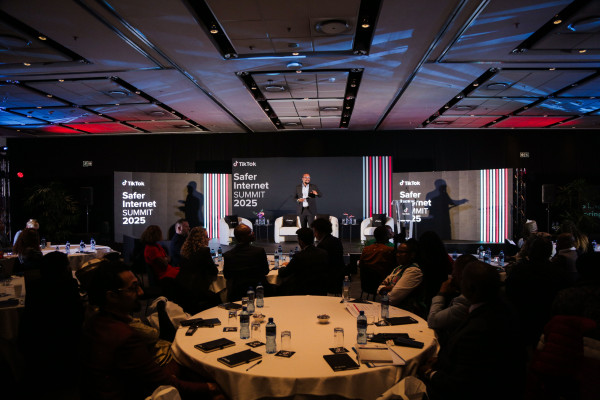
TikTok (www.TikTok.com) hosted its second Annual Africa Safer Internet Summit in Cape Town, South Africa, bringing together government officials, regulators, and industry leaders from across Sub-Saharan Africa. Delegates from South Africa, Nigeria, Ethiopia, Cameroon, Cote d'Ivoire, Kenya, and other countries convened to discuss critical issues on online safety, content moderation, and digital policy development.

The Summit underscores TikTok's ongoing efforts to prioritise user safety in Africa while fostering an open dialogue with policymakers to shape robust frameworks that protect users' rights while encouraging innovation and creativity in the digital space.

Government and Industry Leaders Discuss Digital Safety

The Summit was officially opened by South Africa's Hon. Solly Malatsi, Minister of Communications and Digital Technologies, who highlighted the importance of collaboration among governments, technology platforms, and communities to foster a safer digital ecosystem.

Helena Lersch, TikTok's Vice President for Public Policy, in her remarks, reaffirmed the platform's commitment to user safety and the role of partnerships in creating a secure digital environment.

“Billions of people come to TikTok every day to create, share and connect and we're continually evolving our policies and practices to safeguard our platform so our community can discover and do what they love. This summit underscores the importance of collaboration between industry leaders and regulators in shaping a digital ecosystem that is both innovative and secure," said Lersch.

Fortune Mgwili-Sibanda, Director of Public Policy & Government Relations for Sub-Saharan Africa, further emphasised the significance of collective efforts in digital safety, stating that the Summit serves as a valuable platform for sharing insights, strengthening collaboration, and ensuring that African users, particularly young people, are protected online.

Content Moderation in Africa

During the summit, TikTok reported a significant upward trend in its content removal rate across Sub-Saharan Africa, with data showing a 249.81% increase in content removals from the second quarter of 2023 to the fourth quarter of 2024. This improvement aligns with TikTok's global standards for content moderation and community guidelines enforcement. TikTok's Community Guidelines Enforcement Reports (https://apo-opa.co/3QMZNQH) reflect the platform's continued investment in automated moderation technology, alongside human safety experts that enables the detection and removal of harmful content before it reaches users. Globally, between July and September 2024, TikTok removed more than 147 million videos, of which 118 million were detected and removed automatically using these technologies.

In Sub-Saharan Africa, TikTok removed over 7.5 million videos in Q3 2024, rising to more than 8 million in Q4 2024—an increase of 14.06% quarter-on-quarter. Notably, 99.5% of these videos were removed before any user reports, underscoring TikTok's commitment to proactive moderation and swift action.

A similar trend was observed in North Africa, where TikTok removed over 7 million videos in both Q3 and Q4 of 2024. This represented an 8.70% increase in removals between the quarters, with 99.3% of these takedowns also occurring before user reports.

These figures highlight TikTok's ongoing efforts to provide a safe and positive online environment through robust, technology-enabled content moderation systems.

#SaferTogether - Driving Safer Digital Engagement

As part of its broader commitment to digital safety and education, TikTok is expanding its efforts across Africa through strategic partnerships and training programs that promote digital literacy, safety awareness, and responsible content creation.

At the forefront of these efforts is TikTok's flagship #SaferTogether campaign, which has achieved notable milestones since its launch in 2022.

In Kenya, the initiative, run in partnership with Eveminet (https://apo-opa.co/3Y8mHG7), a youth online protection organisation, has reached over 406,000 participants through in-person workshops across the country. These sessions provided communities with the knowledge and tools needed for responsible online engagement, particularly among students, teachers, and parents.

By working closely with civil society organisations, educators, and government agencies, TikTok continues to integrate proactive safety measures into its platform governance, creating safer digital environments for young users.

In Nigeria, TikTok launched Phase 2 of the #SaferTogether campaign in partnership with the National Information Technology Development Agency (NITDA) (https://apo-opa.co/3FFyx4d) and Data Science Nigeria (DSN) (https://apo-opa.co/3QNqzbJ). Building on the success of Phase 1, which educated parents in major cities such as Abuja, Lagos, and Kano on TikTok's safety features and mental well-being tools, the second phase aims to reach additional states and expand safety awareness among parents, teachers, and guardians.

Since September 2024, TikTok has also partnered with local creators across Sub-Saharan Africa to raise awareness about its safety features and Community Guidelines.

In Egypt, TikTok signed a Memorandum of Understanding (MoU) with the Journalists Syndicate to boost digital awareness, media literacy, and the detection of misinformation and online privacy risks. As part of this partnership, TikTok and the Syndicate hosted a one-day workshop equipping journalists and media professionals with the skills to navigate digital technologies safely and effectively. This collaboration underscores TikTok's ongoing commitment to empowering media professionals and supporting a more informed and digitally literate society.

Shaping the Future of Digital Safety in Africa - Global Youth Council

TikTok is also making a significant step in amplifying youth voices by expanding its Global Youth Council (https://apo-opa.co/4j2OWxZ) for 2025, further strengthening African representation. Originally launched in 2023 to empower young users and shape platform policies, the Global Youth Council has now nearly doubled in size, featuring 28 members from 15 countries. New representatives from Nigeria, Cameroon, Canada, Qatar, and Australia will join returning members from Brazil, Indonesia, Kenya, Mexico, the UK, and the US for a second term. The Youth Council plays an important role in shaping TikTok's safety, well-being, and inclusivity policies, ensuring that young users have a voice in the platform's continued evolution.

The Safer Internet Summit serves as an essential forum for best practice sharing between industry leaders and policymakers. By fostering collaboration, TikTok aims to ensure that digital spaces remain safe, inclusive, and conducive to creativity while balancing the need for effective governance and innovation.

"We value forums such as TikTok's Safer Internet Summit, which bring policymakers into one room for a shared purpose: keeping internet users safe. We are incredibly proud to be a partner of TikTok's #SaferTogether campaign. This collaboration not only underscores our shared commitment to fostering a safer online environment, but also opens new avenues for innovation and collaboration that will enable us to scale our efforts effectively for a safer internet for all.." — Emmanuel Edet - Acting Director, Regulation and Compliance NITDA

For more information on TikTok's safety policies and initiatives, visit our Safety Centre (https://apo-opa.co/4iYko0q), Guardian's Guide (https://apo-opa.co/3QPAKfS) and Youth Safety Center (https://apo-opa.co/4j9JWrB).

Link: https://apo-opa.co/4hZ3JZS

Distributed by APO Group on behalf of TikTok.

Media files
TikTok
Download logo
Read more2nd Annual Sub-Saharan Africa Safer Internet Summit in Cape Town
25 March 2025

Rodgers announces strategic initiatives to drive KZN economic growth, job creation

Location: News

Rodgers announces strategic initiatives to drive KZN economic growth, job creation

KwaZulu-Natal Finance MEC, Francois Rodgers, has announced a number of strategic initiatives aimed at boosting the province's economic growth, creating jobs, and stabilising the cost of living.

Rodgers highlighted some of the initiatives, when he was tabling the province’s R158.478 billion budget for the 2025/2026 financial year, on Tuesday.

In his address, Rodgers highlighted the positive signs of economic recovery, pointing to key indicators, including an increase in the province’s equitable share and additional allocations in conditional grants.

He also noted the progress being made through the Provincial Financial Recovery Plan.

“What is required now is discipline with a sharp focus on the end objective, growth in our economy, job creation, and stabilising and reducing the cost of living,” Rodgers said.

Initiatives to strengthen financial discipline

The MEC said the provincial Treasury is committed to perform financial oversight and monitor provincial expenditure, with a view to prevent non-essential government activities.

He added that efforts are underway to identify new streams of revenue for the provincial fiscus.

Another key initiative is the adoption of a cost-containment instruction by the Executive Council, which aims to sustain KZN’s ability to meet its needs, “while protecting its future.”

“Cutting the nice to haves to protect the must haves. One such example is [council] agreement to do away with rental vehicles, with procurement for vehicles, in line with National Treasury guidelines.

“When the GPU (Government of Provincial Unity) took office, the province was projecting to over-spend in the region of R10 billion, [but] with strict control measures and compliance, we have now reduced this to R4.9 billion,” Rodgers highlighted.

E-procurement tool

To further improve financial efficiency, Rodgers announced that Treasury is awaiting approval for the acquisition and implementation of an e-procurement tool, a system designed to eliminate overcharging of goods and services during the Supply Chain Management (SCM) and tender processes.

“This system will yield enormous savings for the province and reduce irregularities in the procurement process,” Rodgers said.

The MEC said the provincial government is making great strides in achieving a balanced budget, noting that “it’s a painful process, but a process that needs to be sustained and supported.”

Rodgers further announced that starting in April 2025, the provincial government will introduce departmental financial dashboards, which will reflect departments financial metrics, such as creditors, debtors, cash balances, and projected expenditure.

He said these dashboards will assist members of the Executive Council and oversight committees with a clearer picture of the province's financial health.

Additionally, the provincial Treasury is exploring the establishment of an information centre, which will focus on "Operation Pay on Time" and assist with tender processes and supplying information on Public Private Partnerships (PPPs).

“Going forward, I will continue, in my capacity as MEC, to regularly engage the Premier and the provincial executive on good financial practices. We will be consistent in our advocacy for efficient expenditure and the prioritisation of programmes aimed at alleviating poverty, inequality, unemployment, effective service delivery and building a sustainable economy,” the MEC said.

Provincial budget highlights

A large portion of the 2025/2026 provincial budged (79.9%), has been allocated to the three key social services departments, including Education, Health, and Social Development.

The Education Department received the largest share of the budget, with R66 690 206 allocated, followed by Health with R56 211 801.

Other allocations include:
•    Transport allocated R13 827 066.
•    Office of the Premier R817 875. 
•    Provincial Legislature R850 796. 
•    Agriculture and Rural Development R2 757 443. 
•    Economic Development, Tourism and Environmental Affairs R3 606 998.
•    Provincial Treasury R710 190. 
•    Human Settlements R3 549 877.
•    Community Safety and Liaison R275 716.
•    Sport, Arts and Culture R1 598 141.
•    Co-operative Governance and Traditional Affairs R1 931 153.
•    Social Development R3 613 297. 
•    Public Works and Infrastructure R2 037 490. – SAnews.gov.za


GabiK
Tue, 03/25/2025 - 13:53
157 views

Read moreRodgers announces strategic initiatives to drive KZN economic growth, job creation
24 March 2025

Quick Explainer: What VAT Means for You

Location: News

If Parliament passes the 2025/6 budget, the VAT rate will go from 15% to 15.5% on 1 May this year. This means that the price of all but a few goods and services will go up, and buyers will pay 15.5c on every rand in tax instead of 15c. Then, from 1 April 2026, VAT …

Read moreQuick Explainer: What VAT Means for You
24 March 2025

Cassava to Upgrade Its Data Centres

Location: Business
Cassava Technologies

Cassava Technologies (www.CassavaTechnologies.com) announced today that it plans to build Africa's first AI factory — a powerful and super-secure data centre facility powered with NVIDIA AI computing technology. This will give African businesses, governments and researchers access to cutting-edge AI computing capacity — helping them develop smarter AI products, streamline operations and stay competitive in a fast-changing world. It provides the supercomputers and software needed to train AI while keeping data within Africa's borders. 

Cassava plans to deploy NVIDIA accelerated computing and AI software using NVIDIA Cloud Partner (NCP) reference architectures, at its data centres in South Africa by June 2025, with expansion planned at its other data centre facilities in Egypt, Kenya, Morocco and Nigeria. Cassava's AI Factory will leverage the company's pan-African high-speed, ultra-low-latency, fibre-optic network with sustainable data centres to deliver AI as a Service (AIaaS). Cassava's world-class data centres are designed to be energy efficient, using less electricity to power AI computing workloads. 

NVIDIA GPU-based supercomputers will power the AI factory, enabling faster AI model training, fine-tuning and advanced inference capabilities. Cassava aims to be the first to introduce these accelerated computing platforms to Africa as an NCP, playing a crucial role in the continent's AI ecosystem. 

The Cassava AI Factory will ensure businesses and researchers have access to the AI computing power required to scale, boost productivity and power innovation. By using this secure, high-performance AI Factory, African businesses and governments can develop local solutions to local challenges, enabling Africans to build, train, scale and deploy AI in a secure environment compliant with global and local regulations. 

“Building digital infrastructure for the AI economy is a priority if Africa is to take full advantage of the fourth industrial revolution. Our AI Factory provides the infrastructure for this innovation to scale, empowering African businesses, startups and researchers with access to cutting-edge AI infrastructure to turn their bold ideas into real-world breakthroughs — and now, they don't have to look beyond Africa to get it,” said Strive Masiyiwa, Founder & Chairman of Cassava. “Collaborating with NVIDIA gives us the advanced computing capabilities needed to drive Africa's AI innovation while strengthening the continent's digital independence.” 

“AI is helping innovators solve our greatest challenges in agriculture, healthcare, energy, financial services and many other industries creating opportunity in Africa,” said Jaap Zuiderveld, VP EMEA at NVIDIA. “As an NVIDIA Cloud Partner, Cassava is providing essential infrastructure and software to help pioneering companies and organizations accelerate AI development to foster innovation across the continent.” 

Cassava's AI Factory marks the next step in the group's long-standing leadership in providing world class digital solutions, reinforcing its broader commitment to responsible AI adoption, innovation and productivity growth in Africa. 

Distributed by APO Group on behalf of Cassava Technologies.

About Cassava Technologies:
Cassava Technologies is a global technology leader of African heritage providing a vertically integrated ecosystem of digital services and infrastructure enabling digital transformation. Headquartered in the UK, Cassava has a presence across Africa, the Middle East, Latin America and the United States of America. Through its business units, namely, Cassava AI, Liquid Intelligent Technologies, Liquid C2, Africa Data Centres, and Sasai Fintech, the company provides its customers' products and services in 94 countries. These solutions drive the company's ambition of establishing itself as a leading global technology company of African heritage. https://www.CassavaTechnologies.com/  

Media files
Cassava Technologies
Download logo
Read moreCassava to Upgrade Its Data Centres
22 March 2025

World Cancer Day 2025: 194 Scholarships in Oncology

Location: Business
Merck Foundation

  • Merck Foundation marks World Cancer Day with African First Ladies by providing 194 scholarships of Oncology Training to African doctors from 32 countries.
  • Merck Foundation together with Africa First Ladies and Ministries of Health has been building cancer care capacity and increasing the limited number of Oncologists in their countries by providing close to 200 Scholarships of One-, two- and three-years fellowship, diploma and Master Degree of oncology to African doctors from 32 Countries.
  • Merck Foundation is making history in Africa by training the First African Oncologists and First Cancer Care Teams in Countries such as The Gambia, Sierra Leone, Burundi, Liberia, Guinea Conakry, Central African Republic, Chad, Burundi, Malawi, Niger, Namibia, Zambia, Zimbabwe and more.

Merck Foundation (www.Merck-Foundation.com), the philanthropic arm of Merck KGaA Germany, marks ‘World Cancer Day 2025' together with Africa's First Ladies and Ministries of Health. Through their Cancer Access Program, Merck Foundation is is building quality and equitable cancer care capacity in Africa.

Senator Dr. Rasha Kelej, the CEO of Merck Foundation, highlighted, “At Merck Foundation, we mark World Cancer Day not just as a single day, but as a our continued commitment to transform and advance cancer care in Africa.

Together with my dear sisters, the Africa's First Ladies, we are have enhanced the cancer care capacity in the continent by providing 194 scholarships to young African doctors from 32 countries, significantly increasing the number of oncologists in Africa. We are making history together by providing these important scholarships for the first oncologists and /or the first cancer care teams in many countries across Africa.”  

Merck Foundation in total provided more than 2100 scholarships to doctors from over 52 countries in 44 critical and underserved medical specialties.

The Merck Foundation Cancer Access Program provides One, two- and three-years fellowship, Post Graduate Diploma and Master Degree of oncology for doctors from Africa. The clinical training has been conducted in India, Egypt and Kenya. Additionaly, Merck Foundation also provides scholarships for 2 years online PG Diploma in Cancer and Clinical Oncology, 01 year online PG Diploma in Medical Oncology and 1 year online PG Diploma in Pain Management from reputed Universities in UK like University of South Wales, University of Buckingham, Queen Mary University of London, and Cardiff University.

Merck Foundation is establishing Multidisciplinary Oncology Care teams in many African countries by providing scholarships of clinical training in Medical Oncology, Surgical Oncology, Pediatrics Oncology, Gynecology Oncology, Breast Oncology, Haemato-Oncology, Orthopaedic Oncology, Palliative Care, Pathology Oncology, Radiation Oncology, Research in Oncology, Surgical Oncology - Genital Urinary System, Advanced Cytopathology Training, Interventional Radiology, Radiation Technician, Laboratory Technician, Oncology Nursing.

Merck Foundation through its Merck Foundation Cancer Access Program has provided 194 scholarships of Oncology to doctors from 32 countries including Botswana, Burkina Faso, Burundi, Cameroon, Central African Republic, Chad, Congo Brazzaville, Democratic Republic of the Congo, Ethiopia, Gabon, Gambia, Ghana, Guinea, Kenya, Liberia, Malawi, Mauritius, Mozambique, Namibia, Nepal, Niger, Nigeria, Rwanda, Sao Tome & Principe, Senegal, Sierra Leone, South Africa, Sri Lanka, Tanzania, Uganda, Zambia and Zimbabwe.

“In several of these countries, there wasn't even a single oncologist. We are proud to be making history in Africa by training the first oncologists and establishing the first cancer care teams in nations such as The Gambia, Sierra Leone, Burundi, Liberia, Guinea Conakry, Central African Republic, Chad, and Niger. Merck Foundation remains committed to transforming the landscape of cancer care across the continent and leading Africa toward a healthier future,” explained Senator Dr. Rasha Kelej.

Africa records around 1.1 million new cases of cancer, resulting in up to 700,000 deaths, every year, as per WHO data. The mortality rate of cancer patients is very high in Africa, as compared to the rest of the world.

“One of the key reasons is also the late diagnosis of the disease. Therefore, these scholarships are very important” added Senator Kelej.

Merck Foundation has also created awareness materials including awareness leaflets and videos on Cancer Prevention and Early Detection.

Dr. Chifundo Kajombo, Merck Foundation Alumni from Malawi shares, “I am privileged to be awarded a scholarship by Merck Foundation to pursue the Surgical Oncology fellowship training program at Tata Memorial Hospital, India. I managed to advance from basic surgical oncology principles to the advanced level. This has helped me improve my understanding of cancer and operative principles. Since returning back home, I have managed to change the structure of how our breast clinic runs and modified it to incorporate a number of new things that we probably could not have possibly included. I am so proud to share that I have just been awarded the Best Surgeon for 2023 in Malawi. I would not have achieved this feat without Merck Foundation's scholarship. I am very thankful.”

Watch testimonials videos of Merck Foundation Oncology Fellowship Alumni: https://apo-opa.co/41OIaF9

Distributed by APO Group on behalf of Merck Foundation.

More images: https://apo-opa.co/4iRW3JJ

Contact details:
Mehak Handa
Community Awareness Program Manager
+91 9310087613 / +91 9319606669
mehak.handa@external.merckgroup.com

Join the conversation on our social media platforms below and let your voice be heard!
Facebook: https://apo-opa.co/41N19zX
X: https://apo-opa.co/4iMYFZc
YouTube: https://apo-opa.co/4iRZtfA
Instagram: https://apo-opa.co/41PwZfx
Threads: https://apo-opa.co/4l4QxW7
Flickr: https://apo-opa.co/4iQjTp3
Website: www.Merck-Foundation.com
Download Merck Foundation App: https://apo-opa.co/4bOL5SX

About Merck Foundation:
The Merck Foundation, established in 2017, is the philanthropic arm of Merck KGaA Germany, aims to improve the health and wellbeing of people and advance their lives through science and technology. Our efforts are primarily focused on improving access to quality & equitable healthcare solutions in underserved communities, building healthcare & scientific research capacity, empowering girls in education and empowering people in STEM (Science, Technology, Engineering, and Mathematics) with a special focus on women and youth. All Merck Foundation press releases are distributed by e-mail at the same time they become available on the Merck Foundation Website.  Please visit www.Merck-Foundation.com to read more. Follow the social media of Merck Foundation: Facebook (https://apo-opa.co/41N19zX), X (https://apo-opa.co/4iMYFZc), Instagram (https://apo-opa.co/41PwZfx), YouTube (https://apo-opa.co/4iRZtfA), Threads (https://apo-opa.co/4l4QxW7) and Flickr (https://apo-opa.co/4iQjTp3).

The Merck Foundation is dedicated to improving social and health outcomes for communities in need. While it collaborates with various partners, including governments to achieve its humanitarian goals, the foundation remains strictly neutral in political matters. It does not engage in or support any political activities, elections, or regimes, focusing solely on its mission to elevate humanity and enhance well-being while maintaining a strict non-political stance in all of its endeavors.

Media files
Merck Foundation
Download logo
Read moreWorld Cancer Day 2025: 194 Scholarships in Oncology
21 March 2025

UNIDO and Japan Highlight Longstanding Partnership for and With Africa at Special Event

Location: News

United Nations Industrial Development Organization (UNIDO)
Download logo

The Permanent Mission of Japan to the International Organizations in Vienna and the United Nations Industrial Development Organization (UNIDO) jointly hosted the “UNIDO-Japan partnership for Africa” event at the Vienna International Centre this week. Held in the framework of the Ninth Tokyo International Conference on African Development (TICAD 9), it showcased achievements through a week-long panel exhibition and a series of thematic discussions. 

An opening ceremony on 17 March 2025 in the Rotunda featured remarks by UNIDO Director General Gerd Müller (via video message) and the co-host, Ambassador Atsushi Kaifu of Japan. Ambassador Maimounata Ouattara of Burkina Faso, Chairperson of the African Group in Vienna and UNIDO Deputy to the Director General and Managing Director Yuko Yasunaga also provided opening remarks. A musical performance by the My Heart String Quartet Hiroshima accompanied the ceremony. 

In his video statement, Director General Müller underscored the strength of the partnership between UNIDO and Japan, noting, “UNIDO and Japan together address poverty and hunger, advance climate action and foster a circular economy. We create jobs and livelihoods around the world, offering perspectives for the future”. Ambassador Kaifu of Japan underscored the significance of the year 2025, as the TICAD 9 Summit will be held this August in Yokohama, Japan. He expressed the hope that “this week's event provides an opportunity to explore innovative solutions for Africa and serves as a significant milestone in advancing the TICAD process”.

Ambassador Kaifu of Japan underscored the significance of the year 2025, as the TICAD 9 Summit will be held this August in Yokohama, Japan. He expressed the hope that “this week's event provides an opportunity to explore innovative solutions for Africa and serves as a significant milestone in advancing the TICAD process”.

Ambassador Ouattara reaffirmed the importance of the UNIDO-Japan partnership with Africa stating that it “played a transformative role in promoting inclusive and sustainable industrialization across our continent”. She further highlighted that “this partnership has contributed to economic growth, job creation and the adoption of sustainable practices that empower Africa industries and communities”. Deputy to the Director General Yuko Yasunaga highlighted UNIDO's ongoing commitment to supporting Africa's industrial development and acknowledged Japan's significant financial contributions. 

The opening ceremony included the presentation of newly funded projects in Ethiopia, Nigeria, Sudan, the United Republic of Tanzania, and a regional project (Egypt, Kenya, Morocco, Nigeria, Senegal, South Africa, United Republic of Tanzania, Zambia). Following the opening ceremony, a reception provided attendees with networking opportunities, while discussions continued in informative sessions.  

The first session was a presentation on the activities of the UNIDO Investment and Technology Promotion Office (ITPO) Tokyo in Africa, by Fumio Adachi, Head of ITPO Tokyo. The session informed about seminars and events, the delegate programme and African business advisors programme of the ITPO in Tokyo, as well as its Sustainable Technology Promotion Platform (STePP) and Global South programme. 

Another session focused on plastic circular economy initiatives and challenges in Japan and Africa. Government representatives from seven African countries —Egypt, Kenya, Morocco, Nigeria, Senegal, South Africa and the United Republic of Tanzania— discussed efforts to address plastic pollution through circular economy approaches. The discussion underscored how Africa's increasing plastic consumption, driven by population growth and urbanization, can benefit from sustainable waste management solutions. 

A seminar on UNIDO's data-based lean manufacturing showcased the success story of the digital tool “U-SPARK” (UNIDO smart performance analytics for real-time Kaizen) which helps enhance enterprise performance management in Ghana's food processing sector. UNIDO is now working with the African Union Development Agency (AUDA-NEPAD) to expand the initiative across the continent. 

Throughout the week, the results of the UNIDO-Japan cooperation in Africa were on display in a panel exhibition, showcasing our work in Egypt, Ethiopia, Ghana, Kenya, Madagascar, Morocco, Nigeria, Sierra Leone, Somalia, South Sudan, South Africa, Uganda, the United Republic of Tanzania, and Zambia, as well as the activities of ITPO Tokyo. 

Through the week-long event, UNIDO and Japan reaffirmed their shared commitment to advancing industrial development in Africa. 

Distributed by APO Group on behalf of United Nations Industrial Development Organization (UNIDO).

Read moreUNIDO and Japan Highlight Longstanding Partnership for and With Africa at Special Event
19 March 2025

Support From the United Kingdom Enables Food and Agriculture Organization of the United Nations (FAO) to Scale up Pest Monitoring and Improve Food Security in Africa

Location: News

FAO Regional Office for Africa
Download logo

The Food and Agriculture Organization of the United Nations (FAO) has welcomed a contribution of nearly USD 1.2 million (£ 950 000) from the United Kingdom of Great Britain and Northern Ireland which will support the implementation of the Africa Phytosanitary Programme (APP).  

APP is an initiative of the International Plant Protection Convention (IPPC) and is designed to strengthen the technical capacity of personnel in national plant protection organizations - government agencies responsible for phytosanitary work. The programme equips them to use scientific approaches and advanced digital technologies to improve monitoring, detection, response and recovery from pest outbreaks. 

Annually, pests cause between 30 to 60 percent of crop losses in Africa, resulting in an economic cost of about USD 65.58 billion. These losses leave millions of people at risk of food insecurity, impact small-scale and commercial farmers' livelihoods and hinder regional and international trade of agricultural commodities.  

“This contribution to the APP will strengthen Africa's phytosanitary capacity, enhancing our collective efforts to combat plant pests. Robust plant health systems are essential for safeguarding food security, enhancing biosecurity, facilitating trade, and protecting livelihoods across the continent,” said Beth Bechdol, FAO Deputy Director-General and interim IPPC Secretary.  

The APP implementation targets all 54 African countries, with phase one underway in Cameroon, the Democratic Republic of the Congo, Egypt, Guinea-Bissau, Kenya, Mali, Morocco, Sierra Leone, Uganda, Zambia and Zimbabwe. Phase two will be launched in 2025 with eight countries: Algeria, Cabo Verde, Chad, the Republic of the Congo, Liberia, Malawi, South Africa and Tunisia.  

A partnership for sustainable and resilient agriculture  

Since becoming a Member of FAO in 1945, the United Kingdom has helped to promote sustainable agriculture and global food security by supporting the Organization's strategic work in areas such as agricultural statistics, nutrition and food security analysis, development cooperation, resilience and peacebuilding, and climate change. The most recent contribution from the UK's International Biological Security Programme will bolster a key area of FAO's work, helping to prevent, detect and manage plant pests that have the potential to move quickly and easily across borders and cause significant economic and environmental damage.  

“We applaud the support of the United Kingdom of Great Britain and Northern Ireland to strengthen phytosanitary systems across Africa,” said Alexander Jones, Director of FAO's Resource Mobilization Division. “As global travel and trade increase, improving the technical capacities of national plant protection organizations so that they are able to identify and respond to threats as they emerge is an investment whose impacts will be felt at a global level.” 

The United Kingdom has been a strong advocate for plant health throughout the years, lending support to various IPPC initiatives such as the International Year of Plant Health, the first International Plant Health Conference, the IPPC ePhyto Solution, and assessment and management of climate change impacts on plant health. The United Kingdom is also closely engaged in the development and implementation of the International Standards for Phytosanitary Measures (ISPMs), which provide the basis for countries to make national legislation, guidelines, and measures to protect their plant resources from pests.  

Distributed by APO Group on behalf of FAO Regional Office for Africa.

Read moreSupport From the United Kingdom Enables Food and Agriculture Organization of the United Nations (FAO) to Scale up Pest Monitoring and Improve Food Security in Africa
19 March 2025

AEW 2025 Program Launches, Highlighting African Energy Security and Global Investment Opportunities

Location: Business
African Energy Chamber

The African Energy Week (AEW): Invest in African Energies conference has officially launched its 2025 program, covering strategic topics from upstream oil and gas to downstream infrastructure and distribution to the energy transition, power industry, energy finance and more. The program offers insight into what this year's edition will offer, as industry leaders, global investors, major operators and think-tanks convene in Cape Town to discuss Positioning Africa as the Next Global Energy Champion.  

As the largest event of its kind in Africa, AEW: Invest in African Energies serves as a vital platform to sign deals and drive energy projects forward. This year's event offers an expanded program, featuring a variety of stages covering the entire energy value chain. Additional features include pre-conference workshops, a deal room, the return of the African Farmout Forum, technical hubs, fireside chats and more. The Just Energy Transition concert returns to kick off the week while the African Energy Awards & Gala Dinner celebrates movers and shakers in African energy. 

One of the highlights of this year's conference is the G20 Energy Leaders Roundtable, which comes as South Africa hosts the 20th meeting of the G20 group this year. A series of country spotlights will also take place during the course of the week, covering markets such as South Africa, Senegal, Equatorial Guinea, Namibia and the Republic of Congo, as well as an OPEC roundtable featuring major OPEC-producers. A BRICS roundtable will examine the impact the group has on Africa's energy future while a COP 30 roundtable will discuss Africa's position ahead of the conference this year.  

Africa's energy sector is more attractive than ever, as regulatory reforms, ambitious policies and long-term development strategies continue to entice spending. Total capital expenditure for the oil and gas industry alone is estimated to reach $43 billion in 2025, with spending set to reach $54 billion by 2030. AEW: Invest in African Energies 2025 features an energy finance stage, with discussions covering the African Energy Bank; investment trends in Africa and reducing barriers to entry. The stage will unpack Mergers & Acquisitions; financing cross-border projects; energy access and equity, among other topics.   

As one of the final frontiers for oil and gas exploration, Africa is seeing a plethora of projects advance. West Africa is projected to lead oil and gas spending in 2025, accounting for over 50% of the continent's total expenditure. While established producers such as Nigeria remain dominant, emerging producers such as Senegal and Mauritania are attracting high levels of investment. In Southern Africa, Namibia targets first oil by 2029 while South Africa seeks to unlock discoveries in both its offshore basins and onshore shale prospects. Zimbabwe targets onshore gas production while Mozambique advances its pipeline of large-scale LNG projects. AEW: Invest in African Energies Upstream E&P Forum will examine the continent's exploration hotspots. Panels include onshore and shallow water potential; the resurgence of Libya; onshore basins to watch; the outlook for LNG; and deepwater plays.  

Amid the continent's oil and gas drive, Africa also seeks to advance a just energy transition, Countries such as Mauritania, Namibia and South Africa are spearheading large-scale green hydrogen developments while solar and wind developments offer increased accessibility for remote communities. Gas-to-power is a central feature of the continents just energy transition, with Algeria, Nigeria and Egypt leading the charge. The AEW: Invest in African Energies Energy Transition stage will unpack strategies for decarbonizing while boosting industrialization. Topics include addressing energy security and climate commitments; clean cooking opportunities; local content; integrated ESG, and more.  

As Africa seeks to make energy poverty history by 2030, a fundamental industry is the power sector. Efforts are underway across the continent to revitalize power infrastructure, with both grid-connected and off-grid projects advancing. International partners have a role to play in supporting power projects and the AEW: Invest in African Energies Powering Africa stage will address this. Topics include energy leaders dialogue; energy efficiency; bridging the electricity gap; energy diversification; and integrating renewables into the energy mix.  

“Africa is on the cusp of an energy revolution, and AEW: Invest in African Energies is where the deals that will define our continent's future are made. We remain committed to making energy poverty history by 2030, and through this event, we are accelerating the partnerships and policies that will make that vision a reality,” states NJ Ayuk, Executive Chairman of the African Energy Chamber.  

Visit www.AECWeek.com to download your copy today.  

AEW: Invest in African Energies is the platform of choice for project operators, financiers, technology providers and government, and has emerged as the official place to sign deals in African energy. Visit http://www.AECWeek.com for more information about this exciting event.  

Distributed by APO Group on behalf of African Energy Chamber.

Media files
African Energy Chamber
Download logo
Read moreAEW 2025 Program Launches, Highlighting African Energy Security and Global Investment Opportunities
19 March 2025

SA condemns Israeli airstrikes on Gaza

Location: News

SA condemns Israeli airstrikes on Gaza

South Africa has condemned the extensive Israeli airstrikes carried out across Gaza dron Tuesday, resulting in the deaths of over 350 Palestinians. 

The deadly airstrikes occurred following a failure to implement the second stage of the peace agreement with Israel, despite ongoing negotiations aimed at ensuring the ceasefire remains in effect.

The fatal attacks were reportedly authorised by the Israeli leadership more than a week ago. 

According to the Department of International Relations and Cooperation (DIRCO), this raises concerns about the commitment to the permanent ceasefire outlined in the plan negotiated by the United States, Egypt and Qatar.

The Palestinian Health Ministry said many of those killed were children and several victims remain under the rubble.  

Reports suggest that airstrikes were concentrated on heavily built-up neighbourhoods, makeshift schools and residential buildings where people have been sheltering, which is a "blatant violation of international law, including international humanitarian law".

“South Africa is gravely concerned by the military onslaught and the fact that millions of people in Gaza are facing severe food and water shortages, as Israel continues to block aid and cut off energy supplies to the strip,” DIRCO said in a statement. 

Meanwhile, the department said Israel, which has enforced a total blockade of Gaza, has now issued new forced displacement orders for several areas. 

The department said the provisional orders issued by the International Court of Justice (ICJ) oblige Israel to take all measures within its power to prevent acts of genocide, ensure humanitarian assistance reaches Gaza, and preserve evidence related to alleged genocide.

The United Nations’ Humanitarian Coordinator for the Occupied Palestinian Territory, Muhannad Hadi, has urged that the ceasefire in Gaza be immediately reinstated. He called the waves of airstrikes across the Gaza Strip since the early hours of the morning “unconscionable.”

South Africa has also condemned the four targeted Israeli military strikes launched against southern Syria overnight, which killed at least two and wounded 19 others on the outskirts of the southern Syrian province of Deraa.

“The Syrian Observatory for Human Rights said Israel targeted a military site previously used by former President Bashar al-Assad’s forces, but which is now used by the army of Syria’s transitional government. 

“Israel’s airstrikes and previous statements that it does not want any Syrian military presence in the south of Syria is a violation of Syria’s sovereignty and territorial integrity,” DIRCO said. – SAnews.gov.za

Gabisile
Wed, 03/19/2025 - 08:55
62 views

Read moreSA condemns Israeli airstrikes on Gaza
5 March 2025

UK Looks to Deepen Energy Trade, Investment Ties with Africa

Location: News
African Energy Chamber

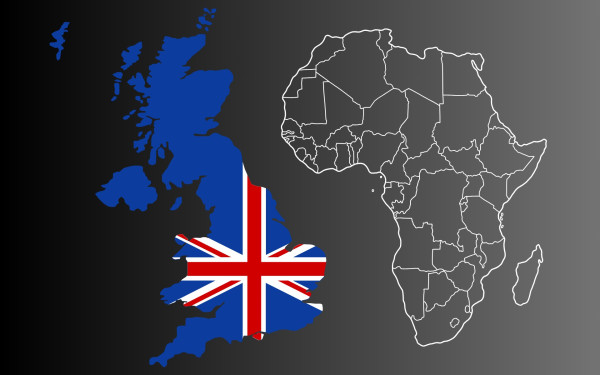
Trade relations between the UK and Africa are gaining momentum. Last month, UK Minister for Trade Policy and Economic Security Douglas Alexander visited South Africa and Botswana to strengthen trade ties and create opportunities for businesses on both sides. The UK aims to expand trade and investment across the continent, fostering mutually beneficial growth by addressing trade barriers, facilitating exports and supporting trade-focused development programs. With South Africa as the UK's largest trading partner in Africa and set to assume the G20 Presidency, this marks an important moment for deepening economic collaboration.

This builds on the UK's 2019 Economic Partnership Agreement (EPA) with the Southern African Customs Union member states – Botswana, Eswatini, Lesotho, Namibia and South Africa – and Mozambique. This agreement eliminates tariffs and quotas on all goods imported from these countries into the UK, facilitating smoother trade relations and economic cooperation. The EPA aims to bolster economic ties and create a conducive environment for investments, including in the energy sector.

The UK is expanding its engagement across Africa, including in West and North Africa. In February 2024, it signed the Enhanced Trade and Investment Partnership (ETIP) with Nigeria – the first such agreement with an African nation – marking a significant milestone. The partnership builds on a trade relationship valued at £7 billion in the year leading up to September 2023. The ETIP focuses on key sectors such as financial and legal services, fostering economic growth and attracting investment across industries, including energy.

Globeleq, a UK government-backed independent power producer, has been instrumental in advancing gas-powered energy projects across Africa. Alongside its 153 MW Red Sands project in South Africa – set to become the continent's largest standalone battery energy storage system – the company recently acquired a stake in a solar plant at Egypt's Benban Solar Complex and secured $99 million in debt financing for Mozambique's first wind project. Supported by shareholders such as British International Investment and Norfund, Globeleq continues to invest in upgrading existing assets and developing new utility-scale power projects, strengthening Africa's energy infrastructure.

In the oil and gas sector, bp achieved first gas from the Greater Tortue Ahmeyim LNG project offshore Senegal and Mauritania at the start of this year, marking a major step in boosting regional energy production and supply. Shell is advancing its $5 billion Bonga North deepwater project in Nigeria and, alongside bp, has agreed to cover operational costs for the buyer of South Africa's Sapref refinery – a move that could revitalize the country's largest refinery and secure oil supply. Meanwhile, Harbour Energy, one of the UK's largest independent oil and gas companies, is looking to expand into African markets following its acquisition of concessions in Egypt's Nile Delta and the Mediterranean Sea.

The UK is also a major investor in Africa's clean energy sector and a key partner in the Mission 300 initiative to expand electricity access to 300 million people by 2030. Last month, British International Investment (BII) committed £5.3 million to UK cleantech firm MOPO to scale battery rental operations in the Democratic Republic of the Congo, where over 80% of the population lacks electricity. In December 2024, BII and GuarantCo announced a $500 million renewable power deal with South Africa's Etana Energy, providing $100 million in guarantees to support the country's largest energy wheeling framework and unlock new projects. Beyond direct investments, the UK government continues to provide funding and technical assistance for energy infrastructure projects across Africa, aiming to improve energy reliability and efficiency, drive economic growth, and enhance the quality of life for local communities.

As a G20 member, the UK plays a pivotal role in shaping global energy investment strategies, with Africa positioned as a key partner in its trade and energy agenda. The UK's investments in oil and gas, renewables and energy infrastructure align with broader G20 goals of energy security, sustainability and economic growth.

“These initiatives not only strengthen the UK's economic ties with Africa, but also support the continent's transition to cleaner, more reliable energy. With African Energy Week: Invest in African Energies 2025 set to convene global stakeholders, the UK's role in advancing energy partnerships will be in focus, offering a platform to drive further investment, policy collaboration, and infrastructure development across Africa's energy landscape,” says Johnson Kayode Obembe, Director of Sales and Partnerships, African Energy Week.

AEW: Invest in African Energies is the platform of choice for project operators, financiers, technology providers and government, and has emerged as the official place to sign deals in African energy. Visit www.AECWeek.com for more information about this exciting event.

Distributed by APO Group on behalf of African Energy Chamber.

Media files
African Energy Chamber
Download logo
Read moreUK Looks to Deepen Energy Trade, Investment Ties with Africa
28 February 2025

2025 Basketball Africa League Season to Feature Record Six New Teams

Location: Sport
Basketball Africa League (BAL)

  • – 12 BAL Teams Include First-Ever Participants from Cape Verde and Kenya, Previous Champions from Angola and Tunisia – 
  • – BAL's Milestone Fifth Season Tips Off on April 5 in Rabat with First-Ever BAL Games in Morocco; Tickets on Sale Now via Guichet – 

The Basketball Africa League (BAL) (www.BAL.NBA.com) today announced the 12 teams and game schedule (https://apo-opa.co/43iFBgS) for the opening leg of the league's milestone fifth season, which will tip off with the Kalahari Conference group phase from Saturday, April 5 – Sunday April 13 at the Prince Moulay Abdellah Sports Complex in Rabat, Morocco.   

The 2025 BAL season, which will feature three regular-season group phases and culminate with the playoffs and finals at the SunBet Arena in Pretoria, South Africa in June, will feature a record six first-time BAL participants, including the first BAL teams from Cape Verde (Kriol Star Basketball) and Kenya (Nairobi City Thunder), as well as defending champion Petro de Luanda (Angola) and 2022 champion US Monastir (Tunisia).  Petro de Luanda and US Monastir are the only teams to have qualified for all five BAL seasons.  Below is the complete list of participating teams by conference. 

1. Kalahari Conference

  • Al Ittihad (Egypt)* 
  • Fath Union Sport (FUS; Morocco) 
  • Stade Malien (Mali) 
  • Rivers Hoopers (Nigeria) 

2. Sahara Conference

  • ASC Ville de Dakar (Senegal)* 
  • Kriol Star Basketball (Cape Verde)* 
  • Petro de Luanda (Angola) 
  • US Monastir (Tunisia) 

3. Nile Conference

  • Al Ahli Tripoli (Libya)* 
  • Armée Patriotique Rwandaise Basketball (APR; Rwanda) 
  • Made by Basketball (MBB; South Africa)* 
  • Nairobi City Thunder (Kenya)* 

Each conference will play a 12-game group phase during which each team will face the other three teams in its conference twice.  During group phase play, the home team in each country will play on every gameday.  

In the season opener, Stade Malien (Mali) will face Rivers Hoopers (Nigeria) at 4:00 p.m. GMT+1.  In the second game, home team Fath Union Sport (FUS; Morocco) will take on Al Ittihad (Egypt) at 7:00 p.m. GMT+1.  Single-game tickets for the games in Rabat are available online at Guichet.ma (https://apo-opa.co/4bkwuyc) and the following physical locations: Megarama Cinema in Casablanca (https://apo-opa.co/3DeI6Gv), Megarama Cinema in Fes (https://apo-opa.co/4h0Ix54) and the National Theatre in Rabat (https://apo-opa.co/3Xpawoa).  Fans who purchase tickets will also have free access to the BAL Fan Zone at the arena.   

Tickets for the games in Dakar, Senegal are also on sale now at www.BAL.NBA.com and BAL-TeewTickets.com. 

Eight teams from across the three conferences will travel to Pretoria for four seeding games followed by an eight-game, single-elimination playoffs and finals from Friday, June 6 – Saturday, June 14.   

Additional information about the 2025 BAL season will be announced in the coming weeks. 


*First-time BAL participant 

Distributed by APO Group on behalf of Basketball Africa League (BAL).

BAL Season 5 Hype Video: https://apo-opa.co/3XnHJjD

Contact: 
Edwin Eselem
Basketball Africa League
+221 78 615 42 87
EEselem@theBAL.com 

Fans can follow the BAL (@theBAL) on:
Facebook: https://apo-opa.co/4ijfSsO
Instagram: https://apo-opa.co/3DoEnGe
Threads: https://apo-opa.co/41i0eY6
X: https://apo-opa.co/4kgmZnR
YouTube: https://apo-opa.co/3QzPMGq
Register their interest in receiving more information at www.BAL.NBA.com. 

About the BAL:
The Basketball Africa League (BAL), a partnership between the International Basketball Federation (FIBA) and NBA Africa, is a professional league featuring 12 club teams from across Africa that will tip off its fifth season in April 2025.  Headquartered in Dakar, Senegal, the BAL builds on the foundation of club competitions FIBA Africa has organized across the continent and marks the NBA's first collaboration to operate a league outside North America.  

Media files
Basketball Africa League (BAL)
Download logo
Read more2025 Basketball Africa League Season to Feature Record Six New Teams
26 February 2025

The Future of Africa’s Energy Sector

Location: Business
African Energy Chamber

By NJ Ayuk, Executive Chairman, African Energy Chamber (www.EnergyChamber.org).

There's a promising future for African renewables as the continent strives to balance its current reliance on fossil fuels.

That's the prediction of the African Energy Chamber's 2025 Outlook Report on the State of African Energy.

As I have said before, Africa will eventually rely primarily on renewable energy, as much of the rest of the world strives to — but on its own timetable, not that of Western countries who have benefited for centuries from the exploitation of fossil fuels.

To achieve a carbon neutral future, African nations must have the underlying infrastructure and industry to make the dominance of renewables possible. As things currently stand, most African states lack said infrastructure and industry, and the most feasible and expedient way for them to achieve both is through leveraging the abundant oil and gas resources so many of them possess.

As our report finds:

  • Fossil fuels account for 72% of Africa's power generation. South Africa and Egypt are Africa's leading producers, and their dominance will continue into the next decade.
  • Renewables account for over 27% of Africa's power generation and are projected to increase to 43% by the end of this decade.
  • Africa accounts for 3.3% of the global power generation, with a total power generation of over 980 terawatt hours.
  • 13 GW of utility-scale solar PV and wind projects are under construction – South Africa, Egypt, Morocco, Ethiopia and Algeria account for over 75% of this capacity.

No Electricity at All

There are also significant challenges facing Africa's energy sectors, as we cover in detail in our report.

The most pressing of those challenges is the fact that many rural areas across Africa are underserved and lack the necessary power infrastructure to access any electricity at all. In fact, of the 685 million people worldwide living without access to electricity, 590 million (86%) live in Africa. Conversely, even in well-served areas electricity is not cheap and reliable, as population and urbanization growth have outpaced the growth of power infrastructure, placing additional strain on the existing power systems. Many African households still rely on alternative, less efficient energy sources such as biomass, kerosene, etc., for heating and cooking.

One practical solution to these challenges is Western investment.

Western investment — providing both funds and technology — will help expand our existing infrastructure into underserved areas and harness our natural resources, and that will go a long way toward improving economic conditions across the continent. This will in turn improve energy affordability for many Africans as it becomes both more widely available and cheaper to access.

But where and in what should the West invest? That is up to them, but there are many development opportunities across the continent right now. I will cover just a few of the most promising, according to our outlook report.

What we found is that most North African countries see 90% access rates for electricity and are looking to enhance their power sectors while reducing reliance on fossil fuels. The bulk of renewable power share increases by the end of the decade will almost certainly be seated in this region. In contrast, sub-Saharan countries will continue to fight low electricity access for some time. They have been able to increase access to 55% currently, up from 38.3% in 2010. These countries will be ripe for investment, expanding the grid and production infrastructure to improve electrical access.

We also found that hydropower continues to dominate in East Africa, which has some of the largest dams in the world generating 19% of Africa's overall power generation and providing up to 90% of the available power for countries such as Ethiopia and the Democratic Republic of Congo. Africa's largest hydroelectric project, the Grand Ethiopian Renaissance Dam (GERD) is nearing completion and is expected to generate 15,760 GWh annually once fully operational. The project is of such importance to the region that it has sparked diplomatic cooperation between the Nile-bound countries of Ethiopia, Egypt, and Sudan in an effort to ensure equitable sharing of the river's precious waters. Other currently ongoing projects such as Ethiopia's Gibe III Dam (1870 MW), Zambia and Zimbabwe's Kariba Dam (1830 MW) and Ghana's Akosombo Dam (1020 MW) also speak to promising future growth and development opportunities for those willing to get their feet wet in the central and eastern parts of the continent along the Congo and Nile rivers, where nearly 90% of the continent's hydroelectric potential remains untapped.

Geothermal power in Africa is currently dominated by Kenya, which to date is the seventh largest producer of geothermal power. Kenya's estimated geothermal power potential is roughly 10 GW, but current operation capacity only allows 1 GW to be harnessed.

International investment is what launched Kenya's geothermal power in the first place, with the United Nation's development program providing the requisite research and funds in 1972 to establish the country's first geothermal plant by the 1980s. Since then, Kenya has expanded independently, creating the state-owned Geothermal Development Company (GDC) in 2008 to both speed up geothermal advancements and lower the initial investment risk for foreign investment.

Solar Power: A Light in the Dark

Solar power offers a veritable gold mine of opportunity given Africa's high irradiance levels: nearly 80% of the continent receives more than 2 MWh per square meter. This amounts to a solar PV potential of 1 million terawatt hours per year and a solar thermal potential of over 500,000 terawatt hours (for reference, a single terawatt hour is enough to light over 1 million homes for a year). Yet to date, Africa only generates over 35 TWh and 3.3 TWh from solar PV and solar thermal, respectively. Over 13 GW of utility-scale solar PV and wind projects are currently under construction, with hundreds more GW of capacity in the concept phase..

I would like to reiterate: Africa will reach a point where we will rely primarily on low carbon and renewable energy. But we cannot get to that point without building the proper infrastructure, and we cannot fund the building of said infrastructure without leveraging our natural resources, oil and gas being chief among them. If the west wishes to speed along Africa's progress on this front, the best way is to work with African as partners and investors working towards common goals. 

Distributed by APO Group on behalf of African Energy Chamber.

Media files
African Energy Chamber
Download logo
Read moreThe Future of Africa’s Energy Sector
26 February 2025

US-Funded Programmes in South Africa Benefit the US Too

Location: News

The world class research conducted in SA is vital for everyone

Read moreUS-Funded Programmes in South Africa Benefit the US Too
24 February 2025

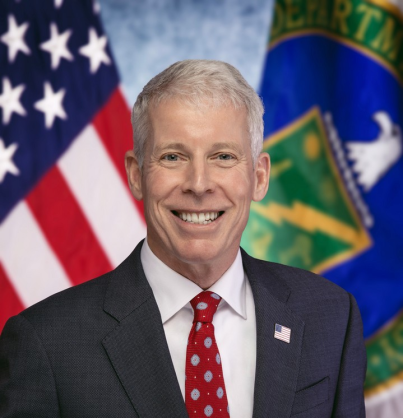
u.s. Secretary of Energy Chris Wright to Deliver Keynote Address at 10th Powering Africa Summit

Location: News
EnergyNet Ltd.

Secretary Chris Wright, U.S. Department of Energy, has been confirmed as a speaker and guest of honour at the 10th Powering Africa Summit (PAS), taking place at JW Marriott Washington, D.C. across March 6-7. This is an important step to provide an answer to the question that all of African energy is now asking: how will the new Administration approach the strategic energy relationship between the U.S. and Africa

Under the Summit theme, The Future of the US & Africa Energy Partnership, U.S. Secretary of Energy Chris Wright will deliver a keynote address at the 10th annual Powering Africa Summit. Wright will be joined by representatives from the U.S. Department of State: Ambassador Troy Fitrell, Senior Bureau Official, Bureau of African Affairs; Kimberly Harrington, Acting Principal Deputy Assistant Secretary, Bureau of Energy Resources; and Stephen Banks, Acting Deputy Assistant Secretary for Energy Diplomacy, Bureau of Energy Resources. All will share their vision for this future relationship between African countries and the US-based investors that are so vital to realizing their energy ambitions.

“As Secretary of Energy, I am committed to unleashing all forms of affordable, reliable and secure energy here at home and advancing that mission of energy security around the world – and nowhere is that more critical than the continent of Africa. I look forward to joining the Summit to reaffirm the strategic energy partnership between the U.S. and Africa and share my vision for advancing innovation and removing barriers to energy access, both at home and around the world,” Secretary Wright said.

Ministers and governments from 19 African countries will arrive in Washington D.C., where the Africa Welcome Address will be given by H.E. Honourable Adebayo Adelabu, Minister of Power, Nigeria. Together with H.E. Honourable Jeremiah Kpan Koung, Vice President, Liberia; H.E. Honourable Dr. Dele Alake, Minister for Solid Minerals Development, Nigeria; H.E. Honourable Mahmoud Mustafa Esmat, Minister of Electricity & Renewable Energy, Egypt; H.E. Honourable Karim Badawi, Minister of Petroleum & Mineral Resources, Egypt; H.E. Honourable Bogolo Joy Kenewendo, Minister of Minerals & Energy, Botswana; H.E. Honourable Alex Wachira, Principal Secretary, Ministry of Energy & Petroleum, Kenya; and Amina Benkhadra, Director General, Office National des Hydrocarbures et des Mines (ONHYM), Morocco, he will meet distinguished Ministers and leaders from South Africa, Senegal, Ethiopia, Zimbabwe, Togo, Sierra Leone and more to drive energy development across the continent.

Flagship ministerial boardrooms and regional energy cooperation sessions will discuss and debate   derisking projects, South Africa's energy future, the need for West African regulatory reforms, and the role of hydrogen in North Africa. New areas of opportunity such as bitcoin mining and data centers will be discussed through an East African lens. The Mission 300 initiative, set to provide electricity access to 300 million people in sub-Saharan Africa by 2030, is also high on the agenda.

The 10th Anniversary Gala Drinks Reception sponsored by Genesis Energy, will celebrate International Women's Day, ahead of March 8.

Critical to the week's discussions will be a host of private players including Alliant Insurance Services, GE Vernova, ARM-Harith Infrastructure Investment, Globeleq, Africa50, Nextracker, Schneider Electric, Newmarket Capital and the summit's general sponsor, Sun Africa, who are looking to a new future for the U.S.-Africa relationship.   

Sun Africa CEO, Adam Cortese said: “We are seeing a sea change in how the U.S. participates in foreign infrastructure development and our unique model of development is an excellent illustration of how U.S. energy companies can thrive in emerging markets on a strictly commercial basis. Sun Africa remains committed to harnessing Africa's immense energy resources through innovative structures, state-of-the-art technology and strong alliances while maintaining our long-standing market-based approach to development.  At Sun Africa, we believe energy development on the continent truly represents an opportunity for win-win partnerships and look forward to sharing our experience.”

Simon Gosling, MD of EnergyNet added: “This summit has always been about bringing together African countries seeking investment with U.S.-based investors who see the vast potential on the continent.  It is more important than ever to establish the crucial energy projects that Africa needs. PAS25 will put the continent center stage and make sure that both sides have a future relationship to be excited about.”

Media Credentials Requited for Powering Africa Summit

The Secretary will open the Summit on 6 March, delivering a Keynote Speech at 09:45, followed by a Fireside Chat with Mission 300 Accelerator CEO, Andrew Herscowitz.

Distributed by APO Group on behalf of EnergyNet Ltd..

For more information, please get in touch with 
Poliana@EnergyNet.co.uk
Senior Marketing Manager

Media files
EnergyNet Ltd.
Download logo
Read moreu.s. Secretary of Energy Chris Wright to Deliver Keynote Address at 10th Powering Africa Summit
23 February 2025

Afreximbank to Set up $1 Billion Oil Service Financing Facility in Guyana

Location: Business
Afreximbank

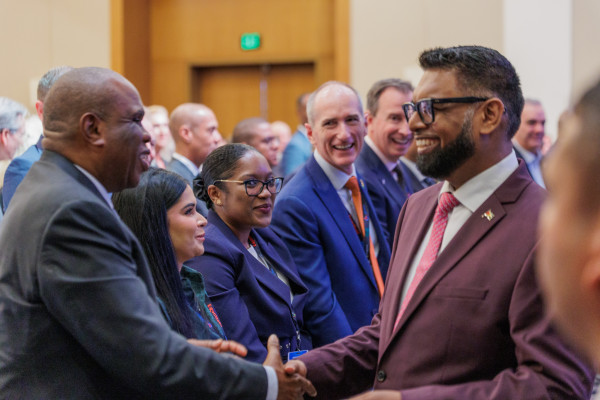
In a significant announcement at the Guyana Energy Conference and Supply Chain Expo being held from, February 18 - 21, Prof. Benedict Oramah, President and Chairman of the Board of Directors of African Export-Import Bank (Afreximbank) (www.Afreximbank.com), declared the multilateral Bank's intention to establish a $1 billion oil service financing facility in Guyana. This initiative aims to enhance local participation in the country's fast growing oil industry, in alignment with the government's local content policies. The Bank will deploy the $1 billion facility directly to qualifying corporate clients or through a factoring line via local banks, enabling them to finance invoices from local contractors.

President Oramah highlighted the transformative potential of Guyana's estimated 12 billion barrels of crude oil reserves. Emphasising the transformative power in proactive resource management, he advised Guyana to aggressively harness and build capital from its oil resources.

He said, "Given the level of oil production in Guyana and its offshore location, I estimate that the oil service sector would amount to 5 to 8 billion US dollars annually. But where will it go? Most of it would be paid to oil service companies abroad, if Guyana does nothing to avoid that. A 50% retention in Guyana would increase Guyana's GDP by 29% to 47%.” As such, he called for robust local content policies that would enable Guyanese entrepreneurs to become significant players in the oil value chain.

Based on Afreximbank's rich history of supporting commodity-dependent economies, President Oramah shared insights to complement the ongoing efforts of the Guyanese government. He acknowledged the inherent risks associated with dependency on a single commodity and laid stress on the importance of diversification.

He cautioned, “The commodity market is prone to volatility and cyclicality; hence, the reliance on crude revenues as a primary source of government funding could expose the national economy to volatile commodity markets." As such, he advised the government to secure long-term off-take contracts with oil service companies, which will enhance market access and price stability.

In the spirit of deepening Afri-Caribbean partnership, President Oramah remarked that skilled oil service companies from Ghana, Egypt, and South Africa, are "ready and willing to support Guyanese... And of course, Afreximbank is there to underwrite the marriage.”

He added that: “These measures are necessary if Guyana and other new entrants in the Caribbean and Africa are to avoid the painful "Dutch Disease. We make these suggestions based on the three long decades of financing oil and gas activities across Africa. We have witnessed oil-dependent economies transform for better or worse through these periods. In all these, the difference reflected the policy choices the leaders made.”

Distributed by APO Group on behalf of Afreximbank.

Media Contact:
Vincent Musumba
Communications and Events Manager (Media Relations)
Email: press@afreximbank.com

Follow us on:
X: apo-opa.co/436nryI
Facebook: apo-opa.co/3ENmLEu
LinkedIn: apo-opa.co/4bcByVp
Instagram: apo-opa.co/3Xb0g2y

About Afreximbank:
African Export-Import Bank (Afreximbank) is a Pan-African multilateral financial institution mandated to finance and promote intra-and extra-African trade. For over 30 years, the Bank has been deploying innovative structures to deliver financing solutions that support the transformation of the structure of Africa's trade, accelerating industrialization and intra-regional trade, thereby boosting economic expansion in Africa. A stalwart supporter of the African Continental Free Trade Agreement (AfCFTA), Afreximbank has launched a Pan-African Payment and Settlement System (PAPSS) that was adopted by the African Union (AU) as the payment and settlement platform to underpin the implementation of the AfCFTA. Working with the AfCFTA Secretariat and the AU, the Bank is setting up a US$10 billion Adjustment Fund to support countries effectively participating in the AfCFTA. At the end of December 2023, Afreximbank's total assets and contingencies stood at over US$37.3 billion, and its shareholder funds amounted to US$6.1 billion. Afreximbank has investment grade ratings assigned by GCR (international scale) (A), Moody's (Baa1), Japan Credit Rating Agency (JCR) (A-) and Fitch (BBB). Afreximbank has evolved into a group entity comprising the Bank, its impact fund subsidiary called the Fund for Export Development Africa (FEDA), and its insurance management subsidiary, AfrexInsure (together, "the Group"). The Bank is headquartered in Cairo, Egypt.

For more information, visit: www.Afreximbank.com

Media files
Afreximbank
Download logo
Read moreAfreximbank to Set up $1 Billion Oil Service Financing Facility in Guyana
23 February 2025

Hundreds Join Pro-palestine Rally in Sea Point

Location: News

Palestine Solidarity Campaign renews call for SA government to cut ties with Israel, among other demands

Read moreHundreds Join Pro-palestine Rally in Sea Point
21 February 2025

Saudi Arabia Expands Energy Ties With Africa

Location: News
African Energy Chamber

Earlier this week, Egypt's Minister of Petroleum and Mineral Resources Karim Badawi and Saudi Arabia's Minister of Energy Abdulaziz bin Salman Al Saud signed an agreement to develop an executive plan for energy efficiency cooperation, strengthening bilateral ties in the energy sector and fostering sustainable development. This follows another significant development in September, in which Egyptian Prime Minister Mostafa Madbouly secured a $5 billion pledge from Saudi Arabia's PIF, representing the “first phase” of a larger investment strategy. 

As a leading global energy giant, Saudi Arabia has been actively investing in Africa's energy sector, aiming to expand its energy reserves, advance energy diplomacy and compete with other global superpowers. This strategic push not only strengthens Saudi Arabia's influence in the region, but also paves the way for deeper economic and political ties with African nations. 

To date, the lion's share of investment in Africa's energy sector has focused on clean energy advancements. With total project costs reaching $7 billion across the continent, Saudi developer ACWA Power stands as the leading private-sector investor in African renewable energy. In October 2024, the company announced that its Redstone solar plant in South Africa was set to achieve its full 100 MW capacity, while its Kom Ombo solar PV plant in Egypt successfully reached its full capacity of 200 MW. ACWA Power is also leading Project DAO, South Africa's largest hybrid renewable power plant, with an $800 million investment. The project is expected to come online by 2026 and aligns with the Kingdom's broader Vision 2030 goals.  

In addition to renewable energy, Saudi Arabia is diversifying its investments to secure critical minerals for clean energy technologies. In October, Saudi Arabia's Manara Minerals, a joint venture between Ma'aden and the Public Investment Fund (PIF), entered advanced talks to acquire a minority stake in First Quantum Minerals' Zambian copper and nickel assets. The potential investment, valued between $1.5 billion and $2 billion, underscores Saudi Arabia's strategy to secure critical minerals that are vital for the global clean energy transition. 

Turning to broader regional commitments, Saudi Arabia's financial support for Africa's energy infrastructure has grown. In October, the Kingdom announced a major funding initiative, pledging at least $41 billion for sub-Saharan African nations. This includes $1 billion for development, $5 billion for startups, $10 billion in financing from the Saudi Export-Import Bank and $25 billion in private sector investments over the next decade.  

Meanwhile, the Saudi Ministry of Energy has established the "Empowering Africa" initiative as part of its broader commitment to supporting sustainable development across the continent. In collaboration with the Ministries of Communications and Information Technology and Health, the initiative aims to deliver clean energy, connectivity, e-health and e-learning solutions to enhance lives and promote long-term growth in Africa. Building upon the Clean Fuel Solutions for Cooking Program, it focuses on providing cleaner cooking solutions to vulnerable populations, aiming to reduce reliance on traditional biomass fuels and improve health outcomes for millions of households. Minister bin Salman Al Saud has emphasized energy as a fundamental human right and is spearheading efforts to improve access to clean cooking technologies across the continent. 

Additionally, state-owned petroleum company Saudi Aramco is strengthening its partnerships with African nations to support energy investments and mobilization. These collaborations are expected to drive infrastructure development, enhance oil and gas production capacity and facilitate knowledge transfer between Saudi and African energy stakeholders, while aligning with broader energy security and sustainability goals.  

In the multilateral arena, the African Energy Chamber is working with Saudi Arabia to support South Africa's G20 energy investments and mobilization. This partnership is set to facilitate greater financing and policy coordination, ensuring Africa's energy priorities are well-represented in global energy discussions. The upcoming African Energy Week: Invest in African Energies conference in Cape Town serves as a key platform to facilitate and support these investments, bringing together Saudi stakeholders, African governments and global energy leaders to advance new projects, strengthen partnerships and accelerate the continent's energy transition. These collaborations are essential in addressing energy challenges, driving economic growth and fostering long-term sustainability. As Saudi investments expand – alongside those of other G20 nations – their impact on Africa's energy landscape will only deepen.  

AEW: Invest in African Energies is the platform of choice for project operators, financiers, technology providers and government, and has emerged as the official place to sign deals in African energy. Visit www.AECWeek.com for more information about this exciting event. 

Distributed by APO Group on behalf of African Energy Chamber.

Media files
African Energy Chamber
Download logo
Read moreSaudi Arabia Expands Energy Ties With Africa
20 February 2025

Merck Foundation CEO Provides 194 Oncology Scholarships in Africa

Location: News
Merck Foundation

  • Merck Foundation marks World Cancer Day with African First Ladies by providing 194 scholarships of Oncology Training to African doctors from 32 countries. 
  • Merck Foundation together with Africa First Ladies and Ministries of Health has been building cancer care capacity and increasing the limited number of Oncologists in their countries by providing close to 200 Scholarships of One-, two- and three-years fellowship, diploma and Master Degree of oncology to African doctors from 32 Countries. 
  • Merck Foundation is making history in Africa by training the First African Oncologists and First Cancer Care Teams in Countries such as The Gambia, Sierra Leone, Burundi, Liberia, Guinea Conakry, Central African Republic, Chad, Burundi, Malawi, Niger, Namibia, Zambia, Zimbabwe and more. 

Merck Foundation (www.Merck-Foundation.com), the philanthropic arm of Merck KGaA Germany, marks ‘World Cancer Day 2025' together with Africa's First Ladies and Ministries of Health. Through their Cancer Access Program, Merck Foundation is is building quality and equitable cancer care capacity in Africa.  

Senator Dr. Rasha Kelej, the CEO of Merck Foundation, highlighted, “At Merck Foundation, we mark World Cancer Day not just as a single day, but as a our continued commitment to transform and advance cancer care in Africa.  

Together with my dear sisters, the Africa's First Ladies, we are have enhanced the cancer care capacity in the continent by providing 194 scholarships to young African doctors from 32 countries, significantly increasing the number of oncologists in Africa. We are making history together by providing these important scholarships for the first oncologists and /or the first cancer care teams in many countries across Africa.”  

Merck Foundation in total provided more than 2100 scholarships to doctors from over 52 countries in 44 critical and underserved medical specialties.  

The Merck Foundation Cancer Access Program provides One, two- and three-years fellowship, Post Graduate Diploma and Master Degree of oncology for doctors from Africa. The clinical training has been conducted in India, Egypt and Kenya. Additionaly, Merck Foundation also provides scholarships for 2 years online PG Diploma in Cancer and Clinical Oncology, 01 year online PG Diploma in Medical Oncology and 1 year online PG Diploma in Pain Management from reputed Universities in UK like University of South Wales, University of Buckingham, Queen Mary University of London, and Cardiff University. 

Merck Foundation is establishing Multidisciplinary Oncology Care teams in many African countries by providing scholarships of clinical training in Medical Oncology, Surgical Oncology, Pediatrics Oncology, Gynecology Oncology, Breast Oncology, Haemato-Oncology, Orthopaedic Oncology, Palliative Care, Pathology Oncology, Radiation Oncology, Research in Oncology, Surgical Oncology - Genital Urinary System, Advanced Cytopathology Training, Interventional Radiology, Radiation Technician, Laboratory Technician, Oncology Nursing. 

Merck Foundation through its Merck Foundation Cancer Access Program has provided 194 scholarships of Oncology to doctors from 32 countries including Botswana, Burkina Faso, Burundi, Cameroon, Central African Republic, Chad, Congo Brazzaville, Democratic Republic of the Congo, Ethiopia, Gabon, Gambia, Ghana, Guinea, Kenya, Liberia, Malawi, Mauritius, Mozambique, Namibia, Nepal, Niger, Nigeria, Rwanda, Sao Tome & Principe, Senegal, Sierra Leone, South Africa, Sri Lanka, Tanzania, Uganda, Zambia and Zimbabwe.  

“In several of these countries, there wasn't even a single oncologist. We are proud to be making history in Africa by training the first oncologists and establishing the first cancer care teams in nations such as The Gambia, Sierra Leone, Burundi, Liberia, Guinea Conakry, Central African Republic, Chad, and Niger. Merck Foundation remains committed to transforming the landscape of cancer care across the continent and leading Africa toward a healthier future,” explained Senator Dr. Rasha Kelej.  

Africa records around 1.1 million new cases of cancer, resulting in up to 700,000 deaths, every year, as per WHO data. The mortality rate of cancer patients is very high in Africa, as compared to the rest of the world.  

“One of the key reasons is also the late diagnosis of the disease. Therefore, these scholarships are very important” added Senator Kelej.  

Merck Foundation has also created awareness materials including awareness leaflets and videos on Cancer Prevention and Early Detection.  

Dr. Chifundo Kajombo, Merck Foundation Alumni from Malawi shares, “I am privileged to be awarded a scholarship by Merck Foundation to pursue the Surgical Oncology fellowship training program at Tata Memorial Hospital, India. I managed to advance from basic surgical oncology principles to the advanced level. This has helped me improve my understanding of cancer and operative principles. Since returning back home, I have managed to change the structure of how our breast clinic runs and modified it to incorporate a number of new things that we probably could not have possibly included. I am so proud to share that I have just been awarded the Best Surgeon for 2023 in Malawi. I would not have achieved this feat without Merck Foundation's scholarship. I am very thankful.” 

Watch testimonials videos of Merck Foundation Oncology Fellowship Alumni: https://apo-opa.co/4bab06Y

Distributed by APO Group on behalf of Merck Foundation.

Link of the extra posters: https://apo-opa.co/3X6RmD6

Contact details:
Mehak Handa
Community Awareness Program Manager
+91 9310087613 / +91 9319606669
mehak.handa@external.merckgroup.com

Join the conversation on our social media platforms below and let your voice be heard! 
Facebook: https://apo-opa.co/4k65XbW
X: https://apo-opa.co/43mGeGv
YouTube: https://apo-opa.co/3EVeWMS
Instagram: https://apo-opa.co/413ECyl
Threads: https://apo-opa.co/4gLTA1P
Flickr: https://apo-opa.co/4gSxZVs
Website: www.Merck-Foundation.com
Download the Merck Foundation App: https://apo-opa.co/413wo9z

About Merck Foundation:
The Merck Foundation, established in 2017, is the philanthropic arm of Merck KGaA Germany, aims to improve the health and wellbeing of people and advance their lives through science and technology. Our efforts are primarily focused on improving access to quality & equitable healthcare solutions in underserved communities, building healthcare & scientific research capacity, empowering girls in education and empowering people in STEM (Science, Technology, Engineering, and Mathematics) with a special focus on women and youth. All Merck Foundation press releases are distributed by e-mail at the same time they become available on the Merck Foundation Website.  Please visit www.Merck-Foundation.com to read more. Follow the social media of Merck Foundation: Facebook (https://apo-opa.co/4k65XbW), X (https://apo-opa.co/43mGeGv), Instagram (https://apo-opa.co/413ECyl), YouTube (https://apo-opa.co/3EVeWMS), Threads (https://apo-opa.co/4gLTA1P) and Flickr (https://apo-opa.co/4gSxZVs). 

The Merck Foundation is dedicated to improving social and health outcomes for communities in need. While it collaborates with various partners, including governments to achieve its humanitarian goals, the foundation remains strictly neutral in political matters. It does not engage in or support any political activities, elections, or regimes, focusing solely on its mission to elevate humanity and enhance well-being while maintaining a strict non-political stance in all of its endeavors. 

Media files
Merck Foundation
Download logo
Read moreMerck Foundation CEO Provides 194 Oncology Scholarships in Africa
19 February 2025

Young Users Can’t Live Without Gadgets, but Have Little Safety Guidance

Location: News
Kaspersky

According to a recent Kaspersky (www.Kaspersky.co.za) survey*, 91% of parents surveyed in South Africa and 89% of parents surveyed in the Middle East, Turkiye and Africa (META) region use gadgets to entertain and occupy their children while traveling or to gain some free time for themselves. Moreover, half (50%) of children in South Africa and over half (52%) of children in the META region receive their first personal device – a smartphone or tablet – quite early, at the age of 3-7 years. However, 26% and 22% of respondents respectively have not discussed Internet safety rules with their children. This means that some of the children, who are often left one-on-one with their devices, are not always aware of how to behave safely online. 

The children themselves admit that gadgets play a significant role in their lives. According to their own admission, 72% in South Africa and 78% in the META region cannot live without their gadgets. Smartphones, tablets and game consoles are at the top of the list of the most desirable devices for children. This emphasises the critical need for children to understand that they can be exposed to threats online, what this means and how to safely navigate this through appropriate device rules and guidelines.    

“Most parents give their children gadgets in order to entertain them, spare some time for themselves or calm down their kids. However, children shouldn't use digital devices uncontrolled. Rather parents should monitor their child's digital life better. This can be done by limiting screen time and holding conversations, however, a security solution is also needed”, comments Seifallah Jedidi, Head of Consumer Channel in the Middle East, Turkiye and Africa at Kaspersky. 

“Applying parental control is not showing distrust to your child; it's a sensible precaution with which you can, among other things, protect the device and the data on it. It allows parents to control which sites their children visit and which games they play, as well as disallowing file downloads, blocking access to content on unwanted topics and preventing the disclosure of confidential information. This way, Kaspersky's technologies help protect finances and confidential data from cybercriminals, and protect children from the risks that may lurk in the online environment”, he adds. 

Kaspersky suggests protecting children with the following proactive measures: 

  • Parents can create a safer online environment for their children by staying informed about the latest threats and actively monitoring their children's online activities.  
  • It's crucial for parents to have open communication with their children about the potential risks they may encounter online and to enforce strict guidelines to ensure their safety. 
  • To secure your child from downloading any malicious files during their online experiences, we advise installing a trusted security solution on their device. 
  • With the right tools such as Kaspersky's digital parenting app Safe Kids (https://apo-opa.co/3D0IQij), parents can effectively safeguard their children against cyber threats in the digital space. 

*The survey was conducted by Toluna research agency at the request of Kaspersky in 2023. The study sample included 10000 online interviews (5000 parent-child pairs, with children aged 3 to 17 years) in 5 countries: Türkiye, South Africa, Egypt, Saudi Arabia, and the UAE. 

Distributed by APO Group on behalf of Kaspersky.

For further information please contact: 
Nicole Allman 
INK&Co. (https://apo-opa.co/3EIX1Jr)
nicole@inkandco.co.za    

Follow us: 
Facebook: https://apo-opa.co/3EEx6T2
X: https://apo-opa.co/4gH6e28
YouTube: https://apo-opa.co/4i6LPVw
Instagram: https://apo-opa.co/4k6i1tS
Blog: https://apo-opa.co/4b7uf1a

About Kaspersky:
Kaspersky is a global cybersecurity and digital privacy company founded in 1997. With over a billion devices protected to date from emerging cyberthreats and targeted attacks, Kaspersky's deep threat intelligence and security expertise is constantly transforming into innovative solutions and services to protect businesses, critical infrastructure, governments and consumers around the globe. The company's comprehensive security portfolio includes leading endpoint protection, specialized security products and services, as well as Cyber Immune solutions to fight sophisticated and evolving digital threats. We help over 200,000 corporate clients protect what matters most to them. Learn more at www.Kaspersky.co.za.   

Media files
Kaspersky
Download logo
Read moreYoung Users Can’t Live Without Gadgets, but Have Little Safety Guidance
18 February 2025

NBA Africa and Safaricom’s M-Pesa Launch League’s Most Expansive Youth Development Program in East Africa to Date

Location: Sport
Basketball Africa League (BAL)

NBA Africa and Safaricom (NSE: SCOM- https://apo-opa.co/4gKHaas), the region's leading technology company, on Saturday launched the M-PESA Jr. NBA program that will provide basketball development and financial literacy programming to more than 10,000 boys and girls in Nairobi, Mombasa, Eldoret, and Kisumu, marking the league's most expansive youth development program in East Africa to date.   

The first year of the M-PESA Jr. NBA program, which tipped off with a clinic for more than 100 local coaches at SABIS International School in Nairobi, will consist of four regional tournaments for youth ages 13-16 in Nairobi (Feb. 22-23), Mombasa (March 8-9), Eldoret (March 15-16) and Kisumu (March 22-23). 

In each city, 20 boys' and 20 girls' teams will participate in skills development sessions and competitive games. The top 80 players will then be grouped into four boys' teams and four girls' teams that will play games in a round-robin format. The top 16 boys and girls from each city will be selected to attend an elite top 100 camp at Aga Khan Academy in Mombasa in April.

In addition to the basketball development programming, M-PESA, Safaricom's innovative mobile payment platform, will host financial literacy workshops for the participating youth, empowering them to develop healthy financial habits.

“Tipping off our multiyear collaboration with Safaricom is an important milestone in our ongoing efforts to make basketball more accessible to Kenyan boys and girls,” said NBA Africa CEO Clare Akamanzi. “We look forward to positively impacting youth and coaches across the country through basketball development and life-skills programming.”

“Our collaboration with NBA Africa could not have come at a more opportune moment, as Safaricom's M-PESA will celebrate its 18th anniversary this March, marking a significant milestone in our journey,” said Safaricom CEO Dr. Peter Ndegwa. “Through M-PESA Go, this collaboration transcends beyond basketball. It is driven by a shared vision to create a lasting impact, not only in sports but also in the broader context of youth empowerment. We are committed to nurturing potential, building character, and equipping the next generation with the tools necessary for success. We firmly believe that the association between M-PESA Go and the Jr. NBA program can pave the way for growth and financial health, enabling young athletes to develop their skills and seize opportunities at the next level.”

Distributed by APO Group on behalf of Basketball Africa League (BAL).

About NBA Africa:
NBA Africa is an affiliate of the National Basketball Association (NBA), a global sports and media organization with the mission to inspire and connect people everywhere through the power of basketball.  NBA Africa conducts the league's business in Africa, including the Basketball Africa League (BAL), and has opened subsidiary offices in Cairo, Egypt; Dakar, Senegal; Johannesburg, South Africa; Lagos, Nigeria; and Nairobi, Kenya.  The league's efforts on the continent have focused on increasing access to basketball and the NBA through youth and elite development, social responsibility, media distribution, corporate partnerships, NBA Africa Games, NBA Stores, the BAL, and more.

NBA games and programming are available in all 54 African countries, and the NBA has hosted three sold-out exhibition games on the continent since 2015. The BAL, a partnership between the International Basketball Federation (FIBA) and NBA Africa, is a professional league featuring 12 club teams from across Africa that will tip off its fifth season in April 2025. Fans can follow @ NBA_Africa (https://apo-opa.co/3ELjWny) and @ theBAL (https://apo-opa.co/3ELjWE4) on Facebook, Instagram, X and YouTube.

About Safaricom:
Safaricom is the leading telecommunication company in East Africa. Our purpose is to transform lives by connecting people to people, people to opportunities, and people to information. We keep over 45.9 million customers connected and play a critical role in the society, supporting over one million jobs both directly and indirectly while our total economic value was estimated at KES 393 billion ($3.1 billion) for the 12 months through March 2022.

Listed on the Nairobi Securities Exchange and with annual revenues of close to KES 335.4 billion as of March 2024, Safaricom provides connectivity through wide range of technology, 2G, 3G, 4G and 5G in aggregate covering over 99% of Kenya's population.

Safaricom is an equal opportunity employer, actively recruiting staff from different backgrounds reflecting the communities that we serve. We are committed to equal gender representation at all levels. Our target is to achieve 50:50 senior management gender parity by 2025.

As part of our ongoing commitment to the Sustainable Development Goals (SDGs), we continue to work towards improving energy and resource efficiency in our network and facilities to reduce carbon emissions and our fuel consumption. We remain committed to becoming a Net Zero carbon-emitting company by 2050.

Media files
Basketball Africa League (BAL)
Download logo
Read moreNBA Africa and Safaricom’s M-Pesa Launch League’s Most Expansive Youth Development Program in East Africa to Date
17 February 2025

Over Half of Africans Fear Financial Losses From Cybercrime, Survey Finds

Location: News
KnowBe4

According to a recent survey conducted by KnowBe4 AFRICA (www.KnowBe4.com), 58% of respondents are very concerned about cybercrime, a figure which has almost doubled from 29% in 2023. Fear of online fraud and losing money remain their top concern, given the increasing sophistication of AI-assisted cyberthreats.

The cybersecurity landscape in Africa is rapidly evolving and presents both significant challenges and opportunities (http://apo-opa.co/3EK2IH1). Africa has seen a notable increase in cybercrime (http://apo-opa.co/434M677), with ransomware, digital extortion and online scams being particularly prevalent. South Africa, for instance, lost $3 billion to digital banking and mobile app crime in 2023, according to the SA Banking Risk Information Centre (http://apo-opa.co/4k4oUvu). Cybercriminals are using increasingly sophisticated methods, including AI-generated content (http://apo-opa.co/434M677) to impersonate officials and executives, while social engineering attacks become more advanced.

In response to these concerns, KnowBe4 conducted a survey to determine how prepared Africans are for cybersecurity threats. This survey, which has been done annually since 2019, polled 800 adults across seven African countries: Morocco, South Africa, Nigeria, Ghana, Egypt, Kenya and Botswana. “The goal of the survey was to assess respondents' cybersecurity awareness, digital habits and online security practices,” says Anna Collard, SVP Content Strategy and Evangelist at KnowBe4 AFRICA. “Many challenges remain the same, but some are new, such as the alarming rise of deepfake technology.”

Increased adoption of mobile banking

One of the survey's key findings is that the Africans are more concerned about cybercrime than they were two years ago (http://apo-opa.co/4k0SAK8). The percentage of respondents who said they were “very concerned” about cybercrime almost doubled to 58% in 2025, compared to 29% in 2023 [1]. Fear of online fraud and losing money remained their top concern.

Another important insight is that the use of smart phones in Africa is on the rise. Mobile data usage increased from 71% in 2023 to 75% in 2025. Added to this was the fact that the use of mobile financial services, both for payments and banking, increased significantly from 63% to 85%. “The rise in mobile banking and payments indicates greater financial inclusion through digital means, which is generally positive for economic development in Africa,” asserts Collard. “However, an increase in mobile banking and payments also increases the attack surface for cybercriminals, which underscores the importance of mobile-centric security education.”

WhatsApp for work

A further interesting trend is that although WhatsApp is traditionally used for sharing messages with friends and family, work-related usage of WhatsApp increased slightly from 89% in the previous poll to 93% in this year's survey. Other popular apps used by respondents for work were email, Facebook, Instagram, LinkedIn and Zoom.

“The increase in WhatsApp usage for work shows a further blurring of lines between users' personal and professional lives,” comments Collard. “This can lead to increased risks, as personal devices may not have the same level of security as corporate-managed devices.”

Privacy concerns are fading

A worrying trend that emerged is the level of ease with which African users give away their personal information. The percentage of respondents “very unlikely” to give away personal information almost halved from 29% in 2023 to 14% in 2025. The survey found that 14% of respondents are comfortable sharing personal information, with 8% saying they are likely to do so if they can get something in return, such as a discount, and 6% saying they share personal information all the time.

“This is a concerning trend and reveals the need for more training on personal security,” asserts Collard. “This is further emphasised by the lack of understanding among respondents about what constitutes a strong password and multi-factor authentication.” Understanding of strong passwords slightly decreased from 62% in 2023 to 58% in 2025, while comprehension of multi-factor authentication remained stable at around 58%.

“The latest survey aims to identify key vulnerabilities that should be a priority for individuals, organisations and policy makers,” states Collard. She believes the survey highlights areas that should be addressed in 2025 to achieve strong and strategic cybersecurity. “Despite increased concern about cybercrime among the survey's respondents, there are still gaps in knowledge and practice that need to be addressed to improve overall cybersecurity posture across the continent,” she concludes.

To read the full KnowBe4 African Cybersecurity & Awareness Report 2025, click here (http://apo-opa.co/3X4alhO).


[1] No survey was conducted in 2024.

Distributed by APO Group on behalf of KnowBe4.

Media files
KnowBe4
Download logo
Read moreOver Half of Africans Fear Financial Losses From Cybercrime, Survey Finds
  • Previous
  • Page 1
  • Page 2
  • Page 3
  • Page 4
  • Page 5
  • Interim pages omitted …
  • Page 11
  • Next

Copyright © 2026 · MyZA · All Rights Reserved · Powered by Stratlec Online