• Skip to main content
  • Skip to header right navigation
  • Skip to after header navigation
  • Skip to site footer
MyZA

MyZA

News, Directory, Events and Other Stuff

  • Social Media
  • Sport
  • World News
  • Home
  • Submit News
  • Directory
  • Events
  • Stratlec
  • TFSA
  • News
    • APO
    • Today’s Sport News
    • Todays Social Media and Tech Headlines
    • Today’s World News
    • Today’s SA Financial News
  • Contact
You are here: Home / Archives for Egypt

Egypt

28 January 2025

Revisiting the Africa-Paris Declaration: Progress, Challenges and the Road Ahead for African Energy

Location: News
Energy Capital & Power

The Africa-Paris Declaration, forged during the 2024 Invest in African Energy (IAE) Forum in Paris, was a pivotal moment in Africa's quest for sustainable energy solutions. Aimed at strengthening the continent's energy transition while addressing the urgent issue of energy poverty, the declaration set ambitious targets for expanding access to clean, affordable and reliable energy. With the 2025 edition of the forum approaching, now is the time to reflect on the progress made since the Africa-Paris Declaration and assess how these initiatives are shaping Africa's energy future.

Increased Engagement in Africa

In the months following the declaration, international investors, development banks and private equity firms have shown a steadfast interest in the African energy market. A key milestone was the launch of the Africa Energy Bank by the African Export-Import Bank and APPO, marking the creation of a first-of-its-kind institution designed to fund and facilitate energy initiatives across the continent. Several final investment decisions were successfully closed, including Shell's $5.5 billion Bonga North deepwater project. Additionally, strategic partnerships, including new PSCs signed by Panoro Energy in Equatorial Guinea and BW Energy in Gabon, highlight how international collaborations are accelerating energy development and creating new opportunities for exploration and production. This increased engagement is key to addressing the financing gap that has long hindered the growth of Africa's energy sector.

Natural gas continues to play a central role in Africa's energy strategy as a transitional fuel. The Africa-Paris Declaration underscored its importance as a bridge between traditional energy sources and renewable energy. Over the past year, significant strides have been made in natural gas exploration and LNG exports. Notable developments include Senegal's Greater Tortue Ahmeyim LNG reaching its first gas production, the Republic of Congo's first LNG exports to Italy from the Congo LNG project, Nigeria's UTM FLNG receiving its construction license, and Angola's Sanha Lean Gas Connection project achieving first gas, among others. These initiatives are not only crucial for advancing Africa's energy transition, but also serve as powerful drivers of economic growth by creating jobs and advancing infrastructure development.

Meanwhile, countries like South Africa, Egypt and Morocco are at the forefront of wind and solar energy development, with momentum expected to build as they meet renewable energy targets and explore new growth opportunities. These investments are driving a shift toward cleaner, more sustainable energy in Africa, though challenges remain. High costs of renewable technologies and insufficient grid infrastructure continue to hinder expansion, underscoring the need for more investment in off-grid and mini-grid solutions.

Investment Gaps Persist 

Despite these advancements, Africa still faces significant investment challenges. The financing gap for large-scale energy projects remains substantial and while the private sector has become more engaged, many projects still struggle to secure the necessary capital. In particular, the cost of financing remains high due to the perceived risks associated with energy investments in Africa. This is where continued efforts to de-risk investments and foster public-private partnerships are critical to unlocking the continent's full energy potential. Institutional capacity continues to be a challenge for many African countries. While progress has been made in improving regulatory frameworks, there is still a need for clearer policies, streamlined permitting processes and better enforcement of regulations. Governments must continue to strengthen their institutions to effectively implement energy projects and create an enabling environment for both local and international investors.

With the IAE 2025 forum just months away, industry stakeholders have an opportunity to reflect on the progress made since the Africa-Paris Declaration and determine next steps for the continent's energy future. The forum serves as a platform for government officials, industry leaders and financial institutions to renew commitments, share success stories and address ongoing challenges. While the road to universal energy access and a sustainable energy future is long, the declaration has set the framework for a collective effort that can lead to meaningful change. With the right investments, regulatory frameworks and political will, Africa can emerge as a global leader in energy innovation and sustainability.

Distributed by APO Group on behalf of Energy Capital & Power.

IAE 2025 (www.Invest-Africa-Energy.com) is an exclusive forum designed to facilitate investment between African energy markets and global investors. Taking place May 13-14, 2025 in Paris, the event offers delegates two days of intensive engagement with industry experts, project developers, investors and policymakers. For more information, please visit www.Invest-Africa-Energy.com. To sponsor or participate as a delegate, please contact sales@energycapitalpower.com.
Media files
Energy Capital & Power
Download logo
Read moreRevisiting the Africa-Paris Declaration: Progress, Challenges and the Road Ahead for African Energy
17 January 2025

What to Expect at African Energy Week 2025

Location: Business
African Energy Chamber

Africa is on the precipice of accelerated growth, with major energy projects and untapped resources creating an attractive environment for project developers and financiers. With the continent's energy demand projected to more than double by 2050 and fossil fuels expected to comprise up to 60% of the energy mix by 2040, there lies a strategic opportunity for companies to invest, energy portfolios to grow and countries to reap the rewards of their oil, gas and energy resources.

Returning for its next edition from 29 September to 3 October at the Cape Town International Convention Center, the African Energy Week (AEW): Invest in African Energies conference serves as the leading platform for deal-making, energy partnerships and investments. Building on the success of its previous editions, the event offers a platform for capital and technology to be directed towards African energy projects. In 2025, the event returns bigger and better than before.

Greater Focus on Projects, Emerging Opportunities

With 2025 promising to be an impactful year for Africa's energy sector, the AEW: Invest in African Energies conference will further catalyze development by connecting investors to African projects. On the project front, a slate of major developments is either progressing or will begin operations. These include the second phase of the Congo LNG project; the full operation of the Greater Tortue Ahmeyim development in Senegal/Mauritania; the launch of the Cabinda Refinery in Angola; appraisal drilling in Namibia's Orange Basin, and many more. Strategic developments such as the East African Crude Oil Pipeline, the Mozambique LNG project and exploratory drilling continent-wide require capital, highlighting emerging opportunities for global financiers.

Additionally, Africa's 2024/2025 licensing rounds signal a renewed drive to position the continent as a leading frontier. In North Africa, Libya plans to launch a bid round featuring 22 blocks, Egypt plans to host an international bid round for 12 exploration blocks while Algeria will launch a tender featuring 6 onshore blocks. In West Africa, Mauritania, Nigeria and Liberia will launch licensing rounds, while in Southern Africa, Angola will offer 9 blocks for exploration, Namibia is rolling out a new open-door policy and Tanzania will promote 24 oil and gas blocks in March 2025. These opportunities will be on display at AEW: Invest in African Energies 2025, creating an in-roads for new players.

Uniting Stakeholders to Make Energy Poverty History by 2030

As the largest energy event on the continent, AEW: Invest in African Energies convenes energy, finance and policy stakeholders from the global and African markets. From presidents and ministers to explorers and infrastructure developers to financiers and technology leaders, the event serves as the premier event for the African energy sector. This year, the event offers an expanded program, covering strategic topics such as frontier exploration, refining and processing, power development and connectivity, green hydrogen, regulation and skills development. Speakers will not only address the pressing challenges impacting the continent's energy progress but showcase the range of investment opportunities available across the continent. AEW: Invest in African Energies is where African governments meet, international energy firms sign deals, and local companies drive the next wave of energy development in Africa.

Collaborating for a Just Energy Future

While the world prioritizes the development of renewable energy over traditional energy sources, African countries seek to drive a just energy transition that incorporates a variety of energy solutions. AEW: Invest in African Energies not only promotes a just transition in Africa but offers a platform where global and African energy stakeholders can forge a new pathway for the continent. Discussions in Cape Town will center on strategies for accelerating industrialization, how technologies such as gas-to-power and LNG can reduce emissions while bolstering energy security, and the impact of integrated energy systems on African economies. By driving a narrative of inclusivity, AEW: Invest in African Energies fosters collaboration, partnerships and cross-sector investments.

Policy Alignment, Global Engagement

To attract fresh investment in African energy projects, a slate of countries has enacted policy reforms to strengthen transparency and investor certainty. Nigeria signed the Petroleum Industry Act into law; South Africa launched a new petroleum company; the Republic of Congo is preparing to launch a Gas Master Plan; while Algeria has strengthened regulation to attract local participation in oil and gas projects. In conjunction with improved fiscal terms and rules of engagement, these policies have significantly enhanced the business environment in Africa, making 2025 a strategic year to invest in African energy.

For more information about AEW: Invest in African Energies 2025, visit www.AECWeek.com.

Distributed by APO Group on behalf of African Energy Chamber.

Media files
African Energy Chamber
Download logo
Read moreWhat to Expect at African Energy Week 2025
16 January 2025

SA calls for lasting peace after Middle East ceasefire agreement

Location: News

SA calls for lasting peace after Middle East ceasefire agreement

South Africa is calling for the establishment of a just and lasting peace that protects and promotes the human rights of both Palestinians and Israelis. 

This statement follows confirmation from mediators that a ceasefire agreement has been reached between Hamas and Israel after 15 months of conflict.

“South Africa welcomes the ceasefire agreement reached between Israel and Hamas after 15 months of Israel’s genocidal onslaught on Gaza after Hamas and other armed groups launched an attack on Israel,” the Department of International Relations and Cooperation (DIRCO) said on Wednesday evening. 

According to Al Jazeera, the truce will take effect on Sunday, 19 January 2025, if approved.

According to the news channel, Israel’s war in Gaza has resulted in the deaths of at least 46 707 Palestinians and 110 265 wounded since 7 October 2023. 

Meanwhile, at least 1 139 people were killed in Israel during the Hamas-led attacks on that day, and more than 200 people were taken captive.

The department believes that the ceasefire agreement is a crucial first step toward ending the severe humanitarian crisis faced by the 2.3 million Palestinians in the Gaza Strip. 

The International Court of Justice (ICJ) has indicated that the situation may be plausibly genocidal.

“The ceasefire must lay the basis for a just peace, which should include the establishment of a contiguous, independent, and viable Palestinian State. Palestinian sovereignty and territorial integrity must be upheld. 

“It is imperative that no land is annexed in either Gaza or the West Bank following the ceasefire, and that illegal settlement expansion is halted.”

In line with the ICJ's successive rulings, DIRCO firmly believes that the occupying power must follow the provisional measures recommended by the ICJ.

“International law and humanitarian law must be respected and upheld. Immediate and massive humanitarian aid is urgently needed to provide relief to civilians in Gaza.” 

Meanwhile, South Africa said all obstacles to delivering humanitarian aid must be lifted immediately and unconditionally, allowing civilians unrestricted access to essential food, water, shelter, and healthcare. 

Outgoing United States President Joe Biden announced yesterday that after many months of intensive diplomacy by his country, along with Egypt and Qatar, Israel and Hamas have reached a ceasefire and hostage deal.

“My diplomacy never ceased in their efforts to get this done – I will speak more about this soon. For now, I am thrilled that those who have been held hostage are being reunited with their families,” President Biden said in a statement. – SAnews.gov.za

Gabisile
Thu, 01/16/2025 - 09:34

114 views
Read moreSA calls for lasting peace after Middle East ceasefire agreement
16 January 2025

Vodacom Ranked Africa’s Top Employer for Second Consecutive Year

Location: Business
Vodacom Group

Vodacom Group (www.Vodacom.com) has been named Africa's number one employer by the Top Employers Institute for the second year running. This prestigious certification and first place ranking have also been awarded to Vodacom Group, Vodacom South Africa, Vodacom Mozambique, Vodacom Tanzania and Safaricom Kenya.

The Top Employers Institute Companies bestows this accolade to companies based on their performance in key HR domains such as people strategy, work environment, talent acquisition, learning, and well-being.

“We are incredibly proud to be certified as the Top Employer in Africa for the second year in a row. We believe that the well-being of our employees contributes directly to our ability to fulfil our purpose of connecting for a better future. By continually enhancing our Employee Value Proposition through empathetic and inclusive policies and practices, we are cultivating a workplace culture where people feel valued, empowered, and inspired to reach their full potential,” says Shameel Joosub, CEO of Vodacom Group.

In 2024, Vodacom strengthened its Employee Value Proposition with employee offerings that endorse its commitment to creating an inclusive and supportive workplace. With an emphasis on Compassion, Acceptance, Respect and Empathy (C.A.R.E.), the company's enhanced wellness initiatives include support for all stages of life, such as menopause, and a more encompassing family responsibility leave policy.

“Maintaining our position as Africa's Top Employer once again demonstrates our dedication to enabling our employees to thrive. However, our focus on nurturing talent and career development in the tech industry extends to the millions of young people across the continent who are the future of work. There is an urgent need to prepare the next generation for the rapidly evolving digital economy. To this end, we have launched the Digital Skills Hub, with the goal to equip one million young people in Africa by 2027 by providing access to self-paced, digital skills training for those aged between 18 and 35,” says Matimba Mbungela, Chief Human Resources Officer at Vodacom Group.

Developed in collaboration with other tech organisations, including Amazon Web Services and Microsoft, the Vodacom Digital Skills Hub aims to boost digital literacy across Africa, bridging the digital skills gap across eight African countries including in South Africa, Ethiopia, Tanzania, Mozambique, Lesotho, Egypt, the Democratic Republic of Congo, and Kenya.

The Vodacom Digital Skills Hub is designed to empower the next generation, to consider a career in science, technology, engineering, and mathematics (STEM), and entails fun and engaging practical digital skills training for young people on the continent. AWS Educate is one of the first programs to be offered through the Digital Skills Hub and an additional program to Vodacom's various existing online learning platforms. AWS Educate offers beginners an extensive library of self-paced online training that covers a range of topics from cloud fundamentals to artificial intelligence and machine learning.

“As we embark on a new year, we want to encourage young people, whether they're students, job seekers or aspiring entrepreneurs, to benefit from the Digital Skills Hub. By supporting digital skills training as a Top Employer, we are empowering the next workforce and ensuring that everyone can connect to a better future,” concludes Joosub.

Distributed by APO Group on behalf of Vodacom Group.

Media files
Vodacom Group
Download logo
Read moreVodacom Ranked Africa’s Top Employer for Second Consecutive Year
16 December 2024

Surging Investment, Waves of Change

Location: News
African Energy Chamber

By NJ Ayuk, Executive Chairman, African Energy Chamber (https://EnergyChamber.org/).

I've said for years that African energy is a vital investment. Backers clearly agree — to the tune of USD47 billion. That's how much capital expenditure (capex) 2024 saw in African oil and gas, showing a 23% increase from last year. Better yet, we expect growth to continue through the end of the decade.

This capex activity is a welcome sign that energy majors are deepening their long-term interests in Africa. And as our 2025 State of African Energy report details, their momentum has created unique opportunities for local communities, indigenous companies, and national oil companies (NOCs) from other continents.

Emerging Players

While the majority of 2024's capex was driven by established producers like Angola and Nigeria, emerging players are making noise in the industry. Take Senegal, which saw its first offshore oil production this year. Ghana, following a five-year slump, increased oil output during 2024 by 10% and gas output by 7%.

Exploration hotspot Namibia also deserves a special mention: The Southern African nation aims todrill over 12 offshore wells next year, begin production by 2029, and become one of the top-five African producers by the 2030s. Good work for a nation that only discovered its enormous reserves in 2022! I frequently cite Namibia because it proves that a complete newcomer can attract serious foreign investment with smart, swift policy changes — and poise itself to shake up the energy industry.

Increased Exploration

An exciting question remains: Just where will we find the next Namibia Thanks to a resurgence in exploration, another hotspot may be around the corner. There were 1,060 wells drilled in Africa this year — more than any time since 2015. Africa has also become a global leader in drilling high-impact wells, which have the potential to significantly increase overall reserves. That strategy is already paying off: Notable 2024 finds include Namibia's Mopane complex, which holds approximately 10 billion barrel of oil equivalent (boe) – “one of the world's largest offshore finds,” according to Offshore Magazine. Even while global exploration as a whole remains stagnant, Africa is stepping up to meet growing energy demands.

When exploration is successful, new fields follow. We also expect to see African greenfield spending exceed brownfield by 10% by 2030. These capex trends all demonstrate that investors won't limit themselves to mature fields: Eyes are on fresh locations, fresh facilities, and fresh opportunities in Africa.

A Gas Future

As we highlight in our 2025 report, one of those opportunities is natural gas. Africa holds nearly 18 trillion cubic meters of reserves, which will prove essential for a just energy transition as natural gas can provide significant near-term emissions reductions while fostering energy security and economic development. Global demand for this clean-burning resource is also growing, particularly in Asia. That's why I'm glad to see a greater emphasis on developing natural gas resources. In 2023, capex spending on natural gas was about 30%, but this is projected to grow 10% by 2030. It's another sign that more investors are thinking in the long term about Africa, and interested in being part of a just energy transition.

Take Senegal, where the Greater Tortue Ahmeyim gas field will begin production next year. A Final Investment Decision is also expected in 2024 on Yakaar-Teranga. The West African nation is another fantastic example of how operator-friendly policies, political stability, and vast reserves can attract significant foreign investment: I'm excited to see Senegal transform itself from an oil importer to a gas exporter.

M&A Opportunity

The past year saw a huge increase in divestment by O&G majors: Large IOCs are aggressively streamlining their African portfolios. As a rule, they're selling mature, high-emission, and high-cost assets. While large divestments often signal trouble, they're actually creating some promising changes for African O&G.

For one, Asian and Middle Eastern nations are purchasing more assets: Dubai, Qatar, the U.A.E., Malaysia, and Chinese NOCs acquired stakes in Egypt, Mozambique, Namibia, Kenya, and South Africa this year. As global demand for energy grows, particularly in Asia, I'm glad to see these nations looking to Africa for long-term solutions.

Foreign divestment also matters because it's creating opportunities for indigenous companies. Thanks to a recent Shell acquisition, Aradel Holdings became Nigeria's most valuable oil company (https://apo-opa.co/3ZVzGwh). In Angola, IOC Afentra has acquired Azule's (a joint BP and Eni venture) assets and plans to dramatically increase the nation's overall output.

“Having the big players sell to independents is the future,” oil trader Trafigura said in a statement.

It's a promising pattern: Majors sell off mature assets and use the capital to invest in fresh fields and facilities. Independent foreign or indigenous companies use their acquired assets to expand but are spared the expense of building facilities from the ground up. These smaller companies are also strongly motivated to further develop and reduce emissions from these existing fields — an environmental and financial win for everyone.

The Angolan government clearly agrees, encouraging regional players with tax incentives and reduced government profit shares. It will be truly fascinating to watch this industry shakeup in Nigeria and Angola, which have been dominated for decades by majors.

It's no secret that Africa needs O&G majors to stay: They drill over half of our exploration wells and hold a quarter of the continent's equity production. However, I'm thrilled to see indigenous companies growing and harnessing these assets to their fullest extent.

Conclusion

Just what prompted this surge in African capex? A great deal of credit goes to common sense policy changes in nations such as Namibia, Senegal, Mauritania, Egypt, and Angola. We can also point out that the COVID-19 pandemic artificially slowed capex for several years, so an uptick was inevitable once the world opened up again. 

However, I believe a lot of it comes down to economic reality: Global energy needs are rising. Africa has vast, untapped resources. I urge all parties to continue building a thriving energy industry that takes Africa – and the world – into the next century.

For further insights, check out our 2025 State of African Energy report here (https://apo-opa.co/3ZHldTr).

Distributed by APO Group on behalf of African Energy Chamber.

Media files
African Energy Chamber
Download logo
Read moreSurging Investment, Waves of Change
14 December 2024

African Youth Tech Venture Entrepreneurs Embark on Groundbreaking Korean Innovation Tour

Location: News
African Development Bank Group (AfDB)

Twenty promising youth entrepreneurs from African technology ventures and enterprise support organizations have embarked on a two-week study tour of the Republic of Korea, seeking investment and insights from the country's innovative tech ecosystem. The African Development Bank Group's (www.AfDB.org) Innovation and Entrepreneurship Lab selected these young entrepreneurs from 133 ventures that participated in last month's Africa Tech Startup Forum.  

Held under the auspices of the Lab's Leveraging the Entrepreneurial and Innovation Success of Korea to Strengthen African Enterprise Support project, the Forum selected entrepreneurs who pitched the best business models during the weeklong virtual market access and acceleration program preparing, training, and connecting technology ventures with opportunities. 

Representing eight African nations -- Egypt, Ghana, Kenya, Morocco, Nigeria, Rwanda, South Africa, and Uganda – the delegates span diverse technological sectors, including agritech and health. Their ambitious itinerary includes visits to prestigious institutions such as Global Startup Centre, LG Science Park, the Korea Software Technology Association, unicorn companies with valuations exceeding $1 billion and the Global Digital Innovation Network, a foundation supporting the expansion of South Korea's tech startups. 

Uche Ezadinachi, the founder of Kenya-based health technology venture Zuri Health, expressed enthusiasm about the opportunity. “I am excited to go to Korea because the country has made serious technological developments. The [country] is a technology-driven society, and this tour is an opportunity for me to see how we can bring such technology to Africa,” she said.  

“We will share experiences with our Korean counterparts; they will learn from us as much as we learn from them,” she added. 

The delegation, which is more than one-third women and entirely composed of entrepreneurs aged 18 to 35, will participate in several high-profile events, including, K Startup Grand Challenge, an accelerator program supported by the South Korean government, Africa Innovation Networking Gala, and COMEUP Korea, an event connecting Korean startups with global investors, corporations, and media. 

David Chen, co-founder of Rwandan health data venture Kapsule, highlighted the tour's potential for relationship-building. “This is an opportunity for us to have face-to-face interactions and build relationships. This trip will help us link with other health technology companies operating in Asia,” he said. 

Financially supported by the Korea-Africa Economic Cooperation Trust Fund, the Africa Tech Startup Forum is part of the African Development Bank's broader Jobs for Youth in Africa Strategy.  

Martha Phiri, the Bank's Director of Human Capital, Youth and Skills Development, underscored the program's significance. 

“This is a pivotal initiative that plays a crucial role in enhancing the skills of young entrepreneurs. These skills will empower young entrepreneurs to expand their ventures, which leads to significant employment creation,” she stated. 

Ndeye Absa Gningue, Innovation Platform Officer, managing the Bank's Innovation and Entrepreneurship Lab, said: “Platforms like the Africa Tech Startup Forum provide young people with the opportunity to nurture their potential. We will continue to work with them so they can blossom.” 

Distributed by APO Group on behalf of African Development Bank Group (AfDB).

Media contact:  
Leonard Makombe
Communication Specialist
Communication and External Relations Department
email: media@afdb.org 

About the African Development Bank Group: 
The African Development Bank Group is Africa's premier development finance institution. It comprises three distinct entities: the African Development Bank (AfDB), the African Development Fund (ADF) and the Nigeria Trust Fund (NTF). On the ground in 41 African countries with an external office in Japan, the Bank contributes to the economic development and the social progress of its 54 regional member states. For more information: www.AfDB.org

Media files
African Development Bank Group (AfDB)
Download logo
Read moreAfrican Youth Tech Venture Entrepreneurs Embark on Groundbreaking Korean Innovation Tour
12 December 2024

BRICS Antitrust Authorities Turned against Covantis

Location: News
BRICS Competition Law and Policy Centre

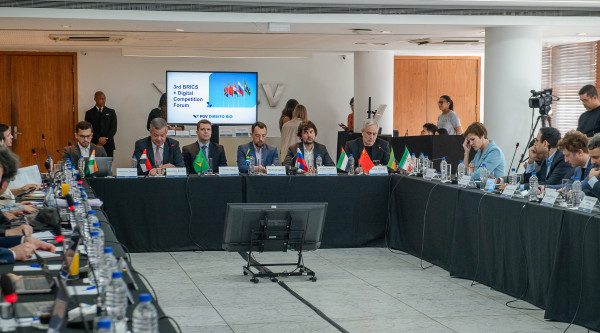
At the 3rd BRICS + (Brazil, Russia, India, China, South Africa, Egypt, Iran, Arab Emirates, Ethiopia + partners) Digital Competition Forum, the BRICS Competition Law and Policy Centre (www.BRICSCompetition.org) presented a new methodological approach to analyzing and regulating food markets that takes into account their accelerating digitalization. Specific tools that are being developed within the BRICS framework were also announced. One of the targeted tools will be the food market and restrictions on the activities of monopolists like Covantis.

Alexey Ivanov, Director of the BRICS Competition Law and Policy Centre, highlighted that digitalization strengthens the global power of large corporations, which, as a result, poses a threat of market monopolization. He urged BRICS antitrust regulators to pay close attention to a similar example of increasing market power through digitalization — the blockchain platform Covantis. The platform aims to digitize the entire agribusiness trade process, from contract management to final shipping. Founded by the largest agro-traders of the ABCCD group (ADM, Bunge, Cargill and Louis Dreyfus and COFCO) and Viterra, Covantis avoids antitrust scrutiny due to its structure. At the same time, the platform collects valuable commercial information about production from farmers and agricultural traders. The platform has already become a dominant player in grain trade. For example, in Brazil, 76% of grain exports go through the platform. In 2023, 53% of grain exports from the US, 34% from Canada and 51% from Argentina went through the Covantis platform. At the same time, the owners of the platform do not allow most of the local big players to enter. In essence, it is an exclusive platform, a quasi-cartel.

“Global food prices have reached the highest level in the last year and a half. Virtually all BRICS countries are currently undergoing antitrust investigations into the egg and chicken meat markets. Competitive agencies must take a new approach to regulating the food industry, not just by jointly analysing global food chains, but by analysing them taking into account all the implications of digitalization. This is the only way we will be able to tackle food security, which is particularly acute for the BRICS and partner countries. For example, the Covantis platform can be used by traders to share confidential information and vertical pressure on farmers. And of course the exclusionary behaviour of Covantis towards local players is of utmost importance. This should be the focus of attention of our countries' competition authorities” – Ivanov explained.

Based on the developed fair organized (exchange) trade in commodities and commodity derivatives within the BRICS framework, it is proposed to solve the problems related to market concentration and, as a consequence, insufficient consideration of the interests of small, medium and large enterprises, which will help to resolve issues related to the violation of the balance of interests of financial market players and producers and consumers of the real sector.

It is proposed to create within the BRICS framework representative indicators of exchange quotations and price indices for OTC transactions based on representative samples of actual transactions, reflecting the competitive composition of sellers and buyers and ensuring the use of universal means of delivery of traded goods. New approaches will contribute to the elimination of unproductive intermediation and increase stability in global commodity markets.

The development of a derivatives market based on reliable exchange and OTC cash commodity prices will create opportunities for BRICS economies to manage risks and pool resources, lead to positive consequences for business and society, strengthen cooperation and stimulate economic growth. Targeted subsidies and exchange mechanism will improve fiscal policy and infrastructure development.

Earlier this year, BRICS Competition Law and Policy Centre (BRICS Center) with the leadership of the Competition Policy and Assessment Center of the State Administration of Market signed a memorandum on long-term cooperation announced the launch and development of the Russian-Chinese exchange and trade platform in consumer goods and commodities which will become a basis for the further development of the universal exchange platform for all BRICS member-countries.

“If entrepreneurs of Russia and China work directly, through modern exchange mechanisms, which will not only allow to establish direct long-term ties, but also reduce prices for goods for end consumers, as it will eliminate the use of intermediary schemes. The task of experts and researchers in this regard is to develop a system of organizational, legal and economic measures and analyze the necessary conditions for the creation of exchange platforms and the development of exchange trade, including in the BRICS format” – Fu Hongwei, Director, Competition Policy and Assessment Center, SAMR; explained.

Distributed by APO Group on behalf of BRICS Competition Law and Policy Centre.

About the 3rd BRICS + Digital Competition Forum:
The BRICS + (Brazil, Russia, India, China, South Africa, Egypt, Iran, Arab Emirates, Ethiopia + partners) Digital Competition Forum, which is being held this year on the margins of the G20 Summit, brings together heads and representatives of competition authorities from all BRICS countries and partners, as well as researchers and visionaries in the field of digital regulation from around the world. The Forum includes the BRICS Working Group on the Study of Competition Issues in Digital Markets. This year's main topics include regulation of digital ecosystems, the challenges and opportunities that artificial intelligence brings to antitrust law, and the digitalization of global food chains.

The Forum is organized by the HSE University BRICS Competition Law and Policy Centre together with the FGV University School of Law (Getulio Vargas Foundation) with the support of the Brazilian Competition Authority (CADE).

Media files
BRICS Competition Law and Policy Centre
Download logo
Read moreBRICS Antitrust Authorities Turned against Covantis
9 December 2024

Water transboundary partnerships benefit SA  

Location: News

Water transboundary partnerships benefit SA  

Water and Sanitation Deputy Minister David Mahlobo says South Africa continues to enjoy transboundary partnerships on shared water resources with neighbouring countries in the Southern African Development Community (SADC) region.

Mahlobo highlighted some of the partnerships during a session with Ambassadors accredited to South African Missions, held in Centurion on Friday.

These include, among others, the current implementation of the R42 billion Phase Two of the Lesotho Highlands Water Project (LHWP). The project includes the construction of the new Polihali Dam and associated infrastructure to provide additional water to Gauteng and parts of the Free State, Mpumalanga, North West, and Northern Cape provinces.

READ | Lesotho Highlands Water Project Tunnel maintenance on schedule

South Africa and Zimbabwe have also signed an agreement for the transfer of treated water from the Beitbridge Water Treatment Works in the Republic of Zimbabwe.

Mahlobo said the transfer of treated water is a medium-term solution to address water supply challenges in the area.  
“The two countries have signed an agreement for the transfer of treated water from Beitbridge Water Treatment Works in the Republic of Zimbabwe to Musina Town in the Republic of South Africa,” Mahlobo said.  

Another partnership includes the mobilisation of resources between South Africa and Namibia for the feasibility study of the Noordoewer/Vioolsdrfit Dam.

South Africa and Netherlands Governments have also undertaken to forge more cooperation opportunities in the water and sanitation sector in efforts to strength the existing relations between the two states.

“Both the countries have signed a Blue Deal agreement which aims to support water management by exchanging knowledge and experiences, assisting the national, regional and local organisations, and cooperate with key stakeholders,” Mahlobo said.

As part of diversifying the water mix, the Deputy Minister highlighted that government was increasingly making use of groundwater as one of the viable options to augment the current available water and increase supply.

“We are looking at using groundwater which remains untapped. Although it has also been threatened by climate change and the levels of evaporation, we are looking at utilising it more.

“We are looking forward to enhancing our technological partnership around groundwater and its high level of treatment. We should use groundwater optimally because it is not of inferior quality, but it is also a source of water,” he explained.

Held under the theme: “Celebrating 30 years of sustainable partnership, strengthening partnerships with international partners and forging a shared future”, the meeting hosted by Water and Sanitation, aimed to brief the Ambassadors on South Africa’s state of water sector .

This also includes water reforms currently underway and fortifying international collaboration and capacity-building endeavours in the water sector.

Among the countries represented at the meeting included China, Japan, Cuba, Egypt, the Kingdom of Eswatini and the Kingdom of Lesotho, Namibia, Zimbabwe, Mozambique, Botswana, Senegal, Kingdom of the Netherlands, Kingdom of Sweden, Kingdom of Denmark, and Finland. – SAnews.gov.za   


GabiK
Mon, 12/09/2024 - 11:42

146 views
Read moreWater transboundary partnerships benefit SA  
9 December 2024

Companies Plan to IT Security Budgets up to 9% in the Next Two Years

Location: Business
Kaspersky

Companies are planning to increase their investments in information security against the background of growing financial losses from cyber incidents. This trend was revealed in the recent Kaspersky's (www.Kaspersky.co.za) IT Security Economics report.

Kaspersky IT Security Economics is an annual report that unpicks the changes in budgets, breaches and business challenges affecting IT Security decision makers. It is based on interviews with IT and IT security professionals working in organisations of various sizes and industries. The survey was conducted across 27 countries in Europe, the Asia-Pacific region, the Middle East, Turkiye and Africa (META) region, Latin and North America.

According to the research, companies plan to increase their IT security budgets by up to 9%. The median cybersecurity budgets for large enterprises were $5.7M with $41.8M allocated for IT generally, while SMBs invested $0.2M in IT security from a median IT budget of $1.6M.

Possible reasons for the increased investment can be found in the analysis of financial losses from cyber incidents. Large enterprises experienced an average of 12 incidents this year, spending $6.2M to recover from them — 1.1 times higher than the budget allocated for IT security overall. Despite the greater resources and advanced security infrastructures, the sheer scale and complexity of large enterprise organisations make them more susceptible to costly breaches. While these enterprises are often better equipped to detect incidents quickly, the time required to fully respond and mitigate these threats can span for hours, underscoring the challenge of managing widespread, complex IT environments.

As for SMBs, these organisations experienced an average of 16 incidents this year, while spending $0.3M for remediation, which is 1.5 times higher than their overall IT Security budget. SMBs are the most disproportionately affected group in terms of budgetary impact. They often lack robust cybersecurity policies and procedures, which leaves them vulnerable to incidents involving employees, public cloud misconfigurations, and high-level permissions.

In the META region, organisations of all sizes reported to have experienced on average 13 incidents within a year. In South Africa, organisations of all sizes reported to have experienced on average 19 incidents within a year.

“This data illustrates the continuation of the current trend of increasing cybersecurity spending across all market segments. This growth is driven by at least three key factors. Firstly, and obviously, the constant growth in the complexity of cybersecurity threats forces companies to adopt more advanced solutions to enhance the detection of attack traces and automate responses. Secondly, increasing concerns from governments regarding digital sovereignty leads to the emergence of new regulations and regulatory requirements and, as a result, increased expenses. The third factor influencing the growth of cybersecurity budgets and costs is the constant increase in salary expectations for professionals in various cybersecurity fields,” comments Veniamin Levtsov, Vice President, Center of Corporate Business Expertise at Kaspersky.

To protect companies against a wide range of cyber threats, Kaspersky recommends:

  • Use all-encompassing solutions, such as those from the Kaspersky Next (https://apo-opa.co/3VwBRnf) product line, that provide real-time protection, threat visibility, advanced investigation and response capabilities for companies of any size and industry.
  • Adopt a managed security service such as Kaspersky Managed Detection and Response (https://apo-opa.co/49pxUXj) if companies lack qualified InfoSec professionals. It will provide the necessary expertise and give them the best possible advanced automated security services. Thanks to its analysis of corporate data gathered every day, in real time, 24/7, it can shield businesses against sophisticated cyberattacks.
  • Educate your employees. Dedicated training courses can help, such as those provided in the Kaspersky Automated Security Awareness (https://apo-opa.co/3VtJyuu) Platform.

To gain more insights about IT security costs and budgets in businesses visit the interactive IT Security Calculator (https://Calculator.Kaspersky.com).

To read the full report “IT Security Economics”, that is based on a survey conducted in Brazil, Chile, China, Egypt, France, Germany, India, Indonesia, Italy, Japan, Kazakhstan, Saudi Arabia, Malaysia, Mexico, Pakistan, Philippines, Russia, South Africa, South Korea, Singapore, Spain, Thailand, Turkey, Vietnam, UAE, UK and US, visit the website (https://apo-opa.co/3Zp3ik9).

Distributed by APO Group on behalf of Kaspersky.

For further information please contact:
Nicole Allman
INK&Co. (https://INKandCo.co.za)
nicole@inkandco.co.za

Social Media:
Facebook: https://apo-opa.co/3OLZioQ
X: https://apo-opa.co/3ZtBQl5
YouTube: https://apo-opa.co/4gmirtl
Instagram: https://apo-opa.co/3BkYK6f
Blog: https://apo-opa.co/3OKs219

About Kaspersky:
Kaspersky is a global cybersecurity and digital privacy company founded in 1997. With over a billion devices protected to date from emerging cyberthreats and targeted attacks, Kaspersky's deep threat intelligence and security expertise is constantly transforming into innovative solutions and services to protect businesses, critical infrastructure, governments and consumers around the globe. The company's comprehensive security portfolio includes leading endpoint protection, specialized security products and services, as well as Cyber Immune solutions to fight sophisticated and evolving digital threats. We help over 200,000 corporate clients protect what matters most to them. Learn more at www.Kaspersky.co.za.

Media files
Kaspersky
Download logo
Read moreCompanies Plan to IT Security Budgets up to 9% in the Next Two Years
9 December 2024

International communities commended for supporting SA’s water sector

Location: News

International communities commended for supporting SA’s water sector

Water and Sanitation Deputy Minister David Mahlobo has acknowledged international communities for supporting South Africa’s water and sanitation sector since the dawn of democracy 30 years ago.

Mahlobo was speaking at a session with Ambassadors accredited to South African Missions in Centurion on Friday.

The meeting was hosted by the Department of Water and Sanitation under the theme: “Celebrating 30 years of sustainable partnership, strengthening partnerships with international partners and forging a shared future”.

The meeting aimed to brief the Ambassadors on the state of South Africa’s water sector and water reforms, and to fortify international collaboration and capacity-building endeavours in the water sector.

Countries represented at the meeting included China, Japan, Cuba, Egypt, the Kingdom of Eswatini and the Kingdom of Lesotho, Namibia, Zimbabwe, Mozambique, Botswana, Senegal, the Kingdom of the Netherlands, the Kingdom of Sweden, the Kingdom of Denmark and Finland.

Mahlobo acknowledged the international community’s support, which helped South Africa to achieve the democracy it enjoys today.

He commended the international community for their contribution to the country’s water and sanitation sector, which has guaranteed a sustainable and equitable water supply to all South Africans.

He said all the countries played a big part in various degrees to assist South Africa in its struggle for democracy.

“Your unwavering support did not go unnoticed, and your partnership continued to ensure that South Africa provided equitable and sustainable water supply, and dignified sanitation to all its citizens. We therefore would like to thank you for the notable contributions you have made,” Mahlobo said.

He encouraged partnerships between South Africa and the countries to continue to grow to ensure water security in the Southern African Development Community (SADC) region and the rest of the continent.

“When you engage with us here as the Department of Water and Sanitation, we should strive to maintain our partnership and forge ahead for the next 30 years, also taking into account the advances we have made.  

“As our partners, do not be polite with us, but engage with us if there are matters of policy that make it difficult for your participation. You need to raise matters that you don’t understand because we are an open-minded water sector,” the Deputy Minister said. 

The Ambassadors assured South Africa of their continued partnership in the water sector.

The Dean of the Diplomatic Corps in South Africa and the Eritrean Ambassador to South Africa, Salih Omar Abdu, said the partnerships have guaranteed water security and have ensured access to clean water by most of the countries in the continent. 
   
“As we deliberate on the partnership with South Africa, it is important to adapt to a new perspective on the role that water plays in our regional and international agendas. Water is not only a resource to be consumed, but it is also a catalyst in economic growth, social equality and environmental sustainability in the region,” Abdu said. – SAnews.gov.za

GabiK
Mon, 12/09/2024 - 10:55

45 views
Read moreInternational communities commended for supporting SA’s water sector
3 December 2024

A New Agenda for African Philanthropy

Location: News
African Philanthropy Forum

By Gbenga Oyebode, Board Chair of the African Philanthropy Forum (www.AfricanPF.org)

For decades, Africa has grappled with a legacy of colonialism, political instability, and uneven economic development, leading to perceptions of the continent as one in need of external assistance and causing the label ‘the Dark Continent' to take on a new connotation. 

As the Dark Continent, Africa became an attractive destination for charitable interests, with a significant number of the philanthropic initiatives driven by external voices. These interventions though well-intentioned often failed to pay attention to local priorities and listen to the voices of proximate organization – those who precede and outlive the issues that philanthropic entities seek to address. As a result, many foreign-led philanthropic efforts have been unable to create the lasting, sustainable impact they hoped for.  

Framing Africa's Philanthropy Agenda 

The 2024 APF Conference was a time for reflection and agenda-setting for many prominent philanthropists, heads of foundations and leading change makers invested in Africa. From the conference and the changing landscape of things, it is clear that the time has come for philanthropic organizations, both local and international, to prioritize Africa's transformation.  

A transformed Africa is characterised by inclusive socio-economic development, democratic governance, education for all, gender justice and a commitment to addressing the climate emergency and harnessing Africa's unique demography. These will not only position Africa as a dominant player on the global stage but correct the flawed narrative of Africa as a continent in perpetual need.  

We should embrace Dr. Nkosazana Dlamini Zuma's vision, as outlined in the African Union's Agenda 2063, of an empowered Africa defined by self-sufficiency, innovation, and equitable growth. By fostering African-led initiatives and promoting resilience, we can help shape a future where Africa is both a global powerhouse and a beacon of opportunity for its citizens.  

True Change Starts from Within 

As the saying goes, charity begins at home. In the homes of oligarchs, the middle class and the lowly, the practice of giving time, solidarity and resources is commonplace because generosity is second nature to us Africans; however, our expressions of this generosity through coordinated, strategic philanthropy needs to grow. If change starts from within, then the level of philanthropic support from within our borders must rise to match the urgency of our needs.  

First, we must redefine and restructure our philanthropy by adopting innovative philanthropic models, and evidence-based methods to identify needs, deploy resources, measure the impact of our philanthropy and create a giving ecosystem that is responsive to our priorities as a continent.  

What it Takes to Achieve Transformation  

Much of giving in Africa is unreported and even those that are reported tend to happen in silos with several instances of duplication of efforts, especially in areas such as education and health which tend to receive a lot of attention from philanthropists. For those seeking to swim against this tide, there is often a lack of clear guidance on effective giving tailored to the African context seeing as strategic philanthropy is still growing phenomenon in Africa. Catalyzing transformative funding requires robust evidence. In this regard, APF collaborates with renowned institutions to conduct research and generate knowledge that enhances decision-making and promotes the adoption of practices in philanthropy. Its African Philanthropists' Toolkits also equips philanthropists with the knowledge to maximize the impact and scale of their giving.  

The work that APF does in convening philanthropists and facilitating collaboration in order to catalyse development in Africa is a beacon of hope and an opportunity which more players in the ecosystem need to tap into. In less than a decade, APF has reached over 3,500 philanthropists, social investors, across Africa and beyond by leveraging the power of community to provide avenues for peer-peer interaction and engagement at regional meetings and conferences. This growing community of partners committed to Africa's transformation will doubtless accomplish great feats in the coming years.  

A popular African proverb goes "If you want to go fast, go alone. If you want to go far, go together." To achieve lasting, sustainable impact, partnerships based on a clear understanding of the New Agenda for African Philanthropy are a good starting point for the reimagination and actualization of Africa as a thriving, self-sufficient continent on the global stage. 

The writer is the Board Chair of the African Philanthropy Forum  

Distributed by APO Group on behalf of African Philanthropy Forum.

About African Philanthropy Forum:  
African Philanthropy Forum (APF) is a strong and vibrant community of partners who through their strategic giving, investments, and influence, foster shared prosperity on the African Continent. It was incubated by the Global Philanthropy Forum (GPF), a global network of strategic philanthropists and social investors committed to international causes from 2014 to 2016. In 2017, APF became an independent entity and continues to be an affiliate of the GPF. 

Over the years, APF has established a strong presence on the Continent, with footprints in Cameroon, Côte d'Ivoire, Egypt, Ethiopia, Ghana, Kenya, Malawi, Morocco, Nigeria, Rwanda, South Africa, Tanzania, Uganda, and Zimbabwe through convenings and activities.  APF has also invested in the development of two Toolkits for African Philanthropists and the “Why Give” Series, which consists of interviews with Africa's strategic philanthropic leaders to showcase their motivations for giving. 

Since its inception, APF has reached over 3,500 philanthropists, social investors, and key stakeholders in the philanthropic space across Africa and the world. Through APF's high-impact convening and initiatives, the organization has facilitated collaborations, amplified the work of change-makers, and shared best philanthropic practices and strategies for promoting homegrown development.  

Media files
African Philanthropy Forum
Download logo
Read moreA New Agenda for African Philanthropy
26 November 2024

African Sub-Sovereign Government Leaders and Businesses Meet in Kisumu City, Kenya to Discuss Inclusive Growth, Trade Decentralization and Investment Opportunities

Location: News
Afreximbank

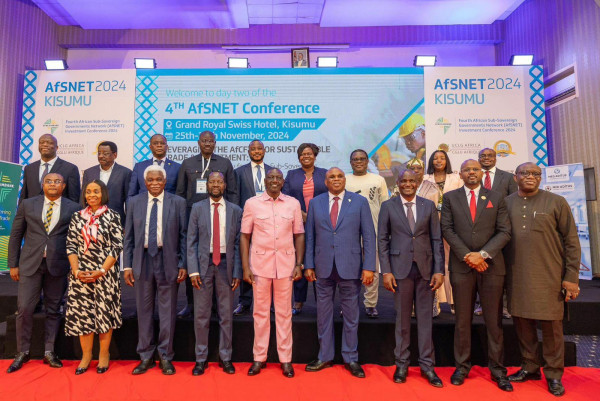
Over 250 Sub-Sovereign government leaders from across Africa are today meeting in Kisumu, Kenya, for the the fourth edition of the African Sub-Sovereign Governments Network (AfSNET) Conference. Taking place between the 25th and 27th of November, the event provides a platform for Sub-Sovereign leaders and businesses to discuss how their local governments can attract investments in the region in order foster and accelerate inclusive growth and development.

Organised by African Export-Import Bank (Afreximbank), in collaboration with the County Government of Kisumu and the United Cities and Local Governments of Africa (UCLG Africa), the conference's overarching theme is ‘Leveraging the AfCFTA for Sustainable Trade and Investment: A Development Pathway for African Sub-Sovereigns'. The event's main objectives include strengthening the role of Africa's Sub-Sovereign governments in driving intra-African trade and investment, and the successful implementation of the African Continental Free Trade Area (AfCFTA).

Africa's Sub-Sovereign governments, comprising states, counties, provinces, municipalities and regional authorities, play a critical role in economic development of African countries. According to the African Union, Africa's economic outlook is projected at 3.7% GDP growth in 2024, slightly higher than the global average of 3.2%. This growth elevates the integral role of Sub Sovereign governments for African economies and its people.

Understanding this, Afreximbank has committed USD $2 billion for these critical actors, to support these governments and businesses in African countries.

While delivering his keynote address at the AfSNET conference in Kisumu, Kenya, H. E. Dr. William Ruto, President of the Republic of Kenya acknowledged the Bank's support for African governments including Kenya:

“I want to thank Professor Benedict Oramah for making time to join us for this conference. Your presence here is yet another example of the unique approaches that the Bank, under your leadership, employs in order to deepen its footprint by engaging with shareholders throughout the continent, including sub-national entities like Africities, and devolved governments like Kisumu. Afreximbank has consistently demonstrated innovative approaches in advancing credit to African governments and the public sector while facilitating deeper collaboration among sub-Saharan nations and Kenya is an example. This spirit of innovation aligns seamlessly with the aspirations of the African Continental Free Trade Area, creating a dynamic network of ambitious, future ready institutions and governments. Such collaborations will drive transformative engagements at the grassroots level, enabling Africa to achieve an unparalleled position in the global value chains and make substantial contributions to their bottom-up transformation.”

Speaking on the importance of the conference, President Ruto noted: “By promoting peer to peer learning, this forum strengthens cooperation among Sub-Sovereign governments. And devolution, a tremendous innovation established under Kenya's 2010 constitution, has evolved into an exemplary success story that Kenyans are very proud of, as it has brought services closer to the people, empowered grassroot participation in government, safeguarded minority rights and enhanced equity in resource mobilization and allocation.”

Professor Benedict Oramah, President and Chairman of the Board of Directors of Afreximbank, commented:

“The African Sub-Sovereign Governments Network (AfSNET) initiative thrives due to the concerted efforts and unwavering commitment of partners who recognise the tremendous potential of sub-sovereign governments as the engines for broad-based economic development that extends to the grassroots of our societies. At Afreximbank, we strongly believe that for developmental initiatives to succeed in our economies, they must, of necessity, be decentralized; development needs must originate and flow from the periphery towards the centre. In alignment with the African Continental Free Trade Agreement (AfCFTA), we are passionately implementing the AfSNET initiative to promote intra-regional trade and investment. We collectively recognize that cities, states, and provinces within a nation exhibit remarkable diversity—differing in population sizes, resource endowments, skill sets, and sectoral specializations.”

Professor Oramah continued that this conference is a key prelude to the upcoming Intra Africa Trade Fair (IATF2025) scheduled to take place from 4 to 10 September 2025 in Algiers, Algeria, and delegates are welcomed to contribute to the discourse that can be elevated at the IATF2025.

AfSNET was established by Afreximbank as a platform for promoting intra-African trade and investment, educational and cultural exchanges and the fostering of effective engagement among sub-sovereigns in Africa's development and prosperity in the context of the AfCFTA.

Distributed by APO Group on behalf of Afreximbank.

Media Contact:
Vincent Musumba
Communications and Events Manager (Media Relations)
Email: press@afreximbank.com

Follow us on:
Twitter: http://apo-opa.co/3Z521i8
Facebook: http://apo-opa.co/4eNjNMs
LinkedIn: http://apo-opa.co/4eJyWyh
Instagram: http://apo-opa.co/4eNjO2Y

About Afreximbank:
African Export-Import Bank (Afreximbank) is a Pan-African multilateral financial institution mandated to finance and promote intra-and extra-African trade. For 30 years, the Bank has been deploying innovative structures to deliver financing solutions that support the transformation of the structure of Africa's trade, accelerating industrialization and intra-regional trade, thereby boosting economic expansion in Africa. A stalwart supporter of the African Continental Free Trade Agreement (AfCFTA), Afreximbank has launched a Pan-African Payment and Settlement System (PAPSS) that was adopted by the African Union (AU) as the payment and settlement platform to underpin the implementation of the AfCFTA. Working with the AfCFTA Secretariat and the AU, the Bank is setting up a US$10 billion Adjustment Fund to support countries effectively participating in the AfCFTA. At the end of December 2023, Afreximbank's total assets and guarantees stood at over US$37.3 billion, and its shareholder funds amounted to US$6.1 billion. Afreximbank has investment grade ratings assigned by GCR (international scale) (A), Moody's (Baa1), Japan Credit Rating Agency (JCR) (A-) and Fitch (BBB). Afreximbank has evolved into a group entity comprising the Bank, its impact fund subsidiary called the Fund for Export Development Africa (FEDA), and its insurance management subsidiary, AfrexInsure (together, "the Group"). The Bank is headquartered in Cairo, Egypt.

For more information, visit: www.Afreximbank.com

About UCLG Africa (UCLG Africa (United Cities and Local Governments of Africa):
The umbrella organization for African local governments, was founded in 2005 in the City of Tshwane, South Africa as a result of the unification of three continental groups of local governments, namely the African Union of Local Authorities (AULA); the Union des Villes Africaines (UVA); and the Africa Chapter of the União das Ciudades e Capitães Lusófonas Africanas, (UCCL AFRICA). The founding congress of the organization was held in May 2005 in the city of Tshwane, South Africa. UCLG Africa brings together 51 national associations of local and regional governments from all regions of Africa, as well as 2,000 cities with more than 100,000 inhabitants. UCLG Africa represents over 350 million African citizens. A founding member of the world organization UCLG, UCLG Africa is the regional representative for Africa with its headquarters based in Rabat, capital of the Kingdom of Morocco, where it enjoys diplomatic status as a Pan-African International Organization. It also has regional offices on the continent.

Media files
Afreximbank
Download logo
Read moreAfrican Sub-Sovereign Government Leaders and Businesses Meet in Kisumu City, Kenya to Discuss Inclusive Growth, Trade Decentralization and Investment Opportunities
21 November 2024

Basketball Africa League to Tip off Milestone Fifth Season on April 5 With First Games in Morocco

Location: Sport

  • South Africa to Host BAL Playoffs and Finals for the First Time 
  • Fans Can Visit BAL.NBA.com to Register Their Interest in Tickets

The Basketball Africa League (BAL) (www.BAL.NBA.com) today announced that the league's milestone fifth season will tip off on Saturday, April 5, 2025, at the Prince Moulay Abdellah Sports Complex in Rabat, Morocco and culminate with the 2025 BAL Finals on Saturday, June 14 at the SunBet Arena in Pretoria, South Africa, marking the first BAL games in Morocco and the first time the BAL Finals will be held in South Africa.  The 2025 BAL season will feature the top 12 club teams from 12 African countries playing 48 games in Rabat; Dakar, Senegal; Kigali, Rwanda; and Pretoria.

The 12 teams will once again be divided into three conferences of four teams each.  Each conference will play a 12-game group phase during which each team will face the other three teams in its conference twice.  The Kalahari Conference group phase will take place from April 5 – Sunday, April 13 in Rabat.  The Sahara Conference group phase will take place from Saturday, April 26 – Sunday, May 4 at the Dakar Arena in Senegal.  The Nile Conference group phase will take place from Saturday, May 17 – Sunday, May 25 at BK Arena in Kigali.  Eight teams from across the three conferences will qualify for the Playoffs in Pretoria, which will tip off on Friday, June 6 and culminate with the 2025 BAL Finals on Saturday, June 14.  Beginning today, fans can register their interest in tickets to games in all four markets at BAL.NBA.com.

“We have seen tremendous growth over the BAL's first four seasons in the level of on-court competition, attendance, and engagement from fans and partners in Africa and globally,” said BAL President Amadou Gallo Fall.  “Our milestone fifth season will build on that momentum and further showcase the level of talent and passion for basketball in Africa, including through the first BAL games in Morocco and the first BAL Finals in South Africa.”

“The Kalahari Conference marks another expansion of the BAL into a new country on our continent, and we are more than satisfied,” said Anibal Manave, President of FIBA Africa.  “Year after year, this competition grows, giving greater exposure to our sport and helping to elevate the level of basketball in Africa by making the league more and more competitive.”

This season, the national league champions from seven countries – Angola, Egypt, Morocco, Nigeria, Rwanda, Senegal, and Tunisia – will automatically qualify for the BAL.  The other five teams will qualify through the Road to the BAL qualifying tournaments (http://apo-opa.co/3B0yqhx) conducted by FIBA Africa across the continent from October – December 2024. 

In addition to the games, the BAL will once again collaborate with its partners to conduct youth development and social impact programming in all four markets, including Jr. NBA, coaching and referee clinics, environmental days of service, the fourth BAL Innovation Summit, networking sessions to engage with members of the media, and a series of camps and workshops for young women as part of BAL4HER, the league's platform for advancing gender equality in the African sports ecosystem. 

Rwanda Development Board, NIKE, Jordan Brand, and Wilson will return as BAL Foundational Partners.  The league's roster of marketing partners also includes Castle Lite, Hennessy and RwandAir. 

On June 1, Angola's Petro de Luanda became the first sub-Saharan African team to win the BAL Finals after previous champions from Egypt and Tunisia.  The 2024 BAL season reached fans in 214 countries and territories in 17 languages, set an attendance record of more than 120,000 fans across the four host countries, and generated more than 1.2 billion impressions across NBA and BAL social media channels.  

Additional information about the 2025 BAL season will be announced in the coming months.

Distributed by APO Group on behalf of Basketball Africa League (BAL).

Contact:
Edwin Eselem,
Basketball Africa League,
+221 78 615 42 87,
EEselem@theBAL.com

About the BAL:
The Basketball Africa League (BAL), a partnership between the International Basketball Federation (FIBA) and NBA Africa, is a professional league featuring 12 club teams from across Africa that completed its fourth season in June 2024.  Headquartered in Dakar, Senegal, the BAL builds on the foundation of club competitions FIBA Africa has organized across the continent and marks the NBA's first collaboration to operate a league outside North America.  Fans can follow the BAL (@ theBAL) on Facebook (https://apo-opa.co/3ZkyXTZ), Instagram (https://apo-opa.co/3Z2tuRc), Threads (https://apo-opa.co/3ZkyZez), X (https://apo-opa.co/3Zlxn5u), and YouTube (https://apo-opa.co/3Z2L7jY) and register their interest in receiving more information at BAL.NBA.com.

Media files
Basketball Africa League (BAL)
Download logo
Read moreBasketball Africa League to Tip off Milestone Fifth Season on April 5 With First Games in Morocco
20 November 2024

Vodacom Group Launches Initiative to Upskill 1 Million Young People Across Africa

Location: News

Vodacom Group
Download logo

Vodacom Group (www.Vodacom.com) has partnered with technology providers to provide young people on the continent with access to digital skills as part of its commitment to driving digital literacy for Africa's next generation. Together with AWS, Microsoft, Skillsoft and other collaborating organisations Vodacom aims to bridge the digital skills gap across eight African countries and upskill 1million young people by 2027.

The Vodacom Group Digital Skills Hub is available in South Africa, Ethiopia, Tanzania, Mozambique, Lesotho, Egypt (Talimy), the Democratic Republic of Congo (VodaEduc), and in Kenya (Industry Digital Talent Program) to empower the next generation of digital innovators, enabling Africa's digital society and leveraging existing e-learning platforms in the respective markets.

According to the International Finance Corporation (IFC), over 230 million jobs will require digital skills in Africa by 2030, yet the continent faces a significant gap in supply and demand for digital expertise.

“The African continent is plagued in many countries with high levels of unemployment, gender inequality, income disparity and limited access to education, healthcare and essential services. These challenges inform our purpose and drives our strategy to connect for a better future, leveraging digital technologies to drive inclusion into the future for the betterment of people. The launch of the Digital Skills Hub is testament to our commitment to pioneering the path to a digital and more inclusive Africa”, says Shameel Joosub, Vodacom Group CEO.

The Vodacom Digital Skills Hub provides access to self-paced, digital skills training for those aged between 18 and 35. This is in addition to Vodacom Group's existing free, e-learning platforms across its markets. E-learning and digital classrooms have made it possible for students in remote or underserved areas to access quality education with platforms such as Talimy in Egypt, e-Fahamu in Tanzania, VodaEduc in the Democratic of Congo (DRC), Faz Crescer in Mozambique and an e-learning platform in South Africa, providing a wealth of online resources, which cater to different learning needs.

“We are extremely excited about this initiative which seeks to inspire the next wave of digital innovators. Our main aim with this initiative is to not only address the digital skills shortage on the continent but to also nurture a pipeline of young talent and in turn advance Africa's digital future, boosting opportunities for empowerment in an inclusive digital economy,” adds, Matimba Mbungela, Chief Human Resources Officer at Vodacom Group.

The Vodacom Digital Skills Hub is designed to empower the next generation, to consider a career in science, technology, engineering, and mathematics (STEM), and entails fun and engaging practical digital skills training for young people on the continent. AWS Educate is one of the first programs to be offered through the Digital Skills Hub and an additional program to Vodacom's various existing online learning platforms. AWS Educate offers beginners an extensive library of self-paced online training that covers a range of topics from cloud fundamentals to artificial intelligence and machine learning.

“With over 400 million young people between the ages of 15 and 35 in Africa, the continent has the youngest population in the world. Digital is the new currency, it is therefore imperative that we invest in them and provide them with the necessary digital skills that will not only boost their growth and development but that of the continent too,” concludes Joosub.

To access the Digital Skills Hub, click here (http://apo-opa.co/4hQ1ysJ).

Distributed by APO Group on behalf of Vodacom Group.

Read moreVodacom Group Launches Initiative to Upskill 1 Million Young People Across Africa
13 November 2024

SA strengthens bilateral ties with Egypt

Location: News

SA strengthens bilateral ties with Egypt

International Relations and Cooperation (DIRCO) Minister Ronald Lamola, along with a business delegation, will today undertake a working visit to Cairo, in the Arab Republic of Egypt, to co-chair the South Africa-Egypt Political Consultations.

The Minister will co-chair the consultations with his counterpart, Dr Badr Abdelatty, the Minister of Foreign Affairs, Emigration and Expatriate Affairs of the Arab Republic of Egypt, from 13 to 14 November. 

South Africa and Egypt enjoy cordial political, economic and social relations following the formal establishment of diplomatic relations on 29 March 1995. These relations are historical and based on friendship, solidarity and collaboration between the peoples of both countries.

The Joint Commission for Cooperation (JCC) that exists between the two countries is a structured bilateral mechanism that provides a platform for political, economic, social, cultural, scientific and technical cooperation between the two.

“We will be accompanied by a South African business delegation consisting of close to 50 companies. The delegation will explore further investment and trade opportunities across a range of economic sectors.

“The working visit will provide an opportunity to exchange views on regional, continental, and global issues of mutual interest, with an emphasis on the conflict in Sudan. Before the conflict, Sudan was already experiencing a severe humanitarian crisis,” Lamola said during a media briefing on Tuesday.  

Lamola said the long-term political instability and economic pressures left 15.8 million people in need of humanitarian aid, and that the conflict has only exacerbated these conditions, leaving 25.6 million people -- more than half of Sudan’s population -- in need.

“The brutal conflict has forced more than 11 million people from their homes. The vast majority (over 8.1 million people) remain within Sudan, representing the largest displacement crisis in the world. 

“Furthermore, the session will also reinforce the importance of accelerating efforts towards the implementation of the African Continental Free Trade Agreement and in consolidation of Africa’s Agenda 2063,” Lamola said. 

The working visit will further reinforce the commitment by both countries to expand and strengthen political and economic relations.

South Africa and Angola strengthen economic ties 

On the 1st of November 2024, the Minister undertook a working visit to Luanda, Angola, for political and diplomatic consultations. 

Discussions included preparations for the upcoming State Visit by President João Manuel Gonçalves Lourenço to South Africa. 

“It was agreed that this visit should reaffirm the existing bilateral relations, underpinned by a strong economic partnership. We informed our counterpart that a business forum will also be organised during the visit, with the participation of companies from both countries, focusing on sectors such as agriculture and agro-processing, mining, energy, transport, healthcare, tourism and education,” Lamola said.  – SAnews.gov.za

DikelediM
Wed, 11/13/2024 - 09:44

278 views
Read moreSA strengthens bilateral ties with Egypt
10 November 2024

Local Manufacturing Key to Advancing Green Technologies

Location: News
African Energy Chamber

The African continent is developing promising green technologies to address energy access disparities and to foster economic growth. Its countries should take an active role in local sustainable energy solutions, rather than merely being consumers of these technologies.

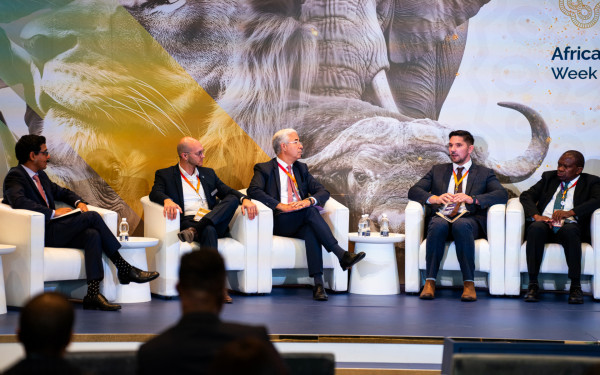
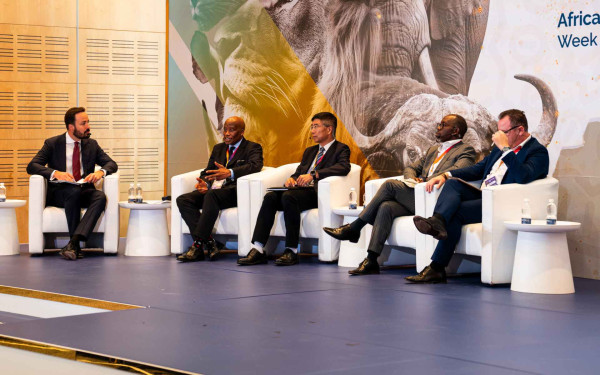
At a dedicated panel session at African Energy Week: Invest in African Energies 2024, panelists emphasized the need for countries already producing oil and gas to utilize local energy resources for the purposes of enhancing value and meeting domestic needs, particularly for secluded and rural areas that do not have access to energy on the grid. They agreed that green technology and innovation could not be advanced without significant investments in local capacity, particularly in manufacturing and grid infrastructure.

Moderated by S&P Global Head of Energy Transition, Ashutosh Singh, panelists of the Advancing Green Technology and Innovation in Africa session further agreed that while renewable energy may not create immediate large-scale jobs, strategic planning by policymakers could lead to millions of new opportunities as the sector evolves.

James White, CEO of Comet Energy, highlighted that legislative barriers also exist in many African nations. In South Africa, for instance, larger solar installations connected to the grid need a generation license from National Energy Regulator of South Africa (NERSA). This, White believes, adds an additional layer of complexity and can deter potential investors or developers from pursuing solar projects.

Although recent amendments to policies have raised the threshold for embedded generation projects without a license to 100 MW, navigating these regulations still poses significant challenges, he noted. “We also need to look at developing local supply chains, which are needed to further drive down costs and improve accessibility to technologies,” he said.

Dennis Bauer, Senior Executive Energy Transition Advisor, Neuman & Esser discussed the potential of hydrogen as key to Africa's energy transition.

By 2035, more than 50 million tons per year of cost-competitive green hydrogen can be produced on the continent by blocks in Morocco, Egypt and South Africa. However, Bauer emphasized that localized supply chains are necessary to support these developments. “Developing local manufacturing capabilities for battery components and other technologies can significantly reduce costs and enhance sustainability,” he said.

The panel discussion also touched on advancements in solar technology, noting improvements in efficiency and flexibility that can facilitate deployment in remote areas.

CEO of South African National Energy Development Institute (SANEDI), Dr Zwanani Titus Mathe, stressed the importance of learning from successful models surrounding new green technologies, like China's investment in research and development (R&D).

“We need to establish centers of competence across Africa focused on R&D, manufacturing and skills development to position the continent as a leader in green technology. As African nations commit to investing in green innovation, collaboration among governments, businesses, and communities is also essential,” he said.

Director of International Relations at IFP Energies nouvelle (IFPEN), Dr Said Nachet, concluded that Africa has the potential to lead in green technology. “By harnessing local resources and fostering innovation, the continent can emerge as a hub for green technology and sustainable energy solutions,” he said.

Distributed by APO Group on behalf of African Energy Chamber.

Media files
African Energy Chamber
Download logo
Read moreLocal Manufacturing Key to Advancing Green Technologies
10 November 2024

Africa’s Energy Infrastructure Can Only Succeed with Enhanced Transmission

Location: News
African Energy Chamber

As the demand for electricity continues to rise across the African continent, it is imperative for countries to act swiftly to enhance transmission capabilities and develop robust infrastructure to secure new energy integration sources over the next 25 years.

A recent report by consulting firm McKinsey & Company estimates that $400 billion will be required to enhance electricity transmission and distribution capacity across Africa by 2050. This investment is critical for modernizing energy infrastructure and ensuring energy security for the continent.

During a panel discussion titled ‘Optimizing Africa's Grid Capacity' at the African Energy Week: Invest in African Energies 2024 conference, Eskom's Transmission Group Executive, Segomoco Scheppers, highlighted the potential of the Electricity Regulation Amendment Act 38 of 2024 for South Africa and its neighboring countries.

This legislation will facilitate the establishment of a market operator in South Africa, creating opportunities for diverse players in the energy sector. “This shift signifies a transformative period in our industry as we adapt to new market dynamics,” he stated.

Despite having interconnections of 400 kV with neighboring countries, Scheppers acknowledged existing challenges. “Strengthening these connections is essential for enhancing regional cooperation and ensuring a reliable energy supply across borders. The reliance on thermal generation in the south, particularly to support countries like Zambia, underscores the need for stronger interconnections,” he explained.

Eskom is further embarking on an extensive domestic expansion program aimed at rapid development – an endeavor that also presents significant challenges. “Learning from global leaders in infrastructure development, particularly from experiences in China, could provide valuable insights into scaling our efforts efficiently,” Scheppers added.

Wang Wenan, Chief Representative, African Representative Office at the State Grid of China, discussed the successful completion of major projects, including the largest long-distance transmission project on the continent — a 500 kV DC line from Ethiopia to Kenya.

However, he noted that fostering private participation in energy projects remains a primary obstacle. “Engaging in dialogues about investment barriers and sharing best practices is crucial for unlocking potential growth in Africa's energy sector,” he emphasized.

Also speaking on the panel, Willy Ireri, Executive Director of Osprey Renewables, highlighted that while East Africa has abundant renewable resources such as wind, solar, and geothermal energy, access to reliable transmission infrastructure in this region also remained a critical challenge. “We are therefore committed to collaborate with state utilities and private investors to ensure that generated electricity reaches emerging green industries in the region,” he said.

With favorable legislation for private investment in transmission expected to be operational by 2025, Osprey Renewables aims to play a vital role in facilitating access to renewable energy for consumers.

“Our mandate at Osprey extends beyond generation; we actively engage across the entire value chain and we are seeing growing interest in green manufacturing and hybrid data centers,” Ireri added, noting that the Kenyan government has initiated proposals inviting independent transmission projects, signaling a positive shift toward increased private sector participation.

Power and Grid Segment President at Schneider Electric, Gary Lawrence, highlighted that a modernization of power grids was also needed. “The traditional grid was designed over a century ago for one-directional flow; today's needs require a bidirectional grid that allows seamless interaction between producers and consumer.”

The industry is balancing supply and demand effectively through initiatives such as collaborating with Egypt's Ministry of Electricity and Renewable Energy to develop distribution control centers that enhance grid intelligence and implementing distributed energy management systems in South Africa.

Distributed by APO Group on behalf of African Energy Chamber.

Media files
African Energy Chamber
Download logo
Read moreAfrica’s Energy Infrastructure Can Only Succeed with Enhanced Transmission
8 November 2024

NBA Africa and AFD Launch Youth Development Program in Senegal

Location: Sport
National Basketball Association (NBA)

- The “Jr. NBA & AFD Basketball Experience” Will Feature Weekly Basketball and Life-Skills Sessions to Educate Senegalese Youth About the Importance of Physical and Mental Wellness -

- AFD and NBA Africa Unveil Two Refurbished Basketball Courts in Guediawaye, Senegal -

- Former NBA Player and 2015 FIBA AfroBasket Champion Olumide Oyedeji Attends Launch - 

NBA Africa (www.Africa.NBA.com) and Agence Française de Développement (AFD), France's public development bank institution committed to financing and technical assistance for projects that improve the lives of people in developing and emerging economies, yesterday launched the “Jr. NBA & AFD Basketball Experience” youth development program in Guediawaye, Senegal.

The Jr. NBA & AFD Basketball Experience, launched in 2021 in Nigeria and subsequently also held in Kenya and Morocco, uses basketball as a platform to promote social inclusion and youth empowerment amongst primary and secondary school children.  In Senegal, the program will be operated by nongovernmental organization (NGO) Sports for Education and Economic Development (SEED) Project and feature weekly basketball and life-skills sessions that will educate thousands of Senegalese boys and girls about the importance of physical and mental health, wellness and social cohesion.

As part of the program's launch in Senegal, NBA Africa and AFD unveiled two basketball courts at The Hamo 4.5.6. Courts in Guediawaye and held a clinic for 150 boys and girls ages 16 and under.  The launch was attended by AFD Senegal Country Director Mihoub Mezouaghi; Basketball Africa League (BAL) President Amadou Gallo Fall; NBA Africa Director of Basketball Operations Kita Matungulu; and former NBA player and 2015 FIBA AfroBasket champion Olumide Oyedeji.

“Aware of the potential of sport as a vector of social cohesion, AFD has made it a strategic axis of its action to support the achievement of the Sustainable Development Goals,” said Mezouaghi. “It is in this dynamic that our collaboration with the NBA is part of what aims to promote the practice of sport in Africa through the provision of local infrastructure, the professionalization of sports educators and the organization of sports sessions, and education for young people.”

“The collaboration between NBA Africa and AFD continues to grow as we extend this initiative to reach more young people in new countries on the continent,” said Matungulu.  “The Jr. NBA & AFD Basketball Experience reflects our commitment to investing in the next generation of African youth and our belief that basketball teaches life lessons like the importance of physical and mental wellness that help children succeed on the court and in life.”

The refurbished courts, part of NBA Africa's commitment to build 1,000 basketball courts in Africa over the next decade, are expected to benefit thousands of boys and girls from the surrounding communities.

The Jr. NBA & AFD Basketball Experience is part of AFD and NBA Africa's collaboration to support basketball infrastructure and youth development across the continent and builds on the program's previous editions in Morocco and Nigeria, and its recent launch in Kenya.  To date, the program has reached nearly 90,000 boys and girls ages 12-17 and 460 coaches and physical education teachers.

The Jr. NBA/Jr. WNBA, the league's global youth basketball participation program for boys and girls, teaches the fundamental skills as well as the core values of the game at the grassroots level in an effort to help grow and improve the youth basketball experience for players, coaches and parents.  Jr. NBA/Jr. WNBA programming has directly reached more than 250,000 youth across Africa this year.

Distributed by APO Group on behalf of National Basketball Association (NBA).

Contacts:
Chumani Bambani,
NBA Africa PR & Communications,
cbambani@nba.com,
+27 65 548 1031

Francine Pipien,
AFD Senegal,
pipienf.ext@afd.fr

About NBA Africa:
NBA Africa is an affiliate of the National Basketball Association (NBA), a global sports and media organization with the mission to inspire and connect people everywhere through the power of basketball. NBA Africa conducts the league's business in Africa, including the Basketball Africa League (BAL), and has opened subsidiary offices in Cairo, Egypt; Dakar, Senegal; Johannesburg, South Africa; Lagos, Nigeria; and Nairobi, Kenya.  The league's efforts on the continent have focused on increasing access to basketball and the NBA through youth and elite development, social responsibility, media distribution, corporate partnerships, NBA Africa Games, NBA Stores, the BAL, and more.

NBA games and programming are available in all 54 African countries, and the NBA has hosted three sold-out exhibition games on the continent since 2015. The BAL, a partnership between the International Basketball Federation (FIBA) and NBA Africa, is a professional league featuring 12 club teams from across Africa that concluded its fourth season in June 2024. Fans can follow @ NBA_Africa and @ theBAL on Facebook, Instagram, X and YouTube.

About AFD:
Agence Française de Développement (AFD) Group finances, supports and accelerates the transitions necessary for a more just and resilient world. It thus contributes to implementing France's policy on sustainable development and international solidarity. It is with and for communities that we build, with our partners, solutions in more than 160 countries, as well as in 11 French overseas departments and territories.

Our objective: to reconcile economic development with the preservation of common goods: the climate, biodiversity, peace, gender equality, education and health. Our teams are involved in more than 3,600 projects in the field, which are part of the commitment of France and the French people to fulfilling the Sustainable Development Goals. For a world in common.

AFD strongly believes in the power of sport as a lever to achieve the sustainable development goals. Since the launch of its sport for development strategy in 2019, AFD has invested more than €130 million in over 160 projects that use sport as a tool to promote access to education, gender equality, youth empowerment, health and social cohesion. In Senegal, the AFD group puts its entire range of financial instruments at the service of local economic and social development actors (state, public companies, private and financial sector, NGOs, etc.) to support an inclusive development model, creating jobs, promoter of sustainable infrastructure, and respectful of the environment.  Since 2012, 115 projects have been funded, representing a commitment of more than 2.2 billion euros.

AFD.fr

Media files
National Basketball Association (NBA)
Download logo
Read moreNBA Africa and AFD Launch Youth Development Program in Senegal
7 November 2024

Afreximbank President Professor Benedict Oramah Receives Prestigious Mohammed Barkindo Lifetime Achievement Award

Location: News
Afreximbank

Professor Benedict Okey Oramah, President and Chairman of the Board of Directors at African Export-Import Bank (Afreximbank) (www.Afreximbank.com), has been awarded the prestigious Mohammed S. Barkindo Lifetime Achievement Award at the African Energy Awards, held on the sidelines of the African Energy Week (AEW) 2024: Invest in African Energy conference, happening between 4-8 November in Cape Town, South Africa.  

The award, named in honour of the former Secretary-General of OPEC, the late Dr Mohammed Barkindo, recognizes individuals who have made exceptional and lasting contributions to Africa's oil, gas, and energy sectors. This honour represents the highest accolade in African energy, awarded to individuals whose work has had a transformative impact on the continent's energy sector. Notable past recipient of the Mohammed S. Barkindo Lifetime Award in 2023 is Keith Hill, former President and CEO of Africa Oil Corp. 

For over three decades, Prof. Oramah has played a critical role in driving sustainable development across Africa by channelling essential funding into major oil, gas, and infrastructure projects. Since assuming leadership of Afreximbank in 2015, he has pioneered innovative financing structures that have democratised energy access and accelerated industrialization and the growth of Africa's strategically critical energy sector. 

Under Prof. Oramah's leadership, Afreximbank has made substantial contributions to the growth of Africa's energy sector. Under his stewardship, the Afreximbank has facilitated the mobilization of over USD 70 bn to support Africa's energy sector. Included in this is more than USD 5bn for refineries in Nigeria, Angola and Senegal, to further Africa's refined product independence and reduce the continent's Foreign Exchange drain.  

In Nigeria, Afreximbank now acts as Adviser and Settlement Bank for NGN denominated crude sales to Nigerian refineries. Replicated across the oil producing states in Africa, this will save several USD 100mn per annum in transactional charges alone. Ranking among President Oramah's most significant achievements is the historic signing of the Establishment Agreement and the Charter of the Africa Energy Bank (“AEB”) in Egypt in June 2024, in partnership with the African Petroleum Producers Organization (APPO). This landmark initiative aims to mobilize funding to support investments across Africa's entire energy system, aligning with the continent's energy needs and its environmental sustainability goals. 

Professor Oramah has led the energy transition agenda through the Bank's support in renewable energy transactions including, but not limited to, the EUR1.3 bn ECA import facility Project Gleam in support of the import of sonar panels for rural electrification in Angola, the EUR 147mn Government of Cameroon solar power project and the US$363 million Gasmeth Energy Rwanda gas extraction and processing project.  

Significantly, the majority of the above-mentioned transactions received numerous industry awards for their impact on the continent, their complexity and their unique structures.   

Prior to joining Afreximbank, Professor Oramah distinguished himself in international trade finance and development. Beginning his career at the Nigerian Export-Import Bank (NEXIM), he played an instrumental role in shaping Nigeria's export development strategies. Prof Oramah holds a Ph.D. in Agricultural Economics from Obafemi Awolowo University in Nigeria.  

Acknowledging the award, Prof. Oramah commented: 

“It is a great honour to be awarded the Mohammed S. Barkindo Lifetime Achievement Award. Whilst a great honour for me personally, this award reflects the work and dedication of many others, including my colleagues at Afreximbank and our various partners. At Afreximbank, we remain deeply committed to reducing energy deficit on the continent and ensuring we are self-sufficient. 

Distributed by APO Group on behalf of Afreximbank.

Media Contact: 
Mr Vincent Musumba 
Manager, Communications and Events (Media Relations) 
Email: press@afreximbank.com 

Follow us on: 
Twitter: https://apo-opa.co/4fwz0D3
Facebook: https://apo-opa.co/4emjUyg
LinkedIn: https://apo-opa.co/4feURPa
Instagram: https://apo-opa.co/3CjGevc

About Afreximbank : 
African Export-Import Bank (Afreximbank) is a Pan-African multilateral financial institution mandated to finance and promote intra-and extra-African trade. For 30 years, the Bank has been deploying innovative structures to deliver financing solutions that support the transformation of the structure of Africa's trade, accelerating industrialization and intra-regional trade, thereby boosting economic expansion in Africa. A stalwart supporter of the African Continental Free Trade Agreement (AfCFTA), Afreximbank has launched a Pan-African Payment and Settlement System (PAPSS) that was adopted by the African Union (AU) as the payment and settlement platform to underpin the implementation of the AfCFTA. Working with the AfCFTA Secretariat and the AU, the Bank is setting up a US$10 billion Adjustment Fund to support countries to effectively participate in the AfCFTA. At the end of December 2023, Afreximbank's total assets and guarantees stood at over US$37.3 billion, and its shareholder funds amounted to US$6.1 billion. The Bank disbursed more than US$104 billion between 2016 and 2023. Afreximbank has investment grade ratings assigned by GCR (international scale) (A), Moody's (Baa1), Japan Credit Rating Agency (JCR) (A-) and Fitch (BBB). Afreximbank has evolved into a group entity comprising the Bank, its impact fund subsidiary called the Fund for Export Development Africa (FEDA), and its insurance management subsidiary, AfrexInsure, (together, “the Group”). The Bank is headquartered in Cairo, Egypt. 

For more information, visit: www.Afreximbank.com 

Media files
Afreximbank
Download logo
Read moreAfreximbank President Professor Benedict Oramah Receives Prestigious Mohammed Barkindo Lifetime Achievement Award
6 November 2024

AEW 2024 Hydrogen Summit Highlights Collaboration as Key to Investments

Location: News
African Energy Chamber

Africa's abundant energy potential, coupled with Europe's ambitious production and import goals, have resulted in the development of a burgeoning global green hydrogen economy. Africa currently has 125 GW of hydrogen capacity with major contributors including Egypt, Mauritania, South Africa, Morocco, Namibia and Kenya – a group of nations that form part of the Africa Green Hydrogen Alliance group.

A dedicated panel session titled, Hydrogen Summit: Unleashing the African Green Hydrogen Revolution, at this year's African Energy Week: Invest in African Energies 2024 conference explored the significant role that hydrogen plays in the future of African energy. The panel noted that the EU market represents the largest commercial opportunity for hydrogen projects on the continent, with international collaboration being highlighted as a key strategy towards driving the sector forward.

“We need to see more countries establish key terms to create a platform for knowledge sharing,” stated Africa Green Hydrogen Alliance liaison Joyce Kabui, adding, “The support here depends on the scale of collaboration in the green hydrogen space.”

Mauritania has emerged as one of the world's top green hydrogen investment destinations. The country has effectively captured 1.5% of the global hydrogen market with 3 of its major hydrogen developments – the 30 GW AMAN development, 35 GW Megaton Moon project and 10 GW Project Nour development by renewable energy developer Chariot Energy Group, which collectively contribute to the country's objective of producing 12.5 million tons of green hydrogen annually by 2035.

“In Mauritania, we've managed to prove renewable resources and understand energy profiles available from natural resources to supply the value chain,” stated CWP Global Vice President of Project Development Africa, Margaret Mutschler, adding, “We've conducted environmental studies and baseline studies in countries like Mauritania that is relevant in other countries as well.”

Meanwhile, South Africa's government has recognized green hydrogen as a key aspect of the country's just energy transition. It has introduced the Hydrogen Society Roadmap to serve as the industry's framework to facilitate large-scale investments in the sector.

“If you look at hydrogen as a source, it's underpinned by the hydrogen roadmap that the government has begun to drive,” stated General Manager of Energy Projects at South Africa's state-owned Central Energy Fund, Sifiso Msabala. “There is a focus on hydrogen in this country and we understand the issues that are inhibiting progress. We know that South Africa is a great country to contribute to the global hydrogen industry.”

Louis Andzouono, Head of Database Department at the Republic of the Congo's state-owned Société National des Pétroles du Congo (SNPC), expressed his country's commitment to driving a sustainable green hydrogen sector. The parastatal company received authorization from the government last year to explore the development of a green hydrogen market in the country.

“The SNPC is confident that its promotion of green hydrogen will succeed and thrive,” Andzouono stated, adding, “We assume the missions and projects of the state will guarantee a serene future for the Congolese people through structure and eco-friendly projects.”

The panelists noted that supportive policies and international collaboration will bolster Africa's green hydrogen economy, potentially attracting investments and improving resource capacity.

Distributed by APO Group on behalf of African Energy Chamber.

Media files
African Energy Chamber
Download logo
Read moreAEW 2024 Hydrogen Summit Highlights Collaboration as Key to Investments
6 November 2024

AEW Highlights Critical Minerals Role in African Renewables Growth

Location: News
African Energy Chamber

Africa must expand its renewable energy manufacturing capabilities and leverage its critical minerals to foster growth in its renewables sector, according to James Mackay, Managing Director at the Energy Council of South Africa.

Speaking on a panel discussion during African Energy Week: Invest in African Energies' Pre-Event Technical Workshops, Mackay said the high cost of renewables in Africa could be lowered by enhancing local manufacturing capacity, making vital technologies more accessible for project developers.

“Egypt is currently leading in solar manufacturing, but other African governments should work to attract investments and implement policies that incentivize manufacturers to establish operations on the continent,” stated Mackay.

Carlos Torres Diaz, Senior Vice President & Head of Gas and Power Markets Research, Rystad Energy highlighted Africa's youthful workforce as a strategic advantage in developing innovative solutions required to harness the continent's 30% share of global critical minerals. According to Diaz, the focus is no longer solely on replacing fossil fuels but on integrating all energy resources and using digital tools to stabilize the power grid.

“Gas-to-power solutions remain essential for stability alongside renewables,” he noted.

Despite holding 40% of the world's total solar potential, Africa currently utilizes only 35% of its capacity, according to Nivedh Das Thaikoottathil, Senior Analyst – Renewables & Power at Rystad Energy. Thaikoottathil pointed out that Africa's ability to add value to its critical minerals will shape its potential to produce over 100,000 TWh of solar energy annually, potentially increasing the share of solar and wind from 8% today to 60% by 2040.

Commenting on high-growth renewable energy markets in Africa, Thaikoottathil said South Africa, Morocco, Egypt, Tunisia, Mauritania and Mozambique are the key players.

“We are seeing growing financing for renewable projects and new interconnectors between North Africa and Europe, with 24 GW of proposed capacity aimed at linking the regions,” he said.

AEW: Invest in African Energy 2024 is held alongside the Critical Minerals Africa Summit which will run from November 6 – 7 November in Cape Town, offering delegates access to the full scope of energy, mining and finance leaders.

Distributed by APO Group on behalf of African Energy Chamber.

Media files
African Energy Chamber
Download logo
Read moreAEW Highlights Critical Minerals Role in African Renewables Growth
6 November 2024

South Africa reaffirms commitment achieve New Urban Agenda

Location: News

South Africa reaffirms commitment achieve New Urban Agenda

Human Settlements Minister, Mmamoloko Kubayi, has reaffirmed South Africa’s commitment to ensuring that the country achieves the New Urban Agenda in a more sustainable way.

Kubayi was speaking at a ministerial roundtable on the sidelines of the 12th World Urban Forum (WUF12) Summit, currently underway in Cairo, Egypt.

The ministerial roundtable was hosted by the United Nations-Habitat Executive Director, Anacláudia Rossbach, on Tuesday.

It explored how different spheres of government, from national to local, can work better together to achieve the 2030 Agenda for Sustainable Development, with particular attention on multilevel governance arrangements and partnerships for adequate housing, climate action, finance systems, digital technology, and urban crises response.

The New Urban Agenda represents a shared vision for a better and more sustainable future, and if well-planned and well-managed, urbanisation can be a powerful tool for sustainable development for both developing and developed countries.

Speaking at the session, Kubayi said South Africa was committed to ensuring that the country meets Sustainable Development Goal (SDG) 11, which calls for countries to make cities and human settlements inclusive, safe, resilient and sustainable.

“We have recognised that this is one of the most important areas of work to address issues related to this, in terms of global shared challenges, such as rapid urbanisation, climate change, inequality and inadequate infrastructure,” Kubayi said.

Kubayi said a multistakeholder approach has been taken by the South African government, and working together with the private sector and civil society, they have committed to ensuring that no one is left behind, but “we include everybody as part of our programmes”.

She highlighted that the primary participants in terms of this work is in the policy formulation, but also ensuring that government’s activities at local level are taken up and programmes are supported.

“The private sector supports us in terms of financial support, ensuring the initiatives that we do and commit to, are also funded, but also in partnership to fast-track the implementation. We do recognise that one of the areas that we want to continue to do this, is also support in terms of academic research organisations.

“We have launched our research agenda as the South African government, to ensure that what we bring as solutions in terms of implementing the urban agenda and also in achieving the UN SGD goals, is to ensure and make sure that our solutions are evidence based but more importantly, can be sustainable,” Kubayi said.

Kubayi also committed government in ensuring that urbanisation in the work they do in critical governance and leadership of the new urban agenda, includes the three spheres of government.

“That is why in our delegation here we have representatives of the national government, provincial government and local government. We do believe that this approach is more sustainable and ensures that it is inclusive but in terms of ensuring that all hands are on deck,” the Minister said.

The 12th World Urban Forum Summit is being held under the theme: “It all starts at home. local actions for sustainable cities and communities.” – SAnews.gov.za


GabiK
Wed, 11/06/2024 - 15:28

48 views
Read moreSouth Africa reaffirms commitment achieve New Urban Agenda
5 November 2024

Leaders in energy, investors converge for Africa Energy Week

Location: News

Leaders in energy, investors converge for Africa Energy Week

The African continent’s vast energy-related resources have the potential to forge a prosperous path for the continent. 

This is according to Minister of Energy and Electricity, Dr Kgosientsho Ramokgopa’s written notes for his address at the African Energy Week (AEW), which is underway at the Cape Town International Convention Centre.

AEW brings together Africa’s leaders in energy, investors and executives in the sector.

“Africa’s path forward lies in seizing control of our energy destiny. Our continent’s vast resources, rich potential, and resilience make us capable not just of fueling our homes and industries but of powering a new African century. 

“But this will require unity of purpose, a commitment to innovation, and a collective resolve to harness Africa’s energy to serve African needs,” Ramokgopa said.

Powering the future

The Minister insisted that the continent – despite its challenges, including energy poverty – has the “potential to lead the world in renewable energy and innovative energy solutions”.

“Africa’s potential for renewable energy is unmatched globally. The continent is rich in diverse renewable resources, each offering a path toward sustainable growth that is less dependent on fossil fuels and more aligned with global climate commitments,” Ramokgopa said.

Going further, the Minister cited the number of renewable energy sources available to the continent including solar and wind energy and hydropower.

“With vast stretches of land bathed in sunlight year-round, Africa has some of the highest solar irradiation levels in the world, especially across regions in the Sahara and Sub-Saharan Africa. Solar energy has the potential to power communities, businesses, and industrial zones, especially in off-grid and rural areas.

“From the coastal winds of Egypt to the strong inland gusts in Kenya and Ethiopia, Africa’s wind corridors hold immense potential for generating clean electricity. Expanding wind energy capacity offers not only a path to sustainability but also an opportunity for job creation in turbine manufacturing and maintenance.

“Africa has significant untapped potential, especially in countries with major rivers, such as the Congo, Nile, and Zambezi. Hydropower projects, when sustainably managed, can provide baseload power to support industrialisation and rural electrification, helping reduce energy costs for industries,” the Minister explained.

African Energy Agenda

Ramokgopa told the conference that as South Africa takes up its leadership of the G20 later this year, it is “positioned to champion Africa’s energy priorities on a global platform”.

“South Africa will advocate for energy policies that bridge the development gap, recognising the continent’s need for clean energy and affordable access. In leading the G20, South Africa will focus on strategic interventions to address Africa’s unique energy needs and support a resilient, inclusive future,” he said.

In relation to this, Ramokgopa emphasised that solutions to Africa’s energy challenges must “accelerate sustainable growth, while considering African economies' unique challenges”. 

“Through our G20 leadership, South Africa is committed to championing an African energy agenda that is bold, just, and rooted in an African value system. Together, let us light up Africa with power and the promise of progress, sovereignty, and sustainable prosperity for every African citizen.

“As South Africa leads the G20, we are dedicated to championing an African energy agenda that addresses our challenges, harnesses our resources, and reflects our vision for self-reliance and prosperity.

“Let us seize this moment to build an energy secure Africa, where every community is empowered, every economy is strengthened, and our shared commitment to the future is unwavering. Together, we can light up Africa not just with power, but with the promise of a brighter, more equitable future for all,” Ramokgopa said. – SAnews.gov.za

NeoB
Tue, 11/05/2024 - 12:33

123 views
Read moreLeaders in energy, investors converge for Africa Energy Week
4 November 2024

Kubayi leads SA delegation to World Urban Forum in Egypt

Location: News

Kubayi leads SA delegation to World Urban Forum in Egypt

Human Settlements Minister, Mmamoloko Kubayi is leading a government delegation to the 12th World Urban Forum (WUF12)’s Summit taking place from 04-08 November 2024, in Egypt, Cairo.

The 12th World Urban Forum, a high-level forum established by the United Nations (UN) in 2021, is convened by the UN Human Settlements Programme (UN-Habitat) and hosted by member states every two years on a rotational basis.

Held under the theme: “It All Starts at Home. Local Actions for Sustainable Cities and Communities”, the summit brings together delegates, including Ministers from across the globe to explore how the different spheres of government can work better together to achieve vision 2030 Agenda for Sustainable Development Goals (SDGs).

The summit places particular attention on multilevel governance arrangements and partnerships for adequate housing, climate action, finance systems, digital technology, and urban crises response.

It will seek to address one of the currently pressing issues in the world, rapid urbanisation and its impact on communities, cities, economies, climate change and policies.

WUF12 aligns with this year's theme, emphasising the vital role local action plays in accelerating urban sustainability.

The department said, while at the summit, the Minister will participate in a number of sessions as a panellist and address a number of other sessions, including the session on localising the Implementation of the Global Action Plan for Accelerating the Transformation of Slum and Informal Settlements.

The Minister will also participate in a number of ministerial sessions and have bilateral meetings with global leaders on the sidelines of the summit.

“The networking session will create a dialogue space between India, Brazil and South Africa (IBSA) countries and development partners around the Global Action Plan to share visions and actions for slum transformation, localised prioritisation, and multi-partnership approaches,” the department said in a statement.

The South African delegation includes officials from all spheres of government, Human Settlements entities, Members of the Executive Councils responsible for Human Settlements, representatives from the South African Local Government Association (SALGA), Mayors and Members of Mayoral Committees of Human Settlements. – SAnews.gov.za


GabiK
Mon, 11/04/2024 - 11:37

126 views
Read moreKubayi leads SA delegation to World Urban Forum in Egypt
  • Previous
  • Page 1
  • Page 2
  • Page 3
  • Page 4
  • Page 5
  • Page 6
  • Interim pages omitted …
  • Page 11
  • Next

Copyright © 2026 · MyZA · All Rights Reserved · Powered by Reach Trust